The thought of an interview can be nerve-wracking, but the right preparation can make all the difference. Explore this comprehensive guide to Shipboard Automation and Control Systems interview questions and gain the confidence you need to showcase your abilities and secure the role.
Questions Asked in Shipboard Automation and Control Systems Interview
Q 1. Explain the functionality of a PLC in a marine environment.
In a marine environment, a Programmable Logic Controller (PLC) acts as the brain of automated systems. Think of it as a highly specialized computer designed for harsh conditions and real-time control. It receives input signals from various sensors (like temperature, pressure, level) throughout the ship, processes this information according to a pre-programmed logic, and then sends output signals to actuators (like valves, pumps, motors) to control the operation of different systems.
For example, a PLC might manage the ballast water system, monitoring tank levels and automatically adjusting pumps to maintain optimal ballast. Or, it could control the engine room, coordinating the operation of various components to maintain engine speed and efficiency. The PLC’s robustness ensures continuous operation despite the challenges of a marine environment – extreme temperatures, vibration, and humidity.
PLCs utilize ladder logic, a graphical programming language easily understood by engineers, to define control sequences. This ensures straightforward troubleshooting and modification of control strategies.
Q 2. Describe your experience with SCADA systems on ships.
My experience with SCADA (Supervisory Control and Data Acquisition) systems on ships spans several years and multiple vessel types. I’ve worked with systems ranging from smaller, simpler systems managing a single subsystem to large, integrated systems overseeing an entire vessel’s operations. I’m proficient in configuring, commissioning, and maintaining these systems, including the design of human-machine interfaces (HMIs).
One project involved upgrading an older SCADA system on a container ship. This involved replacing outdated hardware, migrating to a more modern software platform, and implementing enhanced cybersecurity measures. The project was successful, resulting in improved operational efficiency and enhanced data analysis capabilities. I’m also experienced in troubleshooting SCADA system failures, identifying the root cause, and implementing corrective actions to minimize downtime.
Q 3. What are the common communication protocols used in shipboard automation?
Shipboard automation relies on several communication protocols to ensure seamless data exchange between different components. Some of the most common include:
- Ethernet: Widely used for data transmission due to its high bandwidth and flexibility. Often used in conjunction with protocols like PROFINET or Modbus TCP.
- PROFINET: An industrial Ethernet protocol providing real-time capabilities crucial for process control.
- Modbus TCP/RTU: A robust and widely adopted protocol for industrial control systems, used for both data acquisition and control.
- Profibus: Another fieldbus protocol frequently employed for process automation in industrial settings, including marine applications.
- NMEA 0183/2000: Primarily used for navigational data exchange, it plays a role in integrating navigation data into the overall automation system.
The choice of protocol depends on the specific application, required data speed, and network topology. Many modern systems use a combination of these protocols to optimize performance and reliability.
Q 4. How do you troubleshoot a malfunctioning automation system onboard a vessel?
Troubleshooting a malfunctioning automation system involves a systematic approach. I typically follow these steps:
- Identify the Problem: Begin by pinpointing the affected system and the specific malfunction. This may involve checking alarm logs, reviewing HMI displays, and conducting visual inspections.
- Gather Data: Collect relevant data such as sensor readings, PLC log files, and communication logs to identify patterns or anomalies.
- Isolate the Fault: Systematically isolate the problem by testing individual components and circuits. This often involves checking wiring, sensor functionality, and actuator operation.
- Implement Corrective Actions: Once the root cause is identified, implement the necessary repairs or adjustments, potentially requiring replacement of faulty components or reprogramming of the PLC.
- Verify the Repair: After implementing corrective actions, thoroughly test the system to verify its proper operation and stability.
- Document the Process: Keep a detailed record of the troubleshooting process, including the problem description, diagnostic steps, corrective actions, and verification results. This is crucial for future reference and analysis.
I often use specialized diagnostic tools and software to assist in identifying faults. For example, a PLC programming software allows accessing the program logic to check its execution and to monitor variables.
Q 5. What safety protocols are crucial when working with ship automation systems?
Safety is paramount when working with ship automation systems. Crucial protocols include:
- Lockout/Tagout (LOTO): This procedure ensures that hazardous energy sources are isolated and controlled before any maintenance or repair work is performed. It prevents accidental energization during maintenance.
- Permit-to-Work System: A formalized process that authorizes personnel to perform high-risk tasks, ensuring that all necessary safety precautions are in place.
- Risk Assessments: Regularly conducting risk assessments to identify potential hazards and implement control measures. This ensures that all safety protocols are appropriate to the work being undertaken.
- Emergency Shutdown Systems (ESD): Ensuring that ESD systems are regularly tested and functioning correctly to provide a rapid means of shutting down critical systems in emergencies.
- Personal Protective Equipment (PPE): Appropriate PPE, such as safety glasses, gloves, and flame-retardant clothing, is essential when working with energized equipment.
Adherence to these safety protocols minimizes the risk of accidents and ensures the safety of personnel and equipment.
Q 6. Explain your experience with different types of sensors used in marine automation.
My experience encompasses a wide range of sensors used in marine automation, including:
- Temperature Sensors (Thermocouples, RTDs): Used for monitoring engine room temperatures, cargo hold temperatures, and other critical temperature points.
- Pressure Sensors: Essential for monitoring oil pressure, water pressure, and other critical pressures within various systems.
- Level Sensors (Ultrasonic, Capacitive): Used to monitor fuel tank levels, ballast water tank levels, and other liquid levels throughout the vessel.
- Flow Sensors: Monitor fuel flow, water flow, and other fluid flows.
- Position Sensors: Monitor the position of valves, actuators, and other moving parts.
- Gas Sensors: Detect the presence of hazardous gases, like carbon monoxide or methane, within the vessel.
Sensor selection depends on factors such as accuracy requirements, environmental conditions, and cost. For instance, in a high-vibration environment, a robust sensor designed for such conditions is necessary. Accurate and reliable sensor data is crucial for the effective operation of the automation systems.
Q 7. Describe your knowledge of alarm management systems on ships.
Alarm management systems on ships are critical for ensuring safe and efficient operation. These systems monitor various parameters and generate alerts when predefined thresholds are exceeded or other abnormal conditions occur. Effective alarm management is about more than just generating alerts; it’s about prioritizing alarms, ensuring timely response, and minimizing false alarms.
My experience includes designing, implementing, and configuring alarm management systems. This includes setting alarm limits, defining alarm acknowledgement procedures, and integrating alarm data into the overall ship management system. I’m familiar with alarm prioritization strategies that prevent alarm fatigue by focusing on critical alarms first. I’ve worked on systems that allow for alarm suppression in certain situations and for configurable alarm escalation procedures. A well-designed alarm management system reduces risks, improves operational efficiency, and helps prevent costly incidents.
Q 8. How do you ensure data integrity in shipboard automation systems?
Data integrity in shipboard automation systems is paramount for safe and efficient operation. It ensures the accuracy, consistency, and reliability of data throughout the system’s lifecycle. We achieve this through a multi-layered approach:
- Data Validation: Implementing checks at each stage of data acquisition, processing, and transmission. This includes range checks, plausibility checks, and cross-checking data from redundant sensors.
- Redundancy and Backup Systems: Utilizing redundant sensors, actuators, and communication networks to ensure data availability even in case of component failure. For example, having two independent GPS receivers and comparing their readings.
- Data Logging and Auditing: Maintaining detailed logs of all data transactions, including timestamps, source, and any modifications. This allows for post-incident analysis and helps identify potential issues.
- Cybersecurity Measures: Protecting the system from unauthorized access and cyberattacks through robust firewalls, intrusion detection systems, and regular security audits. This prevents data manipulation or corruption.
- Data Encryption: Encrypting sensitive data both in transit and at rest to protect it from unauthorized access and ensure confidentiality.
For instance, imagine a situation where a faulty sensor provides inaccurate speed data. Robust data validation would identify this anomaly by comparing it against data from other sources like the ship’s log or GPS. The system would then prioritize data from the redundant sensor, preventing incorrect navigational decisions. The entire process is then logged for traceability and future analysis.
Q 9. What is your experience with different types of actuators used in marine automation?
My experience encompasses a wide range of actuators crucial for marine automation. These include:
- Hydraulic Actuators: Used for high-force applications like steering gear, cargo winches, and mooring systems. I’ve worked with both electro-hydraulic and hydraulically powered systems, understanding the nuances of pressure control, flow control, and safety interlocks.
- Electric Actuators: More prevalent in modern systems, these offer precise control and are employed for valve actuation, thruster control, and other smaller-scale operations. I have experience with servo-motors, stepper motors, and linear actuators, considering factors like torque, speed, and positioning accuracy.
- Pneumatic Actuators: While less common than hydraulic or electric actuators, they are still used in certain niche applications due to their simplicity and cost-effectiveness. I understand their limitations regarding precision and responsiveness.
In my previous role, I was involved in the selection and integration of electric actuators for a new ballast water management system. The choice was driven by the need for precise control of valve positioning for optimal treatment efficiency. The project required a careful consideration of power requirements, environmental conditions, and safety protocols.
Q 10. Describe your familiarity with redundancy and fail-safe mechanisms in ship automation.
Redundancy and fail-safe mechanisms are non-negotiable for safety-critical ship automation systems. They prevent catastrophic failures and ensure the continued operation of essential functions even in the event of component malfunctions or failures. My experience involves:
- Redundant Systems: Implementing duplicate or triplicate systems for critical functions like engine control, navigation, and steering. For instance, two independent steering systems ensuring safe navigation even if one fails.
- Fail-safe Design: Designing systems that automatically revert to a safe state in case of failure. This includes emergency shutdown mechanisms, automatic valve closures, and backup power supplies.
- Watchdog Timers: Incorporating watchdog timers to monitor the health of critical processes. If a process fails to respond within a specified time, the watchdog timer triggers a fail-safe action.
- Safety Instrumented Systems (SIS): Designing and implementing SIS to ensure that safety-related functions operate reliably. This involves using specialized hardware and software with high levels of reliability and availability.
I once encountered a scenario where a critical sensor in the engine control system failed. The redundant sensor seamlessly took over, preventing any disruption to engine operation. The incident highlighted the importance of robust redundancy and fail-safe design in maintaining operational integrity.
Q 11. Explain your experience with the commissioning and testing of marine automation systems.
Commissioning and testing of marine automation systems require a methodical approach to ensure proper functionality, safety, and compliance with international standards. My experience includes:
- Factory Acceptance Testing (FAT): Conducting tests at the manufacturer’s facility to verify the system’s functionality according to specifications.
- Site Acceptance Testing (SAT): Performing tests on-site to verify integration with existing systems and compliance with specific operational requirements.
- System Integration Testing: Testing the interaction between different subsystems to ensure seamless communication and data exchange.
- Performance Testing: Evaluating the system’s performance under various operating conditions to verify its ability to meet specified requirements.
- Safety Testing: Rigorous testing of safety-critical systems, including emergency shutdown mechanisms and fail-safe functionality, to ensure they perform as expected in emergency situations.
A recent project involved the commissioning of a new integrated navigation system. The process included comprehensive FAT and SAT, system integration testing with existing radar and GPS systems, and performance testing under simulated adverse weather conditions. This rigorous testing ensured the system’s reliability and accuracy before it was put into service.
Q 12. How do you handle complex automation system failures in emergency situations?
Handling complex automation system failures in emergency situations demands a calm, systematic approach, prioritizing safety and damage control. My strategy involves:
- Rapid Assessment: Quickly identify the nature and extent of the failure, using onboard diagnostic tools and operator feedback.
- Emergency Procedures: Immediately implement pre-defined emergency procedures to mitigate the impact of the failure and ensure the safety of the crew and vessel.
- Isolation and Containment: Isolate the failed component or system to prevent further damage or cascading failures. This might involve shutting down specific subsystems or activating backup systems.
- Damage Control: Take necessary actions to control any damage resulting from the failure, such as flooding or fire.
- Communication: Maintain clear and effective communication with the bridge crew, engineering team, and potentially shore-based support.
- Post-Incident Analysis: After the emergency, conduct a thorough investigation to determine the root cause of the failure and implement corrective actions to prevent similar incidents in the future.
For example, if a main engine fails, emergency procedures might involve switching to a backup generator and implementing damage control measures to prevent any potential engine room fire. The systematic approach allows for informed decision-making under immense pressure, ensuring effective mitigation of the situation.
Q 13. What is your experience with preventative maintenance of ship automation systems?
Preventative maintenance is crucial for ensuring the reliability and longevity of ship automation systems. My approach incorporates:
- Regular Inspections: Conducting routine inspections of all system components, checking for wear and tear, corrosion, and loose connections.
- Predictive Maintenance: Using sensor data and analytics to predict potential failures before they occur. This allows for proactive maintenance, reducing downtime and minimizing the risk of unexpected failures.
- Calibration and Adjustment: Regularly calibrating sensors and actuators to ensure accuracy and proper functionality.
- Software Updates: Keeping the system’s software up-to-date with the latest patches and bug fixes to improve performance and security.
- Spare Parts Management: Maintaining an adequate supply of spare parts to minimize downtime in case of component failures.
I’ve implemented a predictive maintenance program on a previous vessel, leveraging sensor data to predict bearing failures in the propulsion system. This proactive approach reduced unplanned maintenance by 30%, significantly improving operational efficiency and reducing maintenance costs.
Q 14. Describe your experience with different types of control loops used in marine automation.
My experience encompasses various control loops commonly used in marine automation:
- PID (Proportional-Integral-Derivative) Control: The most widely used control algorithm, offering robust control of various processes like temperature, pressure, and flow. I understand the tuning parameters (Kp, Ki, Kd) and their impact on system stability and performance.
- Cascade Control: Used when a primary control loop regulates a secondary loop. For example, regulating the speed of a pump (primary loop) to control the flow rate of a fluid (secondary loop).
- Feedforward Control: Used to anticipate changes in the system and adjust the control signal proactively. This improves the responsiveness of the control system.
- Ratio Control: Used to maintain a constant ratio between two variables. For instance, maintaining a constant fuel-to-air ratio in a combustion process.
- Model Predictive Control (MPC): A more advanced control algorithm that uses a mathematical model of the system to predict future behavior and optimize control actions. This is increasingly important in complex systems like dynamic positioning systems.
I once optimized a PID control loop for a ballast water treatment system, significantly improving the accuracy and stability of the process. This involved careful tuning of the PID parameters based on system characteristics and operational requirements. The improvement resulted in increased treatment efficiency and reduced energy consumption.
Q 15. Explain your understanding of PID controllers and their application on ships.
PID controllers, or Proportional-Integral-Derivative controllers, are fundamental feedback control systems used extensively in shipboard automation. They’re essentially algorithms that continuously adjust a control variable (like engine speed or rudder angle) to maintain a desired setpoint (like a target speed or heading). Think of it like a self-correcting thermostat for your ship.
The controller works by calculating three components:
- Proportional (P): This component responds to the current error (difference between the setpoint and the actual value). A larger error results in a stronger corrective action. Think of it like the initial, immediate reaction.
- Integral (I): This component accounts for accumulated errors over time. It helps eliminate steady-state errors – situations where the system might settle slightly off the target. Imagine the thermostat slowly adjusting to reach the exact temperature.
- Derivative (D): This component anticipates future errors based on the rate of change of the error. It helps prevent overshooting and oscillations. It’s like the controller anticipating how quickly the temperature is changing.
Applications on ships include:
- Automatic Steering Systems (autopilots): Maintaining a precise course by adjusting the rudder angle.
- Engine Control Systems: Regulating engine speed and power to maintain a desired vessel speed.
- Cargo Handling Systems: Precisely controlling the movement of cranes and winches.
- Ballast Water Management Systems: Controlling the flow of water to maintain stability.
The PID gains (proportional, integral, and derivative constants) are carefully tuned for optimal performance in each application. Improper tuning can lead to instability, oscillations, or slow response times. For example, a poorly tuned autopilot might cause the ship to constantly veer off course.
Career Expert Tips:
- Ace those interviews! Prepare effectively by reviewing the Top 50 Most Common Interview Questions on ResumeGemini.
- Navigate your job search with confidence! Explore a wide range of Career Tips on ResumeGemini. Learn about common challenges and recommendations to overcome them.
- Craft the perfect resume! Master the Art of Resume Writing with ResumeGemini’s guide. Showcase your unique qualifications and achievements effectively.
- Don’t miss out on holiday savings! Build your dream resume with ResumeGemini’s ATS optimized templates.
Q 16. What are the common challenges in implementing shipboard automation systems?
Implementing shipboard automation systems presents several unique challenges:
- Harsh marine environment: Systems must withstand extreme temperatures, humidity, salinity, vibration, and shock.
- Redundancy and safety: Critical systems require high levels of redundancy to ensure fail-safe operation and prevent catastrophic failures. This necessitates sophisticated failover mechanisms.
- Integration complexities: Integrating various systems (navigation, propulsion, cargo handling, etc.) requires careful planning and standardized communication protocols.
- Cybersecurity threats: Protecting against unauthorized access and cyberattacks is paramount. Maritime systems are increasingly networked, creating vulnerabilities.
- Limited bandwidth and connectivity: Reliable communication, especially in remote areas, can be challenging. Satellite communication plays a vital role but can be expensive and slow.
- Training and maintenance: Skilled personnel are required to operate, maintain, and troubleshoot these complex systems. A well-trained crew is crucial for successful system operation.
- High initial investment costs: Implementing advanced automation systems can be expensive, requiring significant upfront investment.
Consider, for example, a situation where a critical engine control system fails. The redundancy built into the system must seamlessly take over without any loss of ship control, highlighting the importance of robust design and meticulous testing.
Q 17. How do you ensure compliance with international regulations for marine automation?
Compliance with international regulations for marine automation is crucial for safety and operational efficiency. Key regulations include those from the International Maritime Organization (IMO). We ensure compliance through a multi-pronged approach:
- Following IMO standards: We adhere strictly to the relevant IMO codes and guidelines, such as the International Convention for the Safety of Life at Sea (SOLAS) and the Maritime Labour Convention (MLC). This includes utilizing approved equipment and ensuring proper documentation.
- Regular inspections and audits: We perform regular inspections and internal audits to verify that systems are operating according to standards and regulations. These audits are often documented and reviewed by classification societies.
- Type approval and certification: We ensure that all equipment and systems used have the necessary type approvals and certifications from recognized bodies. These certifications demonstrate compliance with relevant standards.
- Documentation and record-keeping: We maintain meticulous documentation, including design specifications, maintenance records, and safety procedures. This ensures transparency and facilitates audits.
- Staying updated with regulations: The regulatory landscape is constantly evolving. We actively monitor and adapt to changes in regulations to maintain compliance.
Failure to comply can lead to significant penalties, operational disruptions, and reputational damage. For example, a ship failing a port-state control inspection due to non-compliance with automation regulations might be detained until issues are rectified.
Q 18. Explain your experience with data logging and analysis in ship automation.
Data logging and analysis is fundamental to ensuring the smooth and efficient operation of ship automation systems. We employ advanced data acquisition systems to capture real-time data from various sensors and equipment across the ship. This data is then stored and analyzed using specialized software. The data logging system is typically structured around a central server or database, where all data from the various subsystems converge.
Data analysis helps us to:
- Identify trends and patterns: We can detect anomalies that may indicate impending equipment failure, operational inefficiencies, or other issues.
- Improve system performance: Data analysis can provide valuable insights for optimizing PID controller settings, improving operational procedures, and enhancing overall system efficiency.
- Reduce maintenance costs: Predictive maintenance based on data analysis helps to prevent unexpected breakdowns, reducing downtime and maintenance costs.
- Ensure compliance: Data logging provides evidence of compliance with regulations and internal procedures. This includes data about system performance, maintenance, and training.
- Investigate incidents: Data collected during incidents, such as equipment malfunctions or near misses, can be crucial in identifying root causes and implementing corrective actions.
For instance, by analyzing engine performance data over time, we can identify subtle changes indicating wear and tear, allowing for proactive maintenance before a major failure occurs. This type of predictive maintenance is a significant advantage of utilizing data logging.
Q 19. Describe your familiarity with different types of ship propulsion systems and their automation.
I’m familiar with various ship propulsion systems and their automation, including:
- Conventional diesel engines: These systems use diesel engines directly driving a propeller. Automation involves controlling engine speed, fuel injection, and propeller pitch. Sophisticated engine management systems optimize fuel efficiency and emissions.
- Gas turbines: Gas turbines are used for high-speed applications. Their automation focuses on controlling fuel flow, air intake, and speed, ensuring safe and efficient operation.
- Electric propulsion: Electric propulsion systems use electric motors to drive propellers. The automation here involves controlling the power generated by generators (often diesel or gas turbines) and the speed and torque of the electric motors, offering advantages in terms of efficiency and control.
- Hybrid propulsion: These combine different propulsion technologies, such as diesel engines and electric motors, for improved efficiency and flexibility. The automation system must manage the seamless integration and power distribution among these sources.
- Azimuth thrusters: These highly maneuverable thrusters offer advanced control systems enabling precise vessel positioning and maneuvering. The automation system manages the directional and rotational control of the thruster.
Automation significantly improves the efficiency, safety, and maneuverability of these propulsion systems. For example, in electric propulsion systems, precise control of the electric motors allows for optimized propeller speed and torque, enhancing fuel efficiency and reducing emissions.
Q 20. What is your experience with integrating automation systems with other shipboard systems?
Integrating automation systems with other shipboard systems is a complex but essential task. This typically involves establishing standardized communication protocols and interfaces to enable seamless data exchange and coordinated control.
Common integrations include:
- Integration with navigation systems: Data from GPS, radar, and other navigation sensors feeds into automation systems for autopilot and collision avoidance functions. For instance, the autopilot might automatically adjust the rudder based on GPS data to maintain a desired course.
- Integration with cargo handling systems: Automation systems coordinate the operation of cranes, winches, and other cargo-handling equipment. This often involves advanced scheduling and monitoring to optimize cargo operations.
- Integration with power management systems: Automation systems monitor power consumption and distribution across the ship, ensuring efficient use of energy and preventing power failures. A system might automatically redirect power from non-critical systems to maintain power for critical equipment.
- Integration with alarm and monitoring systems: Automation systems integrate with alarm systems to provide timely notifications of equipment malfunctions or other critical events. Data from the automation systems is crucial for effective diagnostics and response to such situations.
Successful integration requires a thorough understanding of the various systems and their interdependencies. A well-defined integration plan and rigorous testing are crucial to ensure seamless operation and prevent conflicts between systems.
Q 21. How do you ensure cyber security within the ship’s automation systems?
Cybersecurity is paramount for the safety and security of ship automation systems. We employ a layered security approach encompassing:
- Network segmentation: Dividing the network into smaller, isolated segments limits the impact of a potential breach. This prevents a compromise in one system from spreading to others.
- Firewall protection: Firewalls control network traffic, blocking unauthorized access and malicious activity. This provides a first line of defense against cyberattacks.
- Intrusion detection and prevention systems (IDS/IPS): These systems monitor network traffic for suspicious activity and automatically respond to threats. They provide real-time protection against a range of cyber threats.
- Regular software updates and patching: Keeping software up-to-date with the latest security patches is essential to close vulnerabilities that hackers might exploit. A regular update schedule is critical.
- Access control and authentication: Restricting access to systems based on roles and permissions and employing strong authentication methods protect sensitive data and functionality. This might involve multi-factor authentication or role-based access control.
- Regular security audits and penetration testing: Regular security audits and penetration testing help identify vulnerabilities and weaknesses in the system before they can be exploited. Simulated attacks expose weaknesses and improve the system’s resilience.
- Crew training and awareness: Training crew members on cybersecurity best practices, like recognizing phishing attempts and avoiding malicious websites, is essential for protecting the ship’s network.
Consider, for example, the potential impact of a ransomware attack on a ship’s engine control system. Robust cybersecurity measures are vital to prevent such attacks and ensure the continued safe operation of the vessel.
Q 22. Describe your experience with human-machine interfaces (HMIs) in marine automation.
Human-Machine Interfaces (HMIs) are the crucial link between a ship’s crew and its automation systems. Think of them as the control panels and monitoring screens that allow operators to oversee and manage various onboard processes. My experience spans a wide range of HMIs, from older, more rudimentary systems based on analog displays and simple buttons to modern, sophisticated systems leveraging touchscreen technology, advanced graphics, and data visualization. I’ve worked with HMIs controlling everything from engine room operations (monitoring temperatures, pressures, and fuel consumption) to navigation systems (managing GPS data, radar, and autopilot) and cargo handling (controlling cranes and hatch operations). A key aspect of my expertise involves ensuring HMIs are ergonomically designed for ease of use, even in challenging maritime conditions, while providing the necessary information for safe and efficient operations. For example, I’ve been involved in projects where we redesigned an HMI to improve alarm management, reducing the risk of alarm fatigue and ensuring critical alerts are not missed in a high-pressure environment. Another instance involved integrating HMIs across various systems to provide a consolidated view of the vessel’s status, significantly improving situational awareness for the crew.
Q 23. What is your experience with programming PLCs using ladder logic?
Ladder logic is the programming language most commonly used for Programmable Logic Controllers (PLCs) in marine automation. I possess extensive experience in programming PLCs using this language, having designed and implemented control systems for a variety of shipboard applications. My proficiency includes designing logic for complex control sequences, implementing safety interlocks, and integrating PLCs with other onboard systems. For example, I developed a ladder logic program to automate the ballast water management system on a tanker, ensuring compliance with international regulations while optimizing operational efficiency. This involved intricate programming to manage valves, pumps, and sensors, ensuring safe and timely operation under various sea conditions. Another project involved creating a PLC program for an automated fire suppression system, which incorporated multiple sensors and actuators to detect and extinguish fires efficiently, with built-in redundancy for safety. I am also proficient in troubleshooting and debugging ladder logic programs, quickly identifying and rectifying issues to minimize downtime.
// Example ladder logic snippet (Illustrative only) // XIC[Sensor1] --||-( )--[Output1] // XIO[Sensor2] --|/-( )--[Output2]Q 24. Explain your understanding of network security in marine automation systems.
Network security in marine automation systems is paramount, given the increasing reliance on interconnected systems and the potential consequences of cyberattacks. My understanding encompasses several key aspects: Firstly, understanding the various network protocols used on vessels, including Ethernet, Profibus, and others, and their vulnerabilities. Secondly, implementing robust access control measures, using firewalls, intrusion detection systems, and role-based access control to restrict unauthorized access to sensitive data and systems. Thirdly, regular vulnerability assessments and penetration testing to identify and mitigate security weaknesses. Fourthly, educating the crew about cybersecurity best practices to prevent human error, which is often a major vulnerability. For instance, I’ve worked on projects that involve implementing a dedicated, isolated network for critical systems, minimizing the risk of an external attack affecting essential functions. Another crucial aspect is the use of strong passwords and regular software updates to patch known vulnerabilities. A real-world example would be protecting the engine control system from unauthorized remote access, which could have catastrophic consequences. Proper security measures ensure safe and reliable operation of the vessel.
Q 25. Describe your experience working with different types of marine automation software.
My experience with marine automation software encompasses various platforms and applications. I’ve worked extensively with software from major vendors like ABB, Siemens, and Schneider Electric, using their engineering tools for PLC programming, HMI design, and system configuration. Beyond these commercial packages, I also have experience with proprietary systems and custom-developed software solutions. I have hands-on experience in various software categories, including supervisory control and data acquisition (SCADA) systems for real-time monitoring and control of shipboard operations, and data management systems for collecting, storing, and analyzing operational data for efficiency improvement and predictive maintenance. For example, I was involved in integrating a new SCADA system on a container ship, which provided a centralized view of all onboard systems, improved monitoring capabilities, and facilitated efficient data analysis for improved operational performance. This required understanding various communication protocols and integration with legacy systems, demonstrating my versatility in adapting to different software environments.
Q 26. Explain how you would approach upgrading an outdated automation system on a vessel.
Upgrading an outdated automation system on a vessel is a complex process requiring meticulous planning and execution. My approach involves a phased methodology: First, a comprehensive assessment of the existing system is done to identify its limitations, risks, and obsolescence issues. Secondly, a detailed design of the upgraded system is developed, specifying new hardware and software components, considering factors such as compatibility with existing infrastructure, scalability for future needs, and budgetary constraints. Thirdly, a simulation and testing phase is implemented to verify the functionality and performance of the new system in a controlled environment before implementation. Fourthly, the actual installation and commissioning of the new system occurs, often involving close collaboration with onboard crew members to minimize disruption to operations. Finally, rigorous testing and validation of the upgraded system are done post-installation to ensure seamless integration and optimal performance. For example, when upgrading a vessel’s propulsion control system, we simulated various operating scenarios, including emergencies, to ensure the new system’s reliability and safety before deploying it on the vessel. The entire process needs careful documentation and adherence to stringent safety procedures.
Q 27. Describe your experience with simulation and testing of automation systems before implementation.
Simulation and testing are critical before implementing any automation system on a vessel. My experience includes using various simulation tools to model the behavior of the system under different operating conditions, including normal operations, failures, and emergencies. This helps identify potential issues early on and prevents costly problems later. For example, I’ve used simulation to test the performance of a new automated mooring system in various weather conditions and different loading scenarios, ensuring safe and efficient operations. This also allows for training of ship’s crew on the new system in a safe and controlled environment before they use the system on the actual vessel. Thorough testing, including unit testing, integration testing, and system testing, is vital to ensure the system meets the required specifications and safety standards. The use of hardware-in-the-loop simulation allows for testing of real hardware components with simulated inputs, providing a more realistic testing environment before deployment.
Q 28. What are your strategies for optimizing energy efficiency using shipboard automation?
Optimizing energy efficiency using shipboard automation is crucial for both economic and environmental reasons. My strategies focus on several key areas: Firstly, implementing energy-efficient control algorithms for various systems, such as the propulsion system, cargo handling equipment, and auxiliary machinery. Secondly, using real-time monitoring and data analytics to identify areas for energy waste and implement corrective measures. Thirdly, leveraging predictive maintenance techniques to anticipate and address potential energy losses through timely maintenance and repairs. Fourthly, integrating renewable energy sources, such as solar panels and wind turbines, whenever feasible. For instance, I’ve been involved in projects that implemented optimized propeller control strategies, reducing fuel consumption by a significant percentage. Another example includes using data analytics to identify periods of unnecessary energy usage in auxiliary systems, allowing for schedule optimization to minimize waste. These strategies not only reduce operational costs but also contribute to reducing a vessel’s environmental footprint, aligning with current industry trends towards sustainability.
Key Topics to Learn for Shipboard Automation and Control Systems Interview
- Automation Systems Architecture: Understanding the hierarchical structure of shipboard automation systems, including the interplay between various levels (e.g., field devices, PLCs, supervisory systems).
- Control System Principles: Grasping fundamental control theory concepts like feedback loops, PID control, and process control strategies. Practical application: Explain how these principles apply to maintaining optimal engine room parameters (temperature, pressure, flow).
- Network Communication Protocols: Familiarity with common protocols used in marine automation (e.g., Ethernet, Profibus, Modbus) and their applications in data acquisition and control.
- Instrumentation and Sensors: Knowledge of various sensors and instrumentation used in shipboard systems (e.g., pressure transducers, flow meters, temperature sensors) and their integration into the automation network. Practical application: Troubleshooting sensor malfunctions and their impact on overall system performance.
- Safety Systems and Redundancy: Understanding the importance of safety-critical systems and redundancy measures to ensure reliable and safe operation. Practical application: Describe the role of emergency shutdown systems and their fail-safe mechanisms.
- Troubleshooting and Diagnostics: Developing skills in diagnosing and resolving faults within the automation system. Practical application: Explain your approach to identifying and resolving a system malfunction based on alarm messages and diagnostic data.
- Data Acquisition and Monitoring: Understanding how data is acquired, processed, and displayed in a shipboard automation system. Practical application: Explain the importance of data logging and its use in system optimization and preventative maintenance.
- Cybersecurity in Maritime Automation: Awareness of cybersecurity threats and vulnerabilities within shipboard automation systems and best practices for mitigation.
- Regulations and Standards: Familiarity with relevant international maritime regulations and standards related to automation systems (e.g., IMO regulations).
Next Steps
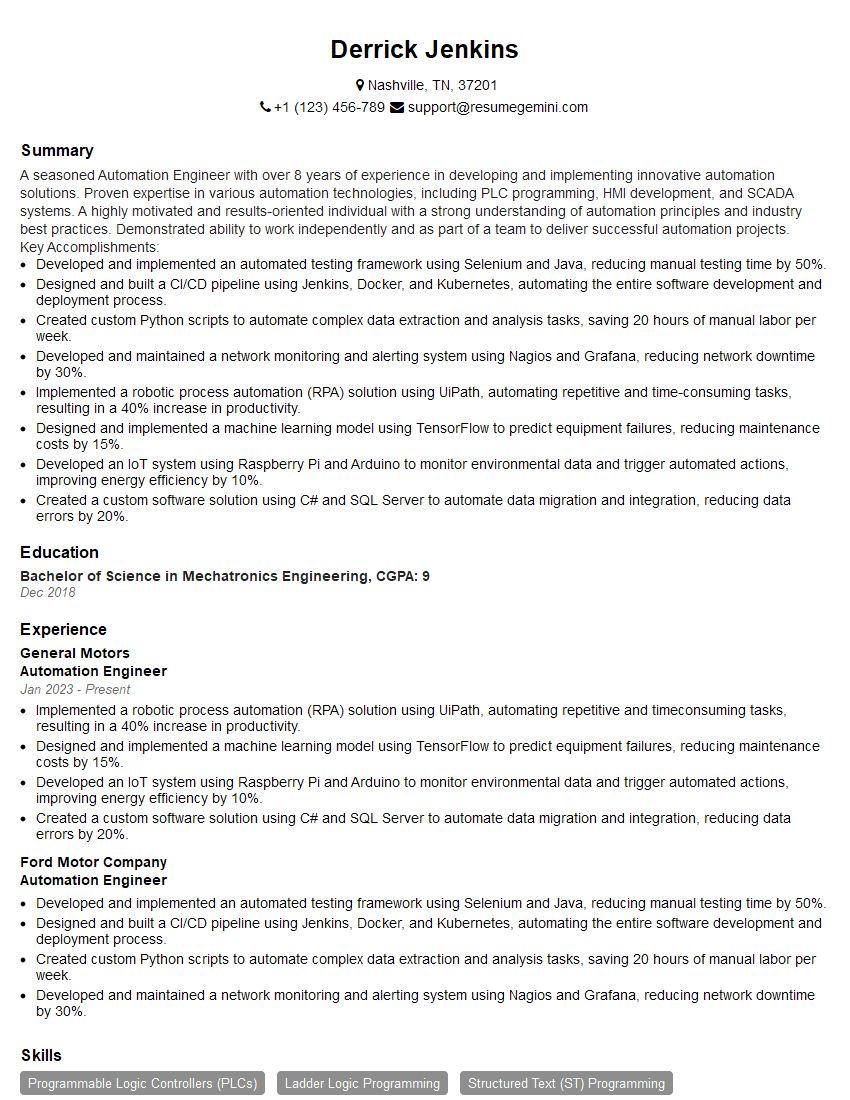
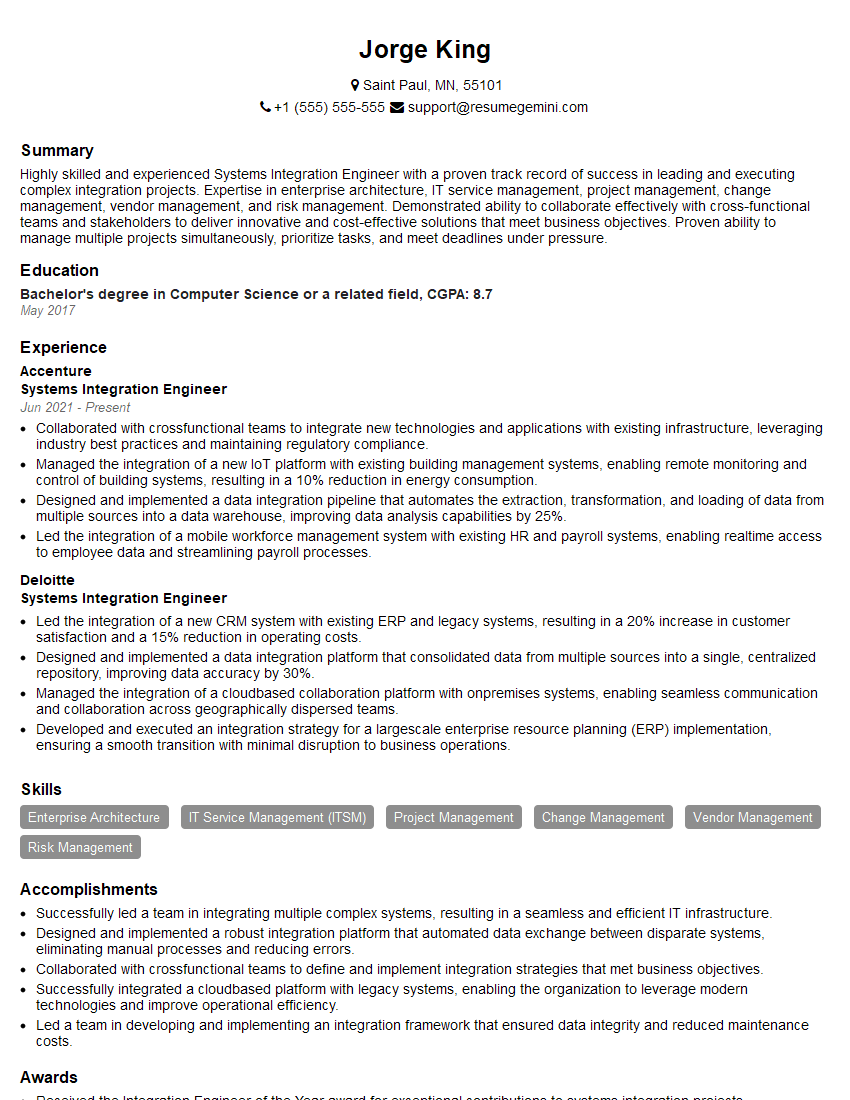
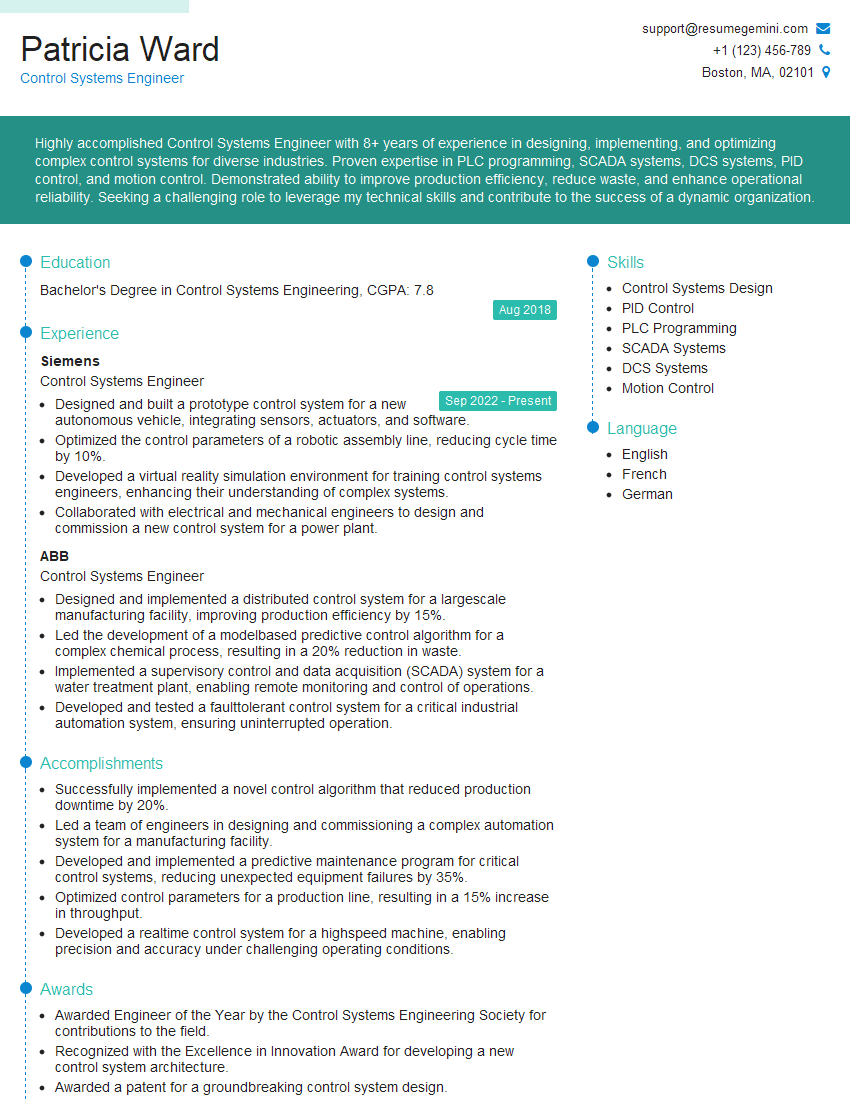
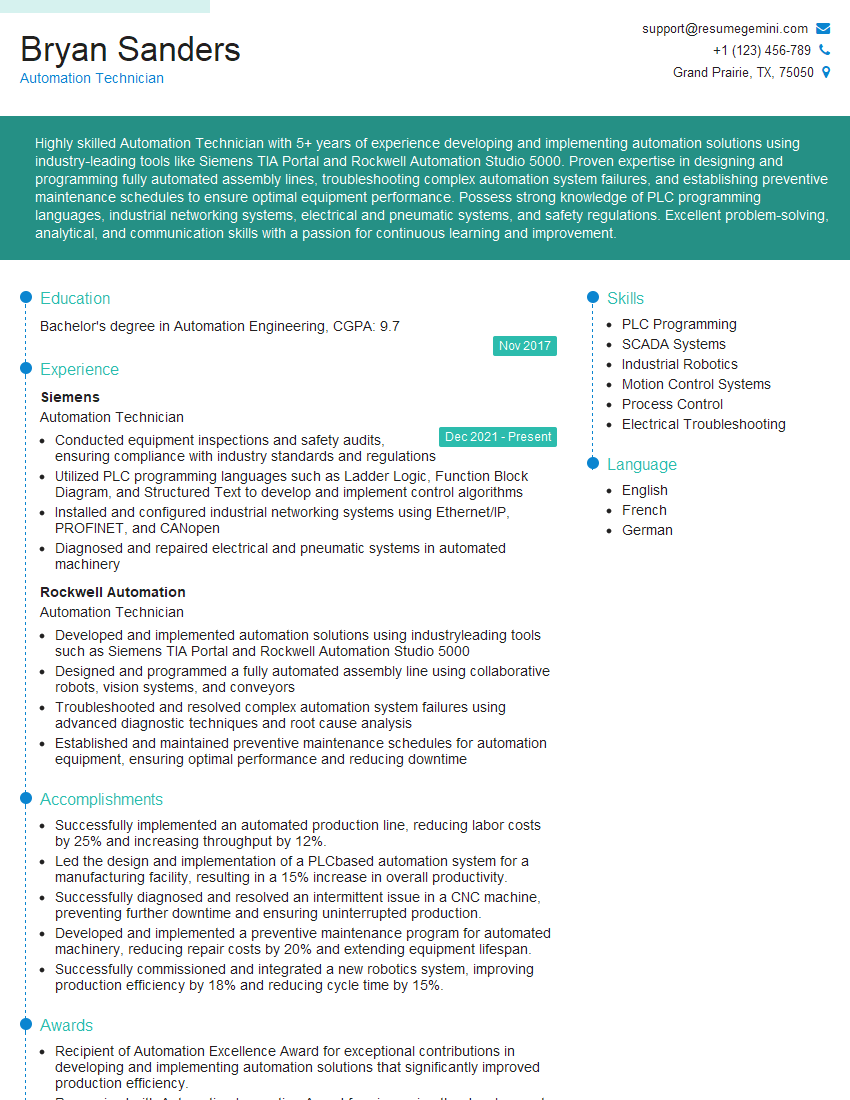
Mastering Shipboard Automation and Control Systems opens doors to exciting and rewarding careers in the maritime industry, offering opportunities for growth and specialization. To maximize your job prospects, crafting a compelling and ATS-friendly resume is crucial. ResumeGemini is a trusted resource that can significantly enhance your resume-building experience, ensuring your skills and experience shine. ResumeGemini provides examples of resumes tailored specifically to Shipboard Automation and Control Systems, helping you present yourself effectively to potential employers. Invest the time to build a strong resume – it’s your key to unlocking your career potential.
Explore more articles
Users Rating of Our Blogs
Share Your Experience
We value your feedback! Please rate our content and share your thoughts (optional).
What Readers Say About Our Blog
Really detailed insights and content, thank you for writing this detailed article.
IT gave me an insight and words to use and be able to think of examples