Unlock your full potential by mastering the most common Soil and Water Analysis interview questions. This blog offers a deep dive into the critical topics, ensuring you’re not only prepared to answer but to excel. With these insights, you’ll approach your interview with clarity and confidence.
Questions Asked in Soil and Water Analysis Interview
Q 1. Explain the different types of soil texture and their impact on water infiltration.
Soil texture refers to the relative proportions of sand, silt, and clay particles in a soil sample. These proportions significantly influence water infiltration – the rate at which water enters the soil. Imagine trying to pour water onto different surfaces: a coarse gravel (sandy soil) will allow water to pass through quickly, a smooth, fine powder (clay soil) might resist water movement, and something in between (silty soil) will show intermediate behaviour.
- Sandy soils have large particles with large pore spaces. Water infiltrates rapidly but is also easily lost through drainage. Think of a sieve – water drains right through.
- Silty soils have medium-sized particles and moderate pore spaces. Water infiltration is moderate.
- Clay soils have very small particles with tiny pore spaces. Water infiltration is slow, often leading to runoff and surface ponding. Think of trying to pour water onto a tightly packed surface like a wet sidewalk.
- Loam soils are a mixture of sand, silt, and clay, providing a balance between water infiltration and retention. They represent the ‘Goldilocks’ scenario – not too fast, not too slow, just right for many crops.
The impact on water infiltration affects various aspects like irrigation efficiency, groundwater recharge, and erosion risk. Sandy soils require more frequent irrigation but are less prone to waterlogging, while clay soils require less frequent irrigation but are more susceptible to erosion if the water can’t infiltrate properly.
Q 2. Describe the process of determining soil pH and its significance.
Soil pH measures the acidity or alkalinity of the soil, expressed on a scale of 0 to 14. A pH of 7 is neutral; below 7 is acidic, and above 7 is alkaline. Determining soil pH involves a simple procedure: a soil sample is mixed with distilled water or a special solution (e.g., a 1M KCl solution), and the pH is measured using a calibrated pH meter or a colorimetric method (e.g., using a pH indicator solution).
The significance of soil pH lies in its impact on nutrient availability. Different nutrients are available to plants at different pH ranges. For example, phosphorus availability is often reduced in acidic soils (pH below 6.5), while micronutrients like iron and manganese can become too soluble and toxic in very acidic conditions. Many important soil microorganisms are also sensitive to pH changes.
For example, a farmer might test their soil’s pH to determine if they need to apply lime (to raise the pH) or sulfur (to lower the pH) to create an optimal environment for plant growth. This is crucial for crop yield and overall farm productivity.
Q 3. What are the common methods for analyzing water quality parameters such as turbidity, pH, and dissolved oxygen?
Analyzing water quality parameters like turbidity, pH, and dissolved oxygen involves a combination of field and laboratory techniques:
- Turbidity: Measures water clarity. It’s often determined using a turbidimeter, an instrument that measures the amount of light scattered by particles in the water. High turbidity indicates a high concentration of suspended solids, possibly due to sediment, algae, or pollution.
- pH: Measured using a calibrated pH meter, directly in the field or in the lab. A simple pH test kit with indicator solutions can also be used, providing a less precise measurement.
- Dissolved Oxygen (DO): Measures the amount of oxygen dissolved in water, crucial for aquatic life. DO is measured using a dissolved oxygen meter (often called a DO probe), which employs an electrochemical method. Low DO can indicate pollution or eutrophication (excessive nutrient enrichment).
In a professional setting, these measurements would be accompanied by other parameters, such as temperature, conductivity, and nutrient levels (nitrates, phosphates) for a complete picture of water quality. These data are critical for environmental monitoring, wastewater treatment assessments, and protecting aquatic ecosystems. For instance, low DO levels in a river might indicate the presence of organic pollutants from an upstream industrial discharge.
Q 4. Explain the concept of cation exchange capacity (CEC) in soils.
Cation Exchange Capacity (CEC) is a measure of a soil’s ability to hold positively charged ions (cations) such as calcium (Ca2+), magnesium (Mg2+), potassium (K+), and ammonium (NH4+). These cations are essential nutrients for plant growth. Think of the soil’s clay and organic matter as having negatively charged surfaces that act like magnets, attracting and holding these positively charged nutrient ions. The CEC is expressed in milliequivalents per 100 grams of soil (meq/100g).
A high CEC indicates a soil with a greater capacity to retain nutrients, making them more available to plants and reducing the risk of nutrient leaching. Soils high in clay and organic matter generally have higher CECs than sandy soils. Understanding CEC is crucial for determining fertilizer needs and managing soil fertility, especially in areas with high rainfall, where nutrients could otherwise be washed away.
Q 5. How do you interpret soil nutrient test results?
Interpreting soil nutrient test results requires understanding the context of the values. The results typically show the concentrations of essential nutrients (N, P, K, and others) in milligrams per kilogram (mg/kg) or parts per million (ppm). These values are compared to established critical levels for specific crops and soil types.
For example, a low phosphorus level might indicate a need for phosphorus fertilizer. However, even if a nutrient level is within the optimal range, it doesn’t necessarily mean the plant can access it efficiently. Soil pH, organic matter content, and other factors can significantly influence nutrient availability. The interpretation should also consider the specific crop being grown, as nutrient requirements vary significantly. A soil test report generally provides recommendations for fertilizer application rates, based on the test results and crop requirements. Experienced agricultural consultants often play a key role in this interpretive process.
Q 6. Discuss the various types of soil erosion and their control measures.
Soil erosion is the detachment and movement of soil particles by wind or water. Several types exist:
- Sheet erosion: A thin layer of soil is removed uniformly across a slope, like a sheet of paper being peeled away.
- Rill erosion: Small channels or rills are formed by runoff water.
- Gully erosion: Larger channels or gullies are carved into the soil by concentrated runoff, often irreversible without significant intervention.
- Wind erosion: Soil particles are lifted and transported by wind, often leading to dust storms and significant soil loss.
Control measures depend on the type of erosion but generally include:
- Conservation tillage: Leaving crop residues on the soil surface to protect it from raindrops and wind.
- Contour farming: Plowing and planting along the contours of slopes to slow down water flow.
- Terracing: Creating level platforms on slopes to reduce the length of slopes and therefore reduce the velocity of runoff water.
- Windbreaks: Planting trees or shrubs to reduce wind speed and protect soil from wind erosion.
- Cover crops: Planting vegetation to protect the soil during fallow periods (periods of no planting).
The selection of appropriate control measures requires a careful assessment of the site-specific conditions, including soil type, slope, climate, and land use.
Q 7. What are the sources of water pollution and their impact on aquatic ecosystems?
Water pollution originates from diverse sources, broadly categorized as:
- Point sources: Discharge pollutants from identifiable locations such as industrial plants, sewage treatment plants, or agricultural runoff from a specific location.
- Non-point sources: Discharge pollutants from diffuse sources such as agricultural fields, urban runoff, or atmospheric deposition (acid rain). Tracing the exact origin is difficult.
Common pollutants include:
- Nutrients (nitrogen and phosphorus): Lead to eutrophication, causing excessive algal growth, oxygen depletion, and fish kills.
- Sediments: Reduce water clarity, damage aquatic habitats, and impair water quality.
- Pathogens (bacteria and viruses): Cause waterborne diseases.
- Toxic chemicals: Heavy metals, pesticides, and industrial waste can cause serious harm to aquatic life and humans.
The impact on aquatic ecosystems can be devastating, leading to biodiversity loss, habitat destruction, reduced water quality, and potential harm to human health through contaminated drinking water or seafood. For instance, a chemical spill from a factory could lead to immediate fish kills and long-term degradation of the water body’s ecosystem. Effective management of water pollution requires a multi-faceted approach involving regulation, pollution control technologies, and public awareness.
Q 8. Explain the principles of groundwater flow.
Groundwater flow is governed by the fundamental principles of Darcy’s Law, which states that the rate of flow is proportional to the hydraulic gradient and the hydraulic conductivity of the aquifer. Imagine groundwater as water flowing through a sponge; the tighter the sponge (lower permeability), the slower the flow. The steeper the slope of the water table (hydraulic gradient), the faster the water moves.
Several factors influence groundwater flow:
- Hydraulic Gradient: The slope of the water table. A steeper gradient leads to faster flow.
- Hydraulic Conductivity: A measure of how easily water can move through the aquifer material. Highly permeable materials like gravel allow faster flow than less permeable materials like clay.
- Aquifer Properties: The size, shape, and interconnectedness of pore spaces in the aquifer material significantly impact flow patterns.
- Recharge and Discharge: Groundwater is replenished (recharged) by precipitation infiltrating the ground and discharged through springs, wells, and evapotranspiration.
Understanding groundwater flow is crucial for managing water resources, assessing contaminant transport, and designing effective remediation strategies. For example, knowing the direction and velocity of groundwater flow helps predict the spread of pollutants from a contaminated site.
Q 9. Describe the process of conducting a soil survey.
A soil survey is a systematic investigation of soil resources within a defined area. It involves a multi-stage process combining fieldwork, laboratory analysis, and data interpretation. Think of it like creating a detailed map of the soil types and properties across a landscape.
The process typically includes:
- Reconnaissance: Initial assessment of the area, examining topography, vegetation, and land use to identify potential soil variations.
- Pedological Fieldwork: Detailed soil profile descriptions are made at various locations across the survey area. This involves digging soil pits to observe soil horizons, texture, color, structure, and other physical properties. Soil samples are collected for laboratory analysis.
- Laboratory Analysis: Collected samples undergo analysis to determine various soil properties such as particle size distribution (texture), organic matter content, pH, nutrient levels, and cation exchange capacity.
- Data Interpretation and Mapping: The field and laboratory data are interpreted to classify soils according to established taxonomic systems (e.g., USDA soil taxonomy). Soil maps are created showing the spatial distribution of different soil types.
- Report Compilation: A comprehensive report summarizing the findings of the survey, including soil maps, descriptions, and interpretations of soil properties and limitations for various land uses, is compiled.
Soil surveys provide invaluable information for land-use planning, agriculture, engineering projects, and environmental management. For instance, knowing the soil drainage class helps determine suitable locations for septic systems.
Q 10. How do you analyze water samples for heavy metals?
Analyzing water samples for heavy metals involves a multi-step process that typically begins with sample collection and preservation. It’s crucial to avoid contamination during sampling. Specialized techniques are then used to detect and quantify the presence of specific metals.
Common methods include:
- Inductively Coupled Plasma Mass Spectrometry (ICP-MS): A highly sensitive technique that can detect trace amounts of various metals. It ionizes the sample and measures the mass-to-charge ratio of the ions, allowing for the identification and quantification of individual metals.
- Inductively Coupled Plasma Optical Emission Spectrometry (ICP-OES): Similar to ICP-MS, but measures the light emitted by excited atoms, providing quantitative data on metal concentrations.
- Atomic Absorption Spectrometry (AAS): A less sensitive but simpler and often more cost-effective technique that measures the absorption of light by metal atoms in a flame or graphite furnace.
- Anodic Stripping Voltammetry (ASV): An electrochemical technique particularly useful for determining trace levels of heavy metals in water samples.
The choice of method depends on factors like the expected concentration of metals, the required level of sensitivity, and available resources. For example, ICP-MS is preferred for ultra-trace analysis, whereas AAS might suffice for higher concentrations.
Quality control measures, such as using certified reference materials and performing blank analysis, are crucial to ensure the accuracy and reliability of the results.
Q 11. What are the different types of soil contamination and their remediation techniques?
Soil contamination arises from the introduction of pollutants into the soil, impacting its quality and posing risks to human health and the environment. Several types of contamination exist, each requiring specific remediation strategies.
Types of Soil Contamination:
- Organic Contaminants: These include petroleum hydrocarbons (oil spills), pesticides, herbicides, and industrial chemicals. They often persist in the environment, requiring extensive cleanup efforts.
- Inorganic Contaminants: These encompass heavy metals (lead, mercury, arsenic), salts, and radioactive materials. They can be highly toxic and pose long-term risks.
- Microbial Contamination: The presence of harmful bacteria, viruses, or other microorganisms can contaminate soil, leading to health risks.
Remediation Techniques:
- Bioremediation: Utilizing microorganisms to break down or transform pollutants. This is a cost-effective and environmentally friendly approach for organic contaminants.
- Phytoremediation: Employing plants to extract or stabilize pollutants in the soil. It is effective for certain heavy metals and organic compounds.
- Excavation and Disposal: Removing contaminated soil and disposing of it in a designated hazardous waste landfill. This is a common method but can be expensive and disruptive.
- Soil Washing: Removing contaminants by washing the soil with a suitable solvent. It is effective for some heavy metals and organic compounds.
- In-situ Stabilization/Solidification: Treating contaminated soil in place by adding materials that bind or immobilize the pollutants, reducing their mobility and bioavailability.
The choice of remediation technique depends on factors such as the type and extent of contamination, site characteristics, cost considerations, and regulatory requirements. For example, bioremediation might be preferred for a relatively small area contaminated with petroleum hydrocarbons, while excavation and disposal would likely be necessary for highly toxic heavy metal contamination.
Q 12. Explain the significance of water balance in an ecosystem.
Water balance in an ecosystem refers to the equilibrium between the inputs and outputs of water within that system. It’s like balancing a budget, but for water. A healthy ecosystem needs a stable water balance to function properly. Think of it as the lifeblood of the system.
Key components of a water balance include:
- Precipitation: Rainfall, snowfall, etc., which is the primary water input.
- Evapotranspiration: The combined loss of water from the surface through evaporation and from plants through transpiration. This is a major water output.
- Surface Runoff: Water flowing over the land surface into streams and rivers.
- Infiltration: Water percolating into the soil and recharging groundwater.
- Groundwater Flow: Movement of water within the subsurface.
Changes in water balance can significantly affect ecosystem health. For instance, prolonged droughts can lead to water stress, impacting plant growth and animal populations. Conversely, excessive rainfall can cause flooding, soil erosion, and nutrient loss. Understanding and managing water balance is essential for sustainable ecosystem management, particularly in the context of climate change.
Q 13. Describe the methods used for determining soil organic matter content.
Soil organic matter (SOM) is crucial for soil fertility and health. Determining its content is essential for characterizing soil quality and managing land resources. Several methods exist, each with its strengths and limitations.
Common methods include:
- Loss on Ignition (LOI): A simple and widely used method involving heating a soil sample at high temperature to burn off organic matter. The weight loss represents the SOM content. However, LOI also includes other volatile components, resulting in an overestimation of SOM.
- Walkley-Black Method: A titration method that measures the oxidizable organic carbon content. It is a more accurate estimate of SOM compared to LOI but still has some limitations.
- Spectroscopic Methods: Techniques like near-infrared spectroscopy (NIRS) and mid-infrared spectroscopy (MIRS) can rapidly measure SOM content with minimal sample preparation. These methods are becoming increasingly popular due to their speed and efficiency.
- Elemental Analysis: Determining the total carbon content in the soil sample using techniques like combustion analysis. The total carbon content can be used to estimate SOM content, but careful consideration of inorganic carbon needs to be made.
The choice of method depends on factors such as accuracy requirements, available resources, and the type of soil being analyzed. For example, LOI may be suitable for routine soil monitoring, while more sophisticated methods such as NIRS are preferred when high accuracy and speed are needed.
Q 14. How do you interpret water quality data to assess its suitability for various uses?
Interpreting water quality data involves assessing various parameters to determine its suitability for different purposes. It’s like giving the water a ‘health check-up’.
Key parameters and their interpretations:
- pH: Indicates the acidity or alkalinity. The ideal pH range varies depending on the intended use; for instance, slightly acidic to neutral pH is preferred for drinking water.
- Dissolved Oxygen (DO): Essential for aquatic life. Low DO indicates pollution.
- Turbidity: Measures water clarity. High turbidity suggests sediment or pollutant presence.
- Nutrients (Nitrogen, Phosphorus): Excessive levels can cause eutrophication, leading to algal blooms.
- Heavy Metals: Presence of heavy metals like lead, mercury, or arsenic indicates pollution and poses health risks.
- Bacteria/Pathogens: Indicates fecal contamination and potential health risks.
Suitability Assessment:
- Drinking Water: Requires adherence to strict standards set by regulatory agencies, focusing on parameters like pH, DO, turbidity, heavy metals, and pathogens.
- Irrigation: Water suitability depends on salinity, nutrient levels, and the presence of toxic substances.
- Industrial Use: Specific requirements vary depending on the industry but may include parameters like hardness, dissolved solids, and specific chemical constituents.
- Aquatic Life: Focuses on DO, temperature, nutrients, and toxic substances.
Interpreting water quality data requires a thorough understanding of the relevant standards and guidelines for each intended use. Data analysis might involve statistical methods to identify trends and potential sources of contamination.
Q 15. Explain the concept of aquifer recharge and its importance.
Aquifer recharge is the process by which water percolates down through the soil and replenishes underground aquifers. Think of it like a giant sponge underground soaking up water. These aquifers are crucial sources of freshwater for drinking, agriculture, and industry. The importance of aquifer recharge cannot be overstated; it’s the natural process that sustains our groundwater resources. Without sufficient recharge, aquifers become depleted, leading to water scarcity and potentially irreversible damage to ecosystems. Factors affecting recharge include rainfall intensity, soil type (sandy soils allow for greater infiltration than clay soils), land use (e.g., urbanization reduces infiltration), and vegetation cover (which helps slow down surface runoff and increase infiltration).
For example, in arid regions, managed aquifer recharge (MAR) techniques are employed to artificially replenish groundwater. This might involve spreading treated wastewater or stormwater onto specially designed recharge basins to increase infiltration rates. In agricultural areas, practices like crop rotation and conservation tillage can enhance recharge by reducing soil compaction and improving water infiltration.
Career Expert Tips:
- Ace those interviews! Prepare effectively by reviewing the Top 50 Most Common Interview Questions on ResumeGemini.
- Navigate your job search with confidence! Explore a wide range of Career Tips on ResumeGemini. Learn about common challenges and recommendations to overcome them.
- Craft the perfect resume! Master the Art of Resume Writing with ResumeGemini’s guide. Showcase your unique qualifications and achievements effectively.
- Don’t miss out on holiday savings! Build your dream resume with ResumeGemini’s ATS optimized templates.
Q 16. What are the different types of irrigation systems and their impact on water use efficiency?
Several irrigation systems exist, each with varying degrees of water use efficiency. Water use efficiency refers to the amount of water used per unit of crop yield. Let’s consider a few:
- Flood irrigation: This traditional method involves flooding a field with water. While simple, it’s inefficient, leading to significant water loss through runoff and evaporation. Think of trying to water your lawn with a garden hose – some water will inevitably run off.
- Furrow irrigation: Water flows along furrows (channels) between crop rows. It’s more efficient than flooding but still susceptible to runoff and evaporation. It’s like watering rows of plants with a trough instead of a hose.
- Drip irrigation: Water is delivered directly to the plant roots through a network of tubes and emitters. This highly efficient method minimizes water loss and allows for precise water management. Imagine giving each plant a personalized sip of water directly at the roots.
- Sprinkler irrigation: Water is sprayed onto the field using sprinklers. While more efficient than flood or furrow irrigation, evaporation and wind drift can still lead to water loss. This is more like using a watering can, where some water might be lost before it reaches the plant.
The impact on water use efficiency is dramatically different across these systems. Drip irrigation offers the highest efficiency, followed by sprinkler irrigation, furrow irrigation, and finally, flood irrigation, which is the least efficient.
Q 17. Describe the process of conducting a water quality assessment.
Conducting a water quality assessment involves a systematic approach to determine the suitability of water for a specific purpose. This might involve assessing its potability, suitability for irrigation, or impact on aquatic life. The process typically includes:
- Planning and Sampling: Define the objectives, select appropriate sampling locations and times, and collect representative water samples.
- Laboratory Analysis: Analyze samples for various physical, chemical, and biological parameters. Physical parameters might include temperature, turbidity, and color. Chemical parameters include pH, dissolved oxygen, nutrients (nitrogen and phosphorus), heavy metals, and pesticides. Biological parameters might include bacterial counts and algal species.
- Data Interpretation and Reporting: Analyze the results and compare them to relevant water quality standards or guidelines. A comprehensive report documenting the findings and their implications is then prepared.
For example, a water quality assessment for irrigation would focus on salinity, nutrient levels, and the presence of harmful substances. For drinking water, the focus would shift to microbial contamination, heavy metals, and other potential health hazards.
Q 18. How do you analyze soil samples for pesticide residues?
Analyzing soil samples for pesticide residues involves a multi-step process that requires specialized equipment and expertise. The process generally involves:
- Sample Extraction: Pesticide residues are extracted from the soil using appropriate solvents. The choice of solvent depends on the type of pesticide being analyzed.
- Cleanup: The extract often contains interfering substances that need to be removed before analysis to avoid inaccurate results. This process involves various techniques like solid-phase extraction (SPE).
- Analysis: Several analytical techniques are employed, including gas chromatography-mass spectrometry (GC-MS) and high-performance liquid chromatography (HPLC). These methods can identify and quantify specific pesticides in the sample. GC-MS is particularly effective for volatile or semi-volatile pesticides, while HPLC is suitable for non-volatile compounds.
- Data Interpretation and Reporting: The concentration of each pesticide is compared to regulatory limits, and the results are reported.
For instance, a farmer might test their soil for pesticide residues to ensure that they are not exceeding recommended levels and protecting the environment and consumer safety. This data is then used to make informed decisions on future pesticide use.
Q 19. What are the environmental regulations related to water quality management?
Environmental regulations related to water quality management vary across jurisdictions but typically aim to protect human health and the environment. Key aspects often include:
- Drinking Water Standards: Regulations set maximum contaminant levels (MCLs) for various pollutants in drinking water to ensure its safety.
- Water Discharge Permits: Industrial and municipal facilities often require permits to discharge wastewater, which specify limits on the amount and types of pollutants they can release.
- Water Quality Criteria for Aquatic Life: Standards define acceptable levels of pollutants to protect aquatic ecosystems and biodiversity.
- Non-point Source Pollution Control: Regulations address pollution from diffuse sources like agricultural runoff and urban stormwater.
Examples include the Clean Water Act in the United States and the Water Framework Directive in Europe. These regulations provide a framework for managing water quality, promoting sustainable water use, and protecting water resources. Compliance with these regulations is crucial for industries and communities to avoid penalties and maintain environmental responsibility.
Q 20. Explain the impact of climate change on soil and water resources.
Climate change significantly impacts soil and water resources. Changes in precipitation patterns, increased temperatures, and more frequent extreme weather events are altering hydrological cycles and soil properties.
- Increased drought frequency and intensity: This leads to reduced groundwater recharge, water scarcity, and soil degradation. Droughts can cause soil erosion and desertification, making it less fertile and productive.
- More frequent and intense floods: These events can lead to soil erosion, nutrient loss, and water contamination.
- Sea-level rise: This encroaches on coastal aquifers, contaminating freshwater sources with saltwater.
- Changes in snowpack: Reduced snowpack affects river flows, impacting water availability downstream.
- Changes in temperature and evapotranspiration: Increased temperatures lead to higher evaporation rates, reducing water availability and increasing soil moisture stress.
These changes have far-reaching consequences for agriculture, human health, and the environment, stressing the need for climate adaptation strategies in water and soil management.
Q 21. How do you use GIS software for spatial analysis of soil and water data?
Geographic Information Systems (GIS) software is a powerful tool for spatial analysis of soil and water data. GIS allows us to visualize, analyze, and model spatial relationships between different data layers. For example:
- Overlaying soil maps with hydrological models: This can help identify areas susceptible to erosion or those suitable for specific crops based on soil properties and water availability.
- Analyzing groundwater levels over time: GIS can be used to create maps showing changes in groundwater levels, identifying areas of depletion or over-extraction.
- Modeling the spread of contaminants: GIS can simulate the movement of pollutants in groundwater or surface water, helping to predict their potential impact on water quality.
- Assessing the impact of land use change on water resources: GIS can compare water quality data before and after changes in land use (e.g., deforestation or urbanization) to quantify their effect.
For example, ArcGIS or QGIS software can be used to create thematic maps, perform spatial statistical analyses, and build hydrological models. The ability to integrate and analyze various datasets makes GIS an indispensable tool for managing and protecting soil and water resources.
Q 22. Describe the different types of soil sampling methods.
Soil sampling methods vary depending on the objective of the analysis and the type of soil. The goal is always to obtain a representative sample that accurately reflects the soil’s properties across the area of interest. Here are some common methods:
- Grab Sampling: This is a simple method where a sample is collected from a few locations within the area. It’s quick and easy but less accurate than other methods. Think of it like grabbing a handful of soil – good for a quick assessment but not ideal for detailed analysis.
- Composite Sampling: Multiple grab samples are collected and combined to create a single composite sample, representing a larger area. This averages out variations within the area and is commonly used for general soil fertility assessments.
- Systematic Sampling: Samples are collected at predetermined intervals, often using a grid pattern. This ensures even coverage of the area, reducing sampling bias. Imagine dividing a field into squares and collecting a sample from the center of each.
- Stratified Sampling: The area is divided into distinct zones (strata) based on visible differences, such as topography or vegetation. Samples are then collected from each stratum proportionally. Useful for areas with significant variation in soil types.
- Auger Sampling: A soil auger is used to extract samples from various depths. This is useful for determining soil profiles and identifying soil layers with different properties.
- Core Sampling: A metal cylinder is driven into the ground to extract an undisturbed soil core. This is essential when preserving the soil’s structure is crucial, for example, for studying soil compaction or water infiltration.
The choice of sampling method depends on factors like the size of the area, the homogeneity of the soil, the budget, and the specific research questions.
Q 23. Explain the principles of water treatment.
Water treatment involves a series of processes designed to remove impurities and contaminants from water sources to make it safe for human consumption, industrial use, or irrigation. The principles are based on removing physical, chemical, and biological contaminants. Here’s a breakdown:
- Screening and Filtration: Removing large debris and sediments using screens, filters, and sedimentation tanks.
- Coagulation and Flocculation: Adding chemicals (coagulants) to clump smaller particles together (flocculation) which can then be removed by sedimentation.
- Sedimentation: Allowing heavier particles to settle out of the water in a settling tank.
- Filtration: Passing the water through various filters (sand, gravel, activated carbon) to remove smaller particles and dissolved impurities.
- Disinfection: Killing harmful microorganisms using chlorine, ultraviolet (UV) light, or ozone. This is a crucial step to prevent waterborne diseases.
- Fluoridation (Optional): Adding fluoride to enhance dental health.
The specific treatment processes used will depend on the initial quality of the water source and the intended use of the treated water. For instance, water intended for drinking will require more rigorous treatment than water used for irrigation.
Q 24. What are the challenges in managing water resources in arid and semi-arid regions?
Managing water resources in arid and semi-arid regions presents unique challenges due to low rainfall and high evaporation rates. These challenges include:
- Water Scarcity: The most significant challenge. Limited rainfall leads to low surface water availability and necessitates reliance on groundwater, which can be overexploited.
- Water Quality Degradation: Salinization (salt accumulation) from irrigation and overuse of groundwater can render water unsuitable for many purposes.
- Increased Competition for Water: Conflicts can arise between different water users (agriculture, industry, domestic). This can be exacerbated by population growth and climate change.
- Climate Change Impacts: Increased temperatures and altered rainfall patterns exacerbate water scarcity and intensify drought events. This can lead to desertification and land degradation.
- Limited Infrastructure: Developing and maintaining adequate water storage, distribution, and treatment infrastructure can be costly and technically challenging in these regions.
- Sustainable Water Management Strategies: These regions desperately need comprehensive strategies to use water efficiently such as drought-resistant crops, rainwater harvesting, efficient irrigation techniques, and water recycling.
Effective management requires integrated approaches involving water conservation, efficient irrigation methods, and community engagement.
Q 25. How do you assess the suitability of land for different uses based on soil properties?
Assessing land suitability involves evaluating soil properties and other factors to determine its appropriateness for specific land uses. Key soil properties considered include:
- Soil Texture: The proportion of sand, silt, and clay affects water holding capacity, drainage, and aeration. Sandy soils drain quickly, while clay soils retain water but may be poorly aerated.
- Soil Structure: The arrangement of soil particles impacts water infiltration, root penetration, and aeration. A good soil structure allows for proper drainage and root growth.
- Soil Depth: Determines the root zone available for plants. Shallow soils limit plant growth, while deep soils provide ample space for root development.
- Soil pH: Influences nutrient availability and plant growth. Different plants have different pH requirements.
- Nutrient Content: The levels of essential nutrients (nitrogen, phosphorus, potassium) determine soil fertility.
- Organic Matter Content: Improves soil structure, water retention, and nutrient availability.
Land suitability assessments are often performed using a scoring system where each soil property is assigned a weight based on its importance for the specific land use. For example, deep, well-drained soils with high organic matter would be highly suitable for agriculture, while shallow, rocky soils might be suitable only for pasture or forestry.
Q 26. Describe the different types of soil testing equipment and their applications.
A wide range of equipment is used for soil testing, each with its specific application. Here are a few examples:
- pH Meter: Measures the acidity or alkalinity of the soil. Essential for determining nutrient availability and plant growth.
- Conductivity Meter: Measures the electrical conductivity of the soil, indicating salinity levels. Important for assessing soil suitability for irrigation.
- Particle Size Analyzer (Sieve Set): Determines the proportion of sand, silt, and clay in the soil. Used to classify soil texture.
- Spectrophotometer: Measures the concentration of various elements (nutrients) in the soil. Used to assess soil fertility.
- Penetrometer: Measures soil compaction by determining the resistance to penetration. Useful in assessing soil physical health.
- Moisture Meter: Measures the volumetric water content in the soil. Essential for irrigation management.
- GPS and GIS software: Used for precise location of sampling points and spatial analysis of soil data. This allows visualization of soil variability across a given area.
The choice of equipment depends on the specific soil properties being analyzed and the overall objectives of the soil testing program.
Q 27. Explain the importance of sustainable soil and water management practices.
Sustainable soil and water management practices are crucial for ensuring long-term food security, environmental protection, and economic viability. These practices aim to minimize environmental impact while maintaining or improving soil and water resources. Their importance lies in:
- Maintaining Soil Health: Practices like no-till farming, cover cropping, and crop rotation improve soil structure, water infiltration, and nutrient cycling.
- Conserving Water Resources: Efficient irrigation techniques (drip irrigation, micro-sprinklers), rainwater harvesting, and water recycling reduce water consumption and prevent depletion of groundwater resources.
- Reducing Pollution: Minimizing the use of chemical fertilizers and pesticides reduces water contamination and protects aquatic ecosystems.
- Enhancing Biodiversity: Sustainable practices promote diverse plant and animal life, improving soil health and ecosystem resilience.
- Increasing Climate Change Resilience: Healthy soils and efficient water management contribute to carbon sequestration and reduce the vulnerability of agricultural systems to climate change impacts.
- Economic Benefits: Sustainable practices can lead to increased crop yields, reduced input costs, and improved long-term economic viability for farmers.
Adopting sustainable practices is vital for ensuring future generations have access to fertile soils and clean water resources.
Q 28. What are the ethical considerations in conducting soil and water analysis?
Ethical considerations in conducting soil and water analysis are paramount to ensuring the integrity and validity of the results and their responsible use. Key ethical considerations include:
- Data Integrity and Transparency: Accurate and unbiased data collection, analysis, and reporting are essential. Any limitations or potential biases should be clearly documented.
- Conflict of Interest: Researchers should disclose any potential conflicts of interest that could compromise the objectivity of their work.
- Data Confidentiality and Ownership: Protecting the privacy of data and respecting the rights of landowners or data providers is crucial. Data sharing should be done with proper consent.
- Responsible Use of Results: Results should be interpreted and communicated responsibly, avoiding misrepresentation or oversimplification. They should be used to inform decision-making in a way that benefits society and the environment.
- Environmental Justice: Ensuring that the benefits and burdens of soil and water management practices are distributed equitably across communities, considering the disproportionate impact on vulnerable populations.
- Adherence to Regulations and Standards: Following relevant regulations and standards for sampling, analysis, and reporting is essential to ensure the quality and reliability of the results.
Ethical conduct ensures that soil and water analysis contributes to sound environmental management and sustainable development.
Key Topics to Learn for Soil and Water Analysis Interview
- Soil Chemistry: Understanding soil pH, nutrient availability (N, P, K, micronutrients), cation exchange capacity (CEC), and their impact on plant growth. Practical application: Interpreting soil test results to recommend appropriate fertilizer management strategies.
- Soil Physics: Mastering concepts of soil texture, structure, porosity, water retention, and infiltration. Practical application: Assessing soil suitability for different land uses (e.g., agriculture, construction).
- Water Quality Analysis: Familiarize yourself with common water quality parameters (pH, turbidity, dissolved oxygen, nutrients, heavy metals). Practical application: Evaluating the impact of agricultural runoff on water bodies.
- Analytical Techniques: Gain proficiency in common laboratory techniques used in soil and water analysis, including spectrophotometry, titrations, and chromatography. Practical application: Accurately quantifying contaminants in soil and water samples.
- Data Interpretation and Reporting: Develop strong skills in data analysis, statistical interpretation, and report writing. Practical application: Clearly communicating findings and recommendations to stakeholders.
- Environmental Regulations: Understand relevant environmental regulations and guidelines related to soil and water quality. Practical application: Ensuring compliance with environmental standards in projects.
- GIS and Remote Sensing (Optional): Explore the application of GIS and remote sensing techniques in soil and water resource management. Practical application: Spatial analysis of soil and water data for improved decision-making.
Next Steps
Mastering Soil and Water Analysis opens doors to exciting careers in environmental consulting, agriculture, research, and government agencies. To significantly boost your job prospects, it’s crucial to present your skills effectively. Creating an ATS-friendly resume is paramount. We highly recommend using ResumeGemini to build a professional and impactful resume that highlights your expertise in Soil and Water Analysis. ResumeGemini offers a streamlined process and provides examples of resumes tailored to this specific field, ensuring your application stands out.
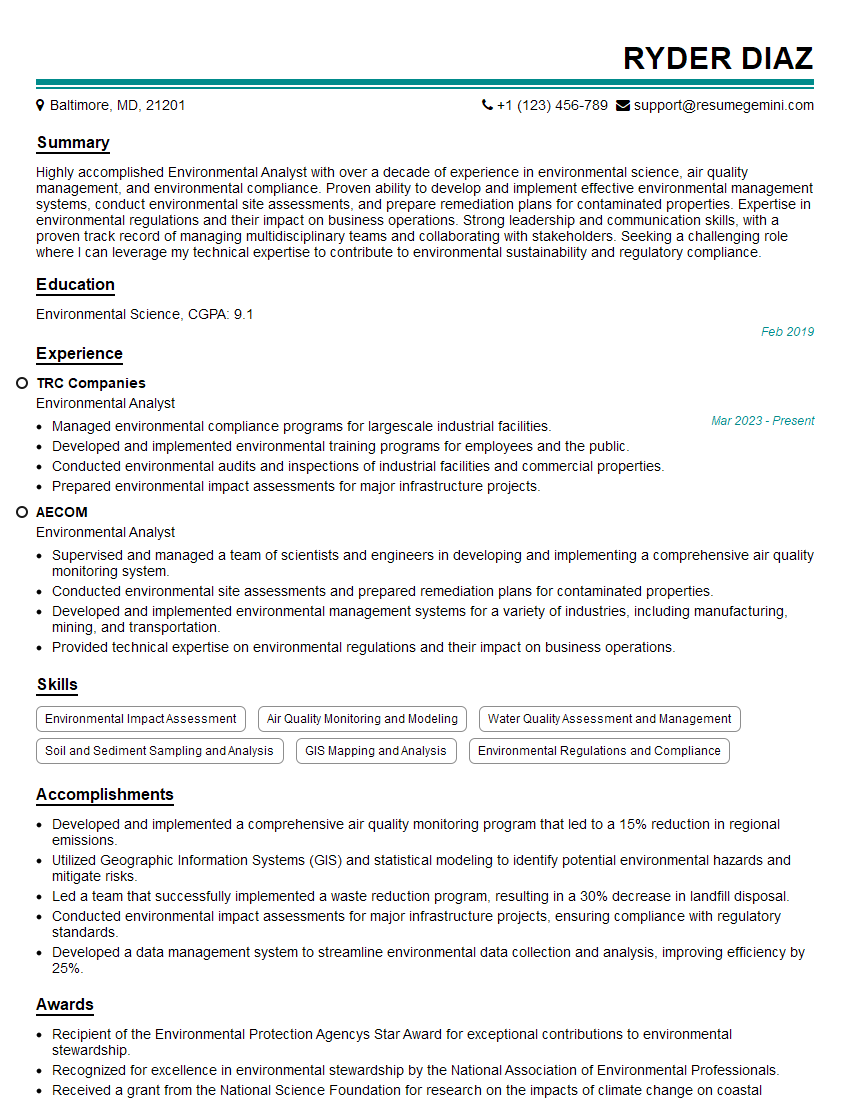
Environmental Analyst Resume Sample
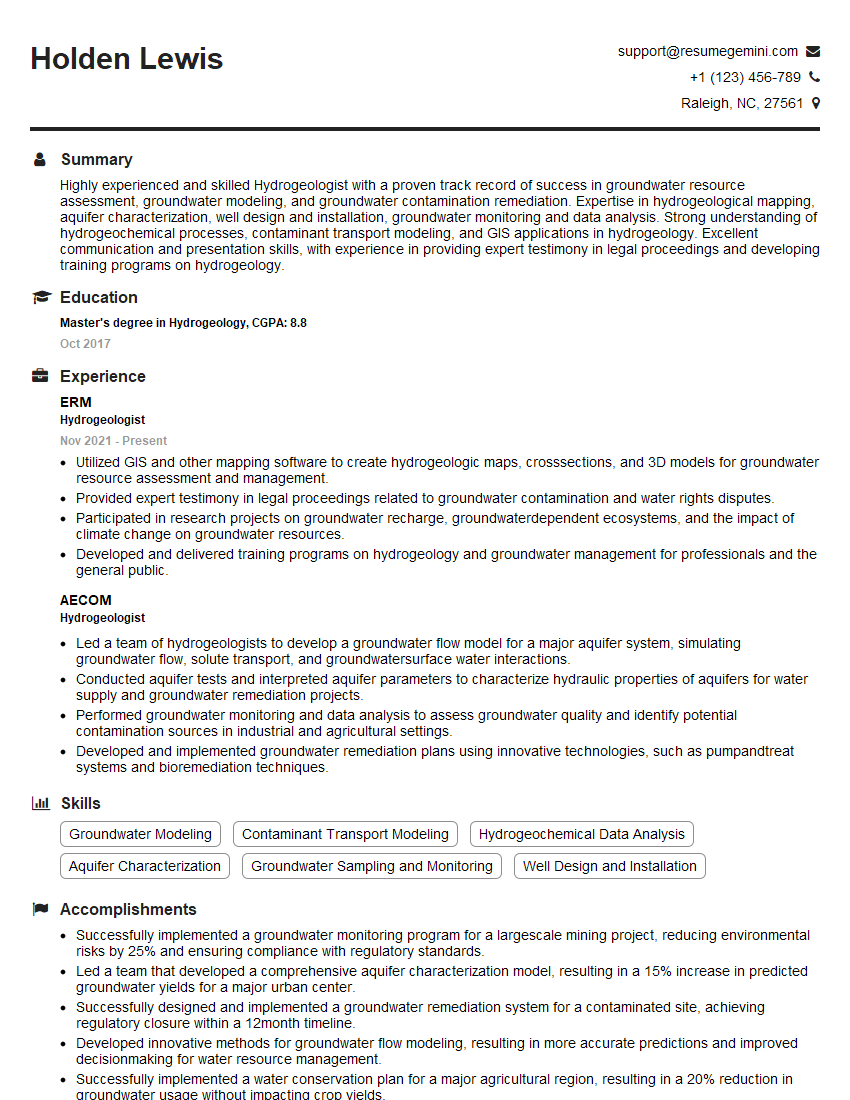
Hydrogeologist Resume Sample
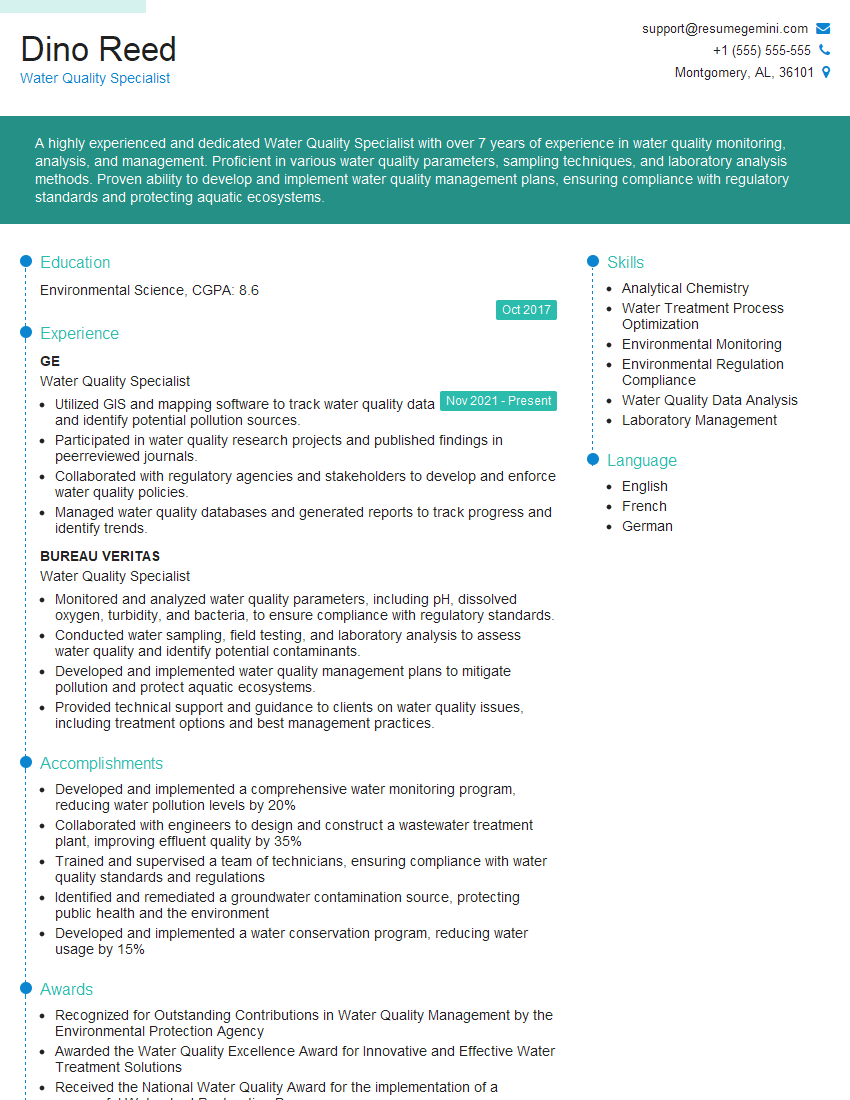
Water Quality Specialist Resume Sample

Environmental Remediation Specialist Resume Sample
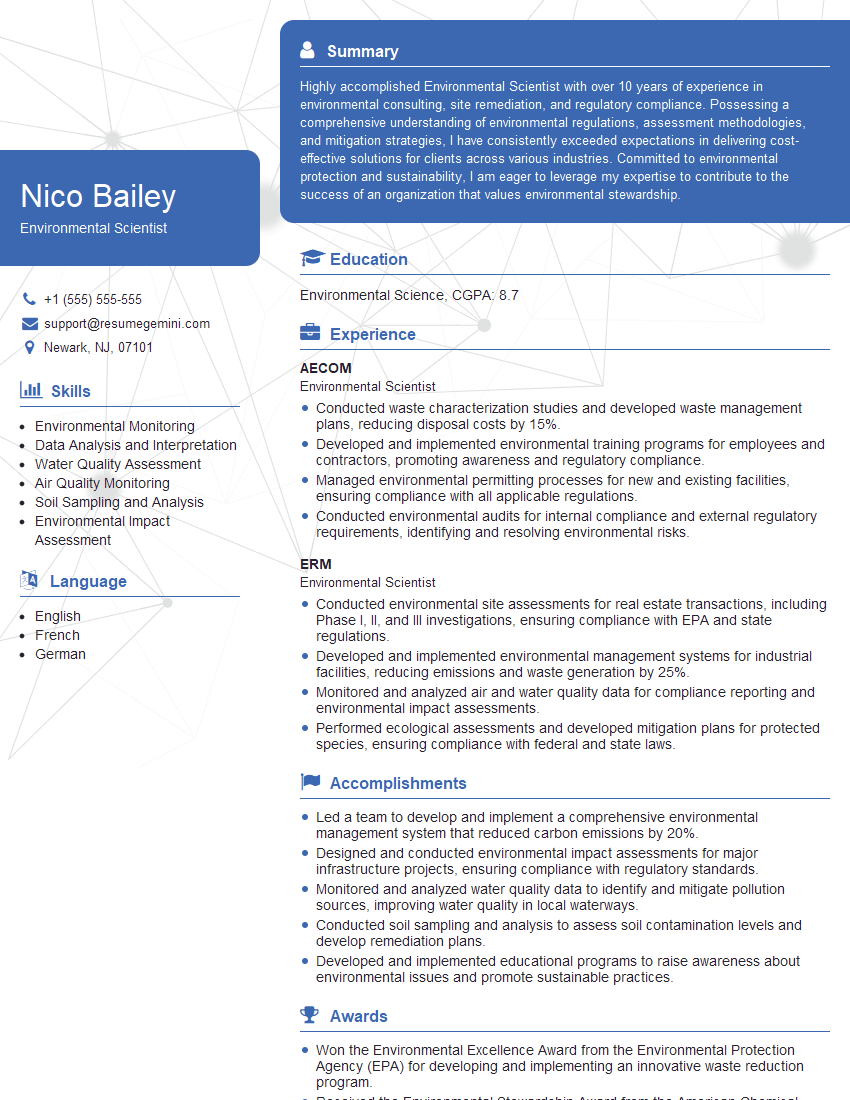
Environmental Scientist Resume Sample
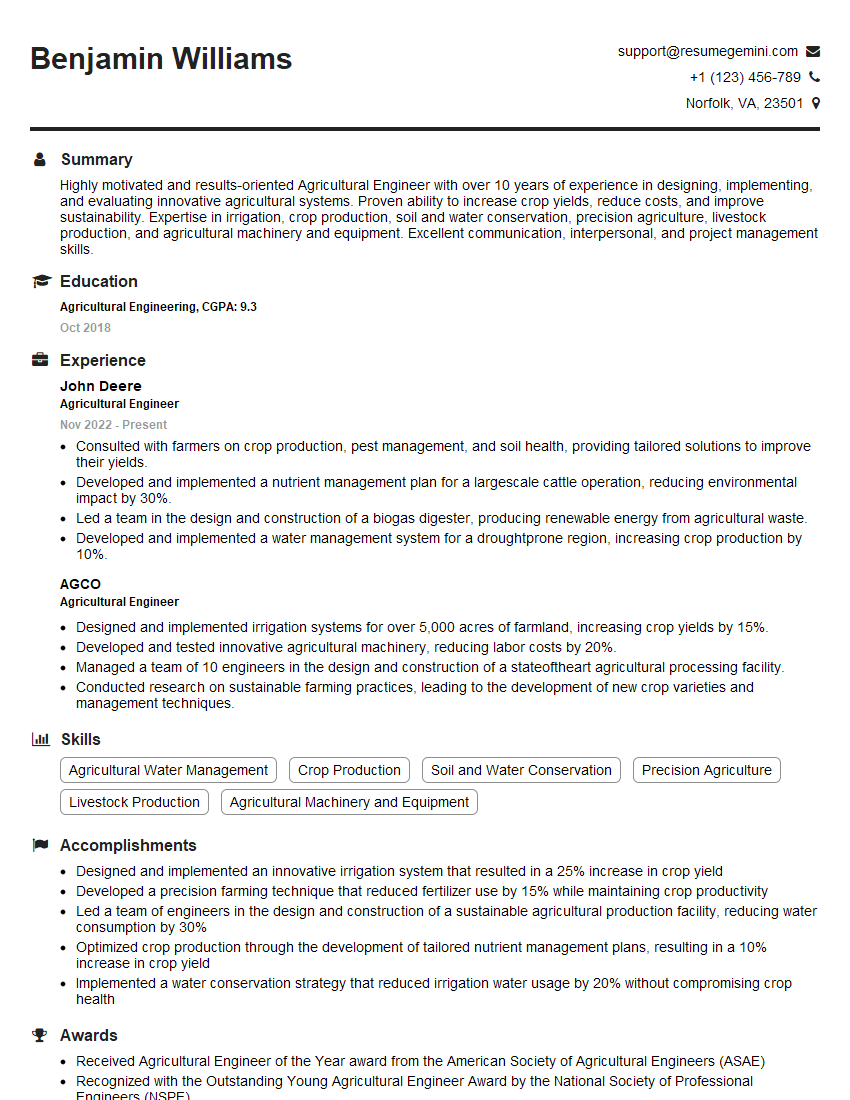
Agricultural Engineer Resume Sample

Geotechnical Engineer Resume Sample

Environmental Consultant Resume Sample

Environmental Project Manager Resume Sample
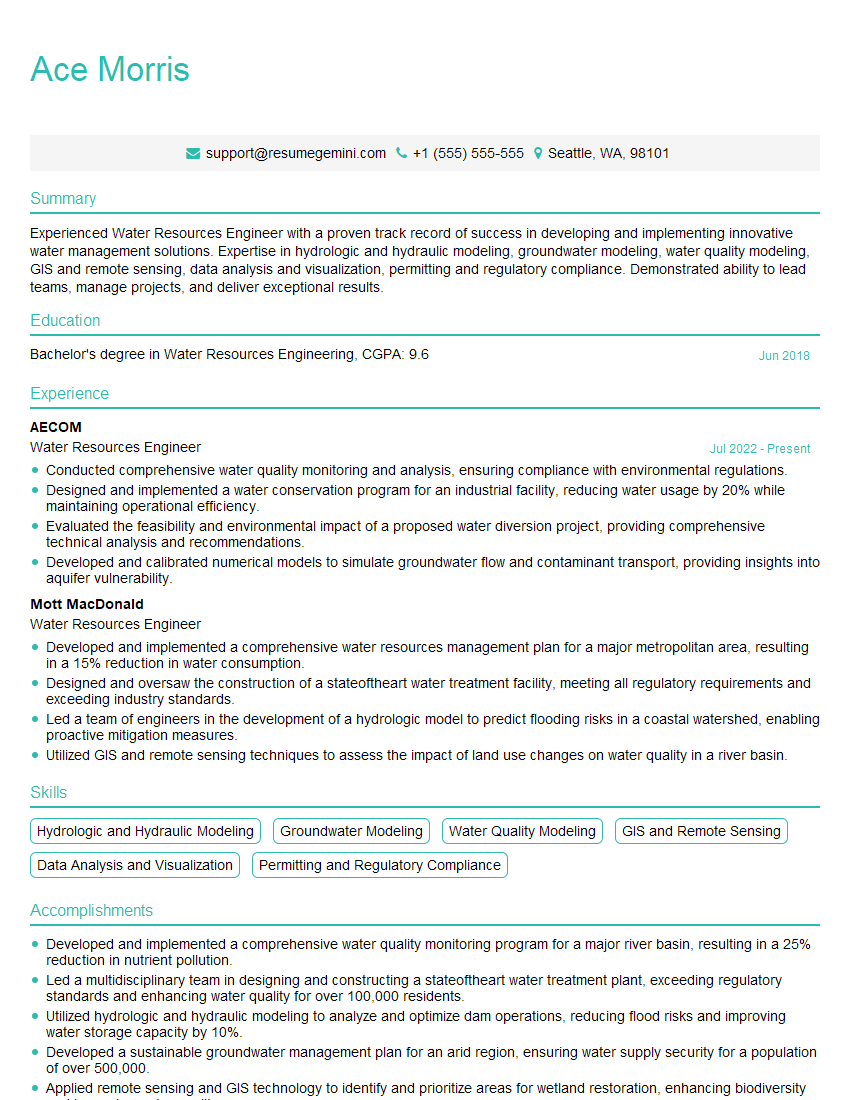
Water Resources Engineer Resume Sample

Soil Scientist Resume Sample

Soil Conservationist Resume Sample

Soil Chemist Resume Sample

Geochemist Resume Sample
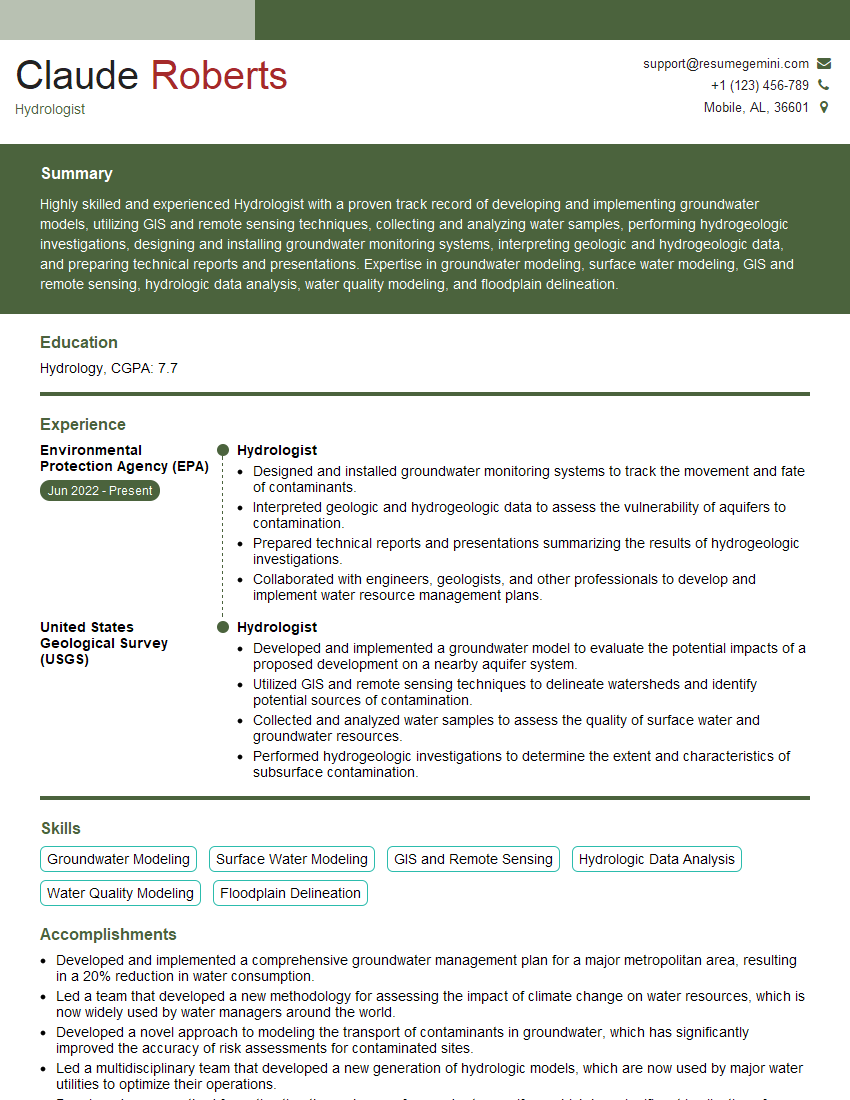
Hydrologist Resume Sample

Environmental Health Specialist Resume Sample
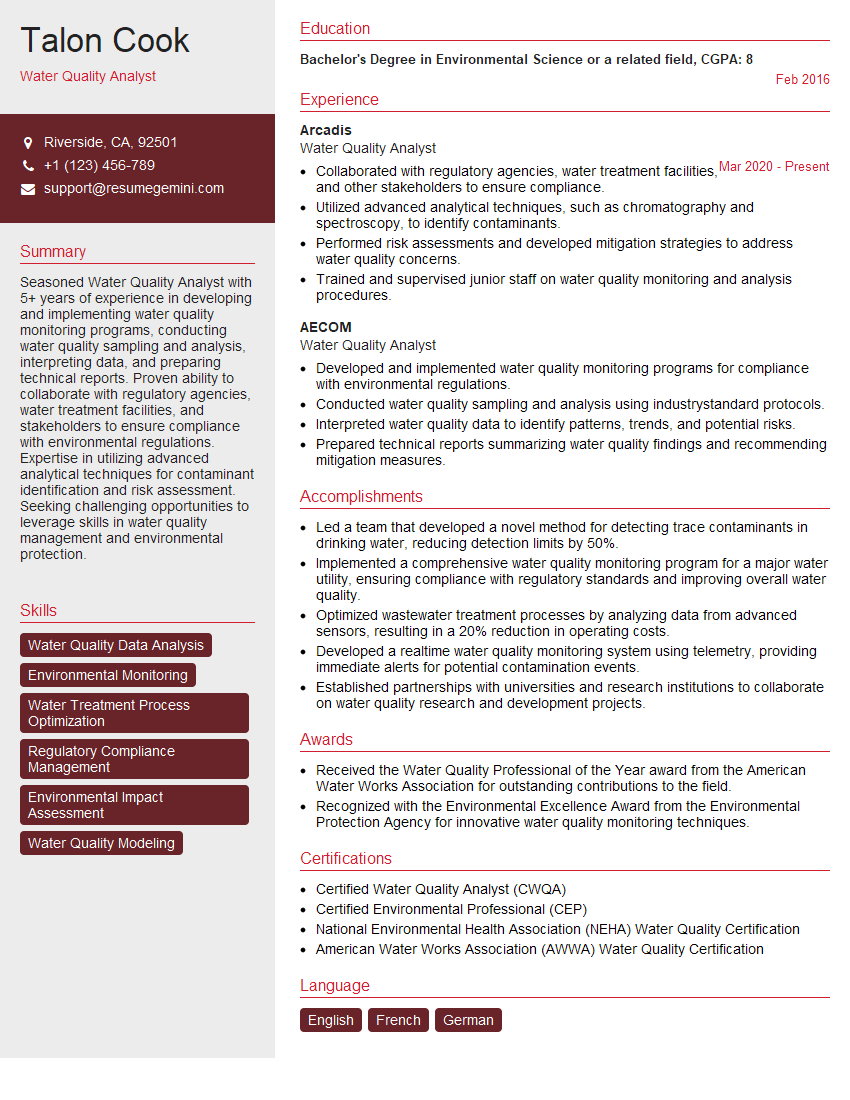
Water Quality Analyst Resume Sample

Water Treatment Specialist Resume Sample
- Environmental Analyst
- Hydrogeologist
- Water Quality Specialist
- Environmental Remediation Specialist
- Environmental Scientist
- Agricultural Engineer
- Geotechnical Engineer
- Environmental Consultant
- Environmental Project Manager
- Water Resources Engineer
- Soil Scientist
- Soil Conservationist
- Soil Chemist
- Geochemist
- Hydrologist
- Environmental Health Specialist
- Water Quality Analyst
- Water Treatment Specialist
Explore more articles
Users Rating of Our Blogs
Share Your Experience
We value your feedback! Please rate our content and share your thoughts (optional).
What Readers Say About Our Blog
Really detailed insights and content, thank you for writing this detailed article.
IT gave me an insight and words to use and be able to think of examples