Every successful interview starts with knowing what to expect. In this blog, we’ll take you through the top Standard Operating Procedures Adherence interview questions, breaking them down with expert tips to help you deliver impactful answers. Step into your next interview fully prepared and ready to succeed.
Questions Asked in Standard Operating Procedures Adherence Interview
Q 1. Describe your experience in developing and implementing Standard Operating Procedures (SOPs).
Developing and implementing SOPs is a crucial process for ensuring consistency and efficiency in any organization. It involves a systematic approach, starting with a thorough needs assessment to identify areas requiring standardization. This involves understanding existing workflows, identifying pain points, and defining clear objectives for the SOP.
For instance, in my previous role at a pharmaceutical company, we developed SOPs for the entire drug manufacturing process, from raw material handling to quality control. This involved extensive collaboration with various teams, including production, quality assurance, and regulatory affairs. We utilized a structured methodology, documenting each step clearly and using flowcharts for visual representation where applicable. The final SOPs were then reviewed by all stakeholders for accuracy and clarity before implementation.
After implementation, we monitored adherence and made iterative improvements based on feedback and performance data. This involved regular reviews and updates to reflect changes in technology, regulations, or best practices. This iterative process ensured our SOPs remained relevant and effective.
Q 2. How do you ensure adherence to SOPs within a team environment?
Ensuring SOP adherence within a team requires a multi-pronged approach. It’s not just about creating the SOPs, but embedding them into the team’s culture. This starts with clear communication about the importance of SOP adherence and how it contributes to the overall success of the organization (improved quality, reduced errors, increased efficiency, and better safety).
- Training and Education: Comprehensive training is essential, ensuring all team members understand the SOPs thoroughly. This could include interactive sessions, online modules, or on-the-job training.
- Regular Monitoring and Feedback: We need to track adherence regularly. This can be done through direct observation, data analysis from production records, or through regular audits. Providing constructive feedback is key, focusing on improvement rather than blame.
- Open Communication and Collaboration: A culture of open communication is vital. Team members should feel comfortable raising concerns or suggesting improvements to the SOPs. Regular team meetings provide an ideal forum for this.
- Incentivization and Recognition: Recognizing and rewarding teams and individuals for consistent adherence to SOPs fosters a positive and supportive environment.
For example, in a previous project, we implemented a system of peer review for SOP adherence in a laboratory setting. This led to increased accountability and collaboration among the team members.
Q 3. What methods do you use to identify and address deviations from SOPs?
Identifying and addressing deviations from SOPs requires a robust system for tracking and analyzing performance data. This involves establishing clear metrics for measuring adherence, setting up alerts for deviations, and investigating the root causes of any non-compliance.
- Data Collection: We collect data through various methods: observation checklists, electronic systems, automated data logging, and incident reports.
- Trend Analysis: Analyzing collected data to identify patterns and trends in deviations helps pinpoint systemic issues rather than individual errors.
- Root Cause Analysis: Using techniques like the ‘5 Whys’ or Fishbone diagrams to systematically investigate the root causes of deviations is essential for effective remediation. This may reveal training needs, system failures, or process inefficiencies.
- Corrective Actions: Once the root cause is identified, appropriate corrective actions should be implemented. This may involve revising the SOP, providing additional training, improving equipment, or changing processes.
- Documentation: Meticulous record-keeping of deviations, investigations, and corrective actions is essential for audit trail and continuous improvement.
For example, a consistent deviation in a manufacturing process might indicate a problem with a particular piece of equipment, requiring maintenance or replacement. Alternatively, recurring deviations might suggest a gap in employee training.
Q 4. Explain your experience in auditing or inspecting for SOP compliance.
My experience in auditing for SOP compliance involved conducting both internal and external audits, using a structured approach to assess adherence. This included reviewing documentation, observing processes, interviewing staff, and analyzing data.
During an internal audit, I would review documentation such as training records, deviation reports, and corrective action plans. I would then observe employees performing tasks to verify their adherence to the SOPs. Interviews helped me understand their perspectives and identify any challenges they faced in following the procedures. Data analysis allowed me to identify trends and patterns in non-compliance.
External audits often follow similar procedures, but with a heightened level of scrutiny. I have participated in numerous audits where strict adherence to regulatory guidelines was paramount. In these situations, meticulous record-keeping and thorough documentation are essential to demonstrate compliance.
Q 5. How do you handle situations where SOPs are unclear or conflicting?
Unclear or conflicting SOPs are a significant risk to consistency and quality. Addressing this requires a proactive and collaborative approach.
- Identify and Document the Conflicts: First, identify and clearly document the inconsistencies. This involves highlighting the specific sections of the SOPs that are in conflict.
- Engage Stakeholders: Bring together relevant stakeholders to discuss the issues. This might involve subject matter experts, team leads, and anyone else affected by the conflicting SOPs.
- Collaboratively Develop Solutions: Work collaboratively to determine the best course of action. This may involve revising one or both of the SOPs, creating a new SOP to address the overlapping areas, or temporarily suspending the conflicting sections until a resolution can be reached.
- Clearly Communicate the Resolution: Once a solution has been agreed upon, ensure clear and concise communication of the revised SOPs to all affected personnel.
For example, if two SOPs have conflicting instructions on handling a specific chemical, a revised SOP should clearly outline the correct procedure, eliminating any ambiguity.
Q 6. Describe a time you had to improve an existing SOP. What was the outcome?
In a previous role, we had an SOP for equipment calibration that was lengthy, complex, and cumbersome. This resulted in delays and inconsistencies in calibration schedules. I noticed that the process was highly repetitive and lacked clarity in certain sections. This led to employee frustration and potential errors.
To improve it, I initiated a review process involving the technicians who used the equipment daily. We streamlined the process by eliminating redundant steps and simplifying the language. We also implemented a color-coded system for easy identification of critical steps and introduced a digital tracking system to improve record-keeping.
The outcome was significant. Calibration times decreased by 25%, leading to increased equipment uptime and reduced downtime. The number of calibration errors dropped by 40%, resulting in improved product quality and fewer compliance issues. Employee satisfaction also increased as the new SOP was easier to understand and follow.
Q 7. How do you train employees on new or revised SOPs?
Training employees on new or revised SOPs is critical for ensuring effective implementation. The training should be tailored to the specific SOP and the learning styles of the employees.
- Needs Assessment: Before designing the training, it’s essential to assess the knowledge and skills of the employees. This will help to determine the appropriate level of detail and training methods.
- Multiple Training Methods: A combination of methods—online modules, classroom training, hands-on practice, and job shadowing—is often the most effective. This ensures everyone understands the material regardless of their learning style.
- Interactive Sessions: Interactive training sessions, such as workshops or simulations, enhance engagement and knowledge retention. These sessions allow for questions and discussions, ensuring clarity.
- Documentation and Testing: Provide employees with written copies of the SOPs, and conduct assessments or tests to confirm their understanding and ability to follow the procedures correctly.
- Ongoing Support: Offer ongoing support and resources to answer questions and address any concerns employees may have after the initial training.
For example, for a new safety SOP, we used a combination of online modules, hands-on demonstrations, and quizzes to ensure all employees understood the new procedures. The quizzes ensured they were proficient before working independently.
Q 8. What are the key performance indicators (KPIs) you use to measure SOP adherence?
Measuring SOP adherence requires a multifaceted approach using several key performance indicators (KPIs). These KPIs provide a quantitative understanding of how well procedures are being followed. Think of them as checkpoints to ensure everything runs smoothly.
- Adherence Rate: This is the percentage of times an SOP is followed correctly. For example, if a procedure is performed 100 times and followed correctly 95 times, the adherence rate is 95%. We track this using automated data capture where possible.
- Error Rate: The inverse of adherence rate, this shows the frequency of errors or deviations from the SOP. A high error rate indicates a need for improved training or clearer procedures.
- Time to Completion: This measures the efficiency of the process. Consistent deviations from the expected time could indicate inefficiencies in the SOP itself or lack of proper training.
- Number of Non-Compliances: This metric tracks instances where deviations from the SOP result in formal reports or corrective actions. This highlights areas that need immediate attention.
- Employee Feedback/Surveys: Regular feedback from employees about clarity, ease of use, and effectiveness of SOPs allows us to detect potential issues before they impact adherence rates.
By tracking these KPIs over time, we can identify trends, pinpoint areas needing improvement, and measure the effectiveness of our training and improvement initiatives. It’s crucial to regularly review these KPIs and adjust accordingly.
Q 9. How do you document and track SOP compliance?
Documenting and tracking SOP compliance is a crucial aspect of maintaining operational effectiveness and regulatory compliance. We employ a robust system that blends digital and physical tracking methods.
- Digital Tracking Systems: We utilize dedicated software (discussed further in question 4) to manage and track SOPs. This often involves electronic signatures, automated data capture from machinery, and integrated reporting dashboards.
- Checklists and Forms: Physical checklists and forms are used on the shop floor or in the field to ensure step-by-step adherence. These are later digitally scanned or input for comprehensive data collection.
- Audit Trails: Every change to an SOP, every instance of non-compliance, and every training session is meticulously recorded. This generates an auditable trail to ensure accountability and traceability. This is particularly vital for compliance with regulations.
- Centralized Repository: All SOPs are stored in a secure, centralized location (usually our SOP management software), ensuring easy access, version control, and consistent updates.
This layered approach ensures that we capture a complete picture of SOP adherence and makes it easy to identify areas that require improvement or attention.
Q 10. How do you ensure that SOPs are kept up-to-date and relevant?
Maintaining up-to-date and relevant SOPs is a continuous process, not a one-time effort. It’s like maintaining a well-oiled machine – regular servicing is key.
- Regular Reviews: We schedule periodic reviews (quarterly or annually, depending on the SOP’s criticality) to assess the relevance, efficiency, and accuracy of each SOP. This often involves a cross-functional team including subject matter experts, front-line staff and compliance officers.
- Feedback Mechanisms: We encourage feedback from employees who use the SOPs daily. Their insights are invaluable in identifying areas for improvement or outdated information.
- Technological Advancements: We monitor new technologies and processes that could improve efficiency or safety and update our SOPs accordingly. For instance, the adoption of a new piece of equipment necessitates updating related SOPs.
- Regulatory Compliance Updates: Any changes to relevant regulations or standards necessitate immediate updates to the SOPs. We subscribe to regulatory alerts and engage in proactive monitoring.
- Version Control: We use version control within our SOP management system to track changes, ensuring that we always have access to the most current and approved version.
This proactive approach ensures that our SOPs remain a current reflection of best practices, regulatory requirements, and operational realities.
Q 11. What software or tools do you use to manage SOPs?
We leverage a combination of software and tools to manage our SOPs efficiently. The choice of tools depends on the complexity and scope of our procedures. Think of these tools as an organizational backbone for our SOPs.
- Dedicated SOP Management Software: We utilize a cloud-based platform that allows for central storage, version control, workflow management, and automated approvals. Features like electronic signatures, audit trails, and reporting dashboards are critical components.
- Document Management Systems (DMS): For supplementary documents and records, we use a DMS to ensure easy storage, retrieval, and access control. This could include training materials, associated forms, and risk assessments.
- Collaboration Tools: Tools like Microsoft Teams or Slack are invaluable for facilitating communication and collaboration during SOP updates and reviews. This helps gather feedback and ensure everyone is on the same page.
The key is to select tools that seamlessly integrate with our existing systems and workflows, enhancing efficiency and collaboration.
Q 12. Describe your experience with different types of SOPs (e.g., manufacturing, IT, HR).
My experience spans a variety of SOPs, and the common thread is the importance of clarity, accuracy, and efficiency, regardless of the industry or function. Each type presents unique challenges and considerations.
- Manufacturing SOPs: These are often highly detailed, focusing on safety, quality control, and regulatory compliance. Experience in this area requires a thorough understanding of GMP (Good Manufacturing Practices) and safety regulations. For example, I’ve worked on SOPs for pharmaceutical manufacturing, emphasizing rigorous adherence to quality and purity standards.
- IT SOPs: These typically cover troubleshooting, maintenance, security protocols, and system updates. Accuracy is paramount to prevent service disruptions and data breaches. I have experience creating SOPs for network security and system backups, focusing on minimizing downtime and data loss.
- HR SOPs: These focus on employee management, recruitment, training, and performance evaluations. Compliance with labor laws and ethical practices is critical. I’ve been involved in creating SOPs for employee onboarding, performance reviews, and disciplinary procedures.
While the specific processes differ, the core principles of clear communication, easy accessibility, and consistent implementation remain constant across all types of SOPs.
Q 13. How do you communicate changes to SOPs to relevant stakeholders?
Communicating changes to SOPs requires a multi-pronged approach that ensures all relevant stakeholders are informed and understand the changes. It’s about more than just sending an email – it’s about ensuring comprehension and adoption.
- Notification System: Using our SOP management software, we can automatically notify relevant personnel of updates via email or in-app notifications. This ensures timely awareness.
- Training and Updates: Depending on the significance of the change, we may require additional training to ensure understanding and proper implementation. This could be online training modules, in-person sessions, or even shadowing of experienced personnel.
- Version Control and Documentation: Changes are documented clearly, highlighting what has been altered and why. This transparency builds trust and fosters better understanding.
- Communication Channels: We tailor communication channels based on audience. For instance, critical updates might warrant both email and a company-wide announcement.
- Feedback and Q&A Sessions: We often hold Q&A sessions to address any concerns or ambiguities about the changes, ensuring clear understanding before implementation.
Effective communication is key to minimizing confusion and ensuring smooth transitions when implementing SOP changes.
Q 14. What is your approach to resolving conflicts related to SOP adherence?
Conflicts related to SOP adherence are addressed using a structured and fair approach that prioritizes resolution and improvement. It’s important to remember that the goal is not to assign blame but to identify and correct underlying issues.
- Documentation and Evidence: We thoroughly document the nature of the conflict, including any deviation from the SOP, and any supporting evidence from audit trails, checklists, or witness accounts.
- Open Communication: A meeting involving all parties involved is crucial to establish mutual understanding and discuss the circumstances leading to the conflict. The goal here is to hear each side’s perspective without judgement.
- Root Cause Analysis: The conflict serves as an opportunity to analyze the root cause of non-compliance. Was the SOP unclear? Was there insufficient training? Were there environmental factors that contributed to the deviation? We use tools such as the ‘5 Whys’ to dig deep and uncover the underlying reasons.
- Corrective Actions: Based on the root cause analysis, we implement corrective actions. This may include SOP revisions, additional training, improved communication, or changes to equipment or processes.
- Follow-up and Monitoring: After implementing corrective actions, we monitor the situation to ensure that the problem is resolved and does not reoccur. We track KPIs to evaluate the effectiveness of our corrective actions.
By approaching conflicts constructively, we transform challenges into opportunities for improvement and continuous enhancement of our SOPs and overall operational efficiency.
Q 15. How do you handle resistance to changes in SOPs?
Resistance to SOP changes is common, stemming from factors like fear of the unknown, discomfort with new processes, or perceived extra workload. Addressing this requires a multi-pronged approach.
- Communication and Education: Clearly articulate the reasons for the change, highlighting the benefits for both the individual and the organization. Explain the new process thoroughly, using visual aids if necessary. Address concerns openly and honestly.
- Involvement and Feedback: Involve employees in the change process. Seek their input on the new SOPs, making them feel valued and heard. This fosters buy-in and reduces resistance.
- Training and Support: Provide comprehensive training on the updated SOPs. Offer ongoing support and mentorship to ensure employees feel comfortable with the changes. Make it clear that support is readily available.
- Incentivization and Recognition: Acknowledge and reward early adopters and those who demonstrate a positive attitude towards the changes. This encourages others to follow suit.
- Pilot Program: Consider a phased rollout with a pilot program involving a small group of employees before a full-scale implementation. This helps identify and resolve any potential issues before the change impacts the entire organization.
For example, in a previous role, we introduced a new quality control SOP. Initial resistance was met by engaging the team in workshops to explain the rationale, address concerns about increased workload, and incorporate their suggestions. This resulted in smoother implementation and increased buy-in.
Career Expert Tips:
- Ace those interviews! Prepare effectively by reviewing the Top 50 Most Common Interview Questions on ResumeGemini.
- Navigate your job search with confidence! Explore a wide range of Career Tips on ResumeGemini. Learn about common challenges and recommendations to overcome them.
- Craft the perfect resume! Master the Art of Resume Writing with ResumeGemini’s guide. Showcase your unique qualifications and achievements effectively.
- Don’t miss out on holiday savings! Build your dream resume with ResumeGemini’s ATS optimized templates.
Q 16. How do you prioritize different SOPs based on their criticality?
Prioritizing SOPs based on criticality is vital for efficient resource allocation and risk management. I use a risk-based approach, considering factors like impact and likelihood.
- Impact Assessment: Evaluate the potential consequences of non-compliance with each SOP. Consider factors like safety hazards, financial losses, reputational damage, and regulatory penalties.
- Likelihood Assessment: Analyze the probability of non-compliance for each SOP. This involves considering factors such as complexity of the procedure, training effectiveness, and historical data on adherence.
- Risk Matrix: Develop a risk matrix plotting impact versus likelihood. SOPs falling into high-impact, high-likelihood quadrants receive top priority for review and improvement.
- Resource Allocation: Allocate resources (training, audits, monitoring) proportionally to the level of risk associated with each SOP. High-priority SOPs receive more attention and support.
For instance, in a pharmaceutical setting, SOPs related to drug manufacturing and patient safety would be prioritized over those concerning administrative tasks, given their far greater potential impact.
Q 17. What is your experience with regulatory compliance related to SOPs?
Regulatory compliance is paramount in many industries. My experience spans various sectors, consistently ensuring SOPs align with relevant regulations and standards. I have worked with:
- FDA regulations (21 CFR Part 11): Ensuring electronic records and signatures are compliant in manufacturing processes. This included implementation of audit trails and validation of systems.
- ISO 9001: Developing and maintaining quality management systems, incorporating SOPs to ensure consistent product quality and customer satisfaction. This involves internal audits and management reviews.
- HIPAA compliance: Protecting patient health information through SOPs related to data security, access control, and data breach response.
In my past roles, I have been directly involved in audits and inspections, ensuring compliance and demonstrating our adherence to regulatory requirements. This involved preparation of documents, participation in regulatory inspections, and implementing corrective actions based on findings.
Q 18. How do you identify and mitigate risks associated with non-adherence to SOPs?
Non-adherence to SOPs carries significant risks. Identifying and mitigating these requires a proactive approach.
- Risk Assessment: Conduct regular risk assessments to identify potential hazards associated with each SOP. This includes considering human error, equipment failures, and environmental factors.
- Data Analysis: Monitor adherence rates through various methods such as observation, audits, and data analysis. Identify trends and patterns of non-compliance.
- Root Cause Analysis: Investigate deviations from SOPs using root cause analysis techniques (e.g., 5 Whys, fishbone diagrams) to understand the underlying causes of non-compliance.
- Corrective Actions: Implement corrective and preventive actions to address the root causes of non-compliance. This could involve process improvements, employee training, or equipment upgrades.
- Monitoring and Review: Continuously monitor the effectiveness of implemented corrective actions. Regularly review and update SOPs to reflect changes in the organization or regulatory requirements.
For example, if a manufacturing process consistently deviates from its SOP, a root cause analysis might reveal inadequate training or a poorly designed workstation. Addressing these issues with enhanced training and ergonomic improvements reduces the risk of future deviations.
Q 19. Describe your experience in conducting SOP gap analysis.
SOP gap analysis is a crucial step in ensuring operational effectiveness and regulatory compliance. It involves a systematic comparison of existing SOPs against best practices, regulatory requirements, or desired organizational outcomes.
- Define Scope: Clearly define the scope of the analysis, including the specific SOPs to be reviewed and the relevant standards or regulations.
- Gather Information: Collect relevant data, including current SOPs, regulatory requirements, industry best practices, and stakeholder input.
- Compare and Contrast: Compare the existing SOPs against the defined standards or best practices, identifying any gaps or discrepancies.
- Document Findings: Document all identified gaps, including their potential impact and severity.
- Develop Corrective Actions: Develop and implement corrective actions to address the identified gaps. This might include revising SOPs, providing additional training, or implementing new control measures.
I have used this methodology in various settings, including the development of updated SOPs for a clinical laboratory to meet new accreditation standards. The gap analysis revealed critical inconsistencies in record-keeping and sample handling procedures, prompting revisions to address these issues.
Q 20. How do you ensure the effectiveness of SOPs in achieving organizational goals?
Effective SOPs are critical for achieving organizational goals. This requires a focus on several key aspects.
- Alignment with Goals: Ensure SOPs are directly aligned with the organization’s strategic goals and objectives. Each SOP should contribute to the overall mission.
- Clarity and Simplicity: SOPs should be written clearly and concisely, using simple language and avoiding technical jargon. They should be easy to understand and follow.
- Accessibility and Availability: Make SOPs easily accessible to all relevant personnel, often through a central repository or document management system.
- Regular Review and Updates: Regularly review and update SOPs to reflect changes in technology, processes, or regulatory requirements. Ensure their continued relevance and accuracy.
- Performance Measurement: Establish metrics to measure the effectiveness of SOPs in achieving their intended outcomes. Track adherence rates and analyze performance data to identify areas for improvement.
For example, in a customer service environment, effective SOPs for handling customer inquiries can lead to improved customer satisfaction, reduced call times, and increased efficiency, ultimately contributing to the organization’s profitability.
Q 21. What is your understanding of the relationship between SOPs and quality management systems?
SOPs are integral components of a robust quality management system (QMS). A QMS provides a framework for achieving consistent product or service quality, and SOPs are the detailed instructions that define how to achieve this quality.
- Documentation: SOPs are a key part of the documented QMS, providing evidence of controlled processes and procedures.
- Process Control: SOPs ensure consistency and standardization in processes, minimizing variability and errors.
- Compliance: Well-defined SOPs help organizations meet regulatory requirements and industry standards.
- Continuous Improvement: The QMS framework facilitates regular review and improvement of SOPs, ensuring they remain current and effective.
Think of a QMS as the blueprint for a house, and SOPs as the detailed instructions for building each wall, installing the plumbing, and wiring the electricity. Without the detailed instructions (SOPs), the overall plan (QMS) cannot be effectively implemented.
Q 22. How do you measure the impact of SOPs on efficiency and productivity?
Measuring the impact of SOPs on efficiency and productivity requires a multi-faceted approach. We can’t simply assume adherence leads to improvements; we need data to prove it. I typically employ several methods:
Time Studies: Before and after implementing or revising an SOP, I conduct time studies to track task completion times. This provides quantifiable data on how much time is saved or lost.
Example: In a previous role, we implemented a new SOP for order fulfillment. Time studies showed a 15% reduction in processing time per order after implementation.
Error Rate Analysis: SOPs aim to reduce errors. Tracking error rates before and after SOP implementation highlights the impact on quality and reduces rework. This is especially important in quality-sensitive industries.
Example: Implementing a detailed SOP for a pharmaceutical manufacturing process reduced the defect rate by 8%, directly impacting costs and customer satisfaction.
Throughput Measurement: For production processes, measuring throughput (units produced per hour/day) before and after SOP implementation demonstrates the impact on overall output.
Employee Surveys: Gathering feedback from employees on the ease of use and effectiveness of the SOP provides qualitative data supplementing quantitative results. This is crucial for identifying areas where the SOP might need refinement.
Key Performance Indicator (KPI) Tracking: Linking SOPs to specific KPIs allows for a clear understanding of their direct contribution to overall business objectives. Examples include reduced waste, improved customer satisfaction, or increased sales.
By combining these methods, we get a holistic picture of the SOP’s impact. It’s not just about speed; it’s about the overall improvement in quality, consistency, and resource utilization.
Q 23. Explain your experience with using SOPs to improve safety in the workplace.
Improving workplace safety through SOPs is paramount. In my experience, well-defined SOPs for hazardous tasks dramatically reduce accidents. I’ve worked in environments with stringent safety regulations, and the role of SOPs was central.
Lockout/Tagout Procedures: We implemented detailed SOPs for lockout/tagout procedures on machinery, ensuring equipment is safely de-energized before maintenance. This significantly reduced the risk of electrical shocks and injuries.
Chemical Handling: Clear SOPs detailing the safe handling, storage, and disposal of chemicals were crucial in preventing spills, exposure, and other related incidents. This involved providing comprehensive training and regular audits for compliance.
Personal Protective Equipment (PPE) Usage: SOPs mandated the appropriate use of PPE for every task, reducing exposure to hazards. Regular training and reinforcement of these SOPs were essential to ensure consistent adherence.
Emergency Response Procedures: Developing and regularly practicing emergency response SOPs, including fire drills and evacuation plans, ensures everyone knows how to react in crisis situations, minimizing potential harm.
Safety SOPs aren’t just documents; they are a living, breathing part of the safety culture. Regular reviews, updates, and training are crucial for their continued effectiveness. A culture of safety, underpinned by well-designed and meticulously followed SOPs, is the best defense against workplace accidents.
Q 24. Describe your experience with different SOP documentation methods.
Throughout my career, I’ve experienced various SOP documentation methods, each with its strengths and weaknesses:
Word Processors (e.g., Microsoft Word): Simple for basic SOPs, but version control and updates can be challenging in large organizations. This method is suitable for smaller teams or less complex procedures.
Spreadsheets (e.g., Microsoft Excel): Suitable for tabular data or simple process steps but lacks the visual clarity and formatting options of dedicated documentation software.
Dedicated Document Management Systems (DMS): These offer version control, collaboration features, and improved searchability. They’re ideal for larger organizations with numerous SOPs.
Wiki Systems (e.g., Confluence, MediaWiki): Allow for collaborative authoring and easy updates, making them excellent for dynamic SOPs requiring frequent revisions. These are often integrated with DMS.
Visual Process Mapping Tools (e.g., Lucidchart, Draw.io): Excellent for visually representing complex processes. These tools make SOPs more easily understandable, particularly for those with visual learning styles.
The best method depends on the organization’s size, the complexity of its processes, and its budget. Often, a combination of methods is most effective.
Q 25. How do you ensure SOPs are accessible and easily understandable by all employees?
Accessibility and understandability are critical for effective SOP adherence. My approach involves several strategies:
Clear and Concise Language: Avoid jargon and technical terms unless absolutely necessary. Use plain language that all employees can easily understand, regardless of their technical background.
Visual Aids: Incorporate diagrams, flowcharts, images, and videos to illustrate complex steps. Visual aids cater to different learning styles and improve comprehension.
Modular Design: Break down long SOPs into smaller, more manageable modules. This makes it easier for employees to find the specific information they need.
Centralized Repository: Store SOPs in a readily accessible, centralized location, such as a shared drive, DMS, or intranet. Make sure everyone knows where to find them.
Regular Updates and Reviews: Keep SOPs up-to-date to reflect current practices. Regular reviews ensure they remain relevant and useful.
Multilingual Support: If the workforce speaks multiple languages, translate SOPs into the relevant languages to ensure inclusivity.
Training and Feedback: Provide training on the use of SOPs and gather feedback from employees to identify areas for improvement.
Ultimately, accessible and understandable SOPs empower employees to perform their tasks effectively and safely.
Q 26. What is your experience with version control of SOPs?
Version control is essential for maintaining the accuracy and integrity of SOPs. Without it, confusion and errors can easily arise. My experience encompasses several approaches:
Document Management Systems (DMS): Most DMS platforms incorporate robust version control features. These systems track changes, allow for rollback to previous versions, and provide audit trails. This is crucial for compliance and accountability.
Numbering Systems: Using a clear numbering system (e.g., SOP-001, SOP-001-Rev.1) helps to track revisions and identify the latest version.
Change Logs: Maintaining a detailed change log for each SOP documents all modifications, their rationale, and the date of implementation. This ensures transparency and accountability.
Approval Processes: Implementing a formal approval process for all SOP revisions ensures that changes are reviewed and authorized by relevant stakeholders before implementation.
Effective version control helps to prevent outdated or conflicting SOPs from being used, ensuring consistency and accuracy across the organization.
Q 27. How would you implement a new SOP in a complex organization?
Implementing a new SOP in a complex organization requires a structured and phased approach:
Needs Assessment: Identify the specific need for the new SOP and clearly define its objectives and scope. This involves consultations with relevant stakeholders to gather requirements.
SOP Development: Develop the SOP using clear, concise language and visual aids. Involve subject matter experts to ensure accuracy and completeness.
Pilot Testing: Conduct a pilot test with a small group of employees to identify potential issues and refine the SOP before full-scale implementation.
Training and Communication: Provide comprehensive training to all affected employees on the new SOP. Communicate the rollout plan clearly and address any employee concerns.
Rollout and Monitoring: Implement the new SOP gradually, starting with a small group or department. Monitor adherence and make adjustments as needed.
Feedback and Evaluation: Collect feedback from employees and management to evaluate the effectiveness of the SOP. Make revisions as required to optimize its efficiency and efficacy.
Continuous Improvement: Regularly review and update the SOP to ensure it remains current and relevant to evolving business needs.
This phased approach minimizes disruption, ensures buy-in from employees, and improves the chances of successful implementation.
Q 28. Describe your experience in using data analysis to identify areas for improvement in SOP adherence.
Data analysis plays a crucial role in identifying areas for improvement in SOP adherence. By analyzing data on SOP compliance, we can pinpoint bottlenecks, identify training needs, and optimize processes.
Compliance Data Tracking: Collecting data on SOP adherence, using methods like checklists, audits, and electronic systems, provides a foundation for analysis.
Identifying Patterns: Analyzing compliance data helps identify trends and patterns in non-compliance. Are certain SOPs consistently causing issues? Are specific employees or departments struggling?
Root Cause Analysis: When non-compliance is identified, root cause analysis techniques can help determine the underlying reasons. Are the SOPs unclear, is there a lack of training, or are there resource constraints?
Performance Dashboards: Visualizing key compliance metrics on performance dashboards makes it easy for management to track progress and prioritize areas for improvement.
Predictive Analytics: Advanced analytics can help predict potential compliance issues based on historical data. This allows for proactive intervention and prevents problems before they occur.
By using data analysis, we can move beyond simply measuring adherence to understanding *why* adherence is or isn’t happening, enabling targeted interventions to improve compliance and ultimately, efficiency and safety.
Key Topics to Learn for Standard Operating Procedures Adherence Interview
- Understanding SOP Documentation: Learn to effectively interpret and apply different types of SOP documentation, including flowcharts, diagrams, and written instructions. Consider how different formats impact understanding and implementation.
- Practical Application of SOPs: Focus on real-world scenarios where adhering to SOPs is crucial. Think about how to troubleshoot deviations, document exceptions, and contribute to process improvement by identifying areas for SOP updates.
- Risk Management and SOPs: Explore how SOPs mitigate risk and ensure consistent, safe operations. Prepare to discuss examples where non-adherence could lead to negative consequences.
- Continuous Improvement and SOP Updates: Discuss the iterative nature of SOPs and how they evolve to reflect best practices and changing environments. Understand the process for suggesting and implementing changes.
- Communication and Collaboration within SOP Frameworks: Prepare to discuss effective communication strategies when working within established SOPs, especially concerning reporting deviations or requesting clarification.
- Technological Integration with SOPs: If relevant to the role, consider how technology (software, databases, etc.) supports and interacts with the adherence to SOPs. Prepare to discuss examples of how technology improves compliance and efficiency.
- Measuring Adherence and Reporting: Understand the key performance indicators (KPIs) used to assess SOP adherence and how to effectively report on your own performance and the performance of a team.
Next Steps
Mastering Standard Operating Procedures Adherence demonstrates your commitment to quality, safety, and efficiency – essential qualities highly valued by employers. This skill significantly boosts your career prospects across diverse industries. To enhance your job search, it’s crucial to have an ATS-friendly resume that highlights your abilities effectively. ResumeGemini is a trusted resource to help you create a professional and impactful resume that showcases your expertise in this area. Examples of resumes tailored to Standard Operating Procedures Adherence are available to help guide you.

Operations Manager Resume Sample

Customer Service Manager Resume Sample
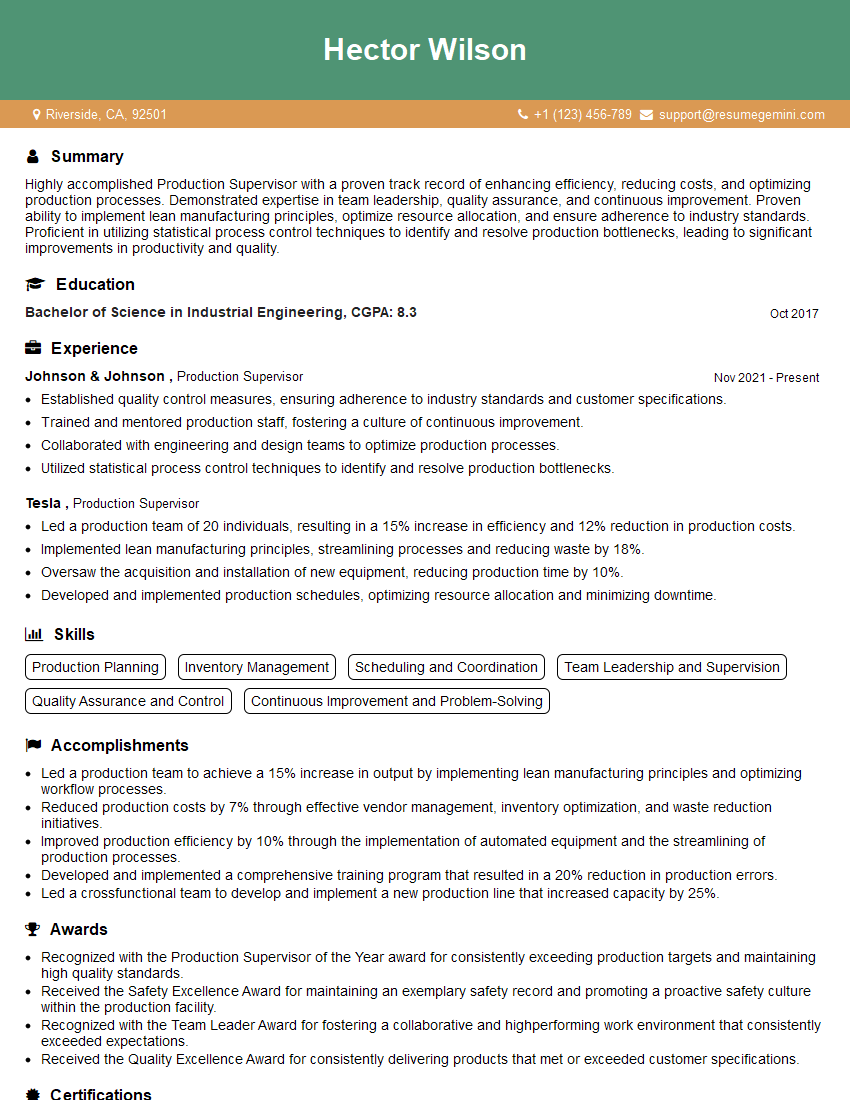
Production Supervisor Resume Sample
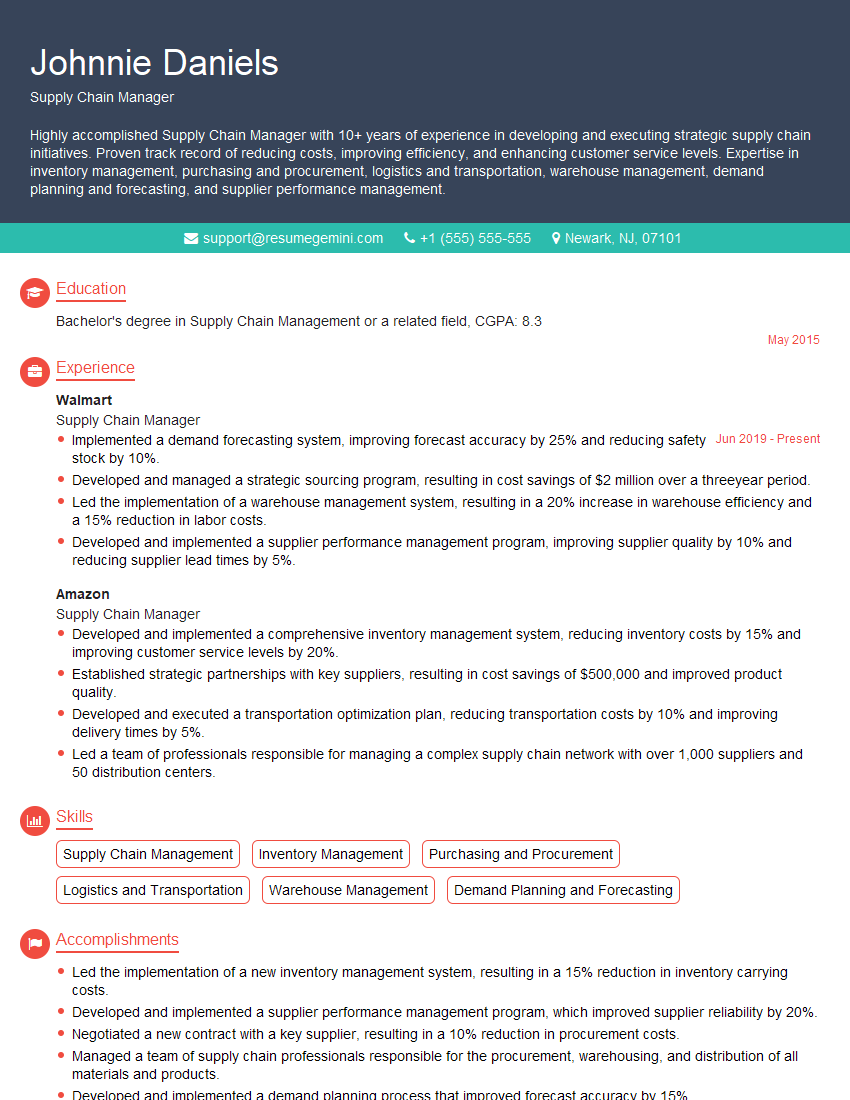
Supply Chain Manager Resume Sample
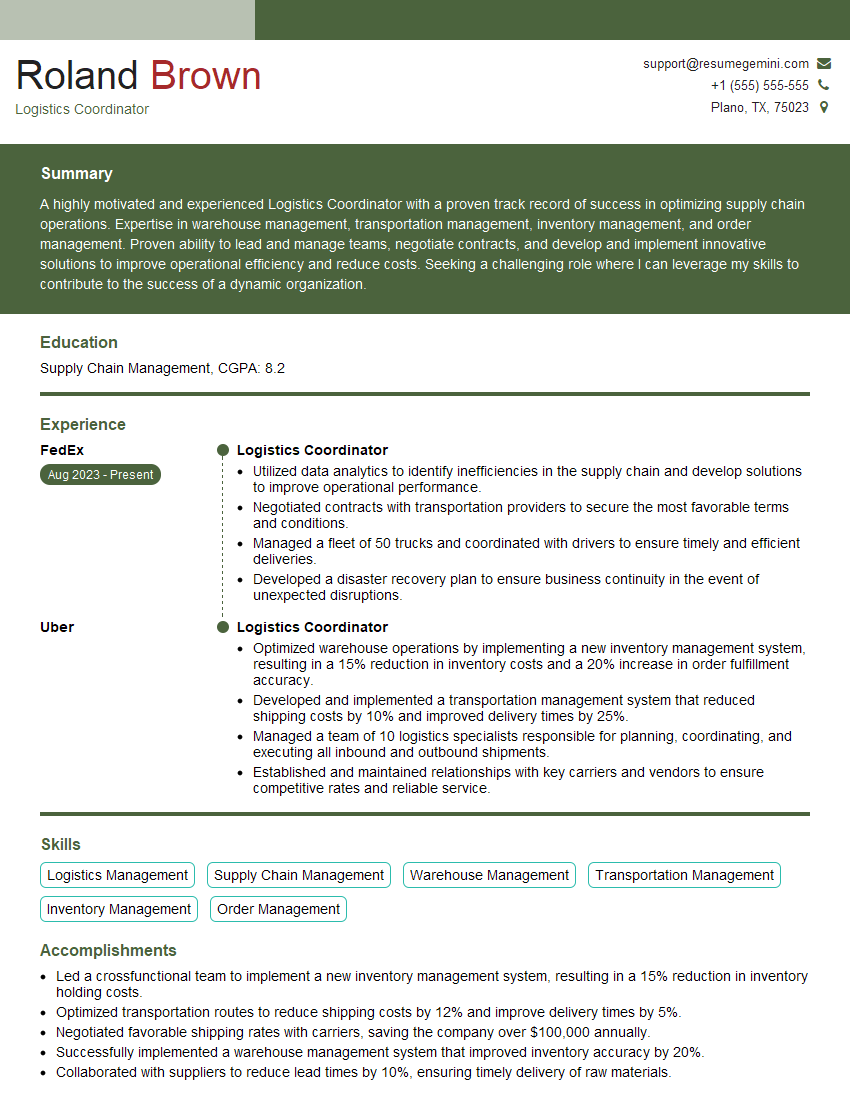
Logistics Coordinator Resume Sample
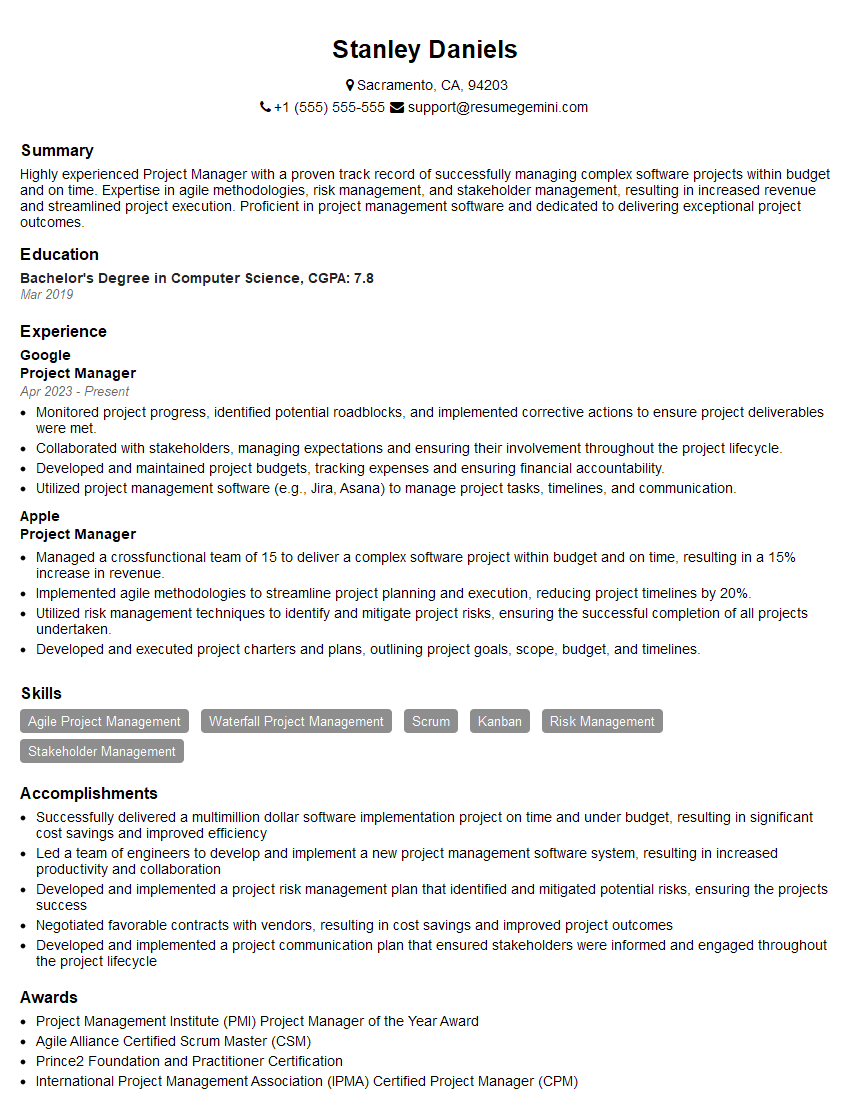
Project Manager Resume Sample
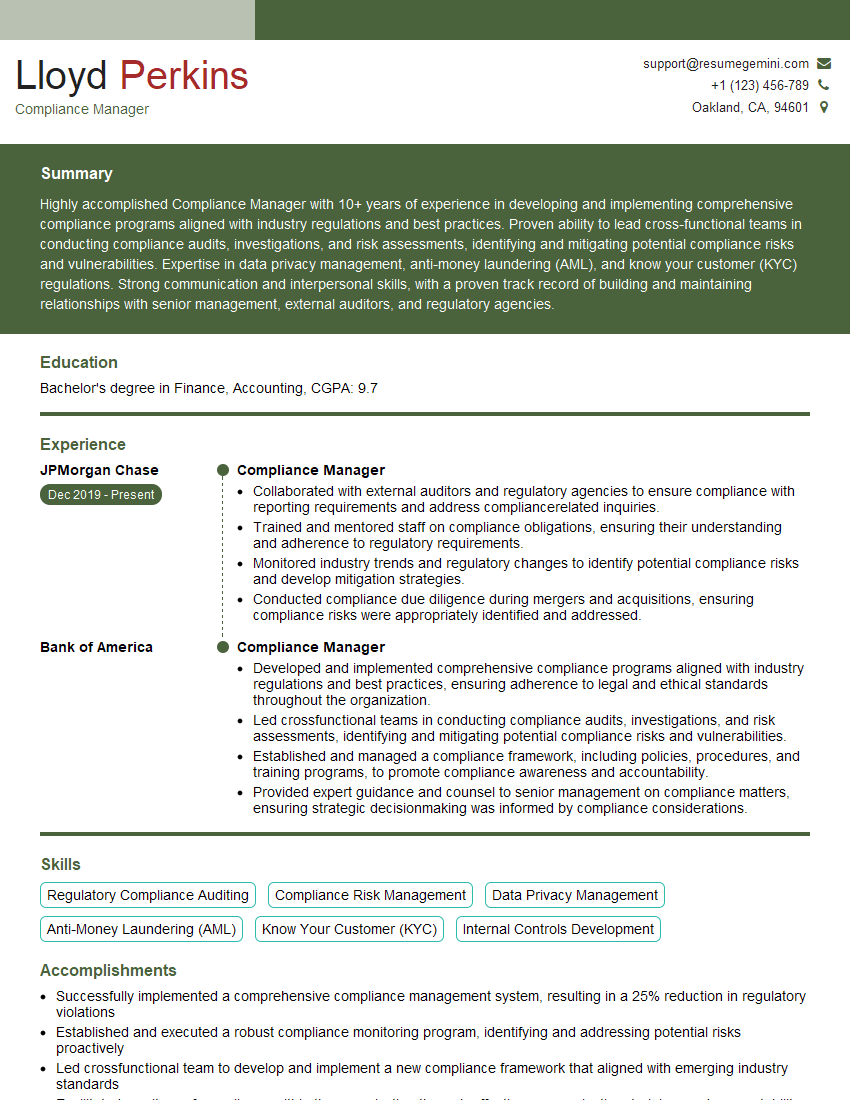
Compliance Manager Resume Sample
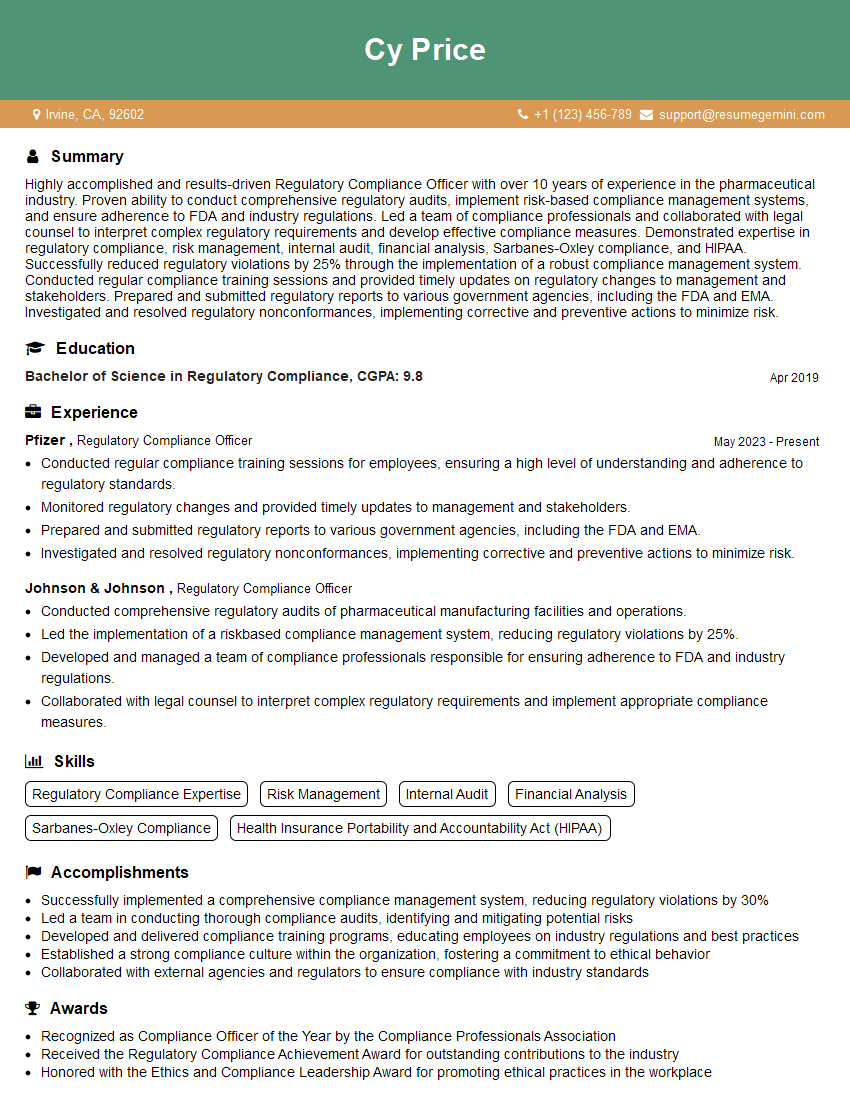
Regulatory Compliance Officer Resume Sample
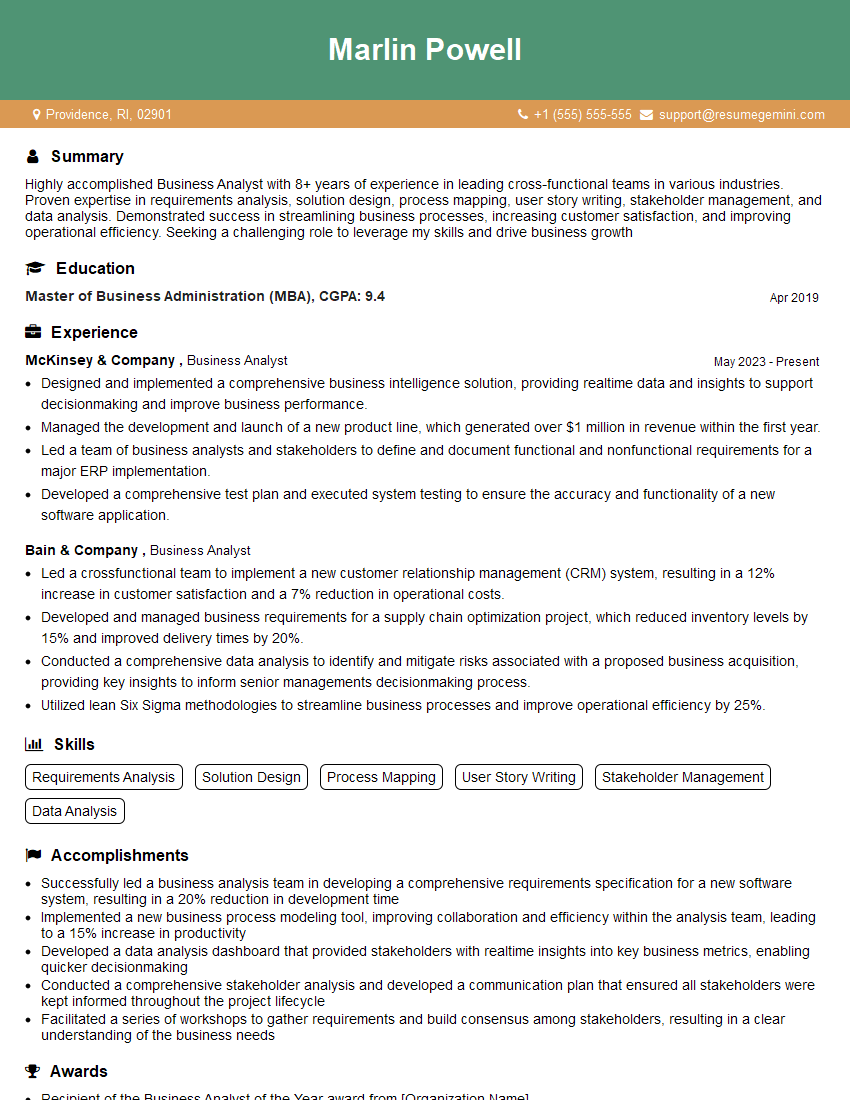
Business Analyst Resume Sample
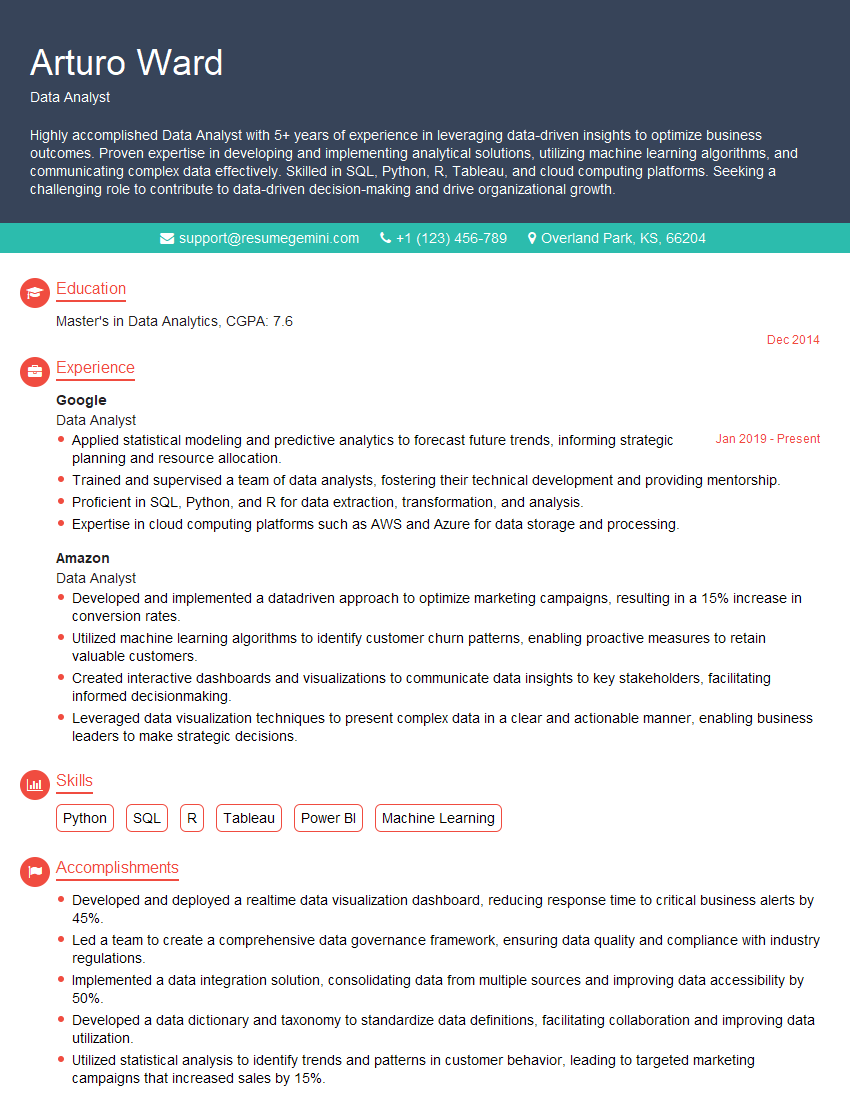
Data Analyst Resume Sample
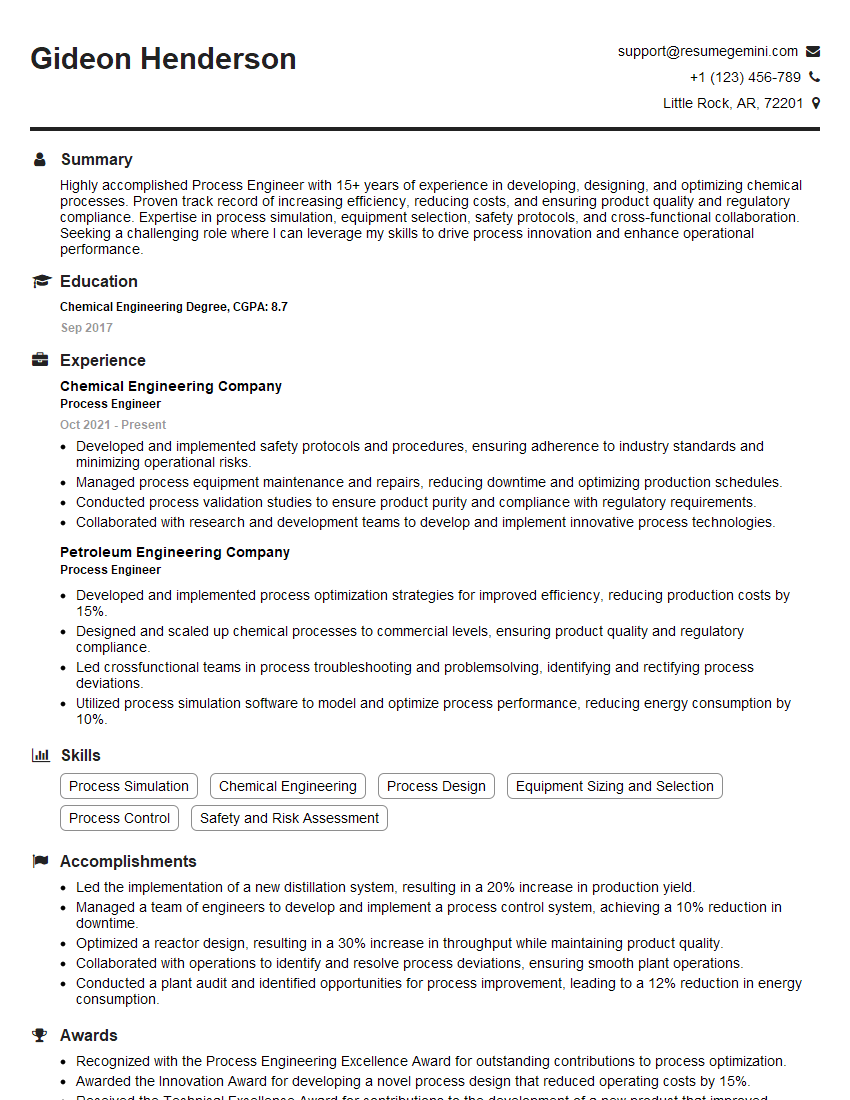
Process Engineer Resume Sample
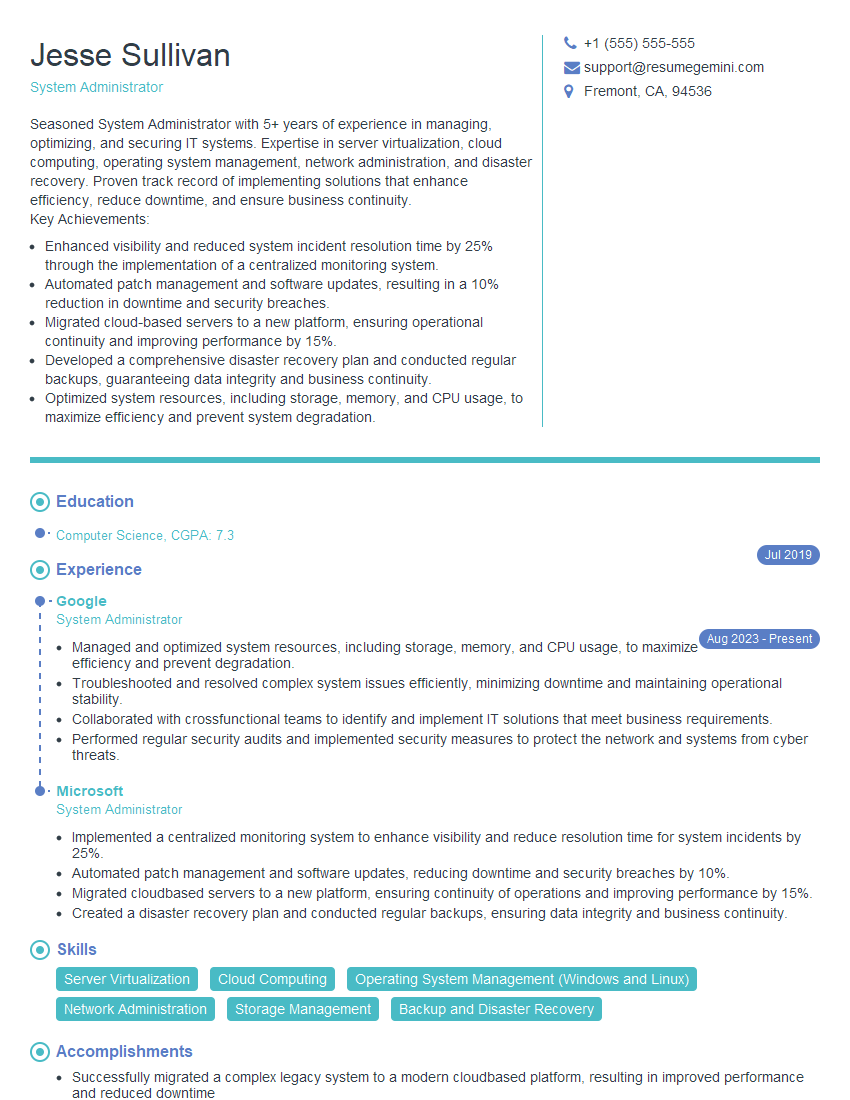
System Administrator Resume Sample
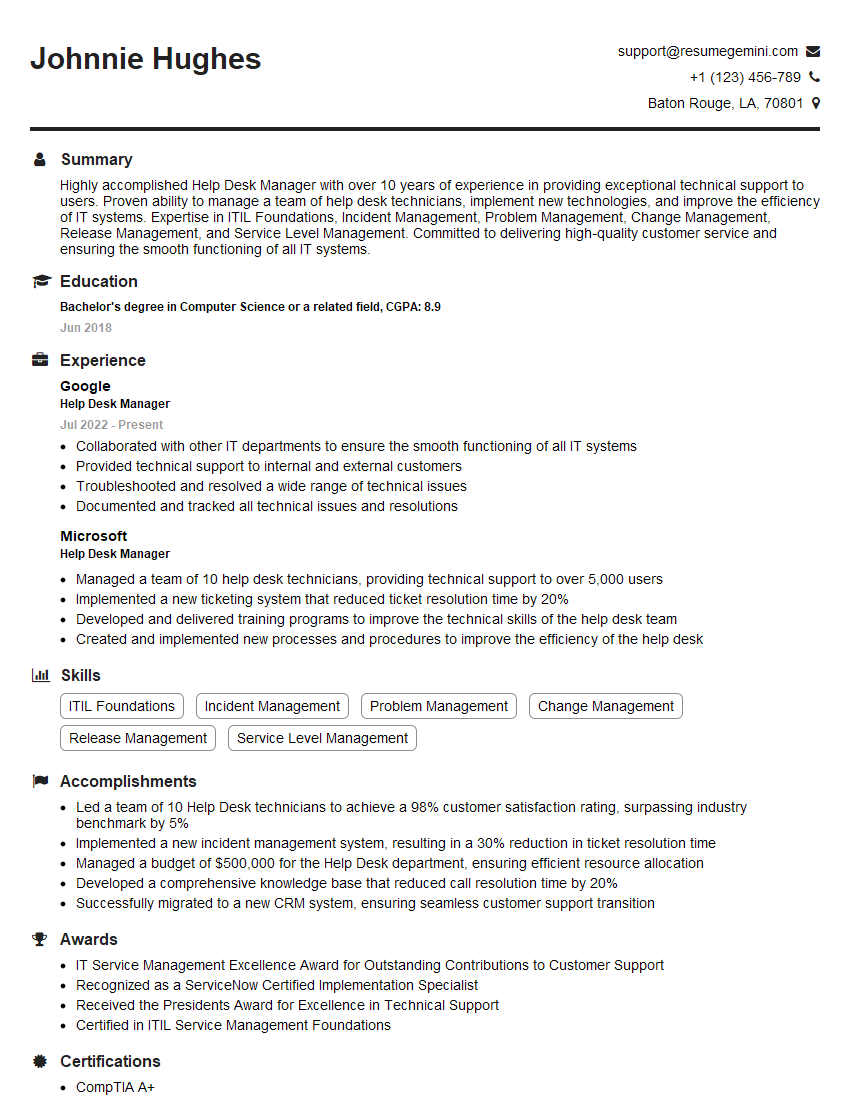
Help Desk Manager Resume Sample
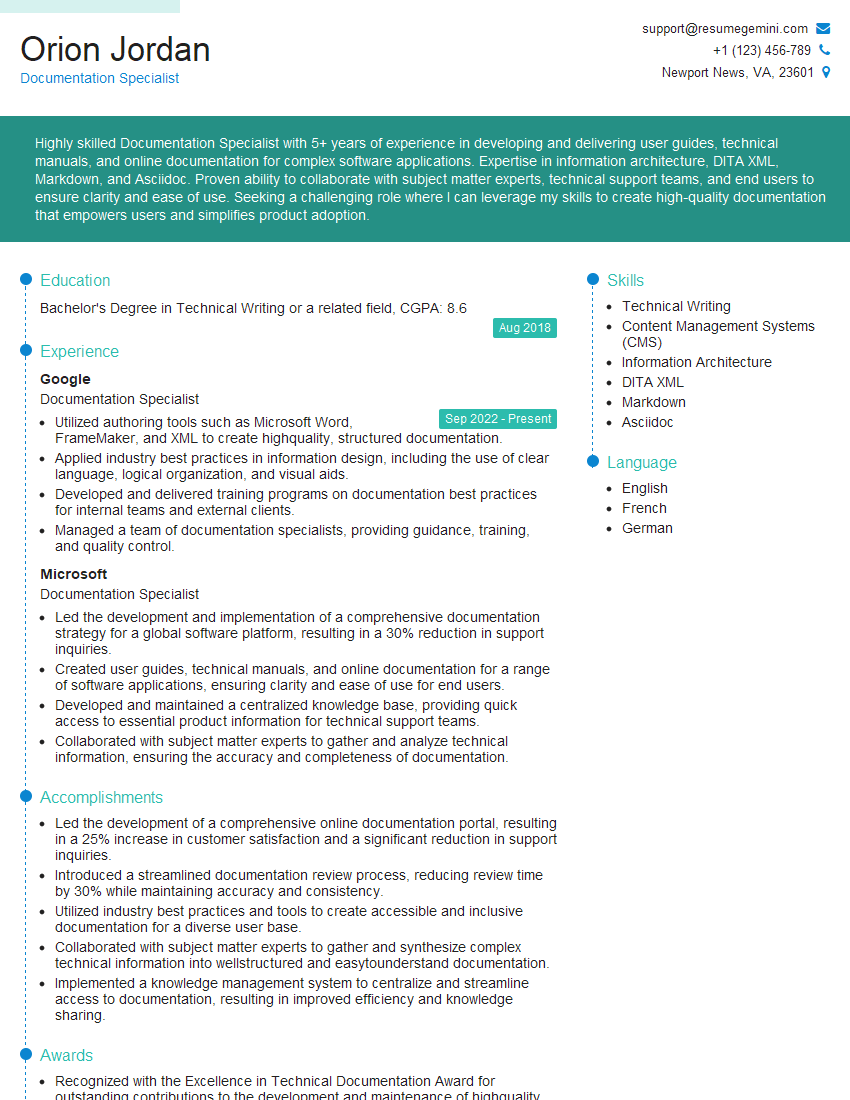
Documentation Specialist Resume Sample
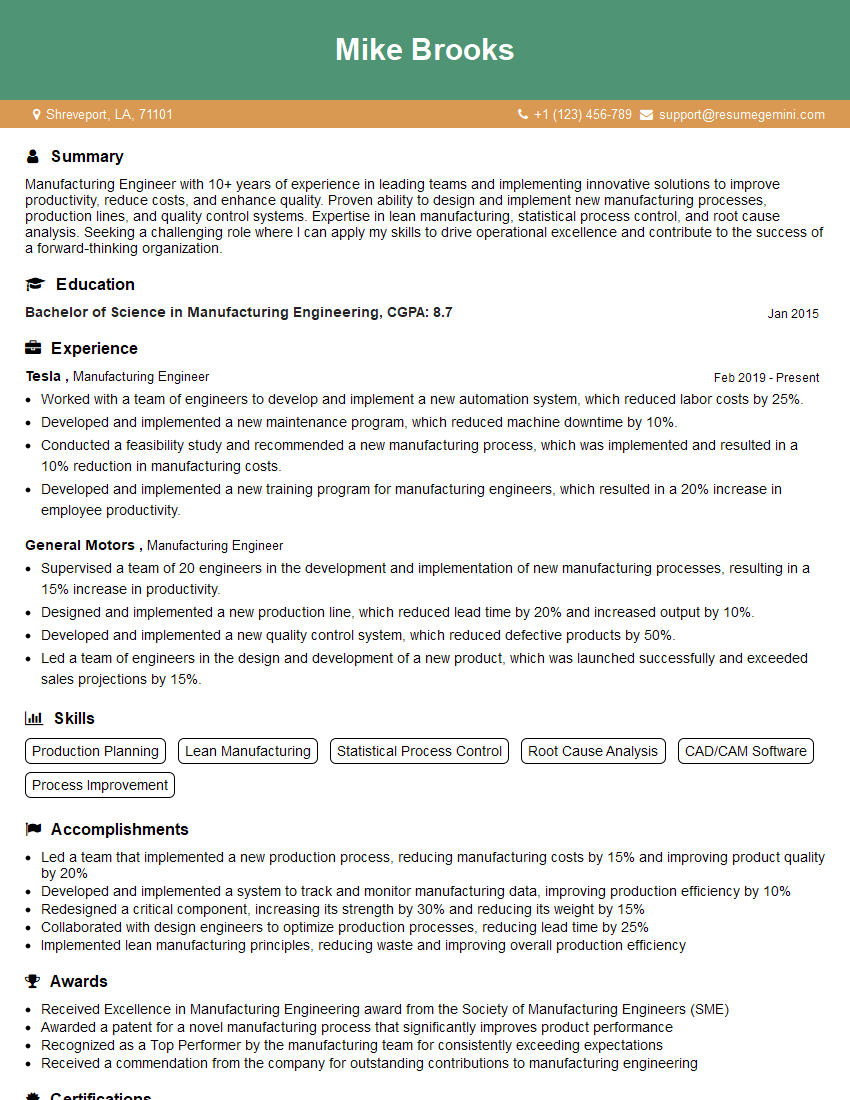
Manufacturing Engineer Resume Sample

Technical Writer Resume Sample
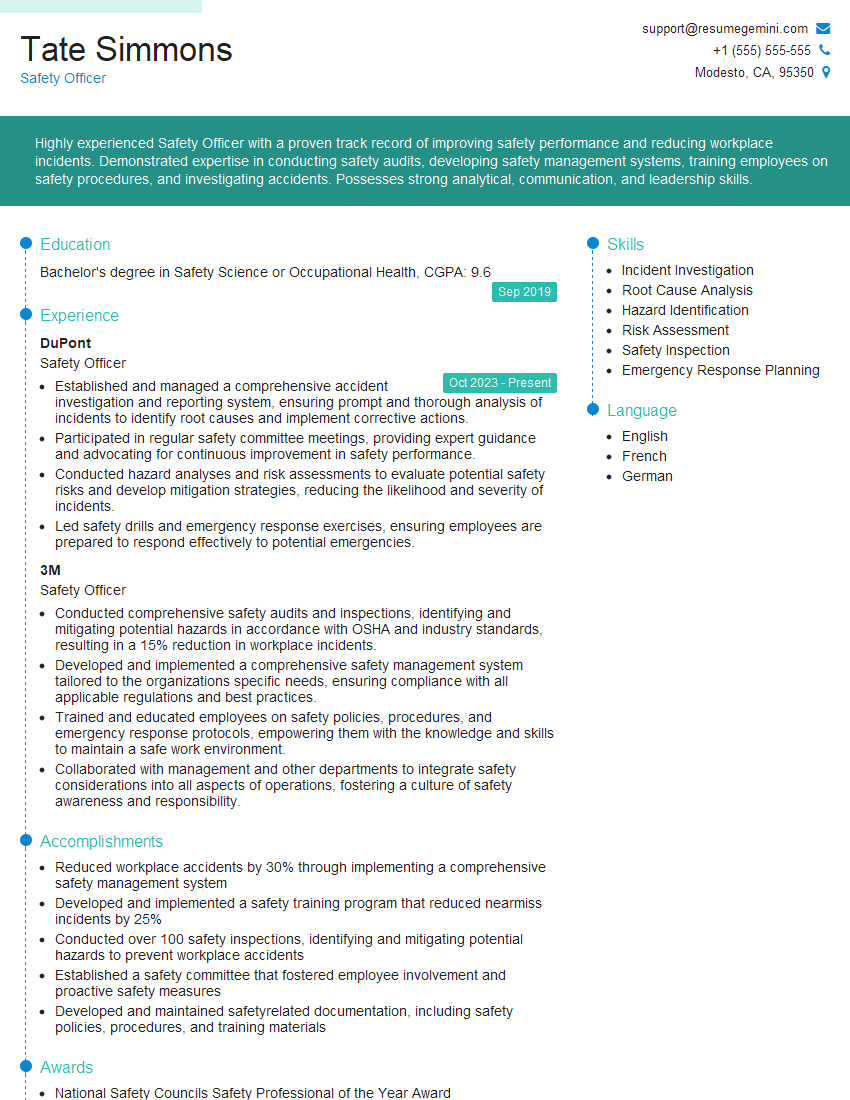
Safety Officer Resume Sample
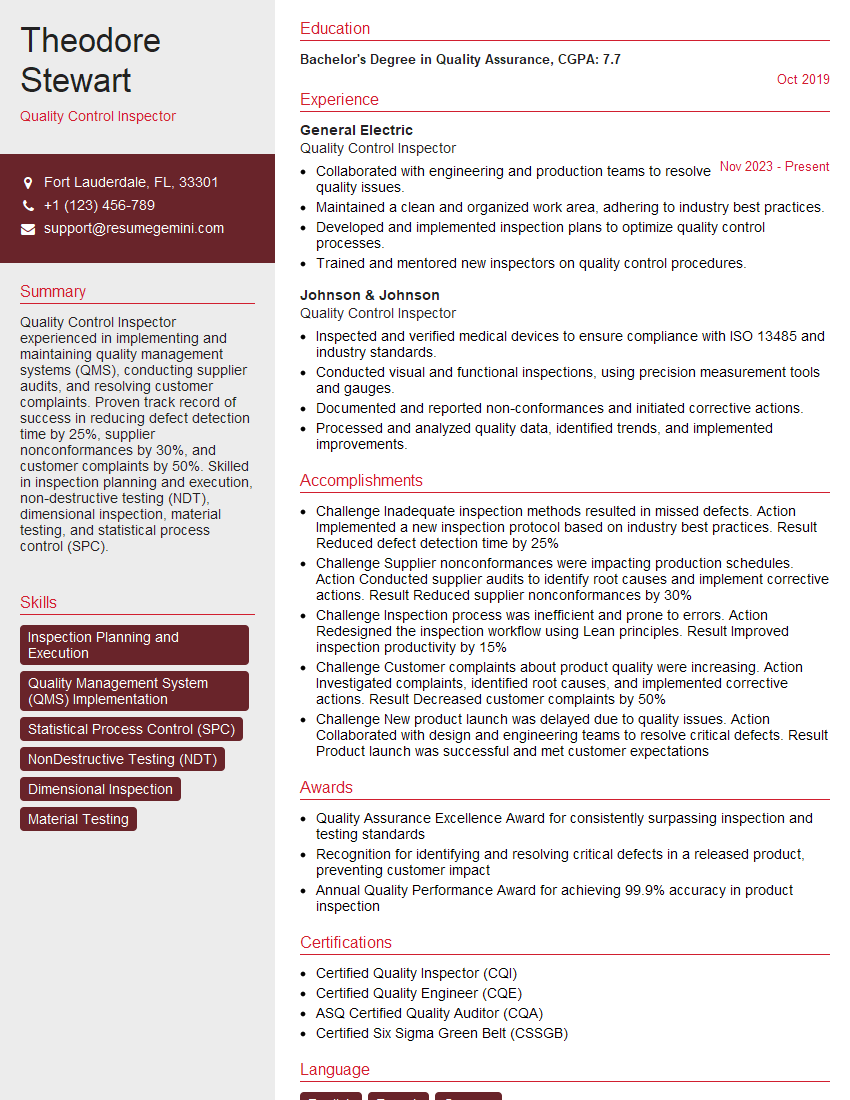
Quality Control Inspector Resume Sample
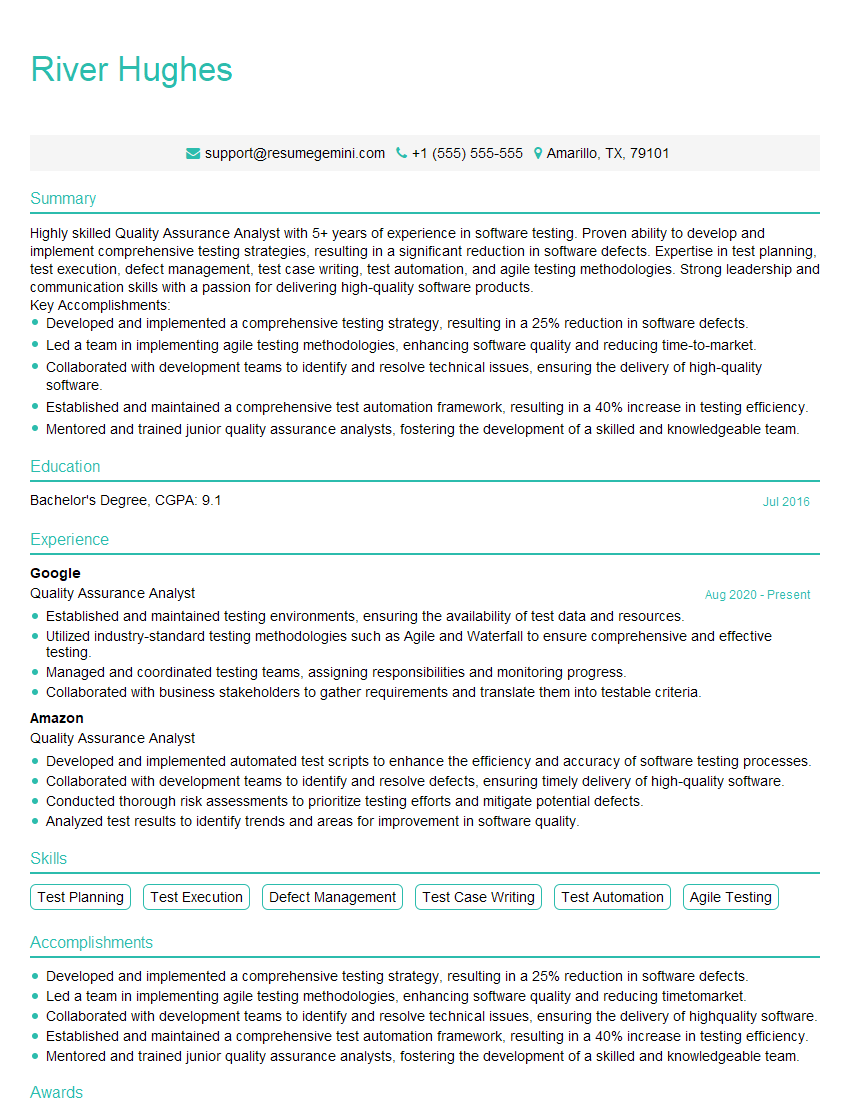
Quality Assurance Analyst Resume Sample
- Operations Manager
- Customer Service Manager
- Production Supervisor
- Supply Chain Manager
- Logistics Coordinator
- Project Manager
- Compliance Manager
- Regulatory Compliance Officer
- Business Analyst
- Data Analyst
- Process Engineer
- System Administrator
- Help Desk Manager
- Documentation Specialist
- Manufacturing Engineer
- Technical Writer
- Safety Officer
- Quality Control Inspector
- Quality Assurance Analyst
Explore more articles
Users Rating of Our Blogs
Share Your Experience
We value your feedback! Please rate our content and share your thoughts (optional).
What Readers Say About Our Blog
Really detailed insights and content, thank you for writing this detailed article.
IT gave me an insight and words to use and be able to think of examples