Every successful interview starts with knowing what to expect. In this blog, we’ll take you through the top Sterilization and Sanitation Practices interview questions, breaking them down with expert tips to help you deliver impactful answers. Step into your next interview fully prepared and ready to succeed.
Questions Asked in Sterilization and Sanitation Practices Interview
Q 1. Explain the difference between sterilization and disinfection.
Sterilization and disinfection are both crucial for controlling microbial contamination, but they differ significantly in their outcomes. Sterilization is a complete elimination or destruction of all forms of microbial life, including bacteria, viruses, fungi, and spores. Think of it as achieving absolute microbial cleanliness. Disinfection, on the other hand, reduces the number of microorganisms to a safe level, but it doesn’t guarantee complete elimination. It targets primarily vegetative cells (actively growing microorganisms), leaving behind resistant spores or viruses which may require further sterilization steps. Imagine sterilization as completely scrubbing a surface clean, while disinfection is more like wiping it down—it improves hygiene but doesn’t guarantee perfect cleanliness.
For example, preparing surgical instruments requires sterilization to prevent infections, while cleaning a countertop in a kitchen uses disinfection techniques to reduce the risk of foodborne illnesses. The level of microbial control required depends on the application.
Q 2. Describe the various methods of sterilization (e.g., autoclave, ethylene oxide, radiation).
Several methods effectively sterilize materials and equipment. The choice depends on the nature of the item being sterilized and its heat sensitivity.
- Autoclaving (Moist Heat Sterilization): This uses pressurized steam to achieve high temperatures that denature proteins and kill microorganisms. It’s effective against all forms of microbial life, including spores. It’s the gold standard for many heat-stable medical and laboratory instruments.
- Ethylene Oxide (ETO) Sterilization: This gas sterilization method is used for heat-sensitive items like plastics and electronics. ETO alkylates proteins and nucleic acids, inactivating microorganisms. However, it’s a toxic gas requiring specialized equipment and careful handling.
- Radiation Sterilization: This utilizes either ionizing radiation (gamma rays or electron beams) or non-ionizing radiation (ultraviolet light). Ionizing radiation damages microbial DNA, while UV light primarily affects the DNA of surface microorganisms. Radiation is suitable for various materials, including medical devices and pharmaceuticals, but requires specific safety protocols.
- Dry Heat Sterilization: This involves exposing items to high temperatures (e.g., 160-170°C) in a hot air oven. It’s less effective than moist heat and requires longer exposure times but is suitable for glassware and certain metal instruments.
Q 3. What are the parameters (temperature, time, pressure) for effective autoclave sterilization?
Effective autoclave sterilization parameters depend slightly on the nature of the load (e.g., wrapped vs. unwrapped items, type of material) but generally involves a combination of temperature, time, and pressure. A typical cycle involves:
- Temperature: 121°C (249°F) is commonly used.
- Time: 15-20 minutes at the target temperature is usually sufficient to ensure sterility. Longer times might be needed for larger loads or items that are difficult to penetrate by steam.
- Pressure: 15 psi (pounds per square inch) above atmospheric pressure is needed to maintain the required temperature of the steam.
It’s critical to remember that all three parameters must be achieved and maintained for the specified duration to ensure effective sterilization. Monitoring devices within the autoclave precisely track these parameters, confirming proper sterilization.
Q 4. Explain the principles of aseptic technique.
Aseptic technique is a collection of methods aimed at preventing contamination of sterile materials or environments. Think of it as creating a sterile ‘bubble’ to protect procedures and materials from unwanted microorganisms. Key principles include:
- Maintaining a Sterile Field: Creating and carefully maintaining a designated sterile area free from microbial contamination. Any item entering this area must be sterile.
- Hand Hygiene: Thorough and frequent handwashing with soap and water or the use of an alcohol-based hand rub before and after any sterile procedure is critical.
- Proper Attire: Wearing clean and sterilized garments, including gowns, gloves, and masks, prevents microorganisms from being transferred from the individual to the sterile environment.
- Sterile Technique for Handling Equipment: Handling and manipulating instruments and supplies in a manner that avoids contamination. This may include using sterile gloves and avoiding contact with non-sterile surfaces.
- Environmental Control: Maintaining a clean and disinfected environment to minimize the spread of microorganisms.
For example, surgeons rigorously follow aseptic technique in operating rooms to prevent surgical site infections.
Q 5. How do you monitor and validate sterilization processes?
Monitoring and validating sterilization processes are critical to ensure their effectiveness and safety. This involves several steps:
- Physical Monitoring: Recording parameters such as temperature, pressure, and time during the sterilization cycle using built-in autoclave sensors. This confirms that the sterilizer itself is functioning correctly.
- Chemical Monitoring: Using chemical indicators (e.g., autoclave tape, Bowie-Dick test) that change color upon exposure to specific conditions within the autoclave. This indicates whether the sterilizing conditions were achieved at the location of the indicator but doesn’t directly prove sterility.
- Biological Monitoring: This is the gold standard, using spore strips containing known resistant bacterial spores (e.g., Geobacillus stearothermophilus for moist heat). The spores are exposed to the sterilization process, and their survival is tested after the cycle. The absence of growth demonstrates effective sterilization.
- Validation Studies: Regular validation studies ensure that the entire sterilization process, from equipment calibration to loading procedures, delivers consistent sterility. These studies employ a combination of physical, chemical, and biological monitoring methods and are crucial for regulatory compliance.
Q 6. What are the indicators used to verify sterilization effectiveness?
Several indicators verify sterilization effectiveness, each providing a different level of assurance:
- Autoclave Tape: Changes color upon exposure to steam, indicating that the item has been subjected to the sterilization cycle but doesn’t guarantee sterility.
- Chemical Indicators: More sophisticated than tape, these indicators change color based on specific parameters (temperature, time, steam). They provide more evidence than tape but aren’t definitive proof of sterility.
- Bowie-Dick Test: Used daily in pre-vacuum autoclaves to detect air removal issues. A positive test suggests improper air removal which could compromise sterility.
- Biological Indicators: Contain resistant bacterial spores; only the absence of spore growth after incubation confirms effective sterilization. This is the most reliable method for verifying sterility.
Q 7. What are the common sterilization cycle failures and how to troubleshoot them?
Sterilization cycle failures can have several causes, ranging from equipment malfunctions to improper loading techniques. Troubleshooting involves systematic investigation:
- Insufficient Temperature or Time: Check the autoclave’s temperature and time settings. Ensure the load is not too large or densely packed, hindering steam penetration.
- Air Entrapment: Air pockets within the autoclave chamber can prevent steam from reaching items, leading to incomplete sterilization. Check for proper air removal based on the type of autoclave. The Bowie-Dick test is crucial here.
- Malfunctioning Equipment: Regular maintenance and calibration are essential. Faulty sensors, faulty steam generation, or other mechanical issues can lead to sterilization failures. Professional service is needed.
- Improper Loading: Overloading the autoclave or placing items too close together can prevent adequate steam penetration. Follow manufacturer’s instructions on load placement.
- Contaminated Items: If sterilization fails repeatedly, suspect the items themselves might be initially heavily contaminated, requiring pre-cleaning before sterilization.
If a cycle failure is detected, immediately investigate using the physical, chemical, and biological indicators and consult the autoclave’s operation manual or seek expert assistance.
Q 8. Explain the importance of proper cleaning and disinfection before sterilization.
Proper cleaning and disinfection are paramount before sterilization because they significantly enhance the effectiveness of the sterilization process. Think of it like this: you wouldn’t try to sterilize a muddy knife – you’d clean it first! Sterilization methods target microbial destruction, but they are far less effective against heavy soil loads. Residual organic matter (like blood or tissue) can shield microbes from the sterilizing agent, leading to sterilization failure. Cleaning removes these soils, creating a clean surface for the sterilant to effectively contact and kill any remaining microorganisms. Disinfection then reduces the bioburden (the number of viable microorganisms) further, preparing the items for the final, complete sterilization step. A multi-step approach is always more efficient and reliable.
For instance, in a hospital setting, surgical instruments are first meticulously cleaned to remove visible debris and then disinfected using a high-level disinfectant to reduce the number of bacteria and viruses before being terminally sterilized in an autoclave.
Q 9. What are the different types of disinfectants and their applications?
Disinfectants are chemical agents that kill or inactivate most microorganisms on surfaces or objects, but not necessarily all microbial forms, such as bacterial spores. There are several types, each with its own applications:
- High-level disinfectants: These kill vegetative bacteria, fungi, viruses, and mycobacteria but may not reliably kill bacterial spores. Examples include glutaraldehyde and hydrogen peroxide. They are frequently used for semi-critical instruments like endoscopes.
- Intermediate-level disinfectants: These kill vegetative bacteria, most fungi, and some viruses, but not bacterial spores or resistant viruses. Examples include isopropyl alcohol and iodophors. They are suitable for disinfecting surfaces and non-critical items.
- Low-level disinfectants: These kill some vegetative bacteria and enveloped viruses but are ineffective against spores, mycobacteria, and non-enveloped viruses. Examples include quaternary ammonium compounds (quats). They are used for general cleaning purposes.
The choice of disinfectant depends on the level of disinfection required, the type of item to be disinfected, and the presence of specific microorganisms.
Q 10. How do you ensure the safety of personnel during sterilization procedures?
Ensuring personnel safety during sterilization is crucial. This involves adherence to strict safety protocols and the use of appropriate personal protective equipment (PPE). PPE may include gloves, gowns, eye protection, and respirators depending on the specific sterilization method and the potential hazards involved. For example, when handling ethylene oxide gas sterilizers, specialized respirators are needed. Proper training on the safe handling and use of sterilizers and sterilization-related chemicals is also mandatory. Engineering controls, such as properly functioning ventilation systems in sterilization areas, help mitigate exposure risks. Regular monitoring and maintenance of sterilization equipment are also crucial to prevent malfunctions that may expose personnel to hazardous conditions. Detailed written standard operating procedures (SOPs) that outline all safety precautions must be in place and strictly followed.
Q 11. Describe the handling and storage of sterilized items.
Sterilized items must be handled and stored to maintain their sterility. Once items are sterilized, they should be removed from the sterilizer aseptically, avoiding any contact with non-sterile surfaces. Proper packaging is essential to preserve sterility; packaging materials should be sterile, intact, and provide a barrier against microbial contamination. Sterilized items should be stored in a clean, dry environment, away from dust, moisture, and other contaminants. Storage areas must be designed to prevent contamination. A system for tracking the expiration dates of sterilized items is critical; items should be used by their expiry date, as sterility is not indefinite. Using a first-in, first-out (FIFO) system for inventory helps prevent expired materials from being used.
Q 12. What are the regulatory requirements (e.g., FDA, AAMI) related to sterilization?
Sterilization processes are subject to stringent regulatory requirements to ensure safety and efficacy. The FDA (Food and Drug Administration) in the US regulates medical devices and their sterilization processes. They establish guidelines for sterilization validation and require manufacturers to demonstrate that their sterilization methods effectively eliminate microorganisms. AAMI (Association for the Advancement of Medical Instrumentation) provides standards and recommendations for sterilization processes, including those related to sterilization validation and equipment performance. Other regulatory bodies, like those in Europe (e.g., the European Medicines Agency), have their own equivalent regulations. Compliance with these regulations is mandatory and non-compliance can lead to significant legal and financial repercussions.
Q 13. What is the role of Biological Indicators (BIs) in sterilization validation?
Biological Indicators (BIs) are crucial in sterilization validation. They are self-contained vials or strips containing a known population of highly resistant bacterial spores (usually Geobacillus stearothermophilus for steam sterilization or Bacillus atrophaeus for dry heat or ethylene oxide sterilization). BIs are placed inside the sterilizer with the items being sterilized. After the sterilization cycle, the BIs are incubated to determine if the sterilization process successfully killed the spores. If the spores survive (indicated by positive growth), it demonstrates a failure in the sterilization process. The use of BIs provides a direct measure of the effectiveness of the sterilization cycle, offering a higher degree of assurance than relying solely on physical parameters (like temperature and pressure).
Q 14. How do you manage and document sterilization processes?
Managing and documenting sterilization processes is essential for traceability and quality control. This typically involves a comprehensive system that includes:
- Detailed written Standard Operating Procedures (SOPs): These SOPs precisely outline each step of the sterilization process, including equipment operation, cleaning and disinfection procedures, and safety measures.
- Equipment maintenance logs: Regular maintenance and calibration of sterilization equipment are documented to ensure proper functioning.
- Sterilization records: These records track each sterilization cycle, including parameters like temperature, pressure, time, and BI results. They demonstrate compliance with regulatory requirements and allow for tracing the history of any sterilized items.
- Inventory management system: This helps keep track of sterilized items and ensures that only appropriately sterilized items are used.
The documentation must be accurate, complete, and readily available for audits. Many facilities use computerized systems to streamline the documentation process and ensure data integrity. The system must also include mechanisms for identifying and addressing any sterilization failures, including root cause analysis and corrective actions.
Q 15. Describe the different types of sterilization equipment you are familiar with.
Sterilization equipment comes in various forms, each designed for specific applications and material types. My experience encompasses a wide range, including:
- Autoclaves (steam sterilizers): These use pressurized steam to kill microorganisms. They are widely used for instruments, linens, and other heat-stable materials. Different types exist, such as gravity displacement, prevacuum, and high-speed autoclaves, each varying in efficiency and cycle time. For instance, prevacuum autoclaves are superior for removing air pockets and ensuring complete steam penetration.
- Dry-heat sterilizers: These use high temperatures in the absence of moisture. They are ideal for materials that cannot withstand steam sterilization, such as glassware and some powders. The longer cycle times compared to steam sterilization must be considered.
- Ethylene oxide (EtO) sterilizers: These utilize ethylene oxide gas, an effective sterilant for heat-sensitive and moisture-sensitive items like implantable devices and some plastics. However, EtO is a toxic gas requiring careful handling and specialized ventilation systems.
- Plasma sterilizers: These employ low-temperature hydrogen peroxide plasma to sterilize heat and moisture-sensitive materials. They are a faster alternative to EtO, with reduced environmental impact.
- Hydrogen peroxide gas plasma sterilizers: These are gaining popularity due to their speed, low temperature operation and reduced environmental impact, effectively sterilizing heat and moisture-sensitive instruments with minimal post-treatment aeration time.
- Ultraviolet (UV) sterilizers: UV light can kill microorganisms on surfaces, though it’s more often used for disinfection rather than sterilization, as it doesn’t penetrate surfaces well. Useful for surface decontamination of work areas.
The choice of sterilization equipment depends heavily on the items being sterilized, their material properties, and the required Sterility Assurance Level (SAL).
Career Expert Tips:
- Ace those interviews! Prepare effectively by reviewing the Top 50 Most Common Interview Questions on ResumeGemini.
- Navigate your job search with confidence! Explore a wide range of Career Tips on ResumeGemini. Learn about common challenges and recommendations to overcome them.
- Craft the perfect resume! Master the Art of Resume Writing with ResumeGemini’s guide. Showcase your unique qualifications and achievements effectively.
- Don’t miss out on holiday savings! Build your dream resume with ResumeGemini’s ATS optimized templates.
Q 16. What are the potential risks associated with inadequate sterilization?
Inadequate sterilization poses significant risks, potentially leading to:
- Healthcare-associated infections (HAIs): This is a major concern, particularly in hospitals and clinics. Untreated instruments can transmit pathogens, causing serious illness or even death in patients.
- Surgical site infections (SSIs): Contaminated surgical instruments increase the risk of infection at the surgical site, leading to prolonged hospital stays, increased morbidity, and mortality.
- Compromised patient safety: The use of inadequately sterilized equipment can have severe consequences for patient health and well-being.
- Legal liabilities: Healthcare facilities and professionals can face legal repercussions if sterilization procedures are not properly followed, resulting in patient harm.
- Economic burden: HAIs and SSIs add to the healthcare system’s financial burden due to extended hospital stays, additional treatments, and potential litigation.
Imagine a scenario where a patient undergoes surgery, and a contaminated instrument leads to a life-threatening infection. This is a real and potentially fatal consequence of inadequate sterilization practices.
Q 17. How do you identify and handle contaminated instruments or materials?
Identifying and handling contaminated instruments and materials is critical for preventing the spread of infection. My approach involves:
- Visual inspection: Examine instruments for visible signs of contamination, such as blood, body fluids, or debris.
- Proper cleaning: Thoroughly clean instruments using appropriate detergents and brushes to remove visible soil and organic matter. This is a crucial first step before sterilization.
- High-level disinfection or sterilization: Depending on the level of contamination and the intended use, instruments undergo either high-level disinfection (reducing microbial load to a safe level) or sterilization (complete elimination of microorganisms).
- Packaging: Sterile instruments should be appropriately packaged to maintain sterility until use. This often involves wrapping them in sterile pouches or placing them in sealed containers.
- Documentation: Meticulous record-keeping of cleaning, disinfection, and sterilization processes is crucial for traceability and quality assurance. This includes logging the date, time, method used, and the equipment’s sterilization indicator results.
- Designated areas: Using designated areas for dirty and clean instruments minimizes the risk of cross-contamination.
For instance, if a surgical instrument shows visible blood contamination, it must be pre-cleaned immediately before undergoing the appropriate sterilization process. Improper handling can lead to severe consequences.
Q 18. What is the importance of proper waste disposal in sterilization and sanitation?
Proper waste disposal is an integral part of sterilization and sanitation practices. Improper disposal can lead to environmental contamination and potential infection transmission. My experience highlights the significance of:
- Segregation of waste: Different types of waste, such as sharps, infectious waste, and general waste, must be segregated to prevent accidental exposure and contamination.
- Appropriate containers: Using clearly labeled, puncture-resistant containers for sharps and infectious waste ensures safe handling and prevents injuries to personnel.
- Autoclaving of infectious waste: Infectious waste should be autoclaved before disposal to reduce the risk of spreading pathogens.
- Compliance with regulations: Adhering to local, regional, and national regulations for medical waste disposal is crucial. These regulations may vary, but safe and environmentally sound disposal is paramount.
- Training personnel: Proper training for all personnel on safe handling and disposal of medical waste is essential to maintain a safe and healthy working environment.
Imagine a scenario where contaminated sharps are disposed of improperly. This could lead to environmental contamination and even serious injury to sanitation workers.
Q 19. Explain the concept of sterility assurance level (SAL).
The Sterility Assurance Level (SAL) is a probability statement defining the sterility of a product after a sterilization process. It’s expressed as a decimal value representing the probability of a single unit being non-sterile. A SAL of 10-6, for instance, means that there’s a probability of one in one million that a single unit is non-sterile after sterilization. In simpler terms, it’s a measure of how confident we are that the sterilization process worked.
Different applications require different SALs. For example, medical implants often demand a higher SAL (e.g., 10-6) compared to some surgical instruments (which might accept a slightly lower SAL based on risk assessment). The SAL is influenced by factors such as the sterilization method, cycle parameters, and the bioburden (the initial number of microorganisms) on the item being sterilized.
Q 20. Describe your experience with different sterilization methods for various materials.
My experience encompasses various sterilization methods applied to diverse materials:
- Steam sterilization (autoclaving): This is widely used for surgical instruments made of stainless steel, heat-resistant plastics, and textiles. The parameters (temperature, pressure, and time) vary depending on the material and bioburden.
- Ethylene oxide (EtO) sterilization: I’ve used EtO for sterilizing heat-sensitive materials like plastics, implantable medical devices, and some electronics. Careful monitoring of the process parameters and adequate aeration are crucial due to EtO’s toxicity.
- Dry-heat sterilization: This method is suitable for glassware, powders, and some metal instruments that cannot tolerate steam sterilization. Longer exposure times are needed compared to steam sterilization.
- Plasma sterilization: I have extensive experience with plasma sterilizers for heat- and moisture-sensitive instruments. This is a valuable method for items like endoscopes and other delicate medical devices. It is important to select the appropriate cycle parameters for the specific materials.
For example, I once had to sterilize a complex robotic surgical instrument with multiple sensitive components. Plasma sterilization was chosen to avoid damaging the delicate parts, ensuring the device’s sterility and proper functionality.
Q 21. How do you maintain and calibrate sterilization equipment?
Maintaining and calibrating sterilization equipment is paramount for ensuring sterility and patient safety. My approach includes:
- Regular cleaning and maintenance: This includes cleaning chambers, removing debris, and checking for any mechanical issues. Regular maintenance prevents malfunctions and extends the equipment’s lifespan. For example, daily cleaning of an autoclave’s chamber prevents biofilms and reduces the potential spread of contamination.
- Mechanical checks: Inspecting seals, valves, pumps, and other mechanical components ensures proper functionality. Malfunctioning components can lead to sterilization failures.
- Biological monitoring: Using biological indicators (spores) verifies the effectiveness of the sterilization process. The presence of surviving spores after sterilization indicates a failure that requires immediate attention. This is a critical step in validating the process.
- Chemical indicators: These provide visual confirmation that the instrument has been exposed to the sterilization cycle, but don’t directly confirm sterility, unlike biological indicators.
- Calibration and validation: Regular calibration of temperature, pressure, and time parameters is essential, and formal validation processes ensure that the sterilization equipment meets predefined standards. Regular calibration minimizes deviations and maintains the consistency of the sterilization process.
- Record keeping: Meticulous records of all maintenance, calibration, and validation activities are maintained to demonstrate compliance with standards and regulations. This is crucial for traceability and quality control.
Failure to properly maintain and calibrate sterilization equipment can lead to sterilization failure, compromising patient safety and risking severe infections.
Q 22. What are the common causes of sterilization failures?
Sterilization failures, unfortunately, are not uncommon and can stem from a variety of sources. They often boil down to issues with the sterilization process itself, the equipment used, or even human error.
- Improper loading of sterilizer: Overpacking or incorrect placement of instruments can prevent steam or other sterilizing agents from reaching all surfaces effectively. Think of it like trying to bake a cake – if you cram too much batter into a pan, the inside won’t cook properly.
- Equipment malfunction: Faulty sterilizers, whether it’s a broken temperature sensor in an autoclave or a malfunctioning ethylene oxide (EtO) sterilizer, will lead to inconsistent or incomplete sterilization. Regular preventative maintenance and calibration are crucial.
- Incorrect sterilization parameters: Using incorrect time, temperature, or pressure settings for the chosen method—like using the wrong cycle on an autoclave for a specific instrument—renders the entire process ineffective. Each instrument and material type requires precise settings.
- Biological indicator failure: Biological indicators (BIs) contain resistant bacterial spores that should be killed during the process. If a BI doesn’t show complete spore inactivation, it indicates a sterilization failure. This is the gold standard for confirming sterilization efficacy.
- Human error: This is a major contributor. Errors in handling sterilized items, such as improper packaging or breaches in aseptic technique, can introduce contamination after the sterilization process is complete. Training and adherence to strict protocols are paramount.
Identifying the root cause of a failure requires a meticulous investigation involving review of process parameters, equipment logs, and possibly BI results.
Q 23. Describe your experience with quality control and assurance in sterilization.
Quality control and assurance (QA/QC) in sterilization is non-negotiable. In my previous role, I was responsible for implementing and overseeing a comprehensive QA/QC program. This involved:
- Developing and implementing Standard Operating Procedures (SOPs): We created detailed, step-by-step instructions for each sterilization process, ensuring consistent and safe practices. Regular audits ensured staff adherence to these SOPs.
- Monitoring sterilization parameters: This included using both physical and chemical indicators (e.g., tape that changes color upon exposure to steam) along with biological indicators to validate sterilization efficacy for each cycle. We kept meticulous records of all parameters—temperature, pressure, time—for every cycle.
- Equipment calibration and maintenance: Regular calibration and preventive maintenance of sterilizers are essential. We scheduled routine checks by certified technicians and kept detailed maintenance logs to ensure optimal performance.
- Personnel training: I trained personnel on proper sterilization techniques, aseptic practices, and the interpretation of sterilization monitoring results. Regular competency assessments were conducted to ensure staff proficiency.
- Incident reporting and investigation: Any sterilization cycle failure or incident was thoroughly investigated to identify the root cause and implement corrective actions to prevent recurrence. This involved reviewing data, interviewing staff, and examining equipment.
My focus was always on preventing failures, rather than simply reacting to them. Proactive measures—such as regular audits, staff training, and equipment maintenance—are key to maintaining high sterilization standards.
Q 24. How do you stay updated on the latest sterilization techniques and guidelines?
The field of sterilization is constantly evolving. To stay current, I utilize several strategies:
- Professional organizations: I am an active member of relevant professional organizations like the Association for the Advancement of Medical Instrumentation (AAMI) and the International Association of Healthcare Central Service Materiel Management (IAHCSMM). These organizations provide access to the latest guidelines, research, and educational materials.
- Conferences and workshops: Attending conferences and workshops allows me to learn about cutting-edge techniques and network with other professionals in the field. This provides invaluable opportunities for knowledge exchange and best-practice sharing.
- Peer-reviewed journals: I regularly read peer-reviewed journals and publications in infection control and sterilization to stay abreast of new research and findings. This ensures I am always aware of the latest evidence-based practices.
- Regulatory updates: I monitor updates to regulatory guidelines and standards from organizations like the FDA and other relevant regulatory bodies. Staying compliant with the latest regulations is crucial.
- Online resources: Reputable online resources from professional organizations provide continuous learning opportunities. Webinars and online courses allow for convenient and flexible professional development.
Continuous learning is not just a priority; it’s essential to maintaining high standards in a field as critical as sterilization.
Q 25. Explain your understanding of different sterilization monitoring systems.
Sterilization monitoring systems ensure the effectiveness of the sterilization process. They broadly fall into three categories:
- Physical monitors: These monitors track parameters like temperature, pressure, and time during the sterilization cycle. Examples include the gauges and charts on an autoclave. While useful, they only indicate that the cycle *ran*, not necessarily that it was effective.
- Chemical indicators (CIs): These are usually placed inside or on packages to confirm that the packages have been exposed to the sterilization process. They change color or form when exposed to specific conditions. CIs provide a visual check that the package was subjected to the cycle, but they do not guarantee sterility.
- Biological indicators (BIs): These are the gold standard. BIs contain a specific type of resistant bacterial spores (e.g., Geobacillus stearothermophilus for steam sterilization). After the sterilization cycle, the BI is incubated. If the spores are killed (no growth), the cycle was effective. If spores survive, the cycle failed.
A comprehensive monitoring system typically utilizes a combination of all three types—physical, chemical, and biological indicators—to provide assurance of effective sterilization.
Q 26. How would you handle a situation where a sterilization cycle failed?
A sterilization cycle failure requires immediate and decisive action. My approach would be systematic and based on established protocols:
- Isolate the affected items: Immediately remove and quarantine all items processed in the failed cycle to prevent inadvertent use.
- Investigate the cause: Review all data recorded during the cycle—physical monitor readings, CI results, and, crucially, BI results. Inspect the sterilizer for any potential equipment malfunctions.
- Implement corrective actions: Based on the cause, take corrective actions. This might involve repairing or replacing faulty equipment, retraining personnel, or adjusting sterilization parameters.
- Retest the sterilizer: Once corrective actions are taken, run a series of test cycles to verify the sterilizer is functioning properly. This will involve using BIs to confirm spore inactivation.
- Reprocess affected items: Once the sterilizer is confirmed as functioning correctly, the affected items would be reprocessed using a validated cycle. This will usually require re-sterilization and potentially re-packaging.
- Documentation: Every step of the process, from the initial failure to the successful reprocessing, must be meticulously documented. This is essential for regulatory compliance and traceability.
- Report the incident: An official report detailing the failure, investigation, corrective actions, and reprocessing would be submitted to relevant authorities.
Thorough investigation and rigorous documentation are critical to preventing future failures and ensuring patient safety.
Q 27. Describe your experience working in a sterile environment.
My experience working in sterile environments, particularly in hospital settings, has instilled in me a deep understanding of aseptic technique and the importance of maintaining a contamination-free workspace. This involves:
- Adherence to strict protocols: Following established protocols for gowning, gloving, and hand hygiene is paramount. Every step is critical in preventing contamination.
- Environmental monitoring: Regular monitoring of the environment for microbial contamination through air sampling and surface testing is crucial. This helps identify any potential breaches in sterility.
- Maintaining clean conditions: Regular cleaning and disinfection of the work area are essential to prevent microbial growth and the spread of pathogens. Appropriate cleaning agents and procedures must be used.
- Proper waste disposal: Safe and appropriate disposal of potentially contaminated materials is crucial. This prevents the spread of infection and maintains a sterile environment.
- Understanding of air flow and pressure differentials: Maintaining appropriate air pressure differentials between clean and dirty areas is vital to control the flow of airborne contaminants. This is especially critical in operating rooms and cleanrooms.
Working in a sterile environment is not just about following rules—it’s about maintaining an unwavering commitment to patient safety.
Q 28. What is your understanding of infection prevention and control principles?
Infection prevention and control (IPC) principles are foundational to my understanding of sterilization and sanitation. IPC encompasses a broad range of practices aimed at preventing the transmission of infectious agents. Key principles include:
- Hand hygiene: Frequent and proper handwashing is the cornerstone of IPC. It effectively reduces the transmission of many pathogens.
- Personal protective equipment (PPE): Appropriate PPE, such as gloves, gowns, masks, and eye protection, must be used to prevent contact with potentially infectious materials.
- Environmental cleaning and disinfection: Regular cleaning and disinfection of surfaces and equipment reduces the microbial load in the environment.
- Sterilization: Appropriate sterilization methods are employed to eliminate all forms of microbial life from medical devices and instruments.
- Aseptic technique: Aseptic technique minimizes contamination during procedures. This includes practices like proper surgical scrubbing and maintaining a sterile field.
- Waste management: Safe and appropriate disposal of potentially infectious waste is crucial to prevent the spread of infections.
- Surveillance and outbreak management: Active surveillance for infections and prompt investigation and management of outbreaks are essential to minimize their impact.
Sterilization is a vital component within the broader framework of IPC, aiming to achieve a state of sterility and prevent the transmission of infectious agents.
Key Topics to Learn for Sterilization and Sanitation Practices Interview
- Principles of Sterilization: Understanding different sterilization methods (e.g., steam sterilization, dry heat sterilization, ethylene oxide sterilization, radiation sterilization), their mechanisms of action, and their applications in various settings.
- Sanitation Techniques: Mastering various sanitation methods including high-level disinfection, intermediate-level disinfection, and low-level disinfection. Knowing which method is appropriate for different situations and understanding the limitations of each.
- Infection Control: Deep understanding of infection prevention and control practices, including hand hygiene, personal protective equipment (PPE) use, and waste disposal protocols. Knowing relevant guidelines and regulations.
- Monitoring and Validation: Familiarize yourself with methods for monitoring the effectiveness of sterilization and sanitation processes, including biological indicators, chemical indicators, and physical monitoring. Understanding validation procedures is crucial.
- Equipment and Instrument Care: Gain expertise in the proper handling, cleaning, and maintenance of sterilization and sanitation equipment. This includes autoclaves, washers, and other relevant instruments.
- Regulatory Compliance: Understanding relevant regulations and guidelines (e.g., OSHA, FDA) related to sterilization and sanitation practices in your specific industry or setting is essential.
- Aseptic Techniques: Demonstrating a clear understanding of aseptic techniques and their importance in minimizing contamination during procedures.
- Troubleshooting and Problem-Solving: Be prepared to discuss how you would approach and solve common problems related to sterilization and sanitation processes, including equipment malfunctions and contamination incidents.
- Quality Assurance and Control: Understanding the importance of quality assurance and control measures in maintaining high standards of sterilization and sanitation.
Next Steps
Mastering Sterilization and Sanitation Practices is vital for career advancement in healthcare, pharmaceutical, and various other industries demanding high levels of hygiene and safety. A strong understanding of these practices demonstrates your commitment to quality and patient/product safety, making you a highly desirable candidate. To maximize your job prospects, focus on crafting an ATS-friendly resume that highlights your skills and experience effectively. ResumeGemini is a trusted resource that can help you build a professional and impactful resume. We provide examples of resumes tailored to Sterilization and Sanitation Practices to guide you through the process. Take the next step towards your dream career today!

Environmental Services Manager Resume Sample
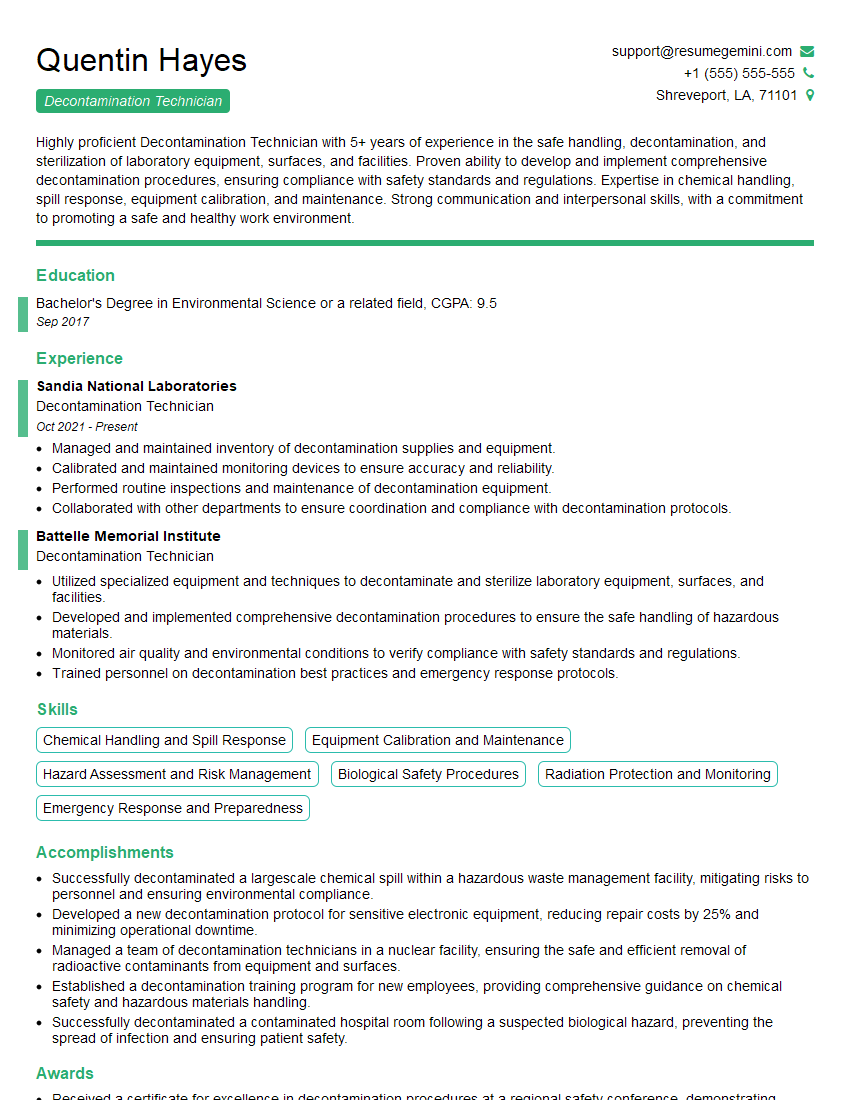
Decontamination Technician Resume Sample
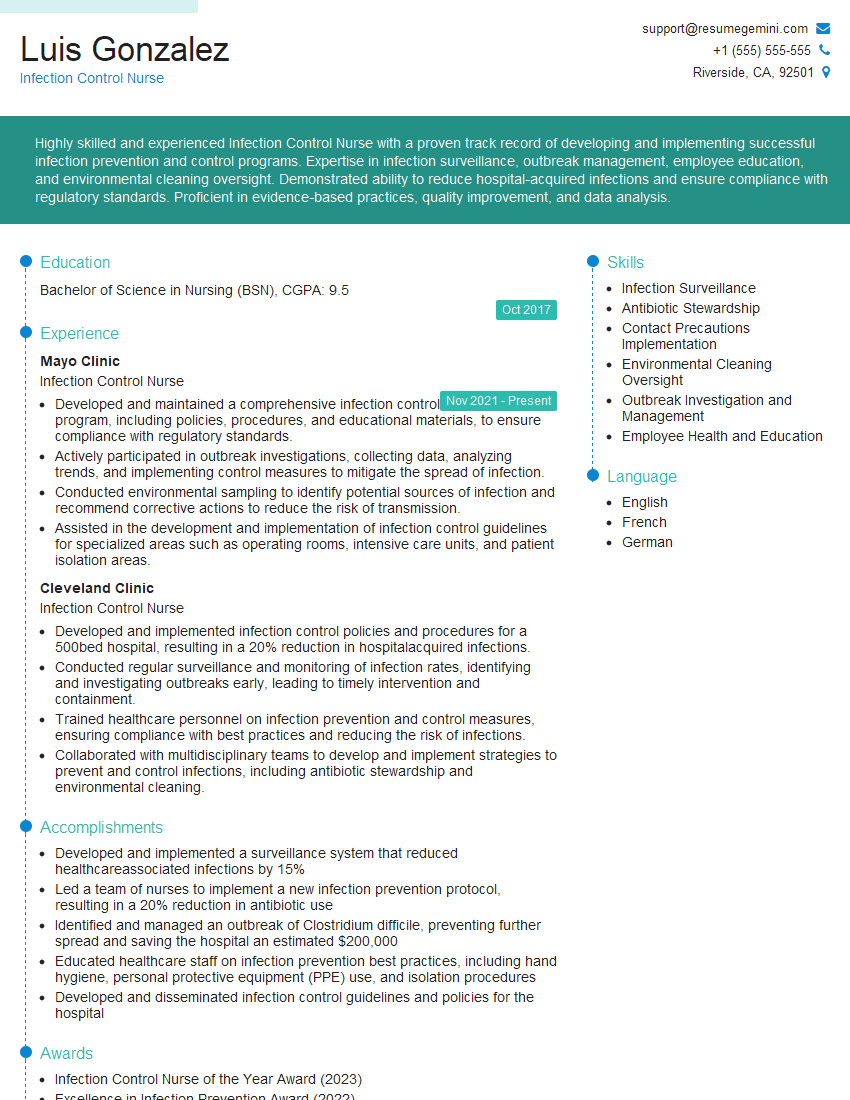
Infection Control Nurse Resume Sample
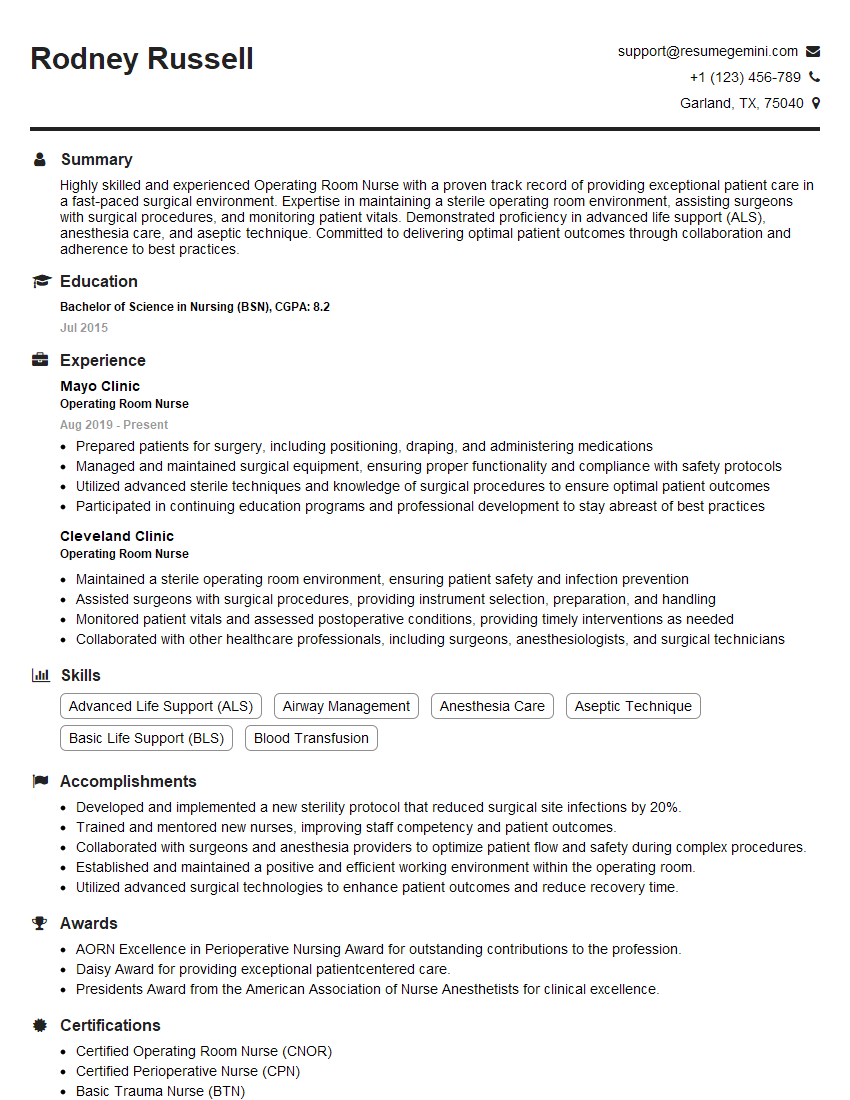
Operating Room Nurse Resume Sample
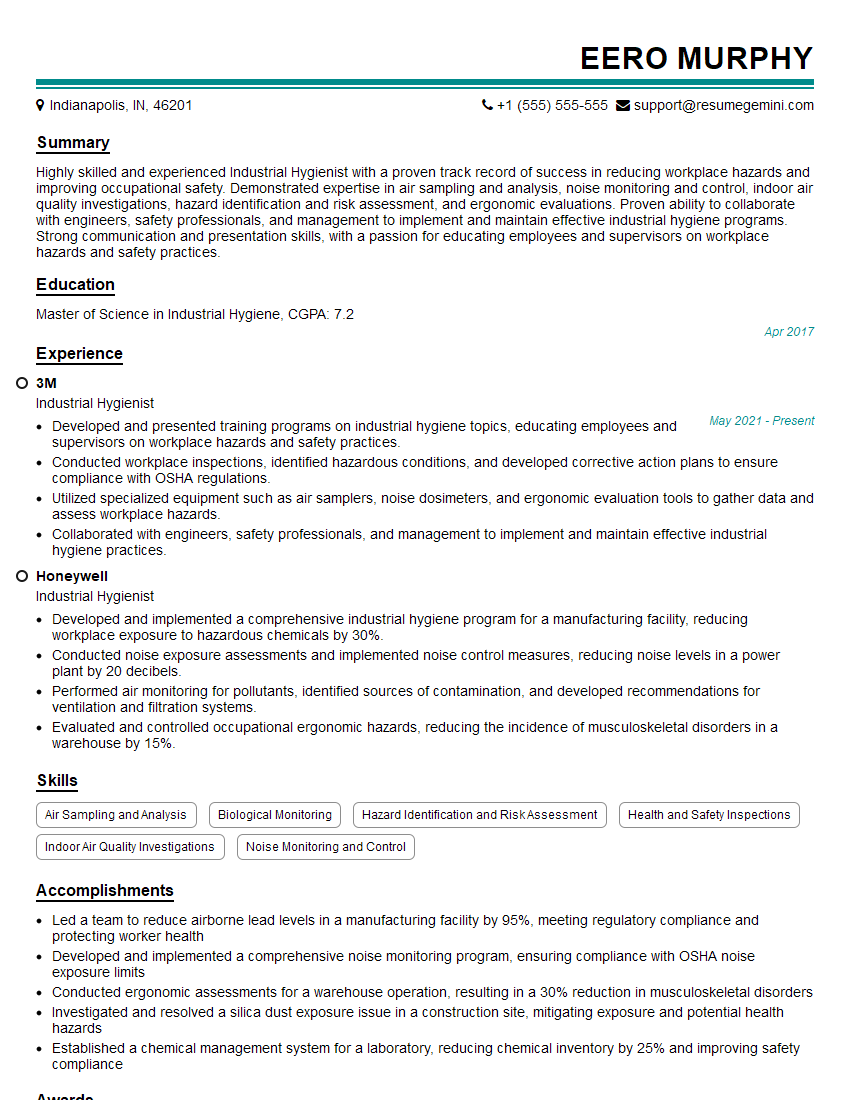
Industrial Hygienist Resume Sample
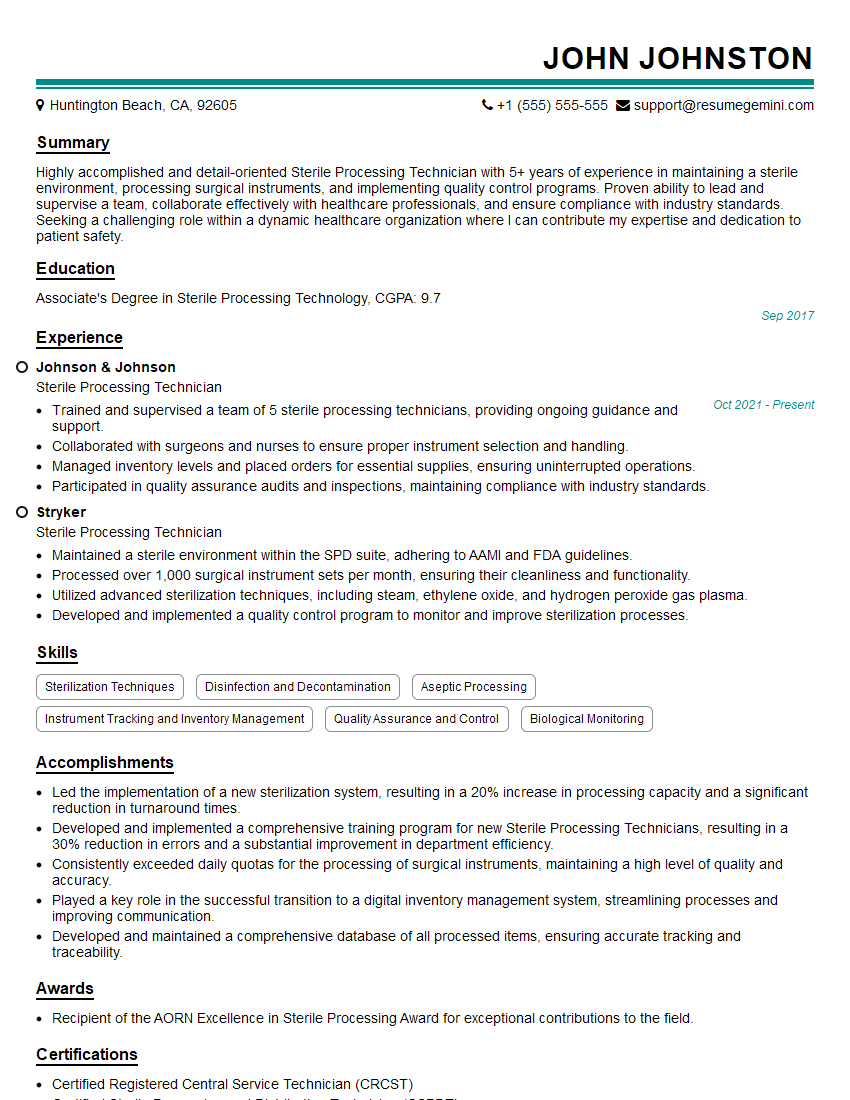
Sterile Processing Technician Resume Sample
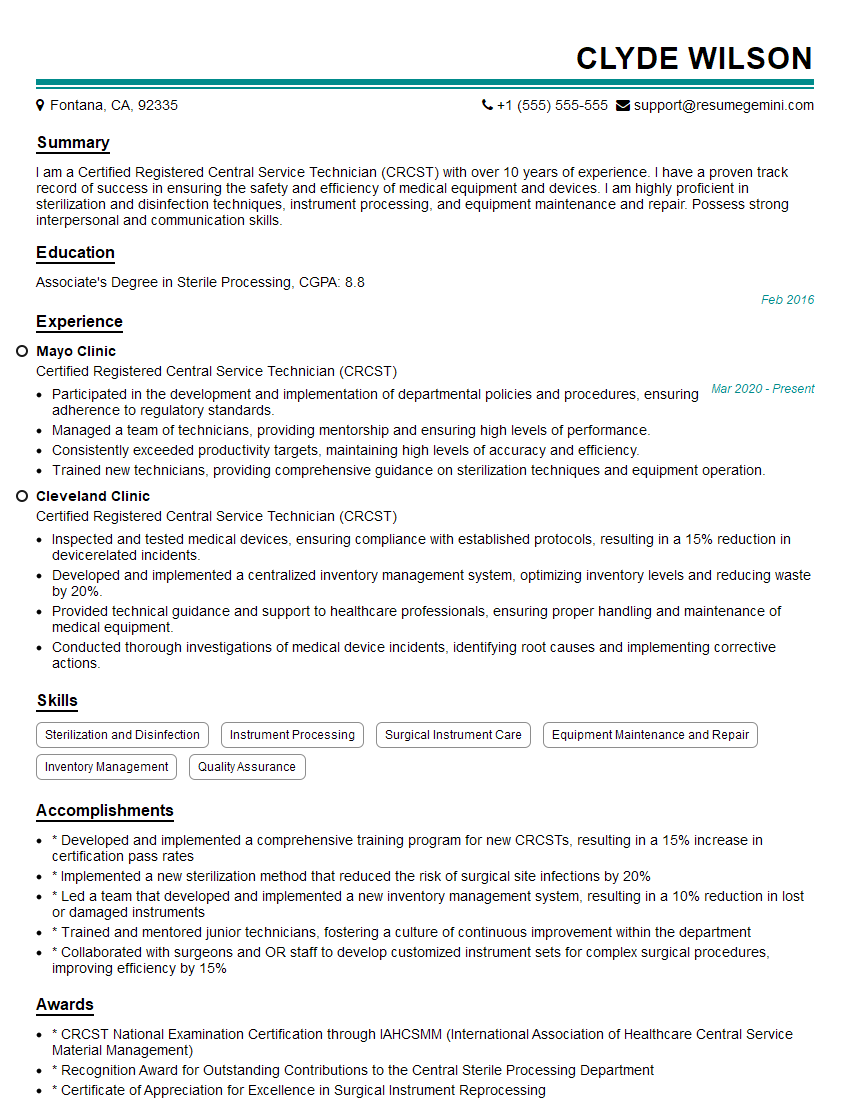
Certified Registered Central Service Technician (CRCST) Resume Sample
Explore more articles
Users Rating of Our Blogs
Share Your Experience
We value your feedback! Please rate our content and share your thoughts (optional).
What Readers Say About Our Blog
Really detailed insights and content, thank you for writing this detailed article.
IT gave me an insight and words to use and be able to think of examples