Are you ready to stand out in your next interview? Understanding and preparing for System Safety interview questions is a game-changer. In this blog, we’ve compiled key questions and expert advice to help you showcase your skills with confidence and precision. Let’s get started on your journey to acing the interview.
Questions Asked in System Safety Interview
Q 1. Explain the difference between hazard, risk, and danger.
The terms hazard, risk, and danger are often used interchangeably, but they have distinct meanings in system safety. Think of it like this: a hazard is the potential source of harm. A risk is the likelihood and severity of harm occurring from that hazard. Danger represents the actual presence of a hazard and the immediate potential for harm.
- Hazard: A condition or circumstance with the potential to cause harm. Example: A high-voltage power line is a hazard because it can cause electric shock.
- Risk: The combination of the probability of a hazard causing harm and the severity of that harm. Example: The risk of electric shock from the high-voltage power line is high if someone is working close to it without proper safety precautions. The risk is lower if proper protective equipment is used.
- Danger: The immediate potential for harm. Example: Someone accidentally touching the high-voltage power line is in immediate danger.
In short: Hazard is the potential, risk is the likelihood and severity, and danger is the imminent threat.
Q 2. Describe your experience with Hazard and Operability (HAZOP) studies.
I have extensive experience conducting HAZOP studies across various industries, including chemical processing and automation. My approach always begins with defining the scope, assembling a multi-disciplinary team with diverse expertise, and selecting a suitable HAZOP guide word methodology.
For example, in a recent project involving an automated pharmaceutical packaging line, our team used guide words like ‘No,’ ‘More,’ ‘Less,’ and ‘Part of’ to systematically investigate each process step. We identified potential deviations from the intended operation, like a ‘No flow’ of medication into the packaging machine, and evaluated the consequences, causes, and safety implications of each deviation.
Following the HAZOP study, we developed a comprehensive list of recommended safety improvements, ranging from implementing additional sensors and alarms to revising operating procedures and emergency shutdown protocols. This collaborative process ensured all potential hazards were identified and mitigated, leading to a significantly safer system.
Q 3. What are the key elements of a Fault Tree Analysis (FTA)?
A Fault Tree Analysis (FTA) is a top-down, deductive method for analyzing system failures. It starts with an undesired event (top event) and works backward to identify the contributing factors (basic events) that could lead to that event.
- Top Event: The undesired event being analyzed. For example, a system shutdown.
- Intermediate Events: Events that contribute to the top event, but are themselves caused by other events.
- Basic Events: The lowest-level events, usually representing component failures or human errors. These events are not further analyzed.
- Logic Gates: Used to show the relationships between events (AND, OR, XOR gates). An AND gate means all events must occur for the next event to occur. An OR gate means any one of the events is sufficient to cause the next event.
- Probability Assignment: Each basic event is assigned a probability of occurrence, which is used to calculate the probability of the top event.
FTA helps visualize the complex interactions between various components and human actions that could contribute to a major failure, enabling proactive measures to enhance safety and reliability.
Q 4. How do you perform a Failure Mode and Effects Analysis (FMEA)?
A Failure Mode and Effects Analysis (FMEA) is a systematic, proactive method to identify potential failure modes within a system and assess their impact. It’s a crucial tool for risk management and improving system reliability.
Performing an FMEA typically involves these steps:
- Define the system: Clearly specify the system or process being analyzed.
- Identify potential failure modes: Brainstorm all possible failure modes for each component or function within the system.
- Assess severity: Determine the severity of each failure mode on a scale (e.g., 1-10), considering its impact on safety, functionality, and cost.
- Assess occurrence: Estimate the probability of each failure mode occurring on a scale (e.g., 1-10).
- Assess detection: Determine the likelihood of detecting the failure mode before it leads to a serious consequence (e.g., 1-10).
- Calculate Risk Priority Number (RPN): Multiply severity, occurrence, and detection ratings (RPN = Severity x Occurrence x Detection). A higher RPN indicates a higher risk.
- Recommend corrective actions: Develop and implement actions to mitigate high-risk failure modes, reducing their severity, occurrence, or improving detection.
- Reassess RPNs: After implementing corrective actions, reassess the RPNs to verify their effectiveness.
For example, in an FMEA of an aircraft braking system, we might identify a failure mode as ‘brake line rupture.’ We would then assess the severity (potentially catastrophic), occurrence (low probability), and detection (high probability with regular inspections). Based on the RPN, we could implement actions like regular inspections and redundancy in the braking system.
Q 5. Explain the concept of Safety Integrity Level (SIL).
The Safety Integrity Level (SIL) is a quantitative measure of the risk reduction provided by a safety function. It’s a crucial concept in functional safety standards like IEC 61508 and ISO 26262. SILs are typically categorized from SIL 1 (lowest) to SIL 4 (highest), with SIL 4 representing the highest level of safety integrity required.
The SIL assigned to a safety function reflects the acceptable risk level. A higher SIL means a lower probability of failure on demand and a higher level of safety required. The selection of the appropriate SIL is based on a risk assessment that considers the severity, frequency, and probability of hazardous events. For instance, a safety-critical system in a nuclear power plant would likely require a higher SIL (like SIL 3 or SIL 4), while a less critical system in a manufacturing plant might only require a SIL 1 or SIL 2.
SIL is determined through various methods, including quantitative and qualitative risk assessments, coupled with the selection of suitable safety instrumented systems (SIS) components with adequate reliability and safety performance.
Q 6. What are some common safety standards relevant to your field (e.g., ISO 26262, IEC 61508)?
Several safety standards are highly relevant to my field, providing a framework for systematic safety management. Two prominent examples are:
- IEC 61508: This is the foundational standard for functional safety of electrical/electronic/programmable electronic safety-related systems. It defines the requirements for managing risks associated with these systems, covering various aspects such as hazard identification, risk assessment, safety requirements specification, design, verification, and validation.
- ISO 26262: This standard specifically addresses functional safety in the automotive industry. It’s based on IEC 61508 but adapted to the unique challenges and contexts of automotive systems, covering issues like driver assistance systems, braking systems, and engine control units.
Other relevant standards include those focused on specific industries, such as those related to process safety (e.g., for chemical plants) or aerospace systems. My expertise spans the principles of these standards, allowing me to tailor safety methodologies to the specific demands of any project.
Q 7. Describe your experience with Safety Case development.
I have significant experience in developing Safety Cases. A Safety Case is a structured argument, supported by evidence, which demonstrates that the risks associated with a system are acceptably low. The process involves:
- Hazard Identification and Risk Assessment: Identifying potential hazards and evaluating their associated risks using techniques like HAZOP, FTA, and FMEA.
- Safety Requirements Specification: Defining the necessary safety requirements to mitigate the identified risks to an acceptable level.
- Safety System Design and Implementation: Designing and implementing safety systems to meet the specified requirements, often including Safety Instrumented Systems (SIS).
- Verification and Validation: Verifying that the safety systems are correctly designed and implemented, and validating that they achieve the intended safety level.
- Safety Case Documentation: Documenting all aspects of the safety case, including hazard analysis, safety requirements, design details, verification and validation results, and evidence to support the argument of acceptable risk.
A compelling Safety Case relies on clear communication and robust evidence. For instance, in a recent project for a railway signaling system, the Safety Case included detailed failure analysis, evidence of compliance with relevant standards (like CENELEC EN 50128), and simulation results to demonstrate the system’s resilience to various failure scenarios.
The final Safety Case served as a crucial document for regulatory approval and provided stakeholders with confidence in the safety of the system.
Q 8. How do you identify and mitigate systemic risks?
Identifying and mitigating systemic risks involves a holistic approach, moving beyond individual component failures to address weaknesses in the overall system design, processes, and organizational culture. Think of it like finding the cracks in the foundation of a house rather than just patching individual bricks.
My approach begins with a thorough system analysis, using methods like Hazard and Operability studies (HAZOP) or Failure Mode and Effects Analysis (FMEA). HAZOP systematically examines the design and operation of the system, considering deviations from normal operating conditions. FMEA, on the other hand, focuses on identifying potential failures of individual components and their impact on the overall system. Both methods are crucial in identifying latent systemic vulnerabilities.
Once potential systemic risks are identified, mitigation strategies are developed and implemented. These can include redesigning critical components, implementing robust safety procedures, improving training programs for operators, or implementing a more rigorous quality control system. For example, if a HAZOP analysis reveals a lack of redundancy in a safety-critical system, the mitigation could be to add a backup system, eliminating the single point of failure.
Continuous monitoring and improvement are also vital. Regular safety reviews and audits ensure the effectiveness of implemented mitigation strategies and allow for proactive identification of emerging risks. This iterative approach is key to effectively managing systemic risks.
Q 9. How do you manage safety-related risks during project lifecycle phases?
Managing safety-related risks across the project lifecycle requires a proactive, integrated approach. Each phase—from concept to decommissioning—presents unique challenges and opportunities for risk management. Imagine building a house; you wouldn’t just worry about the roof after the walls are up.
- Concept Phase: Preliminary Hazard Analysis (PHA) identifies potential hazards early, influencing design decisions. This is crucial for preventing the introduction of inherent risks.
- Design Phase: Detailed safety analysis, like FMEA, helps identify and mitigate risks related to specific components and their interactions. This is where design choices significantly impact safety.
- Development Phase: Verification and validation activities—including testing and simulation—confirm that safety requirements are met. This stage demonstrates that the design works as intended from a safety perspective.
- Implementation Phase: Safety training for operators and maintenance personnel is critical. Procedures are refined to minimize operational risks. This phase ensures safe and responsible operation.
- Operational Phase: Regular safety inspections, incident reporting, and risk assessments monitor the system’s performance and identify any new or evolving risks. This is about ongoing vigilance.
- Decommissioning Phase: Safe shutdown and disposal procedures minimize environmental and safety risks at the end of the system’s life cycle. This phase focuses on the responsible dismantling of the system.
Throughout all phases, documentation and traceability are paramount. A clear audit trail is essential to demonstrate compliance with safety regulations and standards.
Q 10. Explain your understanding of probabilistic risk assessment.
Probabilistic Risk Assessment (PRA) is a quantitative method for evaluating the likelihood and consequences of hazardous events. Unlike qualitative assessments, which focus on ranking risks based on subjective judgments, PRA uses numerical data and statistical techniques to determine the probability of specific risks occurring. Think of it as calculating the odds of a specific event happening, rather than just saying it’s ‘high’ or ‘low’.
A common PRA technique is Fault Tree Analysis (FTA), which works backward from an undesired event (a ‘top event’) to identify the combinations of basic events that could cause it. Each basic event is assigned a probability of occurrence, allowing for the calculation of the probability of the top event. Another method is Event Tree Analysis (ETA), which starts with an initiating event and traces the possible consequences through a series of branching events. Both FTA and ETA provide a visual representation of the risk pathways.
The results of PRA are often presented as risk curves, showing the probability of different levels of consequences. This allows for informed decision-making about risk mitigation strategies. For example, a PRA might reveal that the probability of a catastrophic event is low but the consequences are extremely severe; this might justify a high level of investment in mitigating that specific risk.
Q 11. What are the common techniques for risk reduction?
Risk reduction techniques aim to lower the probability or severity of hazardous events. They can be broadly categorized into:
- Inherent Safety: Designing hazards out of the system altogether. For example, using intrinsically safe equipment eliminates the risk of ignition.
- Passive Safety: Employing safety features that require no active intervention. Examples include fire suppression systems and redundant components.
- Active Safety: Using active systems that require monitoring and intervention. Examples include alarm systems and automatic shut-off mechanisms.
- Procedural Safety: Establishing and following clear operating procedures, maintenance schedules, and training programs. This covers how people interact with the system.
- Administrative Controls: Implementing safety regulations, management systems, and oversight mechanisms. This is about the broader organizational context.
The choice of technique depends on the specific risk and its characteristics. A combination of techniques is often employed for a comprehensive risk reduction strategy. For instance, a chemical plant might combine inherent safety measures (using less hazardous materials) with passive safety features (pressure relief valves) and active safety systems (process control monitoring).
Q 12. Describe your experience with root cause analysis.
Root Cause Analysis (RCA) is a systematic investigation to identify the underlying causes of an incident or near-miss. It’s not just about identifying what happened, but *why* it happened. Think of it like peeling an onion, layer by layer, until you get to the core issue.
I’ve used several RCA methods including the ‘5 Whys’, fault tree analysis (as mentioned earlier), and Fishbone diagrams (Ishikawa diagrams). The ‘5 Whys’ method involves repeatedly asking ‘why’ to drill down to the root cause. While simple, it’s effective for straightforward issues. More complex situations often benefit from structured methods like FTA or Fishbone diagrams, which facilitate a more comprehensive exploration of contributing factors.
For example, in a scenario where a process control system failed, a ‘5 Whys’ analysis might reveal:
- Incident: System failure.
- Why? Sensor malfunction.
- Why? Sensor calibration was overdue.
- Why? Maintenance schedule wasn’t followed.
- Why? Inadequate training for maintenance personnel.
- Why? Lack of clear procedures and oversight.
The root cause, therefore, might be inadequate training and lack of procedures rather than just the sensor malfunction itself. RCA is crucial for preventing similar incidents from happening again.
Q 13. How do you handle conflicting safety requirements?
Conflicting safety requirements are a common challenge. These conflicts can arise from different stakeholders having different priorities or from inherent trade-offs between safety and other system requirements (e.g., performance, cost). The key is to prioritize and resolve these conflicts in a systematic and documented manner.
My approach involves a multi-step process:
- Identify and Document the Conflicts: Clearly define the conflicting requirements, specifying the source and rationale for each.
- Analyze the Severity and Probability of Each Risk: Assess the potential consequences of not meeting each requirement using qualitative or quantitative risk assessment methods.
- Prioritize the Requirements: Based on the risk assessment, prioritize the requirements, focusing on those with the highest severity and probability. This often involves a risk matrix.
- Develop Mitigation Strategies: For less critical requirements, develop strategies to mitigate the risks associated with not fully meeting them. This might include alternative design solutions or additional safety features.
- Document the Decisions and Rationale: Maintain a clear record of the decisions made, justifying the prioritization and mitigation strategies. This is crucial for accountability and future audits.
- Re-evaluate Regularly: As the project progresses, revisit the prioritized requirements to ensure they remain aligned with the evolving system design and risks.
Sometimes, compromises need to be made. This decision-making process should be transparent, involving all relevant stakeholders, and supported by a strong rationale based on risk assessment.
Q 14. Explain your approach to safety verification and validation.
Safety verification and validation are distinct but complementary processes aimed at ensuring that the system meets its safety requirements. Verification confirms that the system is built correctly (does it meet the design specifications?), while validation ensures that the system is built correctly *and* does the right job (does it meet the intended purpose and user needs from a safety standpoint?). Think of building a house: verification is checking if the walls are straight and the roof is properly constructed; validation is making sure the house protects occupants from the elements and provides a safe living environment.
My approach involves using a combination of methods:
- Inspections and Reviews: These involve careful examination of design documents, code, and test results to identify potential safety hazards.
- Testing and Simulation: These provide concrete evidence that the system performs as intended under various operating conditions and fault scenarios. This includes unit, integration, and system-level testing.
- Analysis Methods: These can include FTA, FMEA, and other methods to predict system behavior and potential failure modes.
- Independent Verification and Validation (IV&V): Having an independent team review the safety processes and results provides an unbiased assessment of the system’s safety.
The overall goal is to build confidence that the system is safe for its intended use. A comprehensive safety verification and validation plan, aligned with applicable standards and regulations, is crucial for success. Detailed documentation of the processes and results is necessary to demonstrate compliance.
Q 15. Describe your experience with safety lifecycle management.
Safety lifecycle management is the systematic approach to managing safety throughout a system’s entire lifespan, from conception to decommissioning. It involves a continuous process of identifying, analyzing, mitigating, and controlling hazards. Think of it like building a house – you wouldn’t just start constructing without blueprints and safety inspections, right? Similarly, a system needs careful planning and ongoing monitoring.
- Conceptual Design: Identifying potential hazards early in the design phase is crucial. This involves hazard and operability studies (HAZOP) and failure modes and effects analysis (FMEA).
- Detailed Design: Safety requirements are integrated into the design specifications, ensuring that the system is inherently safe. This often involves redundancy, fail-safes, and safety interlocks.
- Implementation & Testing: Verification and validation activities are essential to ensure the system meets its safety requirements. This might include simulations, testing in controlled environments, and beta testing with end-users.
- Operation & Maintenance: Ongoing monitoring, inspection, and maintenance are vital to maintaining the system’s safety. Regular safety audits and incident reporting mechanisms are implemented.
- Decommissioning: Safe and environmentally sound disposal or retirement of the system is the final stage. This includes proper removal of hazardous components and materials.
In my previous role at Acme Corporation, I led the safety lifecycle management for the development of a new automated manufacturing line. We employed a HAZOP study to identify potential hazards early on, resulting in design changes that mitigated the risk of operator injury by 30%.
Career Expert Tips:
- Ace those interviews! Prepare effectively by reviewing the Top 50 Most Common Interview Questions on ResumeGemini.
- Navigate your job search with confidence! Explore a wide range of Career Tips on ResumeGemini. Learn about common challenges and recommendations to overcome them.
- Craft the perfect resume! Master the Art of Resume Writing with ResumeGemini’s guide. Showcase your unique qualifications and achievements effectively.
- Don’t miss out on holiday savings! Build your dream resume with ResumeGemini’s ATS optimized templates.
Q 16. What is your experience with safety reporting and documentation?
Safety reporting and documentation are fundamental to a robust safety management system. Comprehensive documentation allows for consistent tracking, analysis, and improvement. Think of it as creating a detailed history of the system’s safety performance – what happened, why, and what was done to prevent it from happening again.
- Incident Reporting: This involves documenting all safety incidents, near misses, and accidents, regardless of severity. This data is crucial for identifying trends and areas for improvement.
- Safety Audits: Regular audits are conducted to ensure that safety procedures are being followed and that the system continues to operate within defined safety parameters. These audits produce reports summarizing findings and recommendations.
- Safety Analyses: Documents detailing safety analysis methodologies such as HAZOP and FMEA are crucial. These provide a structured approach to systematically identify and assess hazards.
- Risk Assessments: These documents quantify the likelihood and severity of identified hazards, allowing for prioritization of mitigation efforts.
- Safety Management Plans: A comprehensive document outlining the organization’s safety policy, procedures, and responsibilities.
In my experience, using a standardized reporting system with a clear escalation path ensures that all issues are addressed promptly and efficiently. For example, I developed a digital reporting system for a previous client which reduced reporting time by 40% and improved accuracy of data analysis.
Q 17. How do you ensure effective communication and collaboration within a safety team?
Effective communication and collaboration are paramount within a safety team. A well-functioning team is like a finely tuned orchestra – each member plays a vital role, and seamless communication ensures a harmonious outcome.
- Regular Meetings: Establishing regular meetings with clearly defined agendas ensures everyone stays informed and can contribute their expertise.
- Open Communication Channels: Creating a culture of open communication, where team members feel comfortable raising concerns, is critical. This might involve using collaborative tools like project management software.
- Clear Roles and Responsibilities: Assigning clear roles and responsibilities prevents duplication of effort and ensures accountability.
- Training and Development: Providing regular training to keep team members up-to-date on safety procedures and regulations is crucial for maintaining competence.
- Conflict Resolution Mechanisms: Establishing mechanisms for resolving disagreements and conflicts professionally ensures a collaborative environment.
I’ve found that utilizing visual tools like dashboards and progress reports enhances communication and facilitates collaborative problem-solving. In a past project, we used a shared online whiteboard to brainstorm solutions, which significantly improved teamwork and efficiency.
Q 18. How do you stay updated on the latest safety standards and regulations?
Staying current with safety standards and regulations is a continuous process. The landscape of safety standards is constantly evolving, so staying informed is crucial for maintaining a high level of safety performance. Think of it like constantly updating your navigation system – you need the latest maps to ensure you get to your destination safely.
- Professional Organizations: Joining professional organizations like the Institution of Engineering and Technology (IET) or similar organizations provides access to resources, publications, and networking opportunities.
- Industry Conferences and Workshops: Attending industry conferences and workshops provides a valuable opportunity to learn about the latest developments and best practices in safety.
- Regulatory Websites: Regularly reviewing the websites of relevant regulatory bodies provides updates on new regulations and standards.
- Professional Publications: Subscribing to industry journals and publications helps maintain awareness of advancements in safety engineering and technology.
- Continuing Education: Participating in continuing education courses and workshops helps maintain and enhance technical skills.
Personally, I subscribe to several industry journals, attend relevant conferences annually, and actively participate in online forums and communities to stay abreast of the latest developments in system safety.
Q 19. Describe a challenging safety problem you solved. What was your approach?
In a previous role, we encountered a critical safety issue involving a malfunction in the emergency shutdown system of a large industrial machine. The system occasionally failed to shut down when sensors detected a critical fault. This posed a significant risk to operators and the facility.
My approach involved a systematic investigation using a combination of techniques:
- Incident Analysis: We meticulously reviewed the incident reports to understand the circumstances surrounding the failures.
- Root Cause Analysis: We used a 5 Whys analysis and fault tree analysis to identify the underlying causes of the malfunctions. We discovered a software bug causing the system to fail under specific load conditions.
- Corrective Actions: We implemented a software patch to address the bug and introduced additional hardware redundancy to the system, ensuring that even if one component failed, the system would still shut down safely.
- Verification and Validation: Rigorous testing was performed to ensure the effectiveness of the implemented solution.
- Documentation and Training: We updated all relevant documentation and provided comprehensive training to operators and maintenance personnel on the modified system.
This multi-faceted approach successfully resolved the issue, significantly reducing the risk of future incidents. It also highlighted the importance of robust testing and validation throughout the system lifecycle.
Q 20. What are your strengths and weaknesses in relation to System Safety?
My strengths lie in my systematic approach to problem-solving, my deep understanding of various safety analysis techniques, and my ability to communicate complex technical information clearly and effectively to both technical and non-technical audiences. I’m also adept at leading and motivating safety teams to achieve common goals.
One area I’m constantly working to improve is my proficiency in advanced statistical analysis techniques for analyzing large safety datasets. While I have a good understanding of the fundamentals, I aim to further develop my skills in this area to enhance my analytical capabilities. I’m currently undertaking online courses to strengthen this specific skillset.
Q 21. How would you handle a situation where safety standards are not being followed?
If I observed safety standards not being followed, my first step would be to understand the context. Sometimes, there might be legitimate reasons (e.g., temporary waivers due to exceptional circumstances) but these must be formally documented and justified.
My approach would be:
- Direct Observation and Documentation: I would document the specific instances of non-compliance and collect any relevant evidence.
- Informal Discussion: I would initiate a conversation with the individual or team involved, aiming to understand the reasons for the non-compliance. This could reveal issues with training, unclear procedures, or resource limitations.
- Formal Reporting: If the informal approach doesn’t resolve the issue, I would escalate the matter through the appropriate reporting channels, possibly involving management or safety oversight bodies. This might include submitting a formal incident report.
- Corrective Actions: Collaborating with management and the team involved to develop and implement corrective actions, such as updated procedures, additional training, or improved resource allocation. This ensures that the non-compliance is addressed and doesn’t recur.
- Follow-up and Monitoring: Regular follow-up to monitor the effectiveness of the implemented corrective actions and ensure compliance is maintained.
My approach emphasizes collaboration and problem-solving, while ensuring that safety standards are upheld. The focus is always on preventing accidents and ensuring the safety of all involved.
Q 22. Explain your experience with safety audits and inspections.
Safety audits and inspections are crucial for proactively identifying and mitigating hazards within a system. My experience encompasses conducting both planned and reactive audits across diverse industries, including aerospace, manufacturing, and healthcare. A planned audit follows a pre-defined checklist, systematically evaluating compliance with safety regulations, procedures, and standards. This might involve reviewing documentation, observing work practices, and interviewing personnel. Reactive audits, on the other hand, are triggered by incidents or near misses, focusing on the root causes and implementing corrective actions to prevent recurrence.
For example, in a recent audit of a manufacturing plant, I identified a lack of proper lockout/tagout procedures during machine maintenance, a significant safety hazard. My report detailed the deficiencies, recommended corrective actions (including training and procedural updates), and proposed a follow-up inspection to verify implementation. I also have experience leading and participating in inspections focusing on specific equipment or processes, often using established inspection methodologies like checklists and scoring systems to objectively assess safety performance.
Q 23. Describe your familiarity with different safety analysis techniques.
I’m proficient in various safety analysis techniques, each offering a unique perspective on potential hazards. These include:
- Hazard and Operability Studies (HAZOP): A systematic method for identifying deviations from intended operation and their potential consequences. I’ve used HAZOP extensively in process industries to identify potential hazards during design and operation. For example, in a chemical plant HAZOP, we identified a potential for overpressure in a reactor vessel, leading to the implementation of a safety relief valve.
- Failure Mode and Effects Analysis (FMEA): A bottom-up approach focusing on individual components and their potential failure modes, analyzing the effects of each failure on the system. I’ve used FMEA in designing automotive systems, identifying potential failures in braking components and implementing redundancy to enhance safety.
- Fault Tree Analysis (FTA): A top-down approach that starts with an undesired event (e.g., system failure) and works backward to identify the contributing causes. I’ve utilized FTA in aerospace applications to analyze the causes of potential aircraft accidents.
- Bow-Tie Analysis: A visual risk assessment method combining elements of FTA and HAZOP, offering a comprehensive view of hazards, causes, consequences, and controls. This is often used for risk management and communication.
The choice of technique depends on the system’s complexity, regulatory requirements, and available resources. Often, a combination of these methods provides a comprehensive safety assessment.
Q 24. How do you integrate safety considerations into the design process?
Integrating safety considerations into the design process is paramount, employing a ‘safety by design’ philosophy. This involves incorporating safety requirements from the initial conceptual phase, not as an afterthought. This proactive approach is far more cost-effective and efficient than addressing safety issues later in the lifecycle.
My approach involves:
- Early Hazard Identification: Utilizing techniques like HAZOP and FMEA early in the design phase to identify potential hazards.
- Incorporating Safety Requirements: Developing detailed safety requirements that are traceable throughout the design and development process.
- Safety Verification and Validation: Implementing rigorous testing and simulation to verify that safety requirements are met and validate the effectiveness of safety mechanisms.
- Safety Case Development: Creating a documented argument demonstrating that the system is acceptably safe, based on evidence from the design, analysis, and testing.
For example, in designing a medical device, we incorporated multiple layers of safety, including redundant sensors, fail-safe mechanisms, and rigorous testing to ensure patient safety.
Q 25. How do you balance safety and cost considerations in a project?
Balancing safety and cost is a critical aspect of system safety engineering, requiring careful consideration and prioritization. It’s not about choosing one over the other, but finding the optimal balance that minimizes risk while remaining economically feasible. This involves a thorough risk assessment, identifying potential hazards and quantifying their associated risks in terms of likelihood and severity.
My approach involves:
- Risk Prioritization: Focusing resources on mitigating the highest-risk hazards first. Cost-effective mitigation measures are prioritized over expensive solutions for low-risk hazards.
- Cost-Benefit Analysis: Evaluating the cost of implementing safety measures against the potential cost of accidents or failures. A cost-benefit analysis helps justify investments in safety improvements.
- ALARP Principle: Applying the ALARP principle to ensure that residual risks are reduced As Low As Reasonably Practicable, considering both technical feasibility and economic constraints.
- Value Engineering: Exploring alternative design solutions that achieve the same level of safety at a lower cost.
For instance, in a construction project, choosing higher-quality, more expensive safety equipment might be justified if it significantly reduces the risk of serious injuries, even if it increases the initial project cost.
Q 26. Explain the concept of ALARP (As Low As Reasonably Practicable).
ALARP, or As Low As Reasonably Practicable, is a key principle in risk management. It emphasizes that risks should be reduced to a level where further reduction is disproportionately expensive or difficult to achieve. It’s not about eliminating all risk (which is often impossible and impractically expensive), but about achieving an acceptable level of risk.
The determination of what is ‘reasonably practicable’ involves a thorough assessment of:
- The likelihood and severity of the risk: Higher likelihood and severity risks justify greater investment in mitigation.
- The cost and feasibility of risk reduction measures: Implementing extremely expensive or technically challenging measures might not be ‘reasonably practicable’ for minor risks.
- Available technology and resources: The practicality of risk reduction is also influenced by available technologies and budget constraints.
ALARP requires a balanced judgment considering safety, cost, and feasibility. It’s often documented using a risk matrix or similar methodology to provide justification for the chosen level of risk.
Q 27. How do you assess the effectiveness of safety measures?
Assessing the effectiveness of safety measures requires a multifaceted approach, going beyond simply verifying implementation. I employ several strategies:
- Performance Monitoring: Regularly monitoring the performance of safety systems and procedures to identify any deviations from expected behavior. This might involve collecting data on accident rates, near misses, and system failures.
- Audits and Inspections: Regular audits and inspections provide an independent assessment of safety performance, verifying compliance with standards and procedures.
- Incident Investigation: Thorough investigation of accidents and near misses to understand the root causes and identify areas for improvement in existing safety measures.
- Data Analysis: Analyzing data collected through performance monitoring and incident investigation to identify trends and patterns that indicate effectiveness or areas needing improvement.
- Simulation and Modeling: Using simulations and models to evaluate the effectiveness of safety systems under different operating conditions.
For instance, if a new safety system is implemented to reduce equipment malfunctions, data on equipment failure rates before and after implementation can demonstrate the effectiveness of the new system. Continuous monitoring and improvement based on data analysis ensures ongoing safety performance.
Q 28. Describe your understanding of human factors in system safety.
Human factors play a critical role in system safety, often being the root cause of accidents and incidents. I have extensive experience considering human factors throughout the system lifecycle. Understanding human capabilities, limitations, and behaviors is crucial for designing safe systems. My approach includes:
- Human-Machine Interface (HMI) Design: Designing user-friendly interfaces that minimize human error. This includes clear displays, intuitive controls, and effective feedback mechanisms.
- Workload Analysis: Evaluating the workload imposed on operators to avoid excessive stress and fatigue, which can lead to mistakes. This could involve using task analysis techniques to optimize workflows.
- Error Analysis: Identifying potential human errors and designing safeguards to mitigate their impact. This involves techniques like human error analysis and task analysis to anticipate and prevent errors.
- Training and Procedures: Developing effective training programs and clear, concise procedures to ensure operators have the necessary skills and knowledge to operate the system safely.
- Ergonomics: Designing workspaces and equipment to promote comfort and efficiency, reducing the risk of musculoskeletal injuries and operator fatigue.
For example, in designing a nuclear power plant control room, careful consideration was given to the arrangement of controls and displays, alarm systems, and operator training to minimize the chance of human error in critical situations.
Key Topics to Learn for System Safety Interview
- Hazard Analysis and Risk Assessment (HARA): Understand different HARA methodologies (e.g., FTA, FMEA, HAZOP) and their practical application in identifying and mitigating potential hazards within complex systems.
- Safety Requirements Engineering: Learn how to derive safety requirements from system specifications, ensuring they are clear, verifiable, and traceable throughout the development lifecycle. Consider practical applications like using safety requirement specifications in design reviews.
- Safety Integrity Levels (SIL): Grasp the concept of SILs and their application in selecting appropriate safety-related systems and components. Be prepared to discuss practical examples of SIL allocation and verification.
- Safety Verification and Validation: Explore different techniques for verifying and validating safety requirements, including testing, simulation, and analysis. Consider how these techniques are applied in various development phases.
- Safety Cases and Justification: Understand the structure and content of safety cases, and be able to demonstrate how they justify the safety of a system. Discuss the practical elements of building a convincing safety case.
- Functional Safety Standards (e.g., IEC 61508, ISO 26262): Familiarize yourself with relevant safety standards and their implications for system design, development, and certification. Be prepared to discuss specific clauses and requirements.
- System Architecture and Safety: Understand how system architecture impacts safety and how to design systems with safety in mind. Discuss the trade-offs between safety and other system attributes (performance, cost).
- Safety Management Systems (SMS): Learn about the principles and implementation of SMS, including roles, responsibilities, and processes for managing safety throughout the system lifecycle.
Next Steps
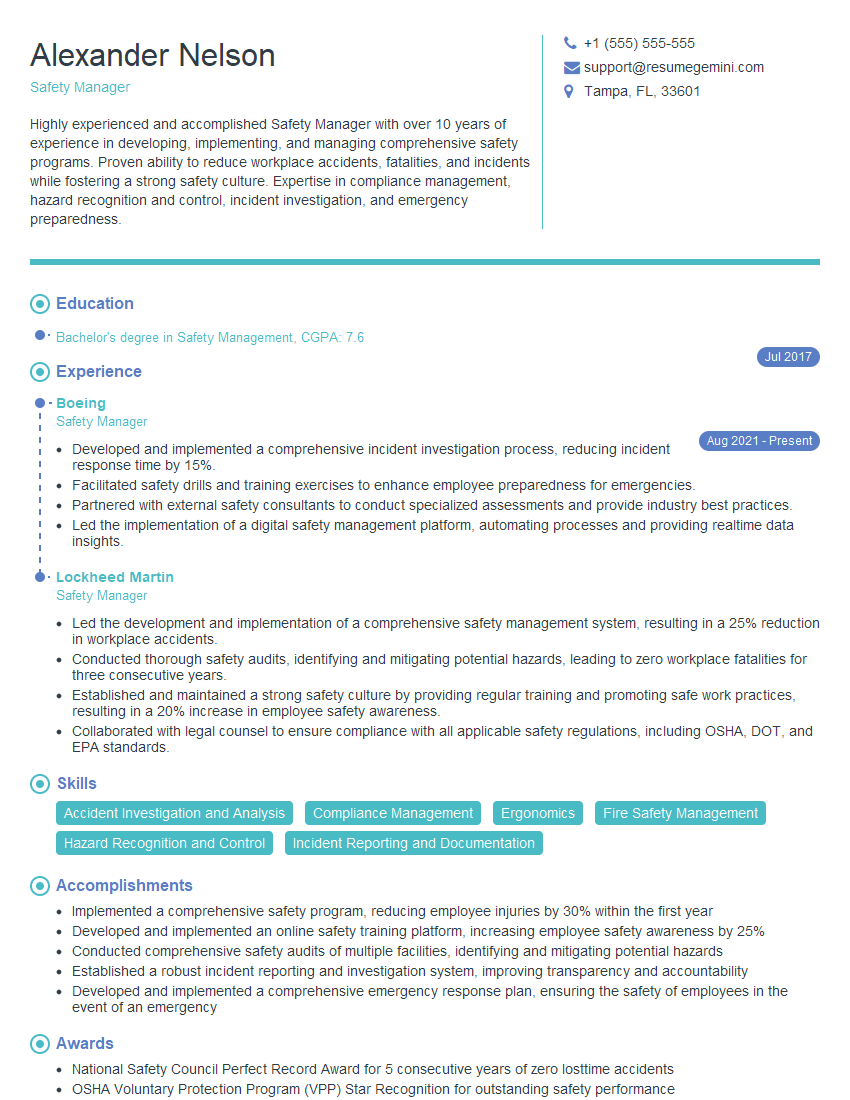
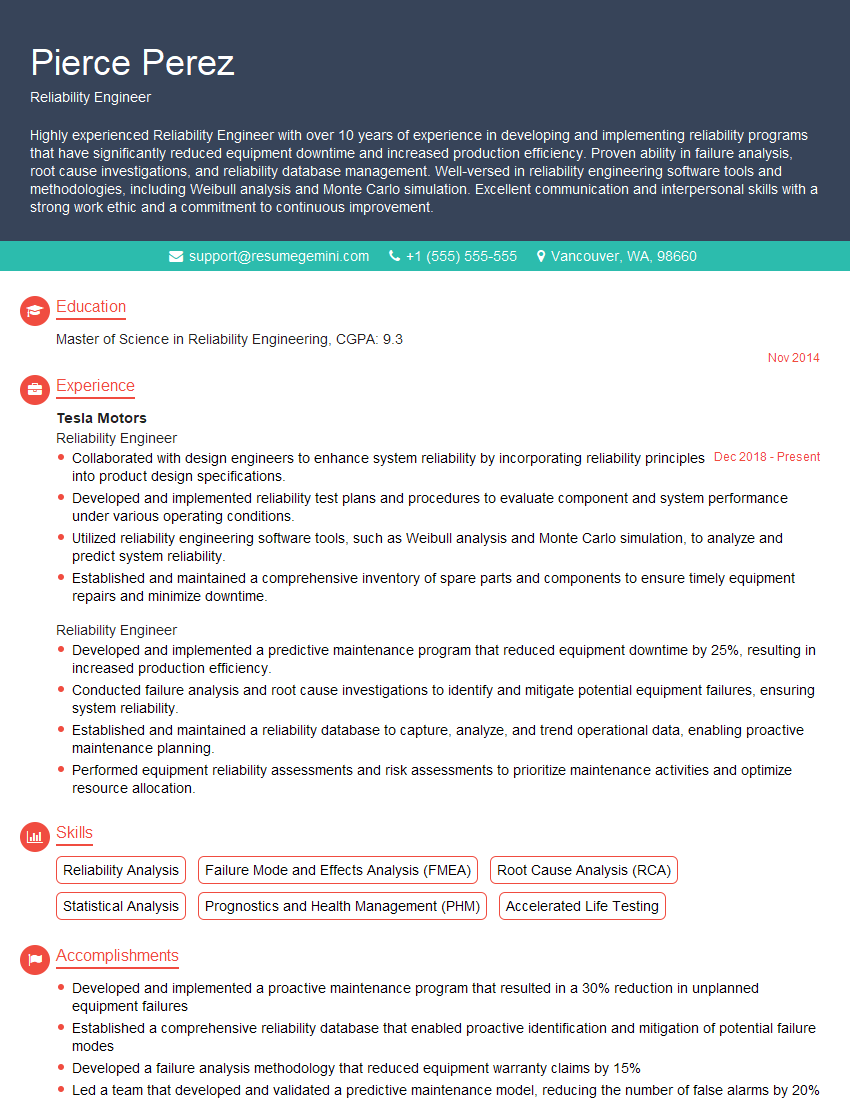
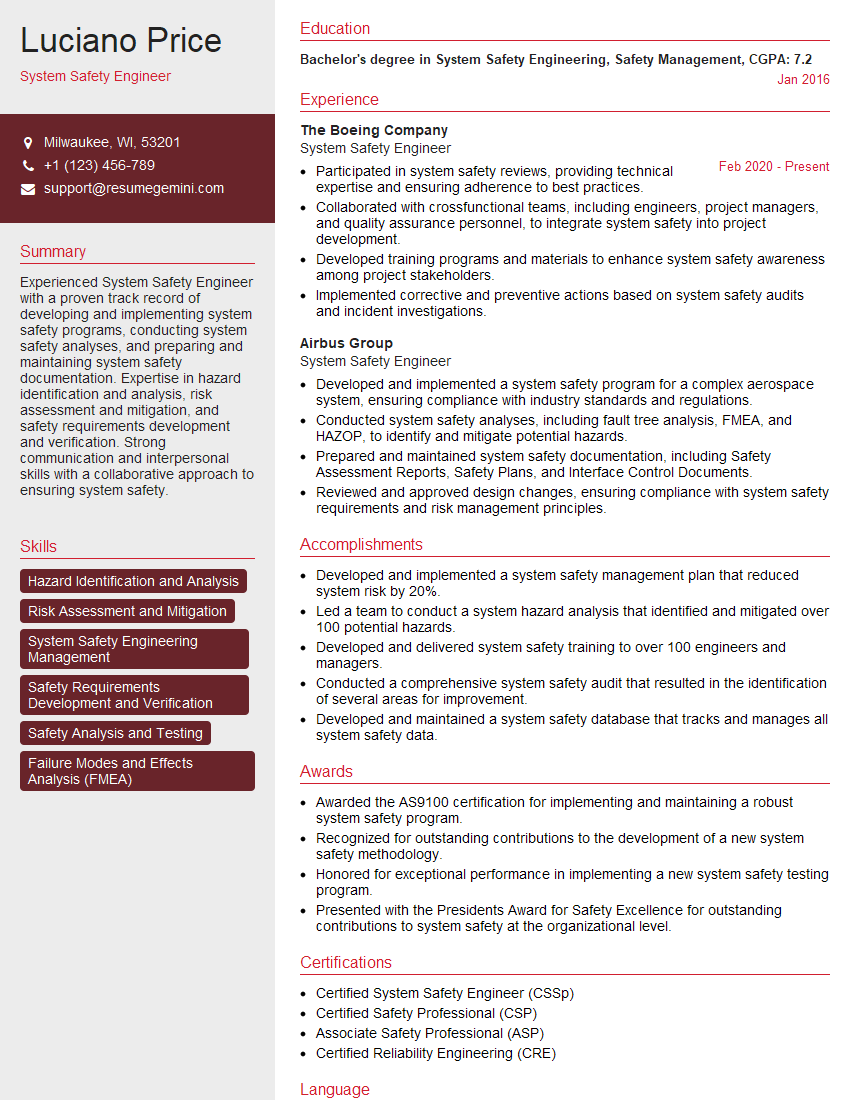
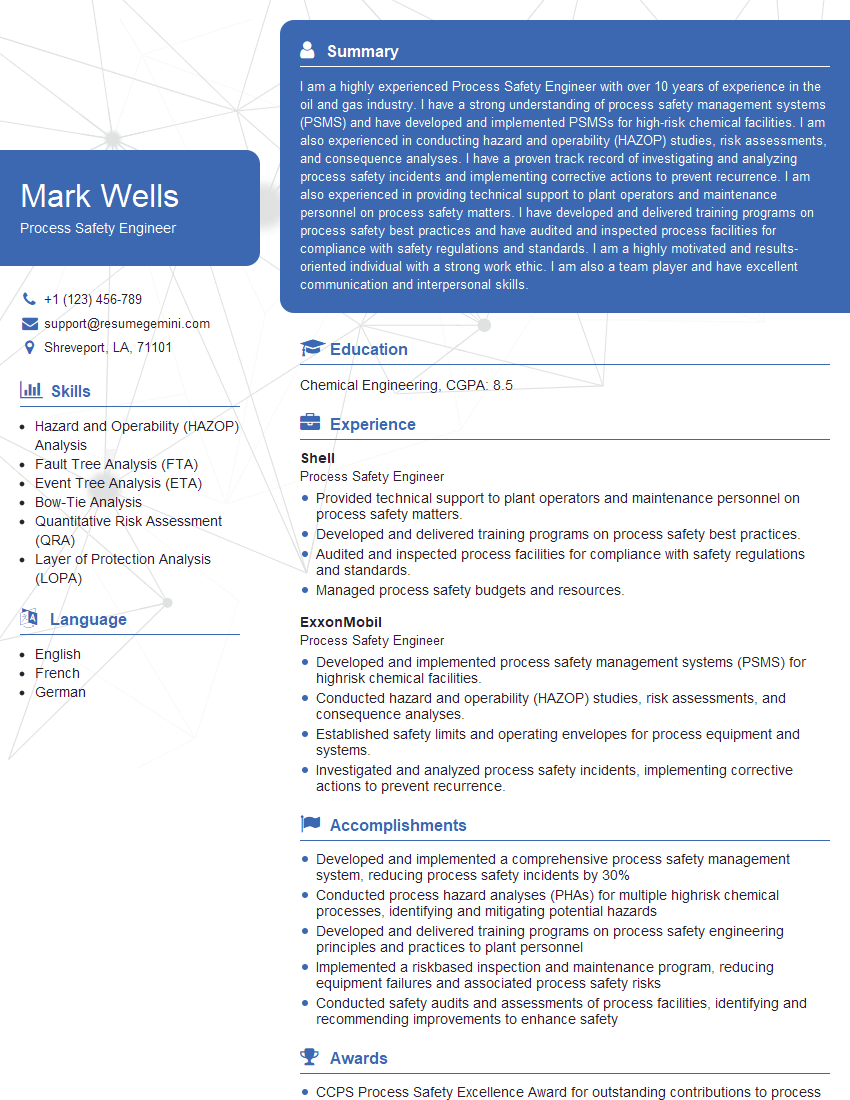
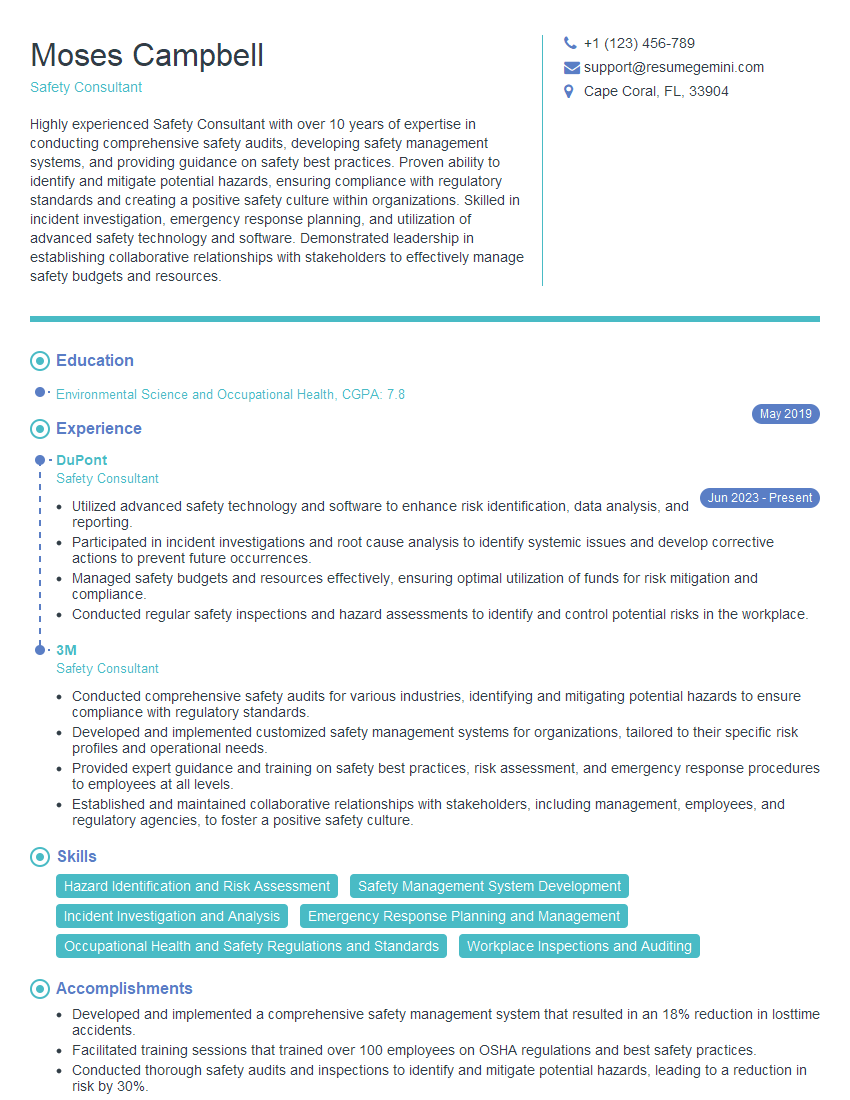
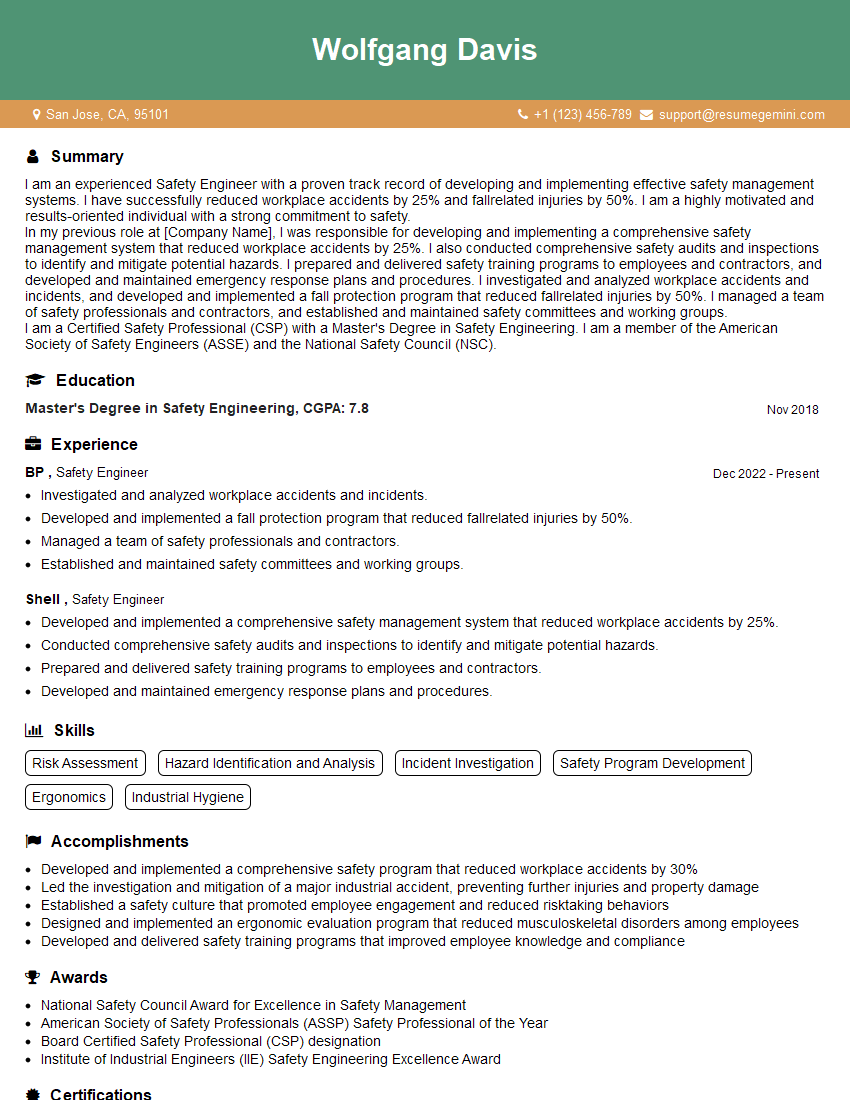
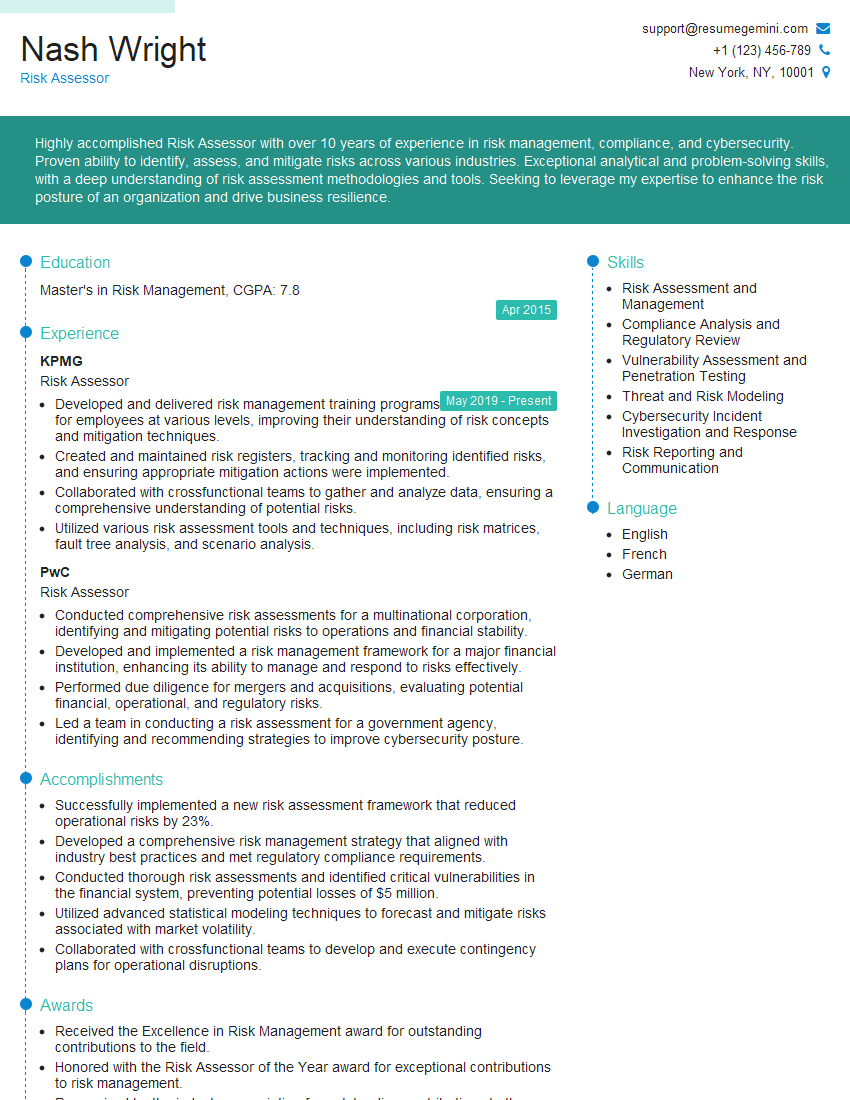
Mastering System Safety is crucial for career advancement in various industries demanding high levels of reliability and safety. A strong understanding of these principles opens doors to exciting roles and higher earning potential. To maximize your job prospects, creating a compelling and ATS-friendly resume is essential. ResumeGemini is a trusted resource that can help you build a professional resume tailored to the System Safety field. Examples of resumes specifically designed for System Safety roles are available to help you get started. Invest time in crafting a resume that effectively showcases your skills and experience – it’s your first impression with potential employers.
Explore more articles
Users Rating of Our Blogs
Share Your Experience
We value your feedback! Please rate our content and share your thoughts (optional).
What Readers Say About Our Blog
Really detailed insights and content, thank you for writing this detailed article.
IT gave me an insight and words to use and be able to think of examples