Are you ready to stand out in your next interview? Understanding and preparing for TieDown Procedures interview questions is a game-changer. In this blog, we’ve compiled key questions and expert advice to help you showcase your skills with confidence and precision. Let’s get started on your journey to acing the interview.
Questions Asked in TieDown Procedures Interview
Q 1. What are the different types of tie-down systems?
Tie-down systems are crucial for securing loads during transportation, preventing shifting and potential accidents. Several types exist, each suited for different cargo and transport methods. These include:
- Ratchet straps: These are the most common, offering adjustable tension and secure fastening. They consist of a strap with a ratchet mechanism for tightening.
- Cam straps: Similar to ratchet straps but utilize a cam buckle for tightening. They are generally faster to use but may not offer the same level of holding power.
- Webbing straps: These are often used in conjunction with other systems, providing added security or support.
- Chains: Primarily used for heavier loads and offer exceptional strength. They require specialized hardware for attachment.
- Rope: Used less frequently for securing heavy loads due to its flexibility and potential for slippage. Requires considerable expertise to use safely.
- Winches: Used for heavy-duty applications, especially in situations needing precise control over tension, like loading large equipment onto trailers.
The choice of tie-down system depends on factors like load weight, size, shape, and the type of vehicle used for transport. For instance, fragile items might necessitate softer webbing straps, while heavy machinery would require robust chains or winches.
Q 2. Explain the importance of proper weight distribution in tie-down procedures.
Proper weight distribution is paramount in safe tie-down procedures. Uneven weight distribution can cause shifting during transit, leading to instability, damage to the load, and potential accidents. Imagine a stack of bricks loaded unevenly on a truck bed; one side is heavier, creating a tipping hazard.
The goal is to achieve a balanced load, distributing the weight evenly across the vehicle’s surface. This minimizes stress on the tie-downs and the vehicle itself. Techniques to achieve this include:
- Strategic placement of heavy items: Concentrate heavier items towards the center of gravity of the vehicle to avoid imbalances.
- Using blocking and bracing: Adding wooden blocks or other materials to prevent shifting and provide support for the load.
- Careful stacking and securing of individual items: Before tying down, ensure the individual components of your load are stable to minimize shifting during transit.
Neglecting weight distribution can result in overloaded tie-downs, which can break under stress, leading to cargo loss and potential injury. Always visualize the load and plan for even distribution before beginning the tie-down process.
Q 3. Describe the process for securing a load using ratchet straps.
Securing a load using ratchet straps involves a methodical approach to ensure safety and stability. Here’s a step-by-step process:
- Inspect the straps: Check for wear, tears, or damage before use.
- Position the load: Ensure the load is stable and evenly distributed.
- Route the straps: Thread the strap around the load and secure it to the tie-down points on the vehicle. Use a criss-cross pattern for optimal stability. Avoid sharp edges that could damage the straps.
- Engage the ratchet mechanism: Use firm and even pressure to tighten the strap. Ensure the load is snug but not excessively compressed.
- Secure the strap: Once tension is applied, lock the ratchet mechanism to maintain tightness. Double-check that the strap is securely fastened.
- Inspect the secured load: After tightening, check the load for stability. Make adjustments as needed.
- Document the process: If required, document the tie-down procedure, including strap placement and tension.
Remember to always use the appropriate number and strength of straps for the weight and dimensions of the load. Over-tightening can damage the load, while insufficient tension allows the load to shift.
Q 4. How do you calculate the appropriate number of tie-downs for a given load?
Calculating the appropriate number of tie-downs depends on several factors: the weight of the load, its dimensions, its center of gravity, and the type of vehicle being used. There’s no single formula; it’s more of an engineering judgement combining experience and knowledge of relevant regulations.
However, several guidelines exist:
- Weight of the Load: Heavier loads require more tie-downs. Consult your vehicle’s and load’s specifications to find the maximum allowable weight and ensure it’s not exceeded.
- Distribution of the Weight: Evenly distributed weight generally needs fewer tie-downs, compared to a load concentrated at one point.
- Size and Shape of the Load: Larger or oddly-shaped loads may require more tie-downs to prevent shifting or rotation.
- Type of Vehicle and Tie-down Points: The number and strength of your vehicle’s tie-down points dictate the number of straps you can safely use. Consult your vehicle’s owner’s manual.
- Regulations and Standards: Regulations, like those from the Department of Transportation (DOT), often specify minimum tie-down requirements based on load type and weight.
For example, securing a light, compact box might only need two well-placed straps. However, a heavy, bulky piece of machinery might need significantly more, possibly with additional bracing to prevent movement.
Q 5. What are the regulations and standards governing tie-down procedures?
Regulations and standards governing tie-down procedures vary depending on location and the type of transportation involved. However, key regulations and standards often include:
- Department of Transportation (DOT) Regulations (USA): The DOT has regulations for commercial vehicles that address safe hauling practices including tie-down requirements. These regulations often specify the minimum number and type of tie-downs based on the weight and type of cargo.
- National Highway Traffic Safety Administration (NHTSA) Standards (USA): NHTSA contributes to safety standards impacting tie-down systems and practices.
- International Standards Organization (ISO): ISO publishes international standards relevant to cargo securing, including details on tie-down methods and testing procedures.
- Local and Regional Regulations: Some regions may have specific regulations regarding transportation of hazardous materials or oversized loads, influencing tie-down requirements.
It is crucial to research and comply with all applicable regulations and standards. Non-compliance can lead to penalties, accidents, and serious legal consequences. Always check with relevant authorities before transportation to ensure your practices meet regulatory requirements.
Q 6. What are the safety precautions you would take before starting a tie-down procedure?
Safety is paramount before initiating any tie-down procedure. Here are crucial precautions:
- Assess the Load: Determine the weight, size, and center of gravity of the load. Inspect for any damage or instability.
- Inspect the Vehicle: Ensure your vehicle is in good condition, and that all tie-down points are secure and undamaged. Verify that the vehicle’s weight capacity is sufficient for the load.
- Inspect the Tie-down Equipment: Carefully examine all straps, chains, or other equipment for wear, tears, or damage. Replace any damaged equipment immediately.
- Proper PPE: Wear appropriate personal protective equipment (PPE) such as gloves and safety glasses to prevent injuries during the tie-down process.
- Work Area: Ensure sufficient space and visibility around the vehicle and load. Avoid obstructions that could cause accidents.
- Environmental Conditions: Be aware of weather conditions. Rain, snow, or strong winds can affect the tie-down process.
Taking these precautions helps create a safe working environment and reduces the risk of accidents during the tie-down process.
Q 7. How would you handle a situation where the tie-downs are failing?
If a tie-down is failing, immediate action is critical. Here’s how to handle such a situation:
- Stop Immediately: If you notice a tie-down failing (such as a strap breaking or a buckle coming loose), stop the vehicle immediately in a safe location.
- Assess the Situation: Carefully assess the extent of the damage and the potential for further problems. Do not approach the load unnecessarily if it is unstable.
- Secure the Load: If possible and safe to do so, try to secure the load using additional tie-downs or other means, but prioritize your own safety above all else.
- Do Not Continue Travel: Do not attempt to continue travel until the problem is fully resolved and the load is secure. Attempting to do so is extremely hazardous.
- Call for Assistance: If you are unable to secure the load safely, or if you’re uncertain how to proceed, call for professional assistance. This could be a towing service, a heavy-lifting specialist, or another qualified expert.
- Report the Incident: Document the incident, including the cause of the tie-down failure. This may be helpful for insurance claims or future safety improvements.
Remember: prioritizing safety is always the top priority. Do not compromise safety to avoid delays or inconvenience. A failing tie-down poses a serious risk, and immediate action can prevent a potentially disastrous accident.
Q 8. What are the common causes of load shifting during transit?
Load shifting, the movement of cargo during transit, is a serious safety hazard. It’s primarily caused by inadequate securing, resulting in the cargo becoming unstable and potentially causing accidents. Several factors contribute to this:
- Insufficient Tie-Downs: Using too few tie-downs or those with insufficient strength for the load’s weight and dimensions.
- Improper Tie-Down Placement: Not securing the load at its center of gravity or distributing the tie-downs unevenly, leading to stress concentration in certain areas.
- Incorrect Tensioning: Tie-downs not tightened sufficiently to prevent movement. Think of it like a poorly secured package – a little jiggle will send it shifting.
- Sudden Braking or Acceleration: Inherent forces during transportation can overwhelm inadequately secured loads. A sudden stop can send unsecured objects flying forward with considerable force.
- Unbalanced Loads: Uneven distribution of weight on the vehicle. Imagine carrying a heavy box on one side of a wheelbarrow – it’s far more likely to tip.
- Poor Cargo Packaging: Loosely packed cargo within a container or on a pallet can move independently, causing instability. This is like having building blocks in a box without any internal structure; they’ll move about during transit.
- Adverse Weather Conditions: Strong winds, heavy rain, or snow can dislodge even relatively well-secured loads.
Understanding these causes helps in developing effective prevention strategies.
Q 9. Describe different types of cargo and their specific tie-down requirements.
Different cargo types demand specific tie-down techniques due to their varying weights, shapes, and inherent stability. Here are some examples:
- Pallets: These are relatively stable if properly stacked and secured. Four corner tie-downs are commonly used, ensuring that the load is uniformly restrained in all directions. The number and type of tie-downs are influenced by the pallet’s weight and the height of the stack.
- Loose Cargo (e.g., lumber, pipes): This necessitates careful consideration of weight distribution and the potential for shifting. Using multiple, well-distributed tie-downs along with dunnage (protective padding) and blocking is essential to prevent movement and damage.
- Oversized or Oddly Shaped Loads: These demand a customized approach with additional considerations. (Refer to answer 3 for specifics).
- Hazardous Materials (HazMat): These require stringent regulations and specialized tie-down methods to ensure containment and prevent spills or leaks. This often involves secondary containment and may require specialized equipment and training.
- Live Animals: This poses specific challenges. Suitable enclosures, along with consideration of animal welfare, and appropriate tie-downs to prevent movement are required to ensure their safety and well-being.
Proper identification of the cargo type is crucial for selecting suitable tie-down methods and materials that will meet safety regulations and prevent potential damage.
Q 10. How would you secure an oddly-shaped or oversized load?
Securing oddly-shaped or oversized loads requires careful planning and specialized techniques. The goal is to distribute the weight evenly and prevent movement in any direction. Here’s a strategy:
- Assess the Load: Determine the load’s center of gravity, dimensions, and weight distribution. This is like finding the balance point of an irregularly shaped object.
- Choose Appropriate Tie-Down Points: Identify strong points on the load and the vehicle that can safely handle the tension. These points should be spread out for the best load distribution.
- Utilize Additional Support: Use blocking and bracing to fill voids, prevent shifting, and provide a more stable base for the tie-downs. This is like adding support structures to a house to make it more structurally sound.
- Employ Multiple Tie-Downs: More is always better! Use sufficient tie-downs to effectively restrain the load in multiple directions.
- Proper Tensioning: Tighten the tie-downs evenly to prevent movement and to take the slack out of the system.
- Consider specialized equipment: Use chains, straps, or other suitable materials with sufficient working load limit (WLL) and breakage strength. Sometimes winches, ratchet straps, or specialized load-securing devices might be necessary.
- Document the Process: Take pictures of the secured load to provide evidence of proper securing techniques.
Remember, safety is paramount. If unsure about securing a specific load, consult with a qualified professional.
Q 11. What are the consequences of improper tie-down procedures?
Improper tie-down procedures can lead to devastating consequences:
- Cargo Damage: Shifting or falling cargo can damage the load itself, rendering it unusable or reducing its value.
- Vehicle Damage: Falling or shifting cargo can damage the vehicle carrying it, leading to costly repairs or write-offs.
- Accidents: Loose cargo can obstruct the driver’s view or even fall off the vehicle, causing accidents that can lead to serious injury or fatalities. The sudden movement of an unsecured load could result in a vehicle rollover.
- Legal Penalties: Failure to comply with tie-down regulations can result in hefty fines and legal repercussions for both the driver and the shipper.
- Insurance Issues: Insurance companies may refuse to cover damages resulting from improperly secured loads.
- Reputation Damage: For businesses, improper tie-down practices can damage reputation and trust among clients.
The costs associated with improper tie-downs far outweigh the effort of ensuring proper procedures are followed.
Q 12. How do you inspect tie-downs for damage or wear and tear?
Regular inspection of tie-downs is essential for safety. Check for:
- Cuts or Abrasions: Look for any cuts, tears, or abrasions that weaken the material.
- Frays: Examine the ends of straps or ropes for fraying, which indicates weakening and potential failure.
- Corrosion: Check metal components such as chains or hooks for rust or corrosion, as this compromises their strength.
- Damage to Fittings: Inspect buckles, hooks, and other fittings for signs of damage or bending.
- Proper Function of Mechanisms: Ensure ratchets, winches, or other mechanisms are functioning correctly and securely locking the tie-downs.
- Load Capacity: Verify that the tie-downs are rated for the weight of the load and the intended use.
If any damage is found, the tie-down should be immediately replaced. Don’t compromise on safety.
Q 13. What are the limitations of different tie-down materials?
Different tie-down materials have unique limitations:
- Synthetic Webbing Straps: Strong and versatile, but susceptible to UV degradation and damage from sharp objects. They have a specified working load limit and should not be overloaded.
- Chain: Durable and resistant to abrasion, but prone to rust and corrosion. Chains should be regularly inspected for wear and tear.
- Rope: Relatively inexpensive, but can stretch and lose tension over time, especially when wet. Knots can weaken the rope, so choose strong knots suitable for your application.
- Wire Rope: Strong and durable, but can be susceptible to corrosion and wear from abrasion. Proper care and regular inspection are key.
Choosing the right material for a specific application depends on the type of cargo, environmental conditions, and required strength. Always check the manufacturer’s specifications for safe working limits.
Q 14. How does weather impact tie-down procedures?
Weather significantly impacts tie-down procedures. Adverse conditions can increase the risk of load shifting and compromise the integrity of the tie-downs themselves:
- Wind: Strong winds can exert considerable force on the load, requiring additional tie-downs or more secure anchoring points.
- Rain and Snow: These conditions can reduce friction between the load and the vehicle bed, making the load more prone to shifting. Wet tie-downs might also lose some grip.
- Ice: Ice can add weight and make the load more difficult to secure. It can also increase the chance of slippage.
- Extreme Temperatures: Extreme heat or cold can affect the strength and elasticity of tie-down materials.
In inclement weather, it’s crucial to use appropriate tie-down techniques and materials, and to consider additional securing measures like dunnage or blocking, to mitigate the risks of load shifting. Sometimes, postponing transport until weather improves is the safest option.
Q 15. Explain the difference between static and dynamic load.
The difference between static and dynamic load in tie-down procedures is crucial for safety. Static load refers to the weight of the cargo at rest. It’s a constant, unchanging force. Think of a pallet of bricks sitting on a truck bed – its weight is a static load. Dynamic load, on the other hand, is the force exerted on the cargo during movement, such as acceleration, deceleration, or cornering. This is a variable force, significantly higher than the static load during sudden braking or sharp turns. Imagine that same pallet of bricks during a sudden stop – the inertia of the bricks creates a much larger dynamic load that the tie-downs must withstand.
Understanding this distinction is paramount because tie-downs must be rated to handle both the static and, more importantly, the significantly greater dynamic load encountered during transport. Using tie-downs rated only for the static load is extremely dangerous and could lead to cargo shifting or falling, causing accidents.
Career Expert Tips:
- Ace those interviews! Prepare effectively by reviewing the Top 50 Most Common Interview Questions on ResumeGemini.
- Navigate your job search with confidence! Explore a wide range of Career Tips on ResumeGemini. Learn about common challenges and recommendations to overcome them.
- Craft the perfect resume! Master the Art of Resume Writing with ResumeGemini’s guide. Showcase your unique qualifications and achievements effectively.
- Don’t miss out on holiday savings! Build your dream resume with ResumeGemini’s ATS optimized templates.
Q 16. What is the proper tension to apply to tie-downs?
There’s no single ‘proper’ tension for all tie-downs; it depends entirely on several factors: the type of cargo, its weight, the type of tie-down device used (webbing, chain, rope), and the environmental conditions. However, the general principle is to achieve snug tension, not excessive tightness. Over-tightening can damage the cargo or the tie-down points, while insufficient tension leaves cargo vulnerable to shifting.
A good rule of thumb is to apply enough tension to remove any slack, preventing movement, but not so much as to distort the packaging or damage the equipment. Many modern tie-down systems incorporate tensioning devices to help achieve optimal tightness, allowing for precise adjustment. Always refer to the manufacturer’s instructions and any applicable industry standards for specific recommendations based on the load and tie-down system.
Q 17. What is the role of friction in tie-down security?
Friction plays a vital role in tie-down security. It’s the force that resists the relative motion between the cargo and the tie-down points. Essentially, friction helps keep the cargo in place. A higher coefficient of friction between the cargo and the surface it rests on (e.g., using anti-slip mats) increases the overall security. Similarly, the material of the tie-down itself (e.g., a high-friction webbing) plays a role in resisting slippage.
Think of it like this: imagine trying to slide a heavy box across a smooth, polished floor versus a rough, carpeted surface. The carpet provides significantly more friction, making the box harder to move. This principle applies directly to tie-downs. A well-designed system maximizes friction to prevent cargo movement, even under dynamic loads.
Q 18. How do you determine the appropriate angle for attaching tie-downs?
The ideal angle for attaching tie-downs is as close to 90 degrees (perpendicular) to the load as possible. This maximizes the effectiveness of the tie-down, distributing the load evenly and preventing it from slipping. Attaching at a shallower angle reduces the effective tension and increases the risk of the load shifting or pulling away.
However, practicality often dictates deviations. Obstacles or limitations in the securing points might prevent a perfect 90-degree angle. In these instances, it’s crucial to use a sufficient number of tie-downs to compensate and still maintain secure restraint. Whenever possible, documenting any deviation from the ideal angle is good practice.
Imagine trying to hold a heavy object with a rope. Pulling straight down (90 degrees) is far more effective than pulling at a shallow angle.
Q 19. Describe your experience with different types of securing devices (e.g., chains, ropes, webbing).
Throughout my career, I’ve extensively used chains, ropes, and webbing in various tie-down applications. Chains are durable and suitable for heavy loads, but require careful handling to prevent damage to the cargo and potential injury. They are great for secure, high-tension applications. Ropes are versatile, but susceptible to abrasion and require proper knots to ensure security. They’re better suited for lighter loads and less demanding applications.
Webbing, particularly ratchet straps, are very popular. They offer a good combination of strength, ease of use, and relatively low risk of cargo damage. They are very efficient for a wide range of cargo and weights and relatively easy to adjust. The key is always to choose the right material and device for the specific task, considering the weight, size, and nature of the cargo.
Q 20. How would you handle a situation where you’re unsure of the proper tie-down method?
When uncertain about the proper tie-down method, I prioritize safety by erring on the side of caution. The first step is to consult all available resources, including manufacturer specifications for the cargo and the tie-down equipment. I would also research relevant industry best practices and regulations. If still unsure, I would seek guidance from experienced professionals or qualified safety personnel before proceeding.
Never attempt a tie-down procedure if you are unsure of the correct method. Improper tie-downs can result in serious accidents and potential fatalities. The added time spent ensuring proper safety procedures will outweigh the risks associated with uncertainty.
Q 21. Explain the importance of documenting tie-down procedures.
Documenting tie-down procedures is vital for several reasons: it provides a clear record of how the cargo was secured, aiding in investigations of accidents; it ensures consistency and best practices are maintained; it helps with training new personnel; and it provides a basis for continuous improvement in safety protocols.
Documentation should include details such as date, time, location, type and weight of cargo, number and type of tie-downs used, tie-down points used, and any deviations from standard procedures. Photos or diagrams are also extremely valuable additions to the documentation.
Thorough documentation acts as a crucial safety net, protecting both the company and the cargo by ensuring compliance with regulations and promoting a safe and efficient transportation process.
Q 22. What are some common mistakes made in tie-down procedures?
Common mistakes in tie-down procedures often stem from a lack of understanding of fundamental principles or rushing the process. These mistakes can range from simple oversights to serious safety hazards.
- Incorrect placement of tie-downs: Using too few tie-downs, placing them incorrectly (e.g., too close to the edges of the load), or not distributing the load evenly.
- Using inappropriate equipment: Employing damaged or improperly rated straps, chains, or winches. For instance, using a chain rated for 5,000 lbs to secure a 10,000 lbs load is a recipe for disaster.
- Insufficient tension: Not tightening the tie-downs sufficiently, allowing the load to shift during transit. Think of it like loosely fastening a seatbelt – it offers minimal protection.
- Improper securing of the load: Failing to properly block or brace the load to prevent shifting or movement. This is particularly important for tall or oddly shaped loads.
- Neglecting weather conditions: Ignoring the potential impact of adverse weather conditions such as rain or wind, which can affect the load’s stability.
These mistakes can lead to load shifting, cargo damage, vehicle accidents, and even serious injuries. Always remember – proper tie-down is crucial for safety and compliance.
Q 23. How do you ensure the safety of yourself and others during tie-down procedures?
Ensuring safety during tie-down procedures involves a multi-faceted approach prioritizing both personal safety and the safety of others. This includes:
- Proper training and certification: Having a thorough understanding of the applicable regulations, best practices, and appropriate equipment use. Training is absolutely essential to minimize risks.
- Pre-inspection of equipment: Checking all tie-down equipment (straps, chains, winches, etc.) for damage, wear, and tear before each use. A damaged strap can lead to catastrophic failure.
- Following the appropriate procedures: Adhering to established tie-down procedures specific to the type of load and vehicle. These procedures often include load distribution and securing methods.
- Using appropriate Personal Protective Equipment (PPE): Wearing gloves, safety glasses, and appropriate footwear to minimize risks of injury. Working with heavy equipment necessitates appropriate PPE.
- Communicating effectively: Communicating clearly with coworkers and other personnel involved in the loading and transportation process, especially in crowded environments. Effective communication is a critical safety element.
- Awareness of surroundings: Being mindful of the environment and potential hazards, such as uneven ground or traffic, while performing the tie-down procedure.
By following these steps, you create a safer working environment for yourself and everyone around you.
Q 24. Are you familiar with any relevant industry standards or regulations (e.g., DOT, OSHA)?
Yes, I am familiar with several relevant industry standards and regulations pertaining to tie-down procedures, including:
- Department of Transportation (DOT) regulations: These regulations specify the requirements for securing cargo on commercial vehicles to prevent accidents and ensure safe transportation. These are crucial for interstate commerce.
- Occupational Safety and Health Administration (OSHA) standards: OSHA addresses workplace safety, and this includes the safe handling and securing of loads in various settings. These regulations pertain to worker safety on the job site.
- Manufacturer’s specifications: It is vital to always adhere to the manufacturer’s specifications for both the vehicle and the tie-down equipment. This includes weight limits, securement methods and material specifications.
Knowledge of these standards is essential to ensure compliance and prevent potentially dangerous situations.
Q 25. Describe a time you had to troubleshoot a tie-down issue.
During a recent project involving the transport of an oversized piece of machinery, we encountered a tie-down issue. The initial tie-down plan proved insufficient due to the unusual shape and weight distribution of the load. The load began shifting slightly during transit.
To troubleshoot the problem, we first halted the transportation immediately. We then carefully reassessed the load’s center of gravity and identified the areas where additional support was needed. We implemented several corrective actions:
- Added additional tie-downs: We strategically added more tie-down points to better distribute the load’s weight and provide more stability.
- Used additional blocking and bracing: We added wooden blocks and bracing to secure the load and prevent any further movement. This helped to reinforce the points of potential stress.
- Adjusted tension: We re-tensioned the existing tie-downs to ensure they were adequately secured. This often involves employing leverage and appropriate equipment.
After these corrections, the load was successfully transported without further incident. This experience highlighted the importance of careful planning and the need for adaptability in addressing unexpected challenges.
Q 26. How do you stay updated on changes in tie-down best practices and regulations?
Staying current on tie-down best practices and regulations requires a proactive approach:
- Professional development courses: Regularly attending training courses and workshops focused on updated tie-down techniques and safety regulations.
- Industry publications and journals: Subscribing to relevant industry publications and journals to stay informed on the latest research, innovations, and changes in regulations.
- Networking with other professionals: Engaging with colleagues, attending industry conferences, and participating in professional organizations to exchange knowledge and best practices.
- Monitoring regulatory updates: Regularly reviewing and updating my knowledge base on changes made to DOT, OSHA and other relevant regulations.
- Manufacturer websites and documentation: Regularly checking the websites and documentation of manufacturers of relevant tie-down equipment to stay up-to-date on product updates and safety notices.
Continual learning is paramount in this field to maintain expertise and ensure safety.
Q 27. What are your strengths and weaknesses when it comes to tie-down procedures?
My strengths lie in my methodical approach to problem-solving, my attention to detail, and my deep understanding of safety regulations. I thrive in situations requiring careful planning and precise execution. I’m also a strong communicator, ensuring clear instructions and effective teamwork.
One area I am continually working on is my ability to quickly adapt to unexpected situations. While I have a strong foundation in established procedures, I recognize the value of swiftly adjusting my approach when unforeseen circumstances arise. I actively seek opportunities to refine my adaptability skills.
Q 28. What are your salary expectations for this role?
My salary expectations are commensurate with my experience and expertise in this field, and are aligned with the industry standard for a professional with my qualifications and track record. I am open to discussing a competitive compensation package that reflects the value I bring to this role.
Key Topics to Learn for TieDown Procedures Interview
- Understanding Tie-Down Principles: Grasp the fundamental physics behind securing loads, including center of gravity, weight distribution, and potential stress points.
- Types of Tie-Down Equipment: Become familiar with various equipment like straps, chains, ropes, winches, and their appropriate applications and limitations. Understand the importance of proper equipment ratings and inspection.
- Proper Tie-Down Techniques: Master the practical skills of securing different types of cargo, considering factors like load shape, size, and weight. Learn different tying methods and their suitability for various situations.
- Safety Regulations and Compliance: Familiarize yourself with relevant industry safety standards and regulations regarding load securing. Understand potential hazards and how to mitigate them.
- Securing Different Cargo Types: Develop expertise in securing diverse cargo, including bulky items, fragile goods, and hazardous materials, using appropriate techniques for each.
- Troubleshooting and Problem Solving: Prepare to discuss scenarios where tie-down procedures may need adjustment due to unforeseen circumstances or equipment malfunctions. Practice identifying and addressing potential risks.
- Documentation and Reporting: Understand the importance of accurate record-keeping related to tie-down procedures, including inspections and any issues encountered.
Next Steps
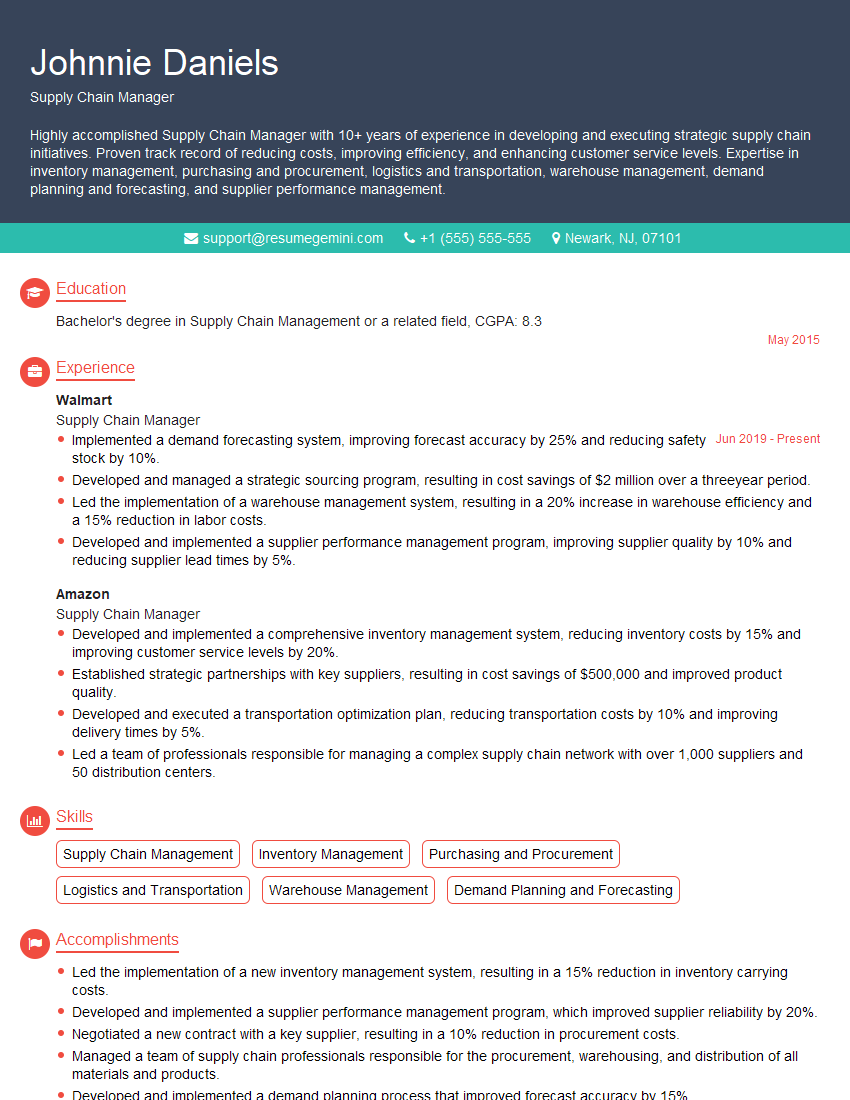
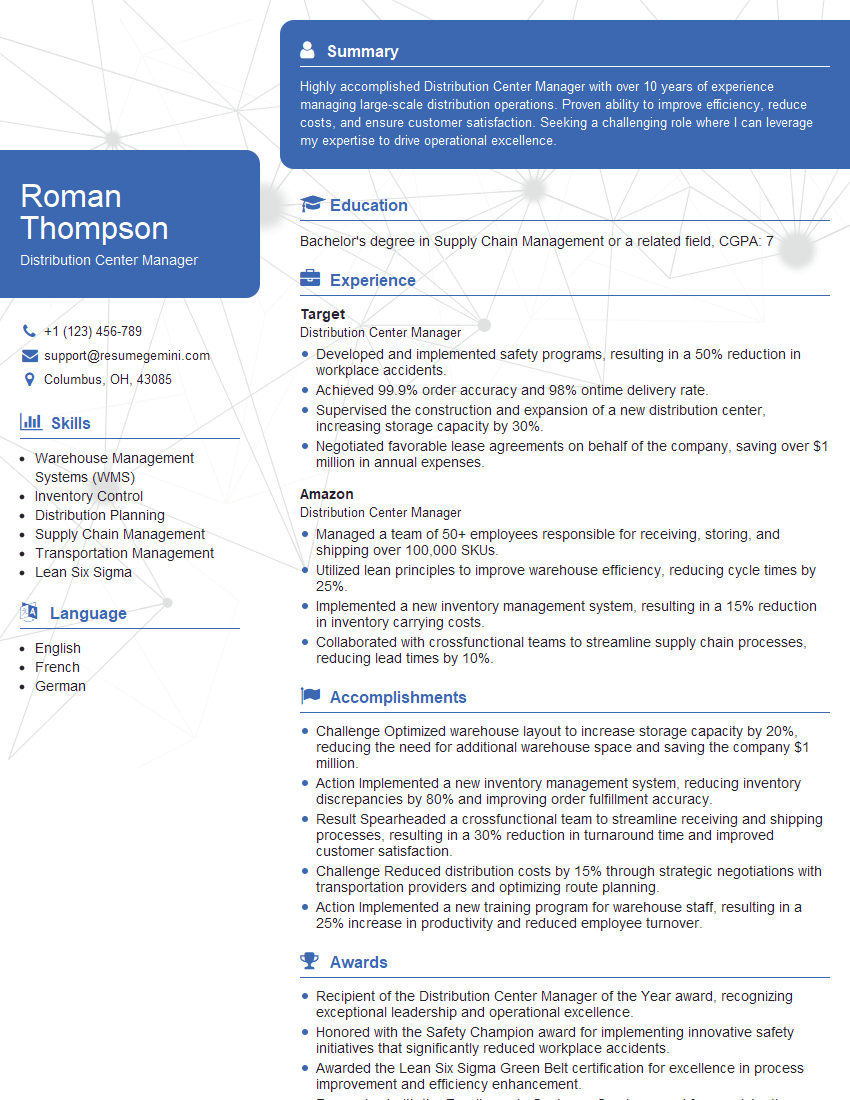
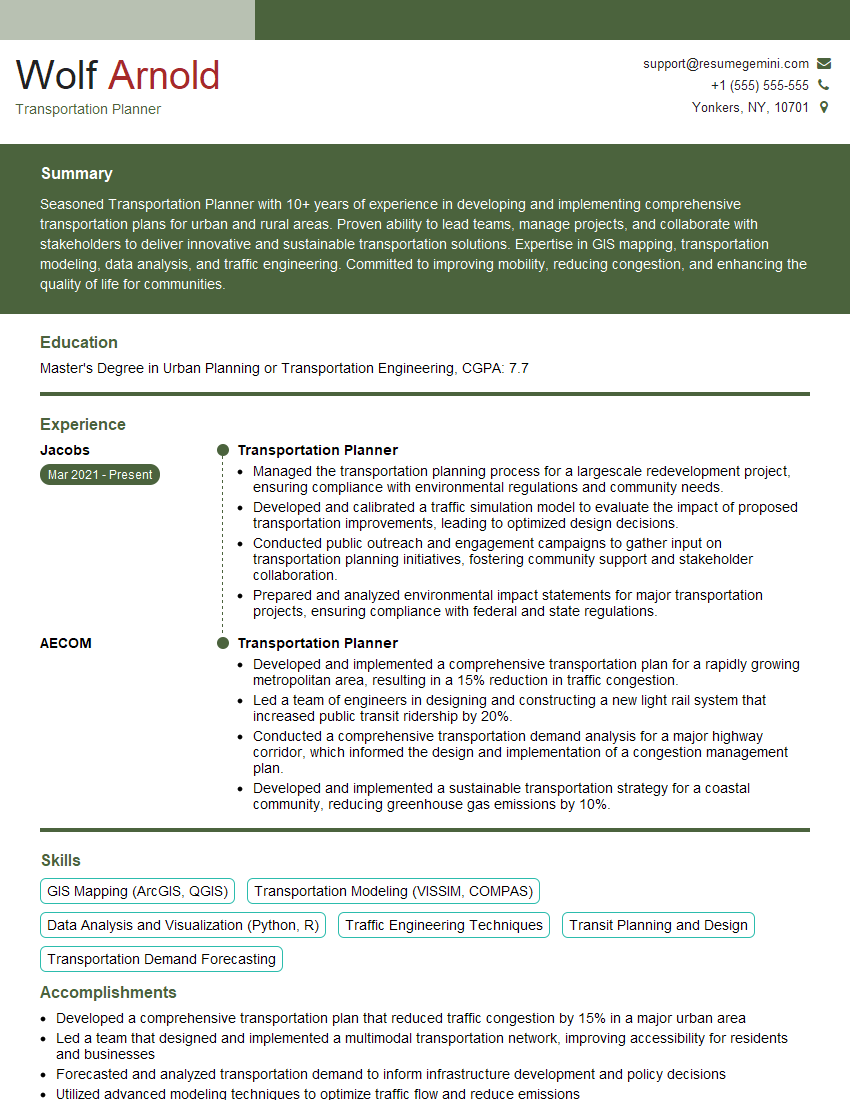
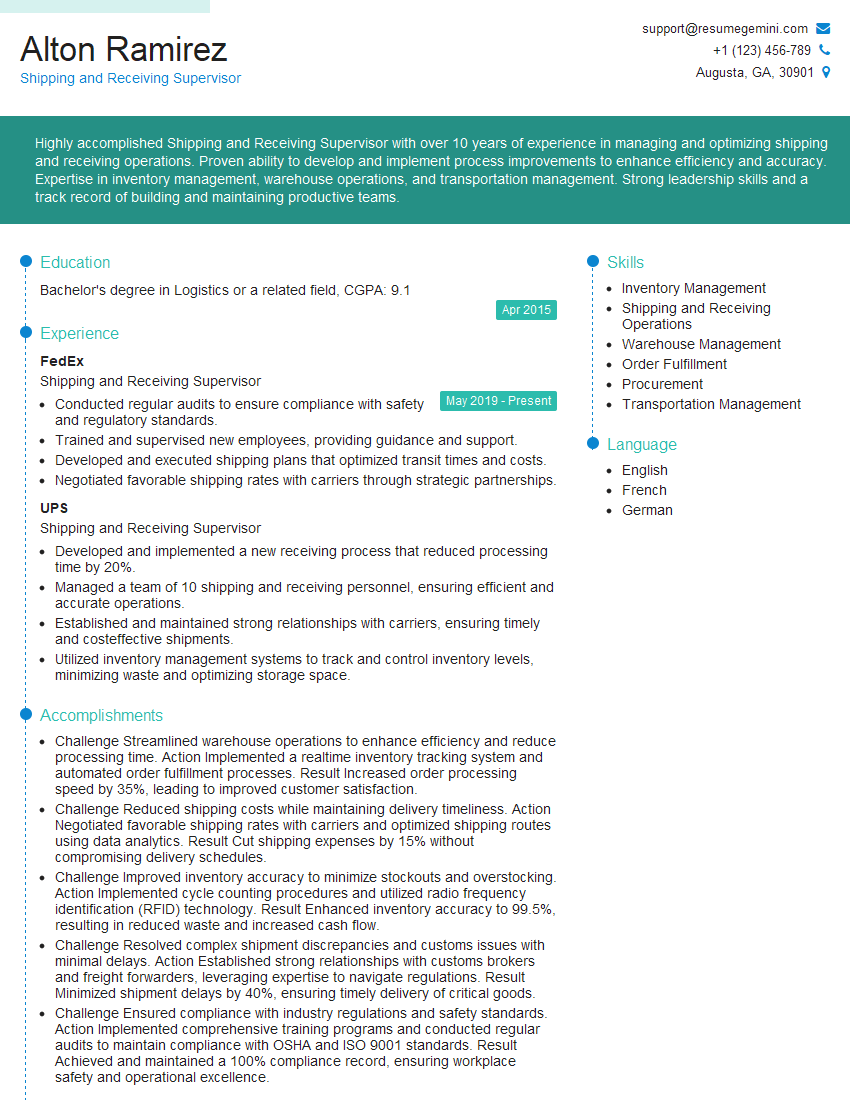
Mastering Tie-Down Procedures is crucial for career advancement in logistics, transportation, and related fields, demonstrating your commitment to safety and efficiency. A strong resume is your first step towards securing your dream role. Building an ATS-friendly resume is essential to get noticed by recruiters. ResumeGemini is a trusted resource that can help you craft a compelling and effective resume tailored to highlight your TieDown Procedures expertise. Examples of resumes specifically tailored to the TieDown Procedures field are available to guide you.

Explore more articles
Users Rating of Our Blogs
Share Your Experience
We value your feedback! Please rate our content and share your thoughts (optional).
What Readers Say About Our Blog
Really detailed insights and content, thank you for writing this detailed article.
IT gave me an insight and words to use and be able to think of examples