The right preparation can turn an interview into an opportunity to showcase your expertise. This guide to Trend Interpretation interview questions is your ultimate resource, providing key insights and tips to help you ace your responses and stand out as a top candidate.
Questions Asked in Trend Interpretation Interview
Q 1. Explain your understanding of the different types of trend analysis.
Trend analysis encompasses various methods for examining data patterns over time to understand future behavior. Different types cater to specific needs and data characteristics.
- Upward Trend: Data consistently increases over time. Think of the growth of smartphone usage over the past decade.
- Downward Trend: Data consistently decreases. For example, the decline in landline phone usage.
- Seasonal Trend: Data fluctuates predictably based on time of year. Ice cream sales peak in summer, a classic seasonal trend.
- Cyclical Trend: Data exhibits long-term, recurring patterns that span multiple years. Economic cycles of boom and bust are a good example.
- Random Trend: Data shows no discernible pattern; fluctuations are unpredictable. Stock market movements on a day-to-day basis often exhibit random trends.
Choosing the right type depends on the data and the question being asked. For instance, analyzing yearly sales figures might reveal cyclical or upward trends, while daily social media engagement may uncover seasonal or random elements.
Q 2. Describe your experience in identifying emerging trends.
Identifying emerging trends is a core part of my work. I leverage a multi-faceted approach:
- Data Mining: I use tools to sift through large datasets (social media mentions, web traffic, sales data) to find patterns indicating a nascent trend. For example, unexpectedly high search volume for a particular product could suggest an emerging consumer preference.
- Social Listening: Actively monitoring online conversations, forums, and social media helps identify discussions and sentiment surrounding potential trends. A sudden surge in positive commentary about a new technology might indicate an upcoming trend.
- Expert Interviews and Surveys: Talking to industry insiders and conducting surveys with target demographics helps gauge perceptions and expectations of future trends. This adds a qualitative dimension to quantitative data analysis.
- Competitive Analysis: Analyzing competitor strategies and product releases can illuminate evolving market demands and emerging trends. If a major player invests heavily in a new technology, it’s worth paying attention.
It’s crucial to combine these methods for a comprehensive view. A single data point rarely paints the full picture; corroboration across multiple sources is key.
Q 3. How do you differentiate between short-term and long-term trends?
The distinction between short-term and long-term trends lies primarily in the timeframe of the analysis and the impact of the trend.
- Short-term trends manifest over a shorter period (days, weeks, or months). They are often influenced by immediate events or seasonal factors. For example, a sudden spike in online orders after a flash sale is a short-term trend.
- Long-term trends span years or decades, reflecting fundamental shifts in behavior, technology, or societal preferences. The rise of e-commerce or the growing popularity of veganism are examples of long-term trends.
Short-term trends are often less reliable for making long-term predictions, while long-term trends can provide valuable insights for strategic planning but might not capture immediate market fluctuations.
Q 4. What tools and techniques are you familiar with for trend interpretation?
My toolkit for trend interpretation includes a variety of quantitative and qualitative methods and tools:
- Statistical Software (R, Python, SPSS): Used for time series analysis, regression modeling, and forecasting.
Example: Using ARIMA models in R to predict future sales based on historical data. - Data Visualization Tools (Tableau, Power BI): Creating charts and dashboards helps identify patterns and communicate findings effectively.
- Social Media Analytics Platforms (Brandwatch, Sprout Social): Monitor social media conversations and sentiment surrounding specific topics.
- Web Analytics Tools (Google Analytics): Analyze website traffic, user behavior, and other digital metrics to understand online trends.
- Qualitative Data Analysis Software (NVivo, Atlas.ti): Used to analyze textual and interview data to identify thematic patterns and emerging trends.
The selection of tools depends on the specific project and the type of data available. A blend of quantitative and qualitative methods usually yields the most robust results.
Q 5. How do you validate the accuracy of your trend analysis?
Validating trend analysis involves several crucial steps:
- Data Source Validation: Ensure the data is reliable, accurate, and representative of the target population. Consider data biases and limitations.
- Cross-Validation: Compare findings with data from multiple sources to confirm the robustness of the trend. For instance, validating a social media trend with sales data or market research.
- Peer Review: Have other experts review the analysis and findings to identify potential errors or biases.
- Forecasting Accuracy: Track the accuracy of predictions made based on the identified trends over time. This helps refine the analytical methods for future applications.
- Sensitivity Analysis: Test the robustness of the findings by changing assumptions or inputs to see how sensitive the results are to these variations.
Ongoing monitoring and iterative refinement are essential to ensure the accuracy of trend analysis over time. No analysis is perfect, and continuous validation helps refine our understanding.
Q 6. Explain your process for interpreting qualitative data to identify trends.
Interpreting qualitative data for trend identification involves a systematic approach:
- Data Collection: Gather qualitative data through interviews, focus groups, open-ended surveys, or social media listening.
- Transcription and Coding: Transcribe all qualitative data and systematically code it based on themes, topics, and recurring ideas. This involves identifying keywords and phrases that represent central concepts.
- Theme Identification: Analyze coded data to identify recurring themes and patterns. These themes may represent emerging trends or shifts in attitudes or behaviors.
- Trend Visualization: Present findings visually through word clouds, concept maps, or other graphical representations to highlight dominant themes and their relationships.
- Triangulation: Integrate qualitative findings with quantitative data (if available) to corroborate trends and provide a more complete picture.
For instance, analyzing interview transcripts from a customer satisfaction survey might reveal a recurring theme of dissatisfaction with a specific product feature, indicating a potential trend needing attention.
Q 7. How do you identify outliers or anomalies in trend data?
Identifying outliers or anomalies in trend data is critical to avoid misinterpretations. Several techniques can help:
- Statistical Methods: Use techniques like box plots, Z-scores, or standard deviation to identify data points falling significantly outside the expected range.
- Visual Inspection: Examining charts and graphs can often visually reveal outliers – data points that are significantly above or below the general trend line.
- Data Cleaning and Verification: Check for data entry errors or measurement issues that might be responsible for outliers.
- Contextual Analysis: Investigating the circumstances surrounding an outlier can reveal its cause. For example, a spike in sales might be due to a promotional campaign or a temporary external factor.
- Time Series Decomposition: This breaks down a time series into its components (trend, seasonal, cyclical, random) making it easier to detect unusual fluctuations in the random component.
It’s important to understand the context of any outlier. Sometimes, outliers represent genuine anomalies (e.g., a sudden market disruption), while other times, they’re simply data errors or noise.
Q 8. Describe a time you used trend analysis to solve a business problem.
In a previous role, our company experienced a significant drop in sales of our flagship product. Using trend analysis, I identified the root cause and proposed a successful solution. Initially, we only looked at the overall sales figures, which showed a concerning downward trend. However, by segmenting the data – analyzing sales by region, age demographic, and product feature usage – I discovered that the decline was primarily concentrated in the younger demographic within a specific geographic region. Further investigation revealed negative online reviews related to a recently introduced feature. This insight allowed us to focus our efforts on addressing the specific negative feedback through targeted marketing campaigns highlighting improved aspects and addressing customer concerns directly. This resulted in a significant sales recovery within the affected segment.
This example demonstrates how breaking down complex data and analyzing trends across various segments can reveal hidden insights and guide strategic decision-making. It’s not just about seeing the overall trend, but understanding *why* that trend exists.
Q 9. How do you communicate complex trend data to a non-technical audience?
Communicating complex trend data to a non-technical audience requires a focus on storytelling and visualization. I avoid jargon and technical terms as much as possible. Instead, I use clear, concise language and rely heavily on visual aids such as charts, graphs, and infographics. For example, instead of saying “The coefficient of determination (R²) indicates a strong positive correlation,” I would say “These two things are strongly related; as one goes up, the other tends to go up as well.”
I also use relatable analogies to help them grasp complex concepts. For instance, if explaining exponential growth, I might use an example of a snowball rolling downhill, growing larger and larger as it goes. I prioritize highlighting the key takeaways and implications of the data rather than delving into intricate statistical details.
Q 10. How do you handle conflicting or contradictory data in trend analysis?
Conflicting or contradictory data in trend analysis is common and requires careful investigation. The first step is to identify the source of the conflict. Is it due to data errors, inconsistencies in measurement methods, or external factors influencing the data? I meticulously check data quality – looking for errors, outliers, or missing values.
Next, I explore potential external factors that might explain the discrepancy. For example, a sudden spike in a particular metric might be due to a news event or a marketing campaign. If the conflict cannot be resolved by data cleaning or explanation by external factors, I might use robust statistical methods to account for the variability, or present both perspectives clearly, acknowledging the uncertainty. Transparency is key; it’s better to acknowledge limitations than to draw inaccurate conclusions.
Q 11. What are some common pitfalls to avoid in trend interpretation?
Several pitfalls should be avoided in trend interpretation. One common mistake is overfitting – creating a model that fits the existing data perfectly but fails to generalize to future data. This happens when the model becomes overly complex and captures noise rather than the underlying trend.
- Ignoring Context: Trends don’t exist in a vacuum. External factors such as seasonality, economic conditions, or regulatory changes can significantly impact observed patterns.
- Confirmation Bias: Focusing solely on data that supports a pre-existing belief, ignoring contradictory evidence.
- Extrapolating Too Far: Assuming current trends will continue indefinitely without considering potential shifts or disruptions.
- Ignoring Data Quality: Relying on inaccurate, incomplete, or unreliable data will lead to flawed conclusions.
Addressing these pitfalls requires rigorous methodology, critical thinking, and a healthy dose of skepticism.
Q 12. Explain your experience with forecasting techniques based on trend analysis.
My experience with forecasting techniques based on trend analysis includes using both simple and sophisticated methods. Simple methods like moving averages are useful for smoothing out short-term fluctuations and identifying underlying trends. More advanced techniques, like exponential smoothing and ARIMA models, can handle more complex patterns and seasonality. The choice of method depends on the data’s characteristics and the desired level of accuracy. For example, if we have a relatively stable time series with minimal noise, a simple moving average might suffice.
However, if we see strong seasonality or significant fluctuations, a more sophisticated model like ARIMA would be appropriate. The key is to select the appropriate model based on data characteristics and validate the forecast’s accuracy using suitable metrics.
Q 13. How do you incorporate external factors into your trend analysis?
Incorporating external factors into trend analysis is crucial for obtaining accurate and insightful predictions. I use various methods to achieve this. For example, I might include relevant economic indicators, demographic data, or regulatory changes as independent variables in my models. This could involve using regression analysis to model the relationship between the trend and these external factors.
I also leverage qualitative information from sources like news articles, industry reports, and expert opinions to contextualize quantitative data and anticipate potential turning points or disruptions. This integrated approach offers a more holistic understanding of the trend and allows for more robust forecasting.
Q 14. How do you stay updated on the latest trends and methodologies?
Staying updated on the latest trends and methodologies in trend analysis is an ongoing process. I actively participate in industry conferences, webinars, and workshops to learn about the latest advancements in statistical modeling, data visualization, and forecasting techniques. I also subscribe to relevant journals and online publications and regularly follow thought leaders in the field on social media platforms.
Moreover, continuous learning through online courses and self-study is essential. I engage with online communities and forums to discuss challenges and share best practices with other professionals in the field. This multi-faceted approach ensures I remain at the forefront of this ever-evolving field.
Q 15. Describe your proficiency with statistical software (e.g., R, Python, SPSS).
My proficiency in statistical software is extensive, encompassing R, Python, and SPSS. I’m highly comfortable using R for its powerful statistical capabilities and extensive package ecosystem, particularly for time series analysis and data visualization. For instance, I’ve used ggplot2 in R to create compelling visualizations of complex trends. Python, with libraries like Pandas and Scikit-learn, is my go-to for large-scale data manipulation, machine learning applications (useful for predictive trend modeling), and data cleaning. SPSS, while less flexible than R or Python, is valuable for its user-friendly interface and robust capabilities for statistical tests and descriptive analysis, particularly when working with clients less familiar with coding.
I regularly leverage these tools in tandem – using Python for initial data cleaning and preparation, then R for advanced statistical modeling and visualization, and finally presenting the key findings to stakeholders using the more intuitive interface of SPSS, adapting my approach to the specific needs of each project.
Career Expert Tips:
- Ace those interviews! Prepare effectively by reviewing the Top 50 Most Common Interview Questions on ResumeGemini.
- Navigate your job search with confidence! Explore a wide range of Career Tips on ResumeGemini. Learn about common challenges and recommendations to overcome them.
- Craft the perfect resume! Master the Art of Resume Writing with ResumeGemini’s guide. Showcase your unique qualifications and achievements effectively.
- Don’t miss out on holiday savings! Build your dream resume with ResumeGemini’s ATS optimized templates.
Q 16. How do you prioritize trends based on their potential impact?
Prioritizing trends hinges on assessing their potential impact. I use a framework that combines quantitative and qualitative factors. First, I quantify the magnitude of the trend using metrics like growth rate, market share shift, or volume changes. Then, I assess the qualitative impact – for example, considering the strategic importance of the market segment affected, potential disruption to existing business models, or compliance and regulatory risks. I often employ a weighted scoring system. A trend with a large market impact might receive a higher weight even if its growth rate is moderate.
For example, while a small but rapidly growing niche market segment might be interesting, a slow but steady decline in a major revenue stream would warrant immediate attention and higher priority as its impact on the overall business is significant. A visual matrix plotting magnitude versus impact can be beneficial for easy prioritization and communication to stakeholders.
Q 17. Describe your experience with different data visualization techniques for trends.
My experience spans a variety of data visualization techniques, selected based on the nature of the data and the audience. For simple trends, line charts are effective in illustrating changes over time. For comparing multiple trends, bar charts or area charts are excellent. Scatter plots are useful for identifying correlations between variables, while heatmaps can reveal patterns in large datasets. For more complex trends, interactive dashboards are increasingly important, providing users with the ability to explore data dynamically. I often use tools like Tableau and Power BI for creating these interactive visualizations.
For example, when demonstrating a seasonal trend in sales, a line chart with clearly labeled axes and trendlines is ideal. If comparing sales across different product lines, a stacked bar chart would be more suitable. The choice of visual always depends on the story I’m trying to tell with the data. I strive for clarity and avoid overly complex charts that might obscure the key findings.
Q 18. How do you assess the reliability and validity of your data sources?
Assessing data reliability and validity is paramount. My approach is multi-faceted. First, I evaluate the source’s reputation and expertise. Government statistics, well-established research institutions, and reputable market research firms generally provide more reliable data. Second, I examine the data collection methodology: was the sample size adequate? Was the sampling method appropriate? Were there any biases in the data collection process? Third, I cross-reference data from multiple sources to ensure consistency. Discrepancies raise red flags requiring further investigation. Finally, I always consider the timeliness of the data; outdated information can render an analysis meaningless.
For instance, if analyzing consumer sentiment, I’d prefer data from a reputable polling firm using a representative sample over anecdotal evidence from social media posts which can be easily manipulated or unreliable. Triangulating data from several credible sources improves confidence in the findings.
Q 19. Explain your approach to qualitative trend analysis (e.g., sentiment analysis).
Qualitative trend analysis, particularly sentiment analysis, involves extracting insights from unstructured data like text or social media posts. I use a combination of techniques. Lexicon-based approaches rely on pre-defined dictionaries of positive and negative words to score sentiment. Machine learning techniques, like Natural Language Processing (NLP), offer more sophisticated sentiment analysis, considering context and nuances in language. I often use tools like NLTK or spaCy (Python libraries) for these tasks. The results provide valuable contextual information that complements quantitative data.
For example, if analyzing customer reviews, a simple lexicon approach might just count positive and negative words. An NLP approach would go further, understanding the context of the words used, detecting sarcasm, and understanding the overall sentiment expressed in a review – even if it doesn’t explicitly contain positive or negative words. This gives a richer, more nuanced understanding of customer sentiment.
Q 20. How do you use trend analysis to inform strategic decision-making?
Trend analysis informs strategic decision-making by providing a forward-looking perspective. I use the insights gained to identify opportunities and risks. For example, identifying an emerging market trend allows businesses to proactively develop new products or services, thereby gaining a competitive edge. Conversely, detecting a declining trend highlights the need for adjustments in strategy, potentially involving resource allocation, product repositioning, or market exit.
Recently, I used trend analysis to advise a client on the adoption of a new technology. By analyzing adoption rates and market forecasts, we showed them the potential benefits and risks, aiding their decision on whether to invest. This evidence-based approach reduced uncertainty and helped them make a more informed and confident decision.
Q 21. Describe your experience with time series analysis for trend identification.
Time series analysis is crucial for identifying trends over time. I employ various methods, depending on the characteristics of the data. Simple moving averages can smooth out short-term fluctuations, revealing underlying trends. More sophisticated techniques like ARIMA (Autoregressive Integrated Moving Average) models can capture complex patterns and make predictions. I also use techniques like exponential smoothing, which gives more weight to recent data points, particularly helpful for rapidly changing trends. In R, the forecast package is invaluable for these types of analysis.
For example, forecasting sales based on historical data often involves time series analysis. An ARIMA model might be appropriate if the data shows significant seasonal or cyclical patterns. The model’s output can then be used to project future sales, guiding inventory management and resource allocation.
Q 22. How do you measure the success of your trend analysis efforts?
Measuring the success of trend analysis isn’t simply about accuracy; it’s about the impact it has on decision-making. We use a multi-faceted approach. First, we assess the predictive accuracy of our analyses. Did our predictions about the trend’s trajectory and magnitude align with the actual outcomes? We quantify this using metrics like Mean Absolute Error (MAE) or Root Mean Squared Error (RMSE), comparing our forecasts to the realized data. However, numbers alone aren’t enough. We also evaluate the impact on business decisions. Did our insights lead to successful product launches, effective marketing campaigns, or improved operational strategies? This involves qualitative assessments, like analyzing sales data following a marketing campaign informed by our trend analysis. Finally, we consider the timeliness and relevance of our insights. Were our findings delivered promptly enough to allow for effective action? A highly accurate forecast that arrives too late is less valuable than a slightly less precise but timely one. We continuously refine our methodology based on these assessments.
Q 23. Explain your understanding of causal inference in trend analysis.
Causal inference in trend analysis goes beyond simply observing correlations; it aims to understand the why behind the trends. Instead of just saying ‘X is increasing alongside Y,’ causal inference seeks to determine if X is causing Y, or if another factor is influencing both. This involves considering confounding variables – factors that might be influencing both the trend and the outcome. For instance, observing an increase in ice cream sales and drownings doesn’t mean ice cream causes drowning; both are likely correlated with the summer heat. To establish causality, we often utilize techniques like regression analysis, incorporating various control variables to isolate the effect of the independent variable on the dependent variable. We may also utilize more advanced methods such as instrumental variables or randomized controlled trials if feasible, depending on the data available and the research question. The goal is to build a robust model that minimizes bias and offers plausible causal explanations for the observed trends.
Q 24. How do you handle situations where data is incomplete or unreliable?
Incomplete or unreliable data is a common challenge in trend analysis. Our approach is multi-pronged. First, we assess the extent and nature of the missing data. Is it missing completely at random (MCAR), missing at random (MAR), or missing not at random (MNAR)? Understanding this helps us select appropriate imputation methods. For MCAR data, simple imputation techniques like mean/median imputation might suffice. For more complex patterns, we use more sophisticated methods like multiple imputation or expectation-maximization (EM) algorithms. Secondly, we evaluate the reliability of the existing data, looking for outliers and inconsistencies. We may use robust statistical methods less sensitive to outliers. We might also employ data cleaning techniques to identify and correct errors or use data validation rules to flag potential issues. Finally, transparency is key. We always document our data handling strategies and clearly articulate the limitations of our analysis due to data incompleteness or unreliability. This allows for a more nuanced interpretation of the findings.
Q 25. How do you incorporate market research into your trend analysis?
Market research plays a crucial role in enriching our trend analyses. It provides valuable contextual information that quantitative data alone might miss. We use market research data to validate our quantitative findings, providing a deeper understanding of the ‘why’ behind the trends. For example, quantitative data might show increasing sales of a particular product, but qualitative insights from focus groups or surveys could reveal the specific consumer needs or preferences driving this trend. Furthermore, market research helps identify emerging trends that may not yet be apparent in the quantitative data. For instance, consumer sentiment surveys can reveal early signs of shifts in preferences that might later be reflected in sales figures. By combining quantitative and qualitative data, we obtain a more holistic and comprehensive understanding of the trends, leading to more effective strategic decision-making.
Q 26. Describe a time you had to revise your trend interpretation due to new information.
During a project analyzing the growth of a specific mobile application, our initial trend analysis showed a steady and consistent increase in daily active users (DAU). We predicted continued growth based on this upward trajectory. However, a subsequent update to the app’s analytics dashboard revealed a significant number of inactive users who were still counted in the DAU metric due to a previous coding error. Upon discovering this, we had to revise our interpretation. The corrected data showed a slower, but still positive, growth rate, revealing a less optimistic picture than initially projected. This highlighted the importance of rigorously validating data sources and regularly checking for anomalies. We revised our report, clearly outlining the initial error and its implications on our analysis, emphasizing the importance of data accuracy in trend prediction.
Q 27. How do you manage large datasets for efficient trend analysis?
Managing large datasets for efficient trend analysis requires a strategic approach. We leverage distributed computing frameworks like Apache Spark or Hadoop to process and analyze massive datasets that would be unwieldy on a single machine. These frameworks enable parallel processing, significantly speeding up the analysis. We also employ data sampling techniques to reduce the computational burden while maintaining representativeness. This involves selecting a smaller, representative subset of the data for analysis, which can greatly accelerate the process without sacrificing too much accuracy. Furthermore, we utilize database optimization techniques to enhance query performance. This includes creating efficient indexes, partitioning data appropriately, and using optimized query structures. Finally, data visualization tools are crucial for effectively exploring and understanding large datasets, allowing us to quickly identify patterns and trends.
Q 28. How do you balance accuracy and timeliness in your trend analysis?
Balancing accuracy and timeliness is a crucial aspect of trend analysis, often requiring careful judgment and prioritization. A highly accurate analysis that arrives too late might be useless for decision-making. Conversely, a rapid but inaccurate analysis could lead to flawed decisions. Our approach involves employing agile methodologies. We start with a rapid initial assessment using readily available data to generate timely insights. This initial analysis might not be fully comprehensive but provides a quick understanding of the trends. We then progressively refine our analysis as more data becomes available or as our understanding of the problem evolves. We also use forecasting models that offer a trade-off between accuracy and computational cost. For example, simpler models like exponential smoothing might be preferable for timely predictions, while more complex models like ARIMA may provide higher accuracy but require more time and computational resources. The choice is guided by the specific context, prioritizing the more crucial factor – whether it’s accuracy or speed – in each instance.
Key Topics to Learn for Trend Interpretation Interview
- Data Analysis Techniques: Mastering methods like regression analysis, time series analysis, and forecasting to identify trends within datasets.
- Qualitative vs. Quantitative Trend Analysis: Understanding the differences and effectively integrating both types of data for a comprehensive interpretation.
- Identifying Key Indicators and Metrics: Learn to select the most relevant data points to accurately reflect the trend and avoid misleading conclusions.
- Trend Forecasting and Prediction Models: Explore various models and their applications for predicting future trends based on historical data.
- Visualizing Trends: Develop proficiency in using charts, graphs, and dashboards to effectively communicate trend insights to diverse audiences.
- Bias Detection and Mitigation: Recognize potential biases in data and develop strategies to minimize their impact on trend interpretation.
- Case Study Analysis: Practice analyzing real-world examples to apply theoretical knowledge and develop practical problem-solving skills.
- Communication of Findings: Mastering the art of clearly and concisely presenting your analysis and interpretations to stakeholders.
- Technological Proficiency: Familiarity with relevant software and tools used for data analysis and visualization (mentioning specific tools is optional, as this will be very context specific).
Next Steps
Mastering Trend Interpretation is crucial for career advancement in today’s data-driven world. It demonstrates valuable analytical skills highly sought after by employers across various industries. To significantly enhance your job prospects, creating an ATS-friendly resume is essential. This ensures your application gets noticed by recruiters and hiring managers. We highly recommend using ResumeGemini to build a professional and impactful resume tailored to highlight your trend interpretation expertise. Examples of resumes specifically crafted for Trend Interpretation roles are available to help you get started.
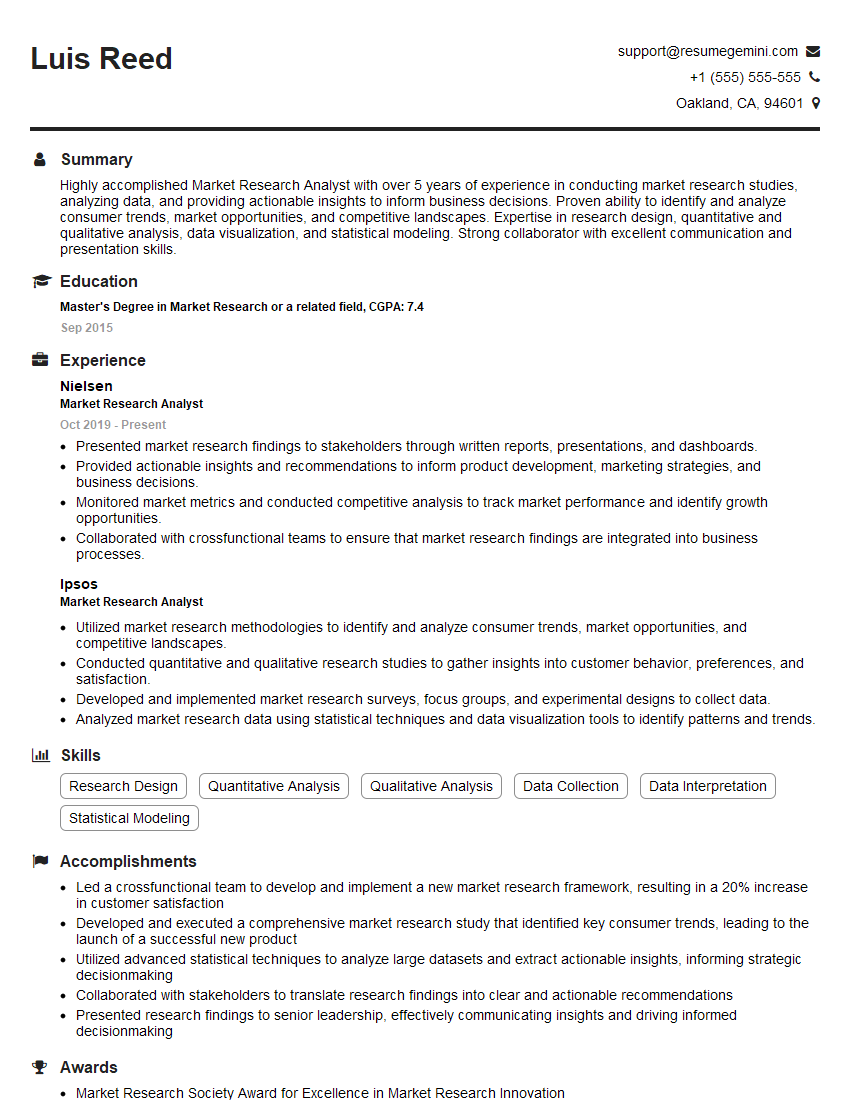
Market Research Analyst Resume Sample
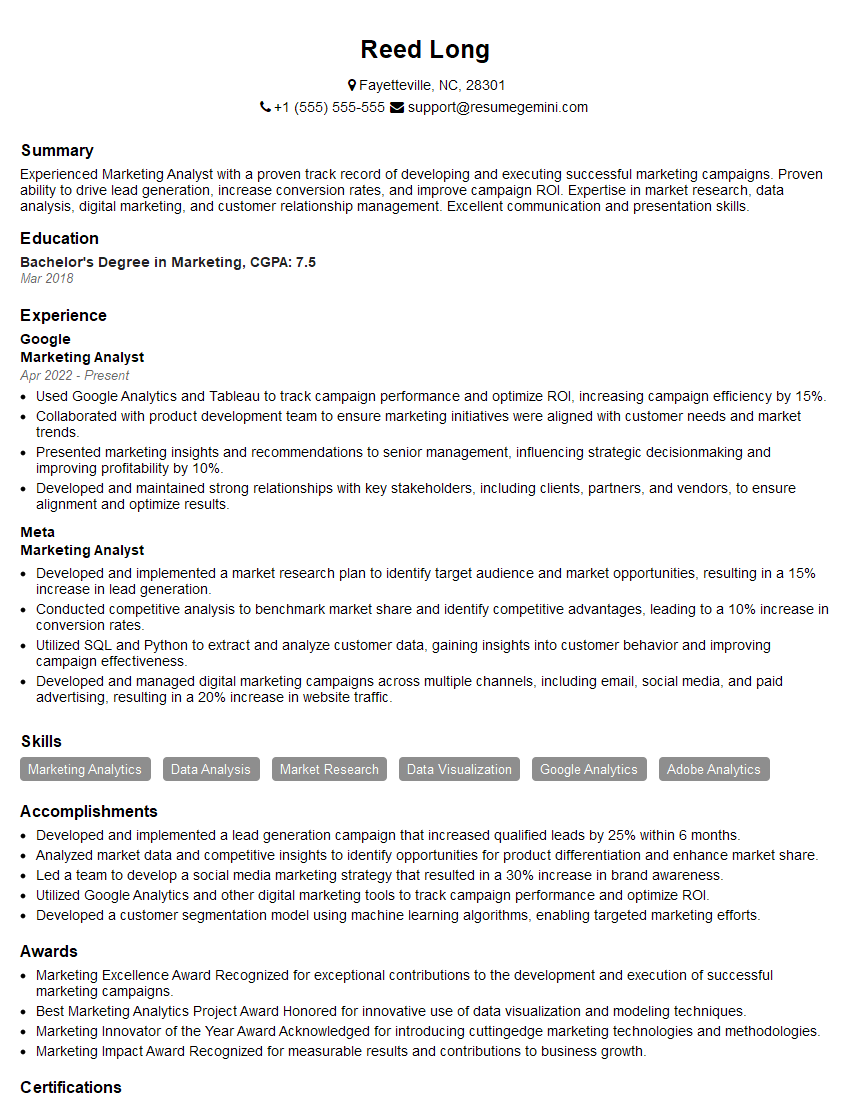
Marketing Analyst Resume Sample
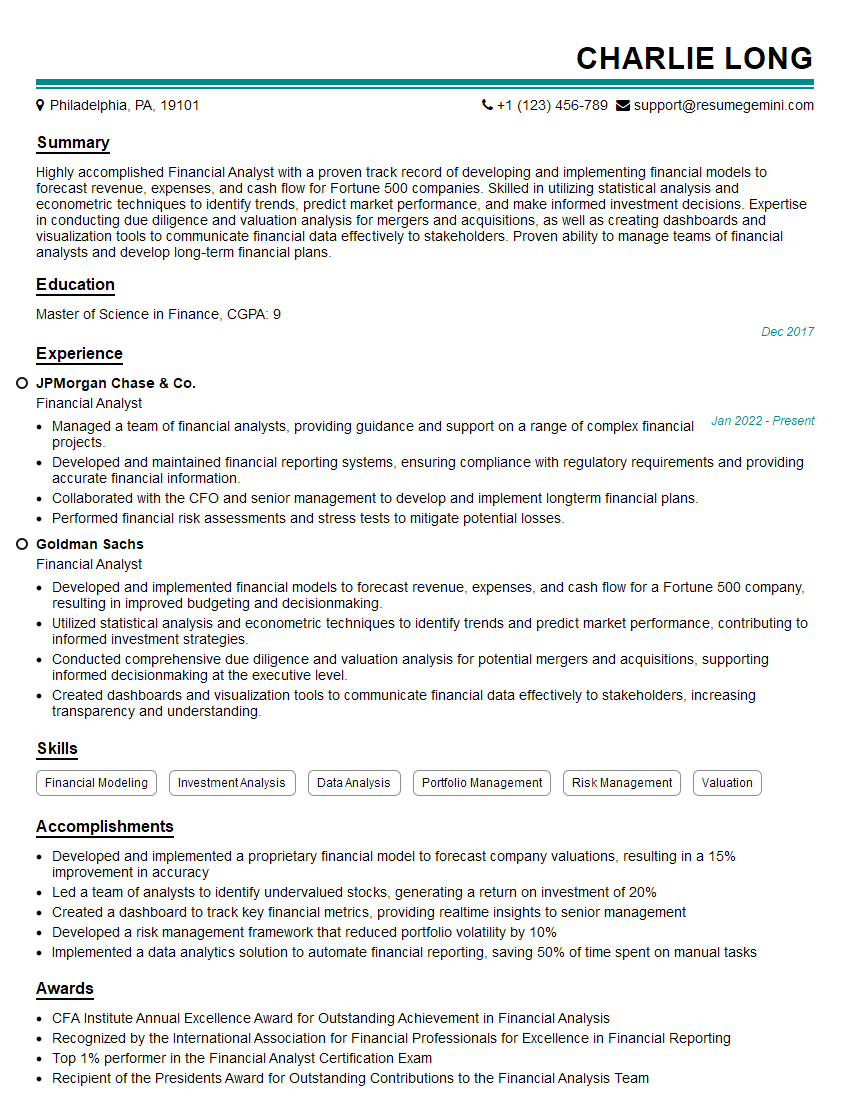
Financial Analyst Resume Sample
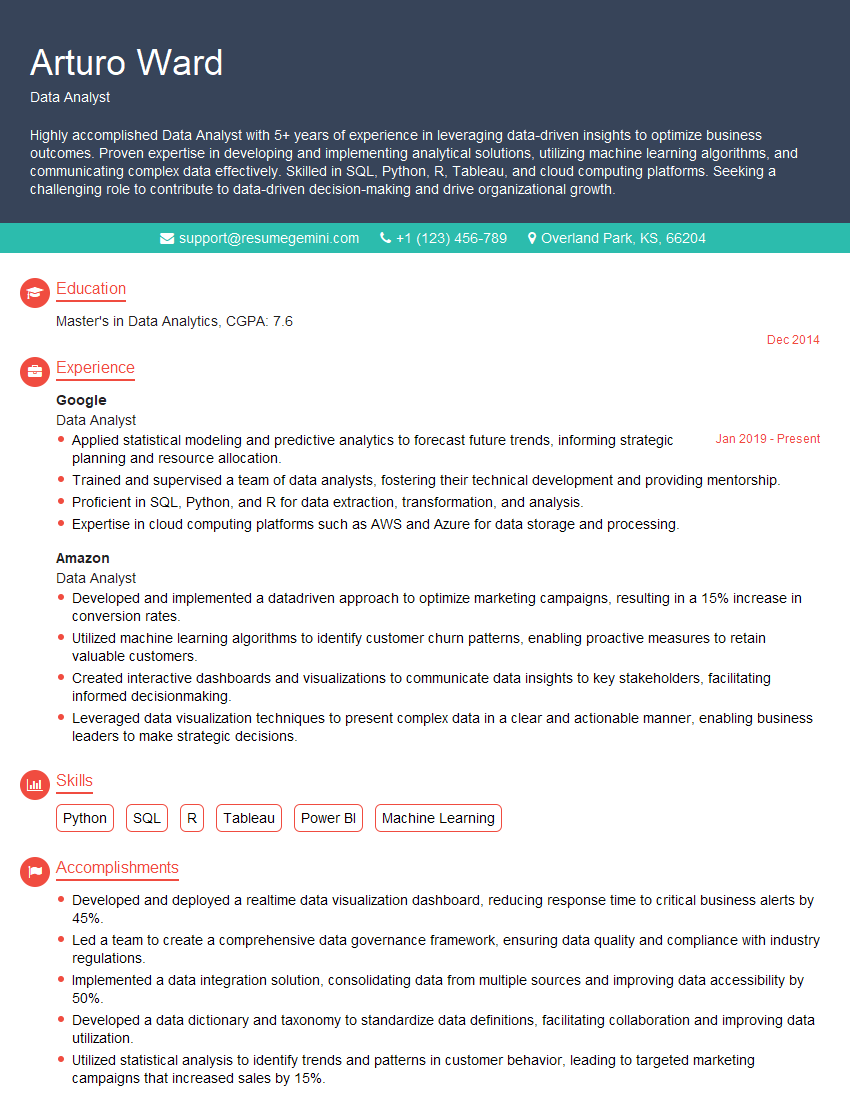
Data Analyst Resume Sample
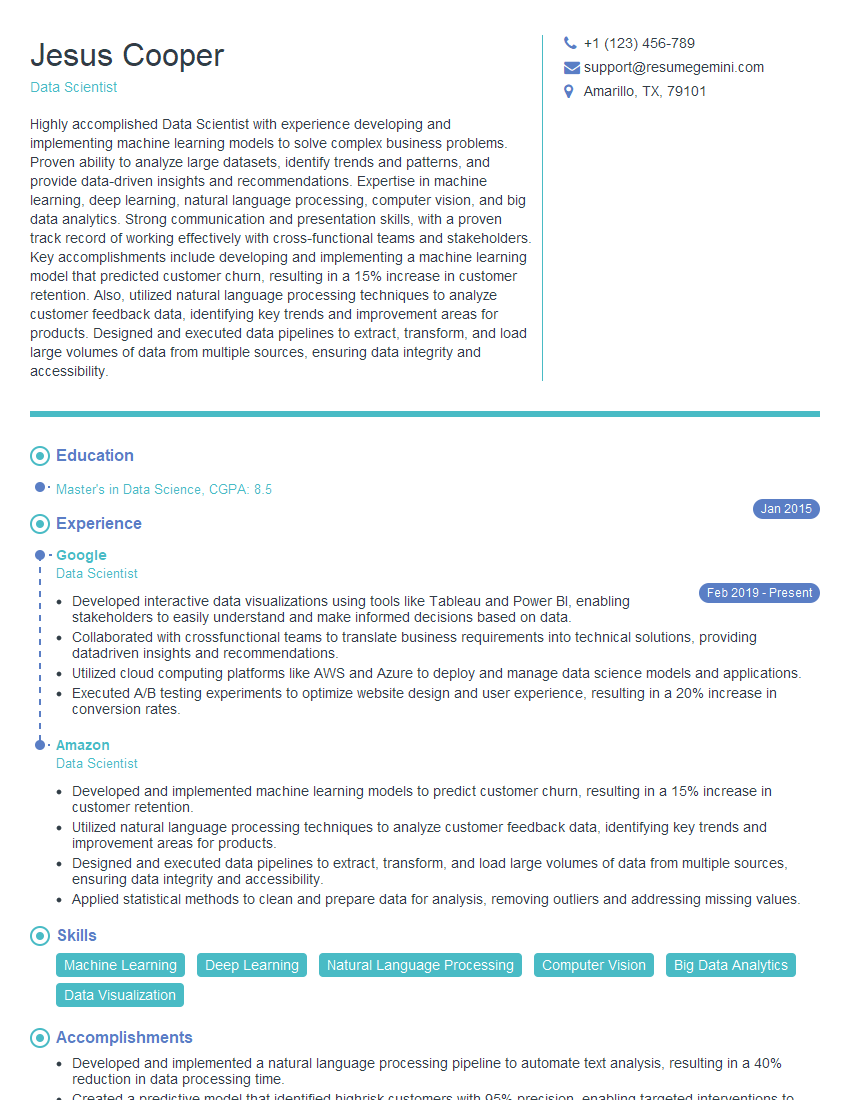
Data Scientist Resume Sample
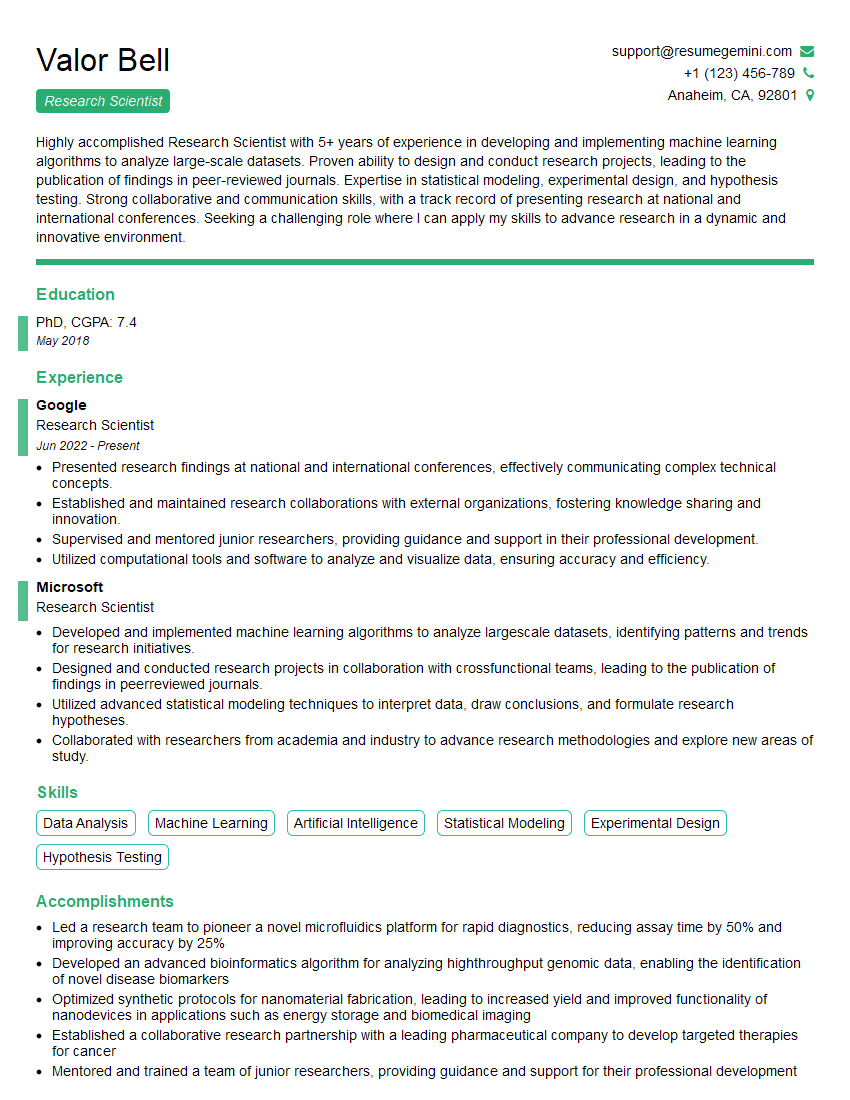
Research Scientist Resume Sample
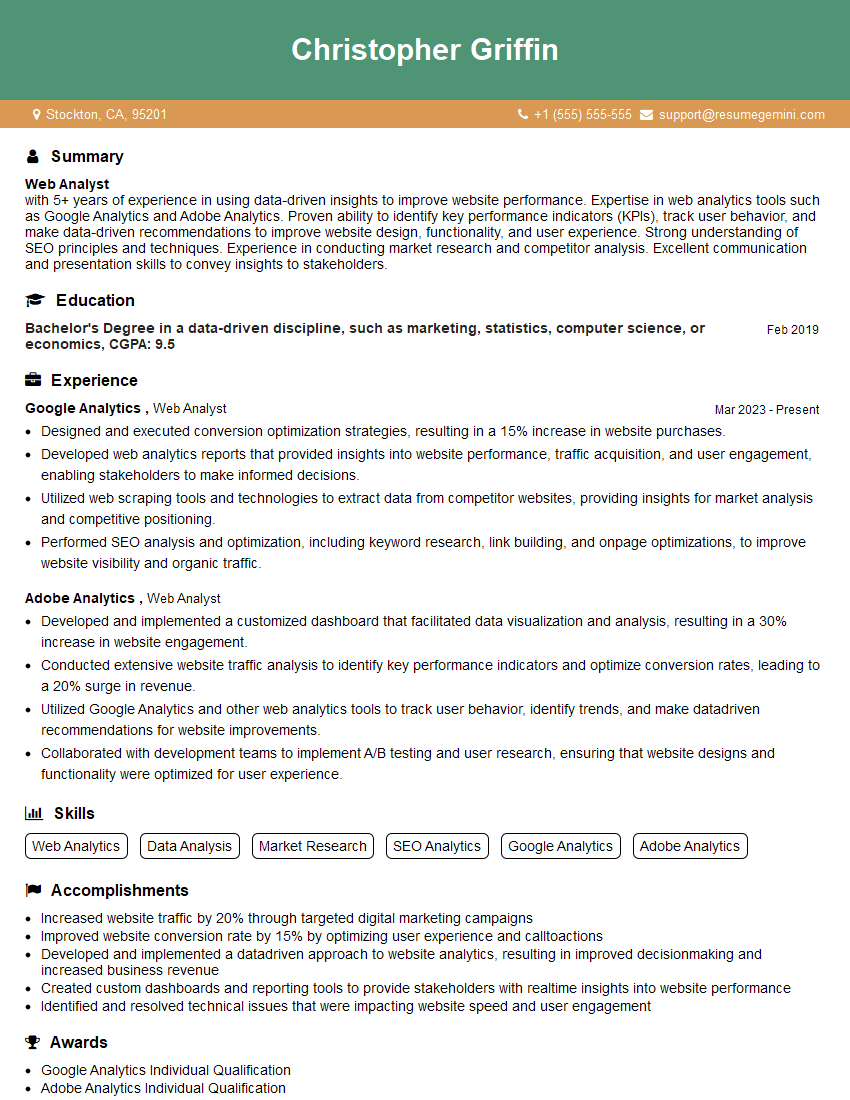
Web Analyst Resume Sample
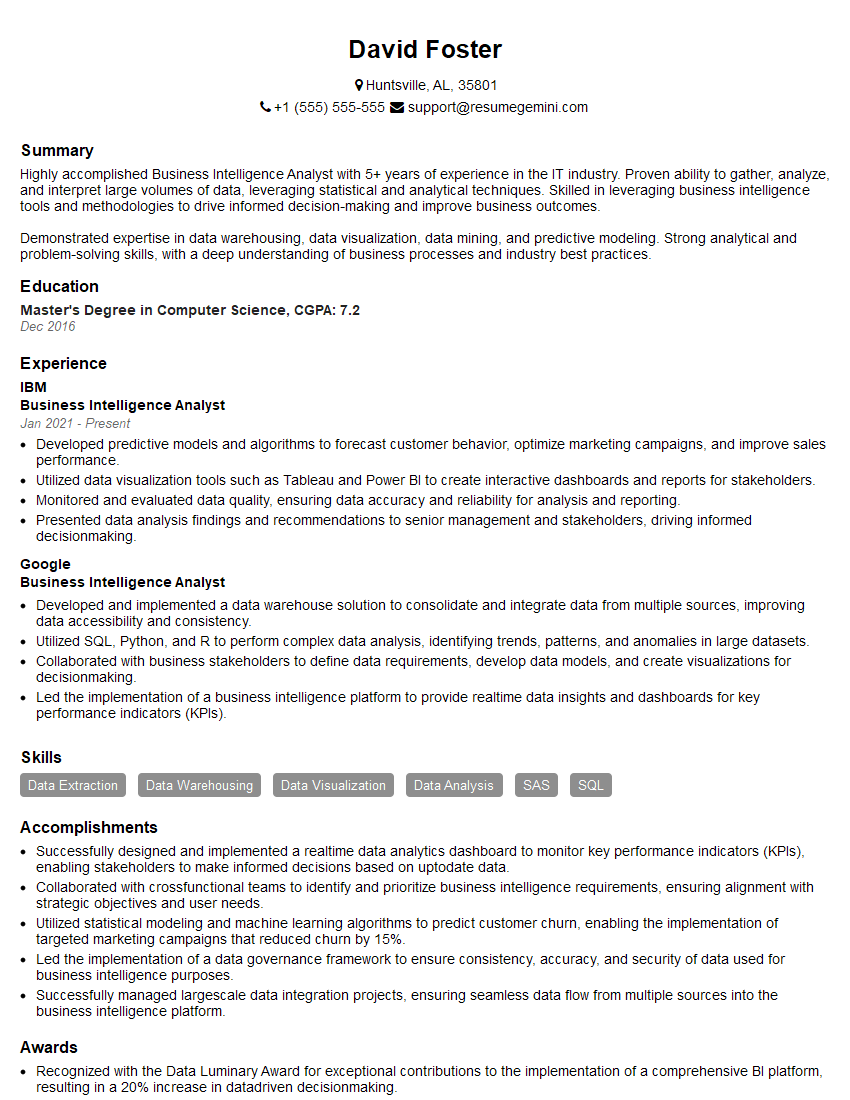
Business Intelligence Analyst Resume Sample
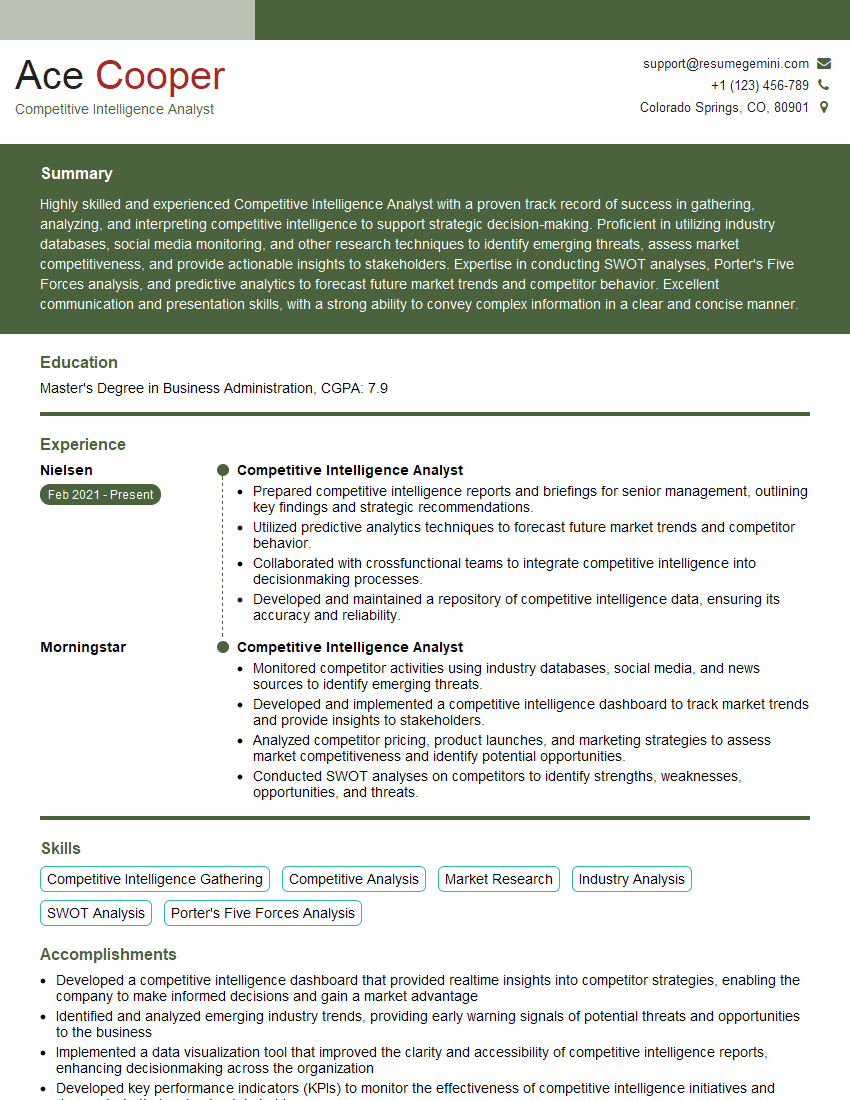
Competitive Intelligence Analyst Resume Sample
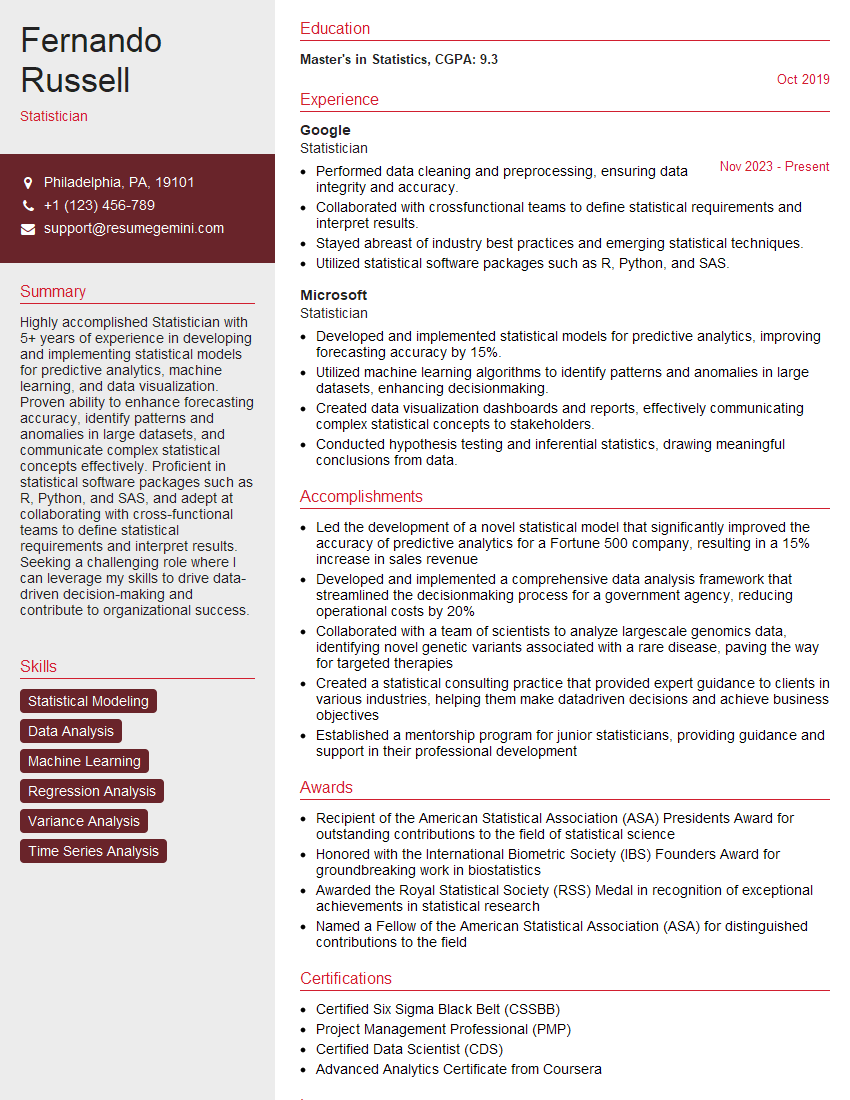
Statistician Resume Sample
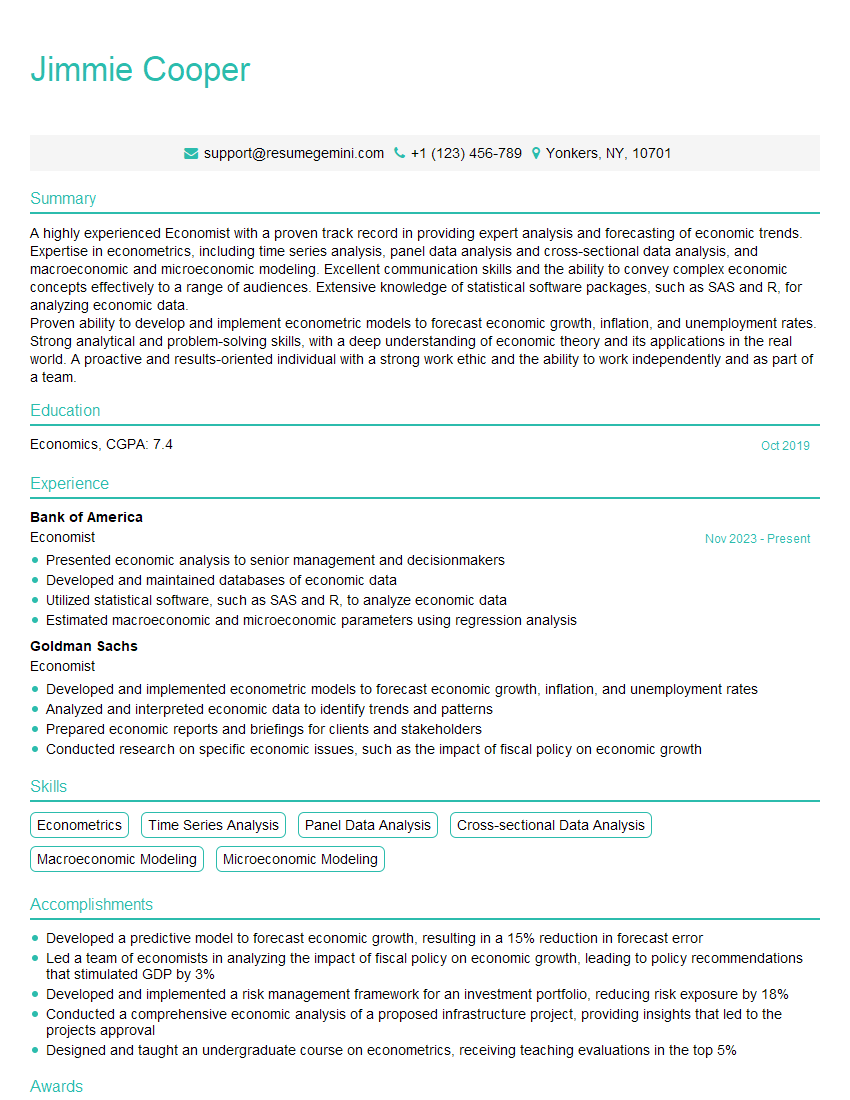
Economist Resume Sample
Explore more articles
Users Rating of Our Blogs
Share Your Experience
We value your feedback! Please rate our content and share your thoughts (optional).
What Readers Say About Our Blog
Really detailed insights and content, thank you for writing this detailed article.
IT gave me an insight and words to use and be able to think of examples