Interviews are opportunities to demonstrate your expertise, and this guide is here to help you shine. Explore the essential Truck Cargo interview questions that employers frequently ask, paired with strategies for crafting responses that set you apart from the competition.
Questions Asked in Truck Cargo Interview
Q 1. Explain the difference between LTL and FTL shipping.
LTL (Less than Truckload) and FTL (Full Truckload) shipping refer to different ways of transporting goods by truck, based on the volume of cargo. FTL means you’re shipping enough cargo to fill an entire truck trailer. This is generally more cost-effective per unit shipped when you have a large volume. Think of moving an entire household’s belongings across the country – that’s likely FTL. LTL, on the other hand, is for smaller shipments that share space on a truck with other consignments from different shippers. This is often more affordable for smaller businesses or individuals shipping smaller quantities. Imagine shipping a few boxes of goods – that’s more suitable for LTL.
The key difference lies in cost and efficiency. FTL offers greater control and faster transit times since your cargo isn’t handled as many times, but it’s more expensive if you don’t have enough volume. LTL is more cost-effective for smaller shipments, but transit times can be longer due to multiple stops and handling.
Q 2. Describe your experience with different types of cargo handling equipment.
Throughout my career, I’ve extensively used various cargo handling equipment. This includes:
- Forklifts: Essential for loading and unloading palletized goods. I’m proficient in operating different types, from counterbalance to reach trucks, ensuring safe and efficient operation within warehouse and loading dock environments.
- Dock levelers: Crucial for bridging the gap between truck beds and loading docks, preventing damage to both equipment and cargo. I understand the safety protocols and operational procedures to ensure smooth and safe loading/unloading.
- Conveyors: I’ve worked with various conveyor systems, from belt conveyors to roller conveyors, understanding their capacity and limitations for efficient and damage-free movement of goods.
- Strapping Machines and Pallet Jacks: Proficient in using these tools to secure and move palletized cargo, adhering to best practices to prevent damage during transit.
- Crane Systems (in some instances): I have experience supervising and coordinating the use of crane systems for loading and unloading oversized or heavy goods, ensuring adherence to safety regulations and efficient operations.
My experience covers both manual and automated systems, emphasizing safe and efficient handling practices to minimize damage and maximize productivity. I’m also familiar with the maintenance and troubleshooting aspects of this equipment.
Q 3. What are the key regulations governing truck cargo transportation?
Truck cargo transportation is governed by a complex web of regulations, varying by country, state, and even municipality. Key areas include:
- Hours of Service (HOS) Regulations: These regulations restrict the number of hours drivers can operate, aiming to prevent driver fatigue and enhance road safety. Compliance is crucial and requires careful scheduling and driver management.
- Vehicle Maintenance and Inspection: Regular vehicle inspections and maintenance are mandated to ensure roadworthiness and safety. Proper documentation and adherence to schedules are vital.
- Weight and Dimension Limits: Trucks are subject to weight and dimension restrictions to prevent damage to roads and bridges. Oversized loads require special permits and escorts. Compliance is vital to avoid fines and legal issues.
- Hazardous Materials Transportation: The transportation of hazardous materials involves stringent regulations, including proper packaging, labeling, documentation, and driver training. Non-compliance can lead to severe penalties.
- Environmental Regulations: Emissions standards and waste disposal regulations are increasingly stringent. Adherence to these regulations is crucial for environmental compliance and corporate social responsibility.
Staying updated on these regulations is paramount to avoid legal repercussions and operational disruptions. I actively monitor changes and ensure our operations remain compliant.
Q 4. How do you manage shipping delays and unexpected issues?
Managing shipping delays and unexpected issues requires a proactive and organized approach. My strategy involves:
- Proactive Monitoring: Real-time tracking systems allow early detection of potential delays. This gives us time to make alternative arrangements or notify clients.
- Communication: Open and transparent communication with clients, drivers, and other stakeholders is paramount. Keeping everyone informed reduces frustration and maintains trust.
- Contingency Planning: We develop contingency plans for various scenarios, such as bad weather or traffic congestion. Having backup options minimizes disruptions.
- Problem Solving: When issues arise, we follow a structured problem-solving process, identifying the root cause, exploring solutions, and implementing the most effective one. Documentation is crucial for analysis and improvement.
- Relationship Management: Strong relationships with carriers and logistics partners are key. This ensures access to alternative options when needed.
For example, during a recent severe snowstorm, we proactively rerouted shipments to avoid impacted areas, keeping clients informed every step of the way. This minimized delays and prevented significant disruptions.
Q 5. What are your strategies for optimizing truck routes and delivery schedules?
Optimizing truck routes and delivery schedules is crucial for efficiency and cost savings. My strategies include:
- Route Optimization Software: Utilizing software that considers factors like traffic, distance, and delivery deadlines helps in selecting the most efficient routes.
- Geographic Information Systems (GIS): GIS mapping allows for better visualization of routes, identification of potential obstacles, and efficient planning.
- Data Analysis: Analyzing historical data on delivery times, traffic patterns, and other relevant factors helps to identify areas for improvement.
- Load Consolidation: Consolidating shipments to maximize truck capacity minimizes the number of trips needed.
- Driver Feedback: Regular feedback from drivers offers valuable insights into route challenges and potential improvements.
For instance, by analyzing historical delivery data and using route optimization software, we were able to reduce our average delivery time by 15%, resulting in significant cost savings and improved customer satisfaction.
Q 6. Explain your understanding of Bill of Lading (BOL).
The Bill of Lading (BOL) is a crucial document in trucking. It serves as a contract between the shipper and the carrier, outlining the terms of the shipment. It acts as a receipt for the goods, a contract for carriage, and a document of title. Key information included in a BOL includes:
- Shipper and Consignee information: Contact details for both parties involved in the shipment.
- Origin and Destination: The pickup and delivery locations.
- Description of Goods: Detailed description of the cargo being shipped, including quantity, weight, and packaging.
- Freight Charges: Details of the agreed-upon transportation costs.
- Carrier Information: Details of the trucking company responsible for the shipment.
The BOL is legally binding and is used to settle disputes, track shipments, and process insurance claims. Accurate and complete BOLs are crucial for smooth operations and legal compliance. Without a properly completed BOL, many processes involved in the shipment would be extremely difficult or even impossible.
Q 7. How do you ensure cargo security and prevent theft or damage?
Ensuring cargo security and preventing theft or damage requires a multi-layered approach:
- Secure Facilities: Maintaining secure warehousing and loading dock facilities, including surveillance systems and access controls, minimizes the risk of theft.
- Proper Packaging and Loading: Using appropriate packaging materials and secure loading techniques prevents damage during transit.
- Cargo Insurance: Comprehensive cargo insurance protects against loss or damage due to unforeseen circumstances.
- GPS Tracking: Real-time tracking of shipments allows for monitoring of location and any unusual activity.
- Driver Training and Background Checks: Employing reliable drivers with proper training and background checks is essential.
- Security Seals and Tamper-Evident Packaging: Using security seals and tamper-evident packaging helps to deter theft and detect unauthorized access.
For example, we recently implemented a new security system with advanced surveillance and access control, leading to a significant reduction in incidents of theft and damage. Regular audits of our security protocols ensure ongoing effectiveness.
Q 8. Describe your experience with various transportation management systems (TMS).
Throughout my career, I’ve worked extensively with various Transportation Management Systems (TMS), from smaller, proprietary solutions to large-scale enterprise platforms like Oracle Transportation Management and SAP TM. My experience encompasses all aspects of TMS implementation and utilization, including route optimization, shipment tracking, and carrier management. For instance, in a previous role, we migrated from a legacy system to a cloud-based TMS, resulting in a 15% reduction in transportation costs and a significant improvement in delivery times. This involved meticulous data migration, comprehensive user training, and ongoing system optimization. I’m proficient in configuring and customizing TMS features to meet specific business needs, such as integrating with warehouse management systems (WMS) for seamless order fulfillment and leveraging advanced analytics to identify operational inefficiencies.
My expertise also includes the selection and evaluation of new TMS solutions. I understand the importance of aligning the system with the company’s strategic goals and operational requirements. I’m adept at conducting thorough needs assessments, comparing different vendor offerings, and developing a robust implementation plan to ensure a smooth transition.
Q 9. What are your methods for tracking cargo in transit?
Cargo tracking in transit relies on a multi-layered approach. Real-time GPS tracking devices installed on trucks provide continuous location updates, which are fed into our TMS. This gives us a bird’s-eye view of our fleet’s whereabouts and the status of each shipment. Beyond GPS, we utilize electronic data interchange (EDI) to receive shipment updates directly from carriers. This includes confirmation of pickup, arrival at various checkpoints, and final delivery. We also incorporate barcode scanning at various stages of the process, from loading to unloading, to maintain accurate inventory and minimize errors. Think of it like a sophisticated puzzle—each piece of data, from GPS coordinates to barcode scans, contributes to a complete picture of the cargo’s journey.
In cases of potential delays or discrepancies, our system generates automated alerts, allowing us to proactively address issues. For example, if a truck deviates significantly from its planned route, we investigate immediately to avoid delays. We use this combined data to create comprehensive shipment reports, providing clients with real-time visibility into their cargo’s location and estimated time of arrival (ETA).
Q 10. How do you handle cargo claims and insurance processes?
Handling cargo claims and insurance processes requires meticulous documentation and a clear understanding of both our own policies and those of our insurance providers. When a claim arises, we initiate a thorough investigation, gathering all relevant documentation including bills of lading, proof of delivery, and photographs of any damaged goods. This evidence is crucial in supporting our claim with the insurance company. We meticulously document each step of the process, maintaining a detailed record of communication with all parties involved.
Our team works closely with our insurance brokers to ensure our claims are filed correctly and promptly. We’re experienced in negotiating settlements and ensuring that our clients receive fair compensation for their losses. For example, in one case involving damaged goods, our detailed documentation and effective communication with the insurance company led to a quick and equitable resolution, minimizing the financial impact on our client.
Q 11. Explain your experience with international shipping regulations.
My experience with international shipping regulations is extensive. I understand the intricacies of customs procedures, import/export regulations, and documentation requirements for various countries. This includes familiarity with Incoterms (International Commercial Terms), which define the responsibilities of buyers and sellers in international trade. I’m well-versed in navigating the complexities of tariffs, duties, and trade agreements. For instance, I’ve managed shipments to the EU, adhering to strict regulations concerning customs declarations and product safety standards.
We use specialized software and consult with customs brokers to ensure compliance with all relevant regulations. I understand the importance of accurate documentation and proper classification of goods to avoid delays or penalties. We proactively stay updated on changes in international trade policies to maintain compliance and minimize potential risks. Staying current on these regulations is crucial to avoid costly delays and legal issues.
Q 12. How do you prioritize shipments based on urgency and deadlines?
Prioritizing shipments based on urgency and deadlines is critical for efficient operations. We employ a sophisticated system that considers several factors: delivery deadlines, cargo value, client priority, and available resources. The TMS plays a central role here, allowing us to dynamically adjust routes and schedules as needed. Shipments with tight deadlines or high-value cargo are automatically flagged as high-priority, triggering alerts and ensuring they receive immediate attention.
We utilize a combination of algorithms and manual overrides to optimize the process. The algorithms analyze factors such as distance, traffic conditions, and driver availability to determine the most efficient route. Manual overrides are used in exceptional circumstances, such as urgent requests or unforeseen events. Our team monitors the system closely and makes adjustments as needed to ensure all deadlines are met. This process is akin to air traffic control, constantly managing and prioritizing traffic flow to maintain efficiency and prevent conflicts.
Q 13. Describe your experience with different types of trucking permits and licenses.
My experience encompasses a wide range of trucking permits and licenses, both at the federal and state levels. This includes understanding and managing USDOT numbers, MC numbers, and various state-specific permits required for operating in different jurisdictions. For example, I’m familiar with hazmat endorsements for transporting hazardous materials, and the specific requirements for oversized or overweight loads, which require special permits and escorts. I’m adept at navigating the complex regulatory landscape surrounding driver licensing and qualifications, including compliance with hours-of-service regulations.
Maintaining accurate and up-to-date records of all permits and licenses is crucial for compliance. I’m responsible for ensuring all documentation is current and readily available for audits. We use a dedicated system to track permit expirations and renewals, proactively preventing any lapses in coverage. Understanding this regulatory maze is essential to ensure we operate legally and safely.
Q 14. How do you manage driver communication and scheduling?
Effective driver communication and scheduling are paramount for efficient operations. We utilize a combination of technologies and strategies to maintain clear communication and ensure optimal scheduling. A dedicated dispatch system provides drivers with real-time updates on their assignments, including pickup locations, delivery addresses, and expected times. The system also incorporates GPS tracking, allowing us to monitor driver locations and address any potential delays proactively.
We utilize mobile communication tools, such as driver apps and text messaging, for quick updates and direct communication. Open lines of communication are crucial for addressing any challenges drivers may face, such as traffic delays or unforeseen issues. We conduct regular driver training on safety procedures and communication protocols. This structured approach ensures clear, efficient communication and optimal scheduling to minimize disruptions and maximize productivity.
Q 15. What are your strategies for maintaining efficient warehouse operations?
Maintaining efficient warehouse operations hinges on optimizing space, streamlining processes, and leveraging technology. Think of it like a well-oiled machine – every part needs to work smoothly and efficiently.
Space Optimization: We use warehouse management systems (WMS) to map out the warehouse and strategically place frequently accessed items for quick retrieval, minimizing travel time for forklifts and personnel. This is similar to organizing a kitchen – frequently used items are within easy reach.
Process Streamlining: We implement lean principles to eliminate waste and redundancy in our processes. For example, we analyze workflows to identify bottlenecks and implement solutions, such as cross-docking, which involves moving goods directly from receiving to shipping, bypassing storage. This is like an assembly line – each step is optimized to improve overall efficiency.
Technology Integration: Using barcode scanners, RFID tags, and WMS software integrates data across the warehouse, providing real-time visibility into inventory and location. This helps us manage inventory more effectively and track order fulfillment in detail. This is like having a comprehensive inventory management app on your phone.
Career Expert Tips:
- Ace those interviews! Prepare effectively by reviewing the Top 50 Most Common Interview Questions on ResumeGemini.
- Navigate your job search with confidence! Explore a wide range of Career Tips on ResumeGemini. Learn about common challenges and recommendations to overcome them.
- Craft the perfect resume! Master the Art of Resume Writing with ResumeGemini’s guide. Showcase your unique qualifications and achievements effectively.
- Don’t miss out on holiday savings! Build your dream resume with ResumeGemini’s ATS optimized templates.
Q 16. How do you manage inventory levels and stock control?
Managing inventory levels requires a delicate balance between meeting customer demand and avoiding excessive storage costs. We utilize a combination of techniques:
Demand Forecasting: We use historical data and predictive analytics to forecast future demand and adjust our inventory levels accordingly. This is akin to a weather forecast – the more data you have, the better you can predict the future.
Just-in-Time (JIT) Inventory: For certain items, we use a JIT approach, receiving inventory only when needed. This minimizes storage costs but requires precise forecasting and strong supplier relationships. It’s like having a ‘just-in-time’ pizza delivery – you only get the pizza when you need it.
ABC Analysis: We classify inventory items based on their value and usage (A being high-value, high-usage; C being low-value, low-usage). We focus our attention on managing A-class items more closely and implementing robust control measures. It’s similar to prioritizing your to-do list – tackling the most important tasks first.
Regular Stock Audits: We conduct regular physical stock audits to verify accuracy against our inventory records, identifying discrepancies and implementing corrective actions. This ensures the accuracy of our inventory data and aids in better decision-making.
Q 17. How do you handle hazardous materials transportation?
Handling hazardous materials requires strict adherence to regulations and safety protocols. Our procedures involve:
Proper Labeling and Packaging: All hazardous materials are properly labeled and packaged according to regulations (e.g., DOT, IATA). This ensures safe handling and transportation, preventing accidents.
Designated Storage Areas: We have designated, secure storage areas for hazardous materials, separated from other goods to prevent cross-contamination or accidents. This is like having a separate area for flammable materials in a home workshop.
Specialized Transportation: We use specialized carriers and containers designed for transporting hazardous materials, equipped with necessary safety features. Drivers are specifically trained in handling such materials and possess the required certifications.
Detailed Documentation: Meticulous documentation, including shipping manifests, safety data sheets (SDS), and emergency response plans, is maintained throughout the entire transportation process. This allows for quick responses to any incidents.
Q 18. Describe your experience with load planning and weight distribution.
Load planning and weight distribution are crucial for safety and efficiency. Inefficient loading can lead to accidents, damage to goods, and increased fuel consumption. We utilize:
Software Tools: We employ specialized software that optimizes load planning, considering weight, dimensions, and center of gravity. This ensures that the load is balanced and secure.
Proper Securing Techniques: We use appropriate securing methods, such as straps, chains, and bracing, to prevent shifting during transit. This is like securing items in your car to prevent them from sliding around during a sudden stop.
Weight Distribution: We carefully distribute the weight of the cargo to ensure balance and avoid overloading any axles. This is crucial for maintaining vehicle stability and preventing damage to roads and bridges. We use axle scales to regularly check weight distribution.
Training: Our drivers and loading personnel receive thorough training on proper load planning and securing techniques. They are responsible for conducting a thorough pre-trip inspection of the vehicle and load.
Q 19. What are the key metrics you track to assess transportation efficiency?
Several key metrics are tracked to measure transportation efficiency:
Fuel Consumption: Monitoring fuel efficiency helps identify areas for improvement in route optimization, vehicle maintenance, and driver behavior.
On-Time Delivery Rate: This measures the percentage of deliveries made on schedule, reflecting the reliability and efficiency of the transportation process.
Cost per Mile: Calculating the cost per mile helps analyze the overall efficiency of the transportation operation and identify areas where costs can be reduced.
Vehicle Utilization: Tracking the percentage of time vehicles are actively engaged in transporting goods helps optimize fleet size and utilization.
Driver Hours of Service (HOS) Compliance: Ensuring compliance with HOS regulations minimizes the risk of accidents and ensures driver safety and well-being.
Q 20. How do you ensure compliance with environmental regulations?
Compliance with environmental regulations is paramount. Our approach includes:
Emissions Reduction: We actively seek to reduce emissions through the use of fuel-efficient vehicles, optimized routes, and driver training programs focused on efficient driving techniques.
Waste Management: We implement proper waste management procedures, ensuring that hazardous waste is disposed of correctly and responsibly, adhering to all relevant environmental regulations.
Fuel Selection: We prioritize the use of low-sulfur fuels and explore alternative fuels to reduce emissions.
Regular Maintenance: Regular vehicle maintenance ensures optimal engine performance and minimizes emissions. Regular checks on emission control systems are also implemented.
Compliance Training: All personnel are trained on environmental regulations and best practices to ensure compliance throughout the organization.
Q 21. Describe your experience with different modes of transportation (rail, air, sea).
My experience encompasses various modes of transportation:
Rail: Rail transportation is cost-effective for large volumes over long distances. I’ve managed rail shipments of bulk goods such as raw materials and agricultural products, focusing on efficient loading and unloading procedures and coordinating with rail carriers.
Air: Air freight is ideal for time-sensitive shipments or high-value goods requiring quick delivery. I’ve handled air freight for perishable items and high-value electronics, ensuring proper packaging and timely customs clearance.
Sea: Sea freight is suitable for large-volume, less time-sensitive shipments. I’ve been involved in ocean container shipments, optimizing container loading, managing documentation for customs and international shipping regulations, and coordinating with port authorities.
The choice of transportation mode is determined by various factors including cost, transit time, product type, and environmental impact. A thorough understanding of each mode’s strengths and weaknesses is essential for optimizing the supply chain.
Q 22. How do you negotiate rates with carriers and suppliers?
Negotiating rates with carriers and suppliers requires a strategic approach combining relationship building and data-driven analysis. I begin by understanding the market rate for the specific lane (origin to destination) and cargo type. This involves researching industry benchmarks, consulting rate indices, and leveraging my network of contacts. Then, I analyze the carrier’s cost structure, including fuel surcharges, accessorial charges, and driver pay, to ensure fairness. For example, during peak seasons, rates naturally increase due to higher demand, so I’d anticipate this and factor it into my negotiations.
My negotiation strategy involves a collaborative approach. I aim for a win-win scenario, establishing long-term partnerships built on trust and mutual benefit. This often means offering volume guarantees in exchange for favorable pricing. I’ll present a justified rate offer, outlining the reasons behind my proposal and highlighting the value I bring as a reliable and consistent customer. I am also prepared to negotiate on different aspects, such as payment terms or service level agreements, to reach a mutually agreeable outcome. If a carrier’s initial price is too high, I may explore alternative carriers or renegotiate by highlighting the potential for increased business in the future.
Q 23. What are your strategies for improving driver retention?
Driver retention is crucial in the trucking industry, and it hinges on creating a positive and supportive environment. My strategies focus on several key areas. First, competitive compensation and benefits packages are paramount. This means offering above-average pay, health insurance, retirement plans, and paid time off. Equally important is providing predictable home time. Drivers value spending time with their families, so ensuring regular and reliable home time is a significant factor in retention.
- Improved Communication: Open communication channels, both for operational updates and driver feedback, are essential. Regular check-ins, driver appreciation events, and readily available support contribute to a strong sense of community.
- Investing in Technology: Up-to-date technology, such as GPS tracking systems with efficient route planning, reduces driver stress and improves efficiency. Providing drivers with easy-to-use mobile apps for communication, dispatch, and documentation also simplifies their workday.
- Safety and Training: Prioritizing safety through regular training and vehicle maintenance fosters a culture of care. Investing in safety programs demonstrates that driver well-being is a top priority.
For example, one company I worked with implemented a driver mentorship program pairing experienced drivers with newer ones, which significantly reduced driver turnover among newer recruits.
Q 24. How do you manage relationships with customers and clients?
Building and maintaining strong customer relationships is fundamental to success in the trucking industry. It’s about being responsive, proactive, and reliable. I prioritize open communication, providing regular updates on shipments, proactively addressing any potential issues, and fostering a collaborative partnership. I regularly communicate shipment tracking information, proactively address potential delays, and ensure transparent and honest communication throughout the shipping process. This builds trust and confidence.
I also focus on understanding my clients’ specific needs and tailoring my services accordingly. This might involve working with them to optimize their supply chain, providing customized solutions for their unique cargo requirements, or developing flexible service level agreements. For instance, one client needed expedited delivery for temperature-sensitive goods, and we collaborated to find the optimal transportation solution, including dedicated fleet and temperature monitoring.
Regular feedback sessions are essential to gauge customer satisfaction and identify areas for improvement. This allows for continuous improvement and ensures long-term, mutually beneficial partnerships.
Q 25. How do you use technology to improve transportation efficiency?
Technology plays a vital role in enhancing transportation efficiency. I utilize Transportation Management Systems (TMS) to optimize routing, track shipments in real-time, and manage carrier communications. A TMS allows for efficient load planning, reducing empty miles and optimizing fuel consumption. This reduces costs and improves delivery times. For example, a good TMS can identify the fastest and most cost-effective route, considering factors like traffic, road closures, and driver availability.
GPS tracking provides real-time visibility into the location and status of shipments, enabling proactive problem-solving and minimizing delays. Telematics devices in trucks collect data on driver behavior, fuel efficiency, and vehicle maintenance needs. This data allows for targeted improvements in driver training, route optimization, and preventative maintenance. Using data analytics to predict potential delays and proactively adjust plans increases efficiency and customer satisfaction.
Furthermore, electronic logging devices (ELDs) ensure compliance with hours-of-service regulations, improving driver safety and operational efficiency. These technologies combined offer a comprehensive approach to efficient and cost-effective transportation.
Q 26. Describe your experience with different types of cargo (e.g., refrigerated, oversized).
My experience encompasses a wide range of cargo types, each demanding specialized handling and considerations. I’ve worked extensively with refrigerated cargo (reefers), requiring meticulous temperature control throughout transit to maintain product integrity. This includes understanding the intricacies of maintaining the cold chain and selecting carriers with appropriate reefer trailers and monitoring equipment.
I’ve also managed oversized and heavy haul shipments, which involve securing permits, planning routes carefully to avoid low bridges and narrow roads, and employing specialized equipment like heavy-duty trailers and escort vehicles. Safety is paramount in these operations, requiring a thorough understanding of local regulations and specialized handling techniques. Another aspect of my expertise includes handling hazardous materials (hazmat), which necessitates strict adherence to safety regulations, specialized handling procedures, and appropriate documentation.
Beyond these, I have experience with general freight, including dry van shipments of diverse products, each with its own specific handling and packaging requirements. This broad experience enables me to handle a variety of logistical challenges effectively.
Q 27. Explain your understanding of Incoterms.
Incoterms (International Commercial Terms) are a set of standardized trade terms published by the International Chamber of Commerce (ICC). They define the responsibilities of buyers and sellers in an international transaction, specifying who is responsible for costs, risks, and documentation at various stages of the shipping process. Understanding Incoterms is crucial for clear contract drafting and avoiding disputes.
Each Incoterm, such as FOB (Free On Board), CIF (Cost, Insurance, and Freight), or DDP (Delivered Duty Paid), clarifies the point at which risk transfers from the seller to the buyer and who bears the responsibility for specific costs (e.g., freight, insurance, customs duties). For example, with FOB, the seller’s responsibility ends once the goods are loaded onto the vessel at the named port of shipment. The buyer then becomes responsible for all subsequent costs and risks.
Choosing the correct Incoterm is critical to avoid misunderstandings and ensure a smooth international transaction. It ensures clarity in responsibilities and avoids costly disputes regarding shipment costs and liabilities.
Q 28. How would you address a situation where a shipment is significantly delayed?
Significant shipment delays require immediate and decisive action. My first step would be to identify the cause of the delay – whether it’s due to unforeseen weather conditions, port congestion, carrier issues, or customs delays. Once identified, I would contact the carrier to fully understand the situation, the expected resolution time, and any potential mitigation strategies. I would gather all relevant documentation, including the Bill of Lading, tracking information, and any communication with the carrier.
Next, I would promptly inform the customer of the delay, explaining the cause and providing realistic estimates for the revised delivery date. Transparency is vital to maintain customer trust. Depending on the delay’s severity and the customer’s needs, I would explore potential solutions, such as expediting the shipment via alternative means or offering compensation for the inconvenience. If the delay is due to the carrier’s fault, I would invoke any contractual clauses to address the situation and potentially claim compensation for damages incurred.
Throughout this process, meticulous documentation is crucial, preserving a clear record of all communications, actions taken, and any financial arrangements. Thorough documentation protects both parties and facilitates a more efficient resolution process.
Key Topics to Learn for Truck Cargo Interview
- Logistics and Supply Chain Management: Understanding the entire process from order placement to delivery, including warehousing, inventory management, and route optimization.
- Freight Handling and Transportation Modes: Knowledge of different truck types, load securing techniques, and regulations for safe and efficient transport of various cargo types.
- Documentation and Compliance: Familiarity with Bills of Lading, manifests, driver logs, and relevant safety and regulatory compliance procedures (e.g., DOT regulations).
- Safety Regulations and Procedures: Understanding and adhering to all relevant safety protocols, including pre-trip inspections, driver safety, and hazard identification.
- Technology in Truck Cargo: Familiarity with GPS tracking systems, electronic logging devices (ELDs), and transportation management systems (TMS).
- Problem-Solving and Decision-Making: Demonstrating the ability to handle unexpected delays, route changes, and cargo damage situations effectively and efficiently.
- Customer Service and Communication: Understanding the importance of clear communication with clients, dispatchers, and other stakeholders.
- Cost Management and Efficiency: Knowledge of fuel efficiency, route optimization, and other strategies to minimize operational costs.
Next Steps
Mastering the intricacies of truck cargo management opens doors to a rewarding career with excellent growth potential. Advancement opportunities often involve increased responsibility, higher earning potential, and specialized roles within logistics and transportation. To maximize your job prospects, creating an ATS-friendly resume is crucial. This ensures your qualifications are effectively highlighted for applicant tracking systems used by many companies. We strongly recommend using ResumeGemini to build a professional and impactful resume tailored to the truck cargo industry. Examples of resumes specifically crafted for this sector are available to help you craft a compelling application.
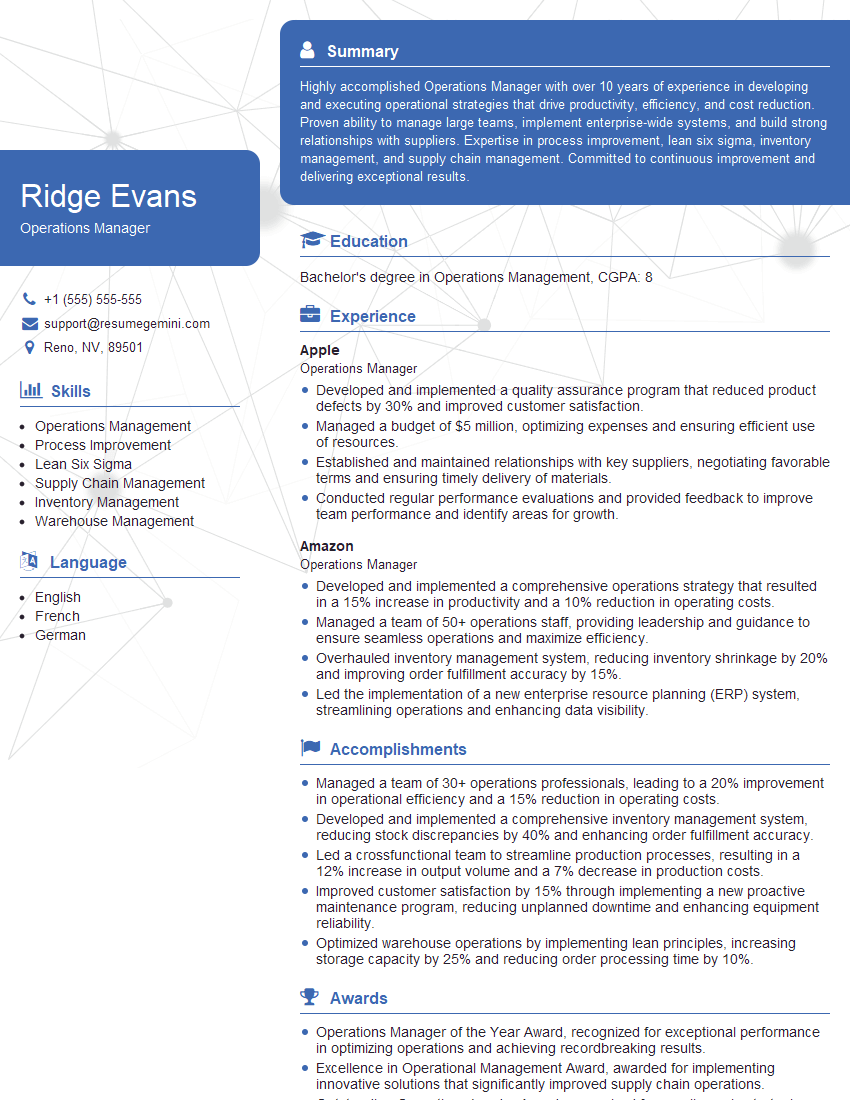
Operations Manager Resume Sample
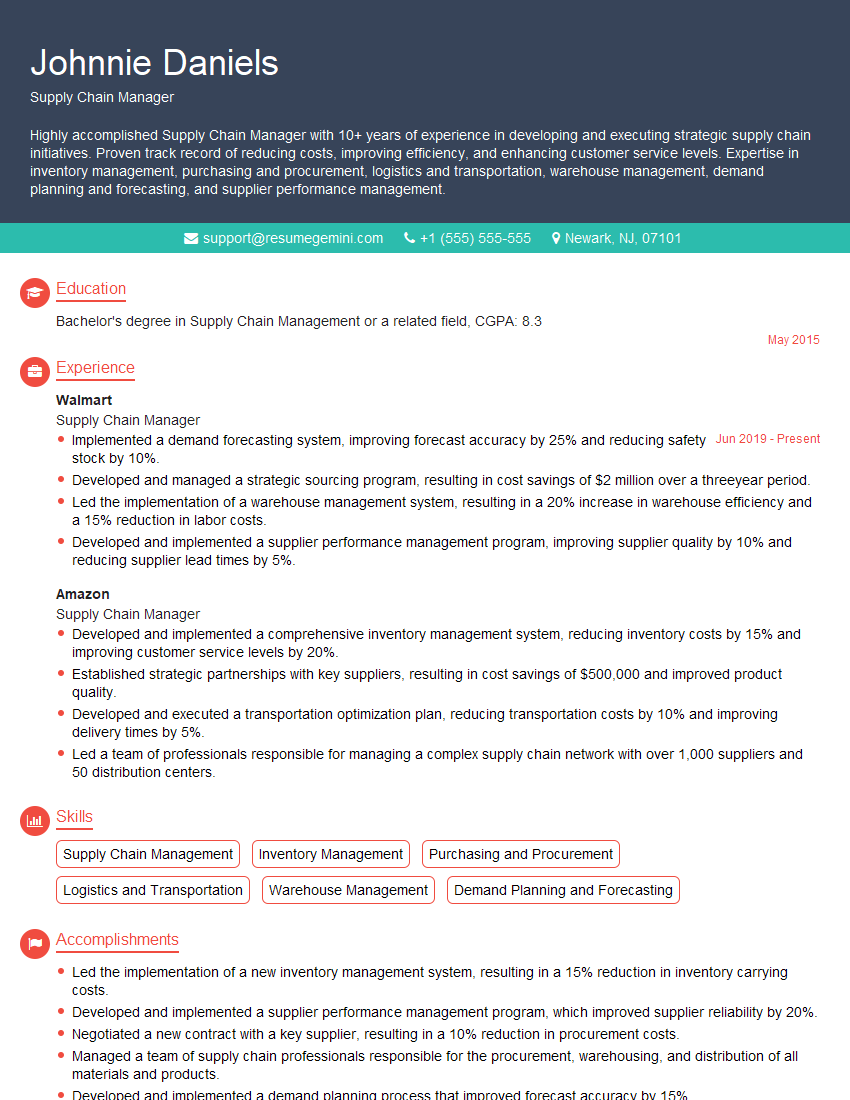
Supply Chain Manager Resume Sample
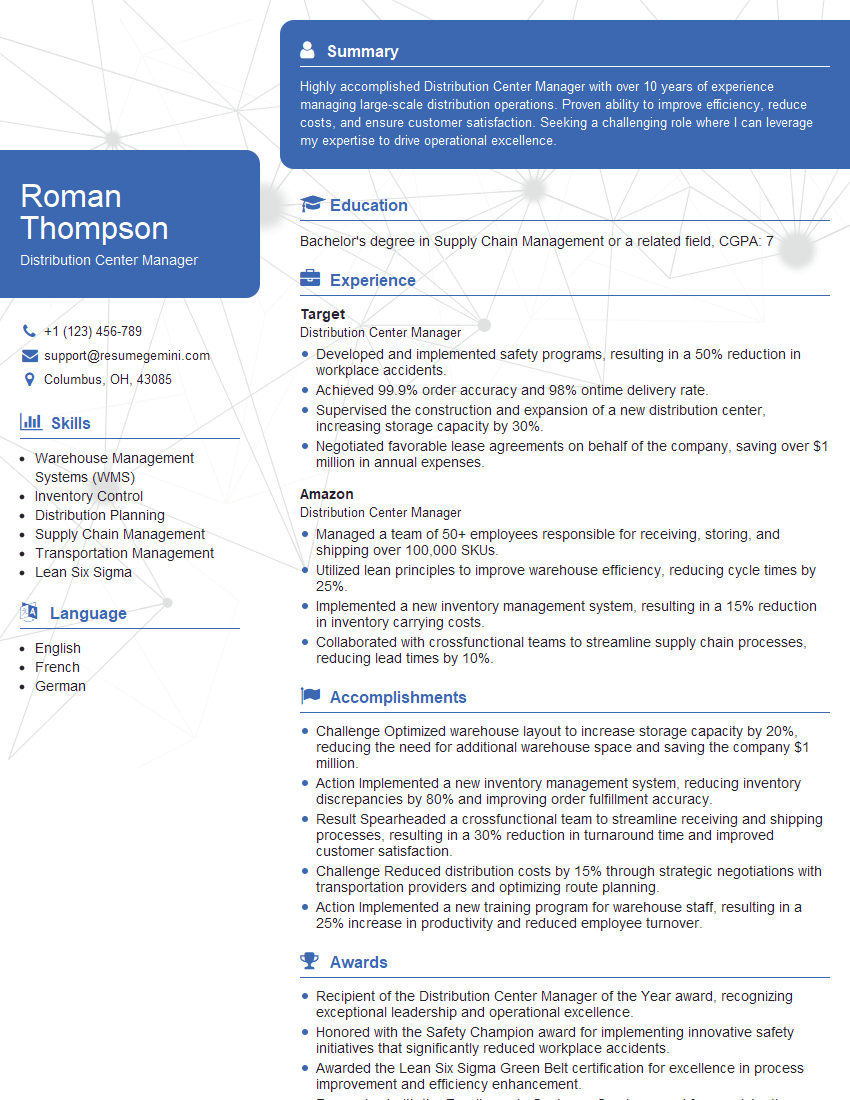
Distribution Center Manager Resume Sample
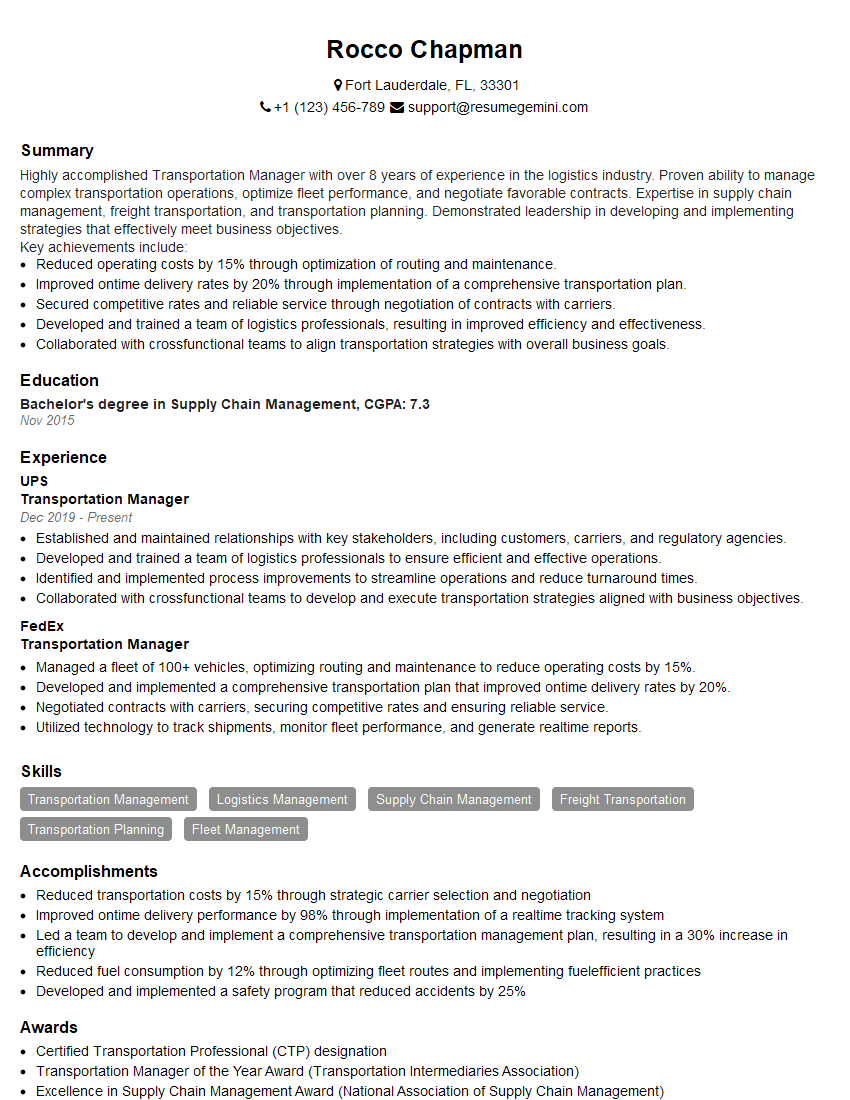
Transportation Manager Resume Sample
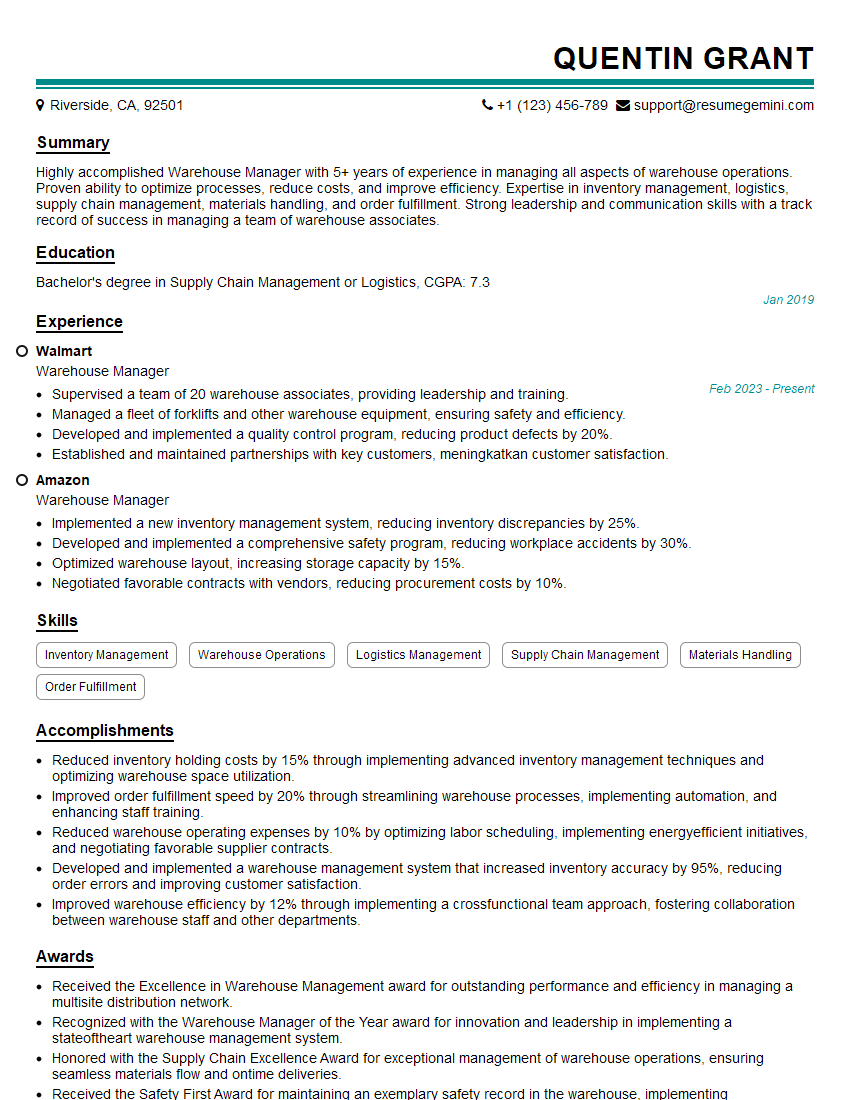
Warehouse Manager Resume Sample
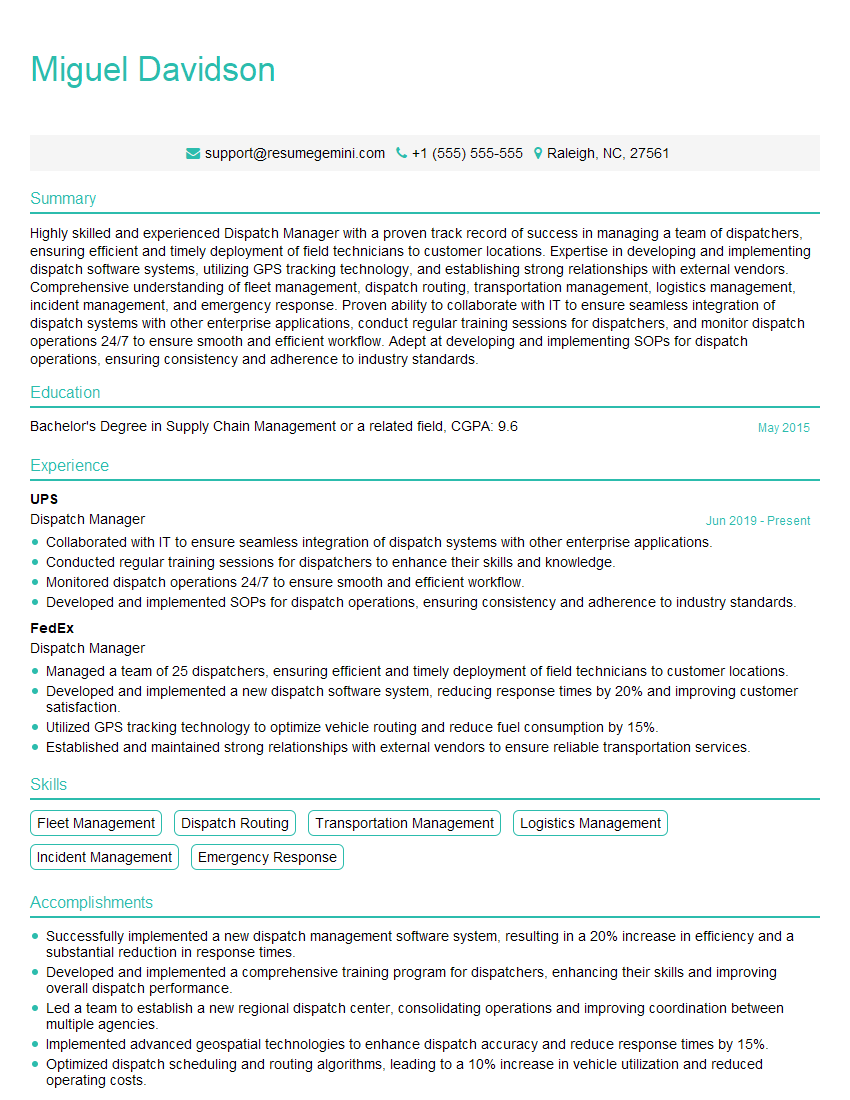
Dispatch Manager Resume Sample
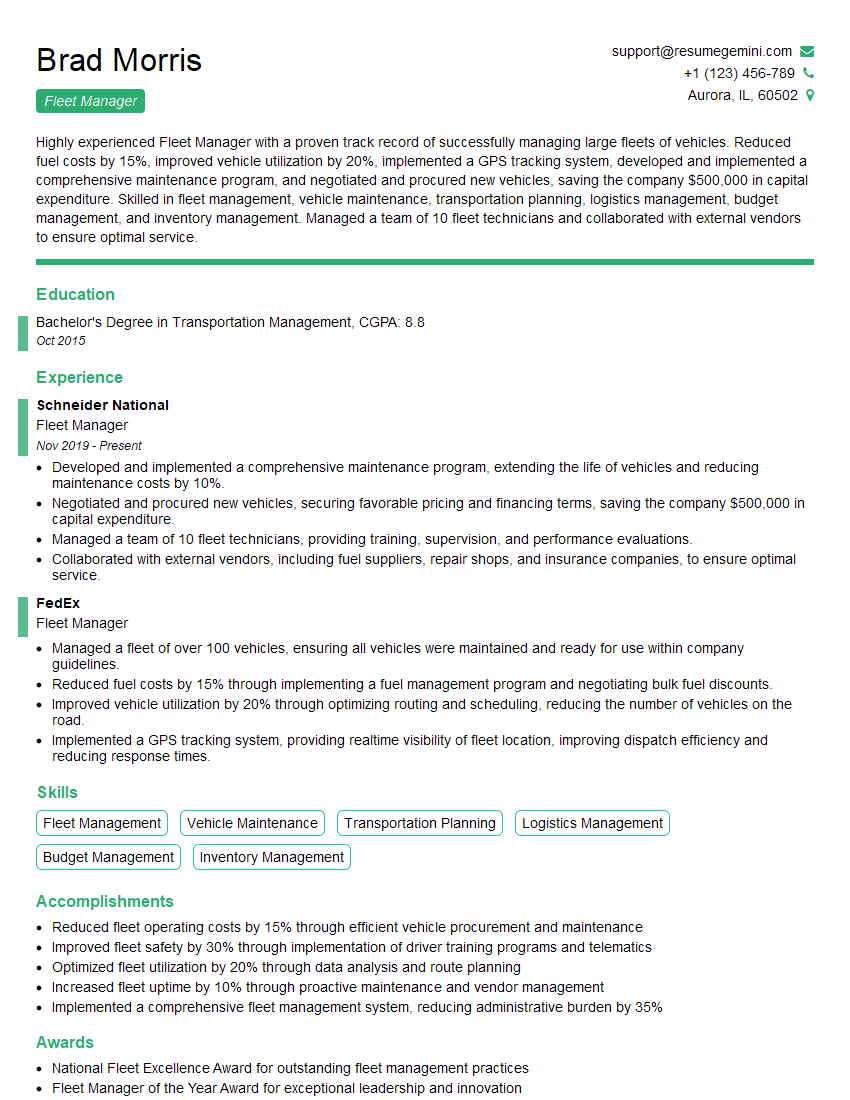
Fleet Manager Resume Sample
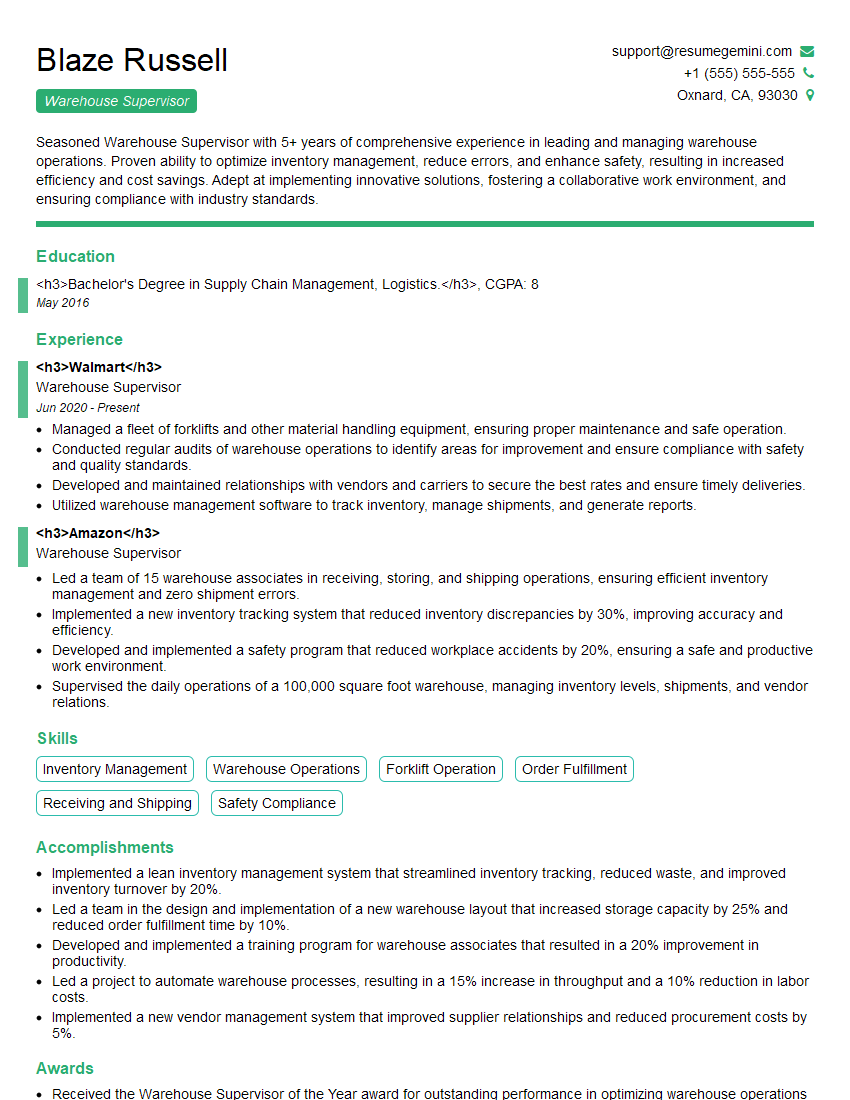
Warehouse Supervisor Resume Sample
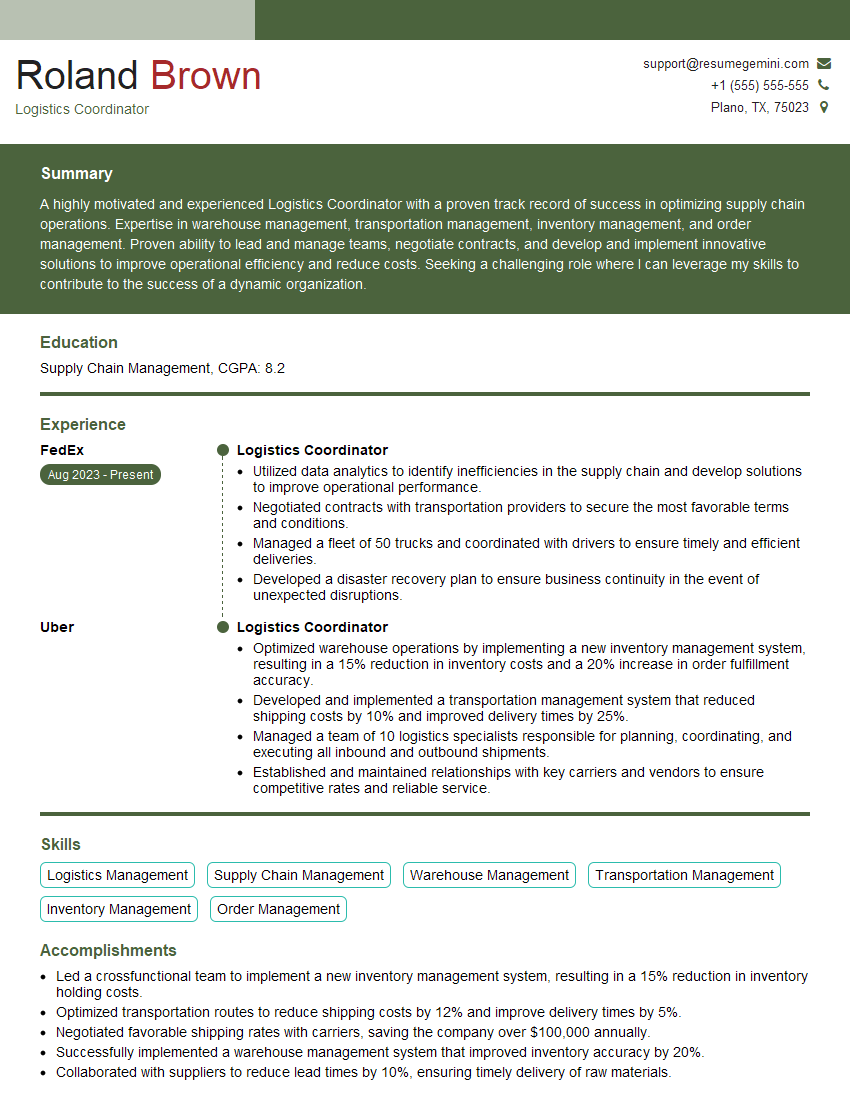
Logistics Coordinator Resume Sample
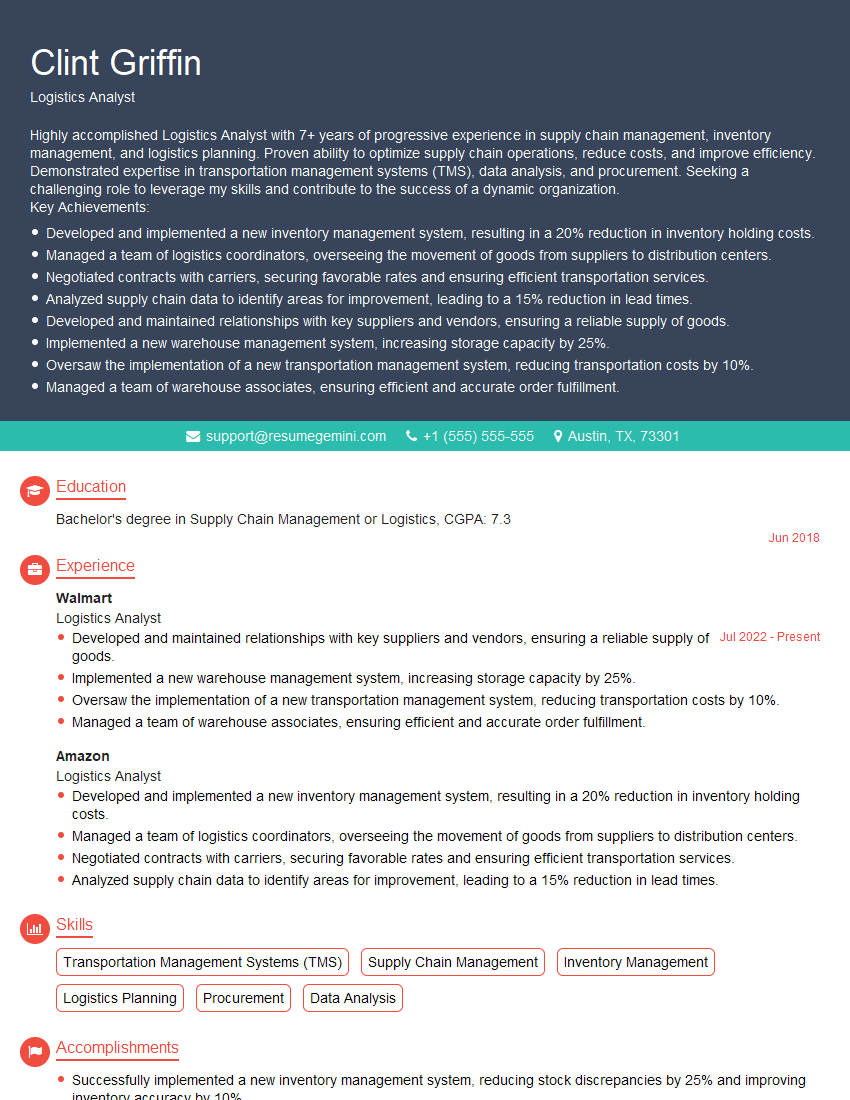
Logistics Analyst Resume Sample
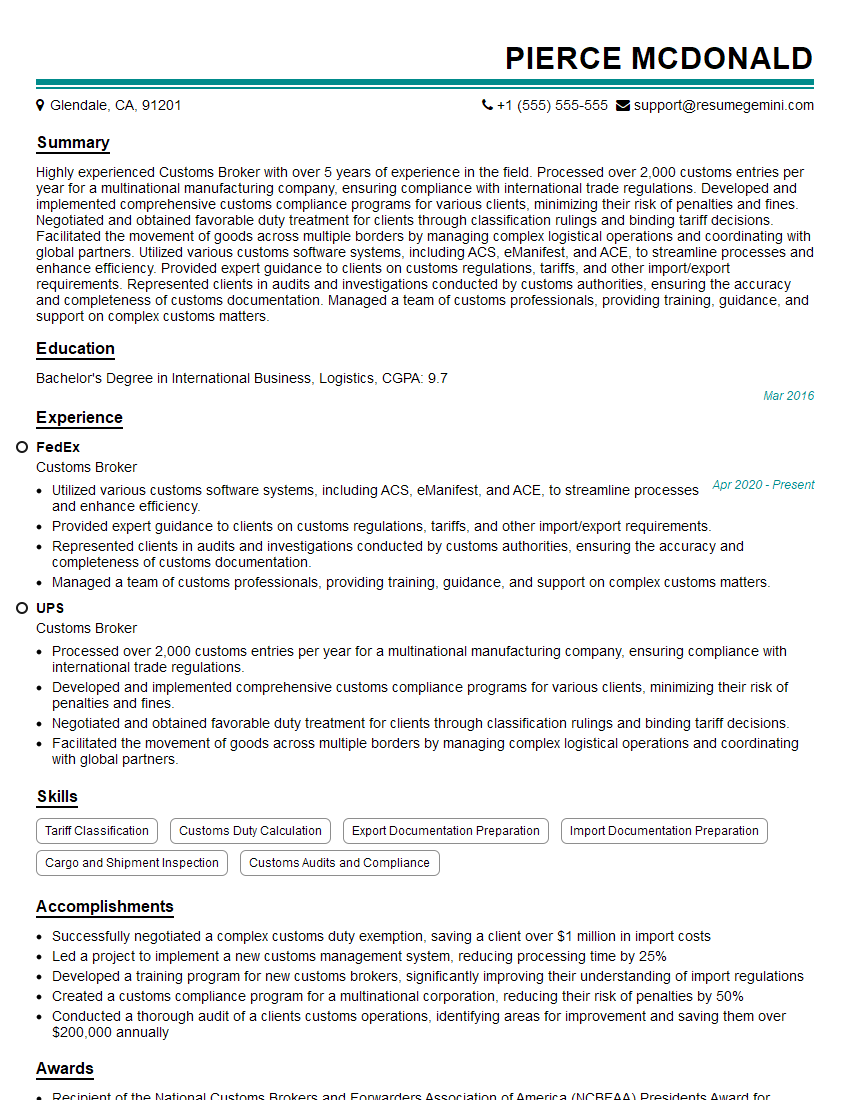
Customs Broker Resume Sample
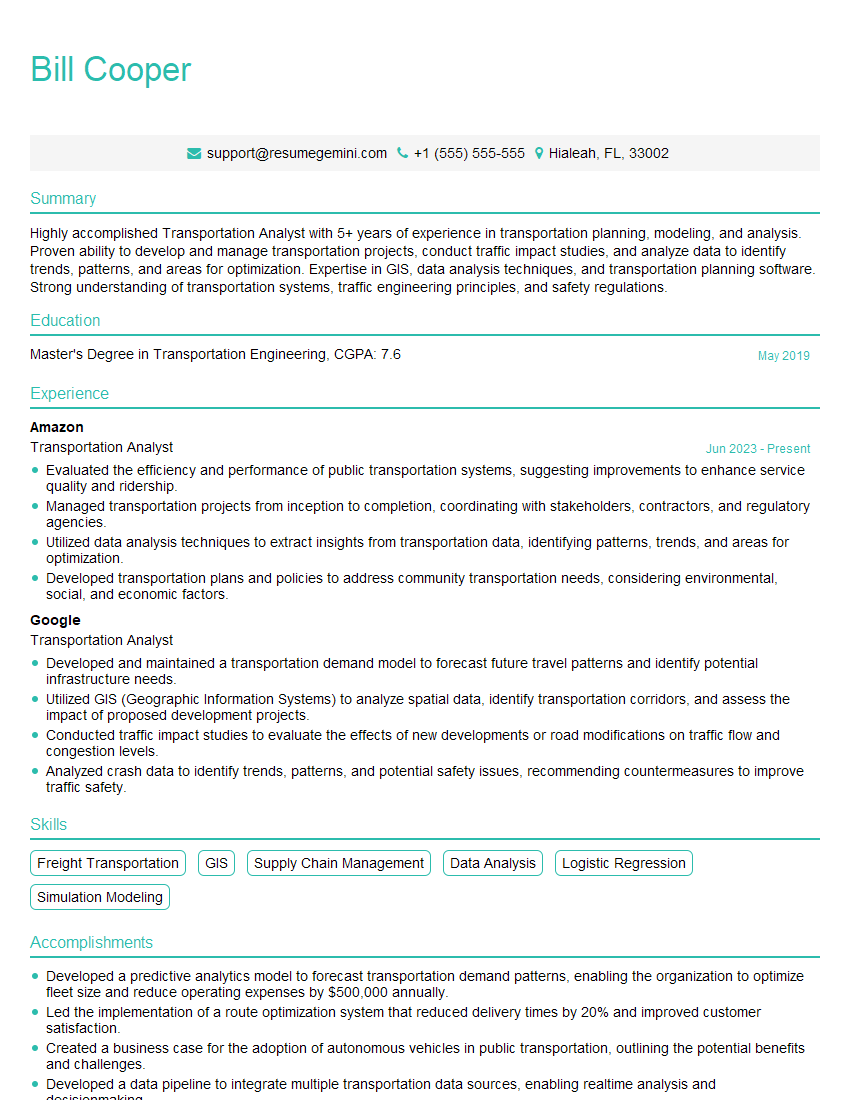
Transportation Analyst Resume Sample
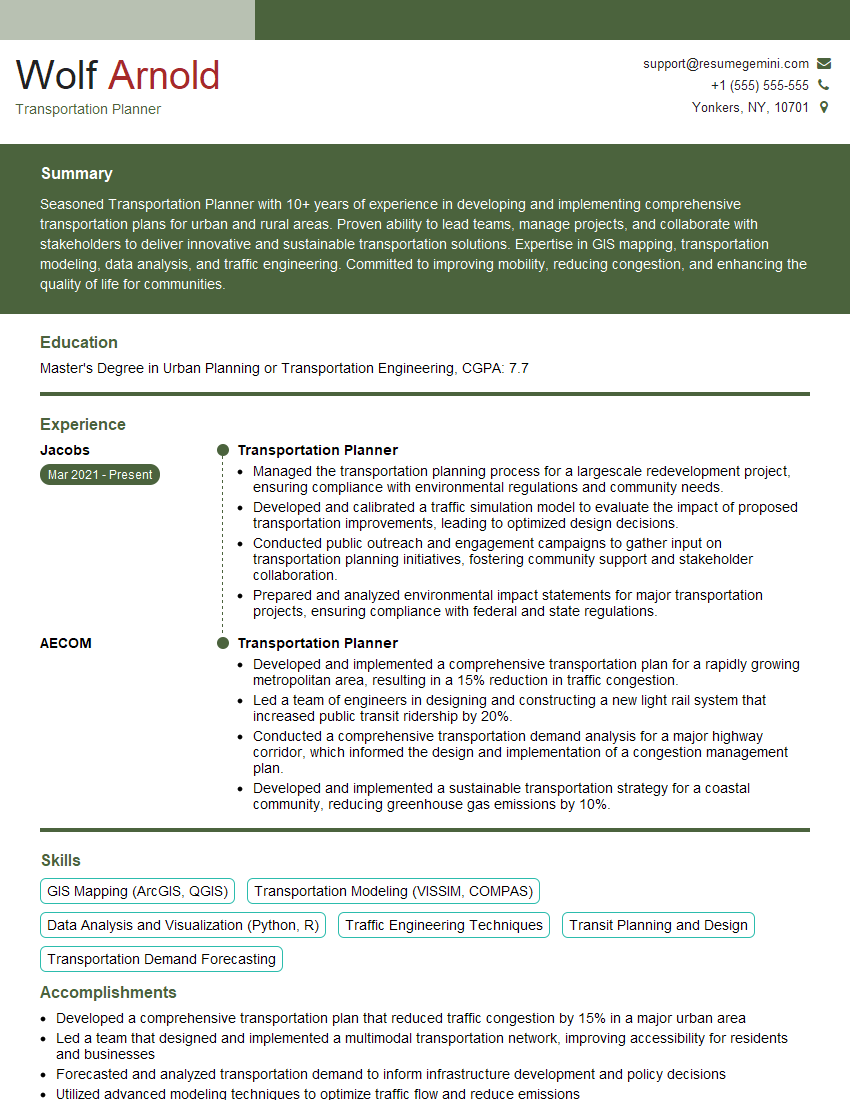
Transportation Planner Resume Sample
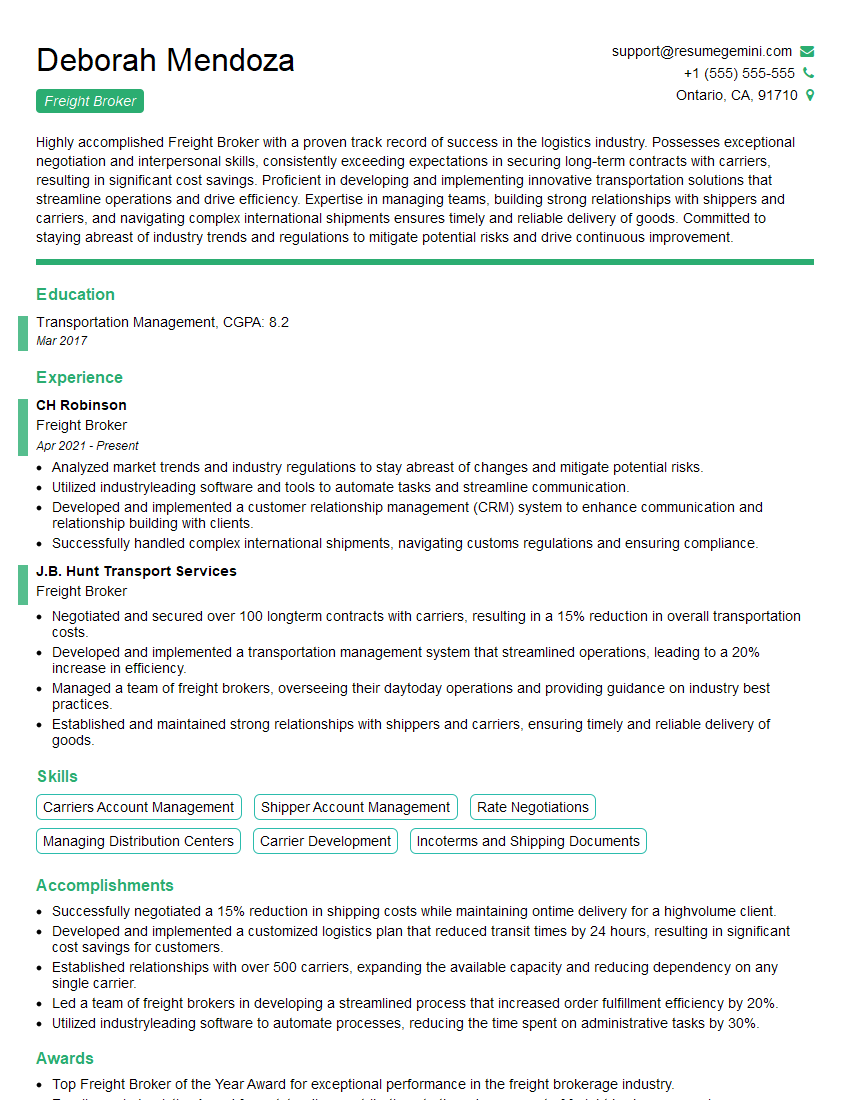
Freight Broker Resume Sample
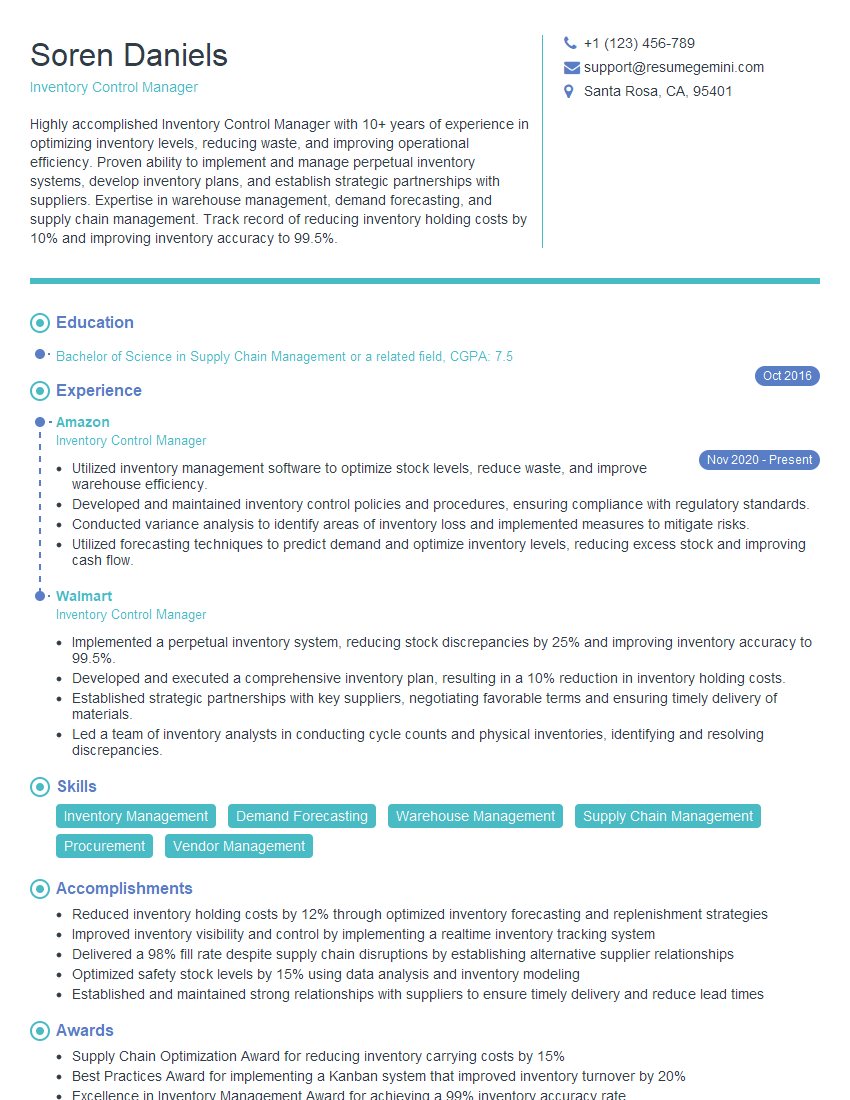
Inventory Control Manager Resume Sample
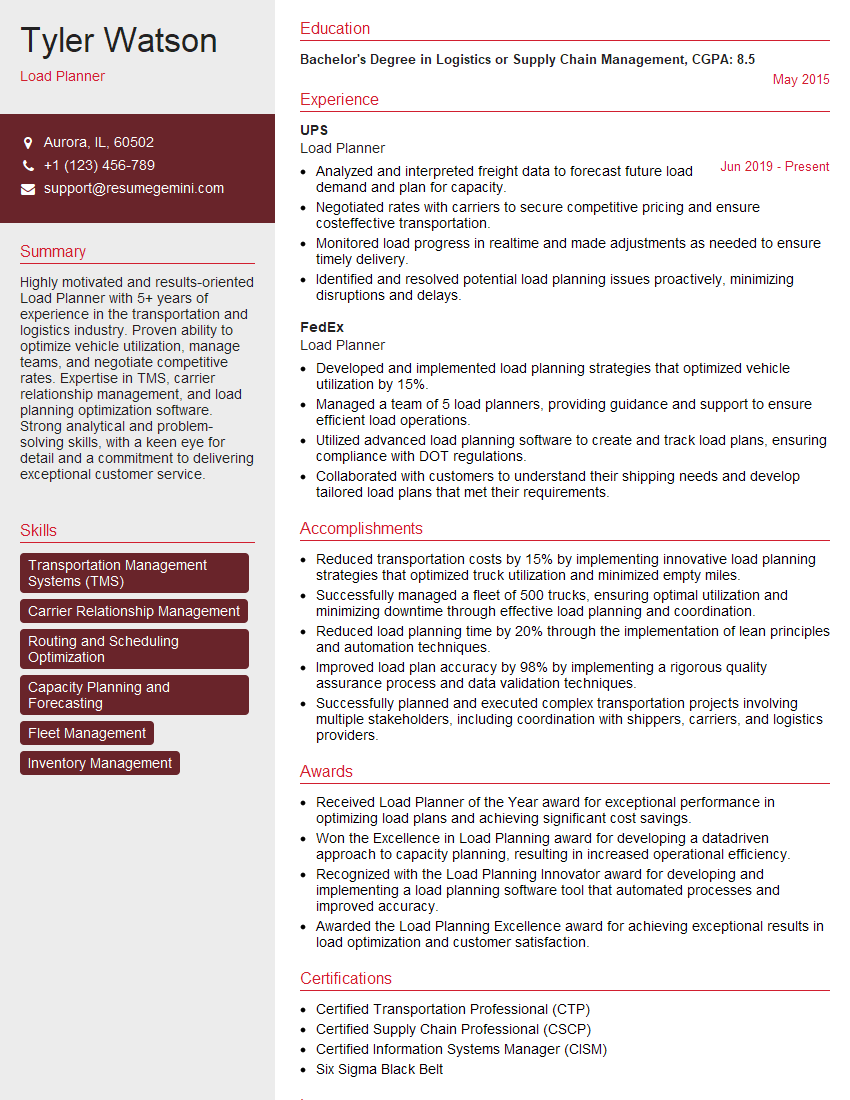
Load Planner Resume Sample
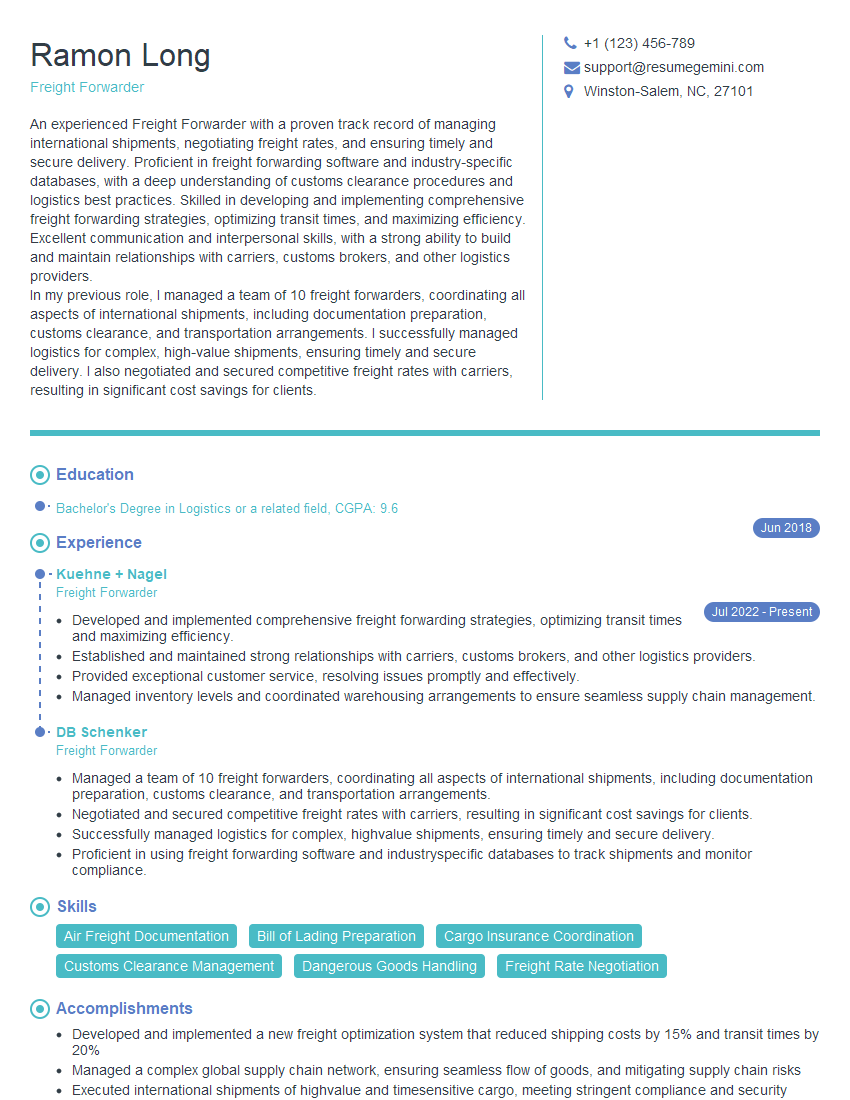
Freight Forwarder Resume Sample

Truck Driver Supervisor Resume Sample
- Operations Manager
- Supply Chain Manager
- Distribution Center Manager
- Transportation Manager
- Warehouse Manager
- Dispatch Manager
- Fleet Manager
- Warehouse Supervisor
- Logistics Coordinator
- Logistics Analyst
- Customs Broker
- Transportation Analyst
- Transportation Planner
- Freight Broker
- Inventory Control Manager
- Load Planner
- Freight Forwarder
- Truck Driver Supervisor
Explore more articles
Users Rating of Our Blogs
Share Your Experience
We value your feedback! Please rate our content and share your thoughts (optional).
What Readers Say About Our Blog
Really detailed insights and content, thank you for writing this detailed article.
IT gave me an insight and words to use and be able to think of examples