Interviews are opportunities to demonstrate your expertise, and this guide is here to help you shine. Explore the essential Understanding of Quality Management Systems (QMS) interview questions that employers frequently ask, paired with strategies for crafting responses that set you apart from the competition.
Questions Asked in Understanding of Quality Management Systems (QMS) Interview
Q 1. Describe your experience implementing a Quality Management System (QMS).
In my previous role at Acme Corporation, I led the implementation of a comprehensive ISO 9001:2015 compliant QMS across three manufacturing facilities. This involved a phased approach, starting with gap analysis to identify areas needing improvement against the standard. We then developed and documented processes, implemented a robust document control system, and trained all employees on their roles and responsibilities within the new system. A crucial aspect was establishing a strong management review process to track performance and make necessary adjustments. We used a project management methodology, breaking down the implementation into manageable tasks with clear timelines and responsibilities. This systematic approach ensured a smooth transition and minimized disruption to ongoing operations. Key to success was engaging employees throughout the process, making them stakeholders and not just recipients of change. We saw a significant reduction in non-conformances and an improvement in overall customer satisfaction after implementation.
Q 2. Explain the key principles of ISO 9001.
The ISO 9001 standard is built on seven key principles:
- Customer focus: Understanding and meeting customer needs and expectations is paramount. This goes beyond simply fulfilling orders to anticipating future needs and actively seeking customer feedback.
- Leadership: Leaders at all levels must create and maintain a quality-oriented culture. This involves setting clear goals, providing resources, and fostering a collaborative environment.
- Engagement of people: Empowering employees at all levels is crucial. Training, open communication, and providing the necessary resources enable them to contribute effectively to quality improvement.
- Process approach: Identifying, managing, and improving processes is essential for efficiency and effectiveness. This involves mapping processes, analyzing their performance, and implementing changes to optimize them.
- Improvement: Continuously improving the QMS through proactive monitoring, analysis, and corrective action is vital. This requires a culture of continuous improvement and a commitment to learning from mistakes.
- Evidence-based decision making: Decisions should be based on data and analysis, not assumptions. This requires collecting and analyzing relevant data to track progress and make informed choices.
- Relationship management: Understanding and managing relationships with suppliers and other stakeholders is critical. Effective communication and collaboration can help ensure consistent quality throughout the supply chain.
Think of these principles as interconnected pillars supporting a strong QMS. Each principle contributes to the overall effectiveness and sustainability of the system.
Q 3. How would you conduct an internal audit of a QMS?
Conducting an internal audit involves a systematic examination of the QMS to ensure compliance with established procedures and the ISO 9001 standard. My approach would involve the following steps:
- Planning: Defining the scope of the audit, identifying audit criteria (ISO 9001 clauses, internal procedures), selecting auditors, and scheduling audit activities.
- Document review: Reviewing relevant documentation such as the quality manual, procedures, work instructions, and records to ensure they are current, accurate, and implemented.
- On-site observation: Observing processes in action, interviewing personnel, and examining records to verify compliance with procedures and effectiveness of controls.
- Evidence gathering: Collecting objective evidence through observation, interviews, document review, and sampling of data to support audit findings.
- Reporting: Documenting audit findings, including both conformances and non-conformances, with specific supporting evidence. This report should clearly identify the issues, their potential impact, and recommendations for corrective action.
- Follow-up: Verifying that corrective actions are implemented and effective. This ensures that identified issues are addressed and prevent recurrence.
For example, during an audit of the purchasing process, I would observe the purchasing staff, review purchase orders and supplier performance records, and interview personnel to ensure compliance with the documented purchasing procedure. Any discrepancies would be documented and reported, along with recommendations for corrective actions.
Q 4. What are the common challenges in implementing a QMS, and how would you address them?
Common challenges in implementing a QMS include:
- Resistance to change: Employees may resist adopting new processes or procedures. Addressing this requires clear communication, training, and engagement of employees in the implementation process. Demonstrating the benefits of the QMS is vital.
- Lack of management commitment: Without active support from top management, the QMS will struggle to gain traction. Leadership must visibly champion the initiative, provide resources, and ensure accountability.
- Inadequate resources: Sufficient time, personnel, and financial resources are necessary for effective implementation. Planning and resource allocation should be part of the initial phases of implementation.
- Lack of employee training: Employees need thorough training on new processes and procedures. This should be tailored to each role and incorporate ongoing refresher training.
- Overly complex system: A QMS that is too complex or bureaucratic can be difficult to implement and maintain. The system should be designed to be efficient, user-friendly, and practical.
To address these challenges, I would utilize a phased approach, focus on communication and training, secure executive sponsorship, and use effective project management techniques. Regular monitoring and review meetings, combined with employee feedback loops, are vital for addressing issues promptly and keeping the implementation on track.
Q 5. Describe your experience with corrective and preventive actions (CAPA).
Corrective Actions (CA) address existing problems, while Preventive Actions (PA) prevent future problems. My experience with CAPA involves a structured approach based on root cause analysis.
For example, if a customer returned a product due to a defect (CA), I would conduct a thorough investigation to understand the root cause. This might involve examining the production process, materials used, and inspection records. Once the root cause is identified, corrective actions are implemented to address the immediate problem. For example, it could be retraining staff on proper assembly procedures or replacing faulty equipment. A preventive action would then be implemented to ensure the issue does not recur – perhaps implementing a new quality check during production or modifying the design to make the assembly less prone to errors.
Effective CAPA requires clear documentation, timely implementation, and verification that the actions have been effective. This involves reviewing metrics related to non-conformance rates to see if the corrective action is actually reducing the defects.
Q 6. How do you ensure the effectiveness of a QMS?
Ensuring the effectiveness of a QMS is an ongoing process, not a one-time event. I utilize a multi-pronged approach:
- Regular management reviews: These reviews examine the performance of the QMS, identify areas for improvement, and ensure alignment with organizational goals. They should be conducted at regular intervals and involve top management.
- Internal audits: These audits assess the compliance of the QMS with the standard and identify any gaps or weaknesses. Findings from internal audits are used to drive continuous improvement.
- Monitoring and measurement: Key performance indicators (KPIs) are tracked to measure the effectiveness of the QMS. This data provides objective evidence of the system’s performance and highlights areas needing attention.
- Corrective and preventive actions: Effective CAPA processes ensure that issues are addressed promptly and prevent recurrence. This is a key element of continuous improvement.
- Employee feedback: Gathering and acting on employee feedback is vital. Employees have a valuable perspective on the system’s effectiveness and can identify areas for improvement.
By combining these approaches, we can create a robust and effective QMS that drives continuous improvement and supports organizational success.
Q 7. What are the key performance indicators (KPIs) you would use to measure the success of a QMS?
The KPIs I would use to measure the success of a QMS would depend on the specific organization and its goals, but some common examples include:
- Customer satisfaction: Measured through surveys, feedback forms, and customer retention rates.
- Non-conformance rate: The number of defects or errors relative to the total output. A lower rate indicates better quality control.
- Customer complaints: The number and type of customer complaints received. A reduction in complaints shows improvement in product quality and customer service.
- Internal audit findings: The number and severity of non-conformances identified during internal audits.
- Supplier performance: Measures of supplier quality, such as on-time delivery and defect rates.
- Process cycle time: The time taken to complete a process, reflecting efficiency.
- Employee training completion rate: The percentage of employees who have completed required training.
By regularly tracking these KPIs and analyzing trends, we can assess the effectiveness of the QMS and identify areas needing improvement. Dashboards and regular reporting mechanisms are essential for effective monitoring and communication of performance.
Q 8. Explain the difference between Quality Assurance and Quality Control.
Quality Assurance (QA) and Quality Control (QC) are often confused, but they are distinct yet complementary aspects of a robust Quality Management System (QMS). Think of QA as preventative and QC as reactive.
Quality Assurance focuses on preventing defects. It’s about establishing processes, procedures, and a work environment that minimizes errors from occurring in the first place. This involves activities like setting quality standards, designing effective processes, training employees, and conducting regular audits to ensure processes are followed correctly. It’s proactive; you’re aiming to build quality into the product or service.
Quality Control, on the other hand, is focused on detecting and correcting defects after they’ve occurred. This involves inspecting finished products, testing materials, and identifying defects to prevent them from reaching the customer. QC is reactive; it’s a response to potential problems already present.
Example: Imagine a bakery. QA would involve establishing standardized recipes, ensuring proper ingredient storage, providing training to bakers on proper techniques, and regularly cleaning equipment. QC would involve inspecting baked goods for consistency, size, and appearance, rejecting any flawed items before they are sold.
Q 9. Describe your experience with root cause analysis techniques.
I have extensive experience with various root cause analysis (RCA) techniques, including the 5 Whys, Fishbone diagrams (Ishikawa diagrams), Pareto charts, and Fault Tree Analysis. My approach involves selecting the most appropriate technique based on the complexity of the problem and the available data.
The 5 Whys is a simple yet powerful technique for identifying the root cause by repeatedly asking “Why?” until the underlying issue is uncovered. It’s effective for straightforward problems but may not suffice for complex situations.
Fishbone diagrams help visually organize potential causes contributing to a problem. This collaborative approach involves brainstorming across different departments or teams to gain diverse perspectives.
Pareto charts highlight the vital few causes contributing to the majority of effects, allowing us to focus our efforts on the most impactful areas for improvement.
Fault Tree Analysis is a more formal and systematic method for complex systems, visually representing how different events can combine to cause a specific failure.
In my previous role, we used a combination of 5 Whys and Fishbone diagrams to investigate a recurring issue with late deliveries. By repeatedly asking “why” and brainstorming potential causes categorized by factors such as personnel, materials, equipment, and processes, we discovered a bottleneck in our packaging process that was the root cause. We then implemented improvements to that process, effectively resolving the issue.
Q 10. How do you handle non-conformances in a QMS?
Handling non-conformances within a QMS requires a systematic and documented approach to ensure corrective and preventative actions (CAPA) are effectively implemented and prevent recurrence. My process typically involves these steps:
- Identification and Documentation: Meticulously document the non-conformances, including details like date, time, location, description, and impact. Use a standardized form to ensure consistency.
- Investigation: Conduct a thorough investigation using appropriate RCA techniques (as discussed earlier) to determine the root cause(s) of the non-conformance.
- Corrective Actions: Implement immediate corrective actions to address the immediate problem and prevent further occurrences of the same non-conformance.
- Preventative Actions: Develop and implement preventative actions to address the root cause and prevent similar non-conformances from happening in the future. This might involve process improvements, employee training, or equipment upgrades.
- Verification and Validation: Verify that the corrective and preventative actions are effective and validate that the issue has been resolved. This often involves monitoring and data analysis.
- Documentation and Review: Thoroughly document all actions taken, including decisions, justifications, and results. Regularly review the effectiveness of the CAPA process.
Example: If a batch of products fails a quality test, the non-conformances are documented. Investigation might reveal faulty equipment as the root cause. Corrective actions include repairing or replacing the equipment. Preventative actions might include implementing a more robust preventative maintenance schedule for all equipment.
Q 11. What is your experience with document control in a QMS?
Effective document control is crucial for maintaining a compliant and efficient QMS. My experience encompasses the entire document lifecycle, from creation and approval to distribution, revision, and archival. This includes:
- Document Creation and Approval: Ensuring documents are created using standardized templates, reviewed for accuracy and completeness, and approved by the appropriate personnel. Version control is essential here.
- Distribution and Access Control: Managing the distribution of documents to relevant personnel, often using a controlled document management system (DMS) to track access and ensure only authorized individuals can view and modify documents.
- Revision Control: Implementing a system for managing document revisions, clearly identifying the version number, date of revision, and changes made. This ensures everyone is using the most up-to-date version.
- Obsoletion and Archival: Establishing a process for managing obsolete documents, ensuring they are properly archived and easily retrievable should they be needed for audit purposes or other reasons.
- Regular Audits: Conducting regular audits to ensure the document control system is functioning effectively and that documents are accurate, up-to-date, and readily available.
In my previous role, we implemented a DMS that streamlined document control, reducing errors and improving efficiency. This system provided a central repository for all documents, tracked revisions automatically, and enabled controlled access for various user groups.
Q 12. Explain your understanding of risk management within a QMS.
Risk management is a critical component of a robust QMS, enabling proactive identification, assessment, and mitigation of potential issues that could negatively impact quality, safety, or compliance. I have experience with various risk management methodologies, including Failure Mode and Effects Analysis (FMEA) and risk matrices.
Risk Identification: This involves systematically identifying potential hazards or events that could affect the QMS. Techniques include brainstorming, HAZOP studies, and checklist reviews.
Risk Assessment: Once identified, risks are assessed based on their likelihood and severity. A risk matrix is often used to visually represent these, allowing prioritization of risks based on their overall impact.
Risk Mitigation: Strategies are developed and implemented to reduce the likelihood or severity of identified risks. This could include implementing control measures, such as process improvements, safety protocols, or contingency plans.
Risk Monitoring and Review: Risks are continuously monitored and reviewed to assess the effectiveness of implemented mitigation strategies and identify any emerging risks. The risk assessment process should be integrated into the overall QMS.
Example: In a manufacturing setting, an FMEA could be used to analyze potential failure modes in a production process. This could identify risks such as equipment malfunctions, material defects, or operator error. Mitigation strategies might involve preventative maintenance, improved operator training, and quality checks at various stages of the process.
Q 13. How do you ensure that a QMS is compliant with relevant regulations?
Ensuring QMS compliance with relevant regulations is paramount. My approach involves a multi-faceted strategy:
- Regulatory Knowledge: Maintaining a deep understanding of all applicable regulations, standards, and industry best practices relevant to the organization’s operations. This requires continuous monitoring of regulatory changes.
- Gap Analysis: Conducting regular gap analyses to compare the organization’s QMS against the requirements of relevant regulations. This helps identify areas needing improvement.
- Documentation and Training: Developing and implementing clear procedures and training programs to ensure compliance with regulations. Employees need to understand and follow established procedures.
- Internal Audits: Conducting regular internal audits to assess the effectiveness of the QMS in meeting regulatory requirements. This provides valuable feedback for continuous improvement.
- Management Review: Regular management reviews provide an opportunity to assess compliance performance, identify areas for improvement, and allocate resources to address any deficiencies.
- External Audits: Participating in external audits conducted by regulatory bodies or certification organizations to demonstrate compliance and obtain necessary certifications (such as ISO 9001).
Proactive monitoring and a commitment to continuous improvement are essential to ensure ongoing compliance.
Q 14. What is your experience with continuous improvement methodologies (e.g., Kaizen, Lean)?
I have significant experience with various continuous improvement methodologies, including Kaizen and Lean principles. My approach involves integrating these principles into the QMS to drive efficiency and quality improvements.
Kaizen, or continuous improvement, emphasizes incremental, ongoing improvements throughout the organization. It encourages employee involvement in identifying and implementing small changes that collectively create significant impact. This often involves using tools like 5S (Sort, Set in Order, Shine, Standardize, Sustain) to improve workplace organization and efficiency.
Lean principles focus on eliminating waste in all aspects of operations. This involves identifying and removing activities that do not add value for the customer, reducing lead times, and improving workflow. Value stream mapping is a key tool used in Lean to visualize the flow of materials and information in a process and identify areas for improvement.
Example: In a previous role, we used Kaizen events to address inefficiencies in a manufacturing process. By involving employees in brainstorming sessions and implementing their suggestions, we were able to reduce production time by 15% and improve product quality.
I firmly believe that continuous improvement is not just a project; it’s a mindset and a culture that needs to be embedded within the organization.
Q 15. How would you improve the effectiveness of an existing QMS?
Improving an existing QMS is a continuous process focused on enhancing its effectiveness and efficiency. It involves a systematic approach, not just a one-time fix. I would start by conducting a thorough gap analysis, comparing the current QMS to relevant standards (like ISO 9001) and best practices. This identifies areas needing improvement.
Next, I’d focus on data-driven decision-making. Analyzing key performance indicators (KPIs) like defect rates, customer complaints, and process cycle times helps pinpoint bottlenecks and areas for optimization. For example, a high defect rate in a specific assembly line might indicate a need for improved training or updated equipment.
Process improvement methodologies like Lean and Six Sigma are invaluable. Lean focuses on eliminating waste, while Six Sigma aims to reduce process variation. Implementing these methodologies often involves streamlining workflows, reducing unnecessary steps, and standardizing processes.
Furthermore, employee engagement is critical. Regular audits and management reviews aren’t just about compliance; they’re about identifying opportunities for improvement from the perspectives of those doing the work. Creating a culture of continuous improvement, where employees feel empowered to suggest changes, is key. Finally, regular training and updates are essential to keep the QMS relevant and effective. Regular review and updates of the QMS documentation also ensures that the system remains a useful and relevant tool.
Career Expert Tips:
- Ace those interviews! Prepare effectively by reviewing the Top 50 Most Common Interview Questions on ResumeGemini.
- Navigate your job search with confidence! Explore a wide range of Career Tips on ResumeGemini. Learn about common challenges and recommendations to overcome them.
- Craft the perfect resume! Master the Art of Resume Writing with ResumeGemini’s guide. Showcase your unique qualifications and achievements effectively.
- Don’t miss out on holiday savings! Build your dream resume with ResumeGemini’s ATS optimized templates.
Q 16. What is your experience with process mapping and flowcharting?
Process mapping and flowcharting are fundamental to understanding and improving any process. I have extensive experience creating both high-level process maps illustrating the overall flow, and detailed flowcharts showing specific steps and decision points. I’m proficient in various tools, including Visio and Lucidchart.
For example, in a previous role, I mapped the entire order fulfillment process. This revealed a significant bottleneck in the shipping department. Through the flowchart, we identified that an outdated inventory management system caused delays. By implementing a new system, we significantly reduced lead times and improved customer satisfaction. I believe in using visual tools for improved communication and collaboration on process improvement.
My experience goes beyond simply creating diagrams. I utilize these tools to facilitate workshops and collaborate with teams to identify areas for optimization, analyse process data, and develop improved processes.
Q 17. Describe your experience with statistical process control (SPC).
Statistical Process Control (SPC) is a crucial tool for monitoring and controlling processes to ensure consistent quality. My experience with SPC includes designing control charts (like X-bar and R charts, p-charts and c-charts), interpreting data, identifying trends, and taking corrective actions. I’ve used SPC in various manufacturing and service environments.
In one project, we were experiencing high variability in the thickness of a key component. By implementing X-bar and R charts, we identified an issue with the machine settings. Adjusting the settings and implementing regular monitoring led to a significant reduction in variability and improved product quality. SPC goes beyond just charting; it requires understanding the underlying process capability and identifying root causes of variation.
Understanding statistical concepts like standard deviation, process capability indices (Cpk), and control limits is key to effectively using SPC. I always ensure the data collected is accurate and representative of the process to ensure reliable interpretation.
Q 18. What are the key elements of a quality policy?
A quality policy is a formal statement that outlines an organization’s commitment to quality. Key elements include:
- Commitment to Quality: A clear and concise statement of the organization’s dedication to meeting customer requirements and exceeding expectations.
- Customer Focus: Emphasis on understanding and meeting customer needs and expectations.
- Continuous Improvement: A commitment to ongoing improvement of the QMS and processes.
- Compliance: Adherence to all relevant standards, regulations, and legal requirements.
- Employee Involvement: Recognition that employees are key to achieving quality goals.
- Management Responsibility: A commitment from top management to lead and support the QMS.
The quality policy should be readily accessible to all employees and should guide all quality-related activities within the organization. It’s not just a document; it’s a living statement that reflects the organization’s values and aspirations.
Q 19. Explain your understanding of customer satisfaction within a QMS context.
Customer satisfaction is paramount in any QMS. It’s not just about meeting requirements, but exceeding expectations and building lasting relationships. Within a QMS context, customer satisfaction is measured and monitored through various methods. This includes customer surveys, feedback forms, and analysis of customer complaints.
For example, regular customer feedback surveys can identify areas for improvement. Analyzing customer complaints allows for proactive problem-solving and process adjustments. In my experience, focusing on customer feedback leads to continuous improvement and stronger customer loyalty. It’s important to close the loop with customers. Acknowledging their feedback and providing updates demonstrates respect and builds trust.
Q 20. How would you train employees on QMS procedures?
Training employees on QMS procedures is crucial for successful implementation and maintenance. My approach is multifaceted and combines various methods for effective learning and retention.
- Needs Assessment: I start by identifying the specific training needs of employees based on their roles and responsibilities.
- Modular Training: I break down the training into manageable modules, focusing on specific procedures and processes.
- Interactive Sessions: I incorporate interactive elements like discussions, group exercises, and role-playing to enhance engagement.
- Practical Application: I emphasize hands-on exercises and practical applications to solidify understanding.
- Documentation and Resources: I provide employees with easy-to-understand documentation, including checklists, flowcharts, and other visual aids.
- Ongoing Assessment: I use regular quizzes, assessments, and observations to monitor understanding and identify areas for further training.
Post-training evaluation and feedback ensure the effectiveness of the training programs.
Q 21. Describe your experience with internal communication regarding QMS updates.
Effective internal communication is vital for keeping employees informed about QMS updates and changes. My approach emphasizes transparency and accessibility. I utilize various channels:
- Regular Newsletters/Emails: I use newsletters or emails to communicate major updates, upcoming training sessions, and relevant announcements.
- Intranet Portal: An intranet portal provides a central hub for QMS documents, policies, and training materials.
- Team Meetings: Regular team meetings are opportunities for interactive discussions and clarifications.
- Town Hall Meetings: Larger-scale meetings address company-wide changes and ensure everyone is on the same page.
- Feedback Mechanisms: I establish feedback mechanisms to encourage questions, suggestions, and concerns from employees.
Using multiple channels ensures that information reaches all employees effectively and encourages a culture of open communication.
Q 22. What is your understanding of the Plan-Do-Check-Act (PDCA) cycle?
The Plan-Do-Check-Act (PDCA) cycle is a fundamental quality management methodology used for continuous improvement. It’s a cyclical process, meaning it repeats continuously, allowing for ongoing refinement.
- Plan: This stage involves identifying a problem or opportunity for improvement, defining objectives, and developing a plan to achieve those objectives. This might include researching root causes, setting SMART goals (Specific, Measurable, Achievable, Relevant, Time-bound), and outlining the steps needed to implement the solution.
- Do: Here, the plan is implemented on a small scale, perhaps as a pilot project. Data is carefully collected during this phase to track progress and identify any unforeseen issues.
- Check: This is the analysis stage. Data collected during the ‘Do’ phase is analyzed to determine if the plan is working as intended. Were the objectives met? What were the results? Are there any deviations from the plan?
- Act: Based on the findings from the ‘Check’ stage, decisions are made. If the plan was successful, it may be standardized and implemented more widely. If not, the plan is revised and the cycle begins again. The ‘Act’ phase could involve implementing corrective actions, preventive actions, or adjusting the plan for a future iteration.
Example: Imagine a manufacturing plant experiencing high rates of product defects. The PDCA cycle would be used to address this. The ‘Plan’ might involve analyzing defect types and implementing a new training program for assembly line workers. The ‘Do’ phase would involve running the training and monitoring defect rates. The ‘Check’ phase would involve analyzing the data to see if the training reduced defects. The ‘Act’ phase might involve expanding the training program or modifying it based on the results.
Q 23. How do you manage changes to a QMS?
Managing changes to a QMS requires a structured approach to ensure the system remains effective and compliant. This typically involves a change management process which should be documented within the QMS itself.
- Identify the Change: The first step is identifying the need for change; this might be triggered by new legislation, customer requirements, or internal improvements.
- Assess the Impact: A thorough impact assessment is crucial to understand the potential consequences of the change on the entire QMS. This includes analyzing risks and considering the resources needed for implementation.
- Plan the Change: A detailed implementation plan is developed, outlining the steps involved, responsibilities, timelines, and resources required. This plan should also identify training needs.
- Implement the Change: The change is implemented according to the plan, with close monitoring to ensure it proceeds smoothly and adheres to defined procedures.
- Verify the Change: Verification steps ensure that the change has been successfully implemented and that the QMS continues to function effectively. This might involve audits or reviews.
- Document the Change: All changes to the QMS must be properly documented, including the rationale for the change, the impact assessment, the implementation plan, and verification results. This ensures traceability and aids in future audits.
Example: If a company adopts a new software system for managing quality records, a formal change management process would be followed, including impact analysis on existing workflows, staff training on the new software, testing of the system’s integration with other systems, and updates to the documented procedures.
Q 24. Explain your experience with audits related to ISO 14001 or other relevant environmental standards.
I have extensive experience with ISO 14001 audits and other environmental management system (EMS) standards. My involvement has spanned both internal and external audit roles.
- Internal Audits: I’ve led internal audits, identifying gaps in compliance with ISO 14001 requirements such as environmental aspects, objectives, legal compliance, and emergency preparedness. These audits often involve reviewing environmental permits, waste management plans, and emission monitoring data.
- External Audits: I’ve participated in external audits conducted by certification bodies, which involved preparing documentation, answering questions from the auditors, and addressing any non-conformances identified. This has honed my understanding of the standard’s requirements and best practices.
- Corrective Actions: Following any audit, whether internal or external, I’ve played a key role in developing and implementing corrective actions to address any identified non-conformances. This has included identifying root causes, implementing solutions, and verifying their effectiveness.
Example: During an internal audit at a manufacturing facility, I identified a gap in the management of hazardous waste. This involved developing a corrective action plan, including improved training for employees, implementing a new hazardous waste tracking system, and obtaining updated permits. This ultimately reduced the risk of environmental non-compliance and improved overall waste management efficiency.
Q 25. Describe your experience with supplier quality management.
Supplier quality management is critical for ensuring the quality of products and services. My experience includes developing and implementing supplier quality programs focused on risk assessment, performance monitoring, and continuous improvement.
- Supplier Selection: I’ve participated in selecting suppliers based on their quality management systems, capabilities, and past performance. This often involves reviewing supplier audits and qualifications.
- Performance Monitoring: I’ve established key performance indicators (KPIs) to monitor supplier performance, such as on-time delivery, quality defects, and compliance with requirements. This involves regular communication and collaborative problem-solving with suppliers.
- Corrective Actions: When quality issues arise from suppliers, I’ve developed and implemented corrective and preventive actions, including root cause analysis and working with the supplier to implement improvements.
- Supplier Development: I’ve been involved in developing and implementing programs to improve supplier capabilities, which may involve training, process improvement guidance, or sharing best practices.
Example: When a key supplier experienced a significant increase in defect rates, I led a team that investigated the root cause, working closely with the supplier to implement corrective actions. This included providing technical support, implementing new inspection procedures, and jointly reviewing the supplier’s manufacturing processes. The collaborative approach improved the supplier’s quality and strengthened the relationship.
Q 26. How do you measure the effectiveness of training programs related to QMS?
Measuring the effectiveness of QMS training programs requires a multi-faceted approach to ensure its impact is tangible and measurable. I typically use a combination of methods.
- Pre- and Post-Training Assessments: Evaluating employee knowledge and skills before and after training allows to gauge the learning gained. These can be tests, questionnaires, or practical exercises.
- On-the-Job Observation: Observing employees applying their new knowledge and skills in their daily tasks helps assess the practical application of training.
- Performance Metrics: Tracking key performance indicators (KPIs) related to quality, such as defect rates, process efficiency, or customer complaints, after training provides insights into the overall impact of the training on quality performance.
- Employee Feedback: Gathering feedback from employees through surveys or focus groups helps identify areas for improvement and helps determine if the training effectively met their needs.
- Return on Investment (ROI): Calculating the ROI of training programs through cost-benefit analysis ensures the training program is delivering the expected returns, evaluating the financial benefits against training costs.
Example: After implementing a new training program on statistical process control (SPC), we measured the reduction in defect rates, assessed employee proficiency in using SPC tools through on-the-job observation, and collected feedback from employees about the effectiveness of the training. This comprehensive approach allowed us to demonstrate a clear link between training and improved quality performance.
Q 27. How would you handle a situation where a QMS requirement is not being met?
When a QMS requirement isn’t being met, a systematic approach is crucial. This involves immediate action to address the non-conformance and prevent recurrence.
- Immediate Containment: The first step is to contain the problem and prevent further non-conformances. This might involve stopping a process, isolating defective products, or implementing temporary corrective measures.
- Root Cause Analysis: A thorough root cause analysis (RCA) is essential to understand why the requirement was not met. This could involve using tools such as 5 Whys, fishbone diagrams, or fault tree analysis.
- Corrective Action: Based on the RCA, corrective actions are developed and implemented to eliminate the root cause of the non-conformance. This might involve process improvements, employee training, or equipment upgrades.
- Preventive Action: Preventive actions are implemented to prevent recurrence of the non-conformance. This might involve changing procedures, improving training, or enhancing quality controls.
- Verification: The effectiveness of the corrective and preventive actions should be verified to ensure the QMS requirement is now being consistently met.
- Documentation: All actions taken, including the RCA, corrective actions, preventive actions, and verification results, must be properly documented and maintained.
Example: If a critical safety procedure wasn’t being followed, immediate containment would involve halting the affected process. The RCA might reveal inadequate training. Corrective actions would involve providing refresher training, and preventive actions might include implementing a checklist to ensure the procedure is consistently followed. Verification would involve observing employees and reviewing records to ensure compliance.
Q 28. Describe a time when you had to make a difficult decision related to quality.
In a previous role, we faced a situation where a major customer reported a significant number of defects in a recently shipped batch of products. This posed a risk to our reputation and financial stability.
The initial reaction was to quickly identify and fix the immediate problem – recall the defective products and implement immediate corrective actions. However, a more difficult decision was whether to disclose the full extent of the problem to the customer, even though it meant potentially losing their business, or to downplay it and risk a larger problem later.
After careful consideration and discussions with the leadership team, we chose complete transparency with the customer. We fully disclosed the issue, outlined our corrective actions, and offered compensation. This decision, while initially challenging, ultimately strengthened our relationship with the customer. They appreciated our honesty and proactive response and continued to work with us. This situation emphasized the importance of integrity and long-term relationships over short-term gains in quality management.
Key Topics to Learn for Understanding of Quality Management Systems (QMS) Interview
- ISO 9001:2015 Standard: Understand the core principles, clauses, and requirements of this widely recognized QMS standard. Consider practical applications like internal audits and management review.
- Quality Policy and Objectives: Learn how to define, implement, and measure the effectiveness of a quality policy within an organization. Explore practical examples of aligning objectives with strategic goals.
- Risk-Based Thinking: Grasp the importance of proactive risk identification, assessment, and mitigation within a QMS framework. Discuss how to translate risk analysis into effective control measures.
- Process Approach: Understand how to map and manage processes to achieve optimal efficiency and quality. Practice applying process improvement methodologies like DMAIC or PDCA.
- Internal Audits and Corrective Actions: Learn the procedures involved in conducting internal audits, identifying non-conformances, and implementing effective corrective and preventive actions (CAPA).
- Continuous Improvement: Explore various continuous improvement methodologies such as Kaizen, Lean, and Six Sigma, and understand their practical applications within a QMS.
- Document Control and Record Management: Understand the importance of maintaining accurate and readily accessible documentation and records within a QMS. Consider practical challenges and solutions related to document control.
- Management Review: Learn the purpose and process of management review meetings, including the analysis of performance indicators and the identification of areas for improvement.
- Supplier Management: Understand the processes for selecting, evaluating, and managing suppliers to ensure consistent quality of goods and services.
- Customer Focus: Discuss how a QMS should prioritize customer satisfaction and how to effectively gather and act upon customer feedback.
Next Steps
Mastering Understanding of Quality Management Systems (QMS) significantly enhances your career prospects in various industries. A strong understanding of QMS principles demonstrates your commitment to quality and efficiency, making you a highly valuable asset to any organization. To increase your chances of landing your dream job, crafting an ATS-friendly resume is crucial. ResumeGemini is a trusted resource to help you build a professional and impactful resume that highlights your QMS expertise. Examples of resumes tailored to Understanding of Quality Management Systems (QMS) roles are provided to help guide you. Invest time in building a compelling resume – it’s your first impression!
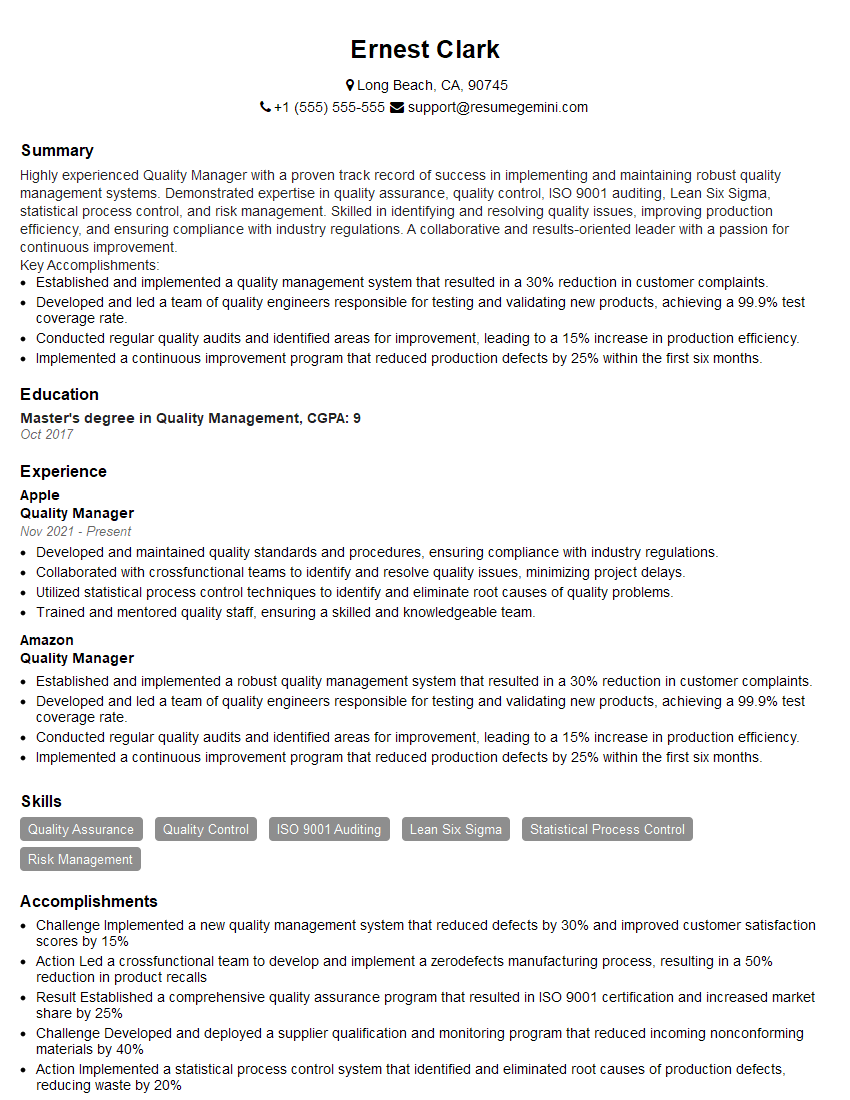
Quality Manager Resume Sample
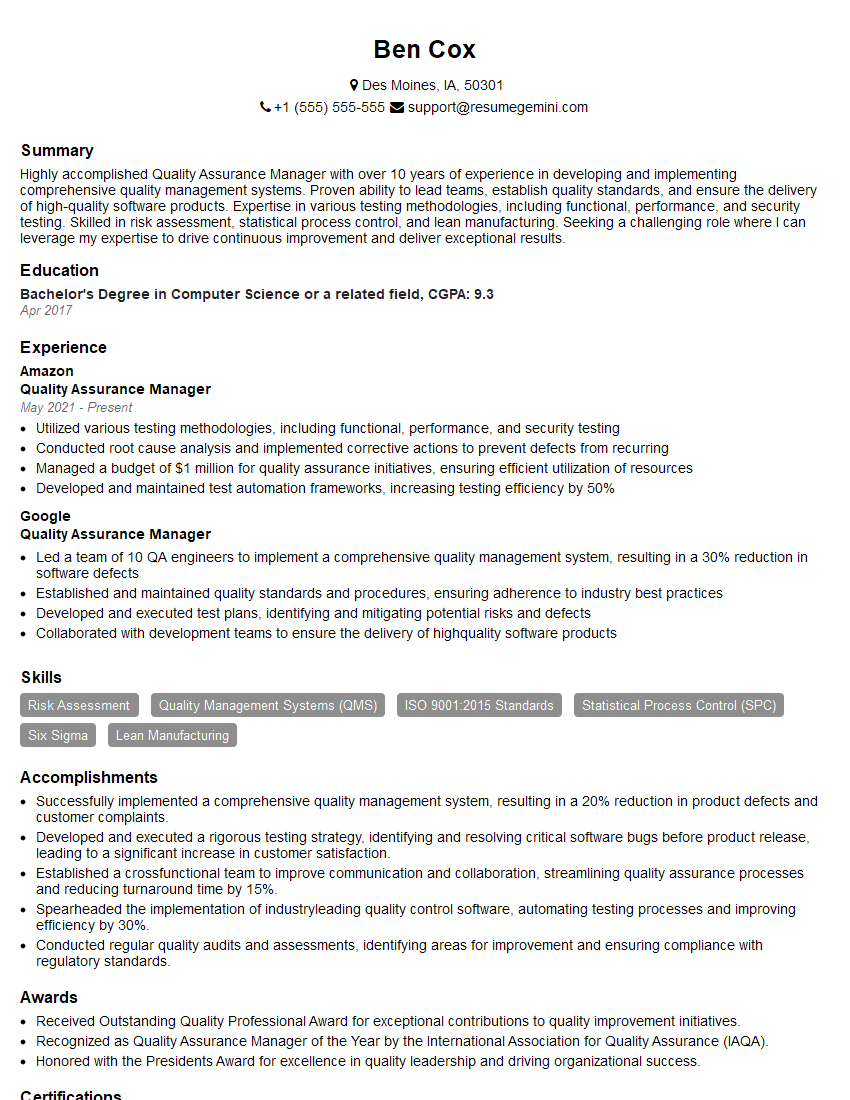
Quality Assurance Manager Resume Sample
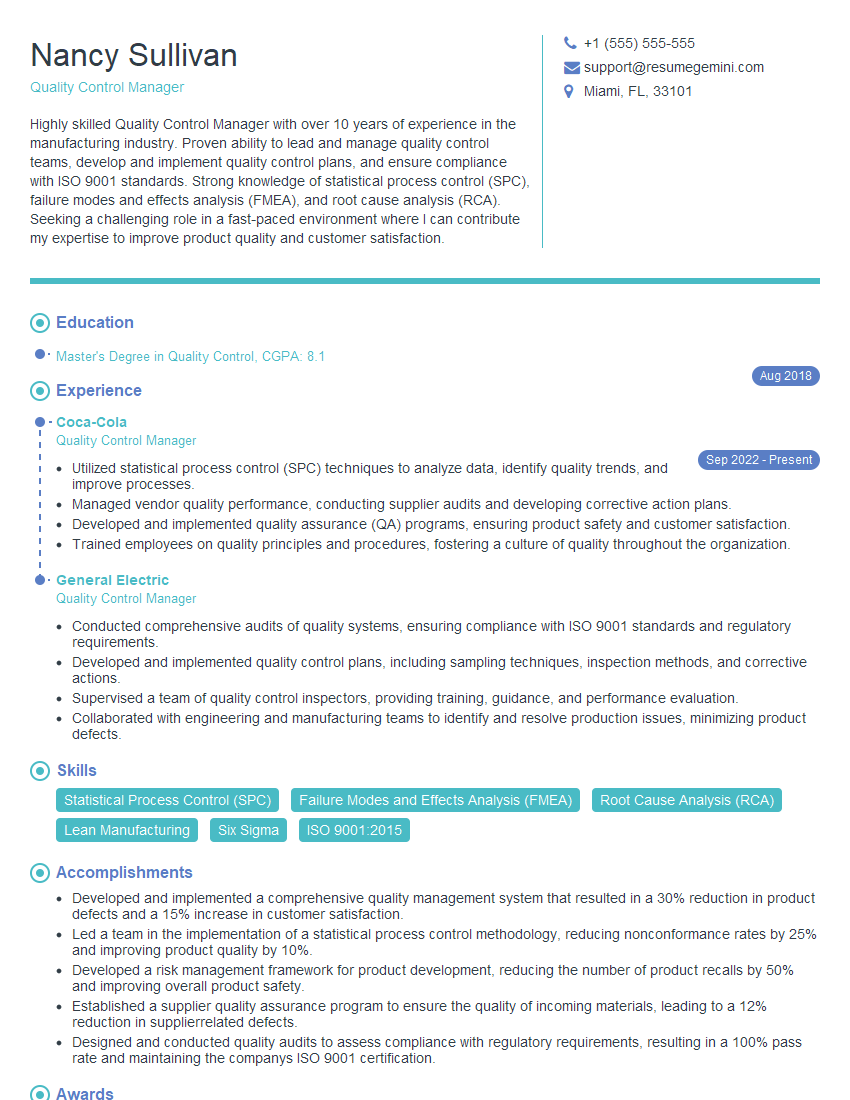
Quality Control Manager Resume Sample
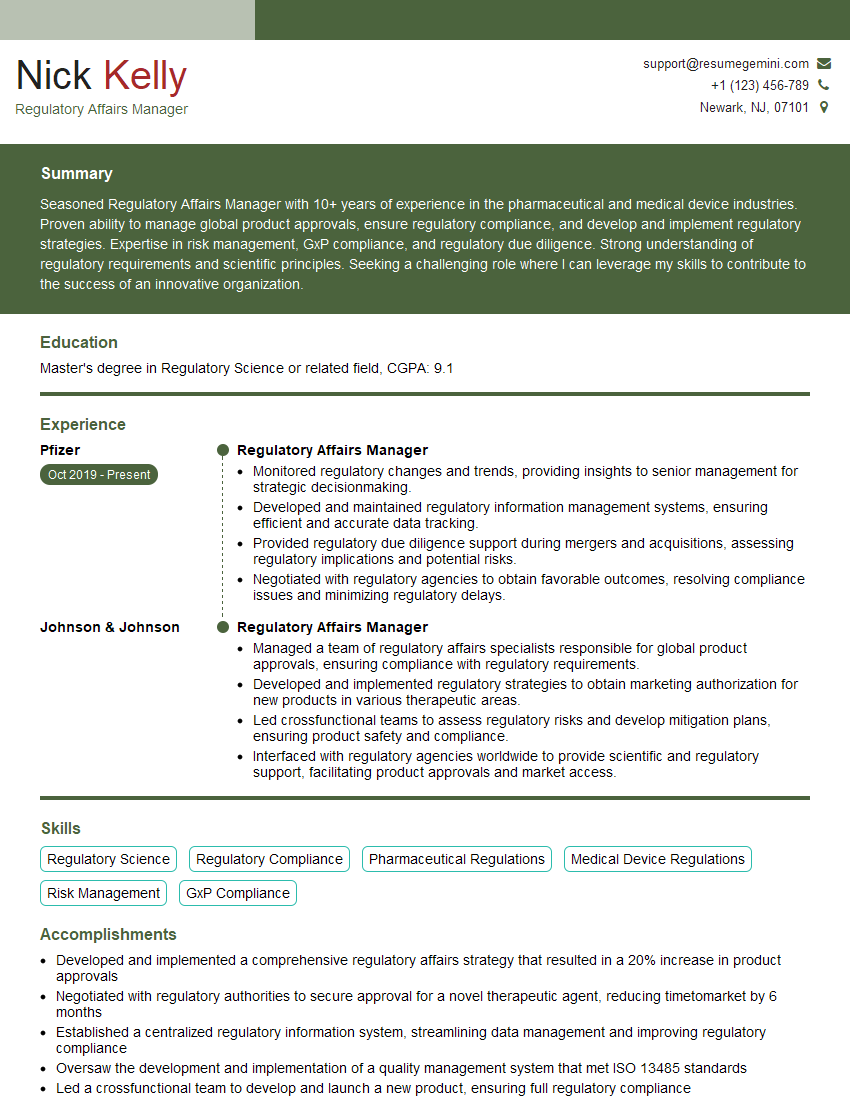
Regulatory Affairs Manager Resume Sample
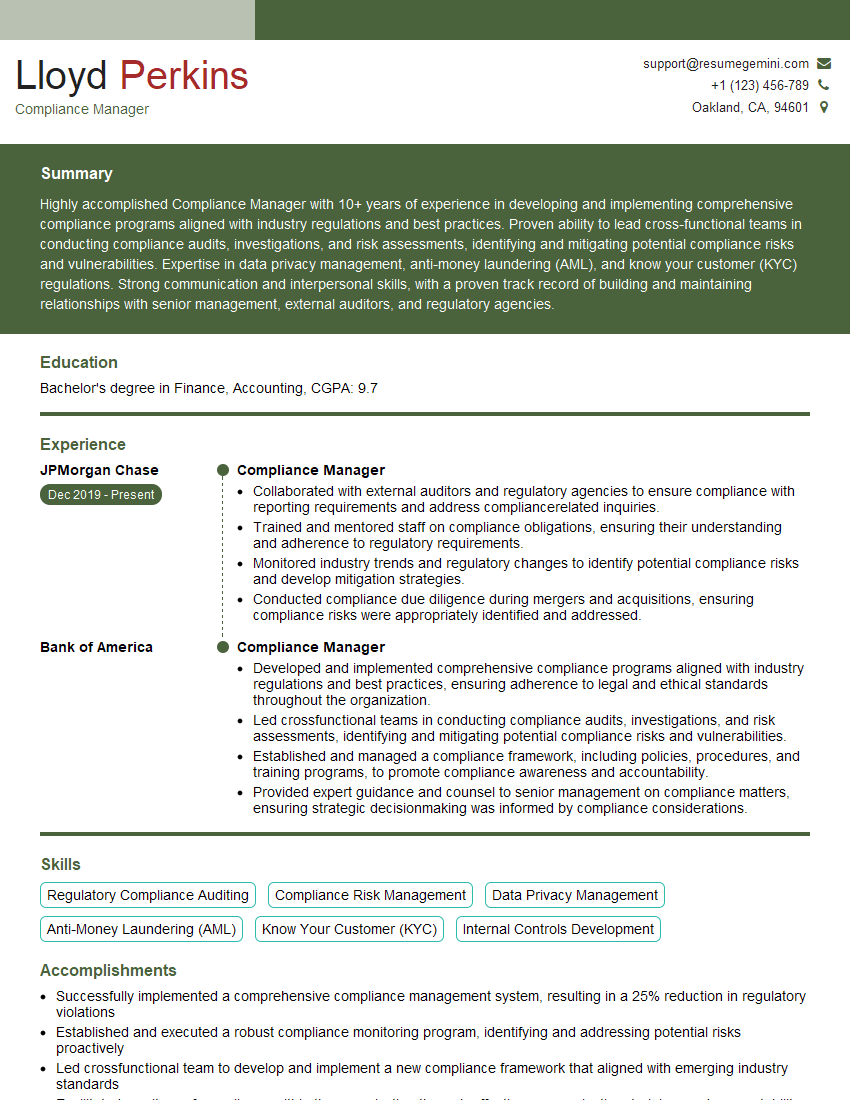
Compliance Manager Resume Sample
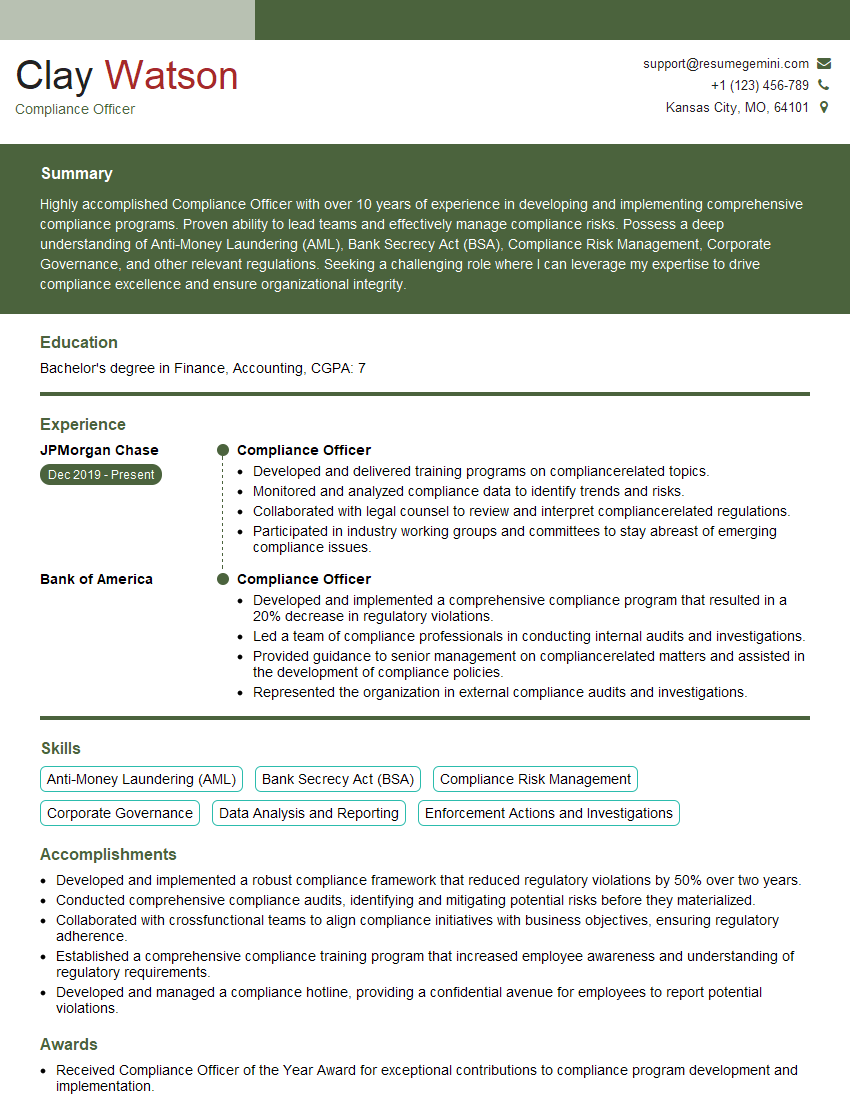
Compliance Officer Resume Sample
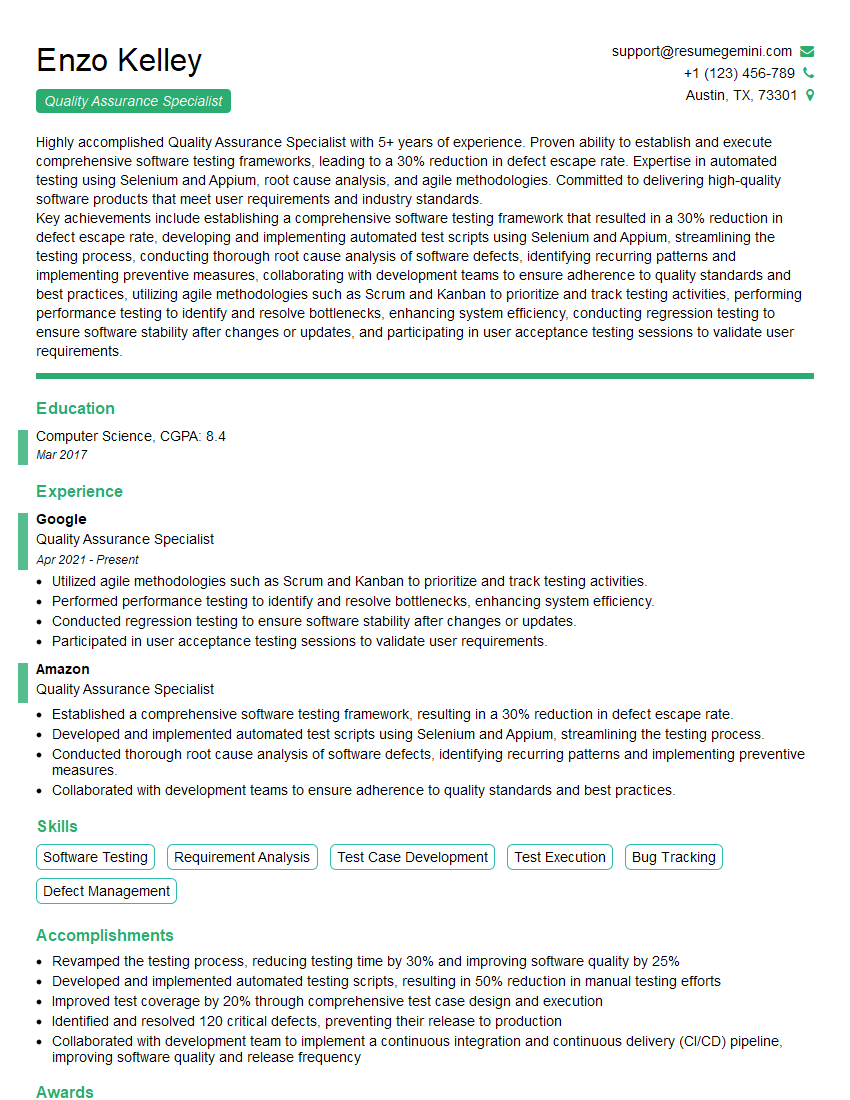
Quality Assurance Specialist Resume Sample
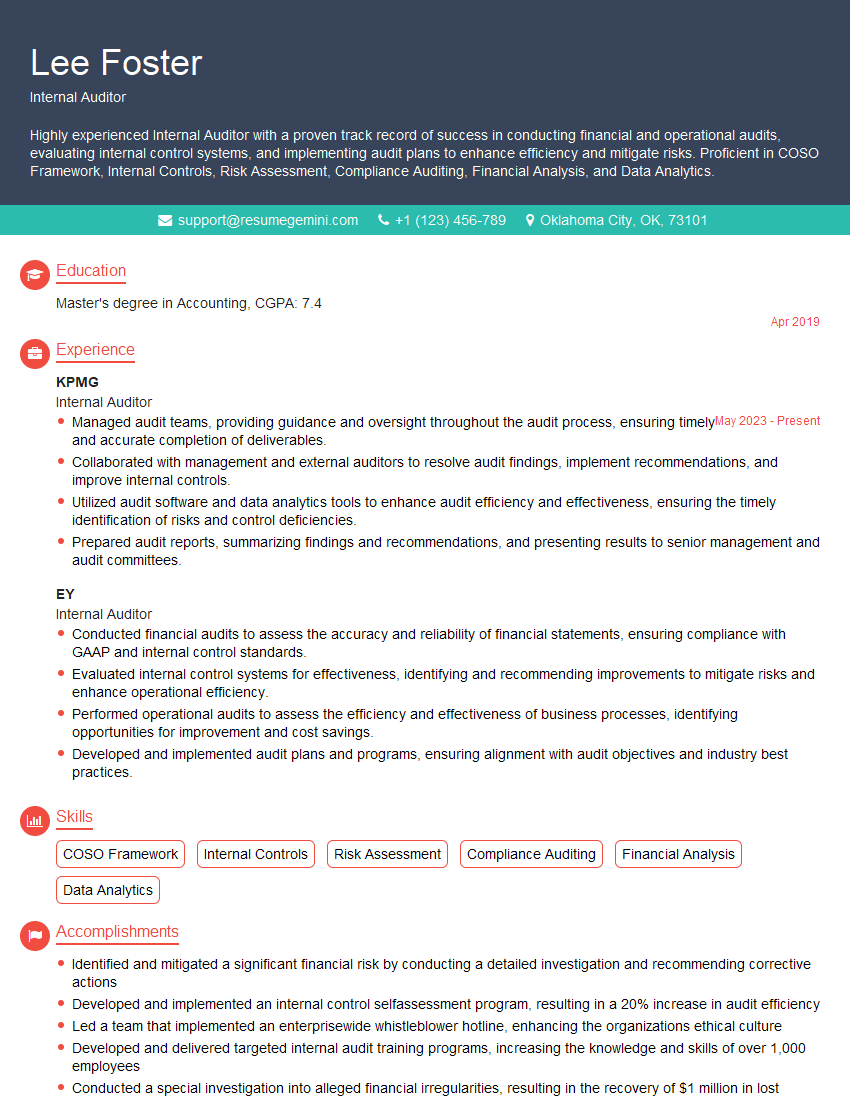
Internal Auditor Resume Sample
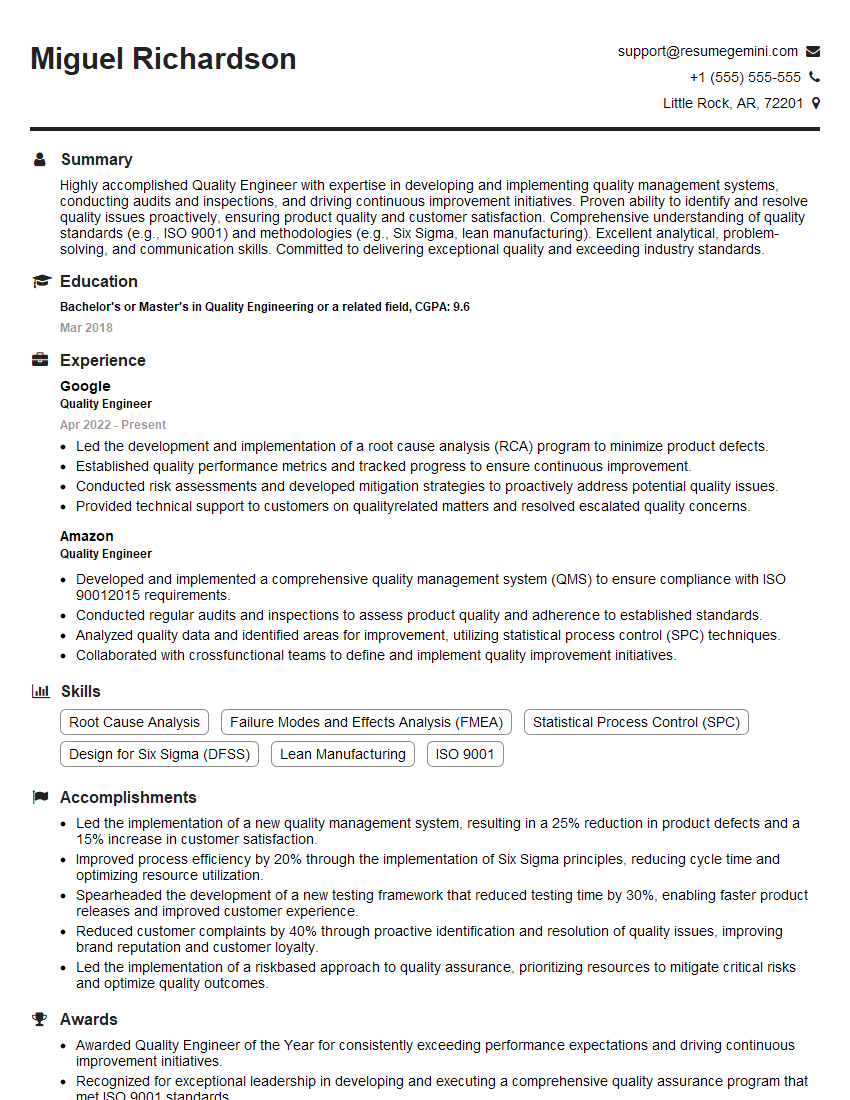
Quality Engineer Resume Sample

Quality Assurance Technician Resume Sample
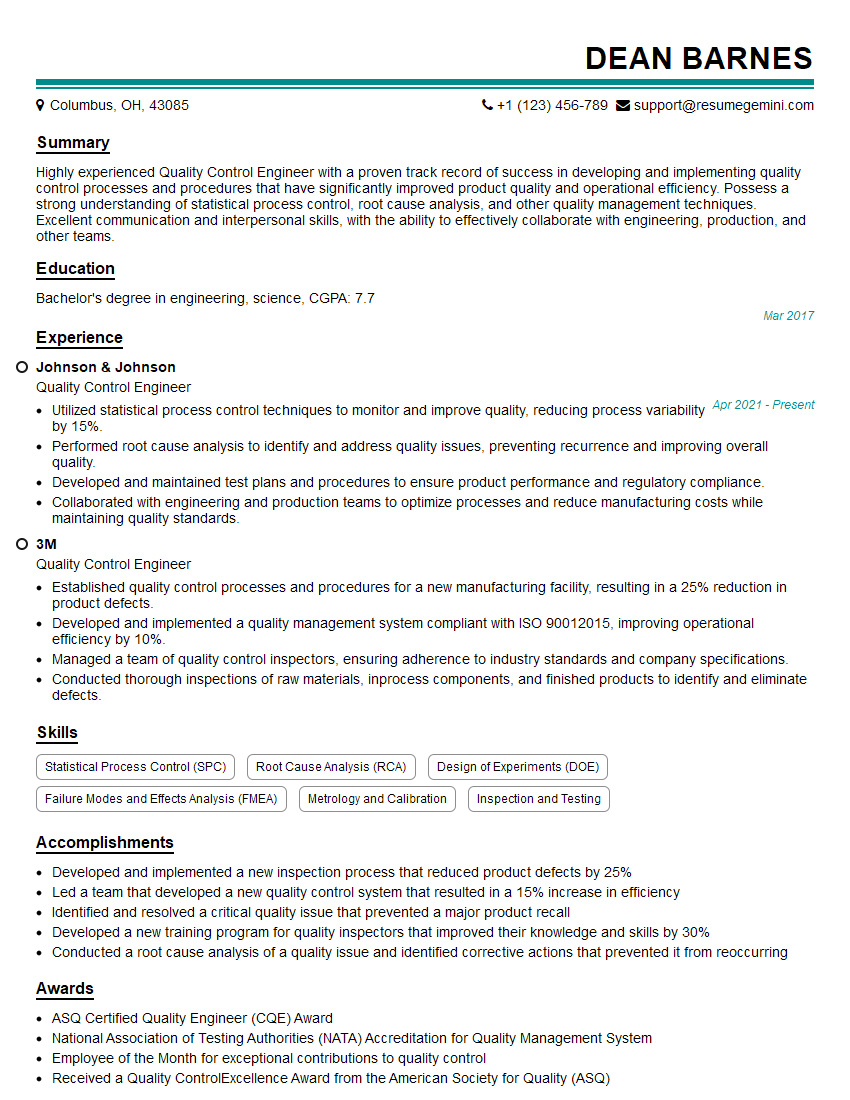
Quality Control Engineer Resume Sample
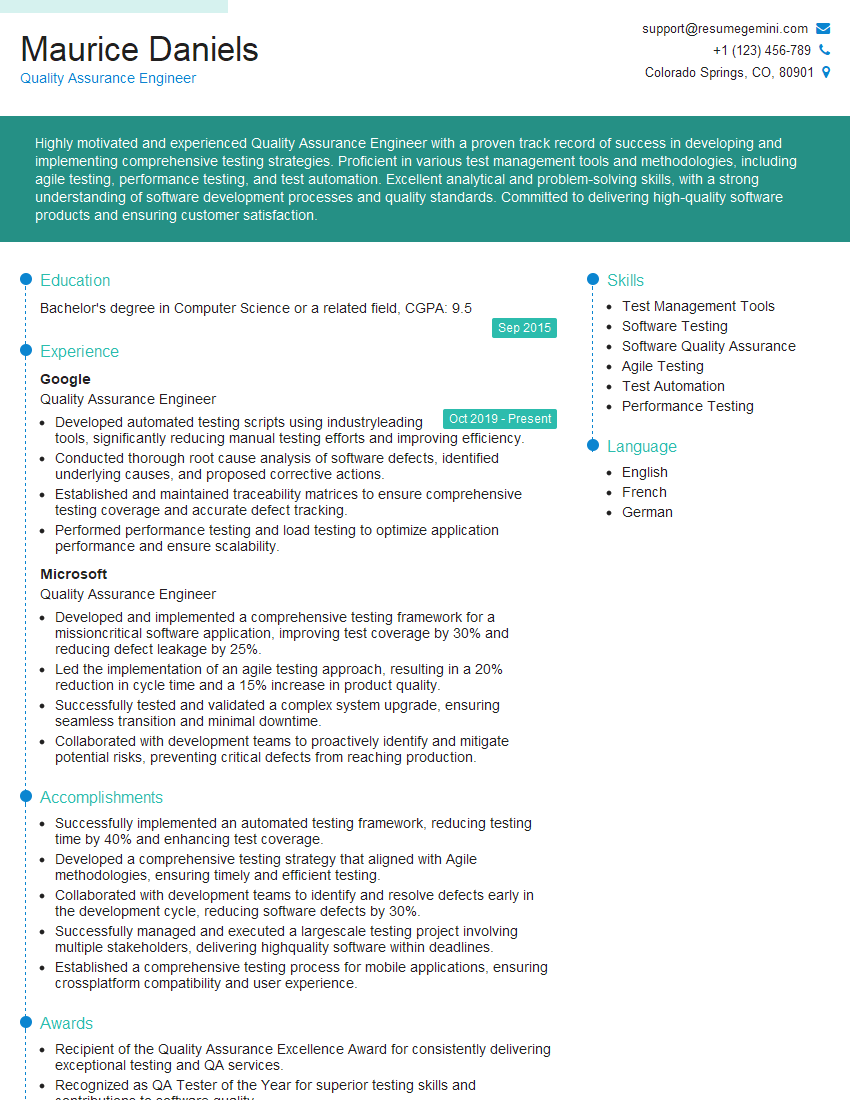
Quality Assurance Engineer Resume Sample
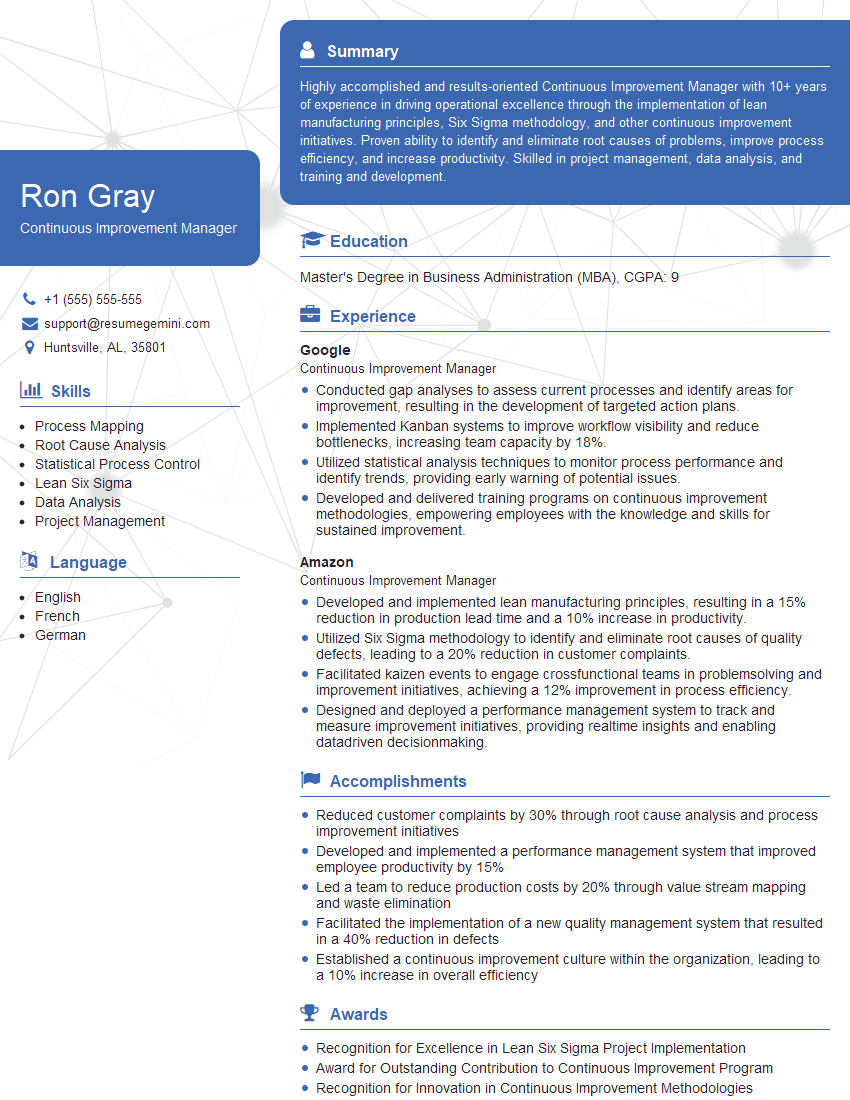
Continuous Improvement Manager Resume Sample
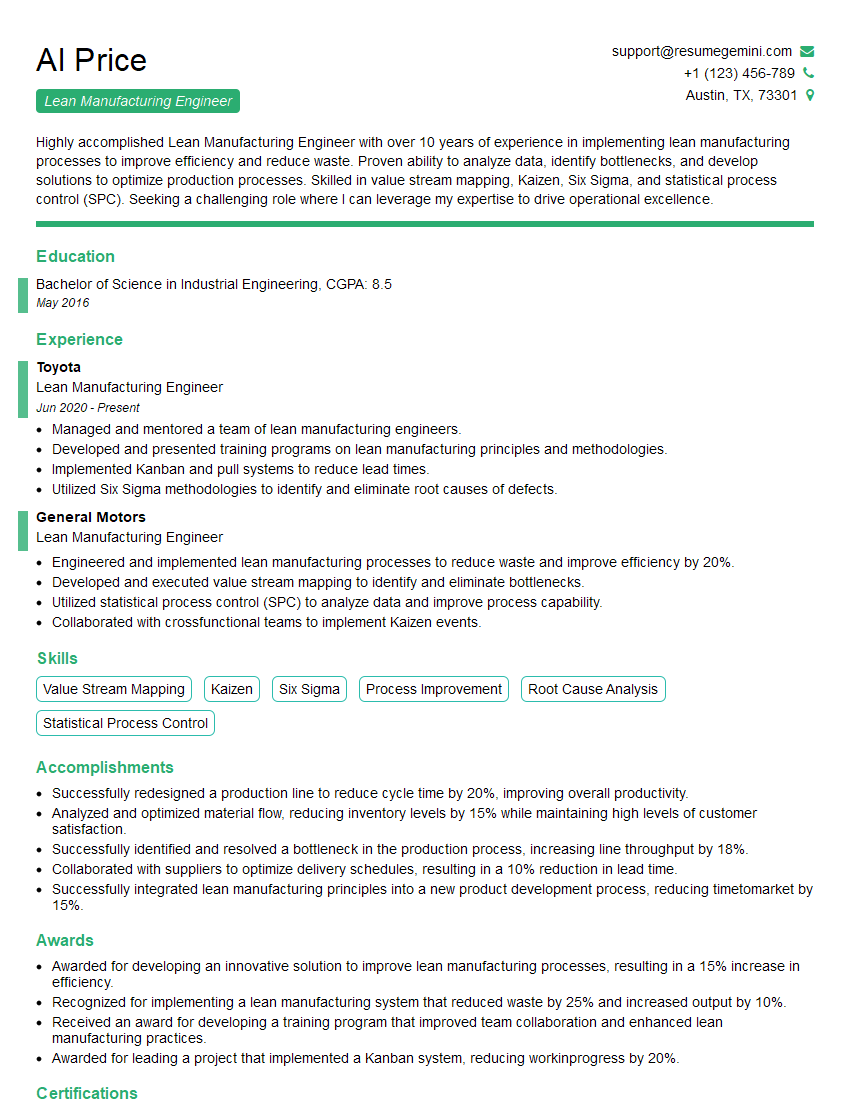
Lean Manufacturing Engineer Resume Sample
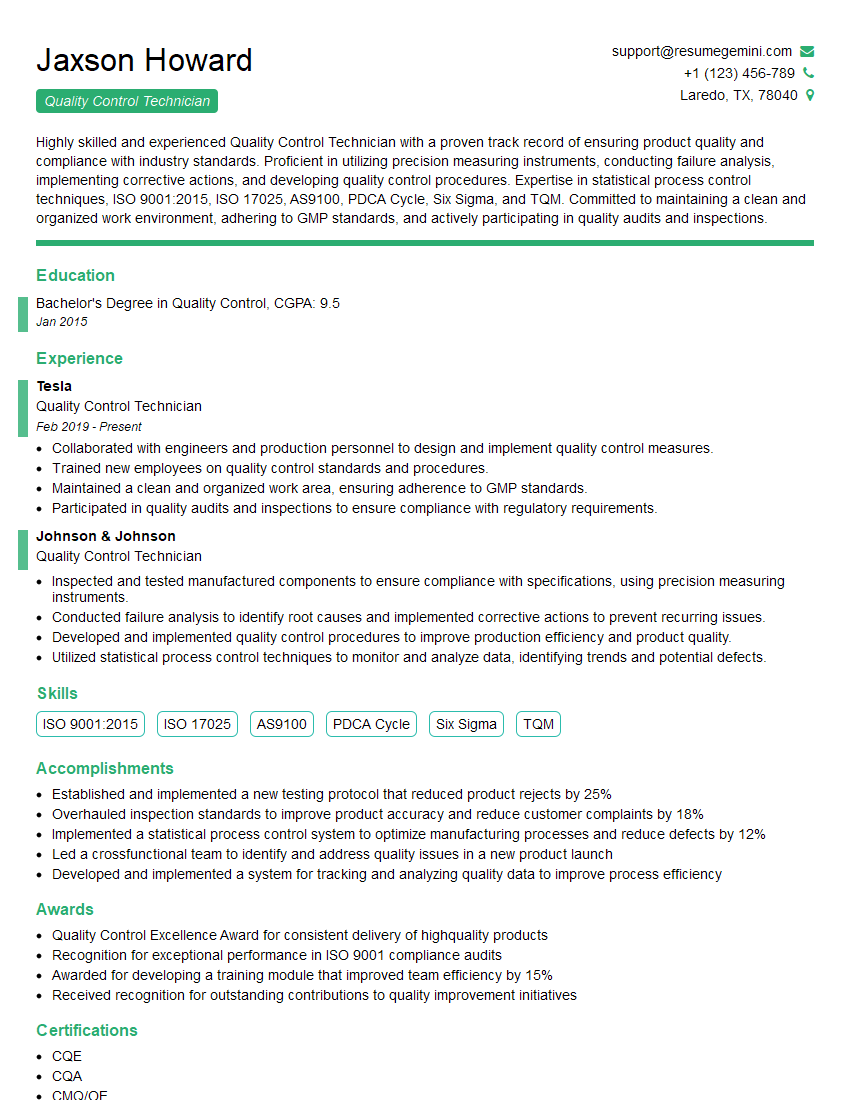
Quality Control Technician Resume Sample
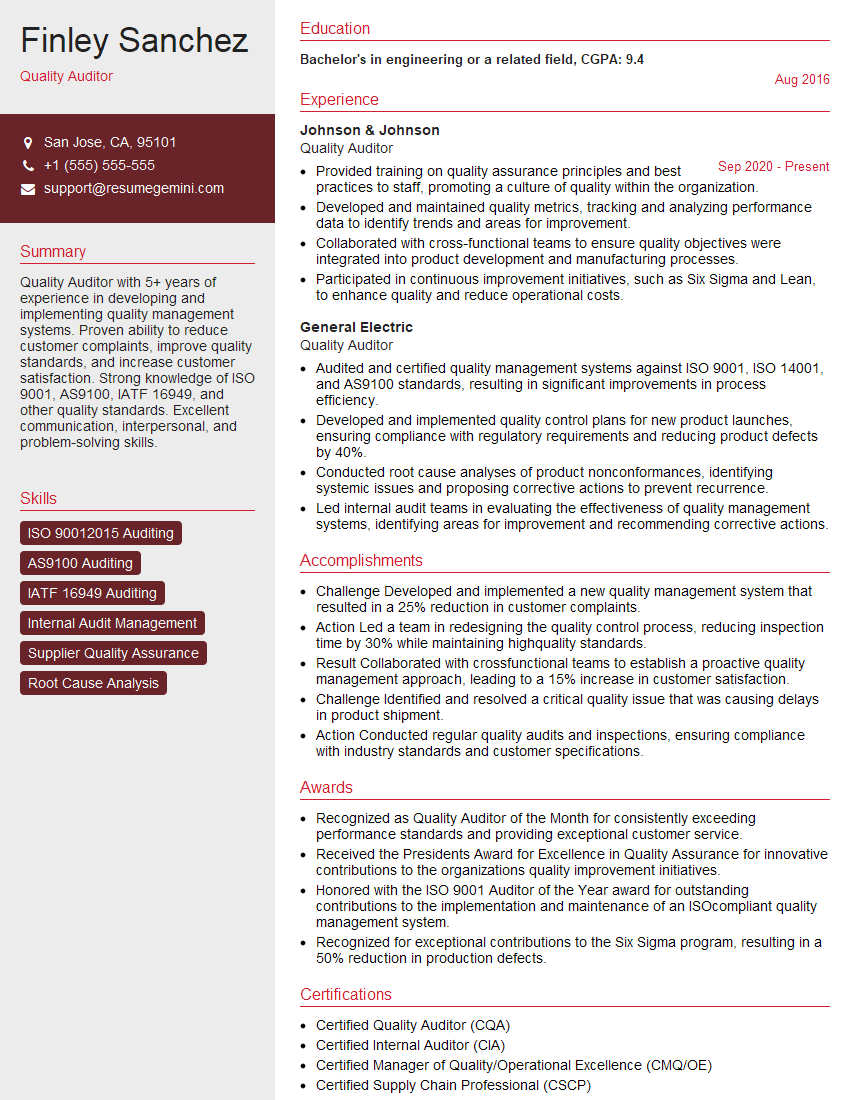
Quality Auditor Resume Sample
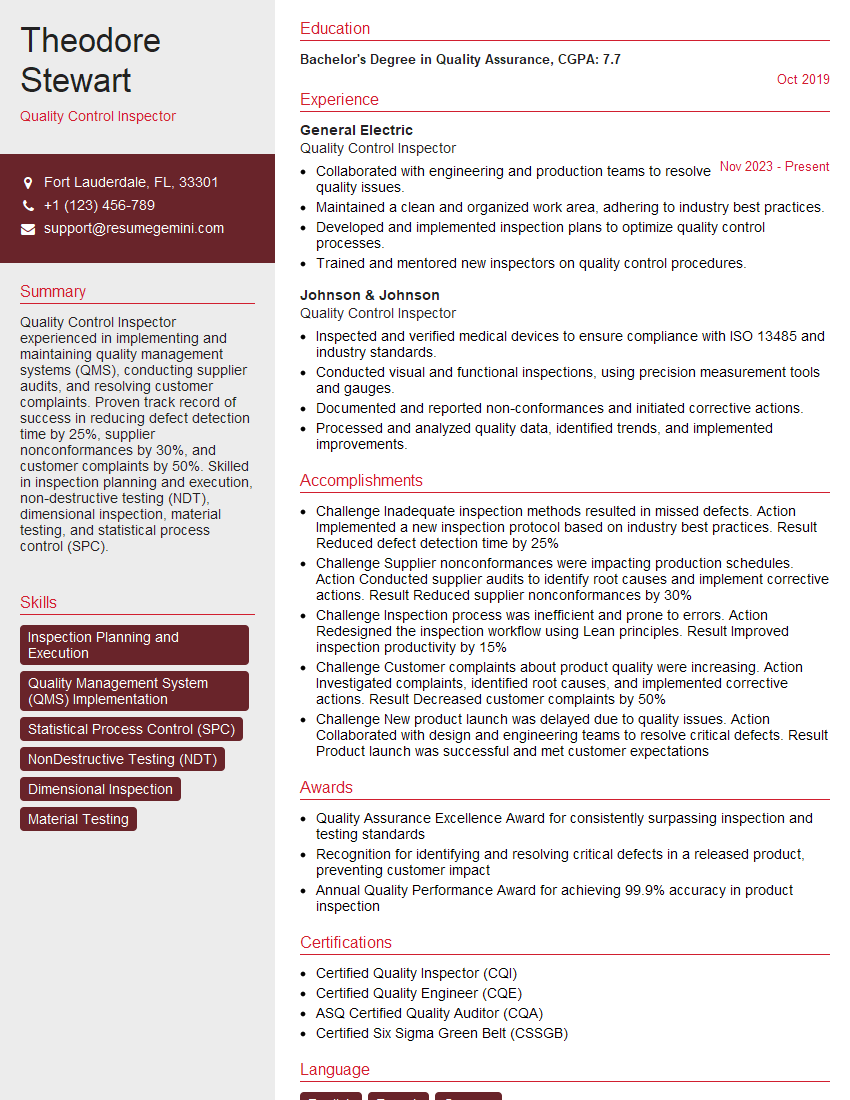
Quality Control Inspector Resume Sample
- Quality Manager
- Quality Assurance Manager
- Quality Control Manager
- Regulatory Affairs Manager
- Compliance Manager
- Compliance Officer
- Quality Assurance Specialist
- Internal Auditor
- Quality Engineer
- Quality Assurance Technician
- Quality Control Engineer
- Quality Assurance Engineer
- Continuous Improvement Manager
- Lean Manufacturing Engineer
- Quality Control Technician
- Quality Auditor
- Quality Control Inspector
Explore more articles
Users Rating of Our Blogs
Share Your Experience
We value your feedback! Please rate our content and share your thoughts (optional).
What Readers Say About Our Blog
Really detailed insights and content, thank you for writing this detailed article.
IT gave me an insight and words to use and be able to think of examples