Interviews are opportunities to demonstrate your expertise, and this guide is here to help you shine. Explore the essential Understanding of Sanitation and Hygiene Practices interview questions that employers frequently ask, paired with strategies for crafting responses that set you apart from the competition.
Questions Asked in Understanding of Sanitation and Hygiene Practices Interview
Q 1. Explain the importance of hand hygiene in preventing the spread of infection.
Hand hygiene, the practice of cleaning hands to remove germs, is paramount in preventing the spread of infection. Our hands are constantly in contact with surfaces and objects that harbor pathogens, including bacteria, viruses, and parasites. These pathogens can easily transfer to our mouths, noses, eyes, and then into our bodies, leading to illness. Effective handwashing significantly reduces this transmission. Imagine a simple act like shaking hands: if one person has a cold and doesn’t wash their hands, they can readily spread it to many others.
- Reduces transmission: Handwashing significantly reduces the transmission of infectious diseases like influenza, norovirus, and respiratory syncytial virus (RSV).
- Protects vulnerable populations: It’s particularly crucial for healthcare workers, food handlers, and individuals caring for young children or the elderly, who are more susceptible to infections.
- Improves overall health: Beyond infectious diseases, proper hand hygiene can reduce the incidence of gastrointestinal illnesses and skin infections.
Q 2. Describe the proper procedures for cleaning and sanitizing food preparation surfaces.
Cleaning and sanitizing food preparation surfaces is vital for preventing foodborne illnesses. This involves a two-step process: cleaning to remove visible dirt and debris, and sanitizing to kill remaining harmful microorganisms.
- Cleaning: First, remove all food residue and visible dirt from the surface using hot, soapy water and a clean cloth or sponge. Scrub thoroughly. Rinse with clean water and allow to air dry.
- Sanitizing: Apply a food-grade sanitizer according to the manufacturer’s instructions. Common options include chlorine bleach solutions (ensure proper dilution!), iodine solutions, or quaternary ammonium compounds. Allow the surface to remain wet with the sanitizer for the recommended contact time (usually a few minutes). Then rinse thoroughly with clean water and air dry.
Example: After preparing raw chicken, thoroughly clean and sanitize the cutting board and counter top with hot soapy water, followed by a food-grade sanitizer to eliminate any Salmonella or Campylobacter bacteria that may be present.
Q 3. What are the key principles of HACCP (Hazard Analysis and Critical Control Points)?
HACCP (Hazard Analysis and Critical Control Points) is a proactive, systematic approach to food safety management. Its core principles ensure food safety throughout the entire food production process, from farm to table.
- Conduct a hazard analysis: Identify potential biological, chemical, and physical hazards that could contaminate food.
- Determine critical control points (CCPs): Identify steps in the process where hazards can be controlled or prevented.
- Establish critical limits: Set measurable limits for each CCP to ensure safety.
- Establish monitoring procedures: Implement methods to monitor CCPs regularly.
- Establish corrective actions: Outline steps to take if a critical limit is not met.
- Establish verification procedures: Regularly review the entire HACCP plan to ensure effectiveness.
- Establish record-keeping and documentation procedures: Maintain comprehensive records of all monitoring, corrective actions, and verification activities.
Example: In a meat processing plant, a CCP might be the cooking temperature of meat products. Critical limits would be the minimum internal temperature to kill harmful bacteria. Monitoring involves using thermometers to ensure the temperature is consistently met.
Q 4. How do you ensure compliance with relevant sanitation regulations and standards?
Ensuring compliance with sanitation regulations and standards involves a multifaceted approach encompassing training, implementation, and ongoing monitoring. This includes staying abreast of changes in legislation, employing effective record-keeping systems, and establishing a culture of safety.
- Training: Staff must receive comprehensive training on relevant sanitation regulations and best practices. This often involves hands-on demonstrations and regular refresher courses.
- Standard Operating Procedures (SOPs): Develop clear, concise, and easily understood SOPs for all sanitation-related tasks. These should be readily accessible to all staff.
- Regular inspections: Conduct regular inspections of facilities and equipment to identify potential sanitation issues. This could be internal audits or by external health inspectors.
- Record-keeping: Maintain accurate records of all sanitation-related activities, including cleaning schedules, temperature logs, and results of inspections. This provides evidence of compliance.
- Collaboration: Work closely with regulatory bodies and consult with experts to address emerging challenges or changes in regulations.
Example: A restaurant must maintain accurate records of temperature checks for refrigerators and freezers. These records will be examined during health inspections to ensure compliance with food safety regulations.
Q 5. What are the different types of handwashing agents and when should each be used?
Handwashing agents vary in their composition and intended use. The choice depends on the level of contamination and the specific setting.
- Plain soap and water: Effective for general hand hygiene when visible soiling is minimal. Best for everyday use at home and in some non-healthcare settings.
- Antibacterial soap: Contains antimicrobial agents that kill bacteria. Suitable for situations where bacterial contamination is a concern, but not always necessary for routine hand hygiene and overuse can lead to antimicrobial resistance.
- Alcohol-based hand rubs: Quick-drying solutions containing alcohol (usually at least 60%) that effectively kill many types of germs. Ideal for situations where handwashing facilities are unavailable or when quick disinfection is needed, such as in healthcare settings.
- Surgical hand scrubs: More intensive cleaning agents used by surgical personnel to remove transient and resident bacteria from hands before surgery. Often used in conjunction with antiseptic solutions.
Example: A healthcare professional would use an alcohol-based hand rub between patient contacts, while a food handler would use plain soap and water after handling raw meat.
Q 6. Describe the process for managing food waste effectively and safely.
Effective food waste management is crucial for hygiene and environmental sustainability. This involves minimizing waste generation, storing waste properly, and disposing of it safely.
- Source Reduction: Prevent waste by accurately estimating food needs and utilizing appropriate storage methods to prevent spoilage. Proper food rotation (FIFO – First In, First Out) is essential.
- Segregation: Separate food waste from other waste streams. This may involve different bins for different types of waste (e.g., compostable, non-compostable).
- Storage: Store food waste in covered containers to prevent pests and odors. Refrigerate perishable waste to slow down decomposition.
- Disposal: Dispose of food waste according to local regulations. This might involve composting, landfilling, or using specialized waste collection services.
Example: A restaurant can minimize food waste by carefully planning menus, utilizing leftovers creatively, and composting food scraps.
Q 7. What are the common indicators of inadequate sanitation practices?
Several indicators point towards inadequate sanitation practices. These can range from visible signs of uncleanliness to the presence of pests.
- Visible dirt and grime: Accumulation of dirt, grease, or food residue on surfaces indicates poor cleaning practices.
- Presence of pests: Rodents, insects, and other pests are clear signs of inadequate sanitation and harbor many pathogens.
- Unpleasant odors: Foul smells from stagnant water, overflowing waste bins, or decaying food are indicative of poor waste management and sanitation.
- Mold and mildew: The growth of mold and mildew on surfaces suggests dampness and poor ventilation, providing breeding grounds for microorganisms.
- High levels of bacteria: Elevated bacterial counts in food or on surfaces, as determined by microbiological testing, indicate a failure of sanitation procedures.
Example: The presence of fruit flies in a kitchen suggests inadequate cleaning and improper storage of food waste. This is a clear sign of poor sanitation practices.
Q 8. Explain the difference between cleaning and sanitizing.
Cleaning and sanitizing are distinct but complementary processes crucial for maintaining hygiene. Cleaning removes visible soil, food residue, and other contaminants from surfaces. Think of it like washing your dishes – you remove the leftover food. Sanitizing, on the other hand, reduces the number of microorganisms (bacteria, viruses, fungi) to safe levels. It’s like using a disinfectant after washing your dishes to kill any lingering germs. Cleaning is always the first step; sanitizing follows to ensure a truly hygienic surface.
Example: In a restaurant kitchen, cleaning involves wiping down counters with soapy water to remove food spills. Sanitizing then involves using a bleach solution or approved sanitizer to kill any remaining bacteria that could cause foodborne illness.
Q 9. How do you maintain a sanitary work environment in a food processing plant?
Maintaining a sanitary work environment in a food processing plant is paramount to prevent contamination and ensure food safety. This involves a multi-faceted approach:
- Regular Cleaning and Sanitizing: All surfaces, equipment, and utensils must be thoroughly cleaned and sanitized according to a strict schedule, using appropriate chemicals and procedures. This includes floors, walls, ceilings, and even the air.
- Employee Hygiene: Strict handwashing protocols, proper use of protective clothing (gloves, hairnets, etc.), and regular health checks are essential. Employees should be trained on proper hygiene practices and understand their vital role in preventing contamination.
- Waste Management: Efficient waste disposal systems are crucial to prevent the buildup of attractants for pests. Regular removal of garbage and proper segregation of waste are key.
- Pest Control: A comprehensive pest control program is a must to prevent infestations that can contaminate food products. This includes regular inspections, preventative measures, and professional pest control services.
- Water Quality: Ensuring a safe and clean water supply for processing, cleaning, and employee use is vital. Water quality should be regularly tested and maintained.
- Documentation and Training: Maintaining meticulous records of cleaning and sanitation procedures, employee training, and pest control activities is essential for traceability and compliance with regulations.
Failure to maintain a sanitary environment can result in product recalls, fines, and damage to the company’s reputation.
Q 10. What are the different methods of wastewater treatment?
Wastewater treatment methods vary depending on the type and volume of wastewater, but generally fall into these categories:
- Primary Treatment: This involves physical processes like screening and sedimentation to remove large solids and settleable materials. Think of it like a basic filtration system.
- Secondary Treatment: This uses biological processes to break down organic matter. Aerobic treatment (using oxygen) and anaerobic treatment (without oxygen) are common methods. This stage significantly reduces the organic pollutants.
- Tertiary Treatment: This is an advanced treatment step that removes remaining nutrients (nitrogen and phosphorus) and other pollutants. Methods include filtration, disinfection (e.g., chlorination, UV), and advanced oxidation processes.
Examples: A small community might use a septic system for primary and secondary treatment, while a large city would employ a complex wastewater treatment plant incorporating all three stages.
Q 11. What are the potential hazards associated with improper waste disposal?
Improper waste disposal poses significant hazards to human health and the environment:
- Water Contamination: Leaking landfills and improper disposal of hazardous waste can contaminate groundwater and surface water, making it unsafe for drinking and other uses.
- Soil Contamination: Improper disposal of chemicals and other pollutants can contaminate soil, impacting plant growth and potentially entering the food chain.
- Air Pollution: Burning waste releases harmful pollutants into the air, contributing to respiratory problems and other health issues.
- Disease Transmission: Improperly disposed waste can attract pests (rats, flies) that spread diseases.
- Aesthetic Degradation: Accumulation of waste detracts from the visual appeal of the environment and can negatively impact property values.
Example: Improper disposal of medical waste can lead to the spread of infectious diseases. Improper disposal of industrial chemicals can contaminate soil and water, leading to long-term environmental damage.
Q 12. How do you monitor and control pest infestations?
Monitoring and controlling pest infestations requires a proactive and integrated approach:
- Regular Inspections: Frequent inspections of the facility to identify potential entry points and signs of infestation are essential.
- Sanitation: Maintaining a clean environment removes food sources and shelter for pests. Regular cleaning and proper waste disposal are crucial preventative measures.
- Preventative Measures: Sealing cracks and crevices, using screens on windows and doors, and storing food properly prevents pests from entering and establishing themselves.
- Professional Pest Control: Engaging a qualified pest control professional for regular treatments and targeted interventions as needed is often necessary.
- Monitoring Devices: Using traps and monitoring devices helps to detect infestations early and assess their extent.
Example: In a food processing plant, a regular pest control schedule that includes inspections, preventative measures, and targeted treatments is critical to prevent contamination and protect the food supply.
Q 13. Explain the importance of personal protective equipment (PPE) in sanitation.
Personal Protective Equipment (PPE) is critical in sanitation to protect workers from hazards such as chemical exposure, cuts, and infectious diseases. Examples of PPE include:
- Gloves: Protect hands from chemicals, sharp objects, and pathogens.
- Gowns or Aprons: Protect clothing and skin from splashes and spills.
- Eye Protection: Shields eyes from splashes of chemicals or other irritants.
- Respiratory Protection: Masks or respirators protect against inhaling harmful dusts, fumes, or microorganisms.
- Footwear: Provides protection against slips, falls, and sharp objects.
Example: A sanitation worker cleaning a spill of a hazardous chemical would wear gloves, a gown, eye protection, and possibly a respirator, depending on the specific hazard.
Q 14. Describe the process for responding to a sanitation-related emergency.
Responding to a sanitation-related emergency requires a swift and organized approach:
- Assessment: Quickly assess the nature and extent of the emergency (e.g., sewage overflow, chemical spill, major pest infestation).
- Containment: Take immediate steps to contain the problem and prevent further spread. This might involve isolating the affected area, diverting flows, or using absorbent materials.
- Notification: Notify relevant authorities (e.g., public health department, environmental agency) as needed. Inform employees and potentially the public if there’s a risk to their health or safety.
- Cleanup and Remediation: Follow established procedures for cleaning up and remediating the affected area, using appropriate safety equipment and disposal methods. This often involves professional assistance.
- Post-Incident Review: Conduct a thorough review to identify the cause of the emergency, lessons learned, and strategies for preventing similar incidents in the future.
Example: If a sewage line breaks in a food processing plant, the immediate response would involve isolating the affected area, notifying authorities, and arranging for professional cleanup and repair. A review would follow to determine the cause of the break and implement improvements to the sanitation infrastructure.
Q 15. What are the key principles of GMP (Good Manufacturing Practices)?
Good Manufacturing Practices (GMP) are a set of guidelines that ensure the quality and safety of manufactured products, particularly in food processing. These principles aim to minimize the risk of contamination and ensure consistent product quality. They’re not just about cleanliness; they encompass the entire manufacturing process, from ingredient sourcing to final packaging.
- Sanitation and Hygiene: Maintaining a clean and hygienic environment is paramount. This includes regular cleaning and sanitization of equipment, facilities, and personnel.
- Personnel Hygiene: Employees must adhere to strict hygiene protocols, including handwashing, wearing appropriate protective clothing, and avoiding contamination from personal items.
- Equipment Maintenance: Equipment must be properly maintained and regularly calibrated to ensure its functionality and prevent cross-contamination.
- Raw Material Control: Incoming raw materials must be inspected to ensure they meet quality standards and are free from contaminants.
- Process Control: Manufacturing processes should be monitored and controlled to ensure consistency and prevent deviations that could compromise product quality.
- Documentation and Record Keeping: Meticulous record-keeping is crucial for traceability and accountability. This includes documenting cleaning and sanitation procedures, equipment maintenance, and any deviations from standard operating procedures (SOPs).
- Pest Control: Implementing and maintaining an effective pest control program is vital to prevent infestations.
For example, a GMP-compliant bakery would meticulously clean and sanitize ovens and mixing equipment after each use, while ensuring staff wear hairnets and gloves to prevent hair or skin particles from contaminating the products.
Career Expert Tips:
- Ace those interviews! Prepare effectively by reviewing the Top 50 Most Common Interview Questions on ResumeGemini.
- Navigate your job search with confidence! Explore a wide range of Career Tips on ResumeGemini. Learn about common challenges and recommendations to overcome them.
- Craft the perfect resume! Master the Art of Resume Writing with ResumeGemini’s guide. Showcase your unique qualifications and achievements effectively.
- Don’t miss out on holiday savings! Build your dream resume with ResumeGemini’s ATS optimized templates.
Q 16. How do you ensure the effectiveness of your sanitation program?
Ensuring the effectiveness of a sanitation program requires a multi-faceted approach that combines proactive measures, monitoring, and verification. It’s not enough to simply clean; you need to ensure that the cleaning process is eliminating pathogens and removing residues.
- Standardized Operating Procedures (SOPs): Detailed written procedures for each cleaning task must be in place, specifying cleaning agents, contact times, and verification methods. Training employees on these SOPs is crucial.
- Monitoring and Measurement: We use ATP bioluminescence testing to quickly assess the cleanliness of surfaces. High ATP levels indicate the presence of organic matter, which might harbor microorganisms. Visual inspections are also vital, checking for visible residues or debris.
- Environmental Monitoring: Regularly monitoring the environment for microbial contamination through swab testing and air sampling ensures that cleaning and sanitation protocols are effectively controlling microbial growth.
- Validation of Cleaning and Sanitization Procedures: Periodically, we challenge our cleaning and sanitization procedures through laboratory testing to ensure that they are effective against target microorganisms. This data provides confidence that our program is consistently meeting safety standards.
- Corrective Actions: Any deviation from SOPs or unsatisfactory test results must trigger immediate corrective actions, followed by documentation.
For instance, if ATP testing reveals high levels of organic matter on a food processing surface, we would immediately re-clean the area and repeat the testing. If the problem persists, we would investigate potential issues, like faulty equipment or inadequate cleaning solutions, and take corrective measures.
Q 17. What are the common types of sanitation equipment and their applications?
Various sanitation equipment plays a vital role in maintaining a hygienic environment. The choice of equipment depends on the specific application and the type of surface being cleaned.
- High-Pressure Washers: These are used for removing stubborn soil and debris from large surfaces, such as floors and walls. The high pressure effectively dislodges contaminants.
- Floor Scrubbers: Automated floor scrubbers significantly improve cleaning efficiency, particularly in large facilities. They combine scrubbing and vacuuming in one operation.
- Sprayers: These are used for applying sanitizing solutions to surfaces. They ensure even distribution of the sanitizer.
- Ultrasonic Cleaners: These use ultrasonic waves to clean delicate instruments and equipment, removing contaminants from hard-to-reach areas.
- Steam Cleaners: High-temperature steam effectively kills microorganisms and removes residues from surfaces, making it ideal for food processing equipment.
For example, a high-pressure washer would be ideal for cleaning the exterior of a meat processing plant, while an ultrasonic cleaner might be used to clean delicate measuring instruments. A food processing plant will often have a combination of these and other specific equipment based on the production environment.
Q 18. How do you interpret and act upon sanitation audit results?
Sanitation audits provide a critical snapshot of the effectiveness of the sanitation program. Interpreting the results requires careful analysis and a clear understanding of the methodologies used.
- Identify Critical Issues: We prioritize findings based on their potential impact on product safety and quality. Areas with high microbial counts or persistent sanitation failures warrant immediate attention.
- Root Cause Analysis: We conduct a thorough root cause analysis to determine the underlying causes of any identified deficiencies. This could involve examining training procedures, equipment malfunctions, or inadequate cleaning protocols.
- Develop Corrective Actions: Based on the root cause analysis, we develop specific, measurable, achievable, relevant, and time-bound (SMART) corrective actions to address the identified issues.
- Implement and Verify Corrective Actions: We implement the corrective actions, meticulously documenting the steps taken. We then re-audit the affected areas to verify the effectiveness of the implemented changes.
- Preventative Measures: Once the immediate issues are addressed, we implement preventative measures to ensure that similar problems do not recur. This could involve updating SOPs, providing additional training, or investing in new equipment.
For example, if a sanitation audit reveals persistent high bacterial counts on a specific piece of equipment, we would investigate potential causes, such as inadequate cleaning time or a malfunctioning cleaning system. After implementing corrective actions and verifying their effectiveness, we would update our SOPs to reflect the changes.
Q 19. Describe your experience with implementing and maintaining a sanitation program.
I have extensive experience in implementing and maintaining sanitation programs in various food processing environments. My approach is always data-driven, combining rigorous testing and monitoring with proactive measures to prevent contamination.
In a previous role at a large dairy processing plant, I spearheaded the implementation of a new sanitation program. This involved developing detailed SOPs, training employees, and introducing new technologies, such as ATP bioluminescence testing. We significantly reduced microbial counts and improved overall product safety. We also implemented a comprehensive environmental monitoring program, allowing for proactive identification and resolution of potential contamination risks before they could affect the product. A key aspect was establishing a robust system for tracking, reviewing and continuously improving our sanitation procedures.
Maintaining a sanitation program is an ongoing process, requiring consistent monitoring, staff training and adapting to new challenges. We regularly review our procedures and update them as needed to ensure that our program remains effective and meets the highest standards of food safety.
Q 20. What are the common sources of contamination in a food processing environment?
Food processing environments are susceptible to various sources of contamination, posing significant risks to food safety and product quality. Understanding these sources is crucial for implementing effective control measures.
- Raw Materials: Contamination can originate from raw materials that are not properly handled or processed before entering the facility.
- Equipment and Surfaces: Equipment surfaces can harbor microorganisms if not properly cleaned and sanitized. Spills and residues can contribute to cross-contamination.
- Personnel: Employees can inadvertently introduce contaminants through poor hygiene practices or improper handling of food.
- Pests: Rodents, insects, and other pests can contaminate food and surfaces, introducing pathogens and causing spoilage.
- Airborne Contamination: Dust, spores, and other airborne particles can contaminate food and surfaces, especially in poorly ventilated areas.
- Water: Water used in processing can be a source of contamination if not properly treated.
For example, improperly washed fruits and vegetables can introduce pathogens into a juice processing plant. Similarly, a poorly maintained conveyor belt can harbor bacteria that contaminate products.
Q 21. How do you prevent cross-contamination in food preparation?
Preventing cross-contamination is paramount in food preparation to ensure food safety. It requires a multi-pronged approach, combining good hygiene practices with appropriate facility design and equipment.
- Proper Handwashing: Frequent and thorough handwashing with soap and water is crucial, especially after handling raw food or touching potentially contaminated surfaces.
- Designated Cutting Boards and Utensils: Using separate cutting boards and utensils for raw and cooked food prevents cross-contamination.
- Temperature Control: Maintaining proper temperatures during food storage and preparation inhibits microbial growth.
- Cleaning and Sanitizing Surfaces: Regularly cleaning and sanitizing all surfaces, including cutting boards, countertops, and equipment, is crucial for eliminating potential contaminants.
- Physical Separation: Storing raw and cooked food separately, using different storage containers and shelves, prevents cross-contamination.
- Proper Waste Disposal: Prompt and proper disposal of waste helps prevent the spread of contaminants.
Imagine preparing a chicken dish. You would use a separate cutting board for raw chicken, wash your hands thoroughly afterward, and then use a clean cutting board and utensils for preparing vegetables. Storing raw chicken separately from cooked vegetables in the refrigerator also prevents cross-contamination.
Q 22. Explain the different types of disinfectants and their uses.
Disinfectants are chemical agents that kill or inactivate microorganisms like bacteria, viruses, and fungi. Choosing the right disinfectant depends heavily on the specific target organism and the surface being treated. Different disinfectants have varying strengths and weaknesses.
Chlorine-based disinfectants (e.g., bleach): These are widely used and effective against a broad range of microorganisms. They’re relatively inexpensive, but their effectiveness can be affected by organic matter and pH levels. For example, a 1:100 dilution of household bleach is often used for general surface disinfection.
Alcohols (e.g., ethanol, isopropanol): These are excellent for killing many bacteria and viruses, especially on skin and certain surfaces. They work by denaturing proteins. However, they’re not effective against spores. A 70% alcohol solution is typically most effective.
Quaternary ammonium compounds (quats): These are often used in cleaning products and are effective against many bacteria and some viruses. They are generally less effective against spores and some viruses compared to bleach or alcohol. They’re commonly found in floor cleaners and disinfecting wipes.
Hydrogen peroxide: This is a broad-spectrum disinfectant effective against bacteria, viruses, and spores. It breaks down into water and oxygen, leaving no harmful residue, making it suitable for food contact surfaces. However, it can be corrosive to some materials.
Glutaraldehyde: This is a powerful sterilant used in hospitals and other healthcare settings for sterilizing medical equipment. It’s highly effective but requires careful handling due to its toxicity.
In my experience, selecting the right disinfectant requires careful consideration of factors including the specific contaminant, the surface type, the level of disinfection needed (disinfection vs. sterilization), and safety precautions. For instance, while bleach is effective, it’s not ideal for use on sensitive surfaces like some plastics. Always follow manufacturer instructions for dilution and application.
Q 23. What is the role of water quality in maintaining sanitation?
Water quality is absolutely fundamental to sanitation. Safe, clean water is crucial for hygiene practices, preventing the spread of waterborne diseases, and supporting effective waste disposal. Contaminated water can be a breeding ground for harmful pathogens, leading to outbreaks of diseases like cholera, typhoid, and diarrhea.
Access to clean water is essential for handwashing, which is one of the most effective ways to prevent the transmission of infectious diseases. Similarly, safe water is needed for cleaning and disinfecting surfaces and food preparation. Improperly treated wastewater can contaminate water sources, creating a vicious cycle of contamination and disease. For example, in developing countries, inadequate sanitation and contaminated water sources are major contributors to high rates of diarrheal diseases.
Water quality monitoring and treatment are essential to ensure that water used for drinking, cooking, and other household purposes is free from harmful bacteria, viruses, and other contaminants. This often involves processes like filtration, disinfection (e.g., chlorination), and regular testing.
Q 24. How do you manage sanitation concerns related to waste storage and disposal?
Managing sanitation concerns related to waste storage and disposal involves a multi-faceted approach that prioritizes safety and environmental protection. Effective waste management requires a system that addresses each stage of the waste lifecycle, from generation to final disposal.
Waste segregation: Separating waste into different categories (e.g., organic, recyclable, hazardous) allows for efficient treatment and reduces the environmental impact. Properly labeled containers are crucial for this.
Waste storage: Containers need to be covered, rodent-proof, and emptied regularly to prevent the accumulation of waste and the breeding of insects and disease vectors. Regular cleaning of the storage area is also important.
Waste transportation: Waste should be transported safely and efficiently to processing or disposal facilities. This often involves using designated vehicles and appropriate safety measures.
Waste treatment and disposal: Treatment methods vary depending on the type of waste. Options include composting for organic waste, recycling for recyclable materials, incineration or landfilling for non-recyclable waste, and specialized treatment for hazardous waste. This stage is crucial in minimizing environmental contamination.
For example, in a hospital setting, managing medical waste is paramount, requiring strict protocols for handling and disposal to prevent the spread of infectious diseases. This might involve autoclaving or incineration of certain types of waste.
Q 25. Describe your experience with employee training in sanitation and hygiene.
I have extensive experience in designing and delivering employee training programs in sanitation and hygiene. My approach emphasizes practical application and ensures that employees understand the importance of their role in maintaining a clean and healthy environment. I typically incorporate a combination of methods:
Interactive workshops: Hands-on sessions demonstrating proper cleaning techniques, use of disinfectants, and waste management procedures. For example, I’ve conducted sessions on proper handwashing techniques using visual aids and demonstrations.
Online modules: Engaging e-learning courses covering relevant regulations and best practices, allowing employees to learn at their own pace.
On-the-job coaching: Providing direct feedback and guidance to employees during their daily tasks, reinforcing proper techniques and addressing any concerns.
Regular quizzes and assessments: Evaluating employee understanding and ensuring that training is effective. This allows for targeted reinforcement of areas where further training is needed.
For example, in a food processing facility, I’ve developed training programs focusing on hygiene protocols like proper handwashing, use of protective gear, and maintaining clean work surfaces to minimize the risk of food contamination.
Q 26. How do you stay updated on current sanitation regulations and best practices?
Staying current on sanitation regulations and best practices is essential for maintaining high standards. My approach to continuous learning involves several strategies:
Subscription to professional journals and newsletters: Staying informed about the latest research and advancements in the field of sanitation and hygiene.
Attendance at industry conferences and workshops: Networking with other professionals and learning about new technologies and methodologies. This provides valuable opportunities to learn from real-world examples.
Monitoring relevant regulatory bodies’ websites: Staying updated on changes in regulations and guidelines. This ensures compliance with all current laws and standards.
Online courses and certifications: Enhancing my knowledge and skills through accredited training programs, demonstrating commitment to professional development.
For instance, I regularly review updates from the WHO and relevant national agencies to stay abreast of changes in guidelines related to food safety and water treatment.
Q 27. What is your experience with conducting sanitation inspections and audits?
I have extensive experience conducting sanitation inspections and audits across various settings, from food processing plants to healthcare facilities. My approach is methodical and thorough, ensuring that all areas are assessed against established standards and regulations.
My inspections typically involve a visual assessment of facilities, equipment, and practices, complemented by reviewing documentation (e.g., cleaning logs, training records). I use checklists and standardized scoring systems to ensure consistency and objectivity in my evaluations. My focus is on identifying potential hazards, non-conformities, and areas for improvement.
For example, in a food service establishment, I’d assess aspects like handwashing facilities, food storage practices, pest control measures, and overall cleanliness to identify any potential risks of foodborne illness. A thorough audit includes reviewing employee training records and ensuring that staff are following proper hygiene protocols. A detailed report is prepared following the inspection, outlining any findings and recommendations.
Q 28. How would you address a sanitation issue discovered during an inspection?
Addressing a sanitation issue discovered during an inspection requires a systematic and prompt response to mitigate potential risks. My approach follows these steps:
Immediate corrective actions: Addressing any immediate hazards to prevent further contamination or risk. This might involve temporarily shutting down equipment or isolating a contaminated area.
Root cause analysis: Investigating the underlying reasons for the issue to prevent recurrence. This often involves interviewing staff, reviewing records, and examining the overall system.
Corrective action plan: Developing a detailed plan outlining specific actions to resolve the issue and prevent its recurrence. This includes assigning responsibilities and setting deadlines.
Implementation and monitoring: Implementing the corrective actions and closely monitoring their effectiveness to ensure the issue is fully resolved.
Follow-up inspection: Conducting a follow-up inspection to verify that the corrective actions have been effectively implemented and the issue has been resolved.
Documentation: Maintaining thorough documentation of all aspects of the issue, corrective actions, and follow-up to ensure accountability and transparency.
For example, if I discover inadequate handwashing practices during an inspection, I’d immediately address any obvious issues (e.g., lack of soap or towels), investigate why the practices weren’t followed (e.g., lack of training or inadequate supervision), and develop a training plan and monitoring system to ensure improved hand hygiene compliance in the future.
Key Topics to Learn for Understanding of Sanitation and Hygiene Practices Interview
- Hand Hygiene and its Importance: Understanding different handwashing techniques, appropriate times for hand hygiene, and the role of hand hygiene in preventing the spread of infection. Practical application includes demonstrating knowledge of when and how to properly wash hands in various settings.
- Sanitation in Food Handling: Covers safe food handling practices, including proper storage, preparation, and cooking temperatures to minimize contamination risks. Practical application involves explaining how to identify and mitigate potential foodborne illness hazards.
- Waste Management and Disposal: Understanding principles of waste segregation, safe disposal methods for different types of waste (medical, hazardous, general), and the impact of improper waste disposal on public health. Practical application includes outlining strategies for effective waste management in various contexts (home, workplace, community).
- Infection Prevention and Control: This includes knowledge of standard precautions, transmission-based precautions, disinfection and sterilization techniques, and the role of personal protective equipment (PPE). Practical application might involve explaining how to handle contaminated materials safely or how to implement infection control measures in a specific setting.
- Water, Sanitation, and Hygiene (WASH): Understanding the interconnectedness of water, sanitation, and hygiene and their impact on public health. Practical application includes discussing approaches to improve WASH access and practices in communities.
- Cleaning and Disinfection Procedures: Understanding different cleaning agents, their applications, and proper disinfection methods for various surfaces and equipment. Practical application includes explaining the selection and usage of appropriate cleaning products based on the environment and contamination level.
- Occupational Health and Safety related to Sanitation: Understanding potential hazards and risks associated with sanitation work and how to mitigate them, including proper use of PPE and safety procedures.
Next Steps
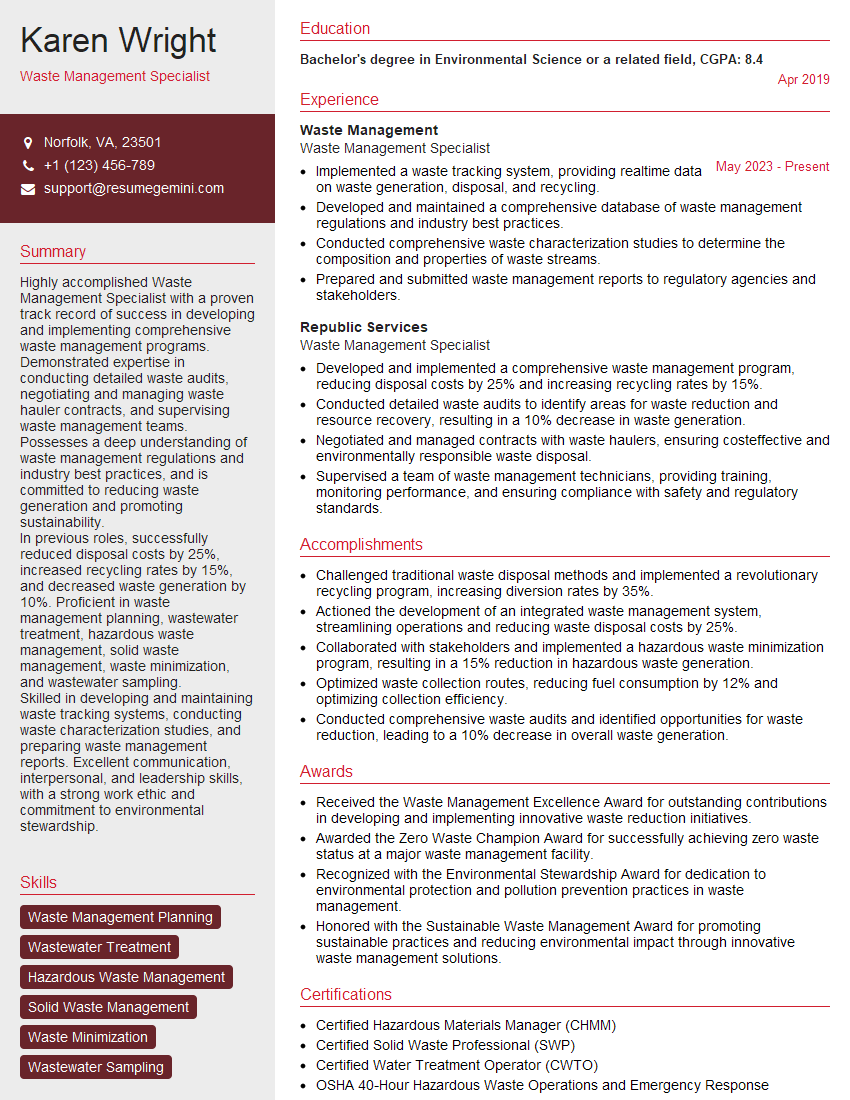
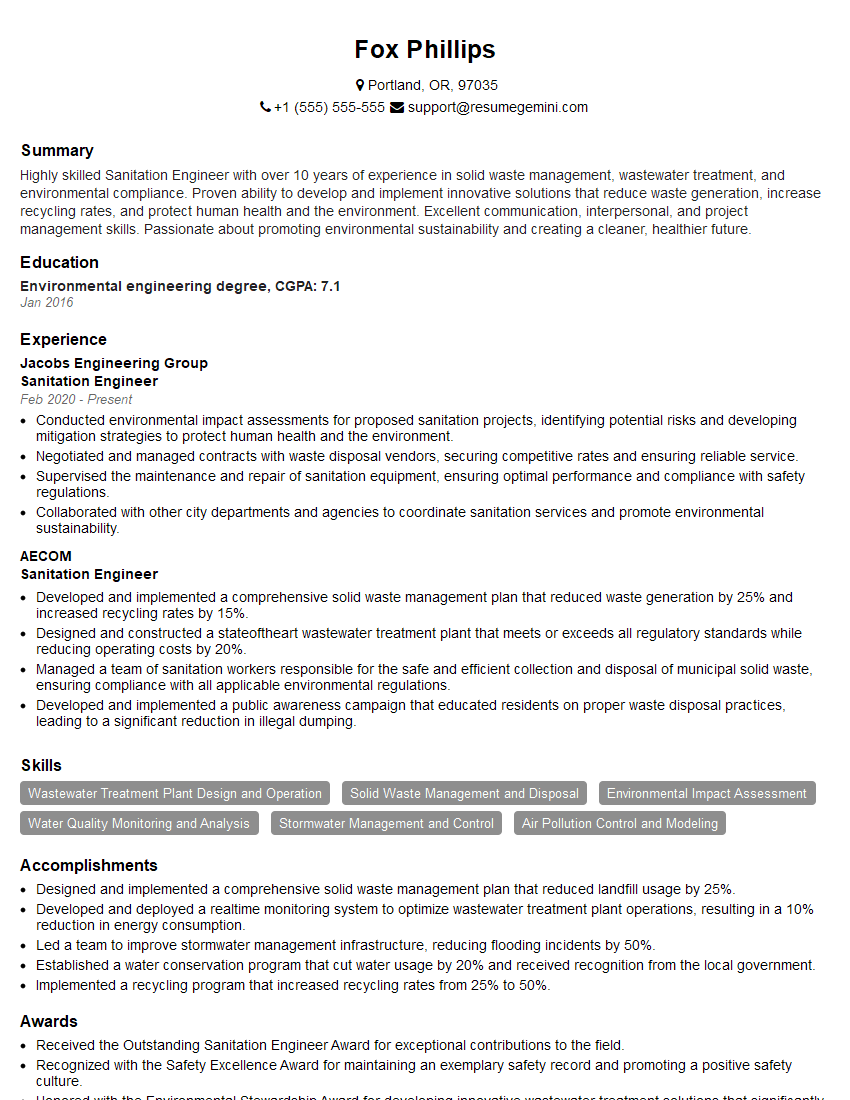
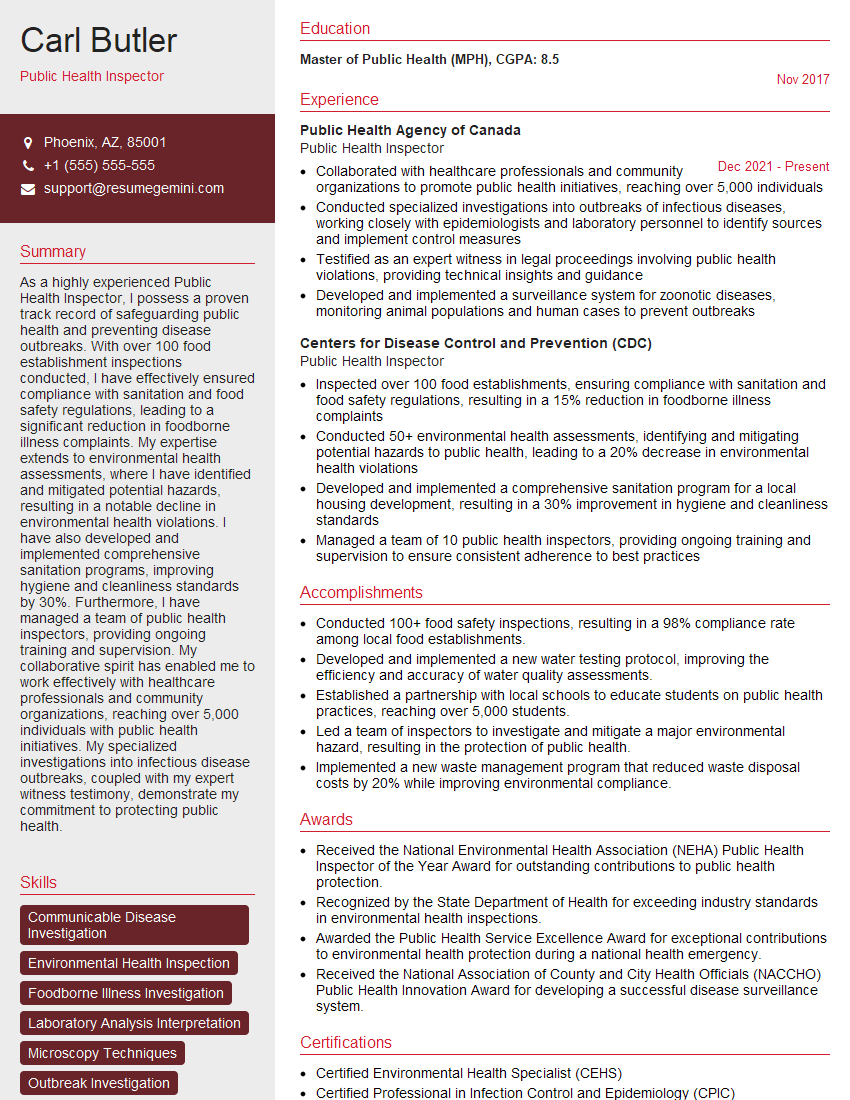
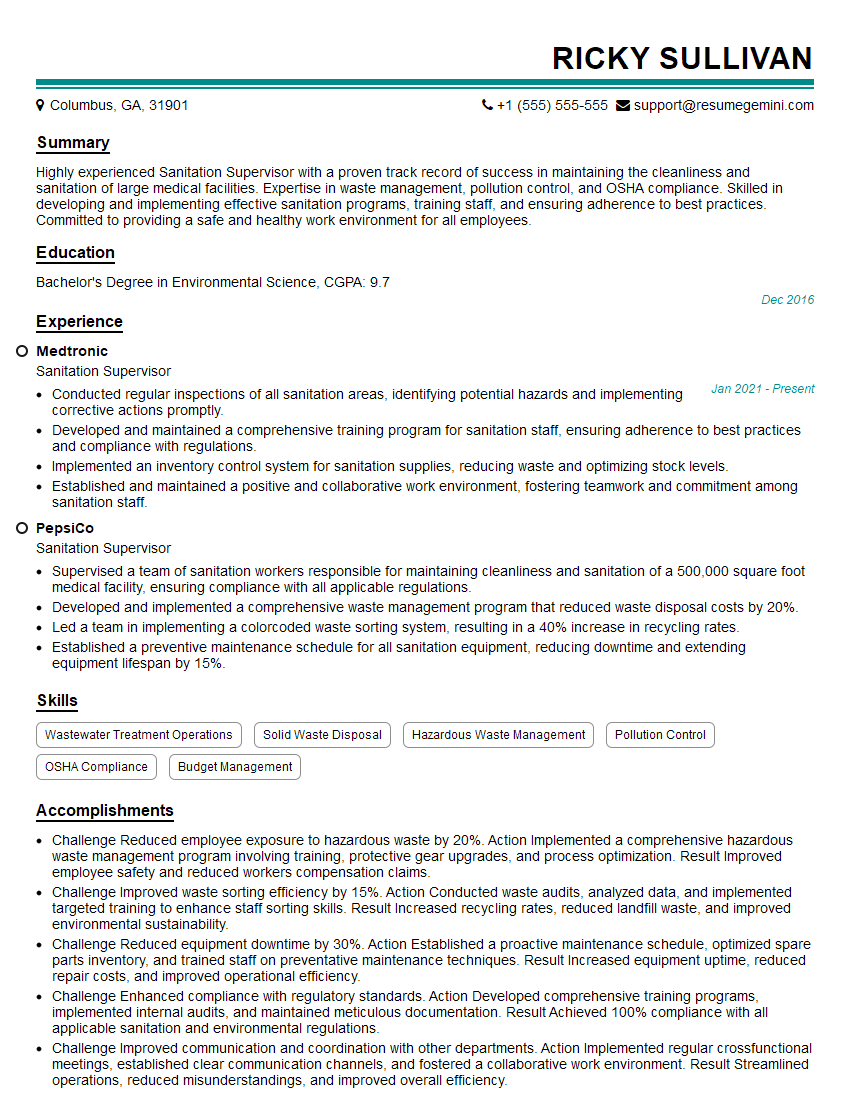
Mastering Understanding of Sanitation and Hygiene Practices opens doors to diverse and rewarding careers in healthcare, food services, environmental health, and public health. A strong understanding of these practices is highly valued by employers. To significantly boost your job prospects, creating a compelling and ATS-friendly resume is crucial. ResumeGemini is a trusted resource to help you build a professional resume that highlights your skills and experience effectively. ResumeGemini provides examples of resumes tailored to the Understanding of Sanitation and Hygiene Practices field, allowing you to craft a document that showcases your qualifications perfectly.
Explore more articles
Users Rating of Our Blogs
Share Your Experience
We value your feedback! Please rate our content and share your thoughts (optional).
What Readers Say About Our Blog
Really detailed insights and content, thank you for writing this detailed article.
IT gave me an insight and words to use and be able to think of examples