Unlock your full potential by mastering the most common Urinal Cleaning interview questions. This blog offers a deep dive into the critical topics, ensuring you’re not only prepared to answer but to excel. With these insights, you’ll approach your interview with clarity and confidence.
Questions Asked in Urinal Cleaning Interview
Q 1. What are the most effective cleaning agents for urinals?
Effective urinal cleaning relies on a combination of agents targeting different issues. For general cleaning and stain removal, acidic cleaners are highly effective. These typically contain phosphoric acid or citric acid, which break down mineral deposits and organic matter. However, the strength needs careful consideration to avoid damaging the urinal’s surface. For tougher stains, especially those caused by hard water or urine scale, a stronger acid cleaner might be necessary, but always follow the manufacturer’s instructions carefully. In addition to acid cleaners, enzymatic cleaners are crucial for breaking down organic matter like urine. These are particularly useful in preventing odor build-up. Finally, disinfectants are essential to kill bacteria and viruses, ensuring a hygienic environment. Common disinfectants used include quaternary ammonium compounds (quats) and bleach solutions. Remember, always test any cleaner on a small, inconspicuous area first to check for compatibility with the urinal material.
Q 2. Describe your experience with different urinal types (e.g., waterless, flushometer).
My experience encompasses a wide range of urinal types. Flushometer urinals, which rely on a valve mechanism for flushing, present a unique set of cleaning challenges. The valve itself can become clogged or mineral deposits can build up, hindering proper flushing. Regular cleaning around the valve and its components is vital. Waterless urinals, on the other hand, offer a different set of considerations. These urinals utilize a cartridge or trap to manage odors and waste. Cleaning focuses on the cartridge’s regular replacement or maintenance, along with cleaning the exterior surface to prevent grime buildup. I’ve also worked with electronic urinals, often found in high-traffic areas. These require careful attention to the electronic components, ensuring that cleaning doesn’t damage the sensors or other electrical parts. In each case, understanding the specific mechanism and material of each urinal type guides the cleaning strategy and ensures effective maintenance.
Q 3. How do you prevent urinal scale buildup?
Preventing urinal scale buildup is a proactive approach requiring consistent maintenance. Regular cleaning with acidic cleaners, as mentioned earlier, is crucial in dissolving existing mineral deposits. However, the key is preventing the build-up in the first place. This involves minimizing hard water exposure by using water filtration systems where feasible. Regular flushing is equally important, as it helps to prevent mineral build-up. In high-traffic areas, using a preventative treatment like a scale inhibitor can also be very effective. This product is applied to the urinal surfaces to help prevent scale from adhering. This proactive approach is much more efficient than battling existing scale.
Q 4. What safety precautions do you take when handling cleaning chemicals?
Safety is paramount when handling cleaning chemicals. I always wear appropriate Personal Protective Equipment (PPE), including gloves, eye protection, and a respirator, especially when working with strong acids or disinfectants. This protects my skin, eyes, and respiratory system from potential harm. Adequate ventilation is also essential to minimize exposure to fumes. Always follow the manufacturer’s instructions on dilution and application. Proper storage of chemicals is crucial; they should be stored in a secure, well-ventilated area, away from incompatible substances and out of reach of children. I always ensure that the area is properly labeled with clear hazard warnings. Finally, in case of accidental spills or exposure, I know precisely what emergency procedures to follow, including contacting emergency services if necessary.
Q 5. Explain your process for cleaning and sanitizing a urinal.
My urinal cleaning and sanitizing process follows a standardized procedure. First, I pre-clean the urinal using a suitable cleaner to remove any loose debris and organic matter. Then, I apply a specialized urinal cleaner, allowing it to dwell according to the manufacturer’s instructions, typically around 5-10 minutes, to effectively dissolve stains and mineral deposits. After the dwell time, I thoroughly rinse the urinal with clean water, ensuring all traces of the cleaner are removed. Finally, I apply a disinfectant, again allowing it to dwell for the recommended time, before a final rinse. I pay close attention to all surfaces, including the interior bowl, the rim, and the exterior. I use appropriate tools such as brushes, sponges, and microfiber cloths to ensure thorough cleaning. The process concludes with a final inspection to verify cleanliness and hygiene.
Q 6. How do you address clogged urinals?
Addressing clogged urinals requires a systematic approach. The first step involves attempting to dislodge the clog using a plunger specifically designed for urinals. If this fails, I use a specialized urinal auger or snake, carefully working it through the trap to break up the blockage. If the clog persists, I may need to use a high-pressure water jet to clear the obstruction. In cases of recurring clogs, it might be necessary to disassemble the urinal to investigate the root cause, which could involve a more significant plumbing issue. Chemical drain cleaners should be used cautiously and as a last resort, as they can damage the urinal’s components. The use of safety equipment remains crucial throughout this process.
Q 7. What are the signs of a malfunctioning urinal?
Several signs indicate a malfunctioning urinal. Incomplete or weak flushing is a common sign, often indicating a problem with the flapper or valve mechanism in flushometer urinals. Leaking or dripping are also clear indicators of a problem with the seals or the internal components. Recurring clogs, despite regular maintenance, suggest a possible structural issue within the plumbing system. Unusual noises, like gurgling or hissing, may point to airlocks or other plumbing problems. Finally, persistent odors, even after cleaning, often indicate a failure in the urinal’s trapping system. A thorough inspection of the urinal and its plumbing is necessary to diagnose and resolve these issues.
Q 8. How do you maintain the proper water pressure in a urinal?
Maintaining proper water pressure in a urinal is crucial for effective flushing and preventing odor buildup. Insufficient pressure leads to incomplete flushing, leaving residue and promoting bacterial growth. Excessive pressure, conversely, can cause unnecessary water waste and potential plumbing issues.
The first step is identifying the source of the problem. Is the pressure low throughout the entire restroom, suggesting a building-wide issue? Or is it isolated to a particular urinal, pointing to a localized clog or malfunctioning valve? A low pressure issue might require adjusting the building’s main water pressure or inspecting the urinal’s flush valve for clogs or wear. Tools like a pressure gauge can help quantify the exact pressure. High pressure might necessitate a pressure regulator adjustment or repair of a faulty valve.
For example, in a large office building I once worked in, we experienced consistently low urinal flushing in one wing. After checking individual urinals, we discovered a partially blocked pipe in the main supply line. Once that obstruction was cleared, the pressure returned to normal and the flushing improved significantly.
Q 9. What are the different types of urinal deodorizers, and when should each be used?
Urinal deodorizers come in several forms, each suited to different needs and preferences. Choosing the right one depends on factors like the urinal type, traffic volume, and desired scent profile.
- Blocks: These solid blocks slowly release fragrance over time. They are cost-effective and relatively low-maintenance but offer less immediate impact and may not be as effective in high-traffic areas.
- Cartridges: These refillable cartridges often contain liquid or gel deodorizers and are inserted into the urinal’s flush valve. They provide more consistent and longer-lasting fragrance than blocks.
- Sprays: These are applied directly to the urinal bowl. They offer immediate odor control but require more frequent application, making them less practical for large spaces.
- Automatic Dispensers: These electronically dispense deodorizer at set intervals, ensuring consistent fragrance without manual intervention. They are ideal for high-traffic areas where frequent odor control is essential.
For instance, in a busy restaurant restroom, an automatic dispenser would be preferable for its consistent odor neutralization. In a less frequently used restroom, blocks might be sufficient. Regularly inspecting and replacing deodorizers is key to maintaining a fresh environment.
Q 10. How do you handle biohazard spills in a restroom?
Handling biohazard spills in a restroom requires strict adherence to safety protocols. The first step is always personal safety – don’t attempt cleanup without appropriate personal protective equipment (PPE).
Step-by-Step Procedure:
- Assess the situation: Determine the extent of the spill and the type of biohazard (e.g., urine, blood, vomit).
- Don PPE: This includes gloves, eye protection, and a gown or apron. Consider a face shield for potential splashes.
- Contain the spill: Use absorbent materials like paper towels or spill pads to soak up the spill. Avoid spreading the contamination.
- Clean and disinfect: Use a hospital-grade disinfectant suitable for the specific biohazard (following the product’s instructions carefully). Allow sufficient contact time for disinfection.
- Dispose of waste properly: Dispose of contaminated materials in sealed biohazard bags according to your facility’s waste management procedures.
- Document the incident: Record the date, time, location, and nature of the spill, along with the cleanup actions taken.
Ignoring biohazard spills poses significant health risks. Proper handling prevents the spread of infectious diseases and ensures the safety of restroom users and cleaning staff. It is important to always familiarize yourself with your workplace’s specific biohazard protocols.
Q 11. What is your experience with urinal sensor maintenance?
My experience with urinal sensor maintenance involves both preventative and reactive measures. Preventative maintenance includes regular cleaning of the sensor to prevent debris buildup, which can interfere with its operation. This typically involves wiping the sensor with a damp cloth. Reactive maintenance involves troubleshooting malfunctions, such as a sensor not detecting the user or constantly triggering the flush.
Common issues include faulty wiring, a malfunctioning sensor, or even a problem with the water supply. Troubleshooting involves carefully inspecting the wiring, checking the sensor for damage, and testing the water pressure. Sometimes, a simple recalibration of the sensor might solve the problem. In more complex situations, replacement parts might be needed. For example, in one instance a malfunctioning sensor was traced to a loose connection after careful inspection of the wiring and connections.
Q 12. How frequently should urinals be cleaned in a high-traffic area?
The cleaning frequency for urinals in a high-traffic area should be significantly higher than in low-traffic areas. A good rule of thumb is to clean them multiple times per day, ideally at least twice. The specific schedule depends on the intensity of usage. The cleaning process should include flushing, wiping down the exterior, and disinfecting the bowl and surrounding area.
For instance, in a busy stadium restroom, I’d recommend cleaning every hour or even more frequently during peak periods. The actual cleaning frequency is a balance between thorough sanitation and resource efficiency. Visual inspection is also crucial, and if significant residue is observed, more frequent cleaning is essential.
Q 13. Describe your experience with automated cleaning systems for urinals.
My experience with automated cleaning systems for urinals encompasses both their advantages and limitations. Automated systems typically involve a reservoir of cleaning solution that is dispensed automatically after each flush, reducing the need for manual cleaning. This often saves time and labor costs. However, it’s important to regularly inspect these systems to ensure that the solution is dispensing properly and that the system itself is functioning correctly. Malfunctions can lead to incomplete cleaning or even spillage.
Furthermore, the choice of cleaning solution is crucial and should be environmentally responsible, effective against common restroom contaminants, and not harmful to the urinal’s finish. It’s crucial to follow the manufacturer’s maintenance instructions meticulously for optimal performance and longevity of the automated system. Regular maintenance and careful monitoring can prevent costly repairs and ensure the efficacy of the automated cleaning process.
Q 14. How do you determine the appropriate cleaning schedule for urinals?
Determining the appropriate cleaning schedule for urinals depends on several factors: the traffic volume, the type of urinal (e.g., waterless, conventional), and the overall cleanliness standards of the facility. A detailed assessment of these factors will help create a realistic and effective schedule.
For a high-traffic area like a concert venue restroom, cleaning might be necessary multiple times a day, potentially hourly during peak times. A low-traffic area such as a private restroom may only require cleaning daily. However, visual inspections are crucial regardless of the scheduled cleaning to address any unexpected issues promptly. This might involve checks at the beginning and end of each day and additional spot checks during peak usage times.
Regularly reviewing and adjusting the schedule based on observed conditions helps to maintain an optimal level of hygiene without unnecessary resource expenditure. It’s all about creating a cleaning plan that fits the specific circumstances and guarantees an exceptional and clean environment for everyone.
Q 15. What are the common causes of urinal odors?
Unpleasant urinal odors stem primarily from urine buildup, bacterial growth, and the presence of organic matter. Think of it like this: urine itself isn’t inherently foul-smelling when fresh, but as it sits, bacteria decompose the urea and other compounds, releasing volatile sulfur compounds (VSCs) like hydrogen sulfide – that’s the rotten egg smell – and ammonia, which is pungent and sharp. Other contributors include scale buildup (mineral deposits) that trap urine and bacteria, and residues from cleaning products that might not have been properly rinsed.
- Urine Buildup: Incomplete flushing or infrequent cleaning leads to residue accumulation.
- Bacterial Growth: Bacteria thrive in moist, warm environments, like a neglected urinal.
- Scale Buildup: Hard water deposits create a porous surface that harbors bacteria and odors.
- Improper Cleaning: Using ineffective products or improper cleaning techniques can leave behind residue, further fueling odor development.
Career Expert Tips:
- Ace those interviews! Prepare effectively by reviewing the Top 50 Most Common Interview Questions on ResumeGemini.
- Navigate your job search with confidence! Explore a wide range of Career Tips on ResumeGemini. Learn about common challenges and recommendations to overcome them.
- Craft the perfect resume! Master the Art of Resume Writing with ResumeGemini’s guide. Showcase your unique qualifications and achievements effectively.
- Don’t miss out on holiday savings! Build your dream resume with ResumeGemini’s ATS optimized templates.
Q 16. How do you handle complaints about urinal cleanliness?
Addressing urinal cleanliness complaints requires a systematic approach. First, I’d acknowledge the complaint, expressing empathy and understanding. Then, I’d immediately inspect the urinal to assess the issue. Is it a lingering odor? Visible stains? A malfunctioning flush mechanism?
My response would be tailored to the problem. For a simple odor, a thorough cleaning with a powerful enzymatic cleaner, followed by rinsing, would typically suffice. If stains are present, I might need stronger cleaning agents and possibly a brush with more abrasive capabilities. A malfunctioning flush requires reporting to maintenance – a broken flush is a root cause that must be addressed immediately. I always follow up to ensure the problem is resolved and the client is satisfied. Documentation of the complaint, my actions, and the resolution is vital.
Q 17. Describe your experience with different types of urinal cleaning brushes and tools.
My experience encompasses a range of urinal cleaning brushes and tools. I’ve used everything from simple, long-handled brushes with nylon bristles (suitable for general cleaning) to more specialized brushes with stiffer bristles for tackling stubborn stains and scale buildup. I also have experience using handheld scrubbers for detailed cleaning and specialized tools for reaching hard-to-access areas within the urinal trapway.
For example, a brush with soft bristles is excellent for daily cleaning, preventing the buildup of organic matter. However, for weekly deep cleans, a brush with harder bristles is more effective for removing stubborn mineral deposits. I also utilize cleaning solutions designed to break down these deposits. The choice of tool depends entirely on the type of urinal and the severity of the soiling.
Q 18. What are the best practices for disposing of cleaning waste from urinals?
Safe and effective waste disposal is crucial. Cleaning solutions and soiled materials must be handled according to the manufacturer’s instructions and local regulations. Generally, this involves using appropriate personal protective equipment (PPE) such as gloves and eye protection. Wastewater containing cleaning chemicals should be disposed of according to the facility’s guidelines; this might involve using designated sinks or drain lines. Solid waste, such as heavily soiled paper towels or cleaning tools, goes into designated waste receptacles. In some cases, hazardous waste disposal might be required for certain cleaning chemicals, necessitating special handling and labeling.
Q 19. How do you ensure the safety of others when cleaning urinals?
Safety is paramount. Before starting any cleaning task, I ensure the area is well-ventilated to minimize exposure to cleaning chemicals. I always wear appropriate PPE, including gloves, eye protection, and in some cases, a respirator, depending on the cleaning agents used. I exercise caution when handling cleaning tools to prevent accidents and injuries. Wet floors are a hazard, so I always place warning signs and ensure the area is cleaned and dried thoroughly after cleaning. Furthermore, I’m always aware of my surroundings and avoid obstructing walkways or creating tripping hazards.
Q 20. What is your understanding of OSHA regulations regarding restroom cleaning?
My understanding of OSHA (Occupational Safety and Health Administration) regulations regarding restroom cleaning is extensive. OSHA mandates the provision of adequate PPE, safe handling and storage of cleaning chemicals, and training on proper cleaning techniques to minimize health risks to employees. This includes understanding the safety data sheets (SDS) for all cleaning products, and knowing the appropriate procedures for handling spills and accidents. Regular inspections and compliance training are also crucial to prevent accidents and ensure a safe working environment. Failure to comply can result in penalties and legal ramifications for employers.
Q 21. How do you prioritize cleaning tasks in a multi-restroom facility?
Prioritizing cleaning tasks in a multi-restroom facility requires a strategic approach. I usually follow a system that considers factors such as restroom traffic, the level of soiling, and any urgent requests. High-traffic restrooms are often prioritized for more frequent cleaning. I might use a schedule or checklist to ensure consistent and thorough cleaning of all restrooms, making adjustments as needed based on observations and any reported issues. Areas with visible spills or excessive dirt would naturally be addressed immediately. A combination of routine cleaning and deep cleaning is essential for maintaining hygiene and preventing odor buildup.
Q 22. Describe a time you had to troubleshoot a urinal problem.
One time, I encountered a urinal that was constantly overflowing. Initially, I suspected a simple clog, but after clearing the visible blockage, the problem persisted. This led me to systematically investigate further. I checked the trap, ensuring there were no blockages there. Then I inspected the flush valve mechanism itself – checking for any debris or malfunctioning parts, such as a faulty flapper or a worn-out fill valve. The issue turned out to be a severely corroded supply pipe leading a slow drip into the bowl. Replacing the pipe solved the problem. This experience highlighted the importance of a methodical approach to troubleshooting; it’s not always a straightforward fix, and ruling out simple causes first allows for efficient identification of deeper issues.
Q 23. What is your experience with different types of urinal stains and their removal?
Experience with urinal stains is crucial. I’ve encountered various types, each requiring a tailored approach. Urinary scale (mineral deposits) is common and usually tackled with acidic cleaners, but these must be used carefully to avoid damage to the urinal’s finish. Rust stains, often from corroded pipes, are dealt with through specialized rust removers. Hard water stains need a combination of cleaning and potentially polishing. Organic stains (e.g., from urine and other substances) often require enzymatic cleaners that break down the material. In some cases, a multi-step approach combining different cleaning agents may be necessary, always starting with the gentlest solution first. For example, a stubborn stain might need an initial application of an enzymatic cleaner followed by an acidic cleaner and finally a thorough rinsing. The key is knowing which product to use for each stain type and taking necessary precautions to ensure the urinal’s surface isn’t damaged.
Q 24. How do you ensure proper ventilation when cleaning urinals?
Proper ventilation is vital during urinal cleaning for several reasons: it prevents the buildup of harmful chemical fumes, reduces the risk of inhaling cleaning agents, and helps to dissipate odors more quickly. Before cleaning, I always ensure that the area is well-ventilated, either by opening windows and doors or utilizing exhaust fans. For particularly enclosed areas, I may employ respiratory protection to ensure my personal safety. I also follow the manufacturer’s instructions on the cleaning agents to be used, as some products may require specific ventilation measures. The aim is to create a safe and efficient cleaning environment for both myself and the building’s occupants.
Q 25. What are the advantages and disadvantages of waterless urinals?
Waterless urinals offer several advantages, including significant water savings and a reduction in wastewater treatment costs. They also typically require less frequent maintenance and cleaning compared to traditional water-flushing urinals. However, they are generally more expensive upfront than traditional urinals. They might also require specific cleaning solutions, as they have a different internal mechanism. Furthermore, blockages can be harder to clear, and there is also the ongoing cost of the specialized cleaning fluid that keeps these urinals functional. A careful cost-benefit analysis, considering long-term maintenance and water bills, is necessary before choosing between a waterless and traditional option.
Q 26. How do you prevent cross-contamination while cleaning urinals?
Preventing cross-contamination is paramount in any cleaning process, especially in high-traffic areas like restrooms. My cleaning strategy involves a strict color-coded system using different cleaning tools and cloths for different surfaces and tasks. This prevents the transfer of bacteria from one surface to another. I always begin with the cleanest areas and proceed to the dirtiest ones, avoiding any back-and-forth movements. After cleaning each urinal, I immediately discard any single-use materials such as paper towels and properly sanitize the reusable cleaning equipment. Following this process minimizes the spread of germs and protects public health. The use of proper personal protective equipment (PPE), such as gloves, further minimizes the risk of contamination.
Q 27. How do you maintain a consistent level of cleanliness in urinals?
Maintaining consistent cleanliness involves a combination of regular cleaning and preventative measures. I typically schedule daily cleaning, focusing on high-traffic areas. This includes wiping down the urinal exterior, cleaning the bowl, and flushing the system. In addition to daily cleaning, I conduct a more thorough cleaning weekly, addressing more stubborn stains and performing a deeper sanitization. Regular inspection and proactive maintenance, like checking for leaks or malfunctions, is critical. A proactive approach that includes regular cleaning and checks helps maintain a high level of cleanliness, improving the hygiene of the restroom and preventing larger, more time-consuming issues.
Q 28. What are your strategies for keeping urinals free from graffiti?
Graffiti is a persistent problem in public restrooms. My approach involves a combination of prevention and removal. Preventative measures include regular inspections, installing protective coatings on the urinal surface (which can make graffiti easier to remove), and good lighting. When graffiti does occur, the key is prompt removal. I use specialized graffiti removers that are effective but also safe for the surface of the urinal. I always test any cleaning solution in an inconspicuous area before applying it widely. If the graffiti is particularly stubborn, I may need to use a combination of methods or escalate it to a specialist. Keeping the restrooms clean and well-maintained can also deter vandalism. A clean restroom is less likely to attract this type of activity.
Key Topics to Learn for Your Urinal Cleaning Interview
- Understanding Urinal Types and Materials: Learn the differences between various urinal types (e.g., waterless, flushometer, etc.) and their construction materials. This knowledge is crucial for selecting the appropriate cleaning agents and techniques.
- Safe and Effective Cleaning Techniques: Master proper cleaning procedures, including the use of disinfectants, deodorizers, and specialized cleaning tools. Understanding safety protocols to prevent injury and contamination is paramount.
- Preventative Maintenance and Troubleshooting: Learn to identify potential issues like clogs, leaks, or malfunctions. Knowing how to perform basic preventative maintenance can showcase your proactive approach and problem-solving skills.
- Chemical Handling and Safety: Understand the proper handling, storage, and disposal of cleaning chemicals. Demonstrate knowledge of relevant safety regulations and personal protective equipment (PPE).
- Odor Control and Sanitation: Explore advanced techniques for eliminating unpleasant odors and ensuring thorough sanitation. This includes understanding the sources of odors and implementing effective countermeasures.
- Efficient Workflow and Time Management: Discuss strategies for optimizing cleaning schedules and maximizing efficiency within a given timeframe. This shows your ability to manage workloads effectively.
- Customer Service and Professionalism: While focusing on the technical aspects, remember the importance of maintaining a professional demeanor and providing excellent customer service, even in this role.
Next Steps
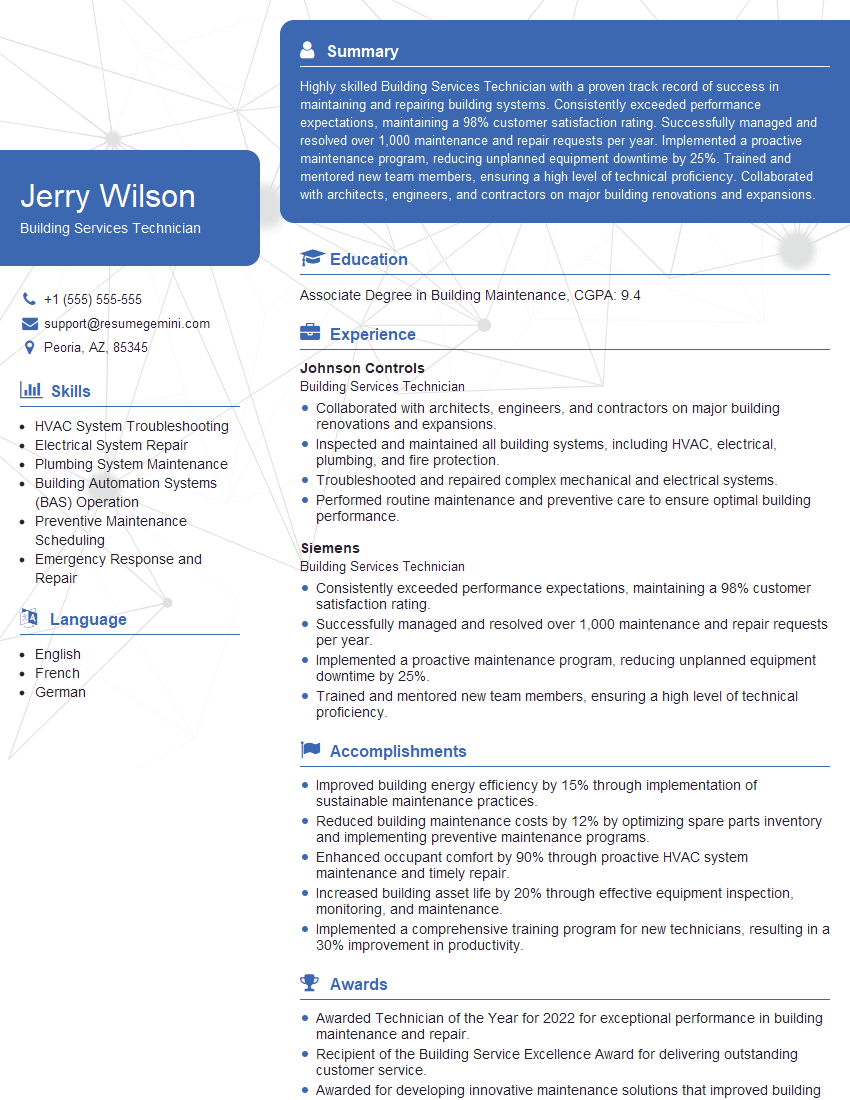
Mastering urinal cleaning demonstrates attention to detail, efficiency, and a commitment to hygiene – valuable skills transferable across many industries. A strong resume is your key to unlocking better opportunities. To maximize your job prospects, create an ATS-friendly resume that highlights your relevant skills and experience. ResumeGemini can help you build a professional and impactful resume that gets noticed by employers. Examples of resumes tailored to the urinal cleaning industry are available to help guide you.
Explore more articles
Users Rating of Our Blogs
Share Your Experience
We value your feedback! Please rate our content and share your thoughts (optional).
What Readers Say About Our Blog
Really detailed insights and content, thank you for writing this detailed article.
IT gave me an insight and words to use and be able to think of examples