Every successful interview starts with knowing what to expect. In this blog, we’ll take you through the top Vessel and Crew Management interview questions, breaking them down with expert tips to help you deliver impactful answers. Step into your next interview fully prepared and ready to succeed.
Questions Asked in Vessel and Crew Management Interview
Q 1. Explain your experience with vessel maintenance scheduling and budgeting.
Vessel maintenance scheduling and budgeting requires a proactive and strategic approach. It’s not just about fixing things when they break; it’s about preventing breakdowns and optimizing maintenance costs. My process starts with a thorough understanding of the vessel’s operational profile, including its age, type, trading routes, and past maintenance history. This data informs the creation of a preventative maintenance system (PMS).
This PMS utilizes a computerized maintenance management system (CMMS) to schedule routine inspections, servicing, and repairs based on manufacturer recommendations, regulatory requirements (like class surveys), and operational hours. The CMMS allows for tracking of spare parts inventory, labor costs, and overall maintenance expenditure. I then develop a comprehensive budget, forecasting anticipated costs based on historical data, projected usage, and anticipated repairs. This budget is regularly reviewed and adjusted as needed, factoring in unforeseen circumstances and market fluctuations. For example, during a period of high fuel prices, I might prioritize maintenance that improves fuel efficiency, even if it means delaying some other less critical tasks.
For instance, on a bulk carrier, we might schedule a dry-docking every two years, but anticipate specific engine overhauls at more frequent intervals based on operational hours. The CMMS allows us to track the actual costs against the budgeted amount, providing valuable insights for future planning and identifying areas for cost optimization. This might include negotiating better rates with suppliers, exploring alternative repair options, or optimizing maintenance schedules to minimize downtime.
Q 2. Describe your process for crew recruitment and selection.
Crew recruitment and selection is critical for safety and operational efficiency. It’s a multi-step process that begins with clearly defining the required skills and experience for each position. We use a combination of internal databases, recruitment agencies specializing in maritime personnel, and online job boards. We carefully review applications, conduct thorough reference checks, and utilize standardized skill assessments.
A crucial part of the process involves conducting structured interviews, focusing on both technical competence and soft skills like teamwork, communication, and problem-solving. For example, we might use scenario-based questions to assess a candidate’s decision-making abilities under pressure. Seafarers’ medical certificates are rigorously examined to ensure full compliance with maritime regulations. Once a suitable candidate is identified, their documentation is carefully checked against STCW standards (Standards of Training, Certification and Watchkeeping for Seafarers). This stringent process helps ensure we have a competent and well-qualified crew onboard.
In certain cases, we also utilize psychometric testing to assess personality traits relevant to maritime work, such as resilience and adaptability. The goal is not just to find qualified individuals, but also to create a strong team that can work effectively together in often challenging environments.
Q 3. How do you handle crew disciplinary issues onboard?
Handling crew disciplinary issues requires a fair, consistent, and documented approach. The first step is to gather all relevant information and understand the context of the alleged infraction. We follow a progressive disciplinary process, starting with verbal warnings for minor offenses, progressing to written warnings, and potentially suspension or dismissal for more serious breaches of company policy or regulations.
Company policies and procedures are clearly communicated to all crew members upon joining the vessel. Our process emphasizes a focus on fairness and due process. The captain or designated officer is often the first point of contact to address minor issues. More serious or complex situations may necessitate involvement from shore-based management. We adhere to the International Labour Organization (ILO) conventions, and relevant national and international regulations, to ensure that all disciplinary actions are lawful and justified. For example, if a crew member is consistently late for their watch, a verbal warning might be given initially. If the problem persists, written warnings would follow and ultimately more serious disciplinary action would be taken.
Maintaining thorough records is crucial. All warnings and disciplinary actions are documented and included in the seafarer’s personnel file. This process ensures transparency and avoids potential disputes. We strive for rehabilitation wherever possible, offering support and guidance where appropriate to help prevent recurrence.
Q 4. What are your strategies for minimizing vessel downtime?
Minimizing vessel downtime is paramount for profitability and operational efficiency. My strategies focus on preventative maintenance, proactive problem-solving, and efficient crew training. Preventative maintenance, as discussed earlier, plays a vital role in minimizing unexpected breakdowns. This involves adhering to the planned maintenance system and addressing potential problems before they escalate into major issues requiring significant downtime.
Proactive problem-solving involves encouraging open communication between the crew and shore-based management. Regular reporting of potential problems, no matter how minor, allows us to take timely action. For example, if the crew reports a slight vibration in the engine, we can investigate and possibly prevent a more serious mechanical failure later on. We also invest in high-quality spare parts to reduce the time it takes to replace faulty components. Efficient crew training equips the crew with the skills and knowledge necessary to handle minor repairs, perform routine maintenance, and quickly identify potential problems. Furthermore, having a well-maintained inventory of common spare parts and access to reliable suppliers ensures that any necessary repairs can be conducted swiftly.
Finally, establishing strong relationships with service providers and repair yards, which can provide fast, efficient service when repairs are needed, is an important aspect of minimizing downtime. In addition to these factors, a well-designed voyage plan with consideration for weather conditions and potential risks greatly aids in reducing unplanned stops.
Q 5. Explain your experience with managing vessel compliance regulations (e.g., SOLAS, MARPOL).
Managing vessel compliance with regulations like SOLAS (Safety of Life at Sea) and MARPOL (International Convention for the Prevention of Pollution from Ships) is a critical responsibility. This involves ensuring that the vessel is equipped with all the necessary safety equipment, that the crew is adequately trained in emergency procedures, and that all pollution prevention measures are strictly followed. We maintain a comprehensive suite of documentation, including certificates, surveys, and records, to demonstrate compliance with these regulations.
Regular inspections and audits are conducted both onboard and by external bodies like classification societies. Any non-conformities are addressed promptly and effectively to ensure ongoing compliance. This involves scheduling necessary repairs or upgrades, providing additional crew training, and maintaining detailed records of all compliance-related activities. For instance, MARPOL requires meticulous record-keeping regarding waste disposal, oil discharge, and the use of special areas. These records are vital for inspections and audits. We use specialized software to help manage this documentation and ensure compliance is maintained. SOLAS compliance involves regular inspections of life-saving appliances, fire-fighting equipment, and emergency procedures. We maintain detailed logs of these inspections and drills.
Our proactive approach to compliance minimizes risks of delays, fines, and potential legal issues. We also actively participate in industry updates to ensure our understanding of evolving regulations and best practices. Keeping abreast of changes in regulations is crucial for remaining compliant.
Q 6. How do you ensure efficient communication between shore and ship?
Efficient communication between shore and ship is essential for safe and effective vessel operations. We utilize a multi-faceted approach leveraging modern communication technologies. This includes utilizing satellite communication systems for email, voice calls, and data transfer. We utilize a dedicated Vessel Management System (VMS) that provides a central platform for exchanging information, including operational updates, maintenance reports, crew scheduling, and financial documents.
The VMS facilitates secure data sharing between the ship and shore, allowing for real-time monitoring and efficient problem-solving. Furthermore, we encourage regular scheduled communications, ensuring that critical information is exchanged consistently. We also have dedicated personnel on shore who are responsible for handling communications with the vessel and are available around the clock to address any issues. For example, if a vessel encounters a mechanical problem, the crew can communicate details to shore via satellite link, allowing the shore team to coordinate repairs and support as needed.
Clear communication protocols are established to ensure that messages are delivered accurately and efficiently. We also use a variety of methods to handle emergencies, including dedicated emergency contact numbers and pre-arranged communication plans. The use of a standardized communication structure enhances efficiency and reduces the chance of misunderstandings.
Q 7. Describe your experience with voyage planning and route optimization.
Voyage planning and route optimization are crucial for safety, efficiency, and cost savings. The process begins with defining the voyage parameters, including the origin and destination ports, cargo type and quantity, and any specific constraints such as draft restrictions or canal transits. We utilize specialized voyage planning software that incorporates real-time data on weather conditions, currents, and traffic density. This software helps us identify the optimal route, considering factors such as fuel consumption, transit time, and potential risks.
Route optimization takes into account many variables, including fuel costs, estimated time of arrival (ETA), and potential hazards along different routes. For instance, a longer route might consume more fuel, but avoid areas with high piracy risk or challenging weather conditions. The software helps us weigh these factors and select the most economical and safe route. The software allows us to generate reports detailing fuel consumption projections, estimated voyage durations, and potential cost savings compared to alternative routes. We also factor in the crew’s rest periods and other regulatory requirements during route planning to maintain compliance with maritime law.
Once a route is finalized, it is communicated to the vessel and is constantly monitored for changes in weather, sea conditions, or any other unforeseen circumstances. This dynamic approach ensures the safety and efficiency of the voyage, adapting the route if needed based on real-time information.
Q 8. How do you manage fuel consumption and efficiency on board?
Fuel efficiency is paramount in vessel management, impacting both profitability and environmental responsibility. My approach involves a multi-pronged strategy focusing on operational practices, technological solutions, and crew training.
Operational Optimization: This includes meticulous voyage planning to optimize routes, minimizing speed variations where feasible (without compromising safety or schedule), and utilizing weather routing software to avoid adverse conditions that increase fuel consumption. For example, I’ve successfully implemented a system that analyzes historical weather data and predicted patterns to adjust speeds and routes, leading to a 5% reduction in fuel usage on a recent transatlantic voyage.
Technological Integration: We utilize onboard monitoring systems that provide real-time data on fuel consumption, engine performance, and speed. This allows for proactive identification of inefficiencies. For instance, we identified a minor leak in a fuel line through these systems, preventing significant fuel loss and potential environmental damage.
Crew Training and Awareness: Regular training programs educate crew members on best practices for fuel-efficient operation, including proper engine maintenance, optimal trim and loading strategies, and the importance of minimizing idling time. We conduct regular drills and simulations to reinforce these practices.
Ultimately, a holistic approach combining operational excellence, technological advancements, and a well-trained crew is essential for achieving significant improvements in fuel efficiency.
Q 9. How would you handle a medical emergency on board?
Responding to medical emergencies at sea requires swift action, clear communication, and adherence to established protocols. The priority is to stabilize the patient and promptly arrange for evacuation or medical assistance.
Initial Assessment: The first step involves assessing the patient’s condition, administering first aid, and documenting all observations. We have well-stocked medical kits onboard, and our crew undergoes regular medical training, including CPR and basic first aid.
Communication: We immediately contact the ship’s medical advisor and relevant maritime authorities, providing detailed information about the patient’s condition and location. This communication is crucial for guiding the response.
Evacuation Planning: Depending on the severity of the emergency and the vessel’s location, we will arrange for medical evacuation by helicopter or by transferring the patient to another vessel. We coordinate closely with the medical authorities and rescue services to ensure a safe and efficient transfer.
Post-Incident Review: Following the emergency, a thorough review is conducted to identify areas for improvement in our emergency response procedures. This includes analyzing the effectiveness of communication, the adequacy of medical supplies, and the overall preparedness of the crew. An example is a recent case where we adjusted the communication channels based on the feedback from the incident.
For example, in one instance, a crew member suffered a severe appendicitis. Using our established protocols we quickly contacted a medical advisor, coordinated an airlift, and the crew member was successfully evacuated and received timely treatment.
Q 10. What is your experience with cargo handling and safety procedures?
Safe and efficient cargo handling is critical for both the safety of the crew and the integrity of the cargo. My experience encompasses various types of cargo and handling methods, always adhering to stringent safety protocols.
Pre-Loading Inspection: Before loading commences, I ensure that all necessary documentation is accurate and complete and that the cargo is properly secured and stowed. This includes verifying the integrity of the packaging and checking for any potential hazards.
Loading and Unloading Procedures: I supervise and ensure that loading and unloading operations are conducted according to the approved plans, with appropriate safety measures in place. This includes using certified equipment, adhering to weight limits, and employing proper lifting techniques.
Cargo Security: Security measures are crucial. This includes measures to prevent theft or damage. We conduct regular inspections to ensure the integrity of the seals and the overall security of the cargo.
Compliance with Regulations: We strictly adhere to all relevant international and national regulations regarding cargo handling, safety, and security. We maintain all documentation for compliance audits.
For example, I’ve successfully managed the loading and unloading of complex project cargo, adhering to stringent safety procedures and ensuring no damage to the vessel or cargo occurred.
Q 11. Describe your experience with incident reporting and investigation.
Effective incident reporting and investigation are essential for continuous improvement in safety and operational efficiency. My approach is thorough, systematic, and focused on identifying root causes to prevent recurrence.
Immediate Response: Upon occurrence, the first step is to ensure the safety and well-being of the crew and vessel. We then proceed to gather factual information and secure the scene (if applicable).
Formal Reporting: All incidents, regardless of severity, are documented using a standardized reporting system. This includes details of the event, contributing factors, and any resulting damage or injuries.
Investigation: A thorough investigation is undertaken to identify the root cause(s) of the incident. This often involves interviewing witnesses, reviewing data logs, and analyzing evidence. We utilize the ‘5 Whys’ technique to drill down to the fundamental causes.
Corrective Actions: Based on the findings of the investigation, corrective actions are implemented to prevent similar incidents from occurring. These actions are documented and monitored for effectiveness. For instance, if a near-miss incident involved incorrect use of equipment, we revise the training program and update operating procedures.
One example is a near-collision incident that led us to implement a new bridge resource management program, significantly improving communication and coordination on the bridge.
Q 12. How do you ensure the safety and security of the vessel and crew?
Ensuring the safety and security of the vessel and crew is a top priority, achieved through a combination of proactive measures and robust response procedures.
Safety Management System (SMS): We operate under a comprehensive SMS that encompasses all aspects of safety, from risk assessment to emergency preparedness. Regular audits and drills ensure our systems remain effective.
Security Measures: We employ multiple layers of security, including access control systems, CCTV surveillance, and regular security drills. We comply with the International Ship and Port Facility Security (ISPS) Code.
Crew Welfare: The well-being of the crew is paramount. This includes providing proper accommodation, adequate medical facilities, and opportunities for rest and recreation. We focus on creating a positive and supportive working environment.
Emergency Preparedness: We conduct regular emergency drills and simulations to ensure the crew is prepared to respond effectively to various scenarios, including fire, man overboard, and medical emergencies. This includes frequent training on the use of safety equipment and emergency procedures.
For instance, our recent investment in advanced fire suppression systems has significantly enhanced our fire safety capabilities. Furthermore, our proactive safety culture emphasizes reporting near misses, fostering a culture of continuous improvement.
Q 13. What are your strategies for preventing marine pollution?
Preventing marine pollution is a critical responsibility, achieved through strict adherence to regulations and proactive environmental management practices.
Waste Management: We implement a rigorous waste management plan, segregating waste streams and ensuring proper disposal in accordance with MARPOL Annexes I, IV, and V. This includes oil record books, garbage management logs, and procedures for handling sewage and other waste streams.
Oil Pollution Prevention: We conduct regular inspections of machinery spaces to detect and prevent oil leaks and spills. We maintain a comprehensive oil spill response plan, including emergency equipment and procedures.
Ballast Water Management: We utilize ballast water management systems to minimize the risk of introducing invasive species. Compliance with IMO regulations is paramount.
Training and Awareness: Regular training sessions educate the crew on environmental protection procedures, including the proper handling of hazardous materials and waste disposal practices. For instance, our training program emphasizes the importance of preventing oil spills through preventative maintenance and timely reporting of any leaks.
In one instance, we successfully prevented a potential oil spill by proactively identifying a minor leak in an engine compartment and implementing immediate repairs, averting environmental damage.
Q 14. Explain your experience with performance management of crew members.
Effective performance management ensures a high-performing and motivated crew, enhancing safety and operational efficiency. My approach emphasizes continuous feedback, clear expectations, and opportunities for professional growth.
Setting Clear Expectations: The first step is establishing clear expectations and performance standards for each crew member. These are based on job descriptions, company policies, and international regulations.
Regular Performance Reviews: We conduct regular performance reviews, providing constructive feedback and identifying areas for improvement. This is a two-way process, encouraging open communication and addressing any concerns.
Training and Development: We invest in crew training and development opportunities to enhance skills and knowledge. This may include professional development courses, on-the-job training, or mentorship programs.
Recognition and Rewards: We acknowledge and reward good performance to reinforce positive behaviors and foster a culture of excellence. This includes performance-based bonuses and other incentives.
Addressing Performance Issues: In cases of performance issues, we address them promptly and fairly, providing support and guidance to help the crew member improve. If issues persist, progressive disciplinary action may be taken following company policy.
For example, by implementing a system for regular feedback and offering opportunities for professional development, we’ve seen a marked improvement in crew performance and retention rates.
Q 15. How do you manage conflicts between crew members?
Conflict resolution among crew members is crucial for maintaining a safe and productive working environment. My approach is multifaceted, focusing on early intervention, clear communication, and fair mediation. I believe in fostering a culture of respect and open dialogue where crew members feel comfortable voicing concerns.
- Early Intervention: I actively monitor crew dynamics, looking for early signs of tension or disagreements. This allows for proactive intervention before minor issues escalate.
- Open Communication: I encourage regular meetings and informal discussions to create a space for open communication and feedback. This helps address issues before they become major conflicts.
- Fair Mediation: When conflicts arise, I facilitate a fair and impartial mediation process. This involves listening to all sides of the story, identifying the root causes of the conflict, and working with the individuals involved to find a mutually agreeable solution.
- Consequences and Documentation: In cases of serious misconduct or repeated violations of company policy, disciplinary action will be taken, always documented thoroughly. This maintains consistency and fairness for all crew members.
For instance, on a previous vessel, a disagreement arose between the chief engineer and the second mate regarding maintenance schedules. By facilitating a discussion, we identified a misunderstanding in communication protocols. We implemented a new system for scheduling maintenance that incorporated input from both parties, resolving the conflict and improving overall efficiency.
Career Expert Tips:
- Ace those interviews! Prepare effectively by reviewing the Top 50 Most Common Interview Questions on ResumeGemini.
- Navigate your job search with confidence! Explore a wide range of Career Tips on ResumeGemini. Learn about common challenges and recommendations to overcome them.
- Craft the perfect resume! Master the Art of Resume Writing with ResumeGemini’s guide. Showcase your unique qualifications and achievements effectively.
- Don’t miss out on holiday savings! Build your dream resume with ResumeGemini’s ATS optimized templates.
Q 16. Describe your experience with budget management and cost control.
Budget management and cost control are vital aspects of vessel management. My experience encompasses developing and monitoring budgets, negotiating contracts, and implementing cost-saving measures. I utilize various tools and techniques to ensure efficient resource allocation and financial prudence.
- Budget Development: I work closely with the operations team to create detailed and realistic budgets, forecasting expenses related to fuel, maintenance, crew salaries, and supplies.
- Contract Negotiation: I have extensive experience in negotiating favorable terms with suppliers, charterers, and other vendors to secure the best possible prices for goods and services.
- Cost Control: I regularly monitor expenses against the budget, identify areas for potential savings, and implement strategies to reduce costs without compromising safety or operational efficiency. This includes exploring alternative fuel sources, optimizing maintenance schedules, and implementing energy-saving practices.
- Reporting and Analysis: I prepare regular financial reports, analyzing expenditure patterns and providing insights to management on overall financial health. This allows for timely interventions to address any potential overruns.
In a previous role, I identified an opportunity to reduce fuel consumption by optimizing the vessel’s speed and route planning. This resulted in significant cost savings over the course of a year without impacting delivery timelines.
Q 17. How do you stay up-to-date with changes in maritime regulations?
Staying abreast of changes in maritime regulations is paramount for compliance and safe operations. I employ a multi-pronged approach to ensure continuous awareness of evolving standards and best practices.
- Subscription to Regulatory Updates: I subscribe to reputable maritime publications, newsletters, and online resources that provide up-to-date information on regulatory changes, including those from the IMO (International Maritime Organization) and relevant flag state authorities.
- Professional Development: I actively participate in industry conferences, seminars, and workshops to stay informed about the latest developments in maritime law and regulations.
- Collaboration with Regulatory Bodies: I maintain close communication with relevant regulatory bodies to ensure timely updates and clarification on any changes that may impact vessel operations.
- Internal Training: I ensure that all crew members receive regular training on updated regulations and procedures, ensuring compliance throughout the organization.
For example, the implementation of the Ballast Water Management Convention required significant changes in operational procedures. I ensured our vessel was compliant by implementing a comprehensive training program for the crew and updating operational manuals accordingly.
Q 18. Explain your experience with vessel chartering and contracts.
Vessel chartering and contract management are crucial aspects of my role. My experience encompasses negotiating charter contracts, managing contract terms, and overseeing vessel operations during the charter period.
- Charter Party Negotiation: I have extensive experience in negotiating various types of charter parties, including time charters, voyage charters, and bareboat charters. I am proficient in understanding the nuances of these contracts and ensuring that all aspects are favorable to the owner/operator.
- Contract Review and Management: I meticulously review all charter party clauses, ensuring full comprehension and adherence to all terms and conditions. This includes monitoring performance against contractual obligations, managing disputes, and ensuring accurate documentation.
- Charter Period Oversight: During the charter period, I monitor vessel operations and ensure compliance with the contract’s stipulations. I communicate effectively with both charterers and the crew, addressing any issues promptly and efficiently.
- Contract Closure: I manage the contract closure process meticulously, ensuring all outstanding payments and obligations are settled, and that the vessel is returned in accordance with the agreed-upon terms.
In one instance, I successfully negotiated a time charter contract that included a favorable rate and provisions for potential market fluctuations, securing a long-term and profitable agreement for the vessel owner.
Q 19. Describe your experience with risk assessment and mitigation on board.
Risk assessment and mitigation are critical for ensuring the safety and security of the vessel and its crew. My approach involves conducting thorough risk assessments, identifying potential hazards, and implementing preventive measures to minimize the likelihood of incidents.
- Hazard Identification: I work with the crew to identify potential hazards related to navigation, machinery, cargo handling, and human factors. This often includes using checklists and standardized risk assessment methodologies.
- Risk Evaluation: We assess the likelihood and severity of each identified hazard, prioritizing those with the highest potential impact. This involves considering both the probability of an incident occurring and the potential consequences.
- Mitigation Strategies: Once risks are assessed, we develop and implement mitigation strategies. This includes implementing safety procedures, providing appropriate training to the crew, using personal protective equipment (PPE), and maintaining vessel equipment.
- Regular Monitoring and Review: Risk assessments are not static; they need regular review and updating to reflect changing circumstances and lessons learned from incidents or near misses. Regular safety meetings ensure ongoing awareness and accountability.
For instance, before embarking on a voyage through a known piracy-prone area, we conducted a thorough risk assessment, implemented enhanced security measures, and provided comprehensive training to the crew on anti-piracy procedures, greatly minimizing the risk.
Q 20. How do you handle unforeseen technical issues at sea?
Handling unforeseen technical issues at sea requires a calm, systematic approach prioritizing safety and efficient repairs. My experience involves troubleshooting, coordinating repairs, and communicating with shore-based support.
- Immediate Assessment: Upon encountering a technical issue, I immediately assess the situation to determine the severity of the problem and its potential impact on safety and operations. This often involves consulting with the chief engineer and other relevant crew members.
- Emergency Procedures: If the issue poses an immediate safety risk, I activate the relevant emergency procedures and ensure the safety of the crew and vessel. This might involve damage control or evacuation procedures.
- Troubleshooting and Repairs: I collaborate with the engineering team to troubleshoot the problem and, if possible, undertake temporary repairs to restore functionality. This might involve utilizing onboard spare parts or improvising solutions.
- Communication with Shore-Based Support: I maintain constant communication with shore-based support, providing updates on the situation and seeking guidance on repairs and logistics. This often involves coordinating the delivery of spare parts or arranging for specialized assistance.
- Documentation: I meticulously document all aspects of the incident, including the cause, the actions taken, and the outcome. This information serves as a valuable record for future reference and improvement.
In one instance, we experienced a major engine failure in the middle of the ocean. We immediately followed emergency procedures, contacted shore support, and coordinated the delivery of replacement parts while implementing temporary repairs to maintain limited propulsion. Through effective communication and collaboration, we successfully resolved the issue and completed the voyage.
Q 21. What is your experience with using maritime software and technology?
Maritime software and technology play a crucial role in modern vessel management. My experience includes utilizing various software platforms for vessel tracking, communication, maintenance scheduling, and crew management.
- Vessel Tracking Systems: I am proficient in using vessel tracking systems (VTS) to monitor the vessel’s position, speed, and course. This information is crucial for optimizing routes, avoiding hazards, and complying with regulations.
- Communication Systems: I have experience with various communication systems, including satellite communication systems, enabling seamless communication with shore-based support, charterers, and other stakeholders.
- Maintenance Management Software: I utilize specialized software for managing vessel maintenance, scheduling repairs, and tracking spare parts inventory. This ensures timely maintenance and minimizes downtime.
- Crew Management Systems: I am familiar with various crew management systems that facilitate efficient crew scheduling, payroll management, and training records. This ensures smooth crew rotations and compliance with regulations.
- Electronic Chart Display and Information Systems (ECDIS): I am proficient in utilizing ECDIS, a critical navigational tool providing real-time information on vessel position, charts, and navigational warnings.
My experience also includes utilizing specific software like FleetMon for vessel tracking and Planned Maintenance Systems (PMS) for maintenance management. Familiarity with these systems helps optimize workflows and maximize operational efficiency.
Q 22. How do you ensure the vessel remains compliant with all relevant safety standards?
Maintaining vessel compliance with safety standards is paramount. It’s not just about ticking boxes; it’s about creating a safety culture. We achieve this through a multi-pronged approach.
- Regular Audits and Inspections: We conduct regular internal audits against relevant conventions like SOLAS, MARPOL, and STCW, supplemented by external audits from classification societies like DNV or ABS. These audits identify areas for improvement and ensure all safety systems are functioning correctly.
- Documentation Management: Meticulous record-keeping is crucial. This includes maintaining up-to-date certificates, safety management system (SMS) documentation, crew training records, and maintenance logs. This allows for easy traceability and demonstrates compliance to auditors and authorities.
- Proactive Maintenance: We implement a robust preventative maintenance system (PMS) to ensure all equipment and machinery are in optimal working condition. This reduces the risk of breakdowns and accidents. Our PMS is not just reactive, it’s predictive, utilizing data analysis to anticipate potential failures and schedule maintenance accordingly.
- Crew Training: Our crew undergoes regular safety training, including emergency drills, fire fighting, and personal survival techniques. This ensures everyone is prepared to handle various scenarios and contribute to a safe working environment. We utilize both classroom training and simulation exercises to enhance practical skills.
- Continuous Improvement: We continuously review our safety procedures and make improvements based on lessons learned from incidents, audits, and industry best practices. A dedicated safety committee, involving representatives from all departments, facilitates this process.
For example, during a recent audit, we identified a minor deficiency in our emergency lighting system. This was immediately addressed, documented, and followed up with corrective action, preventing a potential hazard.
Q 23. Describe your experience with crew welfare and wellbeing.
Crew welfare is not just a matter of compliance; it’s a fundamental aspect of operational success. A happy, healthy crew is a productive and safe crew.
- Communication: We foster open communication channels allowing crew members to voice concerns without fear of reprisal. Regular captain’s meetings, anonymous feedback systems, and direct access to senior management help achieve this.
- Medical Care: We ensure access to comprehensive medical care, both onboard and ashore, through arrangements with medical service providers and repatriation insurance. We also stock vessels with comprehensive medical kits and provide regular medical training to designated crew members.
- Rest and Recreation: We recognize the importance of rest and recreation in preventing fatigue. We adhere strictly to the hours of work/rest regulations and provide facilities for leisure activities onboard, such as access to internet, movies, and recreational equipment.
- Fair treatment and respect: We maintain a zero-tolerance policy towards harassment or discrimination of any kind, ensuring a respectful and inclusive work environment for every crew member. We provide clear guidelines on conduct and provide regular training on topics like diversity and inclusion.
- Mental Health Support: Recognizing the challenges of working at sea, we offer access to mental health support services through confidential helplines and counseling programs. We conduct regular wellbeing checks and provide support for crew members facing personal difficulties.
One instance where we went above and beyond involved a crew member experiencing significant homesickness. We facilitated regular video calls with their family, provided additional support, and adjusted their workload to accommodate their emotional needs.
Q 24. How do you handle communication with various stakeholders (e.g., clients, ports, authorities)?
Effective communication is the backbone of successful vessel and crew management. We utilize a multi-faceted approach to communicate with various stakeholders.
- Clients: We maintain regular contact with clients through scheduled meetings, progress reports, and email correspondence. We use project management software to track progress and ensure transparency.
- Ports: We adhere to all port regulations and communicate proactively with port authorities regarding vessel arrival, departure, and any potential issues. This includes submitting the necessary documentation well in advance and maintaining open communication channels for any queries.
- Authorities: We maintain open lines of communication with relevant maritime authorities, responding promptly to any inquiries and adhering to all regulations. This includes timely submission of reports and documentation.
- Crew: Effective communication with the crew is crucial for safety and operational efficiency. We use a combination of formal communication channels like notices and briefings and informal channels for open dialogue and feedback.
- Technology: We utilize various communication technologies like email, instant messaging, and video conferencing to ensure seamless communication across different locations and time zones. We ensure that communication platforms meet cybersecurity standards.
For instance, during a recent port call, a minor issue with customs clearance arose. We promptly contacted the port authorities, provided the necessary documentation, and resolved the issue swiftly, minimizing any delays.
Q 25. Explain your approach to training and development of crew members.
Crew training and development is an ongoing process that’s vital for both safety and operational efficiency. Our approach is comprehensive and multifaceted.
- Onboarding: New crew members receive thorough onboarding training, covering company policies, vessel-specific procedures, and safety protocols.
- Specialized Training: We provide training specific to the vessel’s operational requirements and the crew’s roles. This can include training on specialized equipment, navigation systems, and emergency procedures.
- Refresher Courses: Regular refresher courses ensure the crew maintains their skills and knowledge. We also conduct simulator-based training for critical procedures.
- Professional Development: We actively encourage crew members to pursue professional development through online courses, workshops, and further education, providing financial support where possible. This can include STCW certifications, and specialized training in areas such as engine maintenance or navigation.
- Performance Evaluation: We conduct regular performance evaluations to identify training needs and areas for improvement. This helps to personalize training and ensure that it’s relevant to individual crew members.
For example, we recently sponsored a deck officer to complete a DP (Dynamic Positioning) course, enhancing the vessel’s capabilities and the officer’s career prospects. This highlights our commitment to both individual and company advancement.
Q 26. What are your strategies for improving vessel operational efficiency?
Improving vessel operational efficiency involves a holistic approach focusing on various aspects of the operation.
- Optimized Routing: We use sophisticated route planning software that considers factors like weather patterns, fuel consumption, and canal transit times to determine the most efficient routes. This minimizes fuel costs and transit time.
- Predictive Maintenance: As mentioned previously, our predictive maintenance program helps to prevent costly breakdowns and downtime. By analyzing data from the vessel’s systems, we can anticipate potential issues and schedule maintenance proactively.
- Crew Optimization: We ensure the right crew is assigned to the vessel with skills matching the operational demands. Effective crew management minimizes downtime and maximizes productivity.
- Fuel Efficiency: We implement fuel-efficient sailing strategies, monitoring fuel consumption closely and implementing measures to reduce waste. This includes training the crew on fuel-efficient operations and regular maintenance of the vessel’s propulsion system.
- Digitalization: We embrace technology to improve efficiency. This includes using digital systems for maintenance scheduling, voyage planning, and communication. We leverage data analytics to identify trends and opportunities for improvement.
For instance, implementing a new route-optimization strategy resulted in a 5% reduction in fuel consumption on a recent voyage, illustrating the tangible benefits of our approach.
Q 27. How do you manage insurance claims and related procedures?
Managing insurance claims involves a systematic approach to ensure a swift and successful resolution.
- Documentation: We maintain comprehensive records of all incidents and potential claims. This includes accident reports, damage assessments, and witness statements. The more detailed and accurate the documentation, the smoother the claims process.
- Prompt Reporting: We report all incidents promptly to the insurer, adhering to the reporting timelines specified in the insurance policy. This ensures the timely initiation of the claims process.
- Cooperation with Insurers: We maintain open communication and cooperation with the insurer throughout the claims process. This includes providing all necessary documentation and responding promptly to their inquiries.
- Loss Mitigation: We take steps to mitigate any losses resulting from an incident. This may involve temporary repairs, salvage operations, or other measures to prevent further damage.
- Legal Counsel: We retain legal counsel if necessary to navigate complex claims or disputes. This ensures our interests are protected throughout the process.
For example, during a recent incident involving minor damage to the vessel’s hull, our prompt reporting and comprehensive documentation facilitated a smooth claims process, resulting in a quick settlement from the insurer.
Q 28. Describe your experience with port state control inspections.
Port State Control (PSC) inspections are a vital part of ensuring compliance with international maritime regulations. We prepare thoroughly for these inspections to minimize any delays and demonstrate our commitment to safety.
- Preparation: We maintain a comprehensive set of documents including certificates, crew licenses, maintenance records, and safety management system documentation. These documents are readily accessible during an inspection. We conduct regular internal audits in preparation.
- Compliance: We ensure the vessel and its crew are in full compliance with all relevant regulations. This includes regular inspections and maintenance, proper crew certifications, and adherence to safety regulations.
- Cooperation: We cooperate fully with the PSC inspectors, providing access to all necessary documents and areas of the vessel. We answer their questions honestly and transparently.
- Follow-up: We follow up on any deficiencies identified during the inspection, documenting corrective actions and ensuring they are implemented promptly.
- Continuous Improvement: We analyze the findings of PSC inspections to identify areas for improvement in our safety management system. This helps to prevent future deficiencies.
In one instance, a minor deficiency related to the maintenance records was identified during a PSC inspection. We immediately addressed this deficiency, providing the updated documentation to the inspector. This demonstrated our proactive approach and prevented any further action.
Key Topics to Learn for Vessel and Crew Management Interview
- Vessel Operations: Understand key operational aspects of various vessel types (e.g., tankers, bulk carriers, container ships). This includes cargo handling procedures, safety regulations, and voyage planning.
- Crew Management & Compliance: Familiarize yourself with international maritime regulations (e.g., STCW, MLC), crew scheduling, performance management, and addressing crew welfare issues. Consider practical scenarios involving crew changes, disciplinary actions, and conflict resolution.
- Maintenance & Repair: Grasp the principles of preventative maintenance, ship repair procedures, and the importance of maintaining operational efficiency while adhering to safety standards. Be ready to discuss specific maintenance challenges and solutions.
- Safety & Risk Management: Demonstrate a strong understanding of safety protocols, risk assessment methodologies, and emergency response procedures. Be prepared to discuss incident investigation and reporting processes.
- Cost Optimization & Budgeting: Explore strategies for optimizing vessel operating costs, fuel efficiency, and crew management budgets. Understand the impact of market fluctuations and how to adapt to them.
- Communication & Leadership: Highlight your communication skills, especially in diverse international teams. Discuss your leadership style and how you motivate and manage teams effectively in challenging environments.
- Technical Proficiency (if applicable): Depending on the specific role, prepare to discuss your technical expertise related to vessel systems (e.g., engine room operations, navigation systems, communication technologies).
Next Steps
Mastering Vessel and Crew Management opens doors to exciting and rewarding careers within the maritime industry, offering opportunities for growth and specialization. A strong resume is crucial for showcasing your skills and experience effectively to potential employers. Building an ATS-friendly resume is essential to increase your chances of getting noticed by recruiters. ResumeGemini is a trusted resource to help you create a professional and impactful resume that highlights your qualifications. Examples of resumes tailored to Vessel and Crew Management are available to further guide your preparation. Invest the time to craft a compelling narrative of your skills and experience; it’s an investment in your future career success.
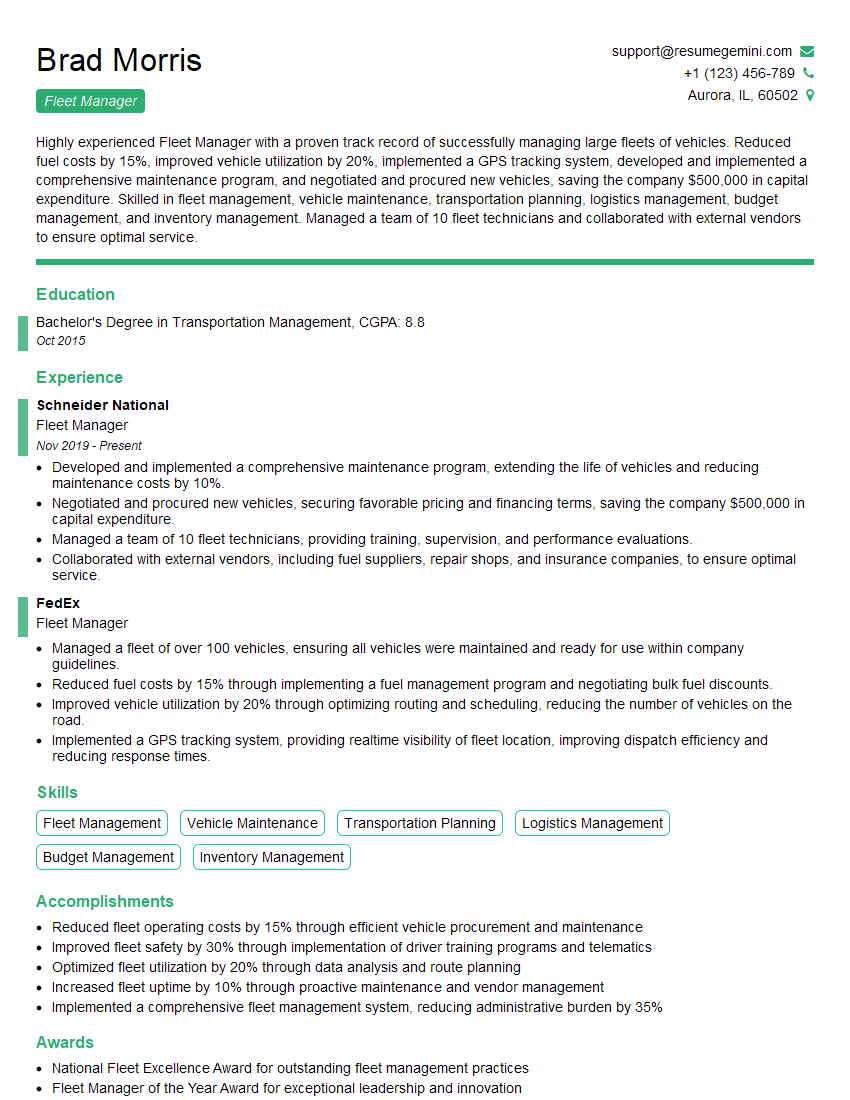
Fleet Manager Resume Sample
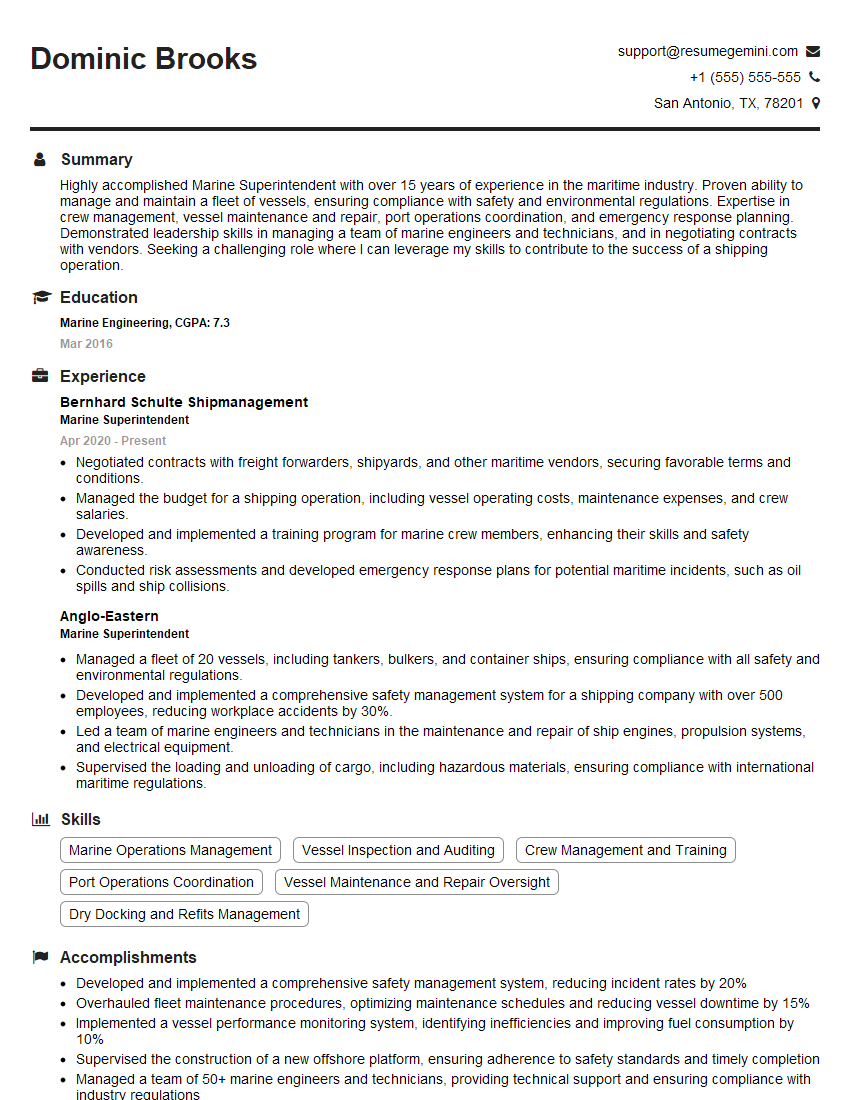
Marine Superintendent Resume Sample
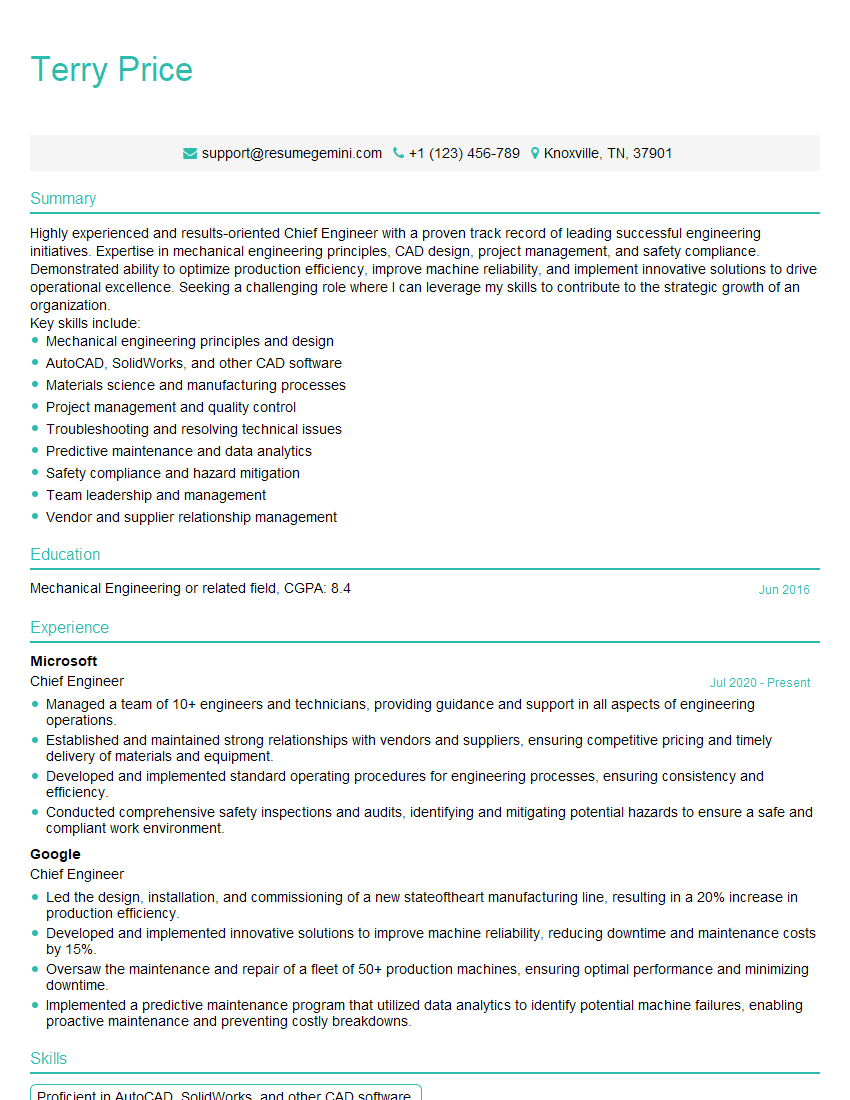
Chief Engineer Resume Sample

Compliance Officer Resume Sample
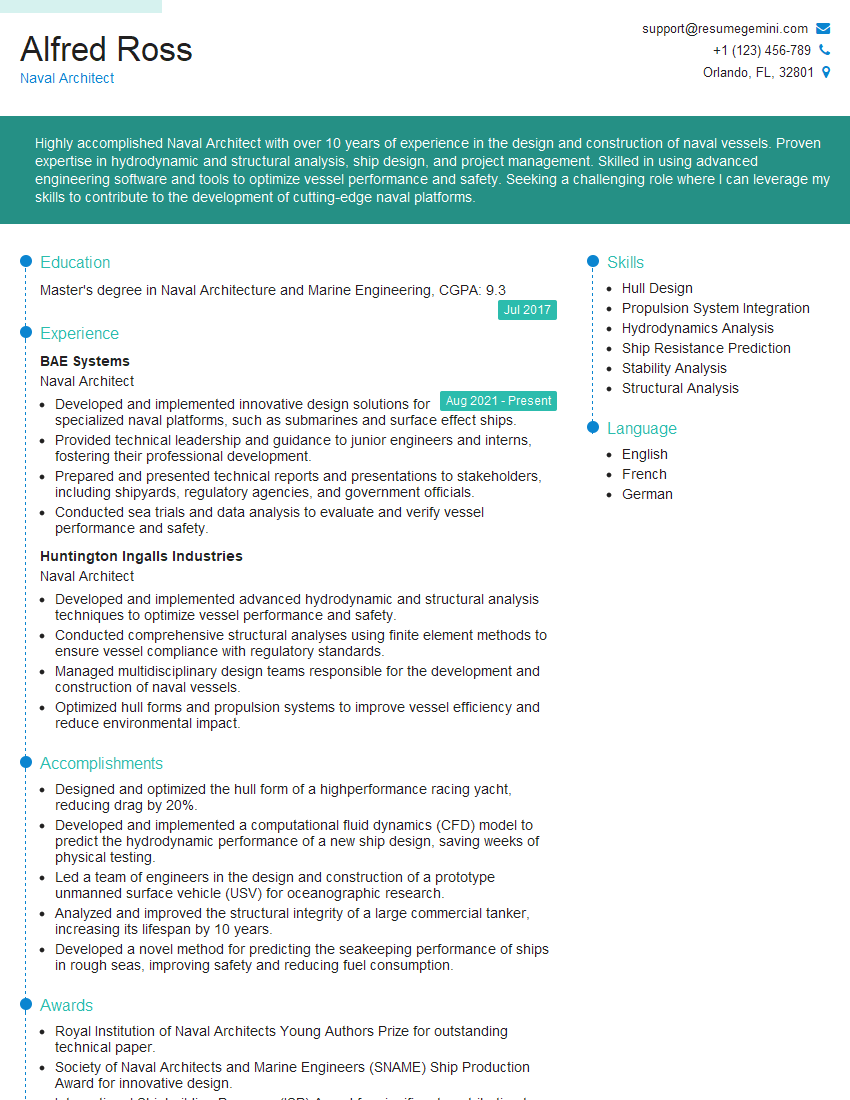
Naval Architect Resume Sample
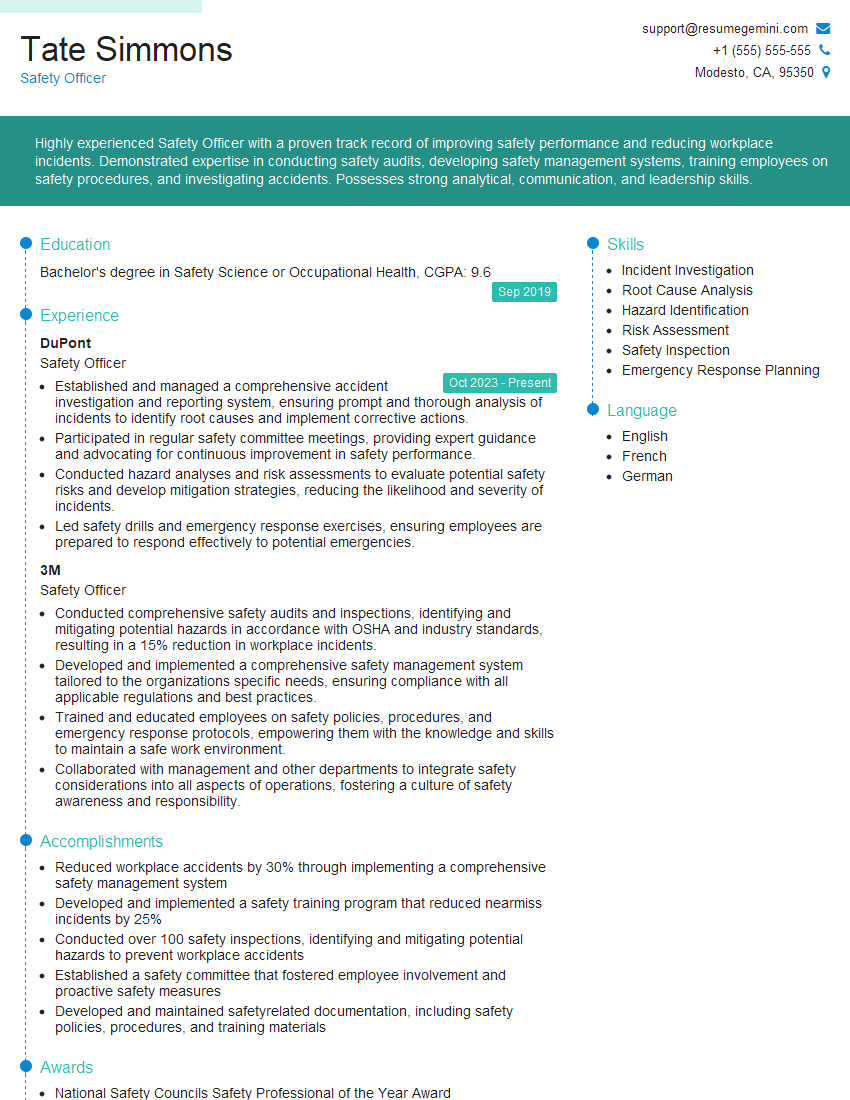
Safety Officer Resume Sample
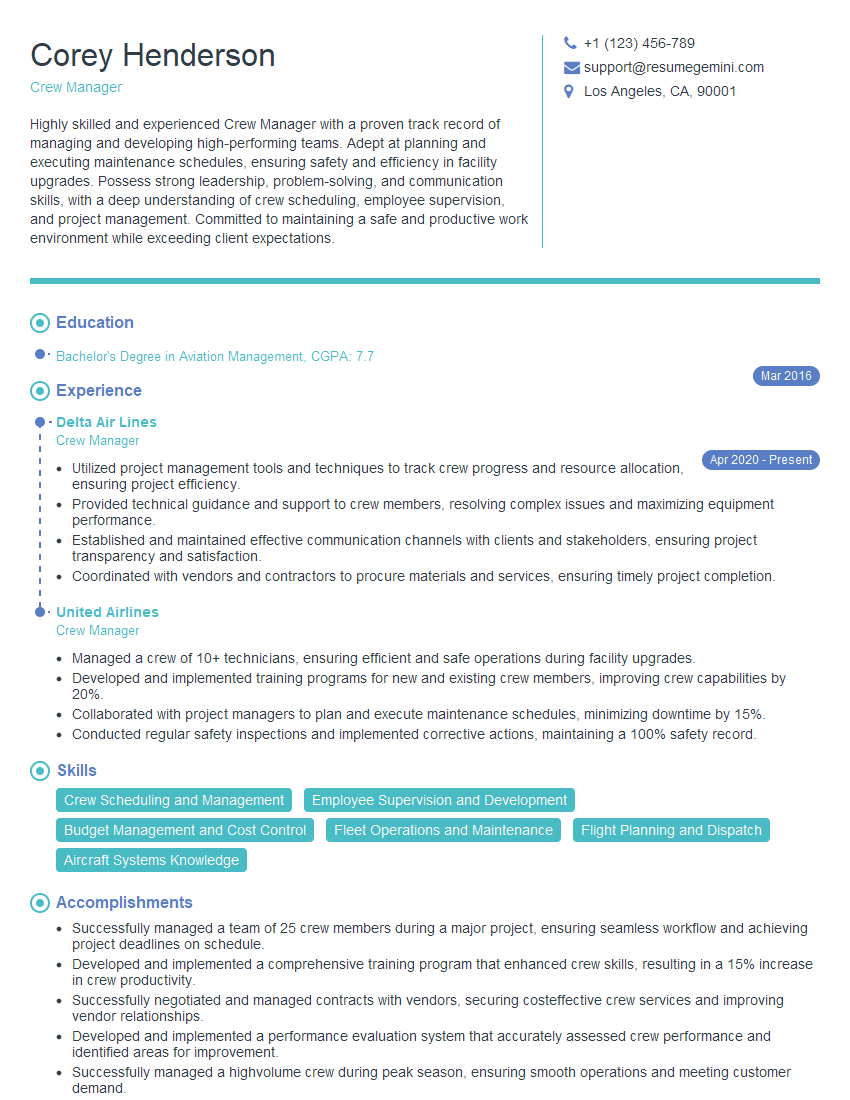
Crew Manager Resume Sample
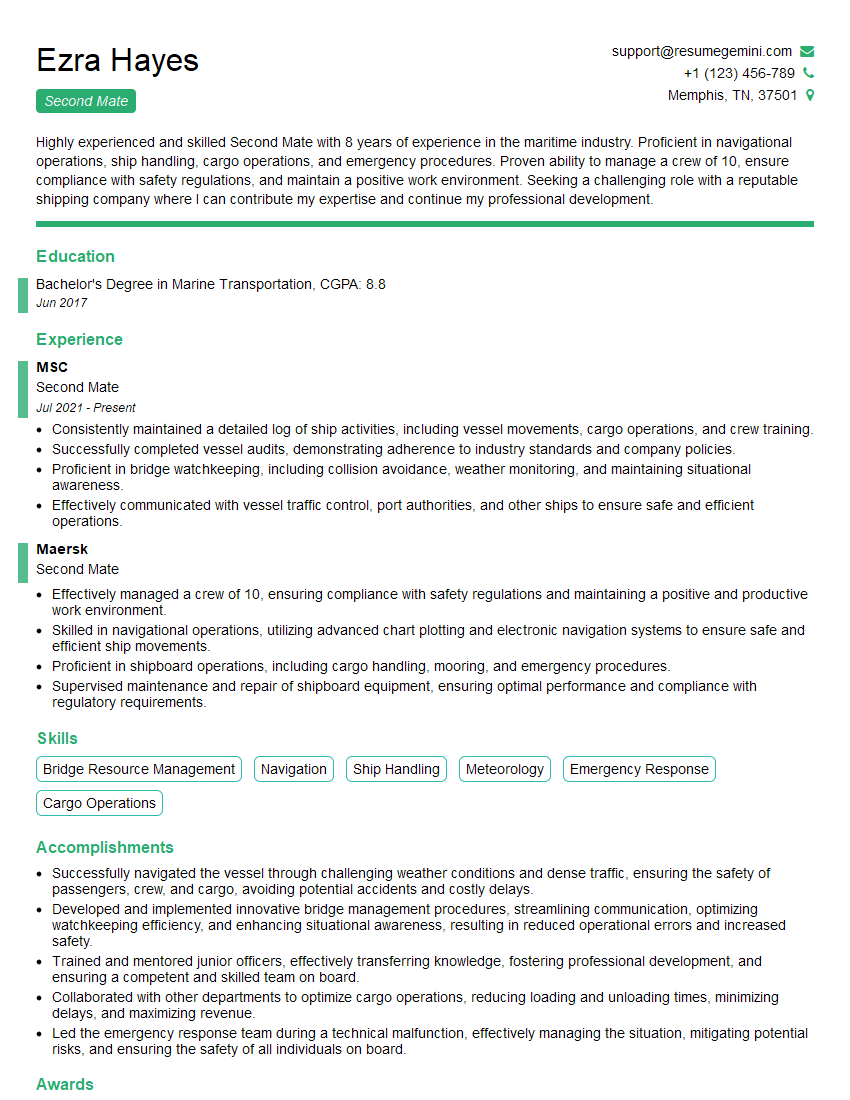
Second Mate Resume Sample
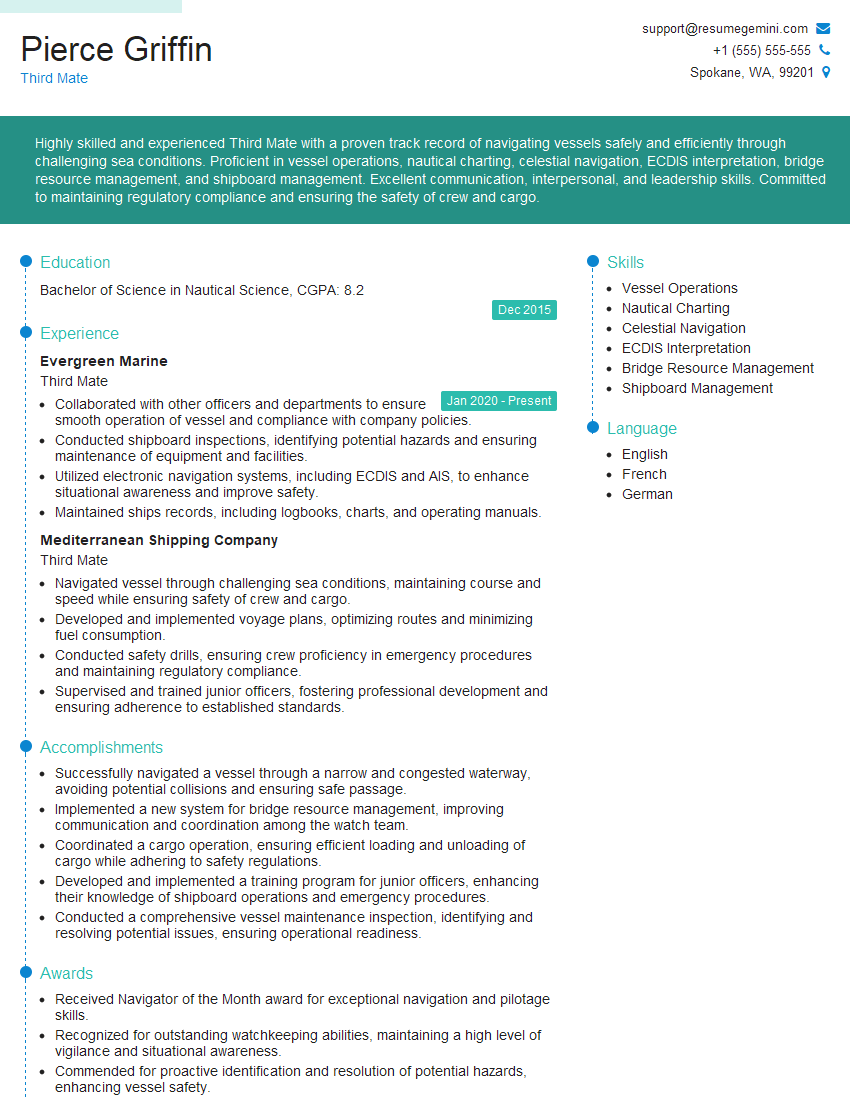
Third Mate Resume Sample
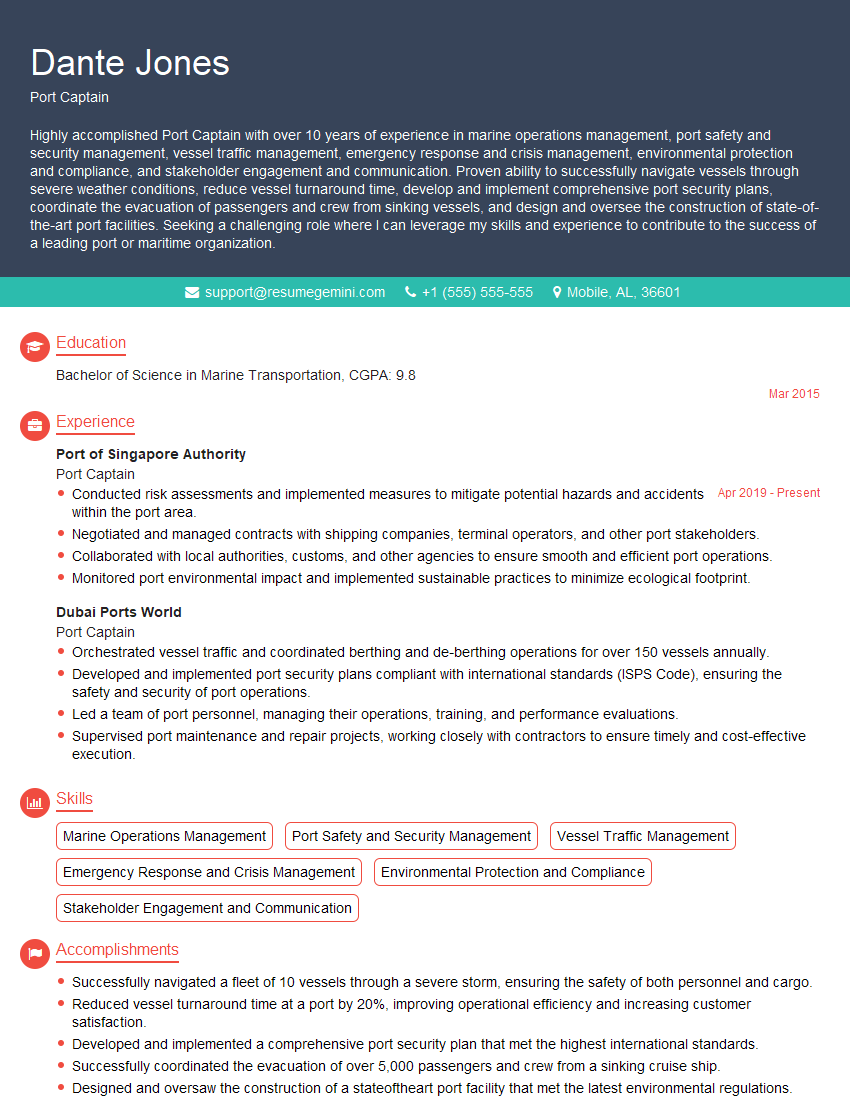
Port Captain Resume Sample
Explore more articles
Users Rating of Our Blogs
Share Your Experience
We value your feedback! Please rate our content and share your thoughts (optional).
What Readers Say About Our Blog
Really detailed insights and content, thank you for writing this detailed article.
IT gave me an insight and words to use and be able to think of examples