Interviews are more than just a Q&A session—they’re a chance to prove your worth. This blog dives into essential Wax Application interview questions and expert tips to help you align your answers with what hiring managers are looking for. Start preparing to shine!
Questions Asked in Wax Application Interview
Q 1. What types of wax are you experienced with (hard, soft, strip, etc.)?
My experience encompasses a wide range of wax types, each suited for different hair textures and body areas. I’m proficient with hard wax, soft wax, and strip wax. Hard wax, also known as hot wax, is excellent for more sensitive areas like the bikini line or underarms because it adheres only to the hair, minimizing skin irritation. Soft wax, applied thinly and removed with strips of cloth, is efficient for larger areas like legs and arms. Strip wax is essentially the same as soft wax. I also have experience with different wax formulations, including those enriched with soothing ingredients like chamomile or aloe vera for sensitive skin types.
Q 2. Describe your preferred waxing techniques for different body areas.
My waxing techniques are tailored to each body area’s unique characteristics. For example, on the legs and arms, I use soft wax application in the direction of hair growth and removal against the direction of hair growth. This method is efficient and minimizes discomfort. For the bikini area and underarms, however, I prefer hard wax. I apply a thin layer of hard wax, allow it to cool and harden before gently removing it. This method reduces pain and minimizes skin trauma. For the face, I use a small amount of soft wax or hard wax for precision and to avoid irritating the delicate skin. The key is to always work with the direction of hair growth to reduce breakage and minimize ingrown hairs.
Q 3. How do you prepare the skin before waxing?
Proper skin preparation is crucial for a successful and comfortable waxing experience. First, I thoroughly cleanse the area to be waxed with a gentle cleanser to remove any makeup, dirt, or oil, which could interfere with the wax’s adhesion. Then I gently exfoliate the skin using a soft scrub, this helps remove dead skin cells and prevent ingrown hairs. This is especially important if it’s the client’s first wax. I then use an antiseptic wipe to further clean and disinfect the area. Finally, I lightly powder the area with talc-free powder to absorb any excess moisture and help the wax adhere better to the hair.
Q 4. Explain your post-waxing care instructions to clients.
Post-waxing care is vital for minimizing irritation and promoting healthy skin. I advise my clients to avoid sun exposure, hot baths, or saunas for at least 24 hours, as heat can irritate the skin. I recommend using a gentle, fragrance-free moisturizer to soothe and hydrate the area. Avoid tight clothing or anything that might rub against the treated skin. I also recommend exfoliating the area 2-3 days later to help prevent ingrown hairs and use an ingrown hair serum, as needed, following the product instructions. It is also very important to let the client know to avoid touching the area too much, and inform them about the normal redness and sensitivity that can occur immediately after the wax.
Q 5. How do you handle client allergies or sensitivities to wax?
Client allergies and sensitivities are my top priority. Before any waxing service, I conduct a thorough consultation, asking about any allergies, sensitivities, or past reactions to waxing. A patch test on an inconspicuous area is done 24-48 hours before the actual service to assess potential reactions. If a client reports allergies or sensitivities, I might offer alternative hair removal methods or use hypoallergenic wax formulations enriched with soothing ingredients like aloe vera or chamomile. In case of any allergic reactions during the service, I have appropriate first aid measures readily available and will discontinue the service immediately.
Q 6. What are the contraindications for waxing?
Several contraindications exist for waxing. These include active skin infections or breakouts in the area to be waxed, sunburns, varicose veins, or open wounds. Clients with diabetes, hemophilia, or those taking certain medications, like retinoids or antibiotics, might need medical clearance before waxing. Pregnancy is not a contraindication for waxing in general, however, particular caution is required for hormonal changes. I always conduct a thorough consultation to identify any such conditions and make informed decisions regarding treatment.
Q 7. How do you maintain hygiene and sanitation during waxing procedures?
Maintaining hygiene and sanitation is paramount to prevent the spread of infection. I use single-use applicators for wax application and disposable gloves for every client. All surfaces are disinfected before and after each waxing procedure using a hospital-grade disinfectant, following strict protocols as required by local regulations. Clean linen and fresh towels are used for each client. Used wax is disposed of properly, and all equipment is cleaned and sterilized according to industry best practices. This ensures a clean, safe, and hygienic environment for my clients.
Q 8. Describe your experience with different wax warmers and their maintenance.
My experience encompasses a wide range of wax warmers, from basic pot warmers to advanced digital models. I’m proficient with both hard and soft wax warmers, understanding their distinct temperature requirements and functionalities. For instance, hard wax warmers require precise temperature control to maintain the ideal viscosity, preventing overheating which can lead to burns or sticking. Soft wax warmers, on the other hand, need consistent stirring to ensure even heating and prevent clumping.
Maintenance is crucial for hygiene and longevity. This includes regular cleaning of the warmer’s exterior and interior after each use. For pot warmers, this means wiping down the outside and carefully cleaning the pot itself with appropriate cleaning solutions designed for wax removal. Digital warmers often require more involved cleaning, sometimes including the removal of wax residue from internal heating elements. It’s also important to regularly check the warmer’s functionality, ensuring that the temperature is accurate and the heating mechanism is working properly. Preventive maintenance, like checking the power cord for any damage, is essential to prevent accidents.
I always follow manufacturer guidelines for cleaning and maintenance, as these vary depending on the model. Failing to maintain warmers properly can lead to malfunction, uneven wax temperature, and even safety hazards.
Q 9. How do you identify and treat ingrown hairs?
Identifying ingrown hairs is often straightforward; they appear as small, red bumps or pustules under the skin’s surface, often accompanied by inflammation. They usually occur a few days after waxing, when the hair fails to grow straight out, curling back into the skin.
Treating ingrown hairs requires a gentle approach. Avoid squeezing or picking at them, as this can lead to infection or scarring. I typically recommend warm compresses to soften the skin and encourage the hair to surface. Gentle exfoliation using a soft washcloth or a suitable exfoliating scrub (avoiding harsh chemicals) can help lift the ingrown hair. If the ingrown hair is visible, I might use sterilized tweezers to gently extract it. In persistent cases, topical treatments like tea tree oil or salicylic acid can help reduce inflammation and prevent infection. If the ingrown hair is severely infected or doesn’t respond to home treatment, I advise clients to consult a dermatologist.
Q 10. What are the common mistakes to avoid during waxing?
Several common mistakes can compromise waxing results and client comfort. Firstly, applying wax to the same area twice can cause unnecessary skin trauma, resulting in burns and irritation.
- Improper wax temperature: Wax that’s too hot can burn the skin; wax that’s too cool won’t adhere properly, leading to incomplete hair removal.
- Applying wax too thickly or thinly: Thick application can make removal difficult and increase the risk of pulling the skin, while thin application may not remove all hair.
- Pulling wax in the wrong direction: Wax should always be removed in the opposite direction of hair growth to prevent breakage and ingrown hairs.
- Not prepping the skin properly: The skin must be clean, dry, and free from lotions or oils to ensure proper wax adhesion.
- Ignoring contraindications: Clients with certain skin conditions (e.g., eczema, active acne), recent sunburns, or those taking certain medications should not be waxed.
Avoiding these common mistakes leads to a smoother, safer, and more effective waxing experience.
Q 11. How do you handle client concerns or complaints?
Handling client concerns is paramount. I always listen empathetically, allowing clients to fully express their concerns without interruption. I then acknowledge their feelings, validating their experience, before offering solutions.
For example, if a client complains about redness, I explain that it’s a normal reaction, often subsiding within a few hours, and recommend soothing aftercare products. If they express pain during the procedure, I adjust my technique, ensuring gentler application and removal. If there is a more serious issue, such as a burn or significant skin irritation, I immediately provide first aid and advise them to seek medical attention if necessary. Transparent communication and a focus on client well-being are essential. Addressing complaints promptly and professionally fosters trust and loyalty.
Q 12. What are your strategies for achieving efficient waxing appointments?
Efficient waxing appointments are achieved through careful planning and execution. This starts with a clear understanding of the service requested.
- Pre-wax preparation: I pre-cleanse the area and pre-measure the wax quantity needed, ensuring a smooth workflow.
- Efficient application techniques: Using consistent, thin layers and strategic application patterns minimizes time spent on each area.
- Effective removal techniques: Swift, confident removal reduces the overall appointment duration.
- Organized workspace: Maintaining a clean and well-organized workspace allows for easy access to all necessary supplies.
- Client communication: Clear communication prevents delays and misunderstandings.
By streamlining each step of the process, I ensure every appointment is completed efficiently while maintaining a high standard of quality.
Q 13. How do you manage your time and workflow during busy periods?
During busy periods, effective time management is crucial. I use a booking system to schedule appointments strategically, grouping similar services together to optimize workflow.
I prioritize tasks, focusing on quicker services first to minimize client wait times. If I anticipate a very busy period, I might adjust my appointment slots to allow for a small buffer between clients, reducing potential scheduling conflicts. Furthermore, a well-organized workspace and pre-prepared supplies are essential to minimize wasted time searching for materials during appointments. I also clearly communicate expected wait times to clients to manage their expectations. Effective time management is a combination of planning, preparation, and efficient execution.
Q 14. Explain your knowledge of different hair growth cycles and their impact on waxing.
Understanding hair growth cycles is fundamental for effective waxing. Hair grows in three phases: anagen (growth), catagen (transition), and telogen (resting). Waxing is most effective when hairs are in the anagen phase, as they are firmly anchored in the follicle.
Hairs in the catagen and telogen phases are less likely to be removed by waxing, leading to incomplete hair removal. Multiple waxing sessions are often needed because hairs are not all in the same growth phase simultaneously. Consistent waxing over time eventually synchronizes the hair growth cycle, resulting in fewer hairs in the resting phase and better long-term results. Understanding this cycle helps manage client expectations, explaining why multiple sessions might be needed for optimal results and why some hairs might regrow quicker than others.
Q 15. What is your understanding of skin types and their influence on waxing treatments?
Understanding skin types is crucial for successful waxing. Different skin types react differently to wax, impacting the procedure’s effectiveness and the client’s comfort. We primarily categorize skin into five types: normal, dry, oily, combination, and sensitive.
- Normal skin is balanced, with minimal issues. Waxing is generally straightforward.
- Dry skin can be more prone to irritation and breakage. A gentler wax, like a low-temperature strip wax, is often preferred, and pre-waxing oil is essential.
- Oily skin is less prone to irritation but may require more meticulous preparation to remove excess oil before waxing to prevent wax from not adhering properly.
- Combination skin needs a tailored approach, addressing oily and dry areas differently, potentially using different waxes for different zones.
- Sensitive skin requires the utmost care. Hard wax is typically recommended as it adheres only to the hair and doesn’t stick to the skin as much. A pre-wax oil and post-wax soothing lotion are crucial to minimize discomfort and reduce redness.
For example, I once had a client with extremely dry skin. Using a hard wax and applying a generous amount of pre-wax oil allowed for a smooth and less painful experience, avoiding any skin breakage.
Career Expert Tips:
- Ace those interviews! Prepare effectively by reviewing the Top 50 Most Common Interview Questions on ResumeGemini.
- Navigate your job search with confidence! Explore a wide range of Career Tips on ResumeGemini. Learn about common challenges and recommendations to overcome them.
- Craft the perfect resume! Master the Art of Resume Writing with ResumeGemini’s guide. Showcase your unique qualifications and achievements effectively.
- Don’t miss out on holiday savings! Build your dream resume with ResumeGemini’s ATS optimized templates.
Q 16. How do you choose the appropriate wax for different skin types and hair textures?
Wax selection depends on both skin type and hair texture. Factors like hair thickness, length, and growth direction influence wax choice.
- Strip waxes (soft waxes) are ideal for larger areas with finer, shorter hair. They’re less precise but work quickly. They are often used for legs and arms.
- Hard waxes are better for smaller areas, coarser, or more stubborn hair. They grip the hair without sticking to the skin, making them gentler on sensitive skin. They are better suited for the bikini area or underarms.
For example, I’d use a strip wax with a lower melting point for a client with thin, fine hair on their legs and a hard wax for a client with coarse hair needing a Brazilian wax. Hair texture also influences the temperature and application technique. Thicker hair might require warmer wax applied thinly.
Q 17. What are your experience with different waxing products (brands, ingredients)?
My experience encompasses a wide range of waxes, including brands like Parissa, Gigi, and Lycon. I’ve worked with different formulations including honey wax, azulene wax (calming), and tea tree wax (antiseptic). The ingredients significantly impact the wax’s properties: some are designed for sensitive skin, others for efficiency on coarse hair. I pay close attention to the ingredients to avoid those that may cause allergic reactions.
For instance, azulene wax is excellent for calming sensitive skin after waxing, minimizing redness and irritation. Tea tree oil in wax provides antiseptic properties. Understanding the different ingredients allows for a customized approach for each client.
Q 18. How do you assess and address client skin conditions before waxing?
A thorough skin assessment is the first step before any waxing procedure. I look for contraindications such as:
- Recent sunburns or sun sensitivity: Waxing can exacerbate sunburns, causing pain and potential scarring.
- Active acne or infections: Waxing can spread infections.
- Use of topical retinoids or other medications: These can increase skin sensitivity and make waxing more painful or lead to complications.
- Skin conditions like eczema or psoriasis: Waxing might irritate these conditions.
- Varicose veins or fragile capillaries: Waxing can damage delicate veins.
If any of these conditions are present, I would postpone the treatment and recommend alternatives or suggest consulting a dermatologist. If a client has any skin concerns or medications, I would thoroughly explain my assessment and discuss options.
Q 19. Describe your experience with performing Brazilian waxing.
Brazilian waxing is a specialized procedure requiring precision and hygiene. My experience includes hundreds of successful Brazilian wax treatments. I always prioritize client comfort and utilize appropriate techniques to minimize discomfort.
The process begins with a thorough consultation and skin assessment, then client positioning is essential for easy access to the area. I use a high-quality hard wax, ensuring that it’s applied thinly and in the direction of hair growth. I also explain each step to the client, offering breaks as needed. Post-wax care instructions, including the use of soothing lotions, are provided to ensure proper aftercare.
I remember one client who was initially apprehensive. By explaining the process clearly, maintaining open communication, and ensuring a clean and comfortable environment, I turned her apprehension into a positive experience. She is now a regular client.
Q 20. How do you ensure client comfort and privacy during waxing procedures?
Client comfort and privacy are paramount. I ensure a clean, private room. The client is always draped appropriately, and I use disposable materials whenever possible. I maintain open communication, explaining each step, and ensuring they are comfortable throughout the procedure. I never rush the process and respond to any concerns immediately. Pain management techniques, such as applying pressure, or using a cooling spray, are employed as needed.
For example, I always offer a comfortable position, whether it’s lying down or sitting, and I ask for regular feedback to adjust my techniques accordingly.
Q 21. Explain your knowledge of infection control procedures related to waxing.
Infection control is critical in waxing. I adhere strictly to the following procedures:
- Hand hygiene: Thorough hand washing before and after each client.
- Disinfection: Using a medical-grade disinfectant to clean the treatment area and tools.
- Disposable materials: Using single-use spatulas, gloves, and linens for every client.
- Proper waste disposal: Disposing of used materials according to safety regulations.
- Sterilization of reusable tools: If using reusable tools, they must be properly sterilized between clients.
Adhering to these protocols ensures a safe and hygienic environment, preventing the spread of infections. It’s not only essential for client safety but also protects the practitioner from potential risks.
Q 22. How do you handle accidental burns or injuries during waxing?
Preventing burns is paramount in waxing. My first priority is always proper preparation. This includes ensuring the wax is at the correct temperature – never too hot! I test the wax on my inner wrist before applying it to a client. If a burn does occur, despite precautions, I immediately cool the area with cold compresses or a specialized burn gel, and then assess the severity. For minor burns, I’d apply aloe vera to soothe and promote healing. For anything more significant, I’d advise the client to seek immediate medical attention and document the incident thoroughly. I maintain a first-aid kit readily available with all necessary supplies. Furthermore, I emphasize clear communication with the client throughout the process to ensure they feel comfortable and can voice any concerns.
Q 23. What are your skills in providing client consultations related to waxing?
Client consultations are crucial for successful waxing. I begin by understanding the client’s skin type, hair type, and any allergies or sensitivities. I discuss their desired outcome and any past experiences with waxing. This involves asking questions about their skin’s reactions to waxing or other hair removal methods and medical conditions such as eczema or psoriasis, which might impact the waxing process. I explain the procedure, potential side effects (such as redness or ingrown hairs), and aftercare instructions. I also thoroughly explain the different waxing methods available and help them choose the most suitable one based on their individual needs. I make a point of making the client feel comfortable and listened to during this phase, building trust is an essential part of this.
Q 24. How do you stay updated on the latest trends and techniques in waxing?
The waxing industry is constantly evolving. To stay current, I actively participate in continuing education courses and workshops offered by reputable organizations. I regularly subscribe to industry magazines and journals and attend trade shows to learn about new products, techniques, and best practices. I also network with other professionals in the field, sharing knowledge and experiences. Furthermore, I closely monitor advancements in waxing technology, such as the introduction of new wax types or application methods. Online forums and communities dedicated to waxing professionals provide another excellent source for keeping my skills sharp.
Q 25. Describe your experience with client record-keeping and documentation.
Detailed record-keeping is vital. For each client, I maintain a comprehensive file including their contact information, medical history (especially any allergies or skin sensitivities), previous waxing services received, and notes about any reactions or concerns. This record includes the date of each appointment, the areas waxed, the type of wax used, and any post-treatment instructions given. I utilize a secure electronic system to manage these records which helps maintain confidentiality and organization. This is important for client safety and for tracking treatment effectiveness and client preferences over time.
Q 26. How do you market your waxing services to attract new clients?
Attracting new clients requires a multi-faceted approach. I leverage social media platforms like Instagram and Facebook to showcase my work, share before-and-after photos, and run targeted ads. I also offer introductory discounts or packages to entice first-time clients. Building partnerships with complementary businesses, such as spas or salons, can increase visibility. Local advertising, such as flyers or brochures in high-traffic areas, remains effective. Finally, positive online reviews and word-of-mouth referrals are invaluable for attracting new clientele. I actively solicit feedback and respond to reviews both positive and negative to show I value my customers.
Q 27. What is your approach to building client loyalty and retention?
Client loyalty is built through exceptional service and personalized attention. This involves remembering client preferences, such as wax type or desired hair length. Offering loyalty programs or discounts for returning clients is a great incentive. I also value client feedback, regularly asking for opinions and using it to enhance my services. Building rapport with clients by creating a relaxing and comfortable atmosphere during appointments is vital. A follow-up message after their appointment to check on their skin and address any concerns further cements their loyalty. Showing genuine care and concern for the client fosters long-term relationships and repeat business.
Q 28. What are your salary expectations for this position?
My salary expectations are commensurate with my experience, skills, and the specific requirements of this position. Considering my expertise in waxing techniques, advanced client consultation abilities, and proven success in building a loyal clientele, I am seeking a competitive salary within the industry standard for experienced professionals. I am open to discussing a specific range based on the comprehensive details of the job description and benefits package.
Key Topics to Learn for Wax Application Interview
- Understanding Wax Application Fundamentals: Grasp the core principles and functionalities of Wax Application. Explore its architecture and underlying technologies.
- Practical Application Scenarios: Consider real-world examples of how Wax Application is used in different industries and contexts. Practice applying your knowledge to hypothetical situations.
- Data Handling and Management within Wax Application: Understand how data is structured, processed, and secured within the application. Explore data import/export methods and best practices.
- Troubleshooting and Problem Solving: Develop your ability to identify, diagnose, and resolve common issues related to Wax Application functionality and performance.
- Integration with Other Systems: Explore how Wax Application integrates with other software and platforms. Understand the implications of API calls and data exchange.
- Security Considerations: Familiarize yourself with security protocols and best practices related to Wax Application. Understand potential vulnerabilities and mitigation strategies.
- Advanced Features and Customization: Explore advanced features and customization options offered by Wax Application. Demonstrate your understanding of how to tailor the application to specific needs.
Next Steps
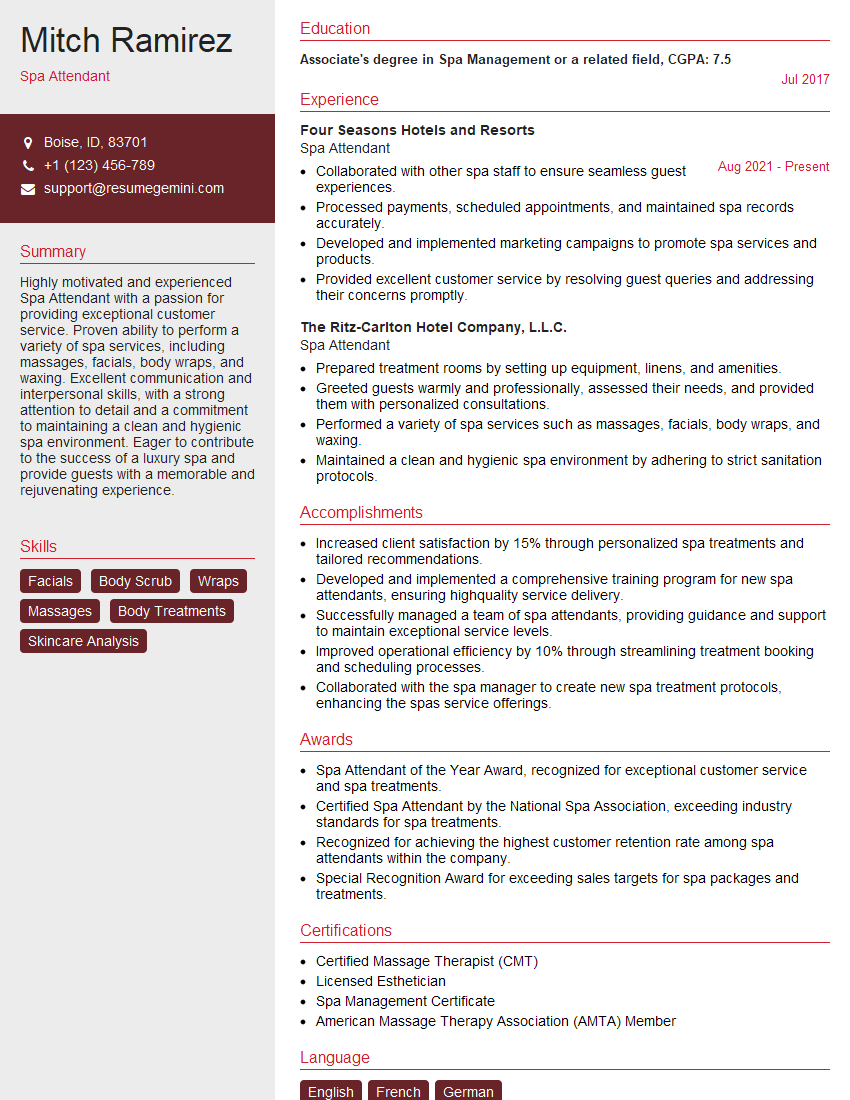
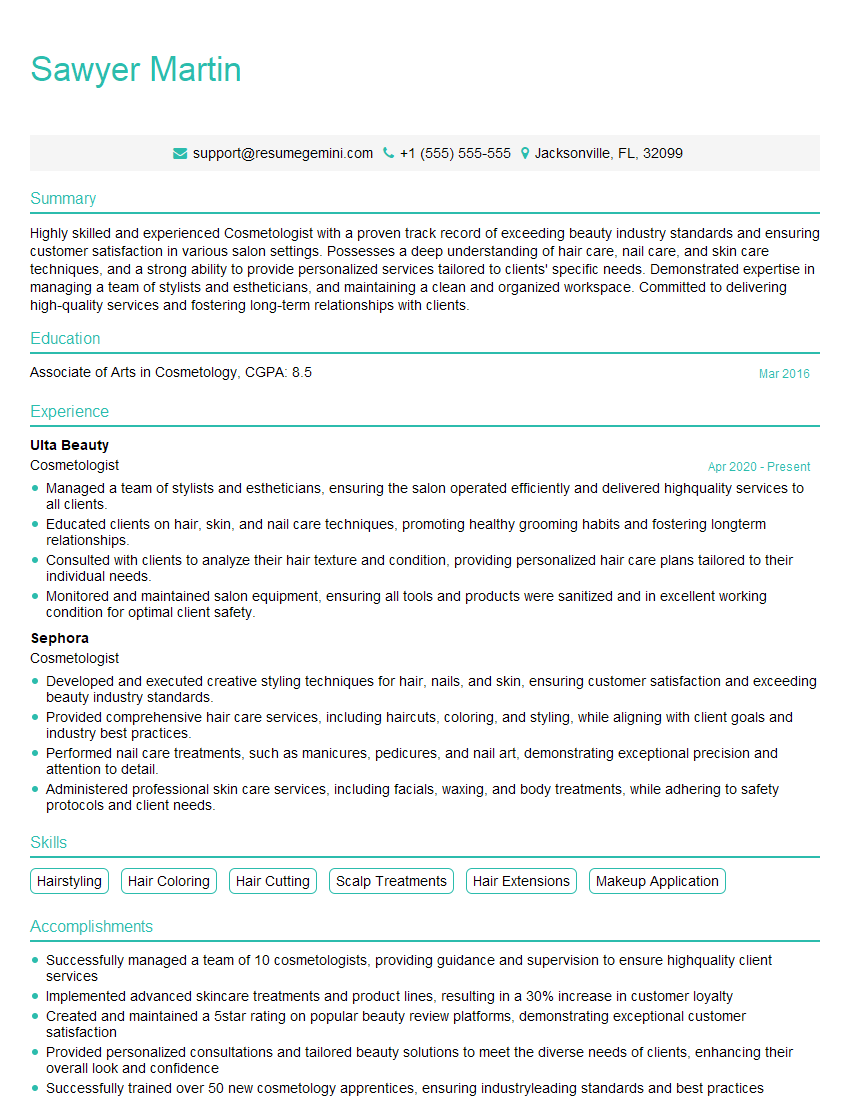
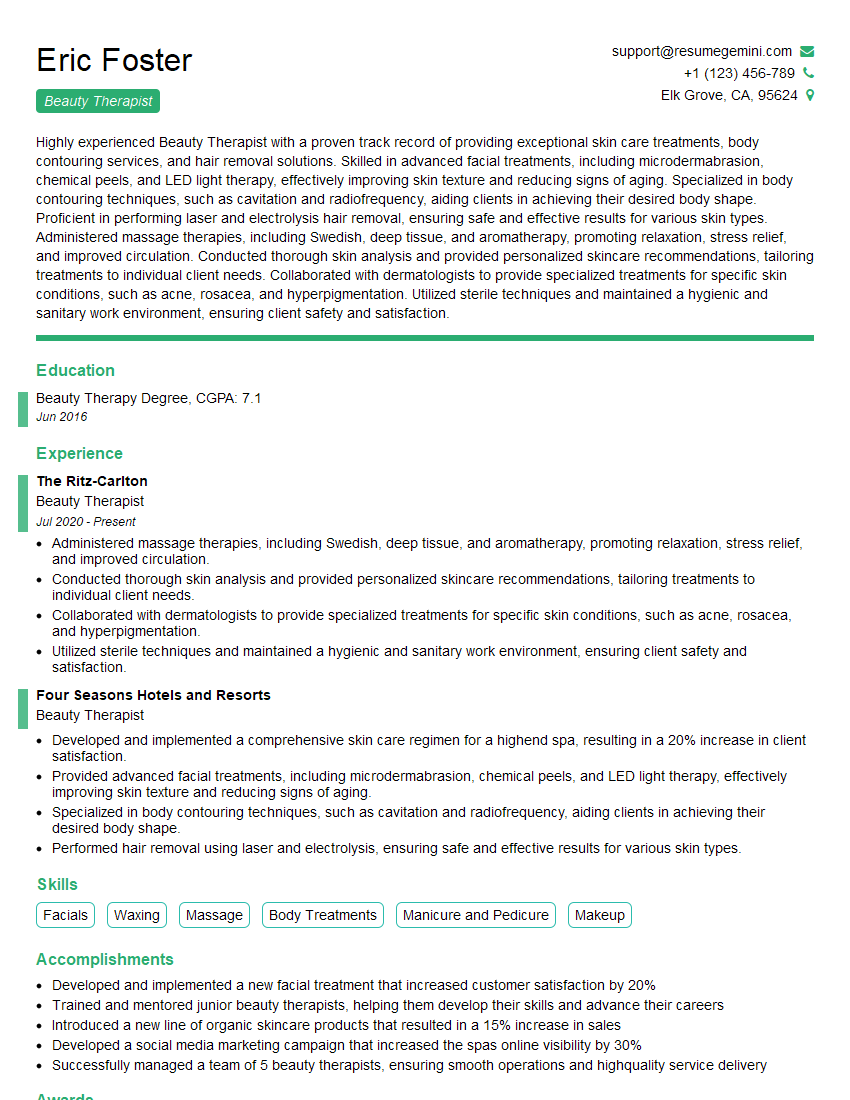
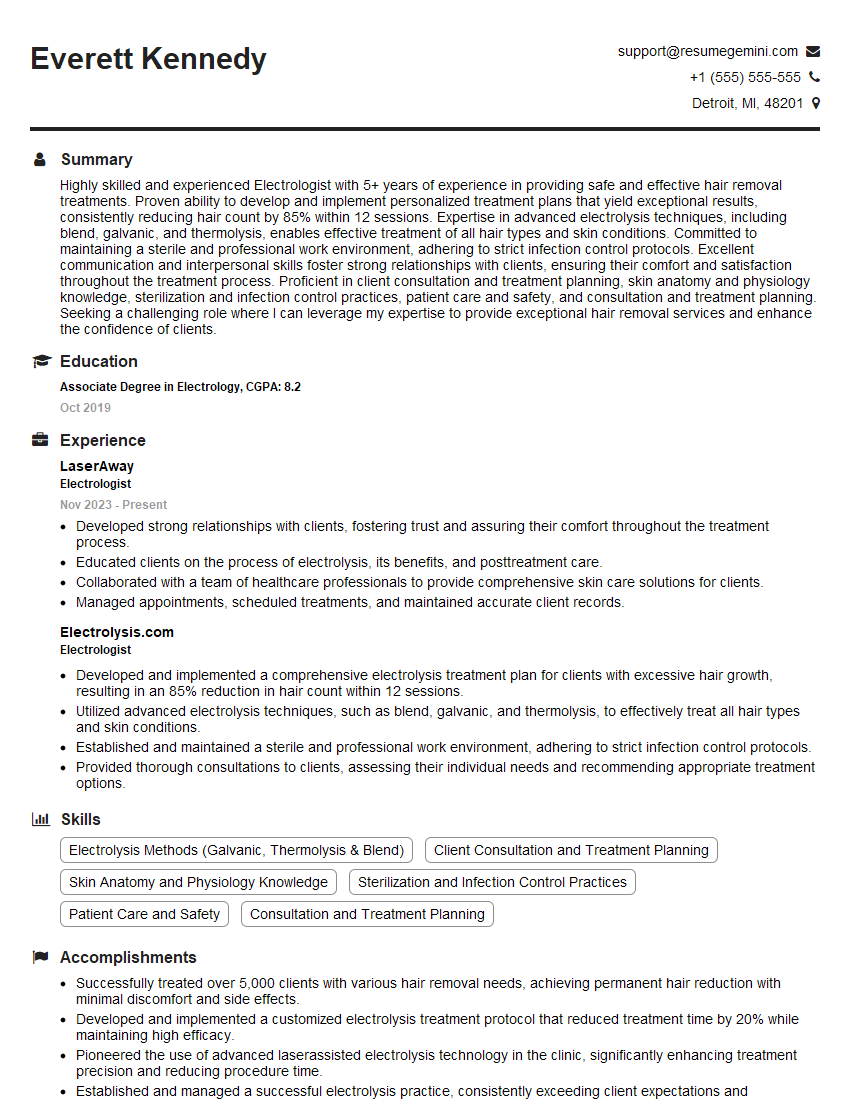
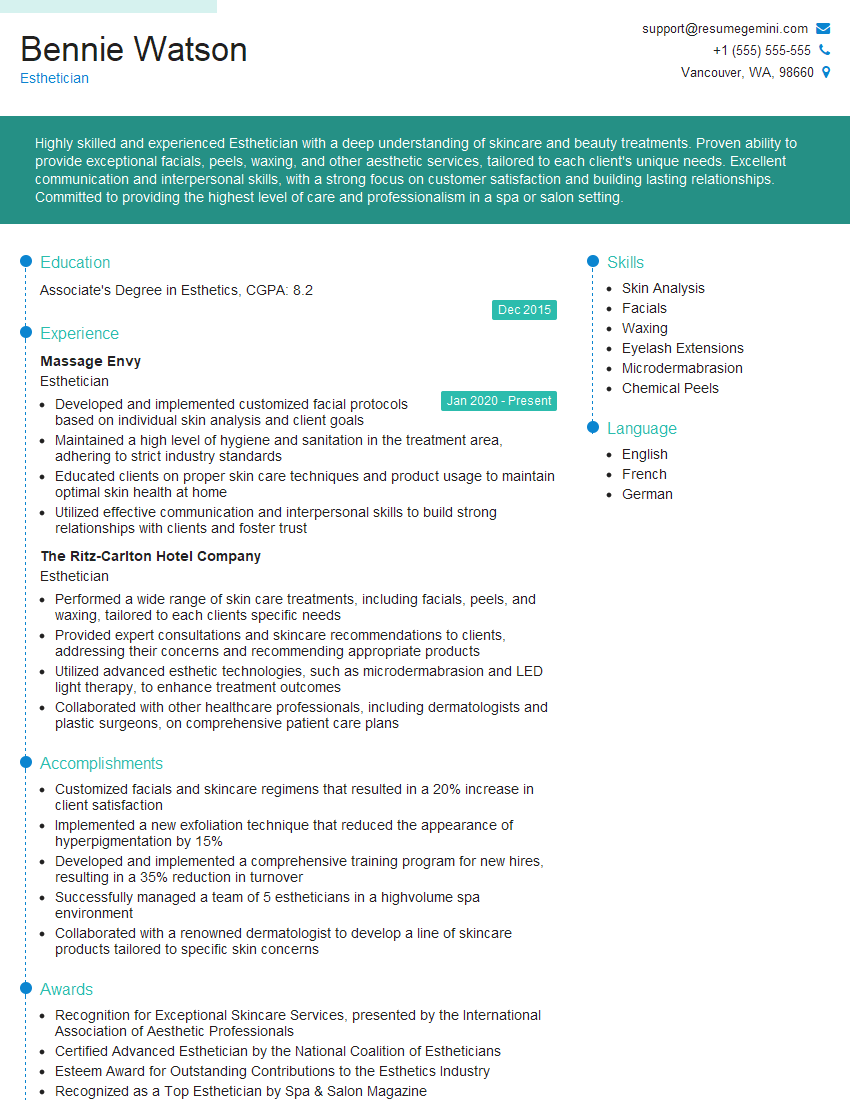
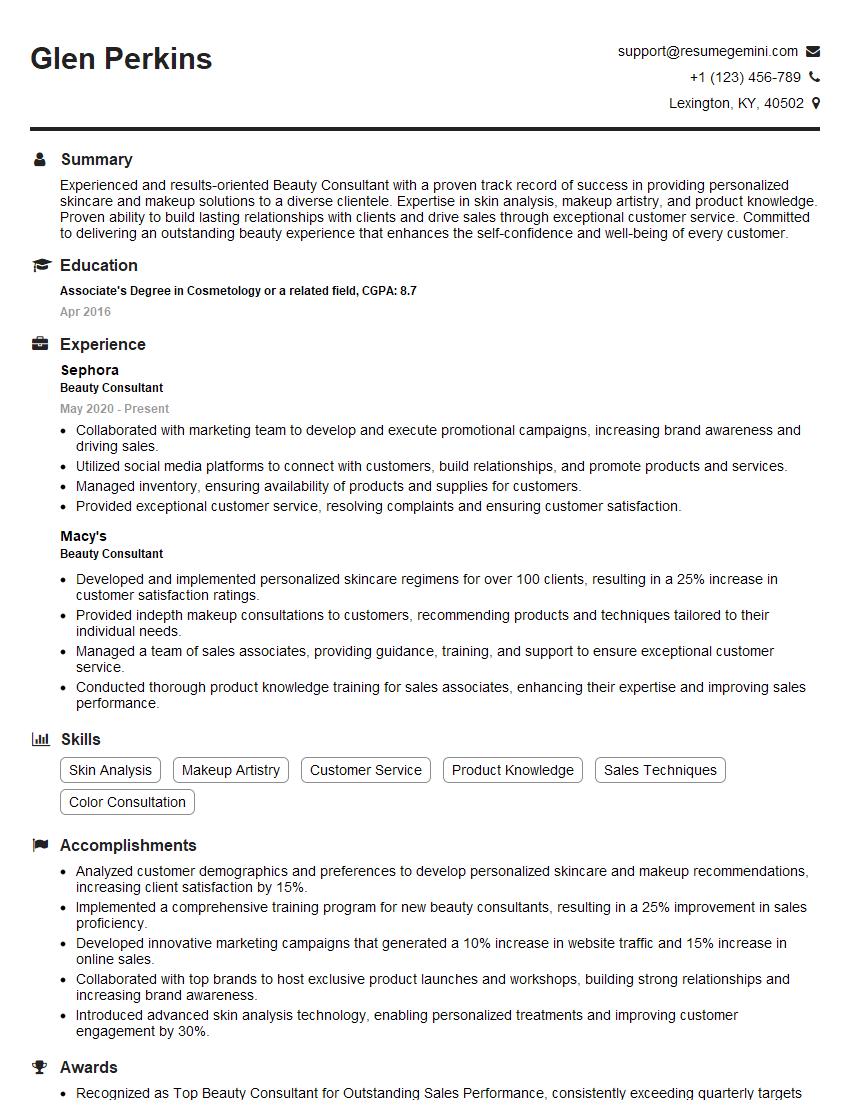
Mastering Wax Application significantly enhances your career prospects, opening doors to exciting opportunities in a rapidly evolving technological landscape. To maximize your chances of landing your dream job, creating a strong, ATS-friendly resume is crucial. ResumeGemini is a trusted resource that can help you craft a professional and impactful resume tailored to highlight your Wax Application skills. Examples of resumes specifically tailored to Wax Application roles are available to help guide you. Invest time in perfecting your resume – it’s your first impression with potential employers.


Explore more articles
Users Rating of Our Blogs
Share Your Experience
We value your feedback! Please rate our content and share your thoughts (optional).
What Readers Say About Our Blog
Really detailed insights and content, thank you for writing this detailed article.
IT gave me an insight and words to use and be able to think of examples