Interviews are opportunities to demonstrate your expertise, and this guide is here to help you shine. Explore the essential Welding Physiology interview questions that employers frequently ask, paired with strategies for crafting responses that set you apart from the competition.
Questions Asked in Welding Physiology Interview
Q 1. Explain the physiological effects of arc welding fumes on the respiratory system.
Arc welding fumes contain a complex mixture of fine particles and gases, posing significant risks to respiratory health. These fumes can irritate the airways, causing coughing, shortness of breath, and a burning sensation in the throat and lungs. Inhaling these fumes over prolonged periods can lead to more serious conditions.
Metal Fume Fever: This is a flu-like illness caused by the inhalation of metallic fumes, especially zinc oxide. Symptoms include fever, chills, muscle aches, and weakness. It’s typically self-limiting, but repeated exposures can increase severity.
Chronic Obstructive Pulmonary Disease (COPD): Long-term exposure to welding fumes, particularly those containing silica and other irritants, can contribute to the development of COPD, a progressive lung disease marked by reduced airflow and shortness of breath. Think of it like slowly damaging the airways, making it harder to breathe over time.
Lung Cancer: Certain welding fumes, particularly those containing hexavalent chromium and nickel, are known carcinogens (cancer-causing agents). The risk of lung cancer increases significantly with prolonged and unprotected exposure.
Bronchitis and Pneumonia: Welding fumes can irritate and inflame the lining of the bronchial tubes and lungs, making welders more susceptible to bronchitis and pneumonia.
Imagine trying to breathe through a straw that’s gradually getting narrower; that’s similar to how COPD affects lung function. Proper ventilation and respiratory protection are essential to mitigate these risks.
Q 2. Describe the mechanisms of heat transfer in welding and their impact on the welder’s body.
Heat transfer in welding primarily occurs through three mechanisms: conduction, convection, and radiation. These all significantly impact a welder’s body, leading to various heat-related risks.
Conduction: This is the direct transfer of heat through physical contact. For example, the welder’s hands and arms can become extremely hot when they touch a hot workpiece or welding torch.
Convection: This involves heat transfer through the movement of fluids (air or gases). The intense heat generated during welding creates air currents that can carry heat to the welder’s body, potentially causing burns or heat exhaustion. Imagine a hot air balloon – the hot air rises and affects the surrounding environment.
Radiation: This is the transmission of heat through electromagnetic waves. The intense light and heat emitted from the welding arc can radiate towards the welder, causing skin burns (especially of the eyes and face), dehydration and even heat stroke if not sufficiently protected.
The combined effect of these mechanisms can lead to burns, heat stroke, and other heat-related illnesses if not properly mitigated through appropriate ventilation, shielding, and personal protective equipment.
Q 3. What are the common musculoskeletal disorders associated with welding and their prevention strategies?
Welding often involves awkward postures and repetitive movements, leading to a high risk of musculoskeletal disorders (MSDs). Common issues include:
Carpal Tunnel Syndrome: Repetitive hand and wrist movements, especially when holding heavy welding equipment, can compress the median nerve, leading to pain, numbness, and tingling in the hand and forearm.
Tendinitis: Inflammation of the tendons, often in the shoulders, elbows, and wrists, due to repetitive actions and awkward postures.
Back Pain and Spinal Injuries: Awkward working positions, lifting heavy objects, and prolonged static postures can strain the back and increase the risk of back pain and spinal injuries. Think of the strain involved in holding a heavy welding torch for extended periods while working overhead.
Neck Pain and Shoulder Pain: Maintaining awkward neck and shoulder positions for prolonged periods is a significant contributing factor to discomfort and injury.
Prevention strategies involve ergonomic improvements such as proper workstation design, using lifting aids, taking frequent breaks, practicing good posture, and regular stretching exercises.
Q 4. How do different welding positions affect the welder’s posture and risk of injury?
Welding positions significantly influence posture and risk of injury. Over time, maintaining awkward postures can lead to muscle strain, fatigue, and cumulative trauma disorders.
Overhead Welding: This position requires extensive upward reaching, resulting in significant strain on the shoulders, neck, and back. It increases the risk of tendinitis, bursitis, and rotator cuff injuries.
Downhand Welding (Flat Position): This is generally considered the least strenuous position, but prolonged time in this position can still lead to back pain and fatigue if not managed correctly.
Vertical Welding: This position can cause strain on the arms, shoulders, and back, particularly if the welder is not maintaining proper body mechanics. Imagine twisting your body to reach different sections while welding a vertical surface.
Horizontal Welding: Similar to vertical welding, this position often requires awkward twisting movements that can increase musculoskeletal risk.
Regular breaks, proper body positioning, and ergonomic tools can help mitigate these risks.
Q 5. Discuss the role of personal protective equipment (PPE) in mitigating welding-related physiological risks.
Personal Protective Equipment (PPE) is crucial for mitigating welding-related physiological risks. Appropriate PPE acts as a primary line of defense against various hazards.
Respiratory Protection: Welding helmets with integrated respirators or separate respirators with appropriate filters are essential for protecting against welding fumes and gases. These filters need to be chosen based on the specific materials being welded.
Eye and Face Protection: Welding helmets with appropriate shade lenses are absolutely necessary to protect against the intense ultraviolet (UV), infrared (IR), and visible light emitted during welding. These lenses protect against eye damage (such as arc eye) and prevent burns to the face.
Skin Protection: Protective clothing, including flame-resistant jackets, pants, gloves, and boots, is vital to prevent burns and protect against sparks and spatter. Heat-resistant materials are crucial to prevent thermal injuries.
Hearing Protection: Welding can produce significant noise levels, requiring earplugs or earmuffs to prevent hearing loss. The noise levels must be assessed to determine the appropriate level of protection.
Properly maintained and correctly used PPE is essential to safeguard the welder’s health.
Q 6. Explain the impact of welding-related noise on hearing health.
Welding operations generate significant noise levels from various sources such as arc striking, metal spattering, and equipment operation. Prolonged exposure to this noise can have detrimental effects on hearing health.
Noise-Induced Hearing Loss (NIHL): Exposure to high noise levels over time can damage the hair cells in the inner ear, leading to irreversible hearing loss. This can manifest as tinnitus (ringing in the ears), difficulty understanding speech, and reduced hearing sensitivity, particularly at higher frequencies.
Tinnitus: A common symptom of NIHL, tinnitus is the perception of a persistent ringing, buzzing, or hissing sound in one or both ears, even in quiet environments. This can be extremely disruptive and distressing.
Hearing protection, such as earplugs or earmuffs with appropriate Noise Reduction Ratings (NRRs), is crucial. Regular hearing tests are also highly recommended for welders to monitor their hearing health and detect any potential problems early.
Q 7. What are the potential long-term health effects of exposure to ultraviolet radiation during welding?
Welding produces intense ultraviolet (UV) radiation, which can have serious long-term health consequences if not properly protected against.
Photokeratitis (Arc Eye): This is an acute condition affecting the cornea and conjunctiva (the surface of the eye) causing pain, redness, blurred vision, and extreme sensitivity to light. Think of it as a severe sunburn of the eye.
Cataracts: Long-term exposure to UV radiation can significantly increase the risk of developing cataracts, leading to clouding of the eye’s lens and affecting vision.
Skin Cancer: UV radiation is a known carcinogen that can damage skin cells, increasing the risk of various skin cancers including basal cell carcinoma, squamous cell carcinoma, and melanoma.
Premature Skin Aging: Exposure to UV radiation can accelerate skin aging, leading to wrinkles, dryness, and age spots (solar lentigines).
The use of appropriate welding helmets with sufficient shade lenses and protective clothing is essential to reduce UV exposure and prevent these long-term effects.
Q 8. Describe the physiological effects of exposure to welding fumes containing manganese and chromium.
Exposure to welding fumes containing manganese and chromium can have significant physiological effects, primarily impacting the nervous and respiratory systems. Manganese, a neurotoxin, can cause manganism, a condition characterized by neurological symptoms such as Parkinsonism (similar to Parkinson’s disease, including tremors, rigidity, and slow movement), cognitive impairment, and behavioral changes. Chronic exposure can lead to irreversible neurological damage. Chromium, particularly hexavalent chromium (Cr(VI)), is a known carcinogen and respiratory irritant. Inhalation of chromium-containing fumes can cause respiratory problems like asthma, bronchitis, and lung cancer. The severity of effects depends on the concentration of the metals in the fumes, the duration of exposure, and individual susceptibility. For instance, a welder working in a poorly ventilated area with high concentrations of manganese and chromium in the welding fumes for many years is at a significantly higher risk than a welder using appropriate PPE and working in well-ventilated conditions.
Imagine a marathon runner; their body needs time to recover and repair after an intense race. Similarly, our bodies need time to recover after exposure to welding fumes. Regular health checkups and monitoring are crucial for early detection of any issues.
Q 9. What are the signs and symptoms of heat stress in welders, and how can it be prevented?
Heat stress in welders manifests in several ways, ranging from mild discomfort to life-threatening conditions. Mild heat stress can cause excessive sweating, fatigue, dizziness, headache, and nausea. More severe heat stress can lead to heat exhaustion (characterized by weakness, muscle cramps, and vomiting), heat syncope (fainting due to blood pooling in the extremities), and the most dangerous, heat stroke (a medical emergency involving a dangerously high body temperature, seizures, and loss of consciousness). Prevention is crucial. This includes:
- Proper hydration: Drinking plenty of water throughout the workday.
- Rest breaks in shaded or air-conditioned areas: Allowing the body to cool down.
- Using appropriate personal protective equipment (PPE): This includes lightweight, breathable clothing and appropriate respiratory protection.
- Acclimatization: Gradually increasing work intensity in hot conditions to allow the body to adapt.
- Monitoring ambient temperature and humidity: Reducing work intensity or taking additional breaks when conditions are extreme.
Think of it like this: a car engine needs proper coolant to function. Similarly, our bodies need proper cooling mechanisms to function optimally under heat stress.
Q 10. Explain the importance of hydration and electrolyte balance for welders.
Hydration and electrolyte balance are vital for welders because of the physically demanding nature of the work and the often-high ambient temperatures. Sweating during welding leads to significant fluid and electrolyte loss (sodium, potassium, chloride). Dehydration can impair cardiovascular function, reduce cognitive performance, and increase susceptibility to heat stress. Electrolyte imbalance can cause muscle cramps, weakness, and potentially more serious cardiac arrhythmias. Maintaining proper hydration involves consistently drinking water throughout the workday, even before thirst is felt. Electrolyte replenishment can be achieved through sports drinks (in moderation), or by consuming electrolyte-rich foods. It’s important to note that excessive intake of electrolytes can also be harmful.
Imagine a plant needing water and nutrients to grow. Similarly, our bodies need hydration and electrolytes to function correctly and perform at their best.
Q 11. How does the use of automated welding systems affect welder’s physiology?
Automated welding systems significantly reduce the physical demands on welders, leading to decreased physical exertion and reduced risk of musculoskeletal injuries. However, physiological considerations still apply. While the welder might be less physically active in terms of repetitive movements and force application, they are still exposed to welding fumes, arc radiation, and noise. The welder’s role shifts more towards monitoring the process, programming the system, and troubleshooting issues. This can lead to different types of physiological strain, such as eye strain from prolonged screen viewing or increased mental workload. Ergonomic considerations for workstation setup remain critical to minimize discomfort and strain from prolonged static postures.
Think of it like this: a car driver experiences different kinds of stress than a manual laborer. Similarly, automated welding changes the nature of physiological stress for welders.
Q 12. Describe the physiological effects of vibration from hand-held welding tools.
Vibration from hand-held welding tools, particularly in prolonged use, can induce Hand-Arm Vibration Syndrome (HAVS). HAVS is a group of debilitating conditions affecting the blood vessels, nerves, and joints in the hands and arms. Early symptoms include numbness, tingling, and blanching of the fingertips, followed by reduced sensitivity, pain, and weakness. In severe cases, HAVS can lead to irreversible damage, loss of dexterity, and even permanent disability. The frequency, magnitude, and duration of the vibration are key factors influencing the risk. Properly maintained tools, use of anti-vibration gloves, and frequent rest breaks are crucial preventive measures.
Imagine repeatedly hitting a nail with a hammer. The constant impact will eventually lead to fatigue and potentially injury. Similarly, prolonged use of vibrating tools can cause irreversible damage.
Q 13. What are the ergonomic considerations for designing welding workspaces to minimize physiological stress?
Ergonomic design of welding workspaces is paramount in minimizing physiological stress. Key considerations include:
- Proper posture: Work surfaces should be at an optimal height to avoid awkward postures, reducing strain on the neck, back, and shoulders.
- Tool accessibility: Welding tools and materials should be easily accessible to avoid reaching or twisting movements.
- Workstation layout: The layout should minimize unnecessary movements and promote efficient workflow.
- Vibration control: Use of anti-vibration tools and equipment is critical.
- Lighting: Adequate lighting minimizes eye strain.
- Environmental controls: Ventilation systems to control fume and dust levels.
Designing a welding workspace is like designing a comfortable and efficient kitchen—thoughtful layout and well-placed tools minimize strain and promote efficiency.
Q 14. Explain the role of pre-employment medical screenings for welders.
Pre-employment medical screenings for welders are essential to identify any pre-existing conditions that could be exacerbated by the job’s demands and hazards. These screenings often include:
- Respiratory function tests: To assess lung capacity and identify any pre-existing respiratory problems.
- Neurological examinations: To assess nerve function, particularly important due to exposure to neurotoxins.
- Cardiovascular assessments: To evaluate heart health, given the physical demands of welding and potential heat stress.
- Hearing tests: To assess hearing levels before exposure to welding noise.
- Musculoskeletal assessments: To screen for pre-existing conditions that could be worsened by repetitive movements or vibrations.
These screenings aim to protect both the welder’s health and the employer’s liability. It’s a proactive measure to ensure suitability for the job and to facilitate early identification and management of any health issues that may arise.
Think of it as a pre-flight check for an airplane; ensuring everything is in good working order before embarking on a potentially risky task.
Q 15. Describe the different types of respiratory protection equipment used in welding.
Respiratory protection for welders is crucial due to the generation of harmful fumes and gases. The type of equipment needed depends on the welding process and the specific hazards involved. Common types include:
- Respirators: These come in various types, from simple dust masks (offering limited protection) to powered air-purifying respirators (PAPRs) and supplied-air respirators (SARs). PAPRs provide filtered air via a fan, while SARs supply air from a separate source, offering superior protection in high-hazard environments. For example, a welder working with cadmium would require a respirator with a HEPA filter capable of removing cadmium particles.
- Welding Helmets with Respirators: Integrated systems combine the eye and face protection of a welding helmet with a built-in respirator, offering a streamlined solution. This is particularly useful for tasks requiring frequent head movement.
- Self-Contained Breathing Apparatus (SCBA): SCBAs provide completely independent air supply, crucial in confined spaces or extremely hazardous situations where the air is contaminated. Think of underwater welding or confined-space welding applications.
Choosing the appropriate respirator involves a thorough risk assessment, considering the specific hazards and the duration of exposure. Proper fit testing is also essential to ensure effective protection.
Career Expert Tips:
- Ace those interviews! Prepare effectively by reviewing the Top 50 Most Common Interview Questions on ResumeGemini.
- Navigate your job search with confidence! Explore a wide range of Career Tips on ResumeGemini. Learn about common challenges and recommendations to overcome them.
- Craft the perfect resume! Master the Art of Resume Writing with ResumeGemini’s guide. Showcase your unique qualifications and achievements effectively.
- Don’t miss out on holiday savings! Build your dream resume with ResumeGemini’s ATS optimized templates.
Q 16. Explain the principles of thermal comfort for welders in various environmental conditions.
Thermal comfort for welders is critical for productivity, safety, and health. It’s affected by many factors, including ambient temperature, humidity, air movement, radiant heat from the welding arc, and the welder’s clothing. The principles revolve around maintaining a balance between heat production (from the body and welding process) and heat loss (through convection, conduction, and radiation).
- High-Temperature Environments: In hot environments, welders need strategies to reduce heat stress. This might include wearing lightweight, breathable clothing, using cooling vests or fans, taking regular breaks in shaded areas, and ensuring adequate hydration.
- Low-Temperature Environments: In cold environments, the focus shifts to preventing hypothermia. This means wearing appropriate thermal layers, including insulated undergarments, gloves, and headwear. Windbreaks can also be crucial.
- Radiant Heat: The intense radiant heat from the welding arc is a significant concern. Protective clothing, including flame-resistant garments and specialized welding jackets, is necessary to prevent burns. The use of screens to deflect heat can also be beneficial.
Understanding the heat index (combining temperature and humidity) and wind chill (combining temperature and wind speed) is essential for effectively managing thermal comfort in varying conditions. The goal is to create a working environment where welders can maintain their core body temperature within a safe range.
Q 17. What are the relevant safety standards and regulations concerning welder’s health and safety?
Numerous safety standards and regulations govern welder’s health and safety, varying by country and jurisdiction. However, some common themes include:
- OSHA (Occupational Safety and Health Administration – USA): OSHA sets comprehensive standards for workplace safety, including those relating to welding, covering respiratory protection, eye and face protection, fire prevention, and hazard communication.
- ANSI (American National Standards Institute): ANSI develops voluntary consensus standards related to welding safety equipment and procedures. These standards often inform regulatory requirements.
- EN Standards (European Norms): Similar standards exist in Europe, covering various aspects of welding safety.
- Local Regulations: Specific local regulations might exist, adding further requirements or restrictions based on regional hazards or specific industries.
These standards often dictate the use of appropriate personal protective equipment (PPE), including welding helmets, gloves, clothing, and respiratory protection. They also mandate training programs for welders, ensuring they understand the hazards and proper safety procedures.
Q 18. Describe the methods for assessing and managing the risks of welding-related physiological hazards.
Assessing and managing risks associated with welding-related physiological hazards requires a multi-faceted approach.
- Hazard Identification: This involves identifying all potential hazards, including welding fumes, UV radiation, electrical shock, fire hazards, and noise.
- Risk Assessment: This process evaluates the likelihood and severity of each hazard. Consider factors like the type of welding process, materials used, ventilation, and the duration of exposure. A qualitative or quantitative approach can be used, depending on the complexity.
- Risk Control: This involves implementing control measures to reduce or eliminate the risks. Examples include engineering controls (e.g., local exhaust ventilation), administrative controls (e.g., work rotation, training), and personal protective equipment (PPE).
- Monitoring: Regular monitoring of the workplace environment and welder’s health is essential to ensure the effectiveness of control measures. This might involve air quality monitoring for fumes and regular health checks for welders.
A robust risk management system involves regular review and updating of the assessment, incorporating lessons learned and changes in the welding operation or regulatory requirements.
Q 19. How do you conduct a risk assessment for a specific welding task?
A risk assessment for a specific welding task follows a structured process:
- Identify the Task: Clearly define the welding task, including the welding process, materials used, location, and duration.
- Identify Hazards: List all potential hazards associated with the task, such as fumes, radiation, fire, electric shock, burns, noise, and ergonomic issues.
- Identify Who Might Be Harmed: Determine who could be exposed to these hazards (welders, nearby workers, visitors).
- Evaluate the Risks and Determine Control Measures: Evaluate the likelihood and severity of each hazard and determine appropriate control measures. This could involve using local exhaust ventilation, providing appropriate PPE, establishing safe work procedures, and providing training.
- Record Findings and Review Regularly: Document the risk assessment, including the identified hazards, risks, and control measures. Regularly review and update the assessment as needed.
Example: Welding stainless steel in a confined space. Hazards include chromium fumes (hexavalent chromium is carcinogenic), lack of ventilation, and fire. Control measures could include using an SCBA, ensuring adequate ventilation, using fire-resistant materials, and providing specialized training.
Q 20. How do you interpret and apply the results of a welding fume analysis?
Interpreting welding fume analysis results requires understanding the analytes measured and the relevant exposure limits. The analysis typically identifies the concentrations of various metals and compounds present in the welding fumes.
- Comparison to Exposure Limits: The measured concentrations are compared against established occupational exposure limits (OELs) set by regulatory bodies (e.g., OSHA’s Permissible Exposure Limits, PELs). If concentrations exceed OELs, corrective actions are necessary.
- Identifying Specific Hazards: The analysis helps identify specific hazardous substances present, allowing for targeted control measures. For instance, high levels of manganese might indicate the need for respiratory protection and regular health monitoring.
- Evaluating Control Measures: Fume analysis results are vital for evaluating the effectiveness of implemented control measures. If concentrations remain high despite controls, further adjustments are required.
For example, if a fume analysis shows high levels of hexavalent chromium, exceeding the PEL, it indicates a significant health risk requiring immediate action, such as improved ventilation, the use of respirators with specific filters, and potentially changes in the welding process or materials used.
Q 21. Describe the process of developing a health and safety plan for a welding operation.
Developing a health and safety plan for a welding operation involves a systematic approach:
- Hazard Identification and Risk Assessment: Identify all potential hazards associated with the welding operations and assess the associated risks using methods described previously.
- Control Measures: Implement control measures to mitigate the identified risks. These measures should follow a hierarchy of controls, starting with elimination, then substitution, engineering controls, administrative controls, and finally, PPE.
- Personal Protective Equipment (PPE): Specify the required PPE, including welding helmets, gloves, clothing, and respiratory protection, based on the risk assessment.
- Training and Communication: Develop and deliver comprehensive training programs for all welders and relevant personnel on safe welding practices, hazard awareness, and the use of PPE. Establish clear communication channels for reporting hazards and near misses.
- Emergency Procedures: Develop and document procedures for handling emergencies such as fires, electric shocks, and medical emergencies.
- Monitoring and Review: Establish a system for regular monitoring of the workplace environment and welder’s health. The health and safety plan should be reviewed and updated regularly to reflect changes in operations, technology, or regulations.
The plan should be easily accessible to all employees and should be reviewed and updated regularly to ensure its continued effectiveness.
Q 22. Explain the importance of worker training and education in mitigating welding-related health risks.
Worker training and education are paramount in mitigating welding-related health risks. Think of it like this: a well-trained welder is like a skilled surgeon – they understand the tools, the procedures, and the potential dangers, allowing them to work safely and effectively. Comprehensive training programs cover not only the technical aspects of welding but also the crucial elements of hazard recognition, risk assessment, and personal protective equipment (PPE) usage.
- Hazard Recognition: Training equips welders to identify potential hazards, such as ultraviolet (UV) radiation, infrared (IR) radiation, fumes, and sparks. For instance, they learn to recognize the signs of arc eye or the subtle changes in their workplace environment that might indicate a potential hazard.
- Risk Assessment: Welders learn to evaluate the risks associated with different welding processes and work environments. This involves understanding the severity and likelihood of various hazards and implementing appropriate control measures.
- PPE Usage: Training emphasizes the proper selection, use, and maintenance of PPE, including welding helmets with appropriate shades, gloves, respiratory protection, and protective clothing. They learn that wearing the correct PPE is not an option but a vital part of their safety protocol.
Regular refresher training keeps knowledge current, especially with advancements in welding technology and safety standards. This ongoing education helps to maintain a safety-conscious work environment and minimizes the risk of workplace incidents.
Q 23. How do you investigate and respond to a reported welding-related injury?
Investigating a reported welding-related injury follows a structured approach. First, the immediate priority is to provide first aid and ensure the injured welder receives necessary medical attention. Then, a thorough investigation begins:
- Secure the Scene: Isolate the area to prevent further incidents and preserve any evidence.
- Gather Information: Interview witnesses, the injured welder (if possible), and supervisors. Document the circumstances leading to the injury, including the type of welding process used, equipment involved, and PPE worn.
- Examine the Equipment: Inspect the welding equipment, including the power source, electrodes, and safety devices, for any defects or malfunctions that may have contributed to the accident.
- Review Safety Procedures: Assess whether established safety procedures were followed. Did the welder receive appropriate training? Was the PPE adequate? Were the work practices safe?
- Develop Corrective Actions: Based on the investigation findings, implement appropriate corrective actions. This might include modifying procedures, providing additional training, improving equipment maintenance, or enhancing the overall safety management system.
- Document Everything: Maintain thorough documentation of the entire process, from the initial report to the corrective actions taken. This is crucial for future reference and potential legal requirements.
Reporting mechanisms need to be established and easily accessible so workers can report hazards or injuries without fear of reprisal. Regular safety meetings and audits can proactively identify and mitigate potential hazards before accidents occur.
Q 24. Describe the common causes of eye injuries in welding and their prevention.
Eye injuries are a significant concern in welding, primarily caused by exposure to intense ultraviolet (UV) and infrared (IR) radiation from the welding arc. This radiation can lead to several conditions:
- Arc Eye (Photokeratitis): A painful sunburn of the cornea and conjunctiva, similar to a sunburn on the skin. Symptoms include redness, itching, burning, and blurred vision.
- Flash Burns: Severe burns to the eye caused by intense light exposure. These burns can lead to permanent vision impairment or blindness.
- Cataracts: Long-term exposure to UV and IR radiation can increase the risk of developing cataracts, clouding of the eye lens, leading to impaired vision.
Prevention is crucial, and it starts with proper eye protection. Welders must always use appropriately shaded welding helmets that meet ANSI Z87.1 safety standards. The shade number of the lens should be selected based on the welding process and intensity. Regular helmet maintenance and ensuring the lens is clear and free from damage are also very important.
Example: A welder using a gas metal arc welding (GMAW) process would require a helmet with a darker shade than one used for a lower-intensity process like brazing.
Q 25. What are the different types of skin protection used in welding and their effectiveness?
Various skin protection methods are used in welding to prevent burns, sparks, and chemical exposure. The choice depends on the specific welding process and environment.
- Welding Gloves: Made from leather or other flame-resistant materials, they protect hands and forearms from sparks, heat, and molten metal. The material’s thickness and length are crucial in mitigating burns and cuts.
- Welding Jackets and Aprons: Typically made from heavy-duty leather, these protect the torso and legs from sparks and spatter. The material should be durable and resistant to punctures.
- Welding Sleeves: Provide additional protection for the forearms and wrists, often worn in conjunction with gloves.
- Protective Clothing: Flame-resistant clothing, including pants, shirts, and hoods, can provide full body protection from burns and splashes.
- Barrier Creams: Can provide an additional layer of protection against irritants and chemicals but should never replace proper clothing.
Effectiveness: The effectiveness of skin protection relies on proper selection, correct fit, and regular maintenance. Damaged or worn-out protective equipment significantly reduces its protective value, increasing the risk of injury.
Q 26. How do you monitor and evaluate the effectiveness of implemented health and safety measures?
Monitoring and evaluating the effectiveness of health and safety measures requires a multi-faceted approach.
- Regular Inspections: Conduct routine inspections of the welding area, equipment, and PPE to identify any potential hazards or deficiencies.
- Safety Audits: Periodic comprehensive audits evaluate the effectiveness of safety procedures, training programs, and emergency response plans. These audits provide an objective assessment and highlight areas for improvement.
- Incident Reporting and Investigation: A robust system for reporting and investigating welding-related incidents is crucial. Analyzing these incidents helps identify patterns, contributing factors, and areas needing attention.
- Health Monitoring: Regular health checks, including eye exams and skin assessments, help to detect early signs of welding-related health problems, allowing for timely intervention.
- Employee Feedback: Encouraging and gathering feedback from welders regarding safety procedures and working conditions is vital in improving the safety management system. Anonymous feedback mechanisms can help encourage honest opinions.
- Data Analysis: Analyzing data from inspections, audits, and incident reports allows for identifying trends and the effectiveness of implemented measures. This data-driven approach helps refine safety strategies and improve their overall effectiveness.
By regularly monitoring and evaluating these elements, organizations can continuously improve their safety performance and provide a safer working environment for their welders.
Q 27. Explain the different types of welding processes and their associated physiological hazards.
Various welding processes exist, each with its unique physiological hazards:
- Shielded Metal Arc Welding (SMAW): Produces significant fumes containing metal oxides, which can cause respiratory problems if inhaled without proper ventilation. The intense arc radiation also poses a risk to eyes and skin.
- Gas Metal Arc Welding (GMAW): Similar to SMAW, it generates fumes containing metal oxides and UV/IR radiation. The shielding gas used can also pose some inhalation hazards.
- Gas Tungsten Arc Welding (GTAW): Produces less fume than SMAW and GMAW but still emits UV/IR radiation. The intense heat can cause burns to skin and eyes.
- Oxy-fuel Welding: Uses a mixture of oxygen and fuel gas to produce a high-temperature flame. This process can lead to burns, fire hazards, and exposure to harmful gases.
- Resistance Welding: Uses electric current to heat and fuse metal. The main hazard is electrical shock, but fumes and sparks can also present risks.
The associated hazards depend on the metals being welded, the shielding gases used, and the overall work environment. Proper ventilation, PPE, and training are crucial in mitigating these risks for each process.
Q 28. Discuss the advancements in technology that improve welder’s health and safety.
Several technological advancements improve welder safety:
- Improved Welding Helmets: Auto-darkening helmets automatically adjust the shade of the lens based on the arc intensity, improving both eye protection and welder comfort.
- Automated Welding Systems: Robotic welding systems reduce the welder’s exposure to hazards by minimizing manual handling and arc exposure.
- Improved Ventilation Systems: Advanced extraction systems remove fumes and particulate matter more effectively, minimizing respiratory hazards.
- Remote Welding Controls: Allowing welders to control the welding process from a safe distance reduces the risk of burns and other injuries.
- Sensors and Monitoring Systems: Real-time monitoring of welding parameters and environmental conditions enables early detection of potential hazards and improves overall safety management.
- Advanced PPE: New materials and designs for PPE improve comfort, durability, and protection against various hazards.
These advancements, coupled with ongoing training and education, create a progressively safer working environment for welders and significantly reduce the risk of welding-related injuries and illnesses.
Key Topics to Learn for Your Welding Physiology Interview
- Heat Transfer and Metallurgy: Understanding how heat affects the base metal and filler material during welding. This includes concepts like thermal conductivity, heat capacity, and phase transformations.
- Arc Physics and Welding Processes: Gain a firm grasp of the different welding processes (e.g., GMAW, SMAW, GTAW) and the underlying physics driving each. Be prepared to discuss arc characteristics, electrode behavior, and shielding gas selection.
- Weld Joint Design and Metallurgy: Know how to select appropriate weld joints for different applications based on strength requirements and stress considerations. Understand the metallurgical changes that occur in the heat-affected zone (HAZ) and how to mitigate potential issues like cracking or porosity.
- Weld Defects and Inspection: Familiarize yourself with common weld defects (e.g., porosity, cracks, undercut) and the various non-destructive testing (NDT) methods used to detect them (e.g., visual inspection, radiography, ultrasonic testing).
- Safety Procedures and Regulations: Demonstrate your knowledge of relevant safety regulations and best practices for welding operations. This includes personal protective equipment (PPE), proper ventilation, and fire safety.
- Welding Codes and Standards: Understanding industry standards and codes (e.g., AWS D1.1) is crucial. Be prepared to discuss their implications for weld quality and design.
- Problem-Solving and Troubleshooting: Practice diagnosing common welding problems and proposing solutions. Think about scenarios where you might encounter specific issues and how you would address them.
Next Steps: Set Yourself Up for Success
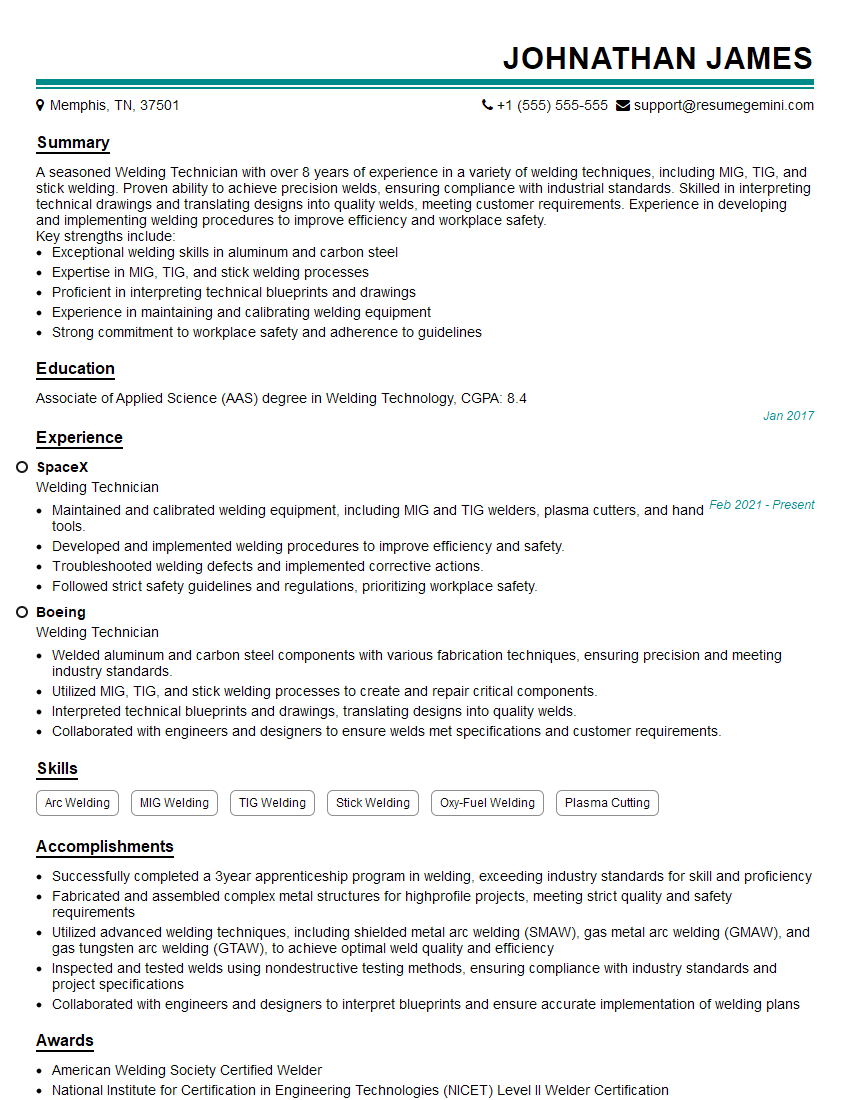
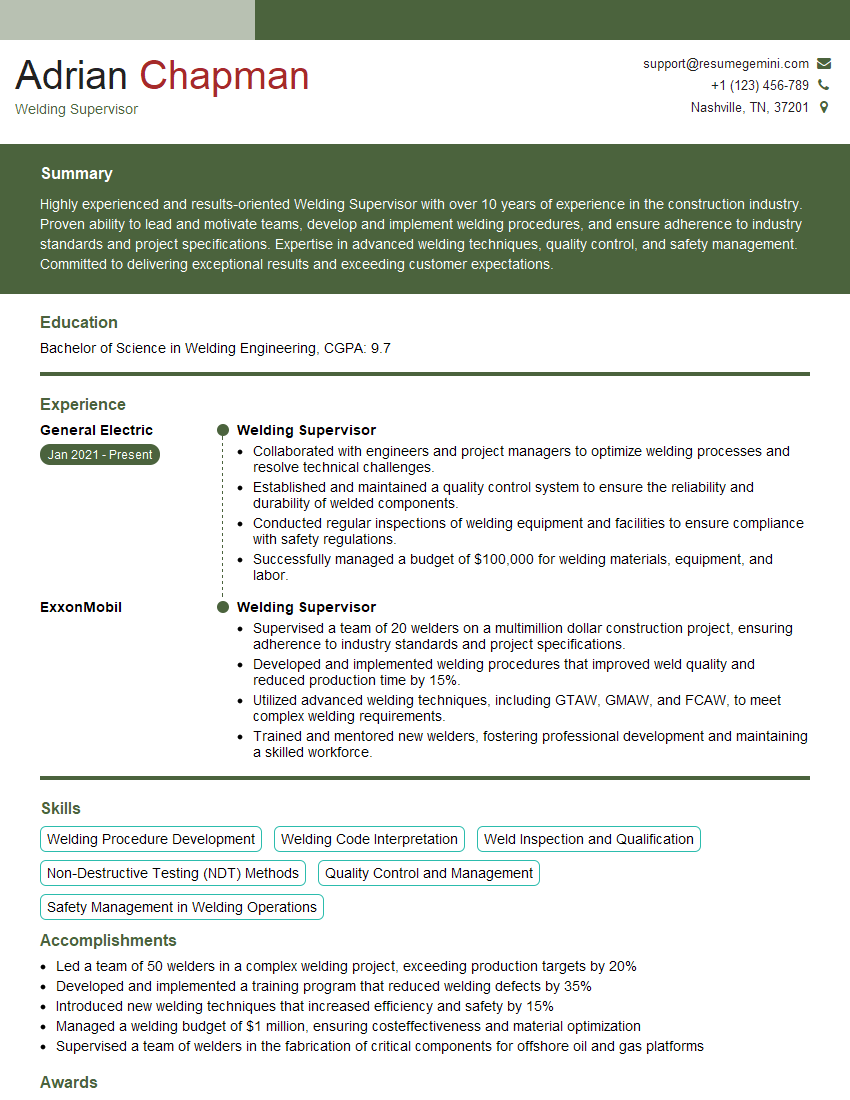
Mastering Welding Physiology is key to unlocking exciting career opportunities and demonstrating your expertise in this demanding field. A strong foundation in these principles will set you apart from other candidates. To further enhance your job prospects, create an ATS-friendly resume that showcases your skills and experience effectively. ResumeGemini is a trusted resource that can help you build a professional resume tailored to the specific requirements of Welding Physiology roles. Examples of resumes specifically designed for this field are available to help guide you.

Explore more articles
Users Rating of Our Blogs
Share Your Experience
We value your feedback! Please rate our content and share your thoughts (optional).
What Readers Say About Our Blog
Really detailed insights and content, thank you for writing this detailed article.
IT gave me an insight and words to use and be able to think of examples