Preparation is the key to success in any interview. In this post, we’ll explore crucial Working in Adverse Weather Conditions interview questions and equip you with strategies to craft impactful answers. Whether you’re a beginner or a pro, these tips will elevate your preparation.
Questions Asked in Working in Adverse Weather Conditions Interview
Q 1. Describe your experience working in various adverse weather conditions.
My experience encompasses working across diverse adverse weather conditions, from scorching heat exceeding 40°C to blizzards with sub-zero temperatures and strong winds. I’ve worked on construction sites during torrential rain, performed fieldwork in heavy snowfall, and managed outdoor events in extreme heat. These experiences have equipped me with a comprehensive understanding of the challenges and safety precautions necessary in different climates.
- Construction Site (Torrential Rain): We had to adapt our scaffolding procedures to account for slippery conditions and implement additional safety measures to prevent falls. We also adjusted our work schedule to avoid periods of intense rainfall.
- Fieldwork (Heavy Snowfall): Navigating snowy terrain required using snowshoes and specialized equipment. We established regular communication checkpoints to ensure team safety and monitor for signs of hypothermia.
- Outdoor Event (Extreme Heat): We implemented strategies for heatstroke prevention, including frequent hydration breaks, shaded rest areas, and regular monitoring of participants’ well-being. We also adjusted the event schedule to minimize exposure during the hottest part of the day.
Q 2. How do you assess risk when working outdoors in inclement weather?
Risk assessment in inclement weather is a multi-step process that involves identifying hazards, analyzing their likelihood and severity, and implementing appropriate control measures. It begins with checking weather forecasts and reviewing site-specific hazards.
- Hazard Identification: This involves identifying potential risks like slips, trips, and falls on wet or icy surfaces; electrocution from downed power lines; hypothermia or heatstroke; and structural damage from high winds.
- Risk Analysis: We consider the likelihood of each hazard occurring and its potential severity. For instance, the likelihood of a fall is high on an icy surface, and the severity could range from minor injuries to fatalities.
- Control Measures: Based on the risk analysis, we implement control measures, including using appropriate personal protective equipment (PPE), adjusting work procedures, delaying or suspending work if necessary, and providing appropriate training and communication.
This process often involves using a risk matrix to visually represent the risks and their associated control measures, ensuring a systematic and comprehensive approach.
Q 3. What safety protocols do you follow in high winds?
High winds pose significant risks, especially for working at heights or with unstable objects. Our safety protocols for high winds include:
- Suspending work: If wind speeds exceed a predetermined safe limit (often specified by local regulations and site-specific risk assessments), all work at height is immediately suspended.
- Securing materials and equipment: All loose materials and equipment are secured to prevent them from being blown away or causing damage or injury.
- Using appropriate PPE: High-visibility clothing and appropriate footwear are mandatory to improve visibility and reduce the risk of slips and falls. In some cases, specialized wind protection may be necessary.
- Increased communication: Regular communication among team members is crucial to ensure everyone is aware of changing conditions and potential hazards.
- Evacuation plan: A clearly defined evacuation plan should be in place in case of severe weather events or structural damage.
Q 4. How do you adapt your work procedures for heavy rainfall or snow?
Adapting work procedures for heavy rainfall or snow requires careful planning and consideration of safety and efficiency. This involves:
- Reduced visibility: Using extra lighting and high-visibility clothing and ensuring all team members are aware of each other’s locations.
- Slippery surfaces: Using appropriate footwear with good traction and employing fall protection systems as needed.
- Water accumulation: Implementing measures to remove or divert water accumulation to prevent slips and equipment damage.
- Cold temperatures (snow): Providing adequate warm clothing, frequent breaks in heated areas, and monitoring for signs of hypothermia.
- Equipment limitations: Using equipment that is suitable for wet or snowy conditions and regularly checking its functionality.
- Adjusted work schedule: Shortening workdays or delaying work until conditions improve.
Q 5. Explain your experience with cold weather safety measures.
My cold weather safety experience includes numerous instances where meticulous planning and adherence to specific protocols were paramount. This includes understanding and applying the principles of layering clothing, ensuring proper hydration and nutrition, and actively monitoring for signs of cold stress.
- Layering: The use of multiple layers of clothing allows for trapping warm air closer to the body and allows for flexibility in response to varying activity levels. This usually includes a base layer of moisture-wicking material, a mid-layer of insulation, and an outer layer for wind and waterproofing.
- Hydration and Nutrition: Dehydration and low blood sugar can worsen the effects of cold. Regular consumption of warm, hydrating fluids and nutritious food are essential.
- Regular Breaks: Frequent breaks in warm, sheltered areas are vital for preventing cold stress. This helps to restore body temperature and prevent fatigue.
- Wind Chill: I always take wind chill factor into account and understand its significant effect on the perceived temperature.
Q 6. What are the signs of hypothermia and frostbite?
Recognizing the signs of hypothermia and frostbite is crucial for timely intervention and preventing serious health consequences.
- Hypothermia: Shivering, confusion, drowsiness, slurred speech, slow breathing, and loss of coordination are all signs. In severe cases, the person may become unconscious.
- Frostbite: Initially, frostbite manifests as numbness and tingling in affected areas, often the fingers, toes, ears, and nose. The skin may appear pale, waxy, or bluish. In later stages, the affected area becomes hard and painful.
If these symptoms appear, immediate action is needed, including moving the person to a warm place, removing wet clothing, and seeking medical attention.
Q 7. How do you communicate effectively in adverse weather conditions?
Effective communication in adverse weather conditions requires a multi-faceted approach combining established protocols with adaptability.
- Pre-determined communication plan: Before starting any work, a clear communication plan should be established, including designated communication channels (e.g., radio, mobile phones), regular check-in times, and emergency contact procedures.
- Use of technology: Two-way radios and satellite phones are crucial in areas with poor mobile phone coverage. GPS tracking devices can be used to monitor team members’ locations.
- Visual signals: In conditions of low visibility, hand signals, lights, or other visual cues can be used to communicate effectively.
- Clear and concise language: Avoid jargon and use simple, unambiguous language. Be mindful that high winds or noisy environments can hinder verbal communication.
- Regular briefings: Frequent briefings are essential to share information about weather conditions, any identified hazards, and planned changes to work procedures.
Q 8. What emergency procedures are you familiar with for severe weather events?
Emergency procedures for severe weather events are critical for safety and depend heavily on the specific type of event and the work environment. My familiarity encompasses a range of protocols, from localized severe thunderstorms to large-scale blizzard conditions.
Severe Thunderstorms: This includes seeking immediate shelter in a sturdy building, away from windows. If outdoors, finding a low-lying area, avoiding tall objects and water bodies is crucial. We also employ a ‘buddy system’ to ensure no one is alone and everyone accounts for each other post-storm.
Blizzards and Heavy Snow: These necessitate a different approach. Procedures include halting operations, notifying relevant authorities, and ensuring all personnel reach designated safe locations. We utilize GPS tracking and regular communication check-ins during high-risk conditions.
Flooding: Evacuation plans are paramount here. Knowing escape routes, identifying higher ground, and having readily accessible emergency kits are essential. Communication channels must be verified to ensure contact in case of interrupted service.
High Winds: Securing all loose equipment and materials, taking shelter in sturdy structures, and avoiding exposed areas are key priorities. We have specific procedures to safeguard vehicles and mobile equipment during high wind events.
Regular drills and training are vital to ensure everyone understands and can execute these procedures effectively.
Q 9. Describe your experience with personal protective equipment (PPE) in extreme weather.
Personal Protective Equipment (PPE) is paramount in extreme weather. My experience spans various scenarios and the type of PPE used varies greatly.
Cold Weather: This necessitates layers of thermal clothing, including insulated jackets, waterproof outer layers, hats, gloves, and appropriate footwear. I’ve used heated clothing inserts in extremely low temperatures. Eye protection against wind and snow is also vital.
Hot Weather: Lightweight, breathable clothing is essential to prevent heatstroke. Wide-brimmed hats, sunglasses, and sunscreen are vital. Hydration is crucial, and I always carry plenty of water in hot conditions.
Wet Weather: Waterproof outerwear is essential to prevent hypothermia and maintain visibility in heavy rain. Proper footwear with good grip is a must to prevent slips and falls.
Hazardous Materials: Depending on the task and weather conditions, additional PPE might be necessary, such as respirators, specialized protective suits, or chemical-resistant gloves.
Regular inspection and maintenance of PPE are crucial to ensure its effectiveness. I always check my equipment before commencing any work in adverse conditions.
Q 10. How do you maintain equipment functionality in adverse conditions?
Maintaining equipment functionality in adverse conditions requires proactive measures and meticulous care. Ignoring this can lead to equipment failure, downtime, and safety hazards.
Regular Maintenance: Before any operation in harsh conditions, a thorough equipment inspection is mandatory. This includes checking for wear and tear, fluid levels, and any signs of damage. Regular preventative maintenance schedules greatly reduce the chances of failures.
Protective Measures: Covering exposed parts with weatherproof materials and using protective coatings to prevent corrosion or damage due to moisture, ice, or salt spray is vital.
Proper Storage: Equipment should be stored in weatherproof containers or shelters when not in use, to avoid exposure to elements.
Emergency Kits: Carrying spare parts, tools, and essential supplies can help address minor issues onsite, reducing downtime. For instance, I always carry extra fuel lines, spark plugs, and basic hand tools for mobile equipment.
The key is anticipating potential problems and taking preventative actions. A little proactive care can save significant time and effort later.
Q 11. What strategies do you use to prevent accidents during inclement weather?
Preventing accidents during inclement weather requires a multi-pronged approach. Safety is always the top priority.
Risk Assessment: Before commencing work, a thorough risk assessment considering weather conditions is crucial. This helps identify potential hazards and develop mitigation strategies.
Clear Communication: Maintaining constant communication between team members is essential. Using two-way radios or other reliable communication tools is recommended.
Speed Limits and Safe Driving Practices: Adjusting speed limits, maintaining greater following distances, and avoiding sudden braking are critical for safe vehicle operation in adverse conditions.
Proper Lighting and Visibility: Using high-visibility clothing and ensuring adequate lighting are essential for enhancing visibility in low-light or adverse weather.
Training and Awareness: Regular safety training on operating equipment and procedures in adverse conditions is vital to ensure everyone is well-prepared. We conduct regular drills and simulations to address real-life scenarios.
Remember, a proactive, safety-first attitude is the best defense against accidents during inclement weather.
Q 12. Explain your understanding of weather forecasting and its relevance to your work.
Weather forecasting is integral to my work. It allows us to anticipate challenges, prepare accordingly, and make informed decisions about operational safety and efficiency.
Sources: I rely on various sources including national weather services, specialized weather apps, and even local news for real-time updates. Understanding the forecast’s precision and limitations is also important.
Relevance: The forecast helps us determine if work should proceed, be postponed, or even halted altogether. It influences decisions on PPE selection, route planning, equipment preparation, and resource allocation.
Interpretation: Understanding the language of weather forecasts, including terminology such as wind speed, precipitation type, and visibility, is vital. I am skilled in interpreting forecasts to make informed decisions about risk levels.
Contingency Planning: Weather forecasts help in developing contingency plans in case of unexpected weather changes. This might include alternative work schedules, emergency procedures, and communication protocols.
Essentially, weather forecasting empowers informed decision-making which greatly enhances safety and operational efficiency.
Q 13. Describe your experience with emergency shelter and evacuation procedures.
Emergency shelter and evacuation procedures are crucial aspects of working in adverse weather conditions. Experience has shown that preparedness is vital.
Designated Shelters: Knowing the locations of designated emergency shelters and having escape routes planned is essential. These may be buildings with robust structures, designated vehicles, or temporary shelters depending on the environment and the type of emergency.
Evacuation Plans: Evacuation plans should be clearly communicated, practiced regularly through drills, and readily accessible to all personnel. Designated assembly points are crucial to ensure a safe and orderly evacuation.
Emergency Kits: Individuals should carry personal emergency kits containing supplies such as food, water, first-aid materials, warm clothing, and any necessary medications.
Communication Protocols: Maintaining communication during an evacuation is critical. This includes pre-determined contact points and methods for reaching out to relevant authorities.
Effective communication, thorough planning, and regular drills are critical for successful emergency shelter and evacuation procedures in adverse weather.
Q 14. How do you prioritize tasks when facing severe weather conditions?
Prioritizing tasks in severe weather conditions requires a clear understanding of the risks and consequences involved. Safety always takes precedence.
Safety First: The immediate focus is always on ensuring the safety of personnel and the security of equipment. This might involve halting operations or immediately relocating to a safe area.
Critical Tasks: Identifying tasks critical to maintaining safety or mitigating risks should be prioritized. This might include securing equipment, shutting down operations safely, or assisting in evacuations.
Time Sensitivity: Tasks with time-sensitive deadlines need to be assessed for their relative importance. The risk of delaying those tasks needs to be weighed against the risk of proceeding during hazardous weather.
Resource Allocation: Allocating resources strategically is important. This ensures that all personnel and equipment are used most effectively to address the most critical tasks first.
Flexibility and adaptability are key during severe weather events. Prioritization might change rapidly depending on evolving conditions.
Q 15. Have you received any specialized training in adverse weather safety?
Yes, I’ve undergone extensive training in adverse weather safety, encompassing various certifications and practical courses. My training covers risk assessment, emergency response procedures, weather forecasting interpretation, and the safe use of specialized equipment in challenging conditions. For example, I hold a certification in Swiftwater Rescue, which equips me with the skills to handle operations in flood-prone areas. Another key training component focuses on cold weather survival techniques, including hypothermia prevention and treatment. My training isn’t static; I continuously update my knowledge through professional development workshops and online resources to stay abreast of best practices and evolving safety standards.
Career Expert Tips:
- Ace those interviews! Prepare effectively by reviewing the Top 50 Most Common Interview Questions on ResumeGemini.
- Navigate your job search with confidence! Explore a wide range of Career Tips on ResumeGemini. Learn about common challenges and recommendations to overcome them.
- Craft the perfect resume! Master the Art of Resume Writing with ResumeGemini’s guide. Showcase your unique qualifications and achievements effectively.
- Don’t miss out on holiday savings! Build your dream resume with ResumeGemini’s ATS optimized templates.
Q 16. What are your strategies for dealing with fatigue and stress during prolonged exposure to extreme weather?
Dealing with fatigue and stress during prolonged exposure to extreme weather requires a proactive and multi-faceted approach. It’s crucial to prioritize adequate rest and nutrition. I always ensure I have sufficient breaks and opportunities for rest, even if it means scheduling shorter work periods with more frequent pauses. Staying hydrated is paramount, especially in hot or cold conditions. Nutritionally dense snacks help maintain energy levels. Beyond physical needs, stress management is key. Techniques like mindfulness exercises or deep breathing can be highly effective. Regular communication with team members, sharing concerns and providing support, strengthens team cohesion and reduces individual stress. For particularly challenging situations, debriefing sessions after the event help process experiences and identify areas for future improvement.
Q 17. How do you ensure the safety of your team members during adverse weather conditions?
Ensuring team safety is my top priority. This begins with pre-operation briefings that include thorough weather forecasts, potential hazards, and planned safety measures. Each team member receives clear roles and responsibilities. We use buddy systems, especially in isolated or hazardous areas. We are all equipped with personal protective equipment (PPE) appropriate for the conditions, such as waterproof gear, high-visibility clothing, and safety harnesses. Regular check-ins are crucial to monitor fatigue, well-being, and any emerging risks. Emergency protocols are clearly communicated, including procedures for communication failure, evacuations, and first aid. I actively foster a culture of open communication where team members feel comfortable reporting safety concerns without hesitation.
Q 18. What are your strategies for dealing with unexpected weather changes?
Unexpected weather changes demand immediate and decisive action. My strategy involves continuous weather monitoring using multiple sources – weather radio, apps, and on-site observations. We have pre-defined contingency plans for various weather scenarios. Upon detecting a sudden change (e.g., rapidly approaching storm), we immediately activate the relevant plan. This may involve seeking immediate shelter, halting operations, and relocating to a safer area. Clear communication is essential—keeping the team updated every step of the way, calming anxieties, and ensuring all instructions are understood. In extreme situations, immediate evacuation may be necessary, following pre-established escape routes and emergency contact procedures.
Q 19. Describe your experience with using weather monitoring tools and technologies.
I’m proficient in using a range of weather monitoring tools and technologies, including specialized weather apps providing real-time data, weather radar systems for tracking storm movements, and satellite imagery for assessing broader weather patterns. I also use barometric pressure sensors and anemometers for local condition measurements. Interpretation of this data is crucial. I’m not just looking at numbers but at the implications for our operations: Will high winds affect our equipment? Could heavy rain create flooding hazards? My experience also includes utilizing forecasting models and understanding their limitations. This nuanced understanding allows me to make informed decisions and adapt our plans accordingly.
Q 20. How do you handle situations where weather conditions suddenly deteriorate?
If weather conditions deteriorate suddenly, our pre-planned emergency procedures immediately kick in. This involves a rapid assessment of the immediate risks and a prioritized response. Safety always takes precedence. We might initiate an emergency shelter-in-place protocol or initiate an immediate evacuation, depending on the severity and nature of the change. Clear communication remains critical; I might need to issue concise, direct instructions to the team, perhaps via radio communication if other channels are unavailable. Post-incident, we conduct a thorough debriefing to analyze what happened, identify any areas needing improvement in our procedures, and to ensure lessons learned are incorporated into future operations.
Q 21. How do you coordinate with other teams or personnel during adverse weather operations?
Coordination with other teams or personnel during adverse weather operations is vital. We utilize established communication channels, often including radios or dedicated communication platforms. Pre-operation briefings and shared risk assessments ensure everyone is aware of the overall plan and potential hazards. Regular updates on weather conditions and operational status are exchanged, along with any changes in plan or safety concerns. In emergency situations, a designated coordinator manages communication and ensures that instructions are clear and efficiently relayed to all parties involved. This collaborative approach is crucial to maintain safety and operational efficiency during challenging weather events. For example, during a large-scale rescue operation, coordinating with emergency services and other response teams is paramount to ensure effective and safe resource allocation and response.
Q 22. Describe a time you had to make a quick decision regarding weather-related safety.
During a high-wind warning while working on a rooftop telecoms installation, we experienced sudden gusts exceeding predicted speeds. We were halfway through securing a critical antenna. My immediate assessment showed continuing would risk equipment damage and, more importantly, team injury. The quick decision was to immediately cease operations and secure ourselves and the partially installed equipment. This prevented potential falls and significant material loss. We waited for the wind to subside before resuming, prioritizing safety over schedule.
Q 23. What are your strategies for managing your own personal safety during adverse weather events?
My strategy for personal safety during adverse weather centers around proactive preparation and situational awareness. This involves checking weather forecasts meticulously before commencing any outdoor work, selecting appropriate protective gear (including high-visibility clothing, waterproof outerwear, and sturdy footwear), and ensuring I have readily accessible emergency communication devices. During the event, I maintain constant awareness of changing conditions, and adhere strictly to safety protocols. Knowing my physical limitations and the specific risks associated with the environment is crucial for timely decision-making. For instance, if visibility is drastically reduced due to heavy snow, I would immediately halt operations and seek safer shelter.
Q 24. How familiar are you with relevant safety regulations and guidelines related to adverse weather?
I’m very familiar with relevant safety regulations and guidelines such as OSHA standards for working in hazardous conditions and those specifically addressing weather-related risks. This includes understanding regulations around wind speeds for working at heights, procedures for working in lightning storms, and cold-weather safety protocols. My knowledge extends to understanding the legal implications of failing to adhere to these guidelines and the importance of thorough risk assessments prior to commencing work. I regularly review and update my understanding of these regulations to ensure compliance.
Q 25. Describe your experience with working in confined spaces during inclement weather.
I have extensive experience working in confined spaces during inclement weather, primarily in underground utility maintenance. The challenges are amplified in such environments, as limited space restricts movement and escape routes. Our safety protocols in these situations involve enhanced communication, constant monitoring of atmospheric conditions (especially for the buildup of gases or lack of oxygen), and utilizing specialized equipment like gas detectors and emergency breathing apparatus. Before entering, a thorough risk assessment of potential flooding, structural instability, or equipment failure due to the weather is mandatory. In the case of extreme weather, entry might be completely avoided.
Q 26. Explain your understanding of the potential environmental hazards associated with adverse weather conditions.
Adverse weather conditions present a range of environmental hazards. These include:
- High winds: Causing structural damage, flying debris, and potential for falls.
- Heavy rainfall/flooding: Leading to slips, trips, falls, electrical hazards, and reduced visibility.
- Snow and ice: Creating treacherous walking surfaces, causing slips, and obstructing visibility.
- Lightning: Presenting a direct threat of electrocution.
- Extreme temperatures: Leading to heatstroke or hypothermia.
Understanding these hazards is critical for effective risk mitigation. For example, during a heavy snowstorm, I would prioritize maintaining clear pathways, utilizing anti-slip footwear, and ensuring visibility with appropriate lighting.
Q 27. How do you handle equipment malfunctions caused by exposure to adverse weather?
Equipment malfunctions caused by adverse weather require a systematic approach. My first step is to prioritize safety, ensuring all personnel are safe and away from the malfunctioning equipment. Next, I perform a quick assessment of the damage and identify the cause (e.g., water ingress, freezing components). Then, I follow established procedures for dealing with the malfunction, which might include isolating the equipment, contacting maintenance, or implementing temporary workarounds. Following the incident, I thoroughly document the malfunction, its cause, and the steps taken to resolve it, facilitating future preventative measures.
Q 28. Describe your experience with working at heights in challenging weather conditions.
Working at heights in challenging weather presents significant risk. My experience involves meticulous planning, utilizing appropriate safety equipment (fall arrest systems, harnesses), and constant monitoring of wind speed and direction. Before commencing any work, a detailed risk assessment accounting for weather conditions is crucial. In high winds or ice, work would be suspended entirely. I ensure that all team members are adequately trained in working at heights and using safety equipment, and always use multiple safety systems where possible. Regular inspections of all equipment and anchor points are non-negotiable.
Key Topics to Learn for Working in Adverse Weather Conditions Interview
- Safety Protocols and Procedures: Understanding and applying relevant safety regulations and company policies for working in various weather conditions (e.g., extreme heat, cold, wind, rain, snow).
- Risk Assessment and Mitigation: Identifying potential hazards associated with adverse weather and implementing strategies to minimize risks to personnel and equipment. This includes practical application of risk assessment methodologies.
- Emergency Preparedness and Response: Knowing emergency procedures, communication protocols, and evacuation plans in case of severe weather events. Practical application might involve describing a past experience or hypothetical scenario.
- Equipment and Technology: Familiarity with specialized equipment and technology used to operate safely and effectively in adverse weather (e.g., protective gear, weather monitoring tools, communication systems).
- Weather Awareness and Forecasting: Understanding basic weather patterns, interpreting weather forecasts, and adapting work schedules or procedures based on predicted conditions.
- Physical and Mental Preparedness: Recognizing the physical and mental challenges of working in adverse weather and implementing strategies for maintaining well-being and performance (e.g., proper hydration, layering clothing, stress management techniques).
- Communication and Teamwork: Effective communication with supervisors, colleagues, and potentially emergency services during adverse weather events. Highlighting teamwork strategies in challenging conditions.
- Legal and Regulatory Compliance: Understanding relevant health and safety legislation and regulations concerning working in adverse weather conditions.
Next Steps
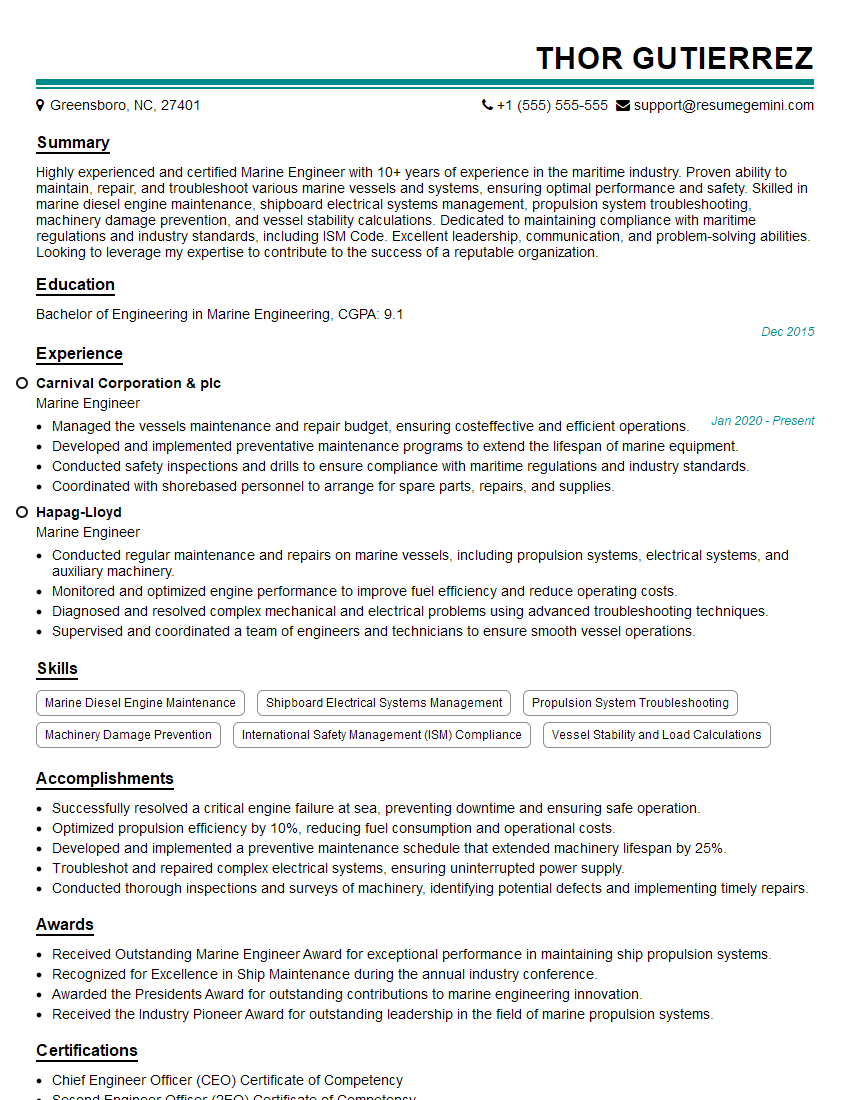
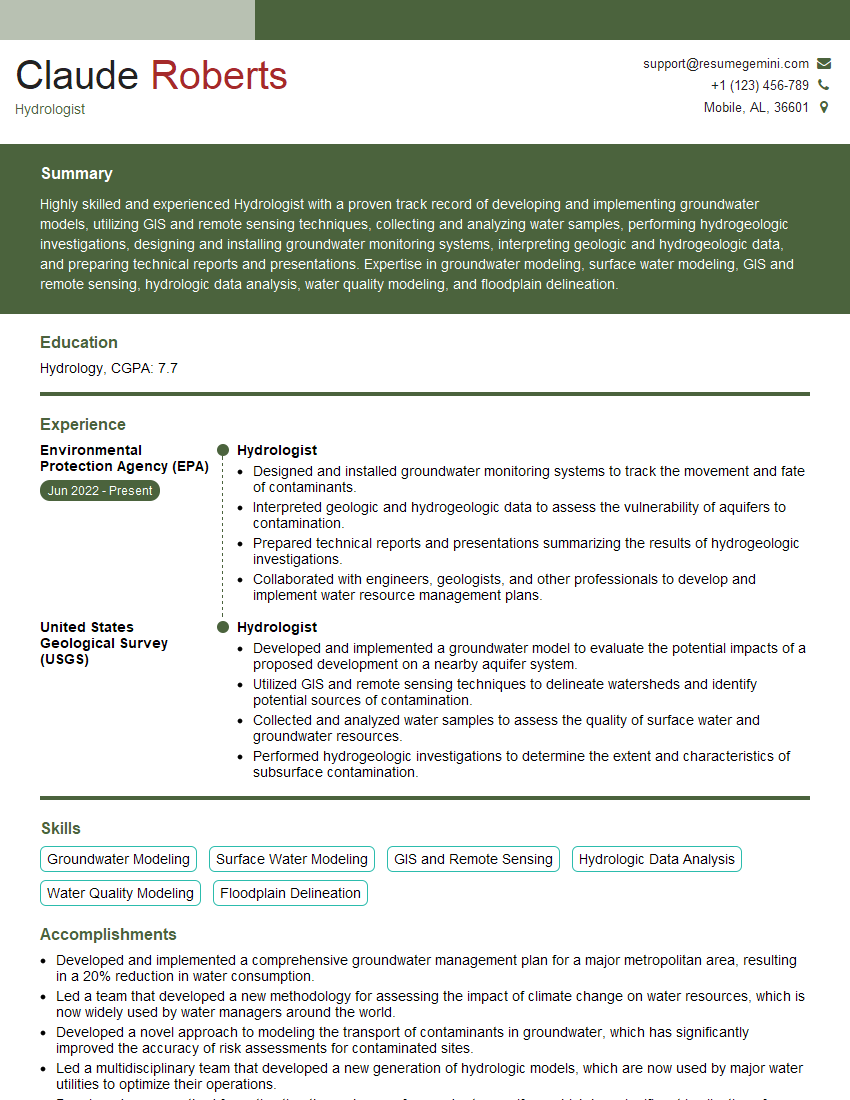
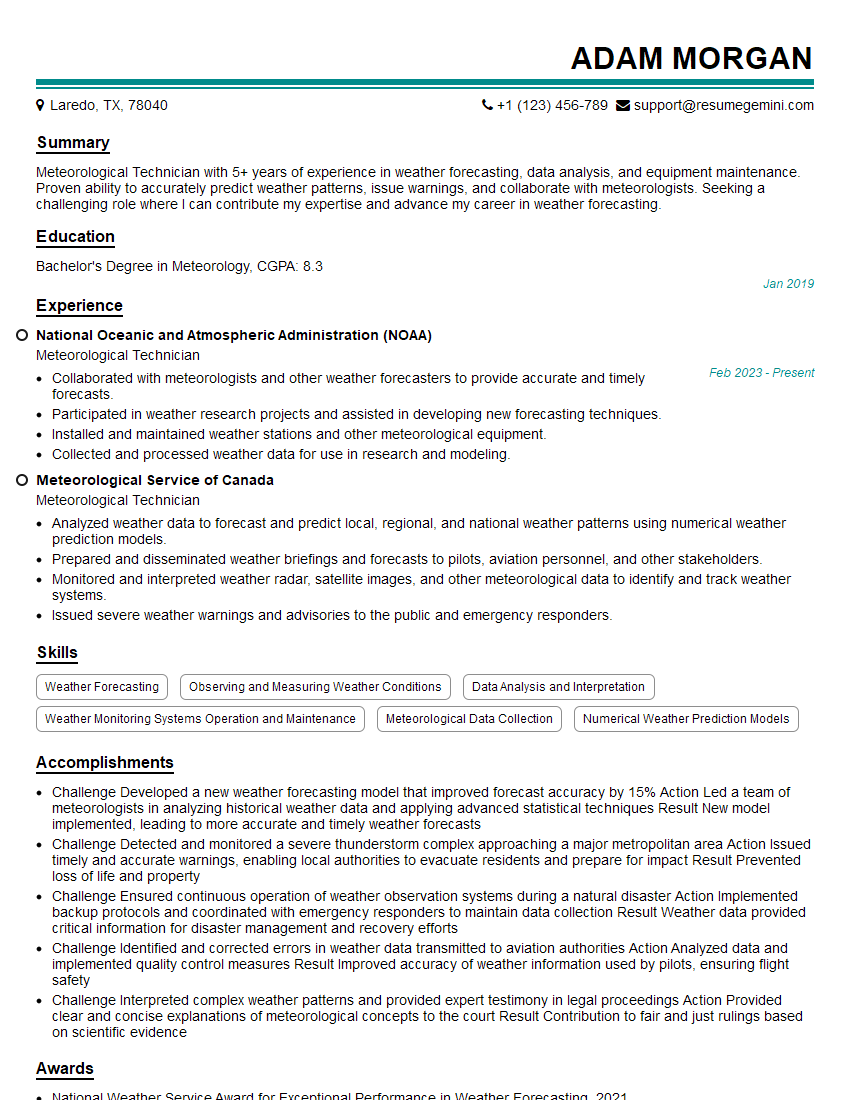
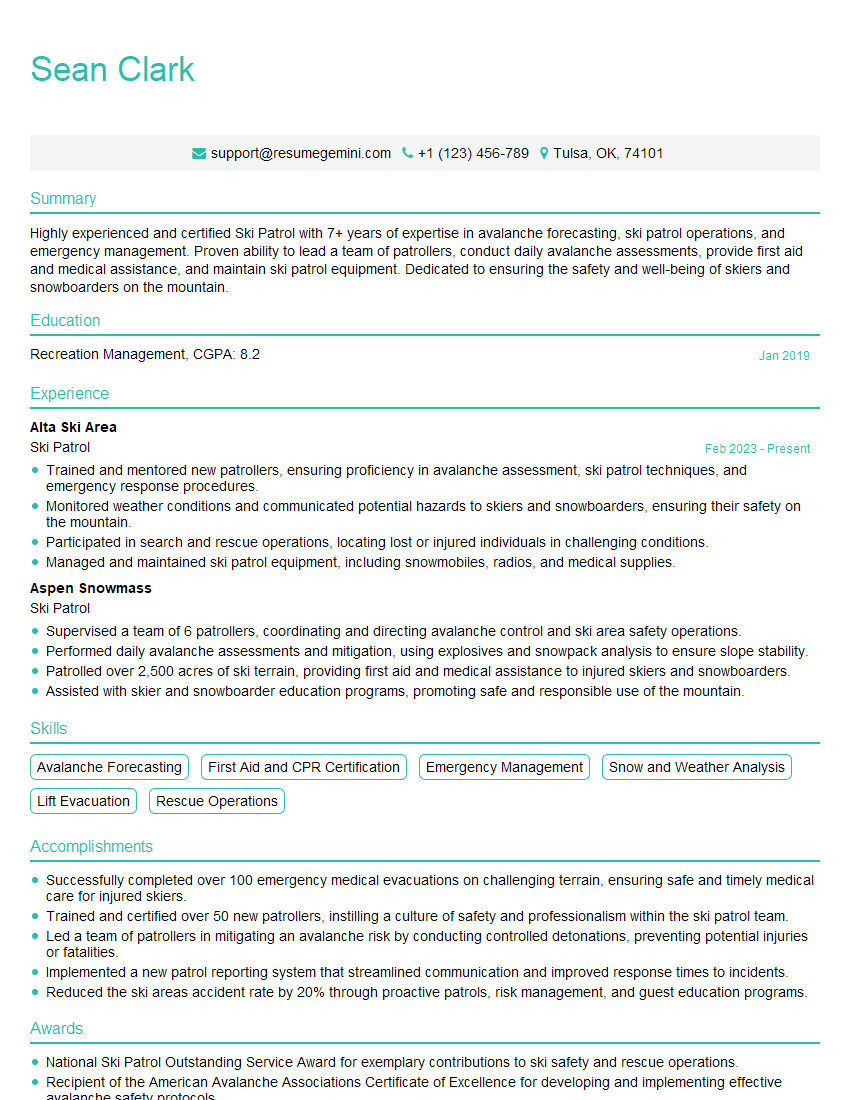
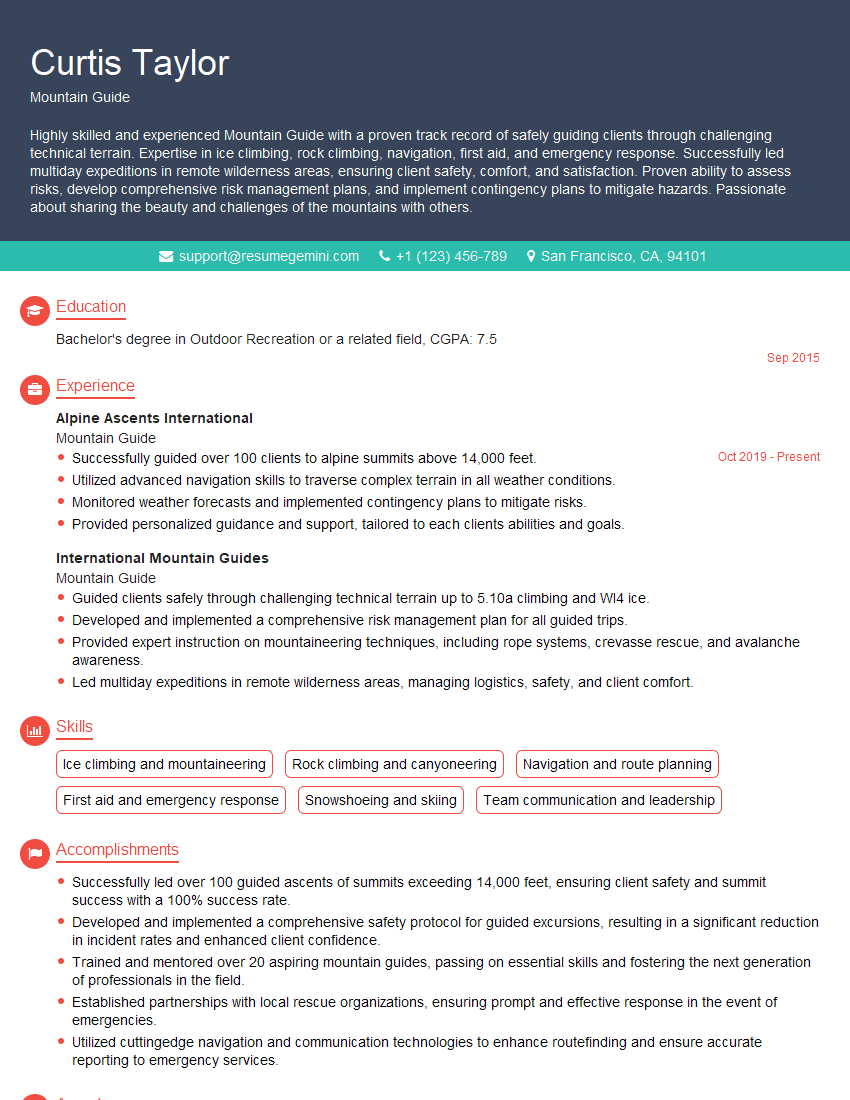
Mastering the skills and knowledge related to working in adverse weather conditions is crucial for career advancement in many industries. Demonstrating your preparedness and expertise through a strong resume is the first step. Creating an ATS-friendly resume is essential to ensure your application gets noticed. ResumeGemini is a trusted resource to help you build a professional and impactful resume that highlights your capabilities and experience in this area. Examples of resumes tailored to showcasing expertise in Working in Adverse Weather Conditions are available to help guide your preparation.

Explore more articles
Users Rating of Our Blogs
Share Your Experience
We value your feedback! Please rate our content and share your thoughts (optional).
What Readers Say About Our Blog
Really detailed insights and content, thank you for writing this detailed article.
IT gave me an insight and words to use and be able to think of examples