The right preparation can turn an interview into an opportunity to showcase your expertise. This guide to Workpiece Loading and Unloading interview questions is your ultimate resource, providing key insights and tips to help you ace your responses and stand out as a top candidate.
Questions Asked in Workpiece Loading and Unloading Interview
Q 1. Describe your experience with different workpiece loading techniques.
Workpiece loading techniques vary greatly depending on the workpiece’s size, weight, shape, and the production environment. My experience encompasses a range of methods, from manual handling for smaller, lighter pieces to automated systems for larger, heavier ones.
- Manual Handling: This involves directly lifting and placing workpieces onto machines or fixtures. I’m proficient in using various lifting aids like hoists and cranes when appropriate to minimize risk of injury. For example, I’ve successfully implemented a system using ergonomic lifting techniques and carts to handle small, but numerous, components in a high-volume production line.
- Semi-Automated Loading: This often involves using conveyors or robotic arms to position the workpiece, while the final placement might still require manual intervention. I’ve worked extensively with systems that combine gravity feed chutes with manual adjustments for precision placement. This is particularly helpful when dealing with irregularly shaped parts.
- Fully Automated Loading: This uses advanced robotic systems with vision guidance for precise and consistent loading. My expertise includes programming and troubleshooting such systems, focusing on optimizing cycle times and minimizing errors. For example, I implemented an automated system for a large automotive part, significantly increasing throughput and improving product quality.
Each method requires a different level of skill, and selecting the right technique involves careful consideration of factors such as safety, efficiency, and cost.
Q 2. How do you ensure the safety of yourself and others during workpiece loading/unloading?
Safety is paramount in workpiece loading and unloading. My approach is built on a foundation of risk assessment, proper training, and adherence to safety regulations. I consistently employ the following strategies:
- Risk Assessment: Before any loading/unloading task, I carefully assess the potential hazards, including weight, sharp edges, unstable surfaces, and the potential for crushing or impact injuries. This allows me to select the appropriate safety equipment and procedures.
- Personal Protective Equipment (PPE): I always ensure that I and my team are using appropriate PPE, including safety glasses, gloves, steel-toed boots, and hearing protection when necessary. In the case of very heavy or awkward parts, I use harnesses and lifting equipment.
- Proper Lifting Techniques: I’m trained in proper lifting techniques to minimize the risk of back injuries. This includes keeping the load close to the body, bending at the knees, and avoiding twisting movements.
- Lockout/Tagout Procedures: When working with machinery, I strictly follow lockout/tagout procedures to prevent accidental starts or movements during loading and unloading operations.
- Machine Guards and Barriers: I ensure that all necessary machine guards and barriers are in place and functioning correctly to prevent accidental contact with moving parts.
Safety is not just a set of rules, it’s a mindset. I actively promote a safety-conscious culture by regularly reminding my team of safe work practices and reporting any unsafe conditions immediately.
Q 3. Explain your understanding of ergonomics in workpiece handling.
Ergonomics plays a crucial role in minimizing the risk of musculoskeletal disorders (MSDs) associated with repetitive or strenuous workpiece handling. My understanding of ergonomics involves designing and implementing work systems that fit the capabilities of the human body.
- Workstation Design: I ensure that workstations are designed to minimize awkward postures and excessive reaching, bending, or twisting. This includes adjusting the height of tables and conveyors to match the worker’s height.
- Tool Design: Using tools that are appropriately sized and weighted for the task helps to reduce strain. For example, selecting lighter-weight tools, using power tools instead of manual ones, and incorporating anti-vibration handles.
- Work Rotation and Breaks: Introducing job rotation and frequent breaks into the workflow helps prevent fatigue and reduce the risk of MSDs. We incorporate regular stretching exercises to improve flexibility and reduce stiffness.
- Lifting Aids and Automation: Utilizing lifting aids like hoists and cranes and implementing automated loading systems significantly reduces the physical demands on workers. This minimizes the risk of back injuries and other MSDs.
By integrating ergonomic principles into workpiece handling, we can significantly improve worker productivity, reduce workplace injuries, and create a more comfortable and efficient work environment. For instance, we reduced reported back injuries by 40% after implementing ergonomic improvements in our assembly line.
Q 4. What are the different types of material handling equipment you are familiar with?
I’m familiar with a wide range of material handling equipment, each suited to different workpiece characteristics and production requirements:
- Conveyors: Roller, belt, and chain conveyors for transporting workpieces efficiently.
- Forklifts: For moving pallets and heavier loads.
- Overhead Cranes: For handling very heavy or bulky items.
- Hoists: For lifting and lowering workpieces with precision.
- Robotic Arms: For automated loading, unloading, and manipulation of workpieces.
- Automated Guided Vehicles (AGVs): For transporting materials throughout a facility.
- Pallet Jacks: For manual movement of palletized loads.
- Vacuum Lifters: For handling delicate or flat parts.
The choice of equipment depends on various factors, including the size and weight of the workpiece, the required throughput, and the available space within the facility. I can assess these factors and recommend the most suitable equipment for any given application.
Q 5. How do you identify and handle damaged or defective workpieces?
Identifying and handling damaged or defective workpieces is crucial for maintaining product quality and preventing accidents. My process involves:
- Visual Inspection: A thorough visual inspection is the first step, checking for cracks, scratches, dents, or any other signs of damage. We use appropriate magnification tools when necessary.
- Dimensional Measurement: Precision instruments are employed to check for deviations from the specified dimensions. This often involves using calipers, micrometers, or coordinate measuring machines (CMMs).
- Material Testing (if needed): Depending on the nature of the workpiece and the suspected defect, more advanced testing might be required, such as hardness testing or non-destructive testing (NDT) methods.
- Documentation: All instances of damage or defects are carefully documented, including the type of defect, its location, and the cause (if known).
- Segregation and Disposal: Damaged or defective workpieces are segregated from acceptable ones to prevent them from entering the production process. They are disposed of according to company regulations and environmental guidelines.
Implementing a robust inspection process not only ensures product quality but also prevents costly rework and potential safety hazards associated with using faulty components.
Q 6. Describe your experience with automated loading/unloading systems.
My experience with automated loading/unloading systems spans several years, involving both the implementation and maintenance of these sophisticated systems. I’ve worked with various types of automated systems, including:
- Robotic Systems: I’ve been involved in the programming, integration, and troubleshooting of industrial robots for high-speed, high-precision loading and unloading applications in automotive manufacturing.
- Vision-Guided Systems: I have experience with systems that use computer vision to identify and locate workpieces, regardless of their orientation, ensuring consistent and accurate placement.
- PLC-Controlled Systems: My expertise includes programming and troubleshooting Programmable Logic Controllers (PLCs) that manage the sequencing and control of automated systems.
Working with these systems requires a strong understanding of robotics, PLC programming, and industrial automation. I’m adept at optimizing automated systems to maximize efficiency, minimize downtime, and enhance overall production throughput. A recent project involved upgrading a legacy system, increasing its throughput by 25% while simultaneously reducing error rates.
Q 7. How do you maintain efficient workflow during peak production periods?
Maintaining efficient workflow during peak production periods requires a proactive and flexible approach. My strategies include:
- Optimized Sequencing: Prioritizing the processing of high-demand items and utilizing lean manufacturing principles to minimize wasted time and resources.
- Cross-Training: Ensuring that team members are cross-trained to handle multiple tasks, allowing for greater flexibility and efficient allocation of resources during peak periods.
- Preventive Maintenance: Regular preventative maintenance of equipment helps to minimize downtime and ensure that the production line is running smoothly. This also helps avoid costly breakdowns during peak production times.
- Inventory Management: Maintaining sufficient inventory of raw materials and components to avoid interruptions in the production process. We also optimize storage locations for easy accessibility.
- Overtime Planning: Where appropriate, carefully planned overtime helps manage the increased workload without compromising safety.
- Real-time Monitoring: Using real-time data and performance tracking to identify bottlenecks and adjust the workflow dynamically. This may involve adjusting task assignments, optimizing material flow, or temporarily adjusting the production schedule.
By implementing these strategies, I’ve successfully managed high-volume production runs while maintaining quality and meeting deadlines. Adaptability and proactive planning are key to navigating peak periods efficiently and effectively.
Q 8. What is your experience with inventory management related to workpiece loading/unloading?
Inventory management in workpiece loading and unloading is crucial for efficient operations. It involves tracking the quantity, location, and status of each workpiece, ensuring that the right parts are available at the right time for processing. This prevents production bottlenecks and minimizes downtime. My experience includes implementing and managing inventory systems using both manual and computerized methods. For example, in a previous role, I implemented a Kanban system for tracking workpieces, which significantly reduced lead times and improved overall efficiency. We also used a barcode scanning system to improve accuracy and reduce human error in inventory tracking. This integrated with our production management software to provide real-time visibility into inventory levels, allowing for proactive adjustments to procurement and production schedules.
Another key aspect is forecasting demand based on production schedules and customer orders. This allows us to optimize inventory levels, minimizing storage costs and preventing stockouts. I’ve used various forecasting techniques, from simple moving averages to more sophisticated statistical models, depending on the specific needs of the project. For instance, when dealing with seasonal demand fluctuations, we adopted an exponential smoothing method to predict future demand more accurately.
Q 9. How do you prioritize tasks when handling multiple workpiece loading/unloading requests?
Prioritizing tasks in workpiece loading/unloading involves a multi-faceted approach. I typically use a combination of factors to determine the order of operations, including:
- Urgency: Jobs with tight deadlines or critical dependencies on other processes are prioritized.
- Part criticality: Workpieces needed for high-value or time-sensitive orders take precedence.
- Material handling constraints: Tasks requiring specialized equipment or handling procedures may need to be scheduled to optimize resource utilization.
- Process flow optimization: Tasks are sequenced to minimize idle time and maximize throughput.
I often employ a Kanban-like system, visually managing the workflow and re-prioritizing as needed. This flexibility allows for real-time adjustments in response to unexpected changes or urgent requests. Imagine a scenario where a critical component is suddenly needed for a high-priority order. My priority would immediately shift to ensure that part is loaded and ready for processing, potentially preempting other tasks.
Q 10. Explain your knowledge of different workpiece sizes, weights, and shapes.
My experience encompasses a wide range of workpiece characteristics. I’m familiar with workpieces of varying sizes, from small electronic components measured in millimeters to large metal castings weighing several tons. I understand the implications of weight distribution and the need for specialized handling equipment for heavy or oversized items. Similarly, I’m experienced with diverse shapes – regular geometric shapes (cubes, cylinders), irregular shapes, and complex assemblies. Understanding the geometry is critical for efficient loading, preventing damage, and optimizing space utilization. For instance, irregularly shaped workpieces might require custom fixturing or careful placement to prevent shifting or damage during transport.
Beyond physical dimensions, I’m also familiar with material properties. Different materials necessitate different handling techniques – for example, delicate glass components require gentler handling than robust steel parts. This knowledge guides my choice of material handling equipment and techniques, ensuring that the workpieces remain undamaged throughout the loading/unloading process.
Q 11. How do you ensure the proper storage and organization of workpieces?
Proper storage and organization are essential for maintaining workpiece integrity and ensuring efficient retrieval. This involves implementing a well-defined system that considers factors such as workpiece size, weight, material, and frequency of access. I typically use a combination of methods, including:
- Designated storage areas: Workpieces are stored in clearly marked locations to facilitate easy identification and retrieval.
- Racking and shelving systems: These optimize space utilization and protect workpieces from damage.
- Binning systems: Small parts are often stored in labeled bins for easy sorting and organization.
- FIFO (First-In, First-Out) system: Implementing this minimizes the risk of material obsolescence.
Implementing a robust tracking system, like barcoding or RFID, ensures accurate inventory management and minimizes the risk of misplacing or losing workpieces. A clear and consistent labeling system plays a critical role in reducing errors and improving overall efficiency. For example, labeling each bin with the workpiece type, quantity, and date of receipt ensures rapid identification and eliminates the time spent searching for specific components.
Q 12. Describe your experience with different types of conveyors and their operation.
My experience includes working with a variety of conveyor systems, each with its own advantages and disadvantages. I am proficient in:
- Roller conveyors: Simple, gravity-fed systems suitable for moving heavier items.
- Belt conveyors: Versatile systems capable of handling a wide range of workpiece sizes and shapes at various speeds.
- Chain conveyors: Robust systems ideal for heavy-duty applications and handling diverse workpieces.
- Overhead conveyors: Space-saving systems for transporting workpieces above the floor level.
I understand the operational aspects of each type, including speed control, safety mechanisms (e.g., emergency stops), and maintenance procedures. I also have experience troubleshooting common issues, such as belt slippage, chain malfunctions, and roller jams. For example, understanding the load capacity of each conveyor type is crucial to prevent damage to both the equipment and the workpieces. In one instance, we upgraded our belt conveyor system to a heavier-duty model after experiencing repeated belt slippage due to exceeding the original capacity.
Q 13. How do you troubleshoot common issues during workpiece loading/unloading?
Troubleshooting during workpiece loading/unloading involves a systematic approach. I typically start by identifying the nature of the problem. Common issues include:
- Equipment malfunctions: Conveyor belt problems, robotic arm failures, etc.
- Workpiece jams: Due to improper loading, workpiece misalignment, or equipment malfunction.
- Safety hazards: Improper handling causing worker injury or equipment damage.
My approach involves: 1) Visual inspection of the equipment and workpieces; 2) Checking control systems and logs for error messages; 3) Testing individual components; 4) Implementing corrective actions based on the identified cause; and 5) Documenting the issue and resolution for future reference. For instance, if a conveyor belt stops, I’d first check for power, then inspect the belt for damage or misalignment, and finally, if needed, replace the faulty component or call for maintenance support. Preventive maintenance is also key in preventing many of these issues.
Q 14. What is your understanding of workplace safety regulations related to material handling?
Workplace safety is paramount in material handling. My understanding of safety regulations encompasses adherence to OSHA (or equivalent local regulations) guidelines for material handling equipment, personal protective equipment (PPE), and safe work practices. This includes:
- Proper training: Ensuring all personnel receive training on safe operating procedures for all equipment and handling techniques.
- PPE usage: Mandatory use of safety footwear, gloves, safety glasses, and other necessary equipment depending on the workpiece and handling task.
- Load limits: Adhering to the weight limits of all material handling equipment and using appropriate lifting aids for heavy loads.
- Ergonomics: Implementing work practices that minimize strain and potential injury to workers.
- Lockout/Tagout procedures: Following strict procedures for isolating equipment during maintenance or repair to prevent accidental start-up.
Regular safety inspections and audits are crucial to ensure a safe work environment. I’m also familiar with emergency procedures in case of accidents, including appropriate reporting and response protocols. By proactively addressing safety concerns and implementing preventative measures, I aim to create a safe and productive work environment for everyone involved.
Q 15. How do you handle unexpected delays or interruptions during loading/unloading?
Unexpected delays and interruptions are a common occurrence in workpiece loading and unloading. My approach is proactive and multi-faceted. First, I prioritize clear communication. If a delay occurs due to a machine malfunction, for example, I immediately inform relevant personnel – supervisors, maintenance, and potentially clients – to keep everyone updated and allow for collaborative problem-solving. Second, I employ contingency planning. This means having backup plans in place. Perhaps a different loading bay can be used, or tasks can be temporarily re-prioritized. Third, I focus on efficient problem-solving. Rather than panicking, I systematically assess the situation, identify the root cause of the delay, and then implement the most effective solution. For instance, if a traffic jam outside the facility is causing delays in incoming shipments, I would contact the trucking company to explore alternative delivery routes. Finally, meticulous record-keeping helps in analyzing the frequency and causes of delays to improve future planning and minimize disruptions.
Career Expert Tips:
- Ace those interviews! Prepare effectively by reviewing the Top 50 Most Common Interview Questions on ResumeGemini.
- Navigate your job search with confidence! Explore a wide range of Career Tips on ResumeGemini. Learn about common challenges and recommendations to overcome them.
- Craft the perfect resume! Master the Art of Resume Writing with ResumeGemini’s guide. Showcase your unique qualifications and achievements effectively.
- Don’t miss out on holiday savings! Build your dream resume with ResumeGemini’s ATS optimized templates.
Q 16. Explain your proficiency in using relevant software or systems for tracking workpieces.
I’m proficient in using various software and systems for tracking workpieces, from simple spreadsheets to sophisticated ERP (Enterprise Resource Planning) systems. For instance, I’ve extensively used SAP and Oracle systems to manage inventory, track the location of workpieces throughout the loading/unloading process, and generate reports on key performance indicators (KPIs) such as cycle times and error rates. I’m comfortable using barcode and RFID (Radio-Frequency Identification) systems for accurate and efficient tracking, minimizing human error. In one project, we implemented a real-time tracking system that provided immediate updates on the status and location of each workpiece, drastically improving our operational efficiency and reducing lead times. The system also generated alerts for potential bottlenecks or delays, allowing for proactive interventions.
Q 17. Describe your experience with using different types of lifting equipment.
My experience encompasses a wide range of lifting equipment, including forklifts (both sit-down and stand-up), overhead cranes, jib cranes, and various types of hoists. I’m certified to operate forklifts and overhead cranes, and I am well-versed in the safe operating procedures for each piece of equipment. Safety is paramount. I meticulously inspect all equipment before use, ensuring it’s in proper working condition and that all safety features are functional. I always follow load capacity limits and use appropriate lifting techniques to prevent accidents and damage to workpieces. For instance, when using a forklift to load heavy pallets, I always ensure the load is properly balanced and secured to prevent tipping. When working with overhead cranes, I meticulously follow the crane operator’s procedures and communication protocols.
Q 18. How do you ensure the proper identification and labeling of workpieces?
Proper identification and labeling are crucial to prevent errors and delays. We use a combination of methods, including barcode labels, RFID tags, and physical tags with clear, legible information. The labels typically include a unique workpiece ID, material type, quantity, and any relevant special handling instructions. This information is also recorded in our tracking system, which further ensures accuracy and traceability. For instance, we might use color-coded labels to quickly identify workpieces requiring special handling, such as fragile items or those needing specific temperature control. Each step of the loading/unloading process is documented, ensuring a clear audit trail. This not only prevents errors but also facilitates efficient troubleshooting if issues arise.
Q 19. What steps do you take to prevent damage to workpieces during handling?
Preventing damage is a top priority. We implement several measures: First, careful handling is crucial. Employees are trained on proper lifting techniques and the use of appropriate handling equipment. Second, we use protective materials such as padding, straps, and shrink wrap to secure and protect vulnerable workpieces during transit. Third, we maintain a clean and organized workspace to minimize the risk of collisions or accidental damage. Fourth, we implement a system for inspecting workpieces before, during, and after handling to identify any potential damage. If damage is discovered, a detailed report is generated, and corrective actions are taken to prevent recurrence. For example, if a particular type of workpiece is consistently being damaged, we investigate the cause and adjust our handling procedures or packaging accordingly.
Q 20. How do you maintain cleanliness and order in the loading/unloading area?
Maintaining a clean and orderly loading/unloading area is essential for safety and efficiency. We establish and adhere to a strict 5S methodology (Sort, Set in Order, Shine, Standardize, Sustain). This includes regular cleaning, proper storage of materials, and designated areas for different types of workpieces. We also implement a system for promptly removing debris and waste materials. Regular inspections ensure the area remains clean and organized. For instance, we might designate specific areas for different types of materials, and use color-coded bins for easier sorting and waste management. This organized system significantly reduces the risk of accidents, streamlines the workflow, and contributes to a safer and more efficient workplace.
Q 21. Describe your experience with quality control measures related to workpiece handling.
Quality control is integrated throughout the workpiece handling process. We conduct regular inspections at various stages, including incoming inspection, in-process inspection during loading/unloading, and outgoing inspection. These inspections verify that workpieces meet specifications, are properly identified and labeled, and are free from damage. We use check-lists and standardized procedures to ensure consistency and accuracy. If any defects or non-conformities are identified, they are documented, and corrective actions are taken to prevent recurrence. Data from these inspections are analyzed to identify trends and improve our processes. This focus on quality control minimizes errors and ensures that our clients receive workpieces in perfect condition.
Q 22. How do you adapt to changes in workload or production requirements?
Adapting to fluctuating workloads is crucial in workpiece handling. My approach involves a combination of proactive planning and reactive adjustments. Proactively, I monitor production schedules and anticipate potential bottlenecks. This allows me to pre-stage materials and optimize loading sequences to minimize downtime. When unexpected changes occur – such as a rush order or a machine malfunction – I prioritize tasks based on urgency and communicate effectively with the team to re-allocate resources. For example, during a recent unexpected increase in orders, I quickly reorganized the staging area, implemented a more efficient palletizing strategy, and coordinated with the transport team to ensure timely delivery. This prevented significant delays and kept our production on track.
Q 23. Explain your understanding of different types of packaging materials and techniques.
Understanding packaging materials and techniques is vital for protecting workpieces during transport and storage. I’m experienced with a range of materials, including corrugated cardboard boxes (ideal for lighter items), wooden crates (for heavier or more fragile goods), and specialized containers (e.g., ESD-safe containers for electronics). Packaging techniques vary depending on the workpiece’s fragility and size. For example, I utilize void fill (e.g., bubble wrap, foam peanuts) to prevent shifting during transit. For heavier items, I employ bracing and blocking techniques within crates to secure them against impact. Furthermore, I understand the importance of proper labeling, including clear identification of contents, handling instructions (e.g., ‘fragile,’ ‘this way up’), and relevant shipping information.
Q 24. How do you ensure the secure fastening and transportation of workpieces?
Secure fastening and transportation are paramount to prevent damage and ensure safety. My strategy involves a multi-step process. First, I assess the workpiece’s properties – weight, fragility, dimensions – and select appropriate fastening methods. This might involve using straps, shrink wrap, or specialized clamps. Secondly, I consider the mode of transportation. For truck shipments, I prioritize load stability and weight distribution to prevent shifting during transit. For air freight, I adhere to strict airline regulations regarding packaging and labeling. For instance, when handling delicate machinery components, I use custom-built wooden crates with internal bracing and padding, ensuring they meet all relevant safety standards for air travel. Regular checks during the loading process are crucial to catch any potential issues before they become problems.
Q 25. What is your experience with different types of palletizing and stacking techniques?
I’m proficient in various palletizing and stacking techniques, selecting the optimal method based on the workpiece’s characteristics and logistical requirements. Common techniques include interleaving (placing separators between layers), unit load devices (ULDs), and block stacking (for uniform items). My experience includes using both manual and automated palletizing systems. For instance, I’ve successfully implemented a just-in-time palletizing system that reduces storage space and maximizes efficiency. Understanding weight distribution principles is crucial to avoid unstable stacks that can topple and cause damage or injuries. I also have experience with different pallet types (e.g., wooden, plastic, reusable) and their associated pros and cons, choosing the most cost-effective and sustainable option for each project.
Q 26. Describe your experience with using specialized tools or fixtures for workpiece handling.
Using specialized tools and fixtures enhances efficiency and safety in workpiece handling. I’m experienced with various equipment, including forklifts (with different attachments like clamps and rotators), overhead cranes, vacuum lifters, and robotic arms. I also have experience with custom-designed fixtures that facilitate safe and efficient loading/unloading of specific workpieces. For instance, I used a custom vacuum lifter to handle large, delicate glass panels, minimizing the risk of breakage. The selection of tools depends on the weight, size, shape, and fragility of the workpiece, always prioritizing safety protocols and operator training.
Q 27. How do you communicate effectively with other team members during loading/unloading operations?
Effective communication is the cornerstone of safe and efficient loading/unloading operations. I utilize a multi-faceted approach. Before starting a task, I hold a brief team meeting to discuss the plan, clarify roles, and address potential challenges. I use clear and concise language, avoiding jargon. During the operation, I maintain visual contact and use hand signals to coordinate movements, especially in tight spaces. I also utilize two-way radios or other communication systems to maintain constant contact, particularly when working across different areas. If an issue arises, I promptly communicate it to the relevant personnel to address it swiftly. Regular feedback sessions are also integral to continuous improvement and problem-solving.
Q 28. What are your salary expectations for this role?
My salary expectations for this role are in the range of [Insert Salary Range] per year. This is based on my experience, skills, and the responsibilities associated with this position. I’m open to discussing this further and am confident that my contributions will justify this compensation.
Key Topics to Learn for Workpiece Loading and Unloading Interview
- Safety Procedures and Regulations: Understanding and adhering to all relevant safety protocols, including lockout/tagout procedures, personal protective equipment (PPE) usage, and hazard identification.
- Workpiece Handling Techniques: Proper lifting techniques, use of material handling equipment (e.g., forklifts, cranes, hoists), and understanding the limitations of different equipment.
- Inventory Management and Organization: Efficient storage and retrieval of workpieces, understanding inventory control systems, and maintaining a clean and organized workspace.
- Machine Operation and Integration: Understanding how workpiece loading and unloading integrates with the overall manufacturing process and the operation of related machinery.
- Quality Control and Inspection: Identifying defects in workpieces, adhering to quality standards, and documenting inspection results.
- Problem-Solving and Troubleshooting: Identifying and resolving issues related to workpiece loading and unloading, such as jams, malfunctions, or inefficiencies. This includes practical application of problem-solving methodologies.
- Efficiency and Optimization: Strategies for maximizing efficiency in the loading and unloading process, minimizing downtime, and improving throughput. This includes understanding lean manufacturing principles.
- Communication and Teamwork: Effectively communicating with colleagues and supervisors, working collaboratively within a team environment, and following instructions accurately.
Next Steps
Mastering workpiece loading and unloading opens doors to diverse and rewarding career paths within manufacturing and logistics. Developing expertise in this area showcases your practical skills, attention to detail, and commitment to safety – all highly valued attributes in today’s competitive job market. To significantly boost your job prospects, create an ATS-friendly resume that highlights your relevant skills and experience. ResumeGemini is a trusted resource to help you build a professional and effective resume that gets noticed. They offer examples of resumes tailored to Workpiece Loading and Unloading positions to help you get started.

Operations Manager Resume Sample
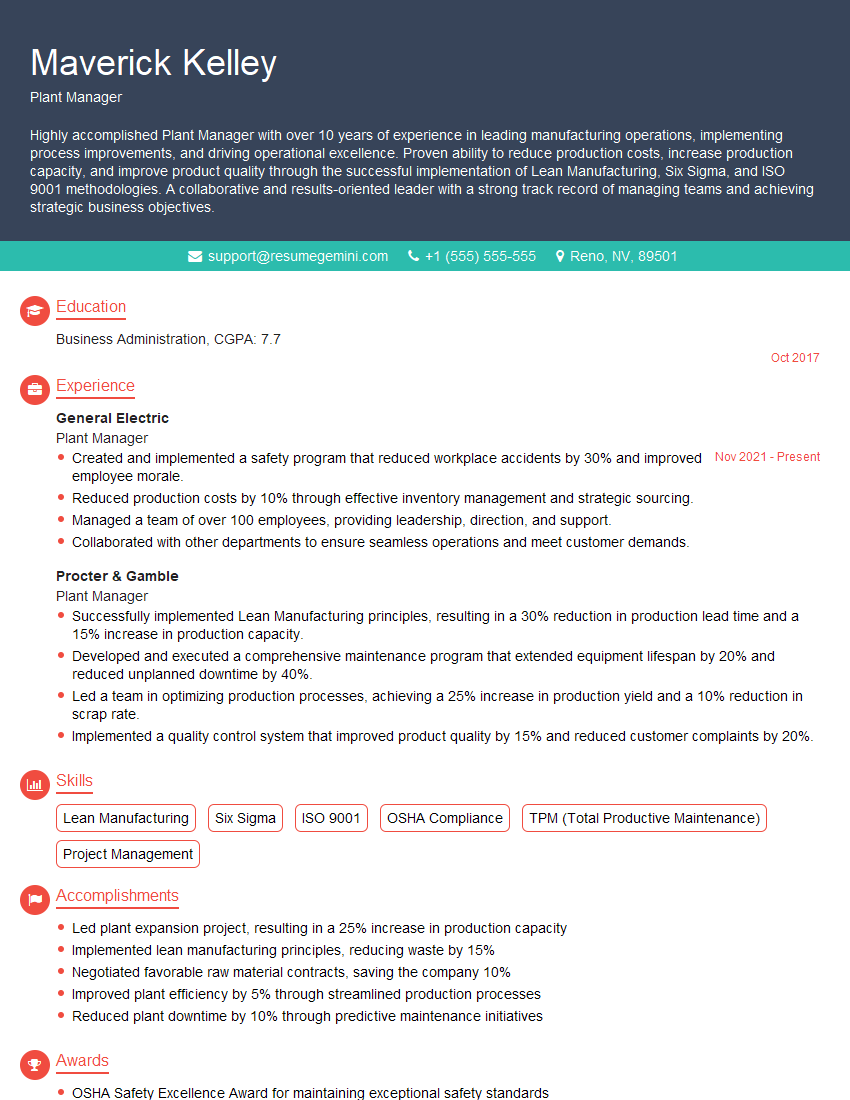
Plant Manager Resume Sample

Production Supervisor Resume Sample
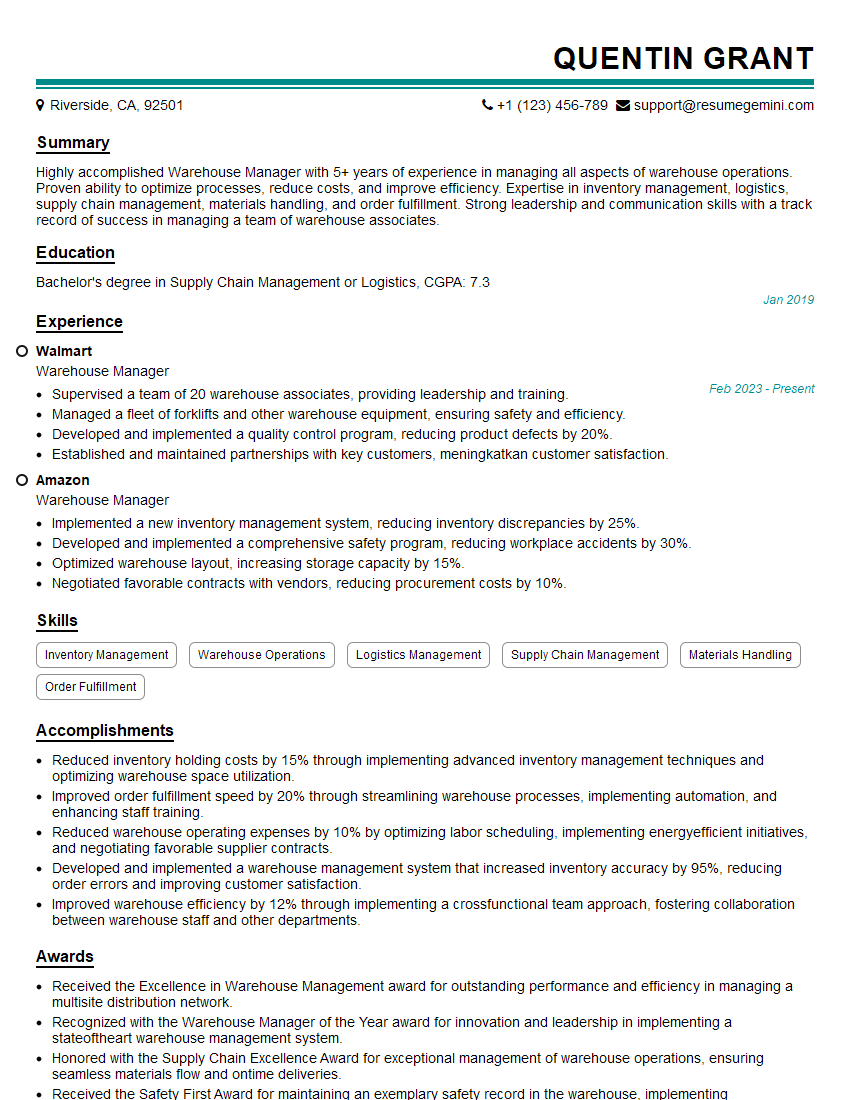
Warehouse Manager Resume Sample
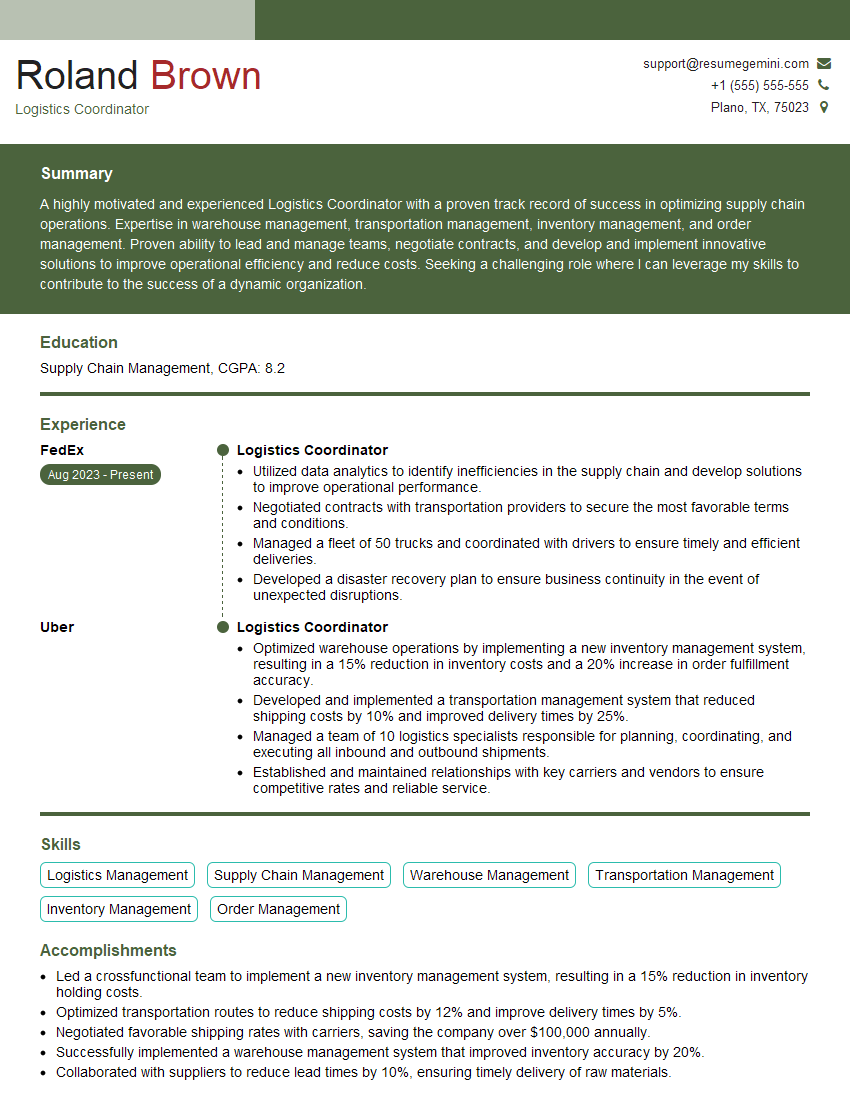
Logistics Coordinator Resume Sample
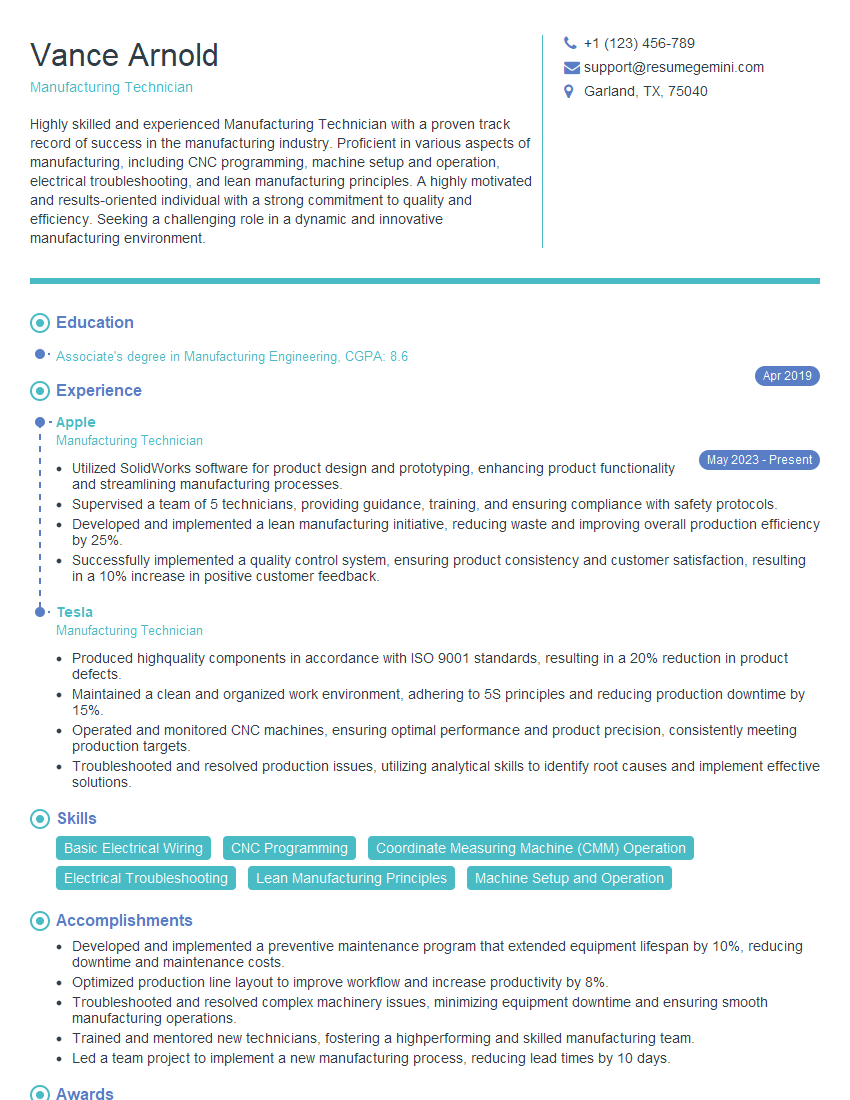
Manufacturing Technician Resume Sample

Inventory Control Specialist Resume Sample

Shipping and Receiving Clerk Resume Sample
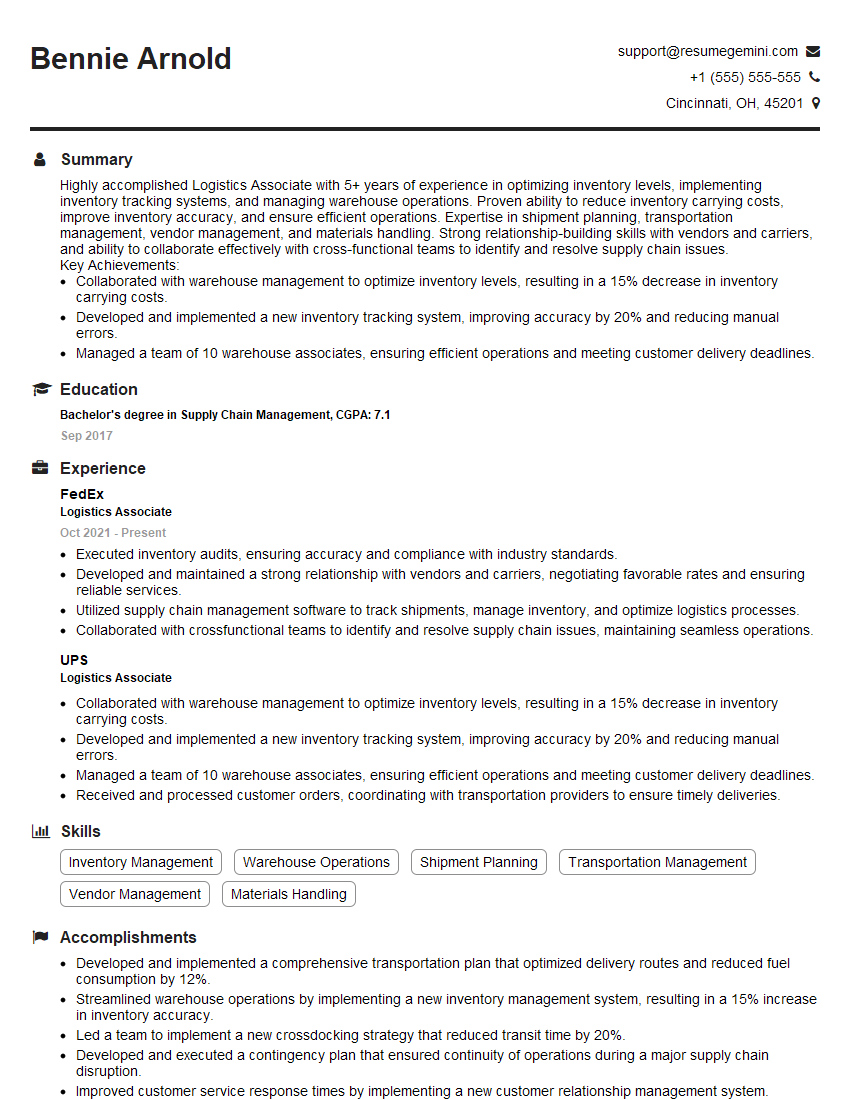
Logistics Associate Resume Sample
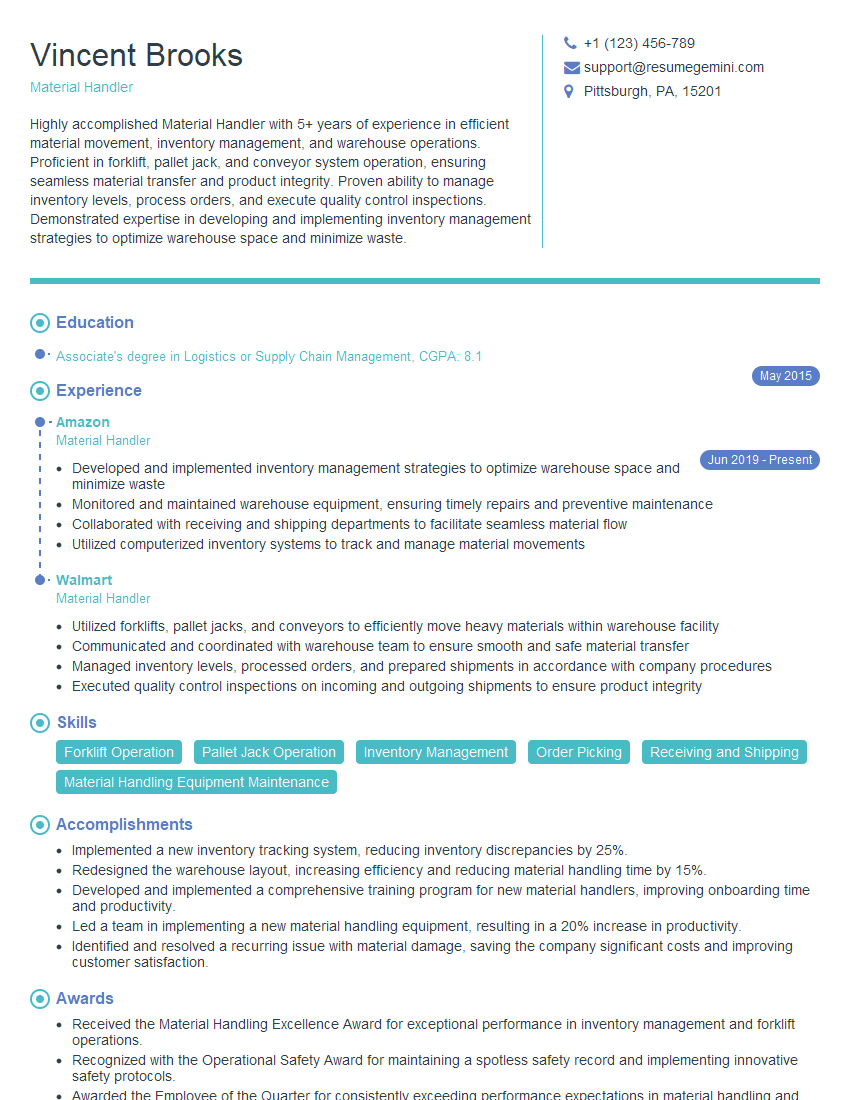
Material Handler Resume Sample
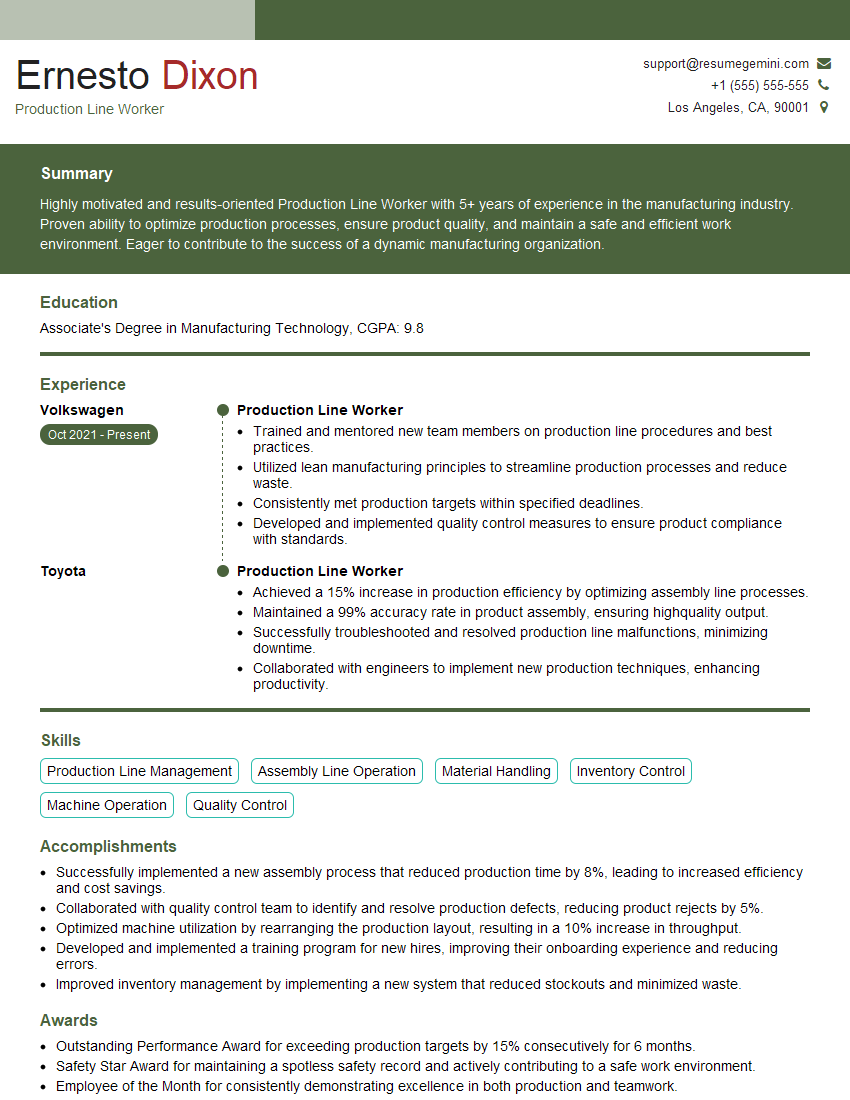
Production Line Worker Resume Sample

Conveyor Operator Resume Sample
Explore more articles
Users Rating of Our Blogs
Share Your Experience
We value your feedback! Please rate our content and share your thoughts (optional).
What Readers Say About Our Blog
Really detailed insights and content, thank you for writing this detailed article.
IT gave me an insight and words to use and be able to think of examples