The right preparation can turn an interview into an opportunity to showcase your expertise. This guide to Ability to communicate effectively with colleagues and supervisors interview questions is your ultimate resource, providing key insights and tips to help you ace your responses and stand out as a top candidate.
Questions Asked in Ability to communicate effectively with colleagues and supervisors Interview
Q 1. Describe a time you had to deliver bad news to your supervisor. How did you approach the conversation?
Delivering bad news is never easy, but it’s crucial to do it with professionalism and empathy. My approach focuses on preparation, directness, and follow-up. For example, once I had to inform my supervisor that a project milestone would be missed due to unforeseen technical difficulties. Instead of blurting it out, I first gathered all the relevant information: the reason for the delay, the impact, and potential solutions. I then scheduled a private meeting. During the meeting, I started by acknowledging the negative news directly, avoiding euphemisms. I explained the situation clearly, using data and facts to support my points, then offered proactive solutions for mitigating the impact, such as revised timelines or resource allocation. Finally, I followed up with a written summary outlining the key points discussed and the agreed-upon action plan. This ensured transparency and accountability.
Q 2. How do you ensure clear and concise communication in a team environment?
Clear and concise communication in a team relies on active listening, structured messaging, and regular feedback. We use a combination of methods. For instance, before any meeting, we define a clear agenda and desired outcomes. During meetings, we actively listen, avoiding interruptions, and ensure everyone has a chance to contribute. We utilize project management tools to centralize communication, document decisions, and track progress. Short, focused emails, using bullet points and clear subject lines, help convey information efficiently. Regular check-ins and informal feedback sessions help address any misunderstandings promptly and keep everyone aligned. Think of it like a well-orchestrated symphony – everyone needs to be on the same page, playing their part at the right time, and communicating effectively with the conductor (project lead).
Q 3. Explain your preferred method for resolving workplace conflicts.
My preferred method for resolving workplace conflicts is collaborative problem-solving. I believe in focusing on the issue, not the individuals involved. First, I’d create a safe space for open communication where both parties feel comfortable expressing their perspectives. I’d actively listen to understand each side’s concerns, focusing on identifying the root cause of the conflict, rather than placing blame. Then, collaboratively, we brainstorm solutions, focusing on mutually acceptable outcomes. Finally, we agree on specific actions, setting clear expectations and timelines. Consider it like mediating a disagreement between two friends – you facilitate the conversation, help them understand each other’s viewpoints, and guide them towards a resolution that works for both.
Q 4. How do you handle disagreements with colleagues regarding project approaches?
Disagreements about project approaches are inevitable, but they can lead to innovation if handled constructively. My approach is to value diverse perspectives. First, I ensure that everyone has a chance to present their approach, clearly outlining the rationale and potential benefits. Then, we engage in a respectful discussion, focusing on the merits and drawbacks of each approach, using data and evidence to support our arguments. If a consensus isn’t reached immediately, I suggest exploring a compromise or testing different aspects of each approach in a controlled manner. Ultimately, the goal is to select the approach that best aligns with the project goals and available resources. Think of it as a scientific experiment; different methods are tested, data is analyzed, and the best solution prevails.
Q 5. Describe a situation where you had to persuade a colleague or supervisor to adopt your idea.
I once persuaded my supervisor to adopt a new workflow management system. I started by thoroughly researching different systems, comparing their features and cost-effectiveness. I then presented a concise proposal outlining the benefits of the new system, including improved efficiency, reduced errors, and better collaboration. To build my case, I provided data demonstrating the shortcomings of the existing system and showcased how the new system would address them. I also addressed potential concerns proactively, providing clear solutions. Finally, I offered to lead the implementation and training process, demonstrating my commitment. The persuasive aspect relied on presenting a compelling case supported by data and demonstrating ownership of the implementation. The result was improved team productivity.
Q 6. How do you adapt your communication style to different audiences (e.g., colleagues, supervisors, clients)?
Adapting communication style is vital for effective communication. When communicating with colleagues, I tend to use a more informal and collaborative tone. With supervisors, I maintain professionalism and focus on providing clear, concise updates and presenting well-structured reports. With clients, I prioritize clarity, ensuring that technical jargon is explained simply and the information is presented in a manner that aligns with their needs and understanding. Essentially, my approach is tailored to the audience’s needs and expectations, ensuring clear and effective delivery. Think of it as speaking a different dialect of the same language; the core message remains, but the nuances change for better understanding.
Q 7. How do you provide constructive feedback to a colleague?
Providing constructive feedback is about helping colleagues improve. I use the Situation-Behavior-Impact (SBI) model. First, I describe the specific situation where the behavior occurred. Then I clearly and objectively describe the behavior itself, avoiding personal judgments. Finally, I explain the impact of that behavior, focusing on the consequences rather than assigning blame. For example, instead of saying ‘Your presentation was terrible,’ I’d say, ‘During the client presentation, the lack of visuals made it difficult for the audience to follow the technical aspects. This might have led to some confusion and could affect the client’s decision.’ This approach ensures the feedback is helpful, actionable, and focuses on improvement.
Q 8. How do you handle receiving critical feedback from your supervisor?
Receiving critical feedback is crucial for professional growth. I approach it as an opportunity for improvement, not a personal attack. My process involves:
- Active Listening: I listen attentively, without interrupting, to fully understand the feedback’s context and intent.
- Clarification: I ask clarifying questions to ensure I comprehend the points raised. For example, instead of immediately reacting, I might say, “Could you elaborate on what you mean by…?”
- Reflection: I take time to reflect on the feedback and identify areas where I can improve. I consider the feedback’s validity and whether it aligns with my own self-assessment.
- Action Planning: I create a plan to address the feedback. This might involve setting specific goals, seeking additional training, or modifying my work processes. For example, if feedback highlighted a lack of attention to detail in reports, I’d focus on implementing stricter checklists and review processes.
- Follow-up: I follow up with my supervisor to demonstrate my commitment to improvement and discuss my progress. This shows initiative and a willingness to learn.
For instance, once I received feedback that my emails lacked conciseness. I then focused on using bullet points and shorter paragraphs, and the feedback I received after implementing these changes was overwhelmingly positive.
Q 9. Have you ever had to explain a complex technical issue to a non-technical audience? How did you do it?
Explaining complex technical issues to non-technical audiences requires simplifying the language and focusing on the bigger picture. I use analogies, visual aids, and avoid jargon whenever possible.
In a previous role, I had to explain a database migration process to a group of marketing executives. Instead of delving into technical specifics, I used an analogy of moving furniture from one house to another. I explained the steps involved: packing (data extraction), transportation (migration process), and unpacking (data loading), highlighting the potential disruptions (downtime) and the ultimate benefit (improved efficiency and scalability). I also used a simple flowchart to illustrate the process visually. This made the complex process easily understandable and demonstrably relatable.
Q 10. How do you use communication to build rapport and trust with colleagues and supervisors?
Building rapport and trust relies on consistent, open, and respectful communication. I actively engage in:
- Active Listening: Showing genuine interest in colleagues’ perspectives, ideas, and concerns.
- Clear and Concise Communication: Using language everyone can understand, avoiding jargon or overly technical terms.
- Empathy: Putting myself in other people’s shoes and understanding their viewpoints.
- Regular Communication: Keeping colleagues and supervisors informed of my progress and any potential challenges.
- Respectful Dialogue: Treating everyone with respect, regardless of their position or expertise. Even if I disagree, I express my opinion respectfully and professionally.
- Transparency and Honesty: Being open and honest about my work and challenges, fostering a sense of trust.
For example, by regularly checking in with team members and asking for their input on projects, I’ve fostered a collaborative environment where everyone feels valued and heard. This has strengthened teamwork and resulted in more successful project outcomes.
Q 11. Describe your experience using various communication tools (email, instant messaging, presentations).
I’m proficient in various communication tools, adapting my approach based on context and audience.
- Email: I use email for formal communication, ensuring clear subject lines, well-structured content, and professional tone. I avoid lengthy emails and prefer to use bullet points or numbered lists for complex information.
- Instant Messaging: I use instant messaging for quick, informal communication and for real-time collaboration, especially for urgent matters or quick questions. I maintain professionalism even in this medium.
- Presentations: I create visually engaging presentations using tools like PowerPoint or Google Slides, incorporating charts, graphs, and images to convey information effectively. I tailor the presentation content to the audience, keeping it concise and focused.
For instance, for complex technical explanations, I might prefer using a combination of email, instant messaging, and a short presentation for a comprehensive approach. This allows for clarity across channels depending on the recipient.
Q 12. How do you prioritize communication tasks in a busy work environment?
Prioritizing communication tasks in a busy environment requires a strategic approach. I use techniques like:
- Prioritization Matrix: I categorize communication tasks based on urgency and importance (e.g., Eisenhower Matrix). Urgent and important tasks are addressed immediately, while less critical ones are scheduled.
- Time Blocking: I allocate specific time slots for email, meetings, and other communication activities to ensure that I can focus.
- Batch Processing: I group similar tasks together (e.g., responding to emails) to improve efficiency.
- Delegation: Where appropriate, I delegate communication tasks to others, empowering my team and optimizing my time.
Example: If I have a tight deadline on a project, I will prioritize communications related to that project and schedule less urgent communications like answering routine emails for later in the day.
Q 13. How do you ensure that your communication is both informative and engaging?
Making communication both informative and engaging involves tailoring the message to the audience and using various techniques:
- Storytelling: Using narratives and anecdotes to make information more relatable and memorable.
- Visual Aids: Employing charts, graphs, and images to illustrate complex information.
- Conciseness: Getting to the point quickly and avoiding unnecessary jargon or details.
- Active Voice: Using active voice to make writing and speech more direct and engaging.
- Audience Awareness: Tailoring the language, tone, and content to the audience’s knowledge level and interests.
For example, in a presentation to a technical audience, I might use detailed technical jargon, while for a non-technical audience I would focus on high-level concepts and clear visuals.
Q 14. How do you handle communication breakdowns?
Communication breakdowns are inevitable. My approach involves:
- Identifying the Problem: Pinpointing the root cause of the breakdown. Did the message get lost in translation? Was there a lack of clarity? Was there a misunderstanding?
- Open Dialogue: Initiating an open and honest conversation with the involved parties to understand their perspectives.
- Active Listening: Listening attentively to understand the concerns and perspectives of everyone involved.
- Clarification and Reiteration: Reclarifying the message or information in a different way to ensure everyone is on the same page.
- Seeking Solutions: Collaboratively finding solutions to address the communication gap and prevent future breakdowns.
For example, if a project milestone was missed due to a lack of clear communication between teams, I’d organize a meeting to discuss the issue, clarify roles and responsibilities, and establish a more effective communication strategy for future projects.
Q 15. How do you use active listening techniques to improve communication?
Active listening isn’t just hearing words; it’s understanding the message behind them. It involves fully concentrating on the speaker, showing empathy, and providing feedback to ensure comprehension. I employ several techniques, including:
Paying attention: I minimize distractions, maintain eye contact (while being mindful of cultural norms), and focus on both verbal and nonverbal cues like body language and tone of voice.
Showing empathy: I try to understand the speaker’s perspective, even if I don’t agree. This involves reflecting their feelings and summarizing their points to confirm understanding. For example, I might say, “So it sounds like you’re feeling frustrated because of the deadline.”
Asking clarifying questions: I ask open-ended questions to encourage the speaker to elaborate and ensure I grasp the full context. Instead of asking “Did you finish the report?”, I’d ask, “Can you tell me more about your progress on the report?”
Providing feedback: I regularly summarize the key points to confirm understanding and ensure everyone is on the same page. This prevents misunderstandings and promotes a more collaborative conversation.
Using active listening builds trust, improves relationships, and ultimately leads to more effective problem-solving and collaboration.
Career Expert Tips:
- Ace those interviews! Prepare effectively by reviewing the Top 50 Most Common Interview Questions on ResumeGemini.
- Navigate your job search with confidence! Explore a wide range of Career Tips on ResumeGemini. Learn about common challenges and recommendations to overcome them.
- Craft the perfect resume! Master the Art of Resume Writing with ResumeGemini’s guide. Showcase your unique qualifications and achievements effectively.
- Don’t miss out on holiday savings! Build your dream resume with ResumeGemini’s ATS optimized templates.
Q 16. How do you ensure that your communication is both timely and accurate?
Timely and accurate communication is crucial for avoiding misunderstandings and maintaining productivity. To ensure both, I use a multi-pronged approach:
Planning and Prioritization: I prioritize tasks based on urgency and importance, ensuring that critical information is disseminated promptly. I create a schedule or use a project management tool to track deadlines and ensure timely delivery of information.
Clear and Concise Messaging: I avoid jargon and ambiguity. Before sending any communication, I review it carefully to ensure accuracy and clarity. I also consider the recipient’s background and tailor my language accordingly.
Appropriate Communication Channels: I choose the most appropriate communication channel for the message. For instance, urgent matters require immediate contact (phone call), while detailed updates might be better suited for email.
Proofreading and Verification: I always proofread my emails and documents before sending them to check for grammar, spelling, and factual errors. For critical communications, I often have someone else review the information for accuracy.
Utilizing Technology: Tools like project management software (e.g., Asana, Trello) or communication platforms (e.g., Slack) facilitate timely updates and ensure all team members have access to the latest information.
By following these steps, I maintain a high level of accuracy and ensure that communication reaches the intended audience promptly and effectively.
Q 17. How familiar are you with different communication styles (e.g., assertive, passive, aggressive)?
I’m very familiar with various communication styles, recognizing that they significantly impact the effectiveness of interactions. Understanding these styles allows for more effective collaboration and conflict resolution. The three primary styles are:
Assertive: This style involves expressing one’s needs and opinions respectfully and directly, while considering the needs of others. It is characterized by clear and confident communication, active listening, and the ability to say “no” when necessary. It’s generally the most effective communication style.
Passive: Passive communicators avoid expressing their needs and opinions openly, often leading to frustration and resentment. They may agree to things they don’t want to do, leading to unfulfilled needs and potential conflict down the line.
Aggressive: Aggressive communication involves expressing needs and opinions in a way that disregards the feelings and needs of others. This often leads to conflict and damaged relationships. It’s characterized by blaming, interrupting, and dominating conversations.
Recognizing these styles is key to adapting my approach and ensuring successful communication.
Q 18. Describe a time you had to communicate with someone who had a different communication style than you. How did you adapt?
In a previous project, I worked with a team member who had a highly passive communication style. He would rarely voice his concerns or opinions, often leading to unexpected issues emerging late in the project lifecycle. My typical assertive communication style initially led to some misunderstandings. To adapt, I implemented the following:
One-on-One Meetings: I scheduled regular one-on-one meetings to provide a safe space for him to share his thoughts and concerns without feeling pressured. I created an environment of trust and reassurance.
Open-Ended Questions: Instead of directing questions, I used open-ended questions to encourage him to elaborate on his ideas. For example, instead of asking “Do you have any problems?”, I asked, “What are your thoughts about the current project progress?”
Active Listening and Validation: I focused on truly listening to his responses and validated his feelings, even if I didn’t agree with his perspective. This showed him that his input was valued.
Patience and Understanding: I understood that his passive style wasn’t necessarily intentional; it was likely a result of his personality or past experiences. Patience and a willingness to understand his perspective were crucial.
By adapting my communication style, I was able to foster a more collaborative relationship and ensure that his valuable contributions were incorporated into the project.
Q 19. How do you contribute to a positive and collaborative communication environment in your team?
Contributing to a positive and collaborative communication environment is essential for team success. I actively work towards this by:
Promoting Open Communication: I encourage open dialogue and feedback, ensuring everyone feels comfortable sharing their ideas and concerns without fear of judgment. I actively solicit opinions from all team members, making sure everyone’s voice is heard.
Respectful Interactions: I treat all team members with respect, regardless of their position or communication style. I actively listen to their perspectives and acknowledge their contributions. I model the behavior I expect from others.
Constructive Feedback: When providing feedback, I focus on behavior, not personality. I use the “sandwich method” – starting with a positive, then addressing the issue, and ending with another positive – to ensure feedback is received constructively.
Conflict Resolution: When conflicts arise, I facilitate open discussion and work with team members to find mutually acceptable solutions. I focus on understanding the root cause of the conflict and finding a resolution that respects everyone’s needs.
By fostering an atmosphere of respect, trust, and open communication, I contribute significantly to a positive and productive team environment.
Q 20. How do you use technology to enhance communication within your team?
Technology plays a vital role in enhancing team communication. I utilize several tools to improve efficiency and collaboration:
Project Management Software: Tools like Asana, Trello, or Jira allow for centralized task management, progress tracking, and efficient communication related to tasks and deadlines. This keeps everyone informed and accountable.
Instant Messaging Platforms: Slack or Microsoft Teams facilitate quick and informal communication for clarifying questions, sharing updates, and collaborating on tasks in real-time. This reduces email overload and speeds up communication.
Video Conferencing: Tools like Zoom or Google Meet enable face-to-face interactions, improving engagement and understanding during meetings, particularly when working remotely.
Cloud Storage: Cloud storage services (e.g., Google Drive, Dropbox) facilitate easy file sharing and collaboration on documents, eliminating version control issues and ensuring everyone has access to the latest information.
By strategically using these technologies, I ensure that communication remains efficient, effective, and readily accessible for all team members.
Q 21. Describe a situation where you needed to present complex information to a large group. How did you prepare?
I once had to present complex financial data to a large group of stakeholders. To ensure the presentation was clear, engaging, and understandable, I meticulously prepared:
Audience Analysis: I thoroughly researched the audience’s background and knowledge level to tailor the presentation accordingly. I avoided technical jargon and used clear, concise language.
Storytelling Approach: Instead of simply presenting data points, I crafted a narrative that contextualized the data and made it relatable. This made the complex information more digestible and memorable.
Visual Aids: I utilized clear, concise charts and graphs to visualize the data, minimizing the use of text-heavy slides. I ensured visual consistency and an easy-to-follow structure.
Practice and Rehearsal: I practiced the presentation multiple times, paying attention to pacing, tone, and clarity. This ensured confidence and smoothness during the actual presentation.
Q&A Preparation: I anticipated potential questions and prepared concise and informative answers. This allowed me to address concerns effectively and maintain control of the conversation.
The result was a successful presentation where the audience engaged with the information, understood the key takeaways, and felt comfortable asking questions. Thorough preparation is key to presenting complex information effectively to a large group.
Q 22. How do you deal with individuals who are difficult to communicate with?
Effective communication hinges on understanding your audience. When dealing with difficult individuals, I prioritize empathy and active listening. I try to understand their perspective, even if I don’t agree with it. This often involves asking clarifying questions to ensure I understand their concerns. For example, if a colleague is consistently resistant to new ideas, I might ask, “Can you help me understand why you feel this way?” This approach opens a dialogue instead of triggering defensiveness. Next, I tailor my communication style to suit their preferences. Some people prefer direct communication; others prefer a more collaborative approach. I adjust my approach accordingly, focusing on clear, concise messages that address their specific concerns. Finally, I document everything. This protects both myself and the company, ensuring clarity and a record of the interaction. If the communication breakdown persists, I seek mediation from a supervisor or HR, ensuring a fair and impartial process.
Q 23. How do you handle sensitive or confidential information when communicating with colleagues?
Confidentiality is paramount. When handling sensitive information, I adhere strictly to company policies and best practices. This includes using secure communication channels like encrypted email for sensitive data. I never discuss confidential matters in public areas, on personal devices, or with unauthorized individuals. When communicating with colleagues who need access to this information, I provide only the information they absolutely require to do their jobs, on a need-to-know basis. Moreover, I always verify the recipient’s authorization before sharing anything sensitive. For example, before sharing financial data with a colleague, I would confirm they have the appropriate security clearance and access rights. Finally, I carefully review and delete any sensitive information once it’s no longer needed.
Q 24. How do you utilize non-verbal communication effectively?
Non-verbal communication is as crucial as verbal communication. I pay close attention to my body language – maintaining eye contact, using open and inviting posture, and ensuring my facial expressions align with my message. For example, if I’m delivering positive feedback, I’ll maintain a warm smile and positive body language. Conversely, when delivering constructive criticism, I might adopt a slightly more formal posture, but maintain eye contact to convey sincerity and seriousness. Active listening is also a key part of effective non-verbal communication – nodding, leaning in, and providing verbal affirmations like ‘I understand’ show engagement and respect. I am also mindful of my tone of voice – ensuring it reflects professionalism and respect. Ultimately, I strive to align my verbal and non-verbal cues to ensure consistent and effective communication.
Q 25. How do you know when to communicate via email versus in person?
The choice between email and in-person communication depends on the urgency, sensitivity, and complexity of the message. For quick updates, informal requests, or information that doesn’t require immediate feedback, email is usually sufficient. However, for sensitive or complex issues that necessitate immediate feedback, clarification, or a personal touch, in-person communication is preferable. For instance, if I need to discuss a sensitive performance review, I’d choose an in-person meeting. If I need to announce a project deadline, email might suffice. Sometimes, I might use a combination of both – an email to provide initial information, followed by an in-person meeting for detailed discussion or feedback.
Q 26. How do you track the effectiveness of your communication efforts?
I track the effectiveness of my communication by actively seeking feedback. This includes both formal and informal methods. Formal methods include conducting post-meeting surveys or analyzing project outcomes related to my communication efforts. For instance, after a training session, I might distribute a short survey asking participants about their understanding of the material and the effectiveness of the training delivery. Informal methods include observing team behavior and engaging in casual conversations to gauge understanding. I also track metrics relevant to the specific communication, such as meeting attendance, project completion rates, or the number of questions I receive after a presentation. By analyzing this data, I identify areas for improvement and adapt my communication strategies to enhance clarity and impact.
Q 27. Describe a situation where you had to communicate a change in process or policy to your team.
In a previous role, we transitioned to a new project management software. To ensure a smooth transition, I developed a phased approach to communicating the change. I started with a team meeting to announce the change, outlining the benefits and addressing initial concerns. I followed up with a series of email updates detailing training schedules, FAQs, and troubleshooting resources. We also held small group training sessions to provide hands-on support and address specific questions. Finally, I created a comprehensive FAQ document and kept it updated based on commonly asked questions. By taking a multi-pronged approach, we minimized confusion and ensured a successful transition to the new system. We tracked user adoption rates and feedback to refine our communication approach as needed.
Q 28. How do you maintain open and honest communication channels with your supervisor?
I maintain open communication with my supervisor through regular check-ins, both formal and informal. Formal check-ins include weekly or bi-weekly one-on-one meetings where we discuss project progress, roadblocks, and upcoming priorities. Informal communication happens through quick emails or hallway conversations, mostly to address urgent issues or provide updates. I always make a point to proactively communicate any potential problems or roadblocks, rather than waiting until they become major issues. Moreover, I actively seek feedback on my performance and communication style, which helps me continuously improve my effectiveness. This open communication fosters a strong working relationship, ensuring mutual understanding and clarity.
Key Topics to Learn for Ability to Communicate Effectively with Colleagues and Supervisors Interview
- Active Listening: Understanding not just the words spoken, but also the underlying message and emotions. Practical application: Summarizing key points from a conversation to ensure understanding and demonstrating empathy.
- Clear and Concise Communication: Structuring your thoughts logically and conveying information effectively, whether verbally or in writing. Practical application: Preparing concise email updates or presentations that highlight key information without unnecessary jargon.
- Nonverbal Communication: Recognizing and using body language, tone, and facial expressions to enhance communication. Practical application: Maintaining appropriate eye contact, using open body language, and adjusting your tone to the context.
- Constructive Feedback: Providing and receiving feedback in a professional and helpful manner. Practical application: Offering specific, actionable suggestions for improvement while focusing on behavior, not personality.
- Conflict Resolution: Addressing disagreements professionally and finding mutually acceptable solutions. Practical application: Using active listening and empathy to understand different perspectives and collaboratively finding solutions.
- Professional Email Etiquette: Crafting professional, clear, and concise emails that effectively convey your message. Practical application: Using proper salutations, clear subject lines, and proofreading before sending.
- Adapting Communication Style: Tailoring your communication approach to different audiences and situations. Practical application: Adjusting your language and tone to effectively communicate with both senior management and junior colleagues.
Next Steps
Mastering the ability to communicate effectively is crucial for career advancement. Strong communication skills foster collaboration, build trust, and lead to greater success in any role. To significantly increase your job prospects, create a resume that highlights your communication skills in a way that Applicant Tracking Systems (ATS) can easily recognize. ResumeGemini is a trusted resource that can help you build a professional and impactful resume that showcases your abilities effectively. Examples of resumes tailored to highlight proficiency in communicating with colleagues and supervisors are available within ResumeGemini to guide your resume creation process.

Operations Manager Resume Sample
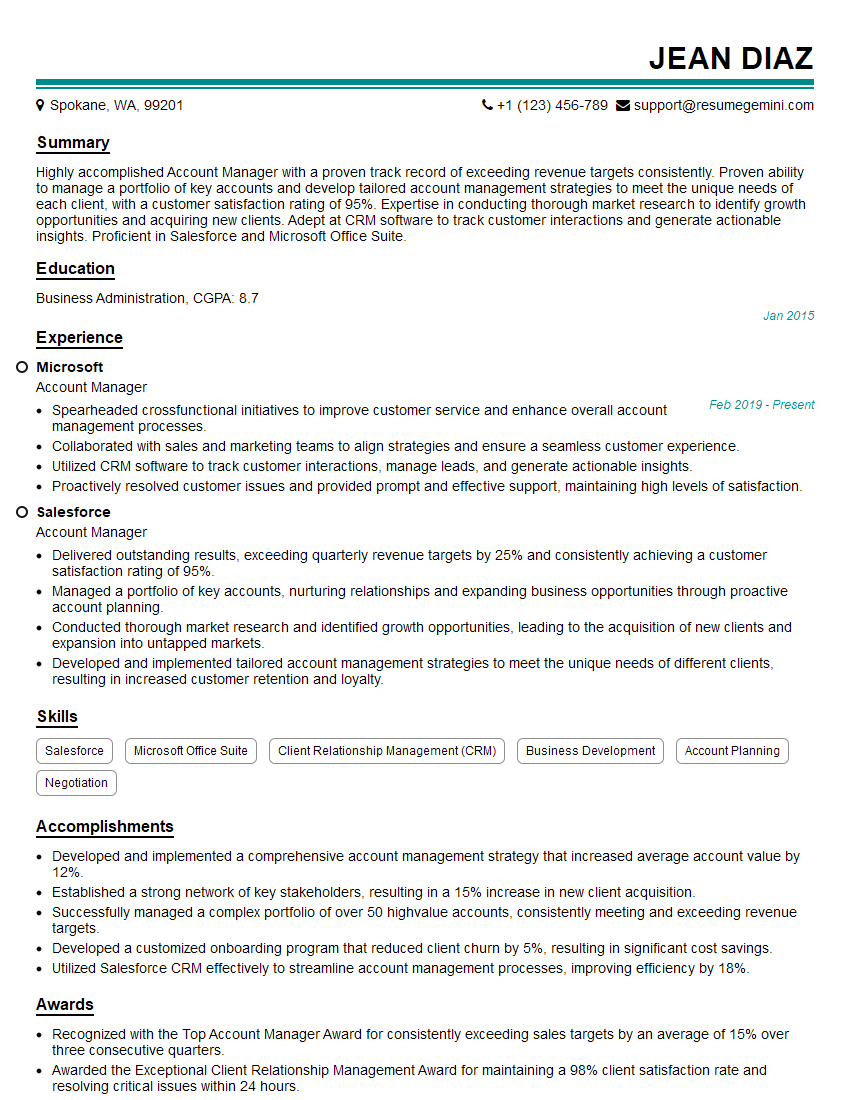
Account Manager Resume Sample
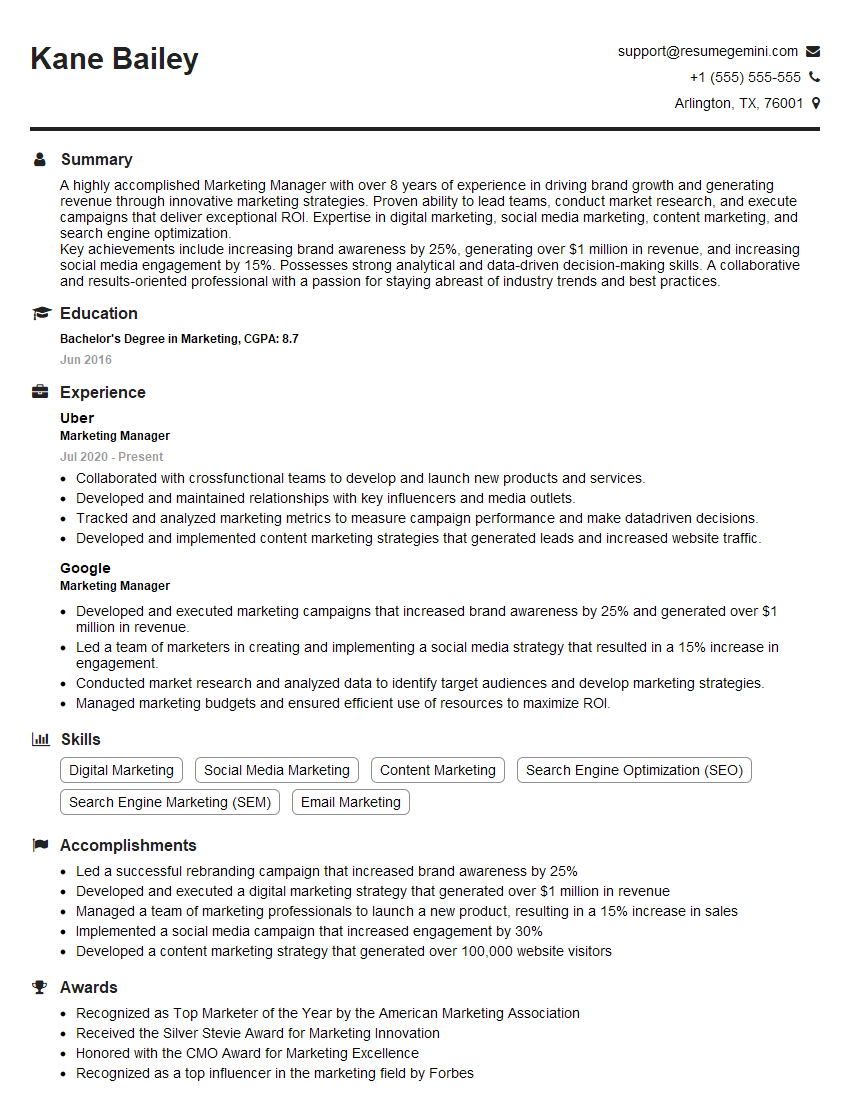
Marketing Manager Resume Sample
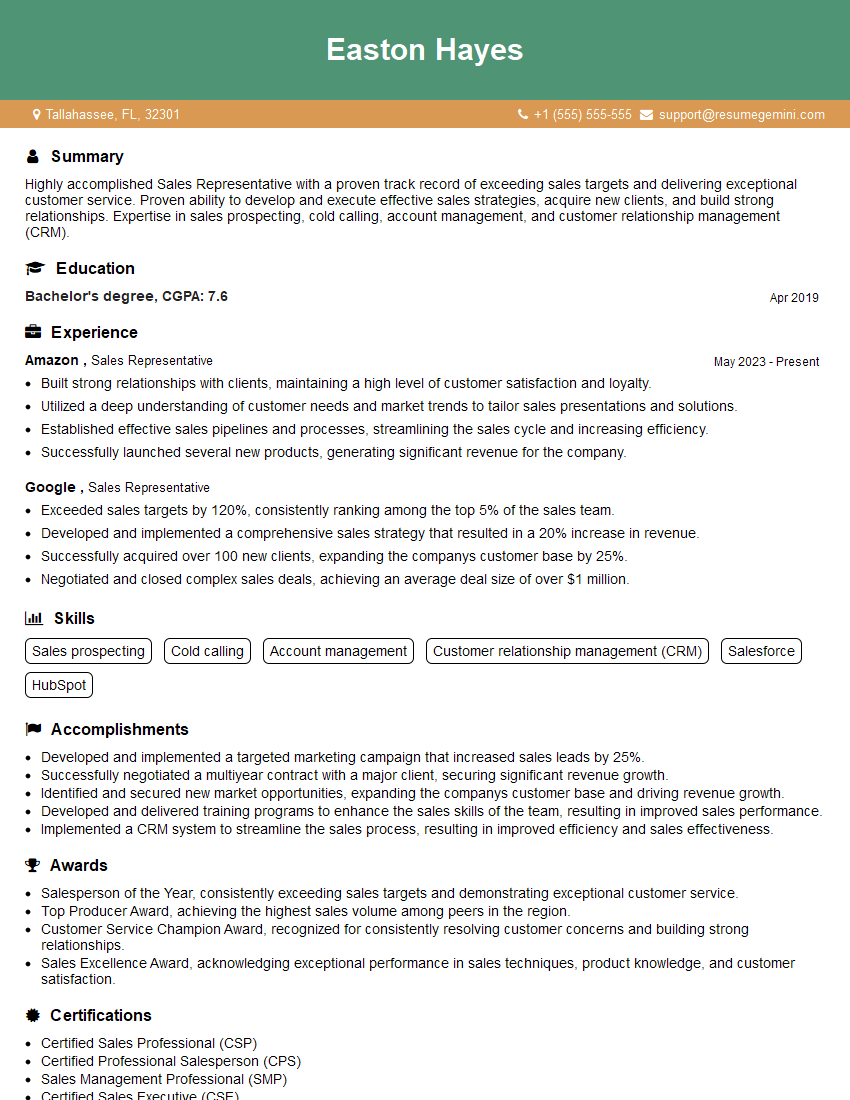
Sales Representative Resume Sample

Communications Manager Resume Sample

Customer Service Manager Resume Sample
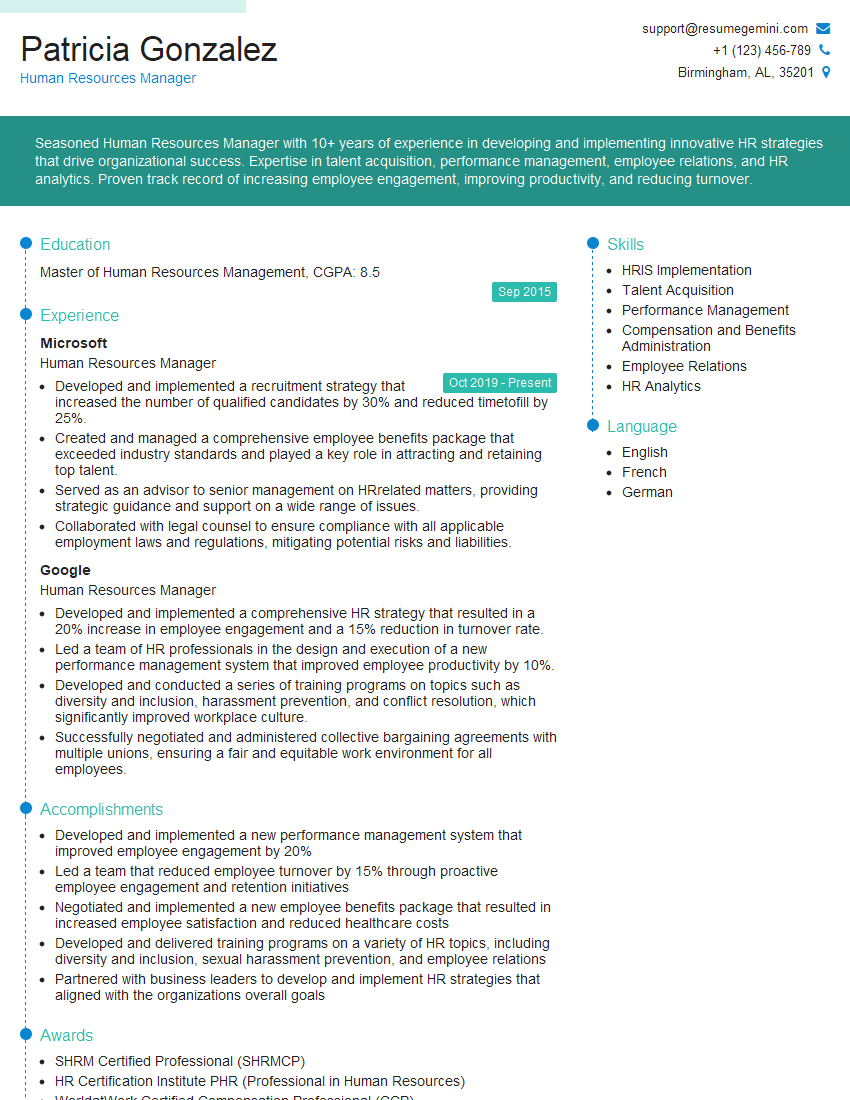
Human Resources Manager Resume Sample
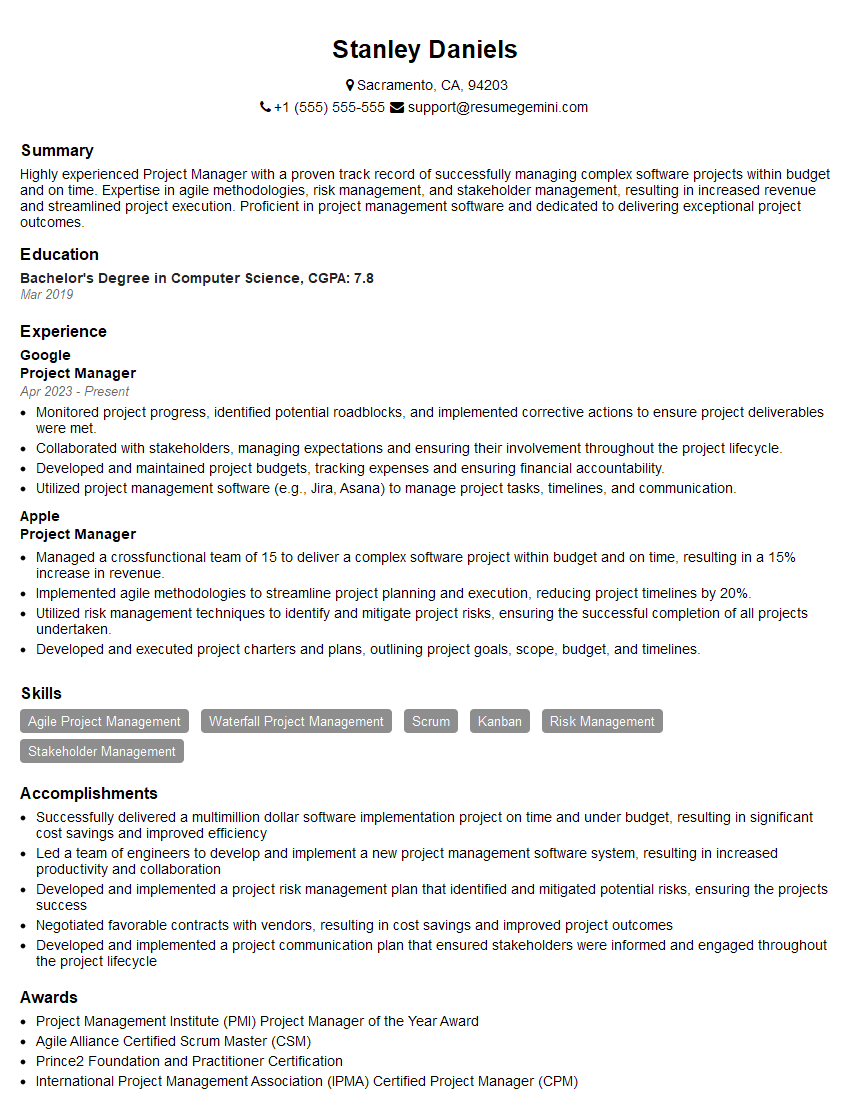
Project Manager Resume Sample
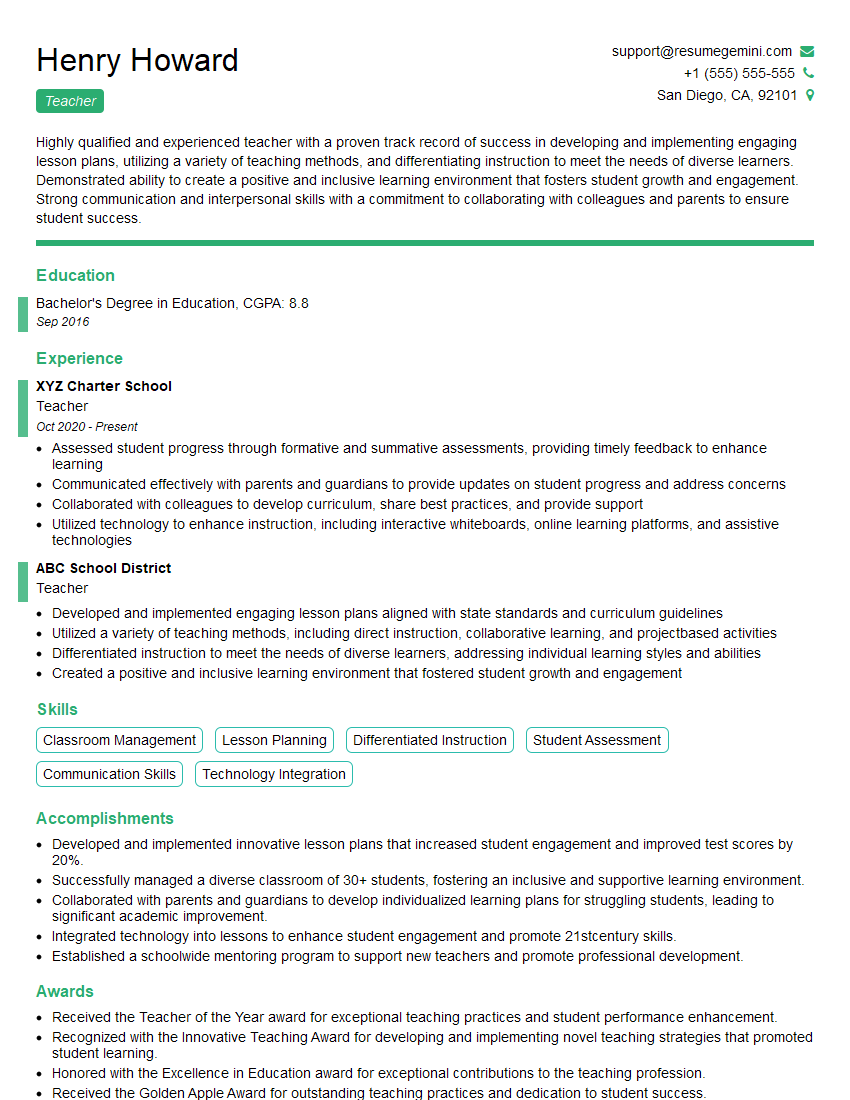
Teacher Resume Sample

Professor Resume Sample
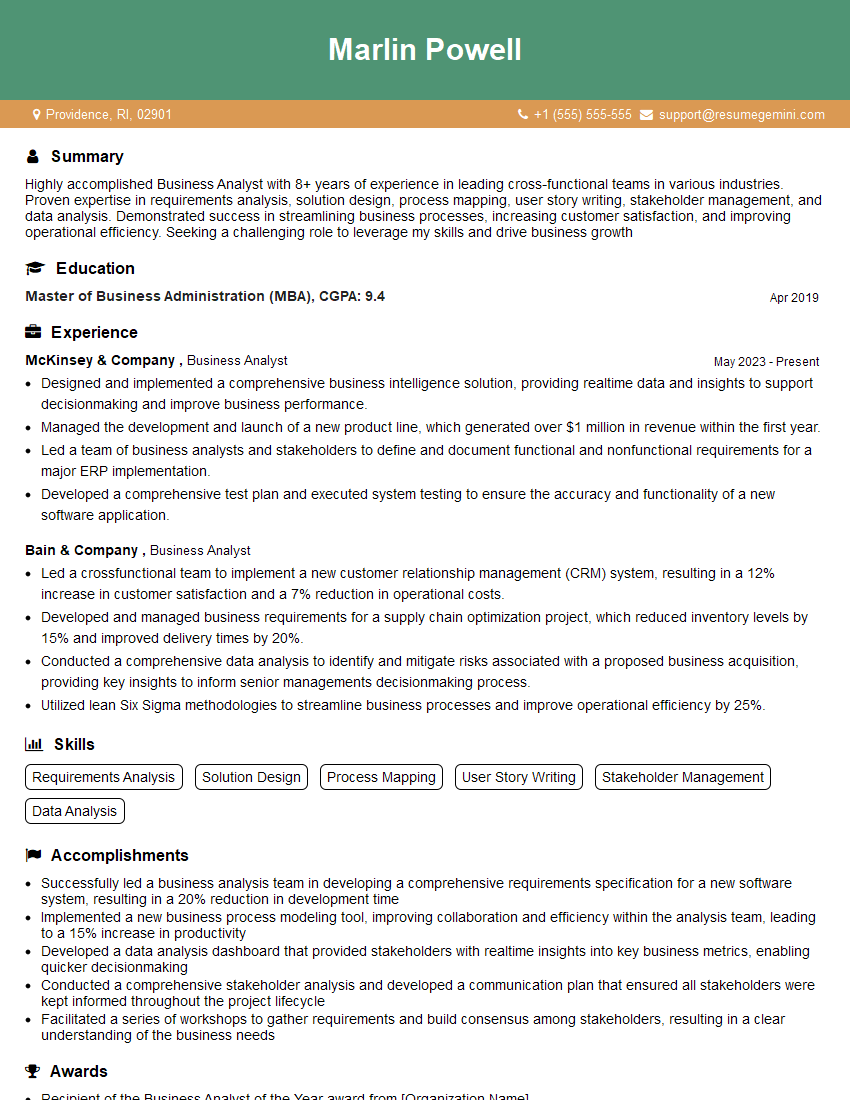
Business Analyst Resume Sample
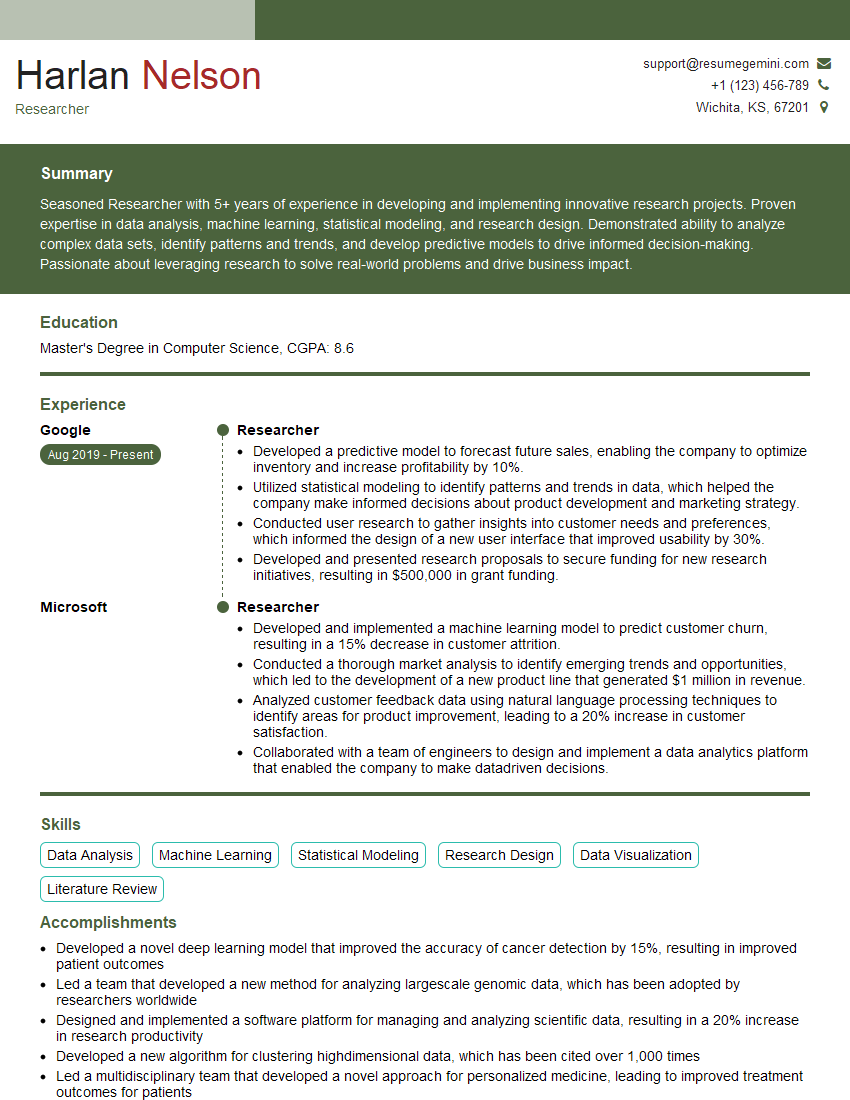
Researcher Resume Sample
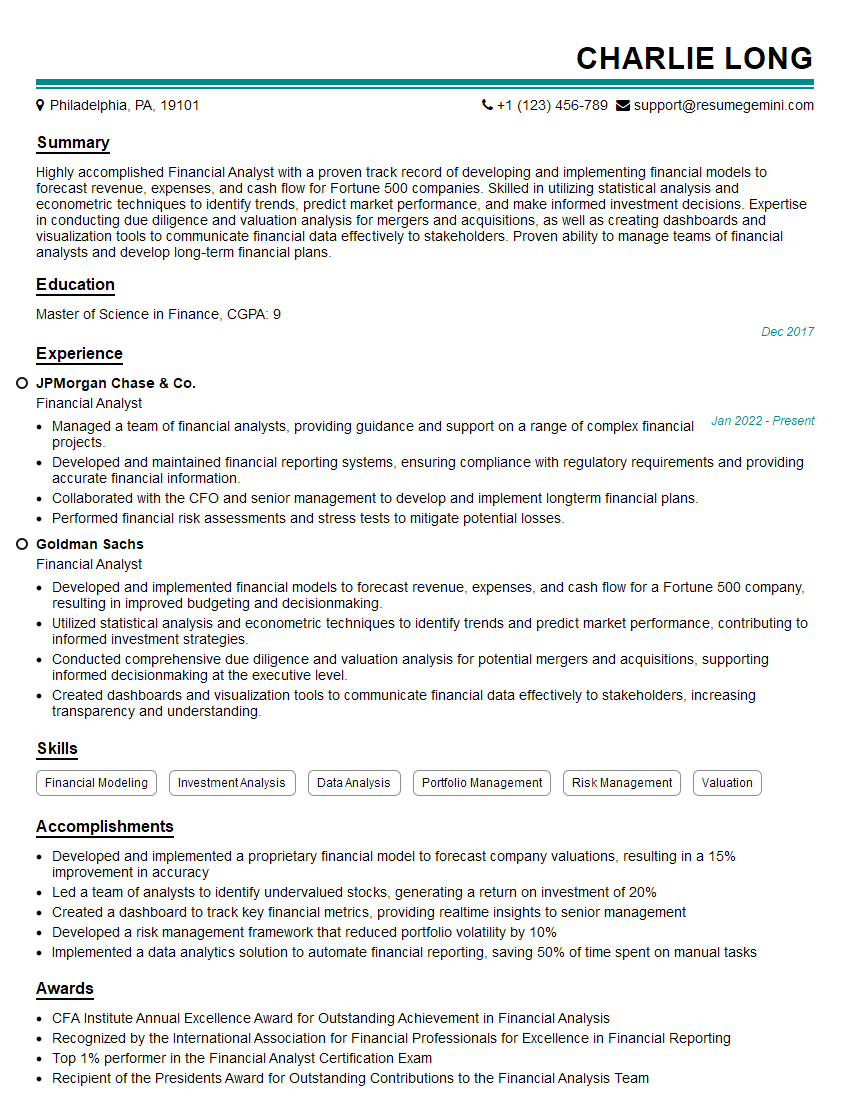
Financial Analyst Resume Sample
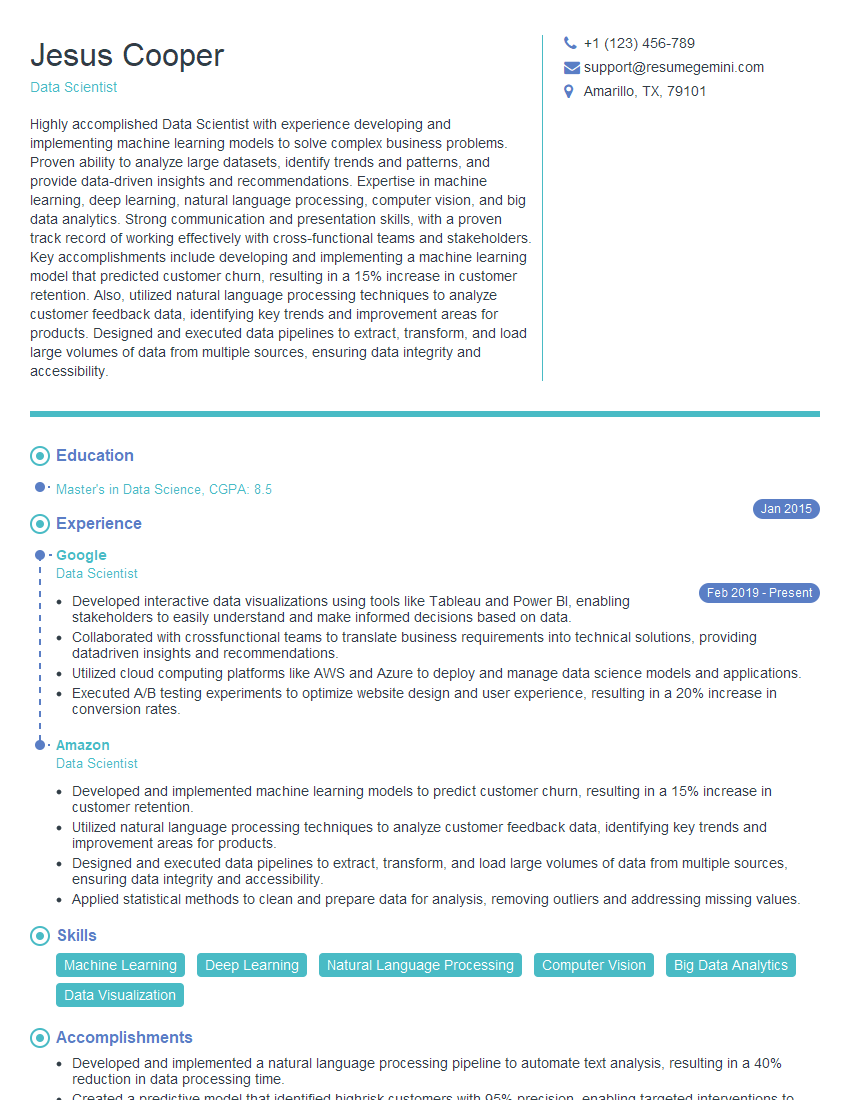
Data Scientist Resume Sample
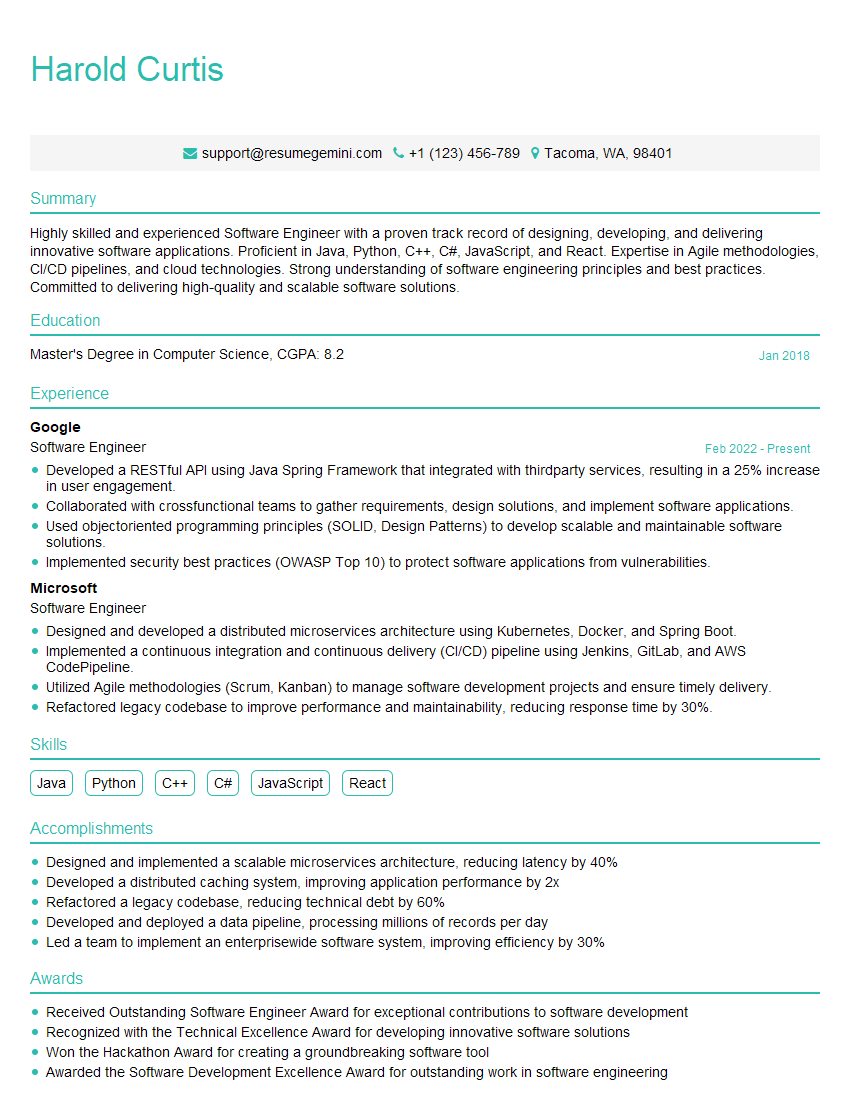
Software Engineer Resume Sample
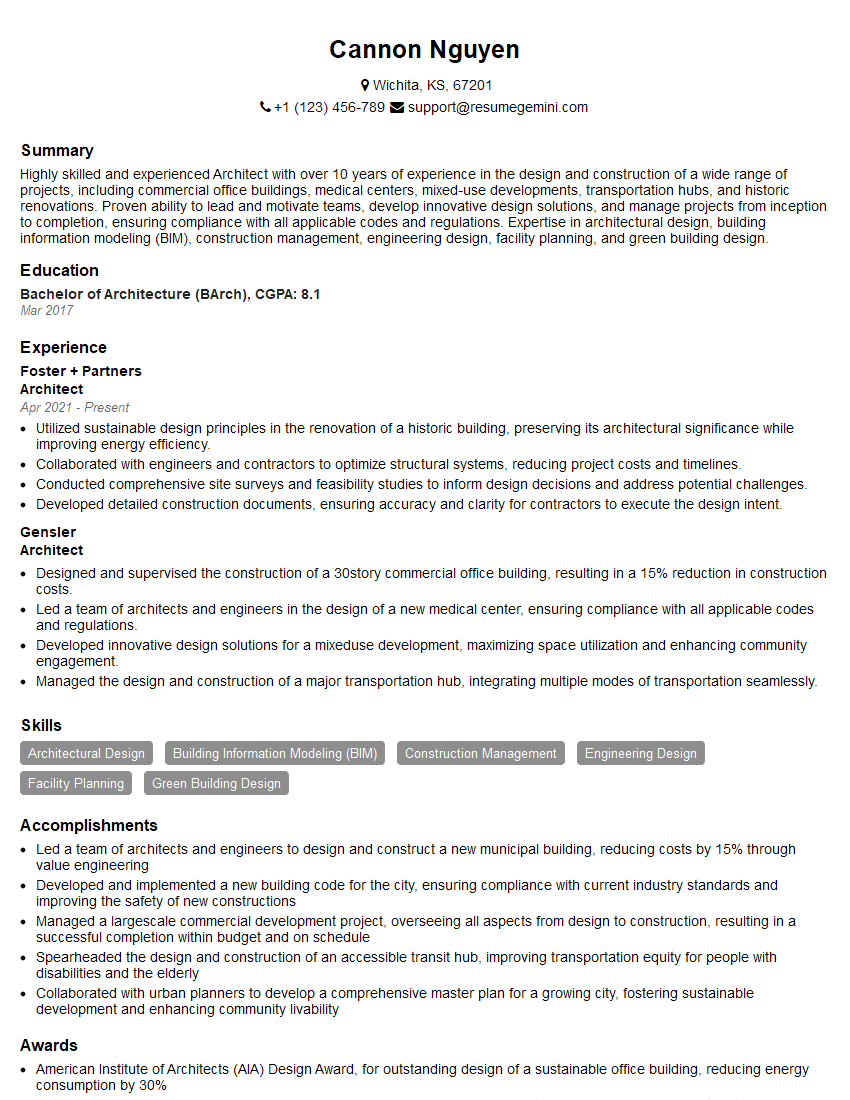
Architect Resume Sample
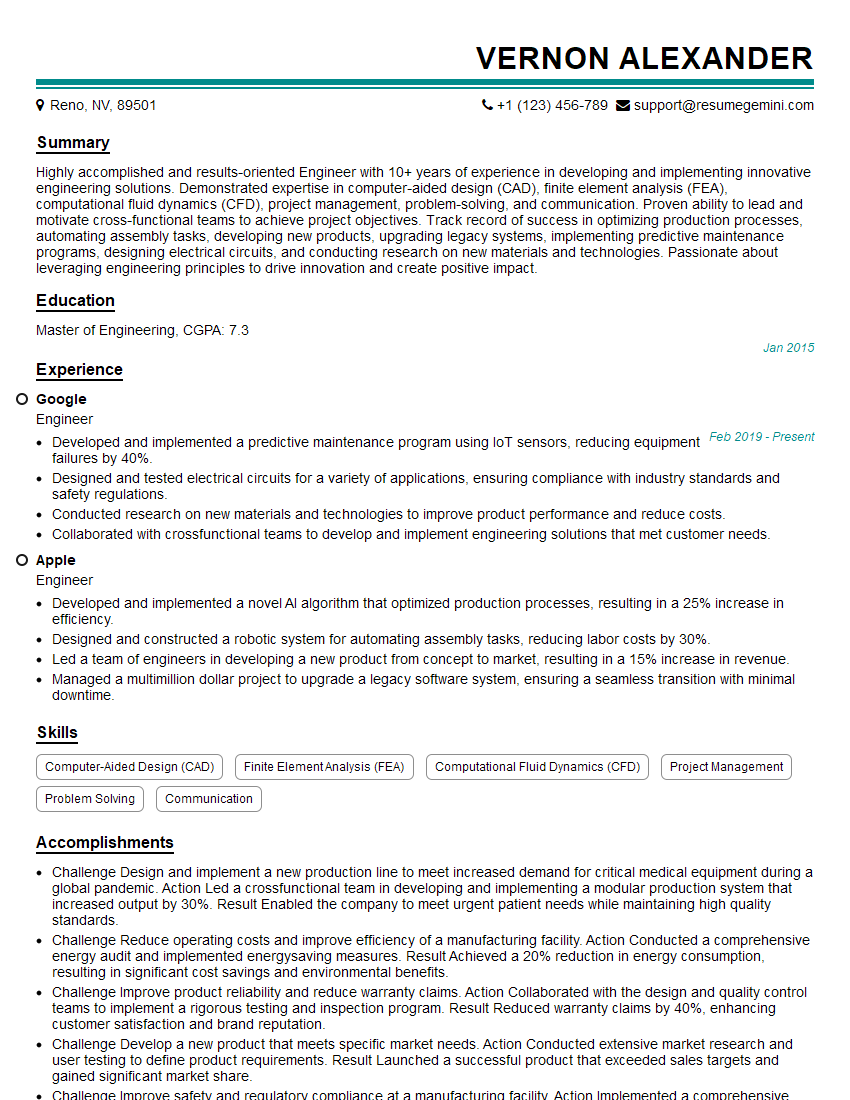
Engineer Resume Sample
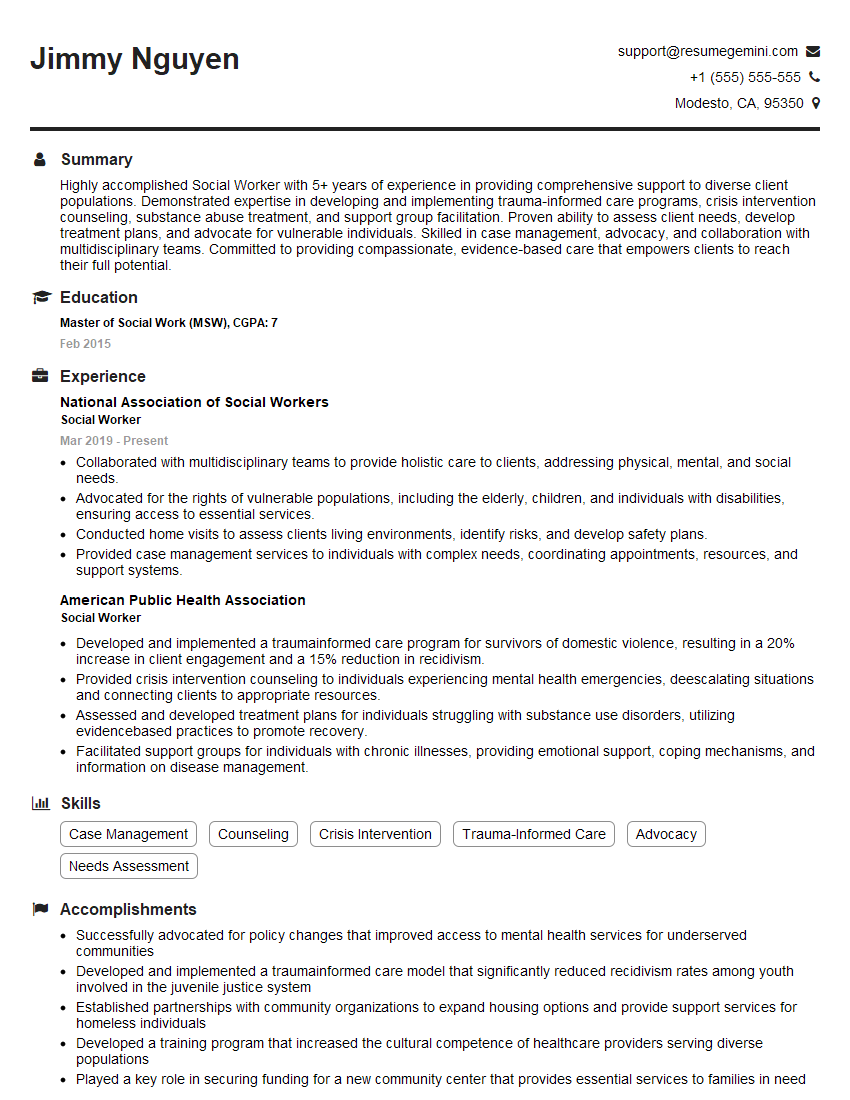
Social Worker Resume Sample
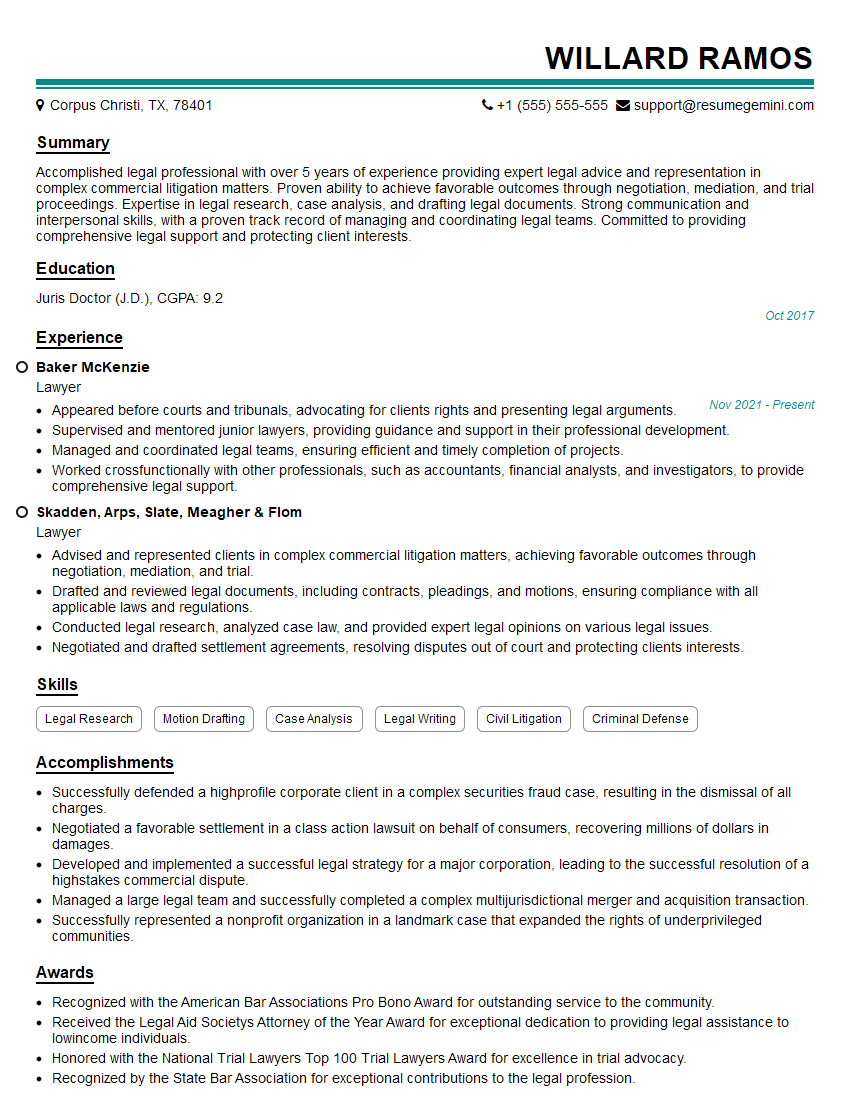
Lawyer Resume Sample
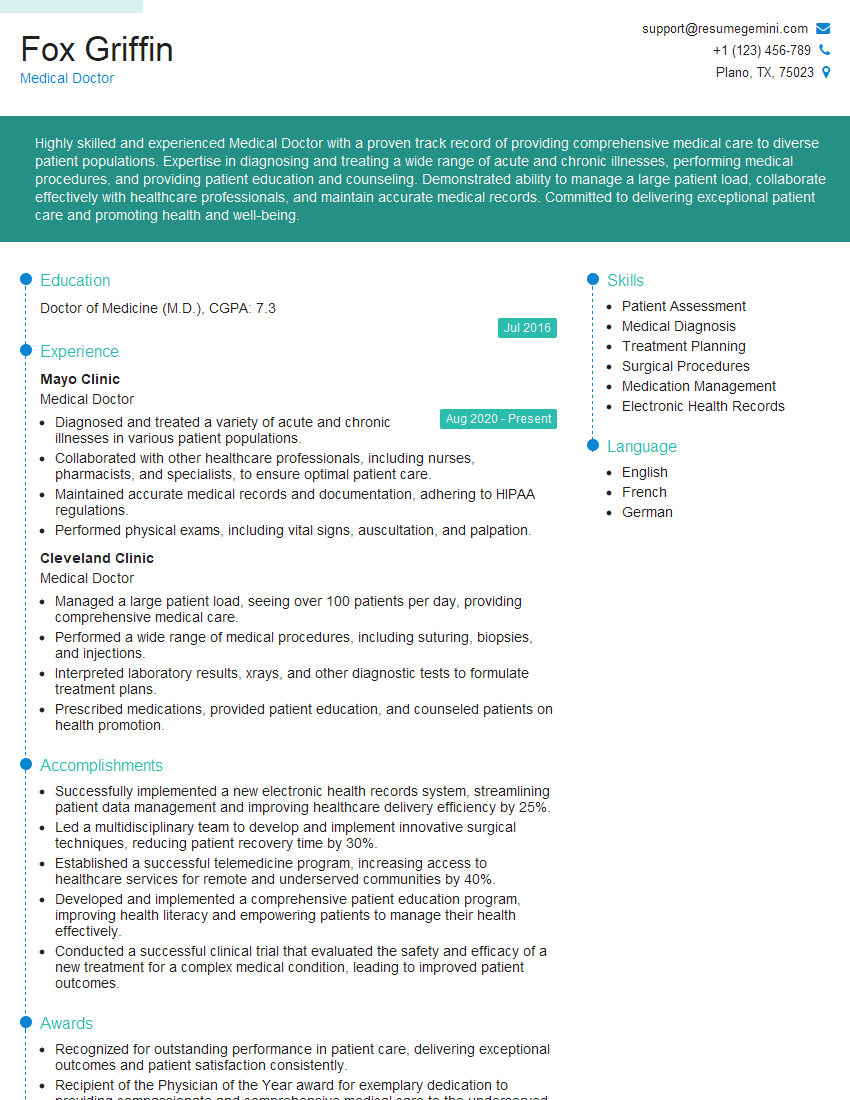
Medical Doctor Resume Sample
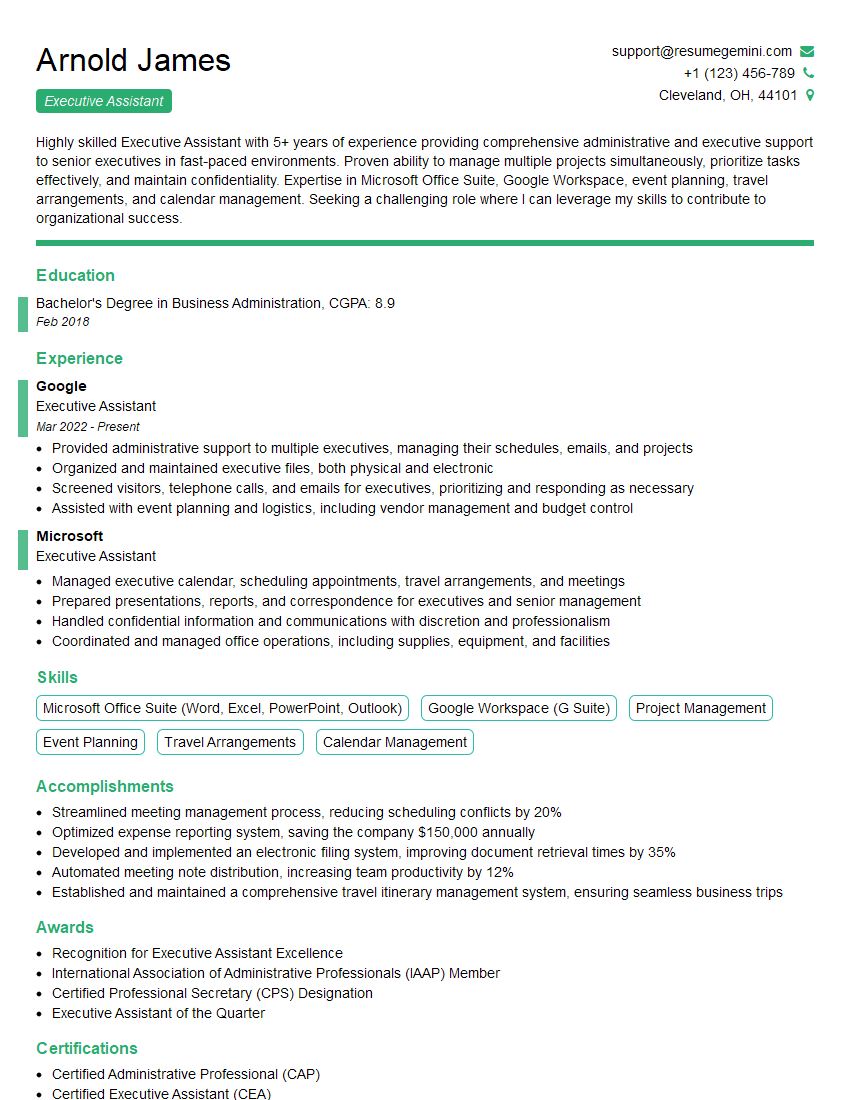
Executive Assistant Resume Sample
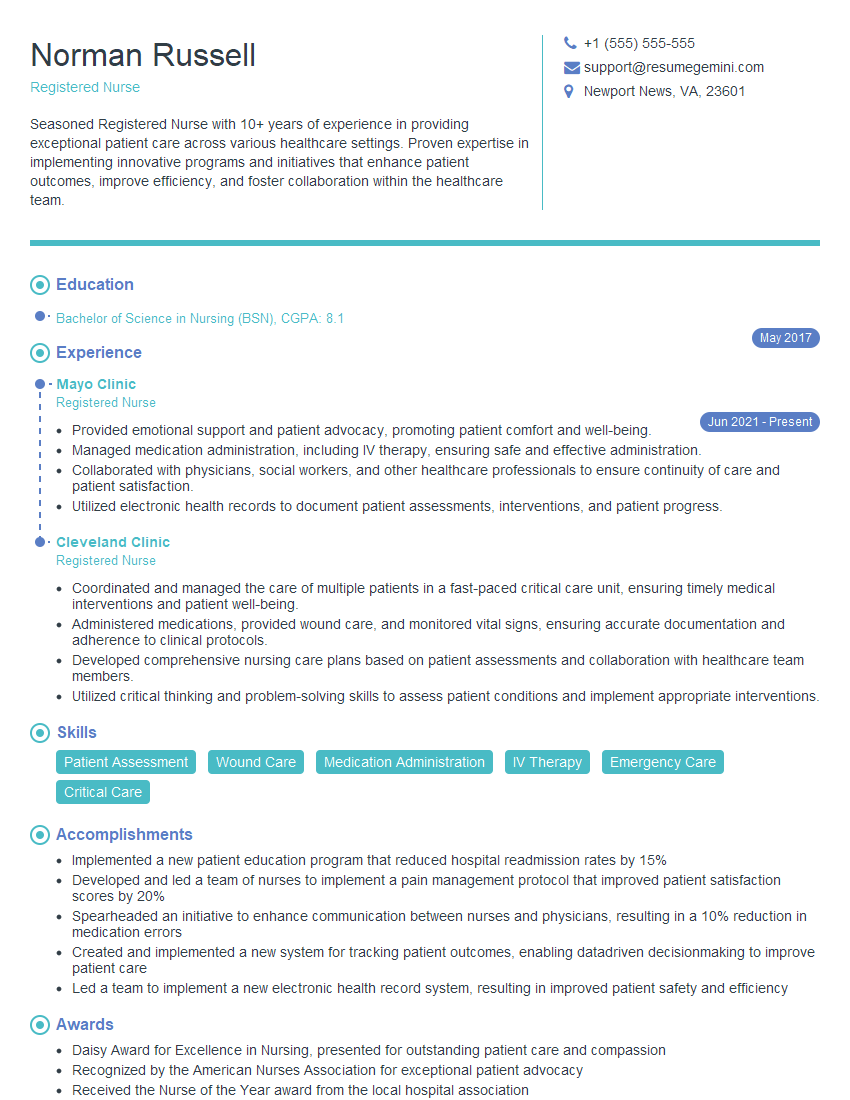
Registered Nurse Resume Sample
- Operations Manager
- Account Manager
- Marketing Manager
- Sales Representative
- Communications Manager
- Customer Service Manager
- Human Resources Manager
- Project Manager
- Teacher
- Professor
- Business Analyst
- Researcher
- Financial Analyst
- Data Scientist
- Software Engineer
- Architect
- Engineer
- Social Worker
- Lawyer
- Medical Doctor
- Executive Assistant
- Registered Nurse
Explore more articles
Users Rating of Our Blogs
Share Your Experience
We value your feedback! Please rate our content and share your thoughts (optional).
What Readers Say About Our Blog
Really detailed insights and content, thank you for writing this detailed article.
IT gave me an insight and words to use and be able to think of examples