Are you ready to stand out in your next interview? Understanding and preparing for Ability to Conduct Training and Education interview questions is a game-changer. In this blog, we’ve compiled key questions and expert advice to help you showcase your skills with confidence and precision. Let’s get started on your journey to acing the interview.
Questions Asked in Ability to Conduct Training and Education Interview
Q 1. Describe your experience designing and delivering training programs.
Designing and delivering training programs is a multifaceted process that requires a deep understanding of adult learning principles and the specific needs of the target audience. My experience spans various industries, including technology, healthcare, and finance. I’ve designed programs ranging from short, focused workshops to comprehensive, multi-module courses. For instance, at my previous role, I designed a three-day program on project management for newly hired engineers. This involved conducting a needs analysis to identify skill gaps, choosing appropriate training methodologies (a blend of lectures, group activities, and simulations), creating engaging learning materials including presentations, case studies, and interactive exercises, and developing post-training assessments to evaluate learning outcomes. The program resulted in a significant improvement in project completion rates and employee satisfaction. Another example involved creating online modules for customer service representatives, leveraging video tutorials and interactive quizzes for better engagement and retention.
Q 2. What training methodologies are you most proficient in?
My proficiency spans a range of training methodologies, each tailored to specific learning objectives and audience needs. I am highly skilled in:
- Andragogy: This adult learning theory guides my approach, focusing on self-directed learning, experience-based learning, and problem-centered learning. I often incorporate real-world case studies and simulations to engage adult learners.
- Experiential Learning: I firmly believe in learning by doing. I frequently utilize activities like role-playing, simulations, group projects, and hands-on exercises to reinforce learning and enhance knowledge retention. For example, I’ve used role-playing scenarios to teach effective customer service techniques.
- Blended Learning: Combining online and in-person instruction allows me to cater to diverse learning styles and preferences. This often involves using an LMS for pre- and post-training activities, delivering live online sessions, and conducting in-person workshops.
- Gamification: I integrate game mechanics like points, badges, leaderboards, and challenges to boost motivation and engagement, particularly in online training. This makes the learning process more enjoyable and effective.
Q 3. How do you assess the effectiveness of your training programs?
Assessing training effectiveness is critical to ensure the program meets its objectives. My approach is multi-faceted and includes:
- Pre- and Post-Training Assessments: These measure knowledge and skill levels before and after the training, revealing the extent of learning achieved. I use a variety of assessment methods, including multiple-choice quizzes, practical exercises, and performance-based assessments.
- Participant Feedback: Surveys and feedback forms gather valuable insights into participants’ experience and suggestions for improvement. I often use both quantitative (e.g., rating scales) and qualitative (e.g., open-ended questions) methods.
- On-the-Job Performance Observation: Where applicable, I monitor participants’ performance in their work environment to assess how effectively they apply learned skills. This may involve conducting observations, reviewing work products, or seeking feedback from supervisors.
- Return on Investment (ROI) Analysis: For larger training programs, I quantify the impact on business outcomes like improved productivity, reduced errors, or increased sales. This involves collecting data before and after training to demonstrate its value.
By combining these methods, I obtain a comprehensive view of training effectiveness and identify areas for improvement.
Q 4. Explain your process for developing a training curriculum.
Developing a training curriculum involves a systematic process. I typically follow these steps:
- Needs Analysis: Identifying learning gaps, performance issues, and training objectives through interviews, surveys, and performance data.
- Learning Objectives: Defining clear, measurable, achievable, relevant, and time-bound (SMART) objectives for the training program. These objectives dictate the content and assessments.
- Content Development: Creating engaging and relevant learning materials, choosing appropriate methodologies, and selecting the right delivery format (in-person, online, blended).
- Sequencing and Structure: Organizing the content logically to ensure a smooth learning flow and optimal knowledge retention. This often involves breaking down complex topics into smaller, manageable modules.
- Assessment Design: Developing pre- and post-training assessments, feedback mechanisms, and evaluation strategies to measure the effectiveness of the training.
- Pilot Testing: Testing the curriculum with a small group before full implementation to identify any issues and make necessary adjustments.
- Revision and Refinement: Based on feedback and evaluation data, continuously improving the curriculum over time.
Q 5. How do you adapt your training style to different learning styles?
I adapt my training style to accommodate diverse learning styles by utilizing a variety of techniques and incorporating different modalities. This might involve:
- Visual Learners: Using visuals like diagrams, charts, videos, and presentations.
- Auditory Learners: Incorporating discussions, lectures, audio recordings, and group activities.
- Kinesthetic Learners: Utilizing hands-on activities, simulations, role-playing, and group projects.
- Read/Write Learners: Providing detailed handouts, summaries, and written exercises.
Furthermore, I differentiate instruction by offering varied learning activities within a single session, providing learners with choices, and encouraging active participation in various formats. For instance, a training module might include a video lecture, a hands-on activity, a group discussion, and an individual written exercise.
Q 6. How do you handle difficult or disruptive participants in a training session?
Handling disruptive participants requires a calm and professional approach. My strategy focuses on:
- Proactive Measures: Setting clear expectations and guidelines at the beginning of the training. This includes outlining acceptable behavior and consequences for disruptive actions.
- Addressing the Issue Directly: Privately addressing the participant’s behavior, understanding the root cause (e.g., boredom, disagreement, lack of understanding), and working collaboratively to find a solution.
- Redirecting Behavior: Gently redirecting the participant’s attention back to the training material, offering opportunities for participation in a constructive way.
- Seeking Support: If the behavior persists or becomes unacceptable, seeking assistance from a supervisor or HR representative.
The key is to maintain a respectful and professional demeanor, focusing on de-escalation and finding solutions rather than confrontation. I always strive to create a safe and inclusive learning environment for all participants.
Q 7. Describe your experience using learning management systems (LMS).
I have extensive experience using various Learning Management Systems (LMS), including Moodle, Canvas, and Blackboard. My experience encompasses:
- Course Creation and Management: Designing and uploading course materials, including videos, presentations, documents, and assessments. This includes using the LMS features to organize content, track progress, and manage user access.
- Assessment and Grading: Utilizing the LMS for creating and delivering quizzes, tests, and assignments, as well as automating the grading process where possible. This allows for efficient tracking of participant performance.
- Communication and Collaboration: Leveraging the communication tools within the LMS, such as discussion forums, announcements, and email integration, to facilitate interaction among participants and between participants and the instructor.
- Tracking and Reporting: Analyzing data from the LMS to track learner progress, identify areas for improvement, and generate reports on training effectiveness. This information helps refine future training programs.
My proficiency in LMS extends to integrating various technologies and tools, ensuring optimal functionality and usability for the learners. For example, I’ve integrated video conferencing platforms into LMS courses to facilitate live online sessions and interactive elements.
Q 8. What experience do you have with e-learning development?
My e-learning development experience spans over seven years, encompassing various roles from instructional designer to project manager. I’ve worked with several Learning Management Systems (LMS) like Moodle, Canvas, and Articulate 360, creating engaging courses using diverse media. For example, I led the development of a fully online compliance training program for a financial institution. This involved needs analysis, scriptwriting, graphic design collaboration, video production, and programming simple interactive elements using Articulate Storyline. Another project involved creating a blended learning module – a combination of online modules and in-person workshops – for a large manufacturing company focusing on safety protocols. The online component utilized gamification techniques, such as points and leaderboards, to improve learner engagement and retention.
My experience extends to accessibility considerations; ensuring all online training materials are compliant with WCAG (Web Content Accessibility Guidelines). This includes providing alternative text for images, using proper heading structure, creating transcripts for videos, and designing interactive elements that are navigable using keyboard alone.
Q 9. How do you incorporate adult learning principles into your training?
I firmly believe in applying adult learning principles, specifically Knowles’ Andragogy, to all my training designs. This means shifting away from a teacher-centric approach to a learner-centered one. I incorporate several key elements:
- Experience as a Resource: I leverage learners’ prior knowledge and experiences by designing activities that allow them to share insights and build upon what they already know. This fosters a sense of ownership and relevance.
- Self-Concept: Adults need to feel respected and in control of their learning journey. I encourage learner autonomy by offering flexible learning paths, self-assessment tools, and opportunities for collaborative learning. For example, I designed a peer-to-peer feedback mechanism into one training program, empowering learners to share knowledge and enhance the learning experience for everyone.
- Readiness to Learn: Adults are most motivated to learn when they perceive the relevance to their immediate needs and goals. I always begin by clearly outlining learning objectives and demonstrating how the training will benefit them directly in their professional roles. This is done through a robust needs analysis, which is discussed later.
- Orientation to Learning: Adults learn best when they can apply new knowledge and skills immediately. I incorporate hands-on activities, case studies, and simulations to ensure learners practice and reinforce their learning in a realistic context.
Q 10. How do you ensure your training materials are accessible to all learners?
Accessibility is paramount in my training design. I meticulously ensure all materials meet WCAG guidelines, focusing on perceivability, operability, understandability, and robustness. This includes:
- Alternative Text for Images: Providing detailed descriptions of all images for screen readers.
- Closed Captions/Transcripts: Including captions and transcripts for all videos.
- Keyboard Navigation: Designing interactive elements that are fully navigable using only a keyboard.
- Color Contrast: Ensuring sufficient contrast between text and background colors to improve readability.
- Structured Content: Using proper heading structures (H1-H6) to improve navigation and accessibility.
- Simple Language: Using clear and concise language, avoiding jargon unless absolutely necessary.
Furthermore, I always test my materials with learners of differing abilities to gather feedback and ensure inclusive design.
Q 11. Describe a time you had to troubleshoot a technical issue during a training session.
During a recent webinar on project management software, the platform experienced an unexpected outage just as we were starting a live demonstration. My immediate response was to switch to a backup plan. I had pre-recorded the demonstration and quickly shared the video link with participants. I apologized for the technical glitch, explained the situation, and assured them that the content would still be delivered. I then used the extra time to answer questions and address any immediate concerns from the audience. This calm response and proactive problem-solving minimized disruption and ensured that the training session was still productive and valuable.
Q 12. How do you measure the return on investment (ROI) of a training program?
Measuring the ROI of a training program requires a multifaceted approach. It’s not just about immediate improvements, but long-term impact. I use a combination of methods:
- Pre- and Post-Training Assessments: Measuring improvement in knowledge, skills, and attitudes through assessments administered before and after training.
- On-the-Job Performance Metrics: Tracking key performance indicators (KPIs) related to the skills taught, like error rates, productivity, sales figures, or customer satisfaction scores.
- Return on Investment (ROI) Calculation: Calculating the return on investment by comparing the cost of the training program to the value of the improvements in KPIs.
- Qualitative Feedback: Gathering feedback through surveys and interviews to assess the perceived value and impact of the training.
For example, after a sales training program, I tracked the average deal size closed by participants. A significant increase post-training, when compared to the costs of the training program, demonstrated a strong positive ROI.
Q 13. How do you stay current with the latest training trends and technologies?
Staying current is crucial in the rapidly evolving field of training and education. I actively engage in several strategies:
- Professional Development: I regularly attend conferences, workshops, and webinars related to instructional design, adult learning, and technology in education.
- Industry Publications and Journals: I subscribe to relevant journals and online resources such as Training Industry Magazine and eLearning Industry.
- Online Courses and Certifications: I pursue online courses and certifications to stay updated on new technologies and methodologies. For instance, recently I completed a course on using Artificial Intelligence in eLearning.
- Networking: I actively participate in online and in-person professional communities to exchange ideas and learn from other experts.
Q 14. What experience do you have with needs analysis for training programs?
Needs analysis is the foundation of any effective training program. It’s a systematic process to identify performance gaps, determine learning objectives, and tailor training to meet specific needs. I follow a structured approach that includes:
- Performance Analysis: Identifying performance gaps by reviewing data like key performance indicators (KPIs), error rates, customer feedback, and other relevant metrics.
- Task Analysis: Breaking down job roles and tasks to identify the knowledge, skills, and abilities (KSAs) required for successful performance.
- Learner Analysis: Understanding the learner audience – their prior knowledge, learning styles, and preferences. This informs the design and delivery methods used.
- Organizational Analysis: Assessing the organizational context – resources available, training budget, and management support. This ensures that the training program is feasible and sustainable.
- Gap Analysis: Comparing the required KSAs with the current skill levels of employees to identify the specific training needs.
For example, during a needs analysis for a customer service team, I discovered through surveys and performance data that agents lacked proficiency in conflict resolution techniques. This informed the design of a targeted training program focusing specifically on this area, resulting in a significant decrease in customer complaints.
Q 15. Describe your experience with creating engaging and interactive training materials.
Creating engaging and interactive training materials is crucial for effective knowledge transfer. My approach involves a multi-faceted strategy focusing on learner needs and learning styles. I start by conducting a thorough needs analysis to understand the target audience’s existing knowledge, learning preferences, and desired outcomes. This informs the selection of appropriate training methodologies and content delivery formats.
For instance, I recently developed a training program on project management for a team of engineers. Recognizing their preference for hands-on learning, I incorporated interactive simulations where they could practice managing virtual projects, encountering common challenges and making decisions. I also utilized short videos, gamified quizzes, and real-world case studies to maintain engagement and reinforce learning.
Furthermore, I consistently leverage a variety of media. This includes visually appealing presentations, interactive exercises, group discussions, role-playing activities, and even incorporating short videos and animations to cater to different learning styles and maintain interest. The key is to move away from passive lectures and embrace active learning techniques.
Career Expert Tips:
- Ace those interviews! Prepare effectively by reviewing the Top 50 Most Common Interview Questions on ResumeGemini.
- Navigate your job search with confidence! Explore a wide range of Career Tips on ResumeGemini. Learn about common challenges and recommendations to overcome them.
- Craft the perfect resume! Master the Art of Resume Writing with ResumeGemini’s guide. Showcase your unique qualifications and achievements effectively.
- Don’t miss out on holiday savings! Build your dream resume with ResumeGemini’s ATS optimized templates.
Q 16. How do you create and maintain a positive learning environment?
A positive learning environment is paramount for successful training. I foster this through several key strategies. First, I create a safe and inclusive space where participants feel comfortable asking questions, sharing ideas, and expressing themselves without fear of judgment. I actively encourage collaboration and peer learning through group activities and discussions.
Building rapport with trainees is vital. I strive to connect with them on a personal level, learning about their backgrounds and experiences to understand their perspectives better. I use icebreakers and team-building activities at the beginning of workshops to create a sense of community and trust. Clear expectations and a structured learning plan provide a sense of security and direction, contributing to a comfortable environment.
Regularly assessing the learning environment through informal checks and formal feedback mechanisms allows me to adjust my approach as needed. For example, if I notice low participation during a particular activity, I might change the format or introduce a more engaging element.
Q 17. How do you handle feedback from trainees?
Feedback is invaluable for continuous improvement. I actively solicit feedback from trainees throughout the training process, not just at the end. This can be achieved through various methods such as anonymous surveys, post-training evaluations, and informal conversations. I listen attentively and value all feedback, whether positive or negative, as an opportunity to learn and adapt.
I always make sure to address the feedback promptly and professionally. For constructive criticism, I explain how I will use the input to enhance future training sessions. For example, if trainees mention difficulty understanding a particular concept, I might revise the training materials or incorporate additional examples. I believe that showing trainees that their feedback is valued and acted upon fosters a stronger learner-trainer relationship and promotes better learning outcomes.
Q 18. How do you manage multiple training projects simultaneously?
Managing multiple training projects simultaneously requires strong organizational skills and effective time management. I utilize project management tools and techniques, such as Gantt charts and Kanban boards, to visualize timelines, track progress, and allocate resources effectively. Breaking down large projects into smaller, manageable tasks and prioritizing them based on deadlines and urgency is essential. This allows me to make progress on multiple projects while maintaining focus and quality.
Clear communication is vital when working on multiple projects. I keep all stakeholders informed of progress, potential challenges, and any necessary adjustments. Regular meetings and progress reports ensure transparency and prevent misunderstandings. Delegation, where appropriate, allows me to share the workload and utilize the strengths of my team, boosting overall efficiency.
Q 19. What are some common challenges in training and development, and how do you overcome them?
Several common challenges exist in training and development. One is ensuring trainee engagement; this can be overcome by incorporating interactive elements, diverse learning styles, and relevant, real-world examples. Another is measuring the effectiveness of training; this is mitigated by utilizing pre and post-training assessments, measuring knowledge retention, and tracking changes in on-the-job performance.
Limited resources are another common challenge. This can be addressed by leveraging free or low-cost online tools, reusing training materials where appropriate, and focusing on high-impact training interventions. Lack of buy-in from stakeholders can be addressed through strong communication, clear demonstration of ROI, and involving stakeholders in the training design process. Finally, keeping training content up-to-date is handled through continuous evaluation and regular updates based on feedback and technological advancements.
Q 20. Describe your experience with performance improvement plans resulting from training.
My experience shows a direct correlation between effective training and performance improvement. For instance, I designed a training program focused on customer service skills for a call center. Post-training evaluation showed a significant increase in customer satisfaction scores and a reduction in complaint rates. This demonstrates how targeted training can directly impact key performance indicators (KPIs).
I often work with organizations to develop performance improvement plans (PIPs) that incorporate training as a key component. In these cases, I conduct performance analysis to identify skill gaps and then design training interventions to address those gaps. These interventions are then followed up with ongoing coaching and mentoring to support the application of new skills in the workplace. This comprehensive approach ensures lasting improvements in performance.
Q 21. How do you utilize technology to enhance training effectiveness?
Technology plays a vital role in enhancing training effectiveness. Learning management systems (LMS) provide a centralized platform for delivering training content, tracking progress, and managing assessments. I’ve used various LMS platforms (such as Moodle or Canvas) to manage online courses, distribute materials, and deliver quizzes and assignments. This technology allows for scalability and accessibility, allowing training to reach a wider audience.
Furthermore, I utilize various software tools and platforms to create engaging e-learning content, such as interactive simulations, videos, and virtual reality (VR) experiences where applicable. These technological additions enhance learner engagement and comprehension. Webinars and virtual classrooms allow for real-time interaction and collaboration, even with geographically dispersed trainees. Data analytics from LMS and other technology tools allow for continuous evaluation and optimization of the training programs.
Q 22. How do you create training evaluations that provide meaningful data?
Meaningful training evaluations go beyond simple satisfaction surveys. They provide actionable data to improve future training programs. To achieve this, I employ a multi-faceted approach focusing on Kirkpatrick’s Four Levels of Evaluation.
- Level 1: Reaction: This measures learner satisfaction and engagement. I use questionnaires with a mix of Likert scale questions (e.g., rating the clarity of instruction) and open-ended feedback for qualitative insights. For instance, I might ask, “How useful was the information presented in this training?” with a scale of 1-5.
- Level 2: Learning: This assesses knowledge gained. I utilize pre- and post-tests, quizzes, and knowledge checks to measure improvements. A practical example would be a pre-test on safety procedures, followed by a post-test after the training, to gauge the knowledge improvement.
- Level 3: Behavior: This determines whether learners apply new skills on the job. I use observation checklists, 360-degree feedback, or performance reviews to track behavioral changes. For example, in a sales training program, we could track the number of sales closed by participants post-training.
- Level 4: Results: This focuses on the impact of training on organizational goals – reduced errors, increased productivity, improved customer satisfaction, etc. We might track key performance indicators (KPIs) before and after the training, such as sales figures or customer complaints.
By combining these levels, I gather a holistic picture of training effectiveness, moving beyond simply knowing if learners enjoyed the program, to understanding if it truly improved performance and contributed to organizational success.
Q 23. What is your experience with blended learning methodologies?
Blended learning is my preferred approach because it combines the best of online and in-person instruction to cater to diverse learning styles and maximize engagement. My experience spans several projects incorporating various blended models.
- Example 1: Instructor-led training with online modules: In a recent project training customer service representatives, we delivered core concepts through engaging online modules before the in-person sessions. The online modules freed up in-person time for interactive exercises, role-playing, and personalized coaching, resulting in better knowledge retention and skill application.
- Example 2: Flipped classroom approach: For a technical training program, we used pre-recorded video lectures for learners to review before attending in-person workshops. This allowed the instructor to focus on complex problems, hands-on activities, and individualized support during workshop time. This significantly increased learner engagement and reduced passive listening time.
I carefully select the appropriate blended learning model depending on the learning objectives, target audience, available resources, and organizational context. I always ensure seamless integration between online and offline components to create a cohesive and effective learning experience.
Q 24. Describe a time you had to adapt a training program due to unexpected circumstances.
During a leadership development program, a key speaker unexpectedly canceled two days before the session. Instead of panicking, I immediately implemented a contingency plan.
- First, I contacted several trusted colleagues with expertise in the speaker’s topic and secured a replacement speaker with similar credentials. This was crucial to maintain the training quality.
- Second, I re-arranged the schedule, shifting less critical modules to accommodate the speaker’s availability. This ensured that all critical program elements were covered.
- Third, I communicated the changes transparently to all participants. This involved providing timely updates on the revised schedule and introducing the replacement speaker. Proactive communication prevented any confusion or negative impact on the training program’s success.
The resulting training was still a success, demonstrating my adaptability and ability to handle unexpected challenges effectively and maintain a high level of professionalism. This reinforced my ability to develop robust backup plans and adapt quickly under pressure.
Q 25. How do you ensure the training aligns with organizational goals?
Aligning training with organizational goals is paramount. I achieve this through a structured process that begins with a thorough needs analysis.
- Needs Analysis: This involves understanding the organization’s strategic goals, identifying skill gaps, and assessing performance data. This could include reviewing performance reviews, conducting interviews with managers and employees, and analyzing key performance indicators (KPIs).
- Gap Analysis: Once the needs are identified, I conduct a gap analysis to determine the difference between current employee skills and the skills needed to achieve organizational goals.
- Training Design: The training program is then designed to directly address the identified skill gaps. Learning objectives, content, and assessment methods are tailored to ensure that employees develop the necessary competencies to support organizational objectives.
- Post-Training Evaluation: Finally, we regularly evaluate the effectiveness of training in relation to the organizational goals. This involves tracking KPIs and measuring the impact of the training on employee performance and organizational outcomes.
For example, if the organizational goal is to improve customer satisfaction, the training might focus on communication skills, problem-solving, and customer service best practices. Post-training, we would measure customer satisfaction scores to assess the training’s effectiveness in achieving this goal.
Q 26. What is your approach to creating effective learning objectives?
Effective learning objectives are SMART – Specific, Measurable, Achievable, Relevant, and Time-bound. They clearly define what learners should know or be able to do by the end of the training.
For example, instead of a vague objective like “Understand marketing principles,” a SMART objective would be: “By the end of this module, participants will be able to identify and explain three key marketing strategies (specific, measurable) with 80% accuracy on a written test (measurable, achievable) relevant to their roles in the sales department (relevant) within one hour (time-bound).”
I use the ABCD method: Audience, Behavior, Condition, Degree. This ensures clarity and measurability. For the example above: Audience: Sales Team; Behavior: Identify and explain; Condition: Using course materials; Degree: 80% accuracy.
Clearly defined learning objectives guide the design and delivery of training, ensure consistent evaluation, and ultimately enhance the effectiveness of the program.
Q 27. How do you use data analytics to inform your training strategies?
Data analytics plays a crucial role in shaping my training strategies. I use data to understand learner behavior, identify areas for improvement, and measure the effectiveness of training interventions.
- Learning Management System (LMS) Data: I leverage data from LMS platforms to track course completion rates, time spent on modules, quiz scores, and learner engagement. This helps to identify areas where learners struggle or lose interest, enabling adjustments to the training content or delivery methods.
- Performance Data: I analyze performance metrics like employee productivity, error rates, sales figures, and customer satisfaction scores before and after training to assess the overall impact of the training programs. This helps justify the value of training initiatives and demonstrate ROI.
- Feedback Analysis: I analyze qualitative and quantitative feedback from learners and managers to identify areas where training can be improved. This feedback helps to create a continuous improvement cycle.
For example, if data shows a low completion rate for a specific online module, I might revise the module to make it shorter, more engaging, or provide more interactive elements. Similarly, if post-training performance data shows no improvement in a particular area, it would signal a need to revise the training content or delivery method in that specific area.
Q 28. What are your salary expectations for this role?
My salary expectations for this role are commensurate with my experience, skills, and the responsibilities involved. Based on my research of similar roles in this industry and my qualifications, I am targeting a salary range of [Insert Salary Range]. However, I am open to discussing this further and am flexible based on the overall compensation package offered.
Key Topics to Learn for Ability to Conduct Training and Education Interview
- Needs Assessment & Curriculum Design: Understanding how to identify training needs, develop engaging learning objectives, and create a structured curriculum that aligns with those objectives. Practical application includes designing a training program for a specific skillset or software.
- Instructional Strategies & Methods: Mastering various teaching methods (lectures, group discussions, role-playing, simulations, etc.) and adapting your approach to different learning styles and audience needs. Consider how you would handle diverse learning preferences in a practical training scenario.
- Learning Technologies & Tools: Familiarity with various e-learning platforms, virtual classrooms, and presentation software. Practical application involves choosing the best technology for delivering specific training content effectively.
- Assessment & Evaluation: Designing effective methods to assess learning outcomes (tests, quizzes, projects, observations) and using data to improve training programs. Think about how you would measure the success of a training program and adapt it based on the results.
- Communication & Facilitation Skills: Mastering clear communication, active listening, and effective facilitation techniques to create a positive and engaging learning environment. This includes handling difficult questions and managing group dynamics.
- Training Delivery & Presentation Skills: Delivering engaging and informative presentations, managing time effectively, and maintaining audience interest. Consider how you would structure a presentation to maximize learner engagement.
- Adult Learning Principles: Understanding and applying principles of adult learning theory (andragogy) to create effective and relevant training programs. Practical application: designing a training program that caters specifically to the needs and learning styles of adult learners.
Next Steps
Mastering the ability to conduct training and education is crucial for career advancement in many fields, opening doors to leadership roles and opportunities for professional growth. A strong resume is your key to unlocking these opportunities. Creating an ATS-friendly resume is essential for getting your application noticed. ResumeGemini is a trusted resource to help you build a professional, impactful resume that highlights your skills and experience effectively. Examples of resumes tailored to showcasing expertise in Ability to Conduct Training and Education are available to help you craft the perfect application.
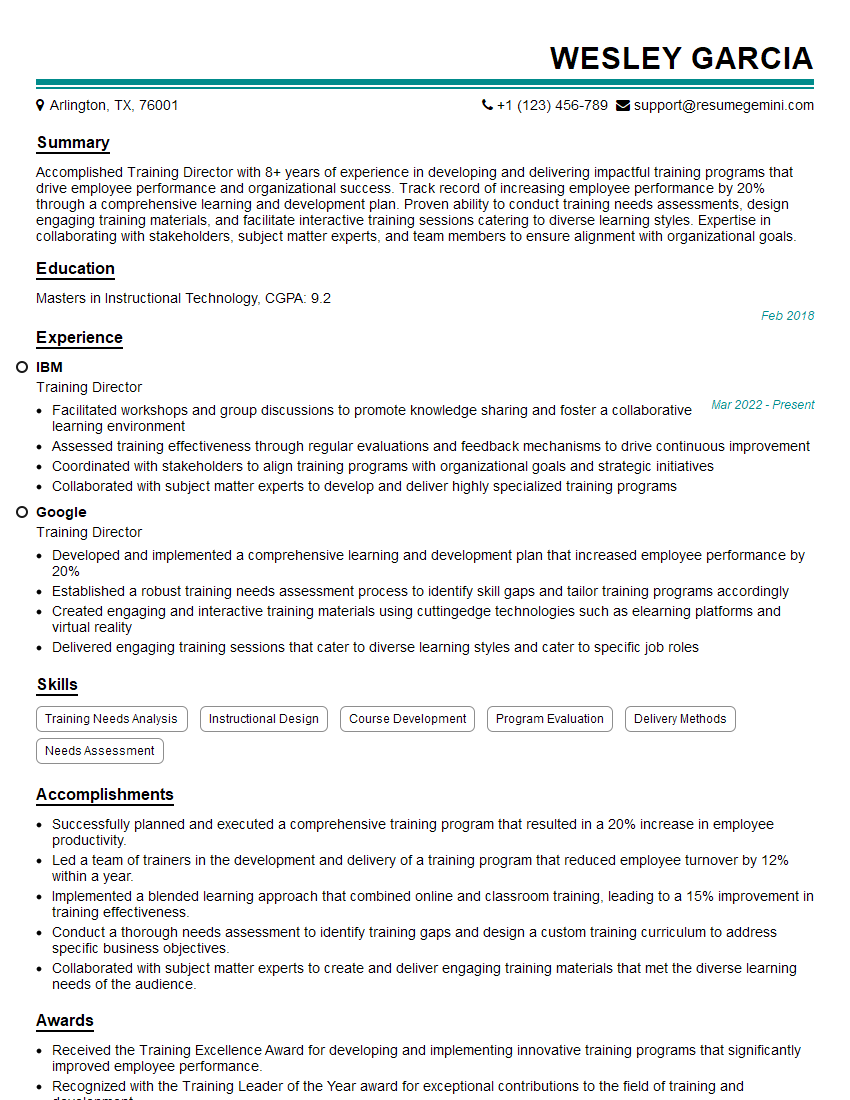
Training Director Resume Sample
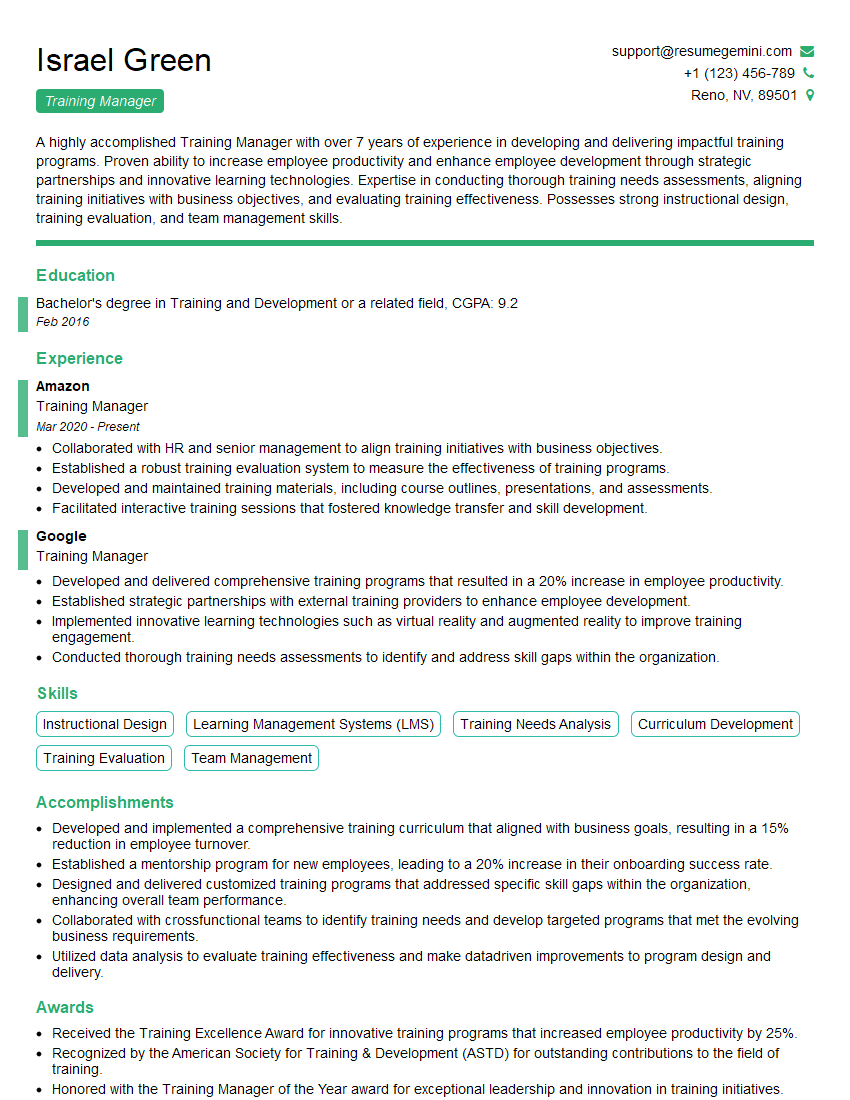
Training Manager Resume Sample

Instructor Resume Sample

Professor Resume Sample
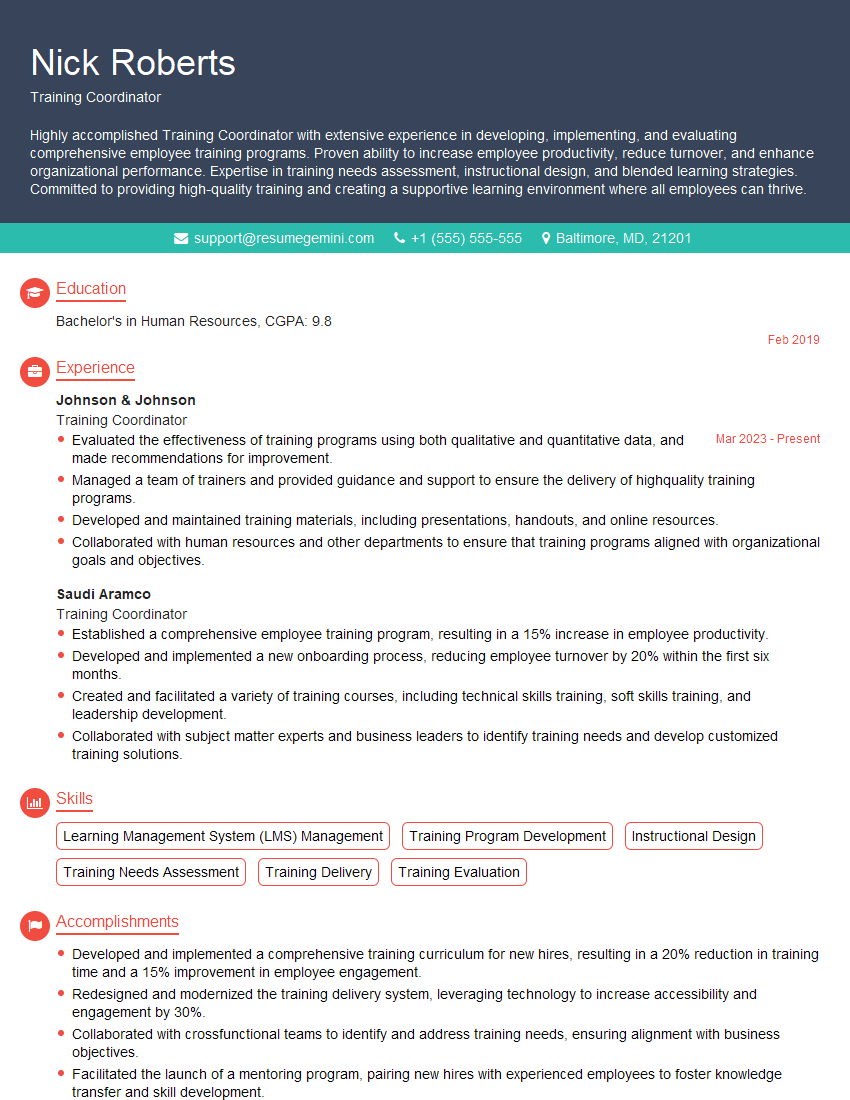
Training Coordinator Resume Sample
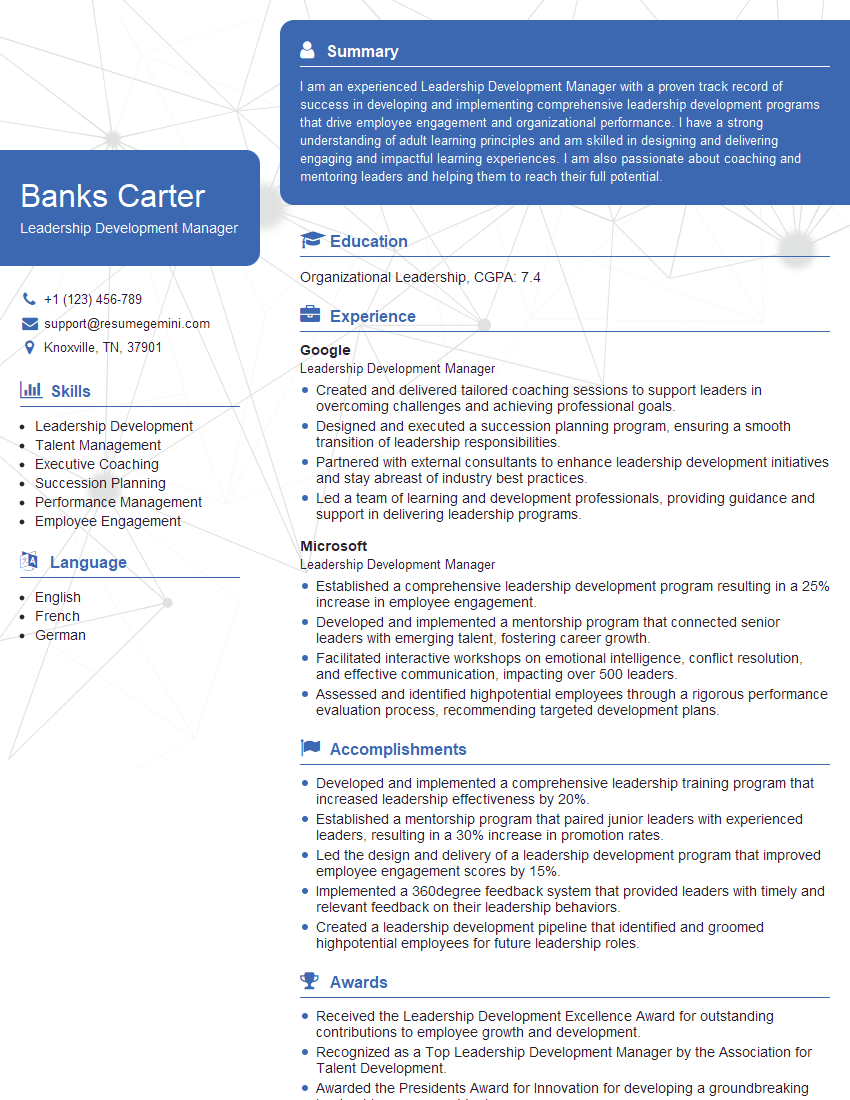
Leadership Development Manager Resume Sample
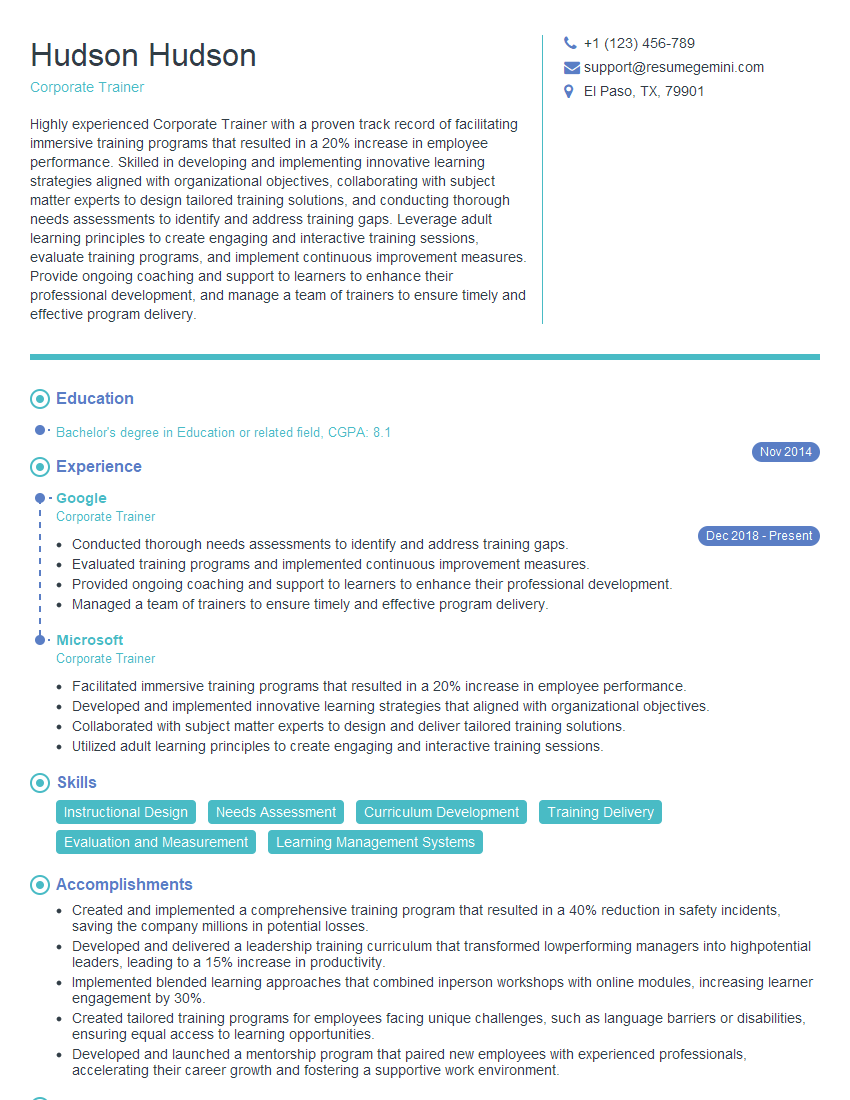
Corporate Trainer Resume Sample

Curriculum Developer Resume Sample
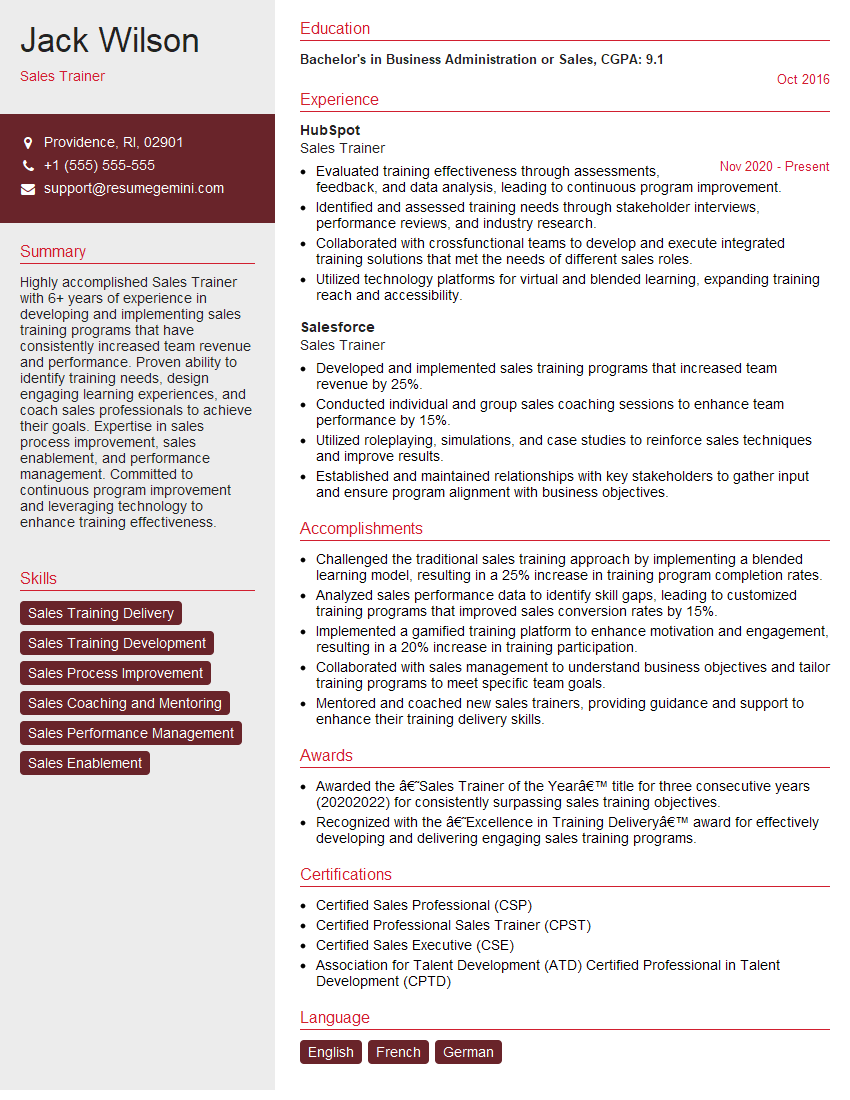
Sales Trainer Resume Sample
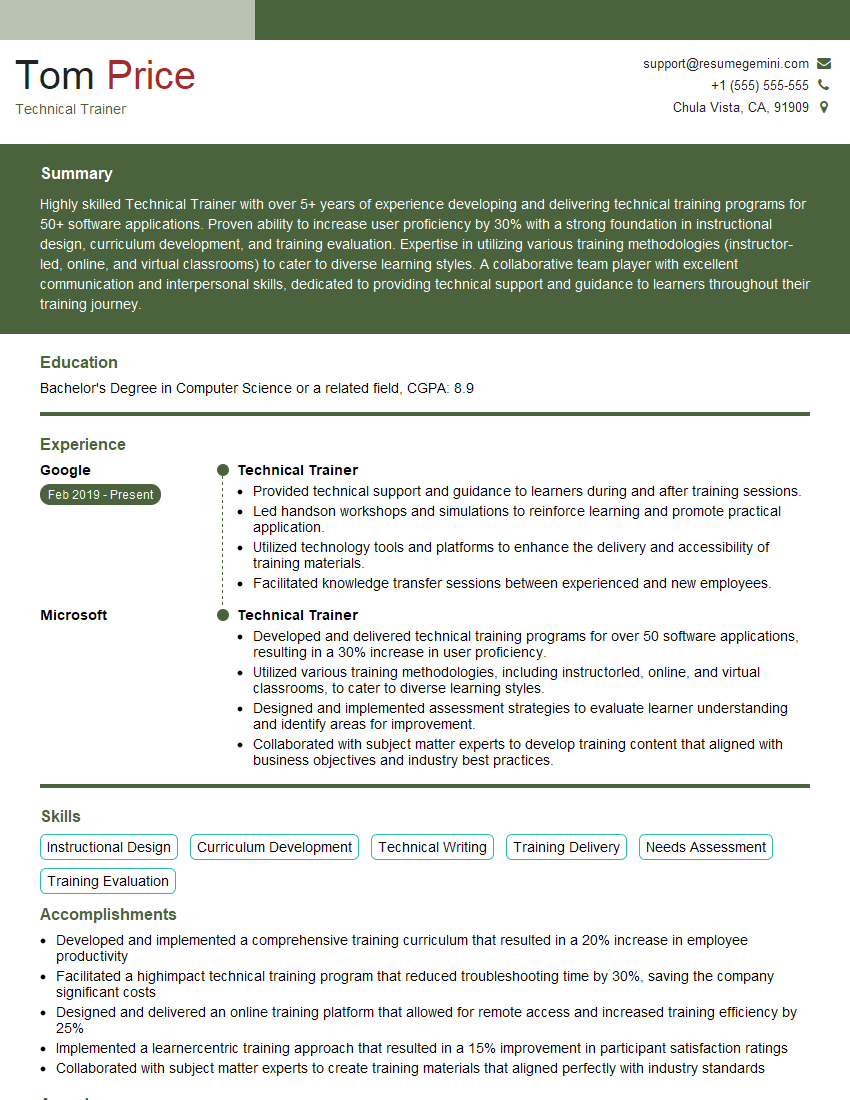
Technical Trainer Resume Sample

Training Specialist Resume Sample

Lecturer Resume Sample

Adjunct Professor Resume Sample
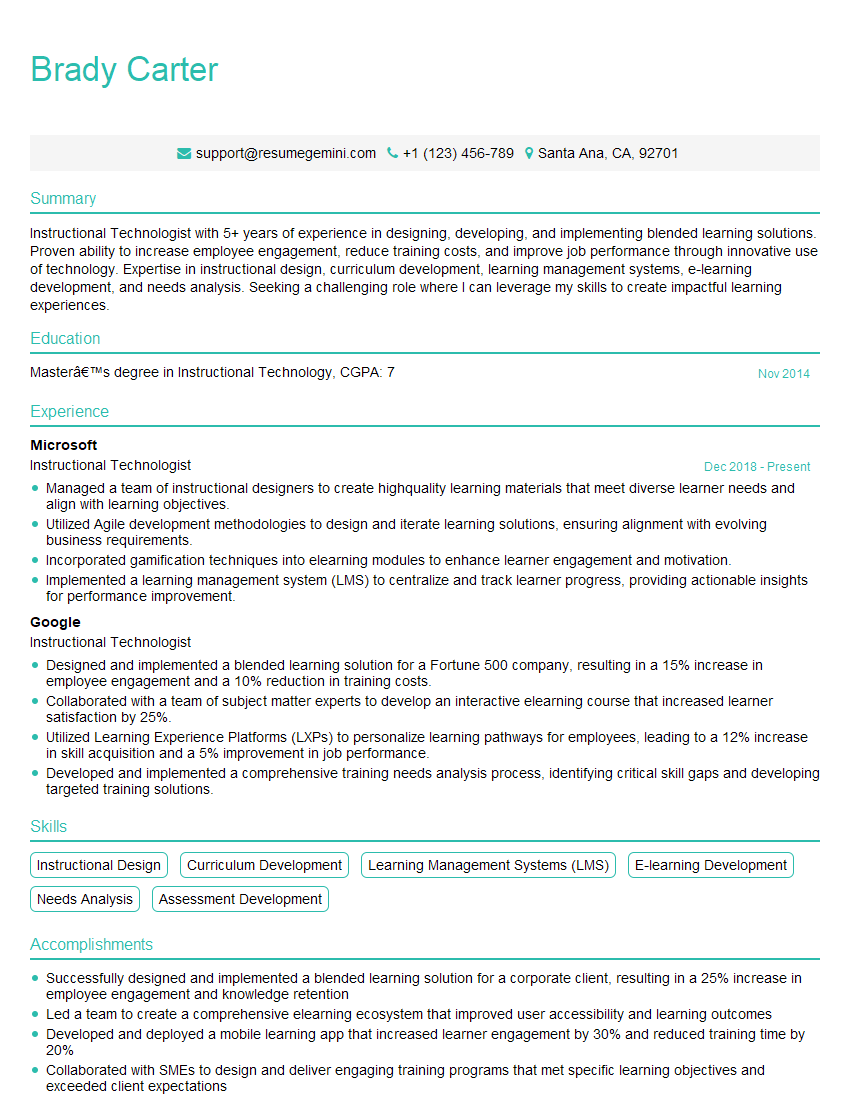
Instructional Technologist Resume Sample
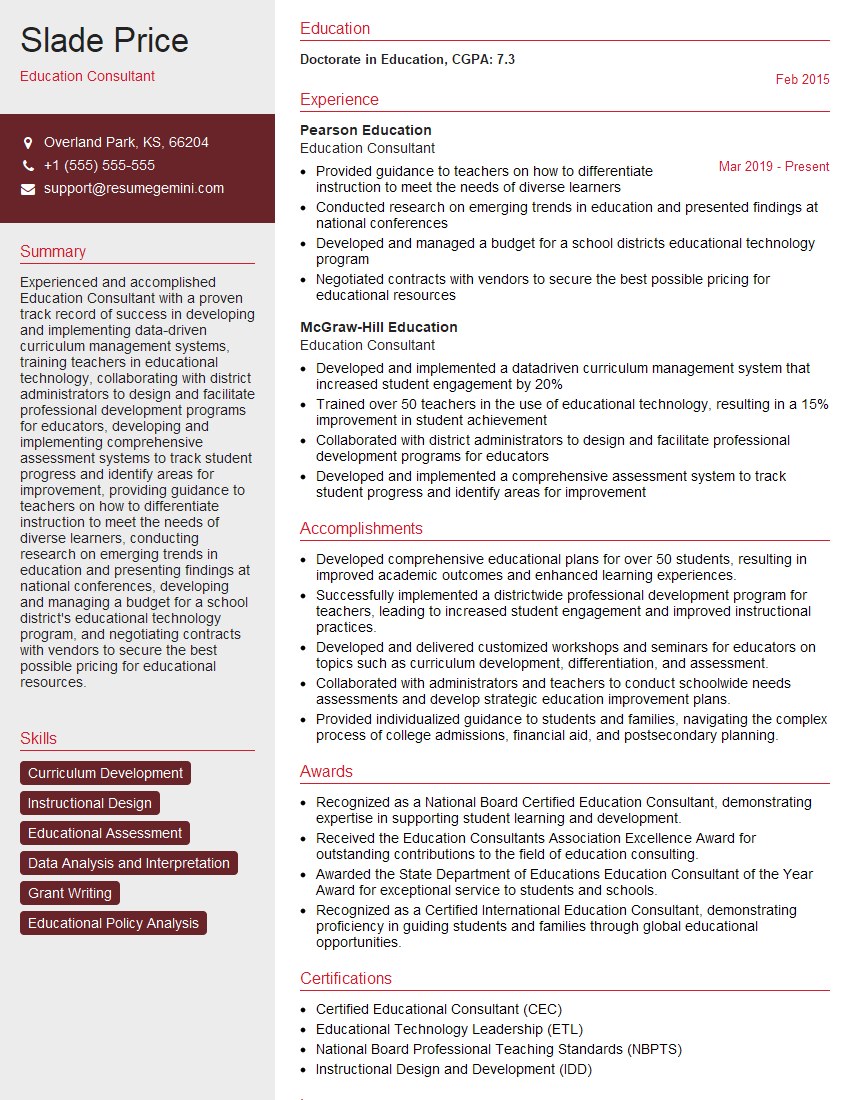
Education Consultant Resume Sample
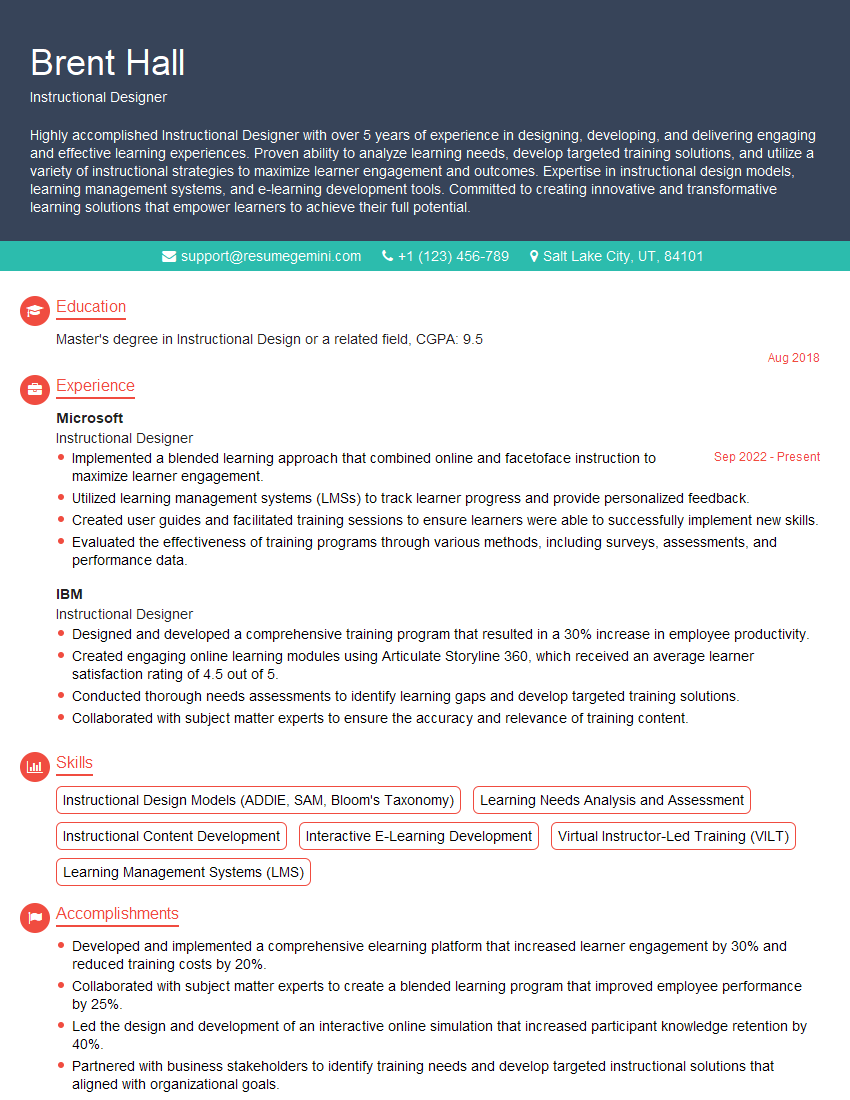
Instructional Designer Resume Sample
Explore more articles
Users Rating of Our Blogs
Share Your Experience
We value your feedback! Please rate our content and share your thoughts (optional).
What Readers Say About Our Blog
Really detailed insights and content, thank you for writing this detailed article.
IT gave me an insight and words to use and be able to think of examples