Are you ready to stand out in your next interview? Understanding and preparing for Ability to Network and Build Relationships interview questions is a game-changer. In this blog, we’ve compiled key questions and expert advice to help you showcase your skills with confidence and precision. Let’s get started on your journey to acing the interview.
Questions Asked in Ability to Network and Build Relationships Interview
Q 1. Describe your approach to building rapport with new contacts.
Building rapport is about establishing trust and connection. It’s less about a sales pitch and more about genuine interest. My approach is multifaceted:
- Active Listening: I focus intently on what the other person is saying, asking clarifying questions, and reflecting their points back to show I understand. This demonstrates respect and encourages them to open up.
- Finding Common Ground: I look for shared interests or experiences, whether professional or personal. This creates an immediate bond and makes the conversation more fluid and engaging. For instance, if we both enjoy hiking, that’s a great starting point for conversation beyond the immediate business at hand.
- Authenticity: I strive to be genuine and transparent. People can sense inauthenticity, so being yourself builds trust more effectively. I avoid overly formal or scripted interactions, opting for a natural and conversational tone.
- Value Proposition: While not leading with a sales pitch, I subtly showcase how I can add value to their work or life. This could be through sharing relevant industry knowledge or offering assistance in a specific area.
For example, at a recent industry conference, I struck up a conversation with someone by commenting on their presentation. This led to a discussion about a shared challenge in our respective fields, establishing immediate common ground and opening the door for a valuable professional relationship.
Q 2. How do you maintain professional relationships over time?
Maintaining relationships requires consistent and thoughtful effort. My strategy focuses on:
- Regular Check-ins: I schedule occasional brief communications – a quick email, LinkedIn message, or phone call – to stay connected and demonstrate that I value the relationship. This prevents relationships from becoming stale.
- Meaningful Engagement: Rather than generic interactions, I try to engage with their work or interests. This could involve sharing relevant articles, congratulating them on achievements, or offering help where appropriate.
- Reciprocity: Relationships are a two-way street. I actively seek ways to support my contacts, offering my expertise or assistance when possible. This builds mutual respect and strengthens the bond.
- Personalized Communication: I avoid generic, mass-produced emails or messages. I personalize my communication to reflect our past conversations and shared interests, showing that I remember and value our individual connection.
I use a CRM system to track interactions and schedule follow-ups, ensuring I stay in touch with key contacts consistently.
Q 3. Explain a situation where you leveraged your network to achieve a goal.
During a previous project, we needed to secure a crucial partnership with a large technology firm. While my team had strong technical expertise, we lacked the direct connections within that organization. I leveraged my network by reaching out to a former colleague who worked at the firm. He introduced me to the relevant decision-makers, paving the way for productive discussions and ultimately securing the partnership. This wouldn’t have been possible without proactively cultivating and nurturing my network over time.
Q 4. How do you identify key stakeholders in a new project or initiative?
Identifying key stakeholders requires a structured approach:
- Project Scope: Clearly define the project’s objectives and deliverables to understand who will be directly impacted or involved.
- Organizational Chart: Analyze the organizational structure to identify individuals with authority, influence, or key decision-making power within the project’s scope.
- Stakeholder Mapping: Create a stakeholder map to visually represent the individuals and groups involved, their level of influence, and their interest in the project. This helps prioritize engagement.
- Information Gathering: Conduct interviews or surveys to gather additional information and identify any hidden stakeholders who might not be immediately apparent.
For example, when launching a new product, key stakeholders could include senior management, the marketing team, the sales team, and potentially even key customers.
Q 5. How do you manage relationships with conflicting personalities?
Managing conflicting personalities requires diplomacy, understanding, and clear communication. My approach involves:
- Understanding Perspectives: I try to understand the motivations and concerns of each individual involved, recognizing that conflicts often stem from differing viewpoints or goals.
- Neutral Ground: I facilitate discussions in a neutral environment where all parties feel comfortable expressing their opinions without feeling judged.
- Active Listening and Empathy: I listen attentively to each person’s perspective, showing empathy and acknowledging their feelings. This helps de-escalate tensions and fosters collaboration.
- Focus on Shared Goals: I redirect the conversation towards the common objectives, emphasizing the importance of collaboration to achieve the desired outcome.
- Mediation (if needed): If the conflict cannot be resolved directly, I may need to mediate the discussion, ensuring fair and equitable outcomes for all involved.
For example, I once worked on a team with two individuals who had strongly contrasting work styles. By actively listening to their concerns and focusing on the shared goal of completing the project successfully, I was able to help them work together effectively.
Q 6. Describe your experience using networking platforms like LinkedIn.
LinkedIn is a crucial tool for professional networking. I use it to:
- Profile Optimization: Maintaining a complete and professional profile that accurately reflects my skills and experience. I actively update my profile with recent projects and achievements.
- Strategic Connections: I connect with individuals in my industry, expanding my network organically. I don’t just connect; I personalize connection requests, highlighting shared interests or previous interactions.
- Engagement: I actively participate in relevant groups, sharing insights and engaging in discussions. This increases my visibility and allows me to connect with others who share my interests.
- Content Sharing: I share insightful articles and updates related to my field, establishing myself as a thought leader and driving engagement.
- Recommendation and Endorsement: I actively seek and provide recommendations and endorsements to build credibility and strengthen professional relationships.
I view LinkedIn as a dynamic platform requiring regular attention to maximize its value. I treat it like a living document reflecting my professional evolution.
Q 7. How do you prioritize networking activities given time constraints?
Prioritizing networking activities with limited time requires a strategic approach:
- Goal Setting: Define clear networking goals aligned with your career objectives. This could be finding a new role, building expertise in a specific area, or expanding your network within a particular industry.
- Targeted Networking: Focus on high-impact activities. Attending industry events relevant to your goals will be more effective than attending numerous unrelated events.
- Time Blocking: Schedule dedicated time for networking, treating it like any other important meeting. This prevents it from being pushed aside.
- Leveraging Technology: Use tools like LinkedIn to efficiently connect with potential contacts and manage relationships remotely.
- Strategic Partnerships: Collaborate with trusted colleagues to leverage your combined networks, maximizing your reach and efficiency.
For example, rather than attending every networking event, I selectively choose those that align with my current career goals, ensuring my time is spent effectively.
Q 8. How do you measure the effectiveness of your networking efforts?
Measuring the effectiveness of networking isn’t about counting contacts, but assessing the value derived from those connections. I employ a multi-faceted approach. Firstly, I track qualitative metrics such as the number of meaningful conversations leading to collaborations or referrals. This could include joint projects, introductions to key decision-makers, or even simply a deeper understanding of a specific industry. I maintain a detailed record of these interactions, noting the date, the contact, the topic discussed, and the outcome. Secondly, I track quantitative metrics, though these are less important than the qualitative ones. For example, I might monitor the number of informational interviews conducted, the number of new contacts added to my professional network, or the number of invitations received to relevant events. Finally, I regularly review my network’s overall impact on my professional goals. Have my connections helped me advance in my career? Have they opened doors to new opportunities? If so, my networking is effective. If not, I analyze what needs improvement.
Q 9. How do you handle a situation where a contact doesn’t respond to your outreach?
Non-responses are a common occurrence in networking. Instead of seeing it as a rejection, I view it as an opportunity to refine my approach. First, I wait a reasonable period – about a week to ten days. Then, I might send a brief, polite follow-up, reiterating the value proposition of my initial outreach, perhaps offering a slightly different angle or suggesting a brief call instead of an email. For example, if my initial email was long, I might shorten it for the follow up. If I didn’t receive a reply, I might offer a different kind of value, for example, instead of just asking for information, I might offer my expertise in a related topic. If there is still no response after a second attempt, I respect their time and move on. It’s crucial to avoid being overly persistent, as this can be counterproductive. Ultimately, the goal is to build genuine connections, and forcing interaction is not conducive to that goal.
Q 10. Describe your experience attending professional networking events.
I actively participate in professional networking events. My approach is always to focus on quality over quantity. I don’t aim to collect business cards; rather, I seek to engage in genuine conversations. Before attending, I research the event and the attendees to identify potential connections aligned with my professional goals. During the event, I actively listen, ask thoughtful questions, and share my experiences authentically. I always ensure I have a brief, concise explanation of who I am and what I do, which enables me to quickly establish rapport. I follow up with meaningful contacts within 24 hours, sharing something specific from our conversation to reinforce the connection and demonstrate my sincerity. For instance, I might send an article related to something we discussed or introduce them to another person in my network. One instance I recall vividly was a conference where I met a consultant whose expertise complemented my own. Following up, we discovered a shared interest in a particular technology and collaborated on a project, resulting in a mutually beneficial partnership.
Q 11. How do you identify and nurture promising business relationships?
Identifying and nurturing promising business relationships is an ongoing process. It starts with recognizing shared values, goals, and potential synergies. I look for individuals with complementary skills or access to resources that could benefit my work or my clients’ projects. Nurturing involves consistent engagement, showing genuine interest in their professional journey and providing value wherever possible. This could include sharing relevant information, offering assistance, or simply being a reliable source of support. For example, I regularly send relevant articles to my contacts or provide feedback on their projects. Maintaining open communication and actively listening to their needs are key to strengthening these relationships. I also leverage the power of referrals by connecting individuals in my network who could mutually benefit from collaborating. This approach creates a virtuous cycle of reciprocity and trust, fostering long-term mutually beneficial relationships.
Q 12. How do you adapt your networking approach to different cultural contexts?
Adapting to different cultural contexts in networking requires cultural sensitivity and awareness. I avoid generalizations and take the time to understand the specific cultural norms and communication styles of the individuals and the region I’m interacting with. This involves research beforehand, observation, and the willingness to adjust my approach accordingly. For instance, in some cultures, directness is highly valued, while in others, indirect communication is preferred. In some cultures, building rapport might involve a more formal approach, while in others, a casual approach is suitable. I always strive to demonstrate respect for the cultural nuances, such as appropriate greetings, addressing individuals by their preferred titles, and being mindful of nonverbal communication, like eye contact and personal space. Flexibility, attentiveness, and a genuine interest in understanding different cultural perspectives are paramount in fostering positive cross-cultural relationships.
Q 13. How do you utilize networking to identify potential job opportunities?
My network is instrumental in identifying job opportunities. I proactively inform my contacts about my career goals and actively seek their insights and advice. I attend industry events and actively engage with recruiters and hiring managers. I use LinkedIn effectively, tailoring my profile to highlight my skills and experience to attract relevant opportunities. Often, the best job opportunities aren’t advertised publicly; they’re discovered through informal networking. A significant proportion of my past job opportunities originated from direct referrals or word-of-mouth recommendations from my professional network. This underlines the importance of building and maintaining a strong, diverse network of colleagues, mentors, and industry peers.
Q 14. How have you used your network to find solutions to challenging problems?
My network has been invaluable in solving challenging problems. When faced with a complex issue, I leverage my network to access diverse perspectives and expertise. I identify individuals with relevant experience and reach out for advice, information, or potential solutions. For example, during a project where we faced a technical challenge, I consulted an expert in my network who provided invaluable insight, ultimately leading to a successful resolution. The power of my network lies not just in the individual contacts, but in the diverse skillsets and experiences they bring. By tapping into this collective knowledge, I have consistently overcome challenges more efficiently and effectively than I could have alone.
Q 15. How do you ensure ethical considerations in your networking practices?
Ethical networking is paramount. It’s about building genuine relationships based on trust and mutual respect, not manipulation or exploitation. I prioritize transparency and honesty in all my interactions. This means being upfront about my intentions, respecting people’s time, and never promising what I can’t deliver.
- Confidentiality: I never share sensitive information learned in a networking context without explicit permission.
- Respect for boundaries: I pay attention to verbal and nonverbal cues indicating someone’s discomfort or lack of interest, and I respect their wishes to disengage.
- Avoiding conflicts of interest: I’m careful to avoid situations that could create a conflict of interest, such as using network connections for personal gain at the expense of others.
- Giving back to the community: I actively participate in mentoring and support initiatives, contributing to the overall growth and wellbeing of my professional community.
For example, if someone shares a career challenge with me, I offer support and advice but avoid disclosing confidential information about other colleagues or companies without their consent. This builds trust and fosters long-term relationships.
Career Expert Tips:
- Ace those interviews! Prepare effectively by reviewing the Top 50 Most Common Interview Questions on ResumeGemini.
- Navigate your job search with confidence! Explore a wide range of Career Tips on ResumeGemini. Learn about common challenges and recommendations to overcome them.
- Craft the perfect resume! Master the Art of Resume Writing with ResumeGemini’s guide. Showcase your unique qualifications and achievements effectively.
- Don’t miss out on holiday savings! Build your dream resume with ResumeGemini’s ATS optimized templates.
Q 16. Describe a time you had to repair a damaged professional relationship.
In a previous role, I had a disagreement with a colleague over project priorities. This led to some strained communication and a less-than-ideal working relationship. To repair this, I initiated a direct, private conversation. I actively listened to their perspective, acknowledged their feelings, and apologized for any part I played in the conflict. I then focused on finding common ground, proposing collaborative solutions, and actively working towards shared goals. We established clear communication protocols and regularly checked in with each other to ensure we were both on the same page. The result was a restored professional relationship based on mutual understanding and respect. We learned to communicate more effectively and subsequently collaborated successfully on several projects.
Q 17. How do you use networking to stay informed about industry trends?
Networking is invaluable for staying abreast of industry trends. I actively participate in industry conferences, webinars, and online forums. I also maintain a diverse network of contacts across different organizations and roles. By regularly engaging with these individuals, I gain insights into emerging technologies, best practices, and market shifts. I participate in discussions, attend workshops, and actively seek out different viewpoints to broaden my perspective.
- Following industry leaders on social media: This offers a quick and convenient way to receive updates on trends and opinions.
- Joining relevant online communities: Participating in discussions helps to understand what’s happening in the industry and learn from others’ experiences.
- Attending industry events: These offer a chance to network with key players, learn from presentations, and get a sense of the industry’s direction.
For instance, my involvement in a LinkedIn group dedicated to data analytics helps me stay updated on the latest tools and techniques. I participate in discussions, share my knowledge, and learn from other members’ posts.
Q 18. How do you manage a large network of professional contacts?
Managing a large network requires a strategic approach. I utilize a CRM system (Customer Relationship Management) to track contacts and their interactions. This helps me personalize communication and remember important details. I segment my contacts based on their industry, role, or relationship type, allowing for targeted communication. Regular engagement is crucial. I aim for meaningful interactions rather than superficial ones. This means focusing on quality over quantity.
- Regular communication: I send out periodic newsletters or updates relevant to my contacts’ fields of interest.
- Personalized outreach: I customize my messages based on individual needs and interests.
- Leveraging social media: I use platforms like LinkedIn to stay connected and share relevant content.
- Regular network pruning: I periodically review my contacts and remove inactive or irrelevant ones to maintain a focused network.
By focusing on genuine engagement and utilizing efficient tools, I can effectively maintain and cultivate a large professional network.
Q 19. Describe your approach to creating memorable first impressions.
Creating a memorable first impression is crucial for successful networking. I focus on being genuinely interested in others, active listening, and presenting myself professionally. I make eye contact, offer a firm handshake (when appropriate), and introduce myself clearly and confidently. I actively listen to what others say, asking thoughtful questions rather than dominating the conversation. I aim to find common ground and build rapport.
- Prepared introduction: I have a concise and engaging introduction ready that highlights my key skills and interests.
- Positive body language: I project confidence and approachability through posture and expressions.
- Genuine interest: I focus on learning about the other person, asking questions to show my engagement.
- Follow-up: I make sure to follow up after meeting someone, reinforcing my interest and keeping the conversation going.
For example, instead of just stating my job title, I might say, “I’m a data analyst passionate about using data to drive business decisions. What are you working on?” This sparks conversation and shows genuine curiosity.
Q 20. How do you follow up effectively after networking events?
Effective follow-up is critical for nurturing new connections. After a networking event, I send personalized emails within 24 hours to individuals I connected with. My emails reiterate something specific we discussed, express gratitude for their time, and offer a next step (e.g., connecting on LinkedIn, scheduling a brief call). I avoid generic, mass-sent emails, emphasizing personal touches to enhance the connection.
- Personalized message: I reference a specific detail from our conversation to show I was paying attention.
- Clear call to action: I suggest a concrete next step, making it easy for the other person to engage.
- Concise and professional: I keep the email brief and focused, respecting their time.
- Professional tone: Maintain a courteous and respectful tone.
For instance, instead of “It was great meeting you at the conference,” I might write, “It was a pleasure discussing your work on AI-driven marketing at the conference. I found your insights on [specific topic] particularly interesting. Would you be open to a brief chat next week to discuss this further?”
Q 21. How do you handle situations where networking yields no immediate results?
Networking is a long-term investment; not every interaction yields immediate results. It’s important to maintain a positive attitude and view each interaction as an opportunity to build relationships, even if it doesn’t directly lead to a job or project. I focus on building genuine connections, offering value to others, and continuing to engage with my network. I stay patient and persistent, reminding myself that strong relationships take time to develop.
- View it as relationship-building: Focus on creating value and establishing authentic connections, even if no immediate benefit arises.
- Continue engagement: Stay active in your network, sharing valuable content and participating in discussions.
- Seek mentorship and feedback: Reach out to experienced professionals for guidance and insights.
- Reflect and adjust: Analyze your networking strategies to identify areas for improvement and refine your approach.
I remember a time I attended a conference and didn’t secure any immediate opportunities. However, I stayed connected with several individuals, and months later, one of those contacts reached out about a relevant project that perfectly aligned with my skills. This highlights the long-term value of patient and persistent networking.
Q 22. Explain how you navigate networking in a virtual or remote environment.
Navigating networking in a virtual or remote environment requires a proactive and strategic approach. It’s not just about attending online events; it’s about building genuine connections.
- Active Participation in Online Communities: I engage in relevant LinkedIn groups, online forums, and professional communities related to my field. I don’t just lurk; I actively participate in discussions, share insightful comments, and answer questions, showcasing my expertise and building credibility.
- Strategic Use of Video Conferencing: I leverage video calls for more personal interactions. A quick video chat can create a stronger connection than a simple email. I make sure the background is professional and I dress appropriately, just as I would for an in-person meeting.
- Personalized Outreach: Instead of generic messages, I personalize my outreach. I research the individual’s background and tailor my message to show I’ve genuinely considered their work or interests. This demonstrates respect for their time and increases the likelihood of a response.
- Follow-up and Relationship Nurturing: Even in a virtual environment, follow-up is crucial. I consistently reach out, sharing relevant articles, congratulating on achievements, or offering support. This helps maintain the relationship and keep the connection alive.
- Virtual Events and Webinars: I actively participate in online events, webinars, and workshops. These offer excellent opportunities to network with individuals in my field and learn from experts.
For example, I recently connected with a potential client through a LinkedIn group dedicated to sustainable business practices. By actively participating in discussions and sharing my expertise in green technology, I established a rapport that eventually led to a fruitful business opportunity.
Q 23. How do you differentiate between professional and personal relationships?
The distinction between professional and personal relationships lies in the context and purpose of the interaction. While there can be overlap, maintaining clear boundaries is essential for both.
- Professional Relationships: These are focused on work, career advancement, and achieving shared business goals. Interactions are usually task-oriented, formal, and involve discussions related to projects, strategies, and professional development. Trust and mutual respect are critical, but the relationship isn’t necessarily built on personal intimacy.
- Personal Relationships: These involve emotional connections, shared personal experiences, and a deeper level of trust and vulnerability. The focus isn’t on work outputs but on mutual understanding and support. These are built over time through shared activities and genuine interest in each other’s lives outside of work.
Think of it like this: A professional relationship is like a collaborative project – you work together to achieve a common goal. A personal relationship is more like a close friendship – it’s based on shared experiences, trust, and mutual support. While you can develop personal relationships with professional colleagues, it’s vital to understand and respect the boundaries of each.
Q 24. How do you balance networking with other job responsibilities?
Balancing networking with other responsibilities requires careful time management and prioritization. I use a structured approach to ensure networking activities don’t overwhelm my core job functions.
- Time Blocking: I dedicate specific time slots in my calendar for networking activities, treating them as important appointments. This helps me stay organized and ensures that I’m not constantly juggling tasks.
- Prioritization and Goal Setting: I identify key networking goals – for example, connecting with specific individuals or attending a particular event – and prioritize activities that directly support those goals. This helps me focus my efforts and maximize my time.
- Integration with Existing Tasks: Where possible, I integrate networking into my existing workflow. For instance, I might schedule a brief informational interview during a lunch break or connect with someone new while attending an industry conference.
- Leveraging Existing Networks: I don’t just build new connections but also nurture existing relationships. A quick check-in with a former colleague or mentor can lead to unexpected opportunities.
It’s about being efficient and strategic, not just spending hours on social media. The key is to find a balance that allows me to grow my professional network while effectively fulfilling my responsibilities at work.
Q 25. Describe a time you leveraged networking to secure a critical partnership.
In my previous role, we needed a strategic partner to expand our reach into the Asian market. Through a series of industry events and targeted networking, I identified a company with a strong presence and complementary expertise in that region.
I began by researching their leadership team and identifying key individuals within their organization. I reached out to a mutual connection, a former colleague who knew someone at the target company. This warm introduction opened the door for an initial meeting. Subsequent meetings involved active listening to understand their challenges and presenting how a partnership could benefit both sides.
This approach allowed us to establish a strong rapport, highlight the mutual benefits of collaboration, and ultimately secure a critical partnership that significantly expanded our market presence and revenue streams. The key to success was not just making connections, but actively listening, building trust, and demonstrating the value we could offer.
Q 26. How do you contribute to the success of a professional network?
Contributing to the success of a professional network is not just about benefiting from it; it’s about actively participating and giving back. This involves several key strategies:
- Active Participation and Engagement: I actively participate in group discussions, share relevant information, and offer support to fellow members. This creates a sense of community and mutual benefit.
- Introducing Connections: When appropriate, I introduce people within my network who could benefit from connecting with each other. This fosters collaboration and strengthens the overall network.
- Mentorship and Guidance: I offer mentorship or guidance to junior colleagues or those seeking advice. Sharing my experience and knowledge helps others grow, strengthening the network as a whole.
- Organizing Events or Initiatives: I actively participate in organizing networking events or initiatives to facilitate connections and collaborative projects amongst the network members.
- Giving back to the community: I volunteer my time and skills to support causes or initiatives relevant to the industry or professional field, strengthening my network and demonstrating my commitment.
For instance, I recently helped organize a virtual networking event for my alumni network, which resulted in several new collaborations and professional opportunities for the participants. This act of contribution strengthens the community and expands the network’s collective success.
Q 27. How do you gracefully decline requests that conflict with your priorities?
Gracefully declining requests requires tact, diplomacy, and clear communication. The goal is to maintain the relationship while setting boundaries.
- Prompt and Polite Response: I respond promptly to avoid leaving the requester hanging. A quick email or message acknowledging their request is crucial.
- Express Appreciation: I express appreciation for their thoughtfulness and consideration in reaching out. This helps maintain a positive tone.
- Offer a Sincere Explanation (Without Over-Explaining): I offer a brief, honest explanation for my inability to fulfill the request without delving into excessive detail. For example, I might say, “I’m currently overloaded with commitments and won’t be able to dedicate the time this requires.”
- Suggest Alternatives (if appropriate): If possible, I offer alternative suggestions or resources. This demonstrates helpfulness and shows that I value the relationship, even if I can’t personally assist.
For instance, if I receive a request to participate in a project that conflicts with my priorities, I might respond with something like, “Thank you so much for thinking of me. I’m truly flattered, but I’m currently swamped with deadlines and won’t be able to commit to this project. I’m happy to connect you with [colleague’s name] who might be a better fit.”
Q 28. How do you use networking to identify potential mentors or advisors?
Identifying potential mentors or advisors through networking involves a strategic approach that goes beyond simply attending events.
- Identify Potential Mentors: Research individuals in your field who have achieved success and align with your career goals. Consider their experience, expertise, and values.
- Leverage Your Existing Network: Reach out to your existing network – colleagues, friends, and former professors – to inquire about potential mentors who might be a good fit.
- Informational Interviews: Request informational interviews with potential mentors. This allows you to learn about their career path, gain insights into their field, and establish a rapport.
- Attend Industry Events and Conferences: Networking events offer opportunities to meet potential mentors and learn from their experiences.
- Online Platforms: Utilize online platforms like LinkedIn to research potential mentors and connect with them.
- Follow-up and Nurture Relationships: After an informational interview or initial interaction, follow up to express your gratitude and maintain the connection.
For example, I once identified a senior leader in my industry whose career trajectory I admired. After researching her background, I reached out via LinkedIn and requested an informational interview. This led to a mentorship relationship that provided invaluable guidance and support in my career development.
Key Topics to Learn for Ability to Network and Build Relationships Interview
- Active Listening and Empathetic Communication: Understanding the nuances of conversation, responding thoughtfully, and showing genuine interest in others’ perspectives. This involves both verbal and non-verbal cues.
- Strategic Networking: Identifying key individuals and events relevant to your career goals, and proactively engaging in meaningful interactions. This includes research, preparation, and follow-up.
- Building Rapport and Trust: Establishing connections based on mutual respect and shared interests. This involves finding common ground, demonstrating authenticity, and being reliable.
- Relationship Maintenance: Nurturing professional relationships through consistent communication and engagement. This includes staying in touch, offering support, and seeking opportunities for collaboration.
- Conflict Resolution and Collaboration: Navigating disagreements constructively and working effectively with diverse individuals to achieve common goals. This involves compromise, diplomacy, and clear communication.
- Leveraging Professional Networks: Utilizing your network to access information, opportunities, and mentorship. This includes seeking advice, exploring job leads, and building alliances.
- Presenting Yourself Professionally: Making a positive and lasting impression through confident communication, appropriate attire, and professional etiquette.
- Understanding Different Communication Styles: Adapting your approach to effectively communicate with individuals from diverse backgrounds and personalities.
Next Steps
Mastering the ability to network and build relationships is crucial for career advancement. Strong interpersonal skills unlock opportunities, foster collaboration, and contribute to a fulfilling professional life. To maximize your job prospects, focus on creating an ATS-friendly resume that showcases your abilities in this area. ResumeGemini is a trusted resource that can help you build a powerful and impactful resume. We offer examples of resumes tailored to highlight your skills in networking and relationship building, enabling you to present yourself effectively to potential employers.
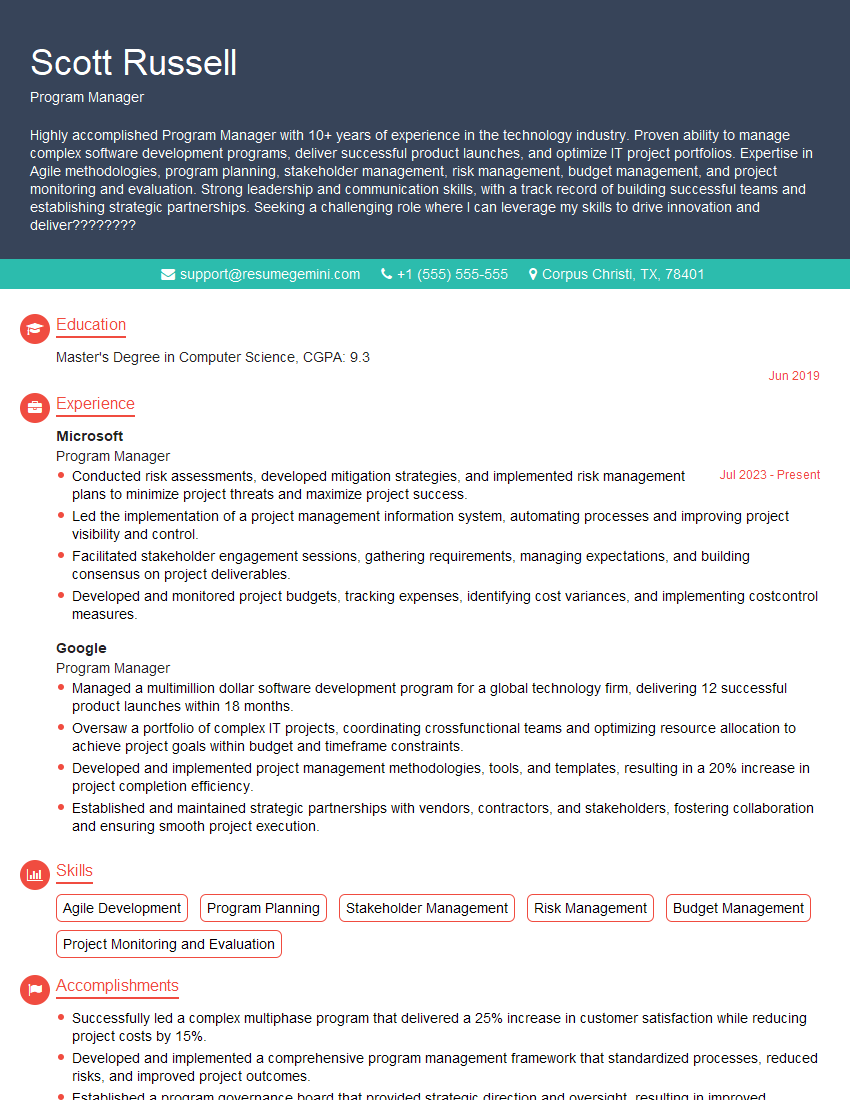
Program Manager Resume Sample
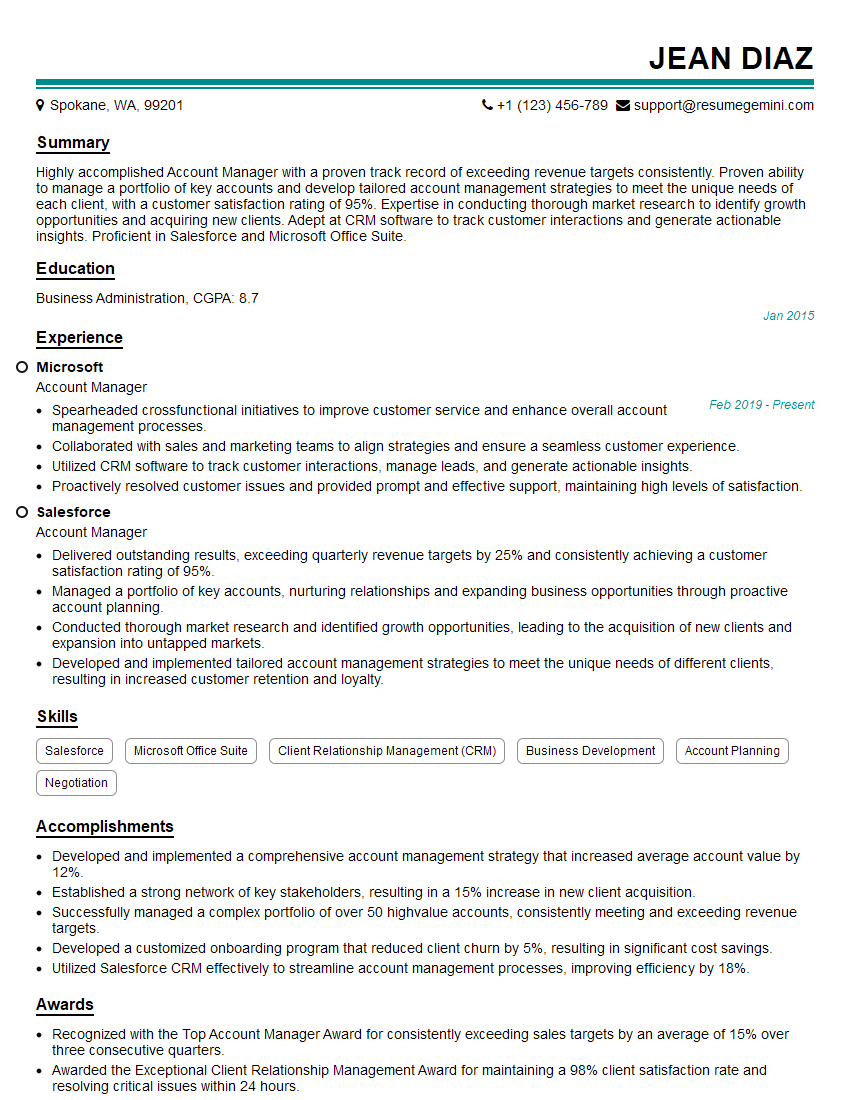
Account Manager Resume Sample
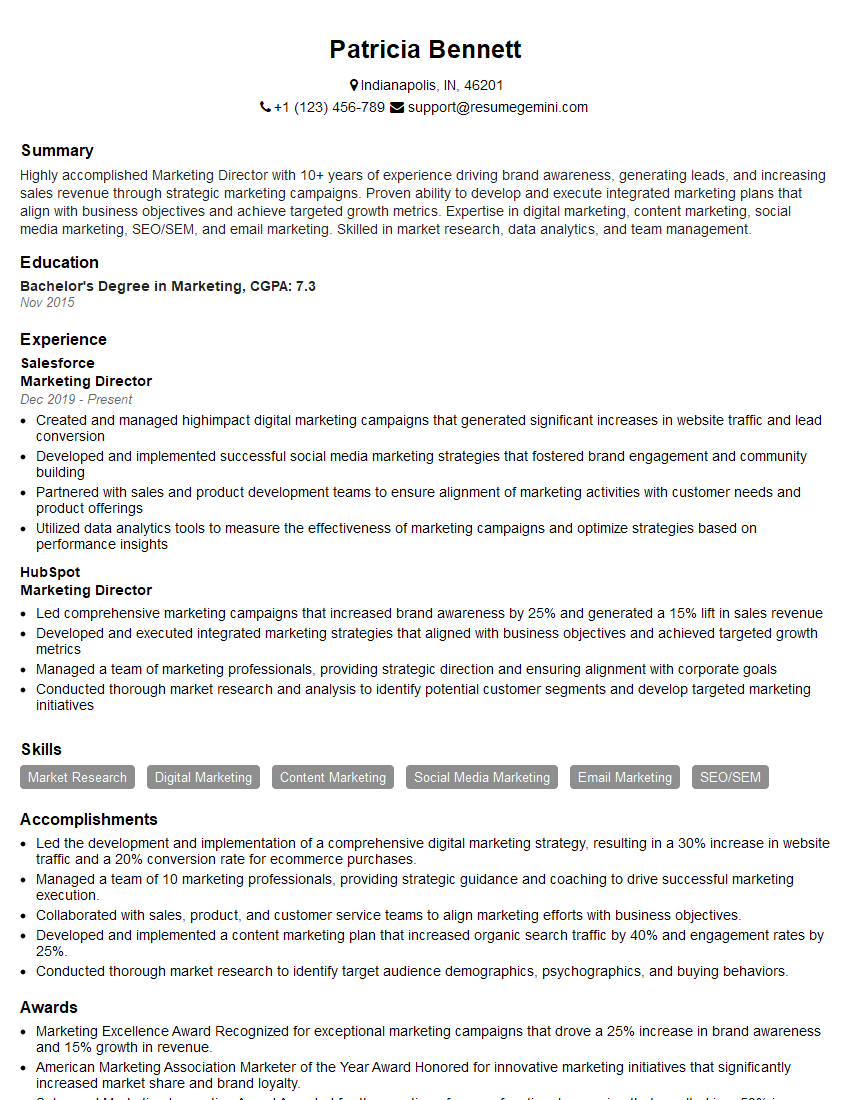
Marketing Director Resume Sample
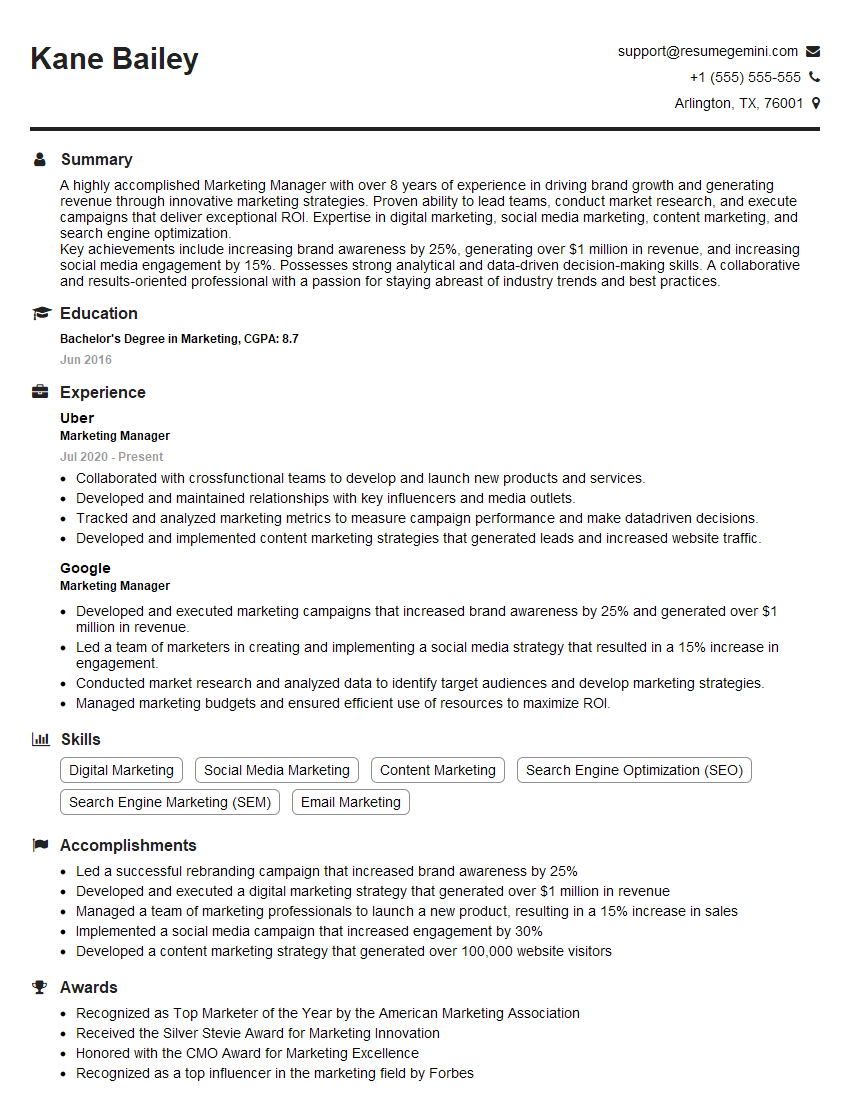
Marketing Manager Resume Sample
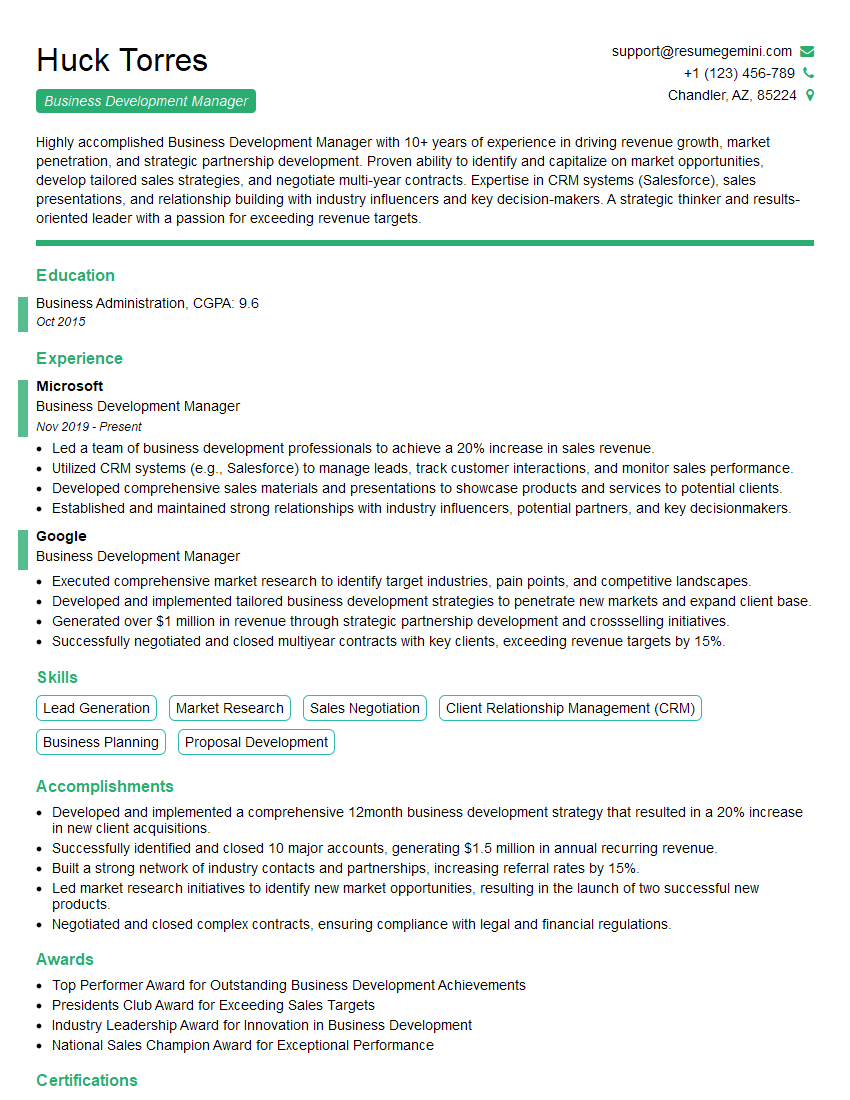
Business Development Manager Resume Sample
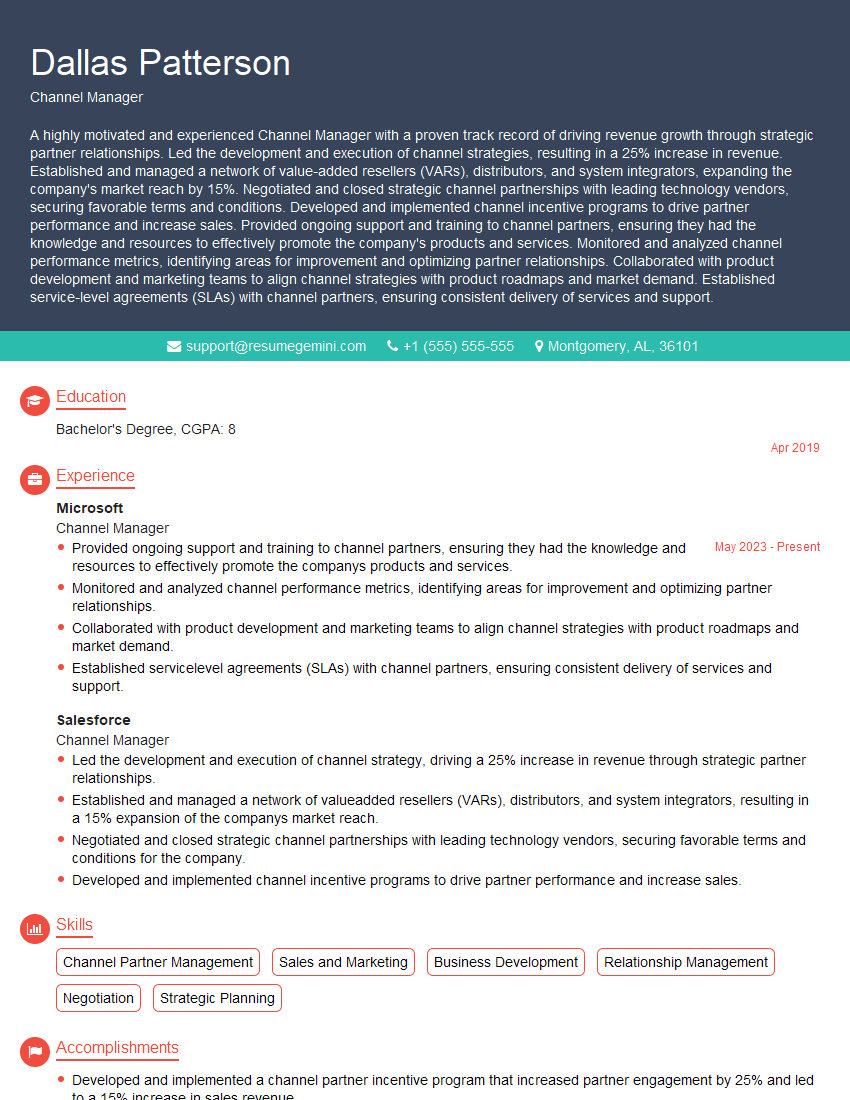
Channel Manager Resume Sample
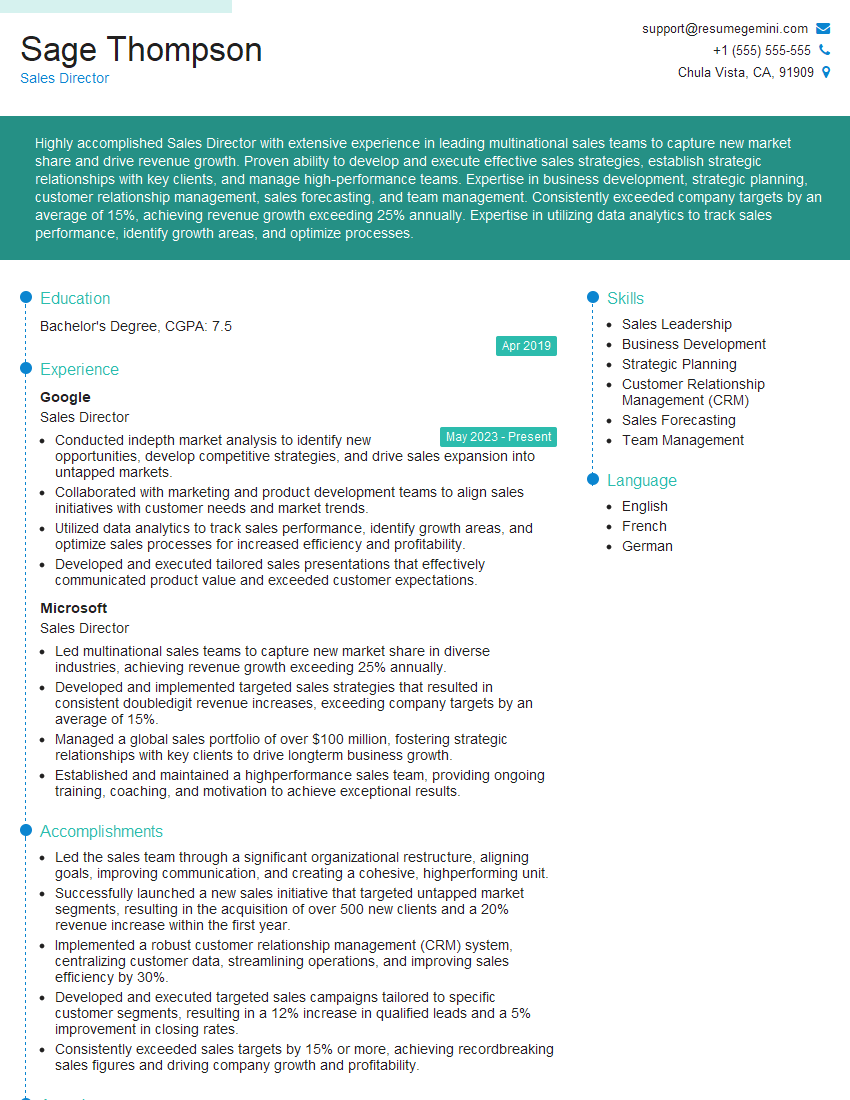
Sales Director Resume Sample
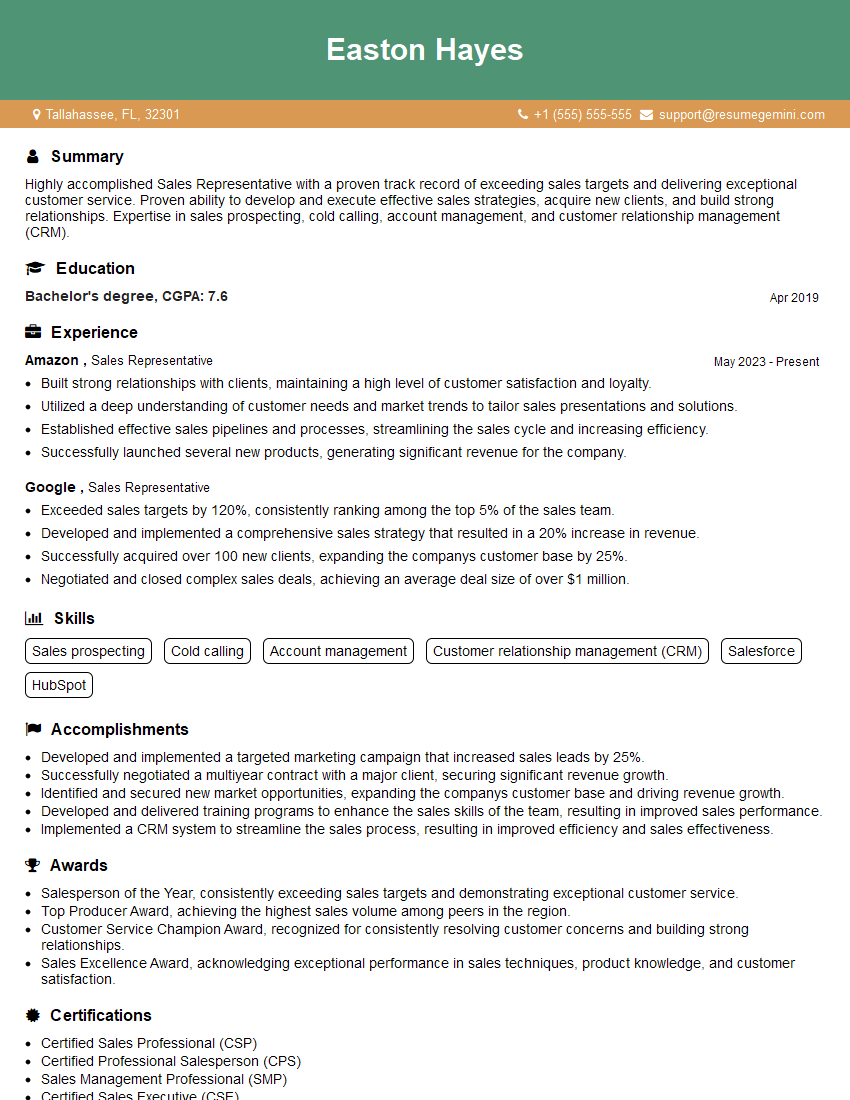
Sales Representative Resume Sample
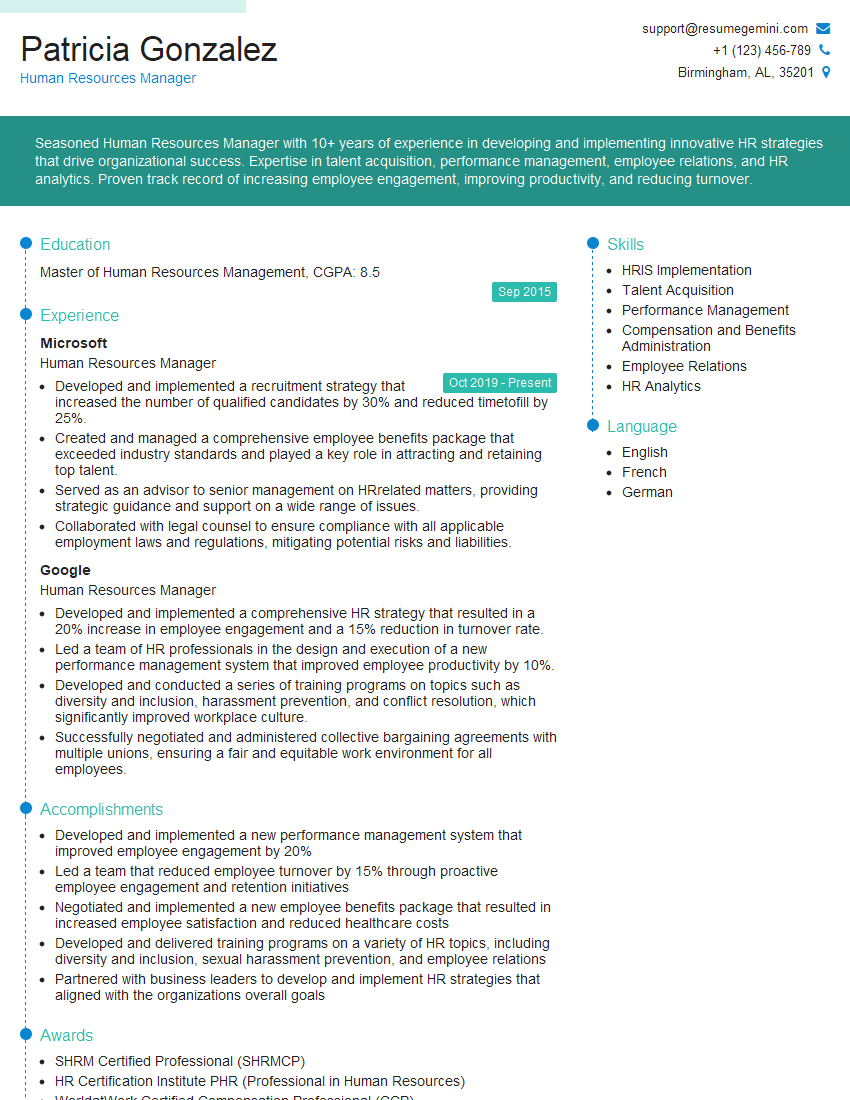
Human Resources Manager Resume Sample
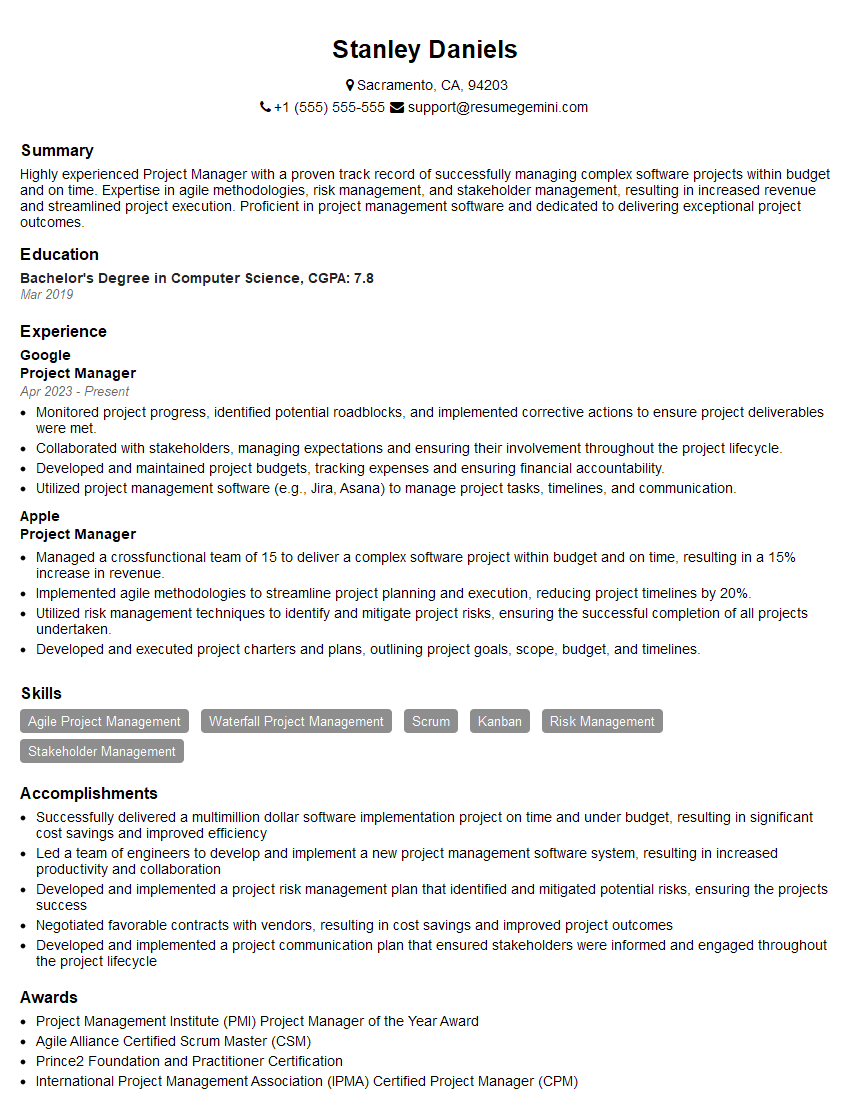
Project Manager Resume Sample
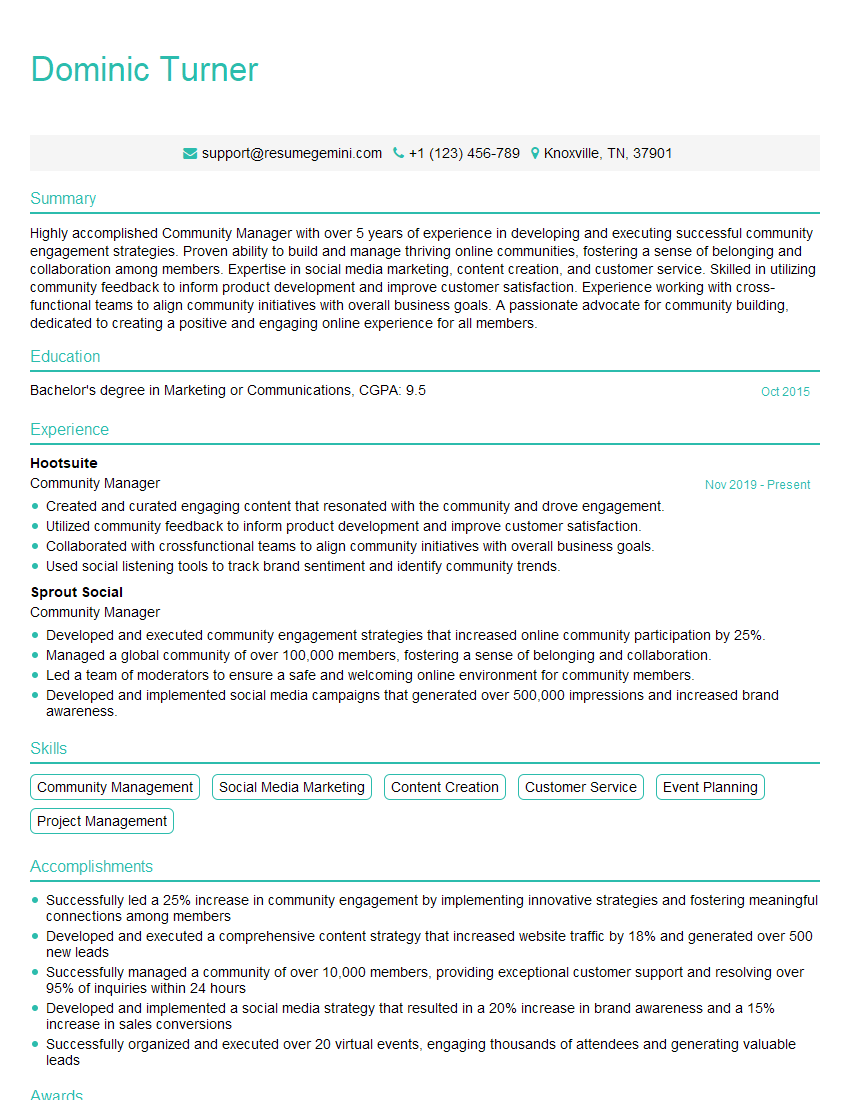
Community Manager Resume Sample
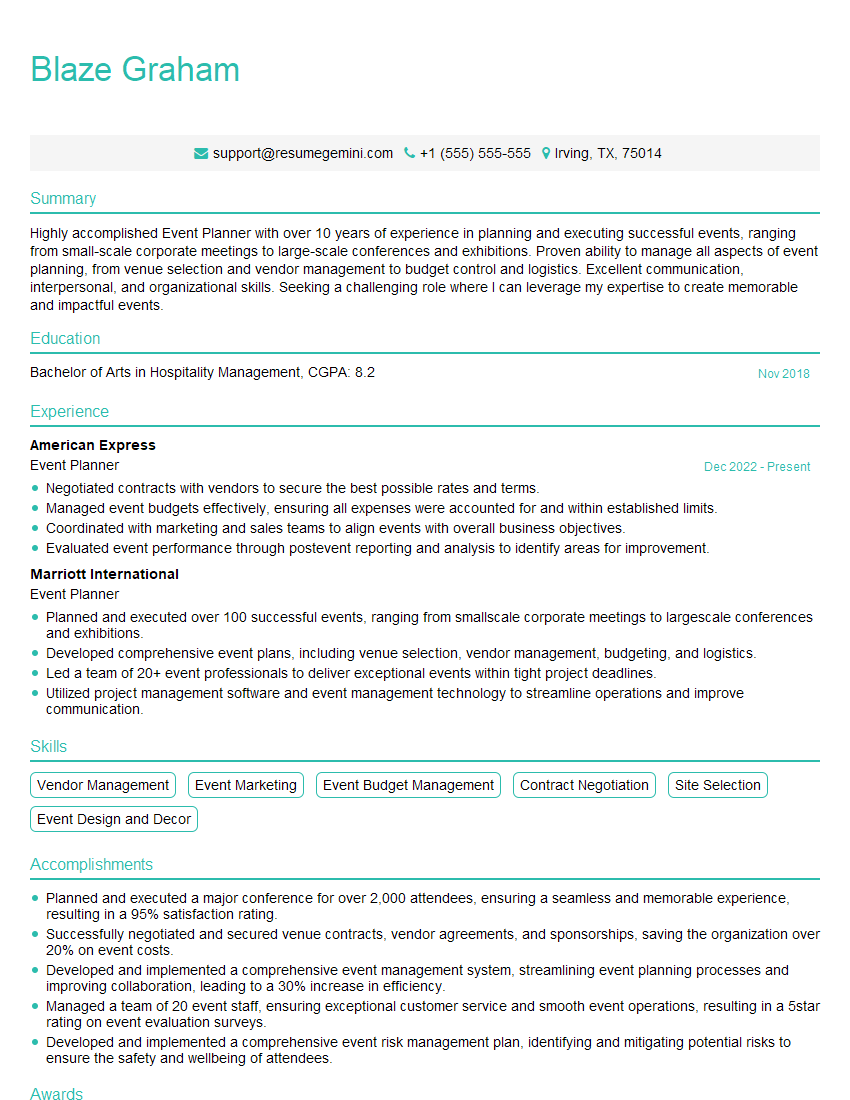
Event Planner Resume Sample
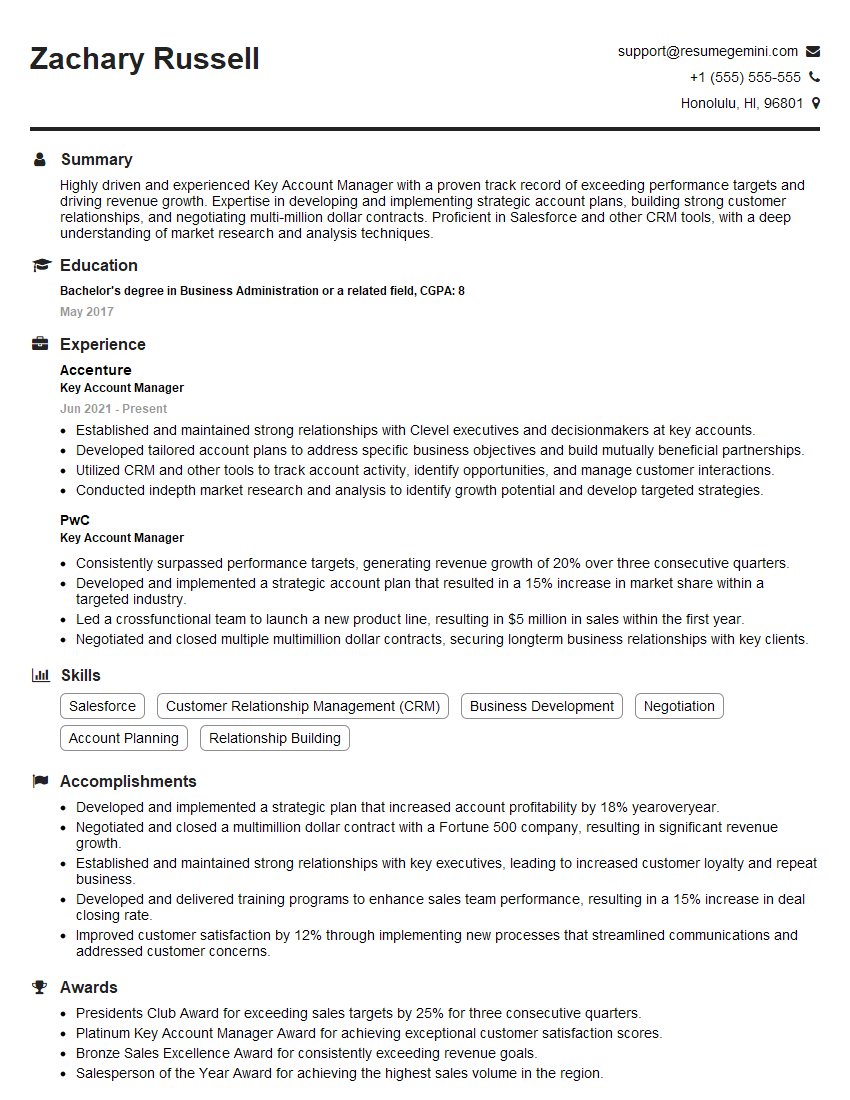
Key Account Manager Resume Sample
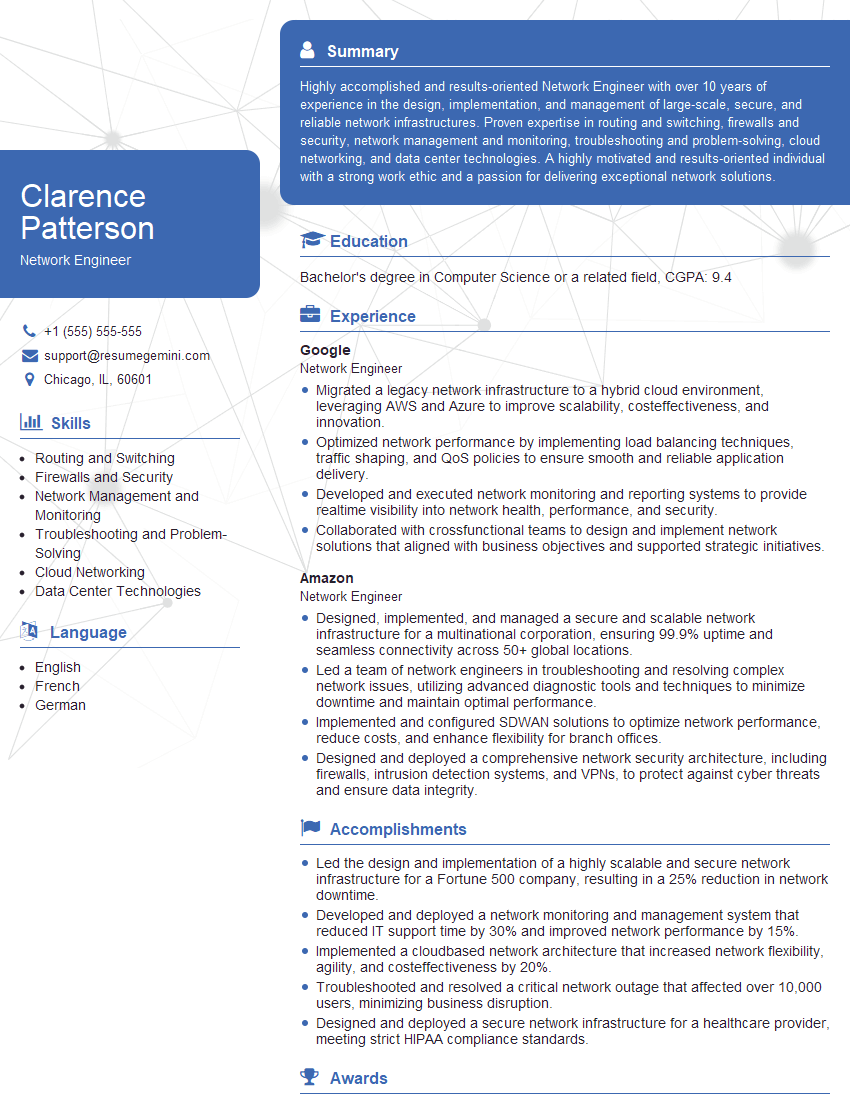
Network Engineer Resume Sample
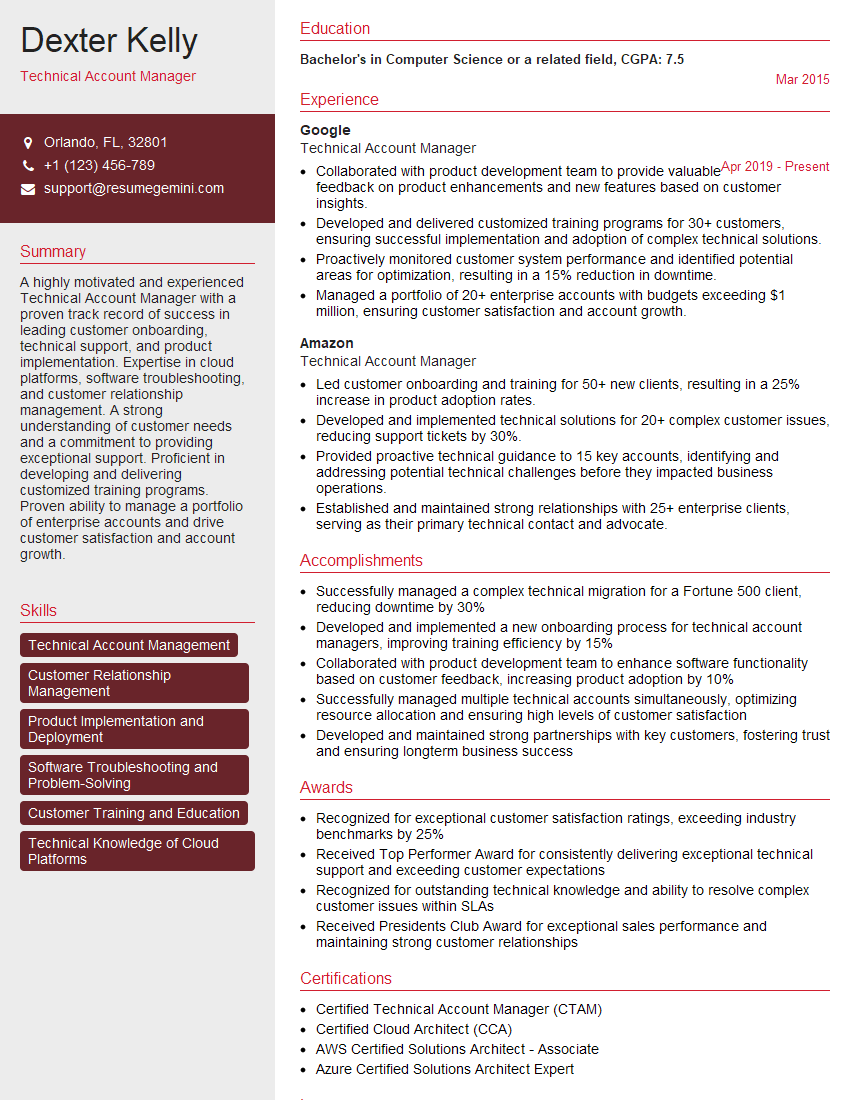
Technical Account Manager Resume Sample
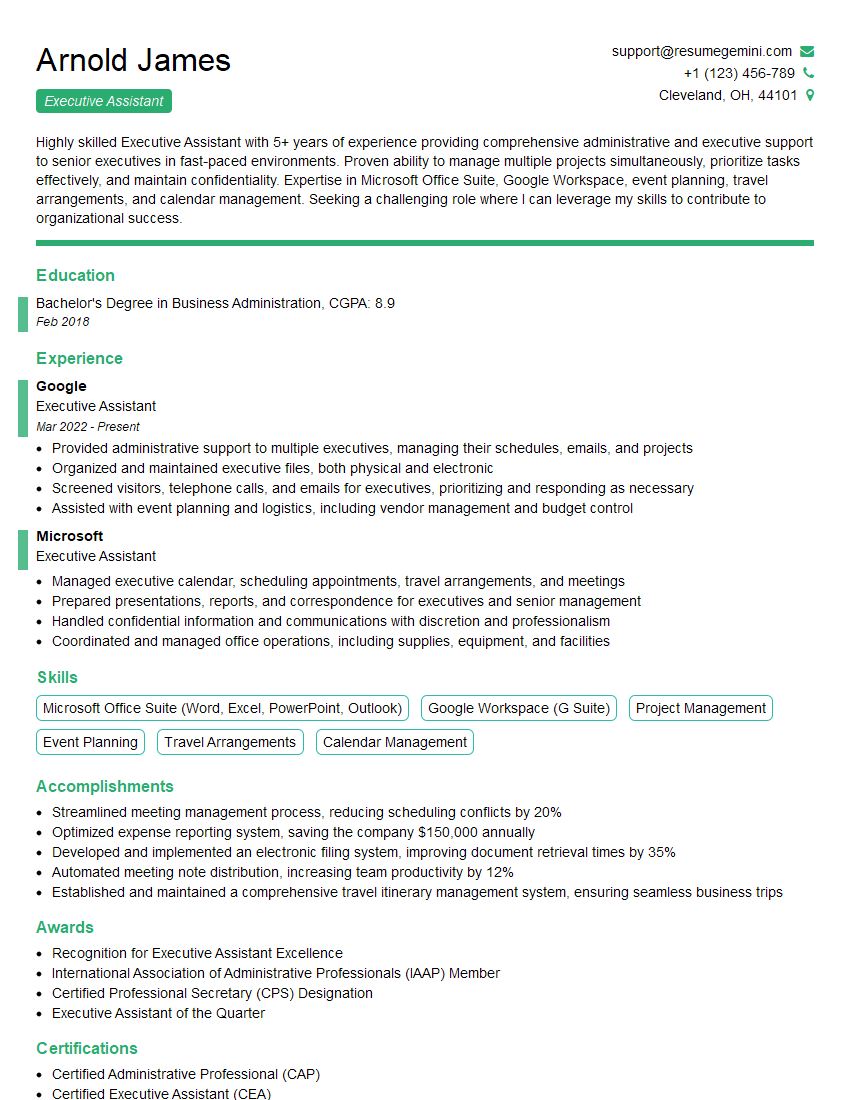
Executive Assistant Resume Sample
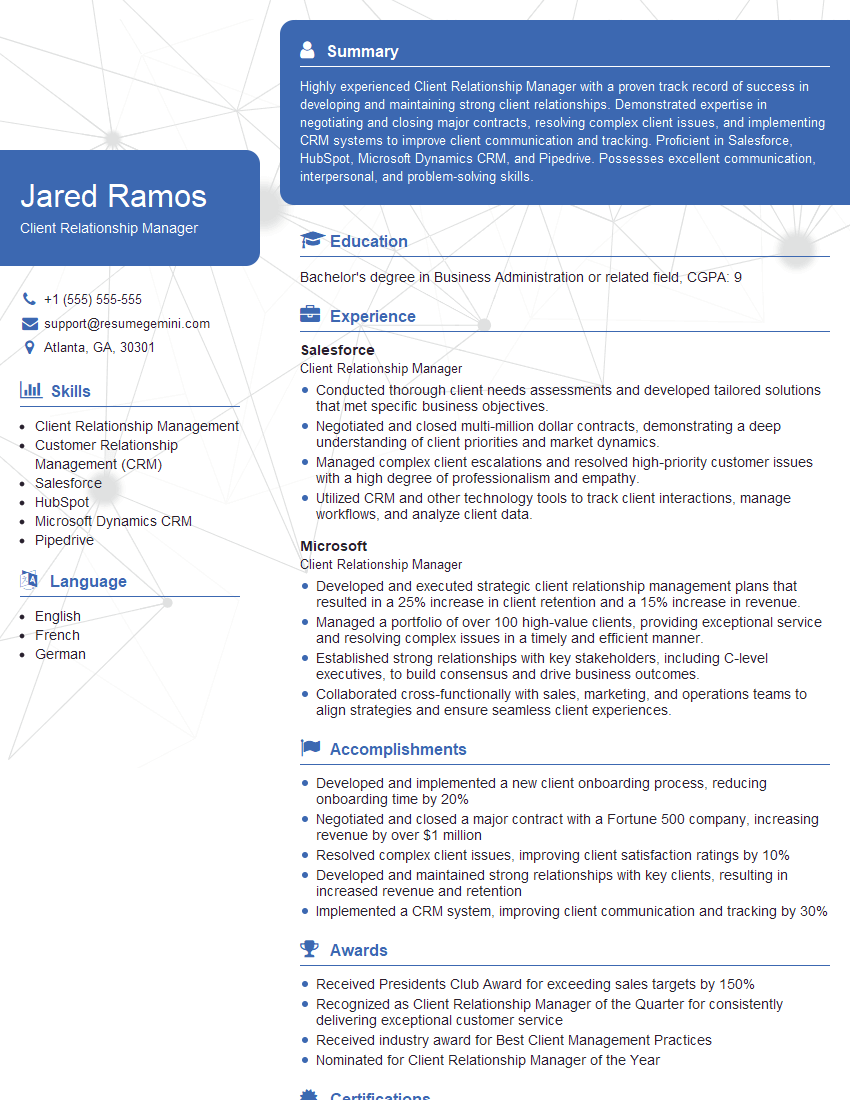
Client Relationship Manager Resume Sample
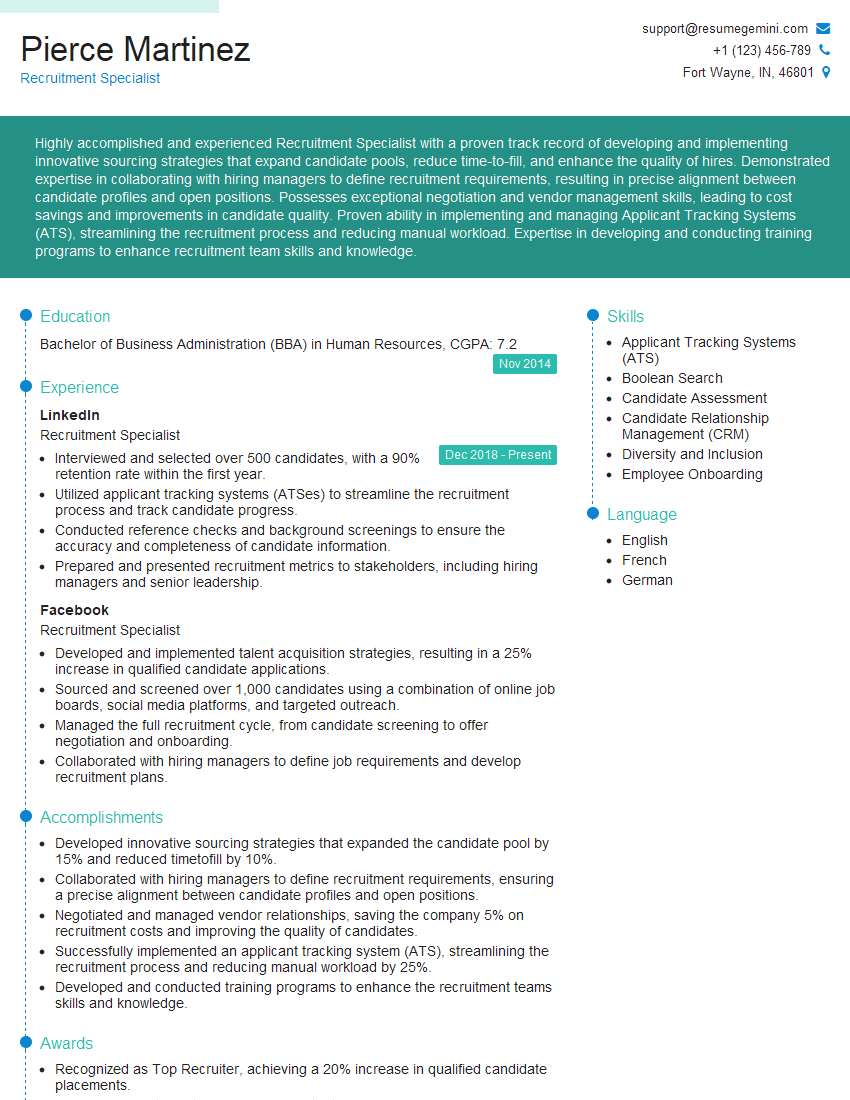
Recruitment Specialist Resume Sample
- Program Manager
- Account Manager
- Marketing Director
- Marketing Manager
- Business Development Manager
- Channel Manager
- Sales Director
- Sales Representative
- Human Resources Manager
- Project Manager
- Community Manager
- Event Planner
- Key Account Manager
- Network Engineer
- Technical Account Manager
- Executive Assistant
- Client Relationship Manager
- Recruitment Specialist
Explore more articles
Users Rating of Our Blogs
Share Your Experience
We value your feedback! Please rate our content and share your thoughts (optional).
What Readers Say About Our Blog
Really detailed insights and content, thank you for writing this detailed article.
IT gave me an insight and words to use and be able to think of examples