Feeling uncertain about what to expect in your upcoming interview? We’ve got you covered! This blog highlights the most important Decision-Making Ability interview questions and provides actionable advice to help you stand out as the ideal candidate. Let’s pave the way for your success.
Questions Asked in Decision-Making Ability Interview
Q 1. Describe your approach to prioritizing tasks when facing multiple competing deadlines.
Prioritizing tasks with competing deadlines requires a structured approach. I typically use a combination of methods, starting with a clear understanding of each task’s urgency and importance. I employ a matrix, often visualized as a quadrant, categorizing tasks based on urgency (how soon it’s due) and importance (impact on overall goals).
- Urgent and Important: These are immediate priorities, requiring immediate action. I dedicate my focus to these first.
- Important but Not Urgent: These are crucial for long-term success but don’t have immediate deadlines. I schedule time for these strategically throughout my week to avoid last-minute rushes.
- Urgent but Not Important: These tasks might need attention, but often delegation or quick solutions are viable options to free up time for higher-priority items.
- Neither Urgent nor Important: These are often eliminated or postponed to later dates. They might be tasks that are not crucial at the moment or could be tackled after the more critical tasks are completed.
This matrix, along with tools like project management software, helps me visually track progress and maintain focus on the most critical tasks, preventing me from being overwhelmed and ensuring efficient time management.
Q 2. Explain a time you had to make a difficult decision with incomplete information. What was your process?
In a previous project, we needed to decide which of two marketing campaigns to launch first, with limited data on customer preferences for the new product line. The information available was fragmented and inconclusive from initial market research. My process involved:
- Gathering Available Data: I started by collating all existing data points, even if incomplete, including initial market research, competitor analyses, and internal team feedback.
- Identifying Key Unknowns: I clearly defined what information was missing and prioritized the most crucial data gaps.
- Developing Contingency Plans: For each campaign, we developed ‘Plan A’ and ‘Plan B,’ anticipating possible outcomes based on the lack of complete information. This ensured we had backup strategies.
- Making a Decision Based on Probabilities: We evaluated the potential risks and rewards associated with each campaign given the existing data and our contingency plans. We made a calculated decision based on the highest probability of success considering the incomplete information.
- Monitoring and Adapting: Post-launch, I rigorously monitored both campaigns’s performance, using the data gathered to refine the strategies and make mid-course corrections. This iterative approach allowed us to adapt quickly to actual outcomes.
While not having all the information was challenging, this structured approach helped mitigate risk and ultimately led to a successful campaign launch.
Q 3. How do you identify and mitigate potential risks associated with a decision?
Identifying and mitigating risks is crucial for effective decision-making. My approach uses a systematic process:
- Risk Identification: I brainstorm potential risks systematically, considering various aspects like financial implications, technical challenges, market fluctuations, and legal or regulatory constraints. Techniques like SWOT analysis or brainstorming sessions are helpful here.
- Risk Assessment: I then assess the likelihood and impact of each identified risk. A risk matrix, plotting likelihood against impact, can be extremely useful. This helps prioritize the most critical risks.
- Risk Mitigation: For each high-impact risk, I develop mitigation strategies. These strategies might include risk avoidance (eliminating the risk entirely), risk reduction (decreasing the likelihood or impact), risk transfer (shifting the risk to another party), or risk acceptance (acknowledging the risk and planning for its consequences).
- Monitoring and Review: Post-decision, continual monitoring and review of the risks and their mitigation strategies are essential to ensure effectiveness and make adjustments as needed.
For instance, before launching a new software product, I’d identify risks like bugs, security vulnerabilities, or market acceptance. Mitigation might involve rigorous testing, robust security measures, and a phased rollout to gather user feedback and make corrections.
Q 4. Describe a situation where you had to make a quick decision under pressure. What was the outcome?
During a system outage, we had to make a rapid decision on whether to implement a temporary solution that carried a small risk of data loss or to continue with the outage, potentially affecting numerous users and causing significant reputational damage. The pressure was intense, as every minute mattered.
My process was quick but decisive:
- Assess the Immediate Impact: I rapidly evaluated the extent of the outage and its effects on users.
- Weigh the Risks: I quickly assessed the risks of each option: data loss versus prolonged outage.
- Choose the Least Risky Option: I decided to implement the temporary solution, acknowledging the minor data loss risk but understanding that maintaining user trust and minimizing broader service disruption were top priorities.
The temporary fix worked, limiting data loss to a negligible amount and quickly restoring service. While the outcome wasn’t perfect, our swift decision minimized the overall negative impact, proving the value of decisive action under pressure.
Q 5. How do you ensure your decisions are aligned with the overall goals of the organization?
Aligning decisions with organizational goals is paramount. I accomplish this by:
- Understanding Organizational Objectives: I actively seek out and thoroughly understand the company’s strategic goals, mission, and values. This includes reviewing strategic plans, attending relevant meetings, and engaging with leadership.
- Linking Decisions to Goals: Before making any decision, I consider how it directly relates to the broader organizational objectives. Does it contribute to improving efficiency, boosting revenue, enhancing customer satisfaction, or achieving any other key goals?
- Seeking Input and Feedback: I actively seek input from colleagues and stakeholders to ensure diverse perspectives are considered, guaranteeing alignment with organizational goals and priorities across different departments.
- Using Key Performance Indicators (KPIs): I use KPIs to measure the effectiveness of my decisions in relation to organizational goals. Tracking these metrics helps understand whether the decisions are delivering the intended results and provides insights for future decisions.
This integrated approach ensures my individual actions are contributing to the overall success of the organization.
Q 6. What frameworks or models do you utilize to aid in your decision-making process?
Several frameworks enhance my decision-making. I regularly use:
- Cost-Benefit Analysis: This quantitative approach helps evaluate the financial implications of different choices. I weigh the costs against the potential benefits to make informed decisions.
- Decision Trees: These visual tools help map out different decision paths and their potential outcomes. This allows me to anticipate and plan for various scenarios.
- Pareto Analysis (80/20 Rule): This helps focus efforts on the most impactful aspects. Identifying the 20% of efforts that yield 80% of results allows for efficient prioritization.
- SWOT Analysis: This framework assesses Strengths, Weaknesses, Opportunities, and Threats, providing a comprehensive view before making a decision.
The choice of framework depends on the context and complexity of the decision. Sometimes, a simple cost-benefit analysis suffices, while other times, a more detailed decision tree or SWOT analysis is required.
Q 7. How do you handle disagreements with colleagues regarding a particular decision?
Disagreements are inevitable, but productive conflict can lead to better decisions. My approach is:
- Active Listening: I actively listen to understand my colleagues’ perspectives and concerns, even if I disagree with them.
- Respectful Dialogue: I foster a respectful and collaborative environment where all parties can express their views openly and honestly.
- Data-Driven Discussion: I encourage a data-driven discussion, focusing on facts and evidence rather than personal opinions. Presenting objective data helps in reaching a consensus.
- Seeking Common Ground: I search for areas of common agreement and build on those shared understandings to find a mutually acceptable solution.
- Compromise and Collaboration: I’m willing to compromise and collaborate to find a solution that addresses the concerns of all parties involved. Sometimes, this might involve integrating the best elements of different approaches.
- Documenting the Decision: After the decision is reached, I make sure it’s clearly documented, outlining the rationale and the agreed-upon action plan.
Even if complete consensus isn’t achievable, a well-managed disagreement can result in a more robust and well-rounded decision.
Q 8. How do you evaluate the effectiveness of your decisions after they have been implemented?
Evaluating decision effectiveness involves a structured, post-implementation review process. It’s not enough to simply observe outcomes; a critical analysis is needed to understand why those outcomes occurred. I use a three-pronged approach:
- Performance Measurement: I define key performance indicators (KPIs) before implementation. These KPIs should directly measure the success criteria of the decision. For example, if the decision was to launch a new marketing campaign, KPIs might include website traffic, lead generation, and conversion rates. I then collect data on these metrics post-implementation.
- Qualitative Feedback: Quantitative data alone isn’t sufficient. I gather qualitative feedback through surveys, focus groups, or informal interviews with relevant stakeholders to understand their perceptions and experiences. This helps uncover unanticipated consequences or areas for improvement not reflected in the numbers.
- Comparative Analysis: I compare actual results against projected outcomes (based on pre-decisional analysis). This helps pinpoint areas where the decision worked as expected and where it fell short. For example, a positive deviation might indicate an opportunity to replicate success, while a negative deviation warrants investigation into root causes.
This entire process allows me to learn from both successes and failures, refine my decision-making process, and improve future outcomes. The cycle of planning, implementing, evaluating, and adapting is crucial for continuous improvement.
Q 9. Describe a time you made a decision that had negative consequences. What did you learn?
In a previous role, I spearheaded the launch of a new product feature without sufficient user testing. While the internal team believed it was innovative, user feedback was overwhelmingly negative. The feature was complex, difficult to use, and ultimately, not valuable to the customer base. This resulted in a significant decrease in user engagement and negative reviews.
The key learning was the importance of thorough user research and testing before full-scale deployment. Rushing to launch based on internal assumptions was a major oversight. I now prioritize user feedback throughout the entire development lifecycle, from initial concept to final release. This involves incorporating usability testing, A/B testing, and iterative feedback loops to ensure the final product aligns with user needs and expectations.
Q 10. How do you balance quantitative data with qualitative factors in decision-making?
Balancing quantitative and qualitative data is essential for well-rounded decision-making. Quantitative data provides the numbers – sales figures, market share, customer demographics – which offer an objective view. However, these numbers don’t tell the whole story. Qualitative data, such as customer feedback, employee opinions, and market sentiment, adds context and depth.
My approach involves:
- Gathering both types of data simultaneously: I don’t rely solely on one source. Surveys might be combined with focus groups, sales figures with customer testimonials.
- Using quantitative data to identify trends and patterns, and qualitative data to explain them: For example, if sales of a product are declining (quantitative), customer interviews might reveal issues with product design or lack of marketing appeal (qualitative).
- Prioritizing based on context: Some decisions may be heavily quantitative (e.g., investment decisions based on ROI), while others might require a greater emphasis on qualitative factors (e.g., ethical considerations or employee morale).
In essence, I view quantitative data as the ‘what’ and qualitative data as the ‘why’, allowing for a more complete and nuanced understanding of the situation.
Q 11. Explain your approach to gathering and analyzing information for decision-making.
My approach to information gathering and analysis is systematic and data-driven. It involves these steps:
- Define the problem or opportunity clearly: What decision needs to be made? What are the goals?
- Identify relevant data sources: This includes internal data (sales reports, customer databases), external data (market research reports, industry publications), and stakeholder input.
- Gather data using appropriate methods: This might include data mining, surveys, interviews, and observations.
- Analyze the data using relevant techniques: This could involve statistical analysis, SWOT analysis, scenario planning, or other methods depending on the nature of the data and the decision at hand.
- Synthesize findings and draw conclusions: This involves identifying key insights and translating the data into actionable information.
- Document and share the analysis: A clear, concise summary of the findings, including the rationale behind the decision, should be communicated to stakeholders.
This structured approach ensures that decisions are based on thorough analysis and sound evidence, reducing the risk of bias and improving the likelihood of a positive outcome.
Q 12. How do you stay updated on industry trends and best practices relevant to your decision-making?
Staying updated on industry trends and best practices is an ongoing commitment. My strategy involves a multi-faceted approach:
- Industry Publications and Journals: I regularly read relevant trade publications and journals to stay informed about emerging trends and research findings.
- Conferences and Workshops: Attending industry conferences and workshops allows me to network with peers, learn from experts, and discover new ideas.
- Online Communities and Forums: Participating in online communities and forums allows me to engage in discussions and stay abreast of current developments.
- Mentorship and Networking: I actively seek out mentors and networking opportunities to learn from experienced professionals in my field.
- Continuous Learning Platforms: I use online learning platforms to access courses and training programs that keep my skills sharp and my knowledge up-to-date.
This combination of formal and informal learning ensures I am constantly expanding my knowledge and adapting my decision-making processes to meet the changing demands of the industry.
Q 13. How do you deal with uncertainty and ambiguity when making a decision?
Uncertainty and ambiguity are inherent in many decision-making scenarios. My approach involves:
- Scenario Planning: I develop multiple scenarios to anticipate different potential outcomes, considering both best-case and worst-case scenarios. This helps prepare for various possibilities.
- Sensitivity Analysis: I assess the sensitivity of my decision to changes in key variables. This helps determine which factors have the greatest impact and where more information is needed.
- Decision Trees: These can be invaluable in visualizing different decision paths and their potential consequences, helping to weigh the risks and rewards.
- Risk Assessment: A structured risk assessment helps identify and mitigate potential risks associated with the decision. This includes identifying potential negative consequences and developing contingency plans.
- Embrace Adaptive Decision-Making: Recognizing that some uncertainty is inevitable, I prioritize flexibility and adaptability. I build in mechanisms for monitoring outcomes and adjusting the course of action as needed.
Essentially, I aim to make informed decisions based on the information available, while acknowledging that complete certainty is often unattainable. The focus is on making the best possible decision given the circumstances, and being prepared to adjust if necessary.
Q 14. What is your preferred method for communicating decisions to stakeholders?
Communicating decisions effectively is critical for buy-in and successful implementation. My approach depends on the audience and the context, but generally involves these elements:
- Transparency: I’m open and honest about the decision-making process, explaining the rationale and the factors considered.
- Clarity and Conciseness: I ensure that the decision is communicated clearly and concisely, using language that the audience can understand.
- Appropriate Channel: I choose the most effective communication channel – a meeting, email, memo, or presentation – depending on the audience and the complexity of the decision.
- Active Listening: I encourage questions and feedback and actively listen to stakeholder concerns.
- Follow-Up: I provide regular updates on the implementation of the decision and address any emerging issues.
For example, when communicating a decision to a large group, a formal presentation followed by a Q&A session would be appropriate. For a smaller team, a meeting with open discussion might be more effective. Regardless of the method, the goal is to ensure that everyone understands the decision, its implications, and how it will affect them.
Q 15. How do you delegate tasks effectively to support the decision-making process?
Effective delegation is crucial for efficient decision-making. It’s not just about assigning tasks; it’s about empowering individuals to contribute their expertise and freeing up your time for strategic thinking. My approach involves a three-step process: Assessment, Assignment, and Accountability.
- Assessment: I carefully assess the task, identifying the required skills and responsibilities. This includes understanding the level of autonomy needed and potential challenges. For instance, if a complex data analysis is required, I’ll delegate it to the team member with the strongest analytical skills and provide access to necessary resources.
- Assignment: I clearly define the task’s objectives, deadlines, and expected outcomes. I ensure the delegatee understands the context of the task within the broader decision-making process and has the necessary resources and authority. Open communication is key here – I encourage questions and feedback.
- Accountability: I establish clear reporting mechanisms to track progress and address any roadblocks. Regular check-ins help ensure the task stays on track and the delegatee feels supported. This isn’t about micromanagement but about fostering a culture of responsibility and collaboration.
For example, when launching a new product, I might delegate market research to one team member, competitor analysis to another, and financial projections to a third. This allows me to focus on the overarching strategy and final decision while leveraging the expertise of my team.
Career Expert Tips:
- Ace those interviews! Prepare effectively by reviewing the Top 50 Most Common Interview Questions on ResumeGemini.
- Navigate your job search with confidence! Explore a wide range of Career Tips on ResumeGemini. Learn about common challenges and recommendations to overcome them.
- Craft the perfect resume! Master the Art of Resume Writing with ResumeGemini’s guide. Showcase your unique qualifications and achievements effectively.
- Don’t miss out on holiday savings! Build your dream resume with ResumeGemini’s ATS optimized templates.
Q 16. Describe a time you had to make a decision that impacted a large group of people. What was your approach?
During a significant company restructure, I was tasked with deciding which departments would be merged and which roles would be eliminated. This impacted over 100 employees, making it an incredibly sensitive decision. My approach focused on transparency, fairness, and empathy.
- Data-Driven Analysis: I started by gathering extensive data on departmental performance, resource utilization, and market trends. This helped to objectively assess the need for restructuring and identify areas for improvement.
- Stakeholder Consultation: I held several meetings with department heads, employees, and union representatives to understand their concerns and gather diverse perspectives. This ensured that the decision-making process wasn’t isolated but involved all stakeholders.
- Fair and Transparent Communication: Once the decision was made, I communicated it clearly and transparently to all affected employees, explaining the reasoning behind it and addressing their questions and concerns. I ensured the process was fair and equitable, adhering to company policy and legal requirements.
- Support and Transition Plan: A comprehensive support plan was implemented to help affected employees find new roles within or outside the company. This involved outplacement services, career counseling, and severance packages.
While the decision was difficult, the transparent and empathetic approach minimized negative impacts and fostered trust.
Q 17. How do you ensure accountability for decisions made within your team?
Accountability is built into the fabric of our decision-making process. It’s not a separate action but a continuous cycle embedded within the workflow. I use a combination of methods to ensure accountability:
- Clear Roles and Responsibilities: From the outset, roles and responsibilities are clearly defined for each decision. This clarifies who owns what and prevents confusion.
- Regular Progress Reports: We use project management tools to track progress and identify potential issues early on. Regular meetings and progress reports facilitate open communication and keep everyone informed.
- Post-Decision Reviews: After decisions are implemented, we conduct thorough reviews to analyze the outcomes, assess effectiveness, and identify areas for improvement. This is a crucial element for learning and adaptation.
- Open Feedback Mechanisms: An environment of open communication and feedback is crucial. Team members are encouraged to provide input and raise concerns without fear of retribution.
For instance, if a marketing campaign underperforms, we analyze its execution, identify responsible parties, and collaboratively determine solutions for improvement. The focus isn’t on assigning blame but on learning and improving future decisions.
Q 18. How do you utilize data analytics to inform your decision-making?
Data analytics are integral to my decision-making process. I believe decisions should be informed, not simply intuitive. My approach involves several key steps:
- Identify the Problem: Clearly define the problem or question that needs answering. What decision needs to be made, and what information is needed to support it?
- Data Collection and Cleaning: Gather relevant data from various sources, ensuring its accuracy, reliability, and completeness. Data cleaning is crucial to eliminate bias and inaccuracies.
- Data Analysis: Employ statistical methods, data visualization tools, and predictive modeling techniques to analyze the data. This might involve identifying trends, correlations, or patterns.
- Interpretation and Insights: Translate the data findings into actionable insights. What do the results suggest? What are the implications for the decision at hand?
- Decision Making and Implementation: Integrate the data-driven insights into the decision-making process. How does the data inform the final decision and its implementation?
For example, when deciding on the optimal pricing strategy for a new product, I would analyze market research data, competitor pricing, sales projections, and customer segmentation to inform a data-driven decision. Example Code: Regression analysis to predict sales based on price point.
Q 19. How do you handle situations where you need to make a decision with conflicting information?
Conflicting information is a common challenge. My approach involves a systematic process to navigate this complexity:
- Source Validation: Critically evaluate the reliability and credibility of each source. Consider the source’s biases, motivations, and methodology.
- Data Triangulation: Seek corroborating evidence from multiple independent sources. If multiple sources support the same conclusion, it increases confidence in the information.
- Bias Awareness: Recognize and account for potential biases in the information, both personal and within the sources themselves.
- Qualitative and Quantitative Analysis: Consider both quantitative data (numbers) and qualitative data (opinions, observations) to get a holistic view of the situation.
- Scenario Planning: Develop several possible scenarios based on different interpretations of the conflicting information. This helps to anticipate potential outcomes and make a more robust decision.
Imagine deciding whether to invest in a new technology. Conflicting reports from industry analysts might emerge. I’d scrutinize each report’s methodology, look for corroboration, and develop scenarios based on both optimistic and pessimistic predictions before making a final decision.
Q 20. Describe a time you had to change a decision based on new information or feedback.
Adaptability is crucial in decision-making. I’ve had several instances where new information or feedback necessitated a change in course. One example involved the launch of a new software feature.
Initially, we planned a large-scale rollout, but after beta testing and gathering user feedback, it became clear that the feature had significant usability issues. Instead of proceeding with the planned launch, we chose to:
- Acknowledge the Problem: We transparently acknowledged the problems and explained the reasons for the change to our users.
- Gather Feedback: We proactively solicited feedback through surveys, user interviews, and online forums to understand the specific issues.
- Iterative Development: We used the feedback to prioritize bug fixes and implement design changes to improve usability.
- Phased Rollout: Instead of a large-scale launch, we adopted a phased rollout, starting with a smaller group of users before expanding.
This iterative approach allowed us to address the initial problems, minimize disruption, and ultimately deliver a more successful product.
Q 21. How do you measure the success or failure of your decisions?
Measuring the success or failure of a decision is an ongoing process, not a single event. I employ several methods:
- Pre-defined Metrics: Before making a decision, I clearly define key performance indicators (KPIs) that will measure its success. These metrics should be specific, measurable, achievable, relevant, and time-bound (SMART).
- Data Tracking and Analysis: After implementation, I track the relevant KPIs and analyze the data to assess progress toward the defined goals. This might involve using dashboards, reports, or statistical analysis.
- Qualitative Feedback: In addition to quantitative data, I gather qualitative feedback from stakeholders (customers, employees, etc.) to understand the impact of the decision on different groups.
- Post-Decision Reviews: Regular post-decision reviews allow us to analyze the results, identify lessons learned, and adjust our approach for future decisions.
- Adaptive Management: Based on the evaluation, we may need to adapt or modify the decision in response to unexpected events or changing circumstances.
For example, if we launched a new marketing campaign, the success metrics might include website traffic, conversion rates, and customer acquisition costs. Regular monitoring of these KPIs, along with customer feedback, would help assess the campaign’s effectiveness and inform future marketing strategies.
Q 22. Explain your understanding of cost-benefit analysis and how you incorporate it into your decisions.
Cost-benefit analysis (CBA) is a systematic approach to decision-making that involves comparing the costs and benefits of different options. It’s essentially a weighing scale, helping you determine which choice offers the best return on investment, whether that’s financial, time-based, or resource-based. I incorporate CBA into my decisions by first clearly defining the problem and identifying all potential solutions. Then, I meticulously list all the associated costs (e.g., financial expenditures, time commitment, resource allocation, potential risks) and benefits (e.g., increased efficiency, improved quality, positive impact, revenue generation) for each option. These are often quantified whenever possible, using metrics to compare them objectively. Finally, I compare the net benefit (benefits minus costs) of each option to select the most advantageous one.
For example, if choosing between two software solutions, I’d assess the cost of each (licensing fees, implementation time, training), alongside the benefits (improved productivity, better data management, reduced errors). The option with the highest net positive benefit would be favored, even if it has a slightly higher initial cost.
Q 23. How do you incorporate ethical considerations into your decision-making process?
Ethical considerations are paramount in my decision-making process. I firmly believe that decisions should not only be effective and efficient but also morally sound. I integrate ethical considerations by consistently asking myself: ‘Is this decision fair to all stakeholders involved? Does it uphold my personal and professional ethical standards? Does it align with the organization’s ethical guidelines? Could my decision cause unintended harm or negative consequences?’. I actively seek diverse perspectives and consult relevant ethical frameworks or guidelines to ensure a thorough and unbiased evaluation.
For instance, if faced with a decision that might compromise data privacy, I’d carefully assess the risks, weigh them against the potential benefits, and ensure compliance with relevant data protection regulations. I’d also consider the potential reputational damage to the organization and the ethical implications for affected individuals.
Q 24. How do you adapt your decision-making style to different situations and stakeholders?
My decision-making style is adaptable to different situations and stakeholders. I recognize that a ‘one-size-fits-all’ approach is rarely effective. When dealing with complex, high-stakes decisions with many stakeholders, I employ a more collaborative and consensus-building approach, engaging in thorough discussions, seeking input from diverse perspectives, and carefully considering potential objections. This approach promotes buy-in and reduces the risk of conflict.
In contrast, when faced with time-sensitive decisions requiring quick action, I adopt a more decisive and directive style, relying on my experience and judgment to make prompt choices. The key is understanding the context, identifying the most relevant factors, and tailoring my approach to maximize effectiveness and efficiency. In each case, transparency and clear communication are vital to maintaining trust and fostering collaboration.
Q 25. Describe a time you had to make a difficult decision with significant ethical implications.
In a previous role, I had to decide whether to release a product with a minor, yet potentially problematic, bug. The deadline was rapidly approaching, and releasing the product on time was crucial for meeting a significant client commitment. However, the bug, while not catastrophic, could cause minor inconveniences for a subset of users. Releasing it on time would mean sacrificing some customer satisfaction for the benefit of meeting the deadline. Delaying would risk jeopardizing the client relationship and the project timeline.
After carefully considering all the ethical implications, including potential user frustration, reputational damage, and the contract obligations, I opted to delay the launch to rectify the bug. This decision, while potentially impacting the project timeline, prioritized ethical considerations and user experience. While there was some short-term disruption, it ultimately strengthened customer trust and avoided longer-term negative consequences.
Q 26. How do you use feedback to refine your decision-making process?
Feedback is an invaluable tool for refining my decision-making process. I actively seek feedback from various sources after making a decision, including colleagues, stakeholders, and even those directly affected by the outcome. I analyze this feedback to understand what worked well, where improvements could be made, and whether my assumptions were accurate. This iterative process helps me identify biases, refine my assessment methods, and enhance my ability to make informed decisions in the future.
For example, if a decision resulted in unforeseen negative consequences, I would review the feedback to understand the root causes, adjust my decision-making framework accordingly, and implement changes to prevent similar issues from arising in the future. This continuous learning loop is essential for ongoing improvement.
Q 27. What strategies do you employ to minimize bias in your decision-making?
Minimizing bias in decision-making is crucial for objective and fair outcomes. I employ several strategies to mitigate bias, including:
- Seeking diverse perspectives: Actively soliciting input from individuals with different backgrounds, experiences, and viewpoints to challenge my own assumptions and identify potential blind spots.
- Using structured decision-making frameworks: Employing frameworks like CBA or decision trees to ensure a systematic and objective evaluation of options, minimizing the influence of emotional or intuitive biases.
- Awareness of cognitive biases: Recognizing common cognitive biases (e.g., confirmation bias, anchoring bias) and actively working to counteract their influence by consciously considering alternative perspectives and challenging my initial assumptions.
- Data-driven decision making: Relying on objective data and evidence as much as possible to support my decisions, reducing reliance on intuition or subjective opinions.
- Regular self-reflection: Regularly reviewing my decisions and their outcomes to identify patterns and recurring biases, enabling me to learn from past experiences and improve my decision-making process over time.
Key Topics to Learn for Decision-Making Ability Interview
- Understanding the Decision-Making Process: Explore models like the rational decision-making model and understand its limitations in real-world scenarios. Consider how biases can influence choices.
- Data Analysis and Interpretation: Practice analyzing data from various sources (reports, graphs, case studies) to identify key trends and inform decisions. Develop skills in extracting relevant information and identifying potential pitfalls in data interpretation.
- Problem Framing and Definition: Learn to clearly define problems, separating symptoms from root causes. Master techniques for breaking down complex problems into manageable components.
- Risk Assessment and Mitigation: Practice identifying and evaluating potential risks associated with different decision options. Develop strategies for mitigating risks and preparing for unforeseen circumstances.
- Stakeholder Analysis and Communication: Understand how to identify and consider the perspectives of various stakeholders impacted by a decision. Develop clear and concise communication strategies to justify your choices.
- Decision Justification and Explanation: Practice articulating the reasoning behind your decisions clearly and persuasively. Be prepared to defend your choices using logical arguments and supporting evidence.
- Ethical Considerations in Decision-Making: Explore ethical frameworks and their application in making responsible and fair decisions, even under pressure.
- Adaptability and Flexibility: Discuss how to adapt your approach to decision-making based on new information or changing circumstances. Highlight your ability to remain flexible and adjust plans as needed.
Next Steps
Mastering decision-making ability is crucial for career advancement, opening doors to leadership roles and increased responsibility. A strong decision-making skillset demonstrates your ability to solve problems effectively and contribute significantly to organizational success. To further enhance your job prospects, creating an ATS-friendly resume is essential. ResumeGemini can help you craft a compelling resume that highlights your decision-making prowess. Use ResumeGemini to build a professional resume that showcases your skills and experience effectively. Examples of resumes tailored to highlighting Decision-Making Ability are available within the ResumeGemini platform.
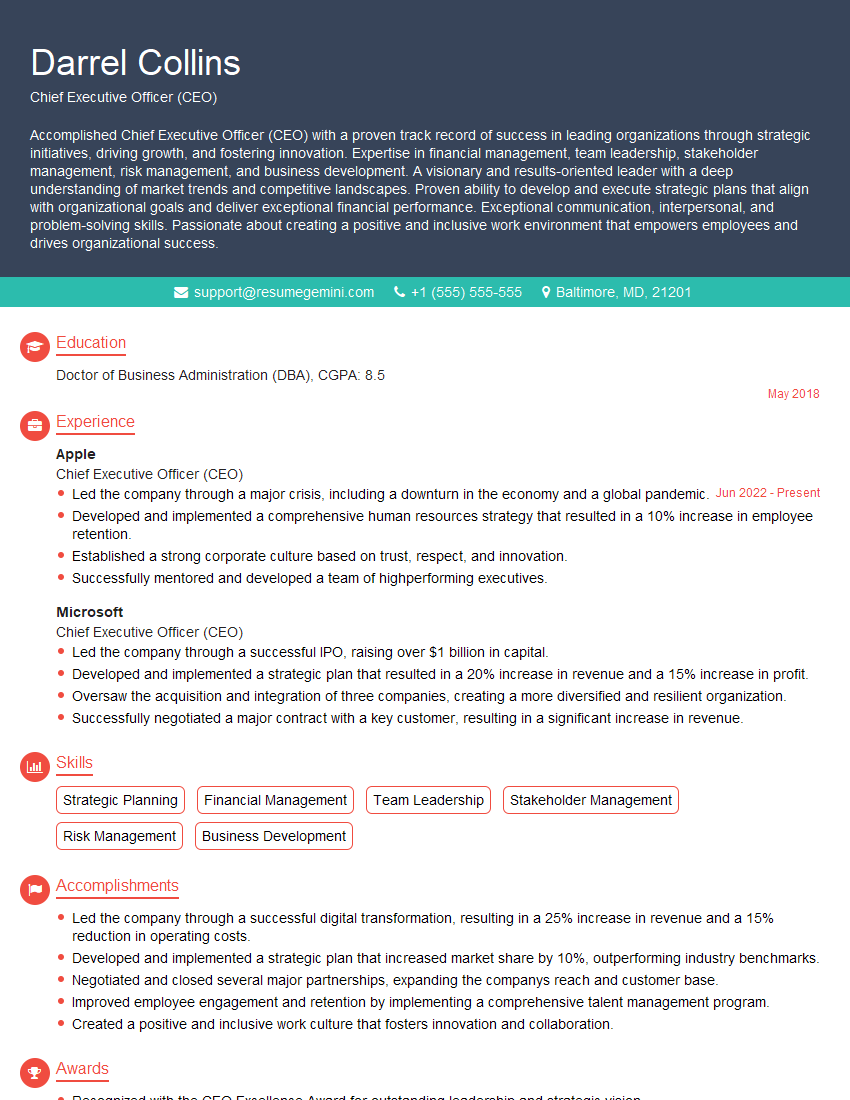
Chief Executive Officer (CEO) Resume Sample
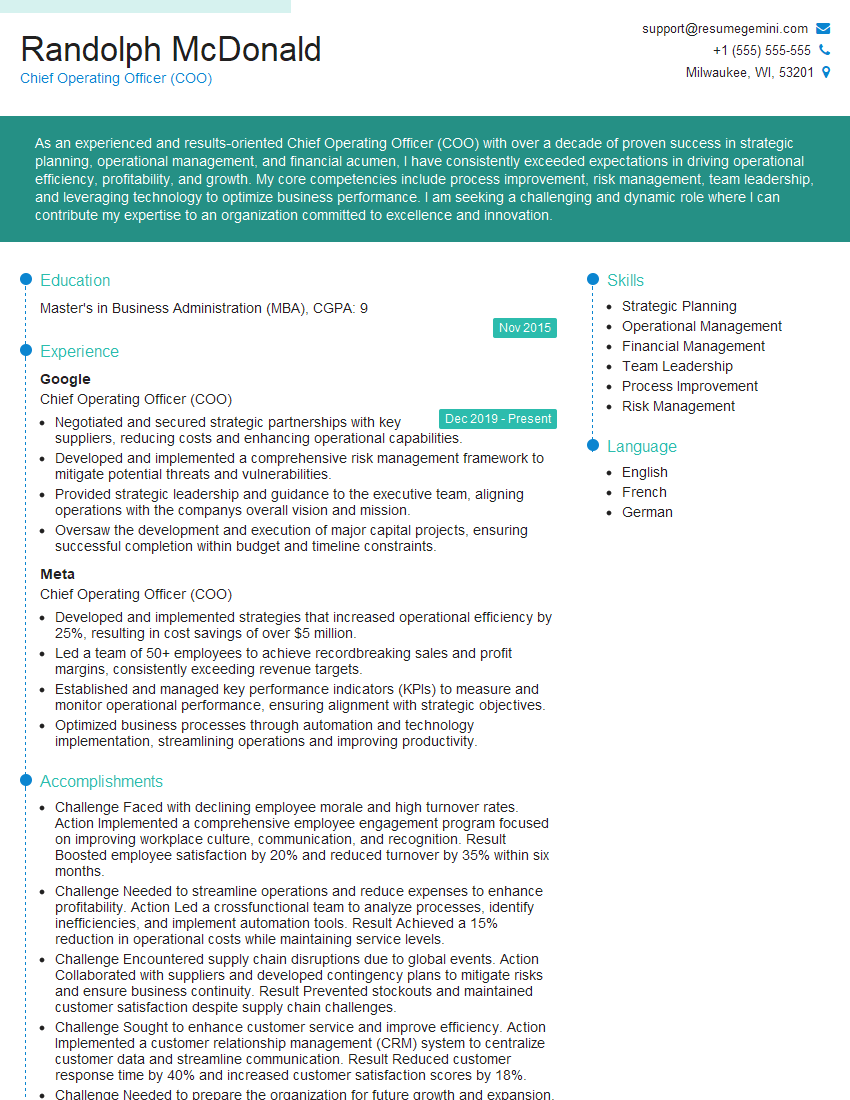
Chief Operating Officer (COO) Resume Sample
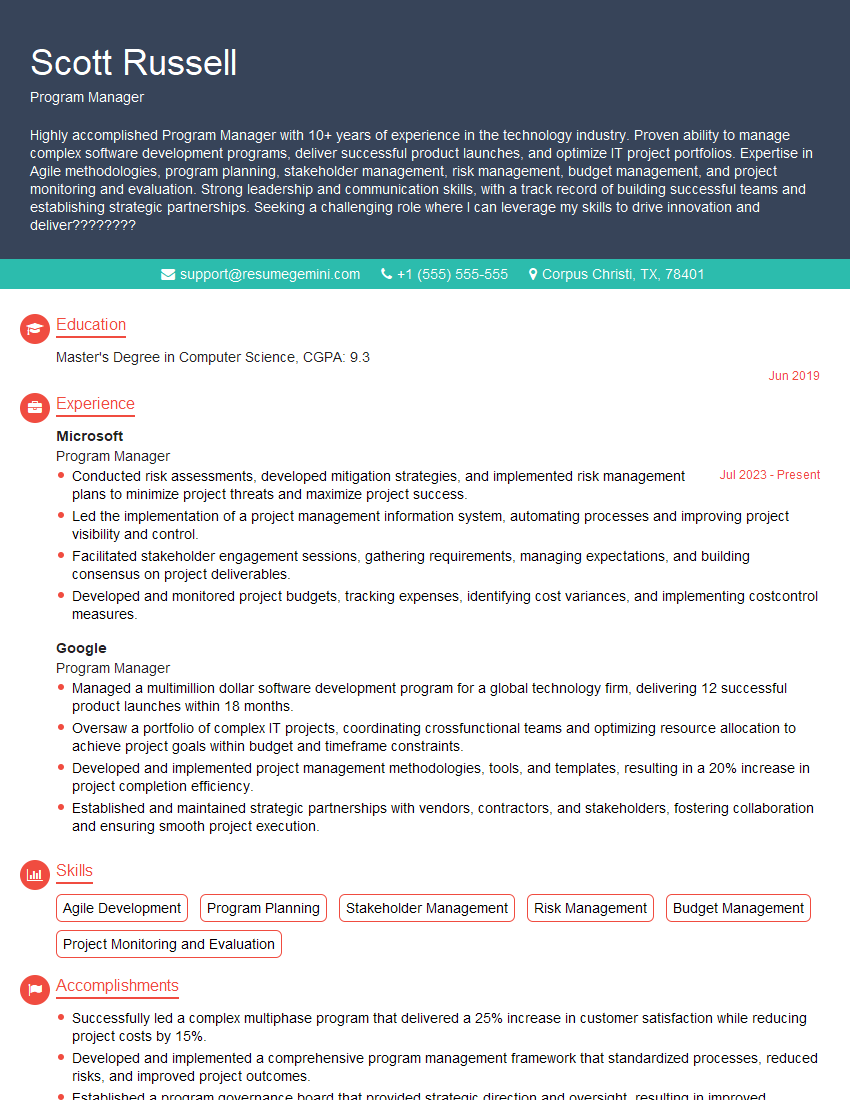
Program Manager Resume Sample
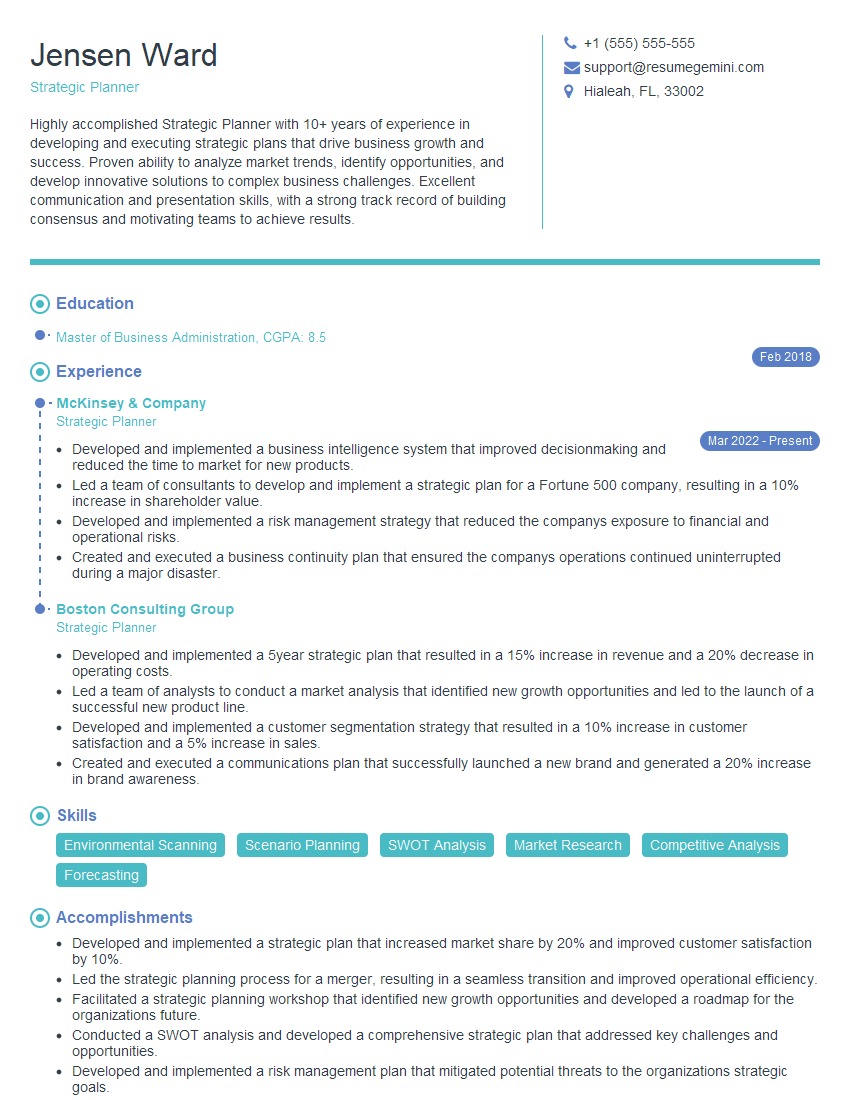
Strategic Planner Resume Sample
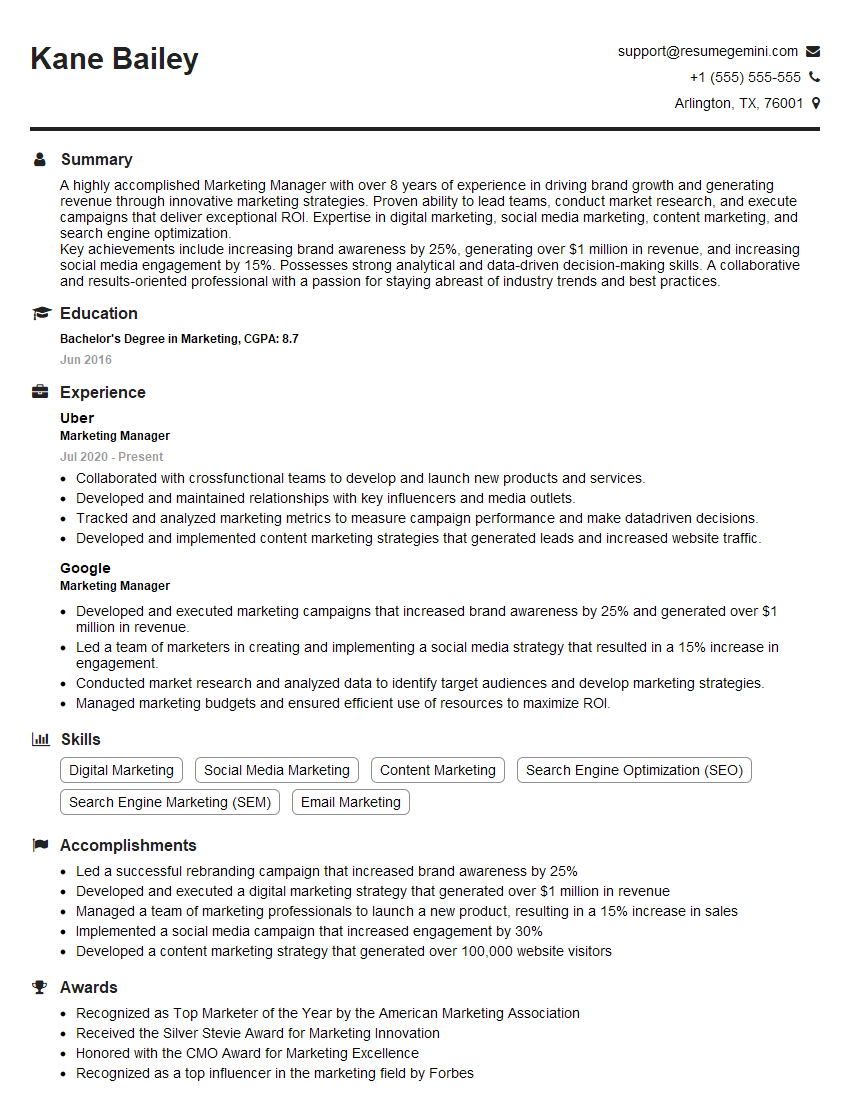
Marketing Manager Resume Sample
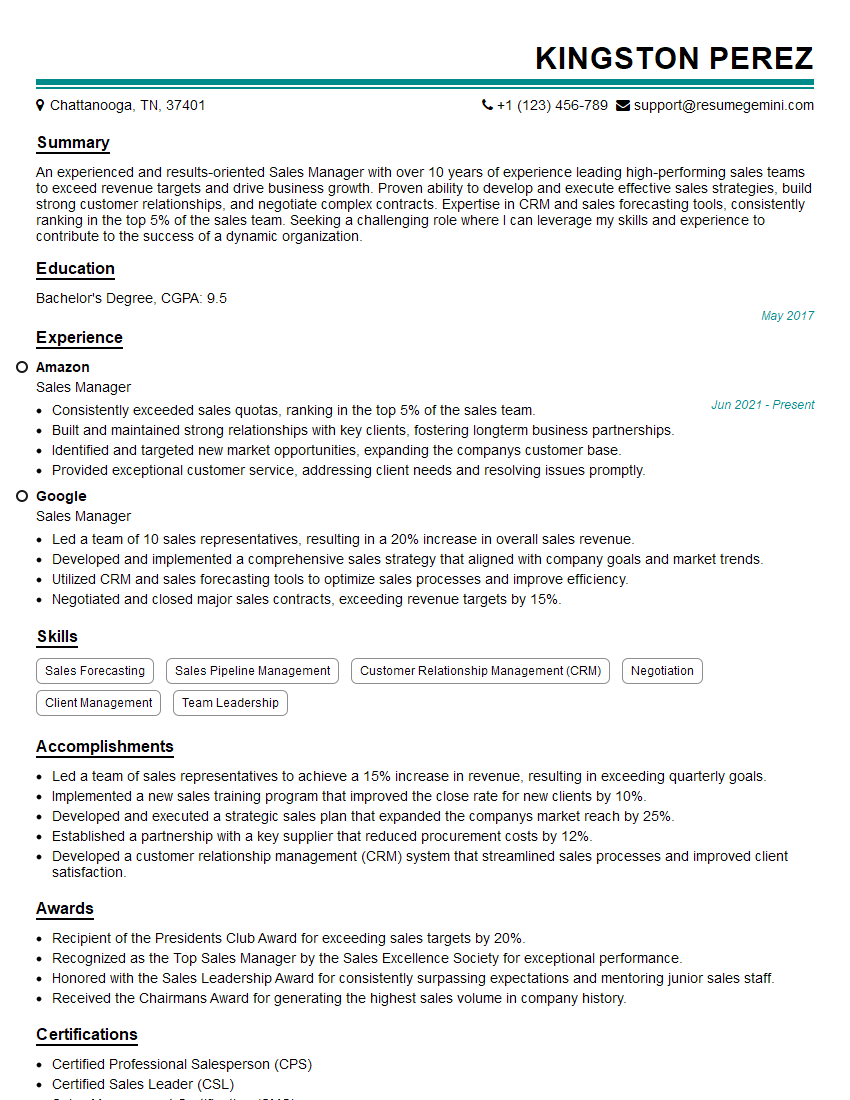
Sales Manager Resume Sample
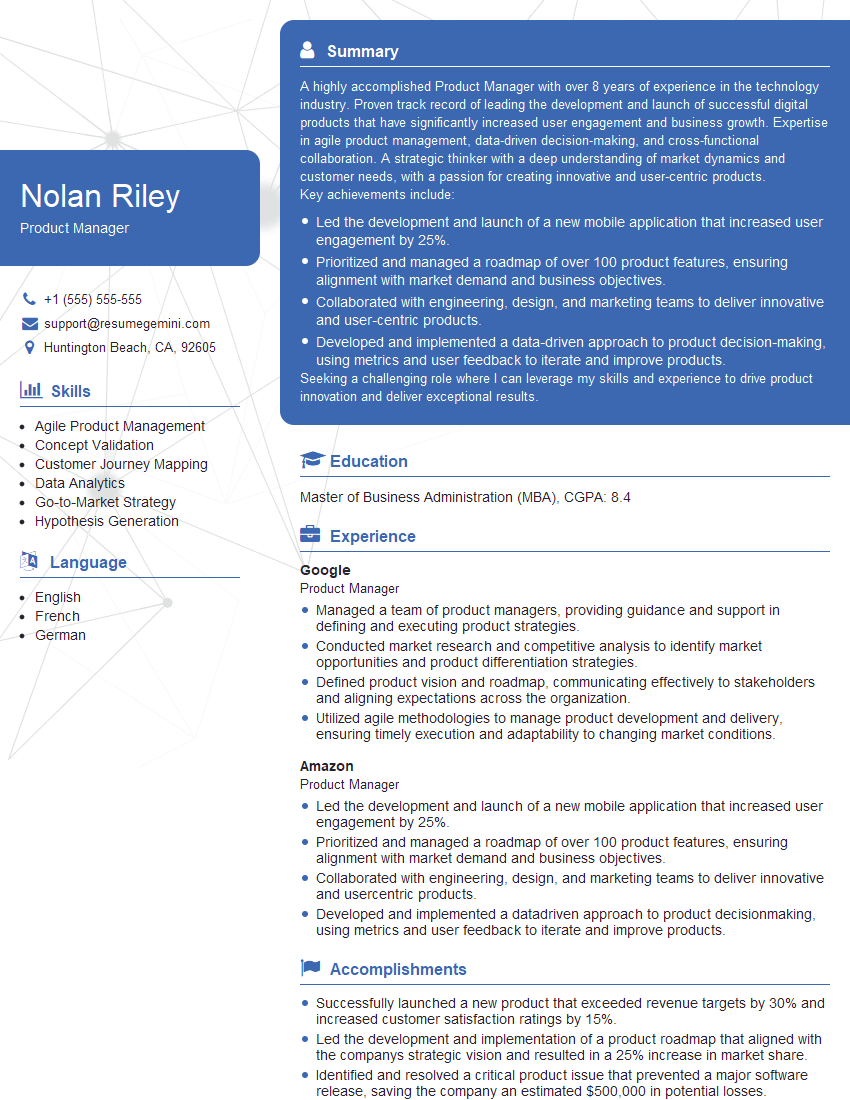
Product Manager Resume Sample
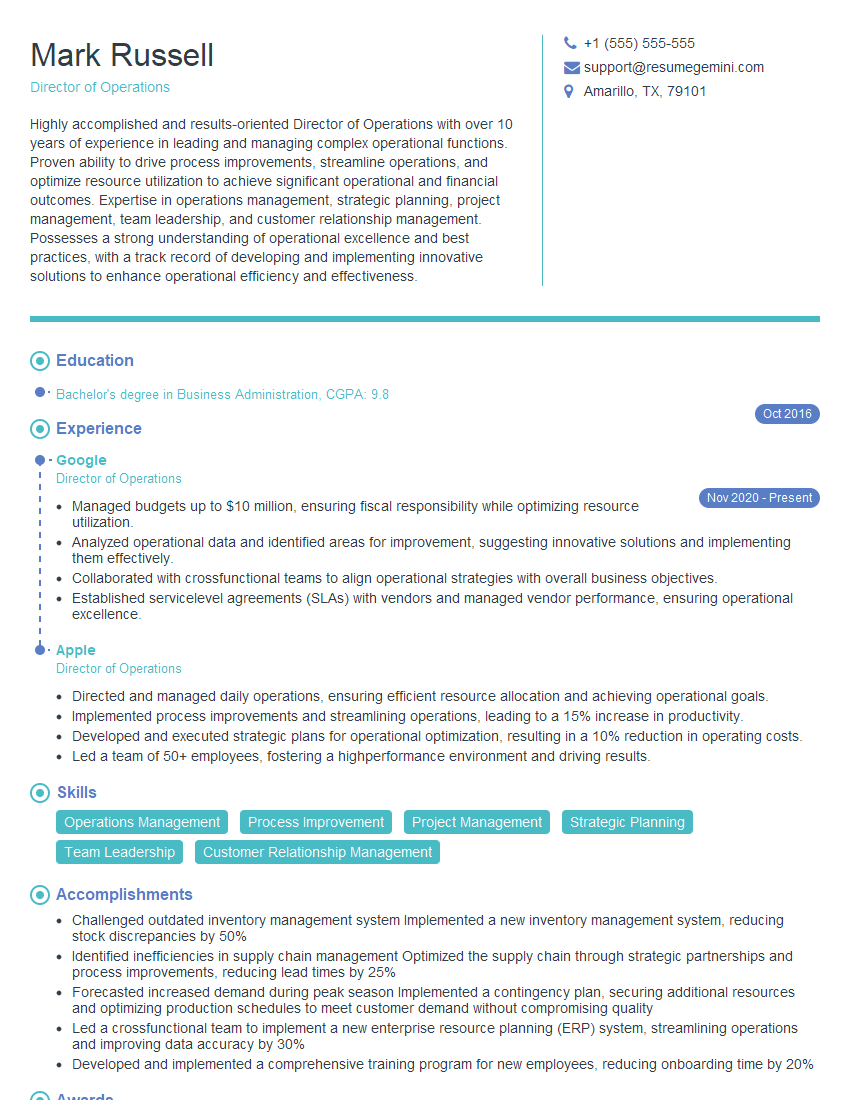
Director of Operations Resume Sample
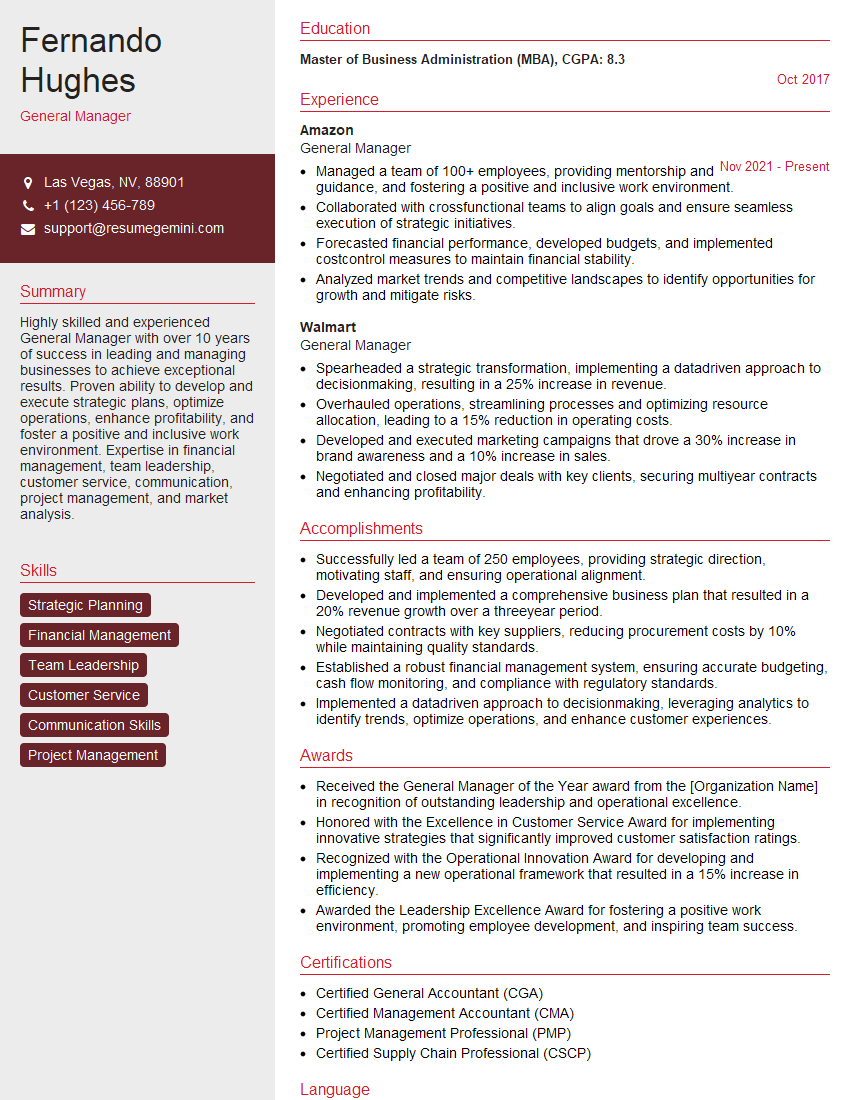
General Manager Resume Sample
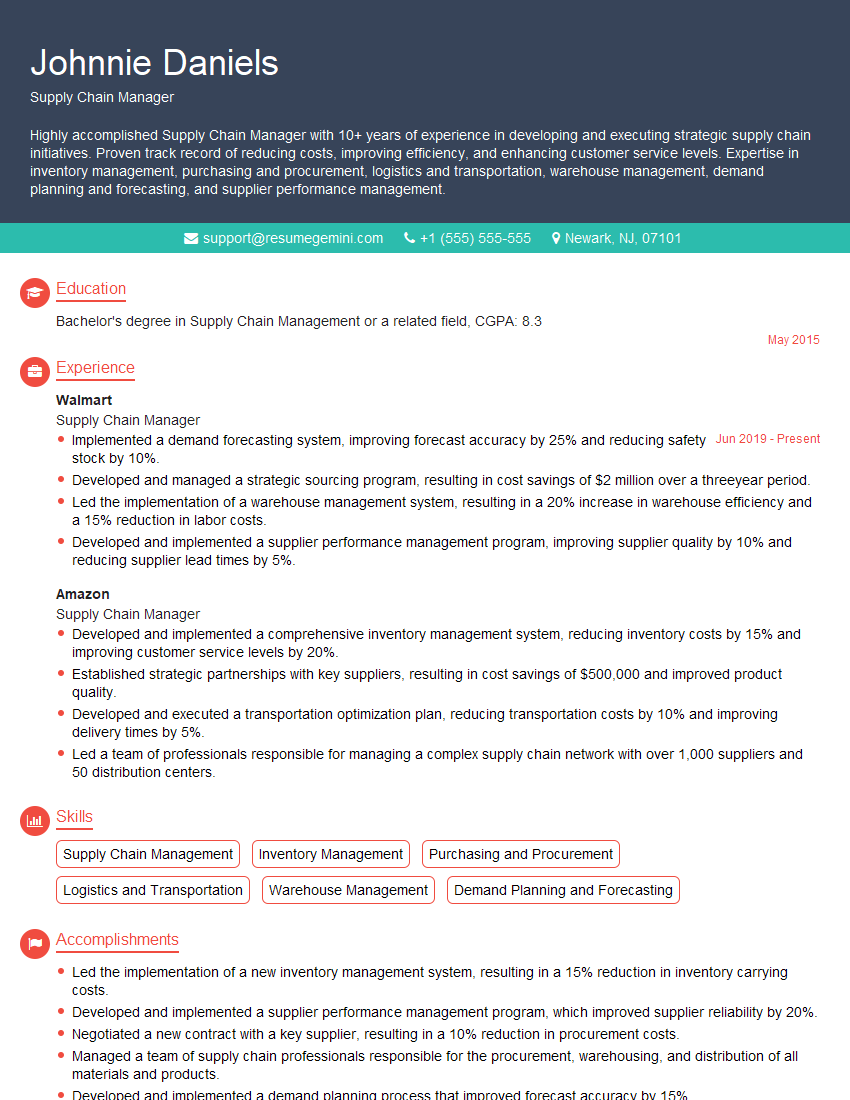
Supply Chain Manager Resume Sample

Project Manager Resume Sample
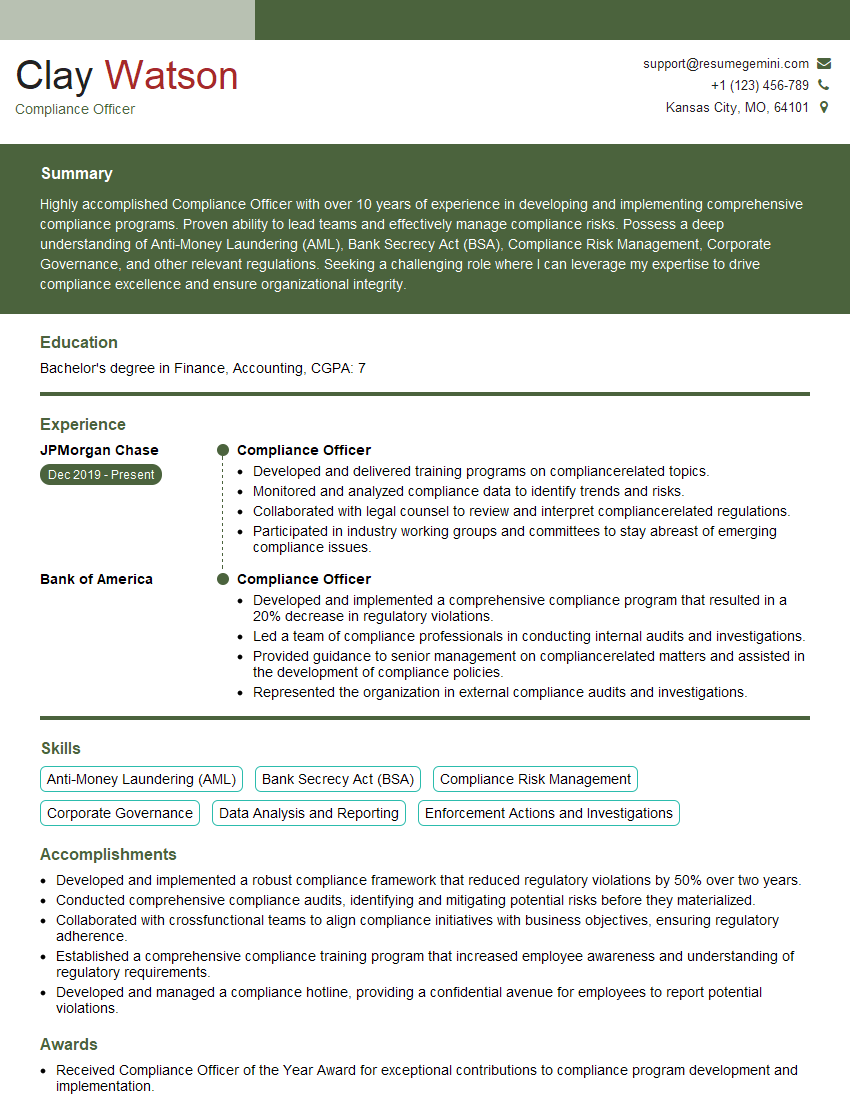
Compliance Officer Resume Sample
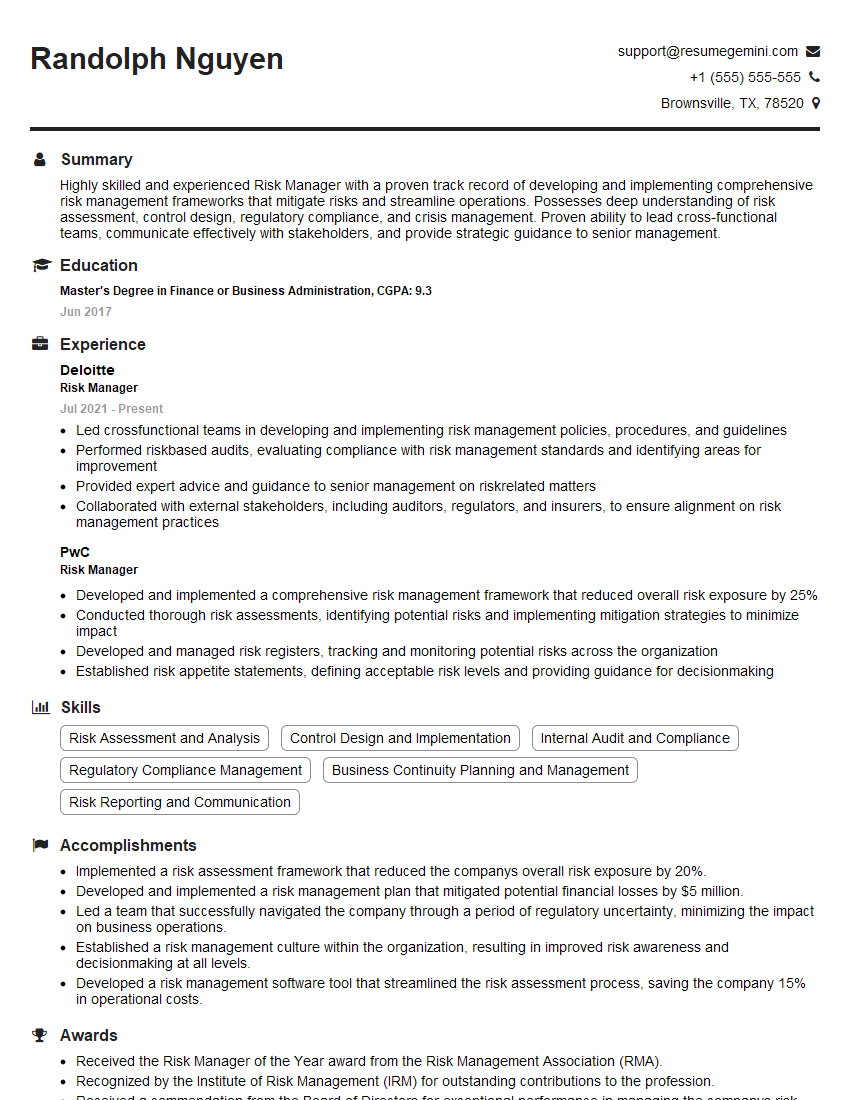
Risk Manager Resume Sample
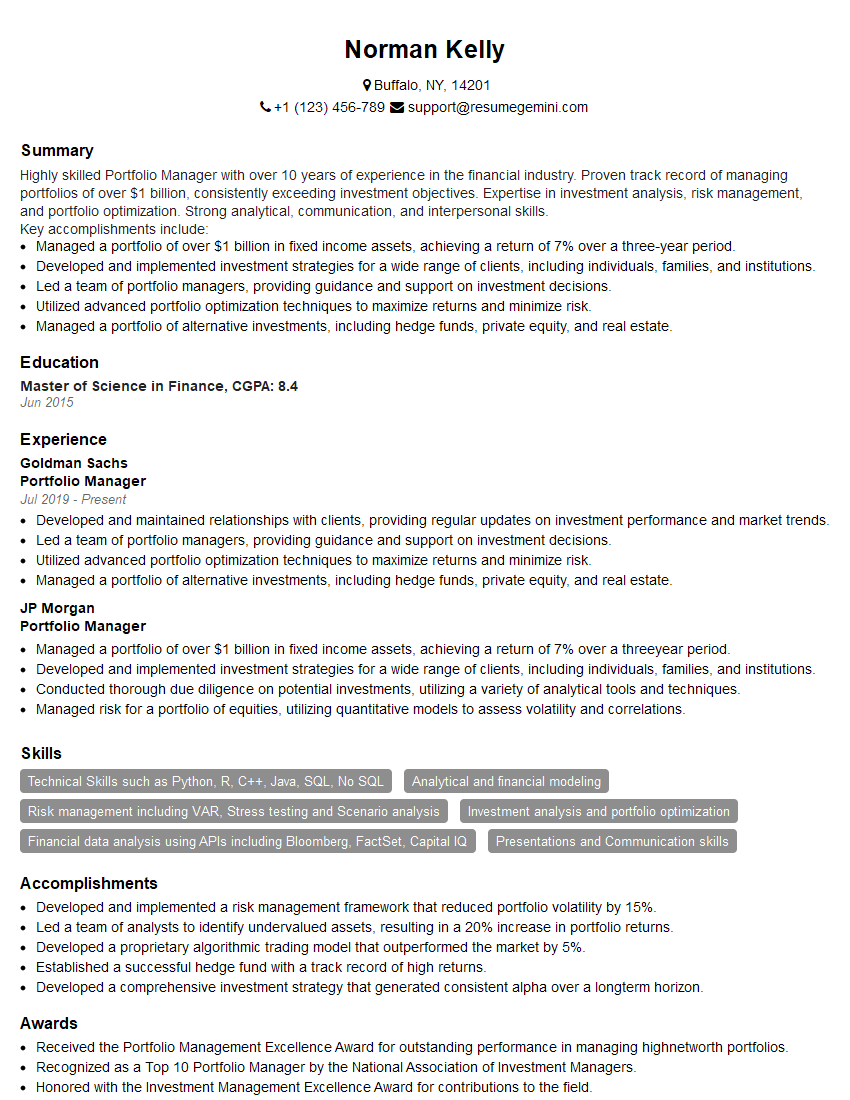
Portfolio Manager Resume Sample
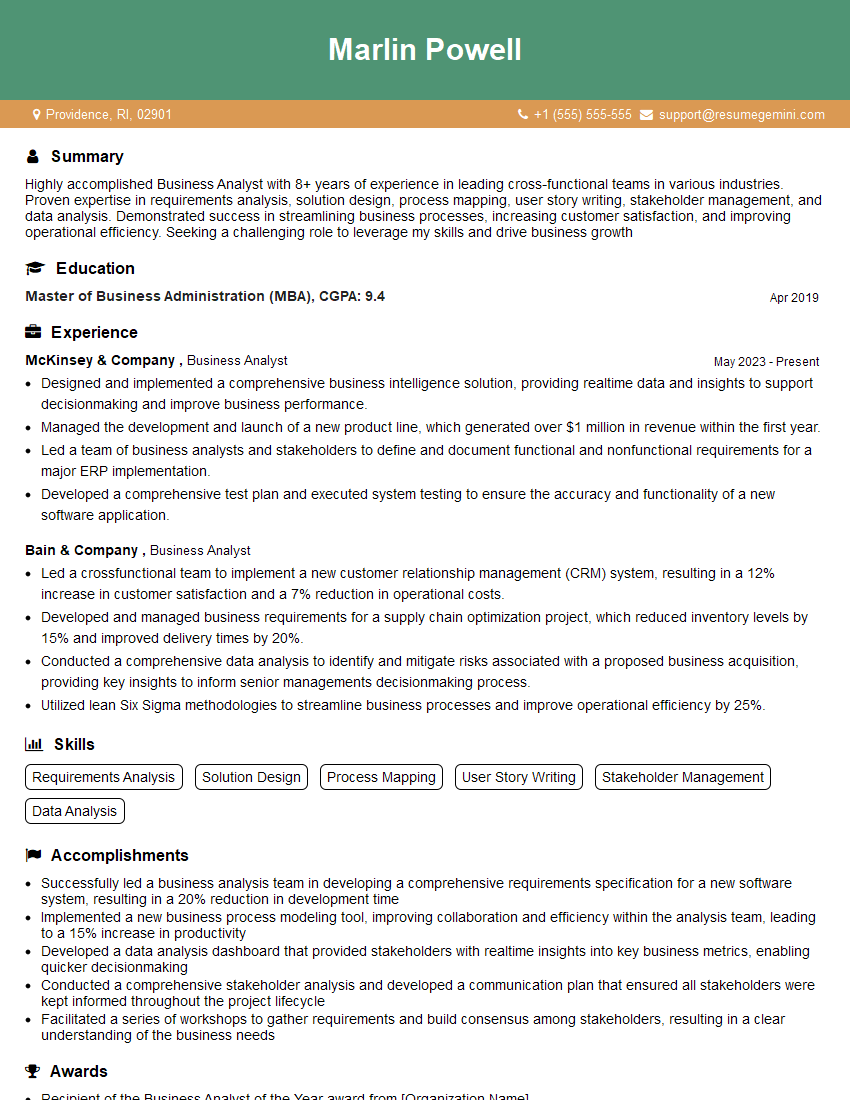
Business Analyst Resume Sample
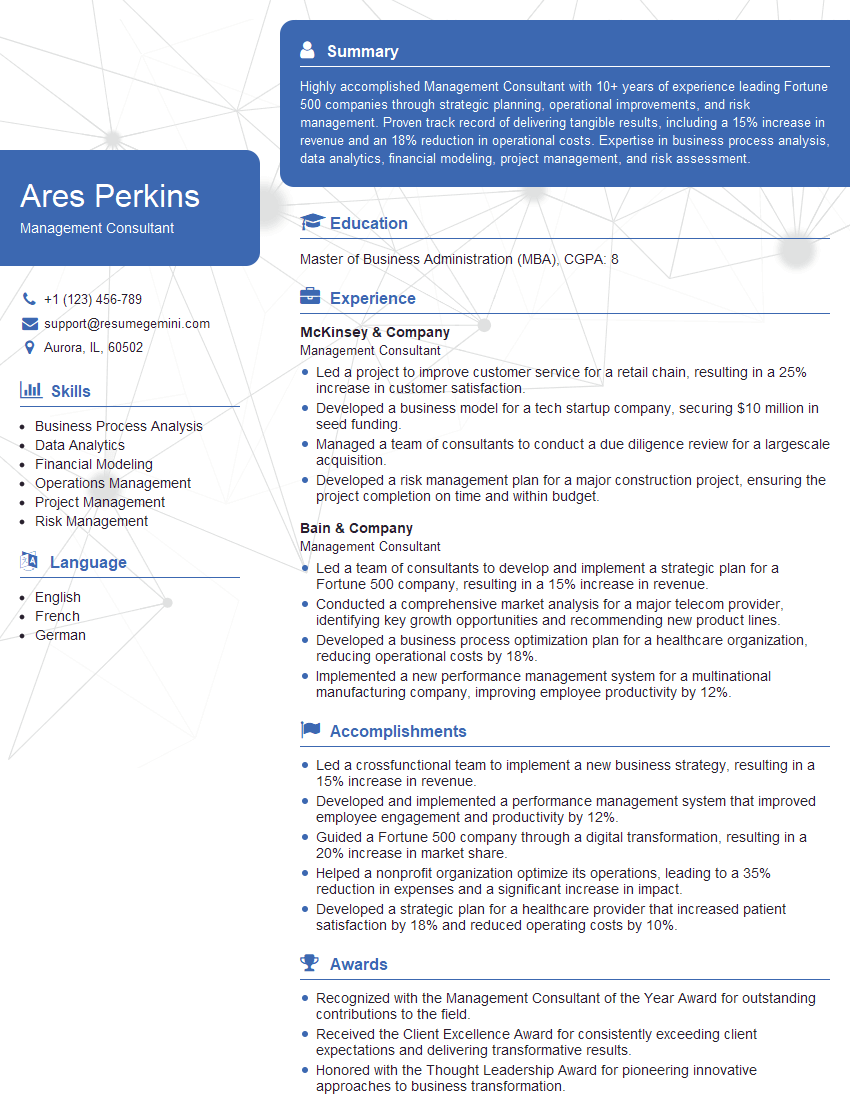
Management Consultant Resume Sample
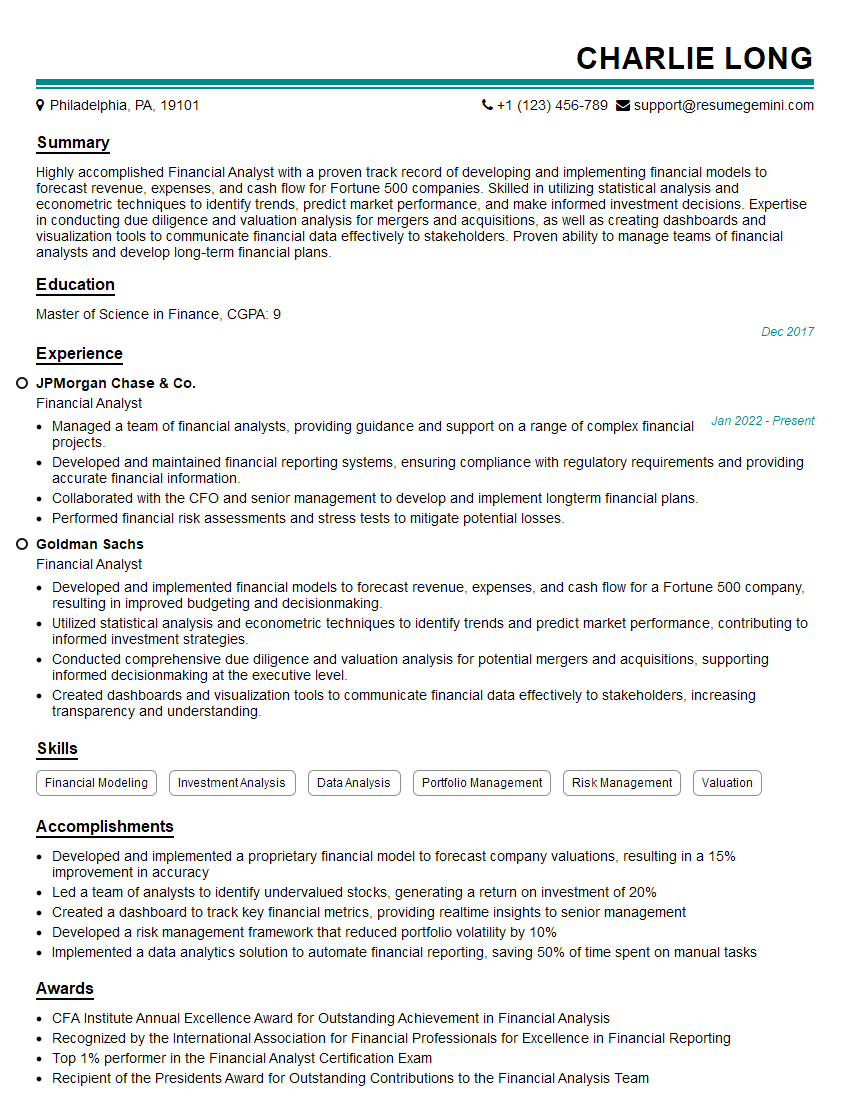
Financial Analyst Resume Sample
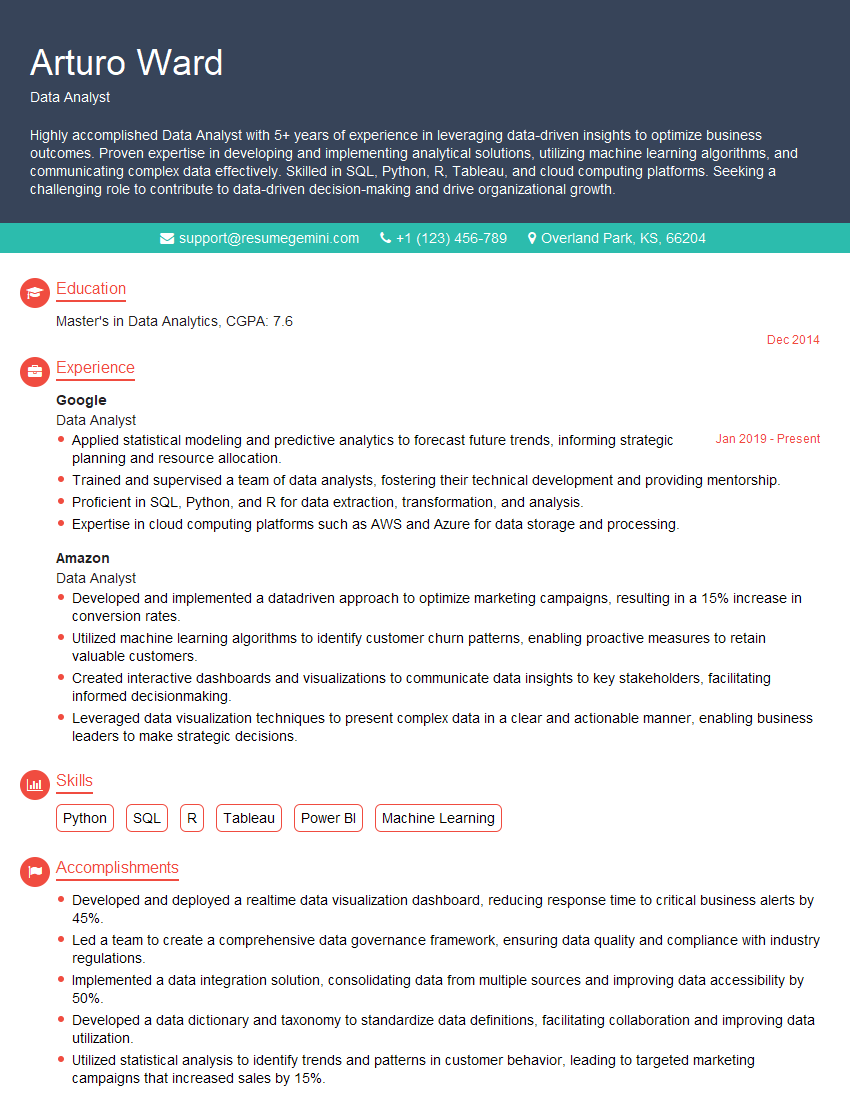
Data Analyst Resume Sample
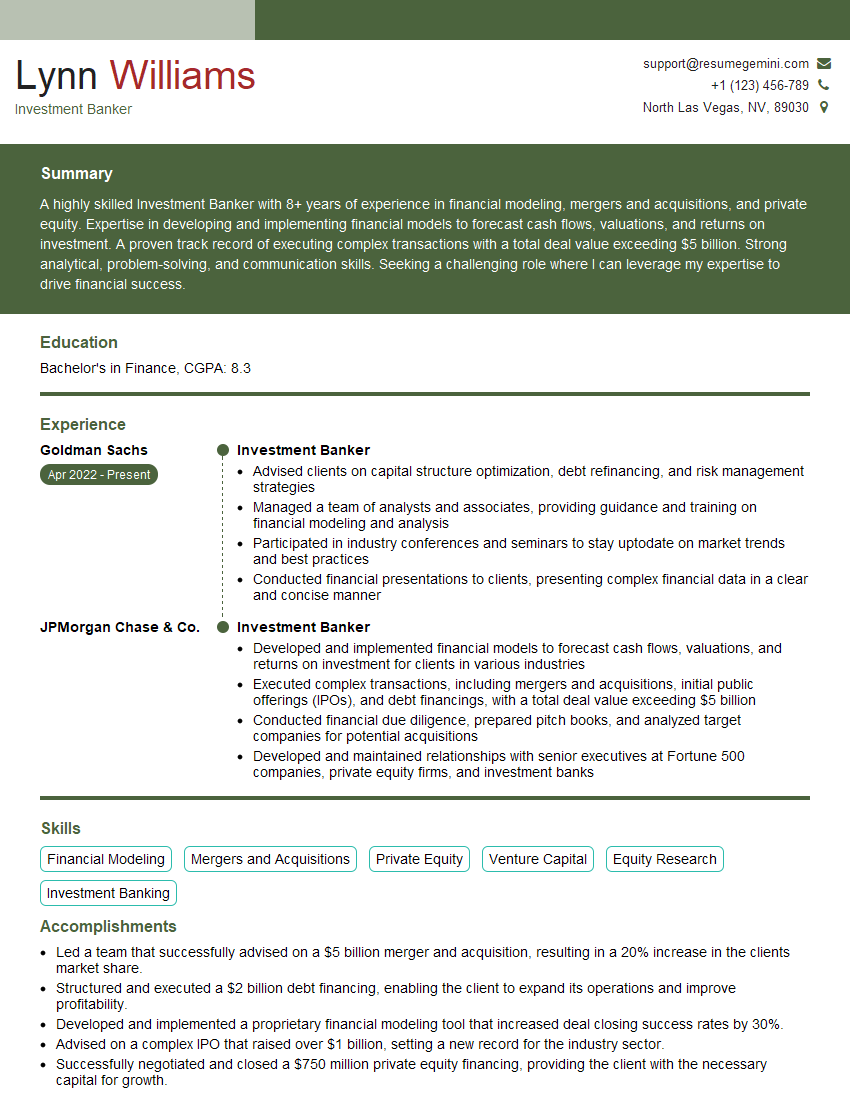
Investment Banker Resume Sample

Operations Research Analyst Resume Sample
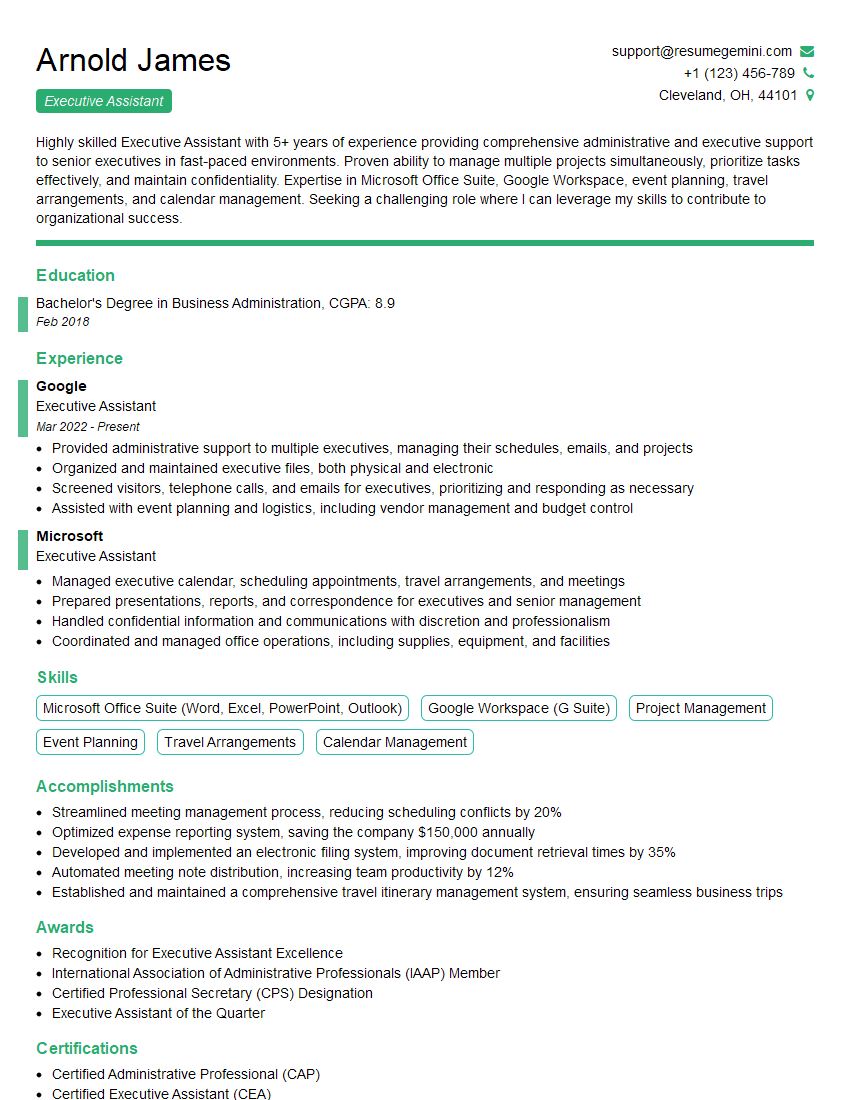
Executive Assistant Resume Sample
- Chief Executive Officer (CEO)
- Chief Operating Officer (COO)
- Program Manager
- Strategic Planner
- Marketing Manager
- Sales Manager
- Product Manager
- Director of Operations
- General Manager
- Supply Chain Manager
- Project Manager
- Compliance Officer
- Risk Manager
- Portfolio Manager
- Business Analyst
- Management Consultant
- Financial Analyst
- Data Analyst
- Investment Banker
- Operations Research Analyst
- Executive Assistant
Explore more articles
Users Rating of Our Blogs
Share Your Experience
We value your feedback! Please rate our content and share your thoughts (optional).
What Readers Say About Our Blog
Really detailed insights and content, thank you for writing this detailed article.
IT gave me an insight and words to use and be able to think of examples