Every successful interview starts with knowing what to expect. In this blog, we’ll take you through the top Ability to troubleshoot and resolve cleaning issues interview questions, breaking them down with expert tips to help you deliver impactful answers. Step into your next interview fully prepared and ready to succeed.
Questions Asked in Ability to troubleshoot and resolve cleaning issues Interview
Q 1. Describe your experience troubleshooting a malfunctioning cleaning machine.
Troubleshooting a malfunctioning cleaning machine requires a systematic approach. I begin by observing the machine’s behavior – is it making unusual noises, leaking fluids, or failing to operate altogether? This initial visual inspection often reveals obvious issues like a clogged filter or a broken part. For example, once I encountered a commercial floor scrubber that wouldn’t turn on. My initial inspection showed a tripped circuit breaker; simply resetting it resolved the problem.
If the issue isn’t immediately apparent, I consult the machine’s manual and use diagnostic tools or codes (if available). Some machines have built-in error codes that pinpoint specific problems. I then systematically check components – hoses, pumps, brushes, and electrical connections – ensuring each works correctly. If a component is faulty, I’ll attempt to repair it if possible, or if necessary, I’ll contact a repair technician or replace the damaged part. Documenting each step, including findings and actions taken, is crucial for future reference and efficient troubleshooting.
A more complex example involved a carpet cleaner that was spraying water instead of cleaning solution. By checking the solution tank and hoses, I discovered a blockage preventing the detergent from reaching the spray nozzle. Clearing the blockage restored the machine’s functionality.
Q 2. How do you identify the root cause of recurring cleaning issues?
Identifying the root cause of recurring cleaning issues requires a detailed analysis. I start by gathering data: What areas are repeatedly problematic? What cleaning methods are used? What products are employed? I interview the cleaning staff to understand their processes and identify any potential inconsistencies or challenges.
Creating a detailed log of cleaning frequency, methods, product usage, and observed issues is crucial. Looking for patterns in this data reveals potential causes. For example, recurring issues in a specific area might indicate underlying structural problems (like leaks or poor ventilation) rather than a cleaning inadequacy.
I use the 5 Whys technique – repeatedly asking “why” to delve deeper into the root cause. For instance, if a restroom is frequently dirty, the first why might be insufficient cleaning time. The second why could be a high volume of users. The third why could be a lack of effective handwashing facilities, and so on. Ultimately, it reveals the core problem that needs addressing, potentially improving facility design or staff training.
Q 3. What methods do you use to prevent cleaning supply waste?
Preventing cleaning supply waste involves a multi-pronged approach. First, I ensure accurate inventory management. This includes regularly checking stock levels and using inventory software to predict demand and prevent overstocking. Secondly, I emphasize proper product dilution and usage. Training staff on the correct ratios for cleaning solutions avoids overuse and maintains effectiveness.
Third, I promote the use of reusable cleaning tools and microfiber cloths, which are highly efficient and washable, reducing reliance on disposable supplies. I also encourage staff to utilize cleaning products efficiently, avoiding unnecessary waste through spills or over-application. For example, providing labeled dispensing bottles instead of bulk containers helps in precise measuring and reduces accidental spillage. Implementing a cleaning schedule which minimizes unnecessary usage of chemicals is also very effective. Finally, I regularly evaluate cleaning product effectiveness and switch to more efficient alternatives whenever possible. This could involve shifting to concentrated cleaning solutions or eco-friendly alternatives that require less product to deliver the same result.
Q 4. Explain your approach to dealing with unexpected cleaning emergencies.
My approach to unexpected cleaning emergencies prioritizes speed, safety, and containment. First, I assess the situation, determining the nature and extent of the emergency. Is it a spill, a malfunctioning fixture, or something else? My primary concern is always safety— ensuring the area is secured to prevent injuries and further damage.
Secondly, I implement immediate containment measures. If it’s a spill, I’ll use appropriate absorbent materials to contain it, preventing its spread. If there’s a plumbing issue, I’ll shut off water valves to limit the extent of damage. Finally, I will document the event, noting the nature of the incident, the actions taken, and any damages incurred. This information is valuable for incident reporting and identifying preventative measures in the future.
For instance, during a large party, a guest spilled a significant amount of red wine on a light-colored carpet. My immediate actions were to secure the area and prevent foot traffic, use an absorbent cloth to blot the stain (avoiding rubbing), and then contact a professional carpet cleaner for specialized stain removal.
Q 5. How do you prioritize cleaning tasks during high-volume periods?
Prioritizing cleaning tasks during high-volume periods necessitates a strategic approach. I use a combination of methods including a prioritization matrix that categorizes tasks based on urgency and importance (e.g., high-traffic areas, restrooms, spill cleanup).
I also utilize a task-scheduling system that assigns tasks to different cleaning staff members, keeping track of progress and ensuring optimal allocation of resources. High-priority areas receive immediate attention, while less urgent tasks are scheduled strategically throughout the day. Communication is key—keeping staff informed about priorities and potential changes is essential for efficient workflow and efficient cleaning during peak hours. For example, during a busy conference, I might assign one team to high-traffic areas, ensuring they’re cleaned constantly. A second team could focus on restrooms, and a third on other areas on a schedule.
Q 6. What safety protocols do you follow while handling cleaning chemicals?
Safety protocols for handling cleaning chemicals are paramount. I always begin by reading and understanding the Safety Data Sheet (SDS) for each chemical, paying close attention to hazard warnings, protective measures, and emergency procedures.
I ensure that all cleaning staff receive thorough training on the safe handling, storage, and disposal of cleaning chemicals. This includes proper personal protective equipment (PPE) usage, such as gloves, eye protection, and respirators, depending on the chemical’s hazard level. Mixing chemicals should only be done according to manufacturer’s instructions, and storing chemicals properly in clearly labeled containers is crucial. Regularly inspecting storage areas for leaks or spills is equally essential, ensuring a safe working environment. Finally, having a well-defined spill response plan ensures rapid, safe handling of accidental spills, and following all the disposal instructions reduces environmental impact.
Q 7. How do you ensure the effectiveness of cleaning procedures?
Ensuring the effectiveness of cleaning procedures is an ongoing process. I start with regular inspections and quality checks. This includes visually inspecting cleaned areas for cleanliness and using ATP testing (Adenosine Triphosphate) or other methods to objectively measure cleanliness levels. Feedback mechanisms from staff and users are also incredibly valuable in identifying areas for improvement.
I regularly review cleaning schedules and methodologies, adapting them based on observed effectiveness and feedback. This might involve adjusting cleaning product concentrations, changing cleaning frequencies for certain areas, or even exploring new cleaning technologies or techniques. For example, after feedback from staff about inefficient usage of a cleaning solution, we switched to a concentrated version which improved cleaning time and reduced solution usage.
Continuous training and education for cleaning staff are vital for maintaining high cleaning standards. Regular updates on best practices, new product knowledge, and safe handling procedures are part of my ongoing commitment to ensuring effective cleaning operations.
Q 8. Describe a time you had to adapt a cleaning method due to unforeseen circumstances.
Adapting cleaning methods is crucial when unforeseen circumstances arise. For instance, during a recent large-scale event at a convention center, a severe thunderstorm caused a power outage mid-cleaning. Our initial plan involved using automated floor scrubbers, but with no power, we had to swiftly switch to manual methods. This involved quickly reorganizing the team, prioritizing high-traffic areas, and utilizing extra manpower to ensure the venue was clean and safe for attendees. We used buckets and mops, focusing on thoroughness and efficiency, making sure we divided tasks efficiently to cover all areas. The key was clear communication and a flexible approach. We managed to complete the cleaning despite the challenge, proving our adaptability and problem-solving skills under pressure.
Q 9. What are the key indicators of a poorly maintained cleaning system?
Poorly maintained cleaning systems exhibit several key indicators. Think of it like a neglected garden – eventually, weeds take over. Similarly, uncleanliness manifests in various ways. Persistent dirt buildup on surfaces, especially in high-traffic areas, is a major sign. Smells, whether musty, stale, or otherwise unpleasant, are another clear indicator. Damaged or unclean cleaning equipment itself speaks volumes about the state of the maintenance program. Lastly, the presence of pests like insects or rodents is a serious red flag, indicating a significant lapse in hygiene protocols. A systematic approach to cleaning, including regular inspections and scheduled maintenance of equipment, can prevent many of these problems.
Q 10. How do you train new cleaning staff on effective troubleshooting techniques?
Training new staff on troubleshooting is a multi-step process. We start with classroom instruction covering common cleaning challenges – like stubborn stains, clogged drains, or malfunctioning equipment. We then move to hands-on training, where they practice identifying and resolving these issues under supervision. I use role-playing scenarios to simulate real-world situations, prompting them to diagnose problems, choose appropriate solutions, and carefully document the steps taken. Regular quizzes and feedback sessions reinforce learning and ensure proficiency. This blended approach creates confident, problem-solving cleaning professionals.
Q 11. What strategies do you use to maintain high standards of cleanliness?
Maintaining high cleaning standards requires a combination of strategies. First, clear, detailed cleaning checklists ensure consistency and thoroughness across all areas. Second, regular inspections and quality control measures allow for early identification of any issues. Third, using appropriate cleaning agents and tools is paramount for effective cleaning. Finally, and perhaps most importantly, regular training and staff feedback contribute to continuous improvement and a culture of excellence. We view cleaning as a continuous process of improvement, not just a one-time event.
Q 12. How do you handle customer complaints related to cleaning issues?
Handling customer complaints requires empathy, professionalism, and a swift response. First, I actively listen to the complaint and document the details accurately. Then, I immediately apologize for the inconvenience. Next, I investigate the issue thoroughly – inspecting the area, reviewing cleaning logs, and if necessary, interviewing staff involved. Depending on the nature of the complaint, I propose solutions that might include immediate remediation, a follow-up cleaning, or even a discount on future services. Finally, I follow up with the customer to ensure their satisfaction and prevent future recurrence.
Q 13. What is your experience with different types of cleaning equipment?
My experience spans a wide range of cleaning equipment. I’m proficient in operating various types of vacuum cleaners, including both upright and canister models, along with specialized floor cleaning machines like buffer-polishers and auto-scrubbers. I’m also familiar with using steam cleaners, pressure washers, and various hand tools – like mops, brushes, and squeegees – for different applications. I’m adept at maintaining these tools and aware of safety procedures for each piece of equipment.
Q 14. How do you stay up-to-date on the latest cleaning technologies and methods?
Staying current in cleaning technologies and methods is vital. I regularly attend industry conferences and workshops, subscribe to professional journals, and participate in online learning courses. I also actively network with other cleaning professionals to exchange best practices and learn about new product developments. Additionally, I keep abreast of changes in regulations and safety guidelines. Continuous learning ensures I provide the most effective and up-to-date cleaning services.
Q 15. Describe your experience with inventory management for cleaning supplies.
Effective inventory management for cleaning supplies is crucial for maintaining consistent cleaning standards and avoiding costly shortages or waste. My approach involves a multi-step process. First, I conduct a thorough assessment of cleaning needs based on the size and type of facility, frequency of cleaning, and specific cleaning tasks. This helps determine the required quantities of each supply.
Next, I implement a robust inventory tracking system. This could range from a simple spreadsheet listing supplies, their quantities, and reorder points, to a more sophisticated inventory management software. Regular stock checks are essential to identify low-stock items and prevent disruptions. For example, I’d set up automated alerts when stock levels fall below a predetermined threshold for high-usage items like all-purpose cleaner or paper towels.
Finally, I establish a clear ordering process, ensuring timely replenishment of supplies. This includes specifying vendors, negotiating favorable pricing, and setting up a regular ordering schedule. I also analyze consumption rates to optimize ordering quantities and minimize waste. For instance, if we consistently overstock a particular cleaner, I would adjust the ordering quantity to reflect actual usage.
Career Expert Tips:
- Ace those interviews! Prepare effectively by reviewing the Top 50 Most Common Interview Questions on ResumeGemini.
- Navigate your job search with confidence! Explore a wide range of Career Tips on ResumeGemini. Learn about common challenges and recommendations to overcome them.
- Craft the perfect resume! Master the Art of Resume Writing with ResumeGemini’s guide. Showcase your unique qualifications and achievements effectively.
- Don’t miss out on holiday savings! Build your dream resume with ResumeGemini’s ATS optimized templates.
Q 16. How do you ensure proper disposal of cleaning waste?
Safe and proper disposal of cleaning waste is paramount for environmental protection and worker safety. My approach adheres strictly to all relevant local, state, and federal regulations. I begin by segregating waste based on its composition. This includes separating hazardous waste (e.g., certain chemicals, used oil) from non-hazardous waste (e.g., paper towels, empty spray bottles).
Hazardous waste requires special handling and disposal according to the guidelines set by environmental agencies. This typically involves using designated containers, labeling them appropriately, and contracting with licensed hazardous waste disposal companies. Non-hazardous waste is typically disposed of through regular trash collection, but it’s important to ensure that all cleaning solutions are properly diluted before discarding to prevent environmental harm.
For example, I would never pour concentrated bleach down the drain; instead, I would dilute it extensively according to the manufacturer’s instructions before disposal. Clear labeling of waste containers prevents accidental misuse and ensures proper disposal methods are followed. Regular training for staff on proper waste disposal procedures is also a key part of the process.
Q 17. How do you measure the effectiveness of your cleaning solutions?
Measuring the effectiveness of cleaning solutions involves a combination of visual inspection and more objective methods. Visual inspection is a simple yet crucial first step. I assess surfaces after cleaning for any remaining dirt, grime, or stains. A clean surface should be free of visible residue and should look consistently clean and bright.
However, visual inspection alone is not always sufficient. For more objective measurement, particularly for disinfectants, I might employ ATP bioluminescence testing. This involves using a device that measures adenosine triphosphate (ATP), an indicator of microbial contamination. Lower ATP readings indicate better disinfection effectiveness. Similarly, for floor cleaning, I could measure the level of soil residue using a soilometer, which quantifies the amount of soil left on the surface after cleaning.
Regularly documenting these assessments, along with the cleaning solutions used, helps track the performance of different products and identify those that consistently deliver the best results. For instance, if one disinfectant consistently yields lower ATP readings than another, we can switch to using the more effective product.
Q 18. How do you deal with difficult stains or spills?
Dealing with difficult stains or spills requires a systematic approach that considers the type of stain, the surface it’s on, and the available cleaning agents. My first step is always to identify the type of stain or spill (e.g., grease, blood, ink). Different stains require different treatment methods.
I then assess the surface to ensure that the chosen cleaning method won’t damage it. For example, using harsh chemicals on delicate wood surfaces could cause damage. Once the stain and surface are identified, I consult appropriate cleaning resources, often manufacturer’s guidelines or industry best practices, to determine the best course of action. Many times this involves a multi-step process, like blotting the spill first, then applying a specific cleaning solution, and finally rinsing and drying the surface.
For example, removing a grease stain from a carpet might involve pre-treating with a grease-cutting solvent, then using a carpet extractor to thoroughly remove the stain and residual cleaning solution. If a stain proves particularly stubborn, I might test a small, inconspicuous area first to ensure the cleaning solution doesn’t damage the surface.
Q 19. Describe your experience in using specialized cleaning equipment (e.g., floor buffers, carpet extractors).
My experience with specialized cleaning equipment includes extensive use of floor buffers, carpet extractors, and other machinery. Before operating any equipment, I always receive proper training and ensure I understand safety procedures. This includes understanding the equipment’s functionalities, limitations, and potential hazards.
Floor buffers, for example, require careful operation to prevent damage to floors. I understand the different types of pads and their applications (e.g., burnishing pads for high-gloss finishes, scrubbing pads for deep cleaning). Similarly, with carpet extractors, I’m proficient in selecting the appropriate cleaning solution for different carpet types and in using the equipment effectively to remove stains and soil without damaging the carpet fibers.
Regular maintenance of this equipment is key to its longevity and efficient operation. This includes checking for wear and tear, cleaning and lubricating moving parts, and promptly reporting any malfunctioning equipment. For instance, regularly changing the brushes on a floor buffer prevents them from wearing down and damaging the floor. I always adhere to the manufacturer’s guidelines for maintaining the equipment.
Q 20. What is your understanding of various cleaning agents and their appropriate applications?
Understanding the properties and appropriate applications of various cleaning agents is critical for effective and safe cleaning. I have extensive knowledge of different cleaning agents, including their chemical composition, strengths, weaknesses, and potential hazards. This knowledge allows me to select the most appropriate agent for each cleaning task.
For instance, I understand that alkaline cleaners are effective for removing grease and grime, while acidic cleaners are better for removing mineral deposits. I also understand the differences between disinfectants, sanitizers, and sterilants and how to select the appropriate agent based on the level of microbial control required. I am fully aware of the safety precautions associated with each cleaning agent and always adhere to the manufacturer’s safety data sheets (SDS).
For example, I would never mix bleach with ammonia, as this can create toxic gases. I understand that some cleaning agents are corrosive and require protective gear during use. Proper training on the use and handling of cleaning agents is essential and should be documented to ensure safety and compliance.
Q 21. How do you create and maintain a cleaning schedule?
Creating and maintaining a cleaning schedule requires a systematic approach. It starts with a detailed assessment of the facility, identifying areas that require cleaning, the frequency of cleaning, and the tasks involved. This assessment considers factors such as traffic flow, potential contamination risks, and the types of surfaces present.
Next, I develop a cleaning schedule that outlines specific tasks for each area and assigns responsibilities. The schedule might use a color-coded system or other visual aids to make it easy to understand and follow. For example, a color-coded chart could indicate the frequency of cleaning for different areas (daily, weekly, monthly).
The schedule needs to be flexible and adaptable to changing circumstances. Regular reviews and adjustments are essential to ensure its effectiveness. For instance, an unexpected spill might require a schedule adjustment to address immediate cleaning needs. Consistent monitoring and communication are essential for ensuring that the cleaning schedule is followed and that any issues are addressed promptly. Regular training for staff on the cleaning schedule is also crucial for efficiency and compliance.
Q 22. How do you address issues with staff productivity in cleaning tasks?
Addressing low staff productivity in cleaning involves a multi-pronged approach focusing on identifying root causes and implementing targeted solutions. It’s not just about speed; it’s about efficient, effective cleaning.
- Assess Workflow: I’d start by observing the cleaning process. Are there bottlenecks? Are tasks logically sequenced? A poorly designed workflow can significantly impact productivity. For example, if cleaning supplies are stored far from the areas they are needed, that’s lost time.
- Provide Training and Feedback: Proper training on techniques and the use of equipment is paramount. Regular feedback, both positive reinforcement and constructive criticism, keeps staff motivated and focused on improvement. I’d use checklists to ensure consistent cleaning standards and provide opportunities for skill development. For example, demonstrating the correct technique for mopping or detailing carpets can significantly improve efficiency.
- Adequate Staffing and Equipment: Understaffing is a major culprit. I’d assess the current staffing levels against the workload and space. Are there enough staff to complete tasks within the allocated time? Broken or inadequate equipment also slows things down. Regular maintenance and prompt replacement of faulty equipment is crucial.
- Motivation and Recognition: A positive work environment is key. Recognizing and rewarding good performance boosts morale and encourages higher productivity. This can involve small gestures like a ‘cleaner of the month’ award or simply expressing appreciation for a job well done.
For example, in a previous role, I noticed cleaning staff were spending excessive time refilling cleaning solution bottles. By implementing a centralized refilling station and providing larger capacity bottles, I saved an average of 15 minutes per cleaner per shift.
Q 23. How do you handle situations where cleaning supplies are not readily available?
Running out of cleaning supplies is a significant disruption that requires immediate attention. My approach focuses on proactive prevention and reactive problem-solving.
- Inventory Management: A robust inventory system is crucial. Regular stock checks and automatic reordering systems help prevent shortages. I’d set minimum stock levels for each supply and implement a system that alerts me when levels fall below that threshold.
- Emergency Supplies: Maintaining an emergency kit of essential supplies is essential. This kit would contain a basic selection of cleaning agents, paper towels, and gloves to cover unexpected situations.
- Supplier Relationships: Building strong relationships with reliable suppliers allows for rapid response in case of urgent needs. Having a preferred supplier who can provide quick delivery in emergencies saves valuable time.
- Alternative Solutions: In extreme cases, I’d have to improvise using available materials. For example, using diluted vinegar as a mild disinfectant in case of a bleach shortage. However, this is always secondary to sourcing the proper supplies.
In a past experience, a sudden surge in foot traffic depleted our hand soap supply. Because I had a strong relationship with our supplier and an already established re-ordering system, we received a new shipment within 24 hours, minimizing disruption.
Q 24. Explain your approach to preventing cross-contamination during cleaning.
Preventing cross-contamination is paramount in maintaining hygiene. My approach involves a combination of techniques and protocols.
- Color-Coded System: Using a color-coded system for cleaning cloths, mops, and buckets prevents the transfer of contaminants between different areas (e.g., restrooms, food preparation areas). For example, red for restrooms, blue for general areas, green for food prep.
- Designated Cleaning Tools: Employing specific cleaning tools for specific tasks reduces the risk of cross-contamination. A separate mop for floors versus a different mop for restrooms prevents the transfer of bacteria or other contaminants.
- Proper Cleaning Procedures: A detailed cleaning schedule with precise steps, including the correct use of disinfectants and appropriate dwell time (the time a disinfectant needs to be in contact with the surface), is crucial. This also includes proper disposal of contaminated waste.
- Personal Protective Equipment (PPE): Staff must always wear appropriate PPE, including gloves and protective eyewear, to prevent direct contact with contaminants. Regular handwashing is also mandatory.
- Regular Cleaning of Equipment: Cleaning equipment like vacuum cleaners, mops, and buckets between uses and after each cleaning task prevents contamination transfer.
Imagine a hospital setting: a strict color-coded system and designated equipment are non-negotiable for preventing the spread of infectious diseases. The same principles apply to less critical environments, just scaled down.
Q 25. How do you manage and maintain a cleaning budget effectively?
Effective cleaning budget management requires careful planning, monitoring, and control.
- Detailed Budget: I’d start by creating a comprehensive budget that outlines anticipated expenditures for cleaning supplies, equipment, staff salaries, and other related costs. This involves researching prices from different suppliers to find the best deals.
- Regular Monitoring: Consistent monitoring of expenses against the budget is vital. Tracking consumption of cleaning supplies and comparing actual costs to budgeted amounts helps identify potential overspending.
- Cost-Effective Strategies: Exploring cost-effective strategies such as buying supplies in bulk, negotiating favorable terms with suppliers, and implementing energy-efficient cleaning equipment are critical.
- Waste Reduction: Minimizing waste by properly storing supplies, using appropriate quantities, and implementing reusable cleaning cloths or mops where feasible can considerably reduce costs.
- Regular Review: Regularly reviewing the budget and making necessary adjustments based on actual spending and changing circumstances ensures that the budget remains relevant and effective.
For instance, I once identified a significant saving by switching to a more concentrated cleaning solution. The lower volume required resulted in both cost savings and reduced waste.
Q 26. What are some common cleaning mistakes and how do you prevent them?
Many common cleaning mistakes stem from a lack of knowledge or improper techniques. Here are some and how to prevent them:
- Improper Dilution of Cleaning Solutions: Using too little or too much cleaning solution can render it ineffective or damage surfaces. Always follow the manufacturer’s instructions for dilution.
- Neglecting to Pre-Clean: Not removing loose debris before applying cleaning solution can create a muddy mess and reduce the effectiveness of the cleaning process. Always sweep or vacuum first.
- Using Wrong Cleaning Agents: Using an abrasive cleaner on a delicate surface can cause damage. Always check the compatibility of the cleaning agent with the surface material.
- Ignoring Proper Ventilation: Using strong cleaning agents without proper ventilation can be harmful to health. Always ensure adequate ventilation during cleaning, and wear appropriate PPE.
- Insufficient Rinsing: Residue left behind from cleaning agents can dull surfaces or leave them sticky. Always rinse thoroughly after cleaning.
For example, using bleach on marble can etch and damage its surface. Knowing this helps prevent costly repairs. Similarly, not rinsing floors properly can lead to sticky residue attracting more dirt.
Q 27. How do you evaluate the overall cleanliness and hygiene of a facility?
Evaluating cleanliness and hygiene requires a systematic approach that goes beyond visual inspection.
- Visual Inspection: A thorough visual assessment is the first step. This involves checking for visible dirt, stains, dust, and other signs of uncleanliness in all areas of the facility. I’d use a standardized checklist to ensure consistency.
- Surface Testing: Using ATP (adenosine triphosphate) testing, a method used to detect microbial contamination by measuring ATP levels, provides objective measurements of cleanliness. Higher ATP readings indicate higher levels of microbial contamination.
- Odor Assessment: Unpleasant odors are often an indicator of poor hygiene and potential contamination. Addressing unpleasant odors is crucial for maintaining a healthy environment.
- Staff Observation: Observing cleaning staff to ensure they are following proper procedures and using appropriate techniques also helps in assessing cleanliness standards.
- Feedback Mechanisms: Implementing feedback mechanisms such as comment cards or online surveys allows occupants of the facility to report any cleanliness issues.
Imagine a restaurant: a visual inspection might reveal spills, but ATP testing would reveal unseen bacteria on surfaces. A combination of these assessments provides a complete picture of the facility’s hygiene status.
Q 28. Describe a time you implemented a new cleaning solution or process to improve efficiency.
In a previous role, we were facing challenges with cleaning efficiency in a large office building. The existing cleaning schedule was outdated and inefficient. To improve this I implemented a new zoned cleaning approach.
The Problem: The old system involved cleaning the entire building in a linear fashion, resulting in wasted time and inefficient use of staff. Cleaning teams often overlapped each other, causing confusion and hindering productivity.
The Solution: I divided the building into distinct zones, assigning specific teams to each zone and creating a more efficient cleaning schedule. This involved detailed task assignments, with clearly defined responsibilities and timeframes for each zone. I also introduced a visual management system with color-coded charts to aid staff and monitor progress.
Results: The zoned cleaning approach resulted in a 20% increase in cleaning efficiency. Staff felt more ownership of their zones, leading to greater job satisfaction and better adherence to cleaning standards. Furthermore, overlapping work was completely eliminated, creating a smoother workflow. The visual management system improved communication and accountability.
Key Topics to Learn for Ability to Troubleshoot and Resolve Cleaning Issues Interview
- Identifying Cleaning Problems: Learn to accurately assess the nature and extent of cleaning challenges, including recognizing different types of stains, dirt, and damage to surfaces.
- Selecting Appropriate Cleaning Methods and Products: Understand the properties of various cleaning agents and equipment, and how to choose the most effective approach for different situations (e.g., choosing the right chemical for a specific stain, selecting the proper tools for different surfaces).
- Implementing Effective Cleaning Procedures: Master safe and efficient cleaning techniques, considering factors like surface type, material sensitivity, and health and safety regulations.
- Troubleshooting Common Cleaning Issues: Develop strategies for resolving recurring problems, such as persistent stains, unpleasant odors, or equipment malfunctions. Practice explaining your problem-solving process.
- Preventive Maintenance and Cleaning Strategies: Discuss your understanding of proactive measures to minimize cleaning challenges, including regular maintenance schedules and proper storage of cleaning supplies.
- Health and Safety Protocols: Demonstrate your knowledge of relevant safety procedures, including the proper handling of cleaning chemicals, personal protective equipment (PPE) usage, and waste disposal.
- Communication and Teamwork: Highlight your ability to effectively communicate cleaning issues and solutions to supervisors and colleagues, and collaborate to achieve optimal cleaning outcomes.
- Resourcefulness and Adaptability: Show how you can creatively solve problems with limited resources and adjust your approach when facing unexpected challenges.
Next Steps
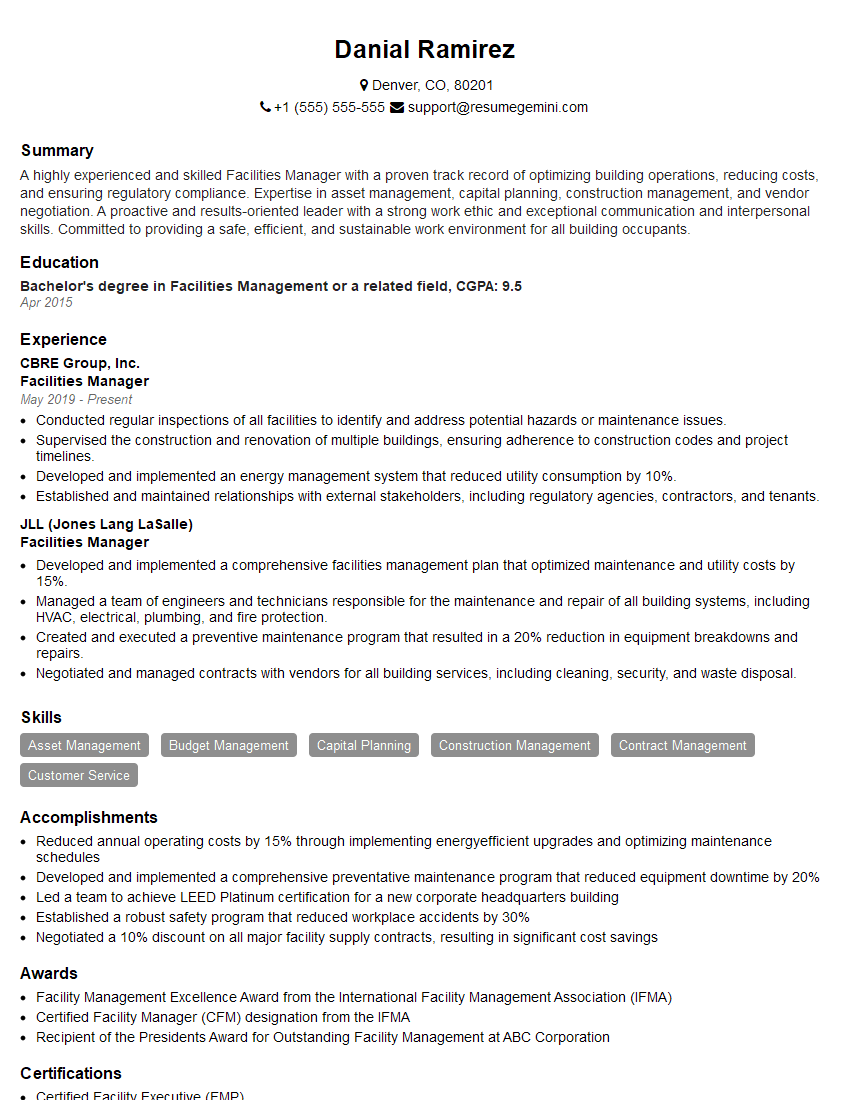
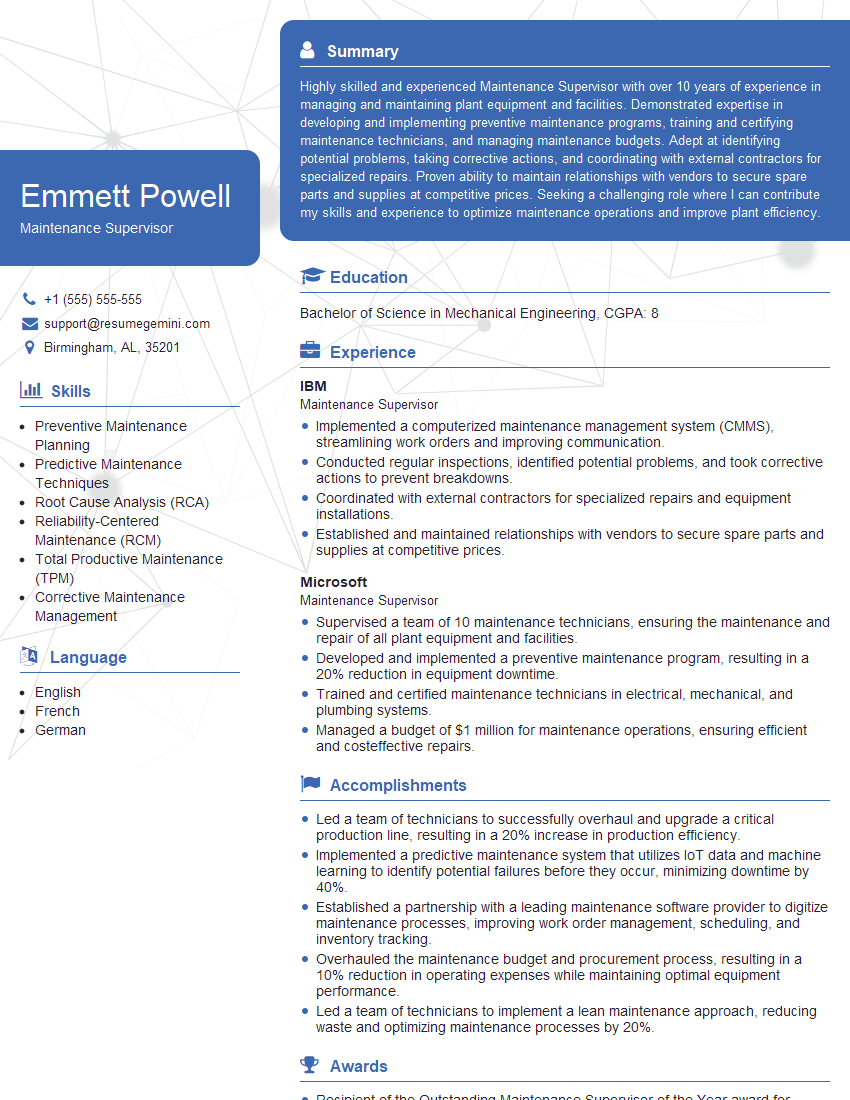
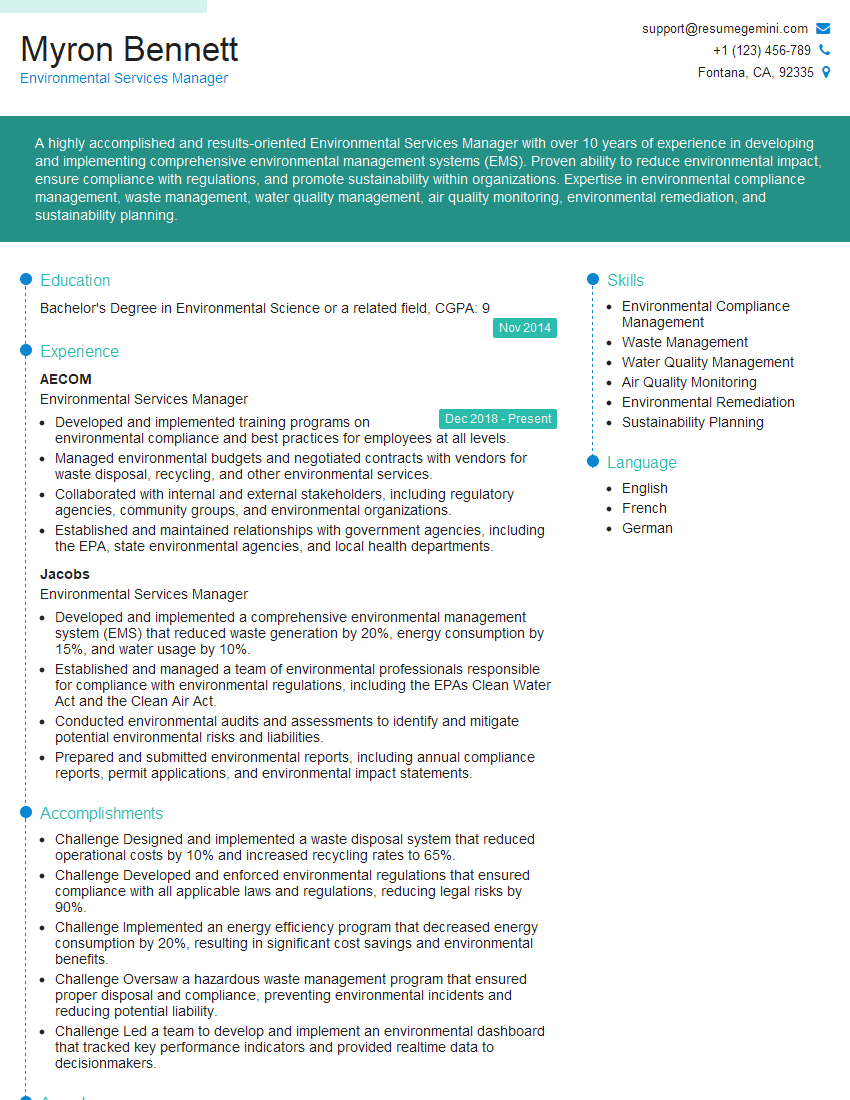
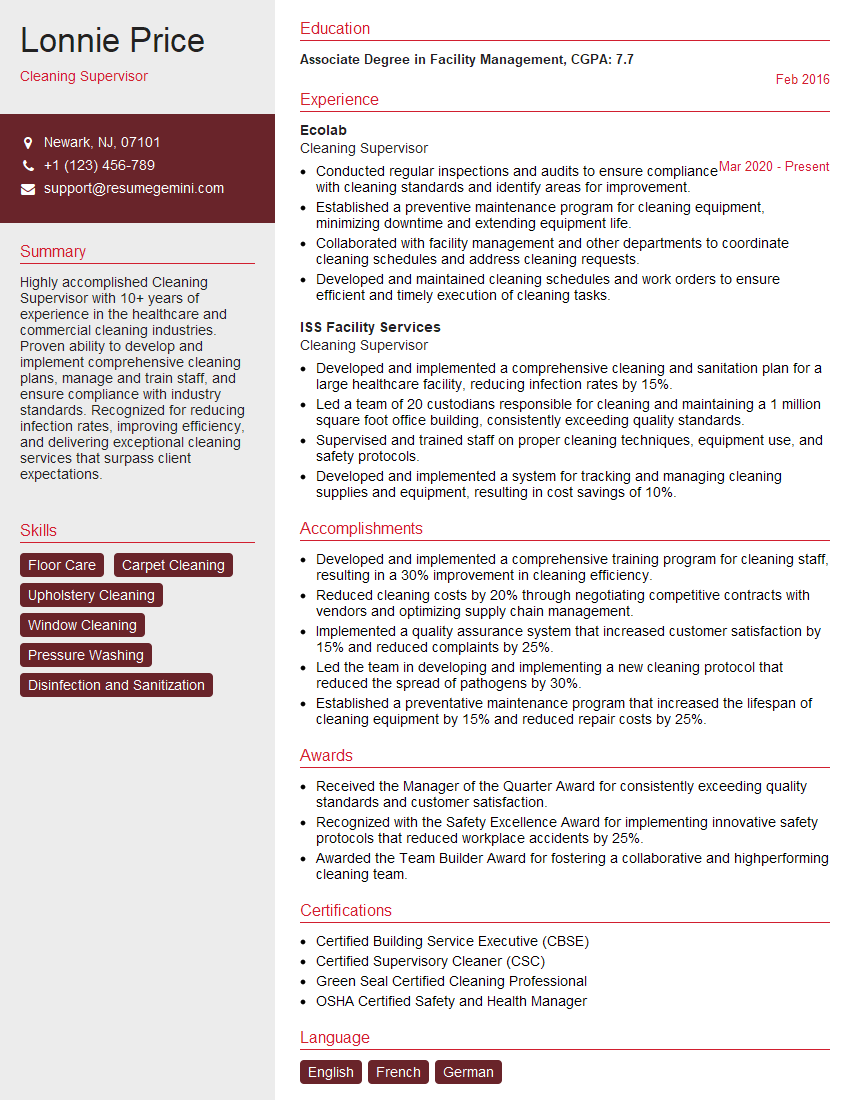
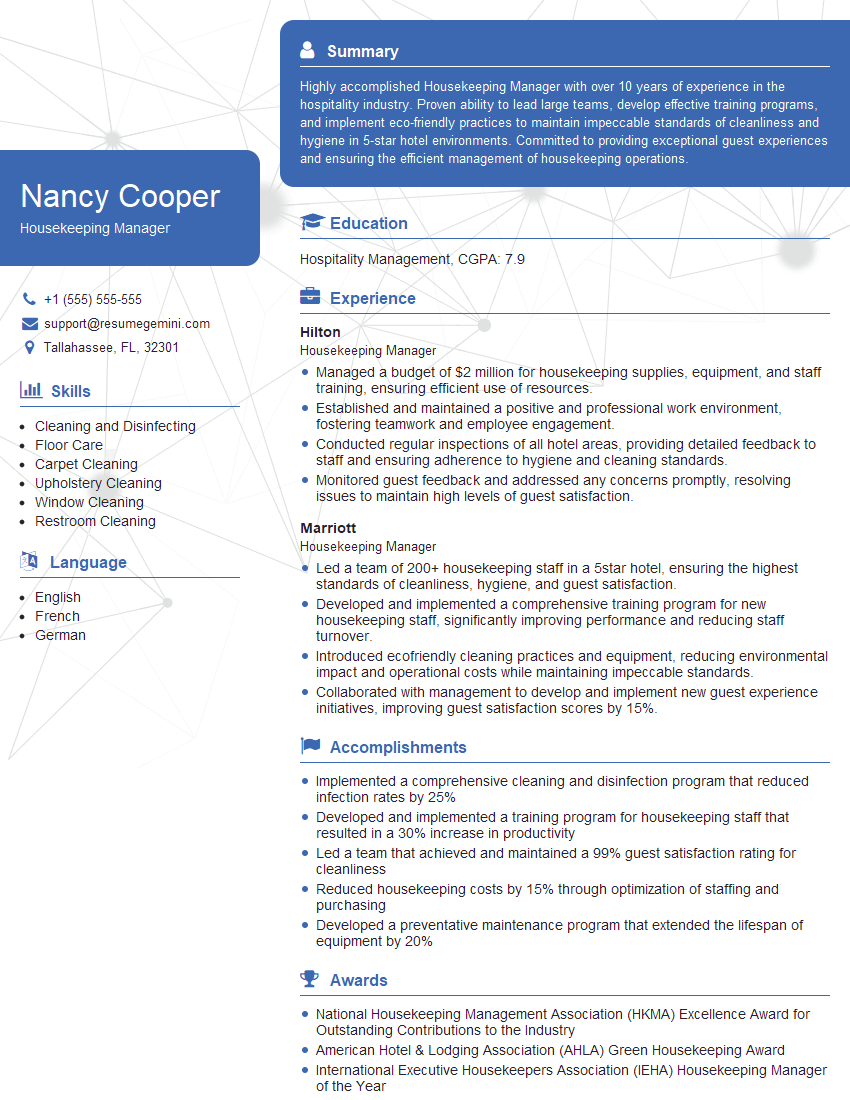
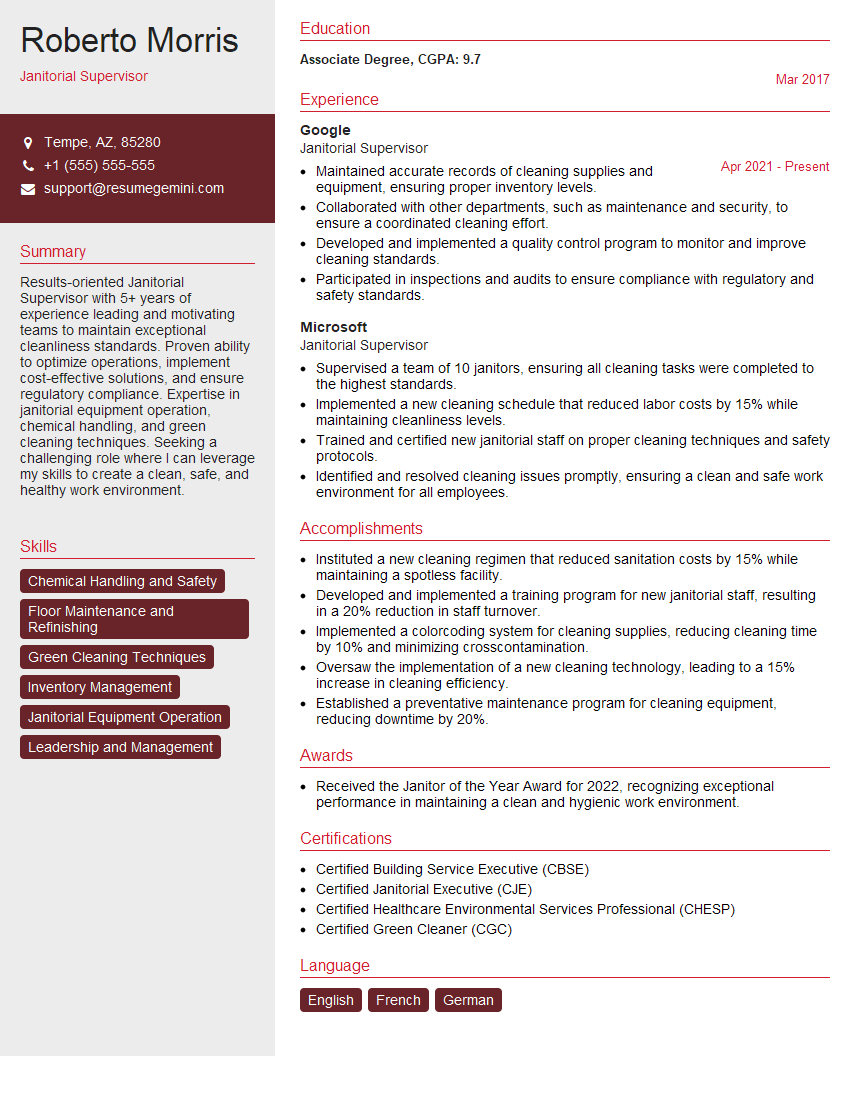
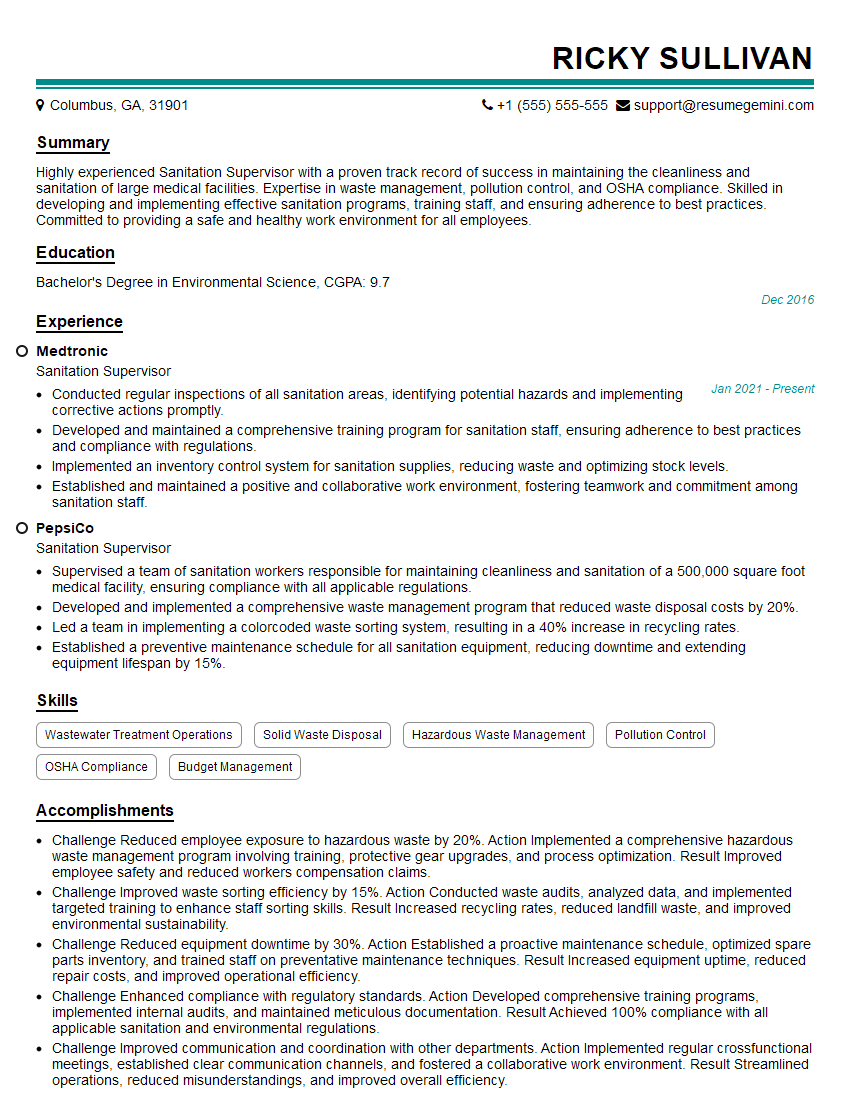
Mastering the ability to troubleshoot and resolve cleaning issues is crucial for career advancement in any cleaning-related profession. It demonstrates efficiency, problem-solving skills, and a commitment to quality. To significantly boost your job prospects, it’s essential to create a strong, ATS-friendly resume that highlights these skills. ResumeGemini is a trusted resource that can help you build a professional and impactful resume. We provide examples of resumes tailored to showcase expertise in troubleshooting and resolving cleaning issues to help you present yourself effectively to potential employers.
Explore more articles
Users Rating of Our Blogs
Share Your Experience
We value your feedback! Please rate our content and share your thoughts (optional).
What Readers Say About Our Blog
Really detailed insights and content, thank you for writing this detailed article.
IT gave me an insight and words to use and be able to think of examples