The thought of an interview can be nerve-wracking, but the right preparation can make all the difference. Explore this comprehensive guide to Ability to work with different types of chemicals interview questions and gain the confidence you need to showcase your abilities and secure the role.
Questions Asked in Ability to work with different types of chemicals Interview
Q 1. Describe your experience working with different classes of chemicals (acids, bases, organic solvents, etc.).
My experience encompasses a wide range of chemical classes, including strong and weak acids (like sulfuric acid and acetic acid), strong and weak bases (like sodium hydroxide and ammonia), and a variety of organic solvents (such as methanol, ethanol, acetone, and hexane). I’ve worked extensively with inorganic salts, oxidizing agents (e.g., potassium permanganate), and reducing agents (e.g., sodium borohydride). Each class requires a unique approach, dictated by its specific properties. For example, when handling strong acids, meticulous care is essential due to their corrosive nature, whereas organic solvents require attention to their flammability and volatility. My experience also includes working with organometallic compounds, which necessitate specialized handling techniques due to their air and moisture sensitivity.
In a recent project synthesizing a novel polymer, I utilized a mixture of strong acids for catalysis, various organic solvents for purification, and specific inorganic salts for controlling the reaction kinetics. Successfully navigating these diverse chemical classes required a deep understanding of their reactivity and appropriate safety protocols.
Q 2. Explain the proper procedures for handling hazardous chemicals.
Proper handling of hazardous chemicals starts with comprehensive training and a thorough understanding of the specific hazards associated with each substance, typically found in the Material Safety Data Sheet (MSDS). Key procedures include:
- Personal Protective Equipment (PPE): Always wear appropriate PPE, including gloves, lab coats, safety glasses, and sometimes respirators, depending on the chemical’s properties and the task. The choice of PPE is crucial; using the wrong type can have severe consequences.
- Containment and Handling: Use appropriate containment vessels – graduated cylinders, beakers, or specialized glassware – and always work in a well-ventilated area or under a fume hood for volatile or toxic chemicals. Avoid direct contact with skin or inhalation.
- Safe Transfer Techniques: Utilize proper techniques for transferring chemicals, avoiding spills. This might involve using funnels, pipettes, or specialized dispensing equipment.
- Waste Disposal: Proper disposal is critical. Hazardous waste must be segregated according to established protocols and disposed of through designated channels in accordance with local, regional, and national regulations.
- Emergency Preparedness: Know the location of safety showers, eyewash stations, and fire extinguishers, and be familiar with the emergency response plan for the laboratory.
For instance, when working with concentrated sulfuric acid, I always wear chemically resistant gloves, a lab coat, and safety goggles. The transfer is performed carefully using a glass pipette and under a fume hood to minimize exposure to its corrosive vapors.
Q 3. What safety precautions do you take when working with volatile or flammable chemicals?
Volatile or flammable chemicals require heightened safety precautions due to their potential for fire, explosion, or inhalation hazards. Key safety measures include:
- Fume Hoods: Always use a fume hood to minimize inhalation risks and to control the release of flammable vapors into the environment. A fume hood serves as a crucial barrier between the user and the volatile chemicals.
- Grounding and Bonding: For flammable liquids, grounding and bonding equipment prevents the buildup of static electricity, which could ignite flammable vapors. This is particularly critical when transferring liquids.
- No Open Flames: Avoid open flames, sparks, or any potential ignition sources near these materials. This includes Bunsen burners, hot plates, and even electrical equipment that could generate sparks.
- Proper Storage: Volatile chemicals are stored in designated areas away from ignition sources, often in specialized cabinets designed to contain potential spills and leaks. Proper labeling is also essential to prevent accidents.
- Ventilation: Work in well-ventilated areas to avoid the buildup of flammable vapors.
During an experiment involving diethyl ether (a highly volatile and flammable solvent), I meticulously followed these protocols. All procedures were conducted under a fume hood, all equipment was grounded, and all ignition sources were kept away.
Q 4. How do you ensure the accurate measurement and weighing of chemicals?
Accurate measurement and weighing of chemicals are fundamental to experimental success and reproducibility. I employ several techniques to ensure precision:
- Analytical Balances: For precise weighing, I use analytical balances, which offer high accuracy and sensitivity. Before each use, I tare the balance to zero and carefully transfer the chemical to avoid spillage and ensure accurate measurement.
- Volumetric Glassware: For liquid measurements, I use calibrated volumetric glassware such as pipettes, burettes, and volumetric flasks, ensuring the glassware is clean and dry before use. Using appropriate glassware with the correct capacity is important for accurate measurements.
- Appropriate Techniques: For solid chemicals, I employ techniques like weighing by difference to minimize error. For liquids, using the appropriate pipette and technique to avoid air bubbles is critical.
- Multiple Measurements: I often perform multiple measurements and take the average to account for potential errors.
For instance, in a titration experiment, using a calibrated burette and recording the volume to two decimal places is important for determining the concentration accurately. Similarly, when preparing a standard solution, multiple weighings on an analytical balance, followed by averaging the readings helps ensure accurate concentration.
Q 5. Describe your experience with different types of chemical waste disposal.
My experience includes handling various types of chemical waste, each requiring specific disposal methods. This includes:
- Hazardous Waste: Hazardous wastes such as heavy metals, organic solvents, and strong acids are segregated into designated containers, labeled appropriately, and handled according to the established protocol in the lab and all relevant safety regulations. The regulated disposal often involves contracting a specialized waste disposal company.
- Non-Hazardous Waste: Non-hazardous waste, such as broken glassware or mildly contaminated materials, is disposed of according to institutional protocols. This might involve designated bins for different waste types, or other specific procedures.
- Recyclable Waste: Whenever possible, I try to recycle solvents and other materials that can be safely reused or repurposed, reducing waste and minimizing environmental impact.
For example, during a synthesis involving mercury compounds, the waste was meticulously collected, labeled as hazardous waste, and handed over to a certified waste disposal company adhering to all regulatory guidelines.
Q 6. How do you identify and address chemical spills or leaks?
Responding to chemical spills or leaks requires immediate and decisive action to minimize risks. My approach includes:
- Safety First: The first step is to ensure personal safety by evacuating the area and alerting others. Appropriate PPE must be worn.
- Containment: If possible, contain the spill to prevent spreading. This might involve using absorbent materials like spill pads or diatomaceous earth.
- Neutralization (if applicable): For spills involving acids or bases, neutralization might be necessary. This requires careful selection of a neutralizing agent and appropriate safety precautions.
- Cleanup: Following containment, the spill is cleaned up using designated absorbent materials and appropriate cleaning solutions. The area is then thoroughly cleaned and disinfected.
- Waste Disposal: The contaminated materials are disposed of as hazardous waste according to established protocols.
In one instance, a small spill of concentrated hydrochloric acid occurred. I immediately evacuated the area, alerted colleagues, and then, wearing appropriate protective gear, carefully neutralized the spill using sodium bicarbonate, contained the neutralized waste, and cleaned the area thoroughly. The contaminated materials were appropriately disposed of as hazardous waste. Documentation of the spill and cleanup process is always critical.
Q 7. Explain your understanding of Material Safety Data Sheets (MSDS).
Material Safety Data Sheets (MSDS), now often referred to as Safety Data Sheets (SDS), are crucial documents that provide comprehensive information about the hazards associated with a particular chemical. They are invaluable resources for anyone handling chemicals. The SDS contains detailed information regarding:
- Chemical Identification: The chemical’s name, CAS number (Chemical Abstracts Service Registry Number), synonyms, and other identifying information.
- Hazard Identification: Details about the chemical’s health hazards (e.g., toxicity, carcinogenicity), physical hazards (e.g., flammability, reactivity), and environmental hazards.
- Composition/Information on Ingredients: The chemical’s composition and the concentration of its various components.
- First-Aid Measures: Instructions on what to do in case of accidental exposure.
- Fire-Fighting Measures: Information on how to extinguish fires involving the chemical.
- Accidental Release Measures: Procedures for handling spills and leaks.
- Handling and Storage: Guidelines on the safe handling, use, and storage of the chemical.
- Exposure Controls/Personal Protection: Recommendations for personal protective equipment (PPE) and engineering controls to minimize exposure.
- Physical and Chemical Properties: Details on the chemical’s physical and chemical properties, such as boiling point, melting point, and density.
- Stability and Reactivity: Information on the chemical’s stability and potential reactivity with other substances.
- Toxicological Information: Data on the chemical’s toxicity and potential health effects.
- Ecological Information: Information on the chemical’s environmental impact.
- Disposal Considerations: Guidelines on how to safely dispose of the chemical waste.
- Transport Information: Regulations for the safe transportation of the chemical.
- Regulatory Information: Compliance information with relevant regulations.
Before handling any chemical, I always consult the SDS to understand its hazards and to ensure I am using appropriate safety protocols and PPE. This proactive approach is critical for preventing accidents and ensuring a safe working environment.
Q 8. Describe your experience with various analytical techniques used to identify and quantify chemicals.
My experience encompasses a wide range of analytical techniques for chemical identification and quantification. Think of it like having a detective’s toolkit for chemicals. I’m proficient in techniques like Gas Chromatography-Mass Spectrometry (GC-MS), which separates volatile compounds and identifies them based on their mass-to-charge ratio. This is like fingerprinting a chemical – each one has a unique signature. For example, I used GC-MS to identify trace contaminants in a pharmaceutical product, pinpointing the source of a manufacturing impurity. I also regularly employ High-Performance Liquid Chromatography (HPLC), which separates non-volatile compounds. This is particularly useful for analyzing complex mixtures in environmental samples, like determining pesticide residues in water. Spectroscopic methods such as UV-Vis, IR, and NMR spectroscopy are also part of my repertoire. UV-Vis measures the absorption of ultraviolet and visible light, useful for quantifying known compounds. IR spectroscopy reveals the functional groups present in a molecule, akin to identifying specific features of a suspect. Finally, NMR provides detailed structural information about molecules, like a detailed forensic report.
- GC-MS: Ideal for volatile compounds, offering both separation and identification.
- HPLC: Best for non-volatile compounds, particularly effective with complex mixtures.
- UV-Vis Spectroscopy: Useful for quantification of known compounds.
- IR Spectroscopy: Identifies functional groups within a molecule.
- NMR Spectroscopy: Provides detailed structural information.
Q 9. How do you interpret and apply chemical safety regulations?
Interpreting and applying chemical safety regulations is paramount in my work. It’s like having a detailed rulebook for handling potentially hazardous materials. My approach involves a thorough understanding of regulations like OSHA (Occupational Safety and Health Administration) guidelines and Globally Harmonized System of Classification and Labelling of Chemicals (GHS). I start by identifying the hazards associated with each chemical, referring to Safety Data Sheets (SDS) which provide crucial information, including toxicity, flammability, and reactivity. I then implement appropriate control measures, such as using engineering controls like fume hoods to reduce exposure, or administrative controls like limiting access to hazardous materials. Personal protective equipment (PPE) selection is also based on risk assessment. For instance, when working with corrosive acids, I would use gloves, goggles, and lab coats. Regular training and updates on chemical safety regulations are essential, ensuring I’m always up to date on best practices. Failure to comply can result in serious health consequences or environmental damage.
Q 10. What is your experience with chemical storage and inventory management?
Chemical storage and inventory management is vital for safety and efficiency. Think of it as running a well-organized chemical warehouse. I have experience maintaining a well-organized storage area, categorized by chemical type (acids, bases, solvents, etc.), with proper labeling and clear identification of hazardous materials. We use a computerized inventory management system to track chemical quantities, expiration dates, and usage. This system helps in preventing waste, ensuring timely replenishment of essential chemicals, and facilitating efficient disposal of expired or unwanted materials. Proper storage conditions, such as temperature and humidity control, are meticulously maintained to ensure chemical stability. For example, flammable materials are stored in designated safety cabinets away from ignition sources. This organized approach minimizes the risk of accidents and streamlines workflows.
Q 11. Explain your experience with using personal protective equipment (PPE).
Using personal protective equipment (PPE) is non-negotiable. It’s like wearing a suit of armor in the chemical warfare that is laboratory work. My experience involves selecting appropriate PPE based on the specific hazards involved. This includes safety glasses, gloves (various types depending on chemical compatibility), lab coats, and respiratory protection when necessary. I understand that different chemicals require different levels of protection. For instance, when working with highly corrosive chemicals, I would always use chemical-resistant gloves and a face shield, in addition to a lab coat. Proper training on the correct use and limitations of each type of PPE is crucial. Regular inspection and replacement of damaged PPE are also vital to ensure continued protection. Never compromise on safety when dealing with chemicals.
Q 12. How do you maintain a safe and organized laboratory environment?
Maintaining a safe and organized lab environment is crucial for efficiency and safety. It’s like having a perfectly organized workspace that minimizes risks. This begins with proper labeling of all chemicals, equipment, and storage areas. We maintain a clean and clutter-free workspace to prevent accidents. All spills are immediately cleaned up using appropriate procedures, and safety data sheets (SDS) are readily available for all chemicals. Regular safety inspections are conducted to identify and address potential hazards. We follow strict protocols for waste disposal, separating hazardous waste from non-hazardous waste. Emergency procedures, such as evacuation routes and fire safety measures, are clearly posted and regularly practiced. This proactive approach ensures a safe and efficient work environment for everyone.
Q 13. Describe your experience with chemical synthesis or reactions.
My experience with chemical synthesis and reactions is extensive. It’s like being a chemical architect, designing and building new molecules. I’ve conducted numerous synthesis reactions, ranging from simple acid-base reactions to complex multi-step organic syntheses. I’m adept at using various techniques like reflux, distillation, extraction, and chromatography to purify and isolate products. For example, I successfully synthesized a novel organic compound using a Grignard reaction, which required precise control of reaction conditions and careful purification techniques to obtain a high yield of the desired product. Careful planning and execution, including understanding reaction stoichiometry and mechanisms, are paramount for successful synthesis. Safety is paramount, and all reactions are performed with appropriate precautions, including using appropriate PPE and following established safety protocols.
Q 14. How do you ensure the quality and purity of chemicals used in your work?
Ensuring the quality and purity of chemicals is fundamental. It’s like ensuring the ingredients in a recipe are top-notch. We obtain chemicals from reputable suppliers with certificates of analysis (CoA) that confirm purity and identity. In many cases, further purification is necessary. Techniques like recrystallization, distillation, and chromatography are used to remove impurities. Regular quality control checks are implemented, often involving analytical techniques like HPLC or GC-MS, to verify the purity of chemicals before use. Proper storage and handling are crucial to maintain chemical quality. Expired or degraded chemicals are discarded according to safety protocols. This rigorous approach ensures that all experiments are conducted with reliable reagents, leading to accurate and reproducible results.
Q 15. Explain your understanding of chemical compatibility and reactivity.
Chemical compatibility and reactivity are fundamental concepts in chemical handling. Compatibility refers to the ability of two or more chemicals to coexist without undergoing undesirable changes, such as reactions that produce heat, gas, or hazardous byproducts. Reactivity, on the other hand, describes the tendency of a chemical to undergo a chemical change, often reacting with another substance. Understanding both is crucial for safety and preventing accidents.
For example, mixing strong acids like sulfuric acid with water can generate significant heat, potentially causing splashing or boiling. This is a reactivity issue, and proper handling procedures—like slowly adding acid to water—are essential. Another example is storing incompatible chemicals together, such as strong oxidizers and reducing agents. These could react spontaneously, leading to a fire or explosion. This highlights the importance of chemical compatibility.
In my previous role at Acme Chemicals, we encountered a situation where a new solvent was being tested for its compatibility with our existing polymer formulations. We conducted a series of compatibility tests, monitoring for changes in viscosity, color, and gas evolution. These tests confirmed the new solvent’s compatibility with certain polymers but highlighted its incompatibility with others, allowing us to safely implement it in specific production processes only.
Career Expert Tips:
- Ace those interviews! Prepare effectively by reviewing the Top 50 Most Common Interview Questions on ResumeGemini.
- Navigate your job search with confidence! Explore a wide range of Career Tips on ResumeGemini. Learn about common challenges and recommendations to overcome them.
- Craft the perfect resume! Master the Art of Resume Writing with ResumeGemini’s guide. Showcase your unique qualifications and achievements effectively.
- Don’t miss out on holiday savings! Build your dream resume with ResumeGemini’s ATS optimized templates.
Q 16. What experience do you have with different types of laboratory equipment used in chemical handling?
My experience encompasses a wide range of laboratory equipment used in chemical handling. I am proficient in operating and maintaining various types of glassware, including volumetric flasks, burettes, pipettes, and separatory funnels. I’m also experienced with sophisticated equipment such as:
- Spectrophotometers: For quantitative and qualitative analysis of chemical compounds.
- Chromatographs (GC, HPLC): For separating and analyzing complex mixtures.
- Titrators (automatic and manual): For precise determination of analyte concentrations.
- Rotary evaporators: For efficient solvent removal.
- Heating mantles and hot plates: For controlled heating of reaction mixtures.
- Safety equipment: Including fume hoods, glove boxes, and personal protective equipment (PPE).
For instance, during my research on developing novel catalysts, I extensively used HPLC to monitor reaction progress and analyze product purity. My experience extends beyond basic operation; I’m comfortable with troubleshooting these instruments and performing routine maintenance tasks.
Q 17. How do you troubleshoot issues related to chemical handling or reactions?
Troubleshooting chemical handling or reaction issues requires a systematic approach. My first step is always to ensure safety: I assess the situation, determine the potential hazards, and put on appropriate PPE. Then, I systematically analyze the problem:
- Identify the problem: What exactly went wrong? Were there unexpected results, a safety incident, or equipment malfunction?
- Review procedures: Check for errors in the experimental design, chemical handling, or equipment operation. Did I follow the standard operating procedures (SOPs) correctly?
- Analyze data: Examine available data (e.g., reaction yields, spectra, chromatograms) for clues.
- Consult resources: Refer to literature, safety data sheets (SDS), and colleagues for guidance.
- Implement solutions: Based on my analysis, I propose and implement solutions, ensuring safety and proper documentation.
For example, if a reaction yielded an unexpectedly low product, I would first check the purity of starting materials, the accuracy of measurements, and the reaction conditions. I’d then consult relevant literature to identify potential problems and consider alternative reaction strategies.
Q 18. Describe your experience with chemical analysis techniques such as titration, spectrophotometry, or chromatography.
I have extensive experience with various chemical analysis techniques, including titration, spectrophotometry, and chromatography. Titration is crucial for determining the concentration of a solution using a known reagent. I’m proficient in both acid-base and redox titrations, employing different indicators and techniques for endpoint determination. Spectrophotometry allows me to quantify compounds based on their light absorption characteristics. I’m skilled in using UV-Vis and IR spectrophotometers. Chromatography (GC and HPLC) is invaluable for separating and identifying components in complex mixtures.
In a previous project, we used HPLC to analyze the purity of a newly synthesized pharmaceutical compound. The chromatograms revealed the presence of impurities, which guided us to optimize the synthesis procedure, enhancing product purity. Similarly, I’ve used titration extensively in quality control analyses, ensuring consistency in the concentration of reagents used in our manufacturing processes.
Q 19. How do you maintain accurate records and documentation of chemical handling procedures?
Maintaining accurate records is paramount in chemical handling. I adhere to strict documentation protocols, including:
- Detailed lab notebooks: Recording all experimental procedures, observations, data, and calculations, including dates, times, and personnel involved.
- Electronic databases: Utilizing software to manage chemical inventories, safety data sheets (SDS), and experimental results.
- SOPs adherence: Following standardized operating procedures for all chemical handling and analysis activities.
- Calibration logs: Maintaining meticulous logs of equipment calibration and maintenance.
This rigorous documentation ensures traceability, facilitates reproducibility of experiments, and aids in troubleshooting and compliance with safety regulations. For example, our company uses a LIMS (Laboratory Information Management System) which is instrumental in managing our chemical inventory and all related documentation.
Q 20. What is your experience with chemical process optimization or improvement?
I have significant experience with chemical process optimization and improvement. My approach involves a combination of data analysis, process understanding, and creative problem-solving. I utilize statistical tools like Design of Experiments (DOE) to efficiently explore the impact of different factors on process outcomes, such as yield, purity, and reaction time. I also leverage process simulation software to model and predict the behavior of chemical systems.
In one project, we were able to improve the yield of a key chemical intermediate by 15% by optimizing the reaction temperature and reactant concentrations using DOE. This resulted in significant cost savings and improved efficiency in our manufacturing process. I’m also adept at implementing lean manufacturing principles to minimize waste and maximize productivity.
Q 21. How do you ensure the accuracy and reliability of chemical measurements?
Ensuring the accuracy and reliability of chemical measurements is critical. This involves a multi-faceted approach:
- Proper calibration of instruments: Regular calibration of balances, volumetric glassware, and analytical instruments using certified standards.
- Use of appropriate techniques: Employing the most suitable analytical methods for the specific application.
- Accurate sample preparation: Careful handling and preparation of samples to minimize errors.
- Quality control measures: Implementing quality control checks throughout the process, such as using blanks and standards.
- Data validation: Critically assessing the data for outliers and inconsistencies.
Think of it like baking a cake: if your measuring cups aren’t calibrated, or you don’t accurately measure the ingredients, the final product won’t turn out as expected. The same principle applies to chemical measurements—accuracy and precision are essential for reliable results.
Q 22. Describe your experience with validating chemical analytical methods.
Validating a chemical analytical method ensures its accuracy, precision, and reliability before routine use. This involves a rigorous process, often following guidelines like those from regulatory bodies like the FDA or EPA. It typically includes several key steps:
- Specificity: Demonstrating that the method only measures the target analyte and not interfering substances. For example, in validating a method for measuring caffeine in coffee, we’d need to show it doesn’t react with similar compounds like theobromine.
- Linearity: Showing a linear relationship between the analyte concentration and the measured signal over a defined range. This often involves preparing a series of standard solutions and plotting a calibration curve.
- Accuracy: Assessing how close the measured values are to the true values. This is often done by analyzing certified reference materials (CRMs) with known concentrations.
- Precision: Determining the reproducibility of the method. This involves multiple analyses of the same sample to calculate the standard deviation and other precision metrics. We might perform replicate analyses within a day (repeatability) and across different days (reproducibility).
- Limit of Detection (LOD) and Limit of Quantification (LOQ): Determining the lowest concentration of the analyte that can be reliably detected and quantified, respectively. These limits are crucial for ensuring the method is sensitive enough for the intended application.
- Robustness: Evaluating the method’s performance under slightly altered conditions, such as variations in temperature, reagent concentration, or instrument settings. This ensures the method is not overly sensitive to small changes.
I’ve personally validated numerous methods, including HPLC (High-Performance Liquid Chromatography) methods for pharmaceutical impurities and GC-MS (Gas Chromatography-Mass Spectrometry) methods for environmental pollutants. Each validation requires meticulous record-keeping and adherence to strict quality control procedures.
Q 23. How do you handle discrepancies or inconsistencies in chemical analysis results?
Discrepancies in chemical analysis results demand a systematic investigation. It’s crucial to avoid jumping to conclusions and instead follow a structured approach:
- Review the entire analytical process: Check for errors in sample preparation, instrument calibration, data acquisition, and data processing. Were there any unusual observations during the experiment?
- Analyze the data: Look for outliers or trends that might suggest a problem. Statistical tools, such as control charts, can be helpful here. Did the results fall outside the acceptable range of variation?
- Repeat the analysis: Perform the analysis again using a fresh sample and, ideally, a different analyst and/or instrument. If the discrepancy persists, there’s a problem with the methodology.
- Investigate potential sources of error: Consider factors like reagent purity, instrument malfunction, or contamination. Is there a calibration issue or a systematic error affecting the data?
- Consult with colleagues or experts: If the problem persists after these steps, seeking input from experienced colleagues or external experts can provide valuable insights.
For example, if I encountered unexpectedly high results for a particular analyte, I would first check my calibration curve, then repeat the analysis with a fresh sample and new reagents. If the discrepancy remained, I would explore other potential sources of contamination or interference.
Q 24. Describe your experience with using different types of chemical software or databases.
My experience with chemical software and databases is extensive. I am proficient in using various Chromatography Data Systems (CDS) such as Empower and Chromeleon for processing and analyzing chromatographic data. These systems allow me to integrate data from different instruments, perform complex calculations, and generate reports. I also have experience using spectral databases like NIST and Wiley for identifying unknown compounds using techniques like mass spectrometry.
Furthermore, I’m familiar with various chemical databases such as ChemSpider and PubChem, which provide valuable information on chemical structures, properties, and safety data. I utilize these resources for literature research, hazard identification and to help in method development.
In addition to these, I have experience using specialized software for managing laboratory information management systems (LIMS), allowing for efficient sample tracking, data management, and quality control. My skills in these tools allow for efficient data handling and streamlined workflows. For example, I used Empower to process HPLC data for the quantification of active pharmaceutical ingredients and subsequently generated quality control compliant reports using LIMS.
Q 25. How do you stay up-to-date with the latest advancements and regulations in chemical handling?
Staying current in the dynamic field of chemical handling requires a multifaceted approach:
- Professional memberships and publications: I actively participate in professional organizations like the American Chemical Society (ACS) and subscribe to relevant journals like Analytical Chemistry and Environmental Science & Technology to stay abreast of new techniques, regulations, and best practices.
- Conferences and workshops: Attending conferences and workshops provides opportunities to network with other professionals and learn about the latest advancements. These events often feature presentations on cutting-edge research and regulatory updates.
- Online resources: I regularly consult online databases like those offered by regulatory agencies (e.g., OSHA, EPA) for updates on safety regulations and chemical information.
- Continuing education: I actively participate in continuing education courses to maintain and expand my knowledge of chemical safety and handling procedures.
For instance, I recently completed a course on the updated Globally Harmonized System of Classification and Labelling of Chemicals (GHS), ensuring my compliance with current international standards.
Q 26. Explain your experience with conducting risk assessments related to chemical handling.
Conducting risk assessments for chemical handling involves identifying hazards, evaluating their risks, and implementing control measures to mitigate potential harm. This typically involves a systematic process:
- Hazard identification: Identifying all potential chemical hazards, including acute and chronic toxicity, flammability, reactivity, and corrosivity. Information sources include Safety Data Sheets (SDS) and relevant literature.
- Risk assessment: Evaluating the likelihood and severity of each hazard. This often involves considering factors like exposure routes (inhalation, ingestion, skin contact), exposure levels, and the vulnerability of individuals.
- Control measures: Implementing appropriate control measures to reduce risks to an acceptable level. These measures can include engineering controls (e.g., ventilation systems), administrative controls (e.g., standard operating procedures), and personal protective equipment (PPE).
- Monitoring and review: Regularly monitoring the effectiveness of the control measures and reviewing the risk assessment as needed. Are our precautions enough, or do we need to upgrade?
For example, when working with highly toxic chemicals, I would implement strict engineering controls like a fume hood, administrative controls like detailed SOPs, and require specialized PPE, including gloves, lab coats, and respirators. I would also establish a rigorous monitoring program to ensure the effectiveness of these controls.
Q 27. How do you communicate effectively about chemical safety procedures to others?
Effective communication of chemical safety procedures is critical for ensuring a safe work environment. My approach involves:
- Clear and concise language: I avoid technical jargon and use plain language that everyone can understand. Safety training should be clear and easy to follow.
- Visual aids: I utilize diagrams, flowcharts, and other visual aids to make procedures easier to grasp. Pictures can help illustrate complex safety procedures.
- Hands-on training: I provide hands-on training to allow individuals to practice procedures under supervision. Practice is key to retention.
- Regular refresher training: I schedule regular refresher training to reinforce safety procedures and address any new hazards or regulations. Regular reminders keep safety top of mind.
- Feedback and open communication: I encourage open communication and provide opportunities for feedback to address any concerns or questions. Safety is a shared responsibility.
For example, when training new lab personnel, I conduct interactive sessions, demonstrate proper handling techniques, and answer their questions patiently. This ensures that everyone understands and can safely perform their tasks.
Q 28. Describe a situation where you had to deal with a challenging chemical handling issue. How did you resolve it?
During a research project involving highly reactive organometallic compounds, we experienced a minor fire in the glovebox. The fire was small and contained within the glovebox itself, but it highlighted a gap in our safety protocols.
Our immediate response was to shut down the glovebox, alert the emergency response team, and evacuate the area. Following the incident, we conducted a thorough investigation to determine the root cause of the fire, which was traced to an unexpected reaction between two reagents.
To prevent future incidents, we implemented several changes: we revised our standard operating procedures to include more stringent safety checks before mixing those reagents, invested in improved fire suppression systems for the glovebox, and introduced additional safety training emphasizing the potential hazards of organometallic chemistry. We also documented the incident, our investigation, and the implemented corrective actions in detail. The incident served as a valuable learning experience, reinforcing the importance of rigorous safety protocols and proactive risk management.
Key Topics to Learn for Ability to work with different types of chemicals Interview
- Chemical Safety and Handling: Understanding Material Safety Data Sheets (MSDS), proper personal protective equipment (PPE) selection and use, safe handling procedures for various chemical classes (acids, bases, solvents, etc.), and emergency response protocols.
- Chemical Reactivity and Compatibility: Knowing how different chemicals react with each other, predicting potential hazards from mixing incompatible substances, and understanding the principles of chemical stability and degradation.
- Chemical Storage and Disposal: Understanding proper storage techniques for different chemical types (temperature, light sensitivity, etc.), safe disposal methods according to regulations, and the importance of minimizing waste generation.
- Quantitative Analysis and Measurement: Familiarity with techniques for accurately measuring and quantifying chemicals, including volumetric analysis, gravimetric analysis, and the use of various laboratory instruments.
- Laboratory Techniques and Procedures: Proficiency in standard laboratory techniques relevant to chemical handling, such as titration, distillation, filtration, and chromatography. Understanding good laboratory practices (GLP) is crucial.
- Regulatory Compliance: Awareness of relevant safety regulations and environmental protection laws related to chemical handling and disposal in your specific industry or region.
- Problem-Solving and Troubleshooting: Ability to identify and troubleshoot problems related to chemical reactions, measurements, or safety procedures. Demonstrating a systematic approach to problem-solving is key.
Next Steps
Mastering the ability to work safely and effectively with different types of chemicals is essential for advancement in many scientific and technical fields. It demonstrates a commitment to safety, accuracy, and regulatory compliance – highly valued attributes in any workplace. To significantly boost your job prospects, create an ATS-friendly resume that clearly highlights your relevant skills and experience. ResumeGemini is a trusted resource to help you build a professional and impactful resume that gets noticed. Examples of resumes tailored to highlight experience with different types of chemicals are available within ResumeGemini, allowing you to see best practices in action.
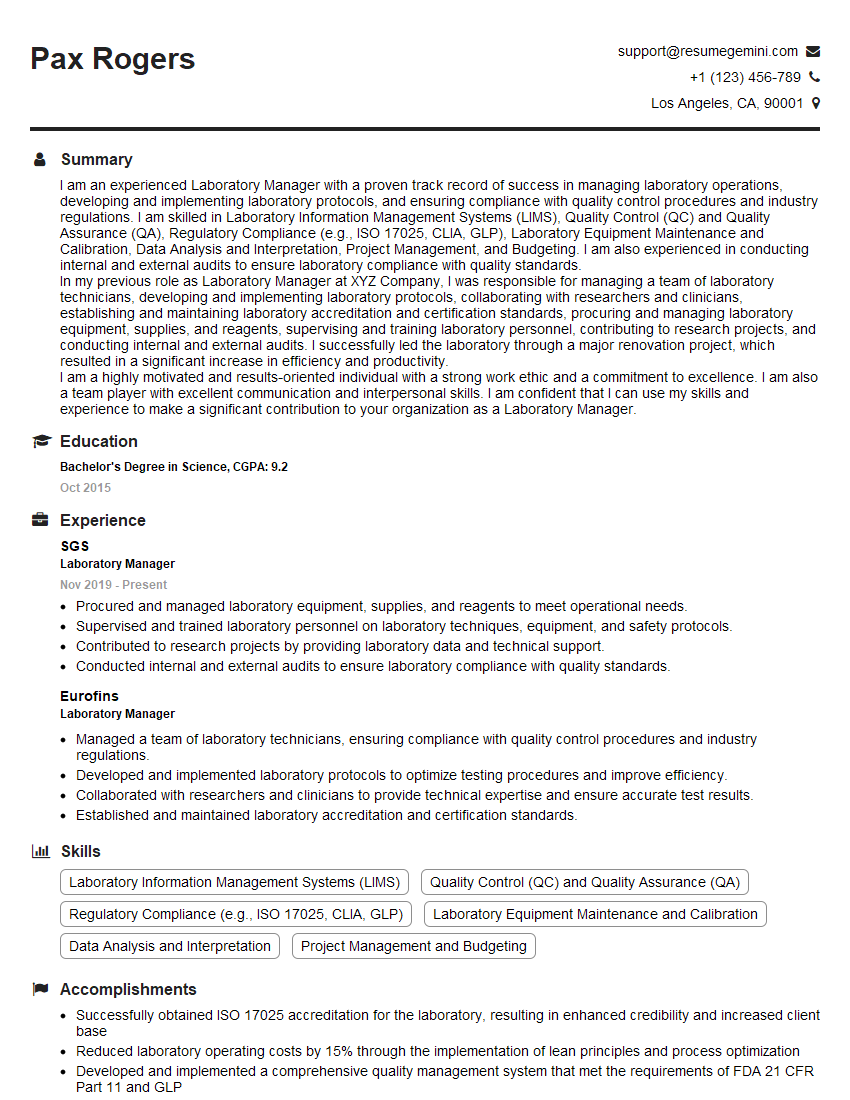
Laboratory Manager Resume Sample
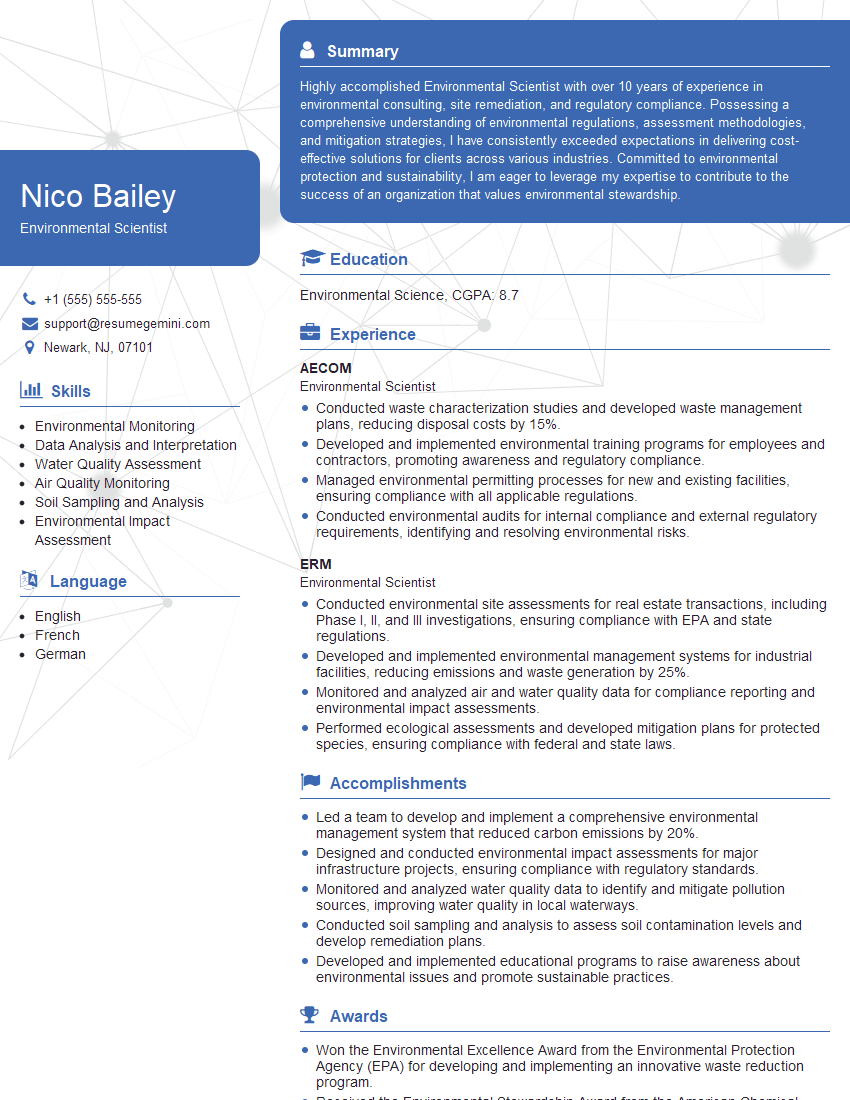
Environmental Scientist Resume Sample
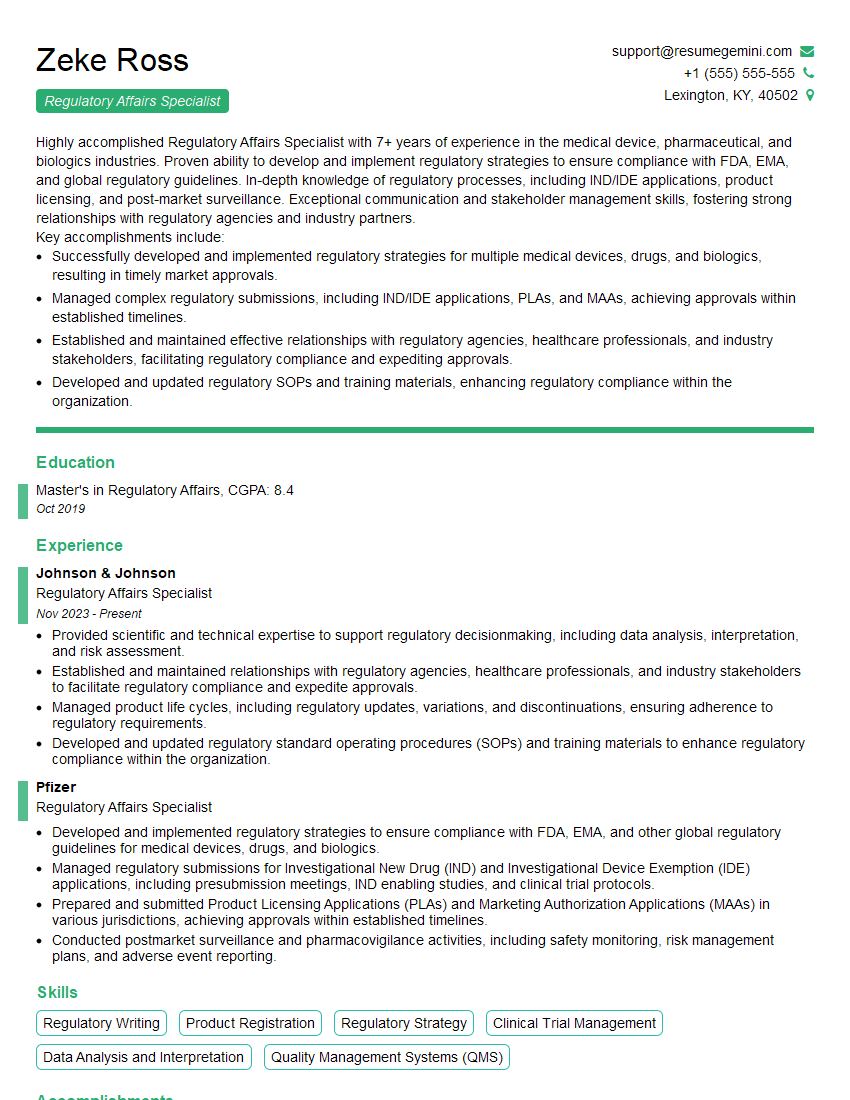
Regulatory Affairs Specialist Resume Sample
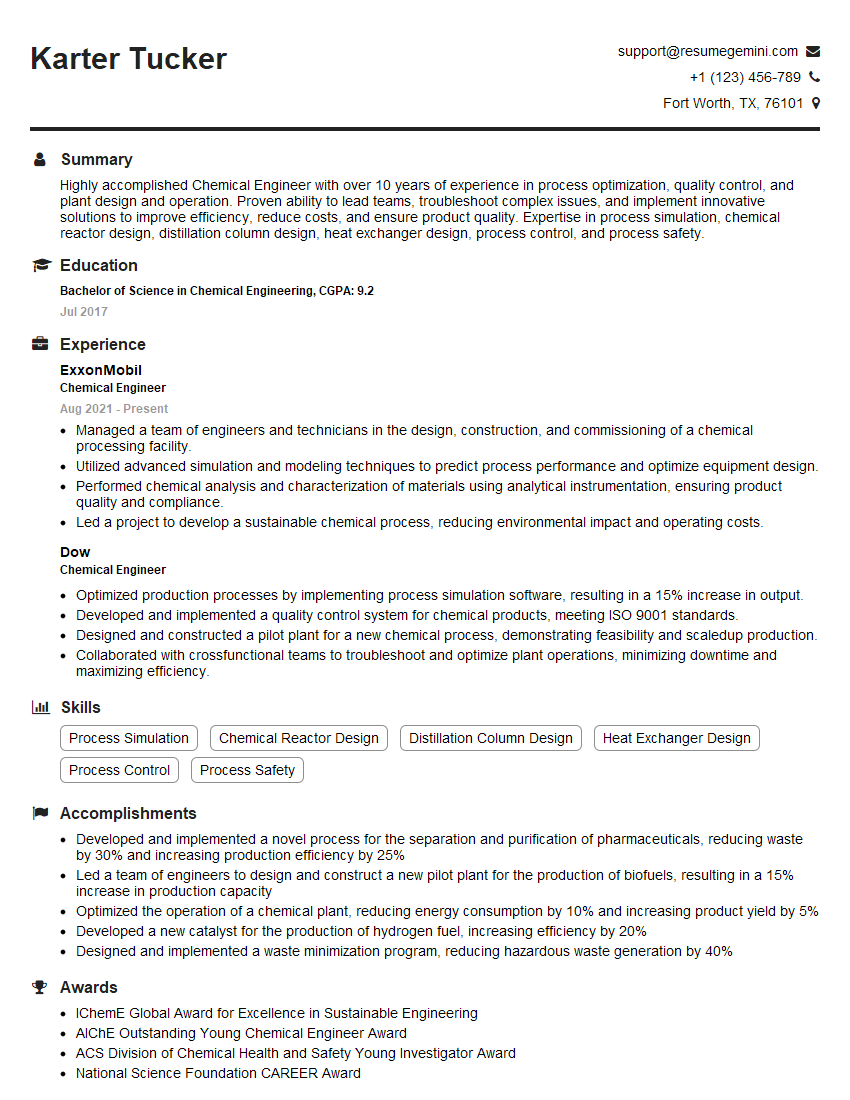
Chemical Engineer Resume Sample

Laboratory Technician Resume Sample
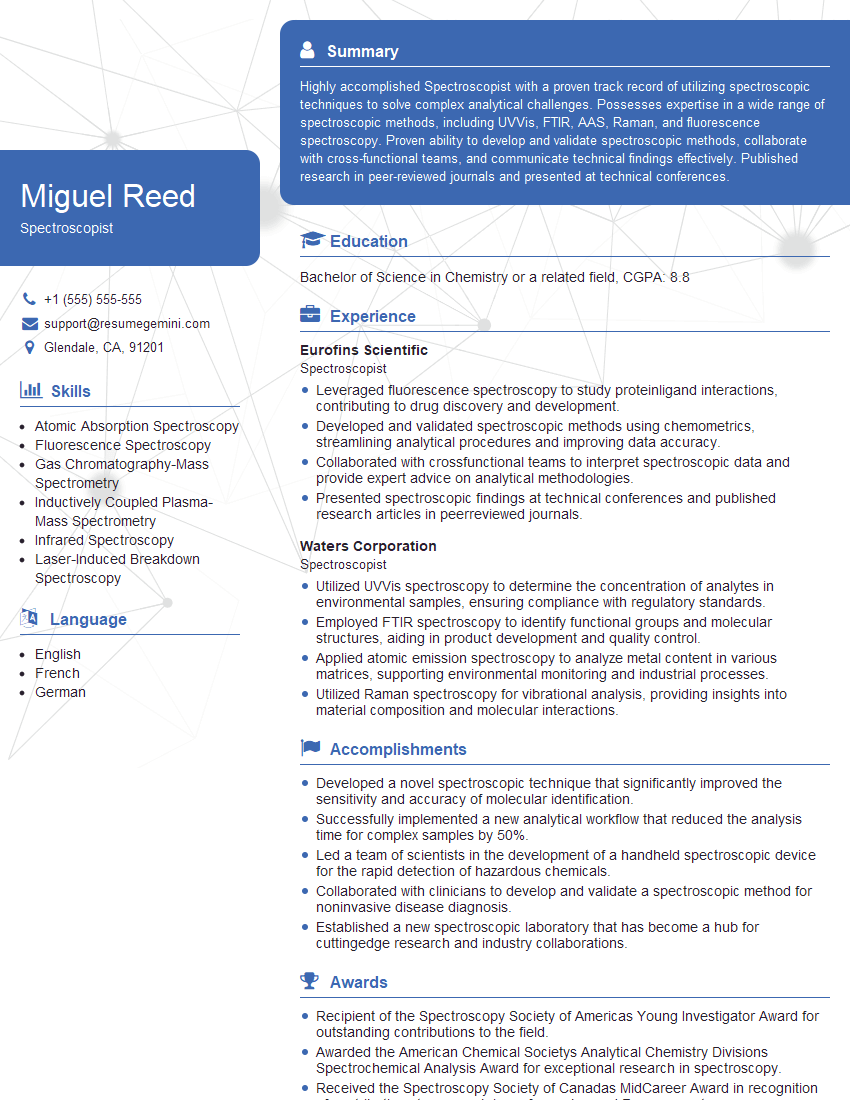
Spectroscopist Resume Sample
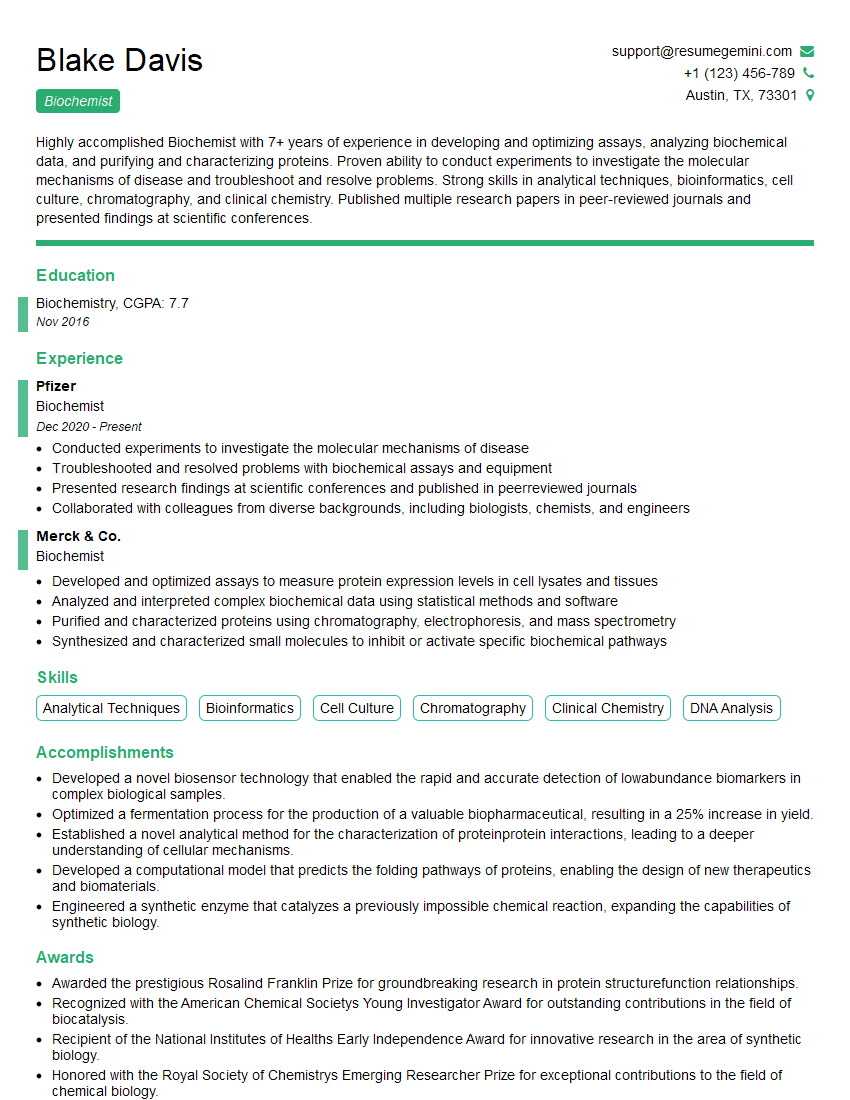
Biochemist Resume Sample
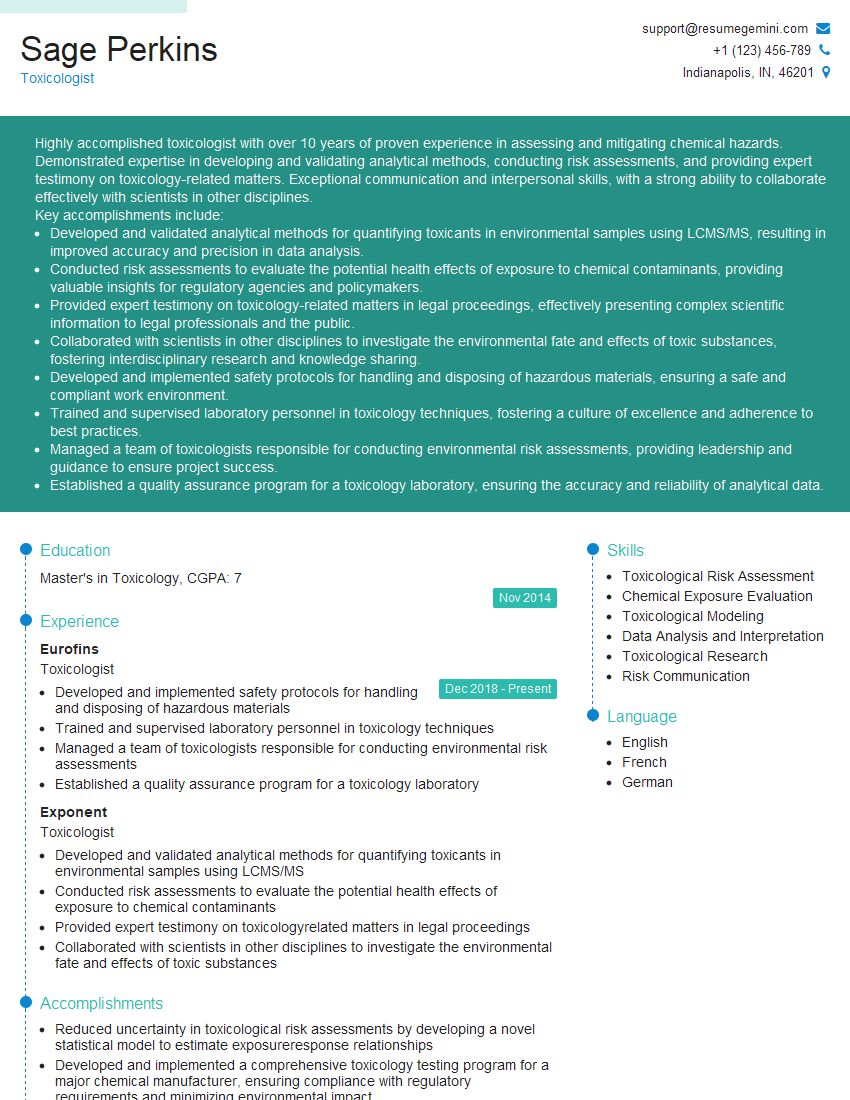
Toxicologist Resume Sample
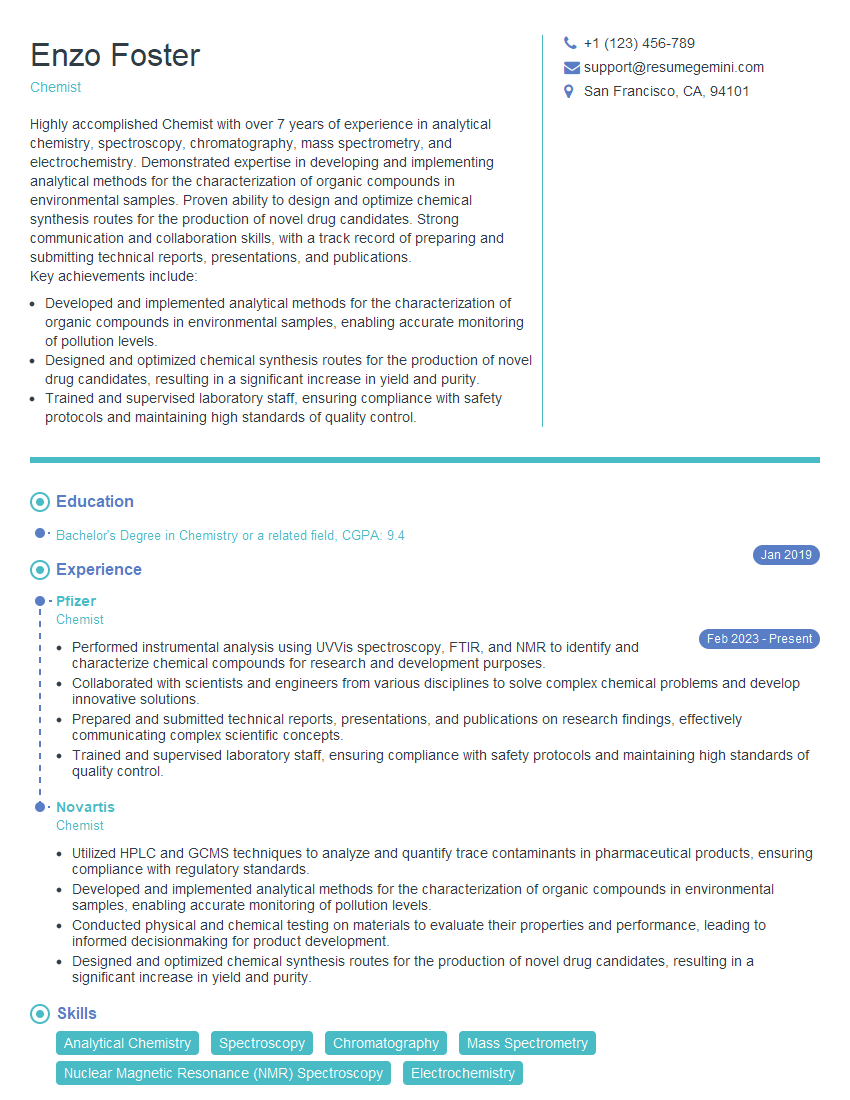
Chemist Resume Sample

Analytical Chemist Resume Sample
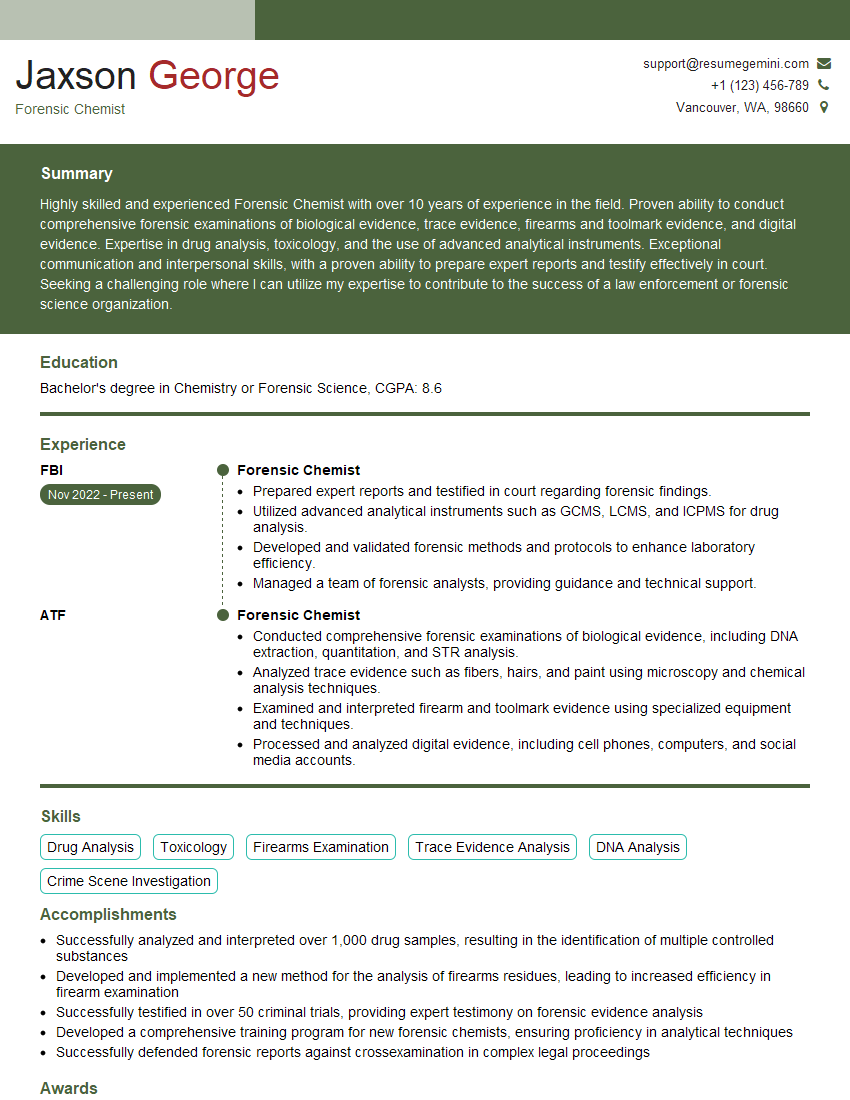
Forensic Chemist Resume Sample
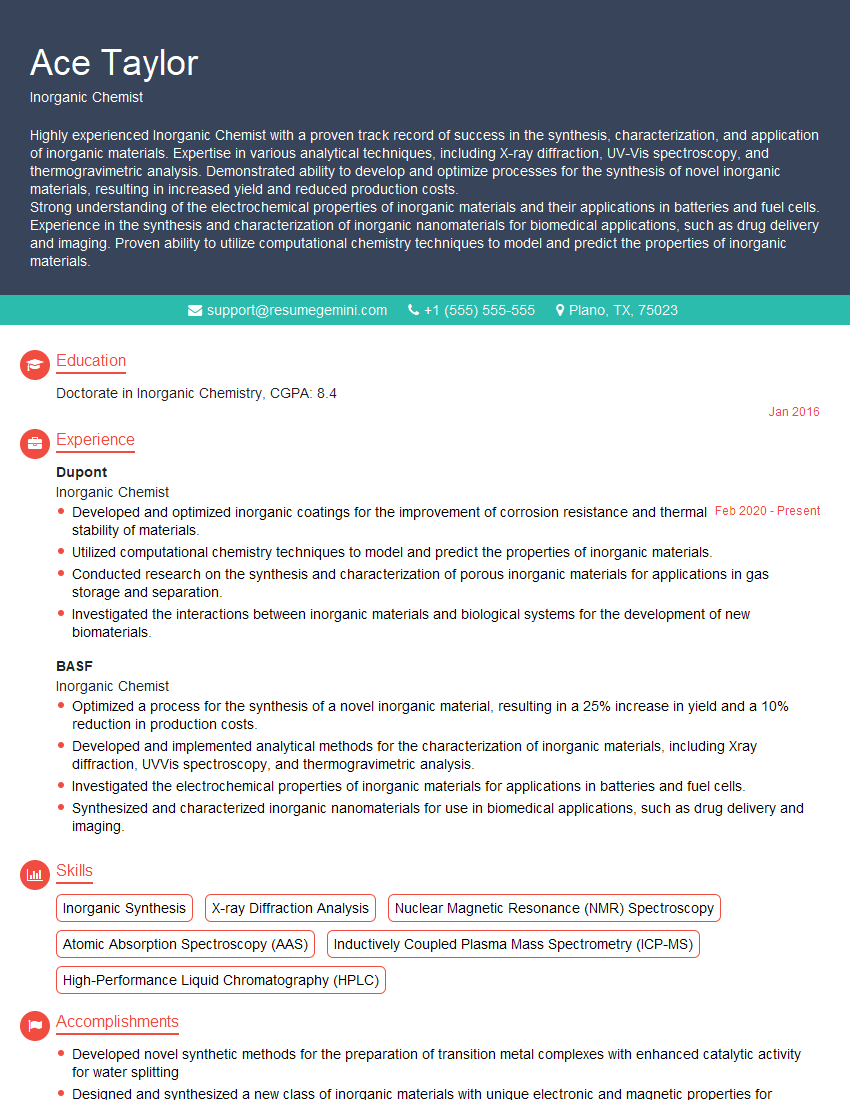
Inorganic Chemist Resume Sample

Physical Chemist Resume Sample
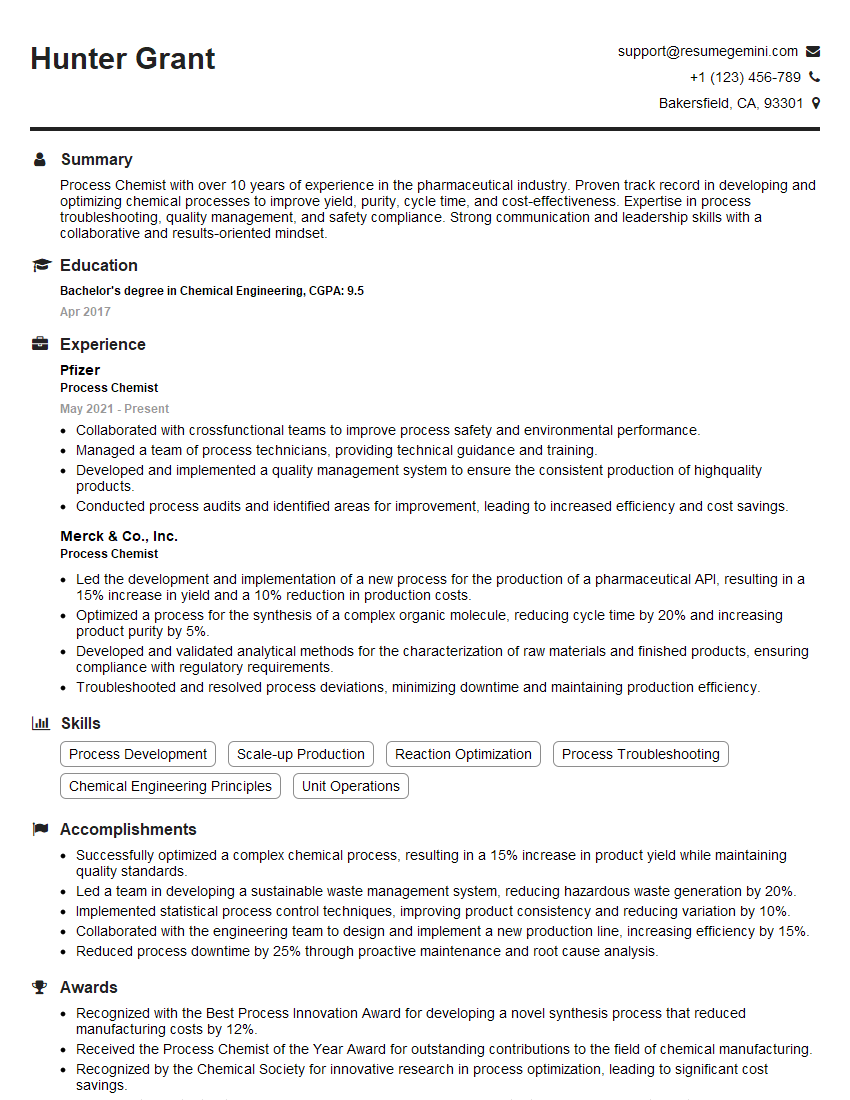
Process Chemist Resume Sample
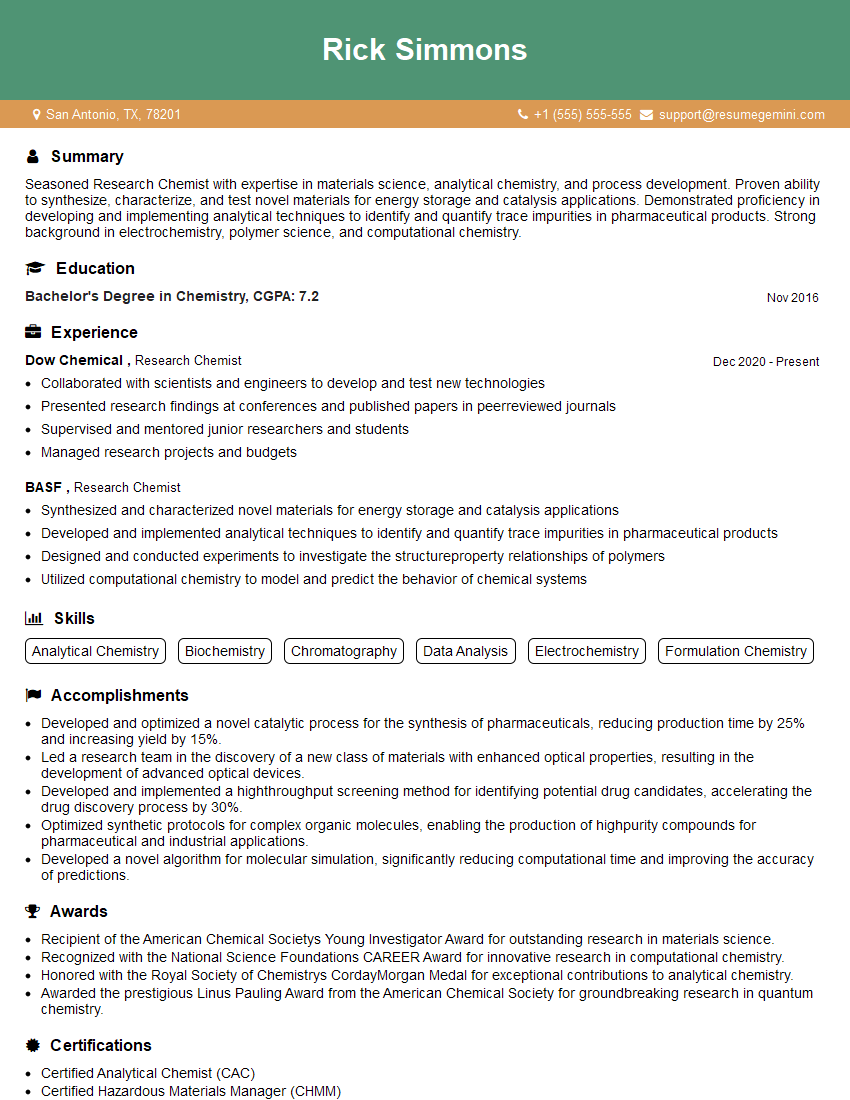
Research Chemist Resume Sample
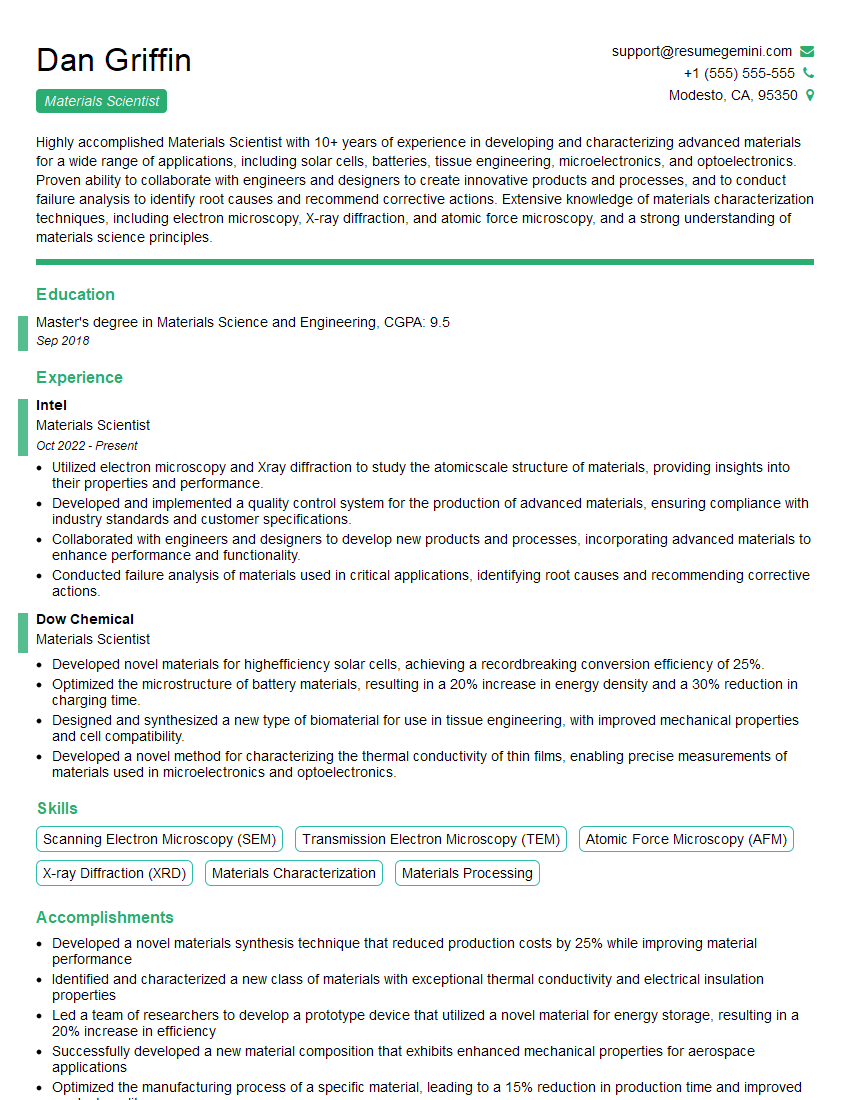
Materials Scientist Resume Sample
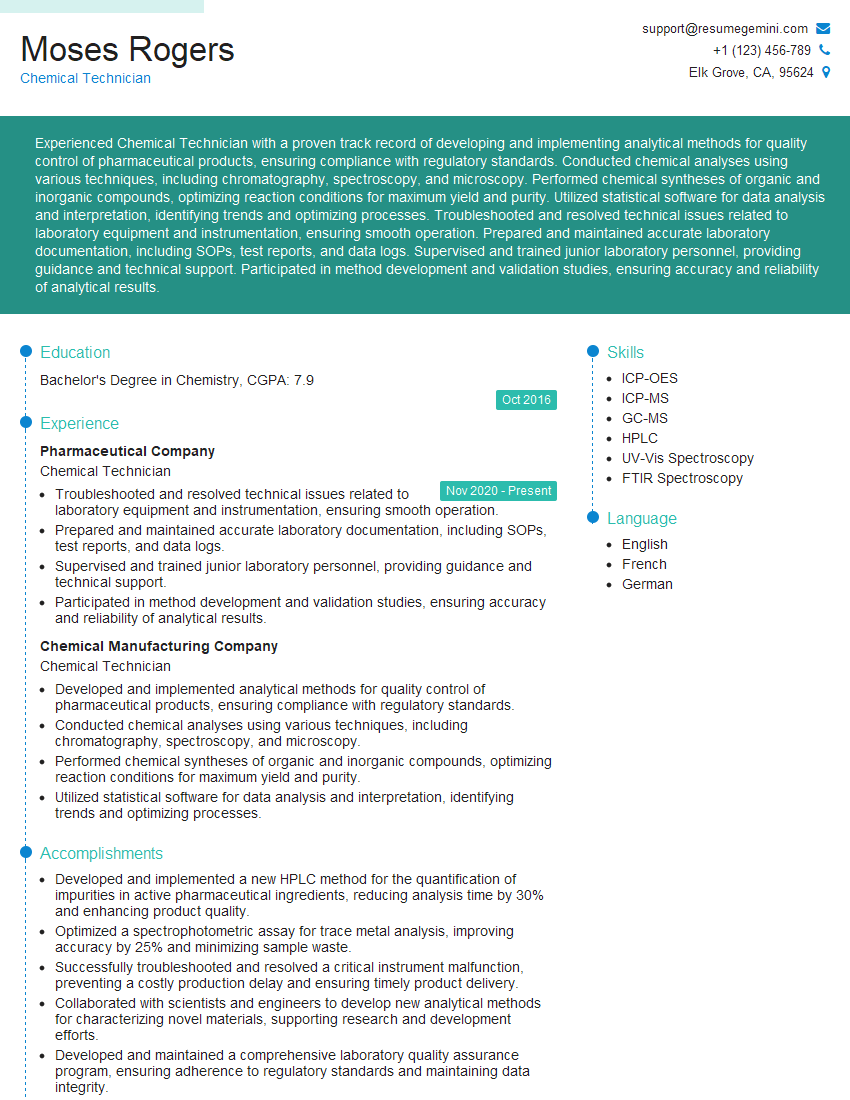
Chemical Technician Resume Sample
- Laboratory Manager
- Environmental Scientist
- Regulatory Affairs Specialist
- Chemical Engineer
- Laboratory Technician
- Spectroscopist
- Biochemist
- Toxicologist
- Chemist
- Analytical Chemist
- Forensic Chemist
- Inorganic Chemist
- Physical Chemist
- Process Chemist
- Research Chemist
- Materials Scientist
- Chemical Technician
Explore more articles
Users Rating of Our Blogs
Share Your Experience
We value your feedback! Please rate our content and share your thoughts (optional).
What Readers Say About Our Blog
Really detailed insights and content, thank you for writing this detailed article.
IT gave me an insight and words to use and be able to think of examples