Cracking a skill-specific interview, like one for Aircraft Maintenance Execution, requires understanding the nuances of the role. In this blog, we present the questions you’re most likely to encounter, along with insights into how to answer them effectively. Let’s ensure you’re ready to make a strong impression.
Questions Asked in Aircraft Maintenance Execution Interview
Q 1. Describe your experience with aircraft maintenance scheduling and planning.
Aircraft maintenance scheduling and planning is the backbone of efficient and safe aircraft operations. It involves strategically coordinating all maintenance activities to ensure aircraft are available when needed while adhering to regulatory requirements and minimizing downtime. This includes forecasting maintenance needs based on flight hours, cycles, and calendar time; creating detailed maintenance schedules using specialized software; assigning tasks to qualified personnel; and managing resources like parts and tools.
In my experience, I’ve utilized various maintenance scheduling software, such as AMOS and Trax, to optimize maintenance plans. For example, I once successfully implemented a new scheduling algorithm that reduced our aircraft’s ground time by 15% by better anticipating and proactively addressing potential maintenance issues.
The process also involves close collaboration with flight operations to align maintenance schedules with flight plans, minimizing disruptions to the airline’s operational efficiency. Effective communication is crucial, ensuring all stakeholders understand the maintenance plan and any potential impact on their operations.
Q 2. Explain the difference between scheduled and unscheduled maintenance.
Scheduled maintenance is preventative maintenance performed at predetermined intervals based on the aircraft’s maintenance manual, airworthiness directives, or manufacturer’s recommendations. Think of it as regular check-ups for your car – oil changes, tire rotations, etc. – to prevent larger problems down the road. These tasks are planned in advance and help maintain the aircraft’s airworthiness.
Unscheduled maintenance, on the other hand, is reactive maintenance performed due to a malfunction or failure identified during operation or inspection. This is like dealing with a flat tire unexpectedly; it’s unplanned and requires immediate attention. It disrupts operations and requires troubleshooting to identify the root cause of the failure.
A simple analogy is comparing your car’s regular servicing (scheduled) to repairing a sudden engine problem (unscheduled).
Q 3. How do you prioritize maintenance tasks during a high-pressure situation?
Prioritizing maintenance tasks during high-pressure situations requires a systematic approach. I utilize a risk-based prioritization framework, considering factors like the severity of the malfunction (potential for catastrophic failure), the impact on flight safety, and the urgency of the repair (aircraft AOG – Aircraft On Ground).
My approach prioritizes tasks using a matrix that considers the severity and probability of failure. For instance, a critical safety issue, such as a hydraulic leak, would supersede a minor cosmetic issue. Clear communication with the maintenance team and flight operations is vital, ensuring everyone understands the prioritization and the reasons behind it. I would also utilize available resources to assist in the prioritization, such as a decision support system.
In a real-world example, during a major storm that caused multiple aircraft delays and potential issues, I used a prioritized list to focus the maintenance crew, ensuring the most critical repairs were addressed swiftly and safely, getting the aircraft back in service quickly and safely.
Q 4. What are your troubleshooting techniques for common aircraft malfunctions?
Troubleshooting aircraft malfunctions involves a systematic and methodical approach combining technical knowledge, diagnostic tools, and experience. It begins with gathering information about the malfunction – what happened, when it happened, and what symptoms are observed. Then, we consult the aircraft’s maintenance manual and relevant documentation to narrow down potential causes.
I typically follow a troubleshooting tree or flowchart provided in the maintenance manual, systematically checking components and systems. This often involves using built-in diagnostic systems, specialized test equipment, and performing visual inspections. Data analysis from aircraft monitoring systems can also offer vital clues. For example, a sudden drop in oil pressure would point towards a potential oil leak or pump failure.
Once the root cause is identified, the necessary repairs are performed and the aircraft is thoroughly inspected to ensure its airworthiness before returning to service. Detailed documentation of the troubleshooting process, including findings, actions taken, and final resolution, is crucial for safety records and future reference.
Q 5. Describe your experience with aircraft maintenance documentation and record-keeping.
Aircraft maintenance documentation and record-keeping are critical for ensuring airworthiness and regulatory compliance. All maintenance activities, from inspections and repairs to parts replacements, must be meticulously documented and stored. This includes using standardized forms and databases to record work performed, parts used, and any other relevant information.
My experience involves using both paper-based and digital maintenance tracking systems. I’m proficient in using computerized maintenance management systems (CMMS) to log maintenance actions, manage parts inventory, and generate reports for audits and regulatory compliance. Maintaining accurate records is essential for traceability, ensuring the integrity of maintenance and avoiding future issues.
In my previous role, we implemented a new digital maintenance tracking system, which improved efficiency and reduced errors by 20% compared to our previous paper-based system. This improvement minimized human error and provided instant access to critical aircraft maintenance history.
Q 6. How familiar are you with FAA regulations and maintenance manuals?
I am very familiar with FAA regulations, particularly those pertaining to aircraft maintenance (FAR Part 43, for example). I also possess a thorough understanding of various aircraft maintenance manuals, including the aircraft maintenance manual (AMM), structural repair manuals (SRM), and Illustrated Parts Catalogs (IPC). These manuals are essential guides for conducting maintenance tasks and ensuring compliance with regulatory standards.
My understanding of these regulations extends to the interpretation of Airworthiness Directives (ADs), which mandate specific maintenance actions to address known safety concerns. Staying current on these regulations and updates is critical for ensuring the safe operation of aircraft and compliance with the law.
For example, I have been instrumental in ensuring our airline’s maintenance program consistently met or exceeded all FAA requirements during numerous audits and inspections. This includes understanding and applying the appropriate regulations to different scenarios and consistently maintaining accurate and detailed records.
Q 7. Explain the process of conducting a pre-flight inspection.
A pre-flight inspection is a crucial safety check performed before every flight to identify any potential issues that could affect the flight’s safety. It’s a systematic visual and functional check of various aircraft systems and components. The specific checks are detailed in the aircraft’s checklist and maintenance manual.
The inspection typically involves: checking the exterior of the aircraft for damage, loose parts, or fluid leaks; verifying the operation of flight controls and their proper movement; inspecting the engine and propeller areas for damage or defects; checking the aircraft’s tires, brakes and landing gear; reviewing fuel levels and checking for any leaks; examining the cockpit for any instrument malfunctions; and verifying that all safety equipment is in place and functioning correctly.
During this inspection, any anomalies noted are documented and addressed before flight. The goal is to ensure that the aircraft is safe and airworthy for the flight, ultimately safeguarding passengers and crew.
Q 8. What is your experience with different types of aircraft maintenance checks (A, B, C, D checks)?
Aircraft maintenance checks, often referred to as A, B, C, and D checks, are scheduled inspections and maintenance activities designed to ensure airworthiness and operational safety. These checks vary significantly in scope and depth. Think of them as a car’s oil change (A check) versus a major engine overhaul (D check).
- A Checks: These are the most frequent and least extensive checks. They involve visual inspections, basic functional tests, and minor servicing tasks. Think of checking fluid levels, tire pressure, and basic functionality of flight controls. They are performed frequently to catch minor issues before they escalate.
- B Checks: More in-depth than A checks, B checks involve more detailed inspections and often include some component removal and replacement. For instance, a B check might include inspection and servicing of landing gear components.
- C Checks: C checks are major inspections involving the removal and overhaul of major systems and components. This might include a more thorough examination of the aircraft’s electrical system or a detailed inspection of the flight control surfaces. These checks are significantly more time-consuming and require specialized tools and expertise.
- D Checks: These are the most extensive and least frequent checks, essentially a complete overhaul of the aircraft. This is a very intensive process, often done in a hangar. Think of it as completely disassembling and rebuilding the aircraft to factory standards. They usually involve multiple teams and take a significant amount of time.
My experience encompasses all four check types, from hands-on participation in A and B checks on smaller aircraft to supervisory roles overseeing C and D checks on larger commercial airliners. I’m familiar with the relevant manuals, regulatory requirements, and the specific procedures for each check type for various aircraft models.
Q 9. How do you ensure compliance with safety regulations during maintenance?
Safety compliance is paramount in aircraft maintenance. We adhere to a multi-layered approach, starting with strict adherence to the manufacturer’s maintenance manuals (MMs) and the relevant regulatory requirements, such as those from the FAA (Federal Aviation Administration) or EASA (European Union Aviation Safety Agency). This involves meticulous record-keeping, using approved parts, and following standardized procedures.
Every task is meticulously documented. This includes not just what was done, but also the findings, any deviations from the procedure, and the signatures of the personnel involved. This documentation is audited regularly to ensure compliance. We conduct regular safety training programs to keep our maintenance teams up-to-date on best practices, new regulations, and potential safety hazards. Furthermore, we utilize quality control checks at various stages of the maintenance process, including pre-flight inspections by different mechanics, ensuring that every step aligns with safety standards. If any discrepancy or potential safety hazard is found, it’s immediately addressed before the aircraft is released for flight.
Q 10. Describe your experience with using computerized maintenance management systems (CMMS).
My experience with Computerized Maintenance Management Systems (CMMS) is extensive. I’ve worked with several CMMS platforms, including [mention specific CMMS software if comfortable, e.g., IBM Maximo, SAP EAM], to manage maintenance tasks, track parts inventory, schedule inspections, and generate reports. A CMMS is invaluable in optimizing maintenance processes, managing work orders, and ensuring compliance.
For example, we used a CMMS to track the lifecycle of aircraft components, alerting us when parts were nearing their time to replace, thereby enabling proactive maintenance. The CMMS also helped to monitor the overall health of the aircraft and predict potential issues based on data analysis. This system aided in reducing downtime and improving efficiency by optimizing scheduling and resource allocation. It’s an essential tool for efficient and compliant aircraft maintenance.
Q 11. What is your experience with hydraulic systems maintenance?
Hydraulic systems are crucial for aircraft flight controls, landing gear, and other essential functions. My experience includes troubleshooting hydraulic leaks, performing fluid changes, inspecting components like pumps, actuators, and valves, and repairing or replacing faulty parts. This involves understanding hydraulic schematics, using specialized test equipment, and adhering to strict safety procedures due to the high pressure involved. For example, I’ve had to troubleshoot a hydraulic leak on a landing gear actuator, which involved systematically tracing the leak source, replacing the faulty seal, and then testing the system for proper function.
Safety is critical when working with hydraulic systems. Special training and adherence to lockout/tagout procedures are essential to prevent serious accidents. I am proficient in handling high-pressure hydraulic fluids and utilizing specialized tools to safely conduct maintenance and repair.
Q 12. What is your experience with pneumatic systems maintenance?
Pneumatic systems, while less complex than hydraulic systems, still play a vital role in aircraft, often controlling things like de-icing systems, cabin pressurization, and some flight control surfaces. My experience with pneumatic systems maintenance involves inspecting and repairing pneumatic components such as valves, actuators, and pressure regulators. This includes leak detection, pressure testing, and system diagnostics. For instance, I’ve been involved in troubleshooting a problem with a cabin pressurization system by isolating the leak in the pneumatic lines using specialized equipment, which resolved the issue and restored safe cabin pressure.
Similar to hydraulic systems, safety is crucial. Understanding the pressure levels and using proper equipment are vital to avoid damage or injury. Thorough inspections and adherence to safety protocols are always prioritized.
Q 13. What is your experience with electrical systems maintenance?
Electrical systems are complex and critical to aircraft operation. My experience involves working with aircraft wiring, circuit breakers, generators, batteries, and other electrical components. This encompasses troubleshooting electrical faults, using specialized test equipment (e.g., multimeters, oscilloscopes), repairing wiring harnesses, and replacing faulty components. One example is troubleshooting an intermittent electrical fault in the aircraft’s lighting system, which required tracing wires, using a multimeter to check continuity and voltage, and ultimately replacing a damaged connector.
Working on aircraft electrical systems demands a high level of precision and understanding of electrical safety principles. Following strict procedures and utilizing appropriate safety precautions, including grounding and insulation, is essential to prevent short circuits, electrical shocks, and fire hazards.
Q 14. What is your experience with engine maintenance?
Engine maintenance is a highly specialized area requiring in-depth knowledge and experience. My work with engines has included inspections, repairs, and component replacements. This involves understanding engine operation, using specialized tools and test equipment, and interpreting engine data to identify issues. I have experience working on various engine types, from turboprop engines to large turbofan engines. For instance, I’ve participated in the overhaul of a turboprop engine, which included disassembling the engine, inspecting components for wear and tear, replacing worn parts, and reassembling the engine, followed by thorough testing to ensure proper operation.
Engine maintenance requires strict adherence to manufacturer’s instructions and safety procedures. The consequences of engine failure are severe, making meticulous attention to detail and thorough testing crucial. I have always prioritized safe working practices during engine maintenance.
Q 15. How familiar are you with various types of aircraft engines?
My familiarity with aircraft engines spans a wide range of types, from turbofan and turbojet engines commonly found in commercial airliners like the Boeing 777 and Airbus A380, to turboprop engines used in smaller aircraft such as the ATR 42, and even helicopter turboshaft engines. I have hands-on experience with engine maintenance procedures, including inspections, repairs, and troubleshooting for various manufacturers like Rolls-Royce, Pratt & Whitney, and General Electric. Understanding the specific characteristics of each engine type – their components, operational principles, and potential failure modes – is crucial for effective maintenance.
For example, while a turbofan engine relies on a large fan to generate thrust, a turbojet engine uses a compressor to achieve the same effect. This fundamental difference impacts the type of maintenance procedures required. A turboprop engine’s unique design with a propeller requires specialized skills in propeller balancing and blade inspection, different from those needed for a jet engine’s compressor and turbine sections. I’ve developed a strong understanding of these variations through years of practical experience and continuous professional development, always staying updated with the latest technological advancements in engine design and maintenance techniques.
Career Expert Tips:
- Ace those interviews! Prepare effectively by reviewing the Top 50 Most Common Interview Questions on ResumeGemini.
- Navigate your job search with confidence! Explore a wide range of Career Tips on ResumeGemini. Learn about common challenges and recommendations to overcome them.
- Craft the perfect resume! Master the Art of Resume Writing with ResumeGemini’s guide. Showcase your unique qualifications and achievements effectively.
- Don’t miss out on holiday savings! Build your dream resume with ResumeGemini’s ATS optimized templates.
Q 16. Explain your experience with troubleshooting avionics systems.
My experience with avionics troubleshooting involves a systematic approach that combines theoretical knowledge with practical skills. I’m proficient in using diagnostic tools such as built-in test equipment (BITE), multimeters, oscilloscopes, and specialized avionics test sets to isolate faults within complex systems. I’ve worked on various avionics systems, including flight management systems (FMS), communication systems (SATCOM, VHF, HF), navigation systems (GPS, INS), and flight control systems.
A challenging case involved a faulty GPS signal on a regional jet. Using the aircraft’s BITE system, I identified intermittent errors in the GPS antenna unit. Further investigation, using a signal analyzer, revealed a loose connection within the antenna cable harness. After securing the connection, the GPS signal was restored, highlighting the importance of a meticulous approach to diagnosing and resolving even seemingly minor issues. My process typically includes reviewing the aircraft’s maintenance log, consulting technical manuals and schematics, performing visual inspections, conducting functional tests, and utilizing specialized software tools for advanced diagnostics.
Q 17. Describe your experience with composite material repair.
My expertise in composite material repair encompasses a range of techniques for repairing damage to aircraft components made from composite materials, like carbon fiber reinforced polymers (CFRP). This includes the careful assessment of damage extent, employing various repair methods depending on the severity and location of the damage. These methods can include surface repairs, patch repairs, and more involved structural repairs requiring specialized bonding techniques.
For instance, I’ve repaired minor damage to ailerons using surface repair techniques involving sanding, cleaning, and applying specialized resin systems. For more significant damage, I’ve used patch repair methods, where a carefully shaped and bonded patch is used to reinforce a damaged area. This involves precise preparation of the damaged area, careful selection of bonding agents, and stringent curing procedures to guarantee the structural integrity of the repair. Safety and adherence to manufacturer specifications are paramount throughout the entire repair process; this includes meticulous documentation of every step. I am certified in several composite repair techniques and regularly update my knowledge with the latest advancements in materials and methods.
Q 18. How do you handle discrepancies found during maintenance inspections?
Discrepancies found during maintenance inspections are handled systematically following a standardized procedure. The first step involves accurately documenting the discrepancy in the aircraft’s maintenance log, using clear and concise language, with detailed descriptions and relevant photographs. The next step is to determine the severity of the discrepancy. This is crucial because it determines the necessary corrective action. Minor discrepancies might be deferred to the next scheduled maintenance, while more critical issues require immediate attention and may ground the aircraft until resolved.
For example, a small dent on a non-structural part of the aircraft might be documented and deferred, while a crack detected on a critical component like a wing spar would require immediate action, likely involving a detailed inspection and potentially a significant repair. After the severity is assessed, I would consult relevant maintenance manuals, technical publications, and potentially the manufacturer to determine the appropriate corrective action. This ensures compliance with regulations and airworthiness standards. This whole process highlights the importance of clear communication and collaboration with other maintenance personnel and engineers.
Q 19. What is your understanding of corrosion control and prevention?
Corrosion control and prevention are vital for maintaining aircraft airworthiness. Corrosion can significantly weaken aircraft structures, leading to catastrophic failures. My understanding of corrosion control includes knowledge of various corrosion mechanisms, such as galvanic corrosion, crevice corrosion, and stress corrosion cracking. Prevention strategies focus on minimizing environmental factors that accelerate corrosion, such as moisture, salt, and contaminants.
This involves regular inspections for signs of corrosion, using methods such as visual inspections and Non-Destructive Testing (NDT). Protective coatings and treatments, including painting, are used to shield aircraft surfaces from corrosive elements. I have experience with various corrosion control techniques, including surface preparation methods, protective coatings application, and corrosion inhibitor use. Proper drainage systems and regular cleaning are also essential in preventing corrosion accumulation. A key aspect is understanding the specific materials used in aircraft construction and their susceptibility to different corrosion types. Continuous monitoring and proactive maintenance are crucial in controlling and preventing corrosion.
Q 20. Describe your experience with Non-Destructive Testing (NDT) methods.
I possess extensive experience with various Non-Destructive Testing (NDT) methods employed in aircraft maintenance. These methods allow us to detect flaws and imperfections in materials without causing damage. I’m proficient in techniques such as visual inspection (VI), liquid penetrant inspection (LPI), magnetic particle inspection (MPI), ultrasonic testing (UT), and eddy current testing (ECT).
For example, LPI is useful for detecting surface-breaking cracks in non-magnetic materials, while MPI is effective for finding subsurface flaws in ferromagnetic materials. UT uses high-frequency sound waves to detect internal flaws, making it suitable for inspecting components with complex geometries. ECT utilizes electromagnetic fields to detect surface and near-surface flaws in conductive materials. The choice of NDT method depends on the material being inspected, the type of flaw expected, and the accessibility of the component. Accurate interpretation of NDT results is critical, requiring a deep understanding of the method’s limitations and the ability to differentiate between acceptable and unacceptable indications.
Q 21. How do you maintain a clean and organized work area to ensure safety and efficiency?
Maintaining a clean and organized workspace is crucial for safety and efficiency in aircraft maintenance. A cluttered workspace increases the risk of accidents, tool misplacement, and damage to aircraft components. My approach involves a systematic organization of tools, parts, and materials, using designated storage areas and clearly labeled containers. Tools are regularly inspected and maintained to ensure they are in good working order. The workspace is kept clean and free of debris, with spills cleaned immediately.
For example, before commencing any task, I ensure that all necessary tools and materials are readily available and organized, preventing interruptions during the work. I follow the 5S methodology (Sort, Set in Order, Shine, Standardize, Sustain) to maintain a consistently clean and efficient work environment. This standardized approach ensures that everyone on the team understands the organization system, minimizing the risk of errors and improving overall safety and productivity. The practice of regularly cleaning the workspace also helps prevent the accumulation of contaminants that could damage aircraft components.
Q 22. What is your approach to managing a team during a maintenance project?
Managing a maintenance team effectively requires a blend of strong leadership, clear communication, and meticulous planning. My approach focuses on three key areas: proactive planning, collaborative execution, and continuous improvement.
Proactive Planning: Before starting any project, I meticulously review the maintenance schedule, gather the necessary resources (personnel, tools, parts), and establish clear, achievable milestones with deadlines. This prevents last-minute scrambling and ensures we stay on track. For example, on a recent engine overhaul project, I created a detailed Gantt chart outlining each task, its duration, and dependencies, allowing us to identify potential bottlenecks early on.
Collaborative Execution: I foster an open and collaborative environment where team members feel comfortable sharing their expertise and concerns. Regular team meetings, both formal and informal, are essential for providing updates, addressing challenges, and reinforcing teamwork. I believe in empowering my team by delegating tasks based on individual strengths and providing constructive feedback to ensure continuous skill development. For instance, I mentored a junior technician on a complex wiring harness repair, guiding them through the process and boosting their confidence.
Continuous Improvement: After each project, we conduct a post-project review to identify areas where we can improve efficiency and effectiveness. This might involve tweaking our processes, implementing new tools, or refining our training programs. This iterative approach ensures continuous learning and improvement within the team. For example, after a particularly challenging repair, we implemented a new checklist to minimize the risk of similar issues in the future.
Q 23. Explain your experience with parts ordering and inventory management.
My experience with parts ordering and inventory management is extensive. I’ve worked with both computerized maintenance management systems (CMMS) and manual inventory tracking methods. Effective parts management is crucial for minimizing downtime and controlling costs.
CMMS Utilization: I’m proficient in using CMMS software to track parts inventory levels, place orders with suppliers, and manage the entire procurement process. This allows for precise forecasting of parts needs, preventing shortages and minimizing waste. For example, I’ve successfully implemented a predictive maintenance strategy using CMMS data, anticipating potential part failures and proactively ordering replacements.
Supplier Relationship Management: Building strong relationships with reliable suppliers is critical. I understand the importance of negotiating favorable pricing and ensuring timely delivery of parts. I frequently evaluate supplier performance based on factors such as on-time delivery, quality, and price. For instance, I’ve successfully negotiated a contract with a new supplier that reduced our parts cost by 15%.
Inventory Control: Efficient inventory management involves minimizing storage costs while ensuring sufficient stock levels to meet operational needs. This includes implementing regular stock audits, implementing FIFO (First-In, First-Out) inventory management techniques, and managing obsolete parts. I am skilled in using inventory analysis techniques to optimize stock levels and avoid unnecessary expenses.
Q 24. How do you handle unexpected maintenance issues that arise during an operation?
Unexpected maintenance issues are an inevitable part of aircraft operation. My approach involves a structured, methodical response to ensure safety and minimize disruption.
Immediate Assessment: The first step is a thorough assessment of the situation to identify the nature and severity of the problem. Safety is paramount, so any immediate safety concerns are addressed first.
Problem Isolation: We work to isolate the problem to determine its root cause. This might involve using diagnostic tools, consulting technical publications, or conducting visual inspections.
Decision Making: Based on the assessment, we determine the best course of action. This could range from a minor repair that can be completed quickly to a major repair requiring specialized tools and expertise, or even grounding the aircraft until the issue is resolved.
Communication: Clear and timely communication with all relevant stakeholders, including pilots, engineers, and management, is critical. This ensures everyone is informed and coordinated efforts are maintained.
Documentation: All actions taken, including troubleshooting steps and repairs performed, are meticulously documented to maintain accurate records for future reference and regulatory compliance.
For example, during a flight, we experienced a hydraulic leak. Following this procedure, we safely landed the aircraft, isolated the affected system, and initiated repairs. The thorough documentation enabled a swift investigation and prevented recurrence.
Q 25. Describe your experience with the maintenance tracking and reporting process.
Maintenance tracking and reporting are vital for ensuring compliance, improving efficiency, and identifying trends. My experience involves both manual and computerized systems.
CMMS Integration: I’m proficient in using CMMS software to track maintenance tasks, record repair times, and generate reports on maintenance costs and aircraft availability. This provides valuable data for optimizing maintenance schedules and predicting future needs.
Data Analysis: I use data from the CMMS to analyze maintenance trends, identify areas for improvement, and support decision-making. This might involve identifying parts prone to failure, assessing the effectiveness of maintenance procedures, or evaluating the performance of different maintenance providers.
Regulatory Compliance: All maintenance activities are meticulously documented to ensure compliance with regulatory requirements such as FAA regulations or EASA regulations. This includes detailed records of inspections, repairs, and part replacements.
Report Generation: I’m experienced in generating various reports, including maintenance summaries, cost reports, and compliance reports, using both CMMS software and manual methods. These reports are essential for internal management and external audits.
Q 26. What is your experience with using technical publications and diagrams?
Technical publications and diagrams are the backbone of aircraft maintenance. My experience encompasses a wide range of documentation, from manufacturer’s manuals to supplemental type certificates (STCs).
Manual Interpretation: I am highly skilled in interpreting complex technical manuals, schematics, and wiring diagrams to understand aircraft systems and perform maintenance tasks accurately and safely. This includes understanding exploded views, component locations, and system interdependencies.
Troubleshooting: Technical publications are crucial for troubleshooting malfunctions. I use these documents to identify potential causes of failures and guide the diagnostic process.
STC Implementation: I’ve worked with STCs, which authorize modifications to aircraft designs. Understanding and accurately implementing STCs is crucial for maintaining aircraft airworthiness and compliance.
Regulatory Compliance: Adherence to technical publications is vital for ensuring regulatory compliance.
Q 27. How do you ensure the quality of maintenance work performed?
Ensuring quality maintenance work is paramount for safety and operational efficiency. My approach involves a multi-faceted strategy that includes:
Strict Adherence to Procedures: All maintenance work is performed according to established procedures and manuals. This minimizes the risk of errors and ensures consistency.
Quality Checks: Rigorous quality checks are implemented at each stage of the maintenance process. This includes inspections, testing, and verification of repairs. For instance, after completing an engine repair, a thorough functional test is carried out to ensure it meets performance specifications.
Proper Tool Usage: Using the right tools and equipment is essential for performing quality work. Proper tool calibration and maintenance are also important aspects of this process.
Training and Certification: Ensuring that technicians have the necessary training and certifications is vital. This guarantees they possess the skills and knowledge to perform their tasks to the required standard.
Continuous Improvement: Regularly reviewing maintenance processes and implementing improvements ensures continuous improvement in quality.
Q 28. Describe a time you had to make a critical decision during aircraft maintenance.
During a pre-flight inspection, we discovered a significant crack in a critical component of the landing gear. This presented a critical decision: proceed with the flight, potentially risking catastrophic failure, or delay the flight, causing significant disruption and cost.
After carefully evaluating the situation, consulting with senior engineers, and reviewing the relevant technical documentation, we decided to ground the aircraft. The safety of passengers and crew was the paramount consideration. Although delaying the flight resulted in significant logistical challenges and financial implications, the potential risks associated with continuing the flight far outweighed these costs. The crack was repaired, and a thorough investigation was launched to determine the root cause and prevent future occurrences. This incident reinforced the importance of prioritizing safety and making difficult decisions based on sound engineering principles and risk assessment.
Key Topics to Learn for Aircraft Maintenance Execution Interview
- Maintenance Scheduling & Planning: Understanding different maintenance schedules (e.g., A-checks, B-checks, C-checks), resource allocation, and the impact of delays.
- Work Order Management: Practical application of creating, tracking, and closing work orders, ensuring accurate record-keeping and compliance with regulations.
- Parts Management & Inventory Control: Understanding the importance of accurate inventory tracking, procurement processes, and minimizing downtime due to part shortages.
- Maintenance Tracking & Reporting: Utilizing CMMS (Computerized Maintenance Management Systems) to generate reports, analyze maintenance trends, and identify areas for improvement.
- Safety Regulations & Compliance: Deep understanding of relevant safety regulations (e.g., FAA, EASA) and their practical application in maintenance execution.
- Troubleshooting & Problem-Solving: Developing strategies for efficient problem-solving during maintenance procedures, identifying root causes of issues, and implementing corrective actions.
- Teamwork & Communication: Highlighting the collaborative nature of aircraft maintenance and the importance of clear communication within a team environment.
- Quality Control & Assurance: Understanding quality control procedures, inspection methods, and documentation requirements to ensure aircraft airworthiness.
- Continuous Improvement Initiatives: Demonstrating knowledge of Lean principles and other methods to optimize maintenance processes and reduce costs.
Next Steps
Mastering Aircraft Maintenance Execution is crucial for career advancement in the aviation industry, opening doors to leadership roles and specialized positions. A strong resume is your key to unlocking these opportunities. Creating an ATS-friendly resume is essential to getting your application noticed by recruiters. To help you build a compelling and effective resume, we recommend using ResumeGemini. ResumeGemini provides a user-friendly platform and offers examples of resumes tailored to Aircraft Maintenance Execution, ensuring your application stands out from the competition.
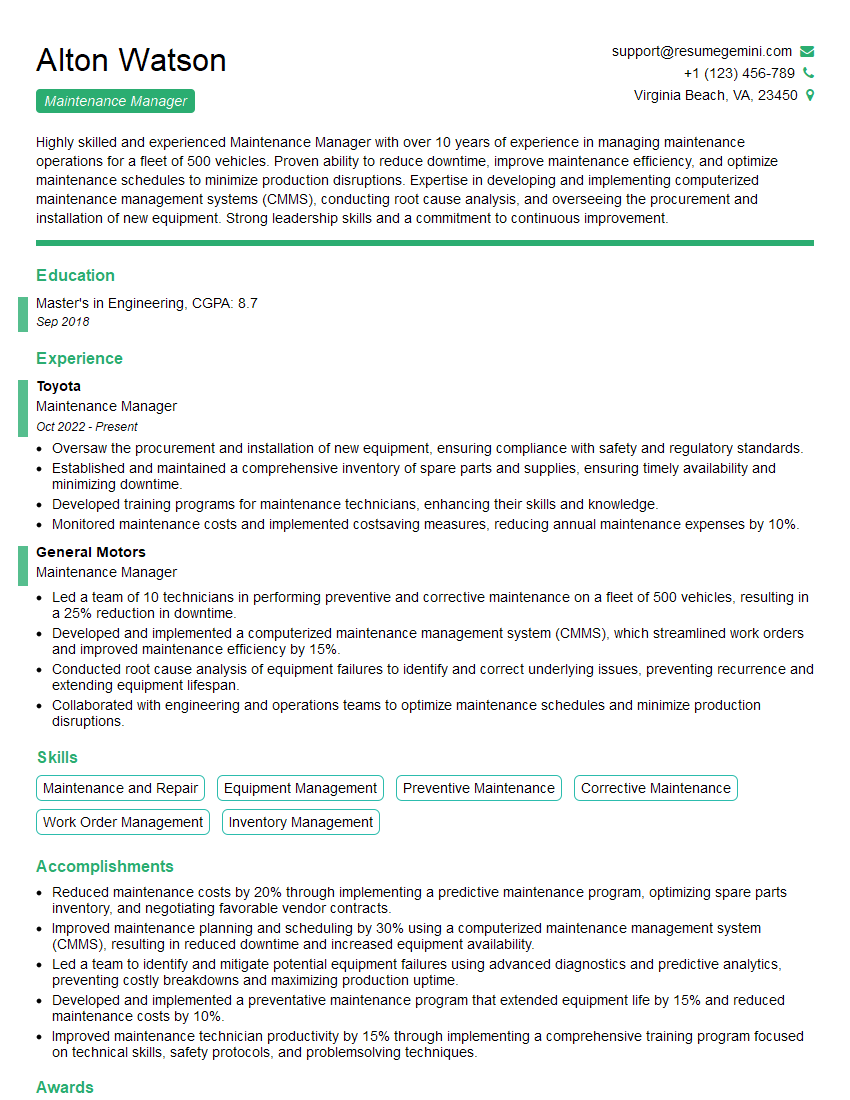
Maintenance Manager Resume Sample
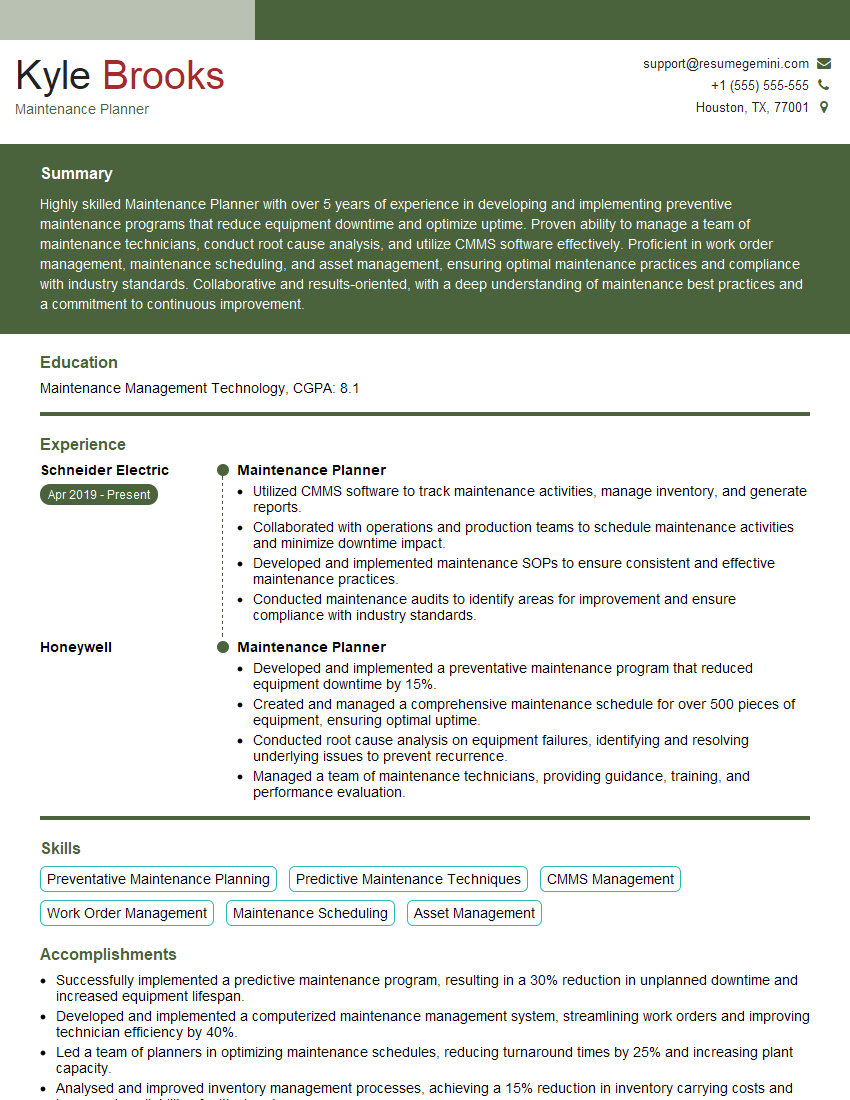
Maintenance Planner Resume Sample
Quality Assurance Manager Resume Sample
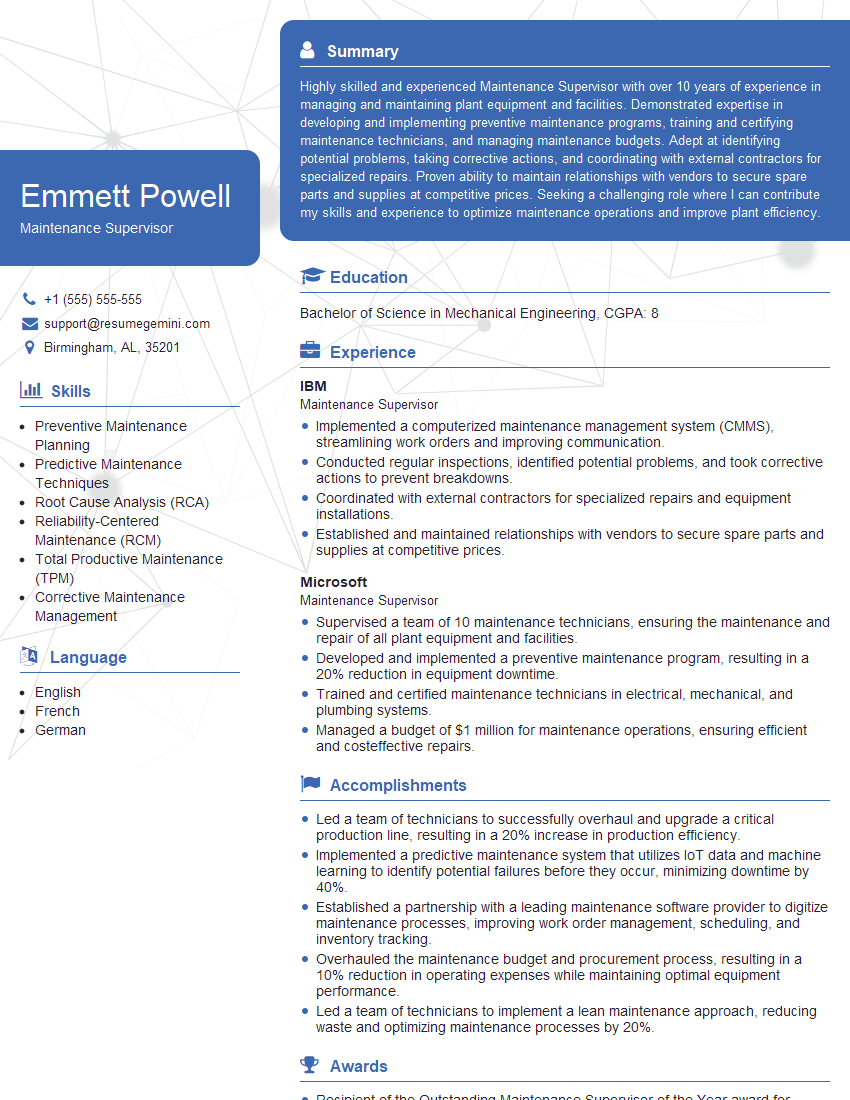
Maintenance Supervisor Resume Sample
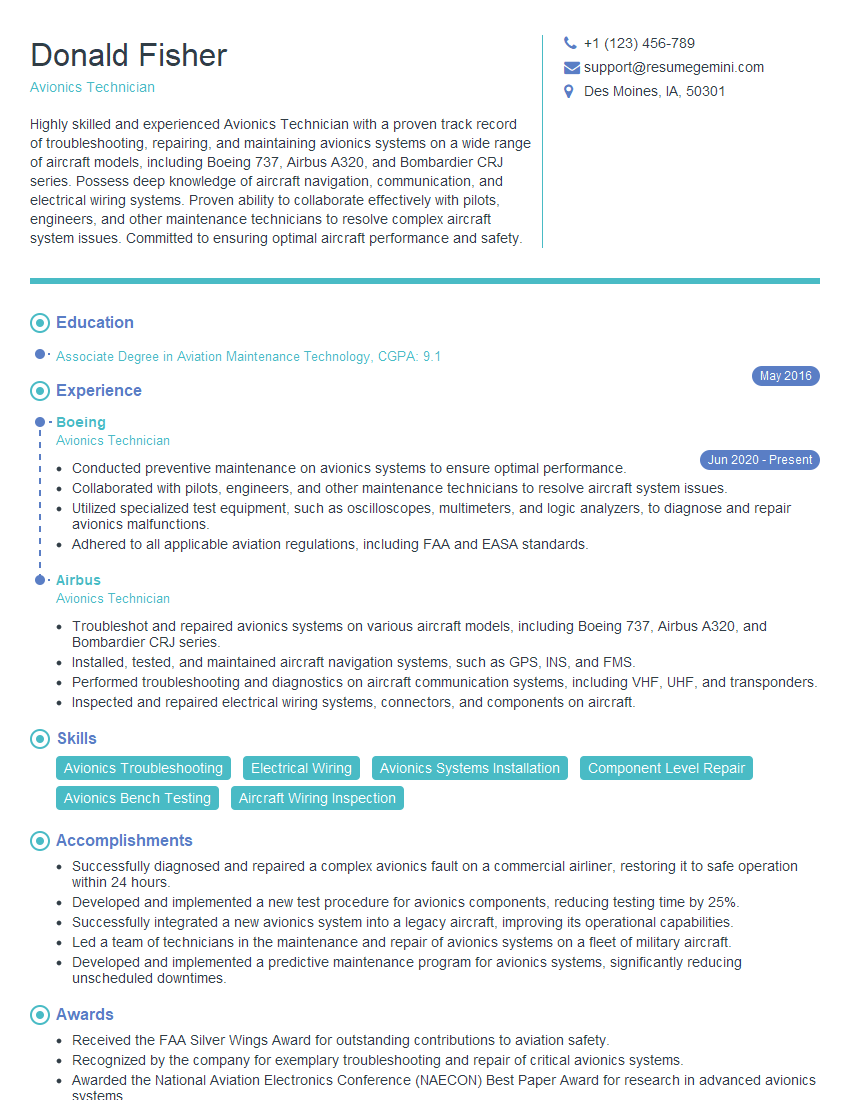
Avionics Technician Resume Sample
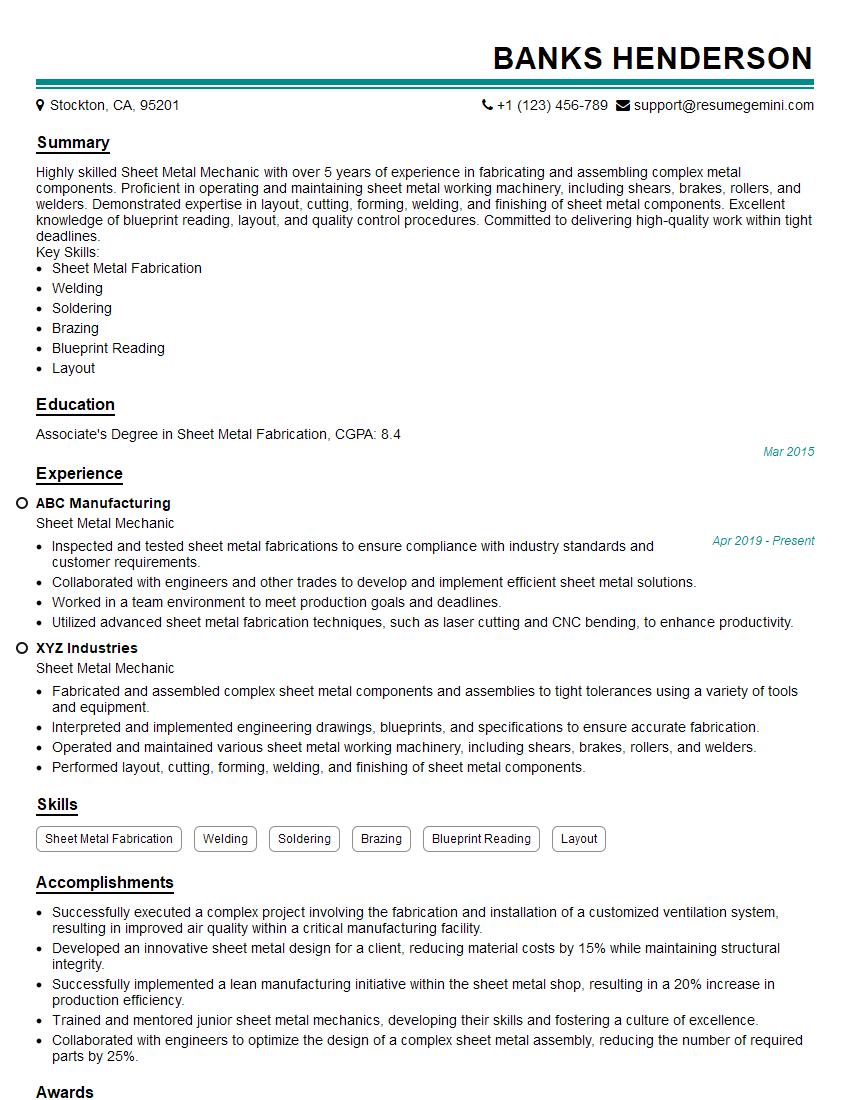
Sheet Metal Mechanic Resume Sample
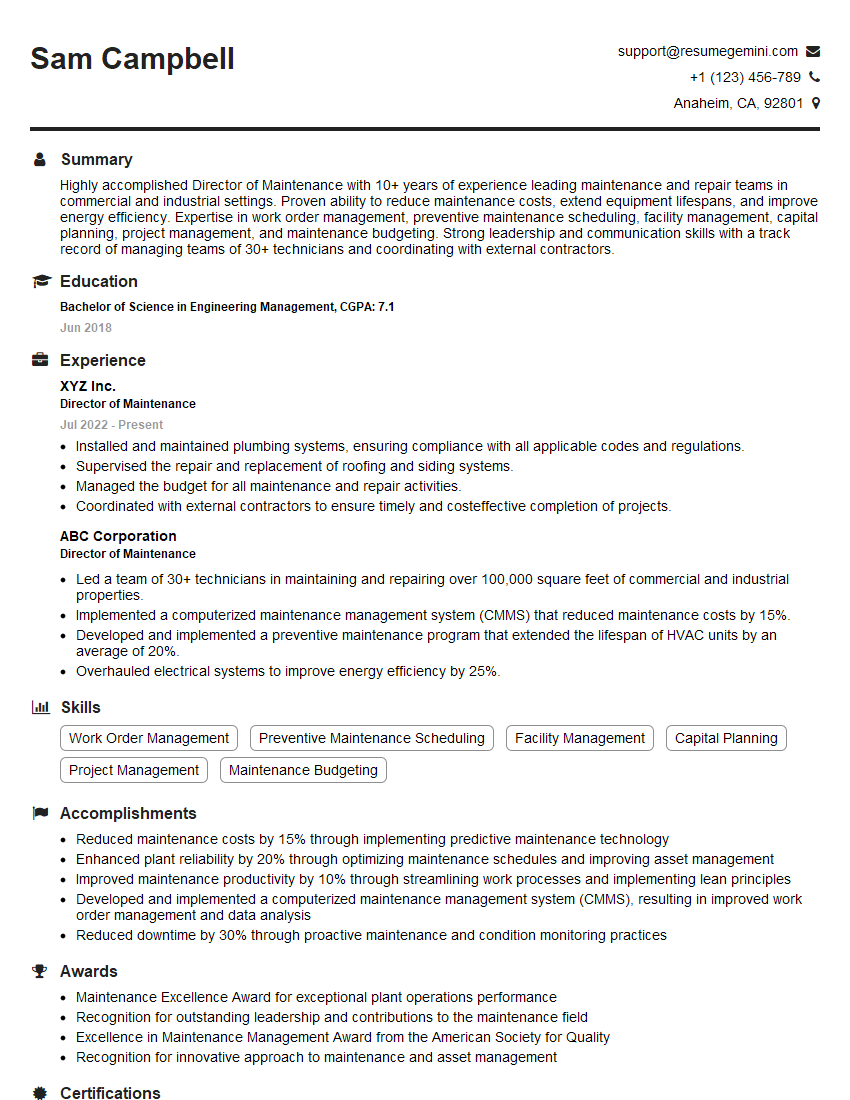
Director of Maintenance Resume Sample
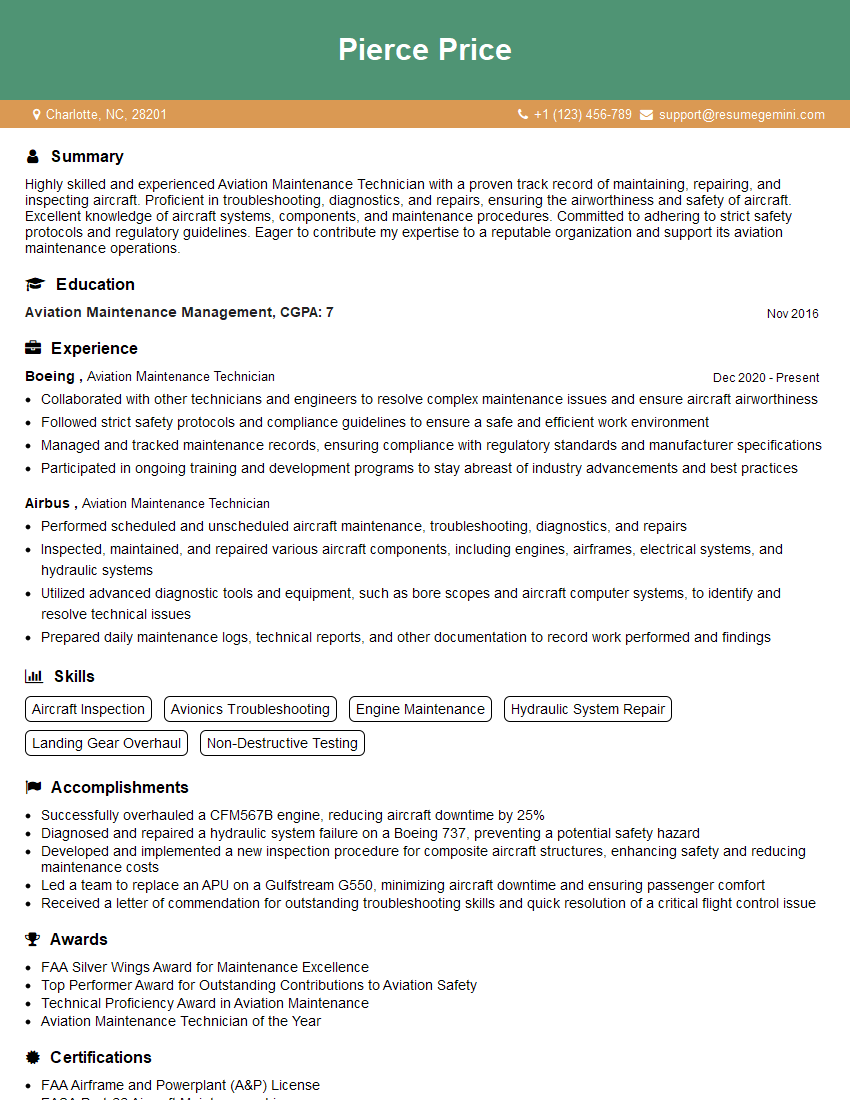
Aviation Maintenance Technician Resume Sample
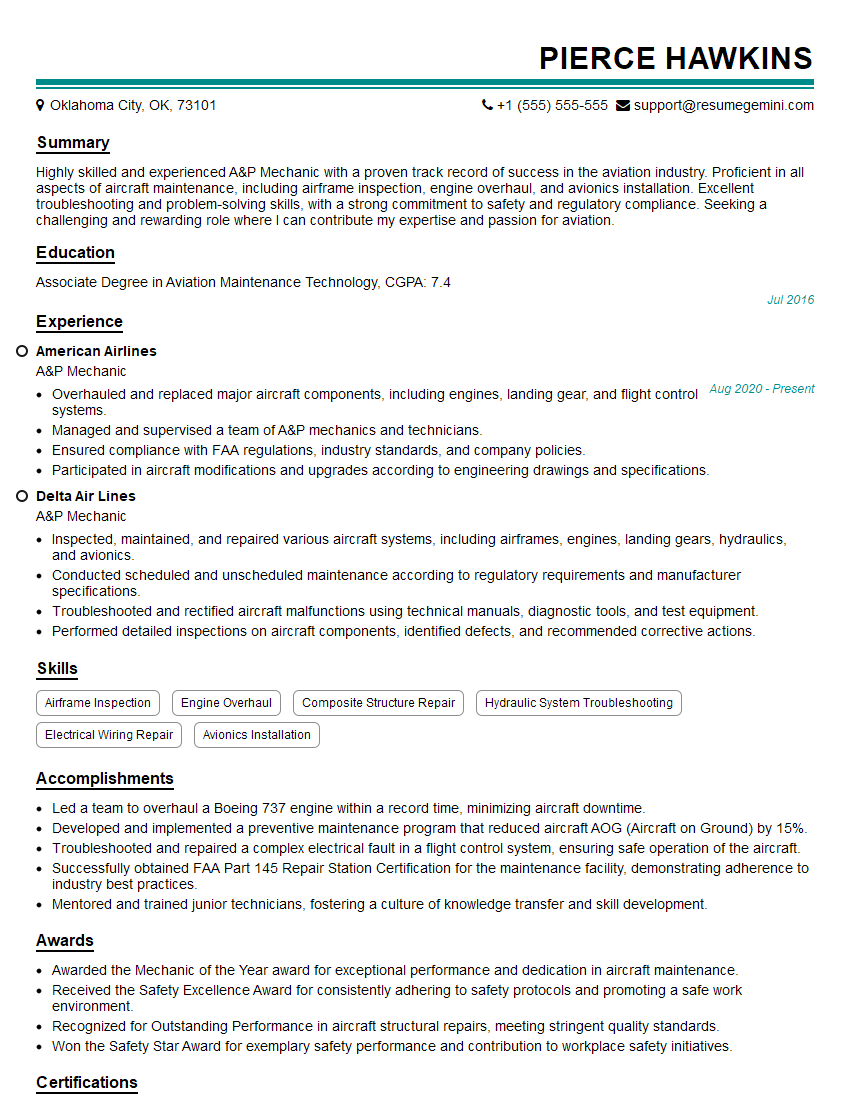
A&P Mechanic Resume Sample
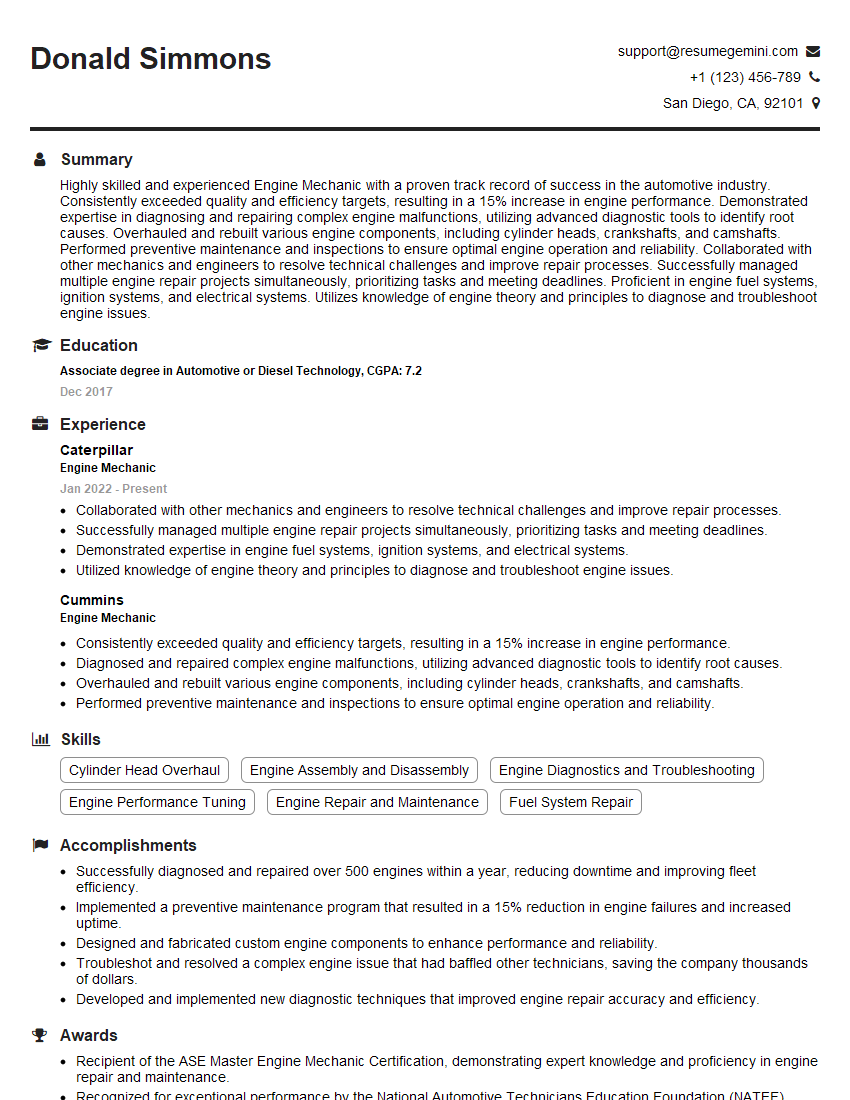
Engine Mechanic Resume Sample
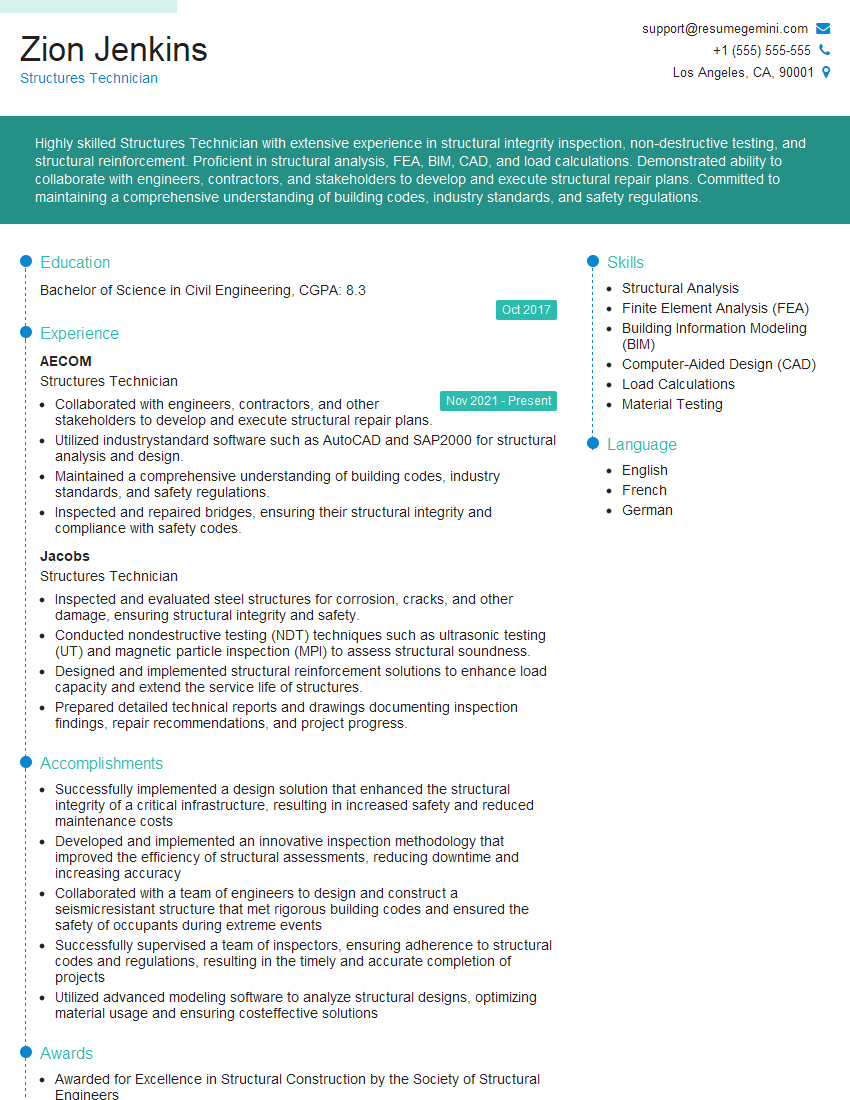
Structures Technician Resume Sample
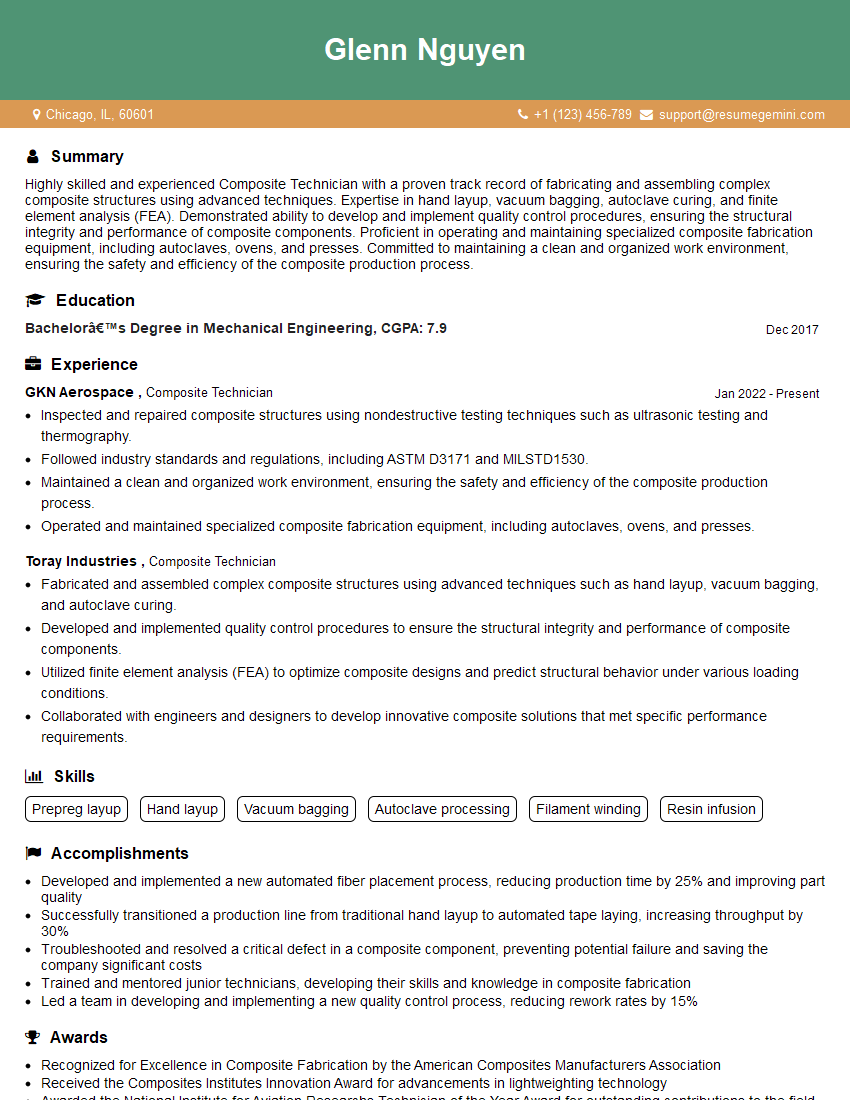
Composite Technician Resume Sample
Explore more articles
Users Rating of Our Blogs
Share Your Experience
We value your feedback! Please rate our content and share your thoughts (optional).
What Readers Say About Our Blog
Really detailed insights and content, thank you for writing this detailed article.
IT gave me an insight and words to use and be able to think of examples