Are you ready to stand out in your next interview? Understanding and preparing for Expertise in Limousine Operations interview questions is a game-changer. In this blog, we’ve compiled key questions and expert advice to help you showcase your skills with confidence and precision. Let’s get started on your journey to acing the interview.
Questions Asked in Expertise in Limousine Operations Interview
Q 1. Describe your experience managing a fleet of limousines.
Managing a limousine fleet requires a multifaceted approach encompassing vehicle maintenance, driver management, and client relations. My experience involves overseeing fleets ranging from 5 to 20 vehicles, depending on the company. This includes everything from daily operational oversight to long-term strategic planning for fleet expansion and upgrades. I’ve successfully implemented systems for efficient vehicle allocation, ensuring optimal utilization and minimizing downtime. For example, at my previous role, I implemented a predictive maintenance system, reducing unexpected repairs by 15% and improving overall fleet uptime.
This involved analyzing historical maintenance data to predict potential issues and scheduling preventative maintenance accordingly. I also developed and implemented a driver performance evaluation system, leading to a 10% improvement in customer satisfaction scores. My experience extends to budget management, negotiating contracts with vendors, and ensuring compliance with all relevant regulations, including safety and licensing requirements.
Q 2. How do you handle scheduling conflicts and last-minute requests?
Handling scheduling conflicts and last-minute requests demands a flexible yet organized approach. My strategy involves using sophisticated dispatch software with real-time GPS tracking to monitor vehicle locations and driver availability. When conflicts arise, I prioritize requests based on factors such as pre-booked reservations, client importance, and potential revenue impact. For last-minute requests, I assess the feasibility, considering driver availability, vehicle location, and travel time. Sometimes, this means creatively rearranging existing schedules or deploying a backup vehicle if necessary. Think of it like air traffic control – managing multiple moving parts to ensure smooth and efficient operations.
For instance, I once received a high-priority request for airport transfer just 30 minutes before the flight’s departure. By cleverly rearranging schedules and utilizing a nearby available vehicle, I was able to fulfill the request, ensuring client satisfaction and preventing a potential negative review. This required quick thinking, effective communication with the drivers, and precise coordination of vehicle movements. Transparency with clients about potential delays is key to managing expectations and maintaining a positive experience.
Q 3. What is your experience with GPS tracking and dispatch software?
I’m highly proficient in using GPS tracking and dispatch software, which are essential tools for efficient fleet management. My experience includes working with various platforms, including but not limited to, [mention specific software names if comfortable, otherwise omit]. These systems provide real-time vehicle tracking, enabling optimized route planning, accurate ETA estimations, and proactive issue identification. I’m comfortable with features like geofencing (setting virtual boundaries to monitor vehicle locations), driver behavior monitoring (tracking speed, idling time, etc.), and automated reporting functionalities. This data is crucial for performance analysis and continuous improvement initiatives.
For example, using GPS data, I can identify traffic congestion hotspots and adjust routes to minimize delays, improving both punctuality and fuel efficiency. The dispatch software allows me to assign jobs efficiently, minimizing idle time and maximizing vehicle utilization. Automated reporting provides valuable data to track key performance indicators (KPIs) such as average response time, fuel consumption, and driver performance, informing strategic decisions and driving operational improvements.
Q 4. Explain your method for ensuring chauffeur punctuality and professionalism.
Ensuring chauffeur punctuality and professionalism is paramount for maintaining a positive brand image. My approach is multi-pronged, combining robust scheduling, continuous training, and a clear performance management system. I use a combination of regular performance reviews, feedback from clients, and internal assessments to identify areas for improvement. Drivers are provided with comprehensive training on professional conduct, including appearance standards, communication etiquette, and safe driving practices. Moreover, we use technology such as GPS tracking and communication apps to monitor driver whereabouts and ensure timely arrivals.
Punctuality is incentivized, and consistent tardiness or unprofessional behavior is addressed through a progressive disciplinary process. For example, we have a points system for infractions, with escalating consequences for repeated offenses. I also encourage a culture of open communication and feedback, providing drivers with regular opportunities to express concerns and suggestions for improvement. We regularly review and update our training materials to reflect industry best practices and client expectations.
Q 5. How do you maintain the cleanliness and mechanical integrity of the limousine fleet?
Maintaining the cleanliness and mechanical integrity of the limousine fleet is crucial for upholding the company’s reputation and ensuring passenger safety. My approach involves a meticulous preventive maintenance schedule, regular vehicle inspections, and a robust cleaning protocol. Vehicles undergo thorough interior and exterior cleaning after each trip, with more extensive detailing performed on a regular schedule. Mechanical maintenance includes routine inspections, oil changes, tire rotations, and any necessary repairs, all performed by certified mechanics. We also employ a preventative maintenance system, analyzing historical data to anticipate potential issues and scheduling repairs proactively.
For instance, we utilize checklists for both drivers and mechanics to ensure consistency and thoroughness. These checklists cover everything from checking tire pressure and fluid levels to inspecting upholstery and exterior bodywork. We maintain detailed records of all maintenance activities and repairs, which aids in tracking costs, identifying recurring issues, and optimizing the maintenance schedule. Furthermore, regular driver training emphasizes the importance of maintaining the cleanliness and condition of the vehicle, reinforcing responsibility and accountability.
Q 6. What is your strategy for handling customer complaints and resolving issues?
Handling customer complaints and resolving issues is a critical aspect of providing excellent customer service. My strategy involves actively soliciting feedback, promptly addressing complaints, and striving for amicable resolutions. I implement a system for tracking and managing complaints, prioritizing those with the highest severity. This process involves acknowledging the complaint promptly, empathizing with the customer, and gathering all relevant information to understand the issue fully. We then work towards a resolution, which may involve offering apologies, providing compensation, or making improvements to our services.
For example, if a client complains about a delay caused by unforeseen traffic, we might offer a partial refund or a complimentary service for their next booking. In instances of driver misconduct, we take swift and appropriate action, which might include disciplinary measures or termination. Each resolution is documented to track outcomes and identify recurring problems to help improve our processes. The focus is always on client satisfaction and turning negative experiences into opportunities for improvement.
Q 7. Describe your experience managing driver schedules and payroll.
Managing driver schedules and payroll requires a structured and compliant approach. I utilize scheduling software to optimize driver assignments, considering factors such as driver availability, experience, vehicle type, and service location. This software allows for efficient scheduling, ensuring optimal coverage and minimizing idle time. Payroll is managed through a dedicated system, ensuring accurate calculation of wages, deductions, and taxes, adhering to all relevant labor laws and regulations. We maintain meticulous records of driver hours, mileage, and earnings, ensuring transparency and accuracy in compensation.
For example, the scheduling software allows me to efficiently generate weekly schedules, taking into account driver preferences and ensuring fair distribution of shifts. Payroll is processed bi-weekly, with detailed pay stubs provided to each driver, outlining their earnings, deductions, and net pay. Regular audits are conducted to ensure compliance with all relevant regulations and to detect any potential discrepancies. This meticulous approach ensures that our drivers are fairly compensated and that the company remains compliant with all legal requirements.
Q 8. How do you ensure compliance with all relevant regulations and safety standards?
Ensuring compliance in limousine operations is paramount. It involves meticulous adherence to federal, state, and local regulations, along with industry best practices. This begins with understanding and maintaining all necessary licenses and permits – for the business itself and for each chauffeur. We conduct regular audits of our operational procedures to ensure we meet requirements related to vehicle inspections (including rigorous maintenance schedules to comply with safety standards), driver licensing and background checks (thorough screenings are crucial to ensuring passenger safety), insurance coverage (comprehensive liability and passenger accident insurance), and the adherence to all relevant transportation regulations. For example, we maintain meticulous logs of vehicle inspections and driver hours to comply with Department of Transportation (DOT) regulations. Non-compliance can lead to hefty fines, license suspension, or even business closure; proactive compliance minimizes risks and protects our reputation.
- Regular vehicle inspections
- Driver background checks and licensing verification
- Maintaining accurate records for DOT compliance
- Staying up-to-date with changing regulations and industry best practices
Q 9. What is your experience with budgeting and cost control within a limousine operation?
Budgeting and cost control are critical for profitability in the limousine business. My approach involves a multi-faceted strategy. First, a detailed operational budget is created, forecasting revenue based on historical data, market trends, and anticipated demand. This budget incorporates projected expenses including fuel costs (accounting for fluctuations and exploring fuel efficiency strategies), vehicle maintenance (predictive maintenance minimizes unplanned repairs), insurance premiums, chauffeur salaries and benefits, marketing and advertising, administrative costs, and rent or lease payments. Then, we use Key Performance Indicators (KPIs) to monitor performance against the budget. These KPIs may include average vehicle utilization, revenue per vehicle, cost per mile, and customer acquisition cost. Regular financial reports help identify areas needing adjustment, allowing us to make data-driven decisions. For example, analyzing fuel consumption data might reveal the need for driver training on fuel-efficient driving techniques, saving on fuel costs. Cost-saving initiatives could involve negotiating better rates with suppliers, implementing energy-efficient practices, and optimizing scheduling to maximize vehicle utilization.
Q 10. How do you recruit, train, and retain qualified chauffeurs?
Recruiting, training, and retaining qualified chauffeurs is essential for maintaining a high-quality service. We begin with a rigorous recruitment process involving background checks, driving record reviews, and personality assessments to ensure professionalism, reliability, and safety. Our training program is comprehensive, covering defensive driving techniques, customer service protocols, local area knowledge (including efficient route planning), vehicle maintenance basics, and emergency procedures. We also emphasize proper etiquette and communication skills. To foster retention, we provide competitive compensation and benefits packages, opportunities for professional development, and a supportive work environment. Regular performance reviews, feedback sessions, and opportunities for advancement motivate our chauffeurs, and ultimately contributes to better customer service and higher employee loyalty.
Q 11. Describe your experience with customer relationship management (CRM) systems.
I have extensive experience utilizing CRM systems to manage customer interactions. CRM software helps streamline operations by centralizing customer data, managing reservations, tracking communication, and automating tasks. Features like appointment scheduling, automated email marketing, and customer segmentation capabilities are invaluable. In a previous role, we implemented a CRM system that dramatically improved our reservation process, reduced administrative workload, and improved customer service through personalized communication. For example, the system allowed us to send automated booking confirmations, reminders, and post-trip satisfaction surveys. We utilized reporting features to identify top customers, analyze booking trends, and develop targeted marketing campaigns. Effective CRM integration significantly enhances efficiency and improves customer satisfaction.
Q 12. Explain your process for handling reservations and confirming bookings.
Our reservation process begins with receiving booking requests through various channels – phone calls, online booking forms, or email. All requests are logged into our CRM system, which provides a centralized overview of bookings. Once a booking is received, we verify availability, confirm details with the client (including pickup and drop-off locations, time, passenger count, and any special requests), and provide a confirmation via email or text message with all the booking details. Before the service, we have a pre-trip check-in procedure, confirming the details and notifying the chauffeur. Post-trip, we send a follow-up email, providing feedback collection methods to assess customer satisfaction and gather potential improvement areas.
Q 13. How do you manage vehicle maintenance and repairs?
Proactive vehicle maintenance is a cornerstone of our operations. We utilize a preventative maintenance schedule, based on manufacturer recommendations and mileage, for each vehicle. This includes regular oil changes, tire rotations, fluid checks, and inspections of braking systems and other key components. We maintain detailed service records, tracking all repairs and maintenance activities. We partner with reliable repair shops that specialize in limousine maintenance, and we use predictive analytics tools to anticipate potential issues and schedule repairs before they cause major problems or downtime. A well-maintained fleet ensures reliable service, minimizes breakdowns, and enhances passenger safety. This translates to reduced operational costs, improved passenger experiences, and a positive brand image. We also track maintenance costs meticulously to identify any potential areas of concern that may benefit from cost-saving actions, like preventative maintenance measures.
Q 14. What is your experience with route optimization and efficient scheduling?
Route optimization and efficient scheduling are vital for maximizing profitability and minimizing operational costs. We use GPS-enabled dispatch software to monitor vehicle locations in real-time, optimize routes based on traffic conditions and pickup/drop-off locations, and assign chauffeurs to bookings efficiently. For example, the software can calculate the shortest and fastest routes while avoiding traffic congestion. This software also helps in dynamic scheduling; if a booking is canceled, the software helps to re-assign a vehicle efficiently. We analyze historical data and booking patterns to forecast peak demand periods and proactively adjust scheduling to ensure sufficient vehicle availability. By optimizing routes and scheduling, we reduce fuel consumption, minimize chauffeur downtime, and improve overall operational efficiency, ultimately improving profitability and customer satisfaction through on-time service.
Q 15. How do you deal with unexpected events such as traffic delays or mechanical failures?
Unexpected events are inevitable in limousine operations. My approach involves proactive planning and a robust reactive system. For traffic delays, we utilize real-time GPS tracking to monitor traffic conditions and reroute as needed, proactively notifying clients of any changes. We also maintain a strong relationship with local traffic authorities to stay informed about potential disruptions. For mechanical failures, our preventative maintenance schedule minimizes the risk. However, if a breakdown occurs, we have a dedicated emergency response team that can dispatch a replacement vehicle within a pre-determined timeframe, ensuring minimal disruption to client travel plans. This team coordinates with our drivers and clients to arrange prompt, safe transport, potentially even offering alternative transportation options such as taxis or ride-sharing services as temporary measures while awaiting the replacement vehicle.
For example, during a particularly heavy snowstorm, one of our vehicles experienced a flat tire. Our system immediately dispatched a nearby vehicle and the team was on site within 20 minutes, assisting the client with transferring luggage and ensuring a seamless continuation of their journey.
Career Expert Tips:
- Ace those interviews! Prepare effectively by reviewing the Top 50 Most Common Interview Questions on ResumeGemini.
- Navigate your job search with confidence! Explore a wide range of Career Tips on ResumeGemini. Learn about common challenges and recommendations to overcome them.
- Craft the perfect resume! Master the Art of Resume Writing with ResumeGemini’s guide. Showcase your unique qualifications and achievements effectively.
- Don’t miss out on holiday savings! Build your dream resume with ResumeGemini’s ATS optimized templates.
Q 16. What are your strategies for maximizing vehicle utilization and revenue?
Maximizing vehicle utilization and revenue requires a multi-pronged strategy. This begins with optimizing scheduling. We use sophisticated reservation software that allows for efficient booking management and minimizes vehicle downtime. This software accounts for cleaning and maintenance time between bookings. We actively pursue a mix of pre-booked services and on-demand bookings to ensure consistent vehicle occupancy. Targeted marketing campaigns are crucial, focusing on different client segments and their travel needs. For example, we might target corporate clients for airport transfers during peak business hours, while simultaneously marketing our services for weddings and special events in the evenings and weekends. Furthermore, building strong relationships with hotels, event planners, and corporate travel agents provides a consistent stream of referrals.
We also implement dynamic pricing strategies, adjusting fares based on demand, time of day, and day of week. This allows us to capitalize on peak periods while maintaining competitive pricing during slower times. Finally, offering various service packages – from standard airport transfers to luxury sightseeing tours – adds value and increases revenue potential.
Q 17. How do you handle emergency situations involving passengers or vehicles?
Handling emergency situations requires a calm, decisive, and protocol-driven approach. We have a clearly defined emergency response plan, readily accessible to all drivers and staff. This plan outlines steps for handling various scenarios, including medical emergencies, accidents, and security threats. For passenger emergencies, our drivers are trained in basic first aid and are equipped with emergency contact information for medical services. We maintain clear communication with emergency dispatchers and follow their instructions precisely. For vehicle-related emergencies, our maintenance team, as mentioned previously, ensures quick response and repairs or replacement vehicles. In all situations, passenger safety and well-being are the top priority. Post-incident, we conduct thorough reviews to identify areas for improvement in our emergency response procedures.
For instance, if a passenger experiences a medical emergency, our driver is trained to assess the situation, administer first aid if needed, contact emergency services immediately, and provide any necessary information to facilitate a rapid and effective response from paramedics.
Q 18. Describe your experience with marketing and sales strategies for limousine services.
Our marketing and sales strategies are multifaceted and incorporate both online and offline approaches. Online, we maintain a professional website with high-quality images and detailed service descriptions. We leverage search engine optimization (SEO) to improve our online visibility, and we actively engage in social media marketing to build brand awareness. We run targeted online advertising campaigns to reach specific demographics. Offline, we build relationships with local businesses and organizations through networking events and partnerships. We participate in industry trade shows and distribute marketing materials, such as brochures and business cards. We also leverage customer testimonials and reviews to build trust and credibility. We are continuously analyzing the effectiveness of different marketing channels, making adjustments to optimize our campaigns and maximize ROI.
For example, we’ve seen significant success with targeted Facebook ads, specifically focusing on individuals planning weddings or corporate events in our service area. These ads feature stunning visuals of our fleet and highlight the luxurious experience we offer.
Q 19. How do you build and maintain positive relationships with clients?
Building and maintaining positive client relationships is paramount to our success. This starts with providing exceptional customer service from the moment a client makes initial contact. We prioritize prompt and professional communication, answering inquiries quickly and efficiently. Our drivers are trained to be courteous, respectful, and knowledgeable about the local area. They are also trained to offer assistance with luggage and provide a comfortable and safe ride. We actively solicit client feedback through surveys and reviews. This allows us to identify areas for improvement and to address concerns promptly. We implement a customer loyalty program to reward repeat business. By showing our appreciation for our clients’ loyalty, we strengthen our relationships and encourage future bookings.
A personal touch is crucial. Remembering a client’s preferences, such as their preferred music or temperature settings, demonstrates attention to detail and enhances their experience.
Q 20. What is your understanding of insurance and liability concerns in limousine operations?
Understanding insurance and liability is critical in limousine operations. We maintain comprehensive insurance coverage that includes commercial auto insurance, passenger liability insurance, and umbrella liability insurance. This safeguards our company and our clients in case of accidents or incidents. We comply with all state and local regulations concerning insurance requirements for limousine services. Our insurance policies clearly define coverage limits and exclusions, and we work closely with our insurance broker to ensure we have adequate protection. Regular safety inspections and driver training programs are crucial in minimizing risk and reducing potential liability claims. We also maintain detailed records of all vehicle maintenance, driver training, and insurance policies.
For example, we ensure that our insurance coverage exceeds the minimum requirements set by the state, offering greater protection to both our company and our clients.
Q 21. How do you ensure the safety and security of passengers?
Ensuring passenger safety and security is our top priority. This involves rigorous driver screening and background checks to ensure that only qualified and trustworthy individuals operate our vehicles. Our drivers undergo comprehensive training that includes defensive driving techniques, passenger safety protocols, and emergency procedures. We maintain a well-maintained fleet of vehicles that undergo regular safety inspections. This includes regular maintenance checks and adherence to all safety regulations. We equip our vehicles with safety features such as seatbelts, GPS tracking, and emergency communication systems. Furthermore, we provide drivers with clear instructions on handling various security situations and encourage them to maintain situational awareness. We actively promote a culture of safety throughout the company, emphasizing the importance of preventative measures and quick, effective response to any safety concerns.
For example, all our vehicles are equipped with GPS tracking devices, allowing us to monitor their location in real-time and assist in emergency situations.
Q 22. Describe your experience with various types of limousines and their specific requirements.
My experience encompasses a wide range of limousines, from classic sedans and stretch limousines to SUVs and executive vans. Each type presents unique operational requirements. For instance, classic sedans prioritize elegance and discreet transportation; their maintenance focuses on preserving their original aesthetic and ensuring a smooth, quiet ride. Stretch limousines demand more extensive cleaning and upkeep due to their size and frequent use, and require regular mechanical checks given the added strain on the chassis and suspension. SUVs offer more space and versatility, ideal for larger groups or those with extra luggage; their operational needs focus on reliability and fuel efficiency. Executive vans, often used for corporate transport, necessitate a high level of interior cleanliness and advanced technology integration like Wi-Fi and charging ports. Understanding these nuances is key to providing the best possible service.
- Sedans: Regular detailing, meticulous interior cleaning, engine maintenance focusing on smoothness and quietness.
- Stretch Limousines: Frequent interior cleaning, chassis and suspension checks, advanced preventative maintenance scheduling.
- SUVs: Reliability checks, fuel-efficient driving practices, interior space optimization techniques.
- Executive Vans: Technology upkeep (Wi-Fi, charging ports), professional interior cleaning, advanced security systems checks.
Q 23. How do you manage communication between dispatch, chauffeurs, and clients?
Efficient communication is the backbone of our operation. We use a three-pronged approach: a centralized dispatch system, driver communication apps, and direct client contact. Dispatch uses a sophisticated software to manage bookings, assign chauffeurs based on availability and vehicle type, track vehicle location in real-time, and communicate any delays or changes to clients and drivers. Chauffeurs use a dedicated app to receive booking details, update their status (en route, arrived, etc.), and communicate directly with dispatch regarding any issues. Finally, we maintain direct contact with clients, providing regular updates, confirming pick-up times, and addressing any concerns.
For example, if a flight is delayed, the dispatch system automatically updates the chauffeur’s itinerary, notifying both the chauffeur and the client. This ensures transparency and prevents unnecessary waiting.
Q 24. What is your approach to conflict resolution among team members?
My approach to conflict resolution is built on open communication, active listening, and a focus on finding mutually beneficial solutions. I encourage team members to express their concerns respectfully and create a safe space for dialogue. We use a structured approach:
- Identify the issue: Clearly define the problem and the parties involved.
- Understand perspectives: Actively listen to each person’s viewpoint, showing empathy and understanding.
- Collaborate on solutions: Brainstorm solutions together, focusing on what’s best for the team and the company.
- Implement and follow up: Once a solution is agreed upon, we implement it and follow up to ensure it’s effective and addresses the root cause.
For example, a disagreement between two chauffeurs about route efficiency could be resolved by reviewing the GPS data together, establishing clear guidelines for route selection, and implementing a system for reporting inefficient routes.
Q 25. How do you track key performance indicators (KPIs) for the limousine operation?
We track several key performance indicators (KPIs) to gauge the efficiency and success of our limousine operation. These include:
- On-time performance: Percentage of trips completed on time.
- Client satisfaction: Measured through feedback surveys and reviews.
- Vehicle utilization: Percentage of time vehicles are actively transporting clients.
- Driver performance: Measured by on-time arrivals, client feedback, and adherence to company policies.
- Operational costs: Fuel consumption, maintenance expenses, and other operational expenditures.
- Revenue per vehicle: Total revenue generated per vehicle, indicating profitability.
We use data analytics tools to monitor these KPIs, identify trends, and make data-driven decisions to improve operational efficiency and customer satisfaction. For example, consistently low on-time performance might indicate a need for improved scheduling software or additional driver training.
Q 26. Describe your experience with using technology to enhance limousine operations.
Technology is integral to our operation. We utilize a comprehensive suite of software and applications, including:
- Dispatch software: For real-time tracking, scheduling, and communication.
- Mobile apps for chauffeurs: To receive bookings, update their status, and navigate efficiently.
- Client booking portal: Allows clients to easily book limousines online.
- GPS tracking: Provides real-time location updates, ensuring on-time arrivals and efficient route planning.
- Customer Relationship Management (CRM): System to manage client information, preferences, and history.
This integrated system allows for seamless communication, efficient operations, and enhanced customer service. For example, the CRM allows us to personalize the client experience by remembering preferences like preferred music or temperature settings.
Q 27. How would you address a situation where a chauffeur is unprofessional with a client?
Addressing unprofessional chauffeur behavior is handled swiftly and decisively. Our immediate response involves:
- Gather information: Contact the client and the chauffeur to understand the situation from both perspectives. We prioritize obtaining factual accounts.
- Address the client: Sincerely apologize for the inconvenience and assure them that appropriate action will be taken.
- Disciplinary action: Depending on the severity of the unprofessional conduct, this could range from a verbal warning to suspension or termination. We maintain a zero-tolerance policy towards unprofessional behavior.
- Retraining: For less severe incidents, retraining on customer service protocols and professional conduct will be mandatory.
- Documentation: Maintain thorough records of the incident, actions taken, and any follow-up communication.
This process ensures accountability and sets clear expectations for professional conduct, maintaining a positive brand image and client trust. We emphasize that our priority is always delivering an exceptional customer experience.
Q 28. What are your strategies for improving customer satisfaction and loyalty?
Improving customer satisfaction and loyalty is achieved through a multi-faceted approach focusing on exceeding expectations. We emphasize:
- Exceptional service: Our chauffeurs are trained to provide impeccable service, exceeding client expectations in punctuality, courtesy, and professionalism.
- Personalized experience: We use the CRM to track client preferences and tailor the experience accordingly. This could include remembering preferred music, temperature settings, or conversational topics.
- Feedback mechanisms: We actively solicit feedback through surveys, reviews, and direct communication. This enables us to identify areas for improvement and address any concerns promptly.
- Loyalty programs: We offer rewards and incentives to loyal clients, recognizing their continued patronage and fostering a strong relationship.
- Proactive communication: We provide regular updates and confirmations to clients, keeping them informed and reducing anxiety.
For example, sending a personalized thank-you note after a trip or offering a discount on future bookings shows appreciation and builds loyalty. The goal is to create a positive, memorable experience that encourages repeat business and positive word-of-mouth referrals.
Key Topics to Learn for Expertise in Limousine Operations Interview
- Dispatch and Scheduling: Understanding efficient routing, optimizing schedules for multiple bookings, and managing driver assignments to ensure on-time service and maximum vehicle utilization. Practical application includes scenarios involving last-minute bookings, traffic delays, and client requests.
- Client Communication and Service Excellence: Mastering professional communication skills, handling client inquiries and complaints effectively, and anticipating client needs to deliver exceptional service experiences. This includes understanding different communication styles and conflict resolution techniques.
- Vehicle Maintenance and Safety: Knowledge of routine vehicle inspections, maintenance schedules, and safety regulations to ensure the vehicles are in optimal condition and passengers are safe. Problem-solving approaches involve dealing with unexpected mechanical issues and ensuring passenger safety in emergencies.
- Regulatory Compliance: Familiarity with local, state, and federal regulations pertaining to limousine operations, including licensing, insurance, and passenger safety standards. This includes understanding and complying with rules about hours of service and driver qualifications.
- Financial Management: Understanding billing procedures, expense tracking, and revenue management to ensure profitability and efficient operation of the business. This also includes understanding cost control measures and budgeting.
- Team Management (if applicable): Supervising and motivating a team of drivers, dispatchers, or other staff members, fostering a positive work environment, and ensuring team performance aligns with company goals. This includes effective delegation and conflict resolution.
- Emergency Procedures: Knowledge of protocols for handling emergencies, including accidents, medical situations, and security concerns, ensuring passenger safety and compliance with emergency services procedures.
Next Steps
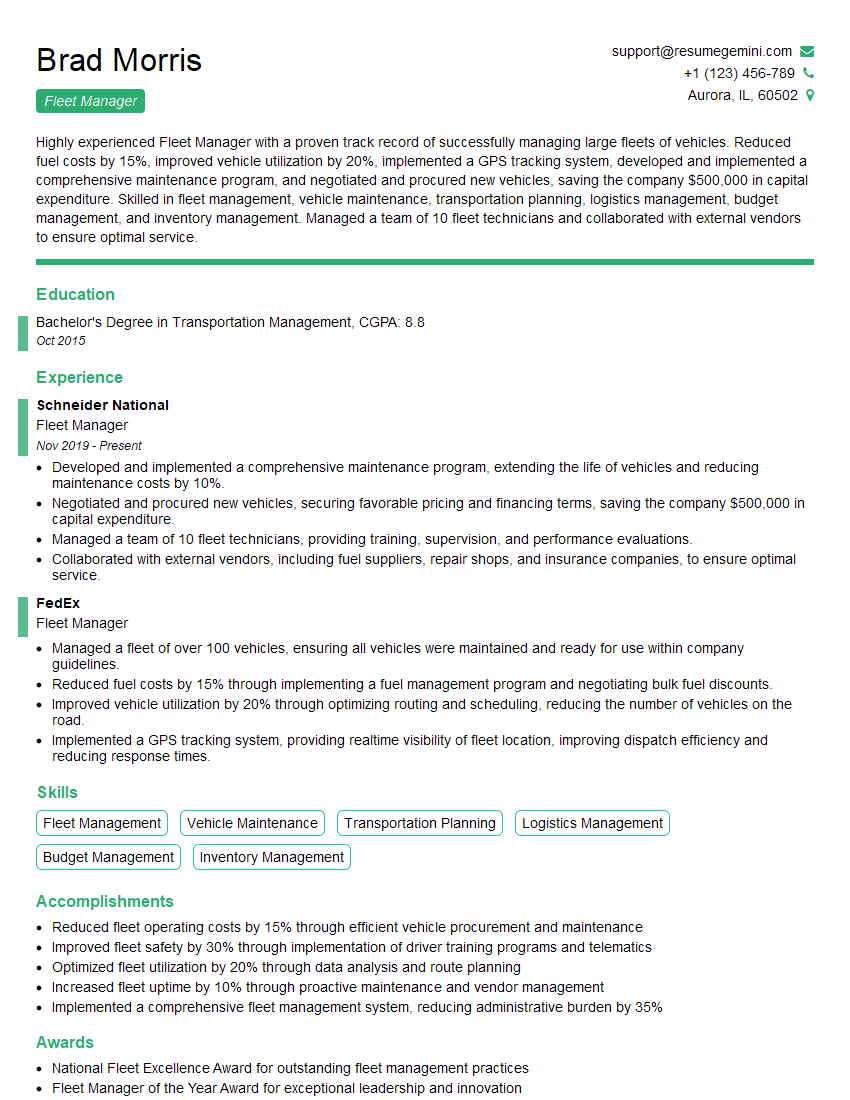
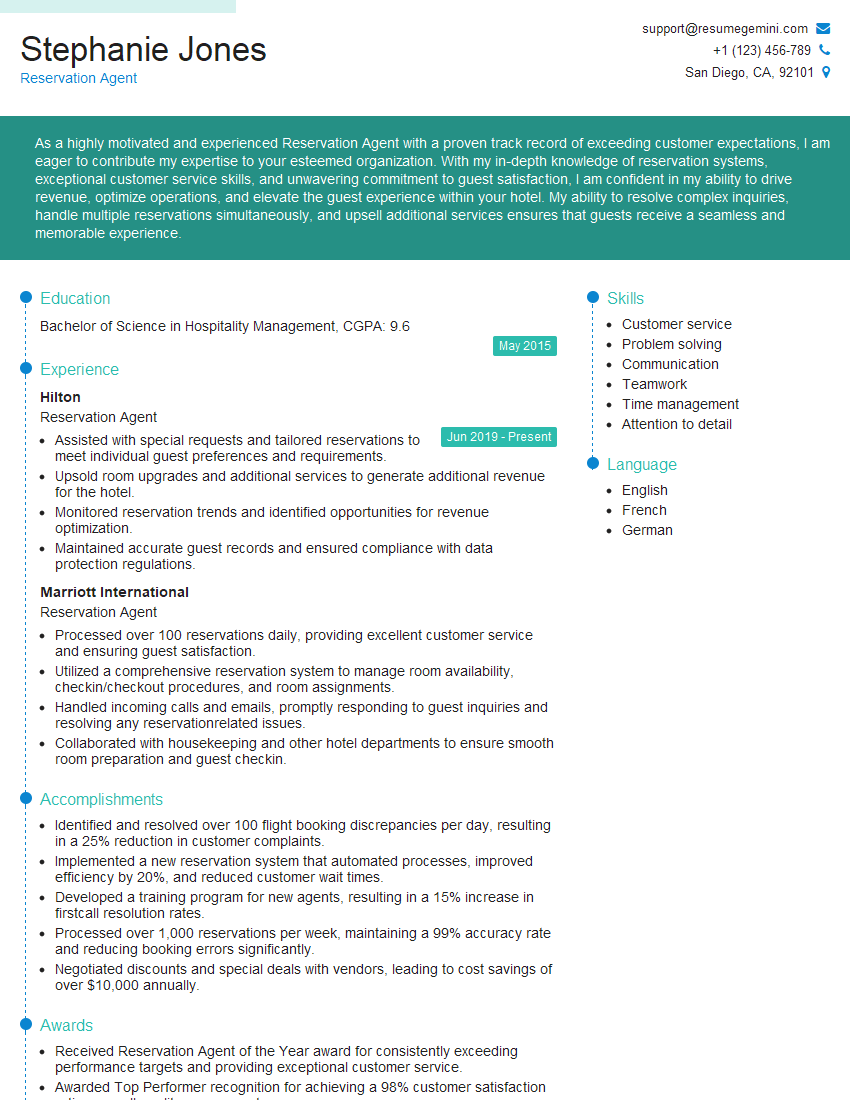
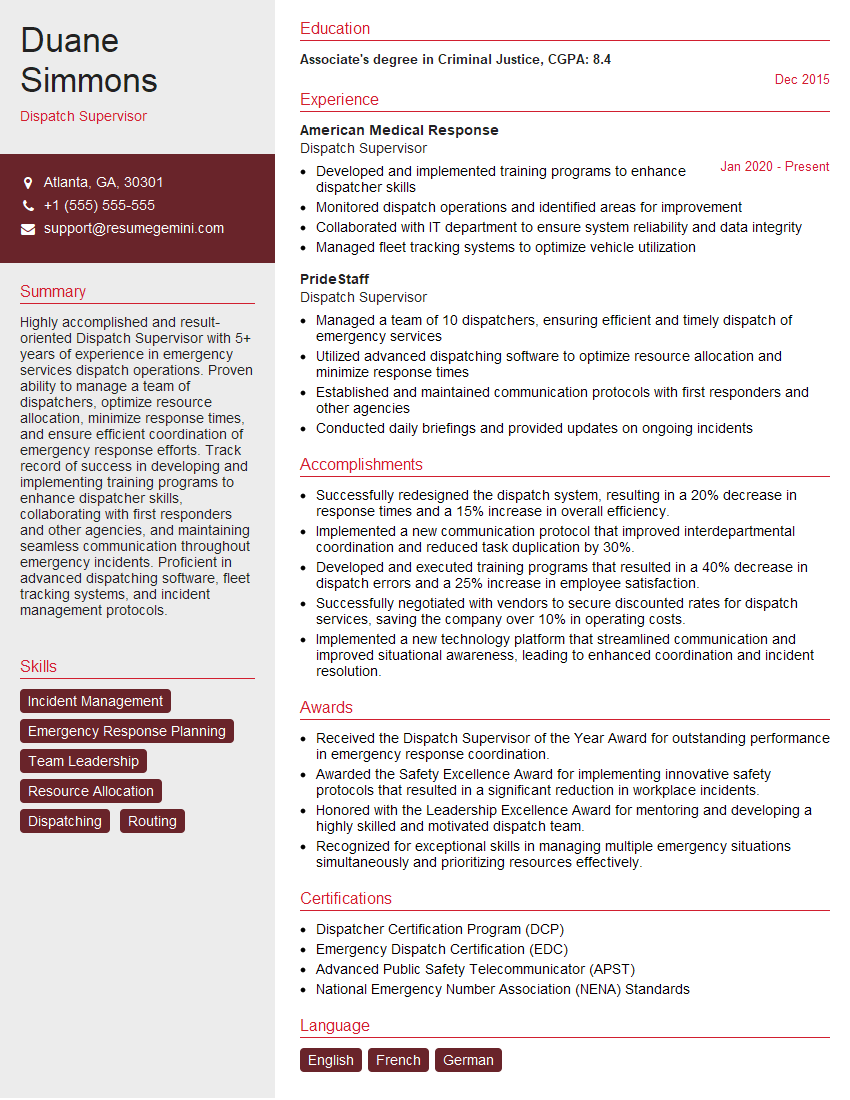
Mastering Expertise in Limousine Operations opens doors to rewarding career opportunities with excellent growth potential. A strong understanding of these key areas demonstrates your professionalism and commitment to exceptional service, making you a highly competitive candidate. To significantly increase your chances of landing your dream job, focus on crafting an ATS-friendly resume that highlights your skills and experience effectively. ResumeGemini is a trusted resource that can help you build a professional and impactful resume. Take advantage of their tools and resources – examples of resumes tailored to Expertise in Limousine Operations are available to help guide you.
Explore more articles
Users Rating of Our Blogs
Share Your Experience
We value your feedback! Please rate our content and share your thoughts (optional).
What Readers Say About Our Blog
Really detailed insights and content, thank you for writing this detailed article.
IT gave me an insight and words to use and be able to think of examples