Unlock your full potential by mastering the most common Commercial Drivers License interview questions. This blog offers a deep dive into the critical topics, ensuring you’re not only prepared to answer but to excel. With these insights, you’ll approach your interview with clarity and confidence.
Questions Asked in Commercial Drivers License Interview
Q 1. What are the different classes of Commercial Driver’s Licenses (CDL)?
Commercial Driver’s Licenses (CDLs) are categorized into classes based on the type of vehicle you operate. The main classes are Class A, Class B, and Class C, each with potential endorsements for specialized vehicles or cargo.
- Class A: Combines a vehicle weighing over 26,001 pounds and towing another vehicle over 10,001 pounds. Think of tractor-trailers or large combinations.
- Class B: Operates vehicles weighing over 26,001 pounds, but doesn’t tow another vehicle over 10,001 pounds. Examples include buses or dump trucks.
- Class C: Operates vehicles that are not Class A or B, but still require a CDL due to the nature of the cargo or passengers. This could include a vehicle transporting hazardous materials or carrying 16 or more passengers.
Beyond the basic classes, endorsements are added for specific types of operations, such as:
- H (Hazardous Materials): Required for transporting hazardous materials.
- P (Passenger): Required for transporting passengers.
- N (Tanker): Required for operating vehicles that transport liquids or gases.
- S (School Bus): Required for operating a school bus.
- T (Doubles/Triples): Required for operating vehicles towing doubles or triples.
The specific class and endorsements needed depend entirely on the type of vehicle and cargo being transported. It’s crucial to obtain the correct CDL class and endorsements for legal and safe operation.
Q 2. Explain the importance of pre-trip inspections.
Pre-trip inspections are absolutely crucial for safety and preventing accidents. They are a systematic check of your vehicle before you start driving, ensuring that everything is in working order and that no potential hazards exist. Think of it as a thorough health check for your truck.
A thorough pre-trip inspection covers various aspects:
- Tires: Checking tire pressure, tread depth, and condition for any cuts or bulges.
- Lights: Ensuring all lights – headlights, taillights, brake lights, turn signals – are functioning correctly.
- Brakes: Testing the service brakes, parking brakes, and emergency brakes.
- Steering: Checking for free movement and responsiveness.
- Wipers and Washers: Ensuring proper functionality for clear visibility.
- Mirrors: Checking all mirrors for proper adjustment and clarity.
- Leaks: Inspecting for fluid leaks (oil, coolant, fuel).
- Cargo Securement: Verifying that the load is properly secured and meets all regulations (if applicable).
Failure to conduct a proper pre-trip inspection can lead to accidents, breakdowns, and legal repercussions. I always dedicate sufficient time to this process to ensure a safe journey for myself and others on the road. For instance, I once identified a faulty brake light during my pre-trip, preventing a potential accident.
Q 3. Describe your experience with Hours of Service (HOS) regulations.
Hours of Service (HOS) regulations are designed to prevent driver fatigue and enhance road safety by limiting the number of hours a commercial driver can operate a vehicle within a given period. These rules are strictly enforced.
My experience with HOS regulations includes meticulous record-keeping using electronic logging devices (ELDs). I understand the intricacies of on-duty, driving, sleeper berth, and off-duty time. I am also familiar with the exceptions and limitations, such as short-haul operations or adverse driving conditions.
I always prioritize compliance with HOS regulations. I’ve learned to plan my routes and driving times effectively to ensure that I adhere to the rules while also meeting delivery schedules. It’s a balance, but safety always comes first. For example, if I see that I’m nearing my driving limit, I’ll plan for a suitable rest stop to ensure that I’m well-rested and operating within regulations.
Q 4. How do you maintain a safe following distance while driving a commercial vehicle?
Maintaining a safe following distance is paramount when driving a commercial vehicle due to their increased stopping distances. The rule of thumb is to use the 3-second rule, but I always adjust based on road conditions and the vehicle ahead.
3-Second Rule: Choose a fixed object (like a sign or landmark) as the vehicle ahead passes it. Count ‘one-thousand-one, one-thousand-two, one-thousand-three’. If you pass the same object before you finish counting, you are following too closely. In adverse conditions like rain or snow, I increase the following distance to 5 or even more seconds.
Another factor to consider is the size and weight of my vehicle and the vehicle I’m following. A longer, heavier vehicle will naturally require a greater following distance.
I always anticipate the actions of other drivers and adjust my following distance accordingly. For example, if I see a vehicle braking suddenly, I am ready to brake earlier and more gradually due to the longer stopping distance of a commercial vehicle.
Q 5. What are the procedures for handling hazardous materials transportation?
Handling hazardous materials transportation requires strict adherence to regulations and safety protocols. This includes understanding the classification of the materials being transported, using proper placards and markings, and ensuring that the vehicle is properly equipped for the specific hazard.
Key procedures include:
- Proper documentation: Ensuring all necessary paperwork, including shipping papers and emergency response information, is readily accessible.
- Securement: The hazardous materials must be securely fastened to prevent shifting or spillage during transit.
- Emergency preparedness: I must understand the risks associated with the materials being transported and know how to respond to emergencies, including spills or accidents. This involves having the appropriate emergency equipment readily available.
- Route planning: Avoiding hazardous areas like congested city centers and choosing routes with minimal risk.
- Compliance with regulations: I must stay updated on all applicable federal, state, and local regulations concerning hazardous materials transportation.
I always attend safety training on handling hazardous materials and make sure my equipment is regularly inspected. Ignoring these protocols can have devastating consequences for the environment and public safety.
Q 6. How do you react to unexpected situations on the road (e.g., mechanical failure)?
Unexpected situations on the road require a calm and decisive response. My training has instilled the importance of careful observation, anticipation, and a proactive approach to safety.
Example: Mechanical Failure. If I experience a mechanical failure, my first step is to safely pull over to the side of the road, away from traffic, activating hazard lights immediately. I then assess the situation, perform a quick safety check, and contact my dispatch for assistance. Depending on the nature of the failure and location, I will then follow appropriate procedures (e.g., setting up warning triangles).
Other unexpected situations like sudden traffic stops or unexpected road hazards call for defensive driving techniques: maintaining a safe following distance, scanning the road ahead and around, being aware of blind spots, and adjusting speed to the conditions.
In every scenario, my priority is ensuring the safety of myself, other drivers, and the public. This often requires acting swiftly yet calmly, following established procedures, and prioritizing safety over schedule.
Q 7. Explain your understanding of driver vehicle inspection reports (DVIRs).
Driver Vehicle Inspection Reports (DVIRs) are crucial documents that record the condition of a commercial vehicle before and after each trip. They are a legal record of any maintenance issues identified and actions taken.
Pre-Trip Inspection: Before each trip, I conduct a thorough inspection and meticulously record any defects or discrepancies in the DVIR. This includes noting any damage, malfunctions, or necessary repairs. If there are significant problems that prevent safe operation, I report them to my supervisor and don’t operate the vehicle until the issues are resolved.
Post-Trip Inspection: After each trip, another inspection is performed and documented in the DVIR. This ensures that any damage incurred during the trip is documented. This also helps prevent future issues by providing a record of potential problems that need attention.
Accurate and complete DVIRs are essential for safety and compliance. They protect both the driver and the company by documenting the condition of the vehicle and highlighting any potential maintenance needs. Neglecting to properly fill out a DVIR can have serious legal and safety implications.
Q 8. Describe your experience with different types of trailers (e.g., flatbed, reefer).
My experience encompasses a wide range of trailer types, each requiring specific handling techniques. Flatbeds, for instance, demand meticulous load securing using chains, straps, and blocks to prevent shifting during transit, especially on curvy roads or during sudden braking. I’ve extensively worked with securing various cargo – from lumber and steel to oversized machinery – on flatbeds, always prioritizing safety and compliance with regulations. Reefer trailers, on the other hand, require a different skill set. It’s crucial to understand temperature control settings, monitor the cargo’s temperature throughout the journey, and address any potential issues, such as malfunctioning refrigeration units, promptly. I am experienced in pre-trip inspections to ensure the proper function of the refrigeration unit and understand how to handle different temperature sensitive products from frozen goods to those requiring controlled environments. I’ve also worked with dry van trailers, which require focus on weight distribution and proper loading to prevent damage during transit. Each trailer type presents unique challenges, and my experience has equipped me with the skills to handle them effectively and safely.
Q 9. What are the regulations regarding the use of electronic logging devices (ELDs)?
Electronic Logging Devices (ELDs) are mandated by the Federal Motor Carrier Safety Administration (FMCSA) to automatically record a driver’s hours of service (HOS). Regulations stipulate that ELDs must be used by all commercial motor vehicle drivers who are required to maintain RODS (Records of Duty Status). Key regulations include accurate recording of driving time, on-duty time, and off-duty time, adhering to the mandated limits set by the FMCSA. Drivers must ensure the ELD is properly calibrated and connected to the vehicle’s engine. Tampering with the ELD’s data is strictly prohibited and carries severe penalties. Regular inspections and maintenance of the ELD are also critical. Furthermore, drivers must understand how to properly manage and access the data within the ELD system. For example, knowing how to download and provide records to enforcement officers is essential for compliance. Non-compliance can result in significant fines and potential loss of operating authority.
Q 10. How do you secure your load to prevent shifting or damage during transit?
Securing a load effectively is paramount to prevent accidents and damage. My approach involves a multi-step process: first, a thorough assessment of the cargo’s weight, dimensions, and its center of gravity. Next, I choose appropriate securing methods: chains, straps, or a combination depending on the cargo’s nature. For example, heavy steel beams would require strong chains and a blocking system to prevent movement; lighter, palletized goods might just need straps. I always ensure that the securing devices are properly tensioned and that the load is evenly distributed to maintain balance and stability. Proper placement of blocks and other securing materials, which act as a critical buffer between the load and the vehicle, is vital to prevent shifting during cornering and braking. I regularly inspect the load during stops to ensure it remains secure. Following these steps minimizes the risk of shifting, damage, and accidents during transit. A poorly secured load could lead to significant damage, delays, and even accidents causing harm to others.
Q 11. What are your strategies for managing fatigue while on long hauls?
Managing fatigue on long hauls is crucial for safety. My strategy is proactive and multi-faceted. Firstly, I prioritize getting enough sleep before starting a long journey. I avoid driving during my typical sleep hours. During the trip, I take regular breaks, aiming for at least a 30-minute break every 3-4 hours of driving. These breaks allow me to stretch, walk around, and rest my eyes. I stay hydrated by drinking plenty of water, and I avoid heavy meals that can lead to drowsiness. I also make use of rest stops which provide much-needed amenities including bathroom and food services. I also ensure my truck is comfortable and allows for adjustments for seating, temperature and other environmental conditions to optimize comfort. Furthermore, if feeling overly tired, I find a safe location to take a longer rest period, prioritizing safety over schedule. Ultimately, being well-rested and taking regular breaks helps to prevent fatigue-related accidents, ensuring both my safety and the safety of others on the road.
Q 12. Describe your experience with different types of driving conditions (e.g., snow, ice, rain).
My experience includes navigating diverse driving conditions. In snowy or icy conditions, I reduce speed significantly, increase following distance, and smoothly apply the brakes to avoid skidding. I also carefully monitor the truck’s traction and adjust my driving accordingly. Rain requires similar caution; reduced speed, increased following distance, and careful braking are crucial to maintain control. I will utilize wipers and defoggers to maintain clear visibility. In areas with heavy fog, I may need to drive even slower or, if visibility is too limited, consider pulling over in a safe location until the conditions improve. I am familiar with using chains on snowy or icy roads when necessary and also know to avoid driving during extreme weather conditions when it is unsafe to do so. Adaptability and proactive risk assessment are key in handling all weather situations.
Q 13. How do you handle difficult or stressful situations with other drivers or customers?
Handling stressful situations requires patience, communication, and professionalism. With other drivers, I maintain respect and try to resolve issues calmly, focusing on finding solutions rather than assigning blame. I am able to communicate clearly and effectively. I prioritize ensuring everyone’s safety and maintain professionalism when working with others. When dealing with difficult customers, I actively listen to their concerns, empathize with their frustration, and explain situations clearly. If necessary, I seek guidance from dispatch or management to find the best solution to address the customer’s needs. I maintain a calm demeanor and avoid escalating the situation, using de-escalation techniques when appropriate.
Q 14. What are the regulations regarding the transportation of oversized or overweight loads?
Transporting oversized or overweight loads involves strict adherence to regulations. This includes obtaining the necessary permits from state and local authorities before transport. These permits specify approved routes, speed limits, and escort requirements which must be adhered to. For example, an oversized load might require pilot vehicles and specific routing due to bridge clearances and road width restrictions. I ensure that the load is properly secured and that the vehicle meets all weight and dimension requirements. Additionally, I meticulously follow all permit conditions. Failure to obtain necessary permits or adhere to permit conditions can result in significant fines and penalties. Safety is paramount, and understanding the regulations and procedures involved in handling these shipments is crucial for a successful and compliant operation.
Q 15. Explain your understanding of braking systems in commercial vehicles.
Commercial vehicle braking systems are significantly more complex than those in passenger vehicles due to the increased weight and size. They typically involve a combination of service brakes, emergency brakes, and auxiliary brakes.
Service Brakes: These are the primary brakes used for normal stopping. Most large trucks use air brakes, employing an air compressor to build pressure in reservoirs. This pressure actuates brake chambers at each wheel, applying the brakes. Regular inspection of air pressure, lines, and chambers is crucial. A low air pressure warning light is a critical indicator that demands immediate attention.
Emergency Brakes: Also known as the ‘parking brake’ or ‘hand brake’, these brakes are designed to hold the vehicle stationary on inclines or in emergencies. They’re typically spring-applied, air-released, meaning a loss of air pressure automatically engages them. This is a vital safety feature.
Auxiliary Brakes: These brakes supplement the service brakes to assist in slowing down, particularly on downgrades. Common examples include engine brakes (Jake brakes) and exhaust brakes. Engine brakes use the engine’s compression to slow the vehicle, while exhaust brakes restrict exhaust flow to create backpressure. Proper usage of auxiliary brakes is crucial for safe downhill driving and minimizing brake wear.
Understanding the interplay between these systems, performing regular inspections, and knowing how to react to malfunctions is paramount for safe operation of a commercial vehicle.
Career Expert Tips:
- Ace those interviews! Prepare effectively by reviewing the Top 50 Most Common Interview Questions on ResumeGemini.
- Navigate your job search with confidence! Explore a wide range of Career Tips on ResumeGemini. Learn about common challenges and recommendations to overcome them.
- Craft the perfect resume! Master the Art of Resume Writing with ResumeGemini’s guide. Showcase your unique qualifications and achievements effectively.
- Don’t miss out on holiday savings! Build your dream resume with ResumeGemini’s ATS optimized templates.
Q 16. Describe your experience with backing up a commercial vehicle.
Backing up a commercial vehicle requires significant skill and caution. The larger size and longer wheelbase make it challenging to maneuver and increases the risk of accidents. My approach involves several key steps:
- Thorough Pre-Trip Inspection: Before even starting the engine, I walk around the vehicle to check for obstructions and assess the surrounding area.
- Spotter: Whenever possible, I use a spotter to guide me during backing maneuvers, especially in tight spaces. Clear communication with the spotter is crucial.
- Slow and Controlled Movements: I use slow, deliberate movements, constantly checking my mirrors and surroundings. I avoid jerky movements, which can destabilize the vehicle.
- Multiple Checks: I check my mirrors frequently and use all mirrors effectively. I don’t rely solely on one mirror.
- Small Corrections: I make small steering corrections and constantly assess my progress to avoid large adjustments that can lead to a collision.
- Practice: Consistent practice in a controlled environment is essential to refine backing skills.
For instance, during a recent delivery to a loading dock, I successfully navigated a tight space by using a spotter and making several small, controlled backing movements. Communication was key to ensuring the safety and efficiency of the maneuver.
Q 17. What are your methods for maintaining a clean and organized driving environment?
Maintaining a clean and organized driving environment is essential for safety and efficiency. My methods include:
- Daily Cleaning: I start each day by removing any trash or debris from the cab. This ensures a comfortable and focused work environment.
- Organized Storage: I use storage containers and organizers to keep my paperwork, tools, and personal items neatly arranged. This prevents items from becoming obstacles or creating distractions.
- Regular Detailing: I perform more thorough cleaning, including vacuuming and wiping down surfaces, on a weekly or bi-weekly basis. A clean cab improves visibility and reduces fatigue.
- Pre-Trip and Post-Trip Checks: As part of my pre- and post-trip inspections, I check for cleanliness and remove any spilled materials that could affect safe operation.
A clean cab reduces stress, improves focus, and promotes a sense of professionalism. It’s a simple yet effective way to maintain a safe and efficient working environment.
Q 18. How do you communicate effectively with dispatchers and other members of the transportation team?
Effective communication with dispatchers and team members is critical for efficient operations. My approach emphasizes clarity, professionalism, and proactive communication:
- Clear and Concise Reporting: I provide timely and accurate updates on my location, estimated time of arrival (ETA), and any unforeseen delays or issues.
- Professional Language: I maintain a professional tone and avoid slang or jargon. I ensure my communication is easy to understand.
- Active Listening: I pay close attention to instructions and ask clarifying questions to avoid misunderstandings.
- Proactive Communication: I inform the dispatcher of potential problems proactively rather than waiting until they become critical.
- Appropriate Channels: I use the designated communication channels, such as radio, phone, or company messaging system.
For example, if I encounter unexpected traffic, I immediately inform the dispatcher to adjust schedules accordingly. This proactive approach minimizes delays and ensures smooth operations.
Q 19. Explain your understanding of the Department of Transportation (DOT) regulations.
My understanding of DOT regulations is comprehensive. I am well-versed in the Federal Motor Carrier Safety Regulations (FMCSRs), which cover various aspects of commercial driving, including:
- Hours of Service (HOS): I strictly adhere to the rules regarding driving time, breaks, and off-duty periods to prevent fatigue.
- Vehicle Maintenance: I regularly perform pre- and post-trip inspections and maintain accurate records of maintenance performed on the vehicle.
- Driver Qualification: I hold a valid Commercial Driver’s License (CDL) with the appropriate endorsements and maintain a clean driving record.
- Hazardous Materials (HazMat): If transporting hazardous materials, I understand and comply with all relevant regulations.
- Drug and Alcohol Testing: I understand and comply with random drug and alcohol testing requirements.
- Electronic Logging Devices (ELDs): I am proficient in using ELDs to accurately record my hours of service.
Understanding and adhering to DOT regulations is not only a legal requirement but also a crucial element of ensuring road safety and preventing accidents. Staying up-to-date with any changes in regulations is an ongoing commitment.
Q 20. What are the common causes of accidents involving commercial vehicles and how can they be prevented?
Accidents involving commercial vehicles often stem from several preventable causes:
- Driver Fatigue: Lack of sleep or prolonged driving significantly impairs judgment and reaction time. Adherence to HOS regulations is essential.
- Distracted Driving: Cell phone use, eating, or other distractions reduce focus and increase risk. Maintaining focus is paramount.
- Speeding: Exceeding speed limits reduces reaction time and increases the severity of potential collisions.
- Improper Loading/Securing of Cargo: Improperly secured cargo can shift during transit, causing instability or even rollovers.
- Poor Vehicle Maintenance: Malfunctioning brakes, lights, or other systems contribute to accidents. Regular maintenance is critical.
- Adverse Weather Conditions: Reduced visibility and slippery roads demand slower speeds and increased caution.
Prevention strategies include driver training emphasizing safe driving practices, regular vehicle maintenance, proper cargo securing techniques, and adherence to all DOT regulations. A strong safety culture within a company, prioritizing driver wellness and regular safety training, is essential.
Q 21. Describe your experience with using GPS navigation systems in commercial vehicles.
GPS navigation systems are integral to efficient and safe commercial driving. My experience involves using these systems for:
- Route Planning: GPS allows for efficient route planning, avoiding traffic congestion and finding optimal routes for delivery.
- Real-Time Navigation: GPS provides real-time updates on traffic conditions and suggests alternate routes if necessary.
- Arrival Time Estimation: Accurate ETA calculations help in scheduling and timely delivery.
- Logistical Optimization: Some GPS systems integrate with logistics software, helping optimize delivery routes and schedules.
- Navigation in unfamiliar areas: GPS greatly aids in navigation especially in unfamiliar areas, increasing efficiency and reducing the potential for delays.
However, it is important to always cross-reference GPS directions with physical maps, especially in areas with poor GPS signal or outdated map data. Blind reliance on GPS can lead to mistakes. For example, I once used GPS to navigate a narrow street, but a quick glance at the map revealed a more suitable alternative route. This proactive approach helped me avoid a potential problem.
Q 22. How do you stay compliant with all relevant federal and state regulations?
Maintaining compliance with federal and state regulations for commercial driving is paramount for safety and legality. It’s a multi-faceted process involving several key areas.
- FMCSA Regulations: I meticulously follow all Federal Motor Carrier Safety Administration (FMCSA) rules, including hours-of-service (HOS) regulations, which dictate driving and resting periods to prevent driver fatigue. I use electronic logging devices (ELDs) to accurately record my duty status and ensure compliance. I also stay updated on any changes or revisions to these regulations through official FMCSA publications and industry newsletters.
- State-Specific Regulations: I am aware that specific state regulations can vary, impacting things like weight limits, permits, and route restrictions. Before operating in a new state, I thoroughly research and understand those unique requirements. This includes checking for any special permits needed for oversized loads or hazardous materials.
- Vehicle Maintenance: Regular vehicle inspections and maintenance are crucial. I meticulously maintain accurate vehicle inspection reports and ensure all necessary repairs are carried out promptly, adhering to both FMCSA and manufacturer recommendations. This proactive approach prevents breakdowns and ensures the vehicle’s roadworthiness.
- Driver Qualification Files: I keep my driver qualification file (DQF) meticulously updated with all necessary documentation, including my medical examiner’s certificate, driving record, and employment history. This ensures I meet the minimum standards for operating a commercial vehicle.
Essentially, compliance is a proactive, ongoing process, not a one-time task. Staying informed, documenting everything diligently, and prioritizing safety are key components.
Q 23. What are your strategies for fuel efficiency?
Fuel efficiency is crucial for profitability and environmental responsibility. My strategies focus on several key areas:
- Proper Vehicle Maintenance: Ensuring optimal tire pressure, regular engine tune-ups, and aerodynamic efficiency (e.g., minimizing drag) significantly impact fuel consumption. A well-maintained vehicle is a fuel-efficient vehicle.
- Driving Techniques: Smooth acceleration and braking, maintaining a consistent speed (within legal limits), and anticipating traffic flow to avoid unnecessary braking and acceleration are vital. I also avoid idling for extended periods unless absolutely necessary.
- Route Planning: Choosing efficient routes that minimize mileage and avoid congested areas can drastically reduce fuel usage. Using GPS navigation with fuel-efficient route options is a valuable tool.
- Load Management: Optimizing cargo weight distribution to minimize drag and avoid overloading can improve fuel efficiency. Proper load securing prevents shifting and reduces aerodynamic resistance.
- Aerodynamic Aids: Utilizing devices such as aerodynamic fairings or side skirts can improve fuel economy, especially on long hauls.
For example, I once reduced my fuel consumption by 15% in a month by focusing on smooth driving techniques and route optimization. This not only saved money but also contributed to a reduction in my carbon footprint.
Q 24. Explain your understanding of different types of cargo and their specific handling requirements.
Different cargo types require specialized handling to ensure safety and prevent damage. My experience includes handling various materials, each with unique considerations:
- Hazardous Materials (HazMat): This requires specific training, certifications (like HAZMAT endorsements), and adherence to strict regulations regarding packaging, labeling, and securement. Each HazMat class has specific handling procedures and documentation requirements. Improper handling can lead to serious accidents.
- Oversized/Overweight Loads: These require special permits, escorts, and careful route planning to ensure safe transit, considering bridge clearances and route restrictions. Proper securing is essential to prevent shifting or accidents.
- Refrigerated Cargo: Maintaining the correct temperature is critical for perishable goods. I’m experienced in monitoring temperature gauges, ensuring proper functioning of refrigeration units, and documenting temperature readings throughout transit.
- General Freight: Even general cargo requires proper securement to prevent shifting during transit and potential damage. Using appropriate straps, chains, and other securing methods is essential. I carefully inspect the load and use appropriate methods based on the type of cargo and vehicle.
Understanding the specific needs of each cargo type is crucial for preventing accidents, delays, and cargo damage. It’s about applying the right techniques and following the specific guidelines for each material.
Q 25. Describe your experience with managing and recording maintenance logs.
Maintaining accurate and up-to-date maintenance logs is not only a regulatory requirement but also essential for preventative maintenance and vehicle longevity. My experience involves:
- Regular Inspections: I perform daily pre-trip inspections, meticulously documenting any issues found, no matter how minor. This includes checking tire pressure, fluid levels, lights, brakes, and other critical components. I use a standardized checklist to ensure thoroughness.
- Recording Repairs: Any repairs or maintenance work performed, whether by myself or a mechanic, is meticulously documented with the date, description of work, and any parts replaced. This information is essential for tracking vehicle history and preventing future problems.
- Electronic Logging: Many vehicles now have electronic systems to record maintenance. I’m proficient in using such systems, ensuring all data is accurately inputted and maintained.
- Organization: I maintain a well-organized system for storing and retrieving maintenance logs, making information readily accessible for audits or as-needed references. This is usually a digital system for ease of access and record-keeping.
The key is precision and consistency. Thorough record-keeping helps predict potential problems and facilitates prompt action, reducing downtime and preventing costly repairs down the road.
Q 26. How do you handle challenging weather conditions that may impact your ability to transport safely?
Safe driving in challenging weather conditions requires careful planning and proactive measures. My approach includes:
- Weather Monitoring: I always check weather forecasts before and during trips, adjusting routes and schedules as needed to avoid severe weather zones. This may involve delaying departure or finding alternate routes.
- Reduced Speed: I significantly reduce speed in adverse weather conditions like rain, snow, or fog, increasing following distances to provide ample reaction time.
- Increased Vigilance: I maintain heightened awareness of my surroundings and other vehicles on the road, responding cautiously to changing conditions. This also includes keeping a close eye on road conditions for potential hazards like ice patches.
- Proper Vehicle Control: I utilize appropriate techniques for handling my vehicle in different weather conditions. This includes smooth braking and steering maneuvers, avoiding sudden movements. I’m experienced with using winter driving techniques when necessary.
- Emergency Preparedness: I ensure my vehicle is properly equipped for emergencies, including having extra fluids, blankets, flares, a first-aid kit, and communication devices.
Safety is my top priority. In severe weather conditions, if I feel it’s unsafe to continue, I’ll find a safe place to pull over and wait until conditions improve. Delaying a delivery is always preferable to risking an accident.
Q 27. What are some strategies for preventing cargo theft?
Cargo theft is a significant concern in the trucking industry. Preventing it requires a multi-layered approach:
- Secure Load: Properly securing cargo is the first line of defense. I use appropriate straps, chains, and other methods to ensure the load is firmly attached and cannot be easily accessed.
- Vehicle Security: Using anti-theft devices like GPS tracking systems and tamper-proof seals provides additional security. Regularly checking seals and reporting any tampering is crucial.
- Route Planning: Avoiding high-risk areas known for cargo theft and using well-lit, populated routes at night can deter thieves.
- Driver Awareness: Staying vigilant and aware of my surroundings helps identify potential threats. I avoid parking in isolated areas and report any suspicious activity to authorities immediately.
- Communication: Maintaining clear communication with dispatch and other personnel regarding my location and cargo details helps coordinate security measures and aids in a quicker response in case of theft.
For example, I once prevented a potential theft by choosing a well-lit truck stop to park overnight. Vigilance and proactive measures are key to minimize the risk.
Q 28. Describe a time you had to handle a difficult customer or situation. Focus on your actions and the outcome.
During a particularly busy holiday season, I experienced a significant delay due to unexpected road closures. This caused me to be several hours behind schedule on a delivery of time-sensitive perishable goods. The customer, understandably frustrated, contacted me repeatedly, expressing strong concern about the potential spoilage of their goods.
My actions involved:
- Calm and Empathetic Communication: I calmly listened to the customer’s concerns and apologized sincerely for the delay. I empathized with their situation and assured them I understood the urgency.
- Transparent Communication: I provided regular updates on my progress, explaining the cause of the delay and sharing my plan to minimize further setbacks. I provided estimated arrival times as accurately as I could based on the current situation.
- Proactive Solutions: I coordinated with dispatch and the customer to explore alternative delivery options, potentially involving smaller, faster vehicles to deliver a portion of the load quicker.
Outcome: Although the initial delay was significant, my proactive communication and problem-solving approach mitigated the customer’s frustration. The goods arrived with minimal spoilage, and the customer expressed appreciation for my efforts to resolve the situation effectively. This demonstrated that clear communication and empathy can transform a difficult situation into a positive outcome.
Key Topics to Learn for Your Commercial Driver’s License Interview
- Vehicle Inspection Procedures: Understand the pre-trip and post-trip inspection process, including identifying potential mechanical issues and documenting findings accurately. This is crucial for safety and compliance.
- Safe Driving Practices: Master defensive driving techniques, understanding how to react to various road conditions and potential hazards. Be prepared to discuss specific scenarios and your approach to maintaining a safe following distance, managing speed, and navigating challenging situations.
- Hours of Service Regulations (HOS): Demonstrate a thorough understanding of HOS rules, including electronic logging devices (ELDs) and record-keeping. Be ready to explain how to comply with regulations and avoid violations.
- Cargo Securement: Explain the proper techniques for securing different types of cargo to prevent shifting or damage during transit. Highlight your knowledge of relevant safety regulations and best practices.
- Road Regulations and Traffic Laws: Showcase your comprehensive understanding of all relevant traffic laws and regulations specific to commercial vehicles, including weight limits, route restrictions, and hazardous materials transportation.
- Communication and Teamwork: Discuss your ability to communicate effectively with dispatchers, co-workers, and law enforcement. Highlight your teamwork skills, emphasizing your role in maintaining a safe and efficient work environment.
- Emergency Procedures: Be prepared to discuss your actions in various emergency situations, such as tire blowouts, brake failures, and accidents. Emphasize your knowledge of emergency protocols and procedures.
Next Steps
A Commercial Driver’s License opens doors to a rewarding career with excellent earning potential and job security. To maximize your chances of landing your dream job, a strong resume is essential. Crafting an ATS-friendly resume that highlights your skills and experience is crucial in getting noticed by potential employers. ResumeGemini is a trusted resource to help you build a professional and impactful resume. They provide examples of resumes tailored to the Commercial Driver’s License field to guide you through the process, ensuring your qualifications shine.
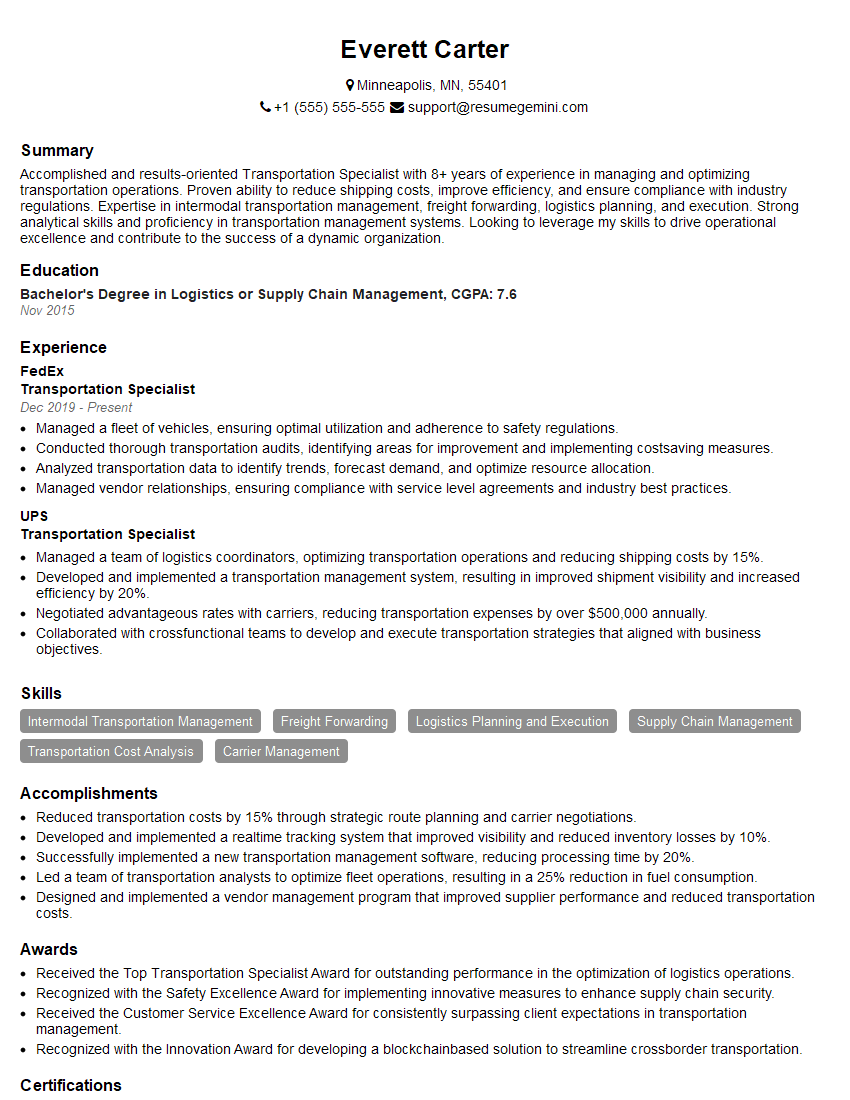
Transportation Specialist Resume Sample
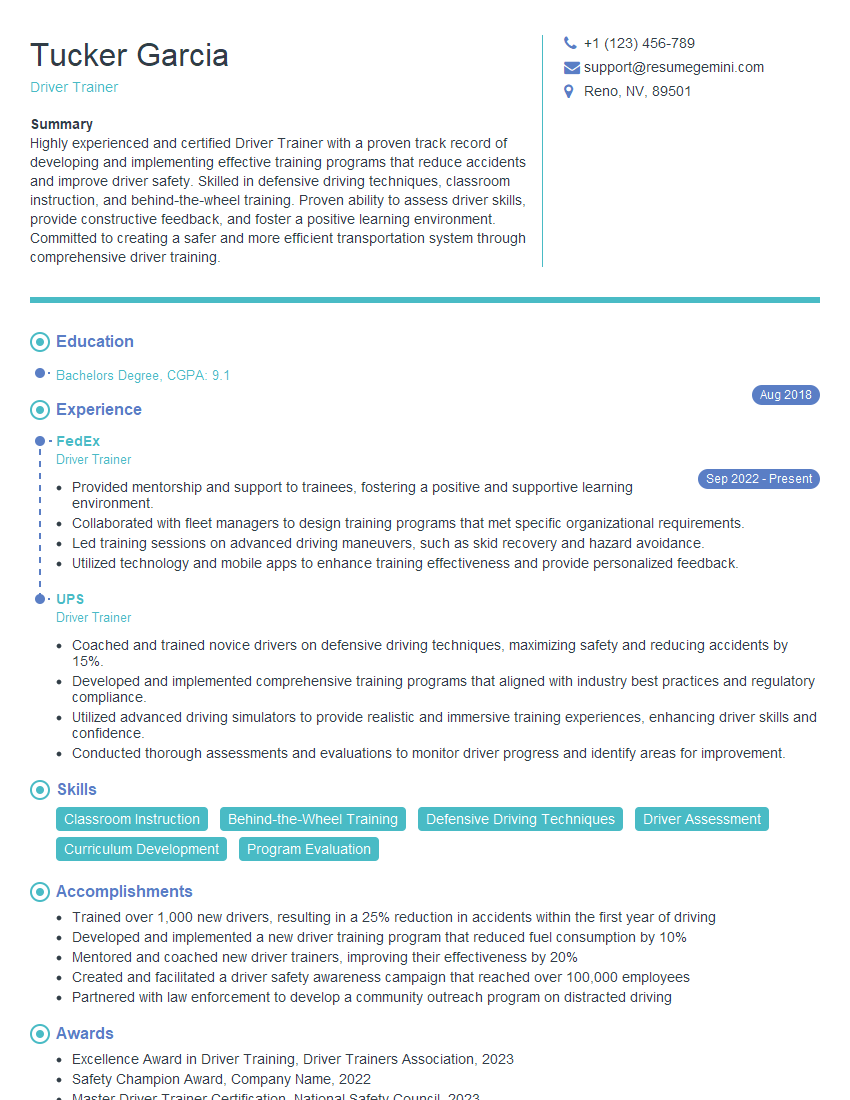
Driver Trainer Resume Sample
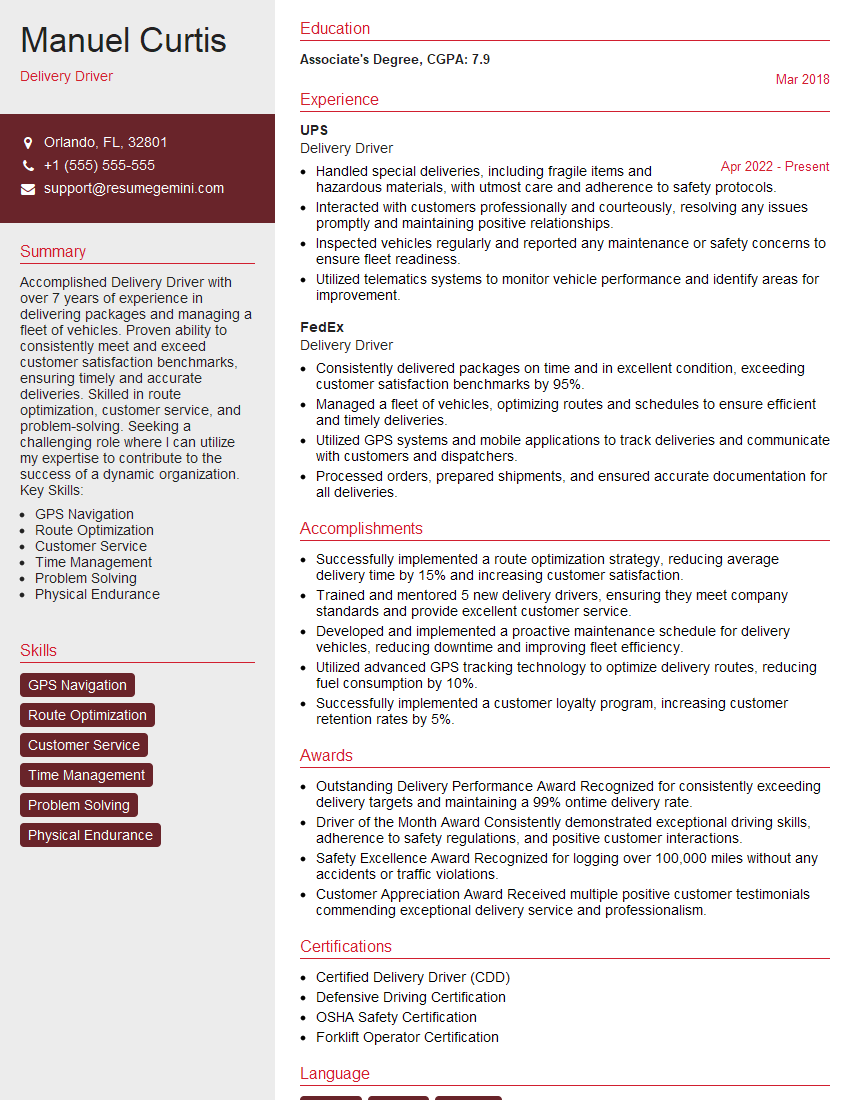
Delivery Driver Resume Sample
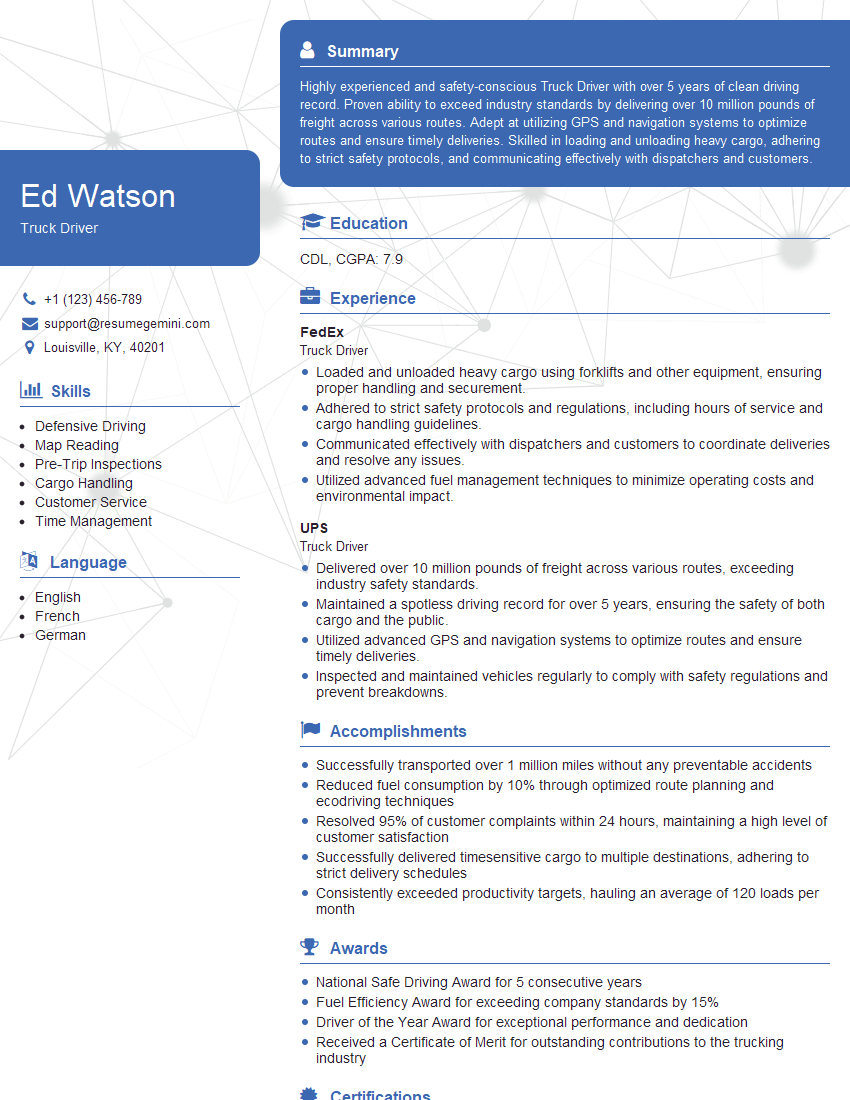
Truck Driver Resume Sample
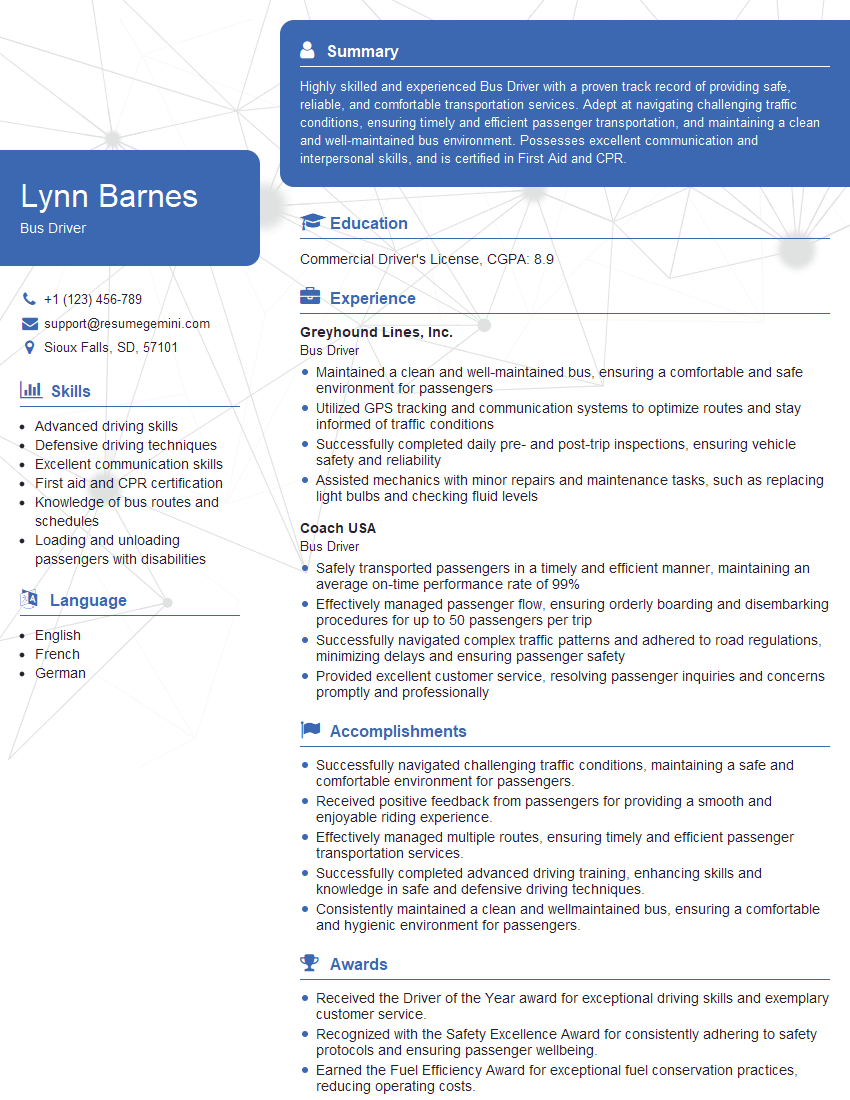
Bus Driver Resume Sample
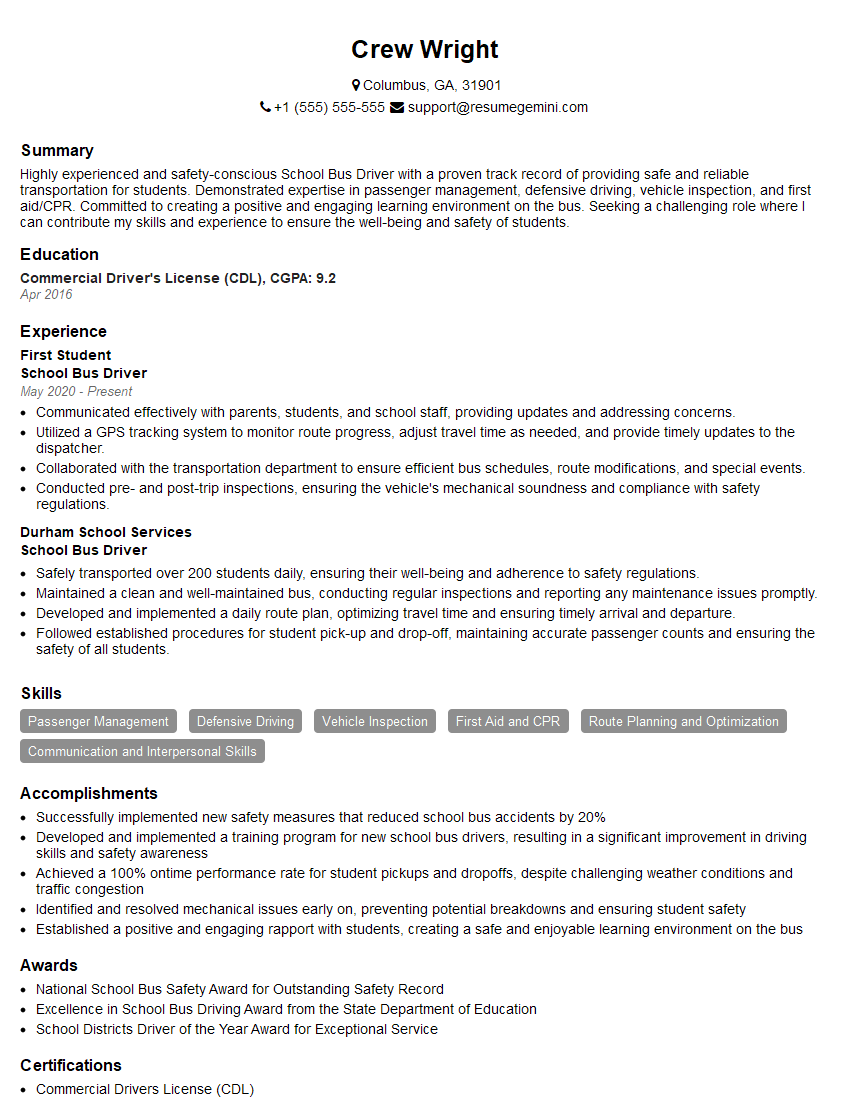
School Bus Driver Resume Sample
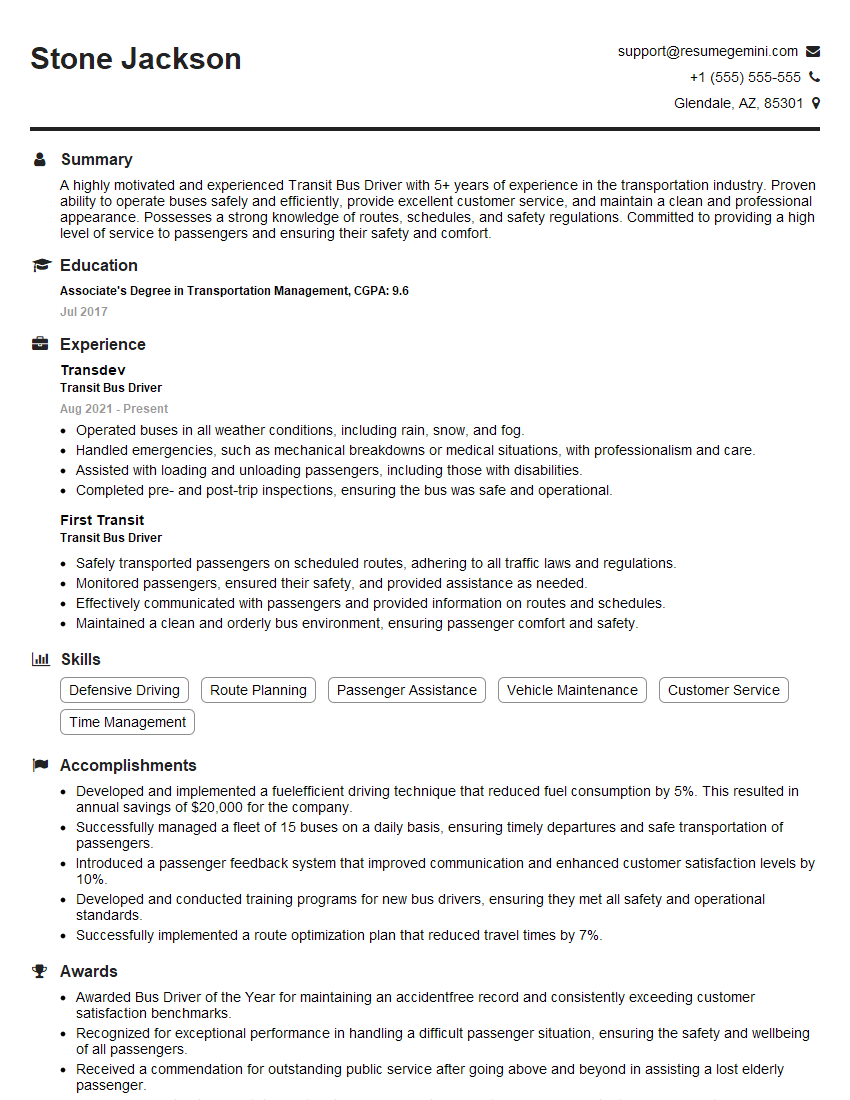
Transit Bus Driver Resume Sample
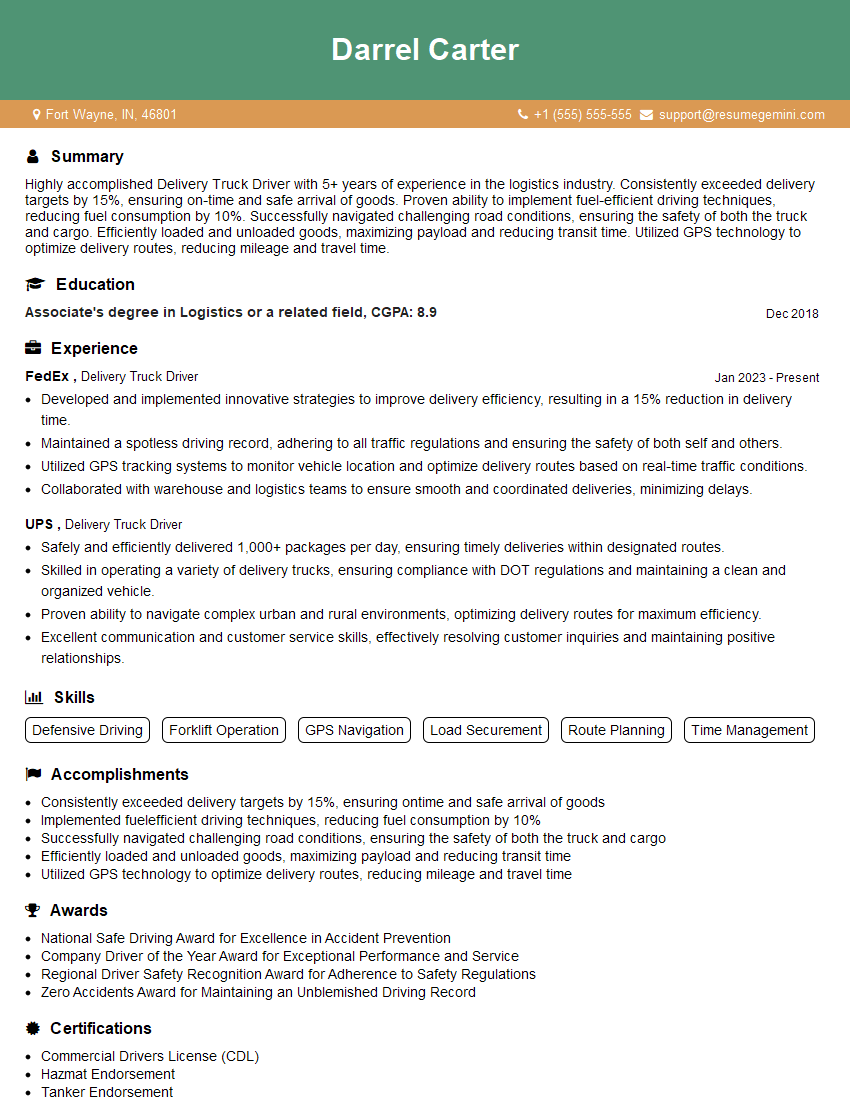
Delivery Truck Driver Resume Sample
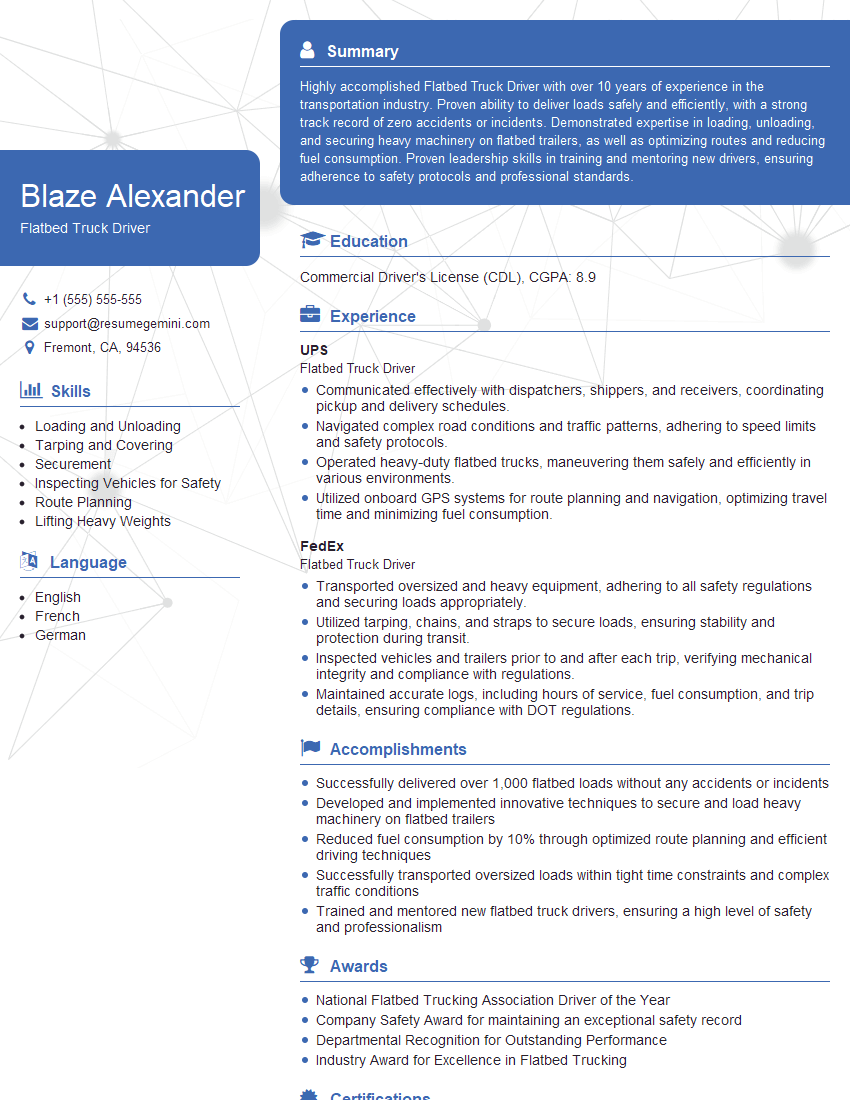
Flatbed Truck Driver Resume Sample
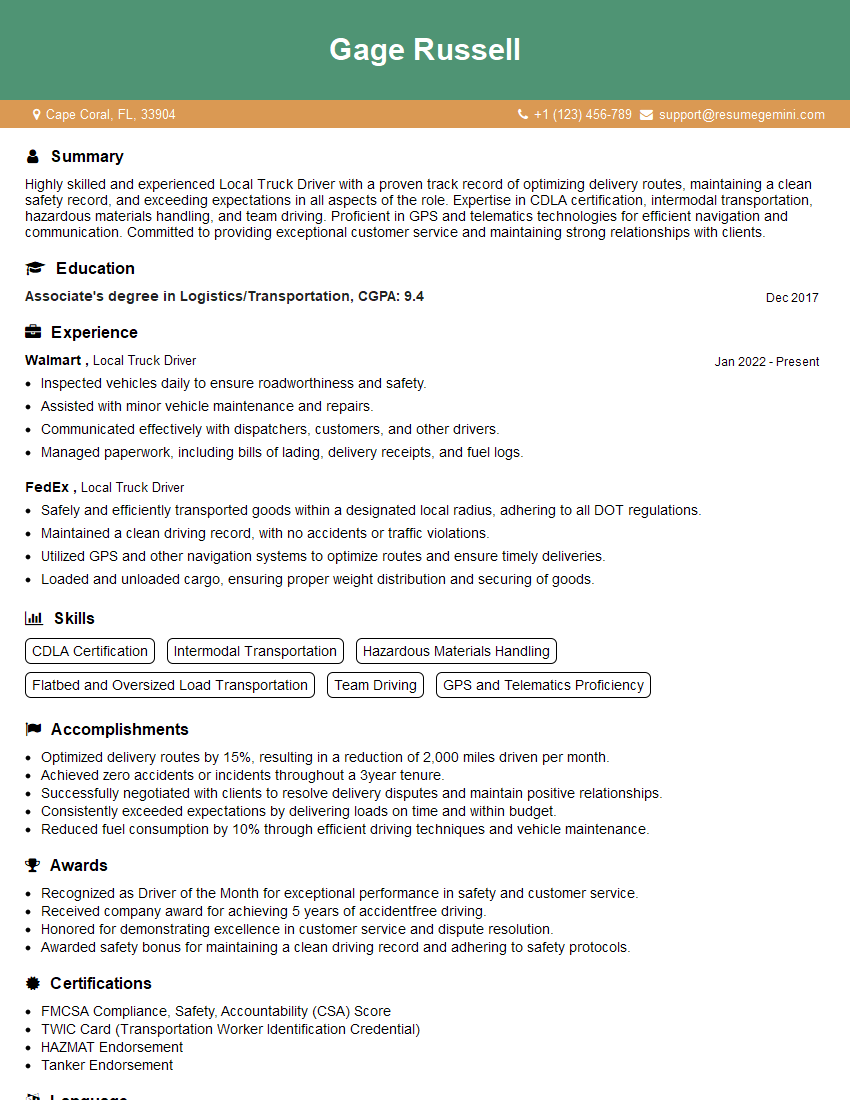
Local Truck Driver Resume Sample
Explore more articles
Users Rating of Our Blogs
Share Your Experience
We value your feedback! Please rate our content and share your thoughts (optional).
What Readers Say About Our Blog
Really detailed insights and content, thank you for writing this detailed article.
IT gave me an insight and words to use and be able to think of examples