Feeling uncertain about what to expect in your upcoming interview? We’ve got you covered! This blog highlights the most important Communication with Parents and Caregivers interview questions and provides actionable advice to help you stand out as the ideal candidate. Let’s pave the way for your success.
Questions Asked in Communication with Parents and Caregivers Interview
Q 1. Describe your approach to communicating sensitive information to parents.
Communicating sensitive information to parents requires a thoughtful and empathetic approach. My strategy prioritizes building trust and ensuring the parents feel heard and understood before delivering any difficult news. I begin by scheduling a private meeting in a comfortable and quiet setting, ensuring there are no distractions. I start by building rapport, acknowledging the parent’s feelings, and validating their concerns. Only then do I present the information clearly and concisely, using language they can easily understand. I avoid jargon and technical terms, opting for plain language. After delivering the information, I allow ample time for questions and ensure the parent feels supported. I provide resources and support systems, whether that’s connecting them with specialists or offering additional meetings for follow-up. It’s crucial to remember that this is a collaborative process; I empower parents to be active participants in their child’s care and well-being.
For instance, if I had to inform a parent about their child’s learning disability, I would start by acknowledging the potential emotional impact of this news and offer my full support. I’d explain the diagnosis in simple terms, highlighting the child’s strengths and providing concrete examples of how we can work together to create a supportive learning environment. I’d also emphasize that this is a long-term journey, and I am committed to working with them every step of the way.
Q 2. How do you handle disagreements with parents regarding a child’s development?
Disagreements with parents are a normal part of working with families. My approach focuses on collaborative problem-solving and mutual respect. I begin by actively listening to the parent’s perspective without interruption or judgment. I acknowledge their concerns and validate their feelings. I then clearly explain my professional perspective, providing data, research, and evidence to support my viewpoint. If a disagreement persists, I avoid getting defensive and instead focus on finding common ground. We explore potential solutions together, considering the child’s best interests as the central priority. This might involve compromise, finding alternative strategies, or seeking mediation from a neutral third party. Ultimately, my goal is to build a strong partnership with parents, based on mutual trust and respect, even when we disagree.
For example, if a parent disagrees with a suggested intervention for their child’s behavior, I’d first understand their reasons. Perhaps they have concerns about the approach’s impact on the child’s self-esteem or are unsure about the practicality of implementing the strategy at home. We could then collaboratively explore alternative strategies, perhaps modifying the original plan to better align with the parent’s comfort level and home environment. The key is to remain flexible and to always prioritize the child’s well-being.
Q 3. Explain your strategy for building rapport with diverse parent populations.
Building rapport with diverse parent populations requires cultural sensitivity, empathy, and a genuine commitment to understanding different communication styles and family structures. I approach each interaction with an open mind, recognizing that each family has its own unique cultural values and beliefs. I actively seek to learn about their backgrounds, considering their languages, cultural norms, and communication preferences. I utilize interpreters when necessary and ensure all communication materials are accessible in multiple languages. I strive to adapt my communication style to be inclusive and respectful of different viewpoints, building trust through open and honest dialogue. Importantly, I actively seek out professional development opportunities to expand my cultural competency and better serve diverse families.
This might involve learning about common cultural practices related to child-rearing, understanding varying levels of parental involvement, and adapting my communication style to be mindful of cultural norms, such as direct vs. indirect communication styles. Utilizing culturally sensitive materials and examples in discussions can also be highly beneficial.
Q 4. What methods do you utilize for providing parents with regular updates on their child’s progress?
Providing regular updates on a child’s progress is crucial for maintaining open communication with parents. My strategy involves a multi-faceted approach, combining formal and informal methods. I utilize regular parent-teacher conferences, both scheduled and impromptu, to discuss the child’s academic, social, and emotional development. In addition, I utilize digital platforms like email, learning management systems (LMS), and dedicated parent portals to share updates, assignments, and announcements. I also use informal channels like quick notes, phone calls, or text messages for brief updates on pressing matters. I tailor the frequency and method of communication based on the individual parent’s preferences and the child’s specific needs.
For example, I might use a weekly email newsletter to provide general class updates, and then schedule individual parent-teacher conferences for more in-depth discussions about individual student progress. For students requiring more frequent communication, I may utilize a dedicated communication app to share daily progress updates.
Q 5. How do you translate complex information about a child’s needs into easily understandable terms for parents?
Translating complex information into easily understandable terms for parents is a critical skill. My approach centers on using plain language, avoiding jargon and technical terms. I utilize analogies, metaphors, and real-world examples to explain abstract concepts. I break down complex information into smaller, manageable chunks, ensuring the parents fully grasp each point before moving on. I also use visual aids like graphs, charts, or diagrams to illustrate key points and make the information more accessible. Finally, I actively check for understanding, ensuring the parents feel comfortable asking questions and clarifying any points of confusion.
For instance, when discussing a child’s Individualized Education Program (IEP), instead of using educational jargon, I would explain the goals in simple terms, using relatable scenarios. I might show a visual representation of their progress towards those goals to make the data easier to understand. I’d also clearly explain the strategies and supports we are implementing and provide clear answers to any questions or concerns they may have.
Q 6. Describe a situation where you had to mediate a conflict between parents and school staff.
In one instance, a parent was unhappy with the school’s handling of their child’s bullying situation. The parent felt the school was not taking the matter seriously enough. The conflict escalated to the point where the parent threatened legal action. My role was to mediate the situation. I first met with the parent individually to understand their concerns and perspectives, actively listening without interruption. Then, I met with the school staff involved, gaining their perspective and understanding their actions. Following these meetings, I facilitated a meeting between the parent and the school staff. I created a safe space for open dialogue, ensuring both sides felt heard and respected. We collaboratively developed an action plan that addressed the parent’s concerns, outlined specific steps the school would take to address the bullying, and established clear communication protocols for the future. The situation was resolved amicably, and the parent and school developed a strong working relationship.
Q 7. How do you ensure confidentiality when communicating with parents about their child?
Confidentiality is paramount when communicating with parents about their children. I adhere to strict ethical guidelines and legal regulations related to data privacy. I only share information with individuals who have a legitimate need to know, such as other school staff directly involved in the child’s education or care, or authorized personnel involved in mandated reporting. I obtain written consent from parents before sharing any information with external parties, except in cases mandated by law (e.g., child abuse or neglect). I also ensure all communication channels are secure and protected, using password-protected systems and secure messaging platforms. I am mindful of where I discuss sensitive information, avoiding public spaces. Furthermore, I clearly explain the limits of confidentiality at the outset of our interactions.
Q 8. What strategies do you employ to effectively communicate with parents who have limited English proficiency?
Effective communication with parents who have limited English proficiency requires a multifaceted approach that goes beyond simple translation. It’s about building trust and ensuring understanding.
- Translation and Interpretation Services: Utilizing professional interpreters, whether in person or via phone, is crucial for accurate and nuanced communication. Avoid relying solely on family members who may not have the necessary linguistic or professional skills.
- Visual Aids: Pictures, diagrams, and videos can bridge language barriers and convey information more effectively. For example, showing a picture of the expected classroom behavior instead of just explaining it verbally.
- Bilingual Staff or Volunteers: Having staff members or trained volunteers fluent in the parents’ native language can greatly facilitate communication and build rapport.
- Simplified Language and Clear Messaging: Avoid jargon and complex sentence structures. Use short, clear sentences and focus on key information. Provide written materials in both languages whenever possible.
- Patience and Empathy: Understand that communication may take longer and require more repetition. Show patience, respect, and understanding throughout the process. A parent might need more time to process information or may be hesitant to ask clarifying questions due to language barriers.
For example, during a parent-teacher conference with a parent whose primary language is Spanish, I would arrange for a Spanish-speaking interpreter to be present. We would use visual aids, such as a student’s progress chart, to visually support the verbal information. I would also provide a written summary of the meeting in both English and Spanish.
Q 9. How would you address a parent’s concern about their child’s behavior in a professional and empathetic manner?
Addressing a parent’s concern requires a combination of active listening, empathy, and professional problem-solving.
- Active Listening: Start by letting the parent fully express their concern without interruption. Use verbal and nonverbal cues (nodding, maintaining eye contact) to show you’re engaged. Summarize their concerns to ensure understanding. For example, ‘So, if I understand correctly, your main concern is that your child is having difficulty focusing in class?’
- Empathy and Validation: Acknowledge the parent’s feelings and perspective. Phrases like, ‘I understand this is frustrating,’ or ‘I can see why you’re concerned’ show empathy. Avoid dismissing their feelings, even if you disagree with their interpretation of the situation.
- Collaborative Problem-Solving: Work together to find solutions. Ask open-ended questions such as, ‘What strategies have you tried at home?’, or ‘What support would be helpful for you and your child?’
- Professional Demeanor: Maintain a calm and respectful tone. Avoid becoming defensive or argumentative. If you don’t have an immediate answer, acknowledge the concern and offer to find out more information.
For instance, if a parent expresses concern about their child’s disruptive behavior, I would begin by listening attentively to their observations and concerns. Then, I would offer empathy and validation, acknowledging the difficulty of dealing with such behavior. Together, we could explore possible causes and collaboratively develop a plan involving classroom strategies and home support to address the issue. I would follow up to track progress and further adjust the plan if needed.
Q 10. How do you adapt your communication style to meet the needs of different personality types among parents?
Adapting communication style to different personality types is essential for effective parent engagement. Some parents might prefer direct, concise communication, while others might prefer a more detailed and conversational approach.
- Observational Skills: Pay attention to parents’ verbal and nonverbal communication during initial interactions. Do they prefer formal or informal language? Are they direct or indirect in their communication? Do they seem comfortable with detailed explanations or do they prefer concise summaries?
- Flexibility and Adaptability: Adjust your communication style accordingly. For example, a parent who seems concise and to the point might appreciate a quick summary of the issue and a suggested solution. A more detailed-oriented parent might appreciate a more elaborate explanation.
- Clear and Concise Communication: Regardless of personality type, maintain clarity and precision in your communication. Avoid using jargon or technical terms they might not understand.
- Active Listening: Actively listen to the parent’s communication style and adjust your approach accordingly. This shows respect and builds trust.
For instance, a parent who appears reserved might benefit from a more structured approach, with clear agendas and concise summaries. On the other hand, an outgoing parent might appreciate a more conversational exchange, allowing for open dialogue and the sharing of personal anecdotes.
Q 11. What techniques do you use to actively listen to parental concerns and perspectives?
Active listening is crucial for understanding parental concerns. It’s not just about hearing what they say, but also understanding their emotions and perspectives.
- Nonverbal Cues: Maintain appropriate eye contact, use open and inviting body language (avoid crossing arms), and nod to show you are engaged.
- Verbal Cues: Use phrases like ‘Tell me more,’ ‘I understand,’ and ‘Can you help me understand?’ to encourage them to share more detail. Summarize their points to ensure accuracy.
- Empathy and Reflection: Reflect back what you’ve heard to ensure you’ve grasped their message correctly. For instance, ‘It sounds like you’re feeling frustrated because your child is struggling with…’
- Avoid Interruptions: Resist the urge to interrupt or offer solutions before fully understanding their concern.
- Focus on Understanding: Your goal is to understand the parent’s perspective, even if you don’t necessarily agree with it.
For example, if a parent expresses concern about their child’s lack of motivation, I would actively listen without interruption. After they finished, I would summarize what they said, confirming my understanding of their concerns, before asking clarifying questions to gain a deeper understanding of the situation and to show them that I care.
Q 12. Describe your experience with utilizing various communication tools such as email, phone calls, and parent-teacher conferences.
Various communication tools serve different purposes and cater to different preferences.
- Email: Excellent for sharing routine information, scheduling appointments, or sending documents. It allows parents time to review the information and formulate questions.
- Phone Calls: Ideal for more urgent or sensitive matters requiring immediate attention or clarification. It allows for a more personal and interactive exchange.
- Parent-Teacher Conferences: Provide a dedicated time for in-depth discussions, collaboration, and building relationships. They facilitate a more comprehensive exchange of information and allows for a deeper connection.
I frequently use email for sending newsletters, updates on class activities, and reminders about upcoming events. Phone calls are useful for addressing urgent issues or concerns that require a quick response. Parent-teacher conferences are invaluable for in-depth discussions regarding a student’s academic progress and social-emotional well-being. I tailor my communication approach based on the urgency and nature of the information and the parents’ communication preferences.
Q 13. How do you document and track communication with parents to ensure transparency and accountability?
Documenting and tracking communication ensures transparency and accountability, allowing for consistent and effective follow-up.
- Communication Log: Maintain a detailed log of all communication with parents, including date, time, method of communication (email, phone, conference), topic discussed, and actions agreed upon. This could be a spreadsheet, a dedicated notebook, or a school-provided system.
- Email or Messaging System: When using email or school-based messaging platforms, the correspondence itself provides a record. However, it’s still beneficial to summarize key discussions and actions in your communication log.
- Parent Portal: Many schools utilize online parent portals where communications, assignments, and progress reports are readily available for parents to access.
- Meeting Notes: For parent-teacher conferences, create detailed notes outlining the main points discussed, action items, and agreed-upon next steps. Share these notes with parents for their review and approval.
For example, after a parent-teacher conference, I would create detailed notes summarizing the discussion, including any concerns raised by the parent, strategies discussed, and any agreed-upon next steps. I would then share these notes with the parent via email or through the school’s online parent portal, ensuring transparency and accountability.
Q 14. How do you involve parents in their child’s educational or therapeutic goals?
Involving parents in their child’s goals is crucial for success. It fosters a sense of shared responsibility and collaboration.
- Shared Goal Setting: Engage parents in setting realistic and achievable goals for their child, whether academic, behavioral, or therapeutic. This process is collaborative and empowers parents to actively participate.
- Regular Communication and Feedback: Provide regular updates on the child’s progress towards these goals. Solicit parental feedback on strategies that are working well and areas needing adjustment. This keeps them informed and actively involved in the process.
- Home-School Connection: Encourage consistent communication between home and school. Provide parents with strategies and resources to support their child’s learning and development at home. This can involve providing homework assignments, reading materials, or behaviour management tips.
- Open Communication and Collaboration: Create a supportive and collaborative environment where parents feel comfortable sharing their insights, concerns, and suggestions.
For example, when working with a student struggling with reading, I would invite the parents to a meeting to discuss their child’s progress and collaboratively set reading goals. We would discuss strategies to support reading at home, such as reading aloud together or using online reading games. I would regularly update the parents on their child’s progress and invite their feedback to ensure we’re working together toward the common goal of improving their child’s reading skills.
Q 15. What are the ethical considerations in communicating with parents about a child’s progress or challenges?
Ethical communication with parents centers on respecting their rights and the child’s well-being. It’s crucial to maintain confidentiality, only sharing information relevant to the parent’s role and with their consent. Accuracy and honesty are paramount; avoiding jargon and ensuring parents understand information is vital. We must also be mindful of cultural sensitivities and adapt our communication style accordingly. For example, some cultures prefer indirect communication, while others are more direct. Finally, we need to be aware of potential biases and ensure our communication remains objective and fair.
- Confidentiality: Never disclose information about a child to anyone without parental consent, except in mandated reporting situations (e.g., suspected abuse or neglect).
- Accuracy: Avoid making assumptions or generalizations. Base communication on factual observations and assessments.
- Cultural Sensitivity: Be aware of different communication styles and preferences. For example, some parents may prefer email while others prefer phone calls.
Career Expert Tips:
- Ace those interviews! Prepare effectively by reviewing the Top 50 Most Common Interview Questions on ResumeGemini.
- Navigate your job search with confidence! Explore a wide range of Career Tips on ResumeGemini. Learn about common challenges and recommendations to overcome them.
- Craft the perfect resume! Master the Art of Resume Writing with ResumeGemini’s guide. Showcase your unique qualifications and achievements effectively.
- Don’t miss out on holiday savings! Build your dream resume with ResumeGemini’s ATS optimized templates.
Q 16. How do you manage expectations with parents regarding their child’s achievements?
Managing parental expectations is about setting realistic goals and fostering a collaborative partnership. I begin by openly discussing the child’s current skill level and potential for growth, emphasizing the importance of effort and individual learning pace. I avoid making promises of specific outcomes, instead focusing on progress and development. We collaboratively set achievable short-term goals, regularly reviewing progress and adjusting expectations as needed. Regular communication, through progress reports and informal updates, helps to keep parents informed and involved.
For example, if a child is struggling in math, instead of saying ‘Your child will master fractions by the end of the term,’ I might say, ‘We’ll focus on building a strong foundation in basic arithmetic, and we’ll work together to see improvement over time. We’ll track progress weekly and adjust our approach as needed.’ This approach fosters realistic expectations and encourages collaboration.
Q 17. How do you handle situations where parents are resistant to your suggestions or recommendations?
When faced with parental resistance, my approach is empathetic and collaborative. I begin by actively listening to their concerns, validating their feelings, and seeking to understand their perspective. I then present my suggestions clearly, providing evidence-based rationale and explaining potential benefits for their child. I avoid confrontational language, instead opting for a supportive and understanding tone. If necessary, I involve other professionals (e.g., a therapist or specialist) to provide additional support and perspective. Finally, I collaboratively explore alternative strategies that align with the parent’s values and beliefs, ensuring the child’s well-being remains the priority.
For instance, if parents resist a recommended behavioral intervention, I might say, ‘I understand your concerns about this approach. Let’s discuss your reservations and explore how we can adapt the strategy to better fit your family’s needs while still addressing your child’s challenges.’
Q 18. Describe your process for escalating concerns to appropriate authorities when necessary.
My escalation process follows established protocols within my organization. If concerns about a child’s well-being cannot be resolved through direct communication and collaboration with parents, I document all attempts at resolution, including dates, methods, and outcomes. This documentation is crucial for any subsequent reporting. I then escalate the concerns to my supervisor or designated authority, providing them with comprehensive documentation. Depending on the nature of the concern (e.g., child abuse, neglect, or serious behavioral issues), I may need to involve Child Protective Services or other relevant authorities. Throughout the process, I prioritize the safety and well-being of the child while adhering to all legal and ethical guidelines.
Q 19. How do you utilize technology to facilitate communication with parents?
Technology plays a crucial role in facilitating communication. We use a secure parent portal where parents can access progress reports, assignment details, and announcements. Email is utilized for quick updates and scheduling meetings. Video conferencing platforms allow for face-to-face interaction, which can be especially helpful for discussing complex issues or building rapport. Instant messaging apps can be used for quick questions and responses but should be used cautiously, maintaining professional boundaries and avoiding sensitive information being shared through these channels. The specific tools we employ are determined by the institution’s policies and the parents’ preferences, ensuring accessibility and data privacy.
Q 20. How do you maintain a professional boundary while building a strong working relationship with parents?
Maintaining professional boundaries while building strong relationships requires a delicate balance. I aim to be approachable and empathetic, creating a safe space for open communication. However, I avoid overly casual relationships, refraining from sharing personal information or engaging in social interactions outside of professional contexts. I am clear about my role and responsibilities, and I respect parents’ rights to privacy and decision-making. Clear communication about professional boundaries, such as appropriate communication channels and meeting times, helps to ensure a respectful and productive working relationship.
For instance, while I might engage in friendly conversation at the start of a meeting, I maintain a professional demeanor and avoid sharing personal details about my life. I also clearly communicate my availability and preferred methods of communication to avoid misunderstandings and manage expectations.
Q 21. How do you ensure clear and concise communication with parents in stressful situations?
In stressful situations, clear and concise communication is essential. I start by acknowledging the parent’s emotions and validating their concerns. I then provide a brief, factual summary of the situation, focusing on key information and avoiding jargon. I use a calm and reassuring tone, offering practical solutions and outlining next steps. Active listening and empathetic responses help to de-escalate the situation and build trust. If the situation is too intense, I might suggest a brief pause to collect thoughts before continuing the conversation or suggest rescheduling for a more suitable time.
For example, if a parent is upset about an incident involving their child, I might say, ‘I understand your concern. Let’s take a deep breath. Here’s what happened: [factual account]. We’ve already taken [action], and here’s our plan for moving forward.’ This approach prioritizes clarity, empathy, and a proactive problem-solving approach.
Q 22. How do you handle situations where parents are overly emotional or agitated?
When parents are overly emotional or agitated, the priority is to de-escalate the situation and create a safe space for open communication. This requires empathy, active listening, and a calm demeanor. I would start by acknowledging their feelings and validating their concerns, even if I don’t necessarily agree with their perspective. For example, I might say something like, “I understand this is frustrating for you, and I appreciate you bringing this to my attention.”
Next, I would actively listen without interrupting, focusing on understanding their concerns rather than formulating a response. Once I have a clear understanding of their perspective, I’d summarize their concerns to ensure I’ve understood correctly, and then collaboratively work towards a solution. This might involve offering options, setting realistic expectations, and outlining clear next steps. If the situation remains tense, offering a brief pause might help both parties to regroup and compose themselves. Finally, I’d always follow up to ensure the situation has been resolved to their satisfaction, reinforcing that their concerns are valued.
It’s crucial to remember that remaining calm and professional is key to de-escalation, even when facing intense emotions. Sometimes, offering a private space to calm down can help before continuing the conversation.
Q 23. What strategies do you use to promote positive communication between parents and school staff?
Promoting positive communication requires a multi-pronged approach. First, establishing clear and consistent communication channels is vital. This could involve regular newsletters, parent-teacher conferences, email updates, or a dedicated parent portal. It is important to select methods that cater to the diverse communication preferences and technological access of the parent community.
Second, fostering a culture of trust and mutual respect is essential. This involves transparency about school policies and procedures, open dialogue, and a willingness to listen to parent concerns. Holding regular parent forums or focus groups can facilitate collaborative problem-solving and feedback collection.
Third, actively soliciting parent involvement creates a sense of ownership and strengthens the home-school connection. This could involve inviting parents to participate in school events, volunteering in classrooms, or joining school committees.
Finally, proactive communication is key. Addressing potential issues before they escalate prevents misunderstandings. For example, providing timely updates on school initiatives, student progress, or policy changes ensures that parents feel informed and involved.
Q 24. How do you measure the effectiveness of your communication strategies with parents?
Measuring the effectiveness of communication strategies involves both quantitative and qualitative methods. Quantitative measures might include surveying parents to assess their satisfaction with communication channels, frequency of communication, and clarity of messages. Tracking attendance rates at parent events or the response rate to surveys can also provide insights.
Qualitative measures are equally important. This could involve analyzing feedback from parent-teacher conferences, informal conversations, or focus groups to understand the overall sentiment and identify areas for improvement. Analyzing the tone and content of parent emails or online forum posts can also reveal valuable insights into their perceptions.
Regularly reviewing these data sources allows for ongoing refinement of communication strategies, ensuring they effectively meet the needs and preferences of the parent community. For instance, a low survey response rate might indicate a need for simpler survey formats or alternative communication channels.
Q 25. How would you respond to a parent who is expressing negative feedback about the program or services?
Responding to negative feedback requires a calm, empathetic, and solution-oriented approach. First, I would listen attentively without interrupting, allowing the parent to fully express their concerns. I would then acknowledge their feelings and validate their perspective, even if I don’t necessarily agree with their assessment. For example, I might say, “I understand your frustration, and I appreciate you bringing this to my attention. Let’s see what we can do to address this.”
Next, I would ask clarifying questions to gain a deeper understanding of their experience and the specific areas needing improvement. This might involve asking about the details of the situation, their expectations, and the desired outcome. Once I have a clear understanding, I would collaboratively explore potential solutions, perhaps involving other staff members if appropriate. This collaborative approach fosters a sense of partnership and shared responsibility.
Finally, I would follow up to ensure the situation has been addressed to their satisfaction and offer further support if necessary. Documenting the conversation and the agreed-upon actions is essential to track progress and accountability.
Q 26. What strategies would you employ to create an inclusive communication environment for all parents?
Creating an inclusive communication environment requires considering the diverse needs and preferences of all parents. This involves using multiple communication channels catering to different levels of technological literacy and language preferences. Offering translation services, providing information in multiple languages, and utilizing visual aids can be helpful.
Furthermore, actively seeking input from parents about their communication preferences and needs is vital. This can be done through surveys, focus groups, or informal conversations. Tailoring communication styles to accommodate diverse learning styles and cultural backgrounds is equally important. For example, some parents might prefer concise written updates, while others may prefer more detailed verbal explanations.
Accessibility considerations must also be paramount. Ensuring that communication materials are available in accessible formats (e.g., large print, Braille, audio) ensures that all parents can readily access the information they need. Creating a welcoming and respectful environment that values all parents’ contributions is crucial for fostering inclusivity. Regularly reviewing and revising communication strategies based on feedback from parents will help ensure it remains inclusive and effective.
Q 27. How do you utilize feedback from parents to improve your communication skills and strategies?
Parent feedback is invaluable for improving communication skills and strategies. I actively solicit feedback through various channels, including surveys, parent-teacher conferences, informal conversations, and online forums. This feedback provides crucial insights into the effectiveness of my communication, areas needing improvement, and the parents’ communication preferences.
I analyze this feedback systematically, identifying recurring themes and patterns. This might involve categorizing feedback by topic, identifying areas of strength and weakness, and noting suggestions for improvement. For instance, if several parents mention difficulty understanding a particular policy, it indicates a need to clarify or simplify the language used.
Based on this analysis, I develop action plans to address identified areas for improvement. This may involve revising communication materials, adopting new communication strategies, or participating in professional development opportunities to enhance my communication skills. I regularly review and refine my communication approach to ensure it’s effective and aligns with the needs of parents. Tracking the impact of implemented changes further aids in measuring the effectiveness of these improvements.
Q 28. How do you handle situations where there is a language barrier between you and the parent?
When a language barrier exists, utilizing translation services is essential. This might involve using professional interpreters for in-person meetings or providing translated written materials. It’s crucial to ensure that the interpreter is experienced in educational settings and can convey the nuances of the conversation accurately.
If professional interpretation services are unavailable, exploring the use of translation apps or online translation tools can be a helpful supplement, but these should be used with caution, as they may not always accurately convey subtle meanings or cultural contexts.
Building rapport and trust is vital, even with a language barrier. Using simple language, visual aids, and non-verbal communication can help to bridge the gap and enhance understanding. Involving family members who may be bilingual can also facilitate effective communication. Demonstrating patience and respect is key, as successful communication transcends language.
Key Topics to Learn for Communication with Parents and Caregivers Interview
- Active Listening and Empathetic Communication: Understanding verbal and nonverbal cues, reflecting feelings, and responding with genuine empathy to build trust and rapport.
- Effective Communication Strategies: Utilizing clear, concise language; tailoring communication to different audiences (e.g., parents with varying levels of education or cultural backgrounds); utilizing various communication methods (e.g., phone calls, emails, in-person meetings, online portals).
- Conflict Resolution and Problem-Solving: Addressing concerns and disagreements professionally and constructively; mediating between parents and caregivers; finding collaborative solutions to challenging situations.
- Building Strong Relationships: Establishing trust and open communication; proactively addressing potential issues; maintaining regular and consistent contact with parents and caregivers.
- Confidentiality and Ethical Considerations: Understanding and adhering to privacy laws and regulations; maintaining confidentiality of sensitive information; navigating ethical dilemmas in communication.
- Utilizing Technology for Communication: Effectively employing communication platforms and tools (e.g., parent portals, messaging apps) to enhance communication and information sharing.
- Cultural Sensitivity and Inclusivity: Adapting communication styles to meet the needs of diverse families and considering cultural nuances in interactions.
- Documentation and Record-Keeping: Maintaining accurate and comprehensive records of all communications; utilizing appropriate documentation methods for compliance and accountability.
Next Steps
Mastering communication with parents and caregivers is crucial for career advancement in many fields, showcasing your ability to build strong relationships, navigate complex situations, and contribute to a positive learning environment. An ATS-friendly resume is essential for getting your application noticed. To maximize your job prospects, create a compelling resume that highlights your skills and experience in this area. ResumeGemini is a trusted resource that can help you craft a professional and impactful resume. Examples of resumes tailored to Communication with Parents and Caregivers are available to guide you.
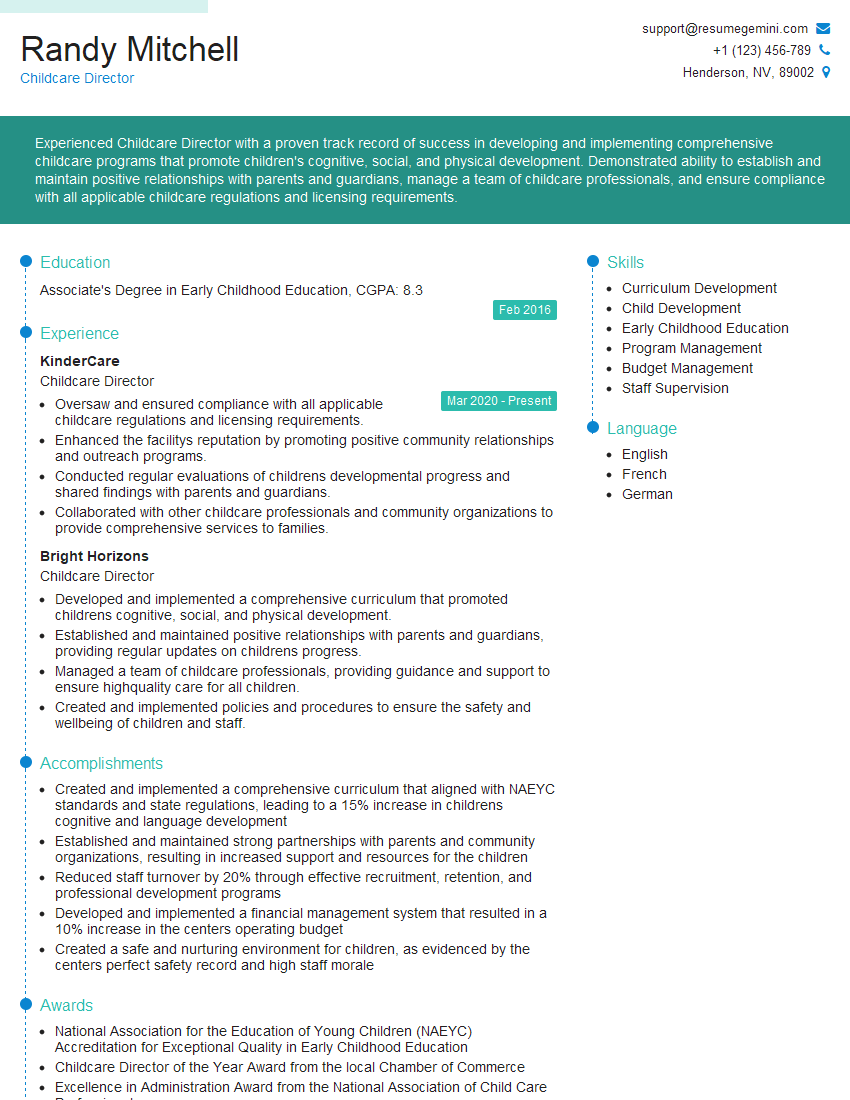
Childcare Director Resume Sample
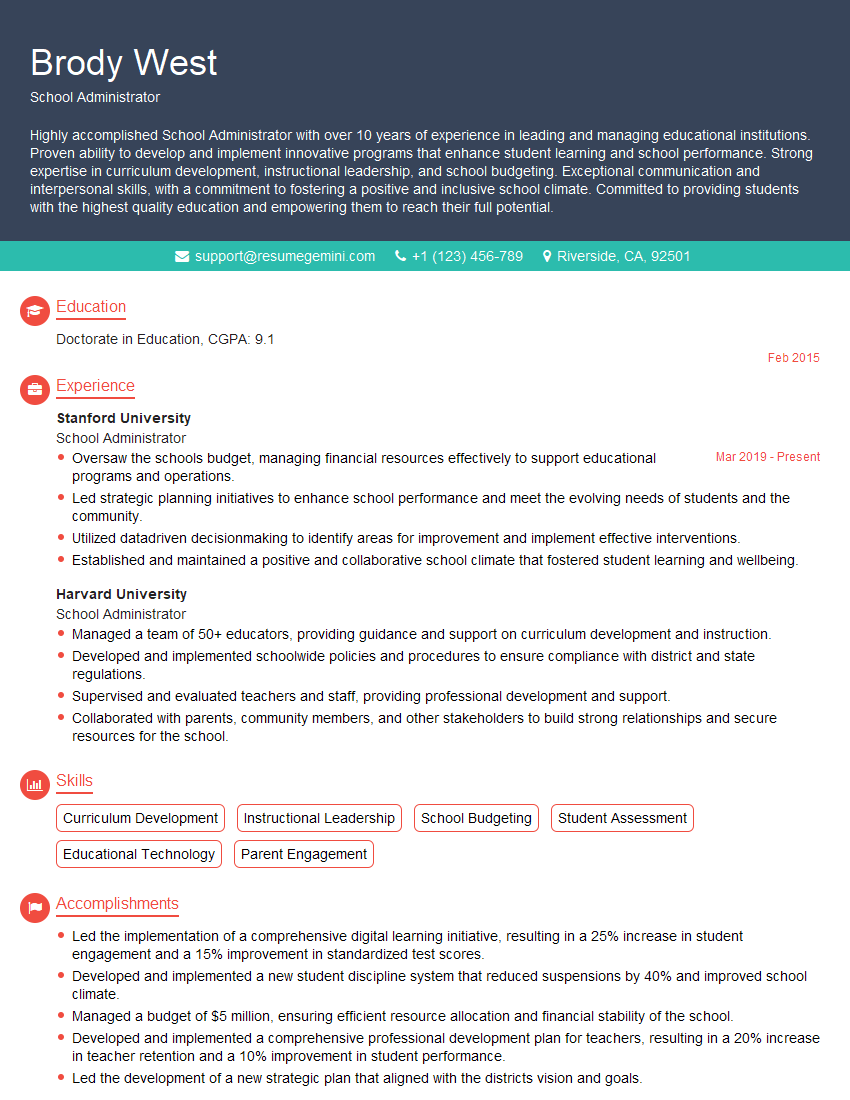
School Administrator Resume Sample
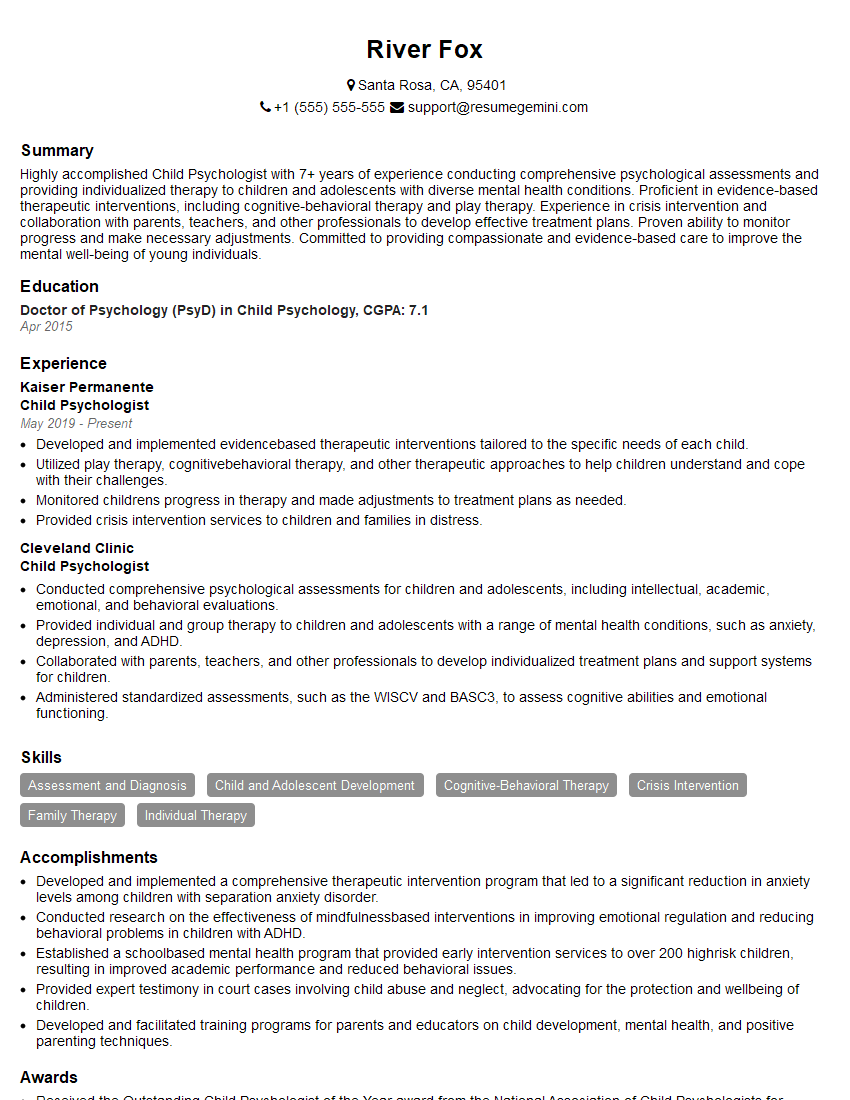
Child Psychologist Resume Sample
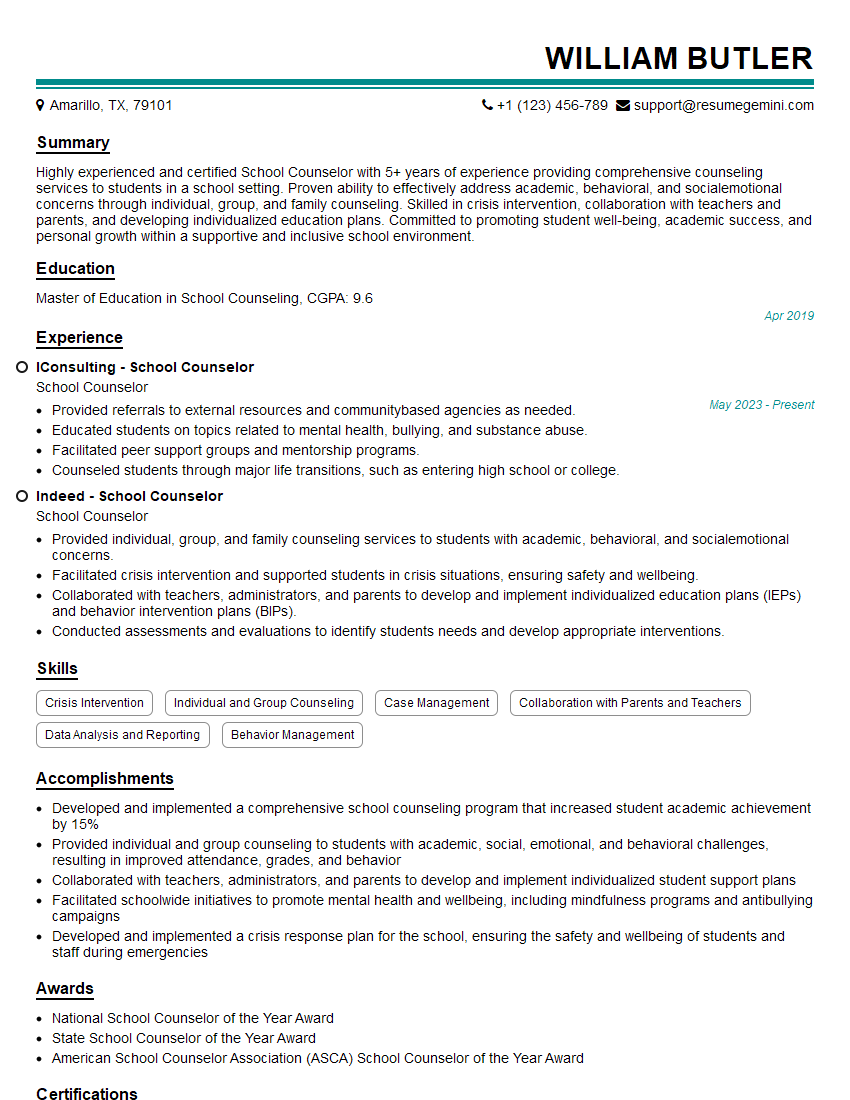
School Counselor Resume Sample
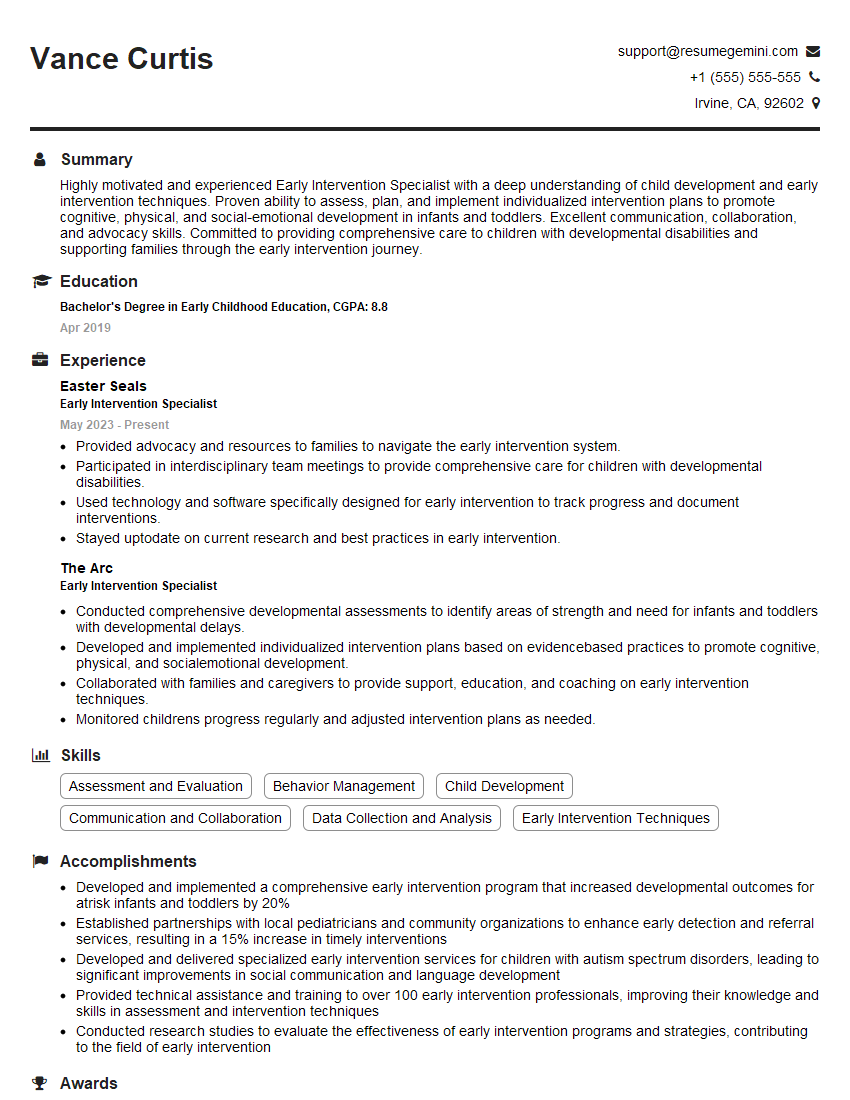
Early Intervention Specialist Resume Sample
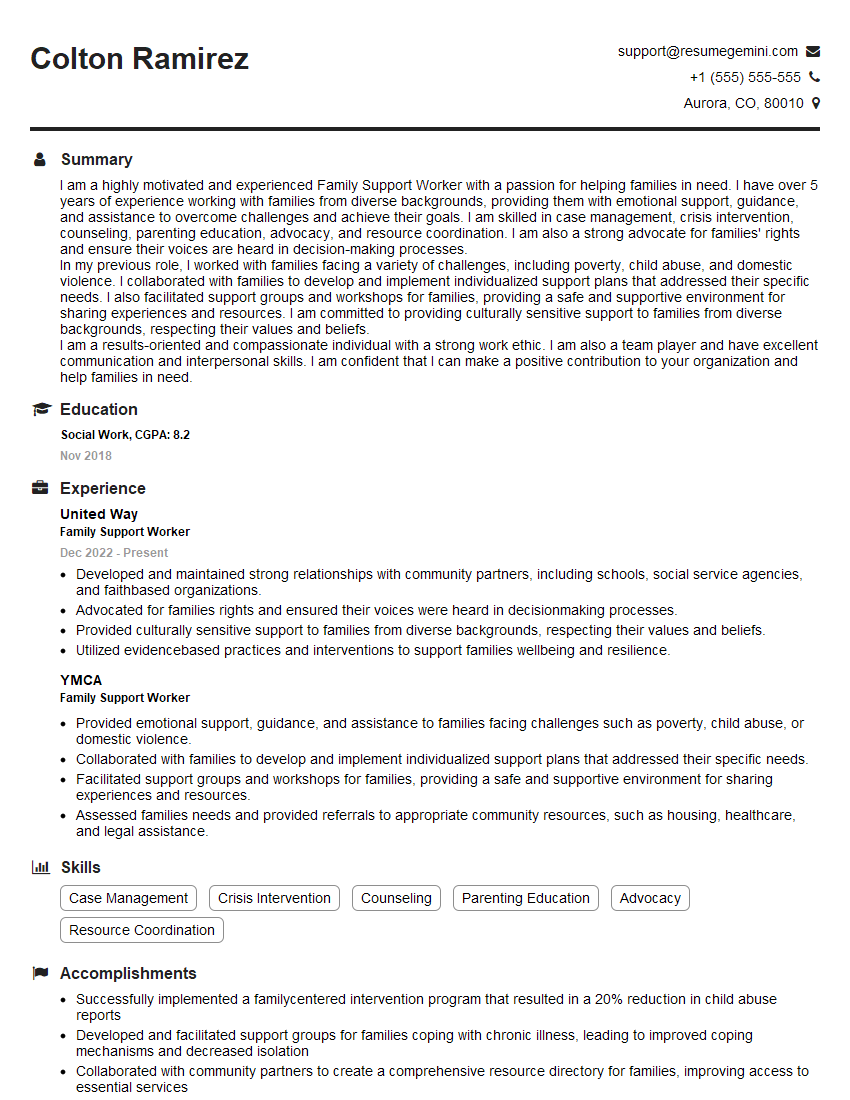
Family Support Worker Resume Sample
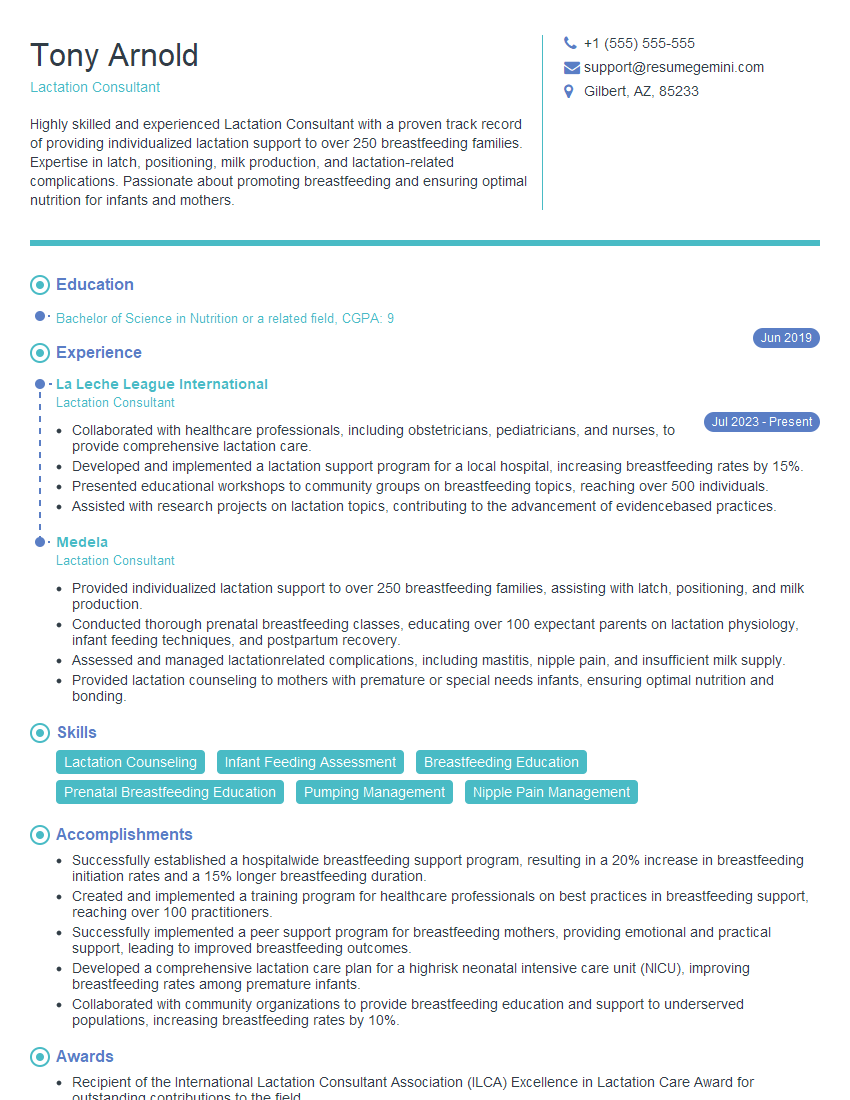
Lactation Consultant Resume Sample
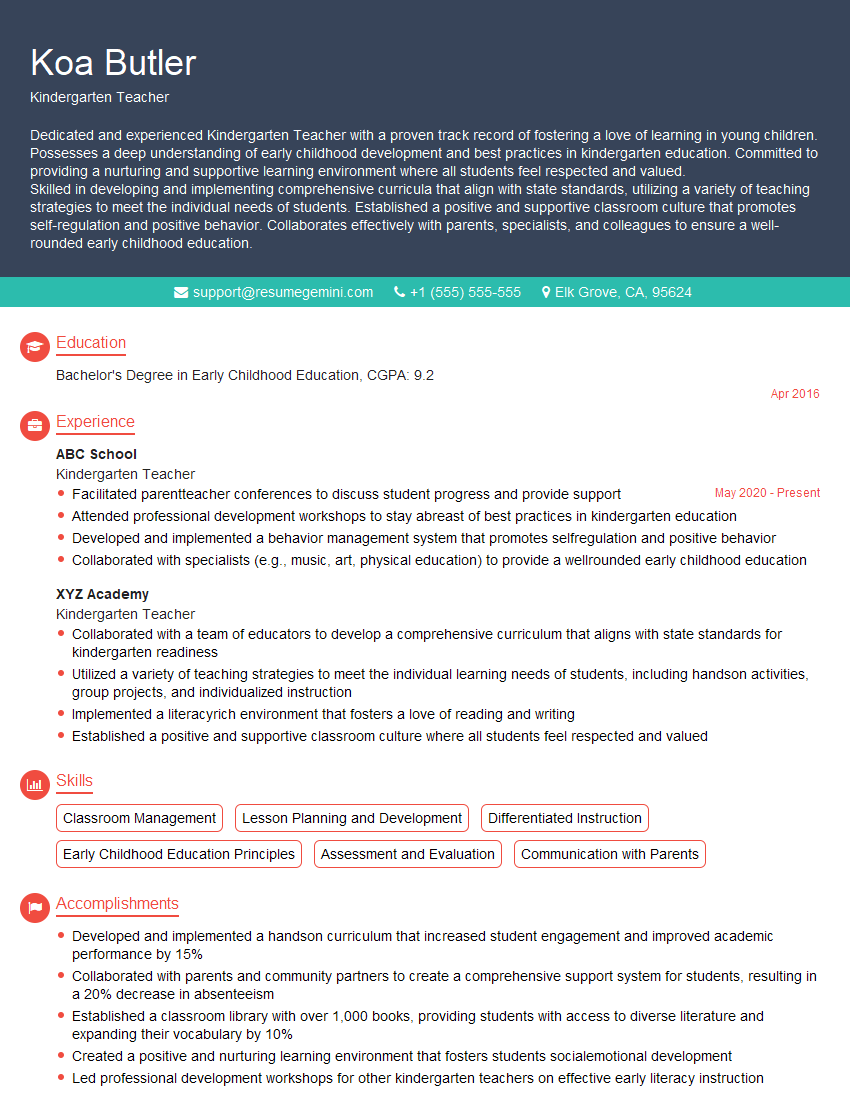
Kindergarten Teacher Resume Sample
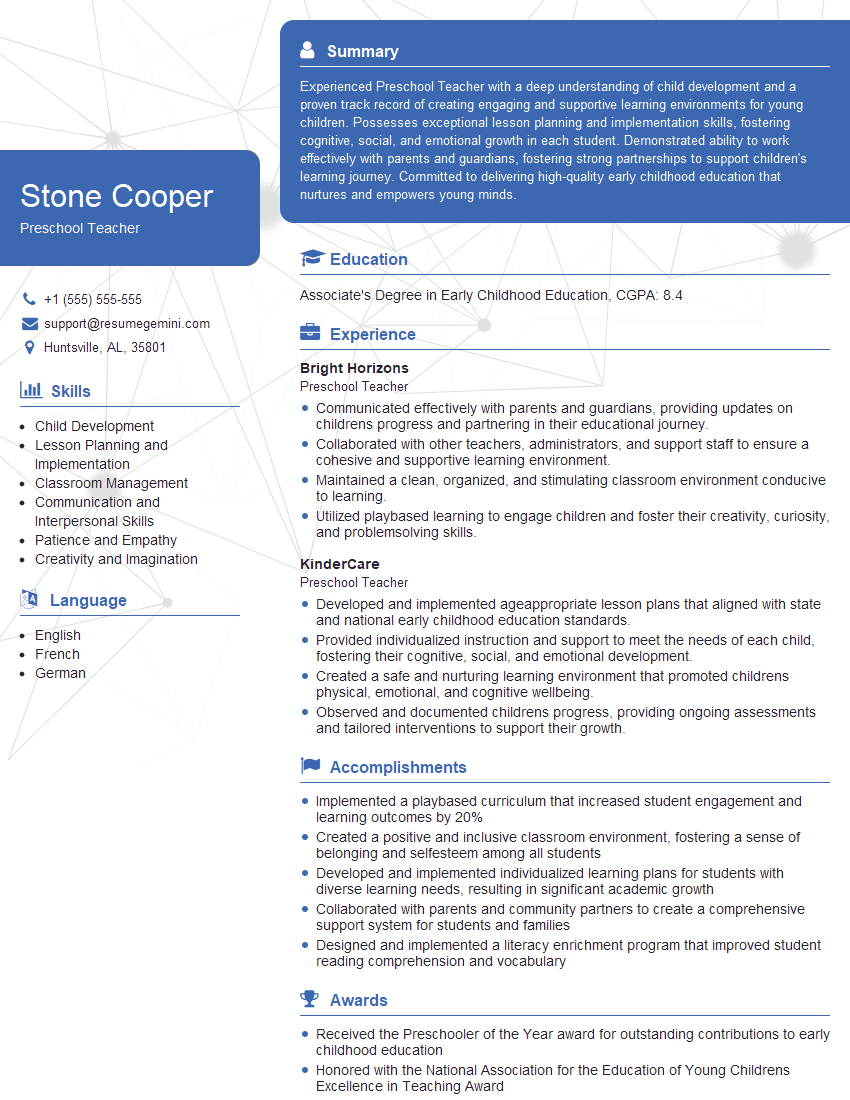
Preschool Teacher Resume Sample
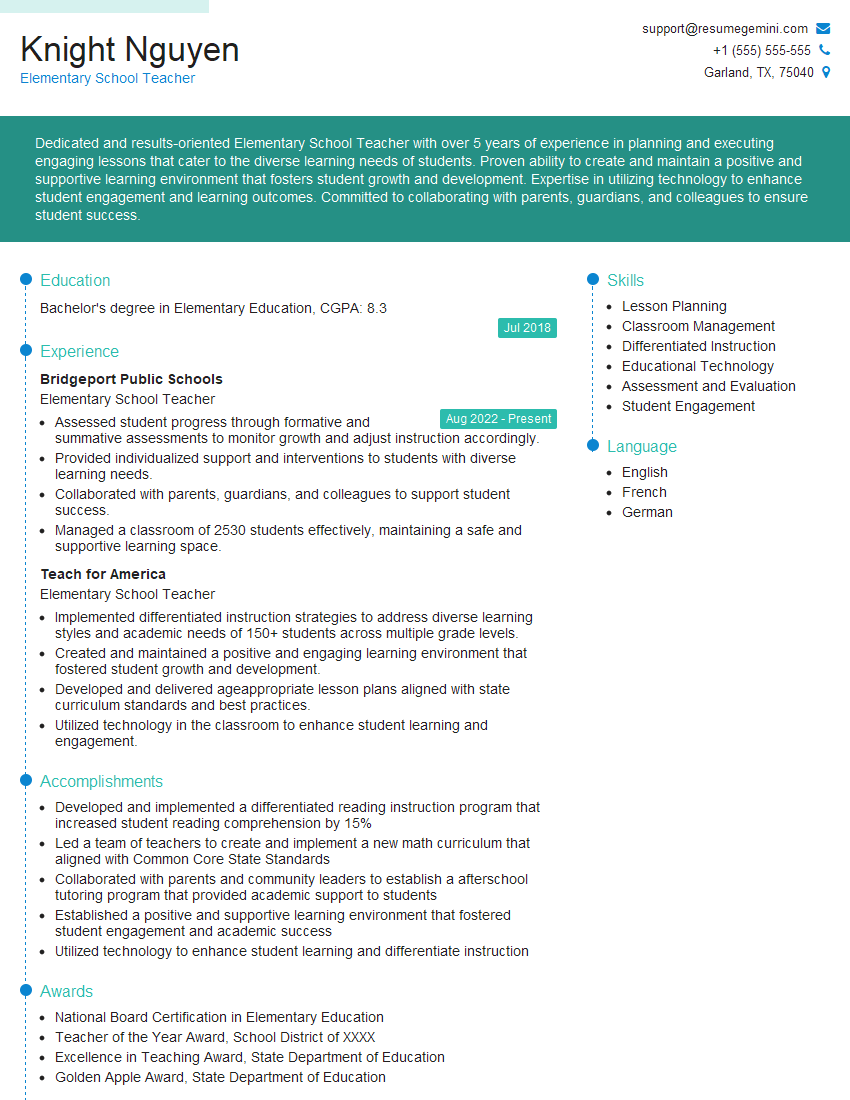
Elementary School Teacher Resume Sample
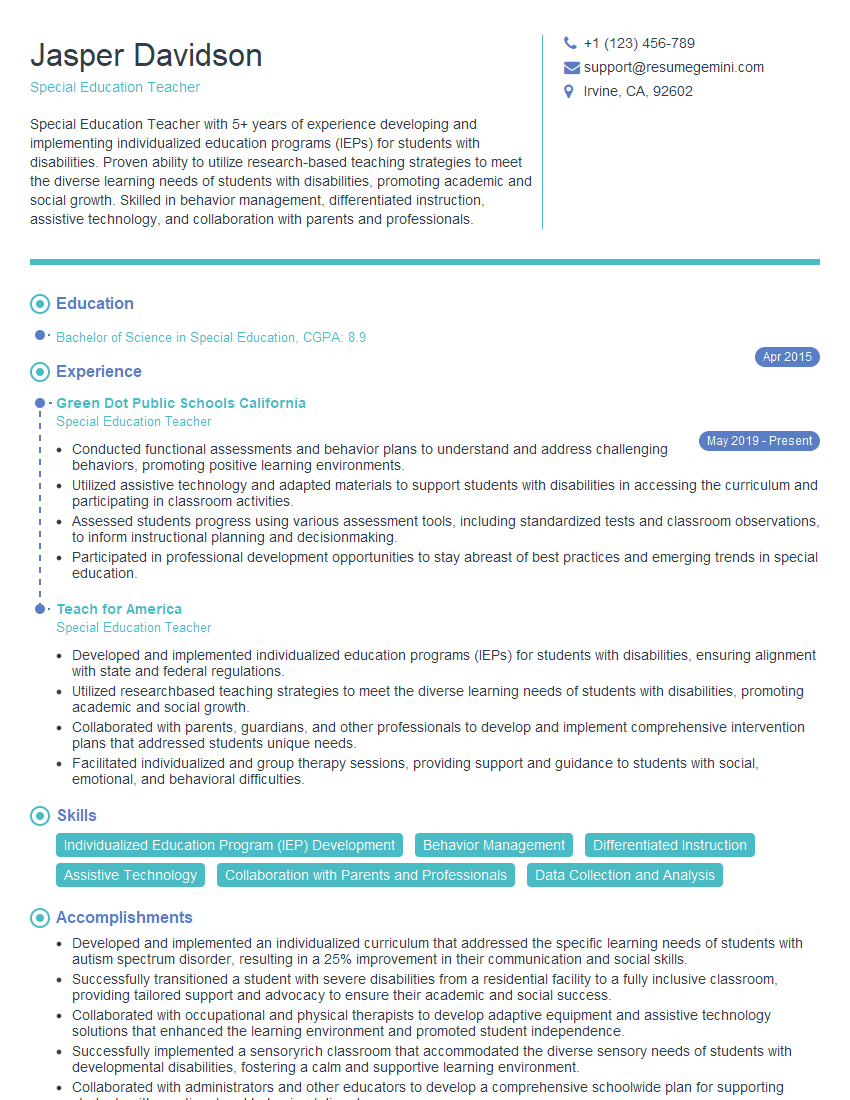
Special Education Teacher Resume Sample
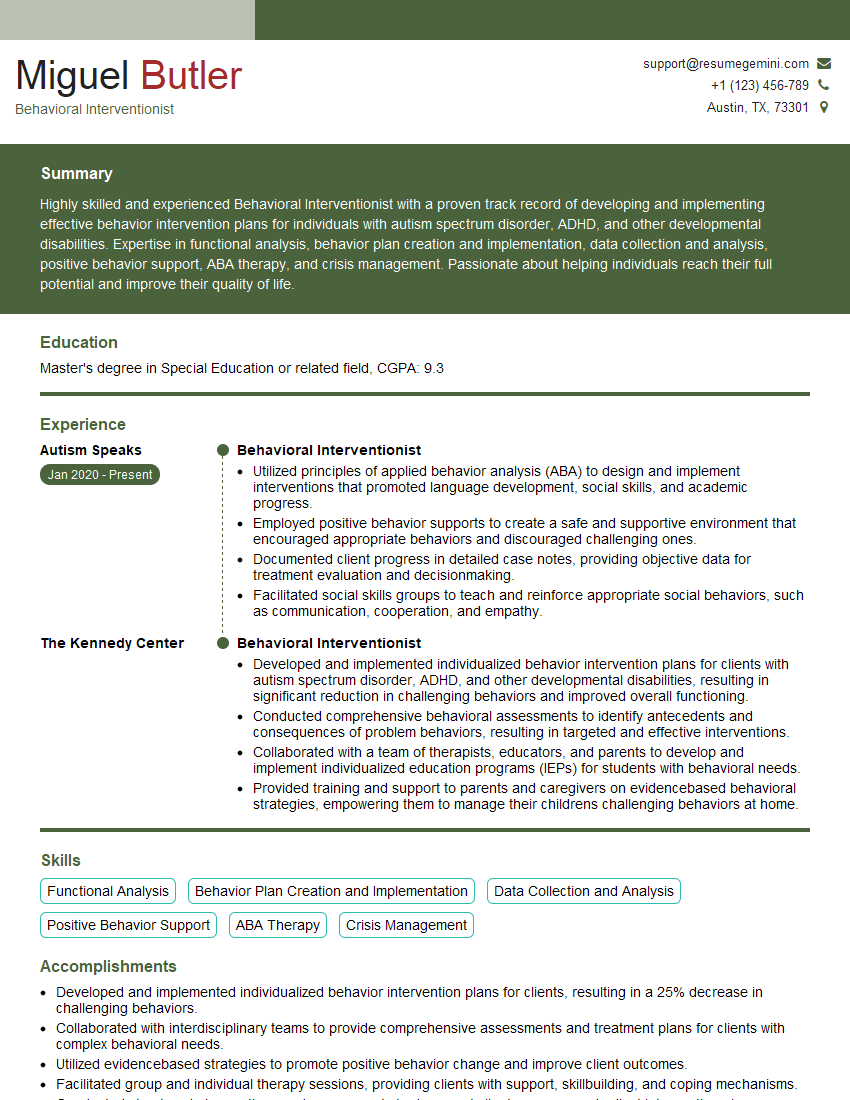
Behavioral Interventionist Resume Sample
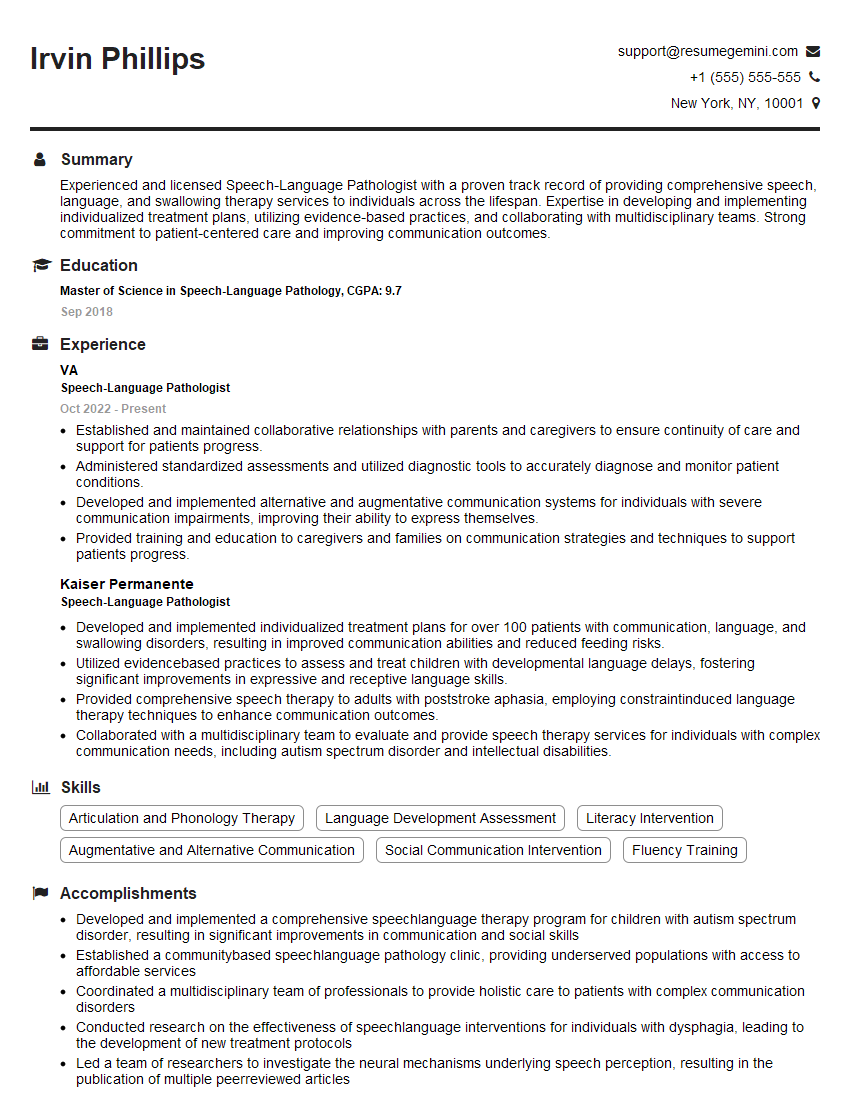
Speech-Language Pathologist Resume Sample
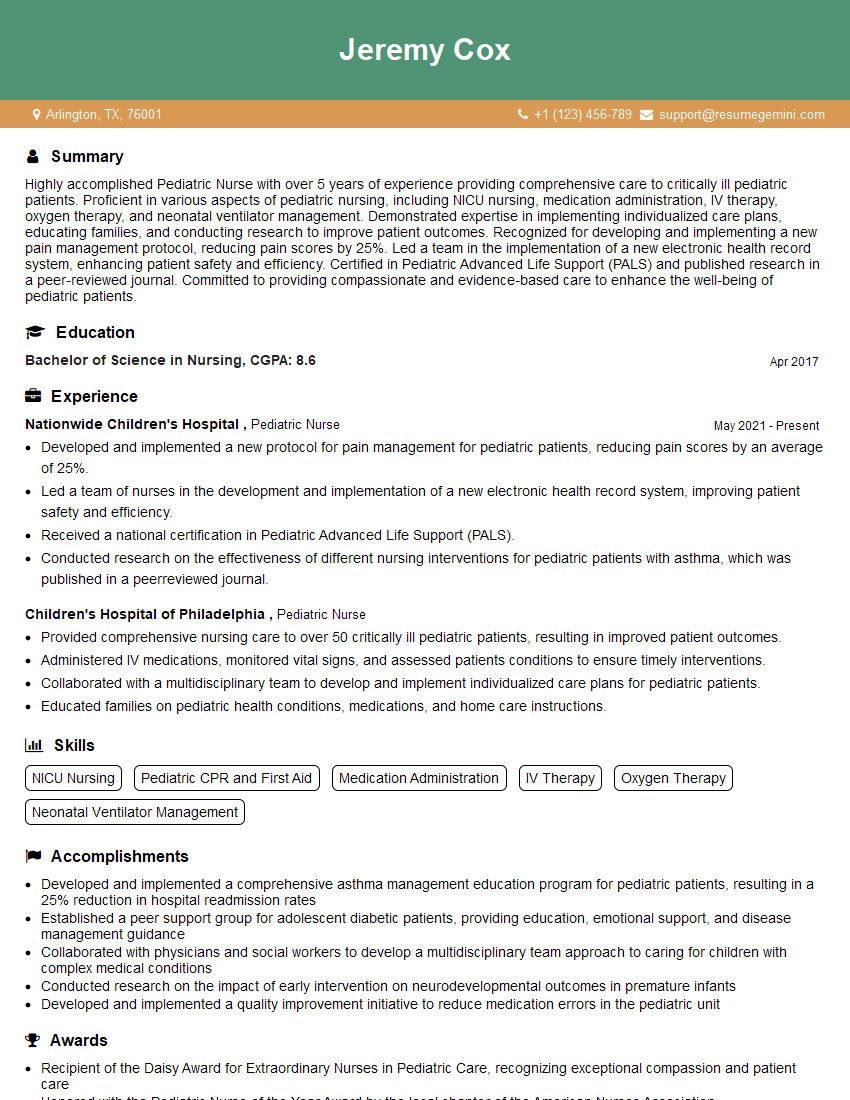
Pediatric Nurse Resume Sample
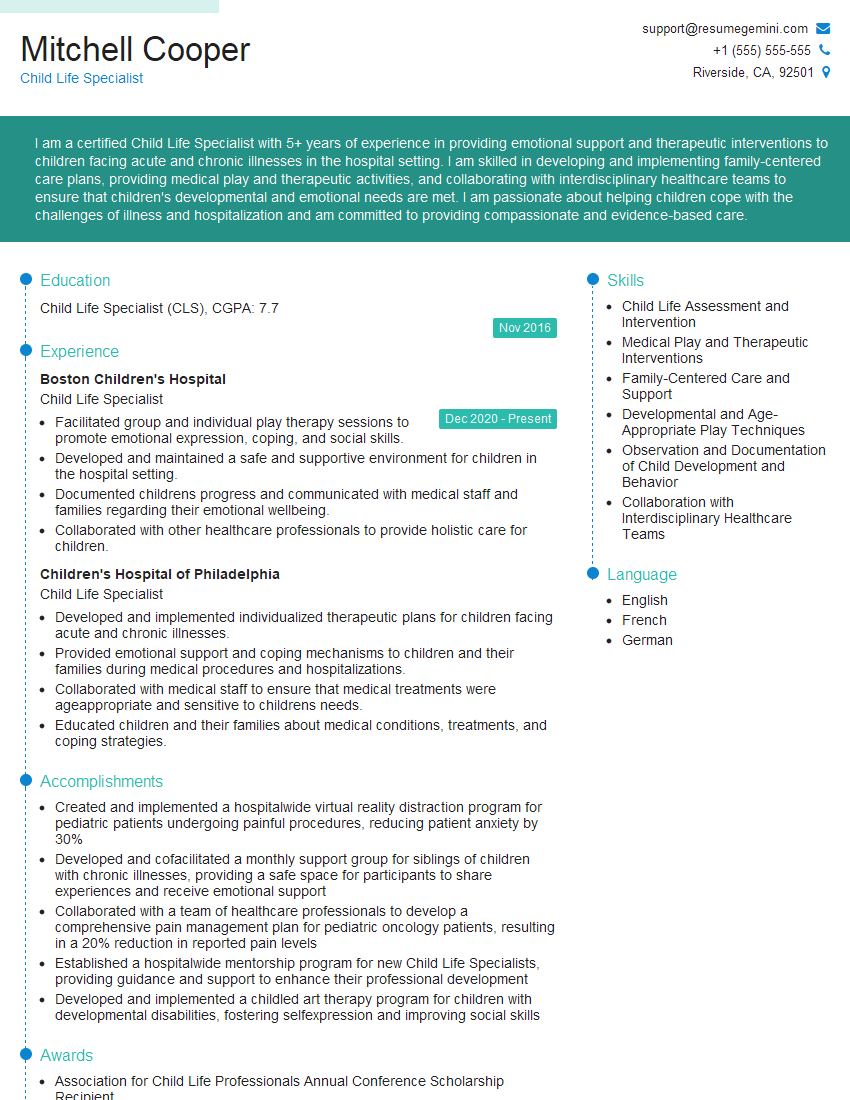
Child Life Specialist Resume Sample
- Childcare Director
- School Administrator
- Child Psychologist
- School Counselor
- Early Intervention Specialist
- Family Support Worker
- Lactation Consultant
- Kindergarten Teacher
- Preschool Teacher
- Elementary School Teacher
- Special Education Teacher
- Behavioral Interventionist
- Speech-Language Pathologist
- Pediatric Nurse
- Child Life Specialist
Explore more articles
Users Rating of Our Blogs
Share Your Experience
We value your feedback! Please rate our content and share your thoughts (optional).
What Readers Say About Our Blog
Really detailed insights and content, thank you for writing this detailed article.
IT gave me an insight and words to use and be able to think of examples