Interviews are more than just a Q&A session—they’re a chance to prove your worth. This blog dives into essential Construction Layout and Inspection interview questions and expert tips to help you align your answers with what hiring managers are looking for. Start preparing to shine!
Questions Asked in Construction Layout and Inspection Interview
Q 1. Describe your experience with different surveying instruments (total stations, GPS, levels).
My experience with surveying instruments encompasses extensive use of total stations, GPS receivers, and levels across diverse construction projects. Total stations, using EDM (Electro-Optical Distance Measurement) technology, are crucial for precise distance, angle, and elevation measurements. I’m proficient in setting up, calibrating, and operating them for tasks like establishing control points and detailing building layouts. GPS, with its reliance on satellite signals, is invaluable for larger-scale projects where establishing a network of control points across a wide area is necessary. I’m experienced with both RTK (Real-Time Kinematic) and post-processed GPS techniques, understanding the accuracy trade-offs involved. Finally, levels, although simpler, are fundamental for precise elevation determination. I use them routinely for setting grades, verifying elevations, and ensuring consistency across different levels of a construction site. I can confidently choose the appropriate instrument based on project requirements and the necessary level of accuracy.
For example, on a recent highway project, RTK GPS was used to establish the primary control network, while a total station was deployed for precise layout of individual features. On a smaller residential project, accurate leveling and a total station proved sufficient for establishing the building footprint.
Q 2. Explain the process of establishing construction control points.
Establishing construction control points is the cornerstone of accurate layout. It’s like building a sturdy foundation for your construction project. The process generally involves:
- Planning: Identifying the required number and location of control points based on the project’s size and complexity. This often involves reviewing the design plans and considering factors like site accessibility and potential obstructions.
- Reconnaissance: Visiting the site to assess existing conditions and select suitable locations for control points. The selected points should be stable, easily accessible, and provide good visibility for surveying instruments.
- Setting up: Establishing the control points using a precise surveying technique. This often involves using a total station to accurately measure distances and angles between points, creating a network of known coordinates. GPS can also be used, especially for larger sites. Permanent markers, such as rebar or concrete monuments, are installed to mark the exact locations of the points.
- Verification: After establishing the points, the measurements are checked for accuracy. Independent measurements are taken to confirm the coordinates and ensure there are no significant discrepancies.
- Documentation: Meticulous documentation is essential, including detailed diagrams, coordinates, and descriptions of each control point. This documentation serves as a reference throughout the construction process.
For example, on a large industrial building project, we established a control network using GPS and then used a total station to detail the building footprint from those known points. This approach ensured both accuracy and efficiency.
Q 3. How do you ensure accurate transfer of dimensions and elevations from plans to the field?
Accurate transfer of dimensions and elevations is crucial for preventing costly errors. My approach involves a combination of meticulous field work and leveraging technology to minimize discrepancies. First, I carefully review the design plans to understand the dimensions and elevations. Then, using a total station, I transfer these dimensions and elevations from the established control network to the site. This often involves setting out points using coordinates or offset measurements from established control points. For complex geometries, CAD software is invaluable for creating detailed plans and assisting in transferring dimensions precisely. Leveling is used to verify and adjust elevations, ensuring consistency across the site. Frequent cross-checks and verification using independent measurements are performed to maintain accuracy.
For instance, when laying out the foundation of a building, I would first use the total station to accurately locate the four corners based on the design plan. Then, I’d use a level to ensure the foundation is at the correct elevation, verifying it at multiple points and adjusting as needed.
Q 4. What methods do you use to verify the accuracy of layout work?
Verifying the accuracy of layout work is essential to avoid costly rework. I employ several methods:
- Independent Checks: I always conduct independent checks of all measurements, using different methods where possible. This might involve measuring distances with both tape measure and total station, or checking elevations with both levels and total station.
- Redundant Measurements: Taking multiple measurements and comparing the results helps identify inconsistencies. Discrepancies between measurements are investigated, and any errors are corrected.
- Geometric Checks: Checking geometric relationships between measured points, such as angles and distances, using trigonometric calculations or CAD software. This helps detect systematic errors.
- As-built Surveys: Conducting as-built surveys at various stages of construction to ensure that the actual construction matches the design plans. This usually happens at significant milestones or the completion of critical components.
For example, after laying out a building’s foundation, I would verify the rectangularity of the structure by measuring the diagonals. Equal diagonals confirm accuracy. If there’s a discrepancy, investigation of the potential cause and recalibration would be conducted.
Q 5. How do you handle discrepancies between the design plans and field conditions?
Handling discrepancies between design plans and field conditions requires careful consideration and collaboration. The first step is to meticulously document the discrepancy, including photographs and detailed descriptions. Next, I determine the nature and extent of the discrepancy. Is it a minor variation or a significant deviation from the design? I then communicate the findings to the project engineers and stakeholders, providing recommendations for resolution. This might involve revising the design, adjusting the layout in the field, or both. Any changes are documented and approved before proceeding. Ultimately, maintaining clear communication and collaboration is key to managing these situations effectively.
For example, if unexpected underground utilities are discovered during excavation, I’d document their location, photograph them, and immediately report them to the engineer. This information may necessitate a change in the design or the implementation of mitigating measures.
Q 6. Explain your experience with different types of construction layouts (e.g., building layout, road layout).
My experience spans various construction layouts. Building layouts involve precise setting out of building foundations, walls, columns, and other structural elements. This requires a high level of accuracy and attention to detail, ensuring that all elements are positioned correctly relative to each other and to the control network. I’m experienced in using both traditional methods like tape and level and advanced techniques such as total station and CAD software. Road layouts involve establishing the horizontal and vertical alignment of roads, including curves, gradients, and intersections. This is usually a larger-scale undertaking requiring expertise in road design principles and surveying techniques like GPS. I’ve worked on various projects, from small residential buildings to large-scale highway construction, adapting my approach to the project’s specific requirements and the complexity of the layout.
On a recent highway project, my team utilized GPS for initial alignment and then used total stations to precisely locate and set out various road features, such as curbs and drainage systems. In contrast, for a small commercial building, precise dimensions were laid out with a total station and level, following the architect’s detailed design drawings.
Q 7. Describe your experience with various inspection methods (visual inspection, dimensional checks, material testing).
My inspection methods vary depending on the construction phase and the element being inspected. Visual inspection is fundamental and helps identify any obvious defects or discrepancies. Dimensional checks, using measuring tapes, levels, and total stations, ensure that the constructed elements conform to the design specifications. Material testing, conducted by qualified specialists, confirms the quality and strength of construction materials. For concrete, we conduct compressive strength tests. For steel, we check for specified yield strength. All inspections are documented with detailed reports, photographs, and measurements. Any discrepancies or non-conformances are reported, and corrective actions are implemented to ensure quality control. I believe in a proactive approach to inspection, preventing potential problems before they escalate.
For example, during the concrete pour for a foundation, I’d visually inspect for voids and ensure proper consolidation. After the concrete cures, I’d oversee the compressive strength testing to ensure the concrete has reached the required strength. Similarly, during steel erection, I’d conduct visual checks for corrosion, proper welding, and correct alignment, noting any issues in the inspection report.
Q 8. How do you maintain detailed records and documentation during the inspection process?
Maintaining meticulous records during construction inspection is paramount for ensuring project quality and mitigating potential disputes. My approach involves a multi-faceted system combining digital and physical documentation.
Digital Records: I utilize cloud-based platforms like SharePoint or dedicated construction management software to store inspection reports, photographs, videos, and relevant drawings. This ensures easy accessibility and version control. Each inspection is documented with a unique ID, date, time, location, and a detailed description of findings, including measurements and observations.
Photographic & Videographic Evidence: High-resolution images and videos are crucial for documenting the condition of materials, workmanship, and any identified defects. I always include a scale reference in photographs to provide context. For example, a photograph of a crack in a concrete slab would include a ruler or tape measure in the image for accurate measurement documentation.
Physical Records: While digital records are preferred, I also maintain hard copies of critical documents—like signed-off inspection reports and as-built drawings—for archival purposes and to address situations where digital access may be unavailable.
Inspection Checklists: I use standardized checklists tailored to specific phases of construction to ensure a consistent and thorough inspection process. These checklists cover aspects such as material compliance, dimensional accuracy, and adherence to safety regulations. The checklist acts as a guide and ensures nothing is missed.
This integrated system enables efficient tracking of progress, easy identification of issues, and robust record-keeping throughout the entire project lifecycle. The digital nature of my record-keeping further facilitates collaboration and communication between various stakeholders.
Q 9. What software are you proficient in for construction layout and design (AutoCAD, Civil 3D, Revit)?
My proficiency in construction layout and design software is extensive. I’m highly skilled in AutoCAD, proficient in Civil 3D, and possess working knowledge of Revit.
AutoCAD: I use AutoCAD daily for creating detailed construction drawings, generating shop drawings, and performing precise measurements. For example, I frequently create detailed plans for utility installations, ensuring accurate placement of pipes, conduits, and cables within the project’s parameters.
Civil 3D: My experience with Civil 3D is focused on earthwork calculations, grading design, and surface modeling. This is particularly valuable for large-scale projects requiring precise earthmoving estimates and the creation of accurate digital terrain models.
Revit: While my expertise lies in AutoCAD and Civil 3D, I have experience using Revit for collaborative design, particularly in reviewing building information modeling (BIM) data during inspection. Understanding BIM helps to identify potential conflicts and clashes before they occur on the construction site.
My expertise in these software packages allows me to efficiently manage and interpret project data, ensuring accurate layouts and seamless collaboration between design and construction teams.
Q 10. How do you interpret construction drawings and specifications?
Interpreting construction drawings and specifications requires a systematic approach and a deep understanding of construction principles. I break down the process into several key steps:
Reviewing the Title Block and Revision History: First, I carefully examine the title block to ascertain the project’s name, date, scale, and the responsible parties. The revision history indicates any changes made to the original drawings, ensuring I’m working with the latest version.
Understanding Symbols and Conventions: Construction drawings employ various symbols and conventions. I possess a thorough understanding of these, including those used for plumbing, electrical, structural, and architectural elements. For example, I recognize the difference between different types of pipe symbols and their implications on the project.
Analyzing Plans, Sections, and Elevations: I analyze different views of the drawings – plans, sections, and elevations – to grasp the building’s three-dimensional layout and construction details. I correlate these views to fully understand the building’s structure.
Deciphering Specifications: Specifications provide detailed written descriptions of materials, methods, and workmanship. I meticulously review them to understand the project’s specific requirements and standards, ensuring compliance during the inspection process.
Identifying Conflicts and Discrepancies: Sometimes there can be conflicts or discrepancies between drawings and specifications. I identify these inconsistencies and address them with the project team to avoid costly errors later in the construction process.
By meticulously following these steps, I ensure that I thoroughly understand the design intent and can accurately assess the construction process against the approved plans.
Q 11. Explain your experience with quality control procedures and protocols.
My experience with quality control (QC) procedures and protocols is extensive. I’ve been involved in projects that adhere to various QC standards, including ISO 9001.
Developing and Implementing QC Plans: I’m proficient in developing and implementing comprehensive QC plans that integrate into the overall project schedule. These plans outline the specific QC activities, responsibilities, and required documentation for each construction phase.
Material Inspection and Testing: A significant part of QC involves verifying the quality and compliance of construction materials. I’m experienced in inspecting materials upon delivery and overseeing or conducting necessary testing procedures to ensure they meet specified standards. For instance, I ensure that concrete has the proper slump and compressive strength before being poured.
Workmanship Inspection: I regularly inspect the work being executed by the various subcontractors, checking for adherence to design specifications, building codes, and safety standards. Any deviations are meticulously documented and reported.
Regular Meetings and Progress Reviews: I participate in regular meetings with the project team to review progress, discuss QC findings, and implement corrective actions. This collaborative approach fosters open communication and ensures prompt resolution of issues.
Documentation and Reporting: Maintaining detailed QC records is crucial. I ensure that all inspections, tests, and findings are accurately documented, including any non-conformances and corrective actions taken. This documentation supports continuous improvement and project accountability.
My commitment to rigorous QC processes ensures projects are completed to the highest standards, minimizing defects and rework and ultimately leading to client satisfaction.
Q 12. How do you identify and report construction defects and non-conformances?
Identifying and reporting construction defects and non-conformances is a critical part of my role. My approach is systematic and focuses on clear, detailed documentation.
Visual Inspection: I begin by conducting thorough visual inspections of the construction work, paying close attention to details and comparing the work to the approved drawings and specifications.
Measurements and Testing: If visual inspection reveals potential defects, I undertake precise measurements and tests to verify the extent of the problem. This might involve using laser levels, measuring tapes, or other testing equipment depending on the nature of the defect.
Documentation: All identified defects and non-conformances are documented with detailed descriptions, including their location, severity, potential causes, and photographic or videographic evidence. I utilize a standardized reporting format to ensure consistency and clarity.
Reporting: I prepare comprehensive reports detailing the identified defects, including the recommended corrective actions. I submit these reports to the relevant project stakeholders (project manager, superintendent, etc.) and follow up to ensure the necessary corrective actions are taken.
Non-Conformance Tracking System: I often utilize a non-conformance tracking system to document, track, and monitor the resolution of identified issues. This system ensures that all defects are properly addressed and closed out. This can include assigning responsibility for remediation and setting deadlines for completion.
This approach ensures proactive identification and resolution of issues, reducing rework, and contributing to a higher-quality final product.
Q 13. What is your experience with different types of construction materials and their testing?
My experience encompasses a wide range of construction materials, including their properties, applications, and testing methods.
Concrete: I’m familiar with various concrete mixes, their strengths, and the testing involved to ensure compliance with specifications. This includes slump tests, compressive strength tests, and air entrainment tests. I understand the importance of proper curing procedures to achieve optimal strength and durability.
Steel: I’m experienced in identifying different grades of steel and their corresponding properties. I can inspect for rust, corrosion, or other defects that might compromise structural integrity.
Wood: My knowledge extends to various types of wood used in construction, including their moisture content and suitability for different applications. I can assess for defects such as knots, splits, or decay.
Masonry: I’m familiar with various masonry materials like brick, block, and stone, understanding their properties, installation techniques, and common defects like cracking or efflorescence.
Testing and Inspections: I have direct experience overseeing various material testing procedures—either by conducting them personally or ensuring proper procedures are followed by independent testing labs. This ensures that materials meet the required quality standards before being installed.
This broad knowledge of construction materials and their testing procedures enables me to effectively inspect construction work, identify potential problems, and ensure that only high-quality materials are used throughout the project.
Q 14. Describe your familiarity with relevant building codes and regulations.
Familiarity with relevant building codes and regulations is essential for ensuring construction projects comply with safety and performance standards. My knowledge covers a range of codes, including:
International Building Code (IBC): I’m well-versed in the IBC and its associated codes, understanding requirements related to structural design, fire safety, accessibility, and energy efficiency.
Local and Regional Codes: In addition to the IBC, I’m aware of and comply with any local or regional codes that might supersede or amend the IBC. These can vary significantly depending on geographic location.
Accessibility Codes (ADA): I understand the Americans with Disabilities Act (ADA) requirements regarding accessibility features in buildings, such as ramps, elevators, and restroom facilities.
Life Safety Codes: My understanding of life safety codes extends to fire protection systems, emergency exits, and evacuation plans. I ensure these requirements are met during construction.
Specific Codes for Material Application: Beyond the general codes, I am also aware of and follow any material-specific codes that might be applicable to the materials used in the project.
Staying updated on the latest codes and regulations is an ongoing process that I approach with rigor. This ensures that my inspection work aligns with current legal and safety standards.
Q 15. How do you handle conflict resolution on site between contractors and inspectors?
Conflict resolution on a construction site requires a calm, professional approach prioritizing communication and collaboration. My strategy involves:
- Immediate Facilitation: I intervene promptly when disputes arise between contractors and inspectors, creating a neutral space for discussion.
- Active Listening: I ensure both parties feel heard, understanding their perspectives and concerns. This often involves rephrasing statements to clarify meaning and identify the root cause of the disagreement.
- Objective Review: I review the relevant plans, specifications, and contract documents to identify the factual basis of the conflict. Sometimes, discrepancies simply need clarification or a minor adjustment to the plans.
- Collaborative Problem-Solving: I guide the contractors and inspectors towards a mutually agreeable solution, focusing on compliance with safety regulations and project goals. This might involve suggesting alternative methods or compromise solutions.
- Documentation: All agreements and decisions are meticulously documented, creating a record for future reference and mitigating the risk of recurring disputes.
For example, I once mediated a dispute concerning the installation of a load-bearing beam. The inspector argued the spacing didn’t meet code, while the contractor claimed it was within tolerance. By carefully reviewing the structural calculations and comparing them with the approved plans, we found a minor discrepancy in interpretation, leading to a quick resolution.
Career Expert Tips:
- Ace those interviews! Prepare effectively by reviewing the Top 50 Most Common Interview Questions on ResumeGemini.
- Navigate your job search with confidence! Explore a wide range of Career Tips on ResumeGemini. Learn about common challenges and recommendations to overcome them.
- Craft the perfect resume! Master the Art of Resume Writing with ResumeGemini’s guide. Showcase your unique qualifications and achievements effectively.
- Don’t miss out on holiday savings! Build your dream resume with ResumeGemini’s ATS optimized templates.
Q 16. How do you prioritize tasks when faced with multiple deadlines?
Prioritizing tasks with multiple deadlines requires a structured approach. I utilize a combination of techniques:
- Critical Path Method (CPM): I identify the tasks critical to project completion and schedule them accordingly, ensuring the most important milestones are met.
- Prioritization Matrix: I use a matrix (e.g., Eisenhower Matrix) categorizing tasks based on urgency and importance. This helps prioritize urgent and important tasks over less pressing ones.
- Resource Allocation: I allocate resources effectively to the high-priority tasks, ensuring sufficient manpower, equipment, and materials.
- Regular Monitoring: I continuously monitor progress, adjusting priorities as needed to accommodate unforeseen delays or changes.
- Communication: Open communication with all stakeholders is essential to keep everyone informed of the prioritization strategy and any necessary adjustments.
Imagine a scenario where we’re working on foundation work, framing, and roofing simultaneously. Using CPM, I’d ensure the foundation is completed before framing begins. The prioritization matrix would help manage urgent requests like a material delivery delay while ensuring the overall critical path stays on schedule.
Q 17. Explain your experience using laser scanners or 3D modeling for construction layout.
Laser scanning and 3D modeling are invaluable tools for precise construction layout. My experience includes using Leica and FARO laser scanners to capture point cloud data of existing conditions. This data is then processed using software like Autodesk ReCap and integrated into BIM models.
Using laser scanners provides a detailed as-built model that we use for:
- Clash Detection: Identifying potential conflicts between different building systems (MEP, structural, architectural) early in the design process.
- Accurate Measurement: Obtaining precise measurements for layout and verification.
- Progress Monitoring: Comparing as-built conditions against the design model to track progress and identify discrepancies.
- Quantities Takeoff: Extracting accurate quantities of materials needed for construction.
In one project, we used laser scanning to create a detailed as-built model of an existing building before renovations. This allowed us to avoid unforeseen issues by identifying clashes between the new design and existing structures, saving considerable time and money.
Q 18. How do you ensure safety protocols are followed during layout and inspection?
Safety is paramount in construction layout and inspection. My approach includes:
- Pre-Task Planning: Thorough planning includes identifying potential hazards and establishing control measures. This often involves a site-specific safety plan tailored to the tasks and conditions.
- Personal Protective Equipment (PPE): Ensuring all personnel wear appropriate PPE, including safety helmets, high-visibility clothing, safety glasses, and safety boots.
- Tool Safety: Regular inspection and maintenance of all tools and equipment to ensure they are in safe working order.
- Hazard Communication: Clearly communicating all potential hazards to workers and implementing control measures.
- Site Inspections: Conducting regular site inspections to identify and address unsafe conditions or practices.
- Training and Supervision: Providing workers with appropriate safety training and ensuring adequate supervision.
For instance, before starting any layout work, we establish designated walkways, implement traffic control measures, and ensure that all workers are aware of the location of underground utilities to prevent accidents.
Q 19. What are the common sources of errors in construction layout, and how can they be prevented?
Common errors in construction layout stem from various sources:
- Inaccurate Measurements: Using incorrect measuring tapes, improper measuring techniques, or failing to account for environmental factors can lead to significant errors.
- Misinterpretation of Plans: Incorrect understanding of drawings or specifications can lead to deviations from the design intent.
- Lack of Coordination: Poor coordination between different trades can result in clashes and errors.
- Inadequate Site Control: Poor site management, lack of clear marking, and absence of proper reference points can introduce errors.
- Environmental Factors: Temperature fluctuations, ground settlement, and other environmental factors can affect the accuracy of measurements and layout.
Prevention strategies include:
- Double-Checking Measurements: Independent verification of all measurements by multiple individuals.
- Clear Communication: Effective communication between all stakeholders to ensure a common understanding of the design.
- Regular Site Inspections: Frequent site inspections to identify and correct errors early in the process.
- Use of Technology: Employing advanced technologies such as laser scanners, total stations, and BIM software to enhance accuracy.
- Proper Site Setup: Establishing a robust site control system with clear reference points.
For example, using a laser measuring device instead of a standard tape measure eliminates human error in distance measurement, greatly improving accuracy.
Q 20. How familiar are you with building information modeling (BIM) and its role in layout and inspection?
Building Information Modeling (BIM) is deeply integrated into my workflow. I’m proficient in using various BIM software platforms (Autodesk Revit, ArchiCAD, etc.) for layout and inspection. BIM enhances the accuracy, efficiency, and coordination of construction projects.
My experience in using BIM includes:
- 4D BIM for scheduling and sequencing: Analyzing the impact of layout decisions on the overall project schedule.
- 5D BIM for cost estimation and control: Using BIM models for accurate quantity takeoffs and cost estimation.
- Clash Detection and Resolution: Identifying and resolving conflicts between different building systems early in the design process.
- As-Built Modeling: Creating as-built models based on field measurements and updating the BIM model.
- Collaboration and Communication: Facilitating effective collaboration and communication among all project stakeholders.
For instance, in one project, we used BIM to simulate the installation of MEP systems within the structural framework, identifying and resolving potential conflicts before construction began, preventing costly rework and delays.
Q 21. Describe your experience in using digital leveling instruments.
I have extensive experience using digital leveling instruments, such as Leica and Topcon auto levels and total stations. These instruments offer significant advantages over traditional methods. My expertise includes:
- Precise Leveling: Achieving high accuracy in establishing benchmarks and determining elevations. This is crucial for accurate layout of foundations, slabs, and other critical elements.
- Data Recording and Analysis: Digital levels automatically record measurements, reducing errors and providing efficient data analysis. The data can be exported to spreadsheets or BIM software.
- Increased Efficiency: Automating the leveling process significantly reduces the time and effort required compared to manual methods. This translates to cost and time savings for projects.
- Remote Operation: Some digital levels offer remote operation capabilities, improving safety by reducing the need for workers to be near potentially hazardous areas.
In a recent project, we used a digital level to establish precise elevations for the foundation of a large building. The automated data recording and analysis ensured the accuracy of the foundation layout, minimizing the risk of costly errors later in the construction process.
Q 22. How do you manage and analyze inspection data to identify trends and patterns?
Managing and analyzing inspection data is crucial for identifying trends and preventing recurring issues. My approach involves a multi-step process. First, I ensure all data is accurately recorded, often using digital tools like mobile apps that directly link to a central database. This allows for easy access and avoids transcription errors. Then, I employ data analysis techniques. This could involve simple frequency counts to identify common defects, or more advanced statistical analysis like creating control charts to monitor the rate of defects over time. For example, if we consistently find cracks in a particular section of a wall after pouring concrete on specific days, the control chart will highlight this trend, enabling us to investigate the root cause, maybe related to pouring temperature or curing process. Finally, I visualize this data using charts and graphs, making it easier for stakeholders to understand the patterns and make informed decisions. This visual representation helps to communicate complex data clearly, leading to more effective corrective actions.
For instance, in a recent project, analyzing inspection data revealed a recurring issue with misaligned window frames. By using a scatter plot to visualize the data points, we identified a correlation between the misalignment and the specific team installing the frames. This allowed for targeted training and improved quality control, significantly reducing the number of defects in subsequent stages.
Q 23. Explain your understanding of tolerance levels in construction.
Tolerance levels in construction define the acceptable range of variation from the design specifications. Think of it as a margin of error. These tolerances are critical because achieving perfect precision is practically impossible and often economically unfeasible. They’re defined in the project drawings and specifications and are usually expressed in terms of dimensions (e.g., +/- 2mm for wall thickness) or angles (e.g., +/- 0.5 degrees for a column alignment). The tolerance levels depend on several factors including the type of construction, the building material, the criticality of the element, and applicable building codes. For instance, tolerances for structural elements are typically much tighter than those for non-structural finishes. Failing to adhere to tolerances can result in structural instability, aesthetic issues, or even project delays and cost overruns.
A common example is the tolerance for concrete floor leveling. A slight variation within the acceptable tolerance might be visually imperceptible, but exceeding that tolerance could affect the installation of subsequent flooring materials, leading to costly rework.
Q 24. How do you ensure compliance with environmental regulations during construction?
Ensuring compliance with environmental regulations is paramount. My approach begins with thorough familiarization with all relevant local, state, and federal regulations before the project starts. This includes understanding requirements for waste management, air and water quality, and the protection of endangered species or habitats. During the project, we implement strict protocols for waste segregation and disposal, utilizing licensed contractors for hazardous waste. We regularly monitor air and water quality, adhering to all permit conditions. We also conduct regular site inspections to identify and rectify any potential environmental violations immediately. Detailed records of all environmental compliance activities are meticulously maintained for audits. Furthermore, we frequently engage with environmental consultants to ensure best practices are followed and to address any emerging environmental challenges.
For example, on a recent project near a wetland area, we worked closely with an environmental consultant to establish a protected buffer zone and to develop a plan for managing stormwater runoff to prevent pollution. This proactive approach ensured environmental compliance and avoided potential penalties or project delays.
Q 25. Describe a time you had to make a critical decision in the field during layout or inspection.
During the layout phase of a high-rise building, we encountered a significant discrepancy between the as-built drawings and the existing site conditions. The foundation had been laid slightly offset from the original design. This created a conflict with the placement of a critical structural column. If we simply continued as planned, it would have resulted in major structural issues down the line. My immediate decision was to halt construction, convene a meeting with the engineers, and the contractor, and collaborate on a solution. We meticulously reviewed the drawings, surveyed the site again with high-precision equipment, and then collaboratively developed revised plans that accommodated the offset while maintaining structural integrity. This involved minor adjustments to other elements of the building, but it prevented a potentially catastrophic error further down the line. Open communication and immediate problem-solving were key to avoiding a costly and time-consuming rebuild.
Q 26. How do you communicate effectively with contractors, engineers, and other stakeholders?
Effective communication is the cornerstone of successful construction projects. I prioritize clear, concise, and respectful communication with all stakeholders. I use a variety of methods depending on the audience and situation. For instance, I use regular on-site meetings with contractors to address immediate concerns and provide clarifications, while written reports and email communications are used for formal updates and documentation. For more complex issues, presentations and collaborative sessions are used to facilitate discussions and consensus-building. Active listening and empathy are crucial; I make sure to understand each party’s perspective and work towards solutions that satisfy everyone involved, as much as reasonably possible. Furthermore, conflict resolution skills are essential – addressing issues promptly and fairly, focusing on the project’s success rather than individual perspectives.
Q 27. How do you stay up-to-date with the latest technologies and best practices in construction layout and inspection?
Staying current in this rapidly evolving field is crucial. I actively engage in continuing professional development through various channels. This includes attending industry conferences and workshops, participating in professional organizations like the American Society of Civil Engineers (ASCE), and pursuing relevant online courses. I also actively read industry publications and journals, keeping abreast of the latest advancements in technologies like Building Information Modeling (BIM), laser scanning, and drone surveying. Experimentation and application of new technologies on projects is also a valuable way to learn and refine my expertise. This proactive approach helps me adopt the latest best practices and integrate innovative solutions into my work, thereby enhancing efficiency and accuracy in construction layout and inspection.
Q 28. Explain your experience with construction documentation and report writing.
My experience with construction documentation and report writing is extensive. I am proficient in creating various types of reports, including daily inspection reports, progress reports, non-conformance reports, and final inspection reports. These documents are detailed, clear, and objective, using visual aids like photographs and diagrams to aid understanding. I ensure all reports are well-organized, using consistent templates and incorporating clear language that is easily understood by all stakeholders, including those with non-technical backgrounds. I am adept at using various software programs including Microsoft Office Suite and specialized construction management software to create and manage these reports, ensuring efficient tracking of project progress, defects, and corrective actions. Accuracy and timeliness are paramount to my report writing process.
Key Topics to Learn for Construction Layout and Inspection Interview
- Understanding Plans and Specifications: Interpreting blueprints, architectural drawings, and engineering specifications to accurately understand project requirements. This includes identifying critical dimensions, tolerances, and materials.
- Layout Techniques: Mastering various layout methods such as string lines, laser levels, and total stations. Be prepared to discuss the advantages and limitations of each method and their application in different construction scenarios.
- Control Points and Benchmarks: Establishing and maintaining accurate control points and benchmarks for consistent and reliable measurements throughout the project lifecycle. Discuss techniques for ensuring accuracy and addressing potential errors.
- Quality Control and Inspection Procedures: Detail your knowledge of implementing quality control measures during the construction process, including conducting regular inspections, documenting findings, and ensuring compliance with building codes and standards.
- Problem-Solving and Troubleshooting: Describe your approach to identifying and resolving layout discrepancies, material inconsistencies, or other on-site challenges. Showcase examples of your analytical skills and ability to find practical solutions.
- Safety Regulations and Procedures: Demonstrate your awareness of and adherence to all relevant safety regulations and procedures related to construction layout and inspection, including personal protective equipment (PPE) use and hazard identification.
- Technology in Construction Layout: Discuss your familiarity with using modern technologies like Building Information Modeling (BIM) software and laser scanning for layout and inspection. Highlight the benefits of these technologies in improving efficiency and accuracy.
- Communication and Teamwork: Explain your communication style and ability to collaborate effectively with other construction professionals, such as engineers, contractors, and subcontractors, to ensure seamless project execution.
Next Steps
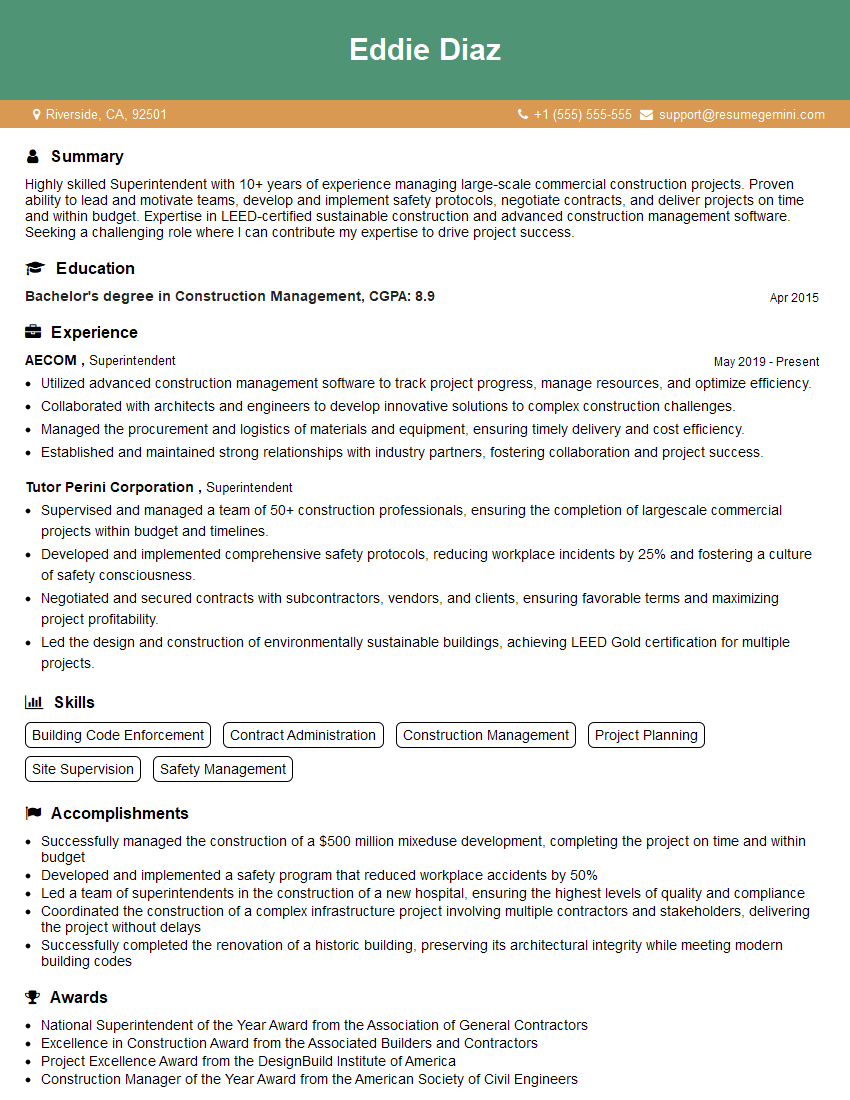
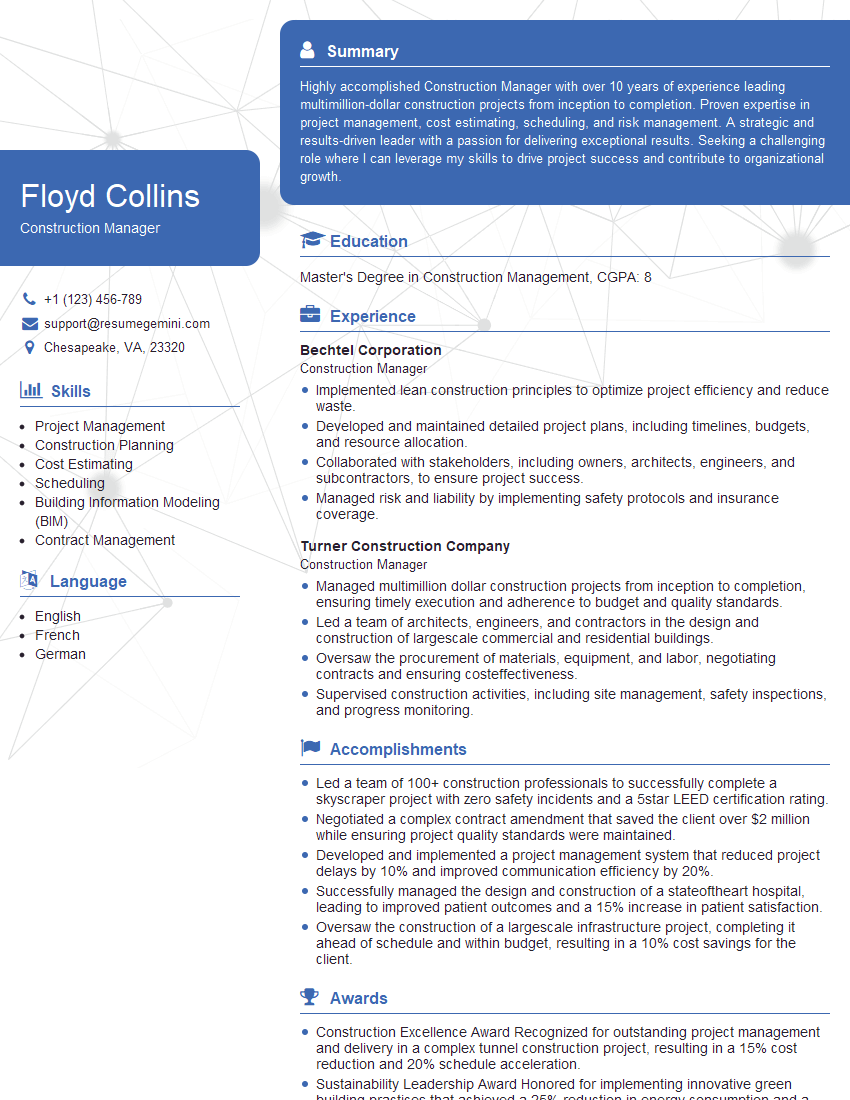
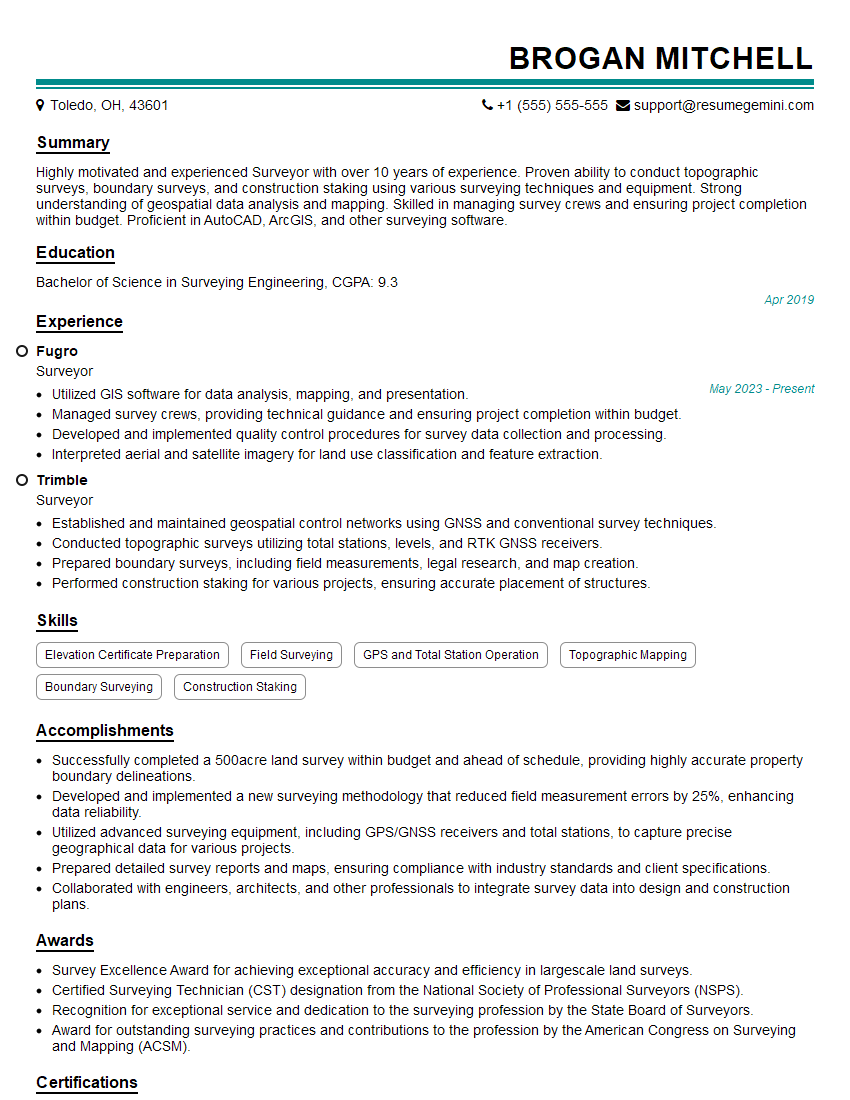
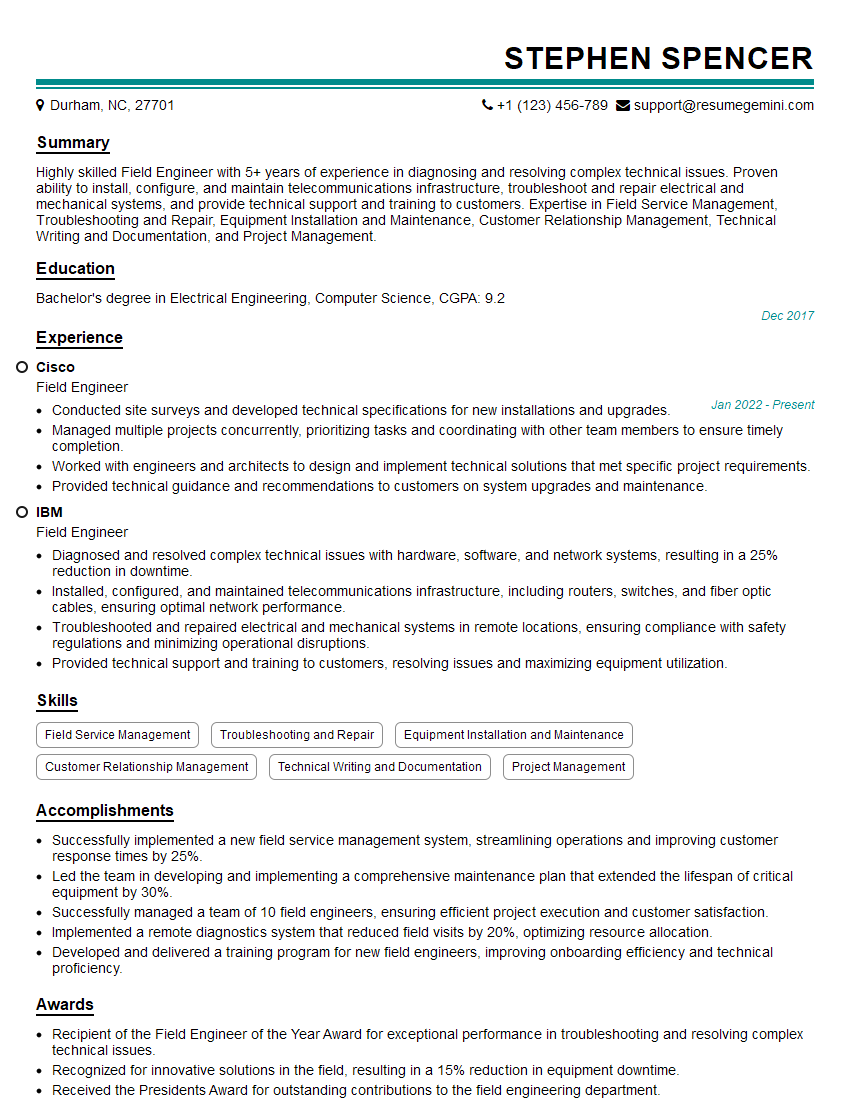
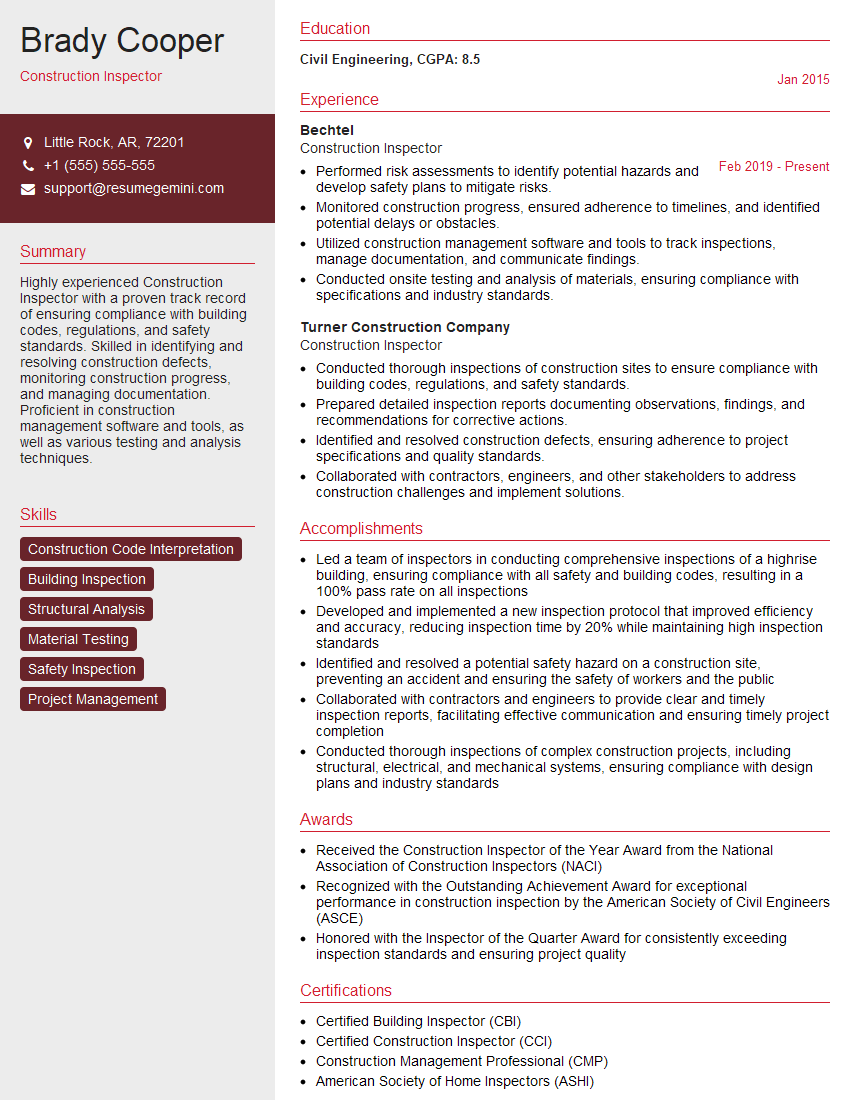
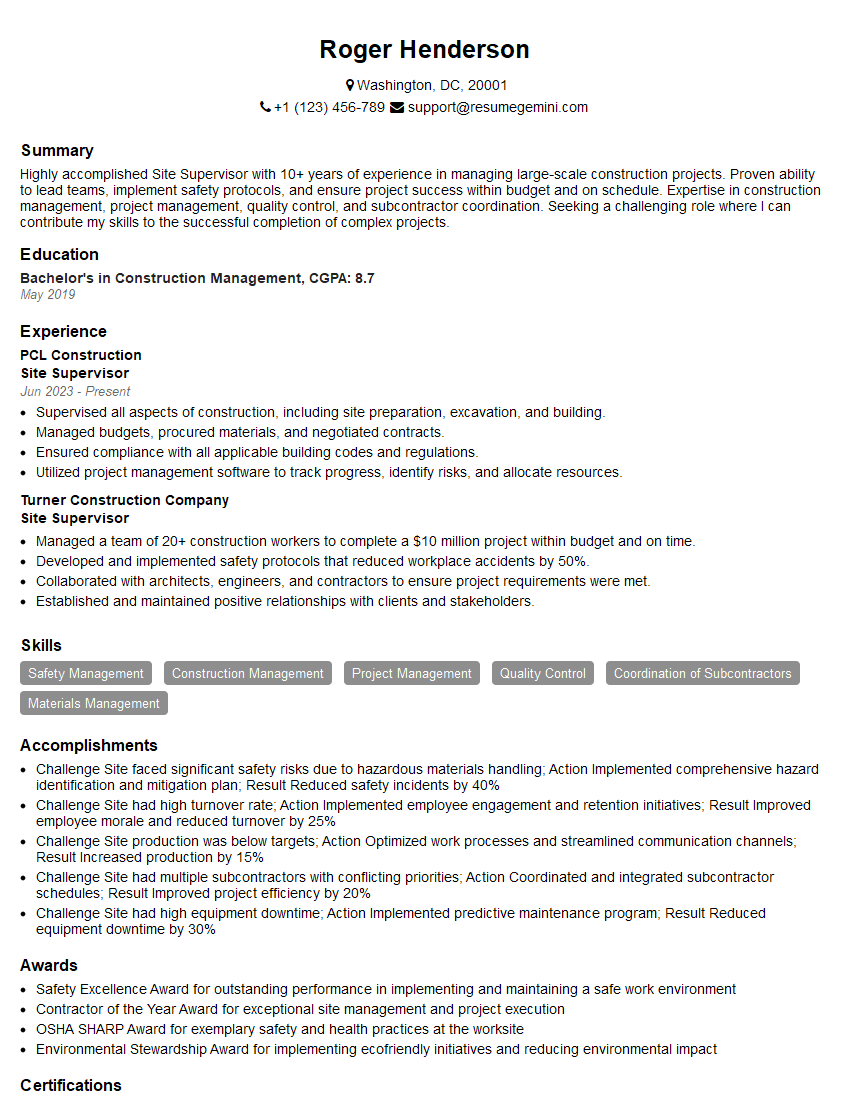
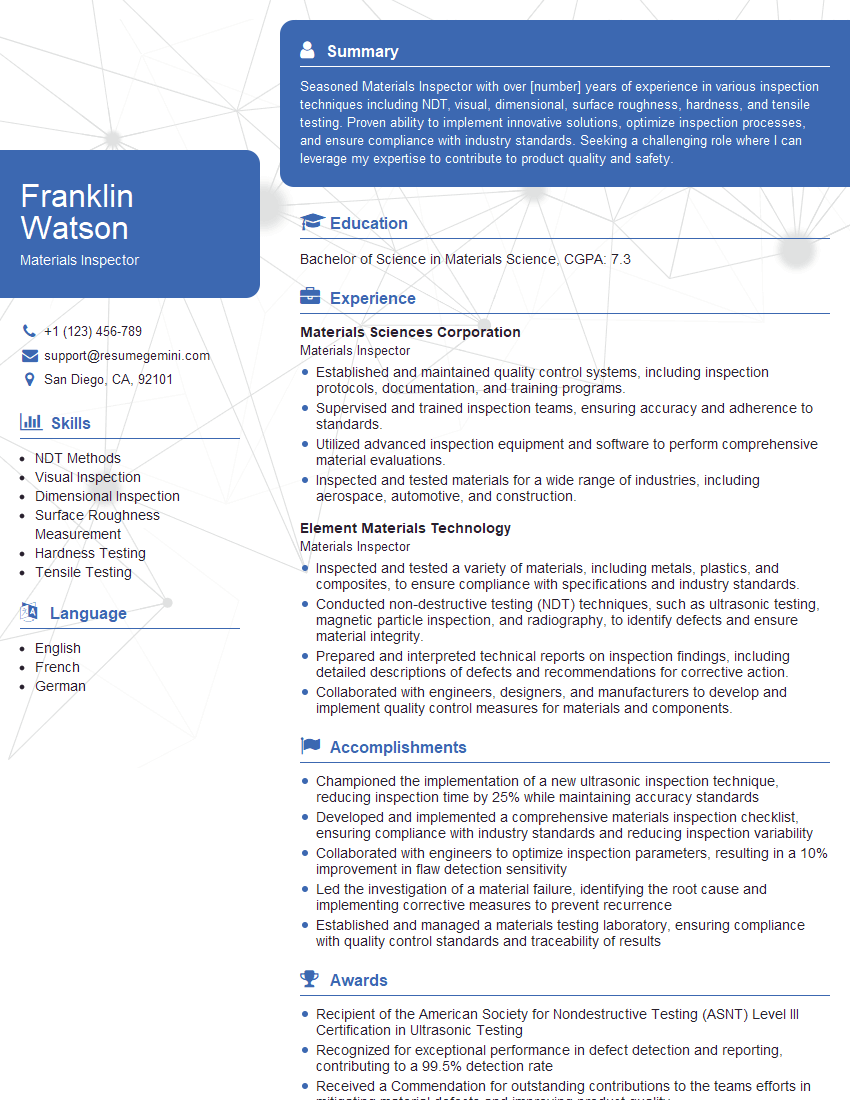
Mastering Construction Layout and Inspection is crucial for career advancement in the construction industry, opening doors to specialized roles and increased earning potential. An ATS-friendly resume is essential for getting your application noticed by recruiters and hiring managers. To maximize your job prospects, we strongly encourage you to build a compelling and effective resume using ResumeGemini. ResumeGemini provides a powerful toolset and offers examples of resumes tailored specifically to Construction Layout and Inspection professionals, helping you showcase your skills and experience in the best possible light. Invest time in crafting a professional resume – it’s your first impression and a key to unlocking your career goals.

Explore more articles
Users Rating of Our Blogs
Share Your Experience
We value your feedback! Please rate our content and share your thoughts (optional).
What Readers Say About Our Blog
Really detailed insights and content, thank you for writing this detailed article.
IT gave me an insight and words to use and be able to think of examples