Every successful interview starts with knowing what to expect. In this blog, we’ll take you through the top Food Handling and Preparation interview questions, breaking them down with expert tips to help you deliver impactful answers. Step into your next interview fully prepared and ready to succeed.
Questions Asked in Food Handling and Preparation Interview
Q 1. What are the proper handwashing procedures in a food service environment?
Proper handwashing is the cornerstone of food safety. It’s a simple yet incredibly effective way to prevent the spread of harmful bacteria and viruses. Think of your hands as potential carriers – they touch everything! Here’s a step-by-step procedure:
- Wet your hands with warm running water.
- Apply soap, ideally liquid soap as it’s more hygienic.
- Lather well, scrubbing your hands, including the backs of your hands, between your fingers, and under your nails, for at least 20 seconds. Think of singing ‘Happy Birthday’ twice!
- Rinse thoroughly under warm running water.
- Dry your hands using a clean paper towel or air dryer. Avoid using a cloth towel, as these can harbor bacteria.
In a food service environment, handwashing sinks should be readily available and well-maintained, stocked with soap, paper towels, and a functioning hand dryer. Employees should be trained to wash their hands frequently – before starting work, after using the restroom, after handling raw food, after touching anything potentially unclean, and before handling ready-to-eat foods. Regular handwashing is non-negotiable for maintaining a clean and safe food handling environment.
Q 2. Explain the temperature danger zone for food and its significance.
The temperature danger zone for food is the range where bacteria multiply most rapidly. This is generally considered to be between 40°F (4°C) and 140°F (60°C). Imagine this range as a breeding ground for harmful microorganisms. Food left in this zone for more than two hours significantly increases the risk of foodborne illness.
The significance lies in the fact that many foodborne pathogens thrive in this temperature range. Leaving food at room temperature, for instance, allows bacteria to reproduce exponentially, increasing the chance of someone getting sick. Keeping food either below 40°F or above 140°F effectively inhibits bacterial growth.
Example: Leaving cooked chicken at room temperature for a picnic, for even a short period of time in warm weather, can be risky and potentially harmful.
Q 3. Describe the FIFO method and its importance in inventory management.
FIFO stands for ‘First-In, First-Out.’ It’s a critical inventory management system in food service to ensure that older items are used before newer ones. Think of it like a grocery store shelf – the oldest products are at the front, ready to be sold first, preventing spoilage.
In practice, FIFO means that when new food stock arrives, it’s placed behind older stock. This systematic approach helps to minimize waste by preventing products from expiring before they can be used. It also ensures food quality and freshness, which protects customers from consuming spoiled goods.
Example: Imagine a restaurant receiving a new shipment of milk. The new milk cartons are placed behind the existing ones, ensuring that the older milk is used before the new milk. This is critical for reducing the risk of spoiled milk ending up in drinks or dishes.
Q 4. How do you prevent cross-contamination during food preparation?
Cross-contamination happens when harmful bacteria or other pathogens from raw food transfer to ready-to-eat food. Preventing this is crucial. Here’s how:
- Separate raw and cooked foods: Use separate cutting boards, utensils, and containers for raw meat, poultry, seafood, and vegetables.
- Wash surfaces thoroughly: Wash cutting boards, counters, and utensils with hot, soapy water after preparing raw foods. You can also use a sanitizing solution.
- Cook foods to safe internal temperatures: Using a food thermometer to ensure that foods are cooked to the proper temperature kills harmful bacteria.
- Store foods properly: Store raw foods below cooked foods in the refrigerator to prevent dripping.
- Wash hands frequently: This is vital to prevent the transfer of pathogens.
Example: Never place cooked chicken on the same plate that held raw chicken. Always thoroughly clean your cutting board after chopping raw meat before using it for vegetables.
Q 5. What are the common foodborne illnesses and how can they be prevented?
Common foodborne illnesses include Salmonella, E. coli, Listeria, Campylobacter, and Norovirus. These can cause symptoms ranging from mild stomach upset to severe illness, sometimes even requiring hospitalization.
Prevention is paramount. It involves adhering to proper food handling practices, such as:
- Cooking foods to safe internal temperatures: Using a food thermometer to ensure that foods are cooked to the proper temperature kills harmful bacteria.
- Maintaining proper refrigeration temperatures: Keeping food at or below 40°F inhibits bacterial growth.
- Washing hands thoroughly and frequently: This is the simplest and most effective way to prevent the spread of pathogens.
- Avoiding cross-contamination: By using separate cutting boards and utensils for raw and cooked foods.
- Practicing good hygiene: Washing fruits and vegetables thoroughly before consumption.
For instance, ensuring that ground beef reaches an internal temperature of 160°F prevents E. coli infection.
Q 6. Explain the different cooking methods and their effects on food safety and quality.
Various cooking methods impact food safety and quality.
- Boiling: Kills most microorganisms but can make some foods mushy.
- Steaming: Retains nutrients and flavor but takes longer than boiling.
- Baking: Creates crispy textures and often enhances flavor but requires careful monitoring of temperatures.
- Roasting: Similar to baking but often involves higher temperatures for browning and crisping.
- Grilling/Broiling: Produces characteristic flavors and textures but requires careful attention to prevent burning and ensure even cooking.
- Frying: Creates crispy exteriors but can lead to high fat content if not done carefully.
From a food safety perspective, the key is to ensure food reaches the correct internal temperature to kill harmful bacteria regardless of the cooking method used. A food thermometer is your best friend here.
Q 7. How do you ensure proper food storage to maintain freshness and prevent spoilage?
Proper food storage is crucial for maintaining freshness and preventing spoilage. Here are key principles:
- Refrigerate promptly: Chill perishable foods to 40°F or below within two hours (or one hour if the ambient temperature is above 90°F).
- Use airtight containers: This prevents the transfer of odors and moisture, preserving food quality.
- Proper labeling and dating: Label containers clearly with the contents and date to facilitate FIFO inventory management.
- Organize your refrigerator: Store raw foods below cooked foods to prevent cross-contamination.
- Freeze appropriately: Freeze foods in appropriate containers to maintain quality and prevent freezer burn.
- Check expiration dates: Regularly check for expired items and discard them promptly.
Imagine leaving leftovers at room temperature overnight – bacteria will thrive, and the food will spoil quickly. Proper refrigeration dramatically slows down microbial growth and extends the shelf life of food significantly.
Q 8. What are the key principles of personal hygiene for food handlers?
Personal hygiene is paramount in food handling to prevent contamination and ensure food safety. It’s about minimizing the risk of transferring harmful bacteria, viruses, or other pathogens from our bodies to the food we prepare. This involves several key principles:
- Handwashing: Frequent and thorough handwashing is crucial. This means washing with soap and warm water for at least 20 seconds, especially after using the restroom, touching raw food, handling garbage, or sneezing/coughing. I always use a hand sanitizer with at least 60% alcohol in between washings when appropriate.
- Clean Clothing: Wearing clean, fresh clothing, ideally a uniform, reduces the risk of contaminating food with dirt or bacteria from clothing.
- Hair Restraint: Hair must be tied back or covered to prevent it from falling into food. This is a simple yet highly effective measure.
- Jewellery Removal: Rings, watches, and bracelets can harbor bacteria and should be removed before handling food.
- Gloves: While not always mandatory, gloves are essential when handling raw meat, poultry, or seafood to prevent cross-contamination.
- Wound Coverage: Any open wounds or cuts must be covered with a clean, waterproof bandage to prevent contamination.
Imagine preparing a delicate salad – your hands could easily transfer germs from a doorknob to the lettuce if not properly washed. Personal hygiene isn’t just about following rules; it’s about being responsible and taking ownership of food safety.
Q 9. How do you identify and handle potentially hazardous foods?
Potentially hazardous foods (PHF) are foods that are more likely to support the growth of harmful bacteria if not properly handled. These foods generally require specific temperature control measures to prevent bacterial growth. Identifying them is key: PHFs are typically high-protein foods that are moist and held at temperatures between 40°F and 140°F (4°C and 60°C) – the ‘danger zone’.
- Meat and Poultry: Raw beef, pork, lamb, chicken, and turkey are prime examples.
- Seafood: Raw fish and shellfish are also highly susceptible to bacterial growth.
- Dairy Products: Unpasteurized milk and cheese are often PHFs.
- Eggs: Both raw and undercooked eggs.
- Cooked Rice and Pasta: These can harbor bacteria if not refrigerated promptly.
Handling PHFs requires strict adherence to temperature control guidelines. Immediately refrigerate or freeze cooked PHFs after preparation. Always ensure appropriate cooking temperatures to kill harmful bacteria. For instance, a cooked chicken breast should reach an internal temperature of 165°F (74°C). Cross-contamination is also a critical concern, so using separate cutting boards and utensils for raw and cooked foods is crucial. Failing to handle PHFs correctly can easily lead to foodborne illnesses.
Q 10. What is your experience with HACCP (Hazard Analysis and Critical Control Points)?
HACCP (Hazard Analysis and Critical Control Points) is a preventative food safety management system. Instead of just reacting to contamination, HACCP focuses on identifying and controlling potential hazards throughout the entire food production process. My experience involves actively participating in HACCP plan development and implementation in several restaurant settings. This includes:
- Hazard Analysis: Identifying potential biological, chemical, and physical hazards during food production.
- Critical Control Point (CCP) Identification: Determining the steps in the process where these hazards can be prevented, eliminated, or reduced to safe levels. Examples include cooking temperatures, refrigeration temperatures, and handwashing.
- Establishing Critical Limits: Setting measurable limits for each CCP (e.g., a minimum internal temperature for cooked chicken).
- Monitoring Procedures: Regularly monitoring CCPs to ensure critical limits are met. This often involves temperature checks and visual inspections.
- Corrective Actions: Establishing procedures to take in case a critical limit is not met.
- Verification Procedures: Verifying that the HACCP system is effective through record-keeping and regular reviews.
- Record-Keeping: Meticulously documenting all aspects of the HACCP plan, including temperature logs and corrective actions.
In practice, this means I’m familiar with using calibrated thermometers, understanding the flow of food preparation, and knowing what steps to take if a critical limit is exceeded. For example, if a batch of chicken doesn’t reach the required internal temperature, we immediately discard it to prevent illness.
Q 11. Explain your understanding of food labeling regulations.
Food labeling regulations are crucial for consumer safety and information. They ensure that food products are accurately described, and consumers are aware of potential allergens and nutritional content. Regulations vary slightly depending on location, but key elements generally include:
- Product Name: A clear and concise name that accurately describes the product.
- Net Weight/Volume: The amount of product in the package.
- Ingredient List: A list of all ingredients in descending order of weight.
- Allergen Information: Clear labeling of common allergens (e.g., milk, eggs, peanuts, soy).
- Nutrition Facts Panel: Information about serving size, calories, fat, carbohydrates, protein, and other nutrients.
- Manufacturer Information: The name and address of the manufacturer, packer, or distributor.
- Best-Before/Expiration Dates: Indicating the product’s recommended shelf life.
These regulations are critical to prevent misrepresentation and ensure consumers make informed choices. For example, a package labeled “strawberry jam” should actually contain strawberry jam and not just a strawberry-flavored mixture. Failure to comply can result in significant fines and legal repercussions.
Q 12. How do you maintain a clean and organized workspace?
Maintaining a clean and organized workspace is fundamental to food safety and efficiency. This is more than just tidiness; it’s a proactive approach to preventing contamination and ensuring smooth operations. My approach includes:
- Regular Cleaning: Regular sanitizing of all surfaces (counters, cutting boards, equipment) before, during, and after food preparation using approved sanitizers.
- Waste Management: Proper disposal of waste in designated bins to avoid attracting pests and creating unsanitary conditions.
- Storage Practices: Storing food properly to prevent cross-contamination and spoilage. This includes FIFO (First-In, First-Out) method to ensure older products are used before newer ones.
- Equipment Organization: Keeping all kitchen equipment organized and in good working order, making it easier to find and use what’s needed.
- Designated Areas: Maintaining separate areas for raw and cooked foods to minimize cross-contamination.
Imagine a chaotic kitchen with overflowing bins and dirty surfaces. It’s not only unappealing but also a high risk of contamination. A clean and organized kitchen promotes efficiency and food safety, ensuring a smooth workflow and minimizing the risk of errors.
Q 13. Describe your experience with various types of kitchen equipment.
My experience encompasses a wide range of kitchen equipment, including:
- Ovens: Convection, conventional, and deck ovens, including knowledge of safe operating procedures and temperature controls.
- Ranges/Stoves: Gas, electric, and induction ranges, understanding their efficient use and maintenance.
- Refrigeration Units: Walk-in coolers, reach-in refrigerators, and freezers, including awareness of temperature monitoring and food storage guidelines.
- Food Processors: Various types of food processors, mixers, slicers, and dicers, along with safety procedures and cleaning protocols.
- Other Equipment: Dishwashers, ice machines, and other supporting equipment, understanding their proper usage and maintenance.
I am proficient in operating this equipment safely and efficiently, ensuring that it is always clean and maintained according to manufacturer guidelines. For instance, I understand the importance of regular cleaning of ovens to remove grease build-up and prevent fire hazards. My experience also includes troubleshooting minor equipment malfunctions and understanding when to call for professional maintenance.
Q 14. How do you handle food allergies and dietary restrictions?
Handling food allergies and dietary restrictions requires meticulous attention to detail and careful communication. I prioritize this by:
- Thorough Information Gathering: Clearly communicating with customers or clients to ascertain all their dietary needs and allergies.
- Ingredient Knowledge: Possessing in-depth knowledge of food ingredients and their potential allergens (e.g., knowing which sauces contain dairy or gluten).
- Dedicated Preparation Areas: If possible, establishing designated preparation areas to prevent cross-contamination between allergen-free and other foods. Separate cutting boards, utensils, and cooking surfaces are crucial.
- Labeling & Communication: Clearly labeling all food items to identify ingredients and potential allergens. Communicating clearly with kitchen staff to prevent accidental cross-contamination.
- Allergen Awareness Training: Keeping up to date on the latest information regarding food allergies and maintaining a high awareness of the potential severity of cross-contamination.
It’s not enough to simply avoid a specific ingredient. It’s crucial to prevent cross-contamination, which can have potentially serious consequences. For example, a trace amount of peanut butter on a knife used to spread a vegan butter could trigger a severe allergic reaction. A clear communication policy and rigorous attention to detail are paramount to prevent this.
Q 15. How do you manage food waste effectively?
Effective food waste management is crucial for both environmental sustainability and cost efficiency in any food service operation. It’s a multifaceted approach that begins long before the food even reaches the kitchen.
- Careful Purchasing & Inventory Management: Precise forecasting of demand, using historical data and future events to guide ordering quantities, minimizes overstocking. Regular inventory checks help identify nearing-expiration items.
- Proper Storage: First-In, First-Out (FIFO) is key. Items with shorter shelf lives should be placed in front, ensuring they’re used before they spoil. Appropriate storage temperatures (refrigeration, freezing) are essential.
- Creative Menu Planning: Designing menus that utilize all parts of ingredients minimizes waste. For example, vegetable scraps can be used for stocks or purees. Leftovers can be repurposed into entirely new dishes.
- Portion Control: Accurately portioning ingredients reduces excess preparation and prevents leftover food from accumulating. This is especially important in customer-facing settings.
- Composting & Recycling: Implementing a composting program for organic waste reduces landfill burden and can even provide nutrient-rich soil for gardening. Proper recycling of packaging reduces environmental impact.
- Staff Training: Educating kitchen staff on waste reduction techniques, proper storage, and portioning is critical. Regular training sessions reinforce best practices.
For example, in a previous role, we implemented a composting system, significantly reducing our waste disposal costs while demonstrating our commitment to environmental responsibility. We also trained staff on using vegetable scraps to create flavorful stocks, leading to a reduction in ingredient waste.
Career Expert Tips:
- Ace those interviews! Prepare effectively by reviewing the Top 50 Most Common Interview Questions on ResumeGemini.
- Navigate your job search with confidence! Explore a wide range of Career Tips on ResumeGemini. Learn about common challenges and recommendations to overcome them.
- Craft the perfect resume! Master the Art of Resume Writing with ResumeGemini’s guide. Showcase your unique qualifications and achievements effectively.
- Don’t miss out on holiday savings! Build your dream resume with ResumeGemini’s ATS optimized templates.
Q 16. What is your experience with portion control and cost management?
Portion control and cost management go hand-in-hand. Accurate portioning directly impacts profitability. My experience involves a multi-pronged approach:
- Recipe Costing: I meticulously calculate the cost of each ingredient in a recipe, allowing for accurate pricing and menu costing. This involves understanding the cost per unit of each ingredient and calculating yield percentages.
- Standardized Recipes: Using standardized recipes ensures consistency in portion sizes, ingredient quantities, and overall cost. This minimizes waste and keeps costs predictable.
- Inventory Management Software: Utilizing inventory software helps track ingredient usage, identify areas of waste, and predict future demand, optimizing purchasing decisions.
- Negotiating with Suppliers: Building strong relationships with suppliers often leads to better pricing and ensures a reliable supply of quality ingredients.
- Waste Tracking: Monitoring food waste enables identification of problem areas and provides data-driven insights to improve cost efficiency. This could reveal whether certain dishes are being over-prepared or specific ingredients are causing excessive waste.
In a previous restaurant, I implemented a system using standardized recipes and inventory tracking software. This resulted in a 15% reduction in food costs within three months by minimizing waste and optimizing purchasing.
Q 17. Describe a time you had to resolve a food safety issue.
During a busy lunch service, we experienced a sudden power outage that caused the walk-in refrigerator to lose cooling. This posed a significant food safety risk. My immediate actions involved:
- Assessment: First, I assessed the situation, checking the temperature of all potentially compromised foods (meat, dairy, etc.).
- Emergency Response: We immediately moved temperature-sensitive items to available cooler spaces (walk-in freezers, ice baths) to slow down bacterial growth.
- Discarding Compromised Food: Based on temperature readings and the duration of the power outage, we discarded all items that exceeded safe temperature thresholds. Accurate record-keeping of discarded items was crucial for tracing and prevention in future incidents.
- Communication: I communicated the situation clearly to my team, ensuring everyone understood their roles in the crisis. Customers were informed about potential delays.
- Root Cause Analysis: Following the incident, we investigated the cause of the outage and implemented preventative measures, such as a backup generator and regular maintenance checks.
This incident highlighted the importance of preparedness, clear communication, and the strict adherence to food safety regulations. Through swift action, we prevented a potential health hazard and maintained the integrity of our establishment.
Q 18. How do you ensure consistency in food quality and presentation?
Maintaining consistency in food quality and presentation is paramount for customer satisfaction and brand reputation. This requires a structured approach:
- Standardized Recipes: Precisely written recipes with detailed instructions and measurements are essential. This ensures uniformity in taste and quality.
- Proper Training: Thorough staff training on recipe execution, proper techniques, and plating standards is vital. Regular refresher courses and skill assessments maintain a high level of competency.
- Ingredient Sourcing: Sourcing high-quality, consistent ingredients from reliable suppliers minimizes fluctuations in taste and texture.
- Quality Control Checks: Implementing regular quality control checks throughout the cooking process, from ingredient inspection to final plating, catches inconsistencies early.
- Plating Standards: Establishing clear guidelines for plating styles, including garnishes and presentation, guarantees a consistent visual appeal.
- Visual Aids: Using photos of correctly plated dishes as references for kitchen staff can aid in consistency.
In one instance, to ensure consistency in the presentation of a delicate dessert, I created detailed step-by-step instructions with accompanying photographs, which improved the uniformity of the plated dessert immensely.
Q 19. What are your knife skills and how do you maintain your knives?
Proficient knife skills are fundamental in a professional kitchen. I’m adept at various cuts, including dicing, mincing, julienning, brunoise, and chiffonade. My skills allow for efficient and safe food preparation.
Knife maintenance is equally critical for safety and efficiency. I sharpen my knives regularly using a honing steel daily and a sharpening stone periodically. Proper storage in a magnetic strip or knife block prevents damage and keeps them readily accessible. I also avoid cutting on hard surfaces, which can damage the blade.
Regular cleaning and proper drying after each use are also essential to prevent rust and corrosion.
Q 20. Explain your understanding of different cooking techniques (e.g., sautéing, roasting, braising).
Different cooking techniques bring out unique flavors and textures. Understanding their nuances is crucial for culinary success:
- Sautéing: Cooking food quickly in a small amount of fat over relatively high heat. It’s ideal for tenderizing vegetables and creating a flavorful sear on meats.
- Roasting: Cooking food in an oven, typically uncovered, using dry heat. It results in browning, crisping, and even cooking. It’s perfect for meats, vegetables, and poultry.
- Braising: A combination of searing and slow cooking in liquid. It’s suitable for tougher cuts of meat, rendering them tender and flavorful. The liquid used often becomes a delicious sauce.
- Boiling: Immersion of food in boiling water. This method is used for cooking pasta, vegetables, or poaching eggs.
- Steaming: Cooking food using steam, preserving nutrients and moisture. It’s perfect for delicate vegetables and fish.
- Grilling/Broiling: Cooking food using direct heat, creating a characteristic char and smoky flavor.
Each technique requires a different level of heat, cooking time, and attention to detail. Selecting the right technique depends on the desired outcome and the characteristics of the food being prepared.
Q 21. How do you troubleshoot common cooking problems?
Troubleshooting cooking problems often involves a systematic approach:
- Identify the Problem: Carefully observe the dish – is it overcooked, undercooked, dry, or mushy? Note any unusual texture, color, or flavor.
- Analyze the Cause: Consider the recipe, ingredients, cooking method, and equipment used. Was the temperature too high or low? Were the ingredients fresh? Was the cooking time adequate?
- Adjust as Needed: Based on the identified cause, make appropriate adjustments. If the food is too dry, add some liquid; if it’s undercooked, increase cooking time or temperature. If the food is sticking, use more oil or butter.
- Taste and Adjust: Continuously taste the dish as it cooks. Adjust seasoning, acidity, or sweetness according to taste preferences.
- Document Findings: Record any adjustments made and the outcome to help prevent similar problems in the future.
For instance, if a sauce is too thick, I might add a bit of stock or cream to thin it out. If a roast is undercooked, I might tent it with foil and let it rest before serving. The key is careful observation and systematic problem-solving.
Q 22. Describe your experience with recipe scaling and adjustments.
Recipe scaling is a crucial skill in food preparation, especially when catering to different group sizes. It involves adjusting ingredient quantities proportionally while maintaining the dish’s flavor and texture. I’ve extensive experience scaling recipes from small batches for testing to large-scale catering orders for hundreds. My approach is methodical. I first identify the yield of the original recipe (e.g., serving 4). Then, I determine the desired yield (e.g., serving 20). I calculate the scaling factor by dividing the desired yield by the original yield (20/4 = 5). Finally, I multiply the quantity of each ingredient by the scaling factor. For example, if the original recipe calls for 1 cup of flour, the scaled recipe will require 5 cups (1 cup * 5). However, it’s not always a simple multiplication. Some ingredients, like baking powder or spices, might need slight adjustments to avoid impacting the final product’s texture or taste. For instance, while scaling up a recipe for a cake, you might need slightly less baking powder in proportion to the increased flour to avoid a cake that rises too much. Experience helps in making those subtle adjustments based on the specific recipe and ingredients.
I meticulously document all scaling adjustments for future reference, ensuring consistency and quality. This detailed documentation is crucial for training junior staff and maintaining standardized recipes across different occasions.
Q 23. How do you maintain food safety during busy service periods?
Maintaining food safety during peak service periods demands meticulous planning and execution. Think of it like running a well-oiled machine – each part needs to function perfectly. Our strategies encompass several key areas:
- Time Temperature Control: We utilize a FIFO (First In, First Out) system for all ingredients to minimize the risk of spoilage. Food is cooked to the correct internal temperature and monitored using calibrated thermometers. Holding temperatures are meticulously maintained in designated areas. Rapid chilling techniques are employed for rapid cooling of cooked food.
- Hygiene and Sanitation: Thorough handwashing is mandatory, and we use color-coded cutting boards and utensils to prevent cross-contamination. Surfaces are regularly sanitized, and staff are trained in proper cleaning and disinfection procedures.
- Hazard Analysis and Critical Control Points (HACCP): We follow HACCP principles, identifying potential hazards at each stage of food preparation and implementing controls to mitigate risks. This involves monitoring critical control points such as cooking temperatures, chilling times, and storage conditions.
- Staff Training: Continuous training keeps everyone updated on the latest food safety protocols and best practices. Regular refresher courses reinforce correct hygiene and handling techniques.
By adhering to these practices, we ensure a safe and hygienic environment, even during the busiest service periods. It’s a proactive approach, not just a reactive one.
Q 24. What is your experience with inventory management and ordering supplies?
Efficient inventory management is essential for smooth kitchen operations. I have extensive experience using various inventory management systems, from simple spreadsheets to dedicated software. My process involves regular stock taking, comparing actual stock to par levels (the ideal amount of each item to have on hand), and generating purchase orders based on this analysis. I consider factors like lead times (time between placing an order and receiving it), storage capacity, and potential spoilage to avoid overstocking or shortages.
For example, using a spreadsheet, I’d track the quantity of each ingredient, its unit cost, and the date of purchase. This data allows for forecasting demand, identifying slow-moving items, and optimizing purchasing strategies. I also regularly analyze sales data to predict future needs more accurately. Minimizing waste and ensuring cost efficiency are always top priorities. Using a more sophisticated system, I might leverage software to track inventory in real-time, generate automated reports, and even integrate with our suppliers for streamlined ordering.
Q 25. How do you work effectively as part of a kitchen team?
Working effectively as part of a kitchen team relies on clear communication, collaboration, and mutual respect. I believe in fostering a positive and supportive work environment where each team member feels valued and empowered. This means actively listening to colleagues, sharing knowledge and skills, and assisting whenever needed. I am comfortable taking initiative and delegating tasks effectively, ensuring that everyone has a clear understanding of their roles and responsibilities. In a busy kitchen, it’s crucial to be adaptable and responsive to changing demands. This flexibility allows us to seamlessly manage workload fluctuations and maintain efficiency. Open communication is key – sharing updates, identifying potential bottlenecks, and addressing issues promptly are all critical. Ultimately, a well-functioning kitchen team operates as a well-oiled machine, where every individual contributes to the overall success.
Q 26. How do you handle customer complaints or concerns related to food?
Handling customer complaints or concerns related to food requires a calm, empathetic approach. My first step is always to listen attentively and acknowledge the customer’s feelings. I avoid being defensive and focus on understanding the issue from their perspective. Once I understand the concern, I apologize sincerely, regardless of who is at fault. This shows respect and demonstrates a commitment to customer satisfaction.
If the complaint is about the food’s quality (e.g., undercooked, spoiled), I investigate the situation thoroughly, often involving the relevant kitchen staff. Depending on the severity, I might offer a replacement meal, a discount, or a refund. For less serious complaints (e.g., too salty, too spicy), I offer a sincere apology and address their concerns to ensure they are satisfied. Finally, I use these instances as learning opportunities to identify and address potential issues in our food preparation or service processes.
Q 27. Describe your experience with food preparation for large groups.
Preparing food for large groups requires careful planning and execution. It’s similar to scaling a recipe, but on a much larger scale. This often involves using larger equipment like commercial ovens, mixers, and steam tables. My approach includes breaking down the preparation process into smaller, manageable tasks. I create detailed production schedules, assign tasks to team members, and meticulously track progress. This ensures that all components of a dish are ready simultaneously, avoiding delays and maintaining efficiency.
Food safety is paramount. I ensure that all food handling procedures meet the highest standards, including proper storage, cooking temperatures, and holding times. Large-scale preparation requires advanced logistical planning to manage ingredient sourcing, transportation, and storage. Successful catering requires a clear understanding of the customer’s needs and preferences. Communication and coordination with other teams (e.g., service staff) are crucial to ensure smooth event execution.
Q 28. What are your strategies for maintaining a high level of productivity and efficiency in the kitchen?
Maintaining high productivity and efficiency in the kitchen relies on a combination of strategies. Firstly, a well-organized and clean workspace is essential. Mise en place (everything in its place) is key. Preparing all ingredients before starting to cook helps significantly in streamlining the cooking process. Secondly, optimizing workflow is crucial. This includes analyzing the sequence of tasks, identifying potential bottlenecks, and finding ways to improve efficiency. This could involve adjusting recipes to minimize steps, using time-saving techniques (e.g., batch cooking), or investing in appropriate equipment. Thirdly, effective communication is paramount. Clear communication among team members minimizes errors and delays. Finally, training and skill development is vital. Empowering staff with the skills and knowledge they need will improve their productivity and efficiency, leading to better results and a more enjoyable work environment.
Key Topics to Learn for Food Handling and Preparation Interview
- Food Safety and Hygiene: Understanding and applying principles of safe food handling, including proper handwashing, temperature control, and preventing cross-contamination. Consider practical scenarios like handling raw meat and preventing bacterial growth.
- Ingredient Knowledge: Demonstrating familiarity with various ingredients, their properties, and appropriate uses. This includes understanding ingredient substitutions and their impact on the final product. Think about discussing different types of flour, spices, and their applications.
- Preparation Techniques: Mastering fundamental cooking techniques like chopping, dicing, sautéing, roasting, and boiling. Be prepared to discuss the advantages and disadvantages of each technique and how they impact food quality and texture.
- Recipe Interpretation and Adjustment: Ability to follow recipes accurately and adapt them based on available ingredients or dietary requirements. Consider examples of scaling recipes up or down, or substituting ingredients while maintaining quality.
- Equipment Usage and Maintenance: Safe and efficient operation of kitchen equipment such as ovens, stoves, knives, and various food preparation tools. Discuss safety protocols and regular cleaning procedures.
- Portion Control and Cost Management: Understanding portion sizes, minimizing food waste, and managing food costs effectively. This includes practical strategies for efficient inventory management.
- Allergen Awareness and Management: Identifying common allergens and implementing procedures to prevent cross-contamination and ensure the safety of those with allergies. Be prepared to discuss specific protocols and best practices.
- HACCP Principles (Hazard Analysis and Critical Control Points): Understanding and applying basic HACCP principles to identify and control potential food safety hazards throughout the food preparation process. This demonstrates a commitment to food safety beyond basic hygiene.
Next Steps
Mastering food handling and preparation is crucial for career advancement in the culinary industry. It showcases your commitment to safety, efficiency, and quality. To stand out, create an ATS-friendly resume that highlights your skills and experience effectively. ResumeGemini is a trusted resource for building professional resumes that attract employers’ attention. They provide examples of resumes tailored to Food Handling and Preparation roles, giving you a head start in showcasing your qualifications. Invest time in creating a strong resume to maximize your job prospects.
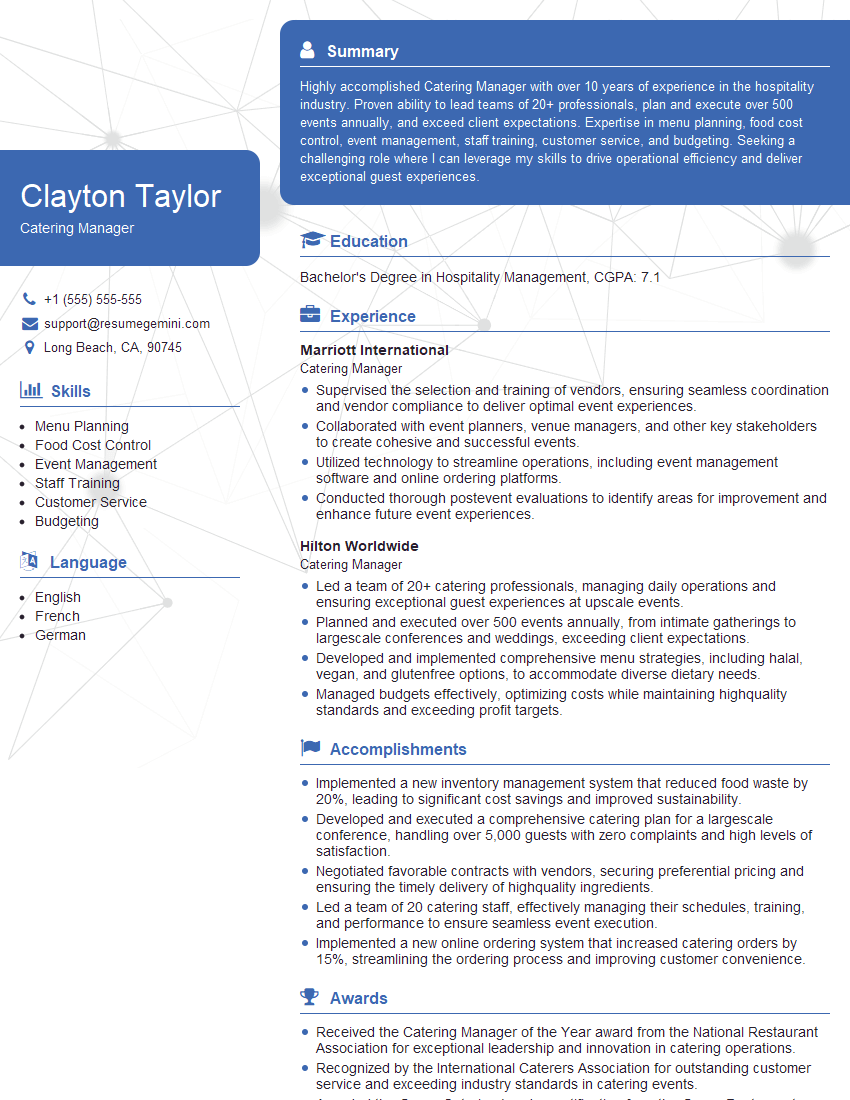
Catering Manager Resume Sample
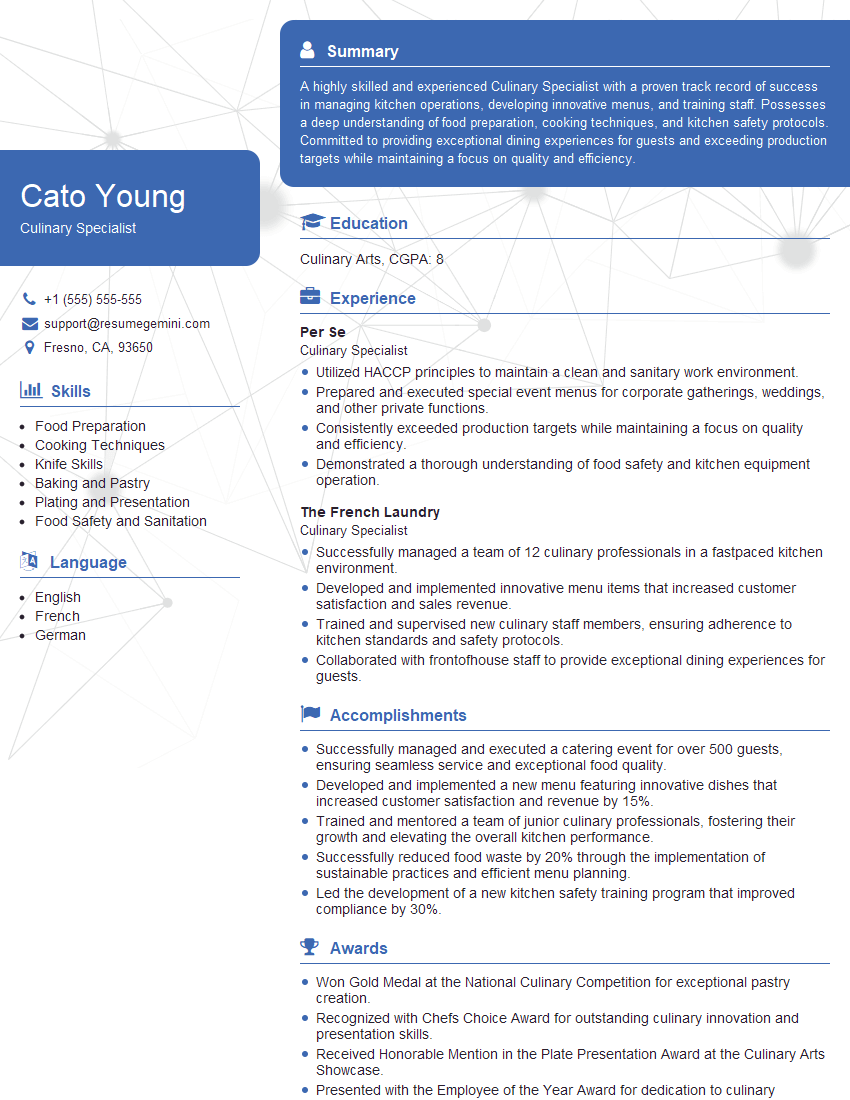
Culinary Specialist Resume Sample
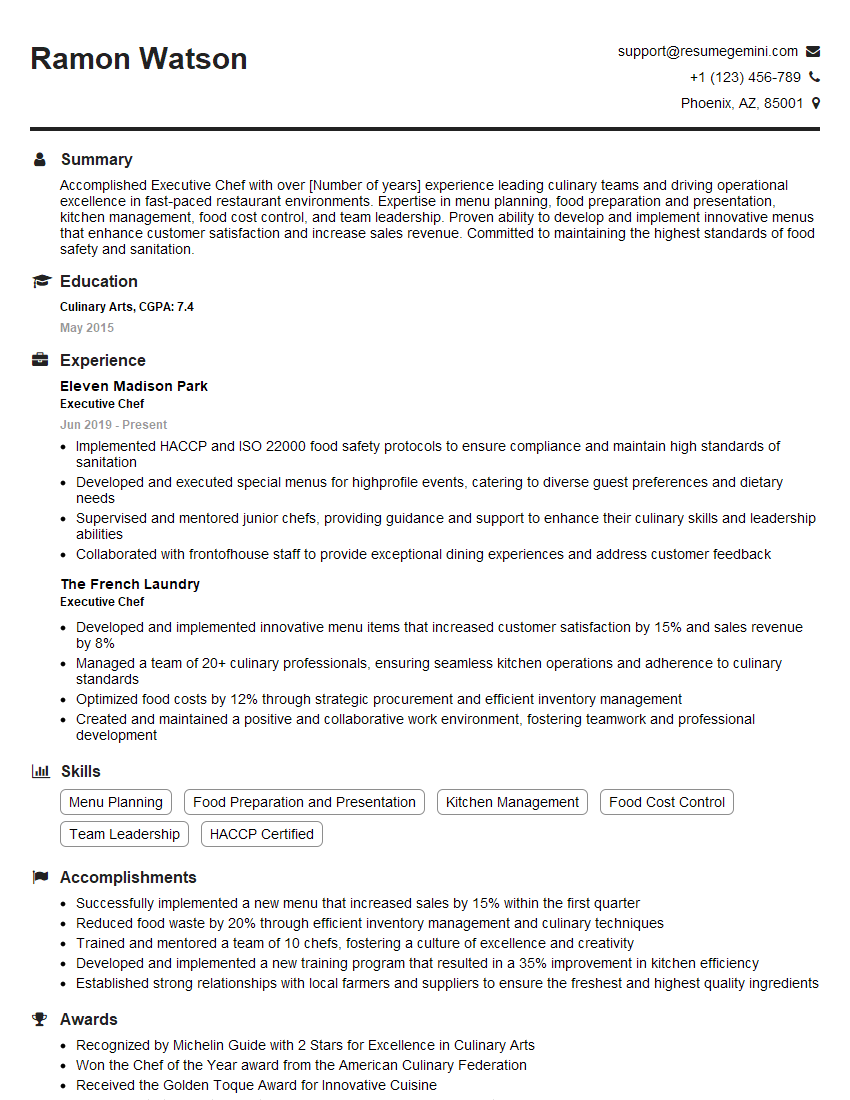
Executive Chef Resume Sample
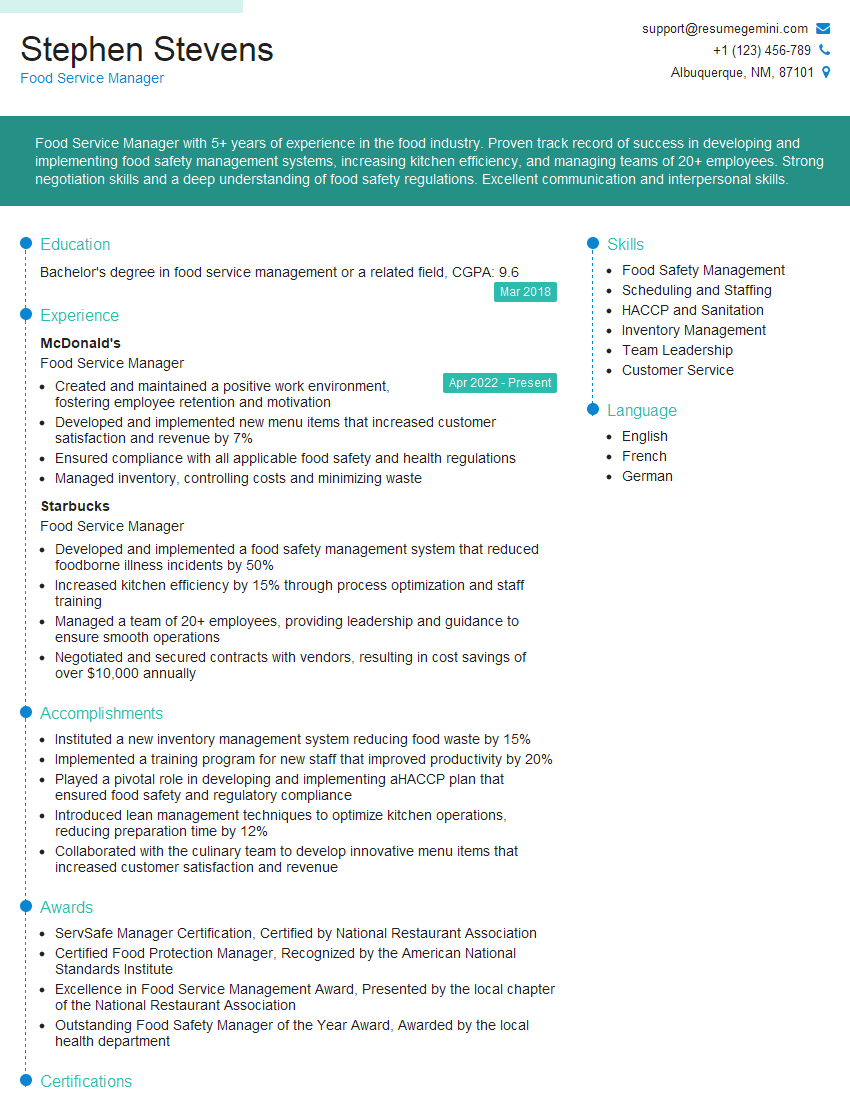
Food Service Manager Resume Sample
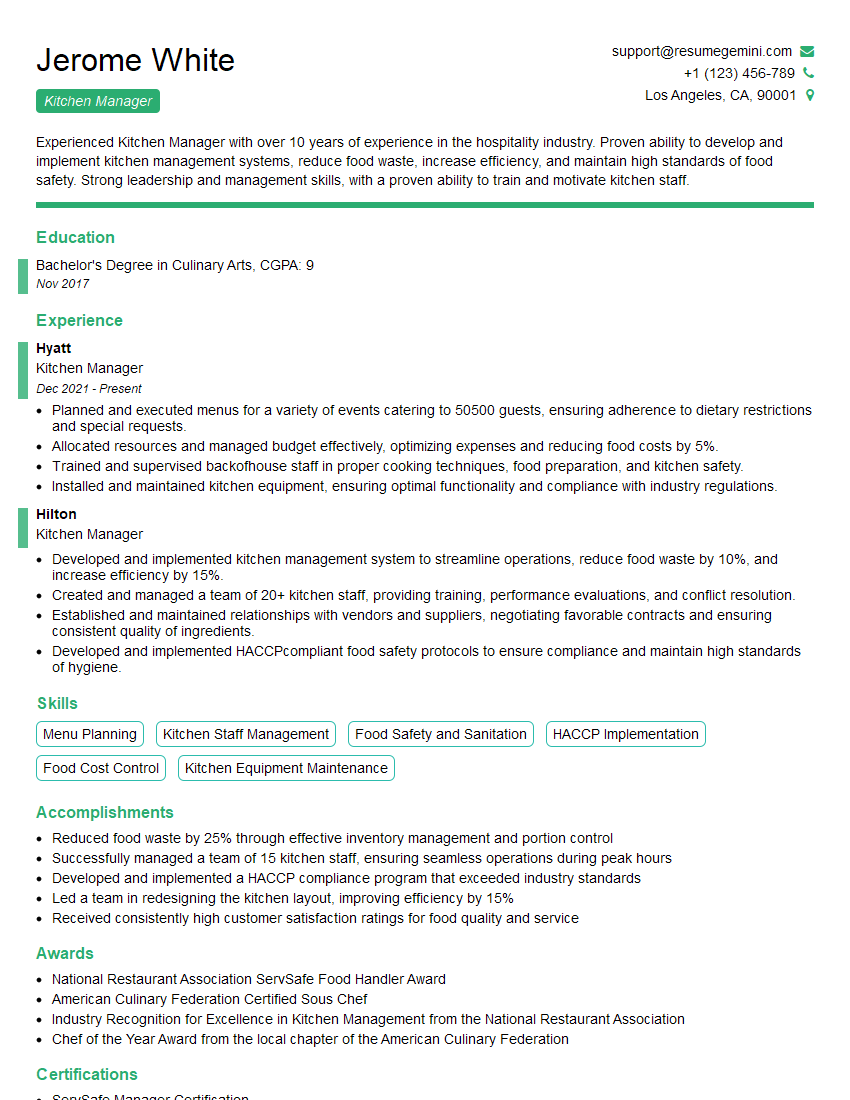
Kitchen Manager Resume Sample
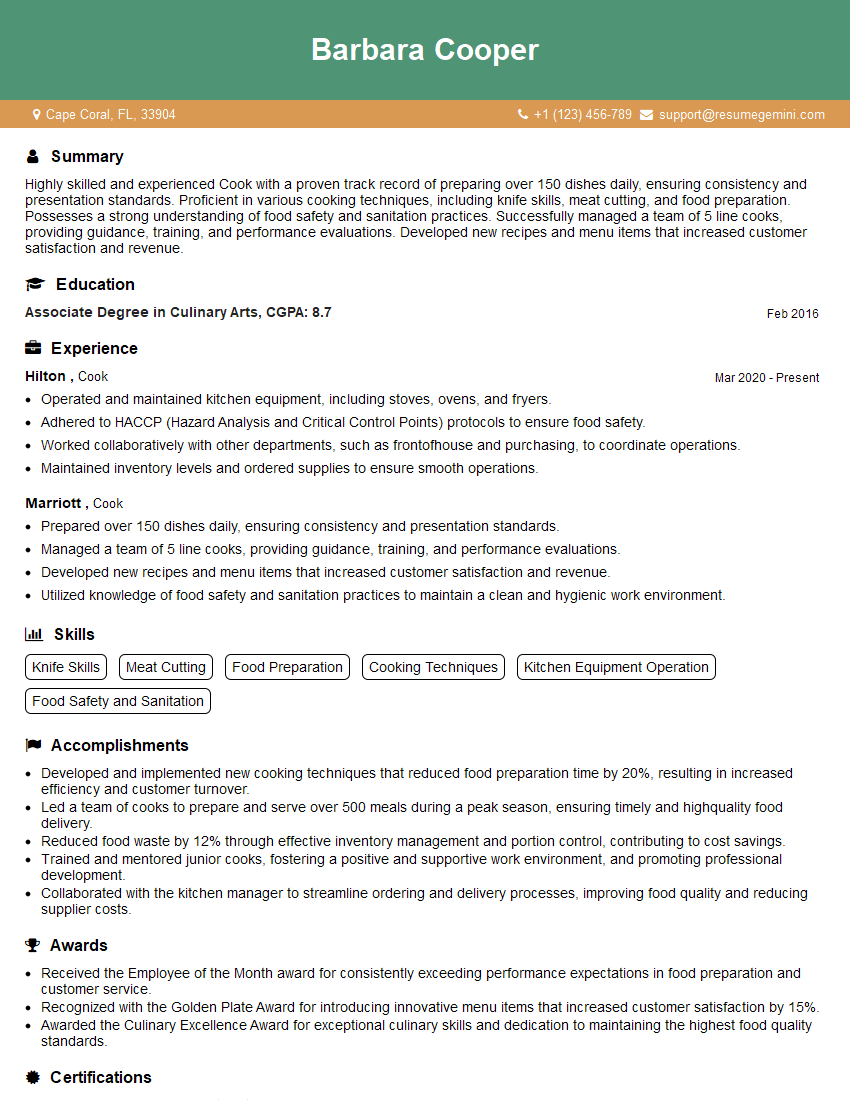
Cook Resume Sample
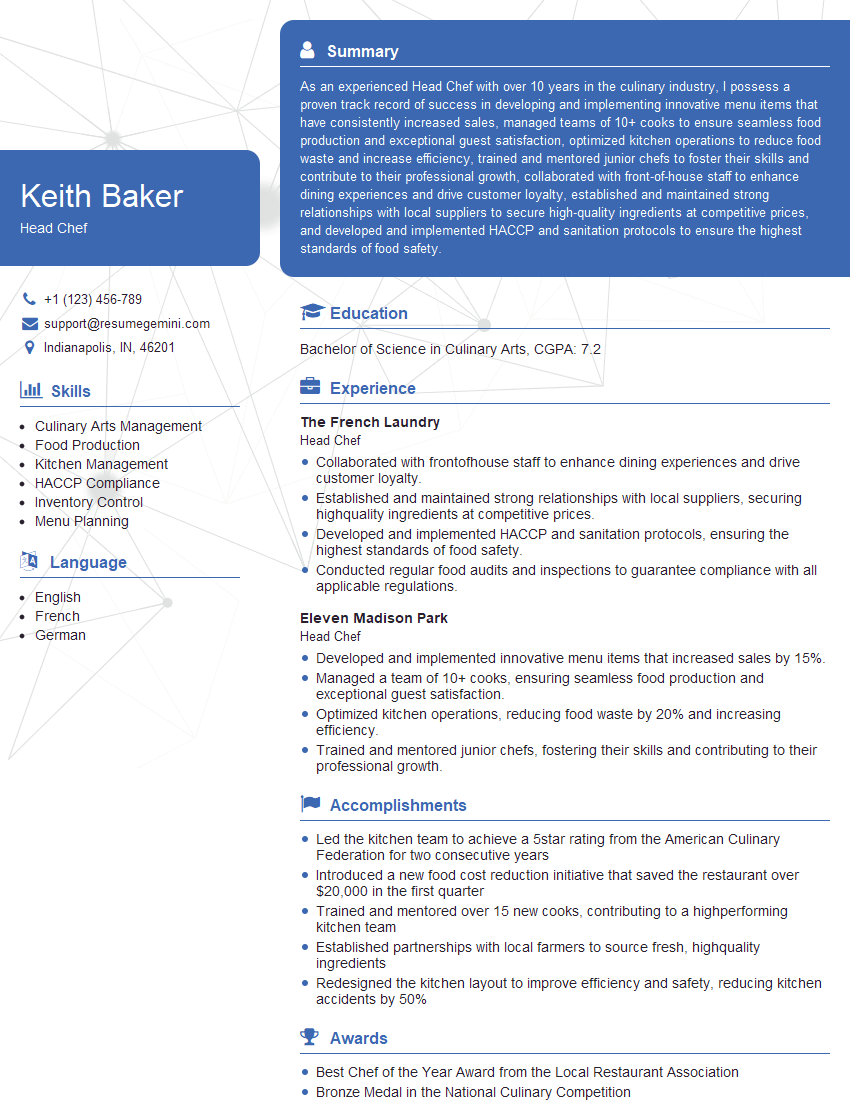
Head Chef Resume Sample
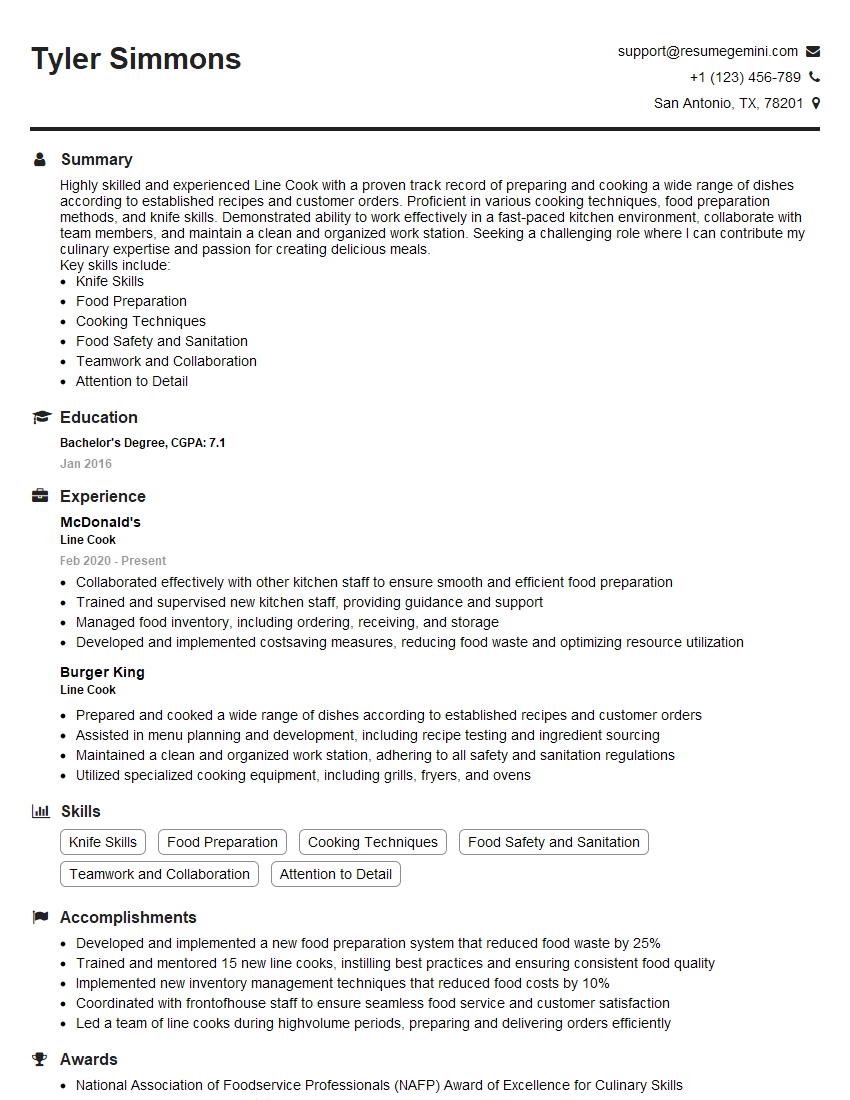
Line Cook Resume Sample
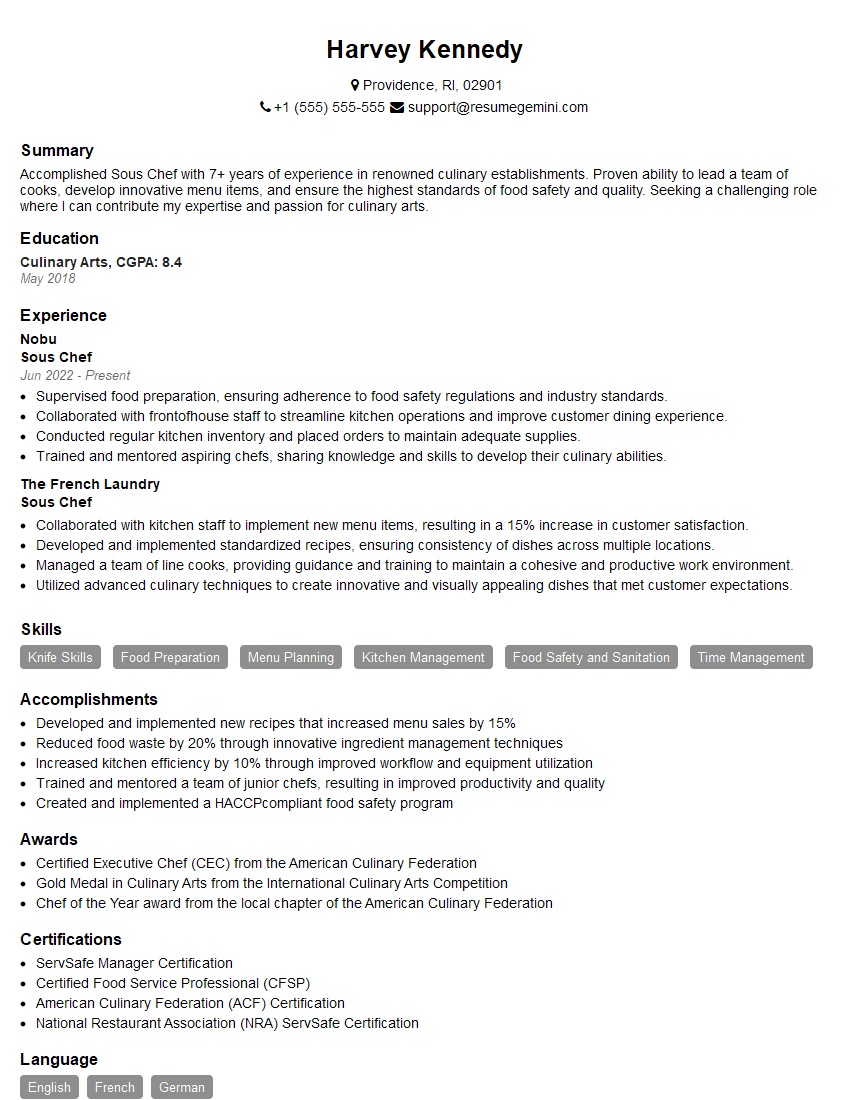
Sous Chef Resume Sample
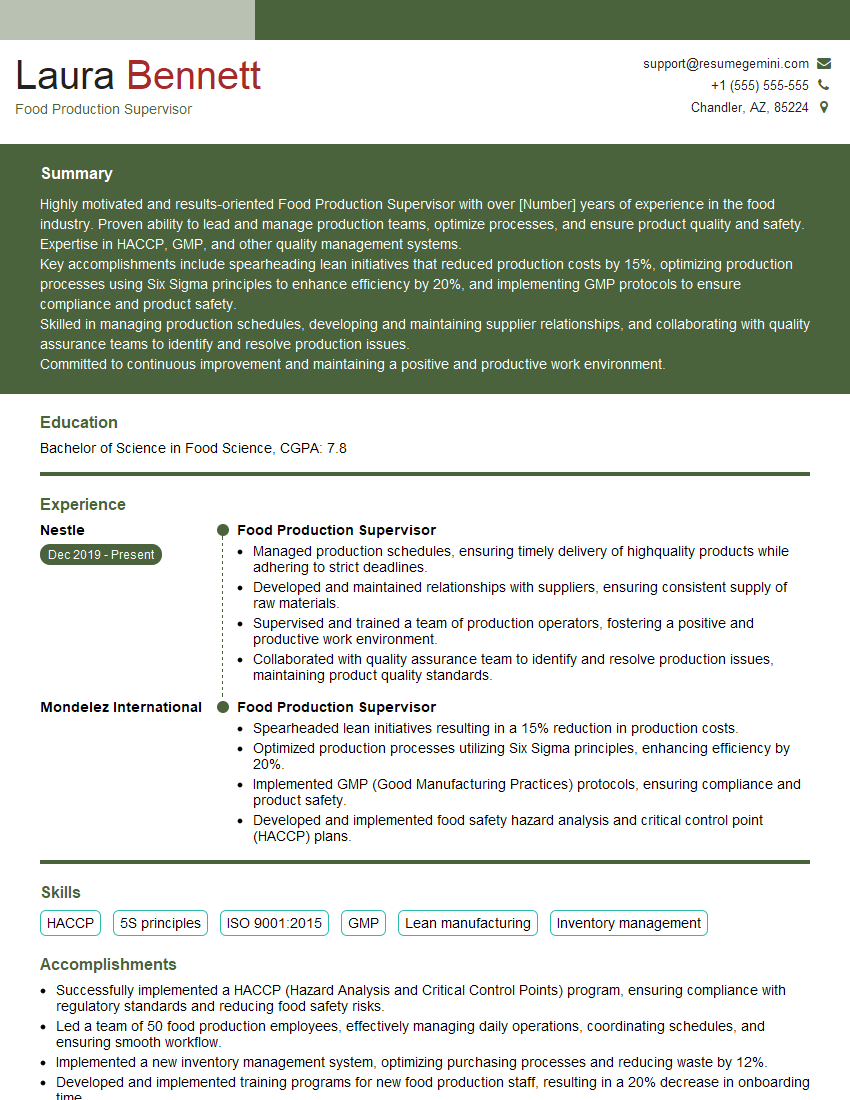
Food Production Supervisor Resume Sample
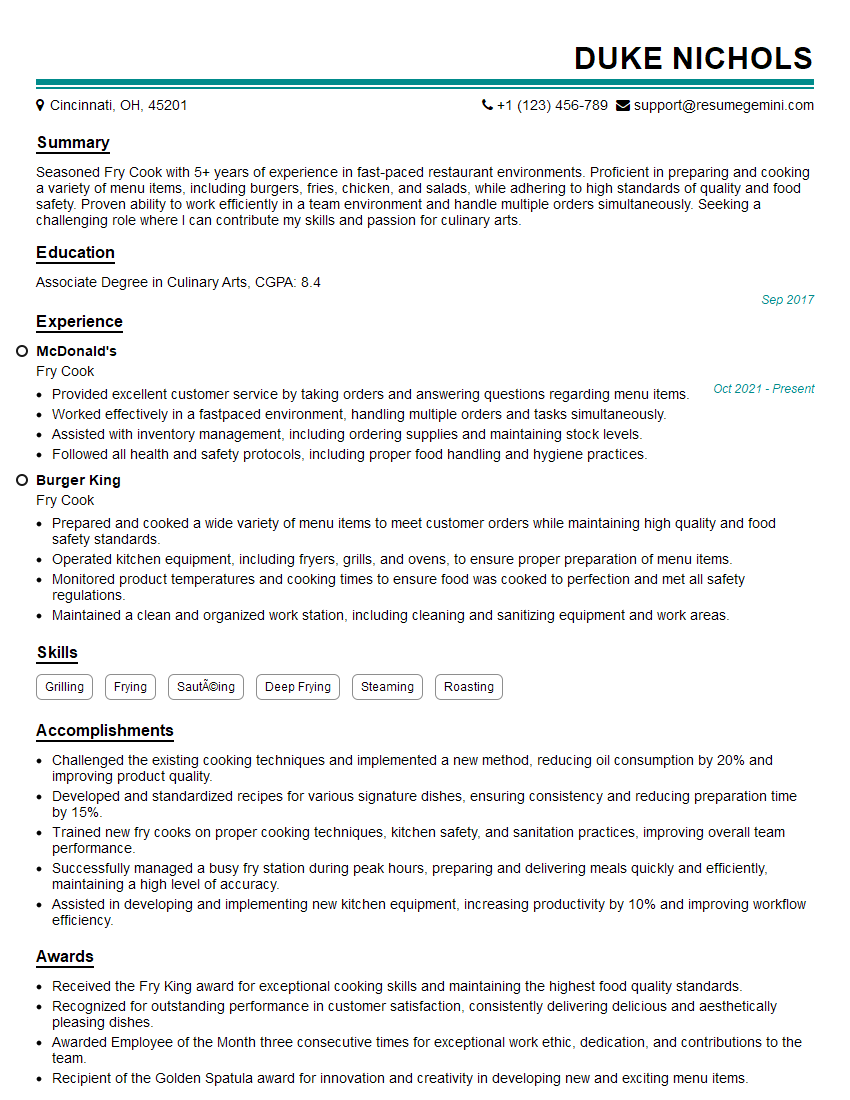
Fry Cook Resume Sample
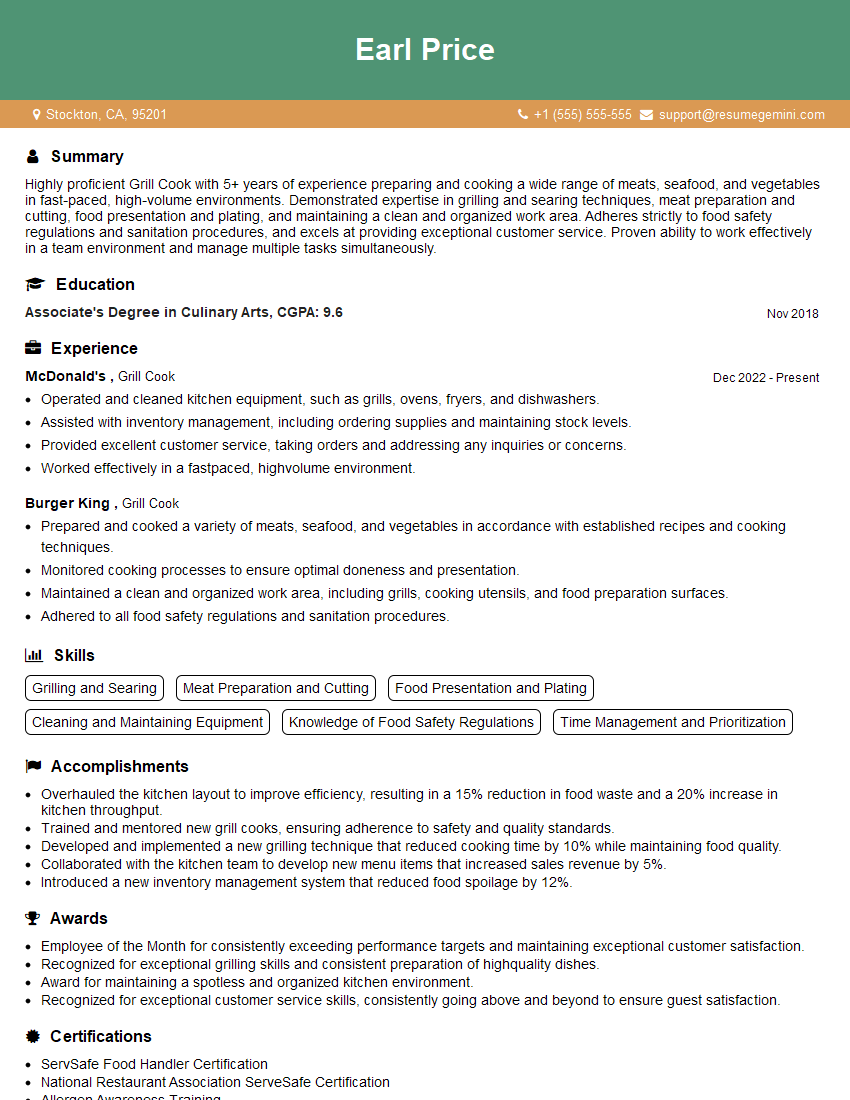
Grill Cook Resume Sample
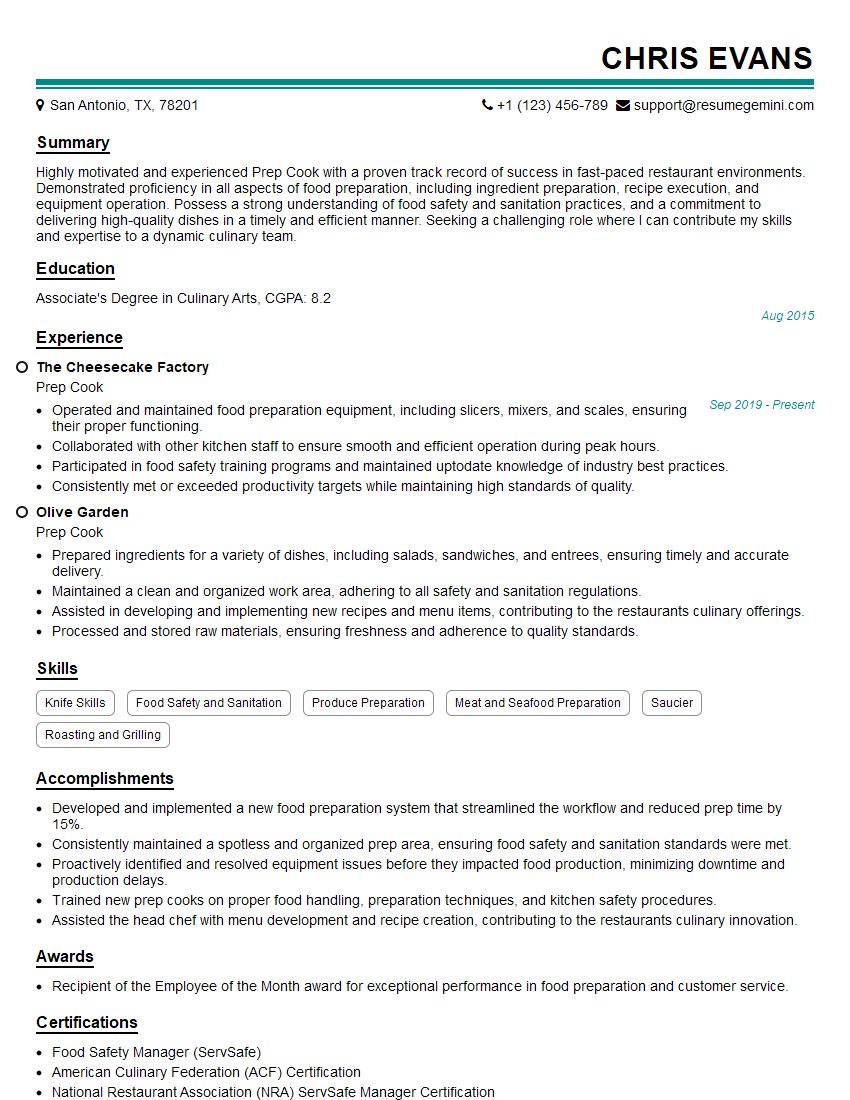
Prep Cook Resume Sample
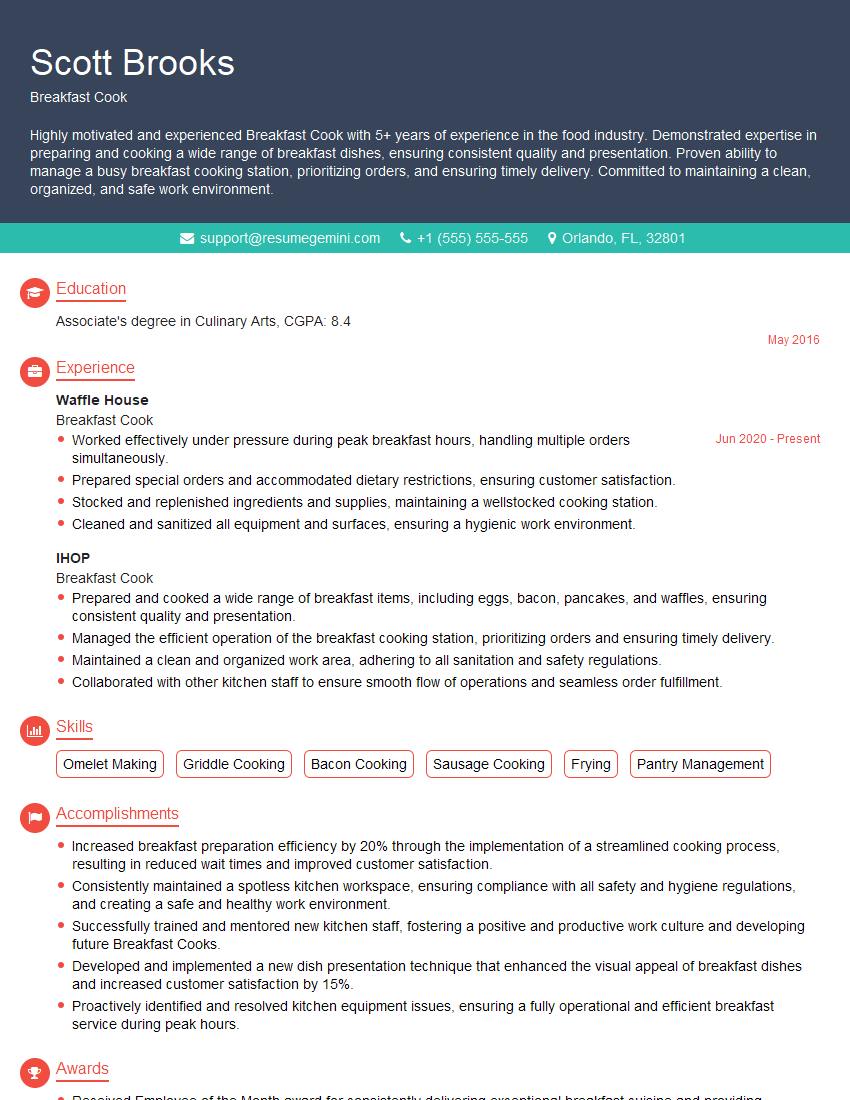
Breakfast Cook Resume Sample
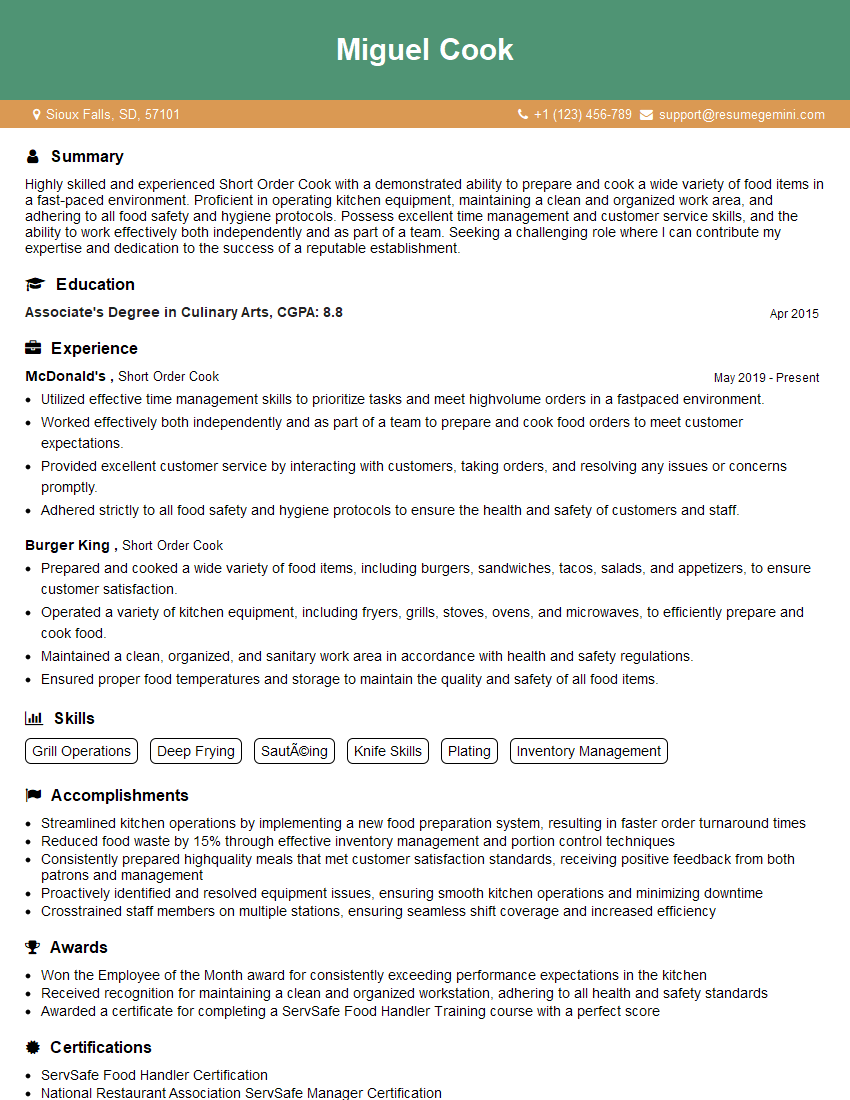
Short Order Cook Resume Sample

Baker Resume Sample
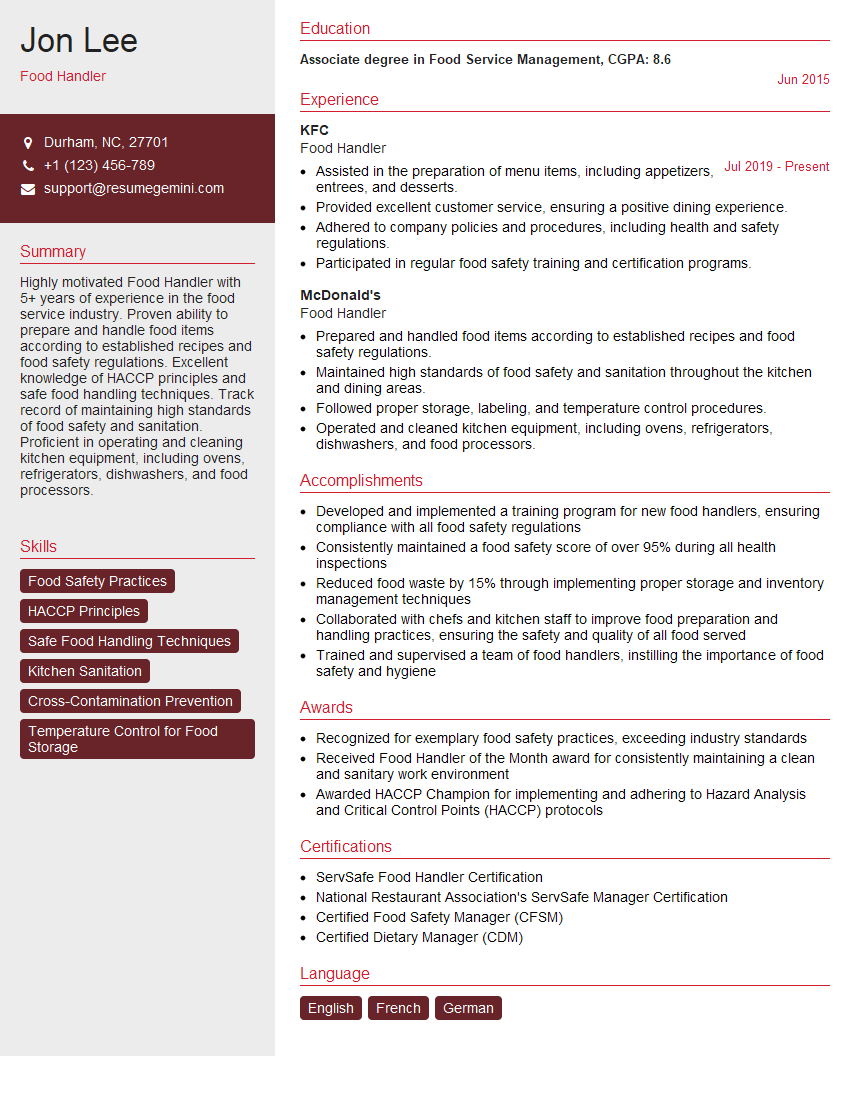
Food Handler Resume Sample
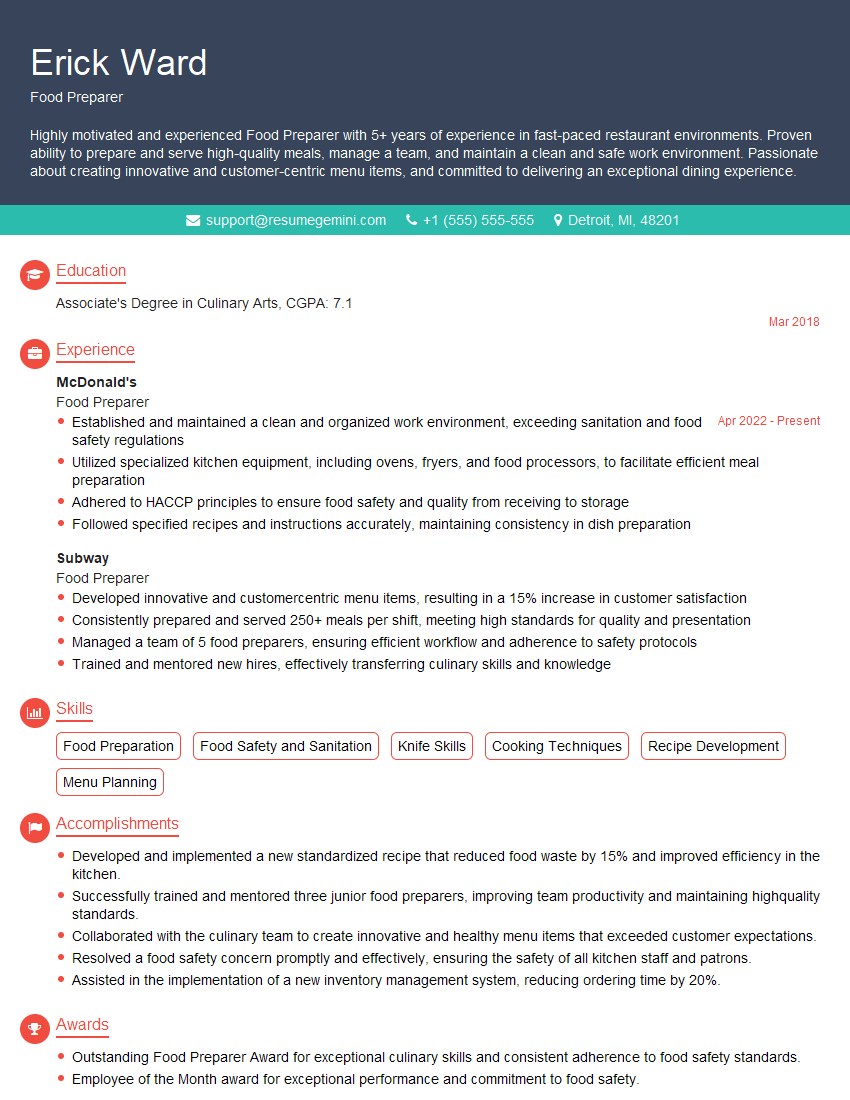
Food Preparer Resume Sample
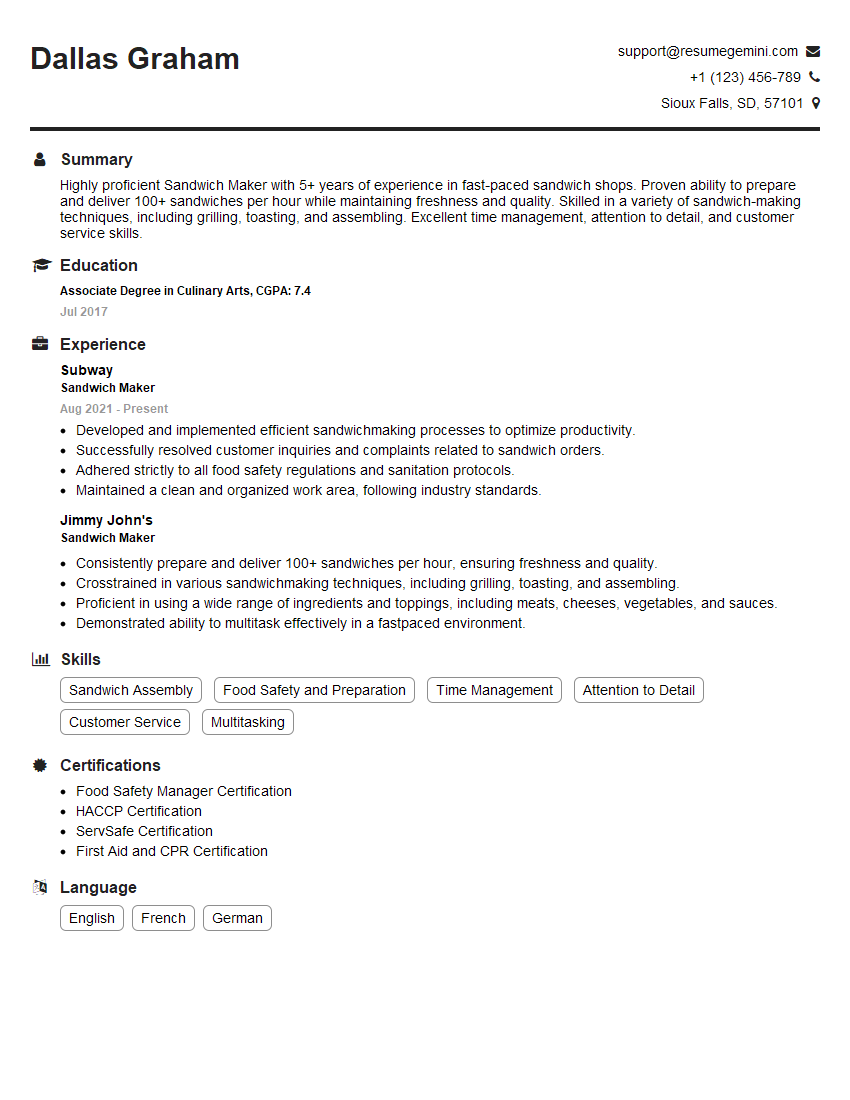
Sandwich Maker Resume Sample
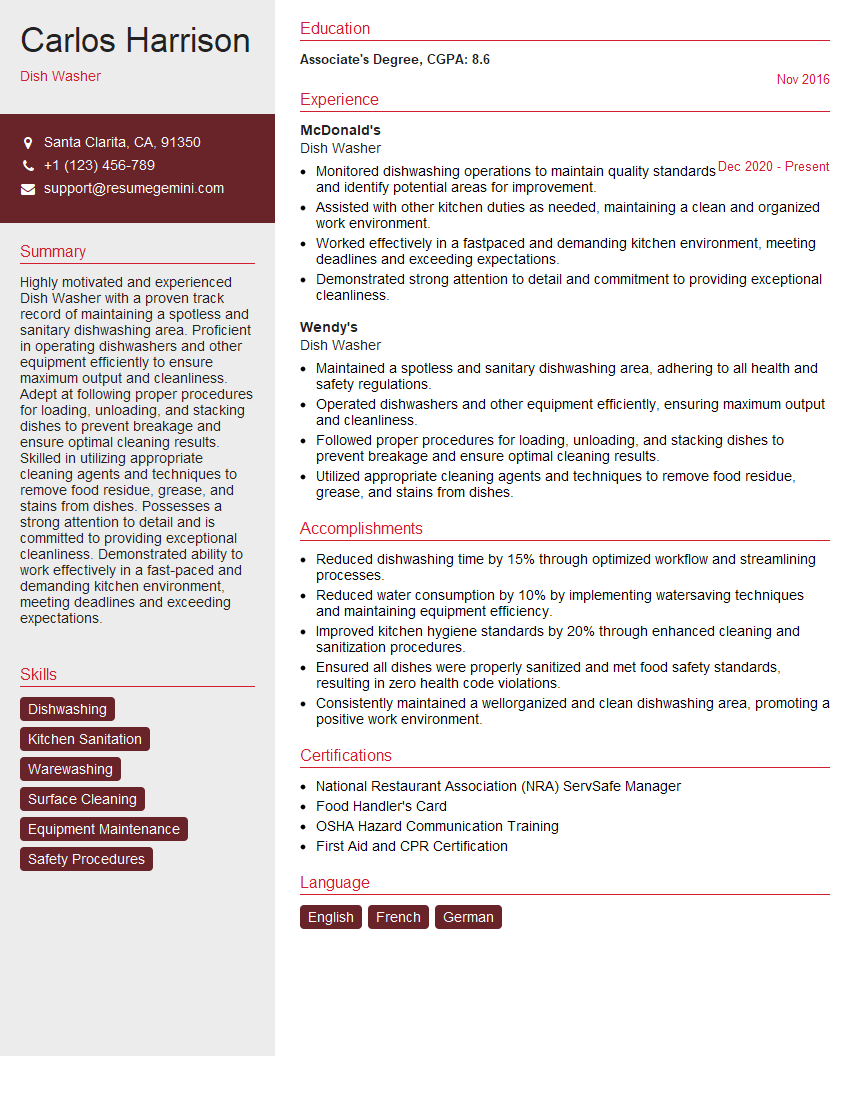
Dish Washer Resume Sample
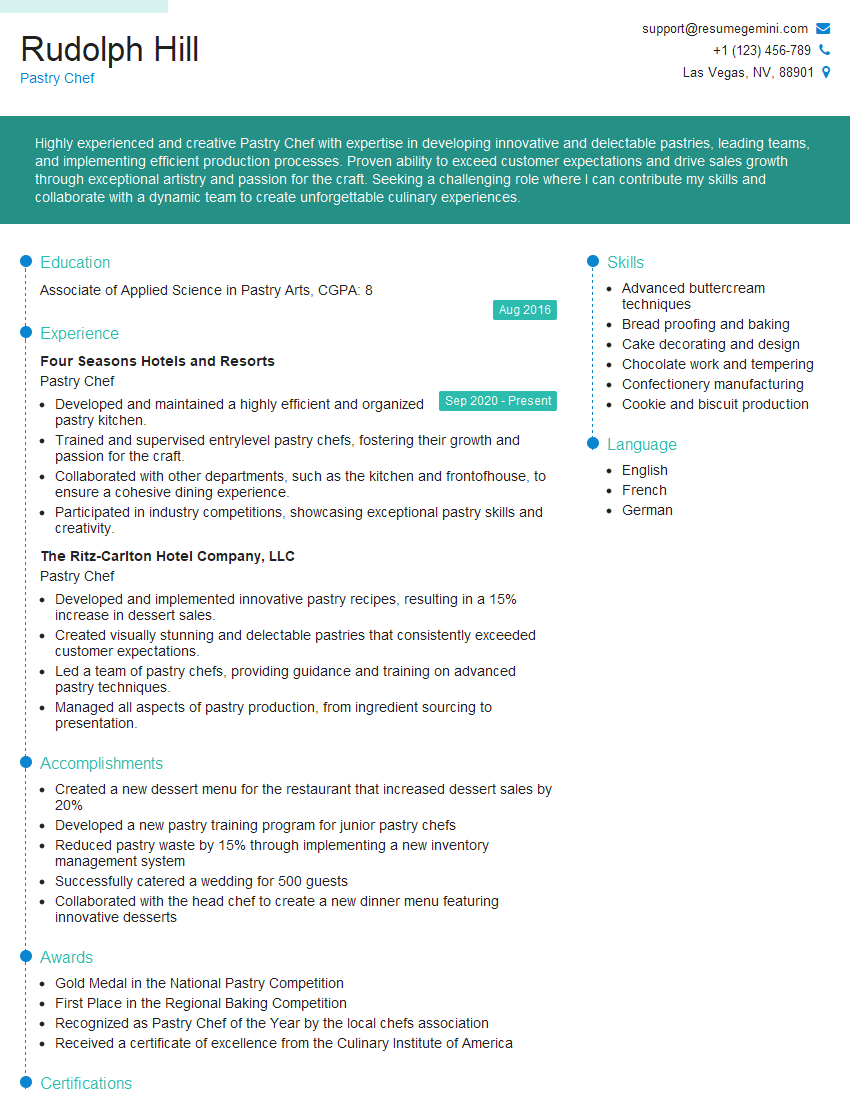
Pastry Chef Resume Sample
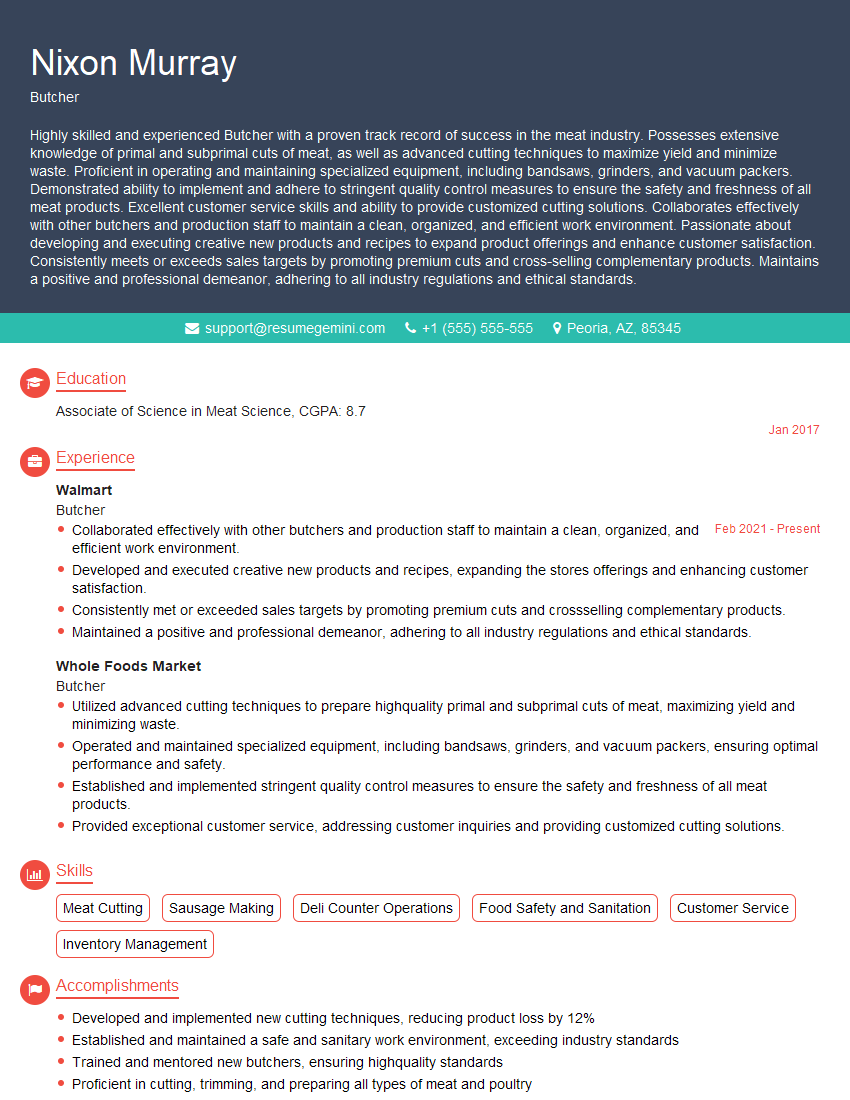
Butcher Resume Sample
Explore more articles
Users Rating of Our Blogs
Share Your Experience
We value your feedback! Please rate our content and share your thoughts (optional).
What Readers Say About Our Blog
Really detailed insights and content, thank you for writing this detailed article.
IT gave me an insight and words to use and be able to think of examples