Unlock your full potential by mastering the most common Grout Cleaning interview questions. This blog offers a deep dive into the critical topics, ensuring you’re not only prepared to answer but to excel. With these insights, you’ll approach your interview with clarity and confidence.
Questions Asked in Grout Cleaning Interview
Q 1. What grout cleaning methods are you familiar with?
Grout cleaning involves a variety of methods, each suited to different levels of soiling and grout types. I’m proficient in several, including:
- Manual scrubbing: This involves using brushes, sponges, and appropriate cleaning solutions to manually remove dirt and grime. This is best for lightly soiled grout and is often a pre-step to more powerful methods.
- Steam cleaning: High-pressure steam effectively loosens and removes embedded dirt and stains. It’s excellent for sanitizing and is gentler than harsh chemicals on certain grout types.
- Power washing (low-pressure): Using a low-pressure power washer with the appropriate nozzle and cleaning solution can efficiently clean larger areas quickly. It’s crucial to avoid excessive pressure to prevent grout damage.
- Grout cleaning machine: These specialized machines utilize rotating brushes and powerful suction to clean grout thoroughly and efficiently, particularly in heavily trafficked areas.
The choice of method depends on factors such as the grout type, the severity of the staining, and the size of the area.
Q 2. Describe your experience with various grout types (cement, epoxy, etc.).
My experience encompasses a wide range of grout types. Each requires a tailored approach:
- Cement grout: This is the most common type, porous and susceptible to staining. It requires careful cleaning to avoid damage. I often use a combination of manual scrubbing and steam cleaning for this type.
- Epoxy grout: This is a more durable, non-porous grout that’s resistant to staining and water damage. Cleaning is typically simpler, often just requiring a damp cloth or gentle scrubbing with a mild cleaner. However, aggressive cleaning can still damage the surface.
- Sanded grout: This type contains sand for added strength and durability. While robust, the sand can scratch if cleaned too aggressively. I use soft-bristled brushes and avoid harsh chemicals to preserve the surface.
- Unsanded grout: Smoother than sanded grout, it’s more susceptible to staining. Gentle cleaning methods and appropriate solutions are crucial to prevent damage.
Understanding the specific properties of each grout type is paramount to prevent damage and achieve optimal cleaning results. For example, using a harsh chemical on epoxy grout could dull its finish, while being too gentle with cement grout might not remove deep-seated stains.
Q 3. How do you determine the appropriate cleaning solution for different grout types?
Selecting the right cleaning solution is crucial. The choice depends heavily on the grout type and the nature of the stain. I always perform a small, inconspicuous test in an unseen area before applying the solution broadly.
- Mild soap and water: Effective for light dirt and grime on most grout types.
- Oxygen bleach: A safer alternative to chlorine bleach, effective for many stains and suitable for most grout types. It’s important to dilute it according to the manufacturer’s instructions.
- Commercial grout cleaners: Many specialized cleaners are available, each formulated for specific grout types and stain removal. Always follow the instructions on the product label.
- Acidic cleaners (with caution): These are effective for mineral deposits but can damage some grout types (like epoxy). Use only when absolutely necessary and follow manufacturer’s instructions rigorously. Always test in an inconspicuous area first.
For example, I wouldn’t use an acidic cleaner on epoxy grout, as it could etch the surface. Conversely, a mild soap solution may be insufficient for removing stubborn mildew stains from cement grout.
Q 4. What safety precautions do you take when using cleaning chemicals?
Safety is my top priority. When working with cleaning chemicals, I always:
- Wear appropriate personal protective equipment (PPE): This includes gloves, eye protection, and a respirator, especially when using strong chemicals.
- Work in a well-ventilated area: This minimizes inhalation of fumes and ensures proper air circulation.
- Follow the manufacturer’s instructions: This includes dilution ratios, application methods, and safety precautions.
- Store chemicals properly: Keep them out of reach of children and pets, in their original containers, and according to label instructions.
- Handle spills immediately: Neutralize spills according to the chemical’s safety data sheet (SDS).
I never mix different cleaning chemicals, as this can create dangerous reactions. A recent job involved removing mildew stains, and using the respirator while applying the oxygen bleach was essential to prevent breathing in harmful fumes.
Q 5. Explain your process for pre-cleaning and post-cleaning inspections.
Thorough pre and post-cleaning inspections are essential for ensuring a quality job and identifying any potential issues.
Pre-cleaning inspection: This involves assessing the grout’s condition, identifying the types of stains, and determining the best cleaning method. I take photographs to document the initial condition, noting areas of particular concern, like severe staining or damage. This helps to create a clear plan of action and set realistic expectations for the client.
Post-cleaning inspection: After cleaning, I perform a thorough inspection to verify that all stains have been removed, and the grout is clean and undamaged. I compare the results to the initial photos to highlight the improvement. This also helps to identify any areas that might need further attention.
Q 6. How do you handle heavily stained or discolored grout?
Heavily stained or discolored grout requires a more aggressive approach. I might employ a multi-step process, starting with less harsh methods and escalating only if necessary.
- Pre-treatment: Applying a specialized stain remover or bleaching agent, allowing it to dwell for the recommended time.
- Mechanical cleaning: Using a grout cleaning machine or power washer (low pressure) to physically remove loosened stains.
- Repeat treatments: For stubborn stains, repeating steps 1 and 2 may be required.
- Professional-grade solutions: In extreme cases, professional-grade stain removers or even specialized grout restoration techniques might be employed.
For example, I once encountered grout with severe rust stains. After several attempts with oxygen bleach and a grout cleaning machine, I utilized a specialized rust remover followed by a thorough rinsing. The results were remarkable.
Q 7. Describe your experience with grout sealing and its importance.
Grout sealing is a crucial step in protecting grout and extending its lifespan. It creates a barrier that prevents staining, water damage, and the growth of mold and mildew. My experience includes applying various types of sealers, choosing the right one based on the grout type and the desired level of protection.
- Water-based sealers: Easy to apply and provide good protection against staining and water damage. They are suitable for most grout types.
- Solvent-based sealers: Offer superior stain resistance and durability. They are better for high-traffic areas but require more careful application.
- Epoxy sealers: Provide the highest level of protection, but they are more expensive and require professional application.
For example, in a kitchen renovation project, I applied a solvent-based sealer to the grout around the sink and backsplash to prevent water damage from spills. The sealer not only enhanced the grout’s appearance but also made cleaning much easier.
Q 8. What types of equipment are you proficient with (e.g., rotary machines, steam cleaners)?
My expertise in grout cleaning encompasses a wide range of equipment. I’m highly proficient with rotary machines, which are invaluable for tackling heavily soiled grout lines. These machines, with their rotating brushes, effectively remove ingrained dirt and grime. I also regularly utilize steam cleaners for deeper cleaning and sanitization. Steam’s high temperature effectively kills mold and mildew while loosening stubborn dirt. In addition to these, I’m skilled in using various hand tools, including grout brushes, scrapers, and specialized nozzles for intricate detailing. Choosing the right tool is crucial—a powerful rotary machine might damage delicate tiles, whereas hand tools are perfect for fragile or intricate surfaces. For example, I recently used a rotary machine on a large commercial kitchen floor with heavy traffic, and followed up with a steam cleaner to sanitize. For a client’s delicate mosaic tile backsplash, however, hand tools and a gentle cleaning solution were the preferred choice.
Q 9. How do you address customer concerns or complaints about grout cleaning results?
Addressing customer concerns is paramount. I always begin by actively listening to their feedback, acknowledging their perspective, and validating their feelings. Transparency is key. I explain the process, the limitations, and potential challenges upfront. If a result isn’t to their satisfaction, I investigate the issue thoroughly. This might involve re-examining the grout type, the cleaning method used, or the possibility of underlying issues like staining or damage that weren’t initially apparent. For instance, if a client expresses disappointment with the color restoration, I discuss the potential reasons – the age of the grout, prior staining, or even the inherent limitations of color restoration techniques. Sometimes, a complete grout replacement is the only solution. In such cases, I offer transparent and upfront recommendations. My goal is always to find a mutually agreeable solution, whether it’s a partial recleaning, a price adjustment, or a plan to address the underlying issue.
Q 10. What is your experience with different types of tile?
My experience spans a variety of tile types, including ceramic, porcelain, natural stone (marble, granite, travertine), and glass. Each tile type demands a unique approach. Porcelain, for example, is generally more durable and can tolerate more aggressive cleaning methods than delicate marble. Natural stone tiles require gentler cleaning solutions to avoid etching or damage. I’m acutely aware of the different porosity levels of various tiles and adjust my cleaning methods accordingly. Using the wrong solution on a porous stone tile could lead to staining. Understanding the tile material is crucial – I always research the specifics of the material before starting, ensuring I use appropriate cleaning agents and techniques. For example, I use a neutral pH cleaner for most ceramic tiles but opt for a specialized stone cleaner for marble to prevent etching.
Q 11. How do you prevent damage to tile during grout cleaning?
Preventing tile damage is my top priority. I always begin by inspecting the tiles thoroughly to identify any existing cracks, chips, or loose pieces. I use low-pressure settings on power tools and avoid harsh scrubbing, especially on delicate tiles. My choice of cleaning solutions is crucial; I use pH-neutral cleaners whenever possible to minimize the risk of etching or discoloration. Before applying any solution, I test it in an inconspicuous area to check for any adverse reactions. I also use protective measures like masking tape to shield sensitive areas. For particularly delicate tiles, I’ll opt for manual cleaning with soft brushes and gentler cleaning solutions. Think of it like this: I treat each tile surface as a unique work of art requiring careful handling. One wrong move could mar its beauty irrevocably.
Q 12. How do you remove mold and mildew from grout?
Mold and mildew removal requires a specific approach. First, I thoroughly assess the extent of the infestation. Then, I apply a specialized mold and mildew remover, ensuring to follow the manufacturer’s instructions carefully. Safety is paramount – I always wear appropriate personal protective equipment (PPE), including gloves, eye protection, and a respirator. After applying the cleaner, I allow sufficient dwell time for it to penetrate and work its magic. Next, I scrub the affected areas gently with a brush, ensuring not to damage the surrounding grout or tile. Finally, I rinse thoroughly with clean water. In severe cases, I might repeat the process or consider using a steam cleaner to aid in the removal and sanitization. In some particularly stubborn cases, I may recommend a professional mold remediation specialist for more extensive treatment, always prioritizing the client’s health and safety.
Q 13. Describe your experience with grout color restoration.
Grout color restoration is a specialized service requiring expertise and the right products. It involves using color sealants or epoxy grout to restore the grout’s original color or to change it to a new shade. I start by thoroughly cleaning the grout to remove all dirt and debris, ensuring a clean surface for the sealant to adhere to. I then apply the chosen sealant according to the manufacturer’s instructions, using precision and care. The results can dramatically improve the appearance of the floor or wall, giving it a refreshed, rejuvenated look. However, it’s important to manage expectations. Severely stained or damaged grout might not be completely restored. Before starting, I always discuss the limitations of grout color restoration with the client, showing examples of before-and-after results. The color restoration depends on the initial condition of the grout and the selected color. Therefore, a thorough consultation is crucial to set realistic expectations.
Q 14. What is your approach to cleaning grout in hard-to-reach areas?
Cleaning grout in hard-to-reach areas requires specialized tools and techniques. I use grout brushes with various shapes and sizes to access narrow crevices and tight spaces between tiles. For particularly challenging areas, I employ small, angled nozzles on my steam cleaner or use a detail brush. Sometimes, I’ll even use a small, handheld vacuum to remove debris after cleaning. Think of it like a miniature surgical operation – precision and patience are key. In extremely tight spaces where tools won’t fit, I may need to carefully use a needle-nosed applicator or a specialized grout pen to apply cleaner directly. Thorough cleaning in these areas is crucial, since they are often overlooked and can accumulate significant amounts of dirt and grime over time.
Q 15. How do you calculate the cost of a grout cleaning job?
Calculating the cost of a grout cleaning job involves several factors. It’s not a simple per-square-foot calculation, as the level of soiling, grout type, and the presence of difficult stains significantly impact the time and effort required. I typically break down the cost estimate into these components:
- Square footage: This is the most basic factor. I measure the area needing cleaning to determine the base cost.
- Grout condition: Heavily soiled grout, with ingrained dirt, mildew, or efflorescence (salt deposits), requires more intensive cleaning and specialized solutions, increasing the cost.
- Grout type: Different grout types respond differently to cleaning agents. Porous grout may require more delicate handling and specialized products.
- Accessibility: Difficult-to-reach areas, like tight corners or areas under cabinets, add time and therefore cost to the project.
- Pre-treatment needs: Some stains or mold might necessitate pre-treatment with specific chemicals or tools, adding to the overall cost.
- Labor costs: My hourly rate is factored in, considering the estimated time required for the project based on the above factors.
For example, a small bathroom with lightly soiled grout might cost X, while a large kitchen with heavily stained and porous grout might cost significantly more, perhaps 2X or even 3X. I always provide a detailed, itemized estimate before commencing any work, ensuring transparency with my clients.
Career Expert Tips:
- Ace those interviews! Prepare effectively by reviewing the Top 50 Most Common Interview Questions on ResumeGemini.
- Navigate your job search with confidence! Explore a wide range of Career Tips on ResumeGemini. Learn about common challenges and recommendations to overcome them.
- Craft the perfect resume! Master the Art of Resume Writing with ResumeGemini’s guide. Showcase your unique qualifications and achievements effectively.
- Don’t miss out on holiday savings! Build your dream resume with ResumeGemini’s ATS optimized templates.
Q 16. What is your experience with different cleaning solutions?
My experience with cleaning solutions is extensive, encompassing a range of products for different grout types and staining issues. I use both commercially available products and, in some cases, custom-mixed solutions depending on the specific needs of the job. Here are some examples:
- Alkaline cleaners: These are effective for removing grease, dirt, and general grime. I often use these as a primary cleaning agent for most jobs.
- Acidic cleaners: These are powerful but require careful handling and are best suited for removing mineral deposits, efflorescence, and certain types of stubborn stains. They are crucial for certain types of grout but must be used cautiously to avoid damaging the tile or grout.
- Oxygen-based cleaners: These are environmentally friendly and effective for tackling mildew and organic stains. I often use these for pre-treating heavily soiled areas.
- Specialized stain removers: I keep a variety of stain removers on hand to address specific issues like rust, ink, or dye stains. The choice depends entirely on the nature of the stain and the grout type.
Safety is paramount. I always follow the manufacturer’s instructions carefully, wear appropriate personal protective equipment (PPE), and ensure adequate ventilation. I also test any new cleaning solution in an inconspicuous area first to assess its compatibility with the grout and tile.
Q 17. How do you dispose of cleaning waste properly?
Proper disposal of cleaning waste is crucial for environmental protection and worker safety. I adhere to all local and state regulations, which often involve separating the waste stream. This typically involves:
- Separating hazardous waste: Any cleaning solutions containing hazardous chemicals are collected in designated containers, labeled appropriately, and disposed of through licensed waste haulers. I meticulously keep records of disposal for auditing purposes.
- Recycling wastewater: Where feasible, I try to recycle wastewater after appropriate filtration. This minimizes water usage and protects the environment.
- Properly disposing of solid waste: Any solid debris, such as chipped grout or larger pieces of dirt, is bagged and disposed of according to local regulations.
I am always mindful of the environmental impact of my work and strive to employ sustainable practices whenever possible. For example, I try to minimize water usage by utilizing efficient cleaning methods and using high-quality, concentrated cleaning solutions.
Q 18. Describe your understanding of OSHA regulations related to cleaning chemicals.
My understanding of OSHA regulations concerning cleaning chemicals is thorough. OSHA’s Hazard Communication Standard (HCS) is central to my practices. This standard mandates that I:
- Provide Safety Data Sheets (SDS): I keep up-to-date SDS for all cleaning chemicals used, readily available for employees and clients if needed.
- Proper labeling: All containers are clearly labeled with the chemical’s name, hazards, and precautions.
- PPE use: I always wear appropriate PPE, including gloves, eye protection, and respiratory protection when handling hazardous chemicals. The type of PPE depends on the specific chemical being used.
- Employee training: All employees receive comprehensive training on handling chemicals safely, understanding SDS, and using appropriate PPE.
- Emergency procedures: I have well-defined emergency procedures in place for spills or accidental exposure.
I regularly review and update my knowledge of OSHA regulations to ensure compliance. Understanding and adhering to these regulations is not only legally mandatory but also crucial for the safety and well-being of myself and my team.
Q 19. How do you maintain your equipment in optimal condition?
Maintaining my equipment in optimal condition is vital for efficiency and ensuring quality results. My maintenance routine includes:
- Regular cleaning: After each job, I thoroughly clean all equipment, removing any residual cleaning solutions and debris. This prevents cross-contamination and extends the lifespan of the equipment.
- Preventative maintenance: I follow manufacturer’s recommendations for maintenance, such as lubricating moving parts and replacing worn-out components proactively.
- Storage: I store equipment in a dry, secure location to protect it from damage and degradation.
- Regular inspection: I regularly inspect equipment for any signs of wear and tear or malfunction. This allows me to address issues before they become major problems.
- Professional servicing: I schedule regular professional servicing of power equipment to ensure it’s functioning optimally and safely.
Investing in proper equipment maintenance not only saves money in the long run by preventing costly repairs but also ensures consistently high-quality results for my clients.
Q 20. What is your process for scheduling and managing cleaning projects?
My process for scheduling and managing cleaning projects is streamlined to ensure efficiency and client satisfaction. It involves:
- Initial consultation: I schedule a consultation to assess the project’s scope, discuss the client’s needs, and provide a detailed estimate.
- Scheduling: I use a project management software to schedule appointments, track progress, and manage resources effectively.
- Communication: I maintain open communication with clients throughout the process, providing updates and addressing any concerns.
- Team coordination (if applicable): If a project requires a team, I ensure clear communication and task assignment.
- Post-job follow-up: After completing the job, I follow up with the client to ensure they are satisfied with the results and address any remaining questions or concerns.
This systematic approach ensures projects are completed on time, within budget, and to the highest standards.
Q 21. How do you handle unexpected challenges during a job?
Handling unexpected challenges is an inherent part of this profession. My approach involves a combination of preparedness, problem-solving, and effective communication. For example:
- Unforeseen damage: If I discover unforeseen damage to the grout or tiles during the cleaning process, I immediately stop work, assess the situation, and inform the client. We discuss possible solutions and determine the next steps collaboratively.
- Unexpectedly difficult stains: If I encounter stains that are more resistant than anticipated, I might need to adjust my approach, using stronger cleaning agents or different techniques. I would also inform the client of the changes and any impact on the timeline or cost.
- Equipment malfunction: In case of equipment failure, I have backup equipment available and strive to minimize any delays. Informing the client promptly about the situation is crucial.
My goal is always to resolve challenges professionally and transparently, maintaining open communication with the client every step of the way. Maintaining a flexible and adaptable attitude is key to navigating unexpected challenges effectively.
Q 22. What is your experience with commercial-grade cleaning equipment?
My experience with commercial-grade grout cleaning equipment is extensive. I’ve worked with a variety of machines, from high-pressure steam cleaners and rotary scrubbers to specialized extraction units designed for tile and grout. I’m proficient in operating and maintaining these machines, understanding the nuances of each – knowing when to adjust pressure, nozzle type, or chemical solution based on the grout type and level of soiling. For instance, I’ve successfully used a roto-scrubber with diamond pads to tackle heavily stained commercial kitchen floors, achieving results that significantly exceeded client expectations. In contrast, delicate antique tile required a more gentle approach using a low-pressure steam cleaner and specialized cleaning agents to avoid damage. Safety protocols are paramount, and I’m meticulous in following all manufacturer guidelines and safety procedures for every machine I operate.
Q 23. Describe your experience with customer communication.
Customer communication is a cornerstone of my success. I believe in proactive, transparent communication throughout the entire process. Before any work begins, I conduct a thorough site inspection, explaining each step clearly, answering any questions the customer might have about the process, equipment, and expected results. I then provide a detailed, written estimate outlining the scope of work and associated costs. During the cleaning process, I keep customers informed of my progress. After the job is complete, I conduct a final walkthrough, ensuring the client is completely satisfied. For example, I once had a client worried about potential damage to their antique tiles. By explaining the process carefully and demonstrating the cleaning technique on a small, inconspicuous area, I alleviated their concerns and secured their trust.
Q 24. How do you ensure a high level of customer satisfaction?
Ensuring high customer satisfaction involves a multi-faceted approach. It begins with exceeding expectations from the initial consultation to the final clean-up. This includes:
- Thorough pre-cleaning assessment: Identifying the type of grout, the extent of staining, and potential challenges.
- Personalized cleaning plan: Tailoring the cleaning approach and products to the specific needs of the job.
- Meticulous cleaning: Paying attention to detail and addressing every nook and cranny.
- Excellent communication: Keeping customers informed every step of the way.
- Post-cleaning inspection: Ensuring the client is happy with the results.
- Follow-up: Checking in with the customer after a few days to address any concerns.
Q 25. What is your experience with providing written estimates?
I have extensive experience preparing detailed written estimates. My estimates clearly outline the scope of work, including the area to be cleaned, the type of grout, the cleaning methods to be used, the products required, and the total cost. I include a breakdown of labor costs, material costs, and any additional fees. I provide photos of the area to be cleaned to clarify the estimate and ensure the client understands what they are paying for. I also specify a timeframe for the completion of the job. I always make sure to answer any questions the client has and to make any necessary revisions before the work commences. This transparent approach fosters trust and builds strong client relationships.
Q 26. How do you stay up-to-date on the latest industry techniques and technologies?
Staying up-to-date is crucial in this dynamic field. I achieve this through a combination of methods:
- Industry publications: Regularly reading trade magazines and journals to stay informed on the latest trends, techniques, and technologies.
- Professional development courses: Attending workshops and seminars to expand my knowledge and skills.
- Online resources: Utilizing online forums and communities to connect with other professionals and learn about new products and methods.
- Networking: Attending industry events and connecting with other grout cleaning professionals to share best practices.
- Manufacturer training: Participating in training programs offered by manufacturers of cleaning equipment and chemicals to become proficient in using their products effectively and safely.
Q 27. What are your salary expectations?
My salary expectations are commensurate with my experience and skills, and are in line with industry standards for experienced grout cleaning professionals in this area. I’m open to discussing a competitive compensation package that reflects my value and contribution to your team. I’m confident that my skills and dedication will quickly demonstrate my worth.
Q 28. What are your career goals in the grout cleaning field?
My career goals in the grout cleaning field involve continued growth and advancement. I aim to become a recognized expert, specializing in challenging and intricate grout cleaning projects. I also aspire to expand my knowledge into related areas, such as tile restoration and sealing. Ultimately, I want to build a strong reputation and contribute meaningfully to the success of a leading company in this industry. I see myself as a leader who mentors and trains others, ensuring the highest quality standards are maintained.
Key Topics to Learn for Your Grout Cleaning Interview
- Understanding Grout Types: Learn to identify different grout materials (cement, epoxy, etc.) and their unique properties, affecting cleaning methods and product selection.
- Cleaning Techniques & Equipment: Master various cleaning techniques, from basic scrubbing to advanced methods like steam cleaning and pressure washing. Familiarize yourself with different equipment and their appropriate applications.
- Stain Removal & Prevention: Understand common grout stains (mildew, rust, etc.) and effective removal strategies. Learn preventative measures to maintain grout cleanliness and extend its lifespan.
- Grout Sealing & Restoration: Learn the importance of grout sealing, its application methods, and the benefits for long-term maintenance. Understand how to assess and address damaged or deteriorated grout.
- Safety Procedures & Regulations: Become familiar with safety protocols related to cleaning chemicals, equipment usage, and workplace safety. Understand relevant industry regulations and best practices.
- Customer Service & Communication: Develop strong communication skills to effectively interact with clients, understand their needs, and address their concerns professionally.
- Estimating & Pricing: Learn how to accurately assess the scope of a cleaning project and provide competitive and fair pricing.
- Problem-Solving & Troubleshooting: Develop your ability to identify and resolve common grout cleaning challenges, demonstrating practical problem-solving skills.
Next Steps
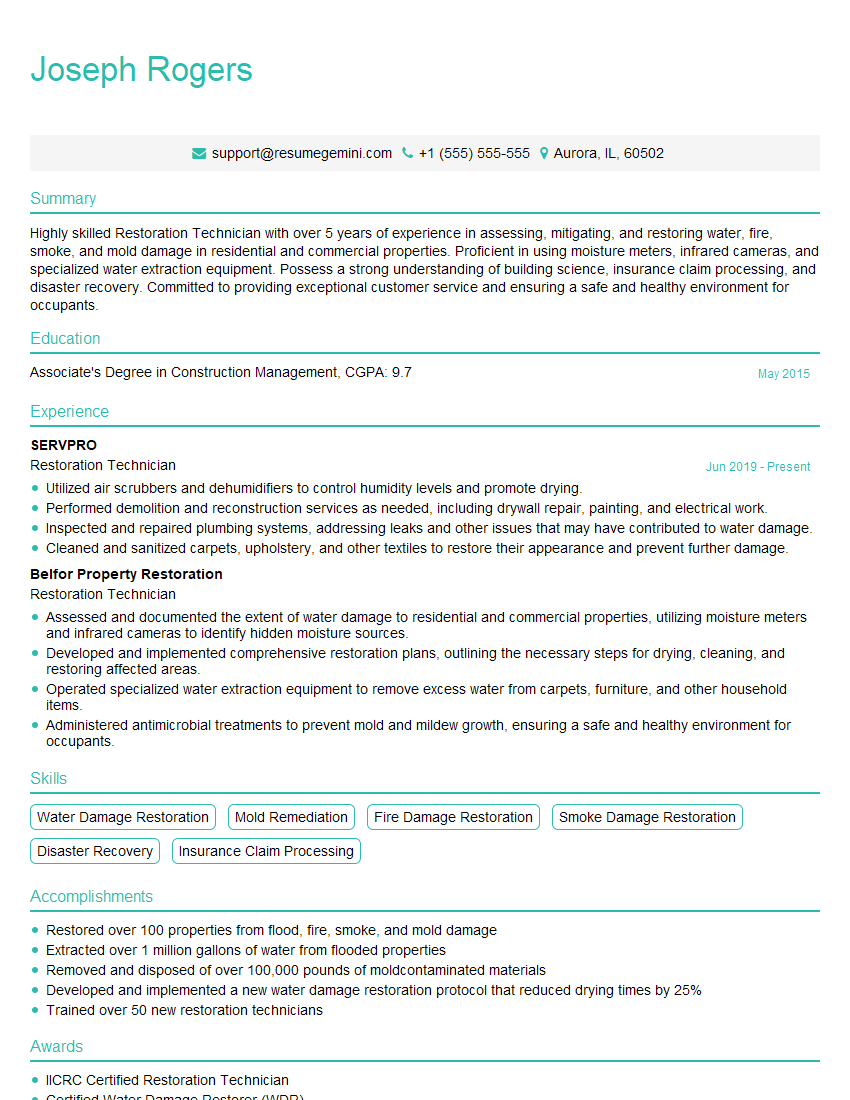
Mastering grout cleaning opens doors to a rewarding career with excellent growth potential. A strong understanding of the techniques and principles discussed above will significantly enhance your interview performance. To further boost your job prospects, invest time in crafting a compelling, ATS-friendly resume that highlights your skills and experience. ResumeGemini is a trusted resource that can help you build a professional resume that stands out. They offer examples of resumes tailored specifically to the Grout Cleaning industry to help you get started.
Explore more articles
Users Rating of Our Blogs
Share Your Experience
We value your feedback! Please rate our content and share your thoughts (optional).
What Readers Say About Our Blog
Really detailed insights and content, thank you for writing this detailed article.
IT gave me an insight and words to use and be able to think of examples