The right preparation can turn an interview into an opportunity to showcase your expertise. This guide to Incoterms and Letters of Credit interview questions is your ultimate resource, providing key insights and tips to help you ace your responses and stand out as a top candidate.
Questions Asked in Incoterms and Letters of Credit Interview
Q 1. Explain the difference between CIF and CFR Incoterms.
Both CIF (Cost, Insurance, and Freight) and CFR (Cost and Freight) are Incoterms that define the responsibilities of buyers and sellers in international trade, specifically regarding the delivery of goods. The key difference lies in the insurance aspect.
CIF includes the seller’s responsibility for insuring the goods during carriage. The seller must procure and pay for marine cargo insurance to protect the buyer against loss or damage during transit. Think of it like this: the seller covers all the costs up to the port of destination, including the insurance premium, making it a more risk-averse option for the buyer.
CFR, on the other hand, only covers the cost of the goods and the freight to the port of destination. The buyer is solely responsible for arranging and paying for cargo insurance. This puts the insurance risk squarely on the buyer’s shoulders. The seller’s responsibility ends at the port of shipment.
In short: CIF = Seller arranges and pays for insurance; CFR = Buyer arranges and pays for insurance. Both place delivery risk at the ship’s rail at the port of destination.
Q 2. What are the responsibilities of the buyer and seller under FOB Incoterms?
FOB (Free On Board) is another important Incoterm, signifying that the seller’s responsibility ends when the goods cross the ship’s rail at the named port of shipment. Let’s break down the responsibilities:
- Seller’s Responsibilities:
- Deliver the goods to the named port of shipment.
- Load the goods onto the vessel designated by the buyer.
- Provide necessary export documentation.
- Pay for all costs and risks associated with the goods until they are loaded onto the vessel at the named port.
- Buyer’s Responsibilities:
- Arrange for and pay for international transport from the named port of shipment to the destination.
- Arrange and pay for cargo insurance.
- Handle all import procedures and customs duties.
- Bear all costs and risks associated with the goods from the moment they cross the ship’s rail at the named port.
Example: Imagine a furniture company in the US selling goods to a retailer in France. Under FOB New York, the US company delivers the furniture to the port of New York and loads it on the ship. Their responsibility ends there. The French retailer is then responsible for all the shipping costs, insurance, and import duties.
Q 3. Describe the process of a Letter of Credit.
A Letter of Credit (LC) is a financial instrument issued by a buyer’s bank (issuing bank) that guarantees payment to the seller (beneficiary) upon fulfillment of specific conditions outlined in the LC. It acts as a secure payment mechanism in international trade, mitigating risk for both parties.
The process typically involves these steps:
- Buyer (Applicant) requests an LC: The buyer instructs their bank to issue an LC in favor of the seller.
- Issuing Bank issues the LC: The bank reviews the buyer’s creditworthiness and, if approved, issues the LC, specifying conditions for payment.
- Advising Bank (optional): The LC is often sent to an advising bank located near the seller for confirmation and notification.
- Seller (Beneficiary) presents documents: Upon shipment of goods, the seller presents the required documents (bill of lading, commercial invoice, certificate of origin, etc.) to their bank (negotiating bank).
- Negotiating Bank verifies documents: The bank verifies that all conditions of the LC have been met.
- Negotiating Bank pays the seller: If all documents are compliant, the negotiating bank pays the seller.
- Negotiating Bank submits documents to Issuing Bank: The negotiating bank sends the documents to the issuing bank.
- Issuing Bank reimburses Negotiating Bank: The issuing bank reimburses the negotiating bank for the payment made to the seller.
- Buyer repays Issuing Bank: Finally, the buyer repays their issuing bank.
This process ensures the seller receives payment even if the buyer defaults, providing security in international transactions.
Q 4. What is a confirmed Letter of Credit?
A confirmed Letter of Credit adds an extra layer of security for the seller. In addition to the issuing bank’s guarantee, a confirming bank (usually located in the seller’s country) adds its own guarantee of payment. This means the seller has two banks promising payment, significantly reducing their risk.
Think of it as a double guarantee. If the issuing bank faces financial difficulties, the confirming bank will still honor the LC, ensuring the seller gets paid.
Q 5. What is an irrevocable Letter of Credit?
An irrevocable Letter of Credit cannot be amended or canceled without the agreement of all parties involved (buyer, seller, and banks). Once issued, it provides a firm commitment from the issuing bank, offering the seller maximum security. The issuing bank cannot withdraw its guarantee without the seller’s consent, ensuring payment as long as the seller fulfills the conditions stated in the LC.
This irrevability is a crucial aspect that builds trust and confidence in international trade transactions.
Q 6. What are the different types of Letters of Credit?
There are several types of Letters of Credit, each designed to meet specific needs:
- Irrevocable Letters of Credit: As discussed earlier, these cannot be amended or canceled without the consent of all parties.
- Revocable Letters of Credit: These can be amended or canceled by the issuing bank at any time without the seller’s consent. These are less common due to the insecurity they offer to the seller.
- Confirmed Letters of Credit: As discussed, these involve a confirming bank adding its guarantee to the issuing bank’s guarantee.
- Unconfirmed Letters of Credit: These only have the issuing bank’s guarantee.
- Transferable Letters of Credit: These allow the seller to transfer the LC to another beneficiary, often a supplier involved in the production process.
- Back-to-back Letters of Credit: The buyer uses one LC to secure another LC from a second bank to cover payments to a sub-supplier.
- Documentary Letters of Credit: These are the most common type, requiring the seller to submit specified documents to receive payment.
Q 7. Explain the role of a confirming bank in a Letter of Credit.
A confirming bank plays a vital role in a confirmed Letter of Credit. It adds its financial strength and reputation to the transaction by confirming the issuing bank’s undertaking. This means that the confirming bank guarantees payment to the seller even if the issuing bank defaults. This significantly reduces the risk for the seller, making it easier for them to accept the transaction.
Essentially, the confirming bank acts as an additional guarantor, offering an extra layer of security and reassurance to the seller in international trade.
Q 8. What are the risks associated with using Letters of Credit?
Letters of Credit (LCs), while offering security, aren’t without risk. The primary risks revolve around discrepancies, delays, and potential fraud.
- Discrepancies: Even minor inconsistencies between the LC terms and the presented documents can lead to rejection, delaying payment and potentially causing losses.
- Reliance on Banks: LCs rely on the intermediary banks’ diligence. A negligent or fraudulent bank could cause problems.
- Fraud: Forgery of documents or misrepresentation of goods can result in significant financial losses.
- Political Risk: International transactions are susceptible to political instability in the countries involved.
- Delays: Processing times for LCs can vary, leading to delays in payment that can impact cash flow.
- Costs: LCs involve various fees and charges from banks, increasing the transaction’s overall cost.
For example, imagine a scenario where an exporter ships goods, but the commercial invoice incorrectly states the quantity. This discrepancy, however minor, could lead to the LC being rejected, leaving the exporter unpaid.
Q 9. What are some common discrepancies found in Letters of Credit?
Common discrepancies in Letters of Credit often stem from discrepancies between the documents presented for payment and the terms and conditions specified in the LC itself. These discrepancies can be broadly categorized as:
- Date Discrepancies: Dates on shipping documents, commercial invoice, or other supporting documents not matching the LC’s stipulations.
- Quantity Discrepancies: Discrepancies between the quantity of goods shipped and the quantity stated in the commercial invoice or other relevant documents.
- Description Discrepancies: Mismatch between the description of goods in the documents and the description mentioned in the LC.
- Packaging Discrepancies: Variations between the packaging of goods and what was specified in the LC.
- Shipping Discrepancies: Incorrect shipping details, such as port of loading, destination, or vessel name.
- Presentation Discrepancies: Failure to provide all required documents or presenting documents past the stipulated deadline.
Think of it like a recipe: if even one ingredient is incorrect or missing, the dish won’t be right. Similarly, any discrepancy, however small, can invalidate the entire LC presentation.
Q 10. How do Incoterms impact the transfer of risk?
Incoterms (International Commercial Terms) directly impact the transfer of risk and responsibility between the buyer and seller in international trade. Each Incoterm defines the point at which the risk passes from the seller to the buyer.
For example, under EXW (Ex Works), the risk passes to the buyer as soon as the goods are made available at the seller’s premises. Conversely, under DDP (Delivered Duty Paid), the risk only transfers to the buyer once the goods are delivered to the named place of destination, fully discharged from the arriving means of transport, and all import duties are paid.
The choice of Incoterm significantly impacts insurance needs, transportation arrangements, and who bears responsibility for potential loss or damage during transit. Incorrect Incoterm selection could leave either party vulnerable to unexpected costs and liabilities.
Q 11. What is the significance of the ‘place of delivery’ in Incoterms?
The ‘place of delivery’ specified in Incoterms is crucial as it defines the point at which the seller’s obligations under the contract end, and the buyer’s obligations begin. This location dictates the responsibility for costs, insurance, and risk transfer.
For example, in CIF (Cost, Insurance, and Freight), the place of delivery is usually the port of destination. This means the seller is responsible for getting the goods to that port, including insurance and freight costs. However, the risk of loss or damage passes to the buyer once the goods cross the ship’s rail at that port.
Selecting the correct place of delivery ensures clarity in the contract, avoiding future disputes and correctly allocating responsibilities and costs between buyer and seller.
Q 12. How do you handle a situation where a Letter of Credit is rejected?
Handling a rejected Letter of Credit requires prompt and decisive action. The first step involves understanding the reason for rejection. This is typically communicated by the issuing bank.
- Review the Rejection Reason: Carefully examine the bank’s notification for discrepancies, clarifying the issues.
- Contact the Buyer: Collaborate with the buyer to resolve the discrepancy – perhaps amending documents or providing missing information.
- Negotiate with the Bank: If the discrepancy is minor and rectifiable, negotiate with the issuing bank for amendment or waiver.
- Seek Legal Advice: If the rejection is unjustified or a resolution can’t be reached, consult legal counsel to explore recourse options.
- Document Everything: Meticulously document all communication, amendments, and actions taken. This is crucial for potential disputes.
Acting swiftly and communicating openly with all involved parties is key to minimizing potential losses. Delaying the process could lead to additional costs and further complications.
Q 13. What are the key documents required for a Letter of Credit transaction?
The exact documents required vary depending on the specifics of the Letter of Credit and the goods being traded, but common documents include:
- Commercial Invoice: Details of the transaction, including goods description, quantity, price, and payment terms.
- Packing List: Lists the contents of each package, including weight and dimensions.
- Bill of Lading (B/L): Evidence of carriage, issued by the carrier, indicating that the goods have been shipped.
- Certificate of Origin: Certifies the origin of the goods.
- Insurance Policy/Certificate: Proof of insurance covering the goods during transit.
- Other Documents (as per LC): This might include inspection certificates, phytosanitary certificates, etc. (specified in the LC).
Think of these documents as pieces of a puzzle; each is essential for the LC to be successfully negotiated and payment released. Missing or incomplete documents could lead to a rejection.
Q 14. What is the difference between a documentary collection and a Letter of Credit?
Both documentary collection and Letters of Credit facilitate international trade by using documents to transfer ownership and initiate payment, but they differ significantly in their level of risk and security.
- Letter of Credit (LC): Offers a high level of security to both buyer and seller. Payment is guaranteed by a bank (issuing bank) if the seller presents the required documents according to the terms and conditions of the LC. It minimizes risk for the seller, ensuring payment if documents are in order.
- Documentary Collection: A simpler and less costly method compared to an LC. The seller’s bank (collecting bank) forwards documents to the buyer’s bank, which releases the documents upon payment or acceptance by the buyer. However, this approach presents higher risk for the seller because payment isn’t guaranteed upfront, only upon the buyer’s acceptance.
Essentially, an LC is like a secure bank-guaranteed transaction, while documentary collection is more like a trust-based transaction where the seller relies on the buyer’s good faith to pay.
Q 15. Explain the concept of ‘clean’ versus ‘documentary’ collection.
The core difference between clean and documentary collections lies in the documentation required for payment release. Think of it like this: a clean collection is like paying for groceries with cash – you get your goods, and the payment is immediate. A documentary collection, on the other hand, is more like buying a car with a bank loan; you need to present specific documents (proof of purchase) before the bank releases the funds to the seller.
- Clean Collection: Payment is made directly to the seller without any accompanying documents. It’s simpler and faster but carries higher risk for the seller, as they are relying entirely on the buyer’s good faith.
- Documentary Collection: Payment is released to the seller only after the buyer presents the required documents, such as a bill of lading or commercial invoice, to their bank. This mitigates the seller’s risk because payment is contingent upon the fulfillment of certain conditions.
For example, imagine exporting handmade crafts. A clean collection might be suitable for a long-standing, trusted buyer. However, for a new customer, a documentary collection would provide the necessary safeguards to ensure payment upon receipt of the goods.
Career Expert Tips:
- Ace those interviews! Prepare effectively by reviewing the Top 50 Most Common Interview Questions on ResumeGemini.
- Navigate your job search with confidence! Explore a wide range of Career Tips on ResumeGemini. Learn about common challenges and recommendations to overcome them.
- Craft the perfect resume! Master the Art of Resume Writing with ResumeGemini’s guide. Showcase your unique qualifications and achievements effectively.
- Don’t miss out on holiday savings! Build your dream resume with ResumeGemini’s ATS optimized templates.
Q 16. How do you determine the appropriate Incoterms for a specific transaction?
Selecting the right Incoterms is crucial for a smooth international trade transaction. It’s like choosing the right shipping method for a package – the wrong choice can lead to delays, disputes, and added costs. The selection process depends on several factors:
- Cost Allocation: Who bears the responsibility for freight, insurance, and other costs? Incoterms like CIF (Cost, Insurance, and Freight) and FOB (Free On Board) clearly define cost allocation between buyer and seller.
- Risk Transfer: At what point does the risk of loss or damage to the goods transfer from the seller to the buyer? This is a key aspect that Incoterms determine. For example, under FOB, the risk transfers once the goods pass the ship’s rail, while under DDP (Delivered Duty Paid), the risk remains with the seller until the goods reach the buyer’s designated location.
- Transportation Mode: The choice of Incoterms can be influenced by the transportation mode used. Some Incoterms, like DAT (Delivered at Terminal), are more suitable for sea freight, while others, like DPU (Delivered at Place Unloaded), are adaptable to different modes.
- Buyer and Seller’s Preferences: Both parties should agree on the Incoterms, taking into consideration their experience, expectations, and risk appetite.
A thorough understanding of each Incoterm’s obligations is critical. For instance, using CIF incorrectly could lead to misunderstandings about insurance coverage, potentially leaving one party exposed to significant financial losses.
Q 17. What are the implications of choosing the wrong Incoterms?
Choosing the wrong Incoterms can create significant problems, leading to disputes, financial losses, and delays. Consider this scenario: A seller uses FCA (Free Carrier) believing the buyer is responsible for all transportation, but the buyer believes the seller is responsible up to the named port. This disagreement can result in costly delays and potential legal battles over who is liable for incurred charges.
- Cost Disputes: Incorrect Incoterms can lead to disagreements about who pays for freight, insurance, and other transportation-related costs.
- Risk Allocation Issues: Misunderstanding the risk transfer point can result in one party bearing unexpected losses due to damage or loss of goods during transit.
- Contractual Disputes: Incorrect Incoterms can invalidate a contract or lead to lengthy and costly legal proceedings.
- Delayed Shipments: Confusion about responsibilities can lead to delays in customs clearance and delivery.
To avoid these problems, ensure both parties thoroughly understand the chosen Incoterms and include them clearly and unambiguously in the contract. It is highly advisable to seek legal counsel for complex international transactions.
Q 18. What are the recent updates or changes in Incoterms rules?
The most recent update to the Incoterms rules was in 2020, with the publication of Incoterms® 2020. While not revolutionary, several key changes aimed to enhance clarity and address evolving international trade practices. Here are a few noteworthy updates:
- Clarification on the use of electronic communications: Incoterms 2020 explicitly addresses the use of electronic communications for various trade processes, recognizing the increasing prevalence of digital transactions.
- Emphasis on security: The updated rules reflect a growing concern for security in global trade, with clearer guidance on security-related responsibilities.
- Updates to DAT (Delivered at Terminal) and DPU (Delivered at Place Unloaded): These terms were clarified to address ambiguities about the precise location of delivery.
- Removal of the term ‘FCA (Free Carrier) – named place’: Previously the location was mentioned with the FCA, now it is explicitly integrated into the contract.
These changes reflect the dynamic nature of international commerce and the need for adaptable rules that keep up with modern practices. It’s imperative that businesses regularly review the latest Incoterms to ensure they remain compliant and minimize the risk of disputes.
Q 19. How do you mitigate risks associated with international trade transactions?
Mitigating risks in international trade requires a multi-faceted approach. It’s like building a house – you need a strong foundation, robust structure, and protective measures.
- Thorough Due Diligence: Conduct comprehensive background checks on potential buyers and suppliers to assess their creditworthiness and reliability.
- Comprehensive Contractual Agreements: Use clear and detailed contracts that explicitly define responsibilities, payment terms, and dispute resolution mechanisms. Proper Incoterms selection is critical here.
- Insurance: Obtain appropriate insurance coverage to protect against risks such as loss, damage, or delays during transit. This will act as a safety net in case of unforeseen events.
- Letters of Credit: For high-value transactions, consider using Letters of Credit, which provide a secure payment mechanism for the seller.
- Risk Transfer Mechanisms: Carefully select Incoterms to efficiently transfer the risk of loss or damage to the appropriate party.
- Payment Security Measures: Utilize secure payment methods to minimize the risk of fraud or non-payment.
By proactively addressing these areas, businesses can significantly reduce their exposure to financial and operational risks in international trade.
Q 20. What is the role of insurance in international trade?
Insurance plays a vital role in international trade, acting as a financial safety net against unforeseen events that can disrupt shipments and cause significant financial losses. It’s essentially a form of risk mitigation. Consider it like an airbag in a car – you hope you never need it, but it’s invaluable when an accident occurs.
- Coverage for Loss or Damage: Insurance protects against loss or damage to goods during transit, caused by events such as accidents, fire, or theft.
- Protection Against Delays: Some policies provide coverage for delays due to unforeseen circumstances, potentially covering additional costs.
- Liability Protection: Insurance can protect businesses from liability claims arising from damage or injury caused by their goods.
- Financial Security: It offers financial stability, assuring that in the unfortunate event of loss or damage, the insured party will receive compensation.
The type of insurance needed depends on the Incoterms used and the nature of the goods being transported. For instance, CIF Incoterms typically require the seller to procure insurance for the goods during transit.
Q 21. Explain the process of amending a Letter of Credit.
Amending a Letter of Credit is a formal process that requires careful attention to detail, as any error can lead to delays or rejection of the amendment. Think of it like modifying a contract – it requires the agreement of all parties involved.
- Initiation of the Amendment Request: The party needing the amendment (typically the buyer or seller) initiates the request by sending a formal amendment request to their bank.
- Review and Approval: The issuing bank reviews the request and assesses its feasibility. They may contact the advising bank and other parties involved to ensure conformity with the original Letter of Credit terms.
- Issuance of an Amendment: If approved, the issuing bank will issue a formal amendment, specifying the changes to the original Letter of Credit.
- Notification to all Parties: All parties involved (buyer, seller, issuing bank, advising bank) must be notified of the amendment.
- Acceptance of the Amendment: All parties involved must accept the amendment for it to be effective.
Failure to follow this process properly can invalidate the Letter of Credit, causing significant problems in the transaction. It’s crucial to seek professional advice from a trade finance specialist to ensure compliance and avoid potential complications.
Q 22. How do you handle a dispute arising from a Letter of Credit transaction?
Resolving disputes in Letter of Credit (LC) transactions requires a methodical approach. The first step is always to carefully examine the LC itself, along with all accompanying documents, to pinpoint the exact cause of the discrepancy. LCs are governed by the Uniform Customs and Practice for Documentary Credits (UCP 600), which provides a framework for resolving disputes.
Common issues include discrepancies in shipping documents (e.g., mismatched invoice amounts, incorrect dates, missing certificates of origin), non-conformances with the LC’s stipulations, or disputes over the goods’ quality or quantity. The process typically involves communication between the buyer, seller, and their respective banks.
- Negotiation: The parties involved should first attempt to resolve the issue amicably through negotiation. This might involve providing clarifying documents or making minor adjustments to bring the documentation in line with the LC’s requirements.
- Bank Intervention: If negotiation fails, the issuing bank (buyer’s bank) plays a crucial role. They evaluate whether the discrepancies are significant enough to justify rejecting the documents. They will refer to UCP 600 for guidance.
- Arbitration or Litigation: If the issuing bank rejects the documents, and the seller disputes this, arbitration or litigation may become necessary, depending on the clauses incorporated within the LC and the contracts involved. The ICC (International Chamber of Commerce) is frequently involved in international trade disputes as an arbitration institution.
For example, if a seller’s commercial invoice doesn’t perfectly match the LC’s stipulated amount, a minor discrepancy might be resolved through an amendment. However, a significant discrepancy, such as a shipment of incorrect goods, could lead to a more protracted legal battle.
Q 23. Describe your experience with negotiating Incoterms in contracts.
Negotiating Incoterms is a critical part of international trade contract drafting. My experience involves understanding the implications of each Incoterm and aligning them with the specific needs and risk profiles of both the buyer and seller. It’s not merely about selecting an Incoterm; it’s about ensuring a fair and balanced allocation of costs, risks, and responsibilities.
For instance, choosing between FOB (Free On Board) and CIF (Cost, Insurance, and Freight) significantly impacts the point at which risk transfers from the seller to the buyer. Under FOB, risk transfers at the named port of shipment; under CIF, risk transfers when the goods are loaded onto the vessel.
I often work with clients to tailor the Incoterms to the specific circumstances. A client might prefer a more seller-friendly Incoterm if they have a strong track record with reliable shipping partners, whereas a buyer in a high-risk environment might prefer a buyer-friendly Incoterm to ensure better control over the delivery process. Negotiations might involve concessions, such as adjusting the delivery timelines or clarifying specific responsibilities regarding insurance or customs clearance.
Thorough communication and a clear understanding of each party’s objectives are essential. Documenting the agreed-upon Incoterms and their implications explicitly within the contract prevents future misunderstandings and disputes.
Q 24. Explain the importance of compliance in international trade.
Compliance in international trade is paramount, covering various aspects from customs regulations and sanctions to environmental protection and ethical sourcing. Non-compliance can lead to significant penalties, including hefty fines, legal repercussions, reputational damage, and even business closure.
Understanding and adhering to the relevant regulations of the exporting and importing countries is crucial. This includes accurately classifying goods according to Harmonized System (HS) codes, ensuring proper documentation (such as certificates of origin, licenses, and permits), and complying with customs procedures for import and export.
Examples of compliance issues:
- Sanctions Compliance: Exporting goods to countries under sanctions without the necessary authorization can have severe consequences.
- Customs Regulations: Incorrect classification of goods can lead to significant penalties for misdeclaration or undervaluation.
- Environmental Regulations: Failure to comply with environmental protection standards, such as those related to hazardous materials, can lead to costly fines and reputational harm.
Effective compliance requires a robust system, including proper training for staff, due diligence processes, and regular audits to ensure ongoing adherence to regulations. Implementing a strong compliance program reduces risks, protects the company’s reputation, and ultimately contributes to successful international trade operations. Investing in compliance systems is far less expensive than dealing with the aftermath of non-compliance.
Q 25. How familiar are you with UCP 600 (Uniform Customs and Practice for Documentary Credits)?
I am very familiar with UCP 600. It’s the bedrock of international Letters of Credit. UCP 600 provides a standardized set of rules that govern the issuance, examination, and negotiation of documentary credits, reducing ambiguity and facilitating smooth transactions.
My understanding encompasses all aspects, including:
- Definitions: I am proficient with the precise definitions of terms like ‘discrepancy,’ ‘conformity,’ and ‘negotiating bank’.
- Document Examination: I understand the meticulous process of examining shipping documents, commercial invoices, certificates of origin, and other documents presented under an LC to ensure compliance with its terms.
- Discrepancy Management: I can identify and assess discrepancies, determine their significance, and advise on appropriate actions based on the stipulations of UCP 600.
- Amendments and Waivers: I’m adept at drafting and understanding amendments to LCs and dealing with any waivers involved.
In essence, my familiarity with UCP 600 helps me to mitigate risk, prevent disputes, and ensure that international trade transactions proceed efficiently and smoothly. UCP 600 is not a static set of rules; updates are made periodically. Therefore, staying abreast of the latest revisions and interpretations is also a key aspect of my expertise.
Q 26. What are the potential liabilities of the buyer and seller under different Incoterms?
The liabilities of buyers and sellers under different Incoterms vary significantly. The Incoterms rules define the responsibilities of each party concerning costs, risks, and obligations throughout the delivery process.
Seller’s Liabilities:
- Export Compliance: Regardless of the Incoterm, the seller is always responsible for ensuring compliance with export regulations and obtaining any necessary licenses or permits.
- Goods Conformity: The seller is responsible for ensuring the goods conform to the contract specifications and are delivered in the agreed-upon condition.
- Delivery Obligations: The seller’s delivery obligations vary depending on the Incoterm. For example, under EXW (Ex Works), the seller only needs to make the goods available at their premises, whereas under DDP (Delivered Duty Paid), the seller bears the responsibility of delivery until the goods arrive at the buyer’s premises.
Buyer’s Liabilities:
- Import Compliance: The buyer is responsible for complying with the relevant import regulations, including paying duties and taxes and obtaining necessary permits.
- Payment: The buyer is responsible for making the payment to the seller according to the agreed-upon terms.
- Acceptance of Goods: The buyer is responsible for inspecting the goods upon arrival and accepting them according to the terms of the contract. Refusal of goods without a valid reason could lead to legal issues.
- Insurance (Depending on Incoterm): For Incoterms where the seller doesn’t handle insurance, the buyer needs to obtain adequate insurance coverage.
A clear understanding of the specific obligations under the chosen Incoterm is essential to avoid conflicts and ensure a successful transaction. Each Incoterm should be carefully examined in the context of the entire contract.
Q 27. Describe a challenging situation you faced involving Incoterms or Letters of Credit and how you resolved it.
One challenging situation involved a CIF shipment of textiles from India to the USA. The LC stipulated specific packaging requirements, including the use of specific types of containers and labeling. However, due to unforeseen circumstances at the Indian supplier’s end, the goods were packed slightly differently, resulting in minor deviations from the LC’s specifications. The US bank initially rejected the documents, which created a serious problem because the shipment was already in transit.
Resolution Strategy:
- Immediate communication: I immediately contacted the supplier, our own bank, and the buyer’s bank.
- Documentation review: We carefully reviewed all documents to identify the precise nature of the discrepancies. The deviations were indeed minor—they didn’t compromise the goods’ integrity or their safe arrival.
- Negotiation with the bank: We presented a strong case to the US bank, highlighting the minor nature of the discrepancies and emphasizing that they didn’t contravene the essential terms of the LC. We also provided evidence demonstrating no adverse impact on the shipment.
- Waiver or amendment: The banks ultimately agreed to a waiver based on the presented evidence. The buyer ultimately accepted the goods without significant delay or additional costs.
This case underscored the importance of thorough communication, quick response times, a detailed understanding of UCP 600, and the ability to construct a strong case when addressing discrepancies. It showed that even seemingly minor deviations can lead to major issues if not handled effectively and promptly.
Key Topics to Learn for Incoterms and Letters of Credit Interview
- Incoterms (International Commercial Terms): Understanding the different Incoterms rules (e.g., EXW, FOB, CIF, DDP) and their implications for risk and responsibility transfer between buyer and seller. Practical application: Analyzing a sales contract to determine the responsibilities of each party based on the chosen Incoterm.
- Letters of Credit (LCs): The mechanics of LCs, including types of LCs (e.g., Irrevocable, Confirmed, Documentary), the documents required for presentation, and the process of negotiation and payment. Practical application: Simulating the LC process from the perspective of both the buyer and the seller, identifying potential pitfalls and solutions.
- Risk Management in International Trade: Identifying and mitigating risks associated with Incoterms and LCs, such as payment risk, delivery risk, and documentation discrepancies. Practical application: Case study analysis of real-world trade scenarios involving LC discrepancies and how they were resolved.
- Documentary Credits: Deep dive into the specific documents required in a Letter of Credit transaction (e.g., commercial invoice, packing list, bill of lading), understanding their importance, and potential discrepancies. Practical application: Identifying and correcting errors in a set of documentary credit documents.
- Insurance in International Trade: The role of marine cargo insurance in mitigating risks associated with international shipments, and how it integrates with Incoterms and LCs. Practical application: Determining the appropriate level of insurance coverage for a given Incoterm and shipment value.
- Dispute Resolution: Understanding common disputes arising from Incoterms and LCs and the mechanisms for resolving them (e.g., arbitration, litigation). Practical application: Analyzing a hypothetical dispute scenario and proposing a viable solution.
Next Steps
Mastering Incoterms and Letters of Credit is crucial for a successful career in international trade, significantly enhancing your marketability and opening doors to exciting opportunities. To maximize your job prospects, create an ATS-friendly resume that highlights your expertise in these critical areas. ResumeGemini is a trusted resource to help you build a professional and impactful resume that will get noticed by recruiters. Examples of resumes tailored to Incoterms and Letters of Credit expertise are available to guide you through the process.
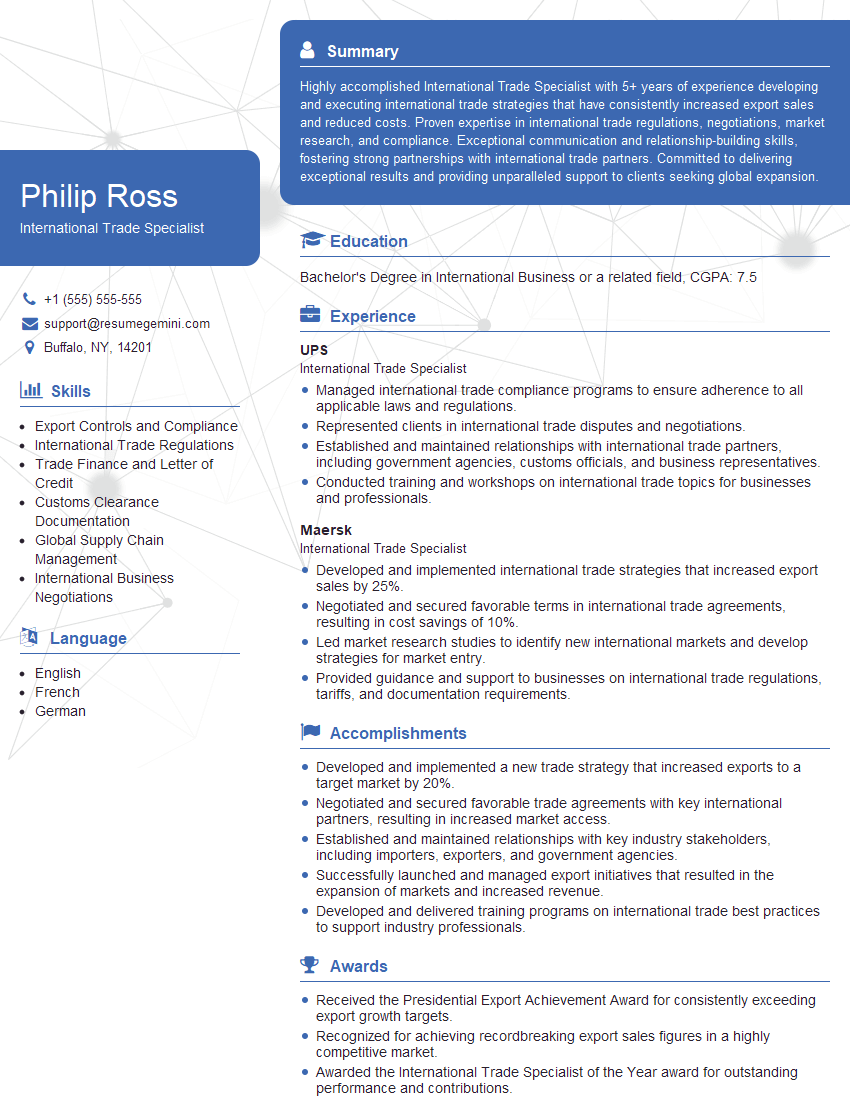
International Trade Specialist Resume Sample
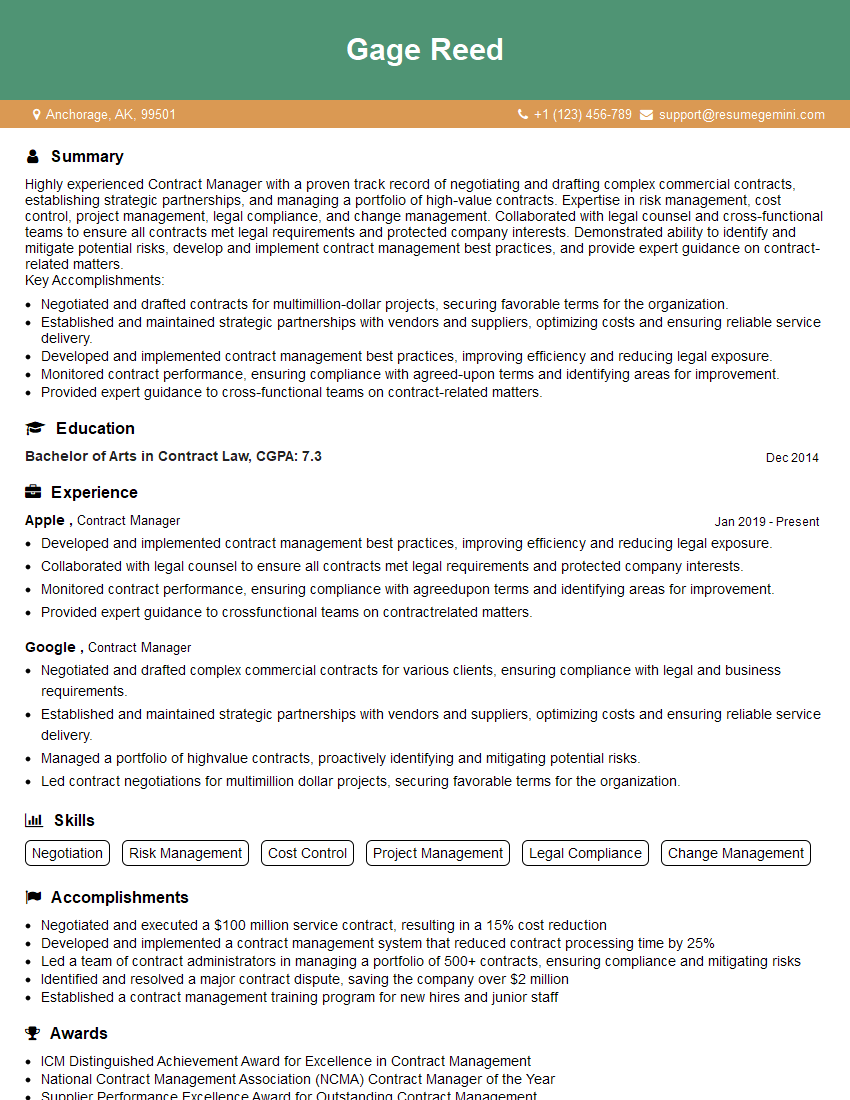
Contract Manager Resume Sample

Procurement Manager Resume Sample

Supply Chain Manager Resume Sample
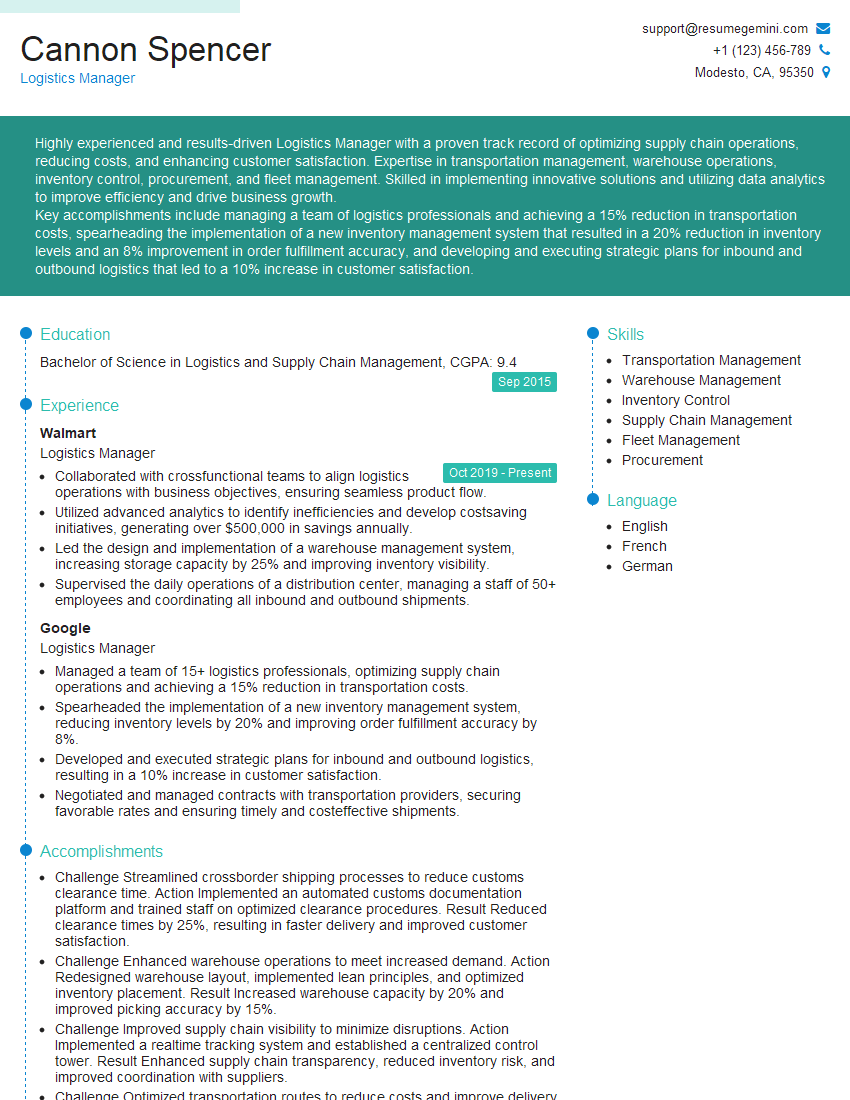
Logistics Manager Resume Sample
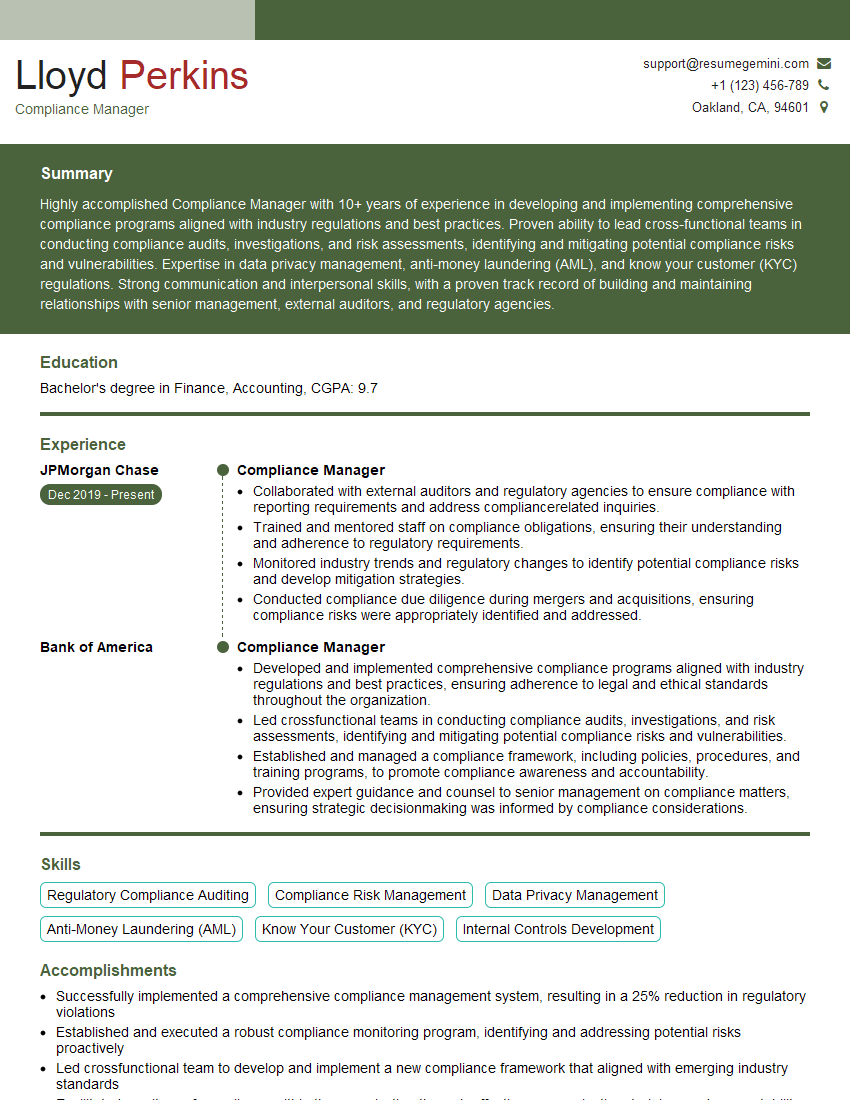
Compliance Manager Resume Sample
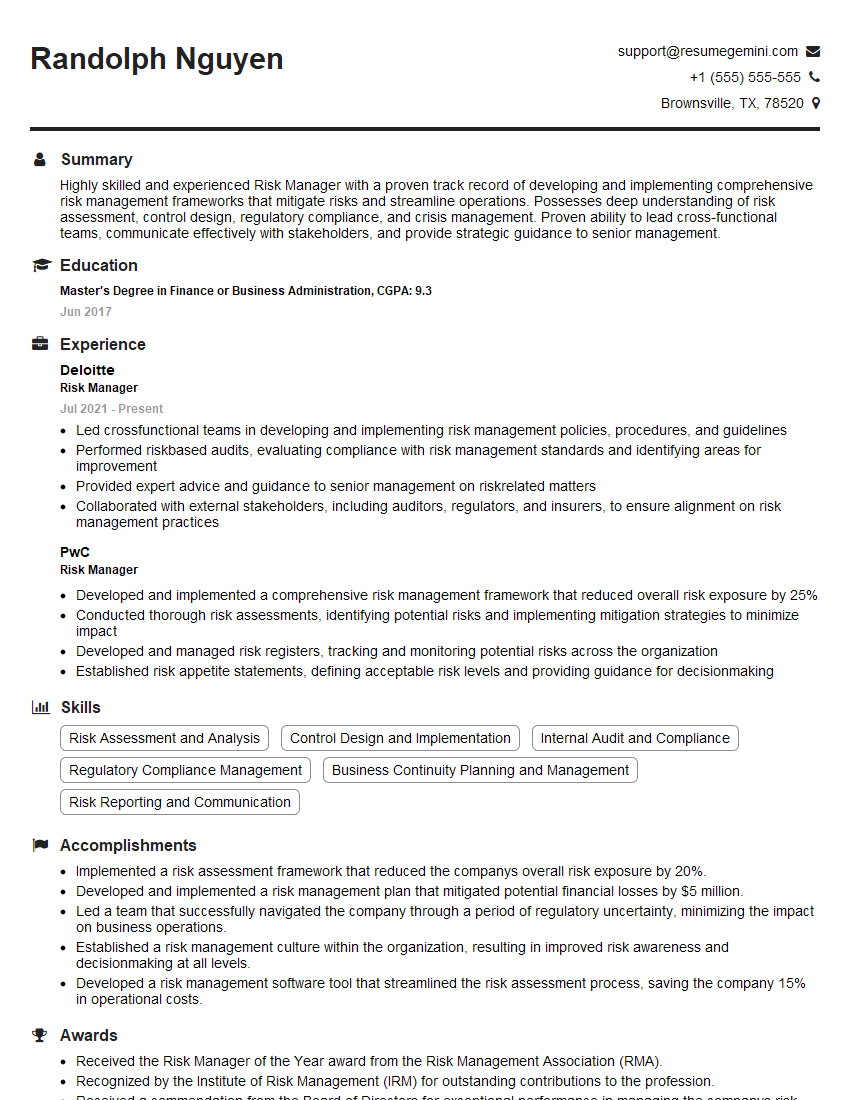
Risk Manager Resume Sample
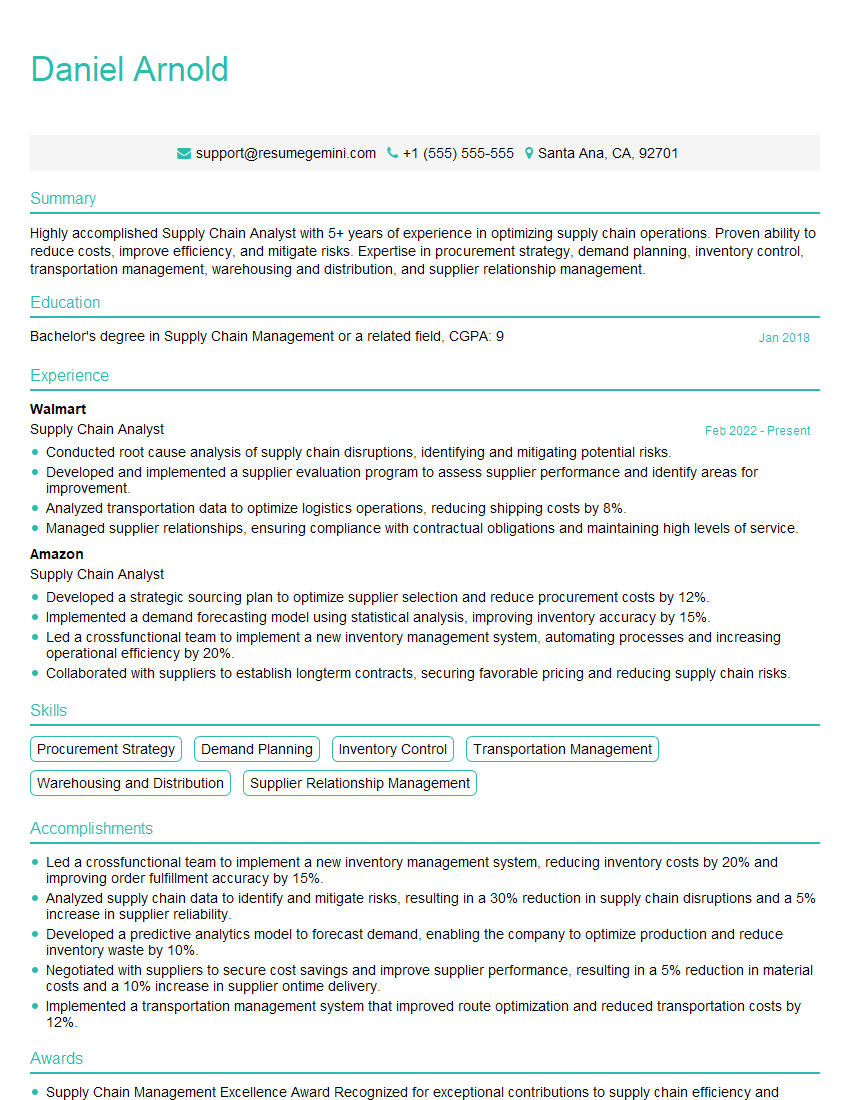
Supply Chain Analyst Resume Sample
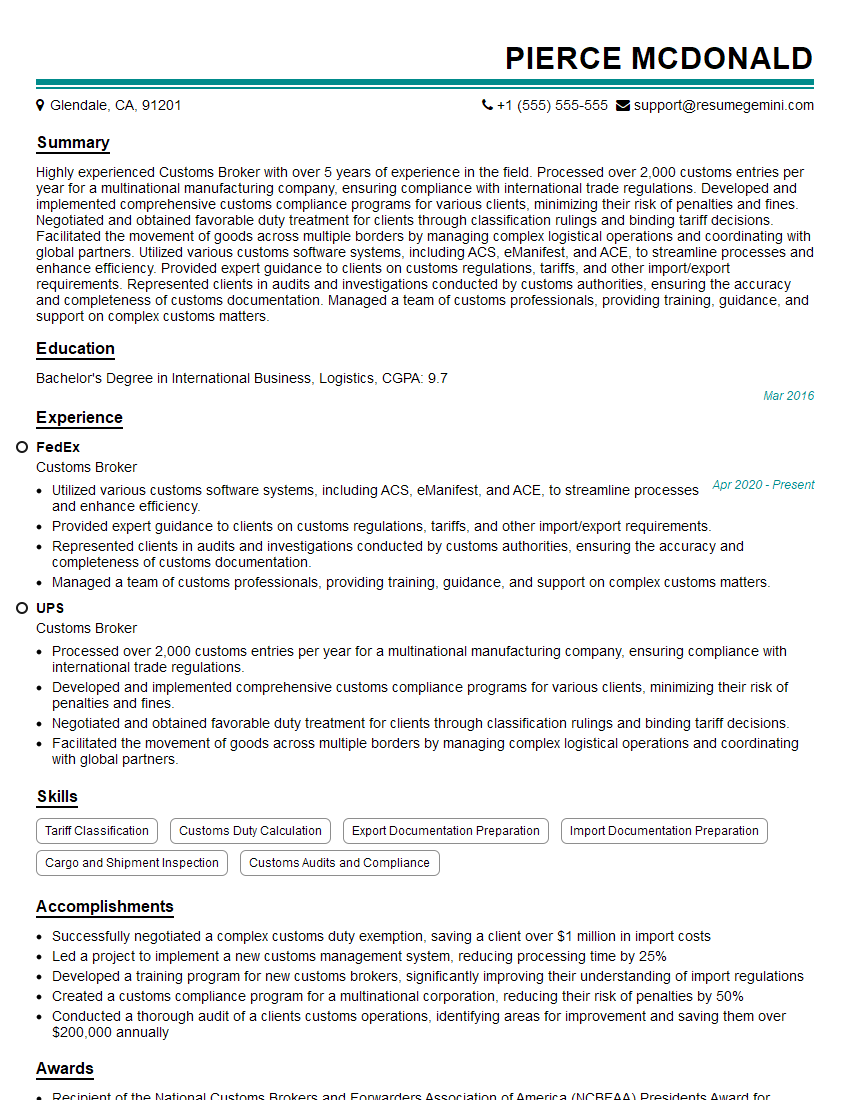
Customs Broker Resume Sample
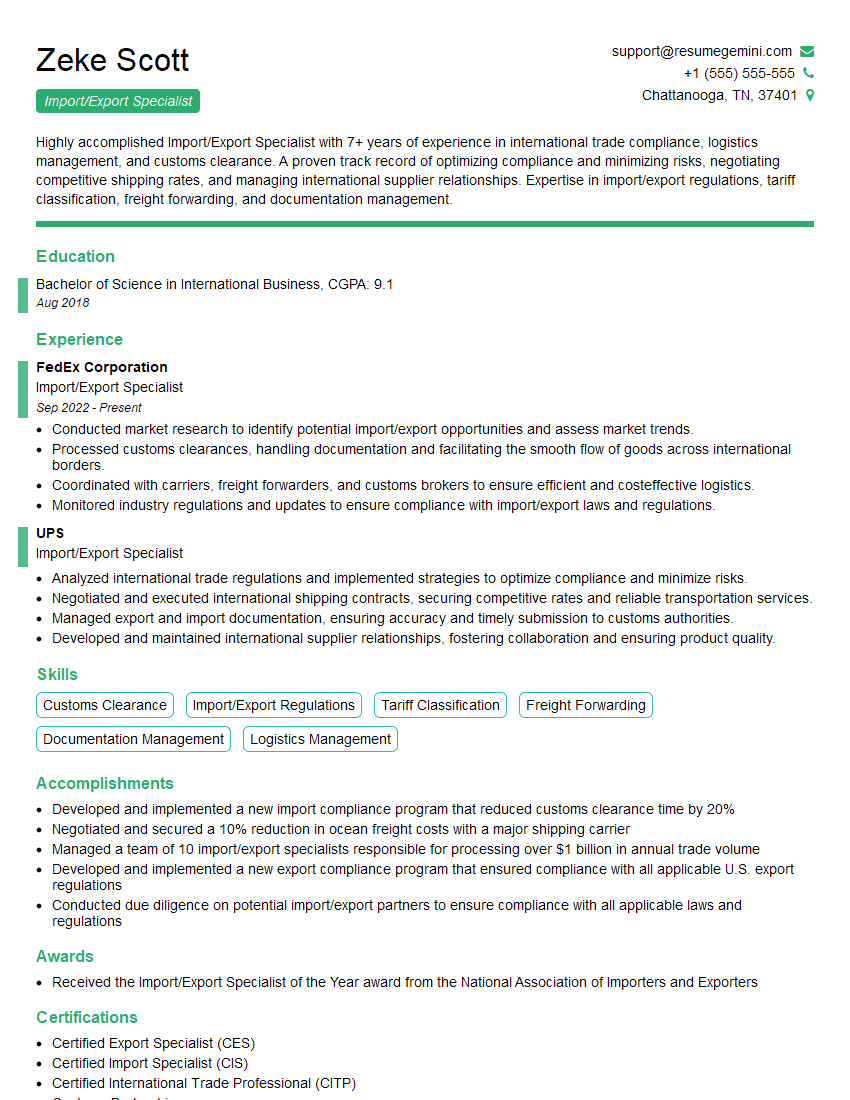
Import/Export Specialist Resume Sample
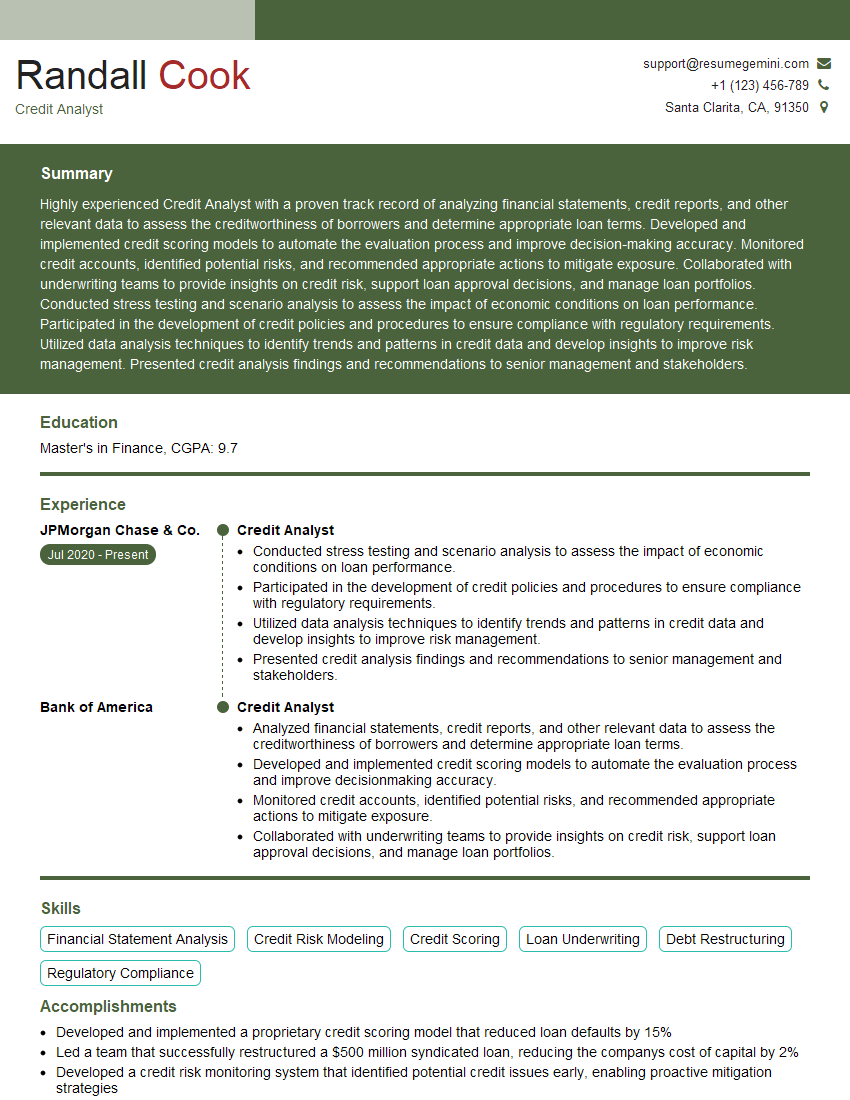
Credit Analyst Resume Sample
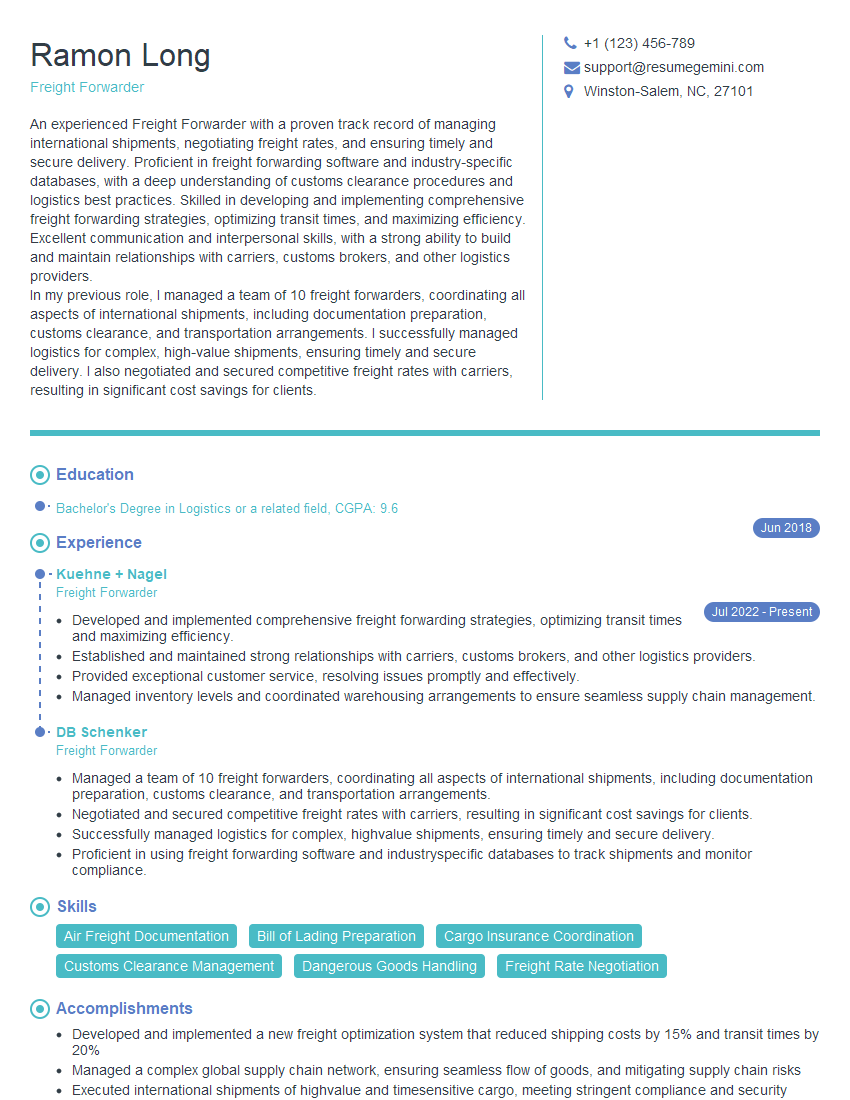
Freight Forwarder Resume Sample
Explore more articles
Users Rating of Our Blogs
Share Your Experience
We value your feedback! Please rate our content and share your thoughts (optional).
What Readers Say About Our Blog
Really detailed insights and content, thank you for writing this detailed article.
IT gave me an insight and words to use and be able to think of examples