Are you ready to stand out in your next interview? Understanding and preparing for Machinery Setup and Operation interview questions is a game-changer. In this blog, we’ve compiled key questions and expert advice to help you showcase your skills with confidence and precision. Let’s get started on your journey to acing the interview.
Questions Asked in Machinery Setup and Operation Interview
Q 1. Describe your experience with different types of machinery setups.
My experience encompasses a wide range of machinery setups, from simple assembly lines to complex CNC (Computer Numerical Control) systems. I’ve worked with various types of machinery, including:
- Conveyor systems: I’ve been involved in setting up and optimizing conveyor belt systems for efficient product movement, including adjusting speed, incline, and ensuring proper alignment to minimize jams and material damage. For instance, I once optimized a conveyor system in a bottling plant, resulting in a 15% increase in throughput.
- Packaging machinery: My experience includes setting up and maintaining automatic packaging machines, from bagging systems to carton sealers. This includes calibrating sensors, adjusting filling mechanisms, and ensuring proper sealing processes. I’ve troubleshooted numerous issues, like incorrect label placement and faulty seal mechanisms, utilizing my understanding of pneumatic and electrical systems.
- CNC machines: I’m proficient in setting up and operating CNC milling and lathe machines. This involves programming the machine using CAM (Computer-Aided Manufacturing) software, setting up tooling, and ensuring accurate part machining. I’ve worked on high-precision projects requiring meticulous attention to detail and thorough understanding of tolerance specifications. One particular project involved producing intricate parts with tolerances of less than 0.001 inches.
- Robotics: I have experience with industrial robot integration and programming for tasks like welding, painting, and material handling. This involves coordinating robot movements with other machinery in a production line and ensuring safe operation. A specific example is setting up a robotic arm to efficiently palletize finished goods in a warehouse.
My expertise extends beyond the initial setup; I’m also adept at adapting machinery configurations to meet changing production demands and incorporating new technologies to improve efficiency and output.
Q 2. Explain the process of troubleshooting a malfunctioning machine.
Troubleshooting a malfunctioning machine is a systematic process that requires a combination of technical skills and problem-solving abilities. My approach generally follows these steps:
- Safety First: Always isolate the machine from power and ensure the area is safe before beginning any troubleshooting.
- Gather Information: Identify the specific problem. What exactly is malfunctioning? When did it start? Were there any preceding events? Talking to operators can provide valuable insights.
- Inspect the Machine: Visually inspect the machine for obvious problems, such as loose connections, damaged components, or leaks. Look for any error codes displayed on the machine’s control panel.
- Consult Documentation: Refer to the machine’s technical manuals, schematics, and troubleshooting guides. These documents provide valuable information on common issues and solutions.
- Check Sensors and Actuators: Many malfunctions stem from faulty sensors or actuators. Verify their functionality using appropriate test equipment, like multimeters or signal generators.
- Test Components: If the problem persists, systematically test individual components to isolate the faulty part. This may involve replacing suspected components one by one.
- Implement Solution: Once the faulty component is identified and replaced, test the machine to ensure the problem is resolved. If it’s a software issue, I would consult the program and update or correct any problems.
- Record Findings: Document the problem, the troubleshooting steps, and the solution. This will be helpful for future reference and preventative maintenance.
For example, if a CNC machine is producing inaccurate parts, I might check the tool alignment, the machine’s calibration, or the accuracy of the CAM program, progressively narrowing down the source of the error.
Q 3. How do you ensure the safety of yourself and others during machine operation?
Safety is paramount in any machine operation. My approach to ensuring safety for myself and others involves several key strategies:
- Lockout/Tagout Procedures: I strictly adhere to lockout/tagout (LOTO) procedures before performing any maintenance or repairs on machinery. This ensures that the machine is completely de-energized and cannot be accidentally started.
- Personal Protective Equipment (PPE): I always wear appropriate PPE, including safety glasses, hearing protection, gloves, and steel-toed boots, as required by the specific machine and task.
- Machine Guards and Safety Devices: I ensure all machine guards and safety devices are in place and functioning correctly before starting operation. This includes light curtains, emergency stop buttons, and interlocks.
- Proper Training and Certification: I am certified and trained on all the machines I operate, and I maintain up-to-date knowledge of safety regulations and best practices.
- Safe Operating Procedures: I meticulously follow all established safe operating procedures (SOPs) for each machine. This includes proper startup and shutdown procedures, material handling techniques, and emergency response protocols.
- Regular Inspections: I conduct regular inspections of machines and work areas to identify and address potential hazards. I also immediately report any unsafe conditions.
A personal example: I once noticed a frayed cable near a high-speed press. Immediately, I stopped the machine and reported the hazard to the supervisor, preventing a potential electrical shock or fire.
Q 4. What are your methods for optimizing machine efficiency?
Optimizing machine efficiency involves a multifaceted approach focused on maximizing output while minimizing downtime and resource consumption. My methods include:
- Regular Maintenance: Preventive maintenance is crucial for keeping machines running smoothly and preventing unexpected downtime. This includes regular lubrication, cleaning, and inspections.
- Process Optimization: Analyzing the production process to identify bottlenecks and inefficiencies. This might involve adjusting machine settings, improving material flow, or implementing lean manufacturing principles.
- Operator Training: Well-trained operators can significantly improve machine efficiency. Providing adequate training on best practices and safe operating procedures is essential.
- Data Analysis: Monitoring machine performance data, such as cycle times, production rates, and downtime, helps identify areas for improvement. This may involve using sensors and data acquisition systems to collect relevant data.
- Automation: Automating repetitive tasks can significantly enhance efficiency and reduce labor costs. This could include implementing robotic systems or advanced control systems.
- Tooling Optimization: Ensuring that the correct tooling is used for each operation. This includes using tools that are appropriate for the material and the desired finish.
For example, in a previous role, I implemented a new tooling strategy which decreased machining time by 10% and improved surface finish, ultimately improving overall productivity.
Q 5. How familiar are you with preventative maintenance procedures?
I am very familiar with preventative maintenance procedures. I understand that preventative maintenance is far more cost-effective than reactive maintenance—fixing problems after they occur. My approach to preventative maintenance is proactive and systematic.
It involves:
- Developing a Preventative Maintenance Schedule: Creating a detailed schedule based on the manufacturer’s recommendations and historical machine data. This schedule outlines regular inspections, lubrication, cleaning, and component replacements.
- Regular Inspections: Conducting regular visual inspections of machines to identify wear and tear, loose connections, or potential problems before they escalate.
- Lubrication: Regularly lubricating moving parts according to the manufacturer’s recommendations to reduce friction and wear.
- Cleaning: Regularly cleaning machines to remove dust, debris, and other contaminants that can interfere with operation and cause damage.
- Component Replacement: Replacing components that show signs of wear or nearing the end of their lifespan. This is based on historical data and manufacturer recommendations.
- Record Keeping: Maintaining accurate records of all preventative maintenance activities. This includes dates, tasks performed, and any findings.
I believe a well-structured preventative maintenance program is fundamental to maximizing machine uptime, reducing unexpected downtime, and extending the lifespan of equipment. It’s not just about following a schedule but also about being observant and addressing any potential issues proactively.
Q 6. Describe your experience with reading and interpreting technical manuals.
Reading and interpreting technical manuals is a critical skill for anyone working with machinery. I am highly proficient in this area. My approach involves:
- Careful Reading and Comprehension: I carefully read and understand the manual’s contents, paying close attention to diagrams, schematics, and safety instructions.
- Identifying Key Information: I quickly identify key information relevant to the specific task, such as operating procedures, troubleshooting guides, and component specifications.
- Understanding Technical Diagrams: I can easily interpret technical diagrams, schematics, and wiring diagrams to understand the machine’s internal workings and identify potential problem areas.
- Using Reference Materials: I utilize cross-references within the manual and other reference materials to gain a comprehensive understanding of the machine’s operation and maintenance.
- Applying Knowledge: I successfully apply the information learned from the manuals to perform tasks such as machine setup, troubleshooting, and maintenance.
I’ve worked with manuals ranging from simple operation guides to complex engineering documentation, adapting my approach based on the complexity of the material. My ability to effectively utilize technical manuals has been instrumental in successfully setting up, troubleshooting, and maintaining various types of machinery.
Q 7. How do you handle unexpected machine downtime?
Unexpected machine downtime is always disruptive, so my approach focuses on efficient and effective resolution. My strategy is comprised of:
- Immediate Assessment: Quickly assess the situation to determine the nature of the problem and the extent of the disruption.
- Safety First: Ensure the machine is safely shut down and secured to prevent further damage or injury.
- Troubleshooting: Follow established troubleshooting procedures to identify the root cause of the downtime. This might involve consulting manuals, diagrams, or experienced colleagues.
- Repair or Replacement: If the problem requires repair, I will attempt to fix it myself if I am qualified to do so. Otherwise, I’ll immediately contact the appropriate maintenance personnel or vendor.
- Communication: Communicate the downtime and its impact to relevant stakeholders, such as supervisors, production managers, and customers. This ensures transparency and allows for timely adjustments to production schedules.
- Preventative Measures: After the issue is resolved, I analyze the root cause to determine preventative measures to minimize the risk of recurrence. This could include improvements to maintenance procedures or modifications to the machine.
- Documentation: Document the downtime event, including the cause, resolution, and any preventative actions taken. This information is valuable for future reference and continuous improvement.
For instance, if a critical machine unexpectedly fails due to a power surge, I would document the event, potentially propose the installation of surge protectors, and inform my supervisor to ensure a rapid response and future prevention. Prioritization of minimizing disruption and enhancing efficiency is key.
Q 8. What are your experience with different types of machine control systems (e.g., PLC, HMI)?
My experience with machine control systems is extensive, encompassing both Programmable Logic Controllers (PLCs) and Human-Machine Interfaces (HMIs). PLCs form the brains of automated machinery, controlling sequences, monitoring sensors, and executing complex logic. I’ve worked extensively with Siemens PLCs (specifically the S7-300 and S7-1500 series), Allen-Bradley PLCs (specifically CompactLogix and ControlLogix), and Mitsubishi PLCs. My proficiency extends to programming these PLCs using ladder logic, structured text, and function block diagrams. I understand how to troubleshoot PLC programs, diagnose faults using diagnostic tools, and implement modifications for improved efficiency or functionality.
HMIs are the user interface, providing a visual representation of the machine’s status and allowing operators to interact with the system. I’m experienced with various HMI platforms, including Siemens WinCC, Rockwell FactoryTalk View, and Wonderware InTouch. I know how to design intuitive HMIs, configure alarms and notifications, and integrate them seamlessly with the underlying PLC system. For example, in a recent project involving a bottling line, I designed an HMI that displayed real-time production metrics, provided visual alerts for malfunctions, and allowed operators to easily adjust parameters like filling levels and conveyor speeds. This resulted in a 15% increase in production efficiency.
Q 9. Explain your process for calibrating machinery.
Calibrating machinery is crucial for ensuring accuracy and precision. My process involves a systematic approach: First, I consult the machine’s operational manual to understand the manufacturer’s recommended calibration procedures and required tools. Then, I prepare the machine by isolating it, powering it down if necessary, and ensuring the safety of myself and others. The actual calibration process typically involves adjusting various parameters, often using precision measuring equipment like micrometers, dial indicators, or laser alignment tools. For example, calibrating a CNC milling machine might involve setting the zero points of each axis, checking spindle speed accuracy, and verifying the accuracy of the tool offsets. After making adjustments, I test the machine’s performance by running a series of test runs, comparing the results to the expected values to ensure it is within the acceptable tolerance. All calibration data, including date, time, adjustments made, and test results, are meticulously documented.
Q 10. How do you ensure the quality of output from your machines?
Ensuring the quality of output is paramount. My approach is multi-faceted. Firstly, I perform regular preventative maintenance on the machines to minimize the chance of malfunctions or inaccurate production. Secondly, I implement rigorous quality control checks at various stages of the production process. This might involve visual inspections, dimensional measurements using precision instruments, and functional testing to validate the product’s performance. Thirdly, statistical process control (SPC) techniques are employed. Data collected during production is analyzed to identify trends and anomalies that might indicate emerging quality issues. This allows for proactive adjustments to the machine settings or process parameters to prevent defects. Finally, I ensure adherence to established quality standards and specifications, often involving ISO 9001 principles or industry-specific guidelines. Any deviation from the expected quality is thoroughly investigated and corrective actions are taken to prevent recurrence. For example, while working on a packaging line, we identified a slight variation in the seal strength of the packaging through SPC analysis. By making a small adjustment to the sealing pressure, we improved consistency and prevented customer complaints.
Q 11. Describe a time you had to solve a complex machine-related problem.
During a large-scale project involving automated palletizing, the system experienced intermittent malfunctions, causing significant production delays. The problem was initially difficult to diagnose due to the complexity of the system and the lack of clear error messages. My approach was systematic. I started by carefully reviewing the PLC program, checking for logical errors or inconsistencies. I then used diagnostic tools to monitor the signals from various sensors and actuators to pinpoint where the fault originated. After several hours of investigation, I discovered that a sensor responsible for detecting the presence of pallets was failing intermittently due to vibrations. The solution involved replacing the sensor with a more robust model, better dampened to withstand the vibrations. Additionally, I implemented additional software checks to detect and handle potential sensor failures gracefully, minimizing future downtime. This experience highlighted the importance of a thorough understanding of both the hardware and software components of automated systems, along with the patience and persistence required for effective troubleshooting.
Q 12. What are your safety protocols when working with heavy machinery?
Safety is my top priority when working with heavy machinery. I always follow a strict set of safety protocols, including proper lockout/tagout procedures before performing any maintenance or repair work. This ensures that the machine is completely de-energized and prevents accidental activation. I wear appropriate personal protective equipment (PPE) at all times, including safety glasses, hearing protection, steel-toe boots, and other gear as required by the specific task. I carefully review the machine’s safety features and operating instructions before starting any work. This includes understanding the emergency stop mechanisms, safety interlocks, and light curtains. Regular safety training and refresher courses ensure my understanding of the latest safety regulations and best practices. Furthermore, I actively participate in workplace safety meetings and always report any unsafe conditions or practices to my supervisor. I believe a proactive approach to safety is crucial for preventing accidents and ensuring a safe working environment for everyone.
Q 13. What is your experience with different types of tooling and their applications?
My experience with tooling is extensive and spans various types, including cutting tools (drills, mills, taps, reamers), forming tools (dies, punches), and specialized tooling based on the specific machine and application. I understand the different materials used in tool manufacturing (high-speed steel, carbide, ceramic), their properties, and their appropriate applications. For example, when working with a CNC lathe, I select carbide inserts for high-volume production runs due to their wear resistance, while using high-speed steel tools for smaller batches or specialized applications requiring greater precision. I also understand tool geometry and how it affects the machining process, such as cutting angles, rake angles, and relief angles. Proper tool selection and maintenance are critical for optimizing machining efficiency, producing high-quality parts, and extending tool life. I’m adept at tool changing procedures for various types of machines, and always follow appropriate safety procedures during tool handling and storage.
Q 14. How do you maintain accurate records of machine operation and maintenance?
Maintaining accurate records is essential for effective machine operation and maintenance. I utilize a combination of methods. Firstly, I maintain a detailed logbook for each machine, documenting daily operations, including run times, production quantities, and any issues encountered. Secondly, I use Computerized Maintenance Management Systems (CMMS) software, which allows for electronic record-keeping, scheduling of preventative maintenance tasks, tracking spare parts inventory, and generating reports on machine performance and maintenance history. All maintenance activities, including repairs, calibrations, and part replacements, are meticulously documented with dates, times, and details of the work performed. These records provide valuable data for optimizing machine performance, planning future maintenance, identifying recurring problems, and ensuring compliance with regulatory requirements. For example, using CMMS software, I was able to identify a pattern of bearing failures in one particular machine, leading to proactive replacement of those bearings on other similar machines, preventing potential costly downtime.
Q 15. What software programs are you proficient in for machine control or data analysis?
My proficiency in software for machine control and data analysis spans several key programs. For machine control, I’m highly skilled in using Siemens TIA Portal for programming and troubleshooting PLCs (Programmable Logic Controllers), a ubiquitous system in industrial automation. I’m also experienced with FANUC CNC controls, a leading system for Computer Numerical Control machining centers, where I’ve programmed and optimized numerous machining processes. For data analysis, I regularly utilize Microsoft Excel for advanced functions like data visualization and statistical analysis, identifying trends and optimizing production parameters. Furthermore, I’m comfortable using statistical process control (SPC) software packages such as MiniTab to monitor and improve process capability. My experience with these software packages allows me to effectively manage, analyze, and improve machine performance.
Career Expert Tips:
- Ace those interviews! Prepare effectively by reviewing the Top 50 Most Common Interview Questions on ResumeGemini.
- Navigate your job search with confidence! Explore a wide range of Career Tips on ResumeGemini. Learn about common challenges and recommendations to overcome them.
- Craft the perfect resume! Master the Art of Resume Writing with ResumeGemini’s guide. Showcase your unique qualifications and achievements effectively.
- Don’t miss out on holiday savings! Build your dream resume with ResumeGemini’s ATS optimized templates.
Q 16. Describe your experience with different types of manufacturing processes.
My experience encompasses a broad range of manufacturing processes. I’ve worked extensively with CNC machining, including milling, turning, and drilling operations on various materials such as steel, aluminum, and plastics. I’m proficient in setting up and operating both conventional and automated systems, understanding the nuances of tool selection, speeds, and feeds for optimal results. Beyond CNC, I possess practical experience in injection molding, understanding the intricacies of mold design, material selection, and process parameters to achieve high-quality parts. Additionally, I have hands-on experience with assembly line operations, focusing on improving workflow efficiency and minimizing defects. My background also includes experience with sheet metal fabrication, encompassing processes like punching, bending, and welding. Each process requires a unique skill set, and my experience across these diverse methodologies makes me a versatile asset.
Q 17. How do you prioritize tasks when working on multiple machines simultaneously?
Prioritizing tasks when managing multiple machines requires a structured approach. I typically employ a method combining urgency and importance. I utilize a system that considers factors like: (1) Immediacy of deadlines: Are there any machines nearing completion that require immediate attention to avoid production delays? (2) Potential impact of delays: Which machines, if left unattended, would have the most significant negative impact on overall production? (3) Machine complexity: Do certain machines require more specialized knowledge or troubleshooting time? This prioritization system, in conjunction with regular checks and effective time management techniques, prevents bottlenecks and maximizes overall productivity. Think of it like a conductor of an orchestra – each instrument (machine) needs attention, but the conductor prioritizes actions to ensure the harmony (smooth production flow).
Q 18. How familiar are you with relevant safety regulations and standards?
Safety is paramount in my work. I’m thoroughly familiar with OSHA (Occupational Safety and Health Administration) regulations and relevant industry-specific safety standards. This includes understanding lockout/tagout procedures, proper personal protective equipment (PPE) usage, and hazard communication protocols. I’m trained in identifying and mitigating potential hazards, such as guarding rotating parts, securing tooling, and ensuring proper machine guarding is in place. Furthermore, I regularly participate in safety training programs to stay updated on best practices and emerging safety concerns. My commitment to safety extends beyond regulations; it’s integrated into my daily workflow, fostering a culture of safety within the team.
Q 19. What are your methods for identifying potential hazards in a machine setup?
Identifying potential hazards is a proactive process that involves a systematic approach. I typically use a combination of pre-operational checks, visual inspections, and hazard analysis techniques. Pre-operational checks include verifying all safety interlocks are functioning correctly, checking for loose components, and ensuring proper lubrication. Visual inspections involve carefully examining the machine for any signs of wear, damage, or unusual conditions. Hazard analysis involves considering the potential for accidents and identifying corresponding safeguards. For instance, I might use a Job Safety Analysis (JSA) to break down tasks into steps and identify potential hazards for each step. By adopting a proactive, multi-faceted approach, I can significantly reduce the risk of accidents and injuries.
Q 20. Describe your experience with machine diagnostics and repair.
My experience in machine diagnostics and repair is extensive. I’m adept at troubleshooting mechanical, electrical, and hydraulic systems. For example, I can diagnose problems in a CNC machine by systematically checking the electrical circuits, air pressure, and mechanical components. If a hydraulic leak is detected, I can trace the source and replace the faulty component. I also utilize diagnostic software provided by machine manufacturers to identify and resolve system errors. For electrical issues, I’m proficient with multimeters and other diagnostic tools to identify short circuits, open circuits, and other electrical problems. My approach is methodical, starting with a thorough visual inspection, followed by systematic testing and component replacement. I also maintain detailed records of repairs to track performance and prevent future issues.
Q 21. How do you adapt to changes in machinery or production processes?
Adapting to changes in machinery or production processes is a crucial skill in manufacturing. My approach involves a combination of training, research, and hands-on experience. When faced with new equipment, I thoroughly review the provided documentation, manuals, and training materials to understand its operation and safety features. I’m quick to adapt to new software or control systems, using online resources and tutorials when necessary. For process changes, I actively participate in meetings and discussions to fully comprehend the rationale and implications of the changes. I then seek hands-on experience by working alongside experienced colleagues or through simulated practice sessions. I embrace change as an opportunity to expand my skills and contribute to continuous improvement. My flexibility and willingness to learn are key to my adaptability.
Q 22. Explain your understanding of machine lubrication and its importance.
Machine lubrication is the process of applying a lubricant, such as grease or oil, to reduce friction and wear between moving parts in machinery. It’s absolutely crucial for maintaining machine efficiency, extending its lifespan, and preventing costly breakdowns. Think of it like oiling the hinges on a door – without lubrication, the hinges would squeak, wear down quickly, and eventually fail.
Proper lubrication involves selecting the correct lubricant type and viscosity for the specific application, using the appropriate application method (e.g., grease gun, oil can, centralized lubrication system), and adhering to a regular lubrication schedule. Ignoring lubrication can lead to increased friction, heat generation, premature wear, component failure, and even catastrophic equipment failure. For example, insufficient lubrication in a high-speed gear system can result in overheating, gear tooth damage, and ultimately, a complete gearbox failure requiring expensive repairs.
- Types of Lubricants: Different machines require different lubricants. For example, high-temperature applications might need specialized high-temperature grease, while precision instruments may require synthetic oils with specific viscosity grades.
- Lubrication Schedules: Regular lubrication schedules, often outlined in the machine’s operation manual, are vital. These schedules should specify the type and quantity of lubricant needed and the frequency of application. Failing to adhere to these schedules can lead to premature wear and tear.
- Monitoring Lubricant Condition: Regularly checking the condition of the lubricant (e.g., checking for discoloration, contamination, or viscosity changes) is important. This can be done via visual inspection, or more accurately with lubricant analysis techniques such as particle counting or spectroscopy.
Q 23. How do you communicate effectively with your team and supervisors regarding machine issues?
Effective communication is paramount in a machinery operation environment. When dealing with machine issues, I prioritize clarity, accuracy, and timeliness. I use a multi-pronged approach:
- Direct and Concise Reporting: I describe the issue clearly, specifying the machine, the exact problem, when it occurred, and any observed symptoms (e.g., unusual noises, vibrations, error codes). I avoid jargon and use plain language that everyone can understand.
- Data-Driven Approach: When possible, I support my observations with data. This could include measurements (e.g., temperature, pressure, vibration levels), log files, or error codes generated by the machine’s control system. Data adds credibility and helps pinpoint the root cause.
- Visual Aids: Photographs or videos of the problem area can be invaluable, particularly when dealing with complex issues or explaining difficult-to-describe problems.
- Escalation Protocol: I understand when to escalate an issue to my supervisor. If I cannot resolve a problem within a reasonable timeframe, or if it poses a safety risk, I immediately inform my supervisor, outlining the issue and the steps I’ve already taken.
- Team Collaboration: I actively involve my team in problem-solving. By sharing information and ideas, we can often find the best solution more quickly and efficiently.
For example, if a machine is producing faulty parts, I would not just say “the machine is broken.” Instead, I would state: “Machine X, producing part Y, is producing 15% defective parts since 10:00 AM. I’ve checked the feed mechanism and found inconsistent material flow. I’ve attached photos and a video showing the faulty parts and material flow inconsistencies. I believe recalibrating the feed mechanism may resolve the issue, but require assistance due to time constraints.”
Q 24. Describe your experience with different types of machine sensors and their functions.
My experience encompasses a variety of machine sensors, each with its specific function:
- Proximity Sensors: These sensors detect the presence of an object without physical contact. They are widely used in automation for tasks such as part detection, positioning, and end-of-travel detection. For instance, a proximity sensor might be used to detect the presence of a workpiece before a robotic arm begins to weld it.
- Temperature Sensors (Thermocouples, RTDs): These sensors measure temperature, vital for monitoring machine operating temperatures to prevent overheating and damage. This is crucial in applications involving high-temperature processes such as furnaces or injection molding machines.
- Pressure Sensors: These sensors measure pressure, essential for monitoring hydraulic and pneumatic systems. In hydraulic presses, pressure sensors ensure the press operates within safe and efficient pressure ranges.
- Vibration Sensors: These sensors detect vibrations, providing early warnings of potential mechanical issues such as imbalance, misalignment, or bearing wear. Anomalies in vibration patterns can indicate impending failures, allowing for timely maintenance.
- Flow Sensors: These sensors measure the flow rate of liquids or gases, important for monitoring the flow of coolants, lubricants, or compressed air. In CNC machines, flow sensors monitor coolant flow to ensure efficient cooling of the cutting tools.
- Optical Sensors: These sensors use light to detect objects or measure distances. Applications include part inspection and quality control, such as verifying the correct positioning of parts on a conveyor belt.
Understanding the functions of these sensors allows for proactive maintenance and ensures the safe and efficient operation of machinery. I’m proficient in interpreting sensor data, which is crucial for diagnosing problems and optimizing machine performance.
Q 25. How do you ensure compliance with quality control standards during machine operation?
Ensuring compliance with quality control standards is paramount. My approach involves a multi-faceted strategy:
- Following Standard Operating Procedures (SOPs): I meticulously adhere to all SOPs, which outline the proper setup, operation, and maintenance procedures for each machine. These procedures are designed to ensure consistent product quality and prevent defects.
- Regular Inspections: I conduct regular visual inspections of the machine and the output. This includes checking for dimensional accuracy, surface finish, and any other relevant quality characteristics. This proactive approach helps identify and address potential issues early on.
- Using Quality Control Tools: I utilize various quality control tools, such as calipers, micrometers, and gauges, to ensure the produced parts meet the specified tolerances and specifications. Statistical process control (SPC) charts can also be used to monitor process variability and identify trends.
- Data Logging and Analysis: I keep detailed records of machine parameters (e.g., temperature, pressure, speed) and output quality data. This data is analyzed to identify trends and potential problems, which can then be addressed to improve the overall quality and consistency of production.
- Calibration and Maintenance: I ensure that all measuring equipment is properly calibrated and that preventive maintenance is performed regularly on the machines. This prevents inaccuracies and ensures that the machines are operating within their optimal performance range.
For instance, if our quality control checks reveal a higher-than-acceptable rate of defective parts, I would investigate the root cause – looking at machine settings, raw materials, and operator procedures. I would then implement corrective actions, document them, and monitor the effectiveness of those actions.
Q 26. What are your strategies for improving your skills and knowledge in machinery setup and operation?
Continuous improvement is vital in this field. My strategies for enhancing my skills and knowledge include:
- Formal Training: I actively seek opportunities for formal training courses and workshops on new technologies, advanced machine operation techniques, and safety protocols. This helps me stay current with industry best practices.
- On-the-Job Learning: I actively learn from experienced colleagues and supervisors by observing their techniques and seeking their guidance. I regularly seek feedback on my performance and identify areas for improvement.
- Self-Study: I utilize online resources, technical manuals, and professional journals to expand my knowledge base and stay updated on industry trends and advancements.
- Certifications: I pursue relevant certifications to demonstrate my competency and commitment to continuous improvement. These certifications provide validation of my skills and knowledge.
- Mentorship: I’m open to mentorship opportunities both as a mentor and a mentee to further enhance my skills and share knowledge with others.
For example, I’m currently learning about advanced PLC programming to better understand and troubleshoot automated systems. This allows me to diagnose and resolve problems more efficiently and effectively.
Q 27. Describe a situation where you had to work under pressure to resolve a machine issue.
During a critical production run, our primary injection molding machine malfunctioned, resulting in a production standstill. The machine displayed an error code indicating a hydraulic system failure. This was a high-pressure situation; the production line was halted, and the client’s deadline was rapidly approaching.
Under pressure, I systematically followed these steps:
- Safety First: I immediately secured the machine, ensuring the safety of myself and my team. This involved locking out the machine and ensuring the hydraulic system was depressurized.
- Troubleshooting: Based on the error code and my knowledge of the machine’s hydraulic system, I systematically checked pressure sensors, hydraulic fluid levels, and the integrity of the hydraulic lines. I discovered a small leak in one of the hydraulic lines.
- Collaboration: I consulted with our maintenance team, and we worked together to isolate and repair the leak, following proper safety procedures. The solution involved replacing the damaged section of the hydraulic line.
- Time Management: We worked efficiently and effectively to repair the leak and restore the machine’s functionality as quickly as possible, minimizing production downtime. We prioritized the repair over documentation to maintain the urgent production schedule.
- Post-Incident Review: After resolving the issue, I conducted a post-incident review with the team to document the issue, the repair process, and identify any potential preventative measures for future occurrences.
While the situation was stressful, working as a team under pressure allowed us to resolve the problem quickly, ensuring minimal production disruption, and meeting our client’s deadline.
Key Topics to Learn for Machinery Setup and Operation Interview
- Machine Safety Procedures: Understanding and applying lockout/tagout procedures, identifying and mitigating hazards, and adhering to safety regulations. Practical application includes demonstrating knowledge of specific safety protocols for different machine types.
- Preventive Maintenance: Knowing how to perform routine inspections, lubrication, and minor repairs to prevent breakdowns and ensure optimal machine performance. Practical application includes describing your experience with preventative maintenance schedules and troubleshooting minor issues.
- Troubleshooting and Diagnostics: Identifying and resolving common malfunctions, using diagnostic tools and techniques. This includes understanding error codes, interpreting machine data, and applying logical problem-solving skills.
- Setup and Calibration: Understanding the process of setting up machines according to specifications, including adjusting parameters, calibrating tools, and ensuring accuracy. Practical application could involve describing your experience setting up specific machinery for various production needs.
- Quality Control: Implementing quality control checks during operation, identifying defects, and adhering to quality standards. This includes understanding the importance of consistent output and knowing how to identify and correct deviations from specifications.
- Blueprint Reading and Technical Drawings: Interpreting technical documentation to understand machine components, assembly procedures, and operational parameters. Practical application includes describing your experience reading and understanding blueprints for various machinery.
- Understanding of Hydraulics and Pneumatics (as applicable): Depending on the machinery, a strong grasp of these systems is critical for setup, operation, and troubleshooting. This includes understanding pressure, flow, and component functions.
- PLC and Automation (as applicable): Familiarity with Programmable Logic Controllers and automated systems is highly beneficial for many modern machinery roles. This involves understanding basic programming concepts and troubleshooting automation systems.
Next Steps
Mastering Machinery Setup and Operation opens doors to a rewarding career with excellent growth potential. Developing your expertise in these areas makes you a highly valuable asset to any manufacturing or industrial company. To maximize your job prospects, it’s crucial to have a professional and ATS-friendly resume that highlights your skills and experience effectively. We encourage you to use ResumeGemini to build a compelling resume that showcases your capabilities. ResumeGemini offers a streamlined process and provides examples of resumes tailored to Machinery Setup and Operation, helping you present yourself in the best possible light to potential employers.

Operations Manager Resume Sample
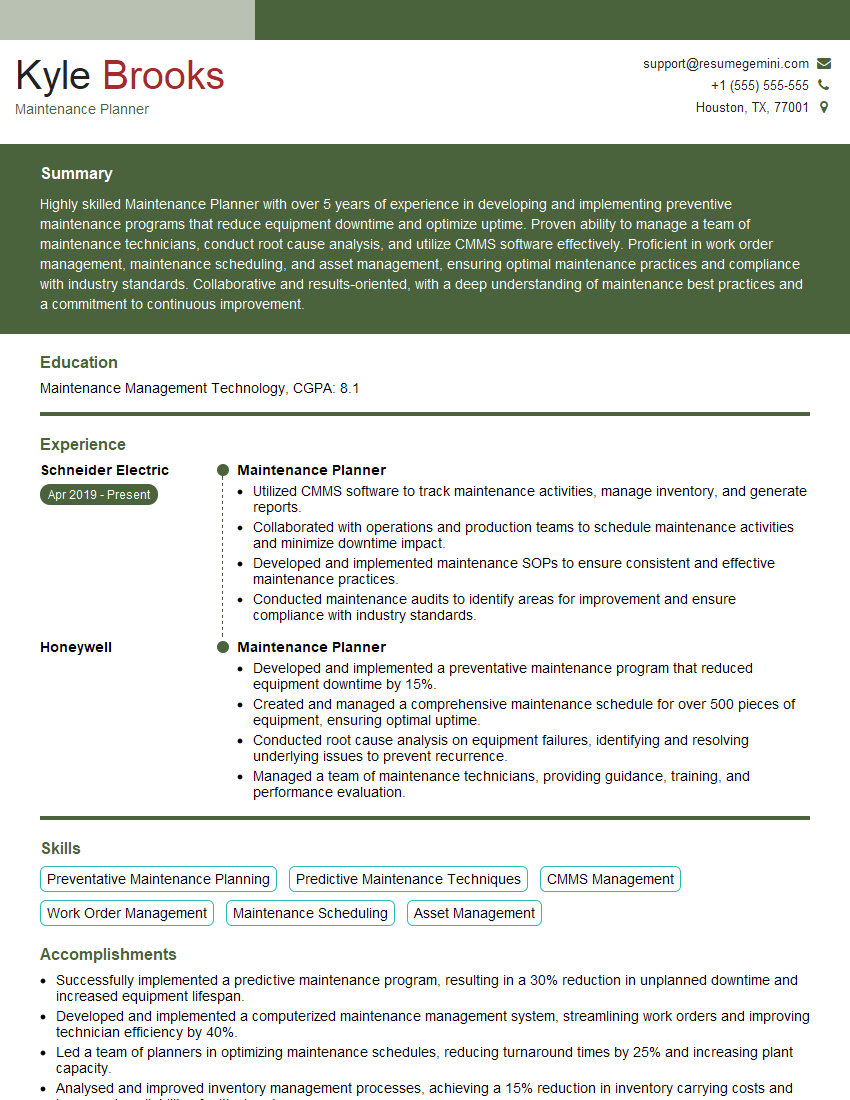
Maintenance Planner Resume Sample
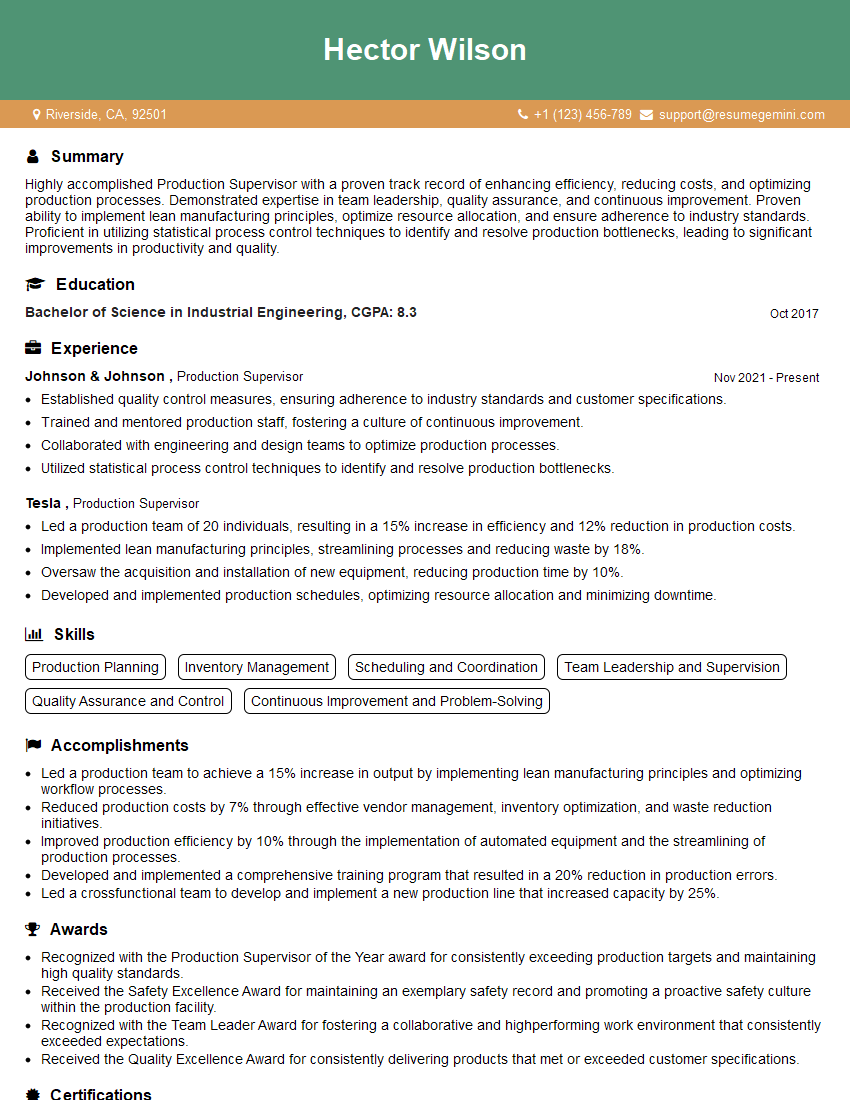
Production Supervisor Resume Sample
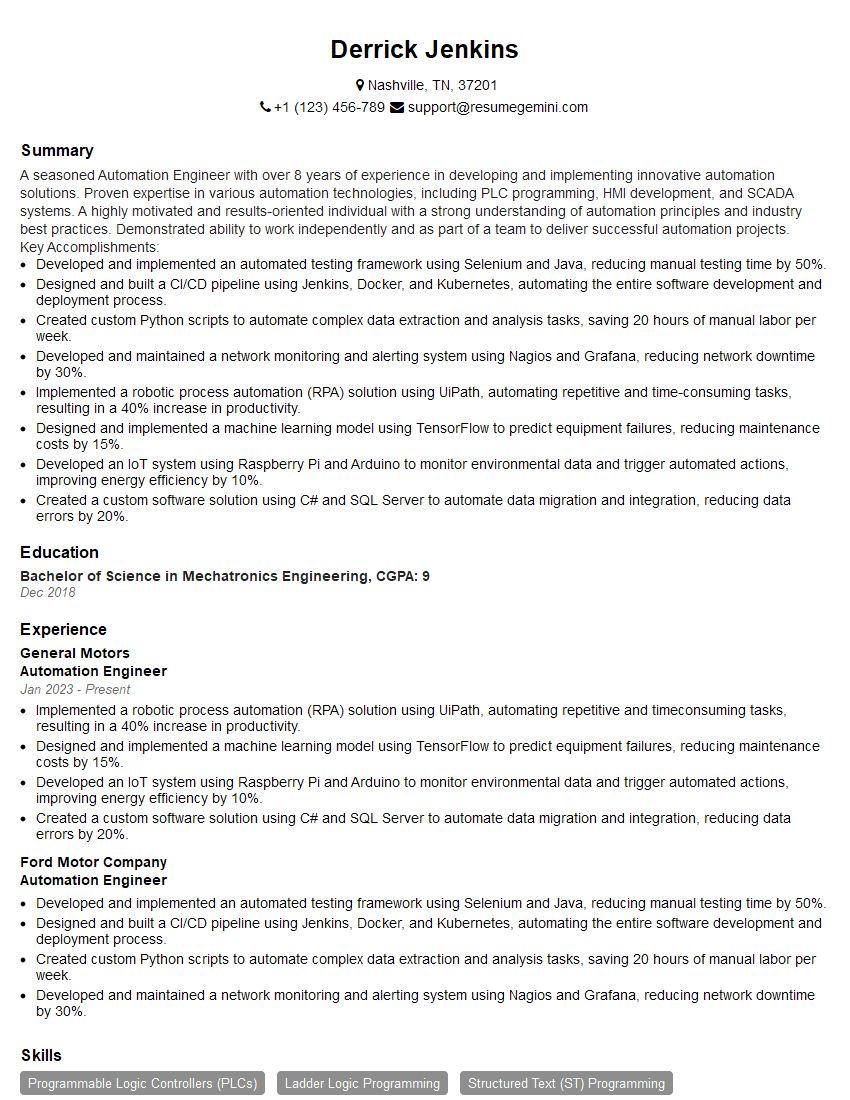
Automation Engineer Resume Sample
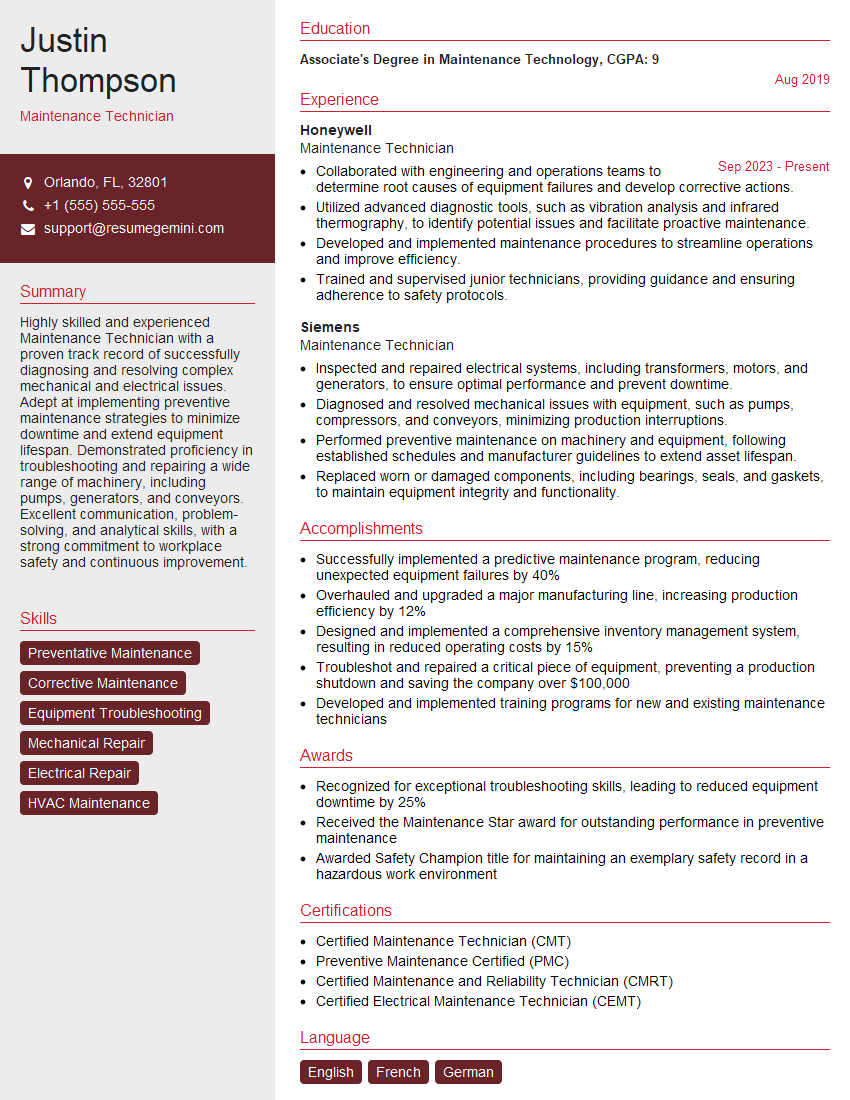
Maintenance Technician Resume Sample
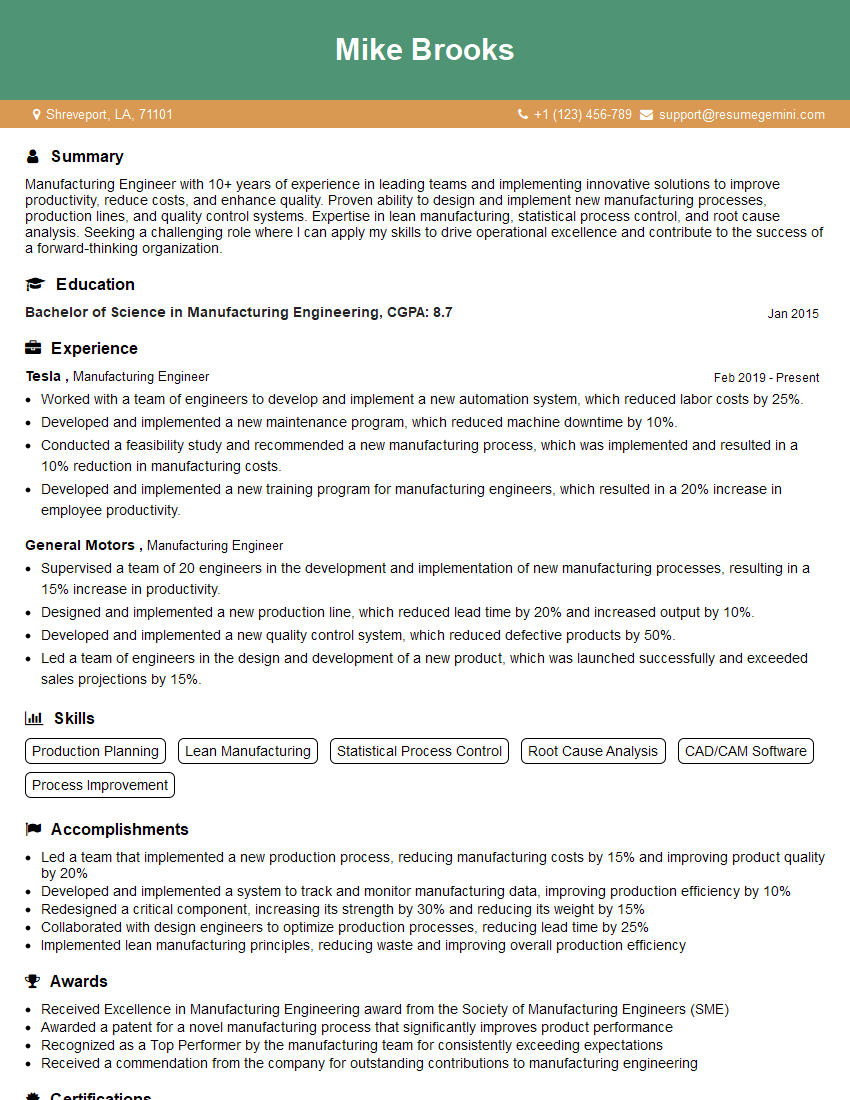
Manufacturing Engineer Resume Sample
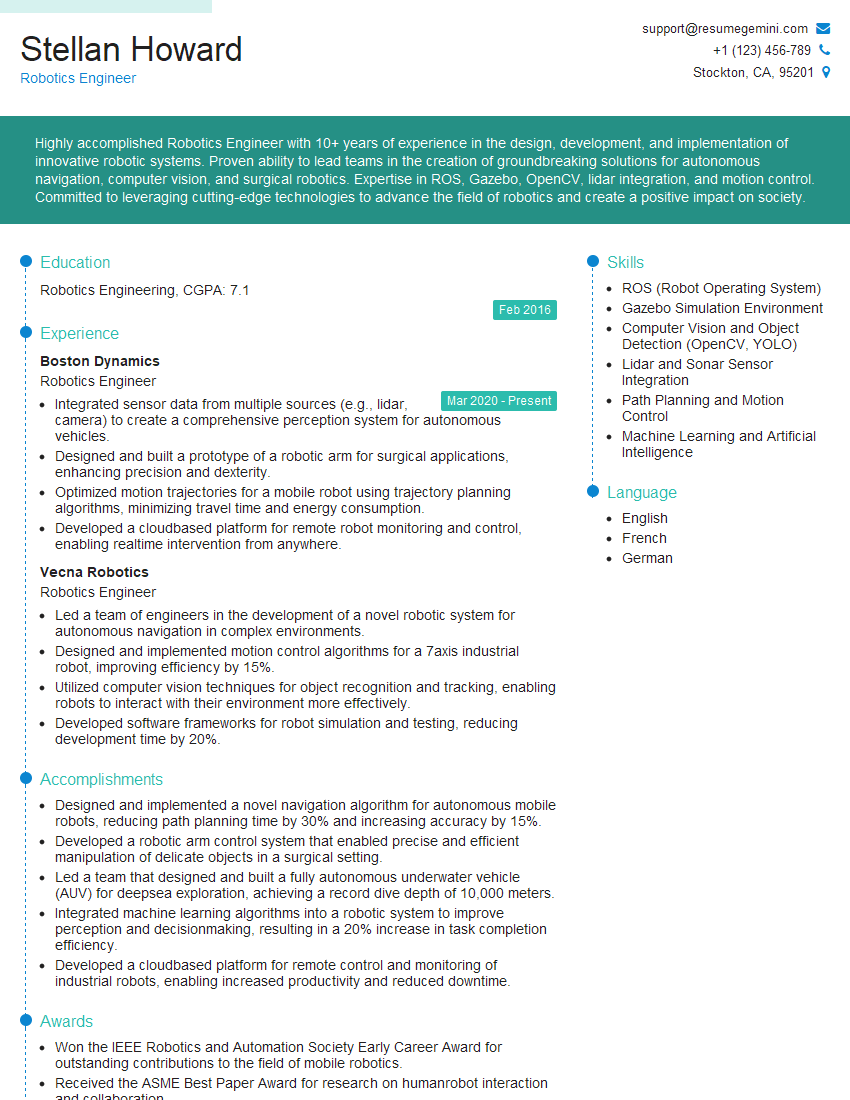
Robotics Engineer Resume Sample
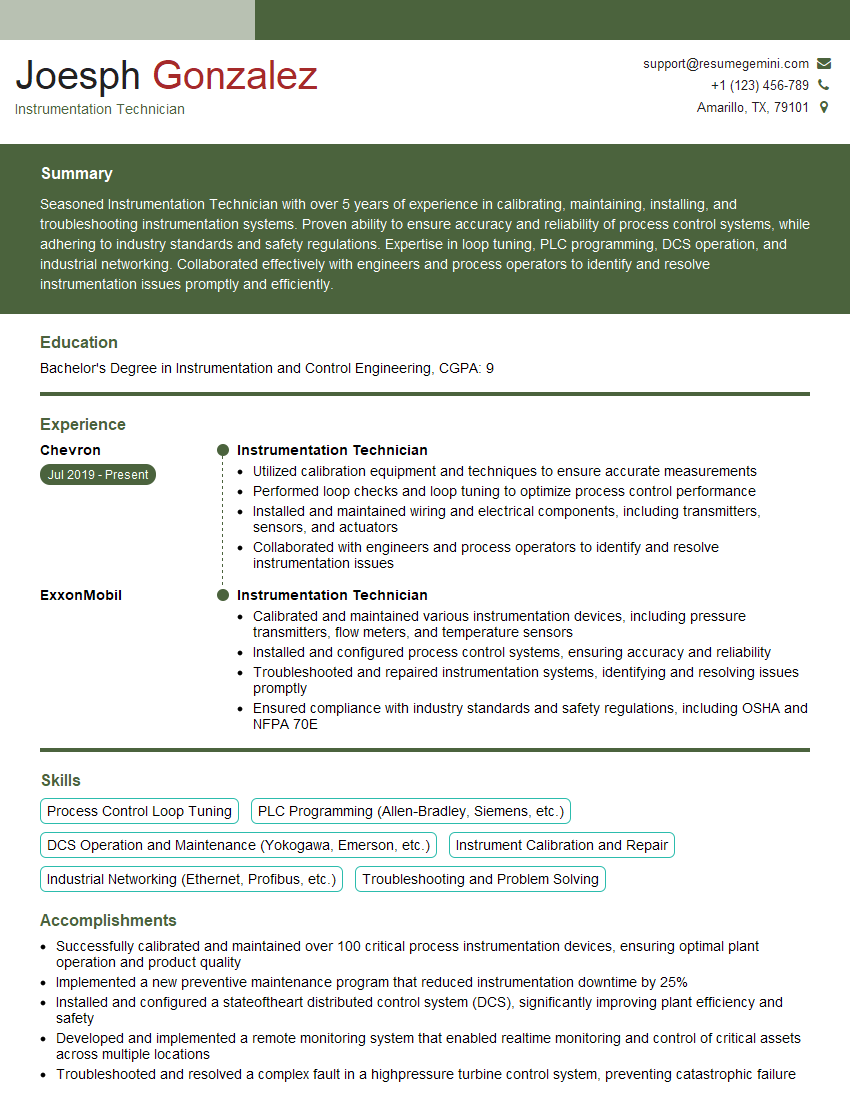
Instrumentation Technician Resume Sample
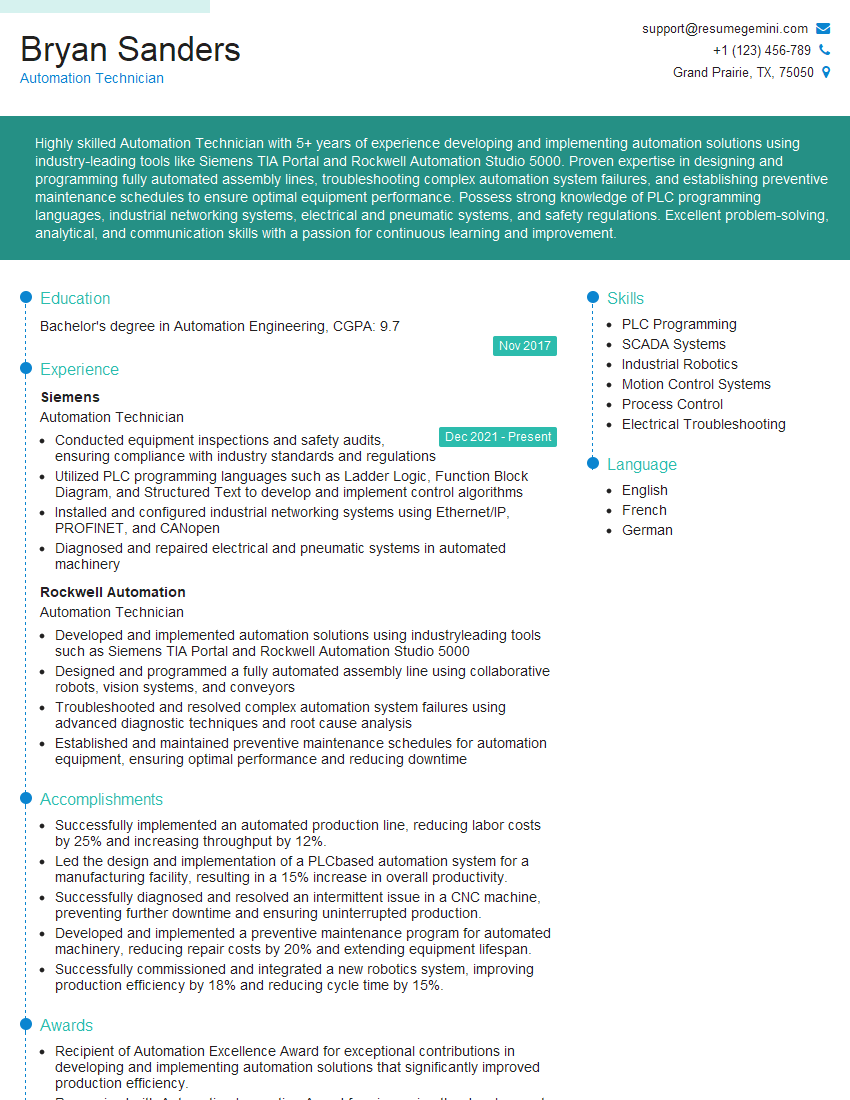
Automation Technician Resume Sample
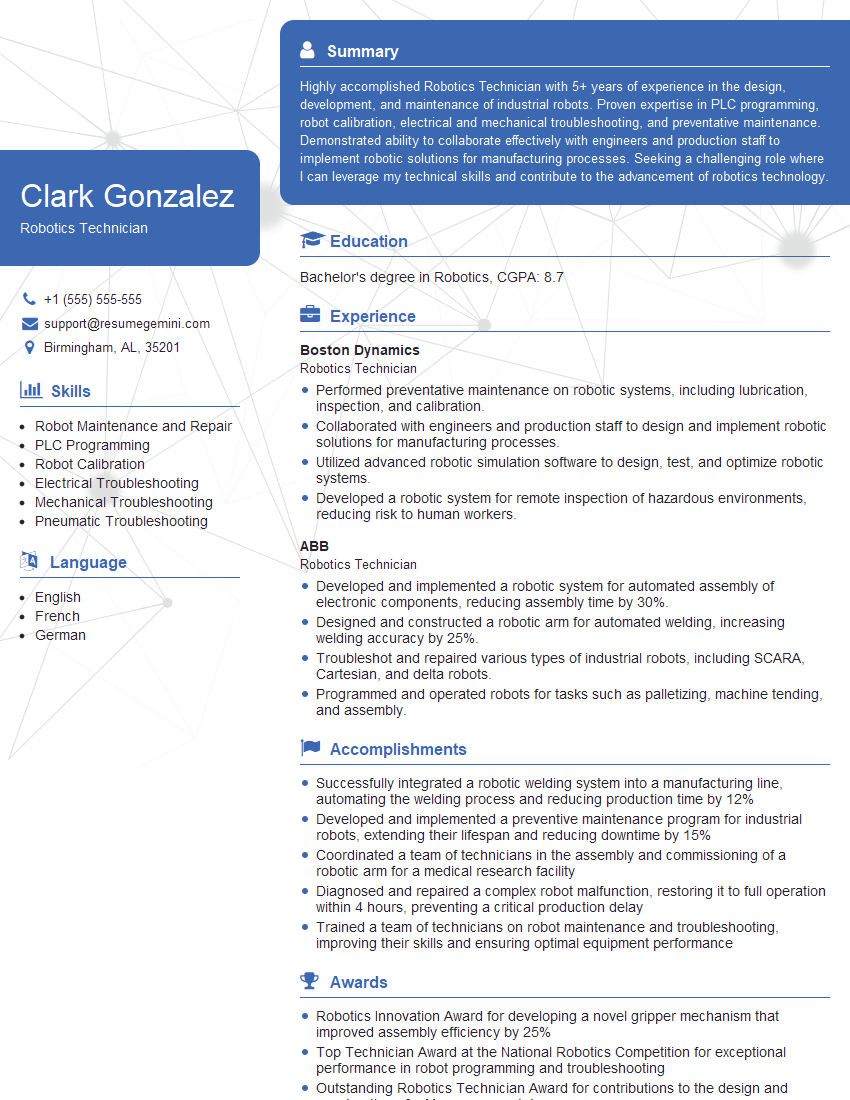
Robotics Technician Resume Sample
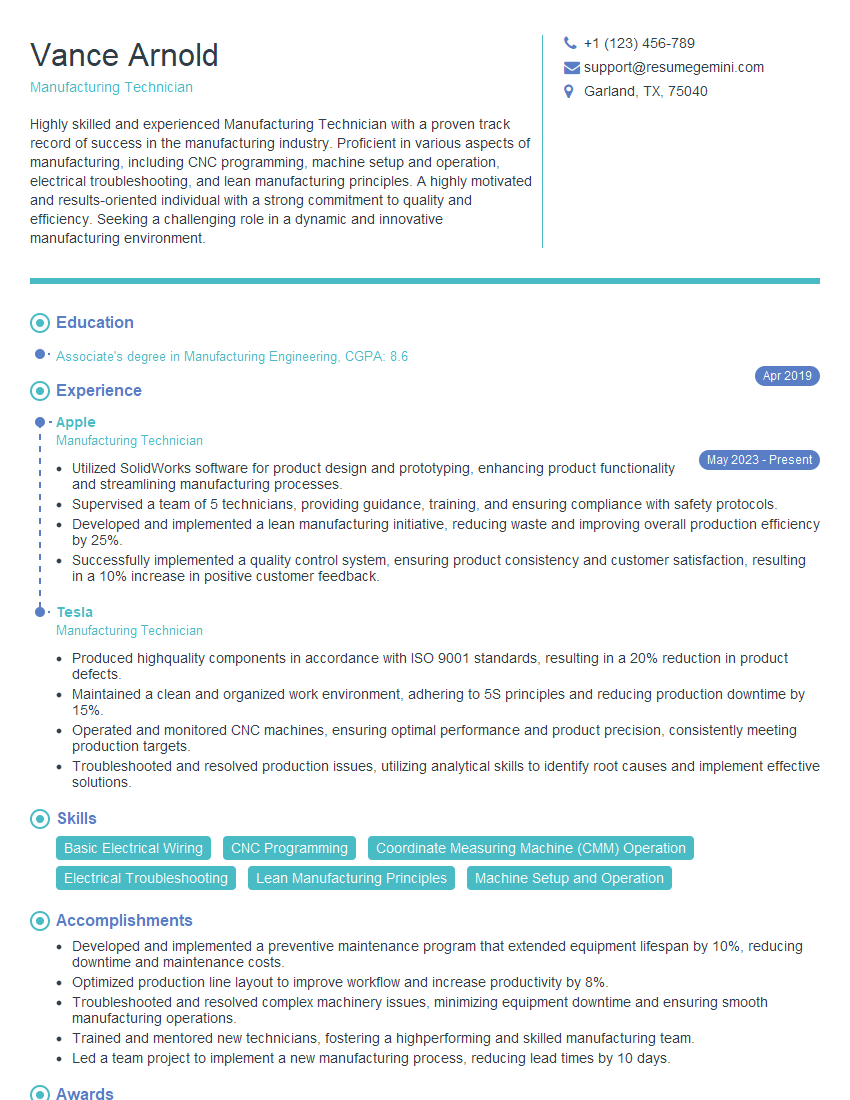
Manufacturing Technician Resume Sample
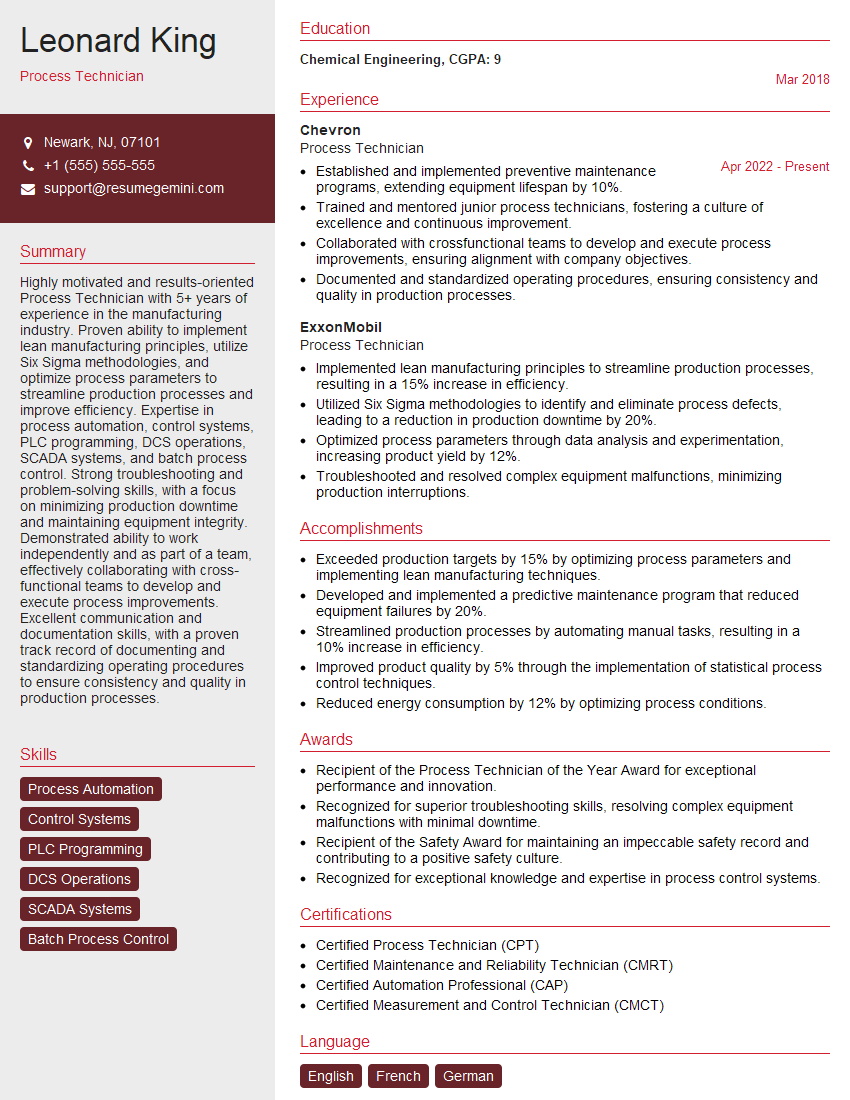
Process Technician Resume Sample
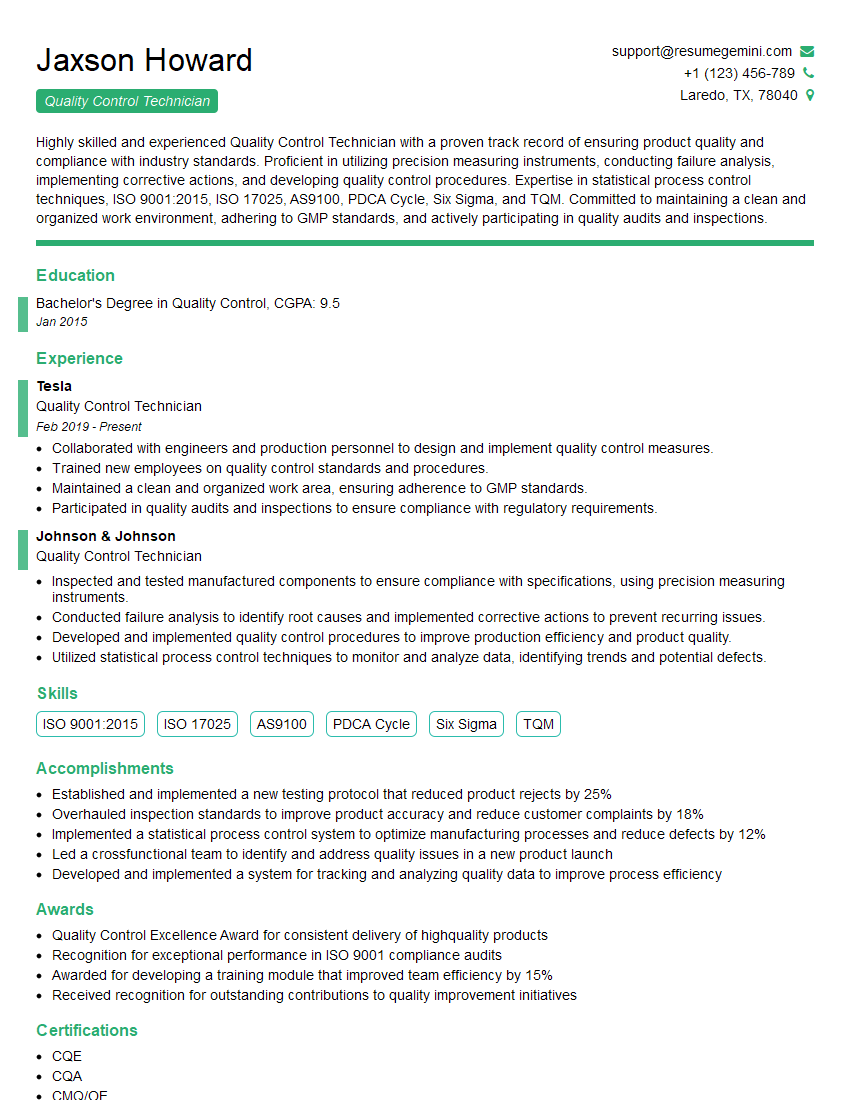
Quality Control Technician Resume Sample
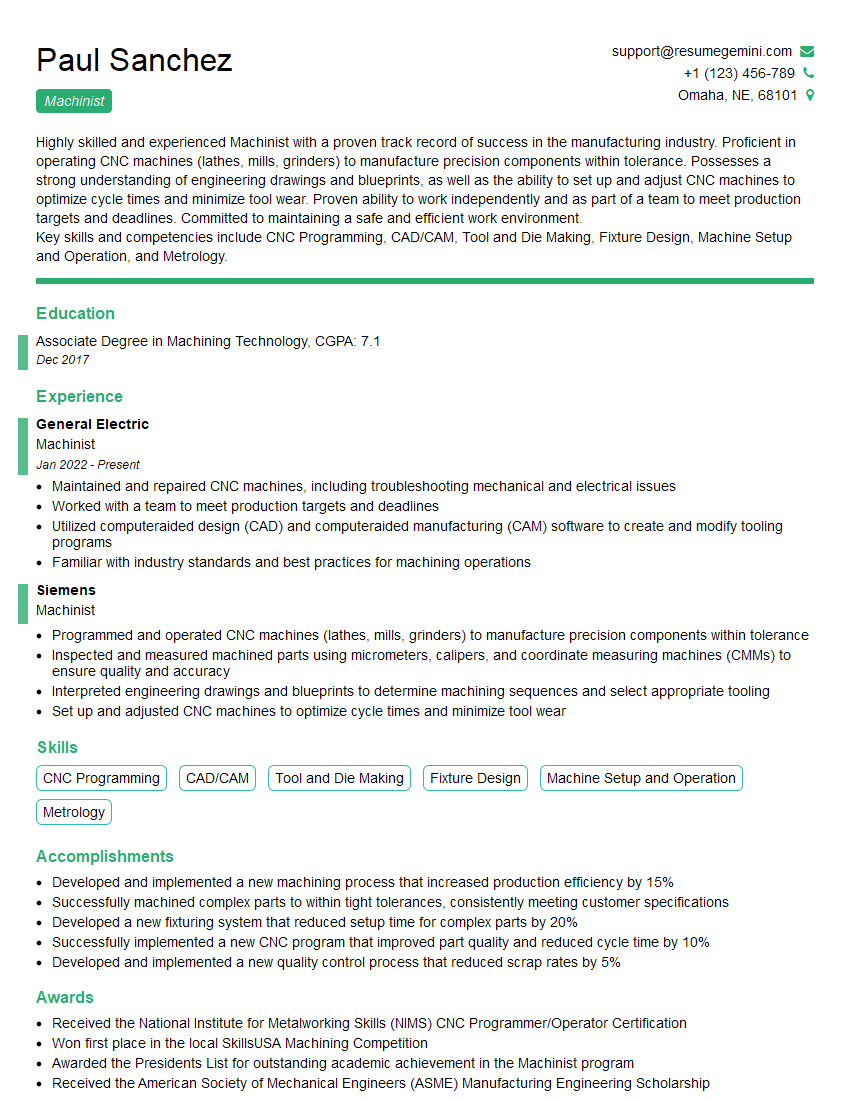
Machinist Resume Sample
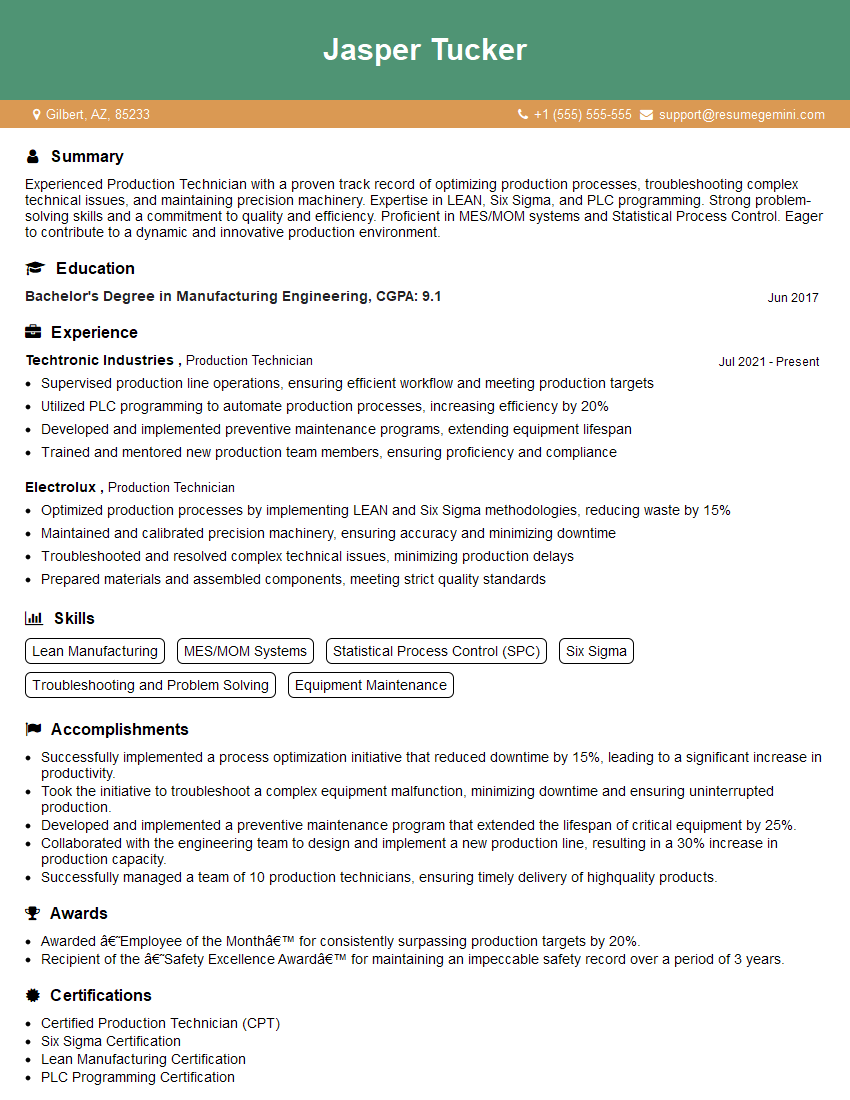
Production Technician Resume Sample
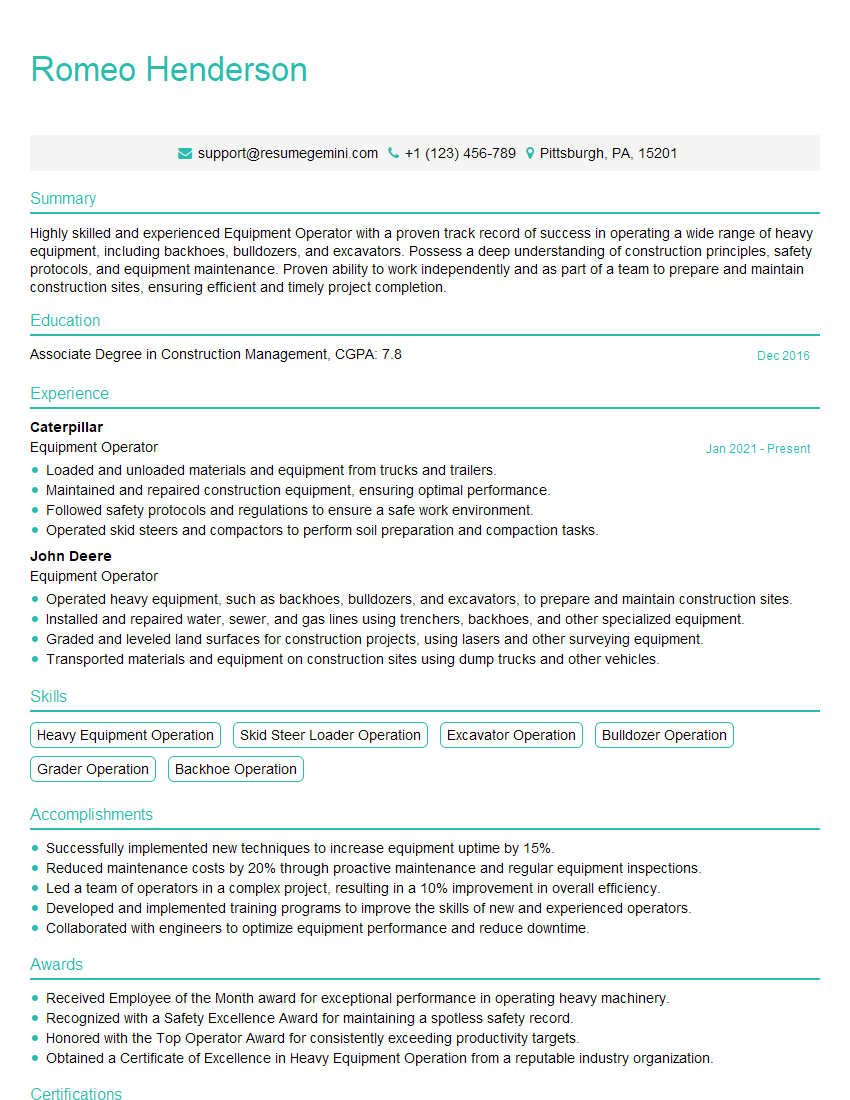
Equipment Operator Resume Sample
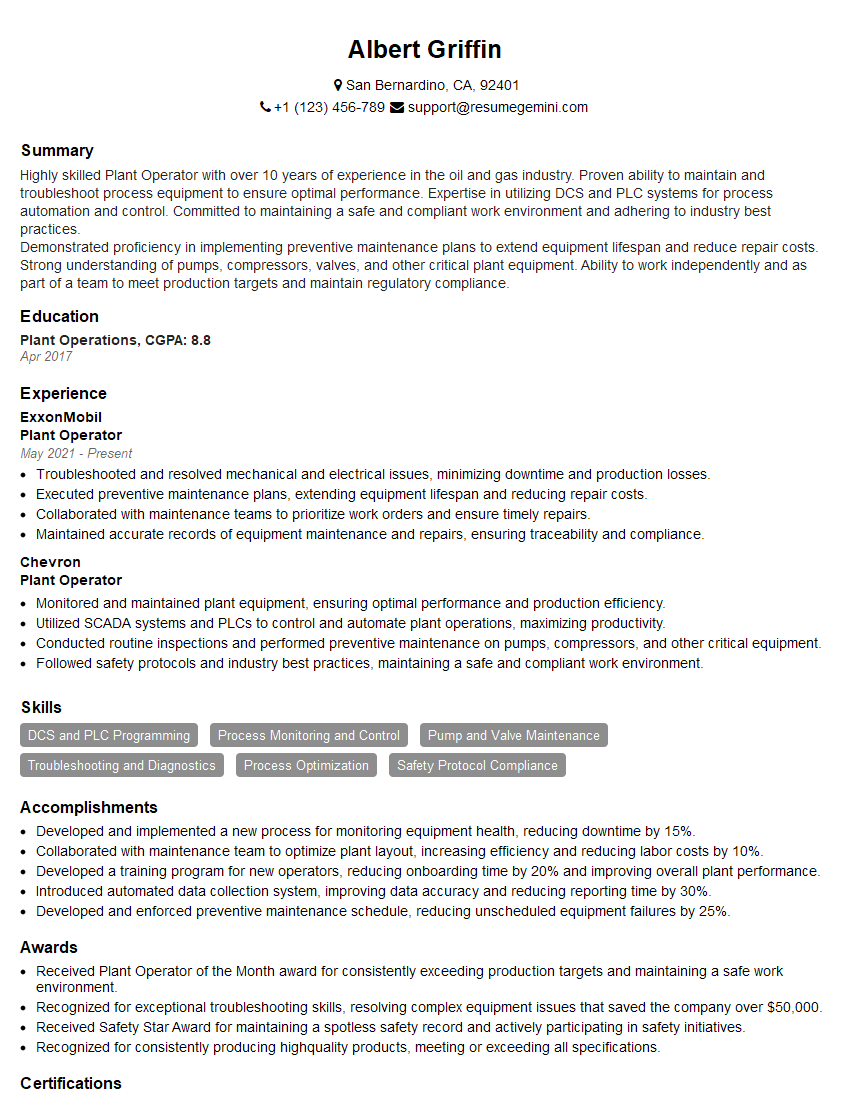
Plant Operator Resume Sample
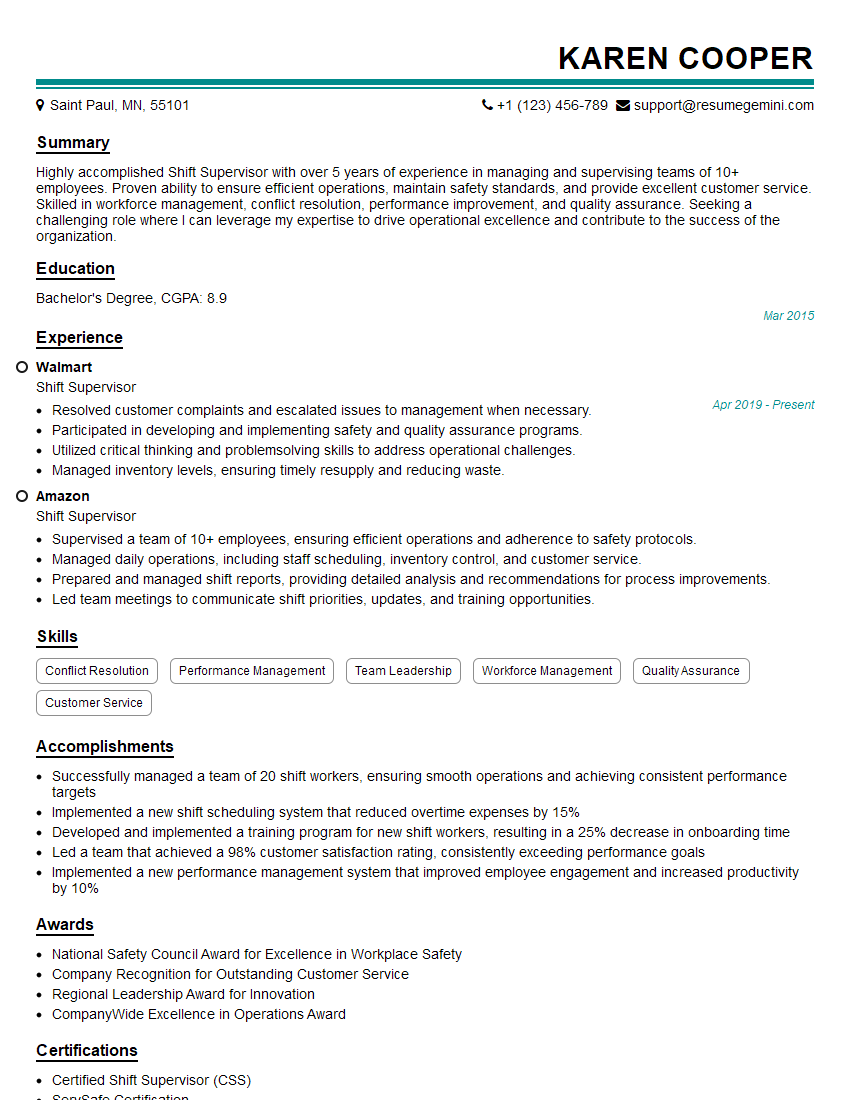
Shift Supervisor Resume Sample
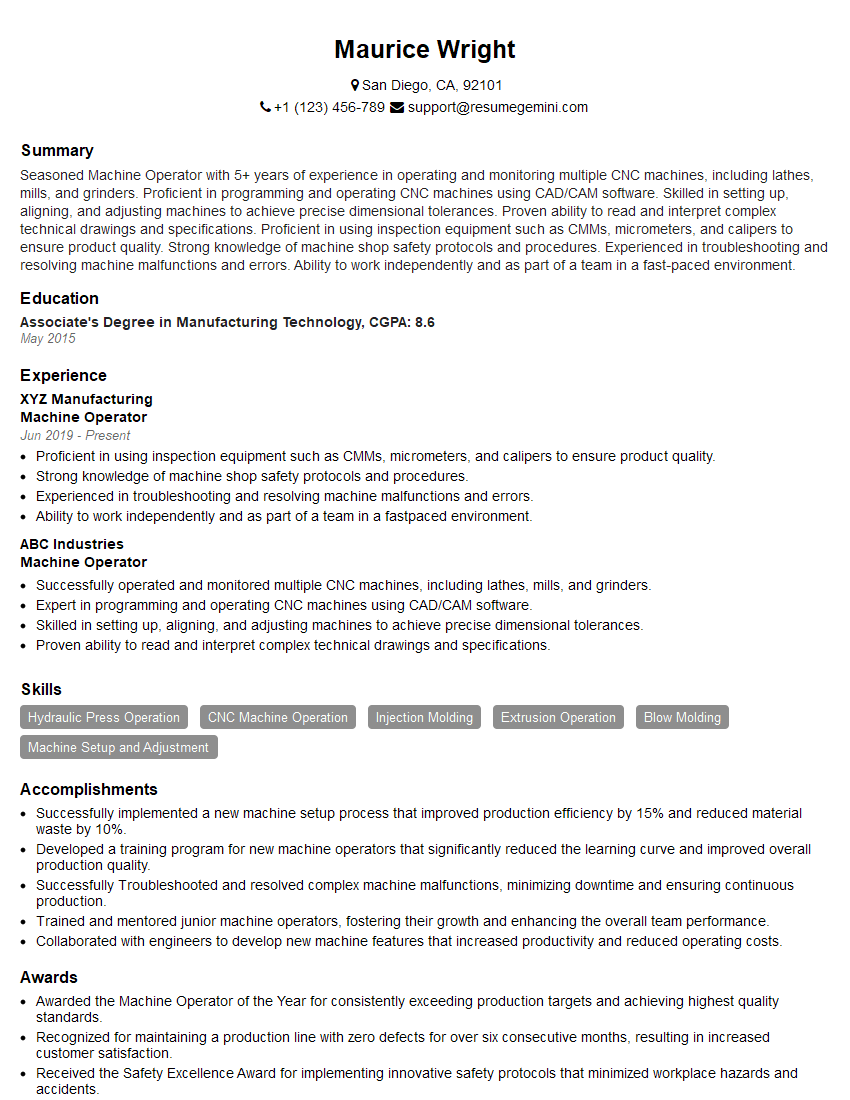
Machine Operator Resume Sample
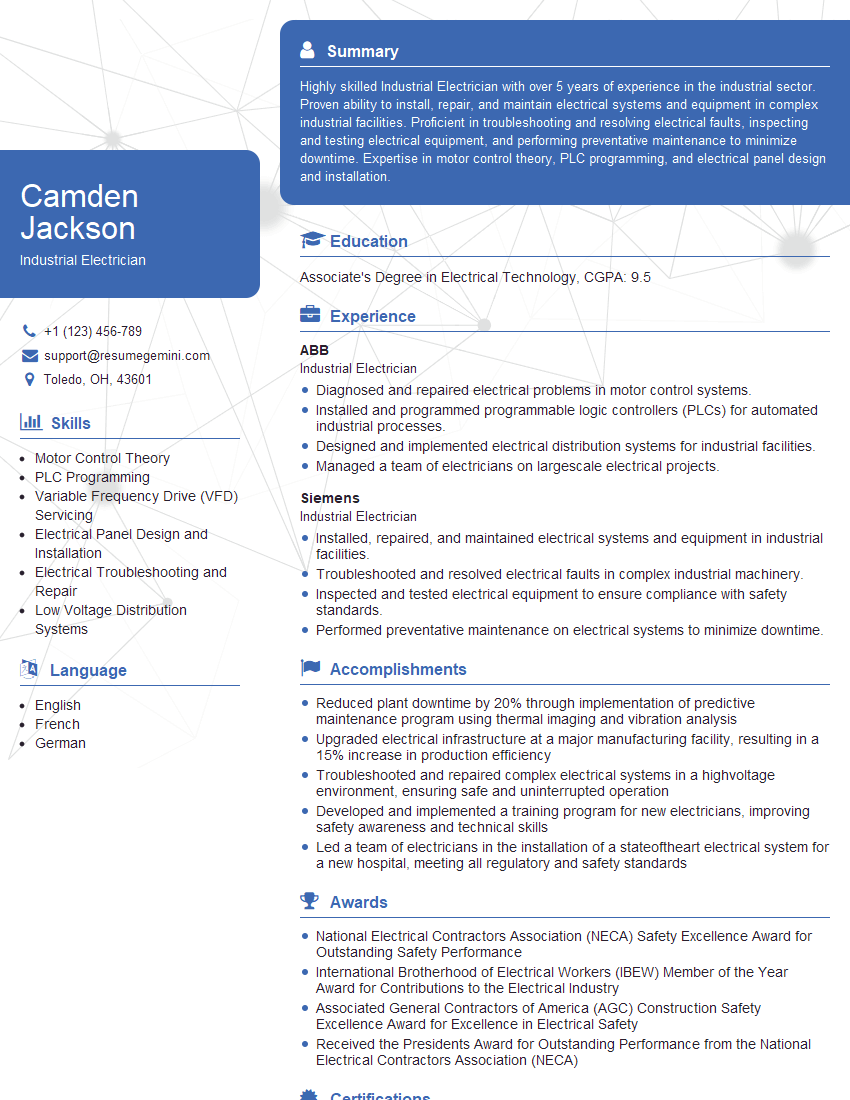
Industrial Electrician Resume Sample
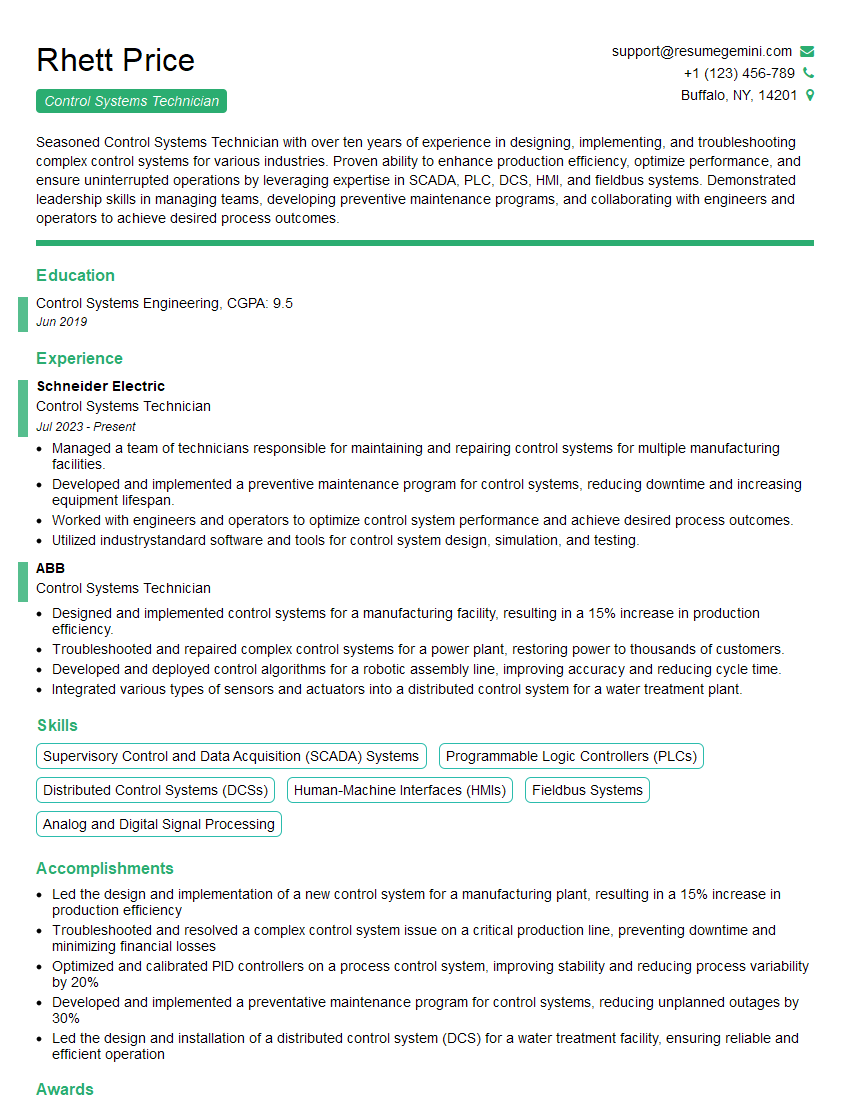
Control Systems Technician Resume Sample
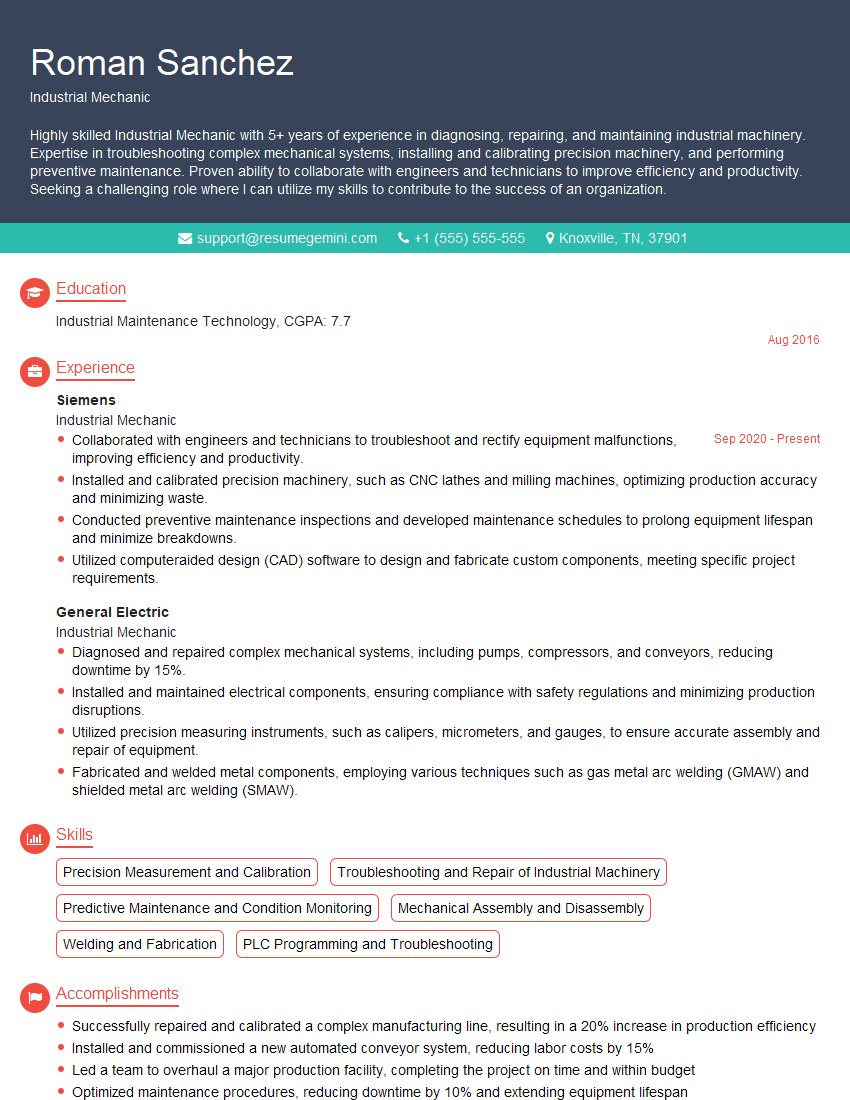
Industrial Mechanic Resume Sample
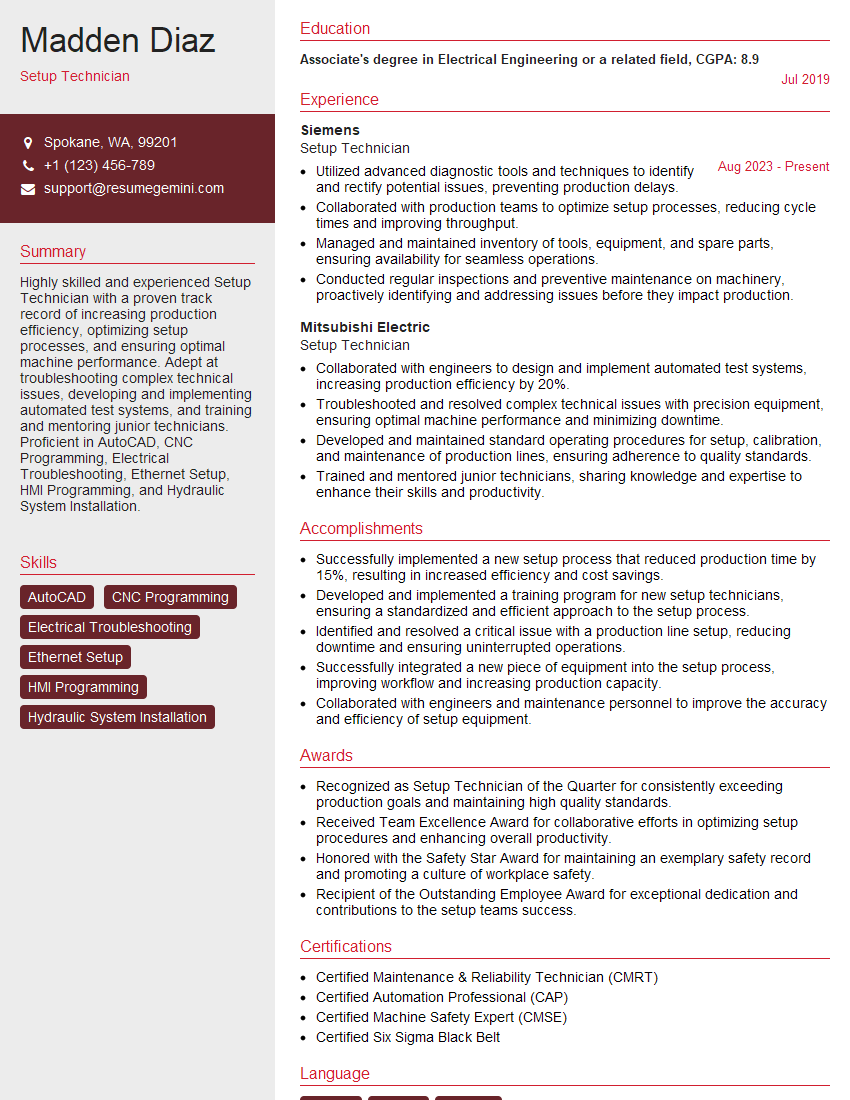
Setup Technician Resume Sample
- Operations Manager
- Maintenance Planner
- Production Supervisor
- Automation Engineer
- Maintenance Technician
- Manufacturing Engineer
- Robotics Engineer
- Instrumentation Technician
- Automation Technician
- Robotics Technician
- Manufacturing Technician
- Process Technician
- Quality Control Technician
- Machinist
- Production Technician
- Equipment Operator
- Plant Operator
- Shift Supervisor
- Machine Operator
- Industrial Electrician
- Control Systems Technician
- Industrial Mechanic
- Setup Technician
Explore more articles
Users Rating of Our Blogs
Share Your Experience
We value your feedback! Please rate our content and share your thoughts (optional).
What Readers Say About Our Blog
Really detailed insights and content, thank you for writing this detailed article.
IT gave me an insight and words to use and be able to think of examples