Cracking a skill-specific interview, like one for Non-Invasive Examination and Documentation, requires understanding the nuances of the role. In this blog, we present the questions you’re most likely to encounter, along with insights into how to answer them effectively. Let’s ensure you’re ready to make a strong impression.
Questions Asked in Non-Invasive Examination and Documentation Interview
Q 1. Describe the safety protocols you follow during a non-invasive examination.
Patient safety is paramount in any non-invasive examination. My protocol begins with a thorough explanation of the procedure to the patient, ensuring they understand the process and can ask questions. This builds trust and reduces anxiety. I then verify their identity using two identifiers (e.g., name and date of birth) to prevent errors. Before starting, I check for any allergies or contraindications to the imaging modality being used. For example, if using iodine-based contrast for CT scans, I meticulously check for allergies to iodine or shellfish. Throughout the procedure, I maintain constant communication with the patient, monitoring their comfort level and addressing any concerns. After the examination, I provide clear instructions for post-procedure care, if applicable. Furthermore, I adhere strictly to radiation safety guidelines when using ionizing radiation modalities like X-rays or CT scans, ensuring minimal exposure to both the patient and myself through appropriate shielding and ALARA principles (As Low As Reasonably Achievable).
Q 2. Explain the different types of non-invasive imaging techniques.
Non-invasive imaging encompasses a wide range of techniques, each offering unique advantages. These include:
- Ultrasound (Sonography): Uses high-frequency sound waves to create images of internal structures. It’s excellent for visualizing soft tissues, making it ideal for obstetrics, cardiology, and abdominal imaging. I’ve personally used ultrasound to diagnose a variety of conditions, including gallstones and pregnancy complications.
- X-ray: Employs ionizing radiation to produce images of bones and dense tissues. It’s invaluable for detecting fractures, detecting pneumonia or identifying foreign bodies. The ability to perform a quick X-ray assessment is essential in emergency situations.
- Computed Tomography (CT): Uses X-rays from multiple angles to create cross-sectional images. This allows for detailed visualization of internal organs and structures. CT scans are crucial in trauma cases and for diagnosing complex medical conditions.
- Magnetic Resonance Imaging (MRI): Uses strong magnetic fields and radio waves to generate detailed images of soft tissues and organs. It’s exceptionally effective in visualizing the brain, spinal cord, and musculoskeletal system, with its superior soft tissue contrast. A recent case involved a patient with suspected ligament damage in his knee, MRI showed a clear tear.
- Nuclear Medicine Imaging (e.g., PET, SPECT): Uses radioactive tracers to create functional images of metabolic processes. These are invaluable for detecting cancerous tumors and monitoring treatment response.
The choice of technique depends on the clinical question and the specific anatomical area being examined.
Q 3. What are the limitations of non-invasive examinations?
While non-invasive examinations offer a safer alternative to invasive procedures, they do have limitations. Firstly, some techniques, such as X-rays and CT scans, involve ionizing radiation, carrying a small but inherent risk. The benefit must always outweigh the risk. Secondly, image quality can be affected by various factors including patient movement, obesity, and the presence of metallic implants. For instance, metallic implants can create artifacts in MRI scans obscuring underlying structures. Thirdly, non-invasive imaging may not always provide a definitive diagnosis, particularly in subtle or complex cases. For example, subtle fractures might be missed on initial X-rays, requiring additional imaging. Finally, the cost and availability of certain modalities can also be limiting factors.
Q 4. How do you ensure the accuracy and reliability of your documentation?
Accuracy and reliability in documentation are paramount. I follow a standardized reporting format that includes all relevant patient demographics, the reason for the examination, the imaging modality used, a detailed description of the findings, and a concise interpretation, correlating them with the clinical context. My reports incorporate precise anatomical locations and measurements wherever relevant, using standardized terminology (e.g., DICOM standard). I always review my reports meticulously before finalizing them and make use of image annotation tools to clearly highlight key findings directly on the images. Furthermore, I maintain a system of internal quality control, regularly reviewing my own work and seeking feedback from colleagues when needed. This continuous quality improvement approach ensures consistent high standards in my documentation.
Q 5. What is your experience with PACS (Picture Archiving and Communication Systems)?
I have extensive experience with PACS systems. I’m proficient in using PACS for image viewing, retrieval, storage, and distribution. I understand the importance of maintaining the integrity and security of medical images within the PACS environment, adhering to all relevant HIPAA regulations. My daily workflow heavily relies on PACS; I routinely access and interpret images, generate reports, and communicate findings with other healthcare professionals using the system. I’m familiar with various PACS functionalities, including image manipulation tools, advanced visualization techniques, and integration with other hospital information systems (HIS). I’ve also participated in PACS upgrades and troubleshooting, ensuring efficient and reliable system operation.
Q 6. Describe your experience with different imaging modalities (e.g., ultrasound, X-ray).
My experience with imaging modalities is broad, encompassing ultrasound, X-ray, CT, and MRI. In ultrasound, I am proficient in various techniques including abdominal, obstetric, and vascular ultrasound. I’m skilled in performing and interpreting X-rays, particularly in the context of trauma and musculoskeletal imaging. My experience with CT includes both routine and contrast-enhanced studies, while my MRI expertise covers various body regions and pulse sequences. I’m adept at selecting the appropriate imaging modality and parameters based on the clinical question. For example, I would choose MRI for assessing soft tissue injuries rather than an X-ray due to its superior soft tissue resolution. This knowledge allows me to provide optimal imaging protocols for the patient, minimizing examination time and radiation exposure while maximizing diagnostic yield.
Q 7. How do you handle situations where image quality is suboptimal?
Suboptimal image quality is a challenge that requires a systematic approach. First, I carefully assess the cause of the poor image quality. This might involve reviewing technical factors such as patient positioning, equipment settings, or artifacts. For example, motion artifacts can significantly reduce the diagnostic quality of an MRI scan. Once the cause is identified, I take corrective measures. This may involve repeating the examination with adjustments to the technique or exploring alternative imaging modalities to gain better visualization. If repeating the examination is not feasible, I might consult with a senior colleague for a second opinion, and clearly document the limitations of the images and any subsequent interpretive challenges in my report. Transparency and careful interpretation are crucial when dealing with suboptimal images, to avoid misdiagnosis.
Q 8. Explain the process of preparing a patient for a non-invasive examination.
Preparing a patient for a non-invasive examination hinges on ensuring their comfort, understanding, and cooperation. This involves several key steps tailored to the specific examination. For instance, a patient undergoing an ultrasound of the abdomen might be asked to empty their bladder for optimal image clarity. For an MRI, removing any metallic objects like jewelry or piercings is crucial to prevent image distortion and potential harm.
- Clear Communication: I always begin by clearly explaining the procedure, its purpose, and what the patient can expect. This includes addressing any anxieties or concerns they may have, using language they can understand. For example, instead of saying ‘we’ll be performing a transthoracic echocardiogram,’ I might explain, ‘we’ll use sound waves to create a picture of your heart.’
- Positioning and Comfort: Proper patient positioning is critical for optimal image acquisition and patient comfort. This often involves providing pillows, blankets, or other support devices. The process is carefully explained to the patient to reduce anxiety.
- Informed Consent: Before any procedure, I ensure the patient understands the risks, benefits, and alternatives. They must provide informed consent, indicating their voluntary agreement to participate.
- Preparation Materials: Depending on the exam, specific preparations may be necessary. This might include fasting for a certain period before a contrast study, or wearing specific clothing.
By meticulously following these steps, I ensure patients are well-prepared, reducing stress and leading to a more successful examination.
Q 9. How do you maintain patient confidentiality during and after a procedure?
Maintaining patient confidentiality is paramount. It’s a cornerstone of ethical medical practice, and I adhere to strict protocols to protect sensitive information. My approach is multi-faceted:
- HIPAA Compliance: I strictly follow HIPAA regulations (Health Insurance Portability and Accountability Act) which dictates how Protected Health Information (PHI) is handled, stored, and transmitted. This includes using secure electronic health record systems and password-protecting sensitive files.
- Secure Data Storage: All patient data, including images and reports, are stored on secure servers with access limited to authorized personnel only. This involves using strong passwords, multi-factor authentication, and regular security audits.
- Privacy During Procedures: During the examination, I ensure the patient’s privacy by performing the procedure in a private room, using screens or drapes to maintain modesty, and only allowing authorized personnel into the examination area.
- Communication Protocols: I never discuss patient information in public areas or with unauthorized individuals. If I need to discuss a case, it’s always in a confidential setting and with colleagues who have a legitimate need to know.
- Data Disposal: When data is no longer needed, I follow strict protocols for secure disposal, ensuring information is completely and irrevocably removed.
Breaching patient confidentiality can have serious legal and ethical consequences. My commitment to these protocols reflects my dedication to protecting patient rights and trust.
Q 10. What are the ethical considerations involved in non-invasive examinations?
Ethical considerations are central to non-invasive examinations. The patient’s well-being, autonomy, and dignity are paramount. Key ethical considerations include:
- Informed Consent: Patients must understand the procedure and provide voluntary consent. They need to know the benefits, risks, and alternatives.
- Beneficence and Non-maleficence: We must act in the best interests of the patient and avoid causing harm. This includes minimizing radiation exposure during imaging procedures, ensuring patient comfort and using appropriate safety precautions.
- Confidentiality: Protecting patient privacy is a critical ethical responsibility.
- Justice and Equity: Ensuring equitable access to quality care regardless of race, ethnicity, socioeconomic status, or other factors.
- Professional Boundaries: Maintaining appropriate professional relationships with patients, avoiding any actions that could be construed as inappropriate.
For example, in a situation where a patient is unable to provide informed consent (e.g., due to unconsciousness), I would consult with colleagues, family members, or legal guardians to ensure ethical decision-making that prioritizes the patient’s best interests. Continual reflection and adherence to professional guidelines is crucial in navigating these ethical considerations.
Q 11. Describe your experience with image processing and analysis.
My experience with image processing and analysis is extensive. I’m proficient in using various software packages, including DICOM viewers, image processing toolkits (like ITK or OpenCV), and AI-powered image analysis platforms. I’ve used these tools for tasks such as:
- Image Enhancement: Improving image quality through techniques like noise reduction, contrast enhancement, and sharpening.
- Segmentation: Identifying and isolating specific regions of interest within an image, like organs or lesions.
- Measurement and Quantification: Accurately measuring distances, areas, and volumes in images to aid in diagnosis.
- 3D Reconstruction: Creating three-dimensional models from multiple 2D images, providing a more comprehensive view of anatomical structures.
- Image Fusion: Combining images from different modalities (e.g., CT and MRI) to enhance diagnostic capabilities.
I’ve used these skills to assist radiologists in diagnosing various conditions, from cardiovascular diseases to cancers, and to track treatment responses. My understanding goes beyond mere technical proficiency; I understand the clinical implications of image analysis, making me a valuable member of the healthcare team.
Q 12. How do you identify and address potential artifacts in medical images?
Artifacts in medical images can significantly impair diagnostic accuracy. Identifying and addressing them requires careful observation and a systematic approach. Artifacts can arise from various sources, including patient movement, equipment malfunction, or processing errors.
- Visual Inspection: The first step involves carefully examining the images for any unusual patterns or distortions that don’t seem consistent with the expected anatomy.
- Knowledge of Artifact Types: A deep understanding of common artifact types is crucial, including motion artifacts, ring artifacts, streak artifacts, and partial volume effects. Each has specific visual characteristics and potential causes.
- Imaging Parameters Review: Examining the imaging parameters (e.g., pulse sequence, scan settings) can sometimes provide clues to the cause of an artifact.
- Re-imaging: In many cases, re-imaging the patient with adjusted parameters may resolve the issue. This might include asking the patient to remain still, or adjusting the imaging machine settings.
- Image Processing Techniques: Certain image processing techniques can help reduce or mitigate some types of artifacts. For example, motion correction algorithms can reduce motion artifacts.
For instance, if I notice a ring artifact in a CT scan (a circular distortion), I would first check the scanner’s calibration and then consider whether re-imaging with adjusted parameters or using image processing techniques to reduce the artifact’s impact on the image would be appropriate.
Q 13. What is your experience with different types of medical imaging equipment?
My experience encompasses a wide range of medical imaging equipment, including:
- Ultrasound machines: I’m proficient in operating various ultrasound systems for different applications (abdominal, cardiac, vascular).
- X-ray systems: Familiar with conventional X-ray, fluoroscopy, and digital radiography systems.
- CT scanners: Experienced in operating and interpreting images from multi-slice CT scanners.
- MRI systems: Proficient in operating and understanding the principles of various MRI sequences.
- Mammography units: Experienced in operating and interpreting mammograms, including digital mammography systems.
This diverse experience allows me to adapt quickly to different imaging modalities and tailor my approach to the specific needs of the examination and patient. For example, while ultrasound is valuable for its non-invasive assessment of soft tissues, CT imaging provides detailed bony structures. My ability to choose and operate the most appropriate modality for specific situations is vital.
Q 14. How do you maintain the cleanliness and sterility of equipment?
Maintaining the cleanliness and sterility of medical imaging equipment is crucial for patient safety and image quality. My approach follows strict protocols:
- Regular Cleaning: Equipment surfaces are cleaned routinely using appropriate disinfectants, following manufacturer’s guidelines. This involves removing any visible contaminants and then applying a disinfectant solution. This process usually happens after each patient.
- Sterilization (where applicable): For equipment requiring sterilization, such as probes used in ultrasound, I strictly follow sterilization procedures using autoclaves or other methods to ensure the removal of all microorganisms.
- Quality Control Checks: Regular quality control checks are performed on the equipment to ensure it is functioning correctly and delivering high-quality images. This often includes image quality tests and radiation safety checks.
- Proper Storage: Equipment is stored correctly when not in use, to prevent contamination and damage.
- Following Manufacturer Guidelines: Adherence to manufacturers’ guidelines and recommendations for cleaning, disinfection, and sterilization is paramount.
Think of it like this: maintaining cleanliness is not just about aesthetics; it’s a critical part of infection control and ensuring accurate and reliable image acquisition. Failing to do so can have significant consequences for patient health and the quality of care.
Q 15. Describe your troubleshooting skills in relation to medical imaging equipment.
Troubleshooting medical imaging equipment requires a systematic approach combining technical knowledge with problem-solving skills. My process starts with observing the issue – is there an error message? Is the image quality poor? Is the machine unresponsive? I then consult the equipment’s manual and troubleshooting guides for specific error codes or known issues. For instance, if I encounter a blurry image on an ultrasound machine, I’d systematically check the transducer (making sure it’s correctly connected and functioning), the gel application (ensuring proper contact), and the machine’s gain and depth settings. If the problem persists, I would check power supply, cables, and potentially escalate to the biomed engineer.
I also use a ‘process of elimination’ technique. Let’s say the X-ray machine isn’t producing images. I’d first check if it’s powered on, then the power supply to the whole system. After that, I’d move on to examining the tube, and lastly the image processing unit.
Regular preventative maintenance, which I actively participate in, significantly minimizes equipment malfunctions and allows for early detection of potential problems. Documenting every step of troubleshooting, including solutions and outcomes, is crucial for future reference and continuous improvement.
Career Expert Tips:
- Ace those interviews! Prepare effectively by reviewing the Top 50 Most Common Interview Questions on ResumeGemini.
- Navigate your job search with confidence! Explore a wide range of Career Tips on ResumeGemini. Learn about common challenges and recommendations to overcome them.
- Craft the perfect resume! Master the Art of Resume Writing with ResumeGemini’s guide. Showcase your unique qualifications and achievements effectively.
- Don’t miss out on holiday savings! Build your dream resume with ResumeGemini’s ATS optimized templates.
Q 16. What quality control measures do you implement in your work?
Quality control is paramount in medical imaging to ensure accurate and reliable results. My quality control measures are multifaceted and include:
- Regular equipment calibration and testing: I participate in routine checks, as scheduled by our department, using standardized phantoms to verify the accuracy of the equipment. For example, in ultrasound, we use test objects to assess image resolution and depth accuracy.
- Image quality assessment: I meticulously evaluate each image for optimal contrast, brightness, and resolution. Suboptimal images are flagged and addressed immediately.
- Patient positioning verification: Correct patient positioning is crucial for diagnostic accuracy, and I double-check positioning protocols before each examination.
- Regular review of protocols and procedures: We continually review our examination protocols to ensure they align with the latest best practices and guidelines.
- Maintaining a clean and organized work environment: A clean environment minimizes the risk of contamination and ensures equipment is properly maintained.
- Adherence to safety protocols: I strictly follow radiation safety guidelines and ALARA (As Low As Reasonably Achievable) principles when using ionizing radiation equipment.
Implementing these measures ensures consistent high quality, reduces errors and protects patients and staff.
Q 17. How do you interpret and communicate findings from non-invasive examinations?
Interpreting findings from non-invasive examinations requires a thorough understanding of anatomy, physiology, and pathology, combined with strong analytical skills. My interpretation process involves systematically analyzing the images, correlating them with the patient’s clinical history, and documenting findings in a clear and concise manner. I use precise medical terminology, avoiding ambiguity. For instance, instead of saying “something looks wrong,” I’d describe the specific abnormality – such as “hypoechoic lesion in the right lobe of the liver measuring 2cm in diameter,” in an ultrasound report.
Communicating these findings effectively is just as important. I tailor my communication style to the audience – providing a detailed report for the referring physician, and a simplified explanation for the patient, focusing on their concerns and using plain language.
I utilize various tools for effective communication, including detailed reports, images with annotations, and when appropriate, a verbal explanation to the referring physician to clarify any complex findings or ambiguities.
Q 18. How do you handle emergency situations during a procedure?
Handling emergency situations requires quick thinking, decisive action, and a strong understanding of emergency protocols. My approach focuses on:
- Prioritization: Immediately assessing the situation to identify the most urgent threat to the patient’s safety.
- Alerting the appropriate personnel: Contacting the emergency response team, physicians, or other necessary personnel, as needed.
- Initiating life-saving measures: Implementing basic life support (BLS) measures if necessary, while remaining calm and focused.
- Ensuring patient safety: Taking steps to mitigate any further risk to the patient. This might include adjusting the position of the equipment or modifying the procedure.
- Documentation: Detailed documentation of the emergency situation, including the events leading up to it, actions taken, and the patient’s response.
Regular training in emergency response protocols and BLS maintains my proficiency and helps ensure I’m prepared to handle any emergency situation.
For example, if a patient experiences a vasovagal reaction during a procedure, my training kicks in. I immediately stop the procedure, lower the patient’s head, check their vital signs, and alert the appropriate personnel. This organized approach helps me to mitigate the situation quickly and effectively.
Q 19. What is your knowledge of radiation safety and protection?
Radiation safety is a critical aspect of my practice, particularly when using X-ray or fluoroscopy equipment. I have a deep understanding of ALARA principles, which guides my practice to minimize radiation exposure. This involves using appropriate shielding, optimizing imaging parameters (kVp, mAs), utilizing image receptors with high detective quantum efficiency (DQE), and adhering to strict radiation protection guidelines.
My knowledge extends to radiation safety regulations, including the use of personal protective equipment (PPE), such as lead aprons and thyroid shields, and adherence to time, distance, and shielding principles. I understand and use radiation dosimetry devices to monitor my radiation exposure and to ensure it remains well within regulatory limits. Patient education regarding radiation safety is another key aspect of my role, I inform patients about the benefits and risks of ionizing radiation before any procedure. Regular safety training and continuing education ensures my knowledge stays up-to-date with current regulations and best practices.
Q 20. Describe your proficiency in medical terminology.
Medical terminology is fundamental to my work. I possess a comprehensive vocabulary encompassing anatomy, physiology, pathology, and radiology. For example, I can accurately interpret and use terms like ‘osteoporosis’, ‘hepatomegaly’, ‘aneurysm’, ‘stenosis’, and ‘echogenic’ in appropriate contexts, both in written reports and verbal communications.
My proficiency allows me to accurately document findings, ensuring clarity and precision in my reports and communication with other healthcare professionals. Understanding medical terminology is critical for maintaining effective communication and ensuring patient safety.
Q 21. How do you manage your workload during busy periods?
Managing workload during busy periods requires efficient time management, prioritization, and strong organizational skills. I use several strategies, including:
- Prioritization of tasks: I focus on urgent and critical tasks first, based on patient needs and clinical urgency. Emergency cases always take precedence.
- Time management techniques: Utilizing techniques like time blocking and scheduling helps optimize my workflow and prevents over-scheduling.
- Efficient workflow processes: Streamlining processes to reduce redundancy and improve efficiency, such as standardizing documentation and reporting methods.
- Effective communication: Maintaining open communication with colleagues and referring physicians to coordinate efforts and avoid delays.
- Delegation: Where appropriate, delegating tasks to others on the team can free up my time for more complex or critical tasks.
- Proactive problem-solving: Addressing potential bottlenecks proactively prevents delays and ensures smooth operations.
My ability to multitask, adapt, and stay calm under pressure is critical in managing busy periods, ensuring that patient care remains my top priority.
Q 22. How do you stay current with the latest advances in non-invasive examination techniques?
Staying current in the rapidly evolving field of non-invasive examination requires a multi-pronged approach. I actively participate in continuing medical education (CME) courses and workshops focused on the latest imaging modalities and analytical techniques. This includes attending conferences like the RSNA (Radiological Society of North America) and relevant specialty meetings. I also dedicate time to reviewing peer-reviewed publications in journals such as Radiology, RadioGraphics, and the Journal of the American College of Radiology. Further, I regularly explore online resources, including reputable medical websites and databases like PubMed, to stay informed about new research findings and technological advancements. Finally, I maintain professional memberships in relevant organizations, enabling access to webinars, newsletters, and ongoing educational materials. For example, recently I completed a CME course on advanced ultrasound techniques for musculoskeletal imaging, which directly enhanced my diagnostic capabilities.
Q 23. How do you collaborate with other healthcare professionals?
Collaboration is paramount in healthcare. I regularly consult with referring physicians to discuss patient history, clinical findings, and imaging results, ensuring a cohesive and comprehensive approach to patient care. This often involves clarifying the clinical questions and tailoring the imaging protocol accordingly. I also frequently collaborate with radiologists, pathologists, and other specialists to correlate imaging findings with other diagnostic information, improving diagnostic accuracy and treatment planning. For example, I recently worked closely with an oncologist and a radiation therapist to determine the optimal radiation treatment plan for a patient with a complex tumor based on advanced MRI and CT scan findings. Effective communication, mutual respect, and a shared goal of optimal patient outcomes are key to successful interdisciplinary teamwork.
Q 24. What is your understanding of HIPAA regulations?
HIPAA (Health Insurance Portability and Accountability Act) regulations are central to my professional practice. I understand that I am responsible for protecting the privacy and security of Protected Health Information (PHI). This includes adhering to strict protocols for data access, storage, transmission, and disposal. I am familiar with the HIPAA Privacy Rule, which governs the use and disclosure of PHI, and the Security Rule, which establishes national standards for securing electronic PHI. I am proficient in using secure systems and technologies for storing and transferring patient data. For instance, I only access patient information that is directly relevant to my responsibilities, and I always use secure, password-protected computer systems to ensure patient confidentiality. Any breach of these protocols is taken extremely seriously, and I’m diligent in reporting potential violations immediately.
Q 25. Describe a time you had to deal with a challenging patient or situation.
One challenging situation involved a patient who was extremely anxious and claustrophobic undergoing an MRI scan. This fear was significantly impacting the quality of the images due to their movement. Instead of simply proceeding with the scan, I took the time to speak with the patient, addressing their concerns and explaining the procedure in detail. I offered them relaxation techniques, such as deep breathing exercises, and provided reassurance throughout the process. I also adjusted the scanning parameters to reduce the scan time, minimizing their discomfort. We collaborated to create a plan that balanced diagnostic quality and patient comfort. Ultimately, we successfully completed the exam with high-quality images, while significantly reducing the patient’s anxiety. This demonstrated the importance of empathy, communication, and adaptability in dealing with sensitive patient situations.
Q 26. Explain how you ensure the accuracy of patient data entry.
Accuracy in patient data entry is non-negotiable. I employ a multi-step process to ensure data integrity. First, I carefully review all information collected, verifying its accuracy against multiple sources whenever possible. Secondly, I utilize electronic health record (EHR) systems with built-in data validation tools to minimize entry errors. Thirdly, I use checklists and standardized templates to guide my data entry and reduce inconsistencies. Finally, I perform regular data quality audits to identify and correct any potential errors. The importance of accuracy cannot be overstated; an error in patient data can lead to misdiagnosis, inappropriate treatment, and other adverse outcomes. My approach reflects my commitment to patient safety and the integrity of medical records.
Q 27. What are your salary expectations?
My salary expectations are commensurate with my experience, skills, and qualifications, and are in line with the industry standard for this position. I am open to discussing a competitive compensation package that reflects the value I bring to your organization.
Q 28. Why are you interested in this position?
I am highly interested in this position because of [Organization Name]’s reputation for excellence in patient care and its commitment to utilizing cutting-edge technology in non-invasive examination. The opportunity to contribute to a dynamic team and further develop my expertise in this field is incredibly appealing. I am particularly drawn to [mention a specific project, initiative, or aspect of the job description that interests you]. I believe my skills and experience align perfectly with the requirements of this role, and I am confident that I can make a significant contribution to your organization.
Key Topics to Learn for Non-Invasive Examination and Documentation Interview
- Patient History and Assessment: Understanding how to effectively gather and interpret patient medical history relevant to the examination.
- Examination Techniques: Mastering various non-invasive examination techniques, including palpation, auscultation, and visual inspection. Understanding their limitations and appropriate applications.
- Medical Imaging Interpretation (Fundamentals): Basic understanding of common non-invasive imaging modalities (e.g., X-ray, ultrasound) and their role in diagnosis. Focus on recognizing common findings and limitations.
- Documentation Standards and Procedures: Proficiency in accurate and comprehensive documentation, adhering to relevant legal and ethical guidelines. Understanding medical terminology and abbreviations.
- Clinical Reasoning and Problem Solving: Applying knowledge of anatomy, physiology, and pathology to interpret findings and formulate differential diagnoses. Practicing scenario-based problem-solving.
- Communication and Collaboration: Effective communication skills to interact with patients, colleagues, and other healthcare professionals. Understanding the importance of teamwork in a healthcare setting.
- Infection Control and Safety Procedures: Adherence to strict infection control protocols and awareness of safety measures during non-invasive examinations.
- Legal and Ethical Considerations: Understanding patient confidentiality, informed consent, and professional boundaries.
Next Steps
Mastering Non-Invasive Examination and Documentation is crucial for career advancement in healthcare. A strong foundation in these skills opens doors to diverse and rewarding opportunities. To maximize your job prospects, invest time in creating a compelling, ATS-friendly resume that highlights your skills and experience. ResumeGemini is a trusted resource to help you build a professional and impactful resume, ensuring your application stands out. Examples of resumes tailored to Non-Invasive Examination and Documentation are available to guide you. Take the next step towards your dream career today!
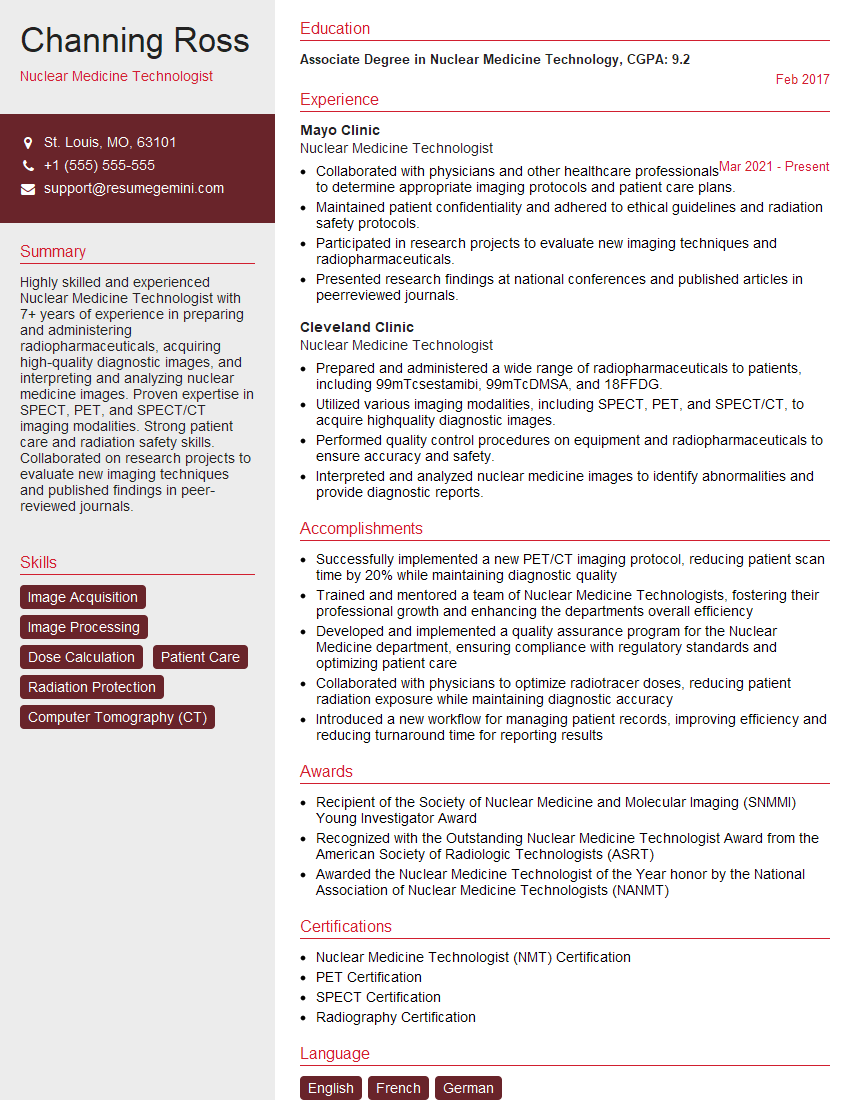
Nuclear Medicine Technologist Resume Sample
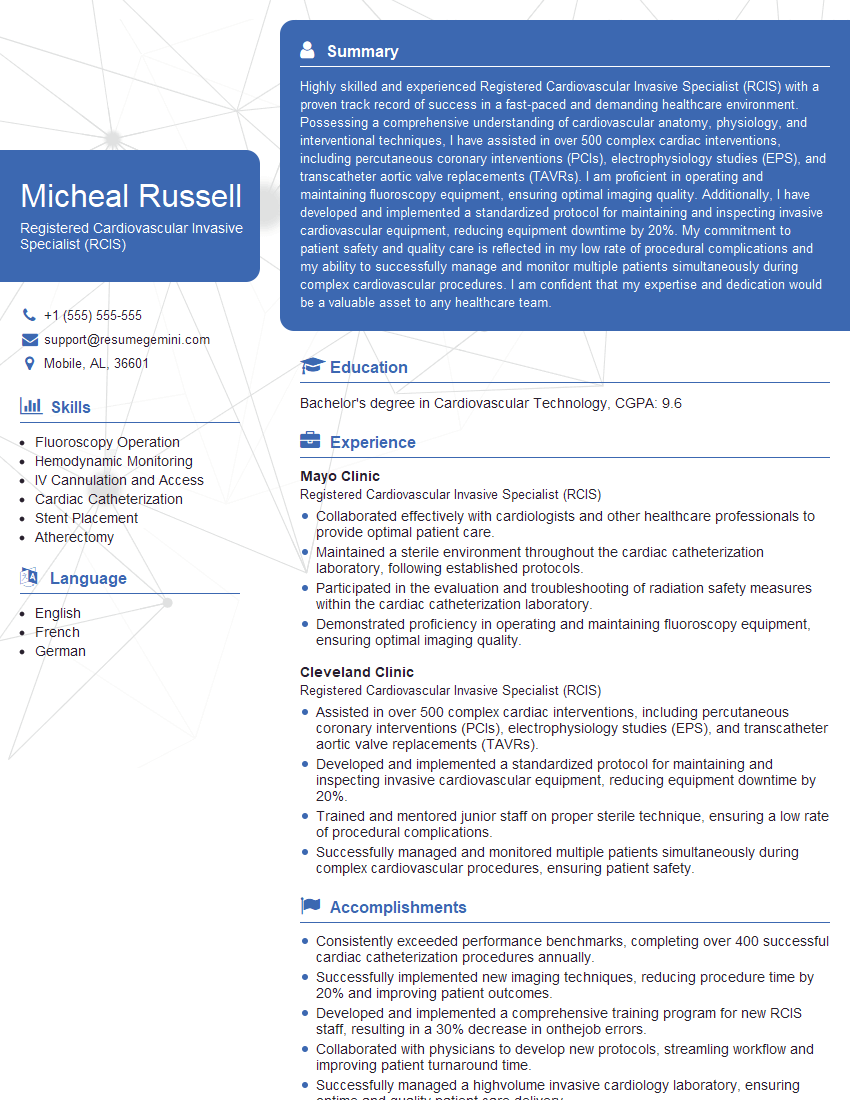
Registered Cardiovascular Invasive Specialist (RCIS) Resume Sample
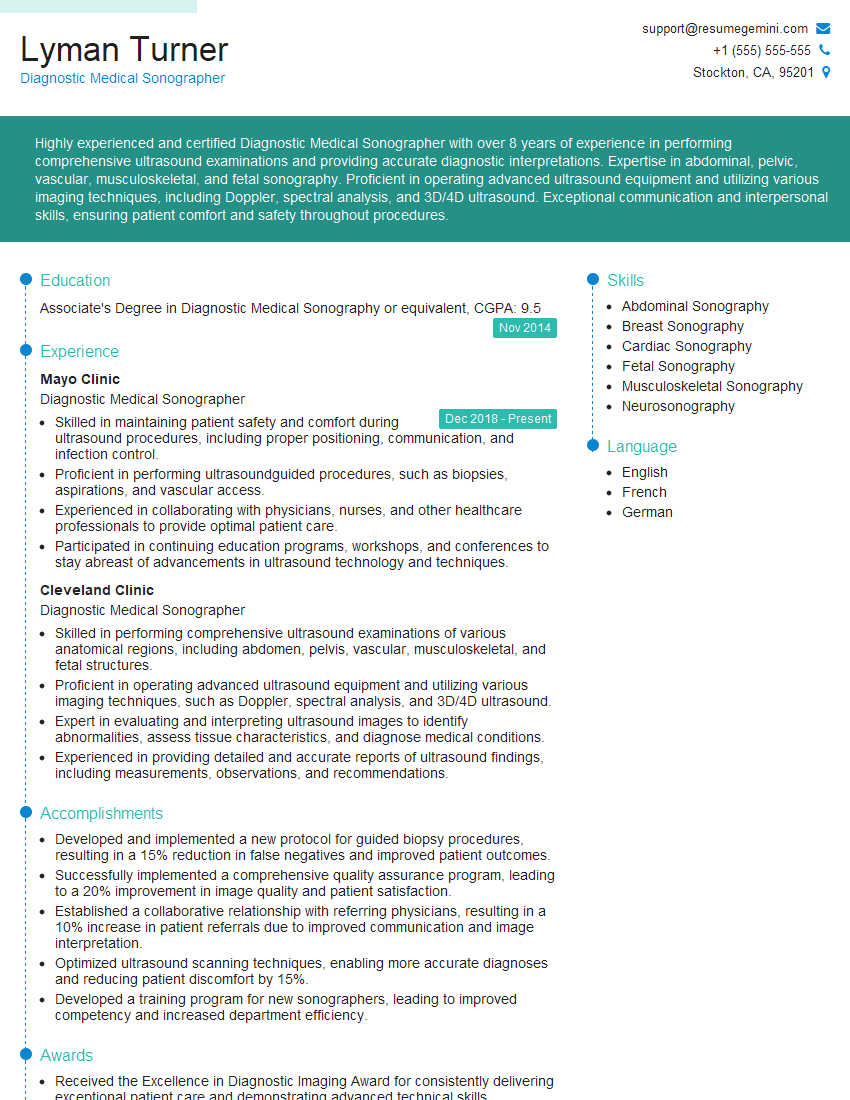
Diagnostic Medical Sonographer Resume Sample
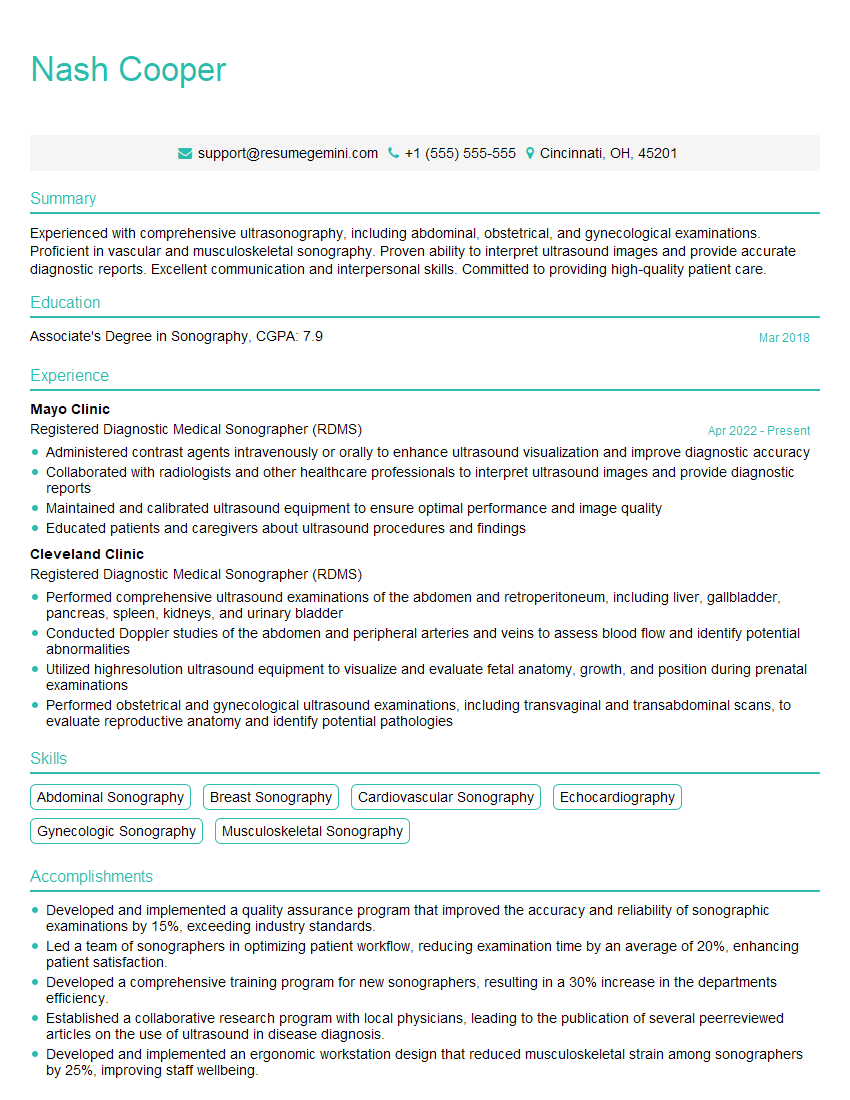
Registered Diagnostic Medical Sonographer (RDMS) Resume Sample
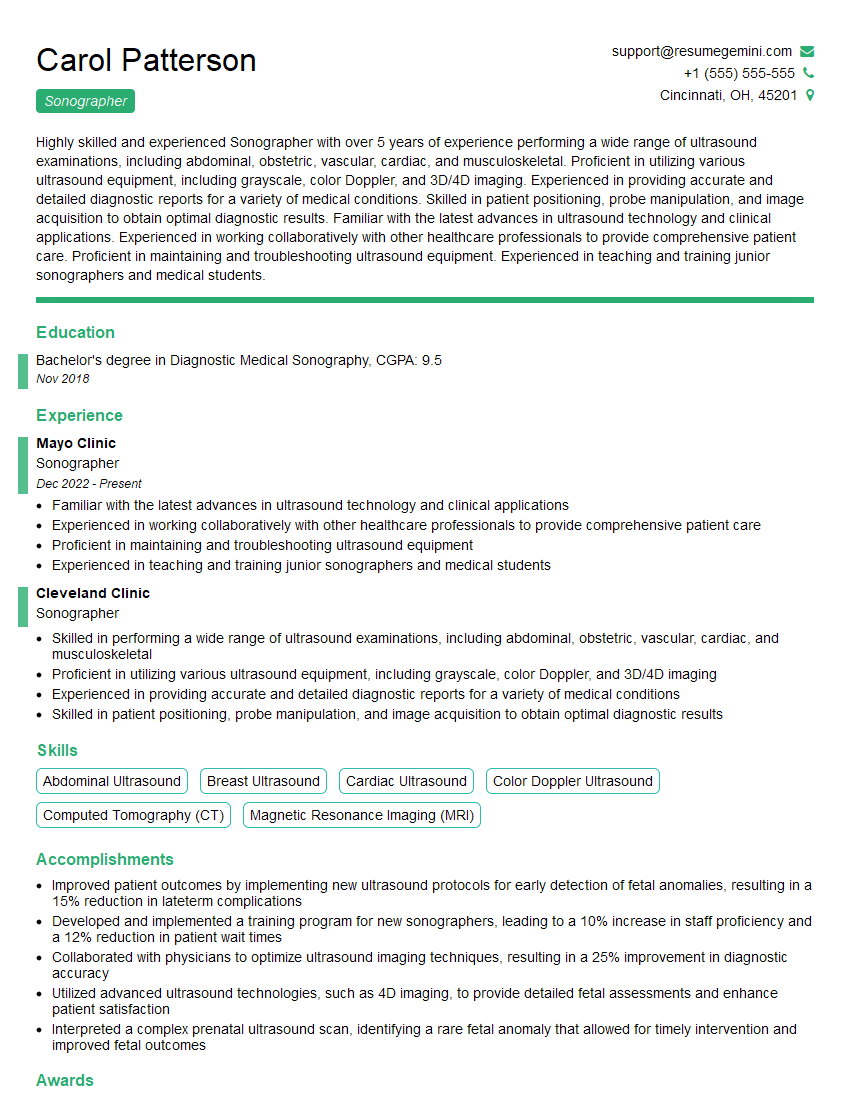
Sonographer Resume Sample
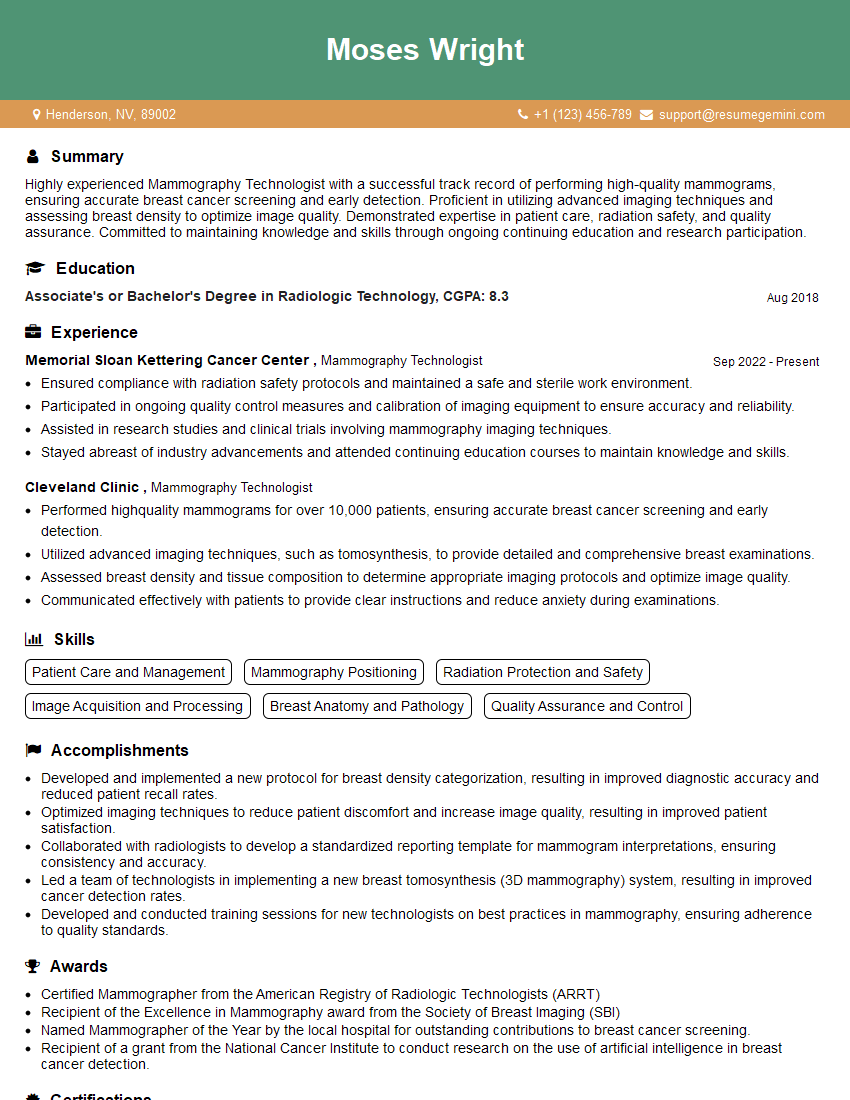
Mammography Technologist Resume Sample
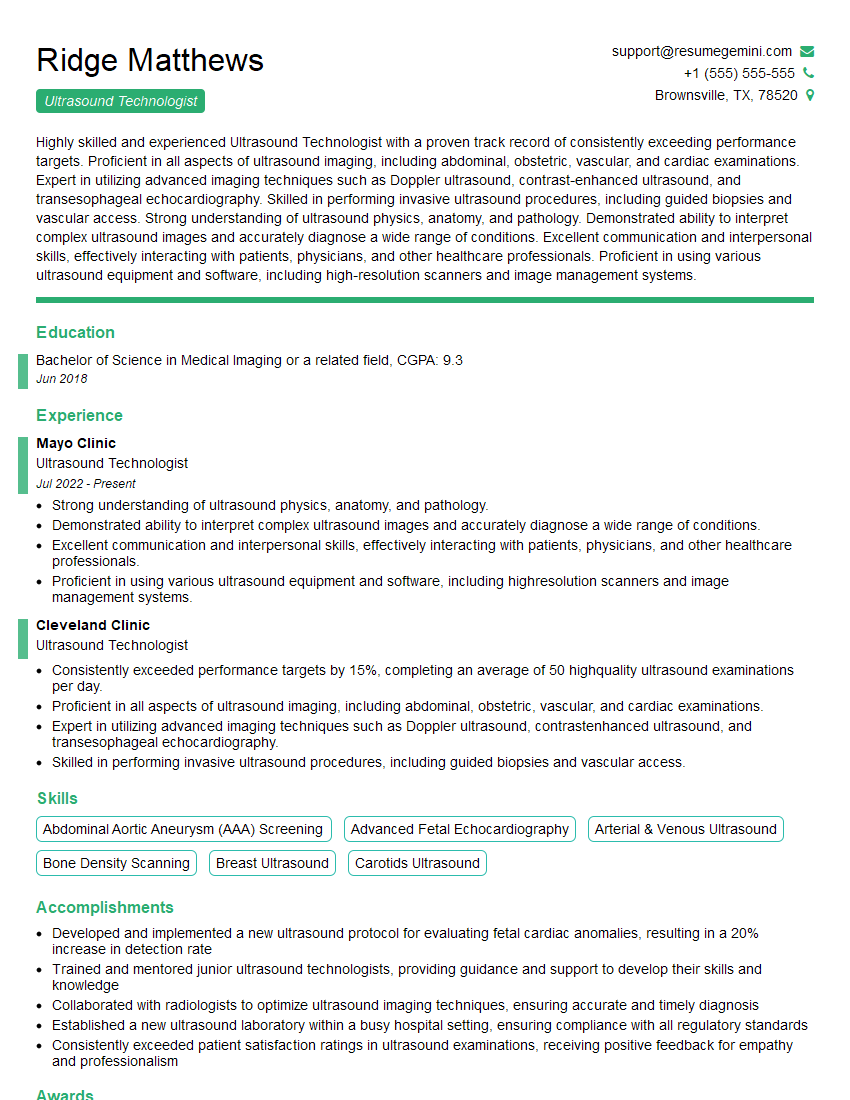
Ultrasound Technologist Resume Sample
Explore more articles
Users Rating of Our Blogs
Share Your Experience
We value your feedback! Please rate our content and share your thoughts (optional).
What Readers Say About Our Blog
Really detailed insights and content, thank you for writing this detailed article.
IT gave me an insight and words to use and be able to think of examples