The right preparation can turn an interview into an opportunity to showcase your expertise. This guide to Operating Classing Instruments interview questions is your ultimate resource, providing key insights and tips to help you ace your responses and stand out as a top candidate.
Questions Asked in Operating Classing Instruments Interview
Q 1. Describe the different types of surgical forceps and their uses.
Surgical forceps are essential instruments used to grasp, hold, and manipulate tissue during surgery. They come in a wide variety of shapes and sizes, each designed for a specific purpose. Think of them as the surgeon’s ‘fingers’ inside the body.
- Adson forceps: These have delicate teeth for grasping delicate tissues like blood vessels or nerves. Imagine needing to carefully pick up a tiny strand of hair – that’s the precision of Adson forceps.
- Brown-Adson forceps: Similar to Adson, but with a slightly more robust design for firmer grasps of tougher tissues.
- Allis forceps: These have small, sharp teeth that are useful for grabbing and holding thicker tissues. Picture grabbing a small piece of cooked meat – that’s the action of an Allis forceps.
- Crile forceps: These are often used for clamping blood vessels to control bleeding. Think of them like tiny clamps used to stop a small leak.
- Babcock forceps: These have smooth, atraumatic jaws to gently manipulate organs without causing damage. Like holding a ripe tomato without crushing it.
The choice of forceps depends heavily on the specific surgical procedure and the type of tissue being manipulated. A surgeon will carefully select the right instrument to minimize tissue trauma and achieve the best surgical outcome.
Q 2. Explain the process of sterilizing surgical instruments using steam autoclaving.
Steam autoclaving is the gold standard for sterilizing surgical instruments, effectively killing all forms of microbial life. It’s a high-pressure, high-temperature process that uses saturated steam to penetrate instrument packaging and destroy microorganisms.
- Preparation: Instruments are thoroughly cleaned and inspected for any damage. They are then wrapped in appropriate sterilization pouches or wrapped with sterilization wrap, ensuring all surfaces are covered.
- Loading the Autoclave: Instruments are loaded into the autoclave, ensuring proper air circulation. Overloading can hinder the sterilization process.
- Autoclaving Cycle: The autoclave is set to the appropriate cycle, typically involving a combination of high temperature (around 121-134°C or 249-273°F) and pressure (around 15-30 psi) for a specific duration (usually 15-60 minutes). This eliminates bacteria, viruses, fungi, and spores.
- Drying: After the cycle completes, instruments are allowed to dry completely inside the autoclave. This prevents condensation and helps maintain sterility.
- Verification: Sterilization indicators, both chemical and biological, are used to verify the effectiveness of the sterilization process.
Proper autoclave operation is crucial for patient safety. Regular maintenance and validation of the autoclave are necessary to ensure its continued effectiveness.
Q 3. What are the safety precautions when handling sharp surgical instruments?
Handling sharp surgical instruments requires utmost caution to prevent injuries to both the surgical team and the patient. Think of sharps like loaded weapons – they require respect and careful handling.
- Use of appropriate safety mechanisms: Retractible blades, needle guards, and safety-engineered handles are designed to minimize the risk of accidental needlesticks and cuts. Always use the appropriate safety features.
- Never recap needles: Recapping needles is a leading cause of needlestick injuries. Instead, use a safe disposal container.
- Careful passing of instruments: Sharps should be passed to colleagues using a proper technique with the sharp end pointed away from the person receiving it. Always maintain a clear line of vision when passing instruments.
- Proper disposal: Dispose of used sharps immediately into designated puncture-resistant containers. Never place sharps in regular trash.
- Regular training: Continuing education in safe handling techniques for surgical instruments is essential for all surgical team members.
The ‘sharps’ are a significant concern in the operating room; therefore, diligent adherence to these procedures significantly reduces the risks of injury.
Q 4. How do you identify and address a malfunctioning surgical instrument?
Identifying and addressing malfunctioning surgical instruments is critical for patient safety and surgical success. A faulty instrument can lead to complications or even catastrophic events.
- Visual Inspection: Carefully examine the instrument for any visible damage, such as bending, broken parts, or dull tips.
- Functional Test: Test the instrument’s mechanism to ensure it operates smoothly and correctly. Does it open and close properly? Does it grip firmly? Is the joint smooth?
- Sterility Check: A malfunctioning instrument may not be sterile. If the integrity of the instrument is compromised, it should not be used and must be discarded.
- Reporting and Documentation: Any malfunctioning instrument must be reported and documented to prevent its reuse. This includes documenting the nature of the malfunction and the corrective action taken.
- Replacement: A damaged or malfunctioning instrument should be promptly replaced to maintain safety standards.
Regular preventive maintenance and careful instrument handling contribute to early identification and minimization of instrument malfunctions.
Q 5. What is the proper method for assembling and disassembling a surgical instrument set?
Proper assembly and disassembly of surgical instrument sets are crucial for maintaining sterility and ensuring the instruments function correctly. Think of it as building and taking apart a precision machine.
- Assembly: Instruments are assembled in a specific order, often determined by the surgical procedure. Instruments are carefully placed in trays or containers designed for sterilization.
- Organization: Instruments are organized logically within the set, ensuring easy access for the surgeon. This often follows a spatial pattern laid out by the surgeon or surgical technician.
- Sterility Maintenance: During assembly, meticulous attention must be paid to maintaining sterility. Hands should be sterile or appropriately gloved, and instruments should be handled only by their non-functional parts.
- Disassembly: After surgery, instruments are disassembled carefully, ensuring the sharp instruments are protected. The disassembly order is usually the reverse of the assembly process.
- Cleaning and Sterilization: Once disassembled, instruments undergo a thorough cleaning process before being sterilized. This rigorous cleaning is critical for maintaining sterility.
Consistent and organized assembly and disassembly procedures help minimize the risk of cross-contamination and instrument damage.
Q 6. Explain the importance of instrument inspection before, during, and after surgery.
Inspecting surgical instruments before, during, and after surgery is paramount for patient safety and the successful completion of the procedure. It’s like a pilot performing pre-flight checks before takeoff.
- Pre-operative Inspection: Before surgery, instruments are meticulously checked for any defects, ensuring they are sharp, functional, and sterile. This prevents delays and complications.
- Intra-operative Inspection: Throughout the procedure, instruments are monitored for any damage or malfunction. This allows for immediate replacement if necessary.
- Post-operative Inspection: After surgery, instruments are inspected to identify any damage sustained during the procedure. This information informs maintenance and instrument replacement decisions.
These inspections ensure the instruments are functioning optimally throughout the procedure, preventing accidents, improving the surgical outcome, and maintaining sterility.
Q 7. Describe the different types of retractors and their applications.
Retractors are surgical instruments used to hold back tissues and organs, providing the surgeon with a clear operative field. They are like the surgeon’s ‘helpers’, holding things out of the way.
- Army-Navy retractor: A simple, versatile retractor with a variety of blades, suitable for a range of procedures. Think of this as an all-around, general-purpose retractor.
- Richardson retractor: A self-retaining retractor with blades that spread apart to hold back tissue. This helps to maintain a clear view of the surgical site.
- Deaver retractor: A broad, flat retractor used to gently retract tissues. It’s good for moving larger, less delicate tissue.
- Weitlaner retractor: A self-retaining retractor often used in abdominal and thoracic surgeries. These provide sturdy retraction for larger incisions.
- Bookwalter retractor: A self-retaining retractor system offering variable adjustments. They are suited to more complex laparoscopic surgeries.
The choice of retractor depends on the specific surgical procedure, the size of the incision, and the tissues being retracted. A surgeon must carefully select the retractor to avoid tissue damage and ensure adequate visualization.
Q 8. How do you ensure the sterility of surgical instruments?
Ensuring sterility of surgical instruments is paramount to preventing surgical site infections (SSIs), a major concern in healthcare. Sterilization is achieved through a combination of methods, primarily focusing on eliminating all forms of microbial life, including bacteria, viruses, fungi, and spores.
- Steam Sterilization (Autoclaving): This is the most common method, using pressurized steam at high temperatures (121-134°C) to kill microorganisms. The effectiveness depends on the exposure time, temperature, and pressure. Instruments must be properly prepared, wrapped to maintain sterility, and loaded correctly into the autoclave.
- Ethylene Oxide (EtO) Sterilization: Used for heat-sensitive instruments, EtO gas is a powerful sterilizing agent that penetrates packaging effectively. However, it’s toxic and requires specialized equipment and aeration after sterilization to remove residual gas.
- Dry Heat Sterilization: This method utilizes high temperatures (160-170°C) in a dry heat oven for extended periods. It’s suitable for certain instruments, but is less efficient than steam sterilization.
- Hydrogen Peroxide Gas Plasma Sterilization: A low-temperature method that uses hydrogen peroxide plasma to sterilize instruments. It’s quicker than EtO and avoids the use of toxic gases.
Sterility indicators, such as chemical and biological indicators, are crucial to verify the effectiveness of the sterilization process. These indicators change color or show growth inhibition to confirm that the proper conditions were achieved.
Q 9. What are the common types of surgical scissors and their uses?
Surgical scissors come in various shapes and sizes, each designed for specific tasks. Their classification depends on the blade’s shape, sharpness, and overall design.
- Mayo Scissors: Heavy-duty scissors with blunt or sharp tips, commonly used for cutting tough tissues such as fascia or tendons. Think of them as the ‘workhorses’ of the surgical scissors world.
- Metzenbaum Scissors: These have longer, thinner blades with delicate tips, ideal for dissecting delicate tissues and separating layers of tissue during surgery. They’re more refined than Mayo scissors.
- Iris Scissors: Small, fine-tipped scissors used for intricate work, such as ophthalmic procedures. Their small size and sharp tips allow for precision cutting.
- Bandage Scissors: Scissors with a blunt tip on one blade, used for cutting bandages without damaging the underlying skin. Safety is their key feature.
The choice of scissors depends on the surgical procedure and the nature of the tissues being cut. Using the wrong type can lead to inefficient cutting or tissue damage. For example, you wouldn’t use Metzenbaum scissors to cut thick fascia—a Mayo scissor is much more appropriate.
Q 10. What is the difference between reusable and disposable surgical instruments?
The key difference between reusable and disposable surgical instruments lies in their intended use and sterilization process. Reusable instruments are made of high-quality materials, designed to withstand repeated sterilization cycles. Disposable instruments are made from less expensive materials, used only once, and then discarded.
- Reusable Instruments: Made from stainless steel, they require rigorous cleaning, disinfection, and sterilization procedures between uses. This ensures longevity and cost-effectiveness in the long run, although initial investment is higher.
- Disposable Instruments: Made from less durable materials such as plastic or cheaper stainless steel, they are convenient but generate more waste. Their single-use nature eliminates the need for extensive cleaning and sterilization, but adds to environmental concerns.
The choice between reusable and disposable instruments is often dictated by the surgical procedure, cost considerations, infection control protocols, and environmental impact. Some hospitals are moving towards more sustainable practices by favoring reusable instruments wherever possible.
Q 11. Explain the importance of proper instrument handling to prevent cross-contamination.
Proper instrument handling is fundamental to preventing cross-contamination, protecting both the patient and surgical team from infections. Any breach in sterile technique can lead to serious consequences.
- Sterile Field Maintenance: Instruments must be kept within the sterile field, avoiding touching unsterile surfaces. The surgical team must wear sterile gowns and gloves.
- Instrument Passing Technique: Instruments are passed carefully between surgical team members, maintaining a sterile grasp and avoiding contact with unsterile surfaces.
- Proper Cleaning and Disinfection: After use, instruments should be immediately cleaned and disinfected to remove any organic material that could harbor microorganisms.
- Sharp Instrument Handling: Care must be taken when handling sharp instruments to prevent accidental injuries to the surgical team.
Think of it like this: the surgical field is a bubble of sterility. Any intrusion into this bubble risks contaminating the entire process. Every step taken, every instrument passed, must be performed with meticulous attention to detail to maintain this sterility.
Q 12. What are the guidelines for storing and maintaining surgical instruments?
Storing and maintaining surgical instruments properly is crucial to preserving their functionality and sterility. This involves a combination of cleaning, packaging, and storage practices.
- Cleaning: Immediate cleaning of instruments after use is the first step, removing any organic matter and preventing corrosion.
- Disinfection and Sterilization: Instruments must be properly disinfected and sterilized using approved methods before storage.
- Packaging: Sterile instruments must be carefully packaged to maintain their sterility until use.
- Storage: Instruments should be stored in a clean, dry environment, free from dust and moisture, in designated storage cabinets or containers. Proper storage prevents corrosion and damage.
Imagine leaving your prized tools exposed to the elements. They would rust and break down, right? The same principle applies to surgical instruments. Proper storage protects their integrity and ensures their readiness for use.
Q 13. How do you manage a situation where a surgical instrument is damaged or broken during surgery?
Damage or breakage of a surgical instrument during surgery requires immediate and decisive action. The situation demands quick thinking and adherence to safety protocols.
- Immediate Assessment: Assess the extent of the damage and its potential impact on the procedure.
- Safety Precautions: If the instrument poses a risk, remove it immediately from the surgical field.
- Replacement: Request a replacement instrument of the same type and specification. A sterile replacement must be obtained promptly to avoid delays.
- Documentation: Thoroughly document the incident, including the instrument involved, the cause of the damage, and the actions taken. This is crucial for risk management and quality control.
- Post-Operative Actions: The damaged instrument must be properly disposed of or sent for repair, following established hospital protocols.
A damaged instrument can significantly compromise the surgical procedure. Quick action, clear communication, and meticulous documentation are key to mitigating potential risks and complications.
Q 14. What are the different types of surgical needles and their uses?
Surgical needles are essential instruments for suturing tissues and performing various surgical procedures. They are categorized based on their point, shape, and suture material compatibility.
- Cutting Needles: These needles have a sharp cutting edge that helps to penetrate tough tissues such as skin. They can cause more trauma than other needle types but are useful for thick tissues.
- Tapering Needles: These have a round body that tapers to a point. They are less traumatic than cutting needles, ideal for delicate tissues.
- Reverse Cutting Needles: These needles have a cutting edge that is positioned on the inside of the curve. They are better for smoother passage through dense tissues.
- Spatula Needles: These have a blunt point, making them suitable for delicate procedures in areas with less trauma required.
The choice of needle is tailored to the specific tissue type and the intended procedure. For instance, a delicate tissue like the eye would require a spatula needle to minimize trauma, while thicker skin would often call for a cutting needle.
Q 15. Describe the different types of surgical clamps and their applications.
Surgical clamps are essential instruments used to grasp, compress, or occlude tissues and vessels during surgery. Their design varies greatly depending on the specific application. Here are a few examples:
Hemostatic clamps: These clamps control bleeding by compressing blood vessels. Examples include the
CrileandMosquitoclamps, which are smaller and used on smaller vessels, and theRochester-Carmaltclamp, which is larger and used on larger vessels. The difference lies in their tooth design; Crile and Mosquito have delicate serrations, while Rochester-Carmalt has a crushing action.Tissue clamps: Used to hold and manipulate tissues without causing significant damage. The
Allisclamp has teeth that grip tissue firmly, while theBabcockclamp is atraumatic and gentler on delicate tissues. TheBrown-Adsonforceps are used to grasp tissue without causing trauma.Vascular clamps: These are designed for precise clamping of blood vessels during vascular surgery. Examples include
SatinskyandBulldogclamps, which provide a strong grip while minimizing tissue damage. They are often used in cardiovascular procedures.Other specialized clamps: Many other specialized clamps exist, such as intestinal clamps (
Doyen), which are used to clamp bowel segments, and tonsil clamps used during tonsillectomy.
The selection of the appropriate clamp depends on the tissue type, the need for hemostasis (stopping bleeding), and the surgeon’s preference. Improper clamp selection can lead to tissue damage, excessive bleeding, or compromised surgical outcomes.
Career Expert Tips:
- Ace those interviews! Prepare effectively by reviewing the Top 50 Most Common Interview Questions on ResumeGemini.
- Navigate your job search with confidence! Explore a wide range of Career Tips on ResumeGemini. Learn about common challenges and recommendations to overcome them.
- Craft the perfect resume! Master the Art of Resume Writing with ResumeGemini’s guide. Showcase your unique qualifications and achievements effectively.
- Don’t miss out on holiday savings! Build your dream resume with ResumeGemini’s ATS optimized templates.
Q 16. Explain the importance of knowing the proper names and functions of surgical instruments.
Knowing the proper names and functions of surgical instruments is paramount for several reasons. First, it ensures clear and concise communication between the surgical team, avoiding any misunderstandings that could compromise patient safety. Imagine a surgeon asking for a ‘clamp’ – which one? Specificity is key.
Second, proficiency in instrument identification allows for efficient and effective surgical procedures. Knowing the function of each instrument allows the surgical team to anticipate the next step and prepare accordingly, preventing delays.
Third, it aids in proper instrument handling and maintenance. Each instrument is designed for a specific purpose, and using it incorrectly can lead to damage or malfunction, potentially jeopardizing the operation. For example, using a delicate tissue forceps to clamp a major blood vessel could lead to injury. Knowing the limitations of each instrument prevents misuse.
Finally, it is a crucial component of surgical competency and professional standards. It demonstrates a fundamental understanding of surgical techniques and principles and fosters a culture of safety and precision within the operating room.
Q 17. How do you differentiate between different types of surgical suction tips?
Surgical suction tips vary in size, shape, and function to accommodate the diverse needs of different surgical procedures. Key differentiations include:
Size and diameter: Tips range from very small (e.g., for delicate neurosurgical procedures) to large-bore (e.g., for major abdominal surgeries). The diameter dictates the suction capacity.
Shape and design: Some tips have a straight design for simple aspiration, while others have angled or curved ends to reach hard-to-access areas. Examples include Yankauer suction tips (commonly used in ENT and oral surgeries) and Poole suction tips (used for deeper suction during more complex surgeries).
Material: Tips are typically made of stainless steel or disposable plastic. Stainless steel is reusable but requires more rigorous sterilization, whereas disposable plastic provides convenience and eliminates concerns of cross-contamination.
Features: Some suction tips have integrated features, such as side holes for improved aspiration or different openings for efficient fluid removal. The choice depends on the specific needs of the surgical procedure.
Misidentification of suction tips can result in inefficient suctioning, spillage of fluids, or even injury to the patient. Surgeons and surgical technicians must be proficient in identifying and selecting appropriate suction tips for each procedure. It’s not just about the size, but also the shape and the specific features which dictate the optimal performance of the tip in each procedure.
Q 18. What are the common causes of instrument malfunction and how can they be prevented?
Instrument malfunction can stem from several sources. These include:
Improper cleaning and sterilization: Residue from body fluids, tissue, or cleaning agents can interfere with the instrument’s mechanism. Inadequate sterilization can leave behind microorganisms that cause corrosion or damage. This is a major source of instrument damage.
Mechanical damage: Dropping instruments, bending them, or forcing them beyond their intended use can cause damage. For example, forcing a clamp beyond its capacity can lead to malfunction or breakage.
Corrosion: Exposure to moisture, chemicals, or certain sterilization methods can lead to corrosion, especially in instruments made of stainless steel. Proper drying and storage are crucial in preventing corrosion.
Wear and tear: Repeated use can cause wear and tear on the moving parts, leading to malfunction or inaccurate function. This is why a regular inspection of instruments is very important.
Prevention involves adhering to strict protocols for cleaning, sterilization, handling, and storage. Regular inspection for damage or corrosion, and replacing worn-out instruments, are critical. Proper training of surgical personnel in instrument handling and maintenance is essential in mitigating instrument malfunction.
Q 19. Explain the process of decontamination of surgical instruments.
Decontamination of surgical instruments is a multi-step process crucial for preventing infection and ensuring instrument longevity. It typically involves:
Pre-cleaning: Immediately after surgery, gross soil (blood, tissue, etc.) is removed using brushes, enzymatic detergents, and copious amounts of water. The goal here is to remove as much of the debris as possible before further processing. This is crucial to avoid dried-on matter that is hard to remove later.
Washing: Instruments are then thoroughly washed using an automated washer-disinfector or by hand. This step removes remaining soil and debris. The washer-disinfector employs high-temperature water and detergents for effective cleaning.
Disinfection: A high-level disinfectant is used to kill microorganisms. This is a critical step before sterilization and may involve soaking the instruments in a chemical disinfectant for a specific period or using a thermal disinfector.
Drying and Inspection: Instruments are thoroughly dried and inspected for any damage. Damaged instruments should be discarded or repaired.
This entire decontamination process is very important not only for patient safety but also to extend the life and function of the surgical instruments. Skipping a single step can have serious consequences.
Q 20. Describe your experience with different types of surgical instrument sterilization methods (e.g., EtO, plasma sterilization).
My experience encompasses various surgical instrument sterilization methods, each with its strengths and limitations:
Ethylene Oxide (EtO) Sterilization: EtO is a gas sterilant effective against a wide range of microorganisms, including spores. However, it is a carcinogenic and mutagenic agent, requiring special handling and safety precautions. It’s particularly useful for heat-sensitive instruments. I have extensive experience in following the strict protocols involved in EtO sterilization, including aeration to remove residual gas from the instruments.
Plasma Sterilization: Plasma sterilization uses low-temperature hydrogen peroxide gas plasma to sterilize instruments. It is a faster process than EtO and eliminates the need for aeration, reducing overall processing time. The process is gentler on instruments and suitable for heat-sensitive materials, which makes it favorable to EtO in many circumstances. My experience includes overseeing the operation and maintenance of plasma sterilizers, ensuring optimal sterilization parameters and efficient workflows.
Steam Sterilization (Autoclaving): This is the most common and widely used method, relying on high-pressure saturated steam to kill microorganisms. It’s effective, efficient, and economical but not suitable for all instrument types, especially heat-sensitive devices and those containing lumens that are not adequately vented. My experience includes validating the autoclave cycles and monitoring the parameters of the sterilization cycles to guarantee efficient and safe sterilization.
The choice of sterilization method depends on the type of instrument, its heat sensitivity, and the facility’s resources. Proper monitoring and validation of each method are essential to guarantee the sterility of the instruments and prevent the risk of surgical site infections.
Q 21. How do you handle a surgical instrument that is contaminated with body fluids?
Handling a surgical instrument contaminated with body fluids requires immediate and careful action to prevent cross-contamination and maintain surgical safety. The procedure is as follows:
Don appropriate Personal Protective Equipment (PPE): This includes gloves, gown, and eye protection. This is the single most important step.
Immediately place the contaminated instrument in a designated sharps container or biohazard bag: Never attempt to clean or handle the contaminated instrument without the proper PPE.
Follow established institutional protocols: These protocols should outline proper cleaning, disinfection, and sterilization procedures for contaminated instruments. This is usually a very specific protocol to ensure appropriate handling and disposal.
Document the incident: This is important for tracking purposes and for potential infection control investigations.
Failure to follow these steps could lead to serious infection risks for both healthcare workers and patients. The principle of universal precautions must always be followed in managing potentially infectious materials, and careful adherence to facility protocols is crucial. This includes proper reporting of any sharps injuries, as well as the proper handling of any spills. Each facility has its own written procedures that need to be followed to the letter.
Q 22. What are the regulatory standards for surgical instrument sterilization and handling?
Surgical instrument sterilization and handling are governed by stringent regulatory standards to prevent infections and ensure patient safety. These standards vary slightly depending on the country and specific healthcare facility, but generally adhere to principles outlined by organizations like the Centers for Disease Control and Prevention (CDC) and the Association for the Advancement of Medical Instrumentation (AAMI).
Key aspects include:
- Sterilization methods: These include steam sterilization (autoclaving), ethylene oxide gas sterilization, and plasma sterilization. Each method has specific parameters (temperature, pressure, time, etc.) that must be meticulously followed and documented. Failure to meet these parameters can result in incomplete sterilization and potential infection.
- Sterile processing: This involves the cleaning, decontamination, preparation, and packaging of instruments before sterilization. Careful attention must be paid to removing all organic matter and debris from instruments to ensure effective sterilization. Instruments should be packaged appropriately to maintain sterility until use.
- Sterility assurance: This encompasses using indicators (chemical, biological) to verify the efficacy of the sterilization process. Biological indicators, for instance, contain spores that are resistant to sterilization. Their inactivation confirms successful sterilization. Documentation of all sterilization processes is crucial for traceability and accountability.
- Aseptic techniques: Maintaining sterility during instrument handling, transportation, and use in the operating room is paramount. Strict adherence to aseptic techniques, such as hand hygiene, proper gowning and gloving, and sterile fields, are essential to prevent contamination.
Non-compliance with these standards can lead to serious consequences, including patient infections, legal repercussions, and reputational damage for the healthcare facility.
Q 23. Describe your experience with different types of surgical instrument trays and their components.
My experience encompasses a wide range of surgical instrument trays, each tailored to specific procedures. For example, a laparoscopic cholecystectomy tray will differ significantly from a craniotomy tray. Laparoscopic trays typically include smaller, more specialized instruments like graspers, dissectors, and cameras. Craniotomy trays, on the other hand, involve larger instruments like drills, retractors, and bone rongeurs.
Each tray typically includes:
- Instruments: These are the core components, carefully chosen to meet the surgical needs of the procedure.
- Sponges and drapes: These are essential for maintaining a sterile field and absorbing fluids.
- Needles and suture material: These are used for tissue approximation and closure.
- Sharps containers: These ensure safe disposal of used sharps.
I’m proficient in identifying and managing different tray configurations, ensuring that every component is correctly placed, accounted for, and sterilized before, during, and after a surgical procedure. My experience includes working with custom trays designed for specific surgeons’ preferences, requiring meticulous attention to detail and precise organization.
Q 24. How do you prioritize tasks in a busy operating room setting related to instrument management?
Prioritizing tasks in a busy operating room requires a structured approach. I utilize a system based on urgency and importance:
- Emergency situations: Handling emergencies always takes precedence. This may involve quickly preparing instruments for unexpected complications or immediate needs.
- Surgical workflow: Anticipating the surgeon’s needs is crucial. I carefully monitor the surgical sequence and prepare the next set of instruments in advance to minimize delays. Knowing the procedure beforehand helps significantly.
- Sterilization and decontamination: Ensuring instruments are properly sterilized and decontaminated is a constant priority. I adhere strictly to schedules and protocols to maintain a consistent flow of sterile instruments.
- Inventory management: While not as immediate as surgical needs, tracking inventory and ordering supplies is crucial for preventing delays in future procedures. This involves regular checks and proactive ordering.
Effective communication with the surgical team is key. I actively listen to instructions, anticipate needs, and communicate any potential delays or shortages promptly.
Q 25. Explain your understanding of instrument counts and their importance.
Instrument counts are a critical safety measure to prevent retained surgical items (RSIs), a serious complication that can lead to infection, additional surgery, and even death. The count involves verifying that all instruments and materials used during a procedure are accounted for before, during, and after surgery.
The process typically involves:
- Preoperative count: A complete count of all instruments and materials is performed before the incision.
- Intraoperative count: Counts are performed periodically during the procedure, particularly at times when there’s a change in personnel or when there’s a high risk of losing an instrument (e.g., during extensive dissection).
- Postoperative count: A final count is performed before the wound is closed. Any discrepancy requires a thorough search before closure can proceed.
Accurate instrument counting requires meticulous attention to detail, teamwork, and clear communication among all surgical personnel. Any discrepancy necessitates a methodical search to locate the missing item, emphasizing the importance of thorough counting and accurate documentation.
Q 26. How do you ensure the proper functionality of surgical power instruments?
Ensuring the proper functionality of surgical power instruments is crucial for patient safety and the successful completion of the procedure. My approach involves several steps:
- Pre-operative checks: Before each use, I visually inspect the instrument for any damage, corrosion, or loose parts. I check the power cord for any signs of wear and tear and test the instrument’s functionality with a test run.
- Proper setup: I ensure that the instrument is correctly connected to the power source and that the appropriate settings are selected according to the manufacturer’s instructions and the surgeon’s preferences.
- Function tests: I perform functional tests during the procedure to ensure consistent performance. Any malfunction is immediately reported to the surgical team.
- Post-operative maintenance: After use, the power instrument is carefully cleaned and inspected before being sterilized according to manufacturer instructions. Lubrication and other recommended maintenance tasks are carried out.
I am familiar with various types of surgical power instruments, including drills, saws, and shavers, and understand the unique safety precautions required for each.
Q 27. What are the signs of instrument wear and tear, and how do you address them?
Identifying instrument wear and tear is essential for preventing malfunctions and maintaining patient safety. Signs include:
- Bent or broken instruments: These can compromise precision and potentially cause injury.
- Corrosion: Rust or other forms of corrosion weaken instruments and can make them unreliable.
- Dull or damaged cutting edges: This reduces the effectiveness of cutting instruments and can lead to increased trauma.
- Loose joints or parts: This can affect instrument functionality and potentially lead to breakage during use.
- Damaged insulation (for electrosurgical instruments): Damaged insulation can result in electrical shocks.
Addressing these issues involves:
- Repair or replacement: Severely damaged or worn-out instruments should be repaired or replaced immediately.
- Sharpening: Dull cutting instruments should be professionally sharpened.
- Cleaning and lubrication: Regular cleaning and lubrication help prevent corrosion and extend the lifespan of instruments.
- Regular inspection: Regular inspection, preferably before and after each procedure, is crucial to detect early signs of wear.
Maintaining a strict policy on inspecting and repairing or replacing instruments promptly is crucial to preventing accidents and ensuring quality patient care.
Q 28. Describe your experience with inventory management of surgical instruments.
Effective inventory management is crucial for ensuring the availability of essential surgical instruments. My experience includes:
- Tracking and monitoring: Maintaining an accurate inventory database, utilizing barcode or RFID technology where possible, to track instrument usage, sterilization cycles and location.
- Par level management: Establishing and maintaining par levels – the minimum number of instruments needed to meet surgical demands – minimizes shortages and prevents delays.
- Ordering and procurement: Efficiently ordering and procuring instruments to replenish stock levels, negotiating with suppliers to obtain the best prices and terms.
- Regular stock checks: Performing regular stock checks to identify damaged, missing, or outdated instruments.
- Instrument rotation: Implementing a rotation system to ensure that instruments are not stored for excessively long periods, minimizing the risk of deterioration.
I’m proficient in using various inventory management software and techniques to optimize stock levels, minimize waste, and ensure the efficient and timely availability of surgical instruments.
Key Topics to Learn for Operating Classing Instruments Interview
- Instrument Classification & Functionality: Understand the different types of operating classing instruments (e.g., flow meters, pressure gauges, level sensors), their operating principles, and their applications in various industries.
- Calibration & Maintenance Procedures: Learn the standard procedures for calibrating and maintaining these instruments to ensure accuracy and reliability. Be prepared to discuss troubleshooting common malfunctions.
- Safety Protocols & Regulations: Familiarize yourself with relevant safety regulations and best practices for handling and operating these instruments, emphasizing safe operational procedures and hazard identification.
- Data Acquisition & Analysis: Understand how data is acquired from these instruments and how it’s analyzed to monitor and control processes. Discuss data interpretation and its significance in process optimization.
- Troubleshooting & Diagnostics: Develop a systematic approach to identifying and resolving instrument malfunctions. Be prepared to discuss common problems and their solutions.
- Process Control Integration: Understand how operating classing instruments integrate within larger process control systems and their role in automation and optimization.
- Instrumentation Diagrams & Schematics: Be able to interpret and understand P&IDs (Piping and Instrumentation Diagrams) and other relevant schematics to visualize instrument placement and functionality within a system.
Next Steps
Mastering Operating Classing Instruments opens doors to exciting career opportunities in various process industries, offering strong prospects for growth and advancement. To maximize your chances of landing your dream job, it’s crucial to present yourself effectively. An ATS-friendly resume is key to getting your application noticed. ResumeGemini is a trusted resource for building professional and impactful resumes that stand out. We provide examples of resumes tailored to the Operating Classing Instruments field to help you create a compelling document that showcases your skills and experience.
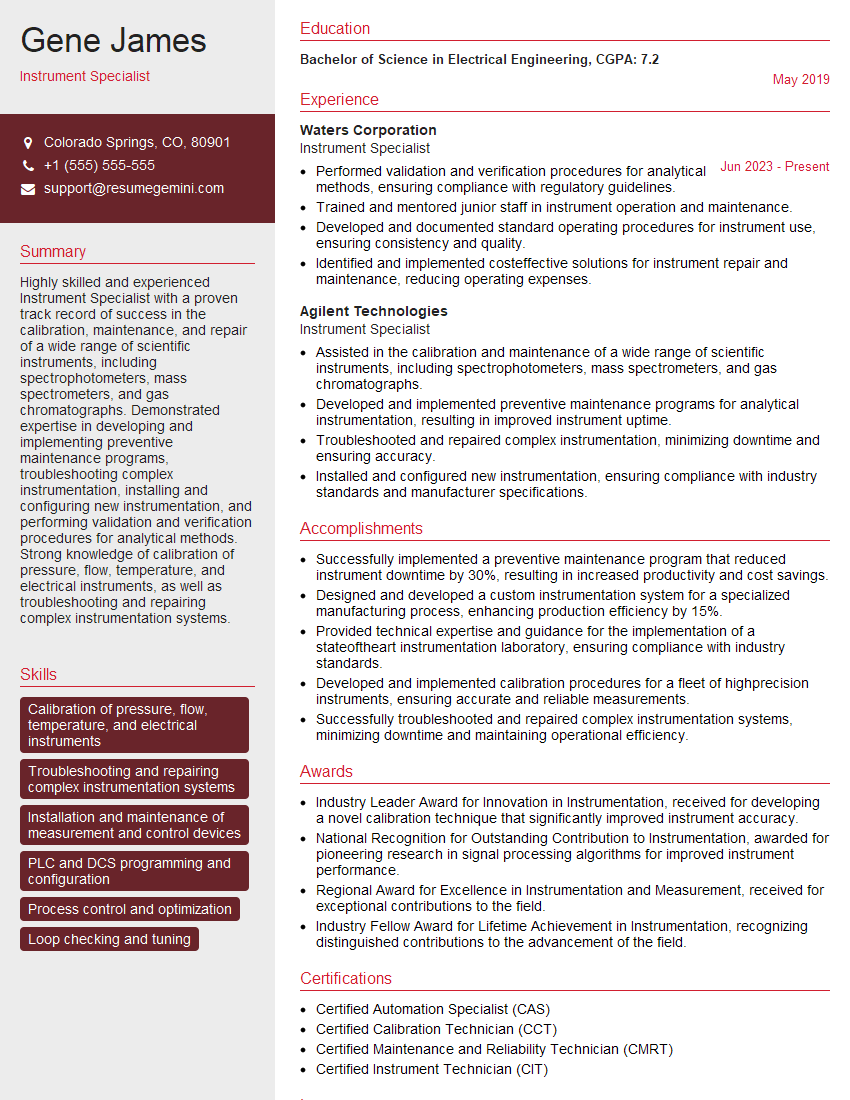
Instrument Specialist Resume Sample
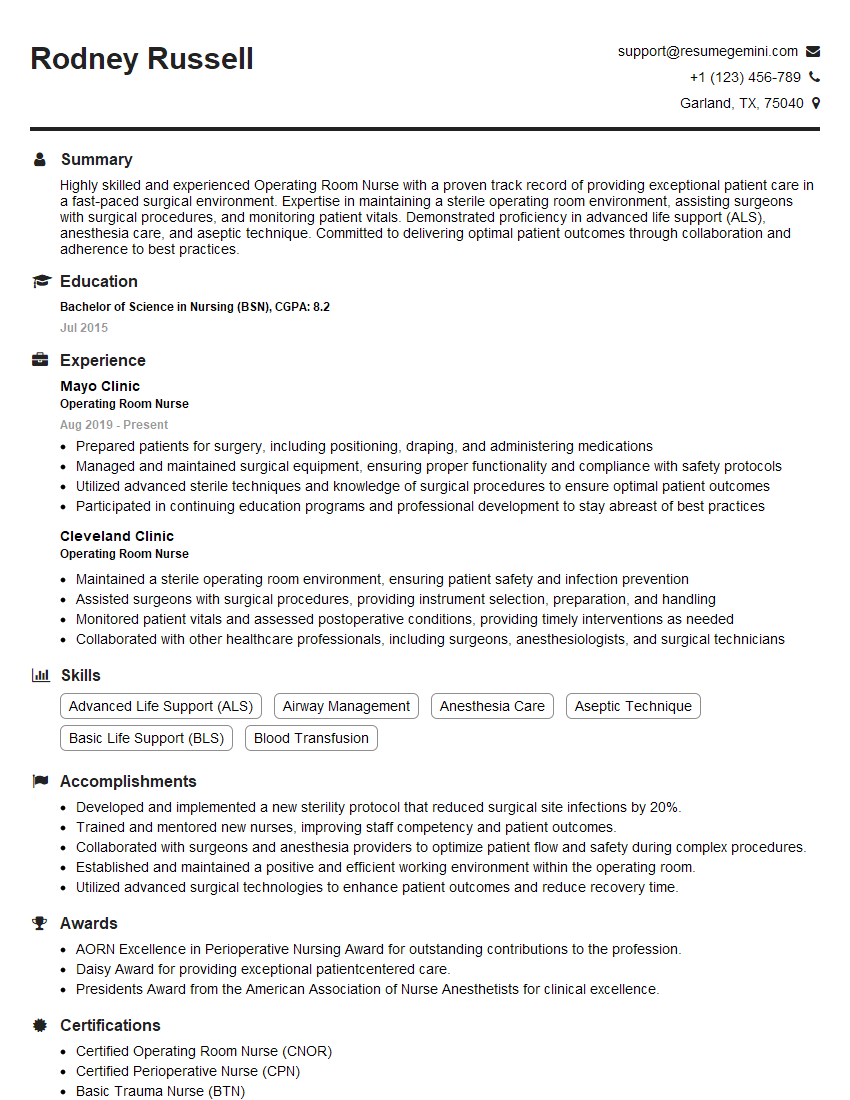
Operating Room Nurse Resume Sample
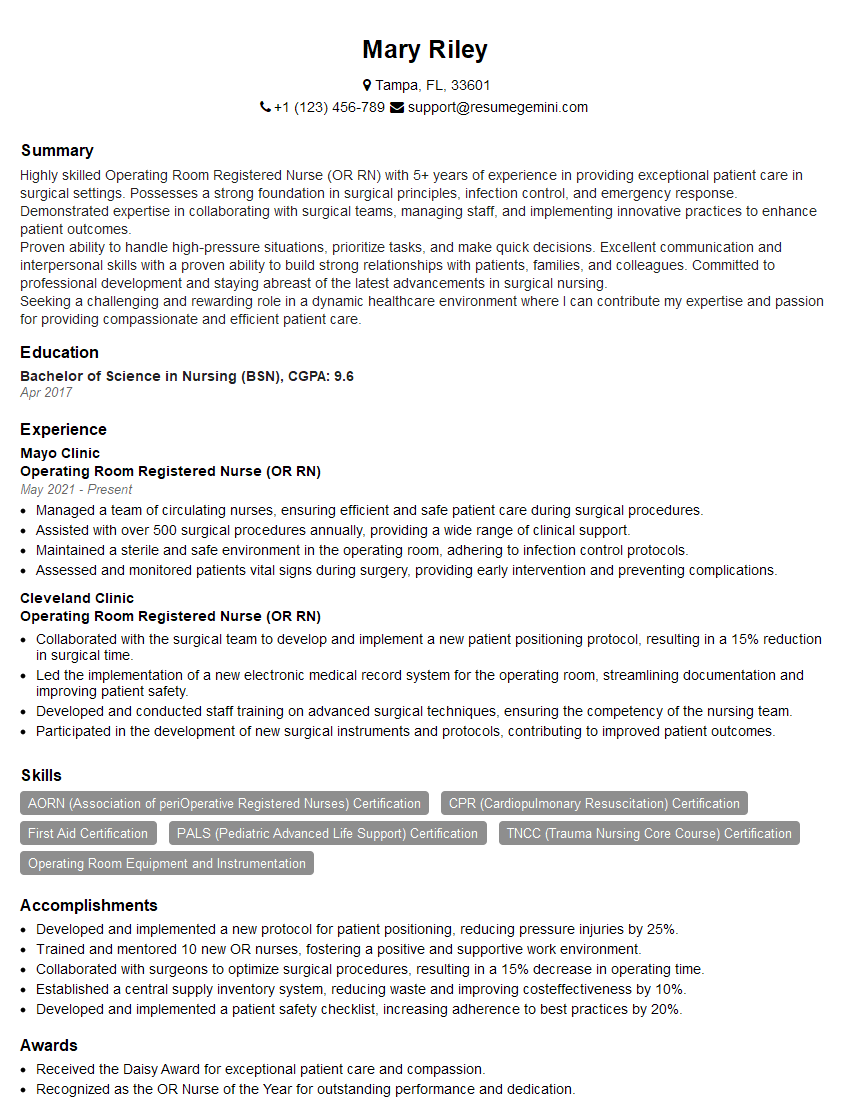
Operating Room Registered Nurse (OR RN) Resume Sample

Perioperative Nurse Resume Sample
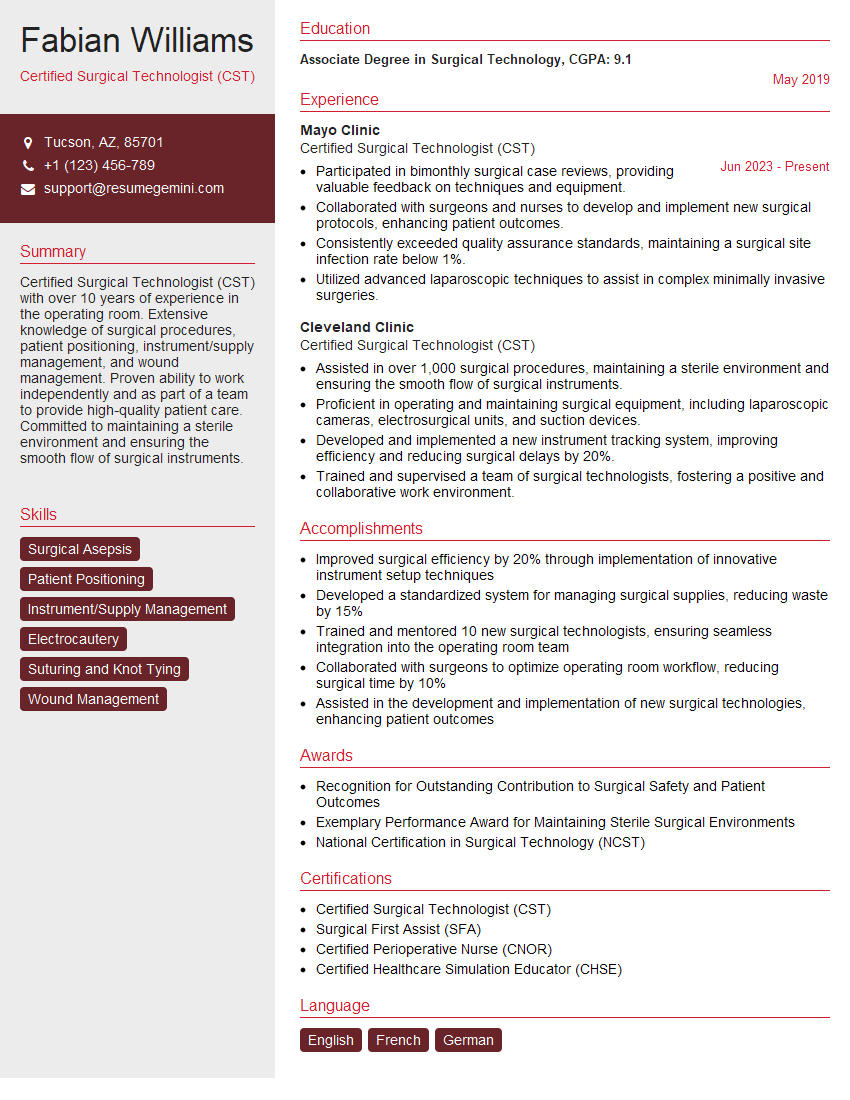
Certified Surgical Technologist (CST) Resume Sample
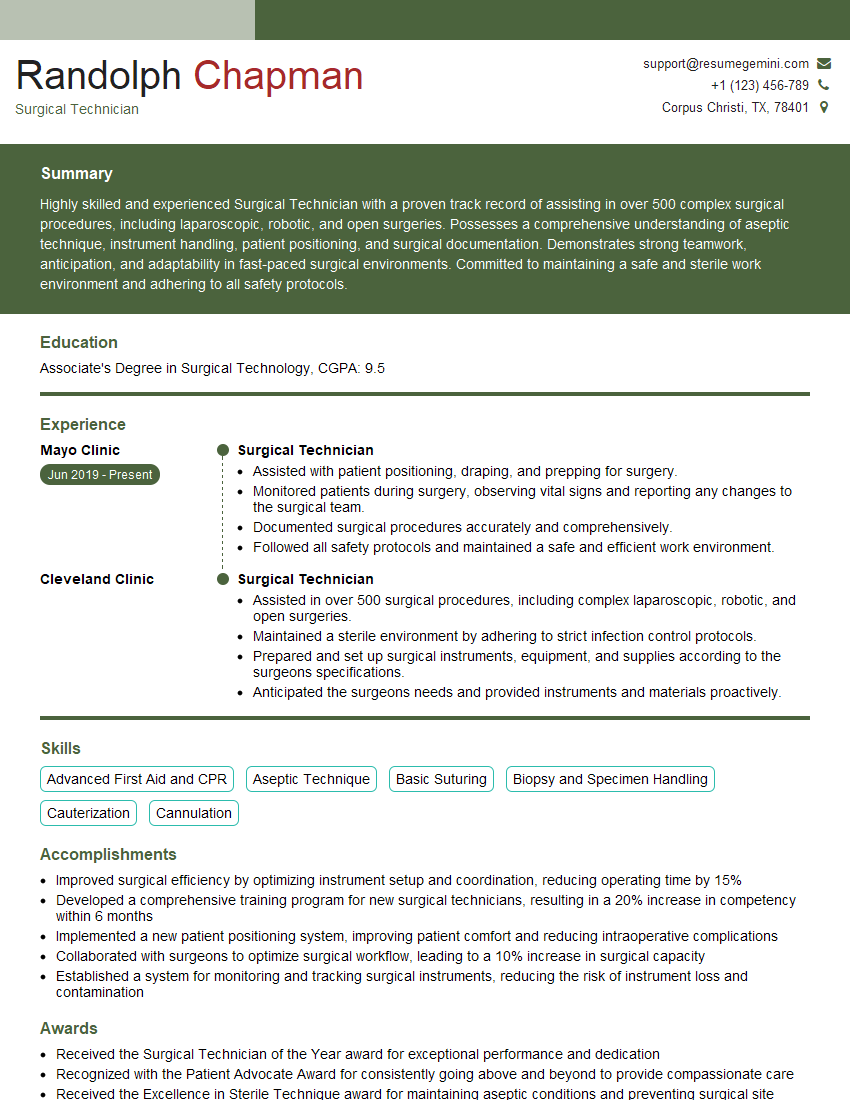
Surgical Technician Resume Sample
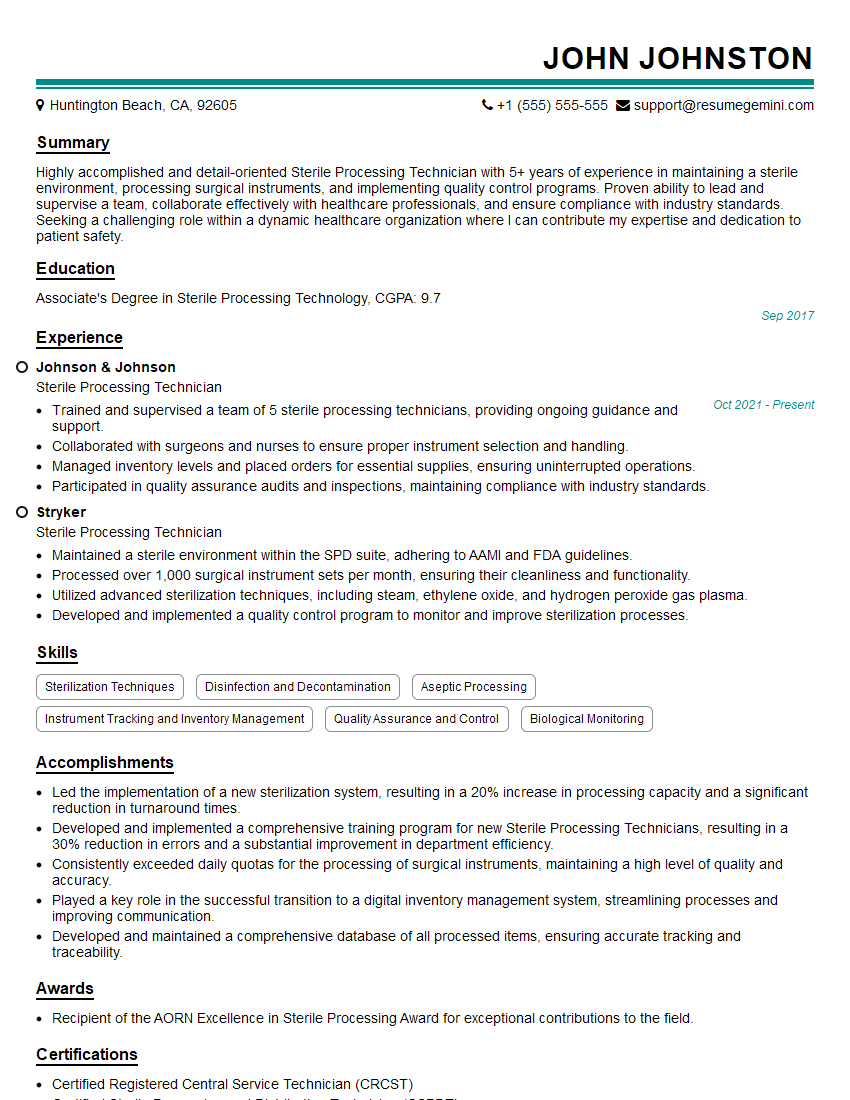
Sterile Processing Technician Resume Sample
Explore more articles
Users Rating of Our Blogs
Share Your Experience
We value your feedback! Please rate our content and share your thoughts (optional).
What Readers Say About Our Blog
Really detailed insights and content, thank you for writing this detailed article.
IT gave me an insight and words to use and be able to think of examples