Interviews are opportunities to demonstrate your expertise, and this guide is here to help you shine. Explore the essential Risk Assessment and Quoting interview questions that employers frequently ask, paired with strategies for crafting responses that set you apart from the competition.
Questions Asked in Risk Assessment and Quoting Interview
Q 1. Explain the difference between qualitative and quantitative risk assessment.
Qualitative and quantitative risk assessments differ fundamentally in how they approach risk measurement. Qualitative risk assessment relies on subjective judgment and descriptive scales to assess the likelihood and impact of risks. It’s like describing the weather – you might say it’s ‘likely to rain’ or ‘the impact will be significant,’ but without precise numerical values. Quantitative risk assessment, on the other hand, uses numerical data and statistical methods to assign specific probabilities and monetary values to risks. Think of it as a meteorologist providing a precise percentage chance of rain and the potential cost of damage.
Qualitative Example: A project team might use a risk matrix with likelihood rated as ‘Low,’ ‘Medium,’ ‘High,’ and impact as ‘Minor,’ ‘Moderate,’ ‘Major,’ ‘Catastrophic.’ The intersection of likelihood and impact determines the overall risk level.
Quantitative Example: An insurance company might calculate the probability of a hurricane causing damage to a particular property based on historical data and geographical location. They would then estimate the potential financial losses based on the property’s value and the hurricane’s projected intensity.
Q 2. Describe your experience with various risk assessment methodologies (e.g., FMEA, HAZOP).
I have extensive experience applying various risk assessment methodologies, including Failure Mode and Effects Analysis (FMEA), Hazard and Operability Study (HAZOP), and Fault Tree Analysis (FTA).
FMEA involves systematically identifying potential failure modes in a system, analyzing their effects, and determining the severity, likelihood, and detectability of each failure. I’ve used this extensively in manufacturing environments to proactively identify and mitigate potential product defects or production line stoppages. For example, in analyzing an automated packaging line, we might identify a potential failure mode as a sensor malfunction, and assess its impact on production output and product quality.
HAZOP is a structured and systematic technique used to identify hazards associated with complex processes. It involves a team brainstorming potential deviations from the intended operation of a system. I’ve applied this in the chemical processing industry to assess the potential for explosions, fires, or environmental releases. For instance, in a refinery, a HAZOP might reveal a risk of overpressure in a reaction vessel, leading to a potential explosion.
FTA is a deductive method used to analyze how various events could lead to a top-level undesired event (e.g., system failure). I utilize this to assess the probability of system failures and determine the critical components impacting overall reliability. This is helpful when understanding cascading system failures.
Q 3. How do you prioritize risks based on likelihood and impact?
Risk prioritization is crucial for efficient resource allocation. I typically use a risk matrix, plotting likelihood against impact. Both likelihood and impact can be assessed qualitatively (low, medium, high) or quantitatively (probabilities and monetary values).
The matrix visually represents the risk level; typically, risks in the high-likelihood/high-impact quadrant are prioritized first. This prioritization often involves calculating a risk score by multiplying likelihood and impact values. For example, a risk with a high likelihood (80%) and high impact ($1 million) gets a higher score (0.8 * $1,000,000 = $800,000) than a risk with low likelihood (10%) and medium impact ($100,000) (0.1 * $100,000 = $10,000).
Beyond the simple matrix, I sometimes use more sophisticated techniques like Monte Carlo simulation for quantitative risk assessments, especially when dealing with high uncertainty, enabling better understanding of the potential range of losses. This allows us to focus on the risks with the highest expected monetary value (EMV).
Q 4. What are some common sources of error in risk assessment?
Several sources of error can compromise the accuracy and effectiveness of risk assessments.
- Bias and Subjectivity: Overconfidence or anchoring bias can influence likelihood and impact estimations. Team composition and lack of diverse perspectives can amplify this.
- Incomplete Data: A lack of historical data or inadequate information about the system being assessed can lead to inaccurate risk probabilities.
- Data Errors: Incorrect or outdated data will inherently lead to flawed conclusions.
- Failure to Consider Interdependencies: Ignoring the interaction between different risks, leading to an underestimation of overall risk.
- Scope Creep: Unforeseen changes during the assessment process or inadequate definition of the scope can introduce inaccuracies.
- Lack of Communication and Collaboration: Effective risk assessment requires involving all stakeholders. Poor communication can hinder accurate data gathering and interpretation.
Mitigating these errors requires a structured approach, thorough data collection, diverse team involvement, regular reviews, and the use of validated methodologies.
Q 5. Explain your understanding of risk mitigation strategies.
Risk mitigation strategies aim to reduce the likelihood or impact of identified risks. These strategies are often categorized as avoidance, reduction, transfer, or acceptance.
- Avoidance: Eliminating the risk altogether by not undertaking the activity that creates the risk. For example, choosing not to invest in a high-risk venture.
- Reduction: Implementing controls to lessen the likelihood or severity of the risk. This might involve adding safety features, improving processes, or enhancing training.
- Transfer: Shifting the risk to a third party, typically through insurance or outsourcing. Purchasing insurance to cover potential losses from a fire is a prime example.
- Acceptance: Accepting the risk and allocating resources to manage the potential consequences. This is suitable for low-probability, low-impact risks.
The choice of mitigation strategy depends on factors like cost-effectiveness, risk tolerance, and regulatory requirements. A well-developed risk mitigation plan will outline specific actions, responsibilities, timelines, and resources.
Q 6. How do you develop and use risk registers?
A risk register is a centralized document that records all identified risks, their likelihood, impact, assigned owners, mitigation strategies, and status. Developing a risk register involves:
- Identifying Risks: Employing techniques like brainstorming, checklists, and SWOT analysis to comprehensively identify all potential risks.
- Analyzing Risks: Assessing the likelihood and impact of each identified risk, using qualitative or quantitative methods.
- Prioritizing Risks: Ranking risks based on their risk score (likelihood x impact), focusing on those with the highest potential impact.
- Developing Mitigation Strategies: Determining the most appropriate mitigation strategy for each risk (avoidance, reduction, transfer, acceptance).
- Assigning Ownership: Specifying individuals or teams responsible for managing each risk and implementing the mitigation strategies.
- Monitoring and Reporting: Regularly reviewing and updating the risk register to reflect the status of each risk and the effectiveness of implemented mitigation strategies. This often involves tracking progress toward mitigation goals and highlighting any emerging risks.
The risk register should be dynamic, living document, regularly updated and reviewed throughout the project lifecycle.
Q 7. Describe your process for creating accurate and competitive insurance quotes.
Creating accurate and competitive insurance quotes involves a systematic process:
- Data Collection: Gathering comprehensive information about the insured item, including its value, location, and risk characteristics.
- Risk Assessment: Analyzing the various risks associated with the item, using both quantitative and qualitative techniques. This may involve considering historical loss data, environmental factors, and security measures.
- Pricing Model Application: Utilizing actuarial models and pricing algorithms to calculate the expected losses and appropriate premiums. This often considers factors such as historical claim data, inflation, and regulatory requirements.
- Competitor Analysis: Reviewing insurance quotes from competitors to understand market pricing and adjust pricing strategy to remain competitive.
- Profit Margin Calculation: Incorporating appropriate profit margins to ensure the quote is financially viable for the insurer.
- Quote Presentation: Clearly outlining the coverage, terms, conditions, and premium in an easy-to-understand format.
Maintaining accuracy requires using reliable data sources and well-validated models. Competitiveness involves striking a balance between pricing fairly and attracting clients. Transparency and clear communication are essential to build trust with clients.
Q 8. How do you handle situations with incomplete or uncertain data in risk assessment?
Incomplete or uncertain data is a common challenge in risk assessment. My approach involves a combination of techniques to handle this. First, I thoroughly investigate the available data to understand the nature and extent of the uncertainties. This might involve clarifying data gaps with the client or referring to industry benchmarks and statistical averages for similar cases.
Secondly, I employ sensitivity analysis. This involves systematically varying the uncertain inputs within a plausible range to observe their effect on the final risk assessment. This helps quantify the impact of uncertainty and identify the key drivers of risk. For example, if assessing the risk of a commercial property fire, I might vary the estimated value of the building and its contents to see how it impacts the potential loss.
Thirdly, I utilize probabilistic modeling techniques like Monte Carlo simulations. These statistical methods allow me to generate multiple risk scenarios based on probability distributions for uncertain variables, providing a more comprehensive understanding of potential outcomes. Finally, I clearly document my assumptions and uncertainties in my report, ensuring transparency and allowing stakeholders to understand the limitations of the assessment.
Q 9. How do you incorporate actuarial data into your risk assessment and pricing decisions?
Actuarial data is crucial for accurate risk assessment and pricing. I use this data to establish baseline risks, calibrate models, and refine pricing strategies. For example, I might utilize mortality tables from reputable sources like the Society of Actuaries to inform life insurance pricing. Similarly, loss ratios and claim frequency data from historical insurance portfolios provide valuable insights into the likelihood and severity of various events.
I incorporate this data into pricing models through several methods. One common approach is to use generalized linear models (GLMs). These statistical models allow me to build a relationship between risk factors (age, location, property type, etc.) and the expected loss, taking into account the variability indicated by the actuarial data. Example: Loss = β0 + β1 * Age + β2 * Location + ε, where β’s are coefficients derived from regression analysis and ε represents the random error term.
Another method is the use of Bayesian approaches. This allows incorporating prior knowledge, expressed as prior probabilities, with observed data to form posterior probabilities and refine estimations.This is particularly useful when historical data is limited.
Q 10. Explain your experience with different types of insurance pricing models.
My experience encompasses a range of insurance pricing models. I’m proficient with both traditional and more advanced methodologies. Traditional methods include:
- Rate-making based on pure premium methods: This involves calculating expected losses per exposure unit and adding a loading for expenses and profit.
- Loss Ratio Method: This adjusts existing rates based on the comparison of actual losses to expected losses, expressed as a loss ratio.
More advanced techniques I use include:
- Generalized Linear Models (GLMs): As mentioned earlier, GLMs allow for a more sophisticated analysis of risk factors and their impact on expected losses. This allows us to build more finely tuned pricing models.
- Credibility Theory: This statistical method blends prior experience with limited data for new policyholders or products to arrive at a more accurate estimate.
- Bonus-Malus Systems: These systems adjust premiums based on the past claim experience of policyholders, encouraging safe driving and reducing risk.
The choice of model depends greatly on the specific insurance product and the availability and quality of data. I’m comfortable selecting and applying the most appropriate model for each situation.
Q 11. How do you validate the accuracy of your risk assessments?
Validating the accuracy of risk assessments is critical. I employ several methods to ensure reliability. First, I conduct a thorough review of the methodology, data sources and assumptions utilized during assessment to ensure that the assessment is internally consistent and scientifically sound.
Secondly, I compare my assessments with historical data whenever possible. This could involve comparing predicted loss ratios with actual loss ratios from similar risks. Discrepancies might highlight areas needing improvement in my models or data collection process.
Thirdly, I conduct external validation by comparing my assessments with results from other credible sources. This might involve comparing my estimations with those of industry experts, or consulting actuarial standards and best practices. Any significant deviations would require further investigation and potential adjustments.
Finally, ongoing monitoring and feedback loops are important. After a period of time, I revisit my assessments to review their accuracy against actual outcomes. This allows for continuous improvement of the risk assessment process and model calibration.
Q 12. Describe your experience with regulatory compliance related to risk assessment and pricing.
Regulatory compliance is paramount in risk assessment and pricing. My experience includes working under various regulations, such as those related to solvency (e.g., those set by the NAIC or the equivalent in other jurisdictions). I’m familiar with the requirements for data governance, model validation, and documentation. I ensure compliance by:
- Staying updated on regulatory changes: This includes monitoring regulatory announcements, participating in industry forums, and seeking legal counsel when necessary.
- Maintaining comprehensive documentation: This includes meticulously documenting the methodology, data sources, assumptions, and results of every risk assessment.
- Implementing robust data governance procedures: This ensures data accuracy, integrity, and security in accordance with regulatory guidelines.
- Regularly reviewing and validating models: This confirms that models comply with regulatory requirements and continue to provide accurate results.
Non-compliance can result in significant penalties, so maintaining a strong compliance framework is crucial for the company’s reputation and financial health.
Q 13. What software or tools do you use for risk assessment and quoting?
My toolset for risk assessment and quoting includes a variety of software and tools. I frequently use actuarial software packages like Actuarial Modeling Software X (replace with actual software names used) which allows for complex modeling, simulation, and statistical analysis. These packages provide functionalities for GLM fitting, credibility analysis, and scenario generation.
In addition to these, I utilize spreadsheet software like Microsoft Excel for data manipulation and basic calculations, and database management systems for storing and retrieving large datasets. For reporting, I use presentation software and dedicated reporting tools for creating clear and comprehensive risk assessment documents and client-facing quotes.
The specific software used depends on the complexity of the task and the client’s requirements, however, I am proficient in utilizing a wide array of tools to perform various aspects of risk assessment and quoting.
Q 14. How do you ensure consistency and accuracy in your quoting process?
Consistency and accuracy in quoting are paramount. I ensure this through several measures. First, I utilize standardized templates and processes for all quotes. This removes ambiguity and ensures that all necessary information is included consistently.
Secondly, I implement quality control checks at various stages of the process. This includes reviewing quotes for accuracy before they are issued to the client. This could involve having a peer review the quote or using automated checks to identify potential errors.
Thirdly, I regularly review and update my pricing models and underlying data to ensure their accuracy and relevance. This includes incorporating new data, re-calibrating models, and adjusting for changes in market conditions.
Finally, robust documentation is essential. Detailed records are kept for each quote, including the methodology, assumptions, and data used. This not only ensures traceability and accountability but also supports ongoing improvement and regulatory compliance.
Q 15. Describe a time you had to justify a significant risk assessment or pricing decision.
Justifying significant risk assessment or pricing decisions often involves demonstrating a clear link between the assessment’s findings, the proposed pricing, and the overall business objectives. It requires a meticulous approach, combining quantitative data with qualitative judgment. For example, I once worked on a project involving the launch of a new product in a volatile market. My initial risk assessment highlighted significant potential losses due to supply chain disruptions and fluctuating demand. This led to a higher than initially projected pricing strategy, which was met with resistance from the marketing team who preferred a lower price for greater market penetration.
To justify my decision, I presented a detailed report outlining the probability and impact of various risks using Monte Carlo simulations. [Probability of Supply Chain Disruption: 30%, Impact: $500,000 loss; Probability of Low Demand: 40%, Impact: $300,000 loss] This showed that the higher price, while potentially impacting initial sales, ultimately minimized the overall risk of substantial financial losses, thereby aligning with the long-term financial goals of the company. The visual representation of this data, along with a sensitivity analysis demonstrating the impact of different pricing scenarios, ultimately persuaded stakeholders to accept the revised pricing.
Career Expert Tips:
- Ace those interviews! Prepare effectively by reviewing the Top 50 Most Common Interview Questions on ResumeGemini.
- Navigate your job search with confidence! Explore a wide range of Career Tips on ResumeGemini. Learn about common challenges and recommendations to overcome them.
- Craft the perfect resume! Master the Art of Resume Writing with ResumeGemini’s guide. Showcase your unique qualifications and achievements effectively.
- Don’t miss out on holiday savings! Build your dream resume with ResumeGemini’s ATS optimized templates.
Q 16. How do you communicate complex risk information to non-technical audiences?
Communicating complex risk information to non-technical audiences requires simplifying technical jargon and using clear, concise language. I employ various methods to achieve this. Firstly, I avoid technical terms and replace them with easily understandable equivalents. For example, instead of using ‘standard deviation,’ I might refer to it as the ‘typical spread of possible outcomes.’ Visual aids are invaluable; charts, graphs, and even simple illustrations can convey complex data far more effectively than text alone.
Secondly, I use storytelling. Instead of simply presenting data points, I weave them into a narrative that illustrates the potential consequences of different risk scenarios. Think of it like explaining a complex medical diagnosis: you wouldn’t bombard a patient with technical terms; you’d explain the situation in a way that’s easy to understand and helps them make informed decisions. Finally, I always encourage questions and discussion to ensure everyone understands the information and feels comfortable asking for clarification.
Q 17. What are some common biases that can affect risk assessment?
Several cognitive biases can significantly distort risk assessments. One common bias is confirmation bias – the tendency to seek out and interpret information that confirms pre-existing beliefs, while ignoring contradictory evidence. For example, if a team already believes a project is low-risk, they may downplay potential threats and overestimate their ability to mitigate them.
Another important bias is availability heuristic, where individuals overestimate the likelihood of events that are easily recalled, often because they are vivid or recent. A recent major incident, even if statistically rare, might lead to an overestimation of similar risks in future projects. Anchoring bias occurs when individuals over-rely on the first piece of information received (the ‘anchor’), even if it is irrelevant. In pricing, this might lead to basing quotations primarily on a previous project’s price, disregarding changes in market conditions or project specifics.
To mitigate these biases, I use structured risk assessment frameworks, involve diverse teams to challenge assumptions, and actively seek out dissenting opinions.
Q 18. How do you manage conflicting priorities in risk assessment and quoting?
Managing conflicting priorities in risk assessment and quoting necessitates a structured approach. Often, speed and cost are prioritized over comprehensive risk analysis, creating tension. I address this using a prioritization matrix. I start by identifying all relevant stakeholders and their priorities. Then, I list all identified risks, assigning them a probability and impact score. This allows me to visualize and quantify each risk’s significance. Next, I determine the resources (time, budget, expertise) required to mitigate each risk.
By analyzing the matrix, I can identify risks that significantly impact critical objectives and require immediate attention, even if it means compromising on speed or cost for certain, less critical aspects of the project. Transparency is key; I communicate clearly to all stakeholders the trade-offs involved, justifying my decisions based on the risk-reward analysis. This ensures everyone is aware of the rationale behind the chosen approach and is willing to accept any necessary compromises.
Q 19. Explain your experience with scenario planning and stress testing.
Scenario planning and stress testing are crucial components of robust risk assessment. Scenario planning involves developing multiple plausible future scenarios, considering various combinations of risk factors. For instance, in assessing the risk of a new product launch, I might create scenarios such as: a) high demand and smooth supply chain; b) high demand and supply chain disruptions; c) low demand and smooth supply chain; d) low demand and supply chain disruptions. Each scenario would then be evaluated to determine its impact on the project’s goals.
Stress testing pushes the model to its limits to identify vulnerabilities. It involves subjecting the planned actions to extreme conditions, such as a significant market downturn or unexpected regulatory changes. This helps identify potential weaknesses in the plans and allows for adjustments to improve resilience. For example, stress testing might involve assessing the project’s viability under a scenario of a 50% drop in revenue due to unforeseen circumstances. The results highlight where adjustments are needed in the project plan to withstand such pressure.
Q 20. How do you adapt your risk assessment approach to different industries or projects?
Adapting my risk assessment approach to different industries and projects requires understanding the unique risk profiles of each. The risks in the construction industry (e.g., safety hazards, weather delays) differ significantly from those in the financial sector (e.g., market volatility, regulatory changes). Therefore, I tailor my approach by: a) identifying industry-specific regulations and standards; b) consulting industry experts and best practices; c) customizing risk assessment frameworks and tools. For example, a construction project’s risk assessment might heavily emphasize safety hazards and potential weather-related delays, requiring more detailed safety protocols and contingency plans compared to a software development project, which might focus more on technical risks and market competition.
Furthermore, the size and complexity of the project influence the level of detail required. A small, straightforward project might require a simpler risk assessment, whereas a large, complex project would demand a more thorough and detailed assessment, potentially involving specialized risk assessment software and more extensive quantitative analysis.
Q 21. Describe your process for reviewing and updating risk assessments.
My process for reviewing and updating risk assessments is iterative and continuous. I establish a regular review schedule, often tied to project milestones or significant changes in the project environment. Reviews involve reassessing the likelihood and impact of identified risks, identifying new emerging risks, and evaluating the effectiveness of implemented mitigation strategies. Data from ongoing monitoring and performance indicators are crucial inputs for this review. For example, tracking project progress against the baseline plan can highlight unexpected delays or cost overruns that suggest a need for reevaluating existing risks or identifying new ones.
Documentation is essential. I maintain a comprehensive record of all risk assessments, updates, and mitigation measures, ensuring transparency and accountability. The review process also involves communicating updates to stakeholders, keeping them informed of any changes in risk profiles and associated mitigation strategies. This proactive approach ensures that the risk assessment remains relevant and effective throughout the project lifecycle.
Q 22. How do you identify and quantify the impact of emerging risks?
Identifying and quantifying emerging risks requires a proactive and systematic approach. It’s not enough to simply react to events; we need to anticipate them. This involves continuously monitoring the environment for potential threats, leveraging both qualitative and quantitative methods.
Step 1: Identification involves scanning various sources – news articles, industry reports, regulatory changes, technological advancements, and geopolitical shifts. For example, the rise of cybercrime represents an emerging risk for many businesses, impacting everything from data breaches to operational disruptions. Climate change is another key emerging risk impacting insurance industries.
Step 2: Qualitative Assessment involves expert judgment and scenario planning to understand the potential impact of identified risks. We might ask: What are the potential consequences of this risk? How likely is it to occur? What are the cascading effects? For cybercrime, the impact could range from financial losses to reputational damage and legal liabilities.
Step 3: Quantitative Assessment uses data and modeling techniques to put numbers to the potential impact. This might involve using statistical methods, such as Monte Carlo simulations, to estimate the potential financial losses associated with a given risk. For example, a Monte Carlo simulation might be used to estimate the range of possible losses from a cyberattack, considering factors such as the likelihood of an attack, the vulnerability of the system, and the potential costs of remediation.
Step 4: Ongoing Monitoring is crucial. Emerging risks are, by definition, dynamic. Continuous monitoring, analysis, and adjustment are essential to maintain an accurate and up-to-date assessment.
Q 23. What is your approach to managing model risk in pricing and underwriting?
Model risk management in pricing and underwriting is critical to ensuring the accuracy and reliability of our models. It involves a structured approach to identifying, assessing, controlling, and monitoring the risks inherent in using models. Think of it like this: our models are tools, and just like any tool, they need to be regularly inspected and maintained to ensure they work correctly.
My approach is multi-faceted:
- Model Validation: Independent validation of models by specialists is essential. This ensures that the model’s assumptions, methodologies, and outputs are sound and aligned with its intended use. This validation might involve backtesting against historical data or comparing model predictions to actual outcomes.
- Data Quality: The accuracy of a model is only as good as the data it’s built upon. We invest heavily in ensuring data quality, including data cleansing, validation, and ongoing monitoring. Garbage in, garbage out, as the saying goes.
- Scenario Analysis: We regularly test our models under a range of stress scenarios – for example, economic downturns, natural disasters, or pandemics – to assess their robustness and identify potential weaknesses. This is akin to stress-testing an airplane before it takes off.
- Documentation: Thorough documentation of model development, validation, and use is essential for transparency and traceability. This ensures that we can understand how our models work, and why they produce the results they do.
- Regular Monitoring: Models need to be continuously monitored and updated to reflect changing market conditions and new data. Regular review ensures that models remain accurate and reliable over time.
Failing to manage model risk can lead to inaccurate pricing, inadequate reserves, and ultimately, financial losses. A rigorous model risk management framework is crucial for the long-term health and stability of any financial institution.
Q 24. How do you incorporate data analytics into your risk assessment and pricing strategies?
Data analytics is an indispensable part of modern risk assessment and pricing. It allows us to move beyond simple rule-based systems to more sophisticated, data-driven approaches. For instance, we can leverage advanced analytical techniques like machine learning to identify patterns and predict future outcomes.
In risk assessment, we use data analytics to:
- Identify patterns and trends: Discover hidden relationships in data to identify previously unknown risk factors. For example, we might discover a correlation between certain geographic factors and the frequency of specific types of claims.
- Improve risk segmentation: Create more granular segments of policyholders, allowing for more accurate risk assessment and pricing.
- Detect fraud: Use anomaly detection algorithms to identify unusual patterns that might indicate fraudulent activity.
In pricing, data analytics can help to:
- Develop more accurate pricing models: Leverage advanced statistical models to incorporate a greater number of risk factors, leading to more accurate and equitable pricing. We might use generalized linear models (GLMs) or more sophisticated machine learning techniques.
- Optimize pricing strategies: Use data to refine our pricing strategies to maximize profitability while maintaining competitiveness.
- Personalize pricing: Offer customers tailored pricing based on their individual risk profiles.
Examples of specific techniques include regression analysis, decision trees, and neural networks. The choice of technique depends on the specific application and the nature of the data.
Q 25. How do you balance cost and effectiveness in risk mitigation strategies?
Balancing cost and effectiveness in risk mitigation is a constant challenge. It’s about finding the optimal level of mitigation—the point where the cost of mitigation is less than the potential cost of the risk itself. This isn’t always easy!
My approach involves a cost-benefit analysis for each risk mitigation strategy. This involves:
- Identifying potential mitigation strategies: This could involve anything from improved security measures to changes in business processes or insurance coverage.
- Estimating the cost of each strategy: This includes the upfront costs, ongoing maintenance costs, and any indirect costs.
- Estimating the potential cost of the risk if it’s not mitigated: This involves considering the potential financial losses, reputational damage, and legal liabilities.
- Comparing the cost of mitigation to the potential cost of the risk: If the cost of mitigation is less than the potential cost of the risk, then it’s a worthwhile investment.
- Prioritizing mitigation strategies: Focusing on the strategies that offer the greatest return on investment.
A simple example: A company might choose to invest in a more robust cybersecurity system (mitigation strategy) to prevent a costly data breach (risk). The cost of the system is weighed against the potential losses from a breach—lost data, legal fees, reputational harm, etc. If the cost of the breach is far greater than the cost of the system, then the investment is justified, even if it seems expensive at first glance.
Q 26. Describe your experience working with large datasets in risk analysis.
I have extensive experience working with large datasets in risk analysis, using various tools and techniques. My experience includes working with terabytes of data from multiple sources – internal databases, external data providers, and publicly available data sources. The key is not just the sheer volume of data, but effectively managing, cleaning, and analyzing it to extract meaningful insights.
My approach involves:
- Data warehousing and management: Utilizing robust data warehousing techniques to store and manage large datasets effectively. This often involves distributed computing frameworks like Hadoop or cloud-based solutions like AWS S3 or Azure Blob Storage.
- Data cleaning and preprocessing: This is a crucial step, as the accuracy of our analysis depends on the quality of our data. This includes handling missing values, outliers, and inconsistencies.
- Data mining and machine learning: Employing advanced analytical techniques like machine learning algorithms to identify patterns and predict outcomes. I have experience using tools such as R, Python (with libraries like scikit-learn and pandas), and SQL.
- Visualization and reporting: Presenting the findings in a clear and concise manner using dashboards and reports, allowing for easier interpretation and decision-making.
For example, I’ve used large datasets to develop predictive models for insurance claims, identifying patterns that allowed us to accurately assess the likelihood of future claims and thus improve pricing accuracy. This also allowed us to identify customers at higher risk of fraudulent claims.
Q 27. Explain your understanding of key insurance principles such as indemnity and subrogation.
Indemnity and subrogation are fundamental insurance principles that define the relationship between the insurer and the insured. They are crucial for managing risk and ensuring fair compensation.
Indemnity means that insurance is designed to restore the insured to their pre-loss financial position. It’s about making them whole again, not making them richer. For example, if someone’s house burns down, the insurance company will pay for the cost of rebuilding the house to its original condition, up to the policy limits. They won’t pay more than the actual loss. This prevents insured individuals from profiting from a loss.
Subrogation is the right of the insurer, after compensating the insured, to step into the insured’s shoes and pursue recovery from a third party who may be responsible for the loss. This is crucial for fairness and prevents the insurer from bearing the costs of losses caused by others. For instance, if a car accident caused by another driver’s negligence results in damage to your car, your insurance company will pay for the repairs. Then, they can sue the at-fault driver to recover the money they paid out, therefore distributing the cost equitably.
These principles work together to maintain a balanced system: indemnity ensures the insured is fairly compensated while subrogation prevents unjust enrichment and allows insurers to recoup some of their expenses.
Key Topics to Learn for Risk Assessment and Quoting Interview
- Risk Identification and Analysis: Understanding various risk identification techniques (e.g., checklists, HAZOP, FMEA) and applying them to real-world scenarios. Consider how to prioritize risks based on likelihood and impact.
- Qualitative and Quantitative Risk Assessment: Mastering the application of both qualitative (e.g., risk matrices) and quantitative (e.g., statistical modeling) methods for assessing risk levels. Practice translating assessment results into actionable insights.
- Developing Mitigation Strategies: Explore different risk mitigation strategies (e.g., avoidance, reduction, transfer, acceptance) and learn how to select the most appropriate strategy based on the specific risk and organizational context. Be prepared to discuss cost-benefit analyses.
- Quoting and Pricing Strategies: Understand the factors influencing pricing decisions in risk-related contexts, such as project complexity, potential liabilities, and market competition. Practice justifying your pricing approach.
- Risk Communication and Reporting: Develop your ability to clearly and concisely communicate risk assessment findings and recommendations to both technical and non-technical audiences. Prepare to discuss different reporting formats and visualization techniques.
- Regulatory Compliance: Familiarize yourself with relevant industry regulations and standards concerning risk assessment and reporting. Demonstrate understanding of how these regulations impact quoting and project execution.
- Software and Tools: Depending on the specific role, you may need to demonstrate proficiency with risk assessment software or tools. Highlight any relevant experience and be prepared to discuss your skills in using such software.
Next Steps
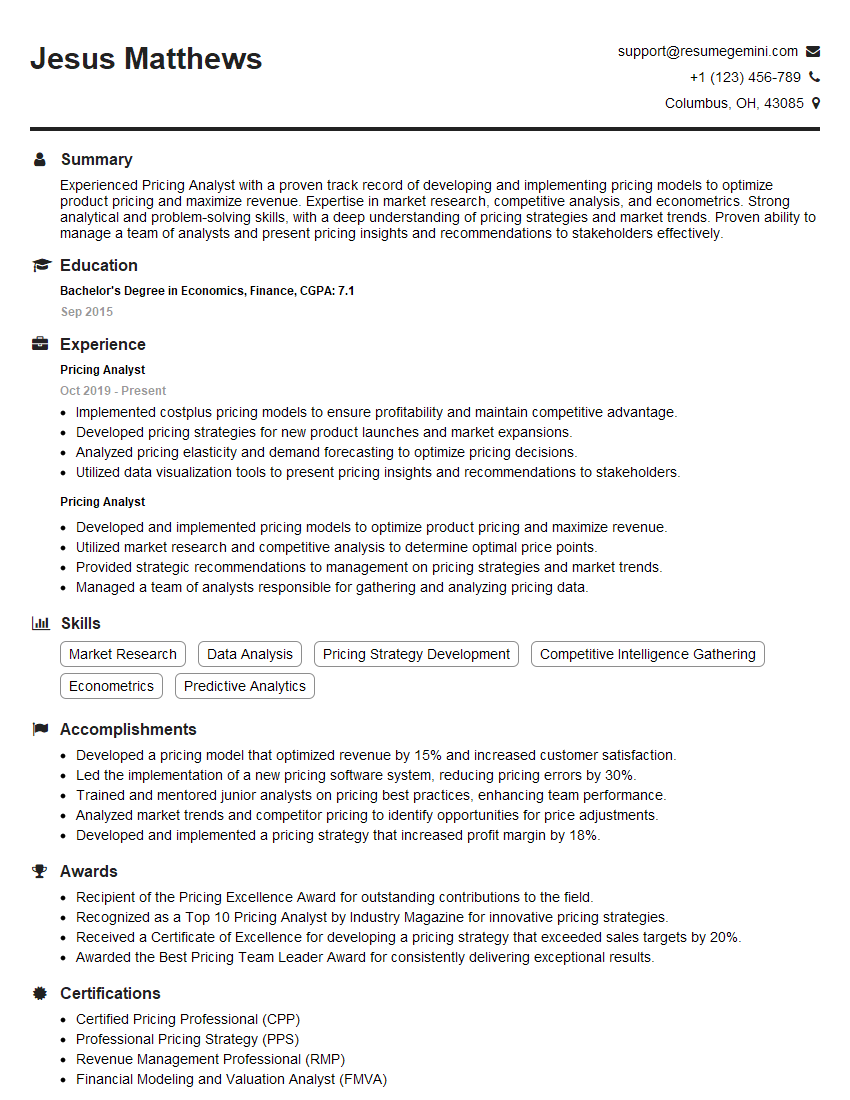
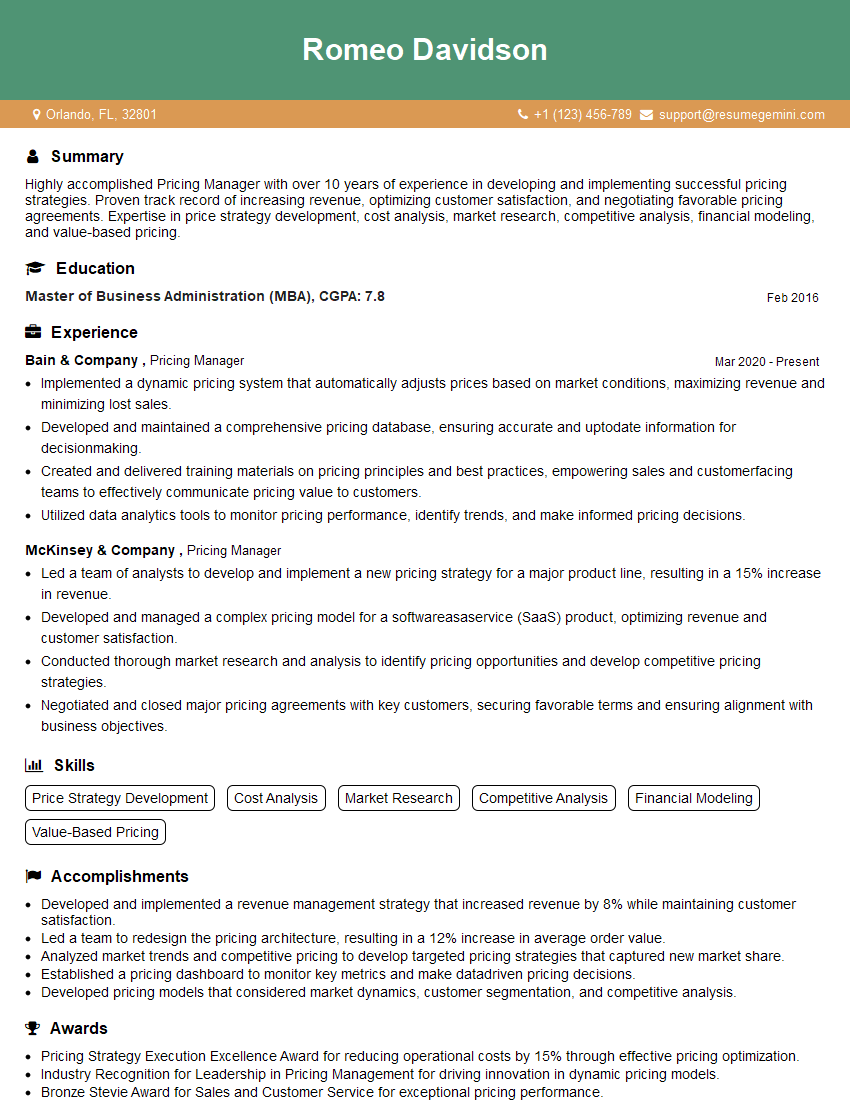
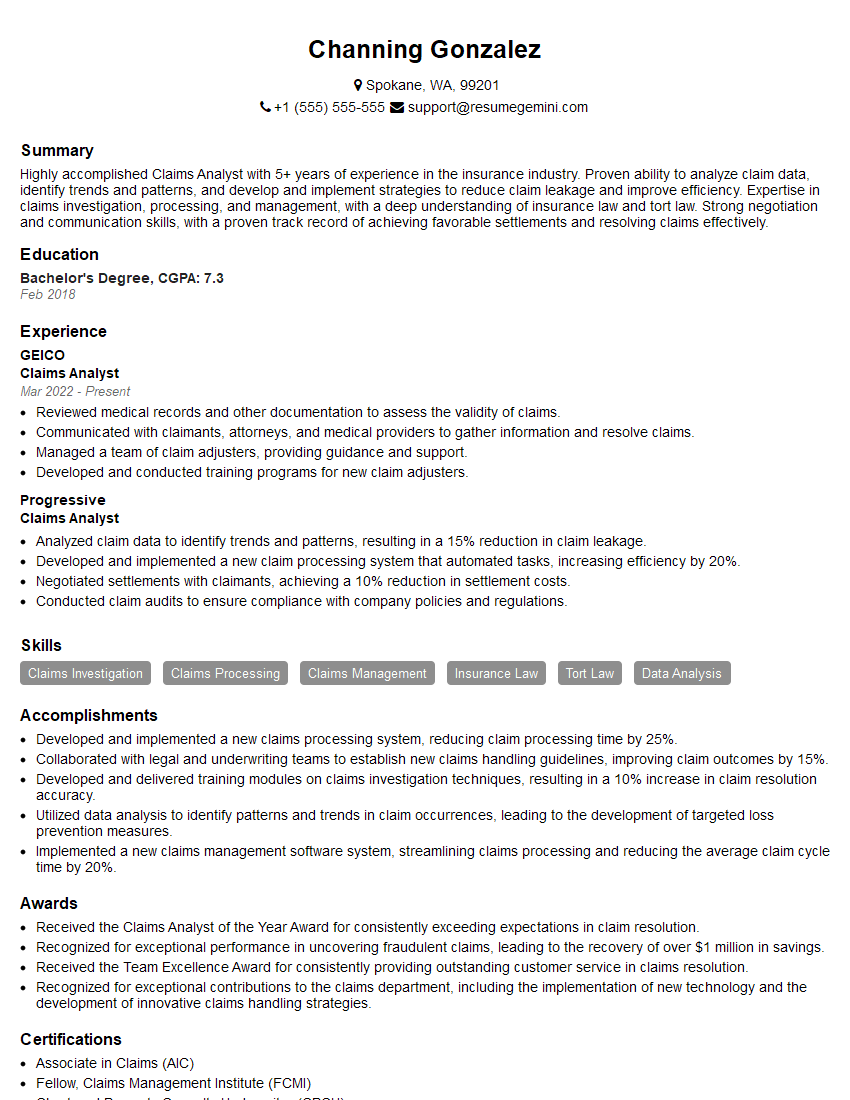
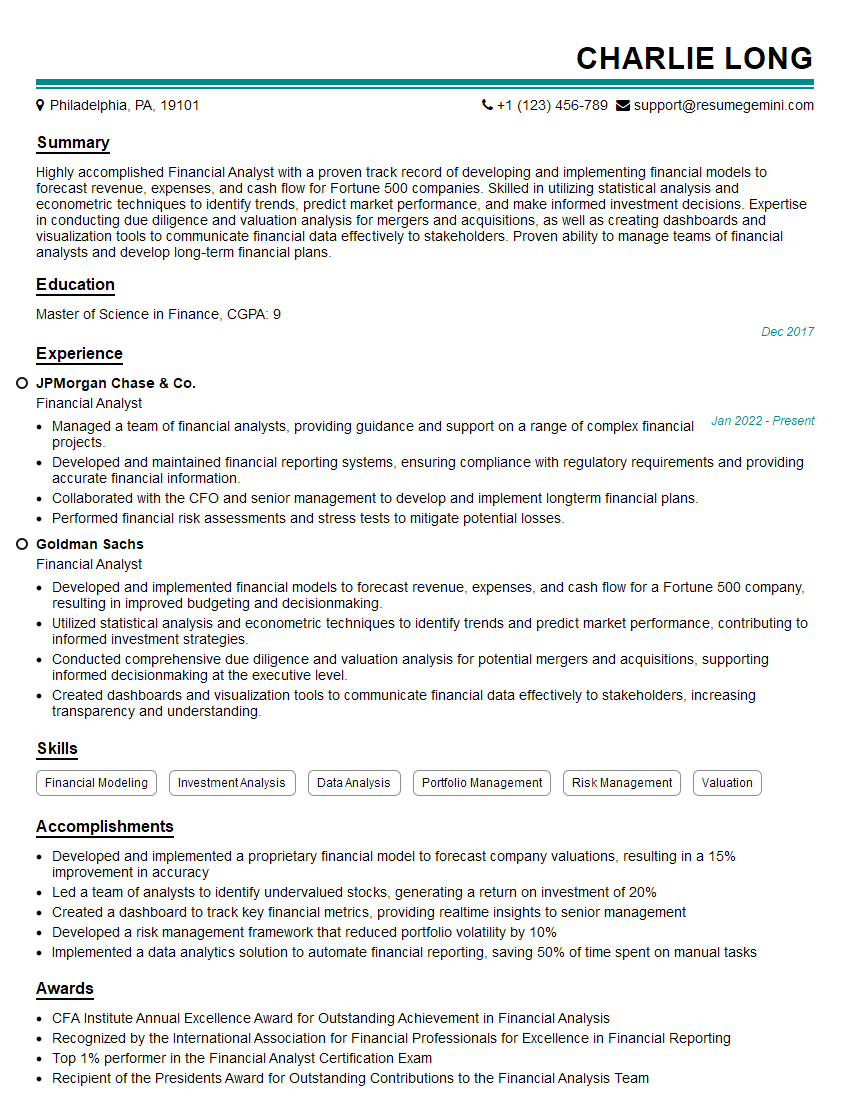
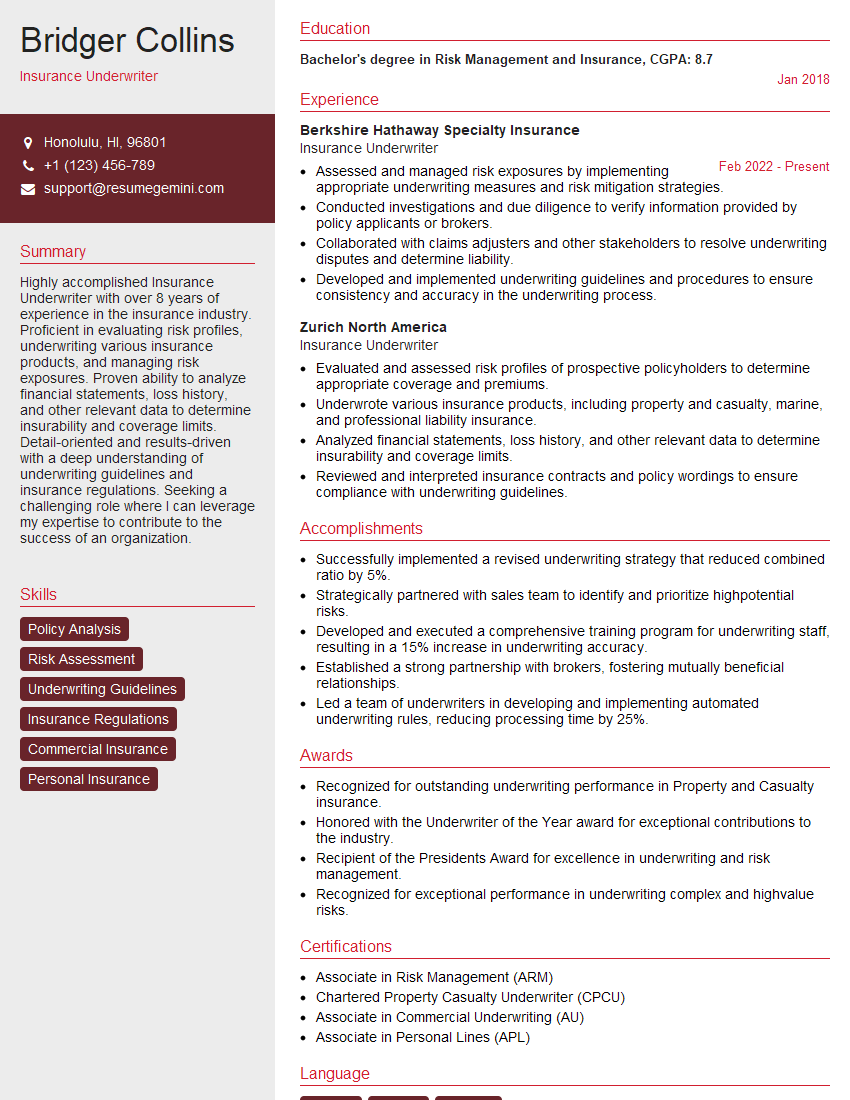
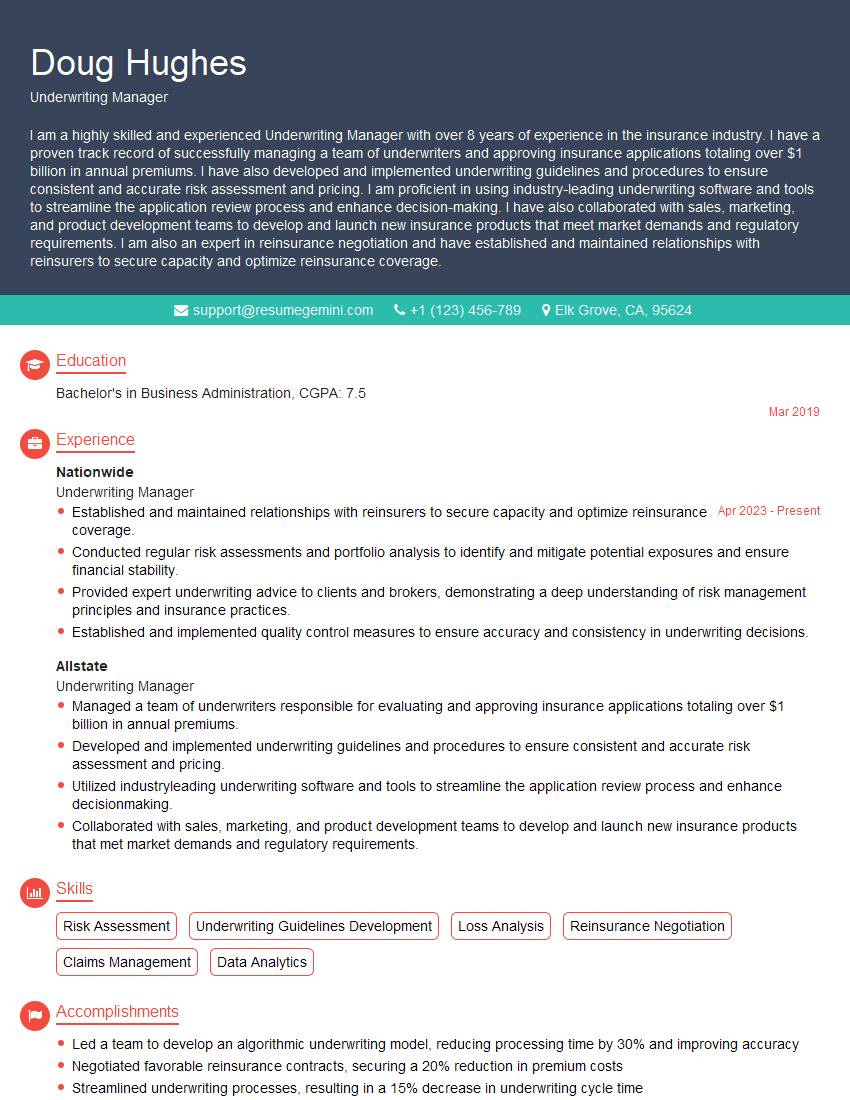
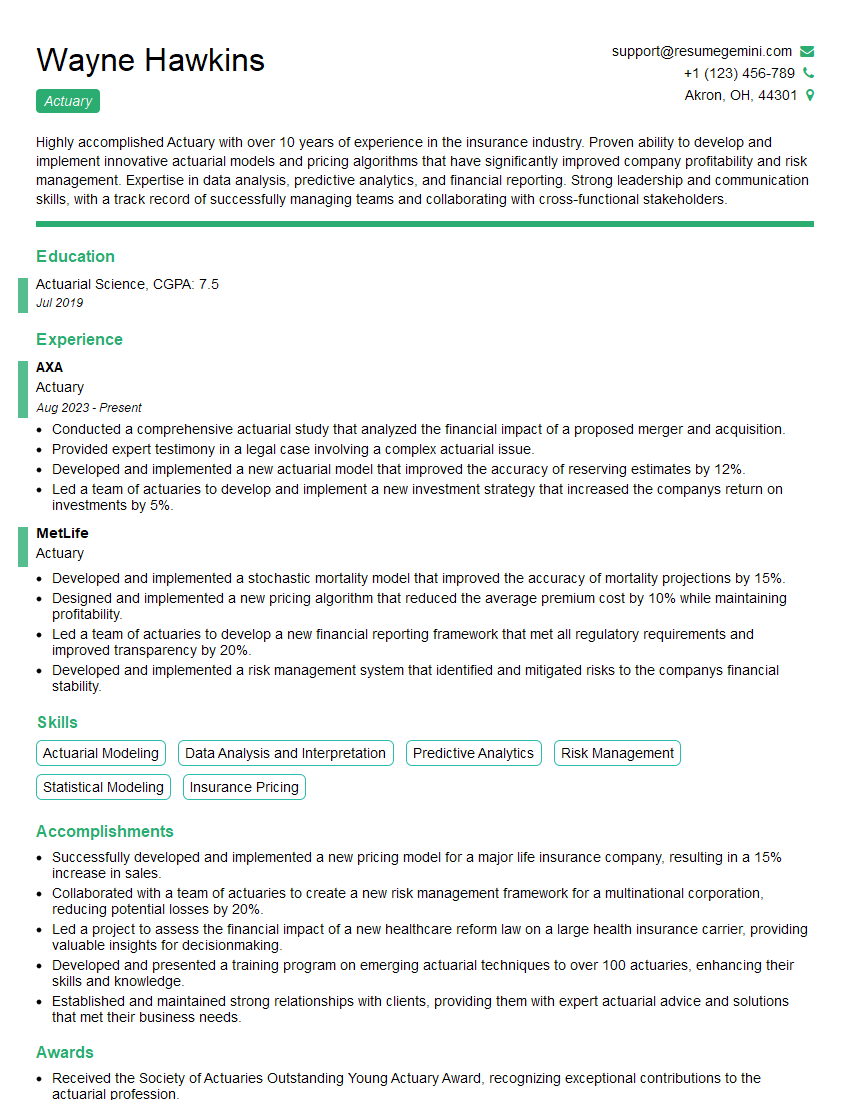
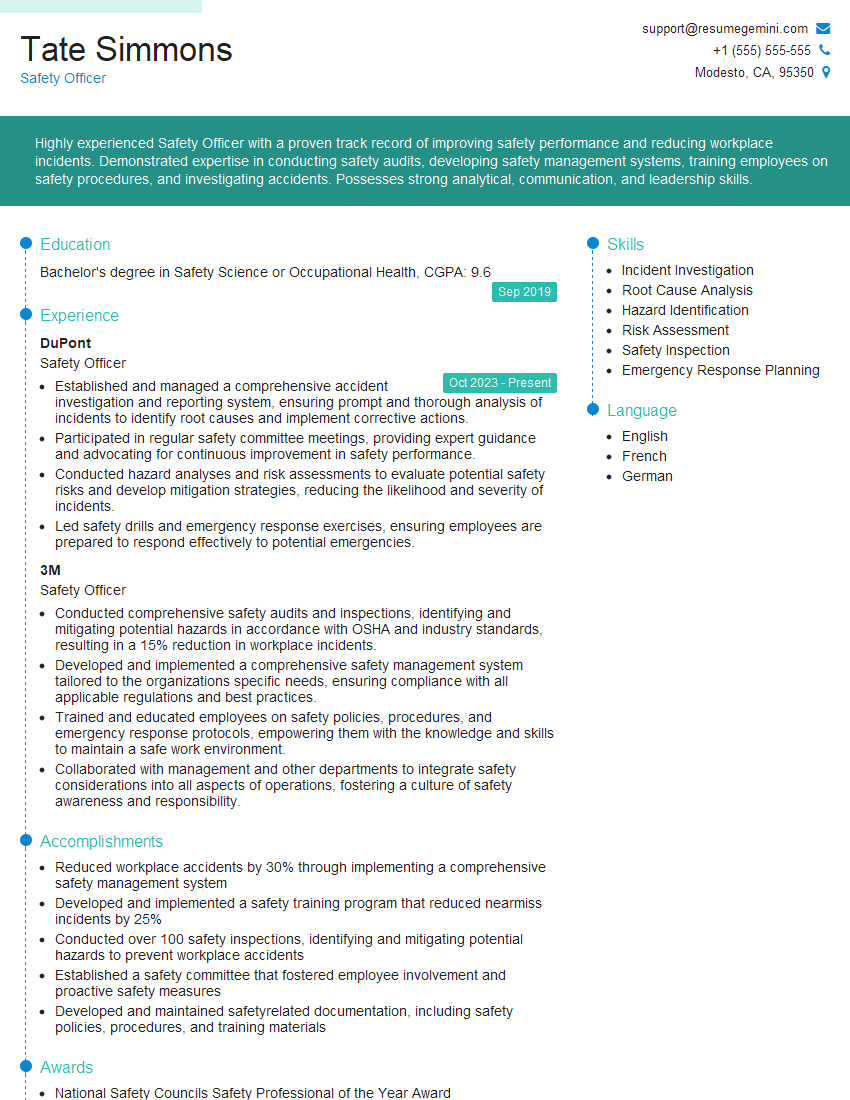
Mastering Risk Assessment and Quoting is crucial for career advancement in many fields, opening doors to leadership roles and increased earning potential. A strong resume is your first step towards securing these opportunities. Creating an ATS-friendly resume, optimized for applicant tracking systems, significantly increases your chances of getting your application noticed. We recommend using ResumeGemini, a trusted resource, to build a professional and impactful resume that showcases your skills and experience effectively. Examples of resumes tailored to Risk Assessment and Quoting are available to help you get started.

Explore more articles
Users Rating of Our Blogs
Share Your Experience
We value your feedback! Please rate our content and share your thoughts (optional).
What Readers Say About Our Blog
Really detailed insights and content, thank you for writing this detailed article.
IT gave me an insight and words to use and be able to think of examples