Every successful interview starts with knowing what to expect. In this blog, we’ll take you through the top Shear Bending interview questions, breaking them down with expert tips to help you deliver impactful answers. Step into your next interview fully prepared and ready to succeed.
Questions Asked in Shear Bending Interview
Q 1. Explain the concept of shear center.
The shear center is a crucial concept in structural mechanics, particularly when dealing with beams subjected to transverse loads. It’s the point through which a transverse load must act to produce bending without twisting. Imagine trying to push a door open; if you push right in the middle, it opens smoothly. If you push off-center, the door rotates in addition to opening. The shear center is like that central point for a beam’s cross-section. If a load is applied through the shear center, only bending occurs; otherwise, both bending and twisting occur. The location of the shear center depends entirely on the shape of the beam’s cross-section; for symmetrical sections, it coincides with the centroid, but for unsymmetrical sections, it’s often off-center.
For example, a channel section has its shear center located outside the cross-section, meaning any load applied through the centroid will cause twisting. Engineers need to account for this when designing structures to prevent unwanted twisting, which can lead to structural failure.
Q 2. Define shear stress and bending stress.
Shear stress is the internal resisting force within a material caused by the application of a shear force. Think of it as the force trying to slide one layer of the material past another. It’s measured in Pascals (Pa) or pounds per square inch (psi). A good analogy is a deck of cards – if you slide the top card, you’re applying shear stress to the cards. The cards will resist this sliding force, but eventually they might slip if the force is high enough.
Bending stress, on the other hand, is the internal stress developed in a member when it is subjected to a bending moment (a force trying to bend it). Imagine bending a metal ruler; the upper portion experiences tensile (pulling) stress, and the lower portion experiences compressive (pushing) stress. This stress is also measured in Pascals (Pa) or psi. Bending stress is the primary stress responsible for the bending of the structural element.
Q 3. How do shear stresses develop in beams?
Shear stresses develop in beams primarily due to the internal forces resisting the transverse shear load. When a transverse load is applied to a beam, it creates an internal shear force that tries to slice the beam horizontally. To resist this shearing action, internal shear stresses develop within the beam’s cross-section. These stresses are highest near the neutral axis (the line where bending stress is zero) and decrease towards the top and bottom edges of the beam.
Think of a stack of pancakes. If you try to slide the top pancake, the internal friction between the pancakes resists the sliding motion. This friction is analogous to the shear stresses within the beam, resisting the transverse shear force.
Q 4. What is the shear stress formula for a rectangular cross-section?
The shear stress formula for a rectangular cross-section is:
τ = VQ / IbWhere:
τ= shear stressV= shear forceQ= first moment of area of the portion of the cross-section above (or below) the point where shear stress is being calculatedI= moment of inertia of the entire cross-section about the neutral axisb= width of the cross-section at the point where shear stress is being calculated
This formula highlights that shear stress is directly proportional to the shear force and inversely proportional to the moment of inertia. A larger moment of inertia implies a more resistant beam, leading to lower shear stresses.
Q 5. Explain the difference between pure bending and combined bending and shear.
Pure bending occurs when a beam is subjected solely to a bending moment without any shear force. This results in a linear distribution of bending stress across the cross-section, with maximum values at the outermost fibers. Think of a simple cantilever beam with a load applied only at its free end. While theoretically pure bending, in reality, this scenario also involves a shear force needed to maintain equilibrium
Combined bending and shear occurs when a beam is simultaneously subjected to both bending and shear forces. This is the more common scenario in real-world structures. The bending moment causes bending stresses while the shear force results in shear stresses, and both act together to create an intricate stress distribution pattern throughout the cross-section. The bending stress is highest at the outermost fibers of the beam, while the shear stress is highest near the neutral axis. A common example would be a simply supported beam with a uniformly distributed load. Such beams experience both significant bending and shear forces.
Q 6. Describe the shear stress distribution in a circular cross-section.
The shear stress distribution in a circular cross-section is parabolic. It’s zero at the outer fibers and reaches its maximum value at the neutral axis (the center of the circle). The shear stress distribution is described by the equation:
τ = (4V/3πr²) * (1 - (r²/r₀²))Where:
τis the shear stress at a distancerfrom the center.Vis the shear force.r₀is the radius of the circular cross-section.
This parabolic distribution is significantly different from the rectangular cross-section where it is more linear near the neutral axis.
Q 7. How does the shape of a cross-section affect shear stress distribution?
The shape of a cross-section dramatically affects shear stress distribution. Symmetrical sections like rectangles and circles have relatively simple shear stress distributions (linear or parabolic). However, unsymmetrical sections like I-beams, channel sections, and angle sections exhibit more complex and non-uniform shear stress distributions. These complex distributions require more advanced techniques to analyze and often result in higher shear stresses in certain areas, influencing the design considerations.
For instance, I-beams are designed with flanges that are wider than the web which allows for efficient bending stress distribution and reduces shear stresses in critical zones. Understanding this effect is crucial in optimizing structural designs for maximum efficiency and safety.
Q 8. Explain the concept of shear flow.
Shear flow is the internal force acting parallel to the cross-section of a beam, resisting the tendency of the beam to shear or slide along a plane perpendicular to its longitudinal axis. Imagine trying to slide a deck of cards – the internal friction between the cards resists the shearing action. Similarly, shear flow resists the internal sliding of the beam’s material under shear stress.
Consider a simple I-beam under a vertical shear force. The shear flow is highest near the neutral axis (the line of zero bending stress) because that’s where the majority of the deformation happens. It reduces as you move towards the top and bottom flanges due to less deformation.
The concept of shear flow is crucial in designing structural elements, especially those subjected to significant shear forces, like the webs of I-beams or box girders. Understanding shear flow helps engineers to optimize the dimensions and material selection to prevent failure due to excessive shear.
Q 9. How do you calculate the maximum shear stress in a beam?
Calculating the maximum shear stress in a beam depends on the beam’s geometry and the applied shear force. For many simple cross-sections, we can use the formula:
τmax = VQ/(It)Where:
- τmax is the maximum shear stress
- V is the shear force acting on the cross-section
- Q is the first moment of area of the portion of the cross-section above (or below) the point where stress is being calculated about the neutral axis
- I is the moment of inertia of the entire cross-section about the neutral axis
- t is the thickness of the beam at the point where the shear stress is being calculated
For more complex cross-sections, numerical methods or specialized software are often employed. The location of the maximum shear stress usually occurs at the neutral axis in sections with one axis of symmetry. For instance, consider a rectangular beam: the maximum shear stress will be located at the neutral axis, midway between top and bottom.
Q 10. What is the significance of the neutral axis in shear stress calculations?
The neutral axis is of paramount importance in shear stress calculations because it’s the line of zero bending stress within the beam. It represents the axis around which the beam bends without experiencing any tensile or compressive stresses. Consequently, the maximum shear stress usually occurs at or very near the neutral axis.
Imagine a beam bending like a banana; the neutral axis is the central line that does not stretch or compress. The material above and below this line is subjected to bending stresses, and it’s this differential bending stress that contributes to the shear stress within the beam.
The position of the neutral axis dictates the distribution of shear stress across the cross-section. For symmetric cross-sections, it runs directly through the centroid. For asymmetric cross-sections, its location needs to be determined through calculation, impacting shear stress calculations significantly.
Q 11. Describe the different methods for determining shear stress in beams.
Several methods exist for determining shear stress in beams, each suited to different cross-sectional shapes and loading conditions.
- Formula method (using Q, I, and t): This is most suitable for simple cross-sections where the formula
τmax = VQ/(It)can be readily applied. - Integration method: This is a more general approach applicable to any cross-section. It involves integrating the shear stress distribution along the cross-section to determine the total shear force.
- Finite Element Method (FEM): FEM is a numerical technique well-suited for complex geometries and loading conditions. Software packages perform the complex calculations needed.
- Approximation methods: Simple approximations are sometimes used for preliminary design purposes, particularly when a quick estimate of shear stress is needed, such as using average shear stress across a cross section for rectangular sections.
The choice of method depends on the complexity of the problem and the desired accuracy. For simple cases, the formula method is often sufficient, while complex geometries often demand FEM.
Q 12. Explain the concept of bending moment and its relationship to shear force.
The bending moment is the internal moment created within a beam due to external loads, resisting the beam’s tendency to rotate. The shear force, on the other hand, is the internal force acting parallel to the cross-section, resisting the tendency to shear or slide. They are intimately related.
The relationship is expressed mathematically through the differential equation:
dV/dx = -w(x)and
dM/dx = V(x)where:
- V(x) is the shear force at a given point x along the beam
- M(x) is the bending moment at a given point x
- w(x) is the distributed load acting on the beam at point x
This shows that the shear force is the derivative of the bending moment; the slope of the bending moment diagram at any point is equal to the shear force at that point. Conversely, the area under the shear force diagram between two points is equal to the change in bending moment between those two points. These relationships are crucial in constructing shear and bending moment diagrams.
Q 13. How do you draw a shear force and bending moment diagram?
Drawing shear force and bending moment diagrams involves a systematic approach:
- Determine the reactions at the supports: Use equilibrium equations (ΣFx = 0, ΣFy = 0, ΣM = 0) to calculate the support reactions.
- Draw a free body diagram (FBD): This clearly illustrates all external forces and support reactions acting on the beam.
- Shear force diagram: Move along the beam, section by section, adding or subtracting forces to determine the shear force at each section. Points where the shear force changes sign indicate potential locations of maximum bending moment.
- Bending moment diagram: Use the relationship between shear force and bending moment (the area under the shear force diagram equals the change in bending moment). Points of zero shear force often correspond to maximum or minimum bending moment.
For instance, for a simply supported beam with a uniformly distributed load, the shear force diagram is linear and the bending moment diagram is parabolic. Always remember to label the axes and important points on your diagrams, indicating maximum and minimum values of shear and moment.
Q 14. What are the assumptions made in the simple bending theory?
Simple bending theory, also known as Bernoulli-Euler beam theory, relies on several key assumptions:
- Plane sections remain plane: Cross-sections remain plane and perpendicular to the neutral axis after bending. This implies that no warping or distortion of the cross-section occurs.
- Material is linearly elastic: The material obeys Hooke’s law (stress is proportional to strain).
- Small deflections: The beam’s deflection is small compared to its length.
- Isotropic material: The material properties are the same in all directions.
- Homogenous material: The material properties are uniform throughout the beam.
- Negligible shear deformation: Shear deformation is considered insignificant compared to bending deformation.
These assumptions simplify the analysis, making it easier to calculate bending stresses and deflections. However, they are not always valid in real-world scenarios. For example, large deflections or non-linear material behavior necessitate more complex analysis methods.
Q 15. Explain the concept of plastic bending.
Plastic bending occurs when a beam is subjected to a bending moment that exceeds its yield strength. Unlike elastic bending, where the material returns to its original shape after the load is removed, in plastic bending, permanent deformation occurs. Imagine bending a paperclip – initially, it bends elastically, springing back to its original shape. But bend it too far, and it permanently deforms, entering the plastic region. This is because the material has yielded, and its internal structure has been permanently altered. The stress-strain curve shows this transition from the elastic to the plastic region. Understanding plastic bending is crucial in structural design, particularly when assessing the safety and serviceability of structures under extreme loads. For example, a properly designed building structure should ideally remain within the elastic range even during extreme events like earthquakes, preventing permanent damage.
Career Expert Tips:
- Ace those interviews! Prepare effectively by reviewing the Top 50 Most Common Interview Questions on ResumeGemini.
- Navigate your job search with confidence! Explore a wide range of Career Tips on ResumeGemini. Learn about common challenges and recommendations to overcome them.
- Craft the perfect resume! Master the Art of Resume Writing with ResumeGemini’s guide. Showcase your unique qualifications and achievements effectively.
- Don’t miss out on holiday savings! Build your dream resume with ResumeGemini’s ATS optimized templates.
Q 16. What is the difference between elastic and inelastic behavior in beams?
The key difference between elastic and inelastic behavior in beams lies in their response to loading. In elastic behavior, the beam deforms under load but returns to its original shape once the load is removed. This is governed by Hooke’s Law, where stress is proportional to strain (stress = E * strain, where E is the Young’s modulus). Think of a rubber band stretching and then returning to its original length. In inelastic behavior, permanent deformation occurs. The material yields, and even after the load is removed, the beam retains a certain degree of deformation. This is often characterized by a stress-strain curve exhibiting a yield point. Consider a metal bar bent beyond its yield strength; it won’t fully recover its original shape. In structural engineering, we aim for elastic behavior for most situations as this ensures the structure’s integrity and longevity. Inelastic behavior is often undesirable, signaling potential structural failure.
Q 17. How does shear deformation affect beam deflection?
Shear deformation significantly impacts beam deflection, especially in short, deep beams. While bending primarily causes deflection due to bending moments, shear deformation contributes additional deflection, particularly in the regions of high shear stress. This occurs because shear stresses cause internal layers of the beam to slide relative to each other. Imagine a deck of cards – a pure bending moment would cause the deck to curve, while shear forces would cause individual cards to slide past each other, adding to the overall deflection. For slender beams, shear deformation is usually negligible compared to bending deflection; however, for short, deep beams, neglecting shear deformation can lead to significant errors in deflection calculations. The effect of shear on deflection is often included in the deflection equation as a correction term.
Q 18. How do you account for shear deformation in beam design?
Accounting for shear deformation in beam design is crucial for accuracy, especially in beams with a high shear-to-bending moment ratio. There are several methods: 1) Using modified deflection formulas: These formulas explicitly incorporate the effects of shear deformation, providing a more accurate deflection prediction. 2) Finite Element Analysis (FEA): FEA provides a powerful tool to analyze stress and deformation in complex beam geometries, accurately capturing the influence of shear. 3) Empirical correction factors: Based on experimental data and beam geometry, these factors are used to adjust the deflection calculated considering bending alone. The choice of method depends on the complexity of the beam geometry and the required accuracy. For instance, for simple beams, modified formulas might suffice, while complex structures with composite materials might demand the precision of FEA.
Q 19. Explain the use of Mohr’s circle in analyzing shear stress.
Mohr’s circle is a graphical tool used to visualize and analyze the state of stress at a point within a material. In the context of shear stress, it helps determine the principal stresses (maximum and minimum normal stresses) and the maximum shear stress acting on an element. You plot the normal and shear stresses on the circle’s axes, and then construct the circle. The diameter of the circle represents the difference between the principal stresses, and points on the circle represent different stress states on planes at various orientations. This helps in determining the orientation of the planes where the maximum shear stress occurs and its magnitude. This is extremely useful in identifying critical areas prone to shear failure in a beam. For example, a beam subjected to combined bending and shear will have varying shear stresses along its cross-section. Mohr’s circle can be used to evaluate these stresses on different planes within the beam, helping engineers identify the most critical areas.
Q 20. Describe the failure criteria for beams under combined bending and shear.
Failure criteria for beams under combined bending and shear consider both normal and shear stresses. Common criteria include: 1) Maximum Shear Stress Theory (Tresca): This theory assumes failure occurs when the maximum shear stress reaches the material’s shear yield strength. 2) Maximum Distortion Energy Theory (von Mises): This theory considers the combined effect of normal and shear stresses, predicting failure based on the distortion energy in the material. It’s often preferred for ductile materials. 3) Modified Mohr-Coulomb Theory: This theory accounts for the material’s tensile and compressive strengths as well as internal friction, and is frequently used for brittle materials. The selection of a suitable criterion depends on the material’s properties (ductile or brittle) and the desired level of conservatism in the design. A safety factor is typically applied to account for uncertainties in material properties and loading conditions.
Q 21. How do you analyze shear stress in composite beams?
Analyzing shear stress in composite beams requires considering the different material properties of each constituent material (e.g., wood and steel). The shear stress distribution is no longer uniform across the cross-section and depends on the shear modulus of each material and its relative area. This is typically done by using the concept of transformed sections, where one material is transformed into an equivalent section of another material with an adjusted area. Then, standard methods for homogeneous beams can be used. The shear flow – a measure of the shear force distribution within the cross-section – needs to be analyzed for each material to accurately determine the shear stresses. Numerical methods such as FEA are commonly employed for accurate analysis of complex composite beams. The differing shear moduli and stiffness properties require a sophisticated approach beyond simple homogeneous beam theory.
Q 22. How does shear stress affect the design of connections?
Shear stress significantly impacts connection design because it represents the force trying to slice a connection apart. Imagine trying to cut a piece of wood with a saw – the force applied by the saw blade is analogous to shear stress on a connection. A poorly designed connection will fail prematurely under excessive shear stress.
In structural engineering, we consider shear stress in connections like bolted joints, welded seams, and rivets. For bolted joints, the shear stress is calculated based on the bolt’s cross-sectional area and the force it needs to resist. Adequate design involves selecting bolts with sufficient strength and ensuring proper spacing to prevent shear failure. For welds, the shear stress is determined by the weld size and geometry. We need to ensure that the weld has sufficient throat thickness to withstand the anticipated shear force. This involves careful consideration of the weld type and the material properties.
For example, consider a steel beam connected to a column using several bolts. If the shear force exceeds the capacity of the bolts, they might shear, leading to a structural failure. Therefore, we use design codes and safety factors to ensure that connections have ample strength reserves beyond the expected loads to prevent such scenarios. The design process often involves iterative calculations and Finite Element Analysis (FEA) to verify the connection’s performance under shear forces.
Q 23. Explain the effects of shear lag in beams.
Shear lag is a phenomenon where the stress distribution in a beam isn’t uniform, particularly near concentrated loads or connections. Think of it like trying to push a stack of papers – the papers closest to your hand move more easily than those further away. In beams, this non-uniformity leads to higher stresses in some areas than predicted by simplified analyses.
The effect of shear lag is most pronounced in wide flange sections and composite beams where the connected elements (e.g., steel and concrete) have different stiffness properties. This difference in stiffness results in a non-uniform distribution of shear stresses across the cross-section. The regions closer to the point load or connection experience higher shear stresses than the regions further away. This concentration of stress can lead to premature failure, as these regions might yield or fracture before the overall beam capacity is reached.
To account for shear lag, engineers often employ more sophisticated analytical methods or FEA. The design often includes increasing the section size or using stronger materials to compensate for the increased shear stresses in the affected areas. Ignoring shear lag could lead to an underestimation of the necessary section size, resulting in a design that is not adequately safe.
Q 24. Discuss different types of beams and how shear stress is affected by their support conditions.
Different beam types and their support conditions significantly influence shear stress distribution. Consider these common types:
- Simply Supported Beams: These beams are supported at both ends. The shear stress is highest near the supports and gradually decreases towards the mid-span. The maximum shear occurs at the supports.
- Cantilever Beams: Supported only at one end, these beams experience maximum shear at the fixed support, decreasing linearly towards the free end. The shear stress is zero at the free end.
- Overhanging Beams: With supports at both ends and portions extending beyond, these have complex shear stress patterns. The shear stress changes sign as it moves from the supports to the free ends. In the overhanging portion, it is in opposite direction to the shear in the central span.
- Continuous Beams: Supported at more than two points, these beams have varying shear stress patterns, depending on the location of the supports and applied loads. The shear force diagram helps to identify regions of high shear stress.
The support conditions define the reaction forces, which directly impact the shear force distribution. The type of support (pin, roller, fixed) influences the boundary conditions and creates different shear stress patterns along the beam length.
For example, a simply supported beam carrying a uniformly distributed load will have a linear shear force diagram and a parabolic bending moment diagram. A cantilever beam with a point load at its free end will have a constant shear force along its length and a linearly increasing bending moment.
Q 25. What is the significance of shear buckling in thin-walled beams?
Shear buckling in thin-walled beams is a critical failure mode where the beam suddenly buckles or collapses under shear loads, even if the material’s shear strength isn’t exceeded. Think of a thin sheet of metal – it’s much easier to crumple it sideways than to break it directly. This is essentially what shear buckling is.
It happens because thin-walled sections have a low resistance to lateral deformation under shear. This instability manifests as a wrinkling or buckling of the web of the beam, leading to a sudden loss of load-carrying capacity. The critical shear stress that causes this buckling is significantly lower than the material’s shear yield strength.
The susceptibility to shear buckling depends on several factors including the geometry of the cross-section (web slenderness), the material properties (Young’s modulus and shear modulus), and the support conditions. Design codes provide guidelines and equations to predict the critical shear stress for shear buckling. Design often involves using stiffeners or increasing the thickness of the web to mitigate the risk of shear buckling.
Q 26. How do you use Finite Element Analysis (FEA) to analyze shear stresses?
Finite Element Analysis (FEA) is a powerful tool for analyzing shear stresses in complex structures. It involves discretizing the structure into numerous small elements, each with its own set of equations describing its behavior under load.
In FEA, we define the geometry, material properties, boundary conditions (supports), and applied loads. The software then solves a system of equations to determine the displacements, stresses, and strains at each element. This detailed analysis provides a comprehensive picture of the shear stress distribution, highlighting areas of high stress concentration.
For shear stress analysis, we typically use appropriate element types like shell or solid elements, depending on the complexity of the geometry. The post-processing capabilities of FEA software allow visualizing stress contours and identifying critical areas. We can then use these results to refine the design, optimize the geometry, or select appropriate materials to meet the design criteria and ensure structural safety.
For example, we might use FEA to analyze a complex weldment where the shear stress distribution isn’t easily predictable through manual calculations. FEA allows for a very precise mapping of the stress in each section of the weld.
Q 27. Explain how you would approach solving a complex shear stress problem in a real-world scenario.
Approaching a complex shear stress problem in a real-world scenario often involves a systematic approach:
- Problem Definition: Clearly define the geometry, material properties, loading conditions, and support conditions. Create detailed sketches and diagrams.
- Simplification and Idealization: If possible, simplify the geometry to a manageable level without significantly compromising accuracy. This might involve neglecting minor details or making assumptions about symmetry.
- Analytical Methods: Try to solve the problem using simplified analytical methods (e.g., beam theory, shear stress formulas for common shapes) where applicable. This will give an initial estimate and understanding of the problem’s nature.
- FEA: Employ FEA for more complex geometries or loading conditions where analytical methods are insufficient. Carefully mesh the model to ensure accuracy, paying attention to areas of potential stress concentration.
- Verification and Validation: Compare the results from analytical methods (if used) and FEA. If differences are substantial, investigate possible sources of error. Consider conducting experiments or utilizing past projects as benchmarks for validation.
- Design Iteration: Based on the analysis results, iterate on the design. Modify the geometry, material, or support conditions to reduce high shear stresses and ensure the design meets the required safety factors.
- Documentation: Thoroughly document the entire process, including assumptions, calculations, FEA results, and design decisions. This is crucial for ensuring accountability and facilitating future modifications.
For instance, designing a complex bridge structure would necessitate a combination of analytical methods to estimate overall loads and FEA to refine the design of crucial connections where stress concentrations are expected. Every step is meticulously documented, enabling review and approval by experienced engineers.
Key Topics to Learn for Shear Bending Interview
- Shear Stress and Shear Strain: Understand the fundamental concepts of shear stress and strain, including their relationships and how they are calculated in different geometries.
- Shear Force and Bending Moment Diagrams: Master the creation and interpretation of shear force and bending moment diagrams for various loading conditions and support types. This is crucial for understanding internal forces within a structure.
- Shear Center: Learn to locate the shear center and its significance in understanding the behavior of beams under shear loading, especially in non-symmetrical sections.
- Shear Flow: Grasp the concept of shear flow and its application in determining shear stresses within composite sections and thin-walled structures.
- Beams with Different Cross-Sections: Analyze shear stress distributions in beams with rectangular, circular, I-beam, and other common cross-sections. Practice applying appropriate formulas and understanding the implications of different shapes.
- Failure Theories under Shear: Understand the different failure theories related to shear stress and their application in predicting the strength of structural elements. This will deepen your understanding of structural integrity.
- Practical Applications: Explore real-world applications of shear bending principles in structural engineering projects, such as bridge design, building construction, and aerospace engineering. Consider examples of how these concepts are used in design and analysis.
- Problem-Solving Techniques: Develop your problem-solving skills by tackling diverse shear bending problems, focusing on a systematic approach involving free body diagrams, equilibrium equations, and appropriate formulas.
Next Steps
Mastering shear bending is paramount for success in structural engineering and related fields. A strong understanding of these principles will significantly enhance your problem-solving abilities and make you a valuable asset to any engineering team. To further boost your job prospects, creating a well-structured, ATS-friendly resume is crucial. ResumeGemini is a trusted resource that can help you craft a professional resume tailored to highlight your skills and experience in shear bending and other relevant areas. Examples of resumes specifically designed for Shear Bending professionals are available to help you get started.

Project Engineer Resume Sample

Design Engineer Resume Sample

Aerospace Engineer Resume Sample

Research Engineer Resume Sample
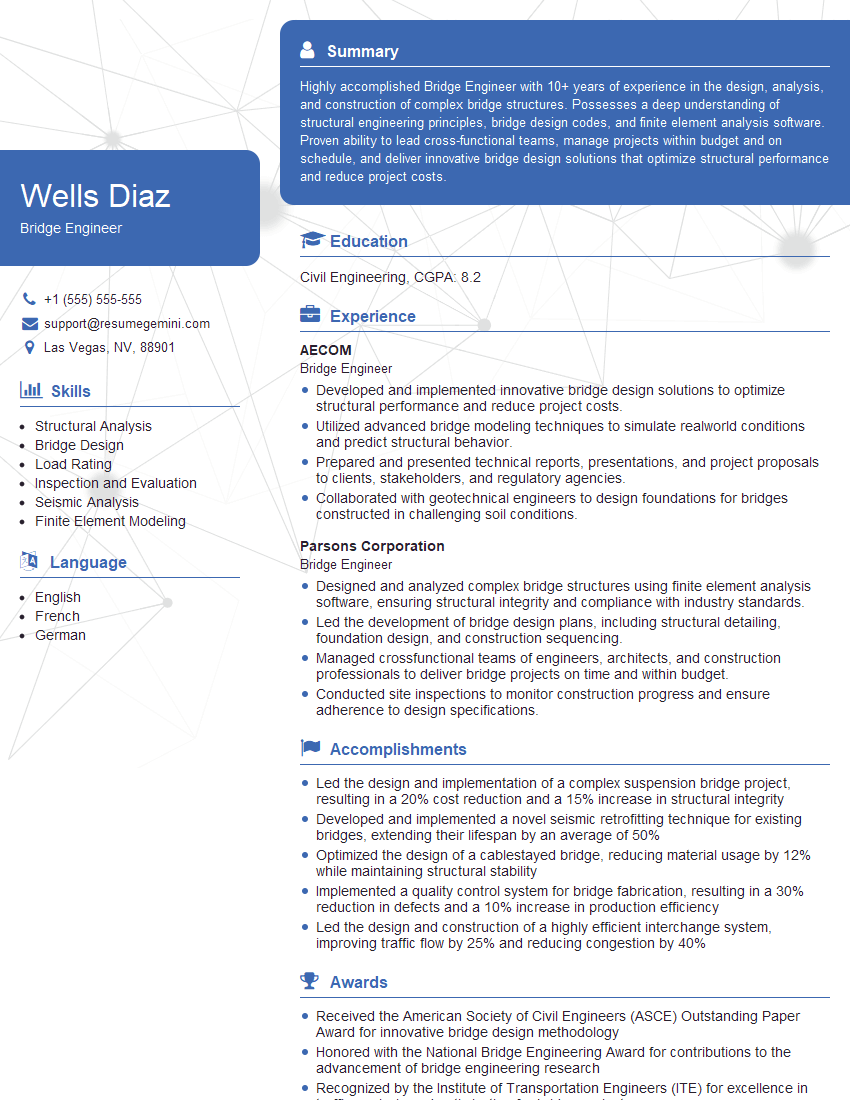
Bridge Engineer Resume Sample

Building Engineer Resume Sample

Civil Engineer Resume Sample

Construction Engineer Resume Sample
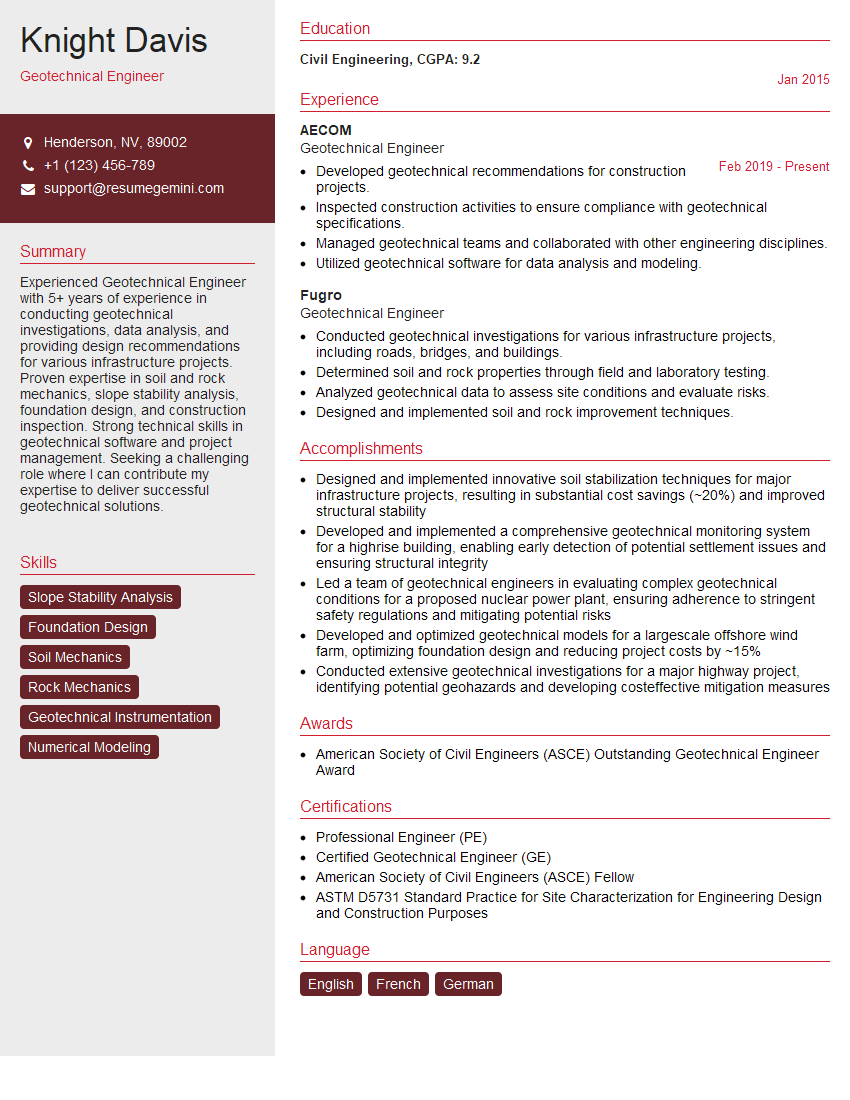
Geotechnical Engineer Resume Sample

Structural Engineer Resume Sample

Manufacturing Engineer Resume Sample

Quality Control Engineer Resume Sample

Naval Architect Resume Sample

Materials Engineer Resume Sample
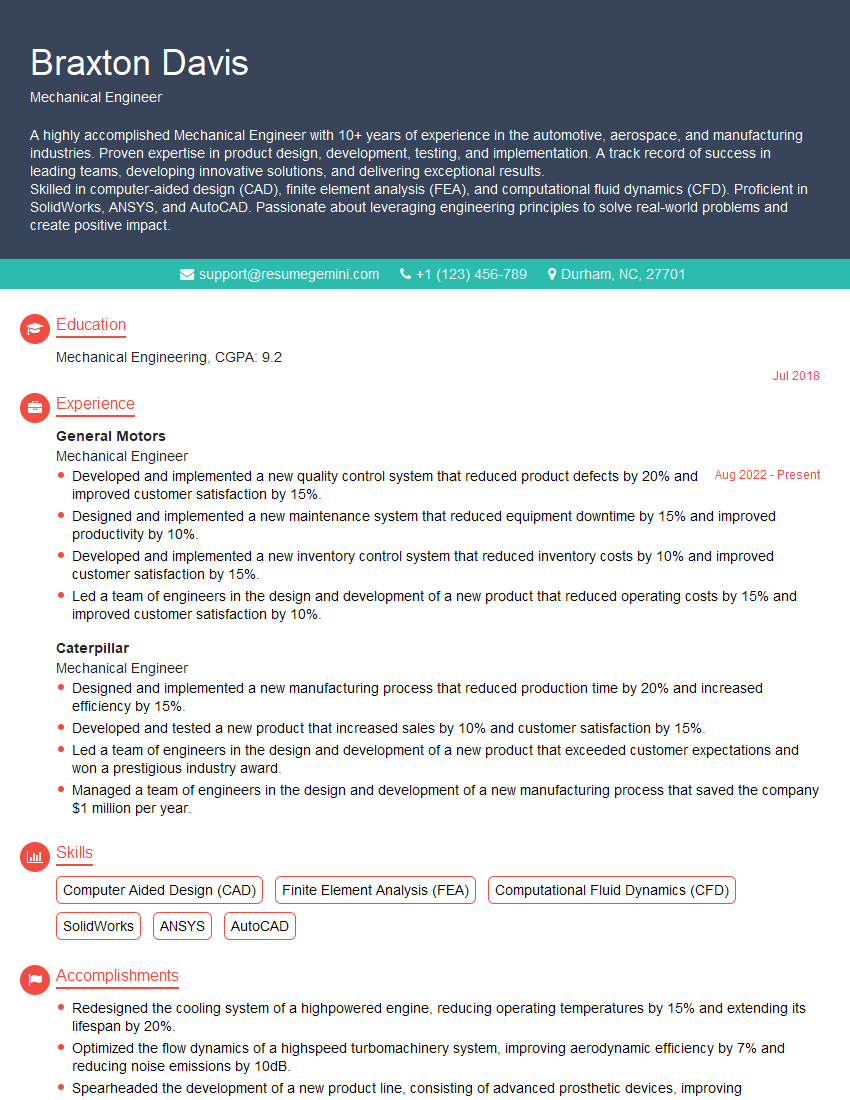
Mechanical Engineer Resume Sample
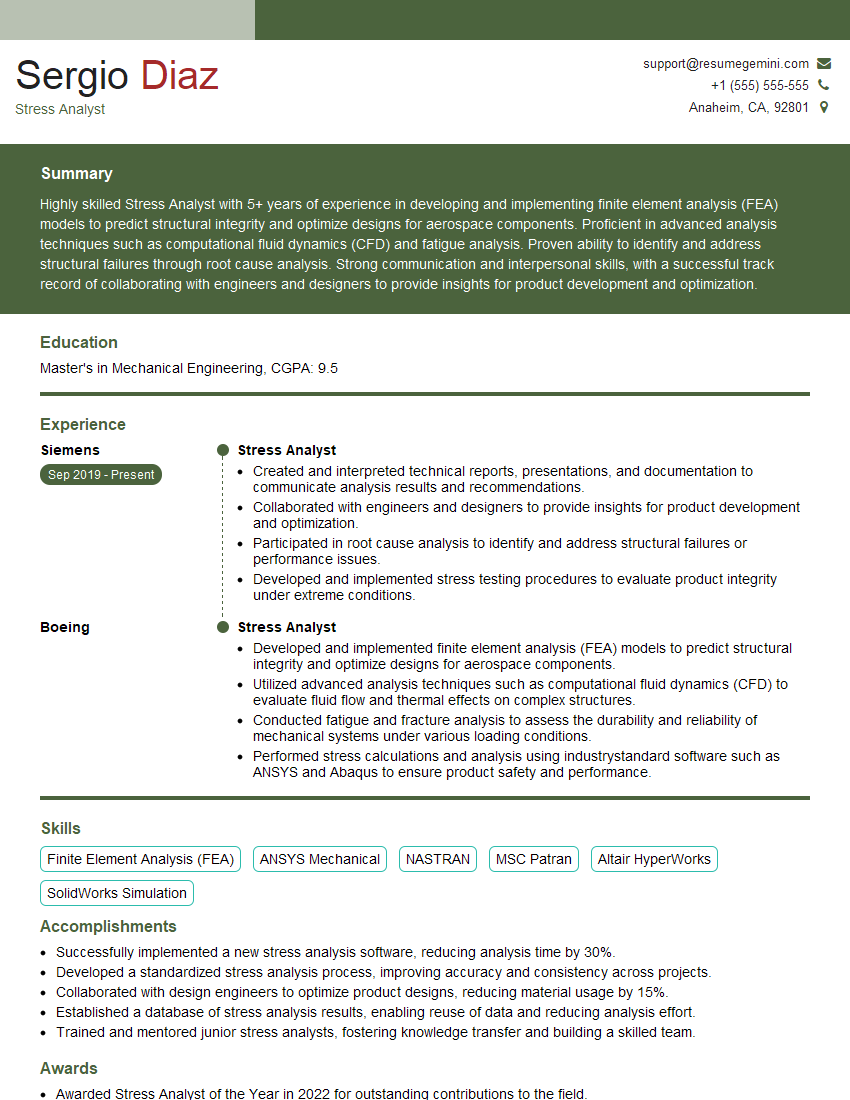
Stress Analyst Resume Sample
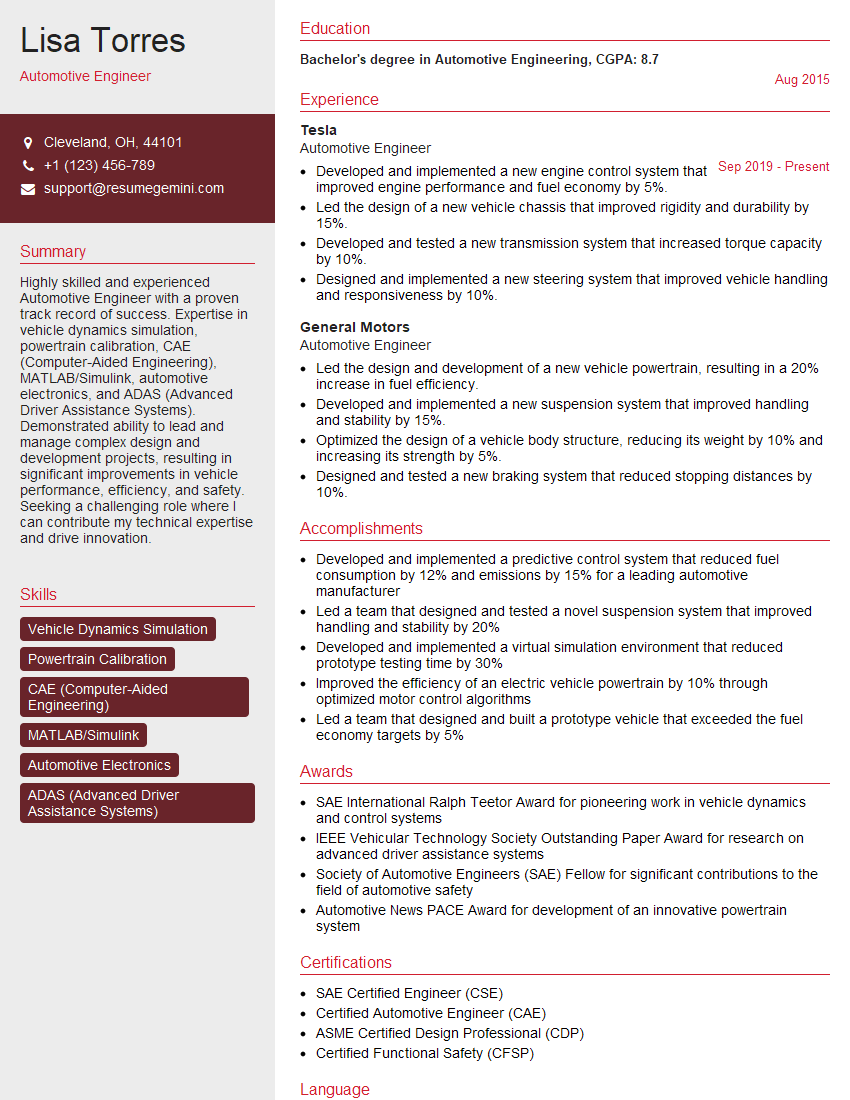
Automotive Engineer Resume Sample

Mining Engineer Resume Sample

Nuclear Engineer Resume Sample

Petroleum Engineer Resume Sample

Robotics Engineer Resume Sample
- Project Engineer
- Design Engineer
- Aerospace Engineer
- Research Engineer
- Bridge Engineer
- Building Engineer
- Civil Engineer
- Construction Engineer
- Geotechnical Engineer
- Structural Engineer
- Manufacturing Engineer
- Quality Control Engineer
- Naval Architect
- Materials Engineer
- Mechanical Engineer
- Stress Analyst
- Automotive Engineer
- Mining Engineer
- Nuclear Engineer
- Petroleum Engineer
- Robotics Engineer
Explore more articles
Users Rating of Our Blogs
Share Your Experience
We value your feedback! Please rate our content and share your thoughts (optional).
What Readers Say About Our Blog
Really detailed insights and content, thank you for writing this detailed article.
IT gave me an insight and words to use and be able to think of examples