Every successful interview starts with knowing what to expect. In this blog, we’ll take you through the top Supporting Children’s Gross and Fine Motor Development interview questions, breaking them down with expert tips to help you deliver impactful answers. Step into your next interview fully prepared and ready to succeed.
Questions Asked in Supporting Children’s Gross and Fine Motor Development Interview
Q 1. Explain the difference between gross and fine motor skills.
Gross motor skills involve the large muscles of the body for movement and coordination, such as running, jumping, and climbing. Think of them as the big, powerful movements that get us around. Fine motor skills, on the other hand, involve the smaller muscles in the hands, fingers, and wrists for precise movements. These are the skills we use for tasks requiring dexterity, like writing, drawing, and buttoning clothes. It’s a helpful analogy to think of gross motor skills as the foundation upon which fine motor skills are built. A child needs good gross motor control – balance, coordination – to even begin to develop precise fine motor movements.
Q 2. What are the key developmental milestones for gross motor skills in children aged 2-5?
Between ages 2 and 5, children make significant strides in their gross motor development. Here are some key milestones:
- 2-3 years: Walks up and down stairs, runs, kicks a ball, jumps with both feet, climbs on furniture.
- 3-4 years: Hops on one foot, catches a large ball, rides a tricycle, walks on a line.
- 4-5 years: Hops and skips, throws a ball accurately, swings and climbs confidently, stands on one foot for 10 seconds or more.
It’s crucial to remember that these are just averages. Children develop at different paces, and variations are perfectly normal. However, significant delays should be addressed by a pediatrician or developmental specialist.
Q 3. What are the key developmental milestones for fine motor skills in children aged 2-5?
Fine motor skill development in preschoolers is equally impressive. Key milestones in this age group include:
- 2-3 years: Turns pages one at a time, stacks blocks, scribbles, uses a spoon and fork.
- 3-4 years: Copies circles and squares, cuts with scissors, draws people with body parts, buttons and unbuttons large buttons.
- 4-5 years: Copies triangles and other shapes, prints some letters and numbers, dresses and undresses themselves, uses utensils with ease.
Again, individual variations are expected. The focus should be on progress and improvement rather than strict adherence to a timeline.
Q 4. Describe three activities to improve gross motor skills in preschoolers.
Here are three engaging activities to boost gross motor skills in preschoolers:
- Obstacle courses: Create a fun obstacle course using pillows, blankets, chairs, and tunnels. This encourages problem-solving, coordination, and balance.
- Outdoor play: Provide ample opportunities for running, jumping, climbing, and playing games like tag or hide-and-seek. This promotes physical activity and improves cardiovascular health.
- Dance and movement activities: Incorporate music and dance into playtime. This improves rhythm, coordination, and body awareness, and is a fun way to promote physical fitness.
Remember to prioritize safety and adapt activities to suit each child’s individual capabilities.
Q 5. Describe three activities to improve fine motor skills in preschoolers.
Improving fine motor skills requires focused activities. Here are three examples:
- Play-Doh or clay: Rolling, pinching, and shaping strengthens hand muscles and improves dexterity. You can add activities like using cookie cutters or making simple shapes.
- Puzzles: Puzzles, especially those with larger pieces for younger children, help develop hand-eye coordination and problem-solving skills. Gradually increase the difficulty as skills improve.
- Drawing and coloring: Crayons, markers, and paintbrushes promote hand strength, control, and creative expression. Encourage children to draw what they see and imagine.
Make it fun and engaging – these activities should be enjoyable, not chores!
Q 6. How would you assess a child’s gross motor skills?
Assessing a child’s gross motor skills requires observation and some structured assessments. I would use a combination of approaches:
- Observation: Observing the child during free play, noting their ability to run, jump, climb, and balance. I’d look for any difficulties or asymmetries in movement.
- Standardized assessments: Using standardized tests designed to assess gross motor skills, providing a quantitative measure of their abilities and comparing them to age norms. These should always be used as part of a comprehensive assessment, not in isolation.
- Parent/teacher input: Gathering information from parents and teachers about the child’s daily activities, their movement patterns, and any concerns they have.
A holistic approach is key, as it’s essential to consider the child’s context and individual differences.
Q 7. How would you assess a child’s fine motor skills?
Assessing fine motor skills also requires a multi-faceted approach:
- Observation of everyday tasks: Observe the child during self-care activities like dressing, eating, and writing. Note their hand preference, hand strength, coordination, and precision.
- Drawing and copying tasks: Ask the child to draw or copy simple shapes, letters, and numbers. This helps assess their fine motor control and hand-eye coordination.
- Manipulative tasks: Use standardized tests or create simple tasks involving manipulating small objects, like threading beads or using tweezers. This assesses dexterity and finger strength.
- In-depth assessments: For children with suspected fine motor delays, a more in-depth occupational therapy assessment may be needed.
Remember to create a comfortable and encouraging environment to accurately gauge the child’s abilities.
Q 8. What are some common signs of delayed gross motor development?
Delayed gross motor development refers to a child’s significant lag in achieving typical milestones related to large muscle movements. This isn’t just about being a little slower; it’s about a noticeable difference compared to their peers.
- Delayed walking: A child significantly later than expected in walking independently, or showing persistent difficulties with balance and coordination while walking.
- Difficulty with crawling or creeping: Inability to crawl or creep effectively, opting for alternative movements instead.
- Problems with climbing stairs: Requiring excessive support or struggling to navigate stairs even with assistance.
- Limited range of motion or stiffness: Showing restricted movement in their arms, legs, or torso.
- Poor posture: Exhibiting slumped posture or an unusual gait (walking style).
- Frequent falls or clumsiness: Consistently tripping or falling, showing poor balance and coordination.
It’s crucial to remember that developmental timelines vary slightly. However, if you notice multiple concerning signs, it’s essential to consult a pediatrician or developmental specialist.
Q 9. What are some common signs of delayed fine motor development?
Delayed fine motor development involves a child’s struggle with small muscle movements, impacting tasks like writing, drawing, and manipulating objects. These delays can manifest in various ways:
- Difficulty with grasping objects: Using a clumsy grasp, dropping items frequently, or struggling to pick up small objects.
- Poor pencil grip: Holding a writing utensil improperly, making writing difficult and tiring.
- Problems with cutting and coloring: Struggling to use scissors accurately, coloring outside the lines consistently, or applying too much or too little pressure.
- Challenges with buttoning and zipping clothes: Having trouble managing fasteners due to limited dexterity.
- Poor hand-eye coordination: Difficulty catching a ball, throwing accurately, or performing tasks requiring precise hand-eye coordination like stacking blocks.
- Slow or laborious writing: Writing slowly and with noticeable effort, often producing illegible script.
Again, variations exist, but persistent difficulties across several areas warrant professional assessment.
Q 10. How would you adapt activities to meet the needs of a child with gross motor delays?
Adapting activities for children with gross motor delays requires careful consideration of their abilities and limitations. The key is to modify the activity to make it achievable while still engaging and challenging.
- Reduce complexity: Break down complex movements into smaller, more manageable steps. For example, instead of asking a child to jump over an obstacle, start with stepping over it, then progressing to a small hop, and finally a jump.
- Provide support: Offer physical support as needed, perhaps using hand-over-hand assistance or adaptive equipment like walkers or gait trainers.
- Modify the environment: Adjust the environment to provide a safer and easier experience. This might include using softer surfaces, removing obstacles, or providing ramps instead of stairs.
- Use adaptive equipment: Employ appropriate assistive devices such as adapted tricycles or specialized swings that offer extra support.
- Focus on functional skills: Design activities that focus on practical skills, like getting dressed or carrying objects. This integrates therapy into everyday life.
- Incorporate games: Turn therapeutic exercises into fun games to boost engagement. For instance, turn obstacle courses into exciting races.
Always celebrate small victories and focus on progress, not perfection. The goal is to build confidence and improve motor skills gradually.
Q 11. How would you adapt activities to meet the needs of a child with fine motor delays?
Adapting activities for fine motor delays involves similar principles to gross motor adaptations, but focuses on smaller movements and precise hand-eye coordination.
- Modify materials: Use larger, easier-to-grasp tools and materials. For example, oversized crayons, chunky puzzles, or adapted scissors.
- Simplify tasks: Break down complex tasks into smaller, more manageable steps. Instead of asking a child to draw a complex picture, start with simple shapes or lines.
- Provide adaptive aids: Utilize assistive devices such as weighted utensils to improve grip and control, or specialized writing grips to aid posture.
- Use alternative methods: Allow children to use alternative methods to achieve the same goal. For instance, using a typing aid for writing or using a built-up handle on utensils.
- Focus on functional activities: Engage in everyday activities like dressing, eating, and playing with toys that challenge fine motor skills.
- Positive reinforcement: Praise efforts and celebrate small achievements to build confidence and motivation.
Remember patience and encouragement are key. Progress might be slow, but consistent effort makes a difference.
Q 12. What assistive technology or adaptive equipment can support children with motor skill challenges?
Assistive technology and adaptive equipment play a vital role in supporting children with motor skill challenges. These tools can significantly enhance their independence and participation in daily life.
- Adaptive writing tools: Weighted pencils, ergonomic grips, and pencil holders can improve writing skills.
- Adaptive eating utensils: Built-up handles, rocker knives, and specialized spoons help children with limited hand strength or dexterity to eat independently.
- Mobility aids: Walkers, wheelchairs, and adaptive tricycles provide support and mobility for children with gross motor difficulties.
- Adaptive toys: Toys with larger handles, textured surfaces, or simplified designs can enhance play and fine motor skills.
- Assistive technology for communication: Speech-generating devices or communication boards can be beneficial for children with limited motor control for verbal communication.
- Adaptive switches: These allow children to operate toys or electronic devices using alternative movements, like head nods or switches activated by other body parts.
The choice of equipment depends entirely on the child’s specific needs and abilities. A thorough occupational therapy assessment is crucial for determining the most appropriate tools.
Q 13. Explain the importance of sensory integration in motor skill development.
Sensory integration is the neurological process of organizing sensory information from the body and environment to produce an adaptive response. It’s fundamental to motor skill development because it’s the foundation upon which motor planning and execution are built.
For example, a child needs to process information from their muscles (proprioception), their balance system (vestibular), and their touch receptors (tactile) to successfully throw a ball. If their sensory system isn’t effectively integrating this information, their throw will likely be inaccurate or clumsy. A child who is overly sensitive to touch might avoid activities requiring fine motor skills because the sensations are overwhelming.
Strong sensory integration skills lead to improved: Body awareness, coordination, motor planning, balance, and the ability to regulate responses to sensory input.
Q 14. How would you incorporate sensory integration strategies into your therapy sessions?
Incorporating sensory integration strategies into therapy sessions involves creating a tailored approach for each child. The goal is to provide precisely the right amount of sensory input to help the child regulate their system and improve their motor performance.
- Weighted vests or blankets: Providing deep pressure input can calm the nervous system and improve focus for children with sensory processing difficulties.
- Movement activities: Activities like swinging, rolling, and jumping provide vestibular input, which is vital for balance and coordination.
- Tactile activities: Engaging in play with different textures, such as playdough or textured balls, can help desensitize or regulate tactile sensitivity.
- Proprioceptive activities: Activities involving heavy work like pushing, pulling, or carrying heavy objects can help improve body awareness and strength.
- Visual activities: Using visual aids, such as brightly colored toys or patterned surfaces, can help to improve visual-motor integration.
- Auditory activities: Incorporating calming or stimulating sounds can help regulate auditory processing.
The key is to observe the child’s responses carefully and adjust the intensity and type of sensory input as needed. A gradual and playful approach ensures engagement and minimizes anxiety.
Q 15. What are the benefits of play-based therapy for developing motor skills?
Play-based therapy is incredibly effective for developing motor skills because it leverages children’s natural inclination to play and learn through exploration. Instead of structured exercises, it uses engaging activities to target specific motor goals. The benefits are multifaceted:
- Increased Motivation and Engagement: Children are more likely to participate actively and consistently when they are having fun, leading to better progress.
- Improved Motor Skill Acquisition: Play provides opportunities to practice and refine motor skills in a natural, less intimidating context. For example, building a tower with blocks improves fine motor skills like hand-eye coordination and dexterity, while playing tag enhances gross motor skills like running, jumping, and balance.
- Enhanced Cognitive Development: Many play activities require problem-solving and decision-making, further enhancing a child’s overall cognitive development which impacts motor planning.
- Improved Social-Emotional Development: Play often involves interaction with others, fostering social skills, cooperation, and emotional regulation, all of which are essential for healthy development and can positively influence motor skill practice.
- Functional Skill Development: Play-based therapy can focus on activities directly related to functional skills like dressing, eating, and writing, making the therapeutic process more relevant and meaningful for the child.
For instance, a child struggling with handwriting might benefit from play involving molding clay or using playdough to strengthen finger muscles and improve hand-eye coordination before progressing to writing tasks.
Career Expert Tips:
- Ace those interviews! Prepare effectively by reviewing the Top 50 Most Common Interview Questions on ResumeGemini.
- Navigate your job search with confidence! Explore a wide range of Career Tips on ResumeGemini. Learn about common challenges and recommendations to overcome them.
- Craft the perfect resume! Master the Art of Resume Writing with ResumeGemini’s guide. Showcase your unique qualifications and achievements effectively.
- Don’t miss out on holiday savings! Build your dream resume with ResumeGemini’s ATS optimized templates.
Q 16. Describe your experience working with children with cerebral palsy.
My experience working with children with cerebral palsy (CP) has been deeply rewarding. CP presents diverse challenges, so my approach is always individualized and based on a thorough assessment of the child’s specific motor impairments and developmental stage. I’ve worked with children experiencing everything from mild hypotonia (low muscle tone) to severe spasticity (increased muscle tone) and limited mobility.
Therapy often involves a combination of techniques:
- Adaptive Equipment: Utilizing specialized equipment like adapted toys, supportive seating, and mobility aids to optimize participation and enhance motor performance.
- Strengthening and Stretching Exercises: Implementing age-appropriate exercises to improve muscle strength, range of motion, and flexibility. This might include activities like weight-bearing exercises, assisted range-of-motion activities, and therapeutic stretches.
- Sensory Integration Techniques: Utilizing sensory input to improve body awareness and motor planning. This can involve activities that stimulate different sensory systems, such as vestibular (balance) and proprioceptive (body awareness).
- Constraint-Induced Movement Therapy (CIMT): In some cases, CIMT, which involves restricting the use of the less-affected limb to force the use of the more-affected limb, may be employed to improve motor function.
- Functional Skill Training: Focusing on activities of daily living (ADLs), such as eating, dressing, and toileting, to enhance independence and improve quality of life.
Collaboration with parents, physical therapists, occupational therapists, and other professionals is crucial for comprehensive care. Regular reassessment and adjustments to the therapy plan are vital to ensure the child’s progress and overall well-being.
Q 17. Describe your experience working with children with Down syndrome.
Children with Down syndrome often present with hypotonia (low muscle tone), joint hyperlaxity (loose joints), and varying degrees of developmental delays. My work with these children focuses on building strength, improving postural control, and developing motor skills crucial for daily living.
Strategies include:
- Weight-bearing Activities: Encouraging activities like crawling, climbing, and playing on playground equipment to strengthen muscles and improve postural control.
- Active Play: Focusing on play activities that engage various muscle groups and enhance coordination. This might involve rolling balls, playing with building blocks, or participating in simple games.
- Oral Motor Exercises: Addressing potential difficulties with feeding and speech by incorporating activities that improve tongue strength, lip control, and jaw coordination.
- Adaptive Techniques: Modifying activities or using adaptive equipment to ensure success and build self-confidence. For example, using larger crayons or textured surfaces for improved grasp and control.
- Early Intervention: Early intervention is especially critical for children with Down syndrome, as early support can have a significant impact on motor development.
A key aspect of working with this population is recognizing their individual strengths and building on those while addressing their specific challenges with patience and positive reinforcement.
Q 18. Describe your experience working with children with autism spectrum disorder.
Children with autism spectrum disorder (ASD) can exhibit a wide range of motor challenges, from difficulties with coordination and fine motor skills to sensory sensitivities that impact movement. My approach prioritizes understanding the individual child’s sensory profile and addressing their specific needs.
Common strategies include:
- Sensory Integration Therapy: Utilizing sensory activities to regulate the child’s sensory system and improve motor planning. This might involve weighted blankets, specific textures, or other sensory tools depending on their needs.
- Visual Supports: Using visual schedules, pictures, or other visual aids to make motor activities more predictable and less overwhelming.
- Repetitive Motor Activities: Focusing on repetitive movements that the child finds calming and enjoyable, which can help improve motor skills and reduce anxiety.
- Positive Reinforcement: Providing consistent positive reinforcement to motivate and encourage participation. Even small successes should be celebrated.
- Structured Activities: Breaking down complex motor tasks into smaller, more manageable steps, providing clear instructions and visual cues.
Collaboration with the child’s therapists, educators, and family is essential. Understanding the child’s communication style and preferences is crucial to creating a supportive and effective therapeutic environment.
Q 19. How do you collaborate with parents and other professionals to support a child’s motor skill development?
Collaboration is fundamental to successful motor skill development. I establish strong partnerships with parents and other professionals to create a cohesive and supportive environment for the child.
My approach involves:
- Regular Communication: Maintaining open and frequent communication with parents through regular meetings, phone calls, emails, or progress reports. I ensure parents understand the goals of therapy and how they can support their child at home.
- Shared Goal Setting: Working collaboratively with parents and other professionals to establish realistic, measurable, achievable, relevant, and time-bound (SMART) goals for the child’s motor development.
- Home Program Development: Creating individualized home programs that complement therapy sessions and involve age-appropriate activities parents can implement at home.
- Team Meetings: Participating in regular team meetings with other professionals involved in the child’s care, such as physical therapists, occupational therapists, speech therapists, and educators, to ensure a coordinated and integrated approach.
- Information Sharing: Sharing information and resources with parents and other professionals to empower them to support the child’s motor development effectively.
This collaborative approach ensures that the child receives consistent and comprehensive support across different settings, maximizing their progress and well-being.
Q 20. How do you document a child’s progress in motor skills?
Accurate documentation of a child’s motor skill progress is crucial for tracking development, modifying interventions, and communicating with parents and other professionals. I use a combination of methods:
- Qualitative Observations: Detailed written descriptions of the child’s performance during therapy sessions, noting specific strengths, weaknesses, and behavioral responses. I might use observational checklists or rating scales to help structure my observations.
- Quantitative Data: Collecting numerical data on specific motor skills, such as the number of steps the child can walk independently or the time it takes to complete a specific task. I might use standardized assessments or create my own progress charts.
- Video Recordings: Recording therapy sessions to provide a visual record of the child’s performance, which can be useful for monitoring progress and sharing information with others.
- Photographs: Taking photos of the child engaging in motor activities, which can be used to visually illustrate progress.
- Parent Input: Gathering information from parents about the child’s progress outside of therapy sessions, noting changes in behavior and performance in daily activities.
All documentation is maintained in a confidential and secure manner, adhering to relevant professional and ethical standards. Regular review of the data helps me adjust the therapy plan to maximize the child’s potential.
Q 21. What are your strategies for motivating children to participate in motor skill activities?
Motivating children to participate actively in motor skill activities is key to their success. My strategies are tailored to the individual child’s preferences and developmental level:
- Positive Reinforcement: Utilizing positive reinforcement, such as verbal praise, stickers, or small rewards, to celebrate achievements and encourage continued effort. Focus on effort and improvement rather than just outcome.
- Fun and Engaging Activities: Incorporating fun and playful elements into therapy sessions to make the activities enjoyable and engaging. This might involve games, songs, or interactive toys.
- Choice and Autonomy: Providing children with choices about the activities they participate in and allowing them a degree of autonomy within the therapy session to increase engagement and ownership.
- Goal Setting: Collaboratively setting achievable goals with the child, providing a sense of purpose and accomplishment as they progress towards those goals.
- Adaptive Strategies: Modifying activities or using adaptive equipment to ensure that the child is successful and experiences a sense of competence.
- Sensory Modulation: Carefully adjusting the sensory environment to support the child’s sensory needs, making the activities more comfortable and less overwhelming.
By understanding the child’s individual needs and preferences, I can create a therapeutic environment that is motivating, encouraging, and conducive to progress.
Q 22. How do you handle challenging behaviors during motor skill therapy sessions?
Challenging behaviors during motor skill therapy sessions are common and often reflect a child’s frustration, anxiety, or lack of understanding. My approach is multifaceted and focuses on understanding the root cause before addressing the behavior itself.
- Positive Reinforcement: I heavily emphasize positive reinforcement, rewarding even small attempts and progress with verbal praise, high-fives, or small preferred activities. This builds confidence and motivation.
- Sensory Regulation: Sometimes, challenging behaviors stem from sensory overload or under-stimulation. I assess the child’s sensory needs and adjust the environment accordingly – this might involve dimming lights, reducing noise, or incorporating movement breaks.
- Clear Expectations and Structure: I ensure activities are presented clearly and broken down into manageable steps. A consistent routine provides predictability and reduces anxiety. I use visual supports like picture schedules to help the child understand the sequence of activities.
- Collaboration with Parents and Other Professionals: Open communication with parents and other professionals (e.g., teachers, therapists) is crucial. Understanding the child’s behavior in different settings allows for a more holistic and effective approach. We might collaboratively implement strategies across multiple environments to maintain consistency.
- Modifying Activities: If a specific activity consistently triggers challenging behaviors, I adapt it. This might involve changing the equipment, adjusting the difficulty level, or finding alternative activities that target the same motor skills but in a more engaging way. For instance, if a child struggles with ball throwing, we might start with larger, softer balls or transition to beanbag tossing.
Ultimately, my goal is to create a safe, supportive environment where the child feels empowered to learn and grow, even when faced with challenges.
Q 23. Describe a time you had to adapt your approach to meet the individual needs of a child.
I once worked with a seven-year-old boy, Liam, who struggled significantly with handwriting. His fine motor skills were significantly below age expectations, and he exhibited significant frustration and avoidance when asked to write. Initially, I tried traditional approaches like pencil grips and handwriting worksheets, but he became increasingly withdrawn and resistant.
I realized I needed a different approach. Instead of focusing solely on writing, I incorporated activities that strengthened his underlying fine motor skills in fun, engaging ways. We started with play-dough activities to improve hand strength and dexterity. Then, we moved on to activities like building with LEGOs, which required precise hand movements and planning. I also incorporated sensory activities like finger painting and using textured materials to improve tactile discrimination. Gradually, as his hand strength and control improved, we transitioned to writing using larger crayons and thicker paper, making the task less daunting. We also incorporated games that required him to trace and copy shapes and letters. We worked on letter formation one at a time, utilizing a multi-sensory approach – tracing letters in sand, forming letters with play-dough, and then writing them on paper. Eventually, Liam’s handwriting significantly improved, and more importantly, he developed a positive attitude toward writing and a sense of accomplishment.
Q 24. How do you ensure the safety of children during motor skill activities?
Safety is paramount in my therapy sessions. My approach is proactive and preventative, prioritizing a safe environment before, during, and after each activity.
- Risk Assessment: Before each session, I conduct a thorough risk assessment of the planned activities, identifying and mitigating potential hazards. This involves checking the equipment for damage, ensuring the area is free of obstacles, and adapting activities to suit the child’s individual abilities and limitations.
- Appropriate Equipment: I use age-appropriate and well-maintained equipment. For instance, I would ensure that climbing equipment is sturdy and appropriately sized, and balls are made of soft materials to reduce the risk of injuries.
- Supervision: I provide constant, attentive supervision, adjusting the level of support based on the child’s needs and the complexity of the activity. Close supervision is crucial, especially with activities involving climbing, jumping, or potentially hazardous materials.
- Clear Instructions: I give clear, concise instructions, ensuring that the child understands the activity and the safety rules. I demonstrate proper techniques and frequently remind them about safety precautions.
- Emergency Preparedness: I am aware of emergency procedures and have a first-aid kit readily available. I am trained in basic first aid and CPR.
By implementing these safety measures, I aim to create a fun and enriching environment where children can explore their motor skills without unnecessary risks.
Q 25. Explain your understanding of the role of hand-eye coordination in fine motor skills.
Hand-eye coordination is a fundamental aspect of fine motor skill development. It refers to the ability to coordinate the movements of the hands and eyes to perform tasks requiring precision and control, such as writing, drawing, cutting, or catching a ball.
In essence, it involves the visual system providing information about the target object (e.g., the pencil, the ball) and its location in space, while the motor system coordinates the hand movements to accurately reach and interact with the target. This involves visual perception (seeing the object), visual tracking (following the object’s movement), and visual-motor integration (using this visual information to guide hand movements).
Impairments in hand-eye coordination can significantly impact a child’s ability to perform various daily tasks and academic activities. For example, a child with poor hand-eye coordination might struggle with writing legibly, using scissors, or playing sports.
Q 26. What are some effective strategies for improving bilateral coordination in children?
Bilateral coordination involves the coordinated use of both sides of the body simultaneously. This is essential for tasks like clapping, jumping jacks, and many other complex movements. Improving bilateral coordination in children requires a variety of activities engaging both sides of the body cooperatively.
- Symmetrical Activities: Activities involving simultaneous, mirror-image movements on both sides of the body. Examples include jumping jacks, clapping, and playing a drum with two sticks.
- Asymmetrical Activities: Activities where the hands or feet perform different actions simultaneously. Examples include walking, crawling, throwing a ball, and swimming.
- Crossing the Midline: Activities that require reaching across the body’s midline (imaginary line dividing the body into left and right). Examples include reaching across the table to pick up an object, playing catch, and drawing large circles on a whiteboard.
- Games and Sports: Engaging in games and sports like soccer, basketball, or baseball can naturally improve bilateral coordination through a combination of symmetrical and asymmetrical movements.
- Creative Activities: Activities such as playing musical instruments, building with blocks, or painting often require coordinated use of both hands.
The key is to make these activities fun and engaging to motivate the child and foster a positive learning experience. Gradual progression from easier to more complex activities is crucial to build confidence and mastery.
Q 27. Describe the importance of visual-motor integration in fine motor skill development.
Visual-motor integration is the ability to coordinate visual information with motor actions. It’s crucial for fine motor skill development because it allows the child to use what they see to guide their hand movements. For example, when a child draws a picture, they use their visual perception to assess the shape and size of the objects and their visual-motor integration to guide their hand to create the corresponding marks on the paper.
Without effective visual-motor integration, a child might struggle with tasks requiring precise hand-eye coordination, such as writing, drawing, cutting, or assembling puzzles. For instance, they might struggle to copy shapes, trace lines, or write legibly because they can’t effectively translate the visual information into coordinated hand movements. Difficulties in this area can impact academic performance and daily living skills.
Q 28. How do you differentiate between developmental delays and learning disabilities in the context of motor skills?
Differentiating between developmental delays and learning disabilities in the context of motor skills can be challenging, requiring a comprehensive assessment by professionals. However, some key differences exist:
- Developmental Delay: A developmental delay indicates that a child is developing motor skills at a slower pace than typically expected for their age. These delays are often temporary and can be addressed with interventions and support. The child may catch up to their peers over time.
- Learning Disability: A learning disability suggests an underlying neurological processing issue affecting the child’s ability to learn and perform motor tasks. This isn’t simply a matter of slower development; it involves a persistent difficulty in acquiring or executing motor skills, even with intensive interventions. These difficulties may persist throughout the child’s life.
Key Considerations for Differentiation:
- Response to Intervention: Children with developmental delays usually show significant improvement with targeted interventions, while children with learning disabilities may show less dramatic improvements, even with intensive therapy.
- Impact on other areas: Developmental delays in motor skills may be isolated or may be part of a broader developmental delay across multiple domains (cognitive, language, social-emotional). Learning disabilities in motor skills often co-occur with other learning disabilities (e.g., dysgraphia, dyslexia).
- Medical History: A thorough medical history can help determine if any underlying medical conditions are contributing to the motor skill challenges.
A comprehensive assessment, involving observations, standardized tests, and input from multiple professionals, is critical for an accurate diagnosis and appropriate intervention planning.
Key Topics to Learn for Supporting Children’s Gross and Fine Motor Development Interview
- Developmental Milestones: Understanding typical gross and fine motor skill development across different age groups (infancy, toddlerhood, preschool, etc.). This includes knowing the age ranges for achieving key milestones and recognizing developmental delays.
- Assessment Techniques: Familiarize yourself with various methods for assessing a child’s gross and fine motor skills, both formal and informal. Consider observation techniques, standardized tests, and play-based assessments.
- Activity Planning & Implementation: Learn to design and implement age-appropriate activities that promote gross motor skills (running, jumping, throwing, catching) and fine motor skills (writing, drawing, using utensils). Consider adapting activities for children with diverse needs.
- Adaptive Strategies & Interventions: Understand how to adapt activities and provide support for children experiencing challenges in gross or fine motor development. This includes knowing different therapeutic approaches and collaborating with other professionals.
- Theories of Motor Development: Review prominent theories (e.g., Gesell’s maturationist theory, Piaget’s cognitive developmental theory) to demonstrate a strong theoretical foundation. Understand how these theories inform practice.
- Safety & Supervision: Demonstrate a deep understanding of safety protocols and best practices for supervising children during physical activities. This includes risk management and creating safe environments.
- Inclusive Practices: Understand how to create inclusive environments that support children with diverse abilities and learning styles in developing gross and fine motor skills.
- Documentation & Communication: Be prepared to discuss effective methods for documenting children’s progress, communicating with parents/guardians, and collaborating with other professionals.
Next Steps
Mastering the skills related to supporting children’s gross and fine motor development is crucial for career advancement in early childhood education and related fields. It showcases your ability to create engaging and effective learning experiences for children, contributing to their overall development and well-being. To stand out, a well-crafted resume is essential. An ATS-friendly resume increases your chances of getting noticed by recruiters and landing an interview. ResumeGemini is a trusted resource to help you build a professional and effective resume. They provide examples of resumes tailored specifically to Supporting Children’s Gross and Fine Motor Development, giving you a head start in crafting your own compelling application materials.
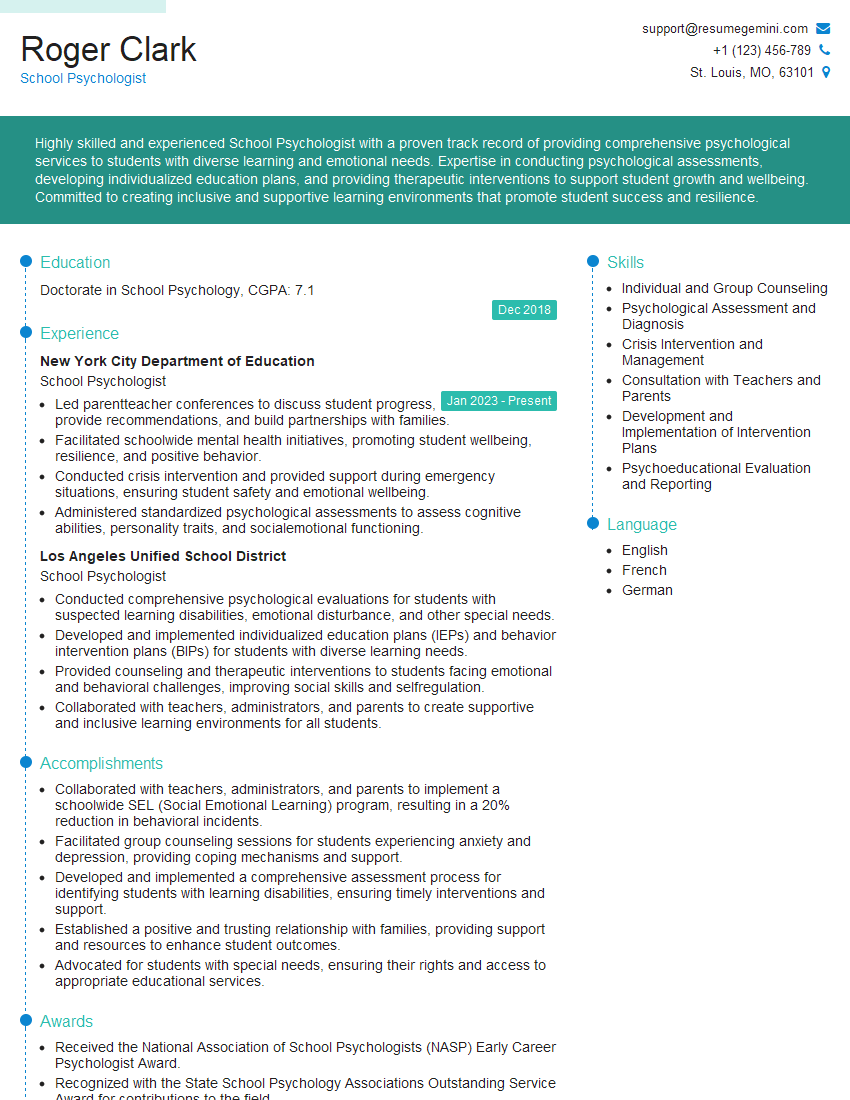
School Psychologist Resume Sample
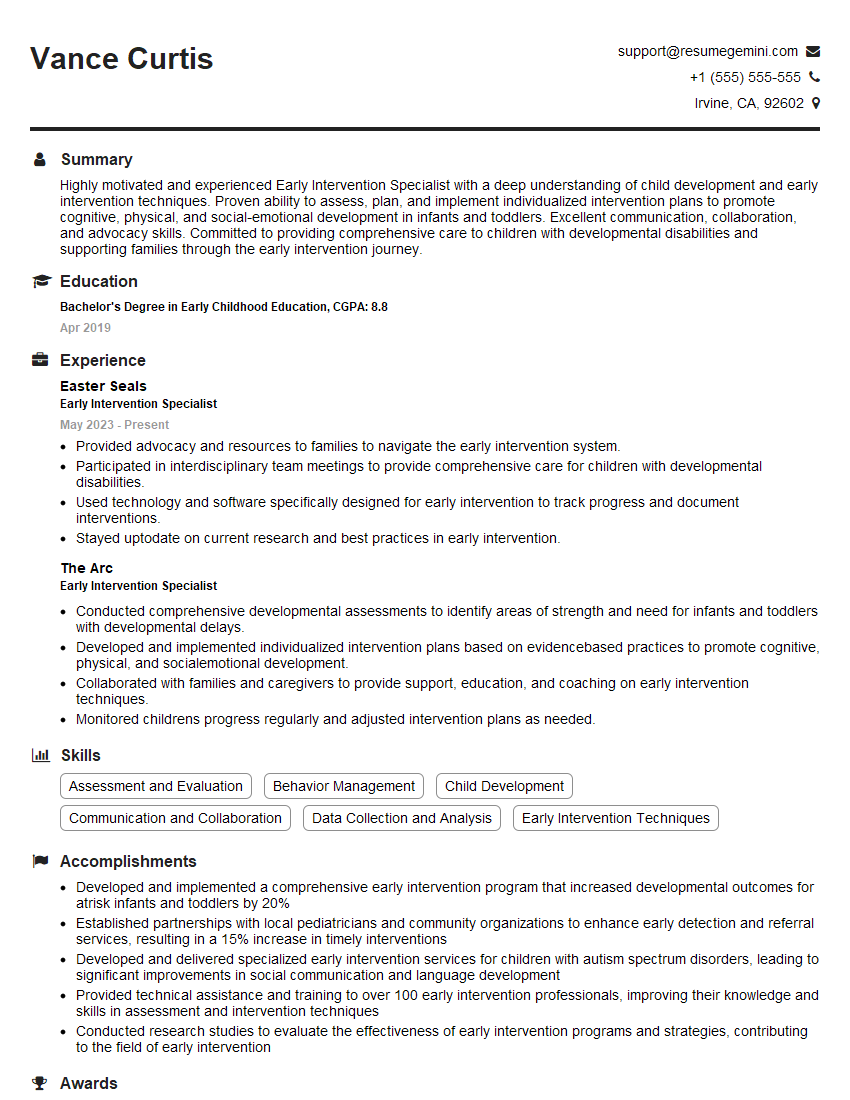
Early Intervention Specialist Resume Sample
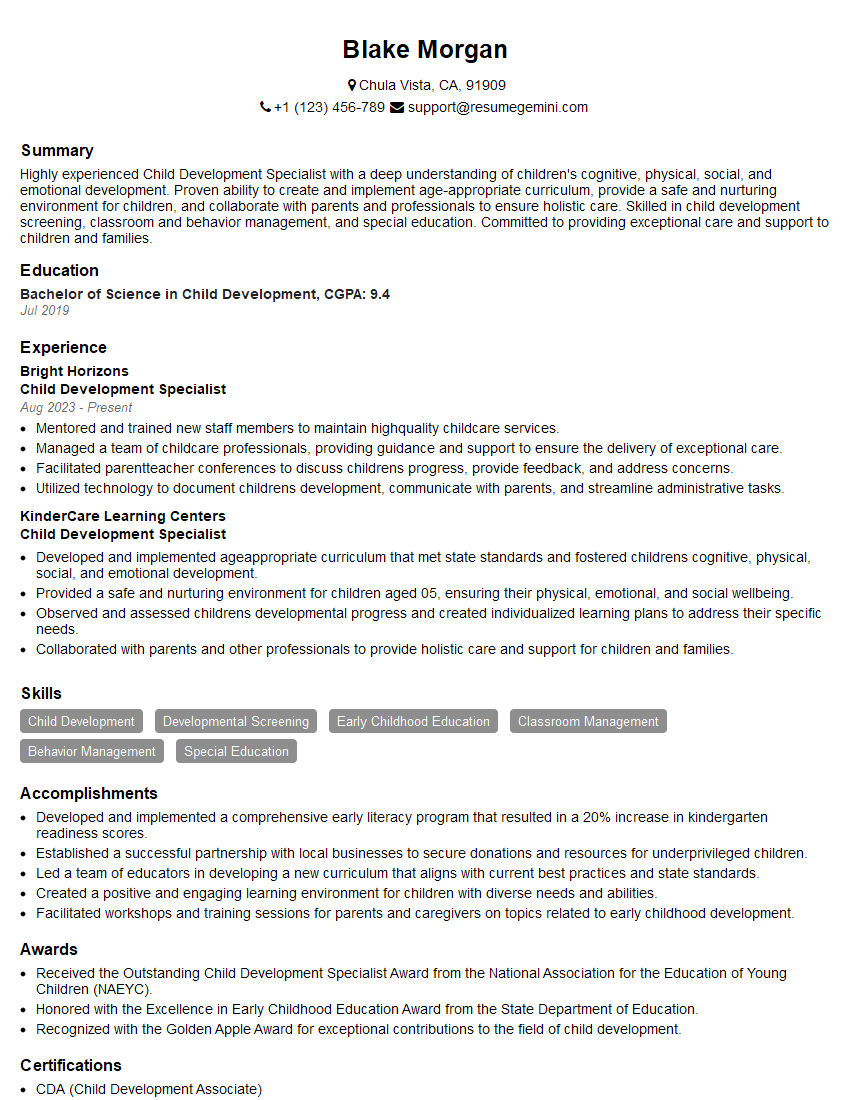
Child Development Specialist Resume Sample
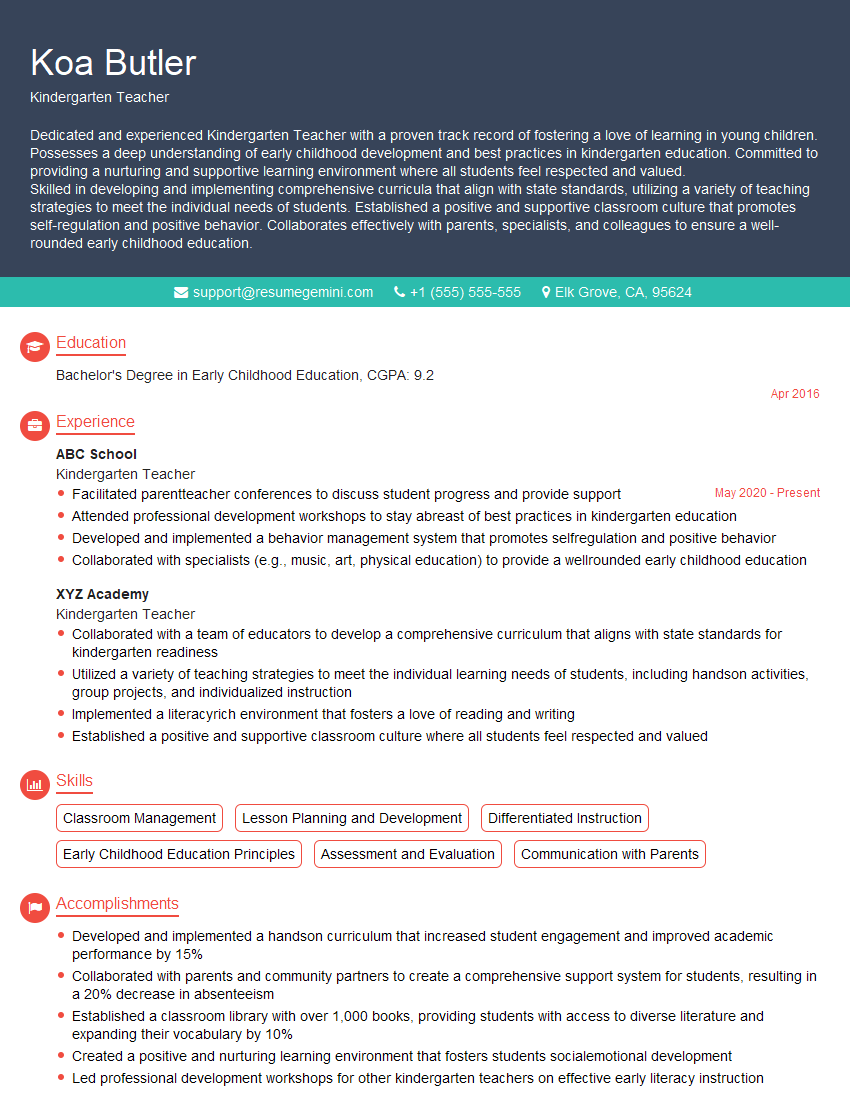
Kindergarten Teacher Resume Sample
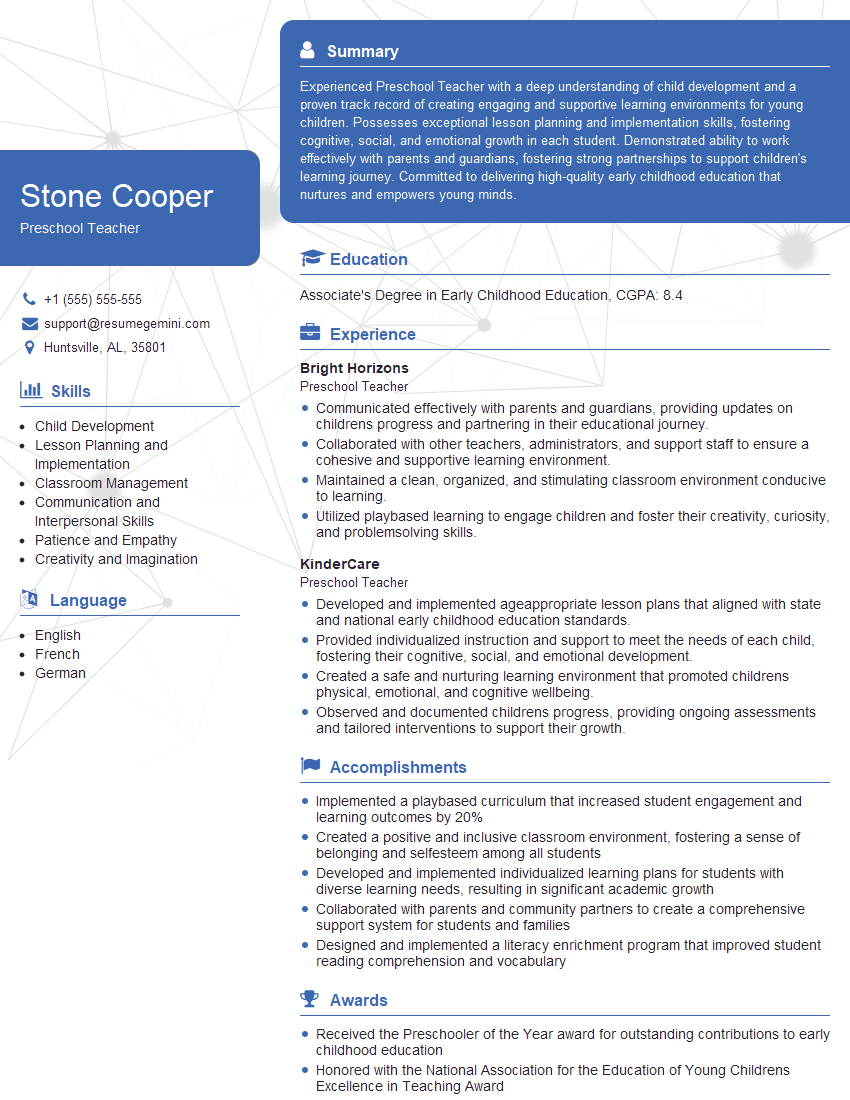
Preschool Teacher Resume Sample
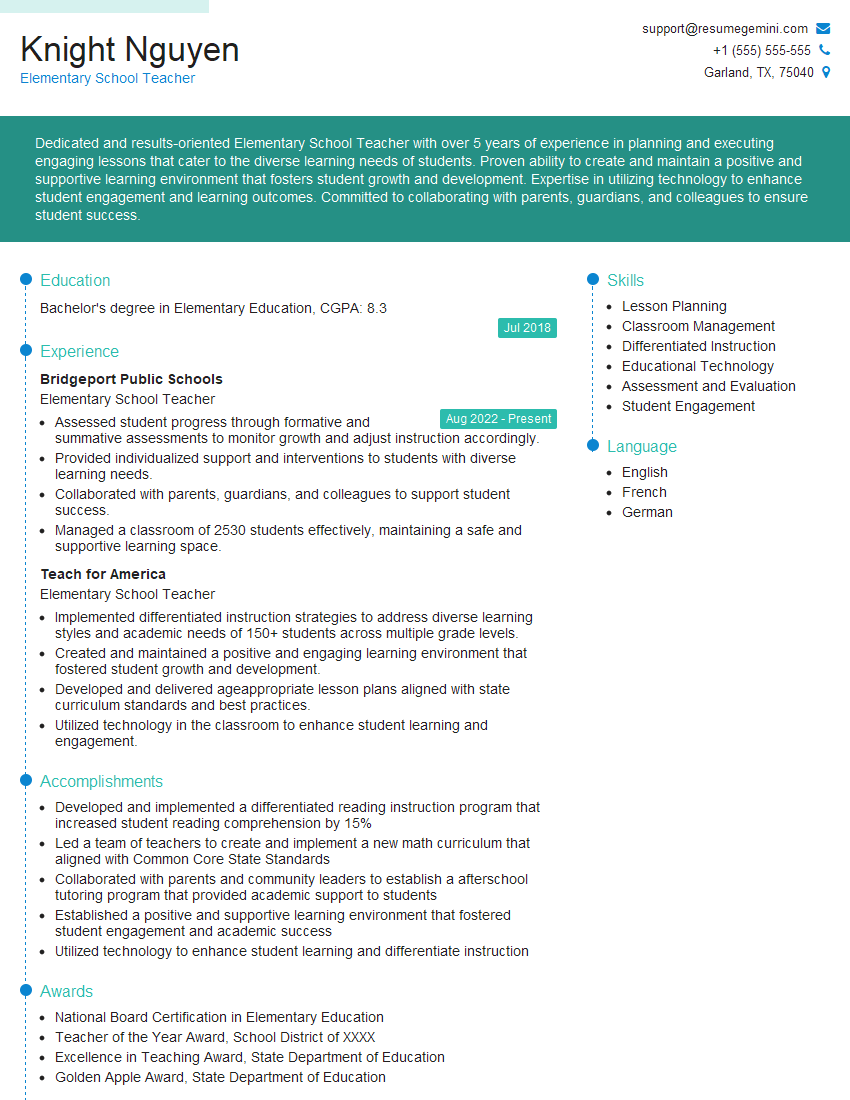
Elementary School Teacher Resume Sample
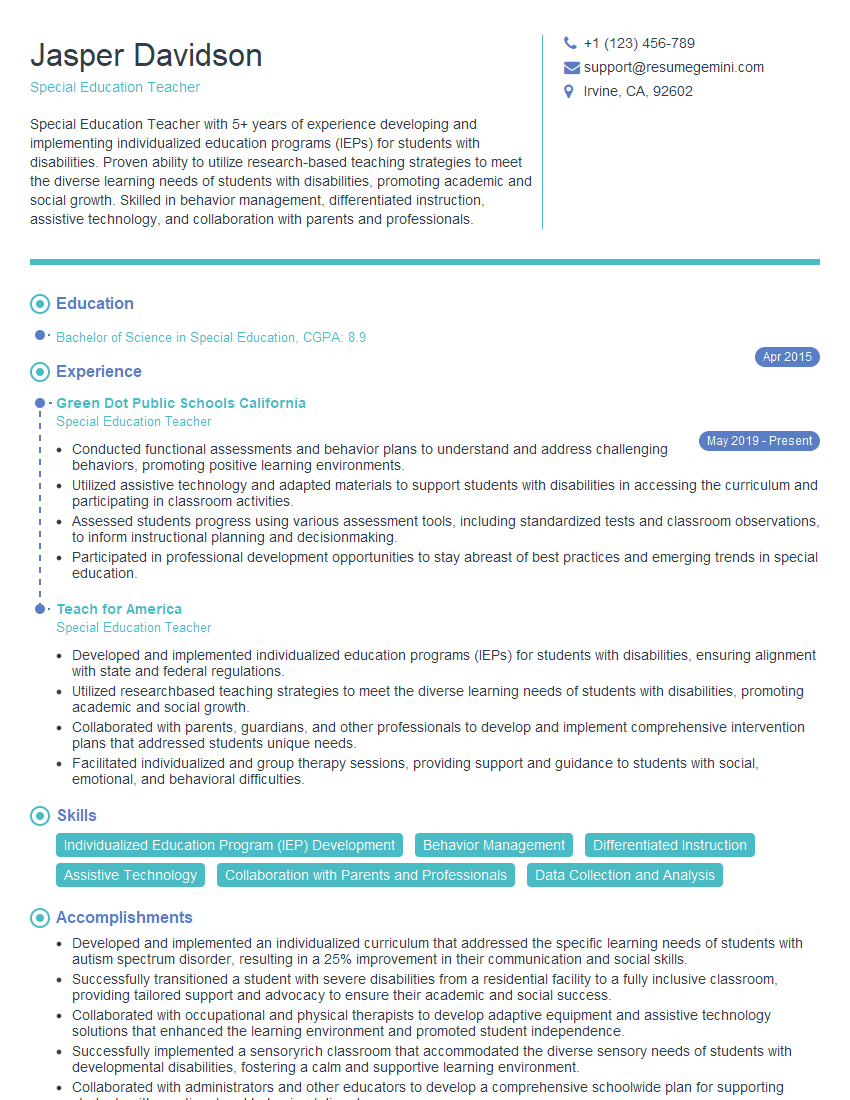
Special Education Teacher Resume Sample
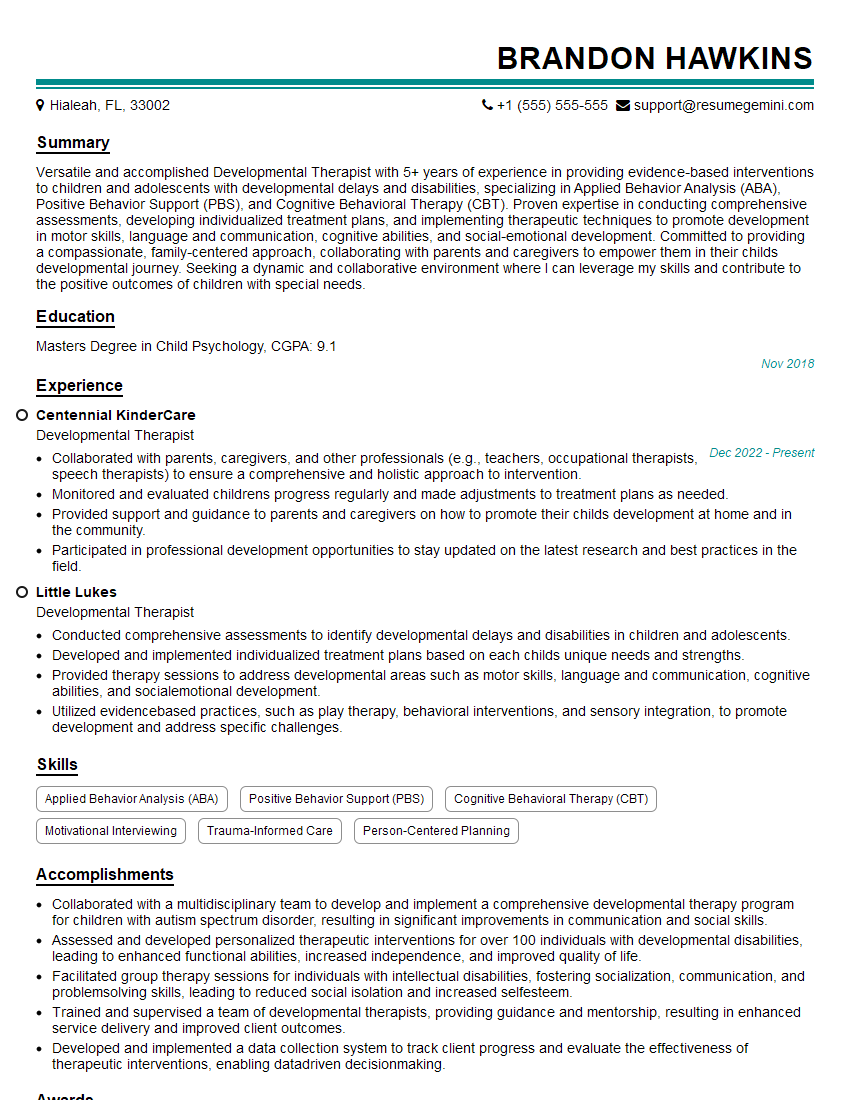
Developmental Therapist Resume Sample
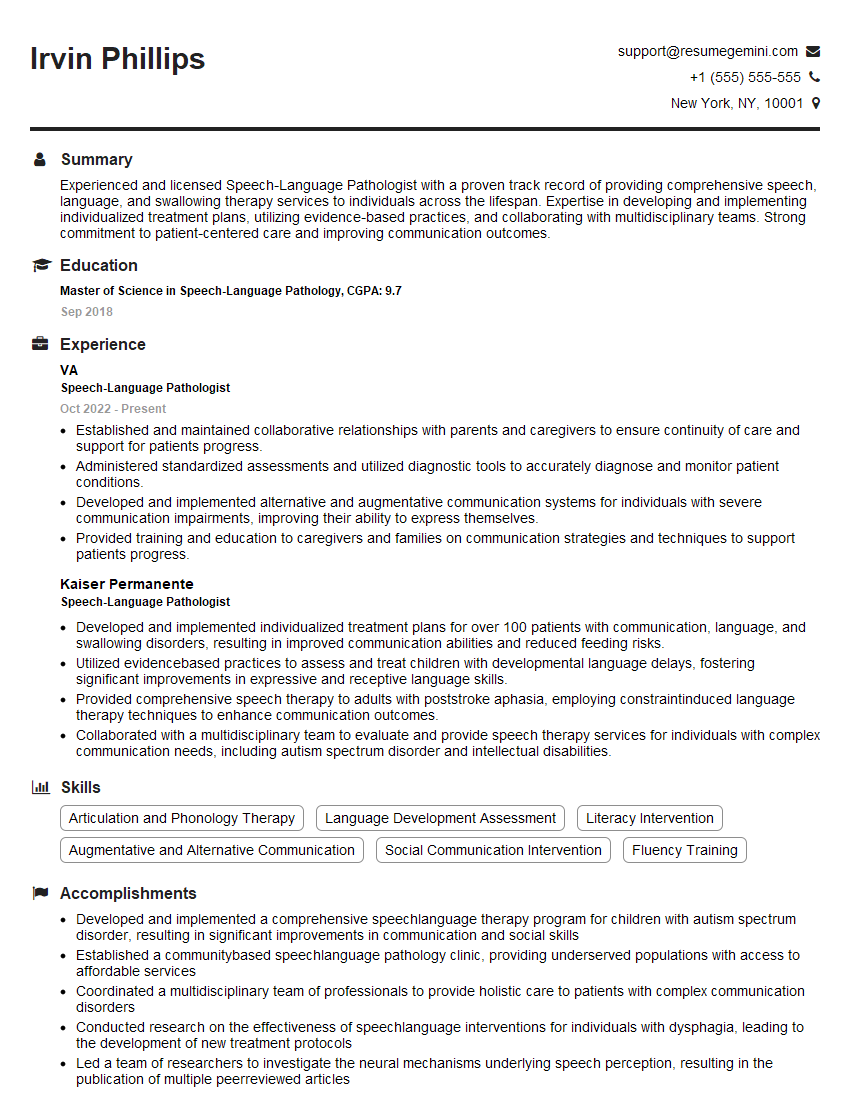
Speech-Language Pathologist Resume Sample
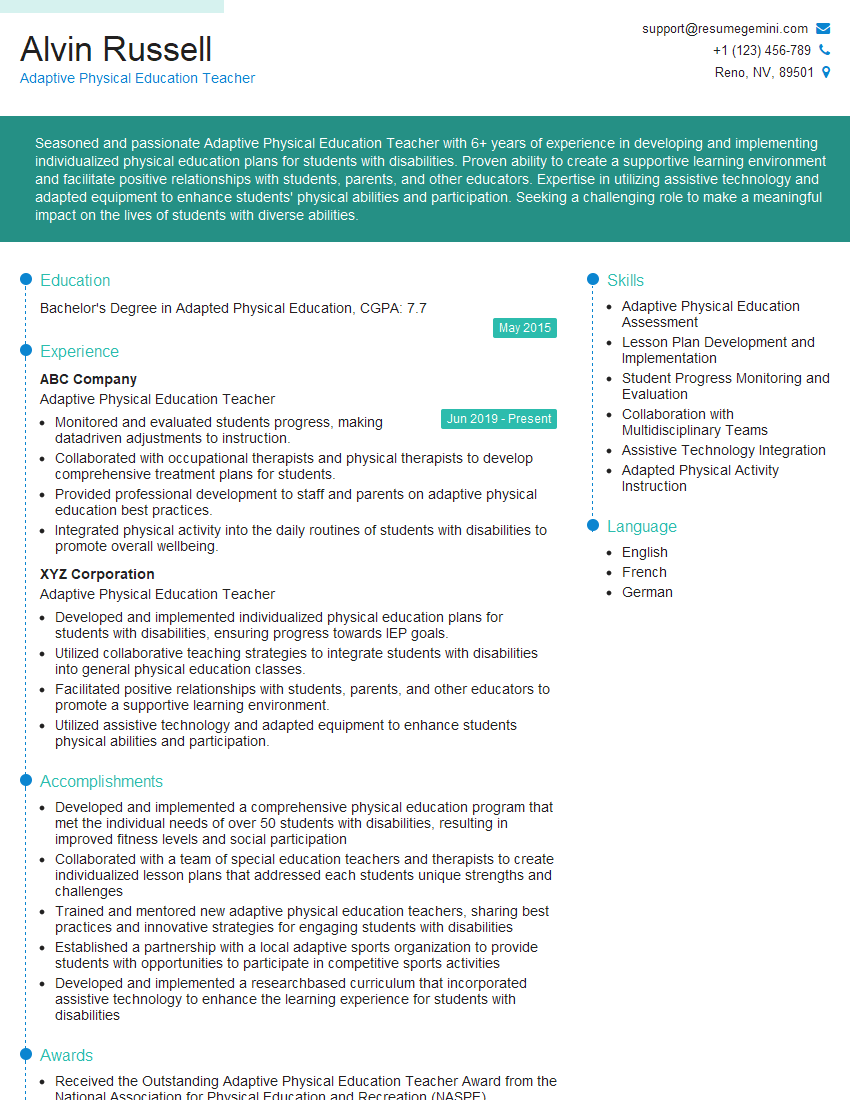
Adaptive Physical Education Teacher Resume Sample
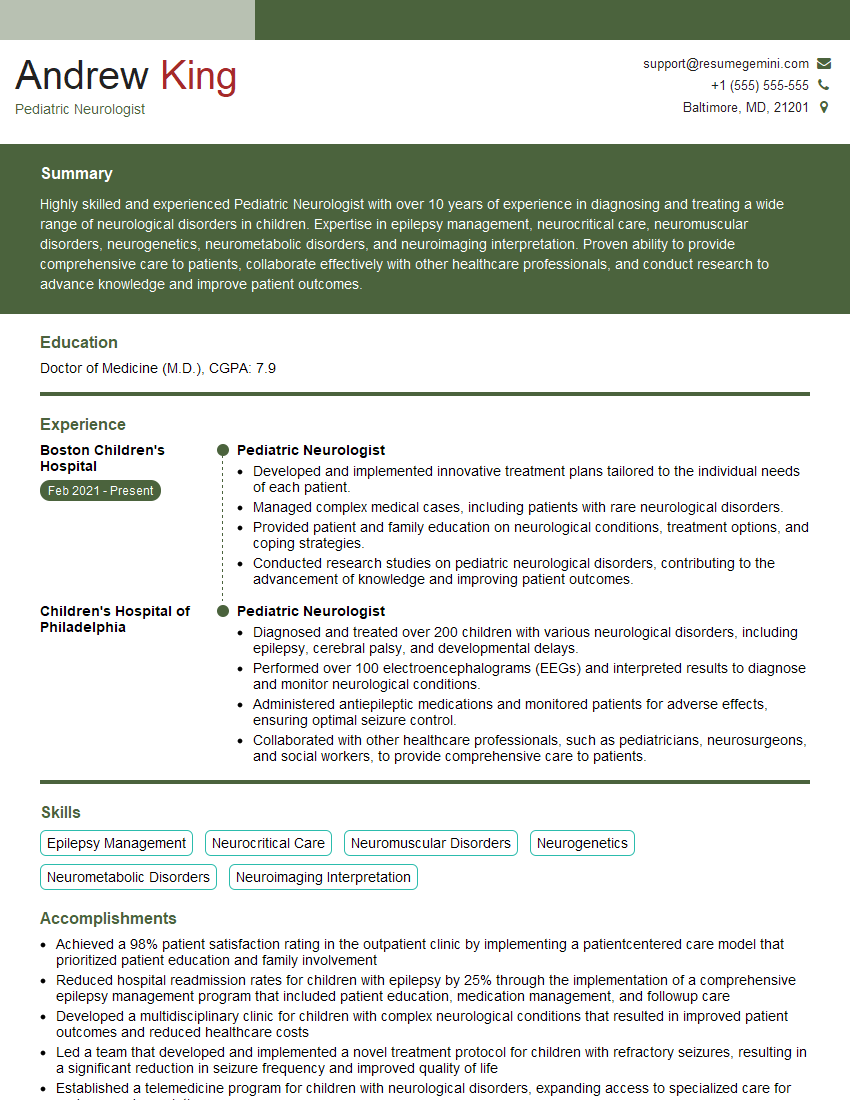
Pediatric Neurologist Resume Sample
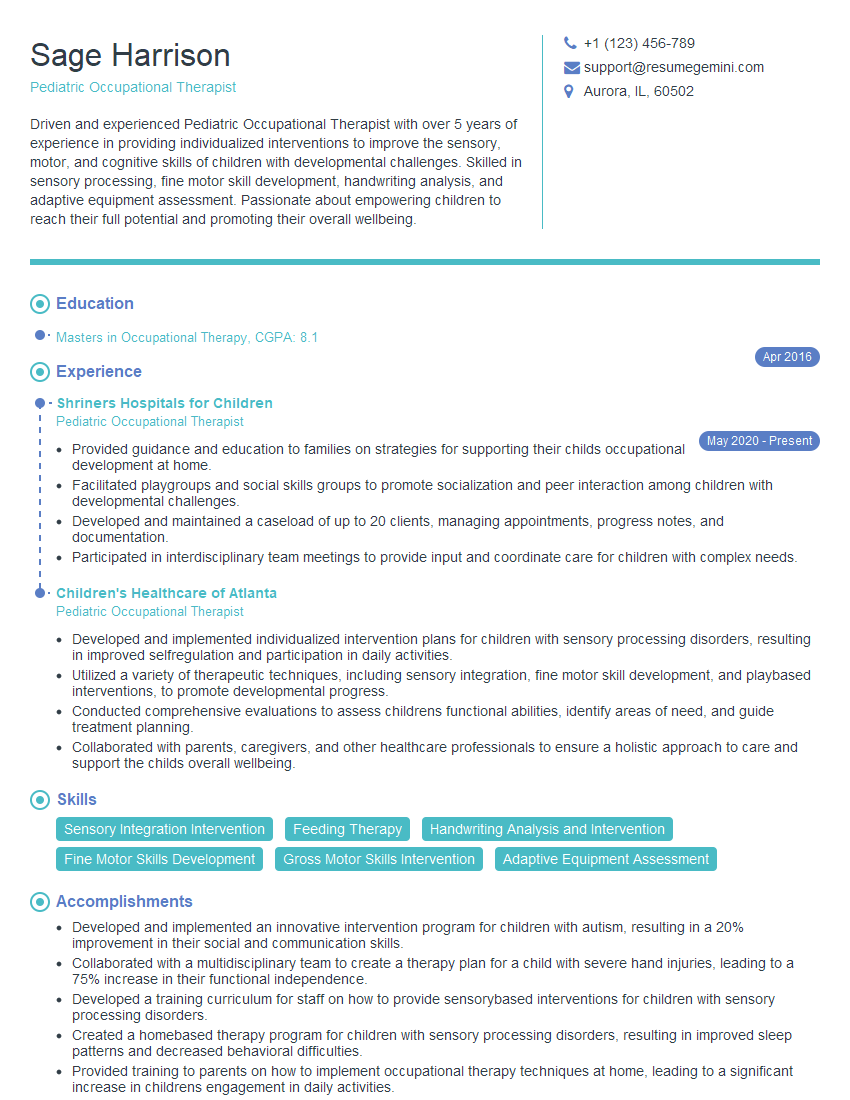
Pediatric Occupational Therapist Resume Sample
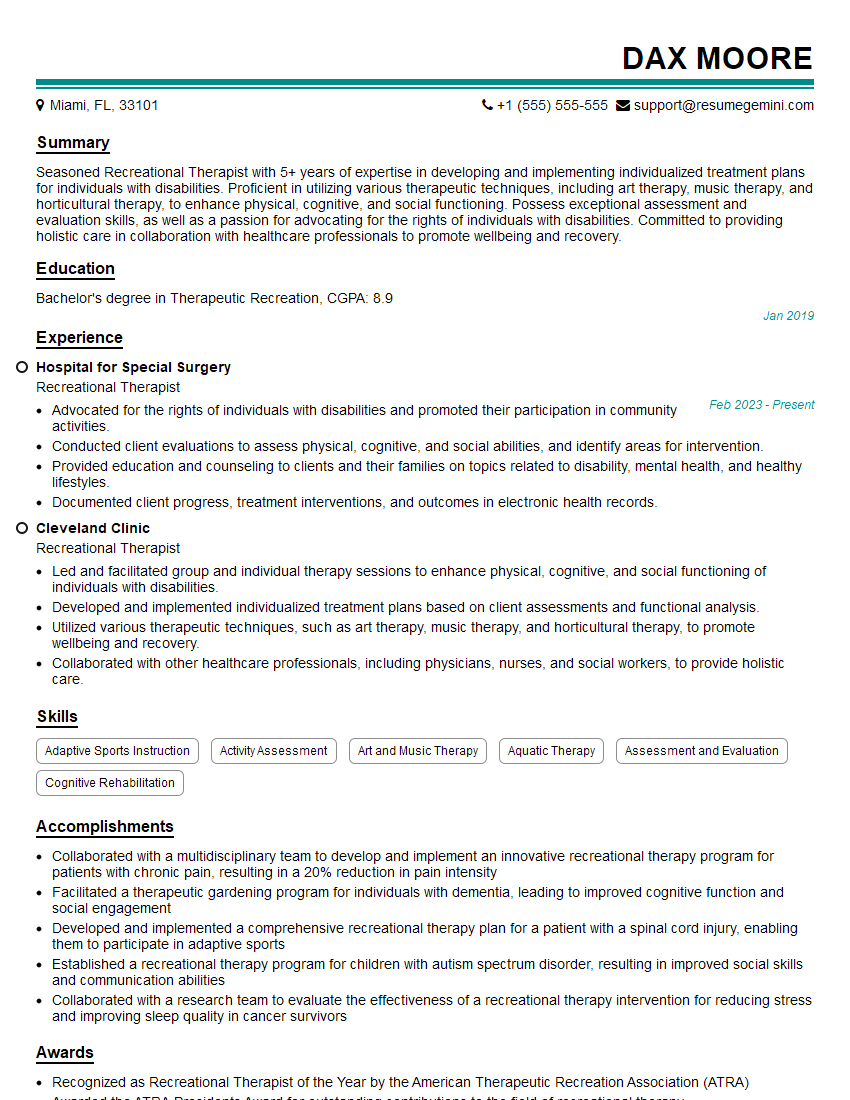
Recreational Therapist Resume Sample
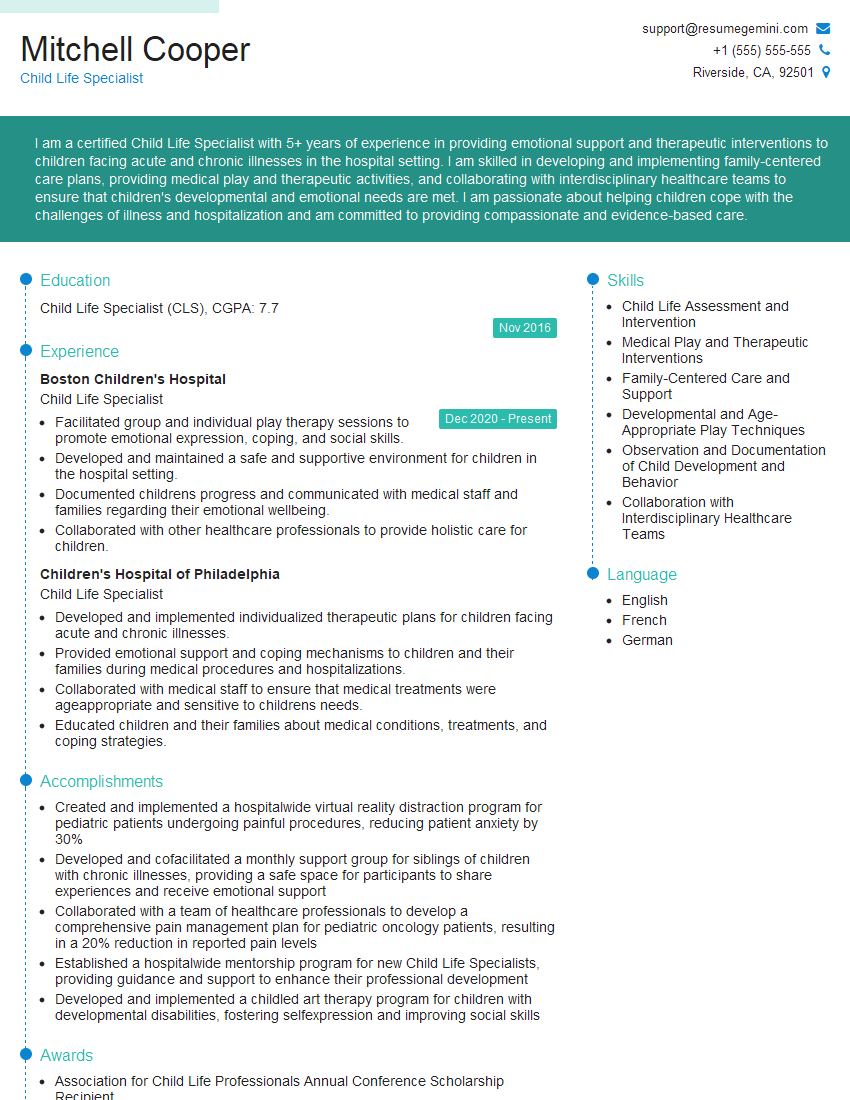
Child Life Specialist Resume Sample
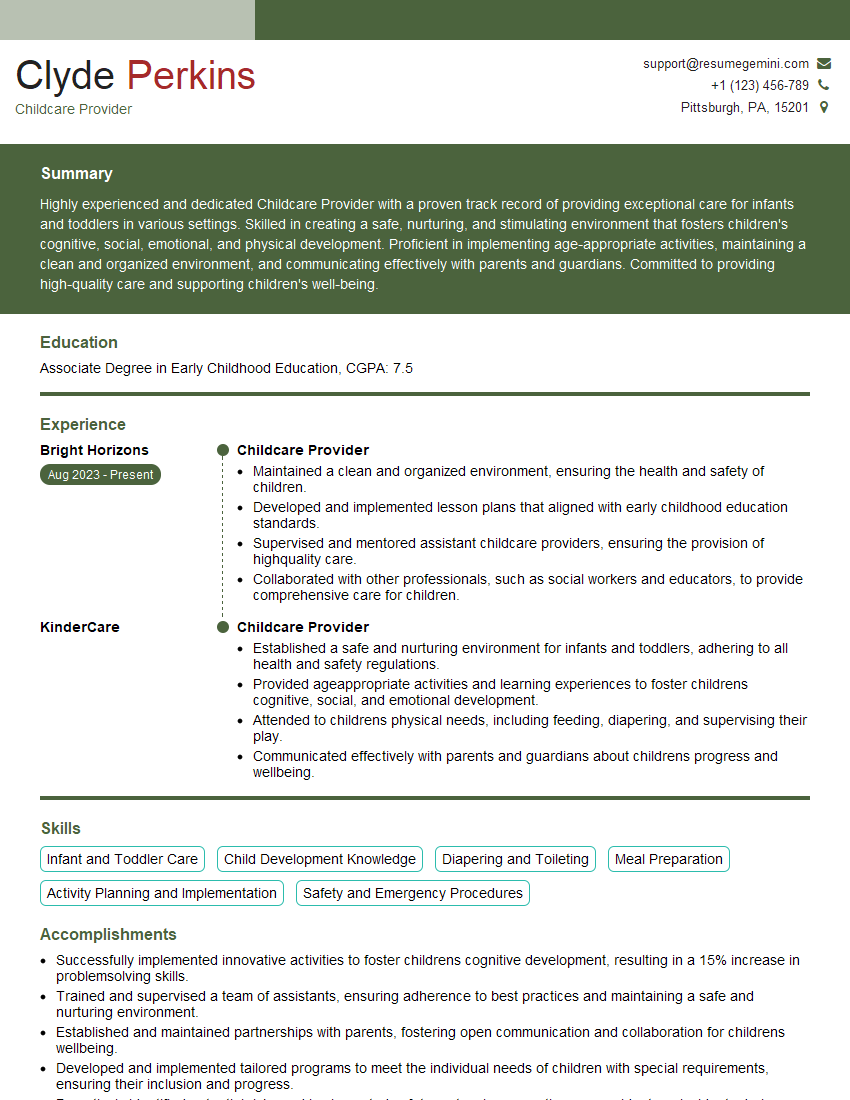
Childcare Provider Resume Sample
- School Psychologist
- Early Intervention Specialist
- Child Development Specialist
- Kindergarten Teacher
- Preschool Teacher
- Elementary School Teacher
- Special Education Teacher
- Developmental Therapist
- Speech-Language Pathologist
- Adaptive Physical Education Teacher
- Pediatric Neurologist
- Pediatric Occupational Therapist
- Recreational Therapist
- Child Life Specialist
- Childcare Provider
Explore more articles
Users Rating of Our Blogs
Share Your Experience
We value your feedback! Please rate our content and share your thoughts (optional).
What Readers Say About Our Blog
Really detailed insights and content, thank you for writing this detailed article.
IT gave me an insight and words to use and be able to think of examples