Every successful interview starts with knowing what to expect. In this blog, we’ll take you through the top Toxic Substance Handling interview questions, breaking them down with expert tips to help you deliver impactful answers. Step into your next interview fully prepared and ready to succeed.
Questions Asked in Toxic Substance Handling Interview
Q 1. Describe your experience with handling hazardous materials.
Throughout my career, I’ve been involved in the handling of a wide range of hazardous materials, from acutely toxic chemicals like cyanide in laboratory settings to less acutely toxic but still hazardous materials such as solvents and heavy metals in industrial manufacturing environments. My experience encompasses not just the practical handling—transferring, mixing, and disposing of these substances—but also the crucial preparatory work of risk assessment, the implementation of safety protocols, and post-incident analysis. For example, during a project involving the disposal of obsolete chemical reagents, I led the team in developing a detailed risk assessment, securing the necessary permits, and supervising the safe removal and transportation of the materials to a licensed hazardous waste facility. This involved ensuring all personnel involved were properly trained and equipped with the appropriate personal protective equipment (PPE). Another instance involved designing a new chemical handling procedure for an industrial plant, minimizing potential exposure risks through the implementation of enclosed systems and robotic automation.
Q 2. What are the key components of a comprehensive safety data sheet (SDS)?
A comprehensive Safety Data Sheet (SDS), formerly known as a Material Safety Data Sheet (MSDS), is a crucial document providing critical information about the hazards of a chemical and how to work with it safely. Key components include:
- Identification: Product name, manufacturer contact information, emergency contact information.
- Hazard Identification: Details of the hazards the chemical presents, including physical hazards (flammability, explosivity), health hazards (toxicity, carcinogenicity), and environmental hazards.
- Composition/Information on Ingredients: Chemical identity and concentration of the components.
- First-aid Measures: Instructions for immediate treatment in case of exposure.
- Fire-fighting Measures: Appropriate extinguishing media and special firefighting procedures.
- Accidental Release Measures: Steps to take in case of a spill or leak.
- Handling and Storage: Precautions for safe handling and storage of the chemical.
- Exposure Controls/Personal Protection: Recommended PPE and engineering controls to minimize exposure.
- Physical and Chemical Properties: Physical state, boiling point, melting point, etc. This information aids in risk assessment.
- Stability and Reactivity: Information on chemical stability, reactivity, and incompatibility with other substances.
- Toxicological Information: Effects of exposure, including acute and chronic toxicity.
- Ecological Information: Environmental effects of the chemical.
- Disposal Considerations: Proper methods for disposal.
- Transport Information: Regulations and requirements for safe transportation.
- Regulatory Information: Relevant safety regulations and standards.
Think of the SDS as a comprehensive instruction manual for safe handling of any given chemical. It’s essential for all personnel working with hazardous materials to consult the SDS before handling a chemical. Failure to do so can result in serious accidents and injuries.
Q 3. Explain the different classes of hazardous materials and their associated risks.
Hazardous materials are categorized into classes based on their inherent dangers. These classifications vary slightly depending on the regulatory body (e.g., Globally Harmonized System of Classification and Labelling of Chemicals – GHS, US Department of Transportation – DOT). However, common classes include:
- Class 1: Explosives: Substances or articles that can explode under certain conditions, causing severe damage. Examples include dynamite and fireworks. The risks associated with explosives are obvious: potential for major blast injuries and significant property damage.
- Class 2: Gases: Materials in gaseous form at ambient temperature and pressure. These can be flammable (e.g., propane), non-flammable (e.g., carbon dioxide), or toxic (e.g., chlorine). Risks include fire and explosion hazards (flammable gases) and asphyxiation or poisoning (toxic gases).
- Class 3: Flammable Liquids: Liquids that can easily ignite and burn rapidly. Examples include gasoline and ethanol. The risk is primarily fire and explosion hazards.
- Class 4: Flammable Solids: Solids that can easily ignite and burn. Examples include magnesium and sulfur. The risks are similar to Class 3 but may involve different fire suppression techniques.
- Class 5: Oxidizing Substances and Organic Peroxides: Substances that can intensify combustion or react violently with other substances. Examples include hydrogen peroxide and potassium permanganate. Risks include fire, explosion and violent chemical reactions.
- Class 6: Toxic and Infectious Substances: Substances that are poisonous or can cause disease. Examples include cyanide and anthrax. Risks include severe health effects, potentially fatal.
- Class 7: Radioactive Materials: Substances that emit ionizing radiation. Examples include uranium and plutonium. Risks include radiation exposure leading to severe health consequences such as cancer.
- Class 8: Corrosive Substances: Substances that can cause irreversible damage to living tissues or metals. Examples include acids and alkalis. Risks include chemical burns and damage to equipment.
- Class 9: Miscellaneous Hazardous Materials: Substances that don’t fit into the other classes but pose significant hazards. Examples include lithium batteries and asbestos. Risks vary widely depending on the specific material.
Understanding these classifications is fundamental to safe handling practices. Each class requires specific handling, storage, and emergency response procedures.
Q 4. How do you identify and assess potential hazards in a workplace?
Identifying and assessing potential hazards involves a systematic approach that includes a thorough workplace inspection, review of relevant documents (SDSs, process flow diagrams), and input from workers. The process generally follows these steps:
- Walkthrough Survey: A physical inspection of the workplace to identify potential hazards. This includes looking for leaks, spills, damaged equipment, and unsafe work practices.
- Hazard Identification: Identifying specific hazards based on the walkthrough survey and other information. This might involve identifying specific chemicals, machinery, or work processes that pose risks.
- Risk Assessment: Evaluating the likelihood and severity of potential harm associated with each identified hazard. This involves considering factors such as the frequency of exposure, duration of exposure, and the toxicity of the substance. A common tool is a risk matrix that combines likelihood and severity to give an overall risk rating.
- Control Measures: Developing and implementing control measures to eliminate or reduce the identified risks. This may involve engineering controls (e.g., enclosed systems), administrative controls (e.g., work procedures), and PPE (e.g., respirators, gloves).
- Documentation: Recording the findings of the hazard identification and risk assessment process. This may involve completing a formal risk assessment form or updating the workplace safety manual.
For example, in a laboratory setting, we’d inspect fume hoods, check for proper ventilation, ensure proper chemical storage, and evaluate the effectiveness of our existing safety procedures. If we identify a risk of chemical exposure, we might implement a new ventilation system or provide employees with additional PPE.
Q 5. What are your methods for controlling exposure to toxic substances?
Controlling exposure to toxic substances is a multifaceted approach that relies on a hierarchy of controls, prioritizing those that are most effective in eliminating or minimizing risks. This hierarchy typically follows this order:
- Elimination: The most effective method; removing the hazard entirely from the workplace. This could involve substituting a hazardous substance with a less hazardous alternative.
- Substitution: Replacing a hazardous substance with a less hazardous one that performs the same function. For example, replacing a highly toxic solvent with a less toxic one.
- Engineering Controls: Modifying the workplace to reduce exposure. Examples include installing local exhaust ventilation systems to remove airborne contaminants, using enclosed systems to prevent spills, and implementing robotic automation to reduce direct human handling.
- Administrative Controls: Implementing safe work procedures and training programs to minimize exposure. Examples include limiting exposure time, implementing rotation schedules, providing proper training, and implementing lockout/tagout procedures.
- Personal Protective Equipment (PPE): Providing workers with PPE to protect them from exposure when other controls are insufficient. This is the last line of defense and should be selected based on the specific hazard.
A practical example: In a chemical manufacturing plant, we might first try to eliminate the use of a specific highly toxic chemical altogether by finding a suitable replacement. If elimination isn’t feasible, we’d implement engineering controls like enclosed reaction vessels. Administrative controls might involve strict work permits and safety training. Finally, as a last resort, appropriate PPE, such as respirators and chemical-resistant suits, would be provided to workers.
Q 6. Describe your experience with personal protective equipment (PPE).
My experience with PPE spans a wide range of applications, from basic safety glasses and gloves to more specialized equipment like respirators, chemical-resistant suits, and protective footwear. The selection of PPE depends entirely on the identified hazard. My approach centers on selecting PPE that meets relevant safety standards and is appropriate for the task at hand.
For instance, when working with corrosive chemicals, we’d employ chemical-resistant gloves and eye protection, potentially including face shields. When dealing with airborne particulates or gases, respirators would be necessary, selecting the appropriate type based on the specific contaminant. Proper training on the correct use, maintenance, and limitations of PPE is crucial, and I’ve always ensured thorough training for all personnel under my supervision. We’d also implement regular inspections of PPE to ensure its integrity and effectiveness. A crucial aspect is understanding that PPE is not a foolproof solution; it’s a last line of defense, and its effectiveness depends on proper use and integration with other control measures.
Q 7. Explain the process of spill response and cleanup for various substances.
Spill response and cleanup procedures vary significantly depending on the nature of the spilled substance. However, a general framework includes these steps:
- Initial Assessment: Identify the spilled substance, the quantity spilled, and the potential hazards. Consult the SDS immediately.
- Isolate and Contain: Prevent further spread of the spill by establishing a perimeter, using absorbent materials (e.g., spill pads, kitty litter), and diverting runoff.
- Personal Protection: Ensure all personnel involved wear appropriate PPE based on the hazard assessment. This might include respirators, chemical-resistant suits, and gloves.
- Cleanup: Use appropriate methods for cleanup depending on the substance. Some spills may require neutralization, while others may simply need absorption and disposal. Never mix incompatible substances.
- Waste Disposal: Dispose of contaminated materials according to regulations and local guidelines. This often involves contacting hazardous waste disposal services.
- Post-Incident Analysis: Review the incident to identify any shortcomings in safety procedures, training, or equipment and implement corrective actions to prevent future incidents.
For example, a small spill of a corrosive acid would require immediate neutralization with a suitable base (following careful calculation to avoid violent reactions), followed by the careful absorption and disposal of neutralized waste. In contrast, a spill of a flammable liquid requires a different approach, prioritizing fire prevention measures before addressing the cleanup itself. Detailed post-incident reports are essential to prevent recurrence of similar events.
Q 8. What are the regulatory requirements for handling toxic substances in your region?
Regulatory requirements for handling toxic substances vary significantly depending on the region. In my region (let’s assume a hypothetical but representative jurisdiction similar to the United States), these regulations are primarily governed by a combination of federal, state, and sometimes even local laws. The overarching framework often centers around the Occupational Safety and Health Administration (OSHA) at the federal level and equivalent state agencies. These agencies set standards for handling specific hazardous substances, outlining permissible exposure limits (PELs) for airborne contaminants, requiring the use of Personal Protective Equipment (PPE), and mandating specific safety procedures for storage, transportation, and disposal. For instance, the handling of chemicals like benzene, asbestos, or lead is meticulously documented in specific OSHA regulations and requires comprehensive safety programs. Specific industries, such as manufacturing and healthcare, will have even stricter guidelines based on the substances they handle.
For example, the OSHA Hazard Communication Standard (HCS) mandates the creation and dissemination of Safety Data Sheets (SDS) for all hazardous chemicals in the workplace, ensuring employees are aware of the risks associated with their handling.
- Federal Level: OSHA, EPA (Environmental Protection Agency) for waste disposal.
- State Level: State-specific regulations often mirror federal requirements but may include stricter rules.
- Local Level: Local ordinances might address aspects such as transportation of hazardous materials within the city limits.
Q 9. How do you ensure compliance with relevant safety regulations?
Ensuring compliance involves a multi-faceted approach. It starts with a thorough understanding of all relevant regulations. We use a combination of methods to ensure we stay compliant:
- Regular Audits: We conduct frequent internal audits to check if our practices align with the safety regulations. This includes inspection of storage areas, equipment, and PPE.
- Training Programs: Continuous training for all employees who handle toxic substances ensures everyone is up to date on procedures and regulations. We use practical training sessions, simulations, and updated written materials.
- Documentation: Meticulous record-keeping of all handling procedures, inspections, training sessions, and incident reports is crucial for demonstrating compliance. This documentation is easily accessible for audits.
- Emergency Response Plan: Having a well-defined and practiced emergency response plan in place is vital in case of accidental exposure or spills.
- Third-Party Audits: Periodically, we invite external safety consultants to conduct independent audits, providing an objective assessment of our compliance and identifying potential areas for improvement.
Think of it like maintaining a car; regular check-ups, fluid changes, and addressing any issues promptly prevents major breakdowns. Similarly, proactive compliance measures prevent costly accidents and regulatory penalties.
Q 10. What are your strategies for preventing accidents involving toxic substances?
Preventing accidents demands a proactive and layered approach. Our strategies focus on eliminating hazards, engineering controls, administrative controls, and the use of Personal Protective Equipment (PPE).
- Hazard Elimination/Substitution: Wherever possible, we eliminate hazardous substances or replace them with safer alternatives. If a chemical can be replaced with a less toxic one, we prioritize that.
- Engineering Controls: This involves using equipment and technologies to minimize exposure. Examples include enclosed systems, ventilation systems, and automated handling procedures. This reduces the risk at the source.
- Administrative Controls: These are procedural controls, like work permits, restricting access to hazardous areas, establishing safe work practices, and implementing lockout/tagout procedures for maintenance.
- Personal Protective Equipment (PPE): Appropriate PPE, such as respirators, gloves, eye protection, and specialized suits, is always provided and mandatory for handling toxic substances. Regular training on proper PPE usage is crucial.
- Regular Maintenance: Equipment used in handling toxic substances undergoes rigorous and frequent maintenance checks to ensure proper functioning and prevent leaks or malfunctions.
A strong safety culture is paramount. Employees are encouraged to report any potential hazards or unsafe practices without fear of reprisal. This open communication fosters a safer working environment.
Q 11. Explain your understanding of risk assessment methodologies.
Risk assessment is a systematic process of identifying hazards, analyzing their potential for harm, and determining appropriate control measures. We commonly use a qualitative or semi-quantitative approach, though quantitative analysis might be employed for highly hazardous substances.
The process typically involves:
- Hazard Identification: Identifying all potential hazards associated with the handling of toxic substances – this includes chemical properties, physical hazards, and potential routes of exposure (inhalation, ingestion, dermal contact).
- Risk Analysis: Evaluating the likelihood and severity of harm resulting from each hazard. Factors considered include exposure levels, duration of exposure, and the toxicity of the substance. We might use a simple matrix to classify risks as low, medium, or high.
- Risk Evaluation: Determining the overall level of risk based on the analysis. This informs the decision on what control measures are necessary.
- Risk Control: Implementing control measures to reduce or eliminate the risks. This could include hierarchy of controls (elimination, substitution, engineering, administrative, PPE).
- Monitoring and Review: Regularly monitoring the effectiveness of implemented controls and reviewing the risk assessment to account for changes in processes or substances.
For instance, in handling a specific solvent, we might identify inhalation as a significant hazard, leading to the implementation of a local exhaust ventilation system (engineering control) and the mandatory use of respirators (PPE). Regular air monitoring would then be crucial (monitoring and review).
Q 12. How do you develop and implement safety training programs?
Safety training programs are crucial for preventing accidents and ensuring compliance. Our training is tailored to specific job roles and the hazards associated with them. It’s not a one-time event but an ongoing process.
- Needs Assessment: We start by identifying training needs based on the hazards present and employee roles. This helps focus the training on what’s most relevant.
- Program Development: We develop comprehensive training programs that incorporate various methods: classroom instruction, hands-on training with simulations, and online modules. The training includes hazard identification, safe handling procedures, PPE usage, emergency response procedures, and relevant regulations.
- Delivery Methods: Training is delivered through a mix of methods to cater to different learning styles. This might include interactive workshops, videos, and online quizzes for reinforcement.
- Documentation and Assessment: Training records are meticulously maintained, including attendance, assessments, and certifications. Regular competency assessments ensure that employees retain their knowledge and skills.
- Refresher Training: Regular refresher training, often annually or more frequently, keeps employees updated on best practices and any changes in regulations or procedures.
We use various methods to assess employee understanding, from written tests to practical demonstrations. This ensures employees are competent in handling toxic substances safely. We also provide regular feedback and opportunities for improvement.
Q 13. Describe your experience with emergency response procedures.
Emergency response procedures are crucial for minimizing the impact of accidents involving toxic substances. Our plan is meticulously developed and regularly practiced.
- Emergency Response Plan: A comprehensive plan details actions to take in case of spills, leaks, fires, or exposures. This includes emergency contact numbers, evacuation procedures, and first-aid measures.
- Training and Drills: Regular drills and training ensure everyone understands their roles and responsibilities during an emergency. This includes proper use of emergency equipment and communication protocols.
- Personal Protective Equipment (PPE): Readily available and properly maintained PPE is vital for emergency responders. This includes specialized suits, respirators, and other protective gear.
- Spill Kits: We have readily accessible spill kits containing absorbent materials and other necessary supplies for containing and cleaning up spills of different toxic substances.
- Communication System: Clear communication channels are essential during emergencies. We have established procedures for alerting relevant personnel, emergency services, and regulatory agencies.
- Post-Incident Analysis: After any incident, we conduct a thorough analysis to determine the cause, identify areas for improvement, and implement corrective actions to prevent future occurrences.
Imagine a fire drill; regular practice ensures everyone knows what to do in a real emergency. The same principle applies to handling toxic substance incidents. Preparedness significantly reduces the impact of an event.
Q 14. How do you manage hazardous waste disposal?
Hazardous waste disposal is strictly regulated and requires adherence to specific guidelines. We follow a rigorous process to ensure safe and compliant disposal.
- Waste Segregation: We begin by segregating hazardous waste based on its chemical properties and compatibility. This prevents dangerous reactions and facilitates proper disposal.
- Containerization and Labeling: Hazardous waste is stored in properly labeled containers that meet regulatory standards. Labels clearly indicate the contents and any specific hazards.
- Waste Manifest System: We use a waste manifest system to track the movement of hazardous waste from generation to final disposal. This ensures accountability and transparency throughout the process.
- Licensed Disposal Facilities: We only utilize licensed and permitted hazardous waste disposal facilities. These facilities have the necessary expertise and equipment to handle hazardous waste safely and in compliance with regulations.
- Record Keeping: All aspects of hazardous waste management, from generation to disposal, are thoroughly documented. This documentation includes waste characterization, quantity, disposal methods, and facility information.
- Compliance Monitoring: We regularly monitor our hazardous waste management program to ensure compliance with all relevant regulations. This may include internal audits and periodic reviews.
Improper disposal of hazardous waste can have severe environmental consequences. Our rigorous approach ensures that we meet the highest standards of environmental protection and regulatory compliance.
Q 15. What are the health effects associated with exposure to specific toxic substances?
The health effects of toxic substance exposure are incredibly diverse and depend heavily on the specific substance, the route of exposure (inhalation, ingestion, dermal contact), the dose, and the individual’s susceptibility. Some substances cause immediate, acute effects, while others cause chronic effects that develop over time.
- Acute Effects: These appear quickly after exposure. For example, exposure to hydrogen cyanide can cause immediate respiratory failure. Exposure to strong acids or bases can lead to severe burns and tissue damage. Exposure to organophosphates (like pesticides) can cause cholinergic crisis, leading to muscle weakness, respiratory difficulties, and even death.
- Chronic Effects: These develop over a longer period of repeated or prolonged exposure. Asbestos exposure, for instance, can lead to asbestosis (lung scarring) and mesothelioma (a deadly cancer). Lead exposure can cause neurological damage, particularly in children. Exposure to benzene can increase the risk of leukemia.
- Specific Examples:
- Mercury: Neurological damage, kidney damage.
- Lead: Neurological damage, developmental delays (in children), anemia.
- Benzene: Leukemia, bone marrow suppression.
- Formaldehyde: Respiratory irritation, cancer.
Understanding the specific health effects associated with each toxic substance is crucial for implementing appropriate safety measures and providing effective medical treatment.
Career Expert Tips:
- Ace those interviews! Prepare effectively by reviewing the Top 50 Most Common Interview Questions on ResumeGemini.
- Navigate your job search with confidence! Explore a wide range of Career Tips on ResumeGemini. Learn about common challenges and recommendations to overcome them.
- Craft the perfect resume! Master the Art of Resume Writing with ResumeGemini’s guide. Showcase your unique qualifications and achievements effectively.
- Don’t miss out on holiday savings! Build your dream resume with ResumeGemini’s ATS optimized templates.
Q 16. Explain the importance of proper labeling and storage of hazardous materials.
Proper labeling and storage of hazardous materials are paramount to preventing accidents and protecting human health and the environment. Clear labeling ensures everyone handling these materials understands the potential hazards and takes necessary precautions.
- Labeling: Labels must clearly identify the substance, its hazards (e.g., flammability, toxicity, reactivity), and any necessary safety precautions. They should comply with relevant regulations, such as OSHA’s Hazard Communication Standard. Think of it like a warning sign – it’s the first line of defense in preventing accidental exposure.
- Storage: Storage must be appropriate for the specific hazard class of the material. Incompatible substances should never be stored together to prevent dangerous reactions. Flammable materials need to be stored away from ignition sources. Corrosive materials require secondary containment to prevent spills from damaging other materials or the environment. For example, acids should be stored separately from bases and oxidizing agents.
Imagine a scenario where improperly stored chemicals react, causing a fire or explosion. Or consider a worker accidentally ingesting a substance because the container wasn’t labeled correctly. These scenarios highlight the critical importance of meticulously following proper labeling and storage procedures.
Q 17. Describe your experience with using respiratory protection.
My experience with respiratory protection encompasses both selecting the appropriate respirator for a given task and ensuring its proper use and maintenance. This involves a thorough understanding of the hazards present, the types of respirators available, and the fit-testing process.
I have extensive experience with various respirator types, including:
- Air-purifying respirators (APRs): These use filters or cartridges to remove contaminants from the air. I’ve used these extensively in various industrial settings, choosing the appropriate cartridge based on the specific hazard (e.g., organic vapor cartridges for solvent use, particulate filters for dust).
- Supplied-air respirators (SARs): These provide a continuous supply of clean air from an external source. I’ve utilized these in environments with high concentrations of hazardous substances, where APRs are insufficient.
Before using any respirator, I always ensure a proper fit test is conducted to guarantee a tight seal and prevent leakage. Regular maintenance, including inspection and cleaning, is essential to maintain the respirator’s effectiveness. I understand the importance of following all manufacturer instructions and undergoing appropriate training programs.
For instance, during a project involving asbestos abatement, I ensured all personnel wore properly fitted and certified respirators with appropriate HEPA filters. This was a critical measure in preventing exposure to asbestos fibers, a known carcinogen.
Q 18. How do you conduct a workplace hazard assessment?
A workplace hazard assessment is a systematic process to identify potential hazards and assess the risks associated with those hazards in a workplace. It forms the basis for developing and implementing effective control measures. It’s not just a checklist; it’s a dynamic process that requires ongoing monitoring and updates.
My approach to conducting a workplace hazard assessment involves the following steps:
- Identify potential hazards: This involves a walkthrough of the workplace, observing work processes, interviewing employees, and reviewing previous incident reports. Hazards can include physical hazards (noise, slips, trips, falls), chemical hazards (toxic substances, flammable materials), biological hazards (bacteria, viruses), and ergonomic hazards (repetitive movements, awkward postures).
- Assess the risks: Once hazards are identified, we assess the likelihood and severity of each hazard occurring and the potential consequences. This often involves using a risk matrix to categorize risks as low, medium, or high.
- Develop control measures: Based on the risk assessment, appropriate control measures are implemented to eliminate or reduce the risks. This might include engineering controls (e.g., ventilation systems, machine guards), administrative controls (e.g., safety procedures, training programs), and personal protective equipment (PPE) like gloves, safety glasses, and respirators.
- Implement and monitor control measures: After implementation, these controls need to be regularly monitored and evaluated to ensure their effectiveness. The assessment isn’t a one-time event but an ongoing process.
- Document findings: All findings, including identified hazards, risk assessments, and implemented controls, should be thoroughly documented and communicated to all relevant personnel.
For example, in a chemical laboratory, a hazard assessment would identify specific chemicals used, their toxicity, and the potential for spills or exposure. Control measures might involve using fume hoods, wearing appropriate PPE, and establishing strict spill response protocols.
Q 19. What are the different types of decontamination procedures?
Decontamination procedures aim to remove or neutralize hazardous substances from personnel, equipment, or the environment. The specific procedure depends on the nature of the contaminant and the level of contamination.
- Personnel Decontamination: This usually involves removing contaminated clothing, showering with soap and water, and sometimes using specialized decontamination solutions. Hair and nails may require special attention. Eye irrigation is crucial if there’s eye contact with a hazardous substance.
- Equipment Decontamination: Methods vary depending on the material of the equipment and the contaminant. This could involve washing with detergents, using disinfectants, steam cleaning, or even disposal if the equipment is severely contaminated and cannot be effectively decontaminated.
- Environmental Decontamination: This might involve cleaning up spills, using absorbent materials, neutralizing chemicals, or even excavating contaminated soil. The extent of decontamination depends on the nature and extent of the contamination.
Examples:
- Spill of corrosive acid: Neutralization with a base followed by thorough washing and cleanup.
- Exposure to a biological agent: Decontamination with a disinfectant, followed by thorough cleaning and sterilization.
- Exposure to radioactive material: Specialized decontamination procedures involving monitoring and removing contaminated materials, possibly involving the use of shielded equipment.
Emergency response procedures often involve a staged decontamination process, moving individuals from a gross decontamination area to a more thorough decontamination area to ensure the complete removal of contaminants.
Q 20. Explain your understanding of toxicology.
Toxicology is the study of the adverse effects of chemical, physical, or biological agents on living organisms. It’s a multidisciplinary science, drawing on chemistry, biology, medicine, and pharmacology to understand how substances interact with biological systems and cause harm.
My understanding of toxicology encompasses several key areas:
- Exposure Assessment: Determining the routes, levels, and duration of exposure to a toxic substance. This involves understanding how substances are absorbed, distributed, metabolized, and excreted by the body.
- Toxicodynamics: Studying the biochemical and physiological effects of toxic substances on the body. This involves understanding how substances interact with cellular components, causing damage at various levels.
- Toxicokinetics: Investigating the absorption, distribution, metabolism, and excretion (ADME) of toxic substances within the body. This helps predict the concentration of a substance in different tissues and organs over time.
- Risk Assessment: Evaluating the probability of adverse health effects occurring at different exposure levels. This involves integrating data from toxicokinetics and toxicodynamics to estimate the risks to individuals and populations.
Toxicology is vital in several contexts, from regulating chemical safety to developing treatments for poisoning. Understanding toxicological principles allows me to accurately assess risks associated with exposure to toxic substances and develop appropriate preventative and mitigation strategies.
Q 21. How do you investigate and report accidents involving toxic substances?
Investigating and reporting accidents involving toxic substances requires a systematic and thorough approach, ensuring all relevant information is collected and accurately documented. The goal is to understand what happened, why it happened, and to prevent similar incidents in the future.
My approach involves these steps:
- Secure the scene: Prioritize the safety of personnel and prevent further exposure or spread of the toxic substance.
- Collect evidence: Gather information about the substance involved, the extent of the release, and the individuals exposed. This might include taking samples, photographing the scene, interviewing witnesses, and reviewing relevant documentation.
- Identify the cause: Analyze the collected evidence to determine the root cause of the accident. This often involves a detailed investigation into the procedures, equipment, and personnel involved.
- Determine the extent of the impact: Assess the health effects on any exposed individuals and the environmental impact of the release.
- Develop corrective actions: Based on the findings of the investigation, implement corrective actions to prevent similar accidents from occurring. This might involve improving safety procedures, modifying equipment, or providing additional training.
- Prepare a report: Document the entire investigation, including findings, conclusions, and corrective actions, in a comprehensive report. This report is crucial for informing future risk assessments and preventing recurrence.
For example, if a spill of a hazardous chemical occurred, the investigation would look into the cause of the spill (e.g., equipment failure, human error), the effectiveness of existing safety procedures, and the adequacy of the cleanup process. The report would detail the findings, recommendations for improvement, and measures taken to remediate the spill.
Q 22. What is your experience with emergency response planning?
Emergency response planning is crucial for minimizing the impact of hazardous material incidents. My experience encompasses developing and implementing comprehensive plans that address various scenarios, from small spills to major releases. This includes defining roles and responsibilities, establishing communication protocols, outlining evacuation procedures, and detailing the use of personal protective equipment (PPE). For example, in my previous role at a chemical manufacturing plant, I led the development of a plan that significantly reduced response times to chemical spills by 30%, improving containment and reducing environmental impact. The plan incorporated detailed maps, pre-positioned equipment, and regular drills to ensure preparedness. We also established a robust system for tracking hazardous materials inventory, facilitating quicker identification of released substances and informed decision-making during an emergency.
Q 23. Describe your experience with implementing safety protocols.
Implementing safety protocols requires a multi-faceted approach, combining engineering controls, administrative controls, and personal protective equipment (PPE). My experience involves designing and overseeing the implementation of these controls across various settings. For instance, I worked on a project involving the installation of a new ventilation system in a laboratory to minimize exposure to airborne toxins. This was coupled with stringent administrative controls, such as requiring specific training for personnel before working with hazardous materials and establishing a system for regular equipment inspections. Regarding PPE, I ensured that appropriate equipment, such as respirators, gloves, and eye protection, were readily available and properly used, and that training was provided on selecting and correctly using the appropriate PPE for the specific hazards. Regular audits and training were instrumental in maintaining a high standard of safety.
Q 24. How do you communicate safety procedures to workers?
Effective communication is paramount when conveying safety procedures. My approach involves a multi-pronged strategy: Firstly, I use clear, concise language, avoiding technical jargon whenever possible. Secondly, I incorporate various methods – visual aids like diagrams and videos are very helpful alongside hands-on demonstrations and interactive training sessions. For example, when training workers on the proper use of respirators, I would demonstrate the correct fitting and sealing procedures, allowing them to practice. Thirdly, I ensure regular reinforcement of training, through refresher courses and incorporating safety reminders into daily routines. Finally, establishing a culture of open communication and feedback is essential, where workers feel comfortable raising concerns or suggesting improvements to procedures.
Q 25. Explain your understanding of Material Safety Data Sheets (MSDS).
Material Safety Data Sheets (MSDS), now often called Safety Data Sheets (SDS), are crucial documents providing comprehensive information on hazardous chemicals. They detail the chemical’s properties, hazards, safe handling procedures, emergency response measures, and disposal guidelines. My understanding encompasses interpreting this information to ensure safe handling, storage, and use of chemicals. For example, I’ve used SDS to determine the appropriate PPE required when working with a specific solvent, the appropriate ventilation requirements for a process, and the correct procedures for cleaning up a spill. A thorough understanding of SDS allows for informed decision-making regarding risk assessment, control measures, and emergency preparedness.
Q 26. Describe your experience with handling different types of chemical reactions.
My experience includes handling various chemical reactions, ranging from simple acid-base neutralizations to more complex organic syntheses. I understand the importance of controlling reaction parameters like temperature, pressure, and concentration to prevent uncontrolled reactions, explosions, or the release of hazardous byproducts. For example, in one project, I designed a reaction system with precise temperature control to prevent a runaway reaction that could have produced flammable gases. I’m proficient in using techniques like reflux, distillation, and extraction, and I always prioritize safety precautions, such as using appropriate containment vessels and personal protective equipment, depending on the reaction being undertaken. Risk assessment is crucial before conducting any reaction. Knowing the potential hazards is essential before commencing any procedure.
Q 27. What are the common types of monitoring equipment used to assess exposure to toxic substances?
Monitoring equipment used to assess exposure to toxic substances varies depending on the specific substance and the environment. Common equipment includes:
- Personal air samplers: These devices collect air samples near the breathing zone of workers, allowing for the measurement of airborne concentrations of various substances.
- Gas detectors: Portable or stationary devices that provide real-time readings of gas concentrations. They can detect a wide range of gases, including flammable, toxic, and oxygen-deficient atmospheres.
- Passive dosimeters: These devices are worn by workers and passively absorb the substance being monitored over time. They are then analyzed in a laboratory.
- Biomonitoring techniques: These methods measure the concentration of the substance or its metabolites in biological samples such as blood, urine, or hair, providing an indication of exposure levels.
Q 28. Explain your understanding of OSHA regulations related to hazardous materials.
My understanding of OSHA (Occupational Safety and Health Administration) regulations related to hazardous materials is extensive. I am familiar with the Hazard Communication Standard (HazCom), the Process Safety Management (PSM) standard, and other relevant regulations that govern the handling, storage, use, and disposal of hazardous materials. This includes proper labeling and identification of hazardous materials, development and implementation of safety data sheets (SDS), employee training programs, and emergency response plans. I’m well-versed in OSHA’s requirements for protective equipment, workplace monitoring, and incident reporting. Staying updated on changes and amendments to these regulations is a continuous process. For example, I have developed numerous workplace safety programs to ensure full compliance with OSHA’s stringent requirements, minimizing workplace risks and ensuring worker safety.
Key Topics to Learn for Toxic Substance Handling Interview
- Hazard Identification and Risk Assessment: Understanding methods for identifying hazardous substances, evaluating potential risks, and implementing control measures. This includes familiarity with Safety Data Sheets (SDS) and relevant regulations.
- Personal Protective Equipment (PPE): Knowing the appropriate selection, use, and limitations of PPE, including respirators, gloves, and protective clothing, based on the specific hazard.
- Spill Response and Emergency Procedures: Understanding procedures for containing, cleaning up, and reporting spills of toxic substances, including emergency response protocols and waste disposal procedures.
- Safe Handling and Storage Practices: Knowing best practices for the safe handling, storage, and transportation of toxic substances, including labeling, segregation, and inventory control.
- Regulatory Compliance: Familiarity with relevant local, national, and international regulations and standards pertaining to toxic substance handling, such as OSHA regulations (if applicable).
- Waste Management: Understanding procedures for the proper disposal and management of toxic waste materials, adhering to environmental regulations and minimizing environmental impact.
- Health Effects and First Aid: Knowledge of the potential health effects of exposure to various toxic substances and understanding appropriate first aid procedures in case of accidents or exposure.
- Incident Investigation and Reporting: Understanding the process of investigating incidents involving toxic substances, documenting findings, and implementing corrective actions to prevent future incidents.
- Emergency Preparedness and Response Planning: Participating in and contributing to the development and execution of emergency response plans, including drills and training exercises.
Next Steps
Mastering toxic substance handling is crucial for a successful and rewarding career in various industries, offering excellent opportunities for growth and advancement. A well-crafted resume is your key to unlocking these opportunities. Creating an ATS-friendly resume is essential to ensure your application gets noticed. To help you stand out, we recommend using ResumeGemini, a trusted resource for building professional resumes. ResumeGemini provides examples of resumes tailored to Toxic Substance Handling to help guide you in creating a compelling application that showcases your skills and experience effectively.

Compliance Manager Resume Sample
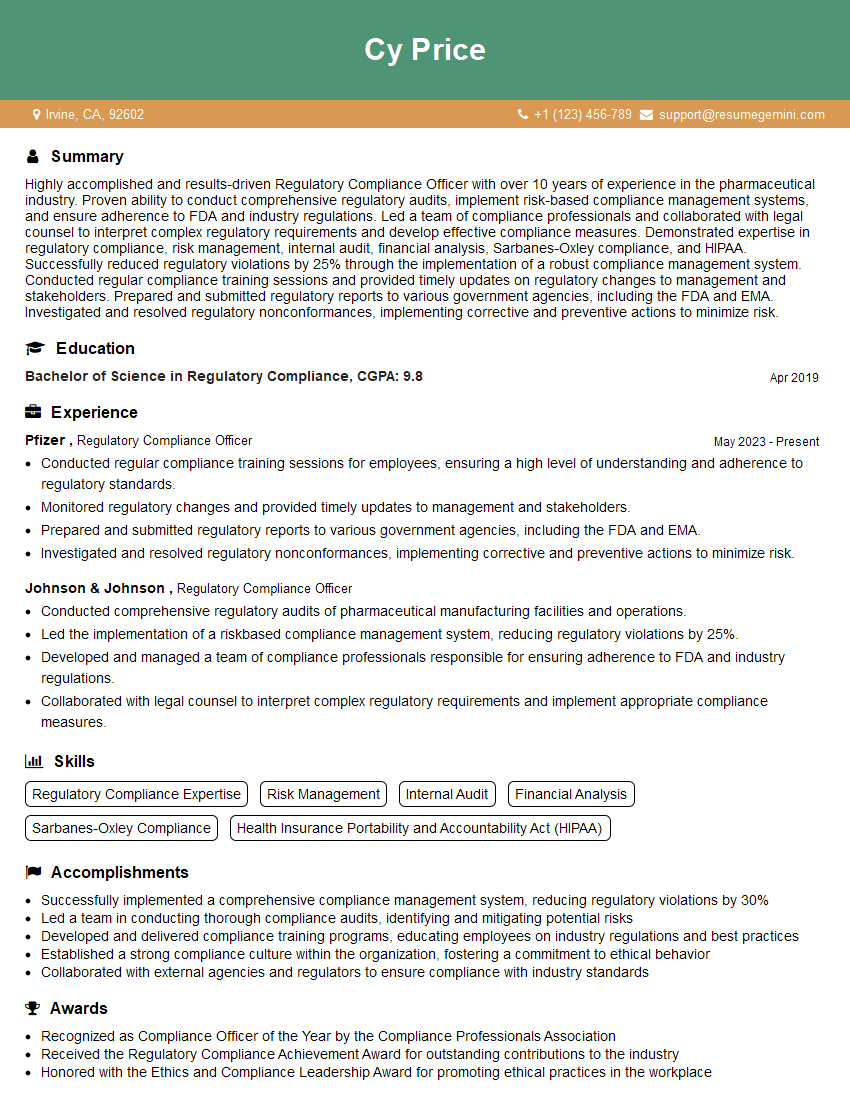
Regulatory Compliance Officer Resume Sample
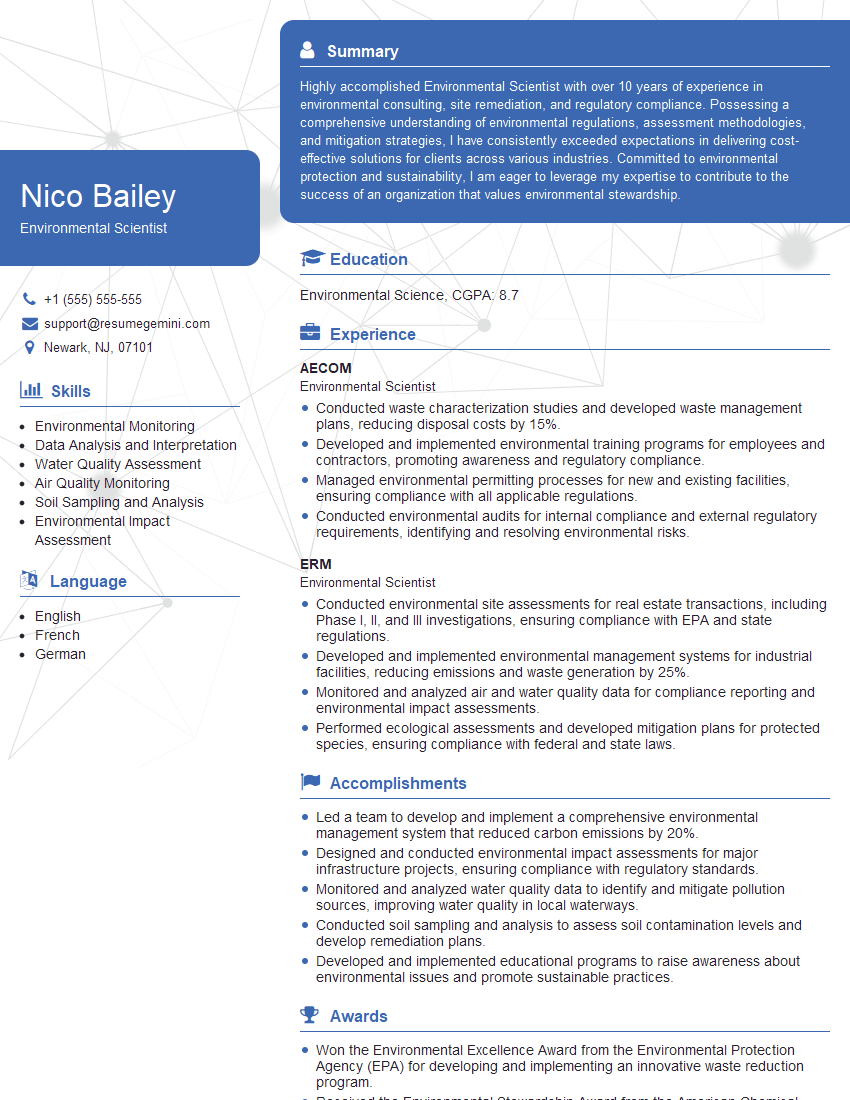
Environmental Scientist Resume Sample
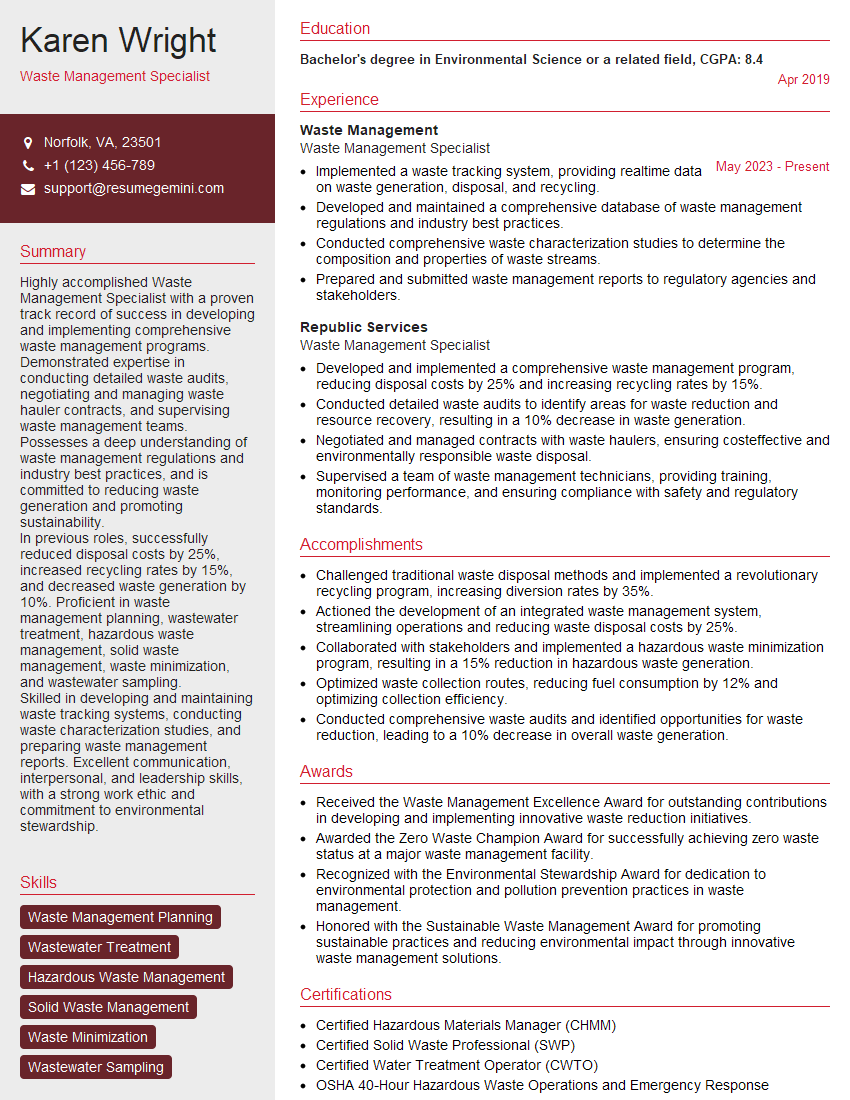
Waste Management Specialist Resume Sample

Chemical Process Engineer Resume Sample
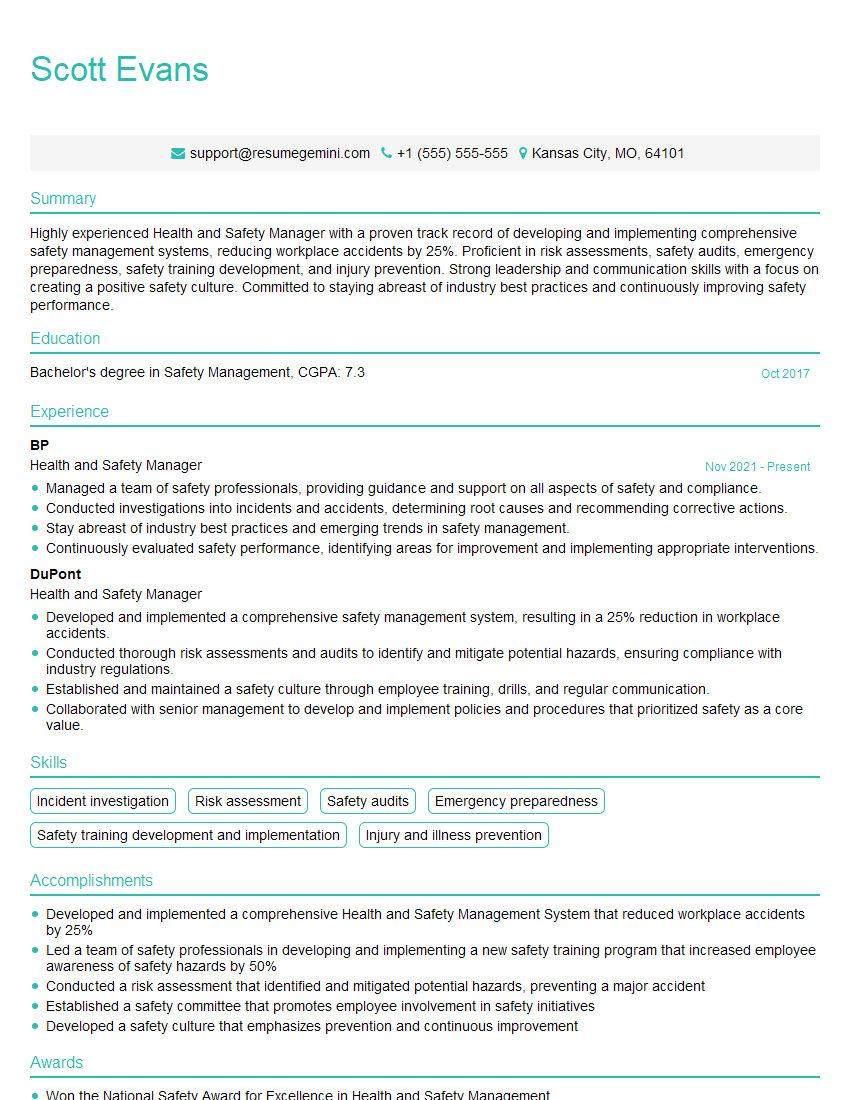
Health and Safety Manager Resume Sample
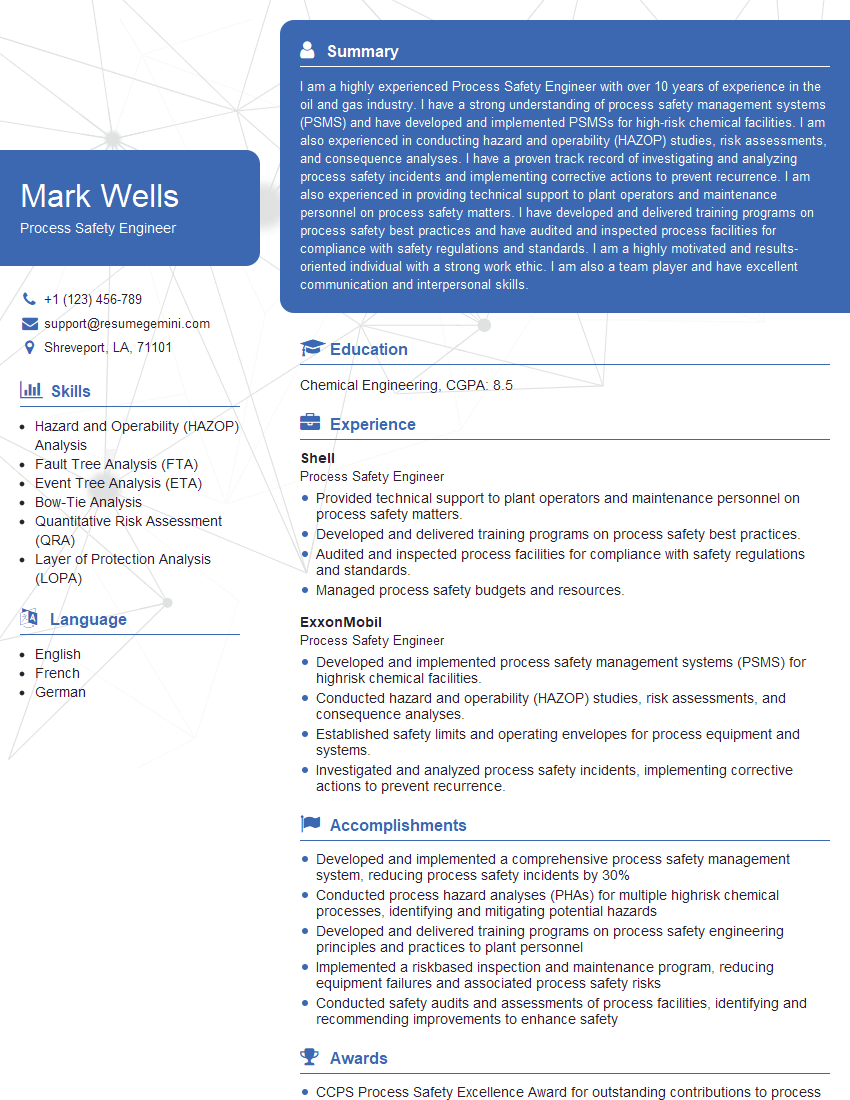
Process Safety Engineer Resume Sample
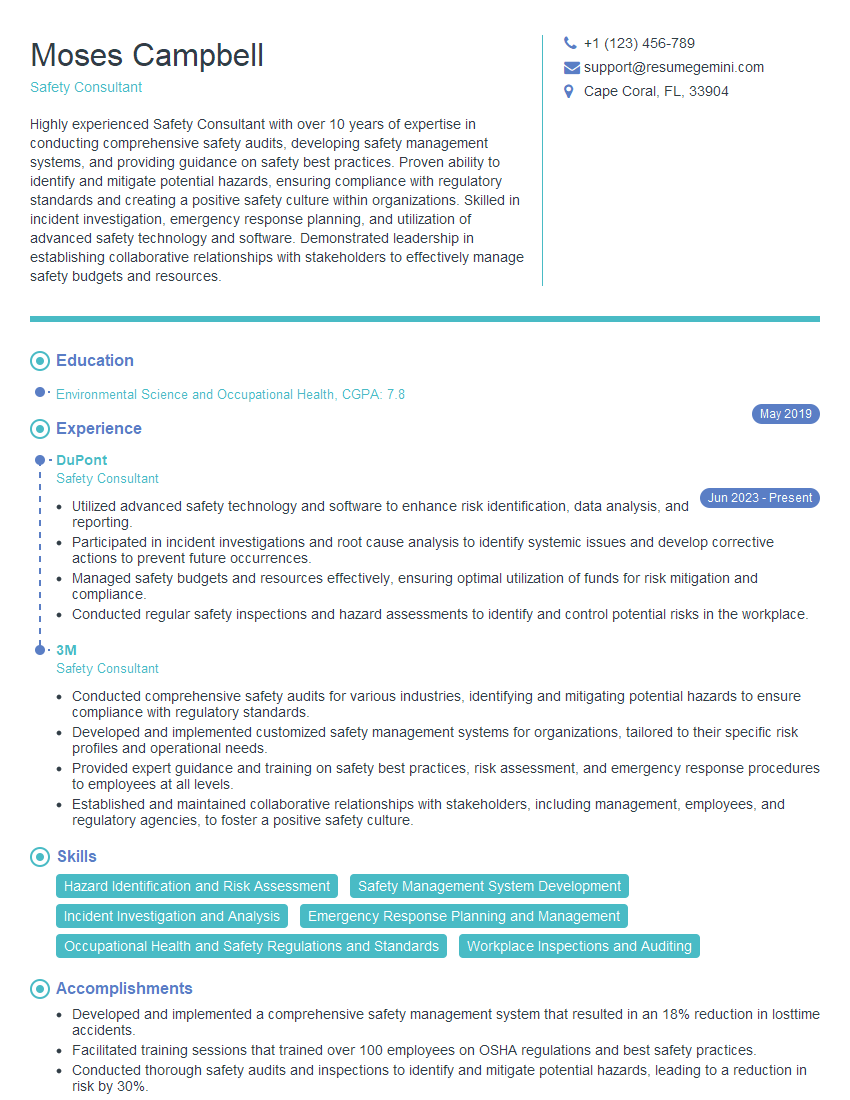
Safety Consultant Resume Sample

Safety Engineer Resume Sample
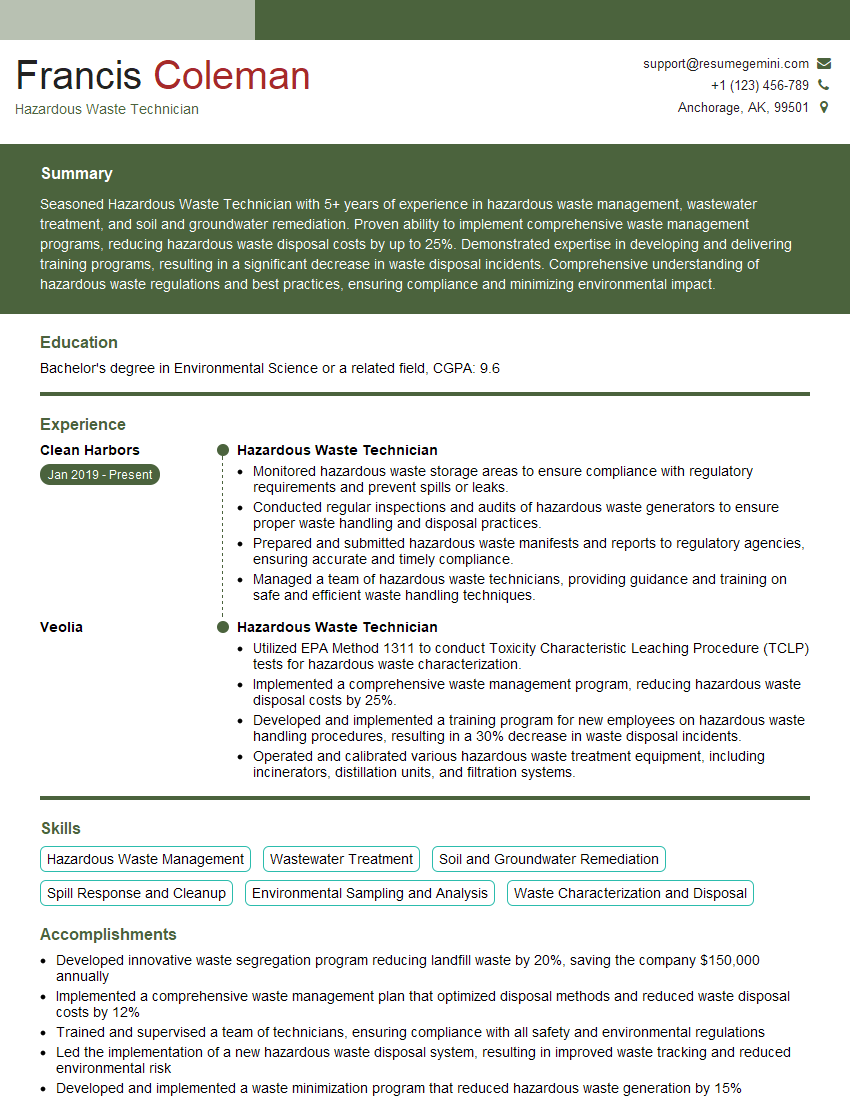
Hazardous Waste Technician Resume Sample
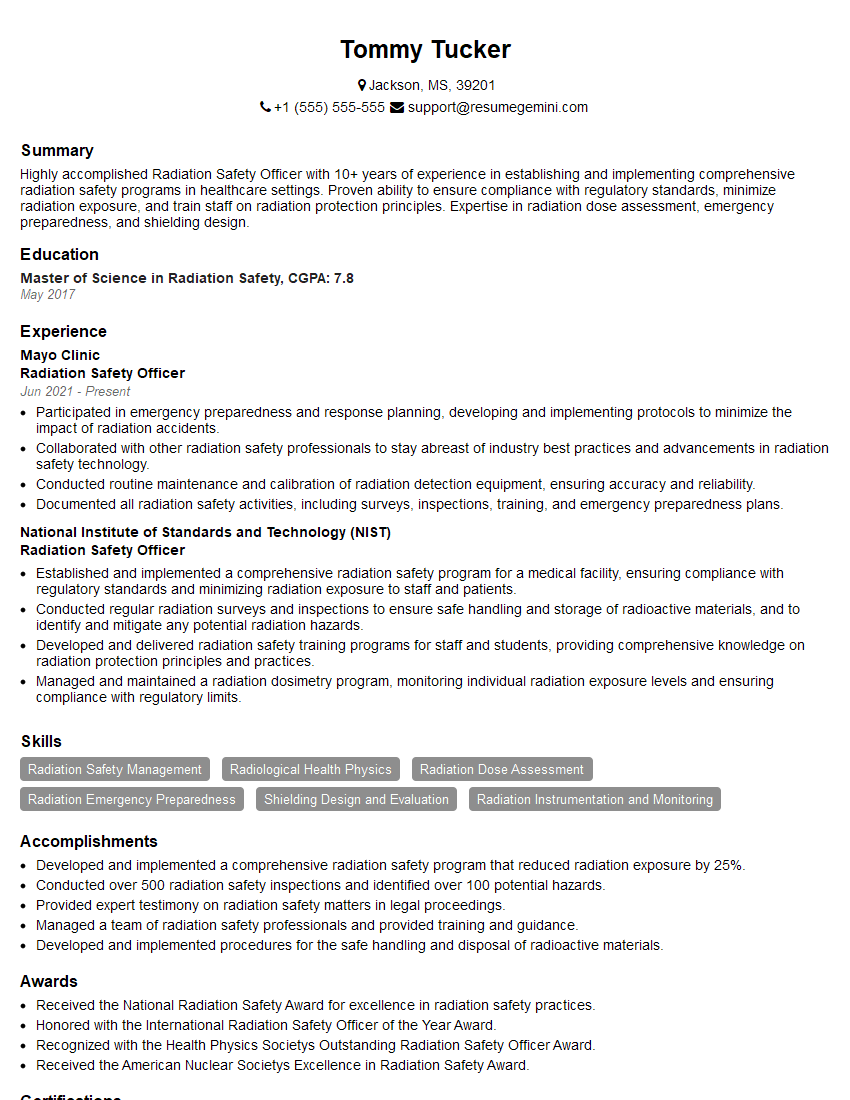
Radiation Safety Officer Resume Sample
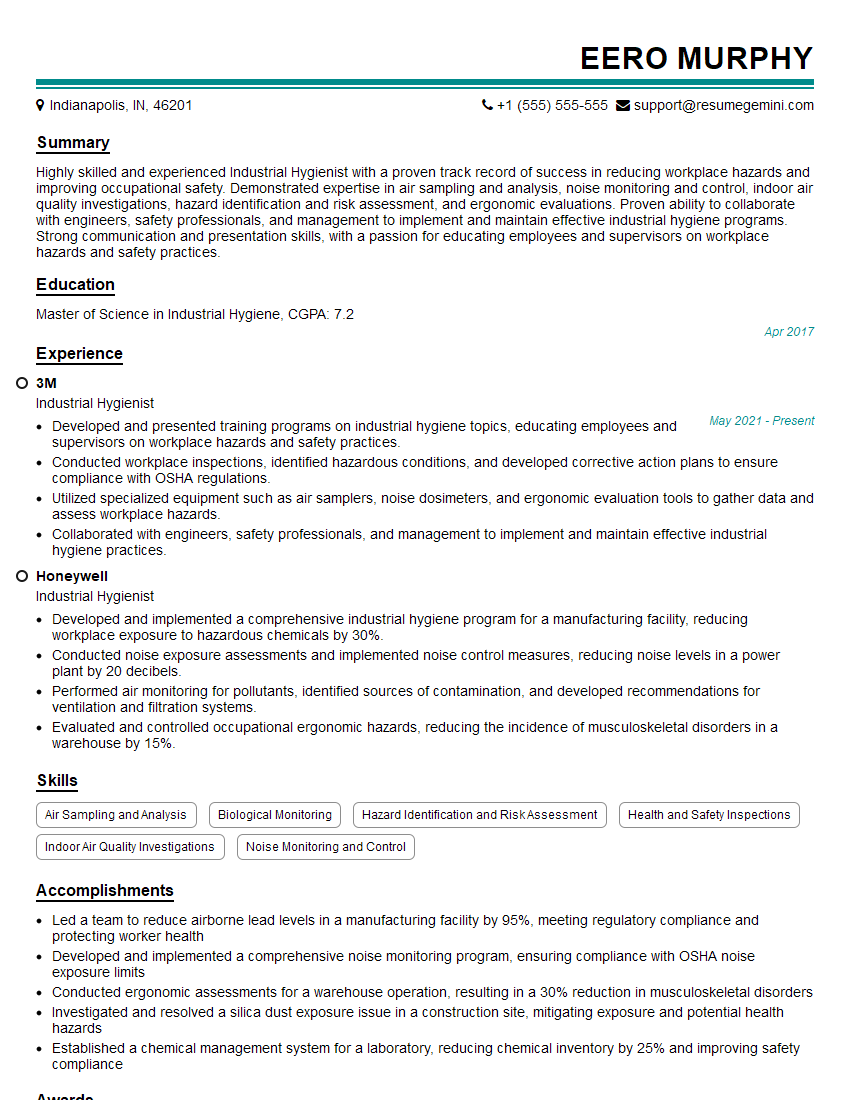
Industrial Hygienist Resume Sample
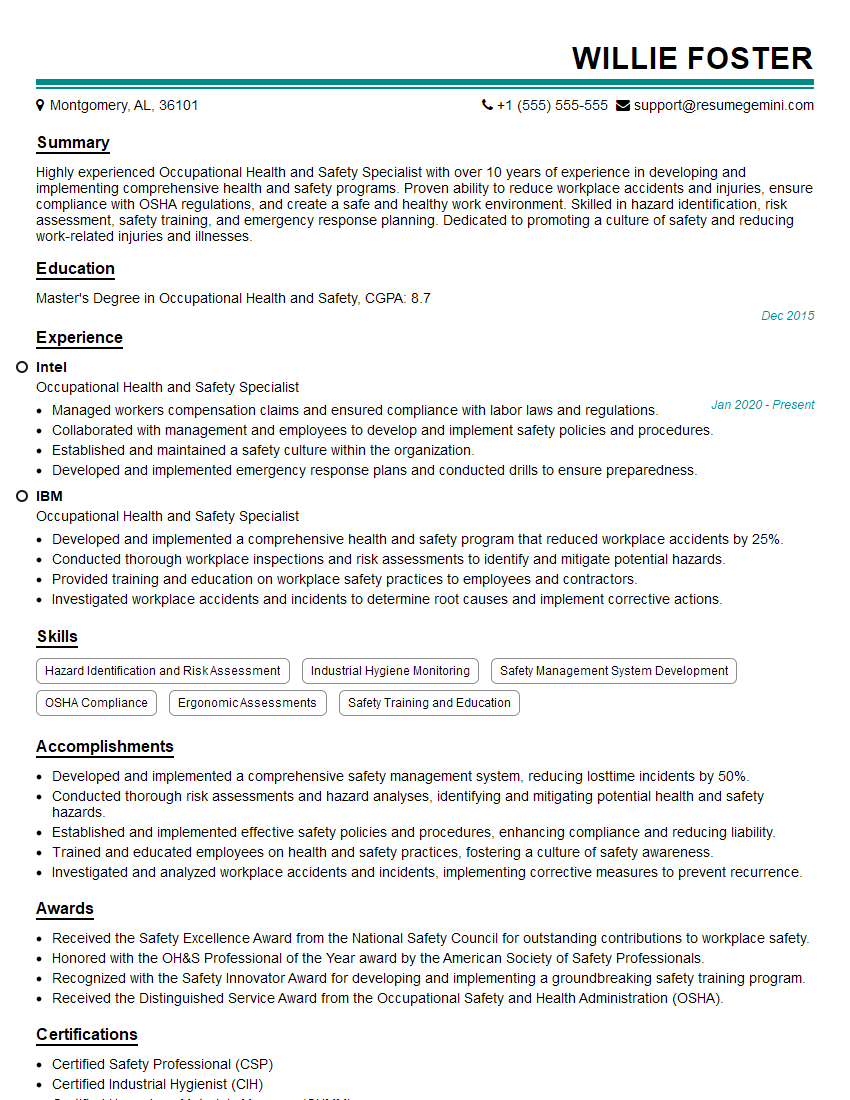
Occupational Health and Safety Specialist Resume Sample
- Compliance Manager
- Regulatory Compliance Officer
- Environmental Scientist
- Waste Management Specialist
- Chemical Process Engineer
- Health and Safety Manager
- Process Safety Engineer
- Safety Consultant
- Safety Engineer
- Hazardous Waste Technician
- Radiation Safety Officer
- Industrial Hygienist
- Occupational Health and Safety Specialist
Explore more articles
Users Rating of Our Blogs
Share Your Experience
We value your feedback! Please rate our content and share your thoughts (optional).
What Readers Say About Our Blog
Really detailed insights and content, thank you for writing this detailed article.
IT gave me an insight and words to use and be able to think of examples