Preparation is the key to success in any interview. In this post, we’ll explore crucial Understanding of poultry processing industry interview questions and equip you with strategies to craft impactful answers. Whether you’re a beginner or a pro, these tips will elevate your preparation.
Questions Asked in Understanding of poultry processing industry Interview
Q 1. Describe your experience with HACCP principles in a poultry processing environment.
HACCP, or Hazard Analysis and Critical Control Points, is a preventative food safety system. In poultry processing, my experience involves implementing and maintaining HACCP plans, identifying critical control points (CCPs) such as chilling and cooking temperatures, and establishing monitoring procedures. For example, I’ve been directly involved in designing and overseeing monitoring systems for temperature control throughout the chilling process, ensuring that the poultry remains within a safe temperature range to prevent bacterial growth. We regularly review our HACCP plan to adapt to changing regulations and improve our overall effectiveness. This includes regular audits and staff training to ensure everyone understands their role in maintaining food safety.
Specifically, I’ve worked with HACCP plans that detailed critical limits for each CCP, corrective actions to be taken if those limits were exceeded, and verification procedures to confirm the plan’s effectiveness. This involves data analysis, record-keeping, and regular internal audits. I’ve also participated in external audits conducted by regulatory agencies and customers, ensuring compliance with relevant standards and certifications.
Q 2. Explain the different stages of poultry processing, from slaughter to packaging.
Poultry processing is a multi-stage process. It begins with receiving and slaughtering, where birds are stunned (usually electrically), bled, and scalded to loosen feathers. Next comes scalding and defeathering, followed by evisceration (removal of internal organs). Then, the carcasses undergo washing and inspection for quality and safety. Chilling is crucial to rapidly cool the poultry and slow bacterial growth, usually through immersion chilling or air chilling. After chilling, the birds proceed to cutting and portioning, where they are cut into various parts like breasts, thighs, and wings. Finally, the portions are packaged and labeled for distribution, often utilizing modified atmosphere packaging (MAP) to extend shelf life.
Q 3. What are the common food safety hazards associated with poultry processing, and how are they mitigated?
Common food safety hazards in poultry processing include:
- Microbial contamination (Salmonella, Campylobacter, E. coli): These bacteria can be present on the bird’s skin and inside the intestines. Mitigation strategies involve proper sanitation, rapid chilling, and cooking to safe internal temperatures.
- Chemical hazards (residues from cleaning agents, pesticides): Careful selection and application of cleaning agents and strict adherence to rinsing protocols are essential. Regular testing of water and product samples helps to monitor this.
- Physical hazards (bone fragments, metal pieces): Metal detectors and visual inspection at various stages are utilized to eliminate these hazards.
- Cross-contamination: This occurs when raw poultry comes into contact with cooked products or ready-to-eat foods. Strict segregation of raw and cooked areas, appropriate hand hygiene, and proper cleaning and disinfection protocols are crucial.
Implementing a robust HACCP plan, as discussed previously, is paramount in mitigating these hazards.
Q 4. How do you ensure the quality and consistency of poultry products throughout the processing line?
Ensuring quality and consistency involves several aspects. Firstly, consistent processing parameters are crucial, including maintaining precise temperatures and times throughout the different stages. Secondly, regular quality checks are performed at various points along the line, employing both visual inspection and automated systems such as weight checkers and metal detectors. We also leverage statistical process control (SPC) charts to monitor key parameters like weight and yield, allowing for early detection of any deviations from standards. Training employees on proper procedures and implementing standardized operating procedures (SOPs) are also key. Feedback mechanisms, such as regular employee feedback and customer feedback, help to identify areas for improvement. Finally, selecting birds of consistent quality and size at the beginning of the process is essential for consistent output.
Q 5. What is your experience with sanitation and hygiene protocols in a poultry processing plant?
Sanitation and hygiene protocols are fundamental in a poultry processing plant. This includes strict adherence to Good Manufacturing Practices (GMPs). My experience involves overseeing the implementation of comprehensive cleaning and sanitation schedules, using approved cleaning agents and sanitizers. We use a system that involves cleaning and sanitizing equipment between batches, maintaining strict hygiene standards for personnel (including proper handwashing, protective clothing, and hairnets), and regularly monitoring sanitation practices through microbiological testing. Training and enforcing hygiene protocols are continuously reinforced. Additionally, pest control is a critical part of maintaining a clean and sanitary environment. We employ preventative measures and regular pest control inspections to avoid pest infestation.
Q 6. Describe your experience with yield optimization strategies in poultry processing.
Yield optimization focuses on maximizing the usable product obtained from each bird. This involves minimizing waste and maximizing the efficiency of each step in the process. In my experience, strategies include optimizing cutting techniques to minimize trim loss, implementing advanced technologies like automated portioning systems to improve precision, and carefully managing the chilling process to reduce weight loss due to water evaporation. Data analysis and process optimization software play a crucial role in identifying areas for improvement and tracking progress towards yield goals. Regular maintenance of equipment is also important in preventing waste and ensuring that the production line is operating efficiently.
Q 7. Explain your understanding of different poultry processing equipment and their maintenance.
Poultry processing utilizes a range of specialized equipment. This includes:
- Scalders and defeatherers: These machines remove feathers from the birds. Regular cleaning and maintenance, including replacement of worn parts, are critical to ensure efficient operation and prevent cross-contamination.
- Evisceration equipment: These machines remove the internal organs. Sharp blades require frequent replacement or sharpening to ensure smooth and efficient operation. Regular sanitation is paramount to avoid bacterial growth.
- Chillers: These machines rapidly cool the poultry to prevent bacterial growth. Regular cleaning and maintenance, including checking refrigerant levels and ensuring proper temperature control, are vital.
- Cutting and portioning equipment: These machines cut the poultry into different parts. Regular sharpening and alignment of blades are necessary, and precise adjustments may be required for different products or yields.
- Packaging equipment: These machines package the poultry for distribution. Regular maintenance and cleaning are essential to ensure proper sealing and prevent contamination.
Preventive maintenance schedules are critical to minimizing downtime and ensuring optimal performance of all equipment.
Q 8. How do you handle and resolve equipment malfunctions during poultry processing?
Equipment malfunctions are inevitable in a poultry processing plant, but minimizing downtime and ensuring food safety are paramount. My approach is multifaceted, starting with preventative maintenance. This involves regular inspections, lubrication schedules, and proactive component replacements based on predictive analytics. We utilize a computerized maintenance management system (CMMS) to track equipment history, schedule maintenance, and alert us to potential problems.
When a malfunction occurs, our response is swift and organized. We follow a standardized troubleshooting protocol: First, isolate the issue to prevent further damage or contamination. Second, assess the severity – is it a minor adjustment or a major repair requiring specialized expertise? A designated team, including skilled technicians and engineers, is immediately dispatched. We prioritize repairs based on their impact on the production line and potential food safety risks. For complex issues, we have established relationships with reliable vendors for timely parts replacement. Crucially, detailed records are kept of each malfunction, repair, and the lessons learned – feeding into our continuous improvement strategy to prevent future occurrences.
For example, once we experienced a sudden failure in our chilling system. Our CMMS alerted us to a potential issue based on sensor data, but it still happened before we could address it. We immediately implemented a backup system while technicians swiftly identified and fixed the main chiller’s compressor issue. The detailed post-incident report led to a more robust preventative maintenance schedule, including more frequent compressor inspections.
Q 9. What is your experience with regulatory compliance (e.g., FDA, USDA) in the poultry industry?
Regulatory compliance is non-negotiable in the poultry industry. My experience encompasses a thorough understanding of FDA and USDA regulations, including the Hazard Analysis and Critical Control Points (HACCP) system, the Safe Food Production Act, and other relevant guidelines. This involves meticulous record-keeping, rigorous sanitation procedures, and employee training on food safety protocols.
I’ve been directly involved in multiple audits, ensuring our facility consistently meets or surpasses these standards. This includes developing and implementing procedures for traceability, ensuring that we can track a product from the farm to the consumer. We conduct regular internal audits, simulating external inspections, to identify potential areas for improvement before any official audit. I am also familiar with the documentation and reporting requirements for various certifications, like organic or specific labeling standards. This commitment to compliance not only avoids penalties but also builds consumer trust and enhances our brand reputation.
Q 10. How do you manage and motivate a team in a fast-paced poultry processing environment?
Motivating a team in a high-pressure, fast-paced environment like poultry processing requires a blend of leadership styles. I believe in fostering a culture of teamwork, open communication, and mutual respect. I find that clear expectations, coupled with recognition for good performance, go a long way. Regular team meetings, where concerns are addressed and suggestions are encouraged, are vital for keeping everyone informed and engaged.
I also emphasize the importance of safety training and empower employees to halt production if they perceive a safety hazard. This fosters a sense of ownership and shared responsibility. Employee wellbeing is key – addressing fatigue, providing adequate breaks, and ensuring a safe working environment all contribute to a positive and productive atmosphere. I find that celebrating successes, whether it’s meeting a production target or improving a safety record, strengthens morale and reinforces teamwork. Additionally, implementing incentive programs, based on productivity and quality metrics, can significantly enhance motivation.
For example, in a previous role, we implemented a suggestion box system where employee suggestions for process improvements were reviewed and implemented. This fostered innovation and a sense of contribution, resulting in improved efficiency and reduced waste.
Q 11. Describe your experience with inventory management and supply chain optimization in a poultry processing facility.
Efficient inventory management and supply chain optimization are crucial for profitability and ensuring uninterrupted production. My experience includes implementing and managing inventory control systems, using both Just-in-Time (JIT) and buffer stock strategies. We track inventory levels in real-time, minimizing storage costs while preventing stockouts. This involves the use of software solutions that integrate data from purchasing, production, and sales, providing accurate forecasts and optimizing order quantities.
Supply chain optimization requires collaboration with suppliers. We build strong relationships to ensure reliable deliveries and competitive pricing. Negotiating favorable contracts and diversifying our supplier base are essential to mitigating risks like price fluctuations and supply disruptions. We actively monitor lead times, transportation costs, and supplier performance to identify areas for improvement. Data analysis allows us to identify patterns and predict potential disruptions, enabling proactive measures to maintain production flow.
One successful initiative involved implementing a system for real-time tracking of poultry shipments. This allowed us to precisely manage inventory, reduce spoilage, and ensure efficient delivery to processing facilities. The transparency improved relationships with suppliers and minimized delays.
Q 12. How do you monitor and control processing parameters (temperature, time, etc.) to ensure product quality?
Precise control of processing parameters is essential for maintaining product quality, safety, and consistency. We monitor temperature throughout the entire processing chain, using various sensors and data loggers. Critical Control Points (CCPs) – stages where hazards can occur – are closely monitored, with deviations triggering immediate corrective action. These include chilling temperatures to prevent bacterial growth, cooking temperatures for proper pasteurization, and freezing temperatures for optimal product preservation.
Time is also a critical parameter. Processing times are carefully controlled to ensure that each step is completed correctly. This involves automation where possible, ensuring uniformity and consistency. Data acquisition systems track parameters in real-time, generating alerts if any values exceed pre-defined thresholds. Deviations are thoroughly investigated and corrective actions documented, contributing to continuous improvement efforts. Regular calibration of instruments and validation of processes are essential to ensuring data accuracy and maintaining compliance. Our rigorous monitoring and control system reduces waste and improves product quality and consistency.
For instance, we implemented a system where deviations in chilling temperatures would automatically slow down the line, preventing potential spoilage. This led to a significant decrease in product waste.
Q 13. What are the key performance indicators (KPIs) you use to evaluate the efficiency of a poultry processing line?
Key Performance Indicators (KPIs) provide crucial insights into the efficiency of a poultry processing line. We use a range of KPIs, including:
- Yield: The percentage of usable product obtained from the raw material, reflecting efficiency and minimizing waste.
- Throughput: The volume of poultry processed per unit of time, indicating line capacity and productivity.
- Downtime: The percentage of time the line is not operational, indicating potential areas for improvement in maintenance and process optimization.
- Line Speed: The speed at which the processing line operates, balanced with maintaining quality.
- Labor Productivity: Output per employee, reflecting efficiency and effectiveness of the workforce.
- Product Quality: Metrics like weight consistency, appearance, and microbial counts reflecting the quality of the finished product.
- Waste: The amount of raw material and finished product lost during processing, highlighting areas for efficiency gains.
Regularly tracking these KPIs allows us to identify bottlenecks, make data-driven decisions, and continuously improve operational efficiency. We use data visualization tools to track these KPIs in real-time, allowing for timely intervention and informed decision-making.
Q 14. How do you identify and address bottlenecks in the poultry processing workflow?
Identifying and addressing bottlenecks is crucial for optimizing the poultry processing workflow. My approach starts with a thorough analysis of the entire process, identifying potential choke points. This may involve observing the line, analyzing production data, and conducting interviews with line workers. Common bottlenecks include equipment failures, inefficient worker movements, insufficient staffing, or inadequate storage capacity.
Once a bottleneck is identified, I use a combination of methods to resolve it. This might involve improving equipment performance through maintenance or upgrading, optimizing workflow layout, improving worker training, adjusting staffing levels, and/or enhancing storage capabilities. We use lean manufacturing principles, such as value stream mapping, to analyze the flow of materials and identify areas for improvement. Data-driven solutions are favored, using production data to quantify the impact of changes and ensure that solutions are effective.
For example, in one plant, we identified a bottleneck at the evisceration stage. By streamlining the workflow and providing additional training on efficient evisceration techniques, we significantly increased throughput at that stage and improved overall line efficiency.
Q 15. Explain your experience with waste management and reduction strategies in a poultry processing plant.
Waste management is paramount in poultry processing, impacting both profitability and environmental responsibility. My approach focuses on a multi-pronged strategy of reduction, recovery, and responsible disposal. This starts with optimizing the slaughtering and processing lines to minimize offal and trim. For example, I’ve implemented improved bleeding techniques that reduce blood waste, and redesigned cutting procedures to yield larger, more valuable portions.
Beyond reduction, recovery is key. We utilize rendering processes to convert inedible byproducts into valuable animal feed ingredients or other industrial products, like tallow or fertilizer. This not only reduces landfill waste but generates revenue. Finally, any remaining waste is disposed of in compliance with all environmental regulations – often through composting or anaerobic digestion, depending on local infrastructure and regulatory requirements. In one plant, implementing these strategies reduced overall waste by 15% within the first year, significantly improving our environmental footprint and bottom line.
Career Expert Tips:
- Ace those interviews! Prepare effectively by reviewing the Top 50 Most Common Interview Questions on ResumeGemini.
- Navigate your job search with confidence! Explore a wide range of Career Tips on ResumeGemini. Learn about common challenges and recommendations to overcome them.
- Craft the perfect resume! Master the Art of Resume Writing with ResumeGemini’s guide. Showcase your unique qualifications and achievements effectively.
- Don’t miss out on holiday savings! Build your dream resume with ResumeGemini’s ATS optimized templates.
Q 16. Describe your experience with different poultry breeds and their processing requirements.
Different poultry breeds have vastly different processing needs. For instance, broiler chickens, raised specifically for meat, are processed differently than layer hens, which are raised for egg production. Broilers are typically larger and have a faster growth rate, requiring specialized equipment and handling procedures to ensure efficient processing. Layer hens, on the other hand, may require more careful handling due to their potentially more fragile bones and potentially differing muscle structure.
Similarly, heritage breeds, often smaller and slower-growing, may require adjustments to processing speed and equipment settings to avoid damage. My experience includes working with several breeds including Cornish Cross, White Plymouth Rocks, and Rhode Island Reds. I adapt our processing procedures by carefully analyzing factors such as bird size, bone density, and meat yield for each breed to maintain efficiency and quality.
Q 17. What are your skills in using various poultry processing software and databases?
I’m proficient in several poultry processing software packages and databases, including but not limited to: software for yield management (tracking carcass weights, trim loss, and product yield), inventory management systems (monitoring stock levels of raw materials and finished products), and quality control software (recording inspection results and traceability information). I am also adept at using database management systems (DBMS) for data analysis to identify trends, optimize processes, and generate reports for management.
For instance, I used a yield management software to identify a bottleneck in the deboning process resulting in increased trim loss. This data-driven analysis allowed me to propose, implement, and measure the success of targeted training programs resulting in a 7% reduction in waste. My experience encompasses both on-premise and cloud-based solutions, and I’m comfortable working with large datasets and generating insightful reports.
Q 18. How do you conduct effective quality control checks throughout the poultry processing process?
Effective quality control is a continuous process, starting from live bird inspection at receiving to the final packaging stage. Our checks include visual inspections at various points, ensuring proper hygiene and sanitation, verifying temperature control (throughout chilling, storage, and transportation), and microbiological testing to maintain safety standards. We use standardized checklists and forms to ensure consistency and traceability, while regular calibration of equipment ensures accuracy.
For instance, during chilling, we constantly monitor water temperature and flow to prevent cross-contamination and ensure rapid and uniform cooling to minimize microbial growth. Any deviation from pre-defined parameters triggers immediate investigation and corrective actions. Our documentation processes allow us to trace a product back to its origin should a problem arise. This proactive approach minimizes risks and ensures consistent high quality.
Q 19. Explain your understanding of different poultry product specifications and grading standards.
Understanding poultry product specifications and grading standards is critical for meeting customer demands and regulatory compliance. I’m familiar with various national and international standards that define parameters such as weight, size, shape, and quality attributes (like fat content, muscle development, and skin condition). These standards ensure product consistency and consumer satisfaction. This includes detailed knowledge of USDA grades for poultry products, as well as industry-specific specifications for different product forms (whole birds, parts, further-processed items).
For example, I’ve worked with clients who require specific weight ranges for their chicken breasts, and my knowledge of grading standards ensures that we consistently meet their requirements. This involves carefully monitoring various stages of the processing line to ensure size consistency and adjusting procedures as needed.
Q 20. How do you handle customer complaints related to poultry product quality or safety?
Handling customer complaints effectively is crucial for maintaining reputation and trust. My approach involves promptly acknowledging the complaint, gathering all relevant information (including product details, date of purchase, and specifics of the issue), and conducting a thorough investigation. This often involves tracing the product back through our traceability system to pinpoint potential sources of the problem.
Depending on the nature of the complaint (whether quality, safety, or other issues), we take appropriate corrective action, which may include product recalls, process adjustments, or refund/replacement offers. Open communication with the customer is paramount throughout the process, keeping them informed and demonstrating our commitment to resolving the issue fairly and efficiently. In the case of a serious safety concern, I work closely with regulatory bodies to adhere to all reporting and recall procedures.
Q 21. How do you implement and enforce workplace safety regulations in a poultry processing setting?
Implementing and enforcing workplace safety regulations in a poultry processing plant is a top priority. This involves adhering to OSHA (or equivalent regional) standards, providing regular safety training to employees, implementing appropriate Personal Protective Equipment (PPE) protocols, and conducting routine safety inspections to identify and mitigate potential hazards. This includes machinery guarding, ensuring proper hygiene and sanitation practices to minimize risk of injury and illness, and implementing procedures to prevent slips, trips, and falls, a major source of workplace accidents in poultry plants.
I use a multi-faceted approach, including regular safety meetings, job hazard analysis (JHA) for each role, and establishing clear reporting procedures for any incidents or near misses. We track key safety metrics and use this data to target improvement initiatives. This includes actively involving workers in identifying hazards and suggesting solutions, fostering a strong safety culture within the plant.
Q 22. What is your experience with employee training and development in a poultry processing environment?
Employee training and development is paramount in a poultry processing plant, ensuring both safety and efficiency. My approach is multifaceted, incorporating both theoretical and hands-on learning.
- Onboarding: New hires receive comprehensive training on food safety regulations (like HACCP), proper sanitation procedures, equipment operation, and workplace safety protocols. This includes detailed walkthroughs of each production line and role-playing scenarios to address potential hazards.
- Ongoing Training: Regular refresher courses and advanced training programs keep employees up-to-date on best practices and new technologies. This may include specialized training on specific equipment, advanced knife skills, or improved efficiency techniques. We also offer cross-training opportunities to develop versatility and promote internal mobility.
- Mentorship Program: Experienced workers mentor newer employees, providing practical guidance and support. This fosters a strong team environment and accelerates learning.
- Performance Evaluations and Feedback: Regular performance reviews provide constructive feedback and identify areas for improvement. This allows us to personalize training and address individual needs effectively.
For example, I once implemented a new sanitation training program that reduced contamination incidents by 15% within six months by introducing interactive simulations and regular quizzes.
Q 23. Describe your experience with cost control and budgeting in a poultry processing facility.
Cost control is crucial in a poultry processing plant where margins can be tight. My experience involves a combination of proactive strategies and reactive adjustments.
- Budgeting and Forecasting: I’ve successfully developed and managed annual budgets, accurately forecasting costs related to labor, raw materials (birds, packaging), utilities, and maintenance. This includes using historical data and market trends to create realistic projections.
- Inventory Management: Implementing just-in-time inventory strategies reduces waste by minimizing storage costs and spoilage. This requires close collaboration with suppliers and precise forecasting.
- Energy Efficiency: Implementing energy-saving measures such as upgrading equipment to more energy-efficient models and optimizing process controls has led to significant reductions in utility costs. We tracked our energy consumption closely and found areas for improvement.
- Waste Reduction: Developing and implementing strategies to minimize waste throughout the production process, from reducing bird mortality to optimizing byproduct utilization, is crucial for cost reduction. For instance, we partnered with a rendering plant to process byproducts, generating additional revenue.
In one facility, I reduced overall operating costs by 8% within a year through a combination of these strategies, resulting in a substantial increase in profitability.
Q 24. How do you maintain traceability throughout the poultry processing chain?
Traceability is vital in the poultry industry, ensuring product safety and facilitating rapid response in case of contamination. We use a comprehensive system encompassing multiple stages.
- Farm-level Tracking: We maintain detailed records of each flock, including farm of origin, breed, feed type, and vaccination history. This data is linked to specific batches of birds processed.
- Processing Plant Tracking: Each batch of birds is uniquely identified throughout the processing plant, from slaughter to packaging. This involves utilizing batch numbers, date codes, and potentially RFID technology.
- Packaging and Distribution: Packaging clearly displays batch numbers and traceability codes, allowing for easy tracking throughout the distribution chain. This information is also digitally recorded and accessible through our inventory management system.
- Data Management: We use a sophisticated database system to manage all traceability data, allowing for quick retrieval and analysis. This database allows us to easily trace a product back to its origin, identifying potential points of contamination if necessary.
This system not only meets regulatory requirements but also enhances consumer confidence and facilitates efficient recall procedures if required.
Q 25. How do you manage production schedules and meet deadlines in a poultry processing plant?
Managing production schedules requires meticulous planning and coordination. My approach involves:
- Demand Forecasting: Accurately predicting consumer demand allows for optimized production schedules. This involves analyzing historical sales data, market trends, and upcoming events.
- Production Planning Software: Utilizing specialized software to plan and schedule production, ensuring efficient allocation of resources (labor, equipment, and raw materials) and minimizing downtime.
- Real-time Monitoring: Continuously monitoring production progress against the schedule, addressing any delays or bottlenecks proactively. This often involves daily production meetings to discuss progress and identify potential issues.
- Communication and Coordination: Maintaining clear communication with all departments (slaughter, processing, packaging, and shipping) ensures seamless workflow and timely delivery of products. This also includes regular communication with suppliers.
For example, I once implemented a new scheduling system that improved on-time delivery by 10%, reducing inventory holding costs and improving customer satisfaction.
Q 26. Explain your understanding of different packaging methods for poultry products.
Poultry products require careful packaging to maintain freshness, safety, and extend shelf life. Various methods are used depending on the product type and intended market.
- Modified Atmosphere Packaging (MAP): This technique alters the gas composition within the package (reducing oxygen and increasing carbon dioxide or nitrogen) to slow down bacterial growth and extend shelf life. Common for fresh poultry.
- Vacuum Packaging: Air is removed from the package before sealing, preventing oxidation and spoilage. Often used for longer-term storage or frozen products.
- Retort Pouches: Flexible pouches that are heat-sealed and then sterilized through retorting (high-temperature, high-pressure steam). Ideal for shelf-stable, ready-to-eat poultry products.
- Tray Packaging: Poultry is placed in a tray and overwrapped with a plastic film, offering good visibility and protection. Common for fresh and chilled poultry.
The choice of packaging depends on factors like product type (whole bird, parts, ready-to-eat), shelf-life requirements, cost considerations, and environmental impact.
Q 27. How do you ensure efficient and safe handling of poultry byproducts?
Efficient and safe handling of poultry byproducts is crucial for both economic and environmental reasons. My approach focuses on:
- Hygiene and Sanitation: Maintaining strict hygiene protocols during byproduct handling to minimize contamination risks. This includes designated equipment and dedicated areas for processing byproducts.
- Proper Storage: Storing byproducts under appropriate temperature and humidity conditions to maintain quality and prevent spoilage. This might involve refrigeration or freezing depending on the byproduct and intended use.
- Value-Added Processing: Exploring opportunities to add value to byproducts, for instance, utilizing them in pet food, animal feed, or other commercial applications. This reduces waste and generates additional revenue.
- Compliance with Regulations: Ensuring compliance with all relevant food safety and environmental regulations related to byproduct handling and disposal. This includes proper record-keeping and waste management.
For example, we implemented a program to sell rendered poultry fat to a soap manufacturer, turning a waste product into a revenue stream.
Q 28. What is your experience with implementing and monitoring pest control measures in a poultry processing facility?
Pest control in a poultry processing plant is essential for maintaining food safety and hygiene. My approach is proactive and preventative.
- Regular Inspections: Conducting regular inspections of the facility to identify and address any potential pest infestations early. This includes visual checks and use of monitoring devices.
- Sanitation Practices: Implementing and maintaining rigorous sanitation protocols to eliminate food sources and breeding grounds for pests. This includes regular cleaning, disinfection, and removal of debris.
- Integrated Pest Management (IPM): Implementing an IPM program that integrates various control measures, prioritizing non-chemical methods where possible, such as physical barriers and sanitation, and using pesticides only as a last resort.
- Professional Pest Control Services: Engaging the services of a qualified and reputable pest control company for regular inspections and treatments. This ensures adherence to safety and regulatory guidelines.
We maintain detailed records of all pest control activities, ensuring compliance with regulations and facilitating prompt responses to any infestations.
Key Topics to Learn for Understanding of Poultry Processing Industry Interview
- Poultry Slaughter and Processing Techniques: Understanding the humane handling, stunning, scalding, defeathering, evisceration, and chilling processes. Consider the variations in techniques used for different poultry types and sizes.
- Hygiene and Food Safety in Poultry Processing: Explore HACCP principles, sanitation procedures, and the importance of preventing cross-contamination. Consider the role of government regulations and industry best practices.
- Poultry Processing Equipment and Technology: Familiarize yourself with the various machines and technologies used throughout the processing line, from automated systems to manual processes. Be prepared to discuss their operation, maintenance, and troubleshooting.
- Quality Control and Assurance in Poultry Processing: Understand the methods used to ensure product quality, including visual inspection, microbial testing, and weight verification. Consider the impact of quality control on consumer satisfaction and brand reputation.
- Yield and Efficiency in Poultry Processing: Analyze factors affecting processing yield and efficiency, including line speed, equipment optimization, and waste management. Explore strategies for improving overall plant performance.
- By-product Utilization and Waste Management: Learn about the processing of by-products into valuable ingredients and the implementation of sustainable waste management strategies to minimize environmental impact.
- Regulatory Compliance and Industry Standards: Understand relevant food safety regulations, industry standards (e.g., USDA), and ethical considerations related to animal welfare and environmental sustainability.
- Supply Chain Management in Poultry Processing: Gain an understanding of the entire supply chain, from farm to processing plant to distribution. Consider the logistical challenges and the importance of traceability.
- Problem-Solving and Troubleshooting in a Poultry Processing Environment: Be ready to discuss your approach to solving problems related to equipment malfunctions, quality issues, or production inefficiencies.
Next Steps
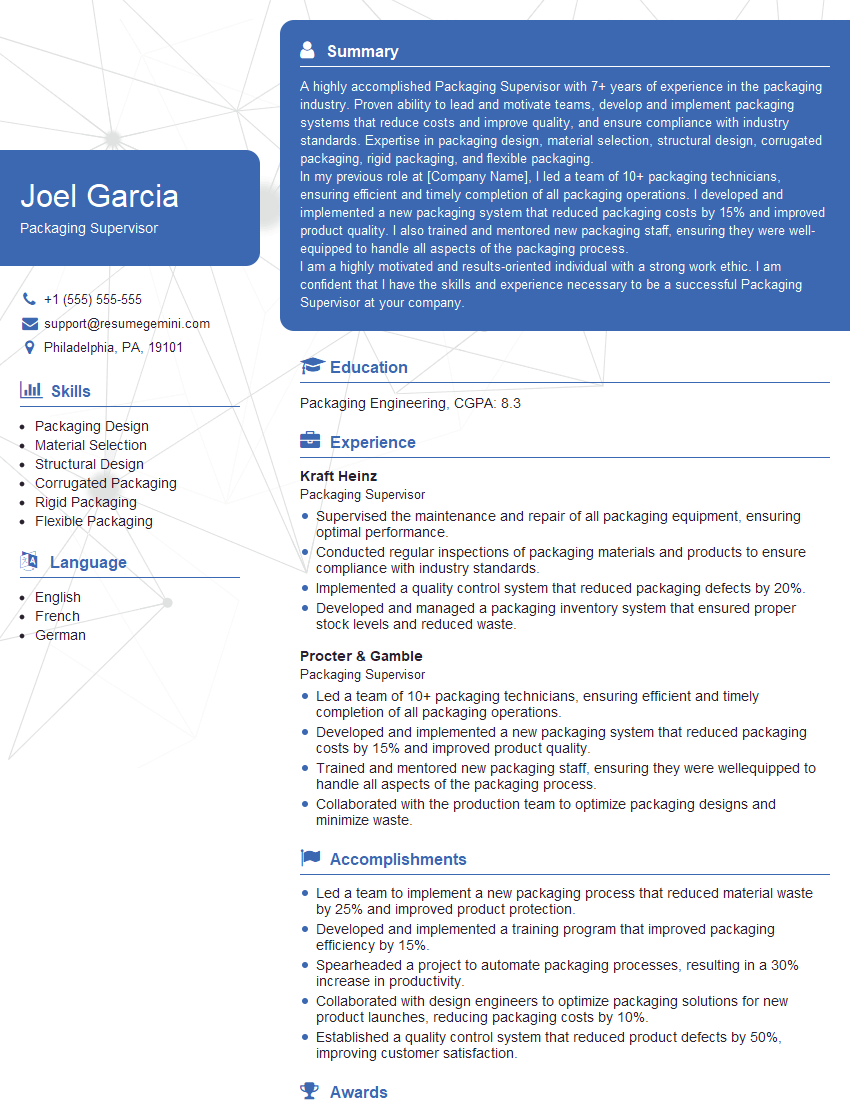
Mastering the intricacies of the poultry processing industry is crucial for career advancement, opening doors to specialized roles and higher earning potential. A well-crafted resume is your key to unlocking these opportunities. Make sure your resume is ATS-friendly to maximize its visibility to potential employers. ResumeGemini is a trusted resource for building professional and effective resumes. Leverage their expertise to create a compelling document that showcases your skills and experience. Examples of resumes tailored to the poultry processing industry are available to guide you.
Explore more articles
Users Rating of Our Blogs
Share Your Experience
We value your feedback! Please rate our content and share your thoughts (optional).
What Readers Say About Our Blog
Really detailed insights and content, thank you for writing this detailed article.
IT gave me an insight and words to use and be able to think of examples