Cracking a skill-specific interview, like one for Veterinary Technician, requires understanding the nuances of the role. In this blog, we present the questions you’re most likely to encounter, along with insights into how to answer them effectively. Let’s ensure you’re ready to make a strong impression.
Questions Asked in Veterinary Technician Interview
Q 1. Describe your experience with venipuncture in different animal species.
Venipuncture, the process of drawing blood, varies significantly across animal species due to anatomical differences and temperament. My experience encompasses a wide range of species, and my approach always prioritizes patient safety and minimizing stress.
- Canines: Common sites include the cephalic vein (foreleg), jugular vein (neck), and saphenous vein (hind leg). Cephalic venipuncture is often easiest in cooperative dogs. For more challenging patients, I might employ a different restraint technique and select a vein that’s less accessible but provides better access. For example, a stressed dog might require a jugular stick.
- Felines: Cats are notoriously difficult to handle. The cephalic and jugular veins are commonly used, but the medial saphenous vein (inside the hind leg) is often preferred because it’s less easily damaged by struggling cats. I would use a smaller gauge needle and approach slowly to reduce stress.
- Equines: Jugular venipuncture is standard practice in horses. Their large veins require a larger needle, and proper restraint is critical to prevent injury. The location needs careful attention to avoid puncturing the carotid artery.
- Bovines: Coccygeal (tail) vein venipuncture is common in cattle. The tail should be held securely to prevent injury to the technician and the animal.
- Small Mammals (Rabbits, Guinea Pigs, etc.): These animals typically require smaller needles and gentler techniques. The marginal ear vein is frequently used in rabbits, for example.
In every case, I ensure proper aseptic technique, including disinfecting the site before and after venipuncture to minimize the risk of infection. Post-procedure, I carefully monitor the animal for any signs of bleeding or hematoma formation.
Q 2. Explain the process of administering subcutaneous fluids.
Administering subcutaneous (SQ) fluids involves injecting fluids under the skin. It’s a common procedure for hydration, medication delivery, or supplemental nutrition. The process is relatively straightforward, but accuracy and aseptic technique are vital to prevent complications.
- Site Selection: I choose a loose area of skin, typically on the side of the neck or the flank, to avoid major blood vessels and nerves. The area must be clipped and cleaned with an antiseptic.
- Fluid Preparation: I warm the fluids to room temperature for patient comfort. I ensure the fluid is compatible with the patient’s condition.
- Injection Technique: I use a needle appropriate to the size and hydration status of the animal. Using a needle appropriate to the amount of fluid ensures less pain. The needle is inserted at a shallow angle, about 45 degrees, and the fluid is injected slowly to avoid discomfort and swelling. A bleb should form under the skin, indicating proper placement.
- Post-Injection: I monitor the injection site for swelling, infection or pain. I check for any adverse reactions to the fluid itself.
For example, a dehydrated cat might receive SQ fluids to help restore hydration. A dog receiving antibiotics might have them administered this way.
Q 3. How do you identify and respond to different types of shock in animals?
Shock is a life-threatening condition characterized by inadequate blood flow to the body’s organs. Recognizing and responding quickly is crucial. Different types of shock manifest with varying symptoms, requiring specific treatments.
- Hypovolemic Shock: Caused by blood loss. Signs include pale gums, rapid weak pulse, increased heart rate, and low blood pressure. Treatment focuses on fluid resuscitation to restore blood volume.
- Cardiogenic Shock: The heart fails to pump efficiently. Symptoms include weak pulses, rapid heart rate, and cold extremities. Management involves supporting the heart’s function with medications and supportive care.
- Septic Shock: Caused by overwhelming infection. Signs include fever or hypothermia, rapid breathing, weakness, and potentially low blood pressure. Treatment focuses on addressing the infection with antibiotics, fluid therapy, and supportive care.
- Anaphylactic Shock: A severe allergic reaction. Symptoms appear rapidly and include swelling of the face, hives, difficulty breathing, and collapse. Treatment requires immediate administration of epinephrine (adrenaline) and supportive care.
My response always involves immediate stabilization—assessing the patient’s airway, breathing, and circulation (ABCs)—followed by rapid treatment based on the identified type of shock. I work closely with the veterinarian to ensure appropriate intervention.
Q 4. What are the common signs of pain in animals?
Recognizing pain in animals can be challenging since they can’t verbally express their discomfort. However, observing subtle behavioral and physiological changes allows for accurate assessment.
- Behavioral Changes: Changes in posture (hunched back, reluctance to move), vocalization (whimpering, crying), decreased appetite, changes in sleep patterns, irritability, aggression, hiding, or changes in elimination habits.
- Physiological Changes: Increased heart rate, rapid or shallow breathing, dilated pupils, pale gums, elevated temperature, decreased body temperature, guarding or licking of a painful area.
For example, a dog with a fractured leg might exhibit reluctance to walk, vocalize in pain, and show signs of increased heart rate and panting. A cat with an abdominal injury might exhibit hunched posture, decreased appetite, and hide in dark places. It’s important to consider the animal’s baseline behavior—knowing their normal habits helps identify deviations that might indicate pain.
Q 5. Describe your experience with dental prophylaxis in dogs and cats.
Dental prophylaxis, or professional cleaning, is crucial for maintaining oral health in dogs and cats. My experience includes all aspects of the procedure, from preparation to post-operative care.
- Pre-anesthesia assessment: Before general anesthesia, a thorough assessment is necessary to evaluate any risks. We take into account factors such as age, species, and overall health.
- Anesthesia: General anesthesia is usually required to ensure patient safety. The choice of anesthesia is made by the veterinarian based on the patient’s condition.
- Scaling and Polishing: Using specialized ultrasonic scalers, I remove plaque and tartar buildup from the tooth surfaces. Following scaling, teeth are polished with a polishing paste to smooth the surfaces and prevent future plaque accumulation.
- Extraction: If necessary, I assist the veterinarian with the extraction of diseased or severely damaged teeth.
- Post-Operative care: After the procedure, I monitor the patient’s recovery from anesthesia and provide appropriate pain relief as needed. This may involve providing analgesics, checking vital signs, ensuring proper hydration, and monitoring for any post-operative complications.
For example, a dog with significant periodontal disease may require multiple extractions and a thorough cleaning to address the infection. Regular dental prophylaxis helps prevent the development of periodontal disease and associated problems.
Q 6. Explain the process of performing a urinalysis.
Urinalysis is a fundamental diagnostic test that provides valuable information about a patient’s urinary tract health and overall well-being. I’m proficient in all aspects of performing and interpreting urinalysis.
- Sample Collection: I obtain a urine sample, either by cystocentesis (needle aspiration from the bladder, the most ideal method for bacterial cultures), free catch (using a container), or catheterization. The method used depends on the clinical situation.
- Physical Examination: I assess the urine’s color, clarity, and odor. Cloudy urine might suggest infection, while a strong odor could indicate a metabolic issue.
- Chemical Analysis: Using dipsticks or automated analyzers, I check for pH, specific gravity, protein, glucose, ketones, blood, bilirubin, and leukocytes. Abnormal findings often highlight the possibility of kidney disease, diabetes, or urinary tract infections.
- Microscopic Examination: I examine a urine sample under a microscope to identify cells (red blood cells, white blood cells), casts (cylinders of material formed in the kidney tubules), crystals, and bacteria. This detailed analysis can confirm the presence of infection or other underlying conditions.
For instance, a urine sample showing elevated white blood cell counts and bacteria strongly suggests a urinary tract infection. A microscopic examination confirming the presence of crystals is often useful for diagnosis. The results are reported to the veterinarian for interpretation and further actions.
Q 7. How do you safely handle and restrain various animal species?
Safe and effective restraint is crucial for providing quality care while ensuring both patient and personnel safety. The best restraint method depends on the animal’s species, temperament, and the procedure being performed.
- Canines: Techniques range from gentle physical restraint using a leash and collar to more secure methods such as using a muzzle and placing the dog in a lateral recumbent (side) position. I always ensure that the dog is relaxed and comfortable, as much as possible.
- Felines: Cats are often more challenging due to their agility and tendency to scratch. Towels, cat bags, or appropriate handling techniques—often involving minimizing physical contact and utilizing a gentle but firm grip—can be employed to prevent injury.
- Equines: Horses usually require multiple people for safe restraint during procedures. They are usually haltered, using ropes and other devices. Safety is paramount.
- Bovines: Cattle handling might involve techniques like using a halter, head gate, or chute system to restrain them during procedures. Working with a skilled team is essential for both safety and efficiency.
- Small Mammals: Smaller animals often require gentler restraint methods such as using small towels, gloves, or purpose-built restraining devices.
In all cases, the priority is patient safety and preventing injury to the animal and myself. I always choose the least stressful restraint method possible for the given situation. If a patient is struggling excessively, assistance from another technician or veterinarian is sought immediately.
Q 8. What is your experience with radiography and developing X-rays?
My experience with radiography encompasses the entire process, from positioning the animal for optimal image quality to processing and interpreting the resulting X-rays. I’m proficient in operating various types of X-ray machines, ensuring proper safety protocols are followed – both for myself and the patient. This includes understanding the ALARA principle (As Low As Reasonably Achievable) to minimize radiation exposure. I’m skilled in identifying various pathologies on radiographic images, such as fractures, pneumonia, and foreign bodies. For instance, I once identified a small, ingested toy in a playful puppy’s stomach solely through X-ray analysis, leading to a successful and timely surgical removal. My experience also includes maintaining the equipment, processing films (digital and traditional), and adhering to strict quality control measures to ensure accurate and reliable diagnostic images.
Developing X-rays, while increasingly automated with digital systems, still demands a keen eye for detail. For example, ensuring proper film contrast and density is crucial for diagnosis. With digital systems, I’m adept at adjusting image parameters to optimize visualization, which often involves working closely with the veterinarian to determine the best course of action for image enhancement.
Q 9. Describe your experience with anesthesia monitoring.
Anesthesia monitoring is a critical aspect of my role. I’m experienced in monitoring vital signs – heart rate, respiratory rate, blood pressure, oxygen saturation, and temperature – throughout an anesthetic procedure. I utilize various monitoring tools, including pulse oximeters, ECG machines, capnographs, and blood pressure cuffs, to continually assess the patient’s response to anesthesia. My understanding extends beyond just recording these readings; I can interpret them to identify potential complications early on, such as hypotension, bradycardia, or hypoxemia.
For example, during a recent surgery, I noticed a subtle drop in the patient’s oxygen saturation. Promptly alerting the veterinarian, we adjusted the anesthetic gases, and the patient’s oxygen levels quickly stabilized. Early detection in this situation prevented a potentially serious complication. My training also includes the administration and monitoring of fluids and medications during anesthesia to maintain homeostasis and provide supportive care. I’m also trained in emergency resuscitation techniques should the need arise.
Q 10. Explain the importance of maintaining a sterile surgical field.
Maintaining a sterile surgical field is paramount to prevent infection and ensure the patient’s well-being. This involves a meticulous, multi-step process. It begins with thorough scrubbing and preparation of the surgical site, using antiseptic solutions to kill microorganisms. The surgical team, including myself, follows strict protocols for gowning and gloving, minimizing the risk of contamination. The surgical instruments are sterilized using autoclaves, and the entire surgical area is draped with sterile drapes to create a barrier against airborne contaminants.
Imagine a surgical field as a fortress against invading microbes. Every step we take is like adding another layer of protection to this fortress, ensuring the surgical environment is as aseptic as possible. Even small details, such as keeping conversation to a minimum and avoiding unnecessary movements within the surgical field, contribute significantly to this goal. Failure to maintain sterility can lead to post-surgical infections, which can be debilitating or even life-threatening to the patient. My experience and adherence to these procedures are crucial to the success of every surgical procedure.
Q 11. How do you handle aggressive or fearful animals?
Handling aggressive or fearful animals requires patience, understanding, and a calm demeanor. It begins with careful observation of the animal’s body language, identifying signs of stress or aggression. We use positive reinforcement techniques, such as offering treats or gentle reassurance, to build trust and reduce anxiety. For highly stressed animals, we might employ muzzles, appropriate restraint techniques, or even sedation, always prioritizing the safety of both the animal and the staff.
For example, I once worked with a cat exhibiting extreme fear during a routine examination. Instead of forcing interaction, I spoke to her softly, approached her slowly, and offered her treats from a distance. Over several visits, I gradually built her confidence, and eventually, I was able to complete the examination without causing her undue distress. Proper handling techniques are crucial to avoiding injuries to both the animal and the veterinary staff, emphasizing the importance of a calm and methodical approach.
Q 12. What is your experience with electrocardiograms (ECGs)?
My experience with electrocardiograms (ECGs) includes obtaining the readings, interpreting the waveforms, and recognizing common abnormalities. An ECG provides valuable information about the heart’s rhythm and electrical activity, helping to diagnose conditions such as arrhythmias, heart enlargement, and myocardial ischemia. I’m proficient in placing the ECG leads correctly on the patient, ensuring accurate recordings.
I once assisted in diagnosing a serious arrhythmia in a dog presenting with sudden collapse. The ECG provided clear evidence of the problem, allowing for immediate intervention and ultimately saving the dog’s life. The ability to rapidly interpret ECG results is an invaluable skill in emergency situations.
Q 13. Describe your knowledge of common veterinary medications and their uses.
My knowledge of common veterinary medications is extensive, covering a broad spectrum of drugs used for various purposes, including analgesics (pain relievers), anesthetics, antibiotics, anti-inflammatories, and anti-parasitics. I understand their mechanisms of action, potential side effects, drug interactions, and appropriate dosages. For example, I’m familiar with the use of buprenorphine for pain management in cats, the use of amoxicillin to treat bacterial infections, and the use of diazepam to manage anxiety and seizures.
Understanding these medications extends beyond simply knowing their names; it’s crucial to know how they affect different species and body systems, and to recognize potential interactions with other drugs. This knowledge helps me to ensure the safe and effective administration of medications under the guidance of the veterinarian. I meticulously check dosage calculations and verify patient information before administering any medications to minimize risk and ensure accurate treatment.
Q 14. How do you recognize and respond to adverse reactions to medications?
Recognizing and responding to adverse reactions to medications is a crucial aspect of patient safety. Adverse reactions can range from mild, such as vomiting or diarrhea, to severe, such as anaphylaxis. I’m trained to monitor patients closely after medication administration and to identify signs of adverse effects. This includes observing for changes in vital signs, behavior, and appearance.
For example, if a patient exhibits signs of allergic reaction, such as swelling, hives, or difficulty breathing, I will immediately alert the veterinarian. I’m trained in administering emergency medications, such as epinephrine, to counteract severe allergic reactions. Prompt and effective response is vital in minimizing the impact of such reactions. Detailed documentation of any adverse reactions is important, ensuring information continuity and informing future treatment decisions.
Q 15. What is your experience with laboratory procedures such as blood cell counts?
My experience with laboratory procedures, particularly blood cell counts, is extensive. I’m proficient in using both automated hematology analyzers and performing manual differential counts. Understanding a complete blood count (CBC) is crucial for diagnosing various diseases. For instance, a high white blood cell count might indicate an infection, while low red blood cell count suggests anemia.
With automated analyzers, I’m familiar with quality control procedures, ensuring accurate and reliable results. This involves running controls to validate the machine’s performance and identifying any potential issues before testing patient samples. Manual differential counts require meticulous attention to detail as I examine stained blood smears under a microscope, identifying and counting different types of white blood cells. This helps determine the type of infection or other underlying conditions. I’m adept at recognizing abnormalities in cell morphology, which can provide critical clues about the patient’s health. For example, identifying immature neutrophils could suggest a severe bacterial infection.
Beyond CBCs, I have experience with other hematology tests, such as platelet counts and reticulocyte counts, as well as basic clinical chemistry tests such as glucose and electrolyte levels. Accurate and timely laboratory results are fundamental for veterinary diagnostics, guiding treatment decisions and monitoring patient progress. I always prioritize accurate technique and documentation to ensure reliable results and patient safety.
Career Expert Tips:
- Ace those interviews! Prepare effectively by reviewing the Top 50 Most Common Interview Questions on ResumeGemini.
- Navigate your job search with confidence! Explore a wide range of Career Tips on ResumeGemini. Learn about common challenges and recommendations to overcome them.
- Craft the perfect resume! Master the Art of Resume Writing with ResumeGemini’s guide. Showcase your unique qualifications and achievements effectively.
- Don’t miss out on holiday savings! Build your dream resume with ResumeGemini’s ATS optimized templates.
Q 16. Explain your understanding of animal anatomy and physiology.
My understanding of animal anatomy and physiology is comprehensive, encompassing both the macroscopic structures and microscopic functions of various animal species. I’ve studied the skeletal, muscular, cardiovascular, respiratory, digestive, urinary, nervous, and endocrine systems in detail, with a strong focus on how these systems interact and influence each other. For instance, I understand the relationship between the heart’s efficiency and the oxygen-carrying capacity of the blood.
This knowledge is vital for accurately assessing a patient’s condition. Let’s say a dog presents with labored breathing. My knowledge of respiratory anatomy and physiology would allow me to recognize potential causes, from simple infections to more serious conditions like heart failure or pleural effusion. Similarly, understanding the digestive system is crucial for recognizing gastrointestinal issues and knowing how to collect and interpret fecal samples.
Furthermore, my knowledge extends to species-specific differences in anatomy and physiology. A cat’s skeletal structure differs from a dog’s, and their metabolic rates are also different. This species-specific knowledge directly impacts my ability to provide appropriate care and assess risk factors during procedures.
Q 17. Describe your experience with wound care and bandage techniques.
I have extensive experience in wound care and bandage techniques, having managed a wide range of wounds in various animal species. My approach is always guided by principles of asepsis (preventing infection) and promoting healing. I’m skilled in cleaning and debriding wounds, removing any foreign material or necrotic tissue to prevent infection. I then carefully assess the wound depth, size, and location to select the appropriate bandage material and technique.
For example, a simple laceration might only require a basic wound dressing with antibiotic ointment and a conforming bandage. A more severe wound might necessitate a more complex technique, potentially involving wound drains, specialized dressings, or even referral to a veterinary surgeon for surgical repair. I’m familiar with a variety of bandage types, including Robert Jones bandages, Ehmer slings, and many others, and I tailor my approach to each individual animal and wound type, ensuring comfort and mobility while allowing for proper healing.
Regular wound assessment is crucial. I monitor for signs of infection, such as swelling, redness, heat, pain, and purulent discharge. I’m also skilled in applying appropriate topical medications and addressing any complications that may arise during the healing process. Patient education regarding aftercare is a crucial part of my role.
Q 18. How do you maintain accurate medical records?
Maintaining accurate medical records is paramount in veterinary medicine, as they are the cornerstone of providing quality patient care and protecting the veterinary practice legally. I meticulously document all aspects of patient care, from initial history and physical examination findings to all diagnostic tests, treatments administered, and responses to treatment. I use a standardized system, ensuring consistency and accuracy.
This includes using clear and concise language, avoiding abbreviations that are not universally understood. For example, instead of using ‘CHF’ I’d write out ‘congestive heart failure’. I also maintain legibility, ensuring that another healthcare professional could easily understand the records. Dates and times are precisely recorded, and any unusual observations are thoroughly documented. Electronic health records (EHRs) are a valuable tool in ensuring accuracy and easy access to complete records.
Accuracy in medical records is crucial for several reasons: it facilitates efficient communication among healthcare professionals, provides a detailed history for future consultations, aids in tracking treatment effectiveness, and protects both the patient and the veterinary practice against legal issues. I regularly review and update records to reflect any changes in the patient’s condition.
Q 19. How do you prioritize tasks in a busy veterinary clinic?
Prioritizing tasks in a busy veterinary clinic requires a systematic approach that ensures patient safety and efficiency. I use a combination of urgency, importance, and patient need to prioritize my tasks. I utilize a system that often involves a combination of triaging patients based on their medical needs, acknowledging emergent situations first. An animal actively choking or experiencing respiratory distress would naturally take precedence over a routine vaccination.
I also use time management techniques to ensure that I’m using my time wisely. This might involve creating a to-do list at the start of the day, breaking down large tasks into smaller, manageable steps, and allocating specific time slots for particular tasks. Effective communication with the veterinary team is critical. Knowing what other technicians and the veterinarian are working on helps me coordinate my tasks and avoid potential bottlenecks. It is essential to learn to anticipate the needs of the veterinarian, preparing needed equipment in advance and providing updates on patient progress.
Flexibility is essential. Unexpected emergencies frequently arise. I’m adept at re-prioritizing tasks based on the urgency of a new situation, always ensuring that patient care remains the top priority. Through this combination of organization, communication and adaptability, I maintain workflow effectiveness even amidst chaos.
Q 20. Explain your experience with assisting with surgeries.
My experience assisting with surgeries is substantial, encompassing a range of procedures from routine spays and neuters to more complex orthopedic surgeries. My role is always to support the veterinary surgeon, ensuring a smooth and safe surgical process. Before surgery, I meticulously prepare the surgical suite, ensuring it is sterile and properly equipped. This includes sterilizing instruments, preparing medications and solutions, and arranging the surgical field.
During surgery, I assist with the surgical procedure by retracting tissue, holding instruments, and suctioning fluids as directed by the surgeon. My understanding of surgical anatomy and aseptic techniques is crucial for providing effective assistance. Accuracy is vital as even minor errors can have serious consequences for the patient. I closely monitor the patient’s vital signs throughout the procedure and report any concerns to the surgeon immediately. Post-surgery, I aid in patient recovery, providing pain management and monitoring vital signs.
For instance, during an orthopedic surgery, my attention to detail is paramount in ensuring proper instrument placement and wound closure, contributing directly to the patient’s successful recovery. The responsibility is substantial; I take pride in my role in providing excellent postoperative care. Continued learning and staying current with advancements in surgical techniques are essential to maintaining my expertise.
Q 21. How do you handle emergency situations in the clinic?
Handling emergency situations requires quick thinking, calmness, and decisive action. My training has equipped me to respond effectively to a variety of emergencies. The first step is always to assess the situation and prioritize the immediate needs of the animal. This often involves rapidly assessing the animal’s airway, breathing, and circulation (ABCs).
For example, if an animal collapses, my first action would be to check its breathing and pulse, then administer oxygen and possibly CPR if necessary. I immediately communicate the situation to the veterinarian, providing crucial information gathered during my initial assessment. I’m also adept at preparing emergency equipment, such as intravenous fluids, medications, and monitoring equipment, in accordance with clinic protocols. My knowledge of emergency drugs and procedures is comprehensive, allowing for quick response.
Beyond immediate life-saving interventions, efficient communication with the client is critical. Reassuring the client while simultaneously performing emergency procedures requires experience and empathy. Throughout the entire emergency, meticulous documentation is crucial, accurately recording all actions taken, medications administered, and the patient’s response. In the aftermath, I assist with post-emergency care, monitoring the patient’s progress and providing support to the client.
Q 22. Describe your experience with patient education for pet owners.
Patient education is a cornerstone of veterinary care. It’s about empowering pet owners with the knowledge and tools to provide optimal care for their animals at home. My approach involves clear, concise communication tailored to the owner’s understanding. I avoid overwhelming them with technical jargon and instead use analogies and visuals to explain complex concepts.
For example, when explaining medication administration, I’ll demonstrate the correct procedure using a toy animal and provide a written handout with clear instructions and images. I address any concerns or questions the owner may have patiently and thoroughly, ensuring they feel comfortable and confident in managing their pet’s treatment. Following up after appointments, whether through phone calls or email, reinforces the instructions and provides an opportunity to address any lingering questions. This proactive approach significantly improves compliance and pet health outcomes. I also utilize educational materials such as brochures and videos depending on the situation.
Q 23. What is your experience with animal behavior and handling techniques?
Safe and effective animal handling is crucial for both animal and human safety. My experience includes handling a wide range of species and temperaments, from anxious cats to boisterous dogs. I utilize techniques such as positive reinforcement, using calm and reassuring language, and understanding body language to assess the animal’s comfort level and adjust my approach accordingly. I’m proficient in restraint techniques, using the least restrictive method necessary for the procedure. For example, for a fractious cat, I might use a towel wrap, whereas a large dog may require a muzzle and assistance from another technician.
Recognizing early signs of stress or aggression is paramount. I’m adept at interpreting subtle behavioral cues, allowing me to modify my approach and prevent potential problems. For example, if an animal is showing signs of stress such as yawning, lip licking, or whale eye, I’ll take a break and re-evaluate my approach, perhaps employing distraction techniques such as offering treats or calming pheromones before resuming the procedure. Safety is always my top priority.
Q 24. How do you maintain a safe and clean working environment?
Maintaining a safe and clean veterinary environment is essential to prevent the spread of disease and ensure the well-being of both animals and staff. My approach follows strict protocols focusing on meticulous cleaning and disinfection. This includes regular cleaning and disinfection of examination rooms, surgical suites, and equipment, using appropriate disinfectants following manufacturer recommendations. We adhere to strict protocols for handling sharps and biohazardous waste, following all OSHA guidelines for disposal and safety.
Proper hand hygiene is paramount, with frequent handwashing and the use of hand sanitizer between patients. We utilize appropriate personal protective equipment (PPE) such as gloves, gowns, and masks as needed, especially during procedures that might expose us to infectious agents. Regular equipment maintenance is also crucial for safety and efficiency. We follow scheduled maintenance checks for autoclaves, anesthetic machines, and other critical equipment to ensure they are functioning optimally and safely.
Q 25. Describe your experience with different types of veterinary equipment.
Throughout my career, I’ve gained extensive experience with various veterinary equipment, including diagnostic imaging equipment such as X-ray machines, ultrasound machines, and digital radiography systems. I am proficient in operating and maintaining these machines to ensure accurate and high-quality images are obtained. I’m also skilled in operating anesthetic machines, monitoring vital signs, and administering various types of anesthesia. I am experienced in using surgical instruments and equipment, understanding sterilization procedures, and assisting during surgical procedures.
Additionally, I’m familiar with laboratory equipment, including centrifuges, microscopes, and blood analyzers, and I can perform various laboratory tests such as complete blood counts (CBCs), blood chemistries, and urinalysis. My experience extends to the use of dental equipment, including ultrasonic scalers and polishers, and I am adept at performing dental prophylaxis procedures. I understand the importance of proper calibration and maintenance for all equipment, and always follow manufacturer instructions to ensure the accuracy and reliability of results.
Q 26. Explain your understanding of infection control protocols.
Infection control is critical in a veterinary setting to protect both patients and staff from the spread of infectious diseases. My understanding of infection control protocols is thorough and encompasses several key areas. First, strict adherence to aseptic techniques during procedures is essential to prevent contamination. This includes proper sterilization of instruments, hand hygiene, and the use of appropriate PPE. We use the recommended disinfectant solutions at appropriate concentrations to prevent the development of resistant bacteria, and frequently reassess our methods for disinfection.
Second, we follow strict protocols for handling and disposing of biohazardous waste, following all OSHA regulations to prevent exposure and ensure safe disposal. Third, we utilize appropriate isolation protocols for infected patients to prevent the spread of disease to other patients or staff. Finally, we stay updated on the latest guidelines and recommendations from organizations like the CDC and AVMA to ensure our protocols are always current and effective. Regular training and continuing education are vital to maintaining our competency in infection control.
Q 27. How do you work effectively as part of a veterinary team?
Effective teamwork is essential in a veterinary practice. I believe in open communication, active listening, and mutual respect amongst team members. I actively contribute to a positive and collaborative work environment where everyone feels valued and respected. I am comfortable assisting veterinarians and other technicians with their tasks and am proactive in offering support where needed. I’m able to effectively communicate important information about patients, procedures, and treatment plans to ensure everyone is informed and on the same page.
In a recent emergency situation involving a trauma patient, I seamlessly coordinated with the veterinarian and other technicians to ensure efficient and effective care. My ability to quickly assess the situation and follow the instructions of the veterinarian, whilst also performing my assigned duties calmly and competently, helped us stabilize the animal and achieve a positive outcome. This emphasizes my ability to not just work as part of a team but to contribute significantly to its success.
Q 28. What are your salary expectations?
My salary expectations are in line with the market rate for experienced veterinary technicians in this region with my level of skills and experience. I am open to discussing a competitive compensation package that reflects my contributions and aligns with the practice’s financial structure. I am more interested in finding a position that offers a stimulating work environment and opportunities for professional growth than in solely focusing on salary.
Key Topics to Learn for Veterinary Technician Interview
- Animal Handling and Restraint: Understanding safe and effective techniques for handling various animal species, considering their size, temperament, and medical condition. Practical application includes demonstrating knowledge of appropriate restraint methods for different procedures (e.g., blood draws, examinations).
- Pharmacology and Medication Administration: Knowledge of common veterinary medications, their dosages, routes of administration, and potential side effects. Practical application involves explaining the process of calculating drug dosages and recognizing potential drug interactions.
- Laboratory Procedures: Proficiency in performing routine laboratory tests (e.g., blood work, urinalysis, fecal exams) and understanding the significance of results. Practical application includes describing the steps involved in performing a complete blood count and interpreting the findings.
- Anesthesia and Monitoring: Understanding the principles of anesthesia, monitoring vital signs during procedures, and recognizing signs of anesthetic complications. Practical application includes explaining the role of a veterinary technician in maintaining patient safety during anesthesia.
- Surgical Assisting: Knowledge of sterile surgical techniques, preparing the surgical field, and assisting the veterinarian during procedures. Practical application involves describing your role in maintaining a sterile environment and assisting with surgical instrument handling.
- Client Communication and Education: Effectively communicating with clients, answering their questions, and providing post-operative care instructions. Practical application includes describing how you would handle a client’s concerns about their pet’s treatment.
- Medical Record Keeping and Documentation: Maintaining accurate and complete medical records, including patient history, treatment plans, and progress notes. Practical application includes explaining the importance of detailed record keeping and its role in patient care.
- Emergency and Critical Care: Responding effectively to emergencies, performing CPR and other life-saving techniques. Practical application involves describing your experience in handling emergency situations and prioritizing patient care.
- Radiology and Imaging: Understanding basic principles of radiology, assisting with radiographic procedures, and interpreting basic radiographic images. Practical application includes explaining your experience with different imaging techniques and safety protocols.
Next Steps
Mastering the skills and knowledge of a Veterinary Technician opens doors to a rewarding and fulfilling career with excellent growth potential. To maximize your job prospects, creating a strong, ATS-friendly resume is crucial. ResumeGemini is a trusted resource to help you build a professional and impactful resume that showcases your qualifications effectively. Examples of resumes tailored to the Veterinary Technician role are provided to guide you. Take advantage of these resources to present yourself as the ideal candidate.
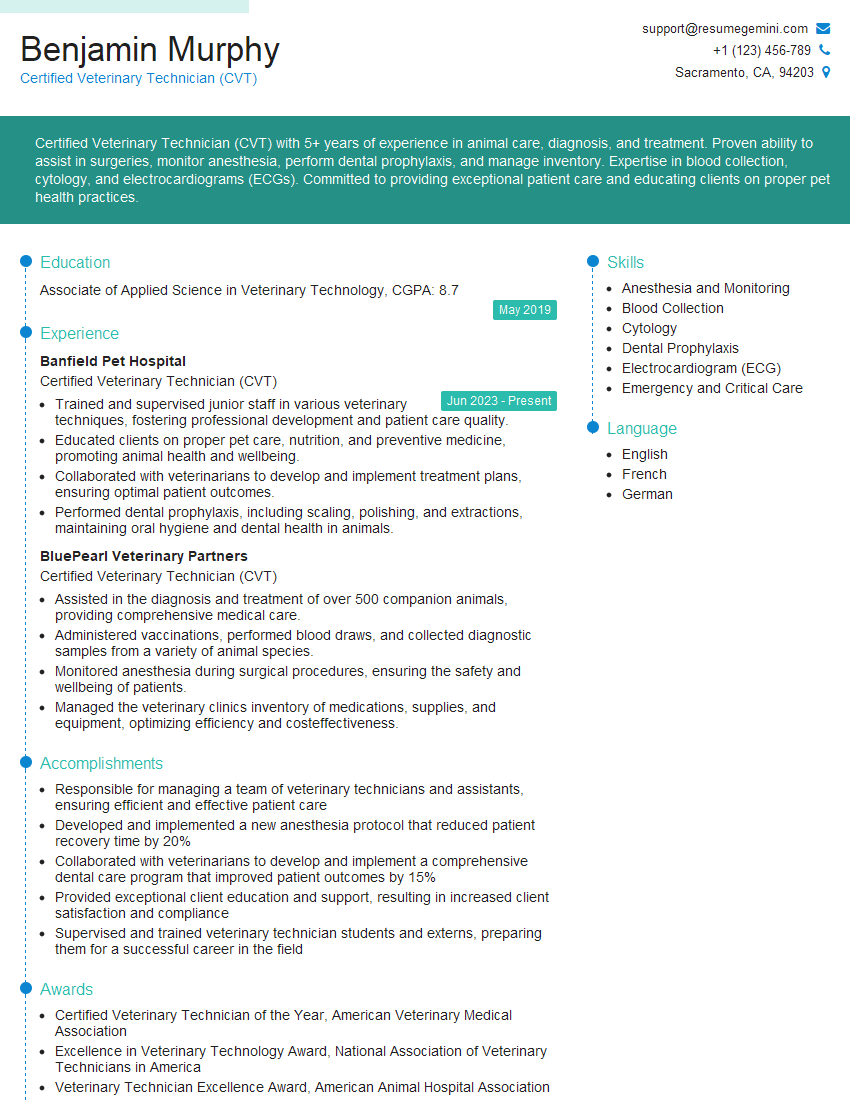
Certified Veterinary Technician (CVT) Resume Sample
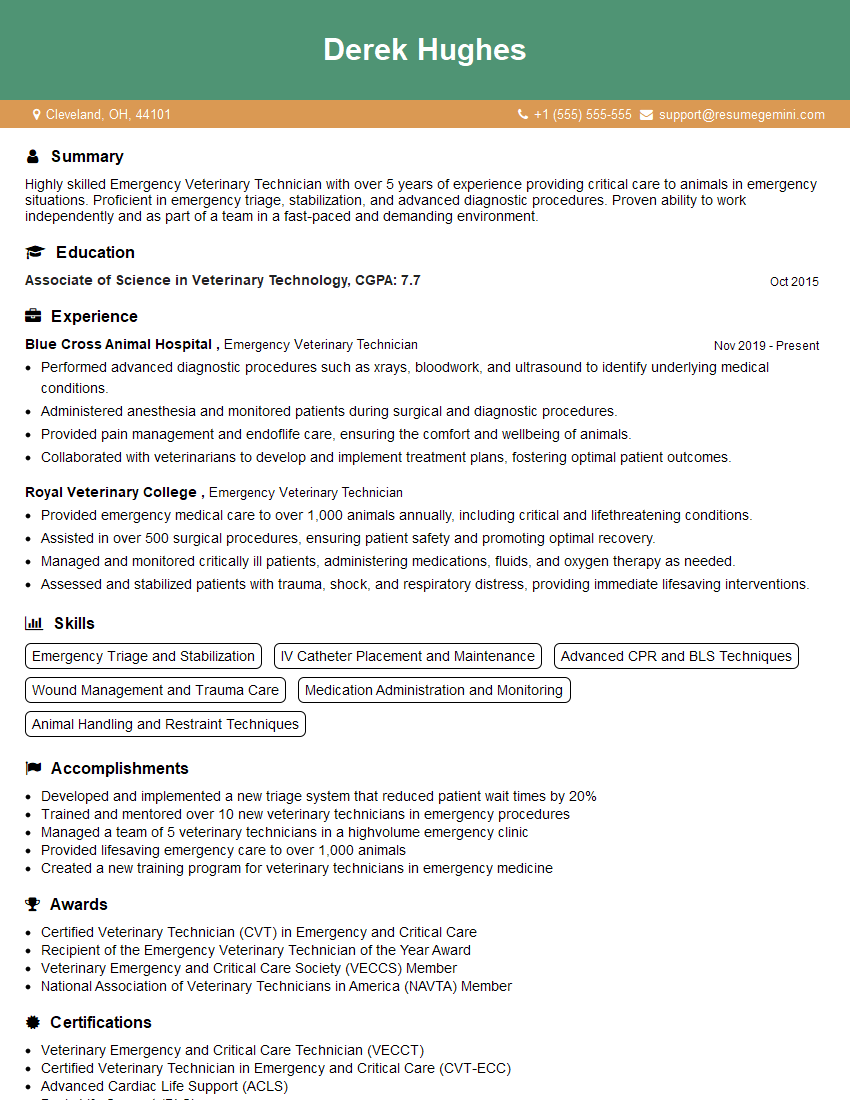
Emergency Veterinary Technician Resume Sample

Licensed Veterinary Technician (LVT) Resume Sample
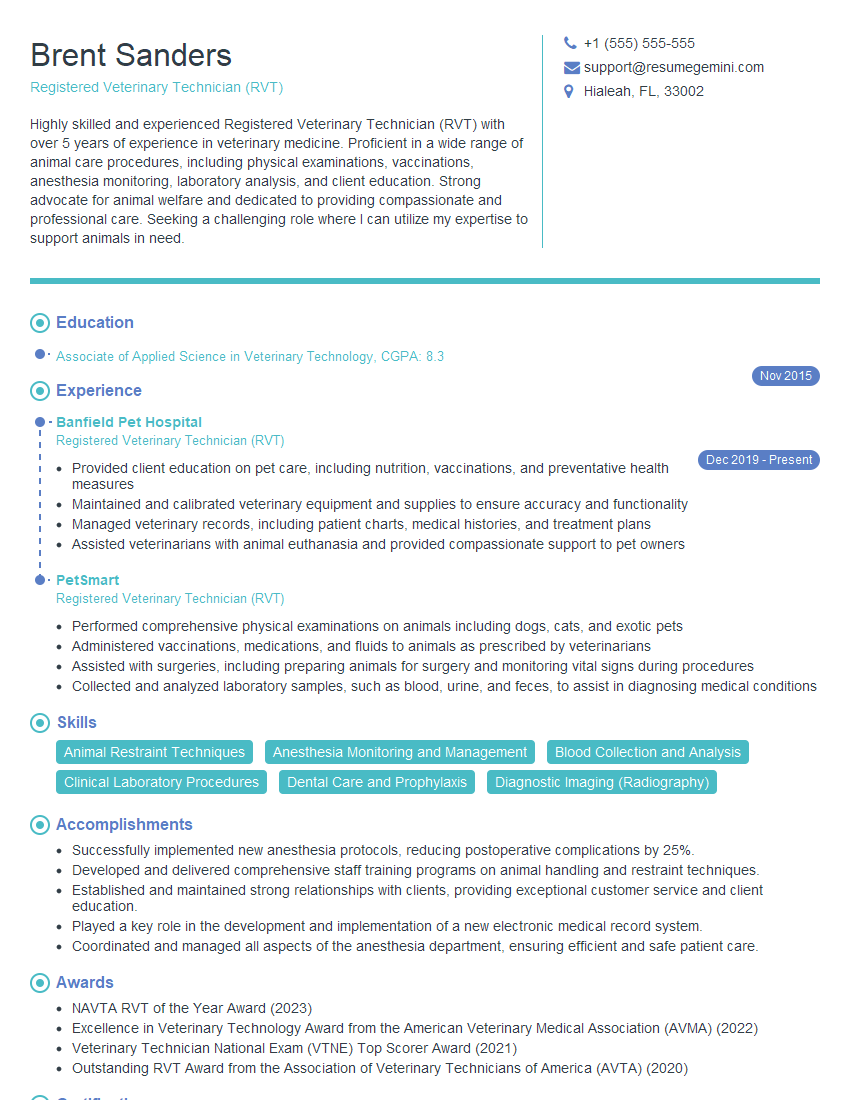
Registered Veterinary Technician (RVT) Resume Sample
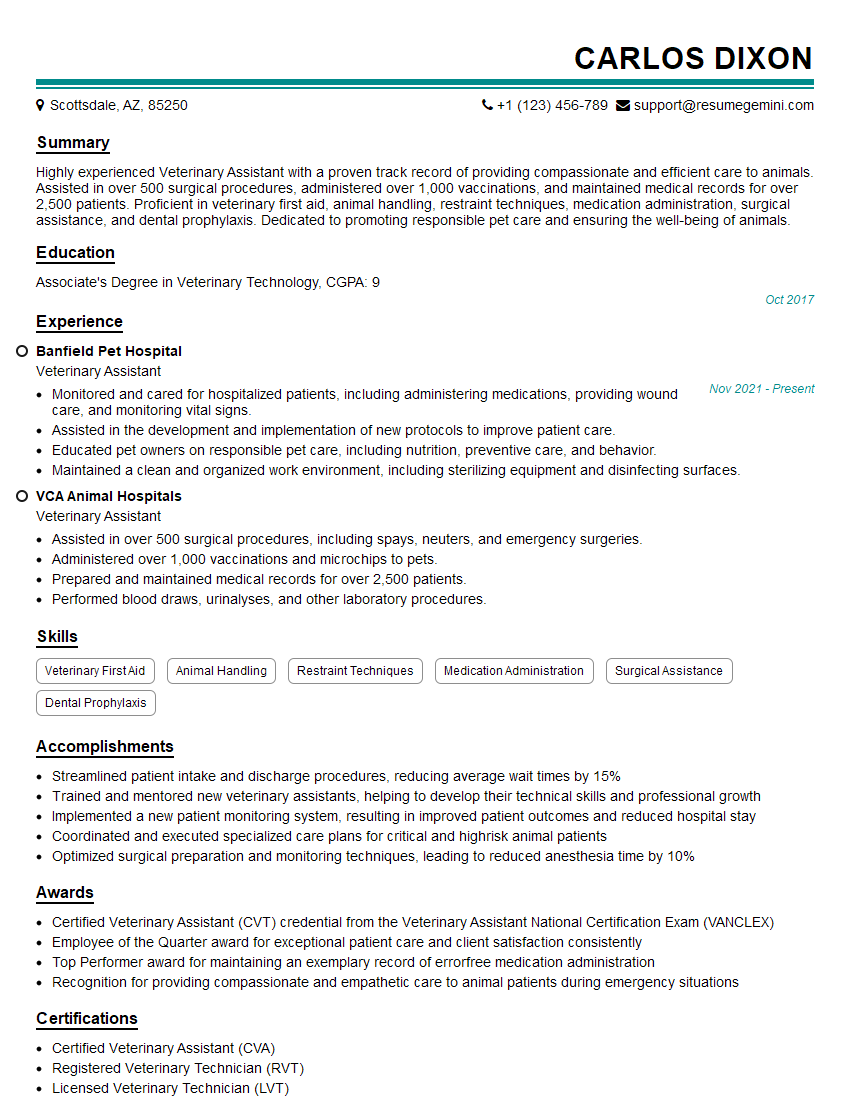
Veterinary Assistant Resume Sample
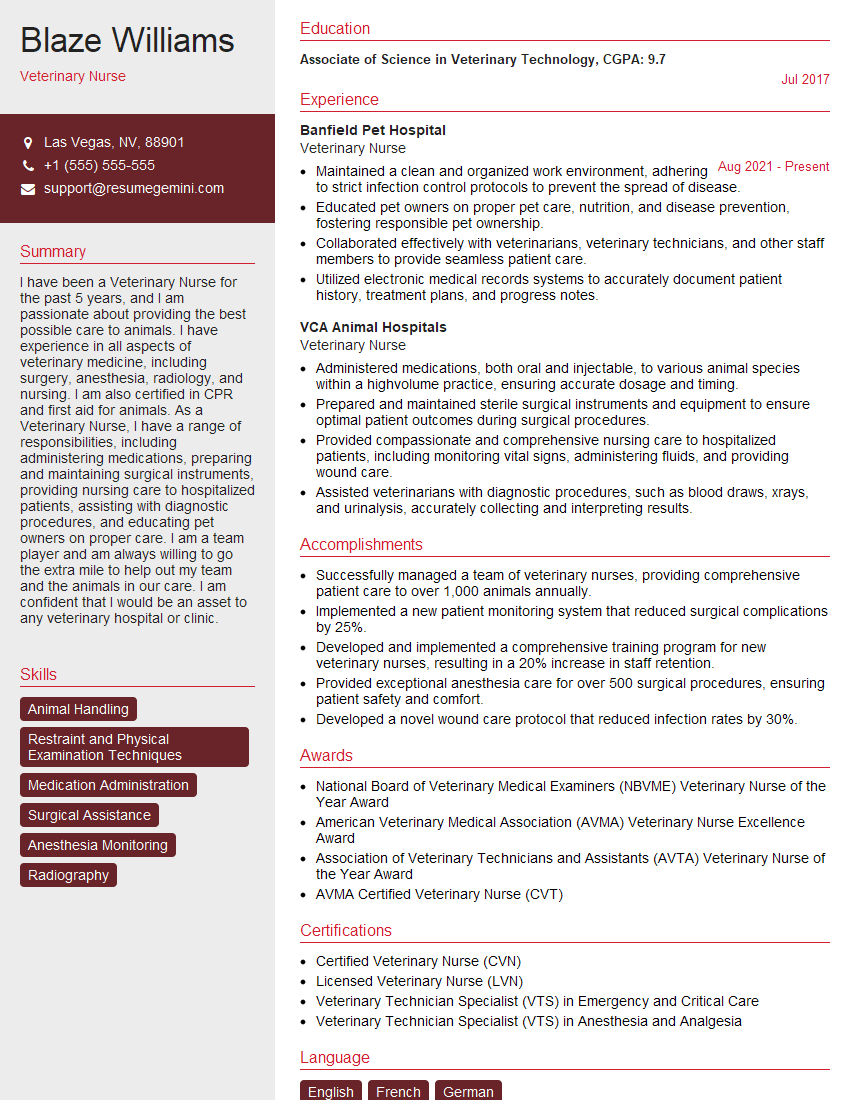
Veterinary Nurse Resume Sample
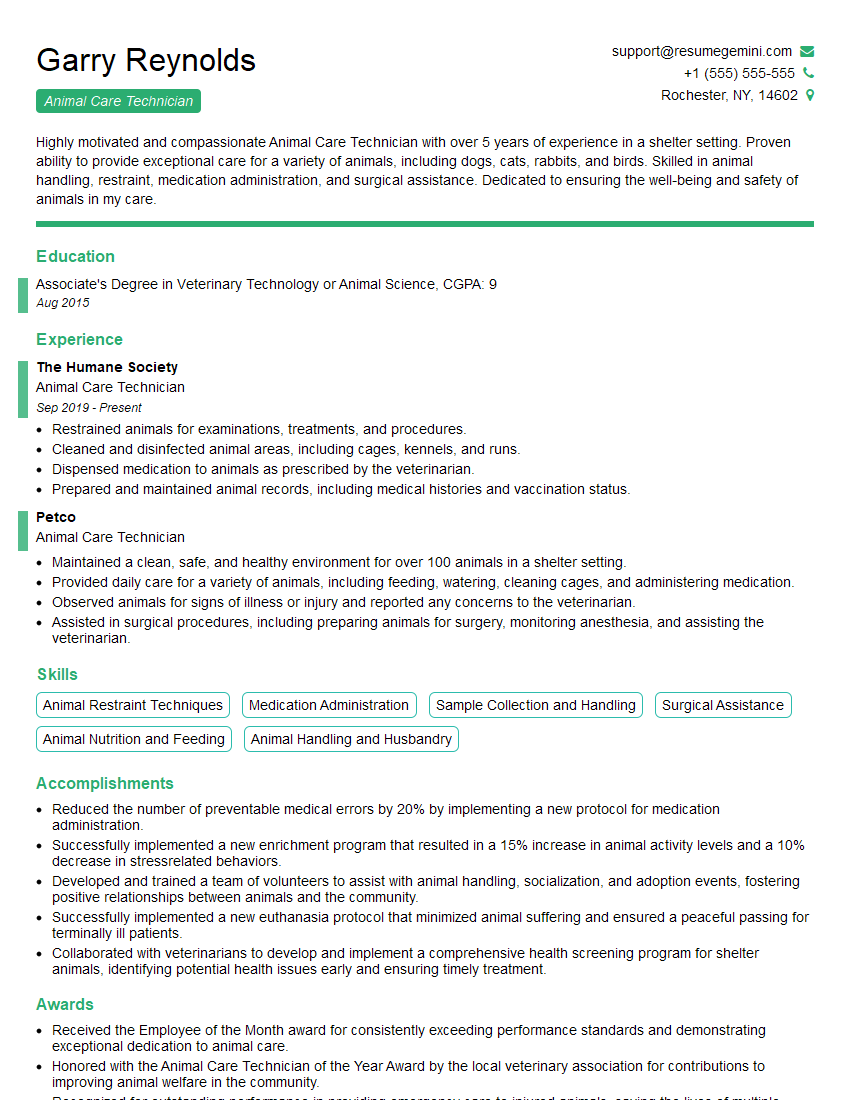
Animal Care Technician Resume Sample
Explore more articles
Users Rating of Our Blogs
Share Your Experience
We value your feedback! Please rate our content and share your thoughts (optional).
What Readers Say About Our Blog
Really detailed insights and content, thank you for writing this detailed article.
IT gave me an insight and words to use and be able to think of examples