Unlock your full potential by mastering the most common Weight Per Bushel Testing interview questions. This blog offers a deep dive into the critical topics, ensuring you’re not only prepared to answer but to excel. With these insights, you’ll approach your interview with clarity and confidence.
Questions Asked in Weight Per Bushel Testing Interview
Q 1. What is weight per bushel testing and why is it important?
Weight per bushel (WPBushel) testing is a crucial process in the agricultural industry, specifically for determining the weight of a specific volume (one bushel) of grain. It’s important because it provides a standardized measure of grain quality and quantity. This measure is vital for various reasons, including:
- Trading and Pricing: Buyers and sellers use WPBushel to determine the price of grain, as it directly reflects the grain’s density and overall quality. A higher WPBushel typically indicates better grain quality.
- Storage and Handling: Knowing the WPBushel helps in efficient storage and transportation planning. Higher density grains require less storage space and can be transported more economically.
- Yield Assessment: WPBushel data allows farmers to accurately assess their crop yields and make informed decisions about future planting and harvesting practices.
- Quality Control: Consistent WPBushel measurements help ensure that grain meets specific quality standards set by buyers or regulatory bodies.
Imagine trying to buy grain without a standardized measurement – it would be chaotic! WPBushel provides that standardization, ensuring fair transactions and efficient grain handling across the industry.
Q 2. Describe the different methods used for weight per bushel testing.
There are primarily two methods used for weight per bushel testing:
- Standard Weight Per Bushel Tester (using a bushel basket): This is a traditional method that involves filling a standardized bushel basket with the grain sample, ensuring even distribution, and then weighing it using a calibrated scale. This approach is simple and accessible, yet it can be somewhat subjective to the filling technique and can be prone to errors associated with even grain distribution. In this method, the weight of the filled bushel basket is measured and the tare weight (the weight of the empty basket) is subtracted to find the net weight of the grain.
- Electronic Weight Per Bushel Tester: Modern electronic testers automate the process. These instruments typically measure a precise volume of grain using a calibrated chamber, then weigh it electronically. This method is faster, more precise, and reduces human error associated with manual filling. Many electronic testers also calculate and display the moisture content alongside the WPBushel.
The choice between methods depends on factors like budget, required accuracy, and the volume of testing needed. Small-scale operations might opt for the standard method, while larger commercial operations often prefer the electronic method for its efficiency and precision.
Q 3. What are the standard weight per bushel values for common grains (e.g., wheat, corn, soybeans)?
Standard weight per bushel values vary depending on the grain type, its moisture content, and even the specific variety. However, here are approximate values commonly used for major grains in the United States (values can vary based on location and official standards):
- Wheat: 60 lbs/bushel
- Corn: 56 lbs/bushel
- Soybeans: 60 lbs/bushel
It’s crucial to remember that these are just general guidelines. Official standards and contractual agreements often dictate the specific WPBushel values accepted for trade. Always refer to the relevant standards for the specific grain and location involved in a transaction.
Q 4. Explain the impact of moisture content on weight per bushel.
Moisture content significantly impacts weight per bushel. Higher moisture content means more water weight in the grain sample, leading to a higher overall weight. This, however, doesn’t mean the grain is of better quality; it simply means it contains more water. When comparing samples, it’s essential to account for differences in moisture content to make a fair assessment of quality. Standardized weight per bushel values often assume a specific moisture content (often around 13-15%). Adjustments are typically made if the moisture content differs, which often involves correcting the weight to a standard moisture basis. This often requires applying a correction factor.
Q 5. How do you calculate the weight per bushel?
The calculation is straightforward:
Weight per bushel (lbs/bushel) = (Weight of grain in lbs) / (Volume of grain in bushels)
For example, if 62 pounds of wheat fills a 1-bushel basket, the weight per bushel is 62 lbs/bushel. With electronic testers, the calculation is automated; the machine directly provides the WPBushel value.
Q 6. What are the potential sources of error in weight per bushel testing?
Several factors can introduce errors in WPBushel testing:
- Inconsistent Filling: Not properly filling the bushel basket or measuring chamber leads to variations in grain volume.
- Moisture Content Variation: Differences in moisture content within the grain sample itself can affect the overall weight.
- Calibration Errors: Inaccurate calibration of scales or measuring devices can lead to significant errors.
- Sample Representativeness: The sample must accurately reflect the entire grain lot; otherwise, the measurement is biased.
- Temperature Fluctuations: Temperature changes can influence the grain’s volume and thus the WPBushel.
Careful attention to detail in each step of the process is crucial to minimizing these errors.
Q 7. How do you ensure accuracy and precision in weight per bushel measurements?
Ensuring accurate and precise WPBushel measurements requires a multi-faceted approach:
- Proper Calibration: Regularly calibrate scales and measuring equipment using certified weights and volumes.
- Consistent Filling Techniques: Standardize the filling process, perhaps by using specific tools or procedures to maintain consistent grain distribution.
- Representative Sampling: Take multiple samples from different locations within the grain lot to ensure a representative average.
- Moisture Content Determination: Use accurate moisture meters to determine the moisture content of the grain and correct the WPBushel accordingly using appropriate correction factors.
- Temperature Control: If possible, maintain a stable temperature during the testing procedure.
- Use of Standardized Equipment: Use officially approved and calibrated bushel baskets or electronic testers.
- Multiple Measurements: Perform multiple measurements and calculate the average to minimize random errors.
By following these guidelines and procedures, you can greatly increase the accuracy and reliability of your WPBushel measurements.
Q 8. Describe the equipment used in weight per bushel testing.
Weight per bushel testing requires specialized equipment to ensure accurate and consistent measurements. The core components include a precisely calibrated scale, a standard bushel measure (usually a cylindrical container with a specific volume, often 1.244 cubic feet, which is the legal definition of a bushel in many regions), and tools for handling the grain sample (such as a scoop or a small shovel).
The scale must be capable of measuring the weight of the grain within a small margin of error, typically to the nearest tenth of a pound or even gram depending on the precision required. The bushel measure needs to be clean, free from damage or dents, and ideally made of a non-reactive material to avoid contamination or weight changes. Some advanced setups may include automated systems to reduce manual handling and minimize human error.
Q 9. How do you calibrate and maintain weight per bushel testing equipment?
Calibration and maintenance are crucial for reliable weight per bushel testing. The scale should be calibrated regularly using certified weights, following the manufacturer’s instructions. This typically involves placing known weights on the scale and adjusting it until it accurately reflects those weights. The calibration frequency depends on usage and the scale’s sensitivity; more frequent calibration is needed for high-volume testing or with highly sensitive equipment.
The bushel measure should also be inspected regularly for damage or wear. Any significant dents or imperfections can alter its volume, leading to inaccurate results. It should be cleaned thoroughly after each use to prevent residual grain from affecting subsequent measurements. Keeping detailed records of calibration and maintenance is essential for traceability and quality assurance. These records serve as proof that the testing adheres to established standards.
Q 10. What are the regulatory requirements for weight per bushel testing in your region?
Regulatory requirements for weight per bushel testing vary by region and the type of grain. In many jurisdictions, official standards are set by agricultural departments or similar agencies. These standards often specify the acceptable tolerance levels for measurement error, the required calibration procedures, and the methods for handling samples. For instance, some regulations dictate the moisture content adjustment needed before weight per bushel is calculated, accounting for the weight of the water within the grain sample. Non-compliance can lead to penalties, fines, or rejection of grain shipments. Always check local and national regulations and adhere to the specific standards relevant to the grain and the region where testing is conducted.
Q 11. How do you handle outliers or inconsistent results in weight per bushel data?
Outliers or inconsistent results in weight per bushel data require careful investigation. The first step is to visually inspect the data, looking for any obvious errors or anomalies. Reasons for outliers might include sampling errors (non-representative samples), equipment malfunctions (a scale that’s slightly off), or contamination in the sample.
If the outlier is clearly due to an error, it should be removed or corrected. If the cause is unclear, additional tests might be necessary to verify the results. Statistical methods, such as calculating the mean and standard deviation, can help to identify outliers that fall outside a certain range. A robust approach is often to repeat the testing with a new, carefully-collected sample. Detailed records are helpful to understand the context of the data and trace the source of any discrepancies.
Q 12. What are the implications of inaccurate weight per bushel measurements?
Inaccurate weight per bushel measurements have significant implications across the grain industry. For producers, inaccurate measurements can lead to incorrect pricing, resulting in either financial losses or unfair gains. Buyers might overpay or underpay for grain, disrupting market fairness. Inaccurate testing also affects grading and quality assessment of grain. This can hinder fair trading practices and create disputes between buyers and sellers. Inaccurate weight per bushel values can affect the precise quantity of grains used in processing or blending, creating inconsistent product quality.
Q 13. Explain the relationship between weight per bushel and grain quality.
Weight per bushel is closely related to grain quality. A higher weight per bushel generally indicates higher grain density, which often correlates with better quality. Factors contributing to this include higher grain protein content, smaller kernel size (more kernels per unit volume), and lower moisture content. However, it’s essential to remember that weight per bushel alone isn’t a complete measure of quality. Other factors such as damaged kernels, foreign material, and the level of test weight are crucial in the complete quality evaluation. For example, a grain sample with a high weight per bushel but high levels of broken kernels might still be considered lower quality due to processing issues.
Q 14. How does temperature affect weight per bushel results?
Temperature significantly affects weight per bushel results, primarily due to changes in the moisture content of the grain. Higher temperatures can cause moisture evaporation, leading to a lower weight per bushel. Conversely, lower temperatures can increase moisture content, potentially resulting in a higher weight per bushel. To address this, many standards require adjustments to the weight per bushel based on moisture content, often using standardized moisture correction formulas specific to the grain type. In practice, this often involves weighing a sample, determining moisture content (usually via a moisture meter), then calculating the weight per bushel at a standard moisture level, typically 13-15%, depending on the standards for the specific grain type. Ignoring temperature effects introduces significant errors into the measurements and can affect trading and pricing of the grain.
Q 15. How do you document and report weight per bushel results?
Weight per bushel results are meticulously documented and reported to ensure accuracy and traceability. My standard procedure involves creating a detailed report that includes:
- Sample Identification: This includes the grain type, source, date of sampling, and any relevant identifiers (e.g., farm lot number).
- Testing Method: Clearly stating the specific method used (e.g., official method of the Association of Official Agricultural Chemists (AOAC) or other relevant standard).
- Sample Preparation: A detailed description of how the sample was prepared, including cleaning and any necessary adjustments for moisture content.
- Raw Data: This includes the weight of the sample, the volume of the container, and any relevant calculations.
- Calculated Weight per Bushel: The final result, expressed in pounds per bushel (lb/bu) or kilograms per hectoliter (kg/hl), with the appropriate number of significant figures.
- Analyst’s Signature and Date: For verification and accountability.
- Quality Control Data: Any data related to quality control checks performed, such as weighing instrument calibration.
The report is often accompanied by a chain of custody document, particularly if the results are to be used for legal or commercial purposes. This ensures the integrity of the sample throughout the testing process.
For instance, in a recent soybean analysis, I documented the moisture content adjustment applied before calculating the weight per bushel to ensure the result accurately reflected the dry weight. This adjustment is crucial for fair trading and quality assessment.
Career Expert Tips:
- Ace those interviews! Prepare effectively by reviewing the Top 50 Most Common Interview Questions on ResumeGemini.
- Navigate your job search with confidence! Explore a wide range of Career Tips on ResumeGemini. Learn about common challenges and recommendations to overcome them.
- Craft the perfect resume! Master the Art of Resume Writing with ResumeGemini’s guide. Showcase your unique qualifications and achievements effectively.
- Don’t miss out on holiday savings! Build your dream resume with ResumeGemini’s ATS optimized templates.
Q 16. Describe your experience with different types of grain samples.
My experience spans a wide variety of grain samples, encompassing both major and minor crops. I’ve worked with various cereals like wheat, corn, barley, oats, and rye, as well as legumes such as soybeans, peas, and lentils. I’ve also handled oilseeds like sunflower seeds and canola. Each grain type presents its own unique challenges due to differences in size, shape, density, and moisture content. For example, corn kernels are larger and more irregular in shape compared to the smaller, more uniform wheat grains. This affects the packing efficiency and consequently the weight per bushel.
Beyond the common grains, I’ve also encountered less common samples, requiring adaptable sample preparation techniques. This includes dealing with samples containing foreign material, requiring thorough cleaning and careful attention to avoid introducing bias. Experiences like this highlight the importance of having a solid understanding of grain characteristics and the ability to adapt testing procedures accordingly.
Q 17. How do you prepare a grain sample for weight per bushel testing?
Proper sample preparation is paramount for accurate weight per bushel testing. The goal is to obtain a representative subsample from the larger bulk sample, ensuring that the tested portion accurately reflects the overall weight per bushel. My procedure generally includes:
- Cleaning: The initial step involves removing any foreign material, such as sticks, stones, or weed seeds. This is done by hand or using appropriate screening equipment.
- Mixing: The cleaned sample is thoroughly mixed to ensure homogeneity. This prevents biases caused by uneven distribution of grain characteristics (e.g., broken kernels).
- Subsampling: A representative subsample is taken using techniques such as the cone and quarter method to ensure randomness and avoid bias.
- Moisture Determination (Optional): Depending on the requirements, the moisture content of the subsample may be determined using a moisture meter. This is often done so the weight per bushel can be reported on a dry weight basis.
- Weighing and Measuring: The subsample is weighed and its volume measured in a calibrated container (often a bushel or hectoliter measure).
For example, when dealing with a sample of wheat with a significant amount of chaff, I’d carefully remove the chaff to ensure the final weight per bushel reflects the actual wheat weight. Thorough cleaning is essential for obtaining meaningful results.
Q 18. What are the limitations of weight per bushel testing?
While weight per bushel testing provides a valuable measure of grain quality, it has several limitations:
- Doesn’t reflect internal quality: Weight per bushel doesn’t provide information about the internal quality of the grain, such as protein content, germination rate, or the presence of mycotoxins.
- Affected by moisture content: The weight per bushel varies significantly with moisture content. Results must be adjusted for moisture content to ensure accurate comparison.
- Grain damage and breakage: Broken or damaged kernels will affect the packing efficiency, leading to inaccurate results.
- Variability in grain shape and size: Different grain varieties, even of the same type, can have different shapes and sizes, impacting packing and hence the weight per bushel.
- Temperature effects: Temperature can also influence density, affecting test results.
Therefore, weight per bushel should be considered as one parameter among many when assessing grain quality. It’s essential to combine it with other tests to get a comprehensive picture of the grain’s quality.
Q 19. How do you troubleshoot common problems encountered during weight per bushel testing?
Troubleshooting weight per bushel testing involves systematic investigation. Common problems include inconsistent results, unusually high or low weights, and discrepancies between replicates. My approach is to systematically investigate these issues:
- Calibration check: Verify the calibration of weighing scales and measuring containers. A simple weight check of known masses ensures accuracy.
- Sample preparation review: Check the thoroughness of cleaning, mixing, and subsampling procedures. Inconsistent sample preparation can lead to inaccurate results.
- Replicate analysis: Perform additional replicates to determine the reproducibility of the test. Significant deviations from the mean warrant further investigation.
- Moisture content assessment: If moisture content was not previously measured, determine it to correct for its effect on weight per bushel.
- Equipment inspection: Check for any damage or wear and tear to the testing equipment. Any issues should be addressed before continuing tests.
For example, if consistently low weights are obtained, I’d first check the calibration of the scale and then review the sample preparation to rule out any loss of material during cleaning or handling. This systematic approach is key to ensuring accurate and reliable test results.
Q 20. Describe your experience with statistical analysis of weight per bushel data.
Statistical analysis is crucial for interpreting weight per bushel data, especially when dealing with multiple samples. I routinely use descriptive statistics to summarize the data, including calculating the mean, standard deviation, and range. This gives an indication of the central tendency and variability of the results. For example, a large standard deviation suggests significant variability within the sample or a problem with the testing procedure. I might use a t-test to compare the weight per bushel of two different grain samples to see if there’s a statistically significant difference. Analysis of Variance (ANOVA) is useful when comparing more than two samples.
Furthermore, I use control charts to monitor the weight per bushel over time. This enables the identification of trends or shifts in weight that may indicate a problem in the farming or handling practices. This statistical approach is crucial for quality control and helps to identify potential problems early on.
Q 21. What quality control measures do you implement during weight per bushel testing?
Rigorous quality control measures are implemented throughout the weight per bushel testing process to ensure the accuracy and reliability of the results. These measures include:
- Calibration of equipment: Regular calibration of weighing scales and measuring containers using certified weights and volumes is essential.
- Replicate analysis: Multiple replicates are performed on each sample to assess the reproducibility of the test. The acceptable range of variability is defined and any significant deviation warrants further investigation.
- Blind samples: Periodically, blind samples with known weight per bushel values are included in the testing run to verify the accuracy of the testing procedure and the analyst’s performance. This acts as an independent check.
- Documentation: Detailed documentation of all steps, including sample identification, preparation methods, raw data, calculations, and quality control checks, ensures traceability and transparency.
- Regular maintenance: Regular maintenance of equipment is crucial to prevent malfunctions and ensure accurate measurements.
These quality control measures ensure that the weight per bushel results are accurate, reliable, and consistently meet high standards of quality. Adherence to these procedures is critical to maintain the credibility of the testing results and to ensure fair and accurate trading.
Q 22. How do you ensure the safety and integrity of samples during testing?
Ensuring sample integrity and safety in weight per bushel testing is paramount for accurate results. We utilize several key methods. First, samples are collected in clean, sealable containers to prevent contamination or moisture loss. The containers are clearly labeled with a unique identifier, date, and sample origin. During transport, samples are carefully handled to avoid damage or spillage; we often use padded containers for fragile grains. Once in the lab, samples are stored in a controlled environment to maintain their original condition, usually in a cool, dry place. This prevents changes in moisture content, which significantly impacts weight per bushel readings. For example, a sample left exposed to high humidity will absorb moisture, leading to an artificially high weight per bushel.
Q 23. What is your experience with different types of scales used in weight per bushel testing?
My experience encompasses a wide range of scales used in weight per bushel testing. I’m proficient with both traditional mechanical scales and modern digital scales. Mechanical scales, while reliable, require meticulous calibration and are prone to slight inaccuracies depending on user technique. Digital scales, on the other hand, offer greater precision and often include features like automatic tare weighing (subtracting the weight of the container) which streamlines the process. I’ve also worked with scales designed specifically for agricultural applications, featuring features like larger platforms for bulk samples and integrated data logging capabilities. The choice of scale depends on the testing volume, required accuracy, and available budget. For instance, for high-throughput testing, a digital scale with data logging is ideal; for smaller scale operations, a well-maintained mechanical scale might suffice. Calibration is crucial irrespective of the scale type; I always adhere to rigorous calibration protocols using certified weights to maintain accuracy.
Q 24. Explain the importance of proper sample handling and preparation.
Proper sample handling and preparation are the cornerstones of accurate weight per bushel testing. Improper handling can introduce significant errors. The goal is to obtain a representative sample that accurately reflects the entire lot being tested. This begins with the initial sampling procedure – following established guidelines for obtaining a composite sample from multiple locations within a larger grain bin, for example, using a grain probe. Once collected, the sample must be thoroughly mixed to ensure uniformity before sub-sampling for testing. Any foreign material, such as rocks or debris, must be removed. Excessive drying or exposure to moisture should also be avoided. Consider a scenario where only a portion of a grain sample is analyzed – if this portion is not truly representative, the weight per bushel reading will be inaccurate and misleading. Thorough preparation ensures that the final tested sample is representative and produces reliable results.
Q 25. How do you interpret weight per bushel results in the context of market values?
Weight per bushel results directly influence market values for grains and other agricultural commodities. A higher weight per bushel generally indicates greater density and potentially higher quality, leading to a better price. For example, wheat with a high weight per bushel suggests a larger amount of grain per unit volume, resulting in greater yield. This information is used by buyers and sellers to negotiate prices. However, it is crucial to remember that weight per bushel alone isn’t the only factor. Other quality parameters, like protein content and moisture, must also be considered. Buyers will use the weight per bushel in conjunction with other quality metrics to establish a fair price. In essence, weight per bushel serves as a crucial indicator, but not the sole determinant, of market value.
Q 26. How do you ensure traceability of samples and results?
Traceability is vital to ensure the integrity of the weight per bushel testing process. We achieve this by employing a robust system of documentation and record-keeping. Each sample is assigned a unique identification number, linked to its origin, date, time of collection, and the individual who collected it. All testing procedures are meticulously documented, including scale calibration data, sample preparation steps, and the weight per bushel results. This detailed information is logged into a database that allows for easy retrieval and verification. A chain of custody is maintained, ensuring that the sample’s integrity can be tracked throughout the entire process. This rigorous approach is essential for resolving disputes, ensuring quality control, and meeting regulatory requirements.
Q 27. Describe a time you had to solve a problem related to weight per bushel testing.
In one instance, we experienced unexpectedly low weight per bushel readings for a large batch of corn. Initial testing indicated a possible issue with the sample itself, leading to concern over data accuracy. We systematically investigated potential sources of error. First, we verified the scale’s calibration, confirming its accuracy. We then reviewed the sample handling and preparation procedures, ensuring that proper mixing and cleaning had occurred. After carefully re-examining the sampling process, we discovered that the initial samples had been collected from only one section of the silo, which hadn’t been adequately mixed. This resulted in a non-representative sample. By collecting and testing new composite samples across various silo locations, we obtained significantly more consistent and realistic weight per bushel readings. This case highlighted the importance of rigorous quality control procedures and the need to meticulously verify all steps in the testing process.
Q 28. How do you stay updated on the latest advancements in weight per bushel testing techniques?
Staying current in weight per bushel testing requires continuous professional development. I actively participate in workshops and conferences organized by agricultural associations. I subscribe to relevant industry journals and publications, and regularly review scientific literature on advancements in grain measurement techniques. Furthermore, I engage with online forums and discussion groups dedicated to agricultural testing methodologies, allowing for the exchange of best practices and insights with other professionals in the field. Staying informed ensures that I utilize the most accurate and efficient methods to deliver reliable results.
Key Topics to Learn for Weight Per Bushel Testing Interview
- Principles of Weight Per Bushel (WPB) Measurement: Understanding the fundamental concepts behind WPB testing, including the significance of sample size, testing procedures, and the various types of equipment used.
- Factors Affecting WPB: Analyzing the influence of moisture content, grain size, and density on WPB results. This includes understanding how these factors impact quality and market value.
- Calibration and Maintenance of Testing Equipment: Knowing the importance of accurate calibration and regular maintenance of WPB testing devices to ensure reliable and consistent results. This also involves understanding potential sources of error and how to mitigate them.
- Data Analysis and Interpretation: Mastering the skills to accurately record, analyze, and interpret WPB data. This includes understanding statistical concepts relevant to WPB testing and drawing meaningful conclusions from the results.
- Quality Control and Assurance in WPB Testing: Understanding the role of WPB testing in quality control and assurance within agricultural and food processing industries. This involves understanding best practices and regulatory requirements.
- Practical Applications of WPB Testing: Exploring real-world examples of WPB testing across various industries, such as agriculture, food processing, and quality control.
- Troubleshooting Common Issues: Developing problem-solving skills to identify and address common challenges encountered during WPB testing, including discrepancies in results and equipment malfunctions.
Next Steps
Mastering Weight Per Bushel testing opens doors to exciting career opportunities in agriculture, food science, and quality control. A strong understanding of WPB principles is highly valued by employers and can significantly enhance your career prospects. To make your application stand out, creating a compelling, ATS-friendly resume is crucial. We strongly encourage you to leverage ResumeGemini, a trusted resource for building professional and effective resumes. ResumeGemini offers examples of resumes tailored to Weight Per Bushel Testing positions, giving you a head start in presenting your qualifications effectively. Take the next step towards your dream career – build a winning resume today!

Operations Manager Resume Sample

Quality Assurance Manager Resume Sample

Production Supervisor Resume Sample

Supply Chain Manager Resume Sample

Warehouse Manager Resume Sample
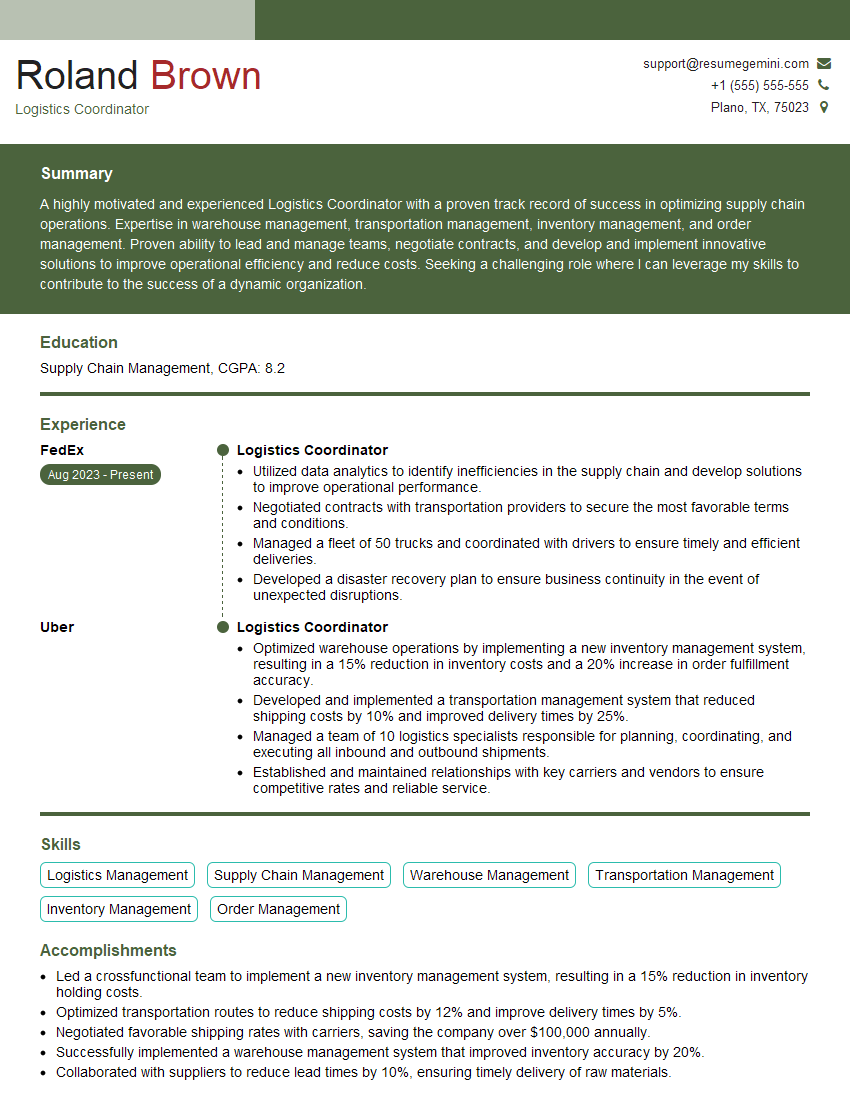
Logistics Coordinator Resume Sample
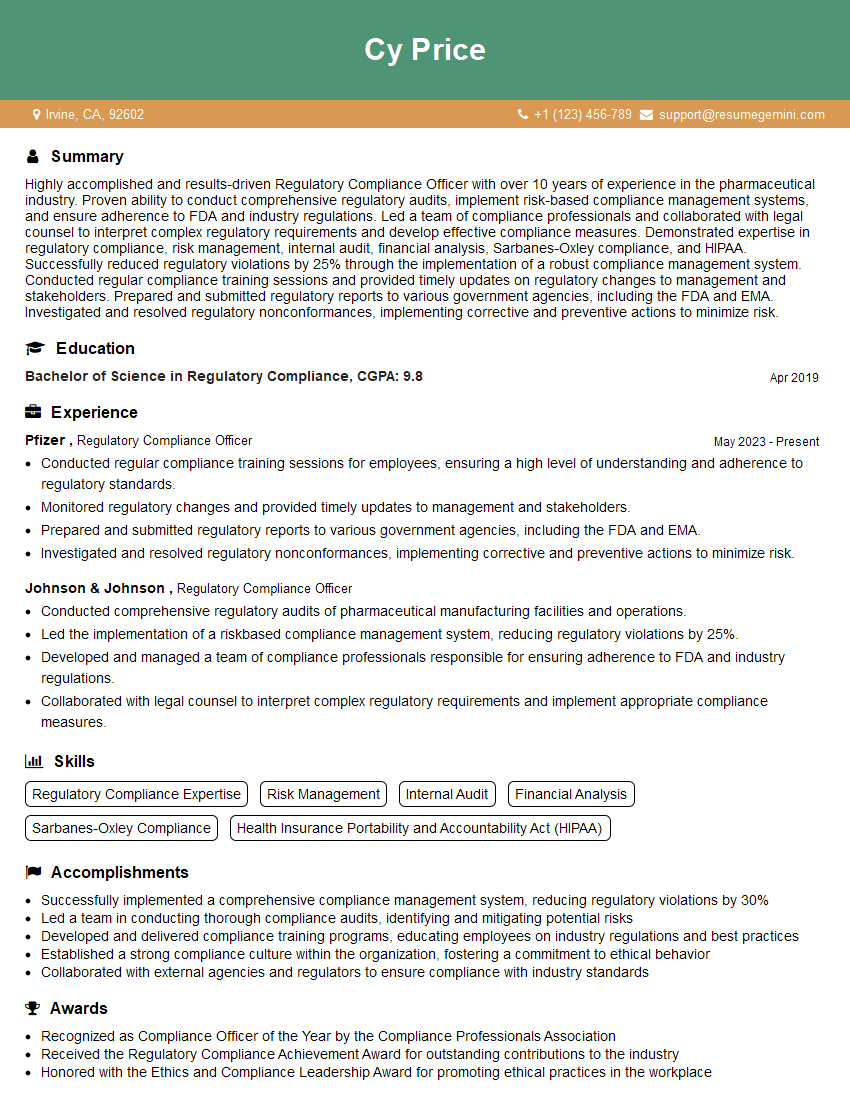
Regulatory Compliance Officer Resume Sample

Grain Buyer Resume Sample

Quality Control Analyst Resume Sample

Process Engineer Resume Sample

Research Scientist Resume Sample
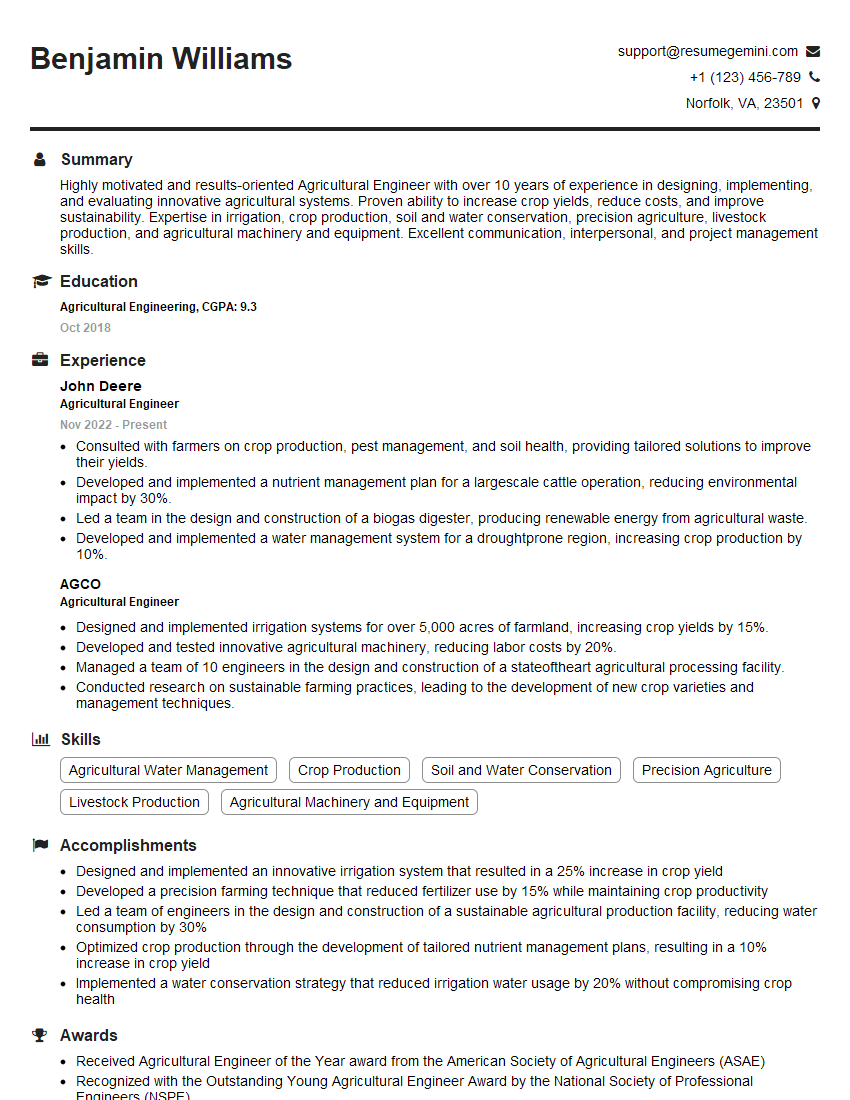
Agricultural Engineer Resume Sample

Quality Control Specialist Resume Sample

Laboratory Technician Resume Sample
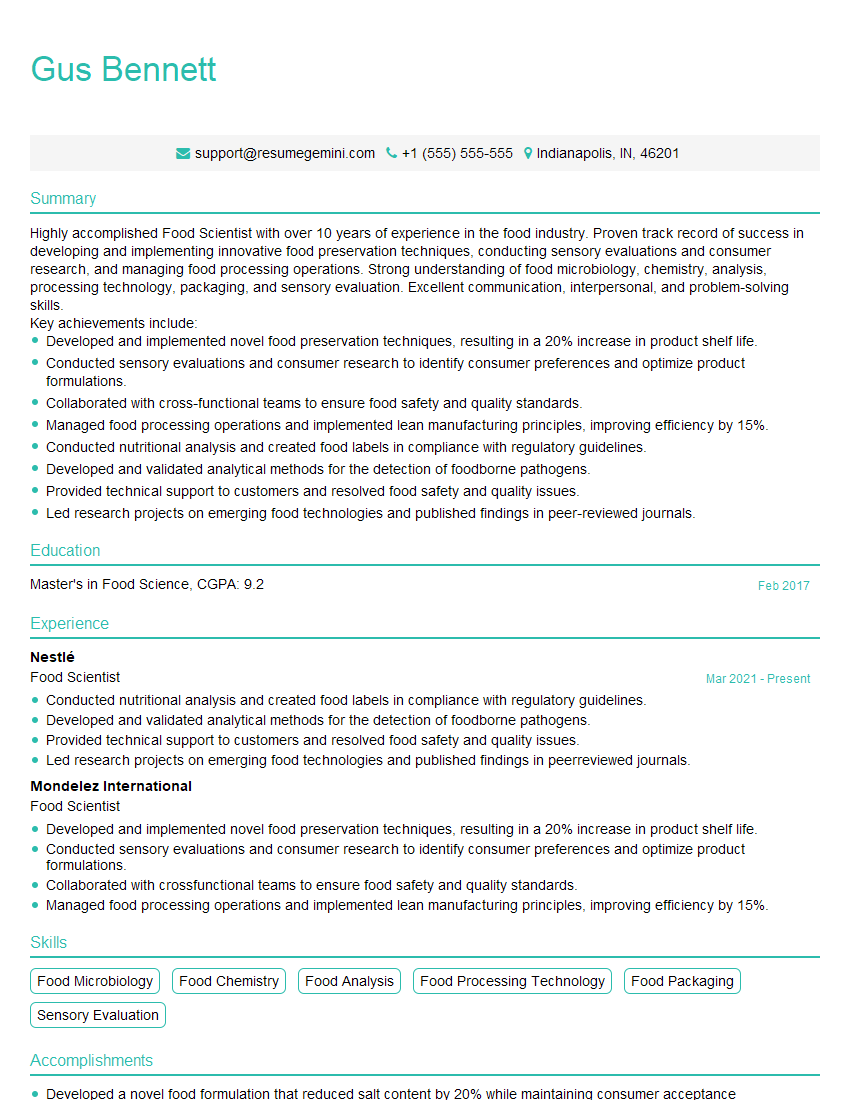
Food Scientist Resume Sample

Analytical Chemist Resume Sample

Commodity Trader Resume Sample

Grain Inspector Resume Sample
- Operations Manager
- Quality Assurance Manager
- Production Supervisor
- Supply Chain Manager
- Warehouse Manager
- Logistics Coordinator
- Regulatory Compliance Officer
- Grain Buyer
- Quality Control Analyst
- Process Engineer
- Research Scientist
- Agricultural Engineer
- Quality Control Specialist
- Laboratory Technician
- Food Scientist
- Analytical Chemist
- Commodity Trader
- Grain Inspector
Explore more articles
Users Rating of Our Blogs
Share Your Experience
We value your feedback! Please rate our content and share your thoughts (optional).
What Readers Say About Our Blog
Really detailed insights and content, thank you for writing this detailed article.
IT gave me an insight and words to use and be able to think of examples